
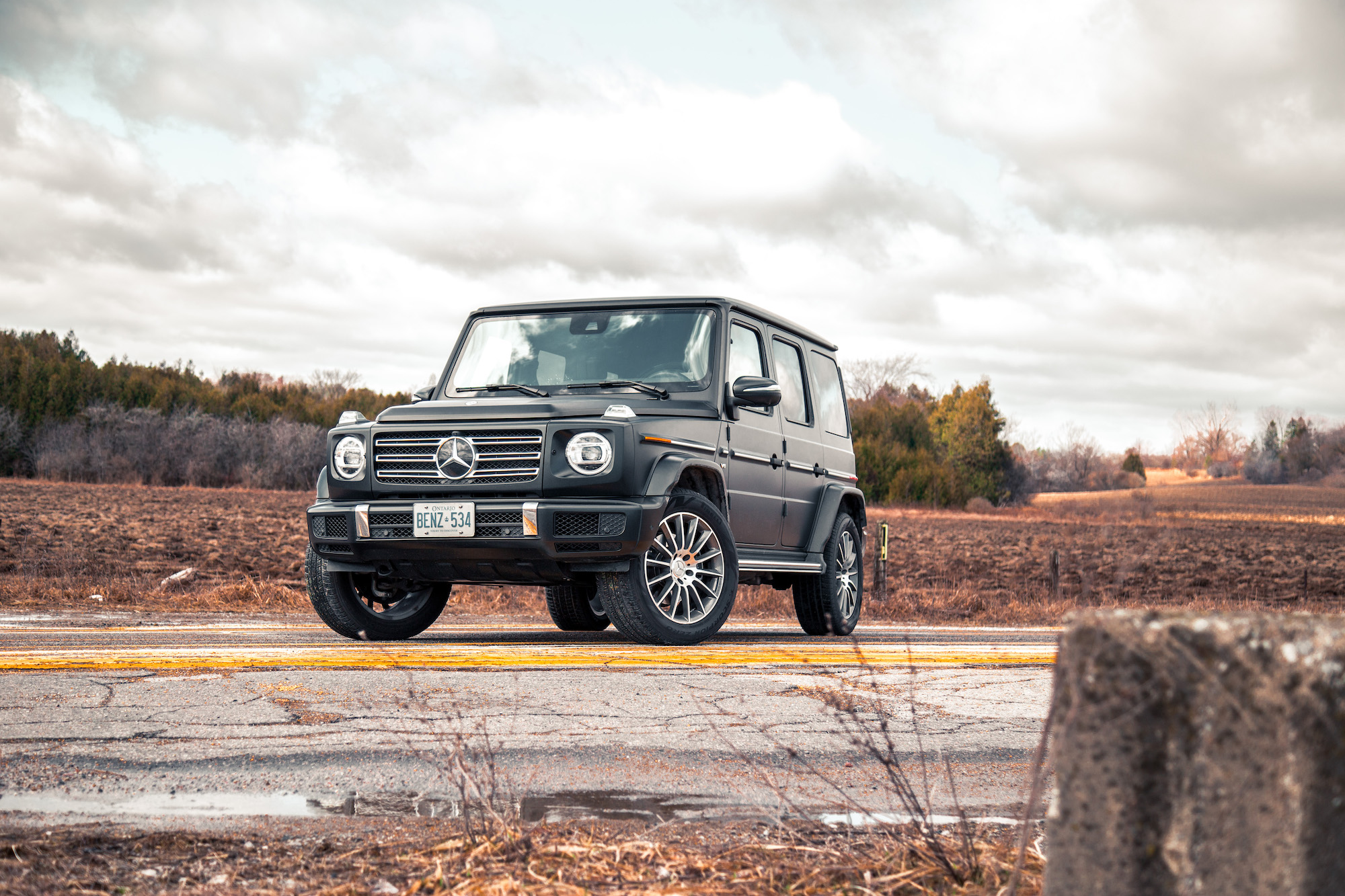
The Geländewagen is the longest-running vehicle in the Mercedes-Benz portfolio (aside from the Unimog), initially developed as a military vehicle 40 years ago and eventually offered as a civilian vehicle in 1979. Over the decades, the G-Class has served in over 60 armies and captured the attention of off-road enthusiasts due to its rugged structure and impressive military resume. However, it has also taken on many unique forms and body styles throughout its automotive tenure. There was a cabriolet variant once upon a time that donned a soft-top roof and foldable windshield, a lunatic six-wheel drive version that was surprisingly deemed road-legal, an armoured G-Class wrapped in bulletproof glass for a presidential motorcade, and it was even converted into a Popemobile during John Paul II’s visit to Germany in 1980.
By automotive standards, the G-Class is a dinosaur trying to keep up with the newest crop of modern SUVs replete with semi-autonomous driving aids and hybrid powertrains. There is really no clear-cut explanation on why the G has survived this long. It’s essentially a six-figure SUV with the aerodynamic properties of a brick, and it doesn’t even come with a proper cup holder. So what gives the G such global and timeless appeal?
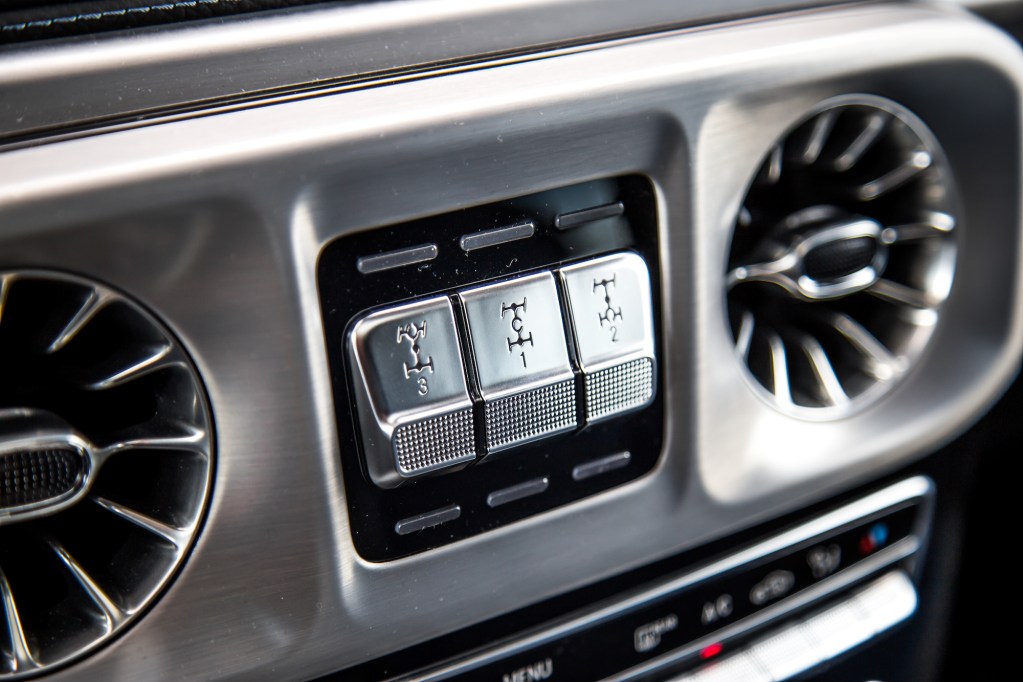
It’s difficult to boil our attraction down to an exact science but the G-Class emanates with such magnetism that you feel on top of the world when piloting one, both literally and figuratively. And it’s not just because of its high driving position, authentic rifle-bolt door locks, massive grab handle on the passenger-side dash, three differential lock buttons that 99% of owners will never use, or that the G is the SUV of choice for celebrities and political elites, but it’s because of the history, charm, and defiance of societal norms that makes the G-Wagon a status symbol amongst the public. It has become the quintessential automotive contradiction of an overengineered off-roader that will seldom venture out of the urban jungle.
For 2019, Mercedes has enhanced the Geländewagen (German for ‘cross-country vehicle’) with a range of significant changes, aiming to preserve its core values while making it a more comfortable, usable, and practical all-around SUV, something its target demographic would surely appreciate. Less of a rudimentary tool and more of a civilized cruiser, Mercedes has kept the ladder frame chassis, three differential locks, and both low- and high-range gear ratios, but has added their latest suite of gadgets and gizmos, a new independent front suspension, electric power steering, and swaths of their softest leather for the newly styled interior.
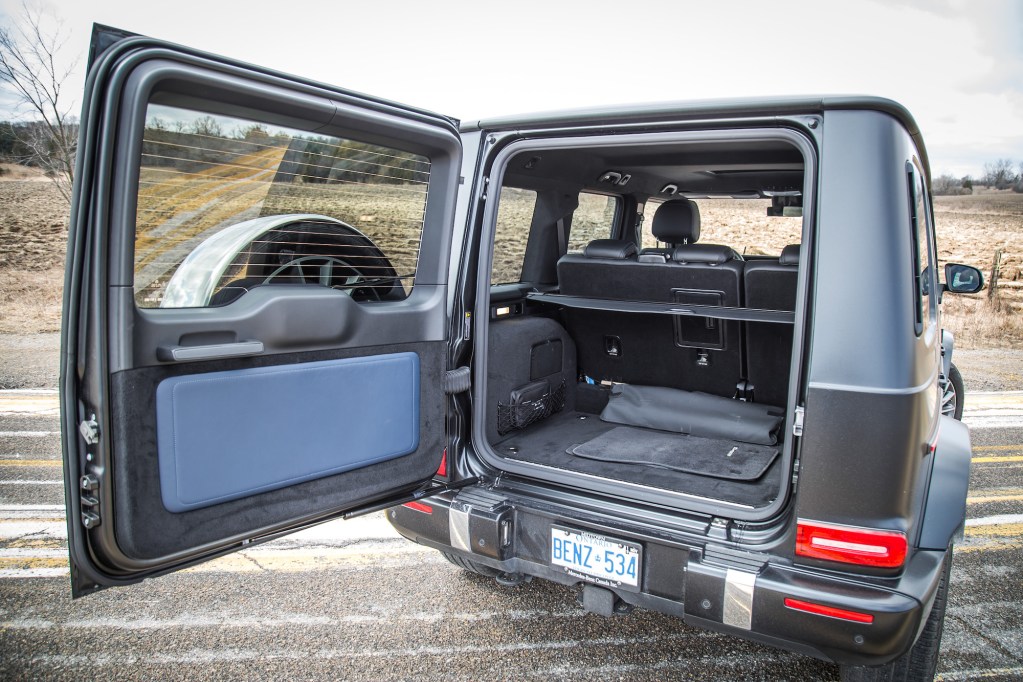
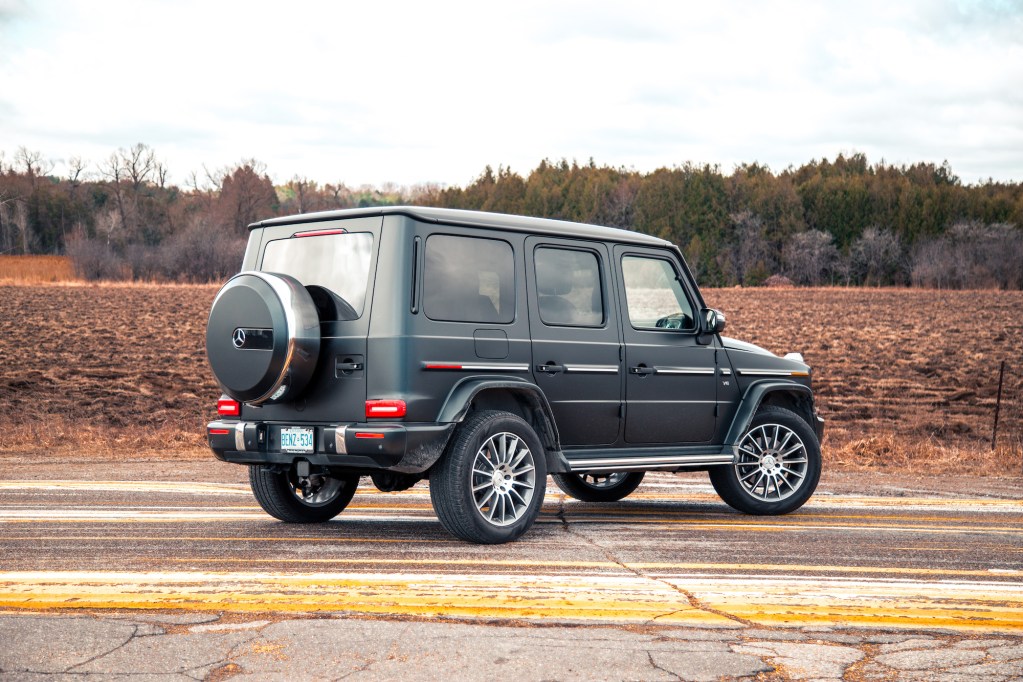
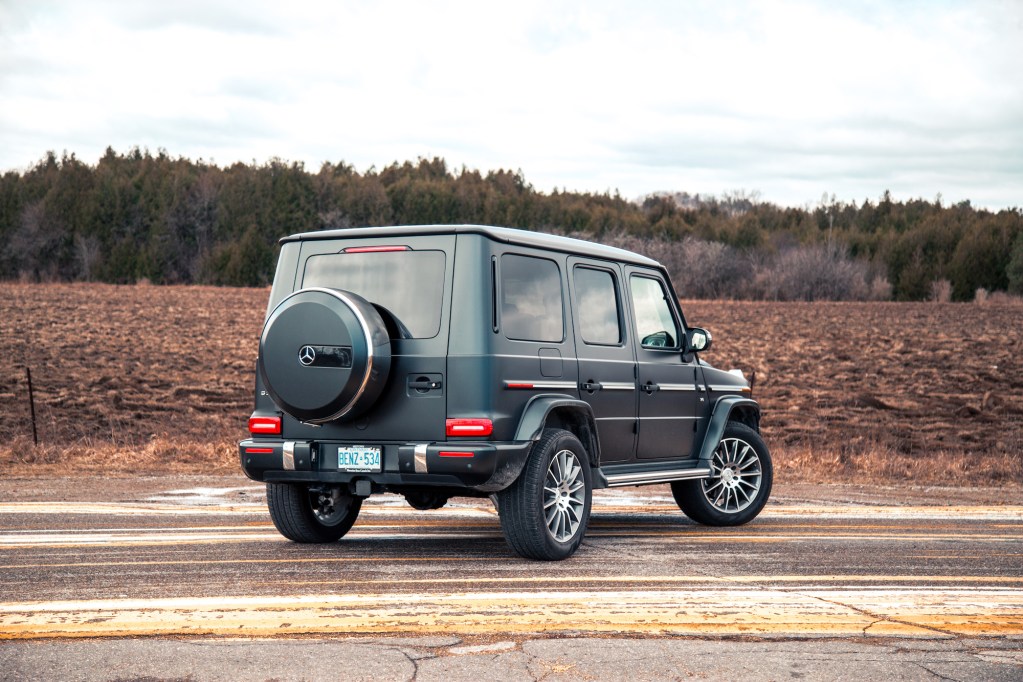
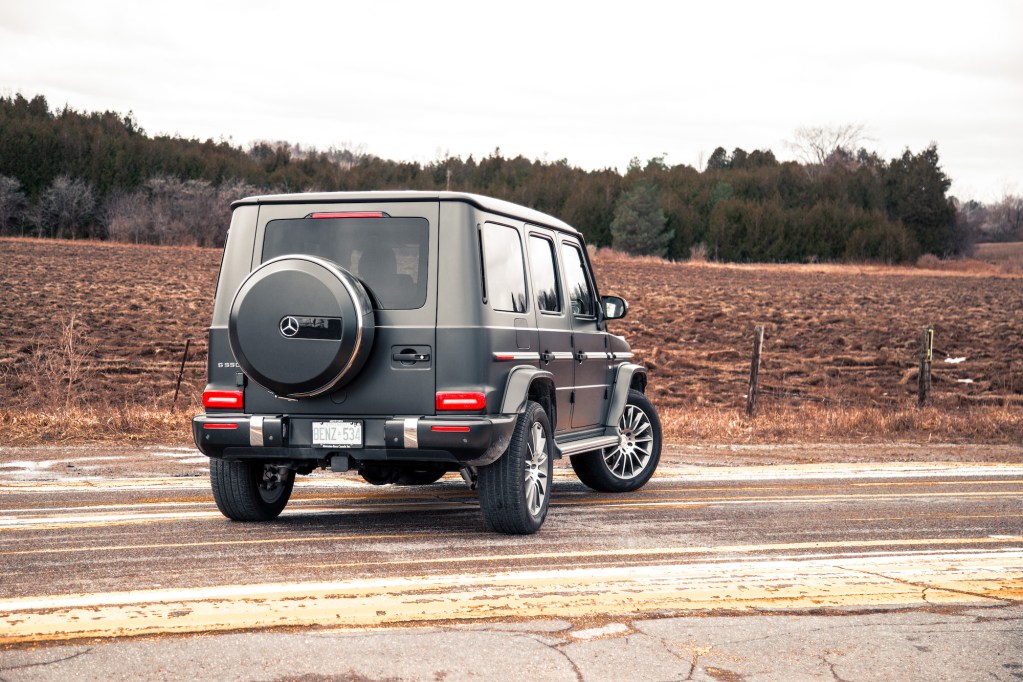
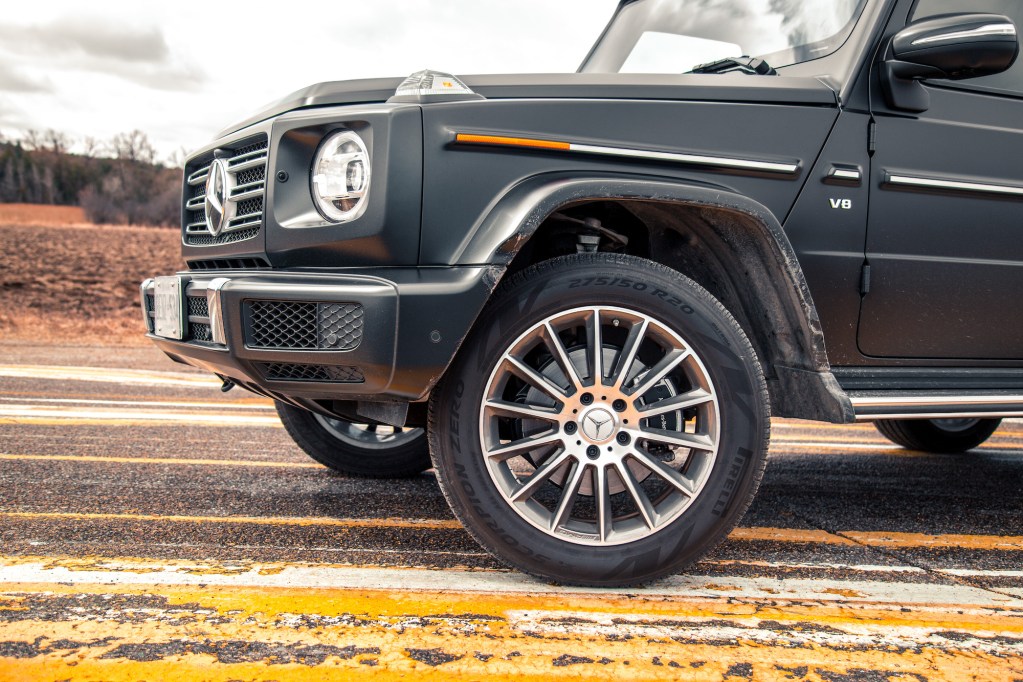
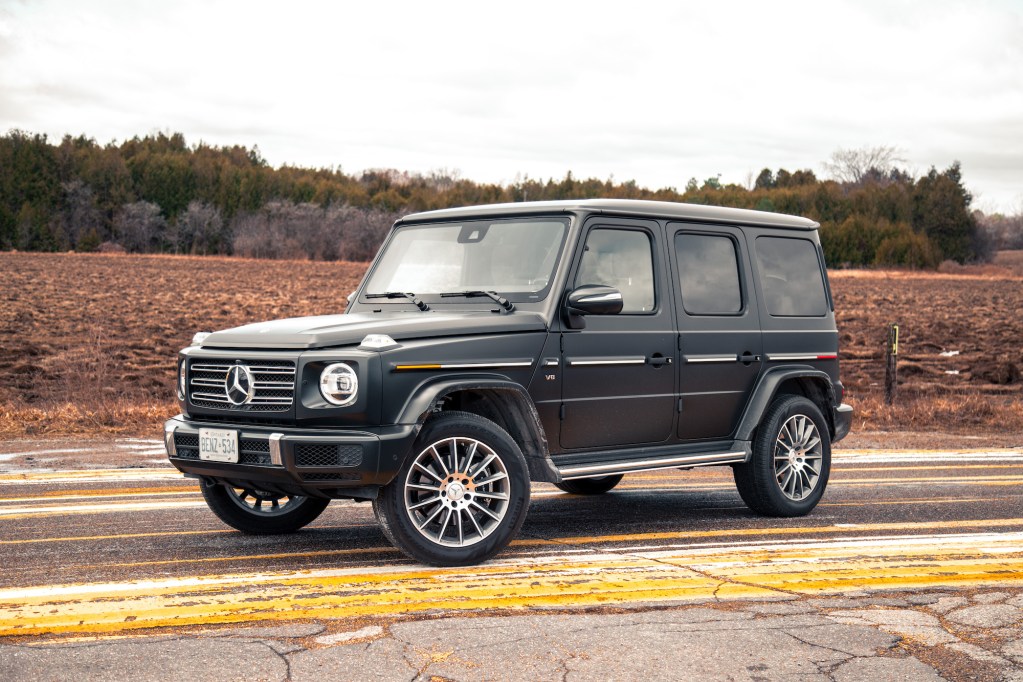
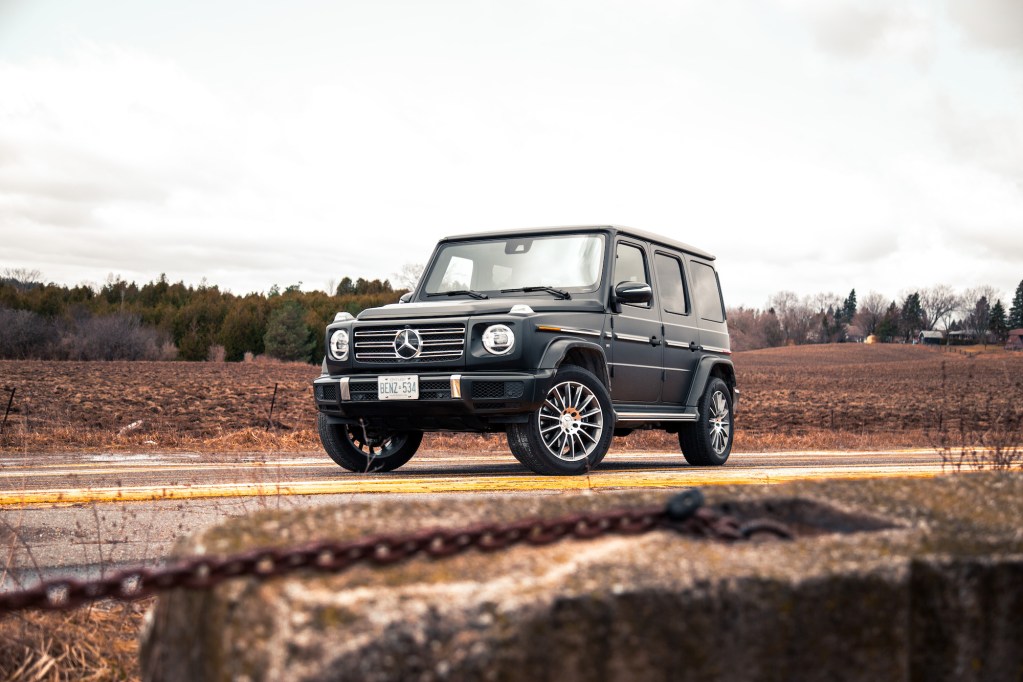
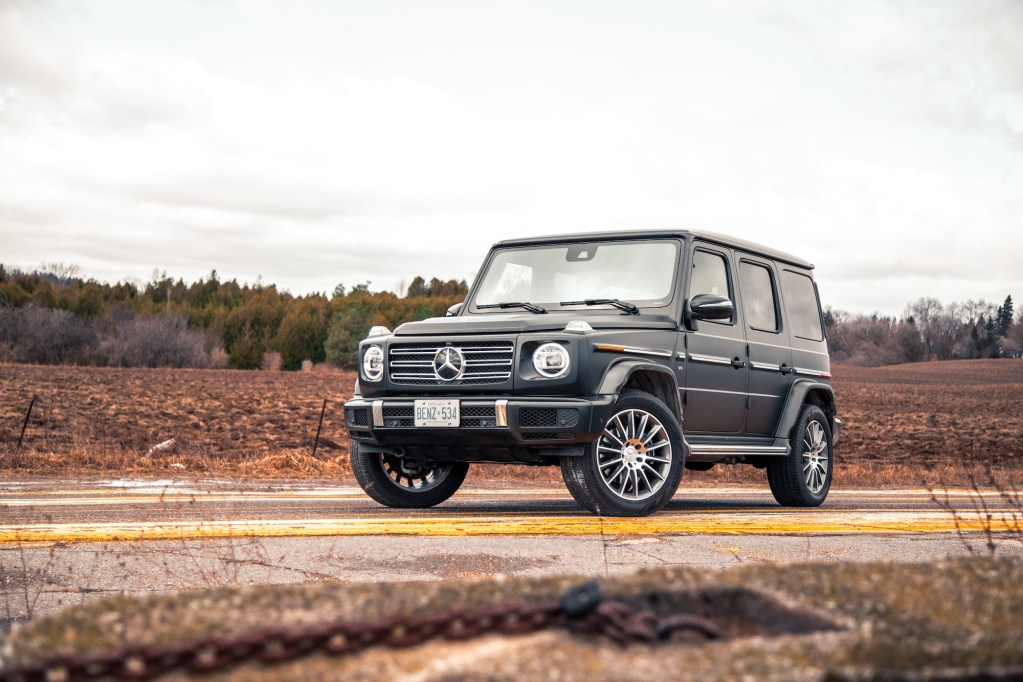
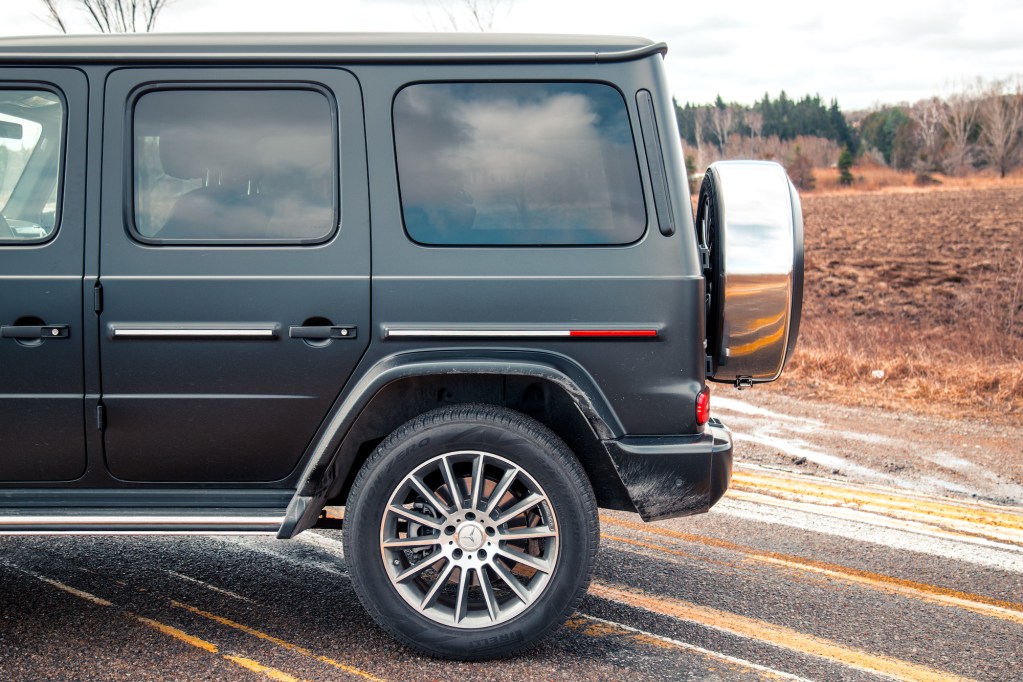
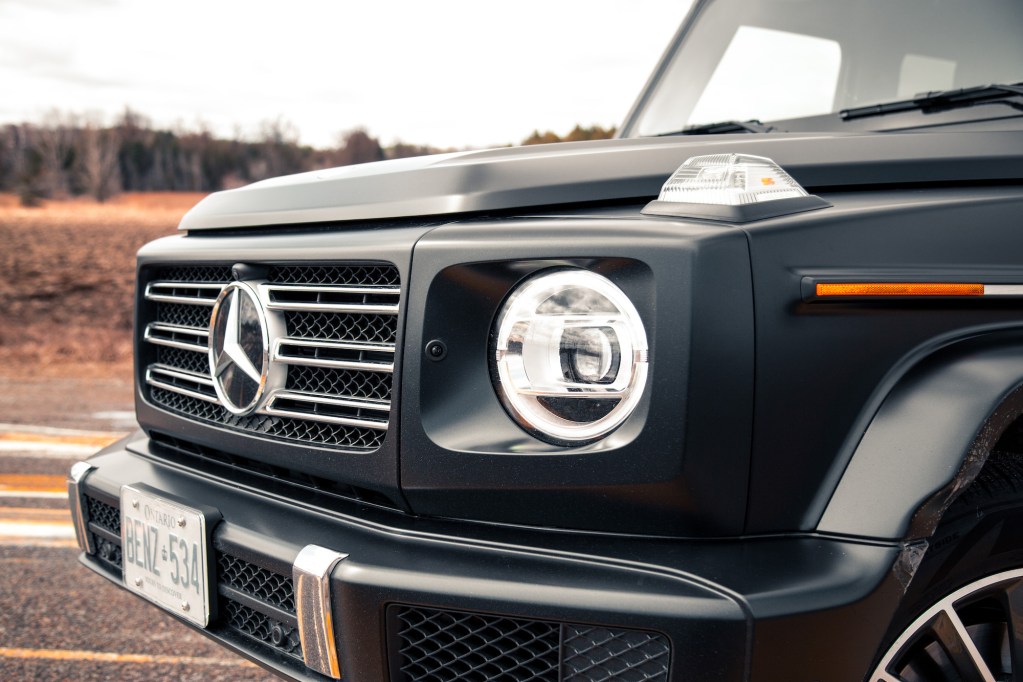
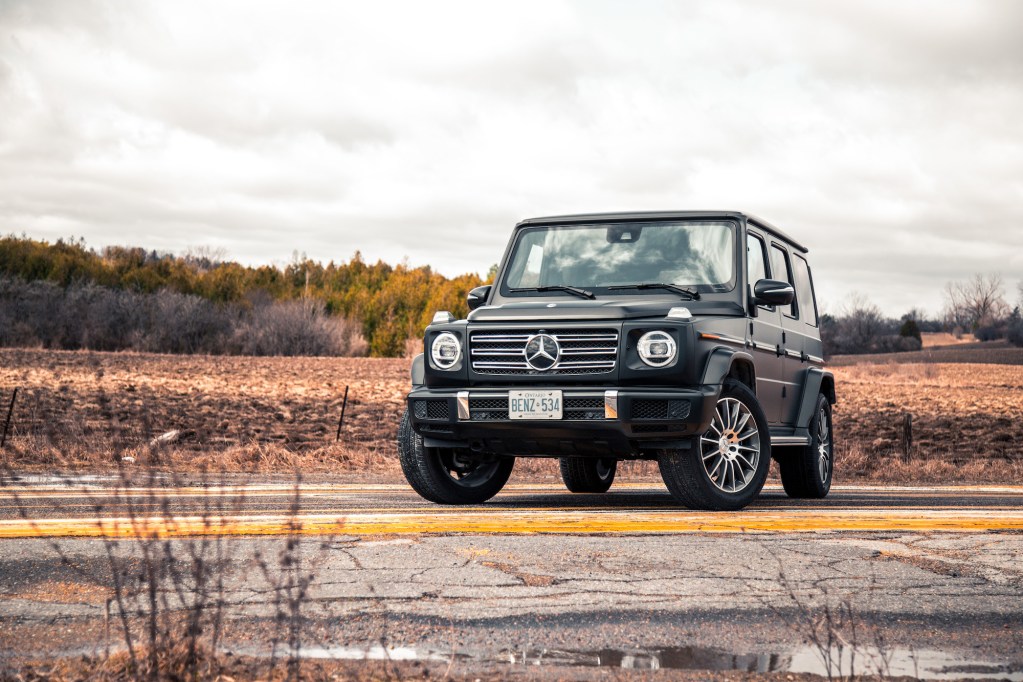
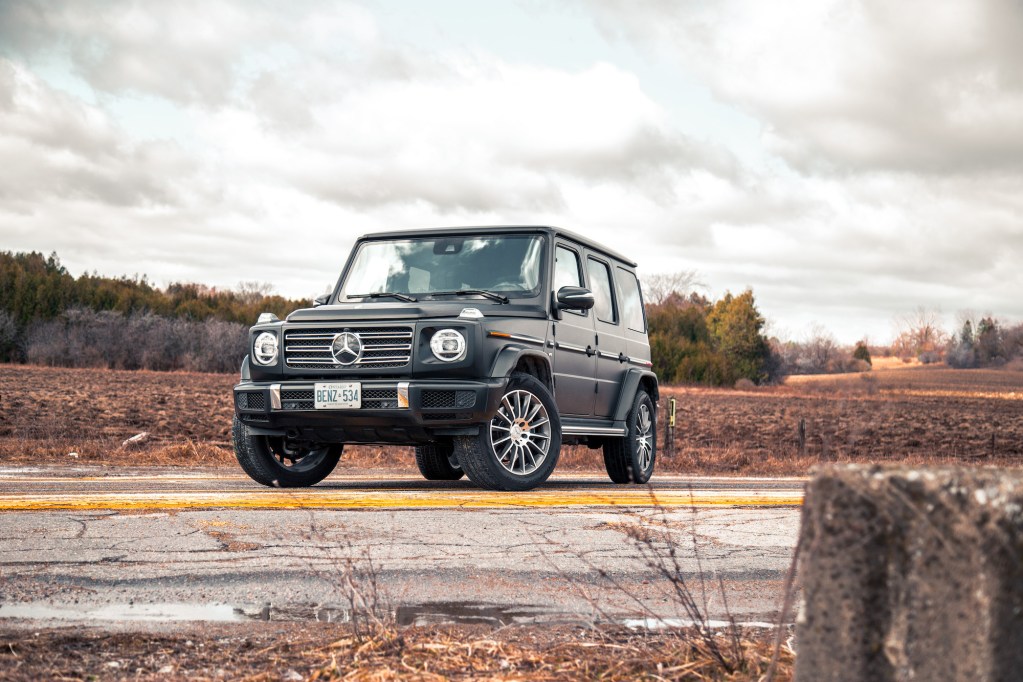
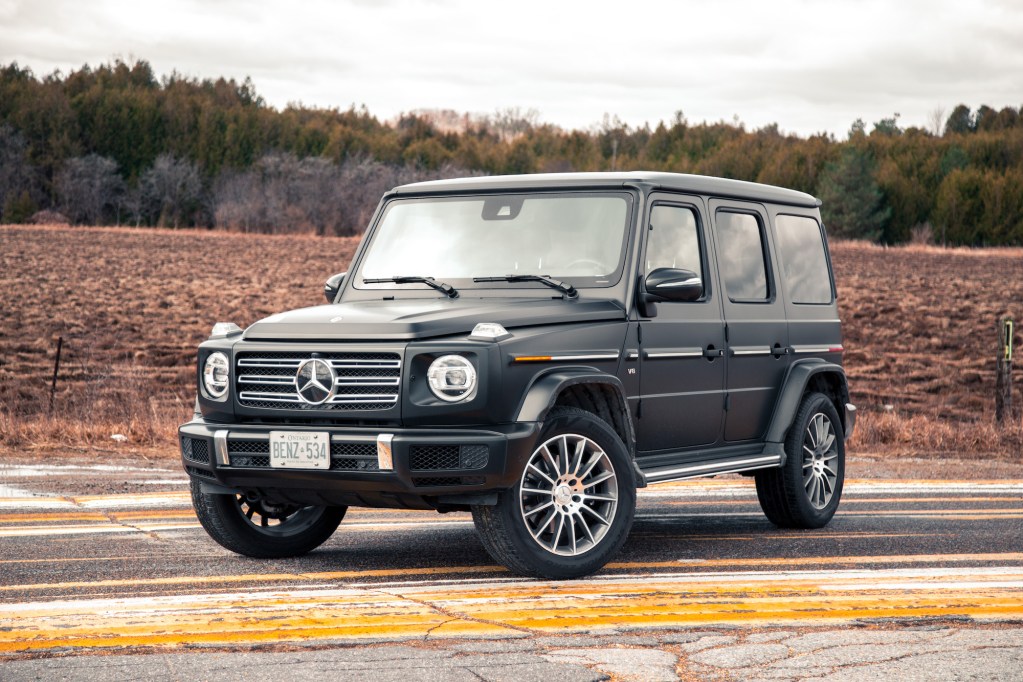
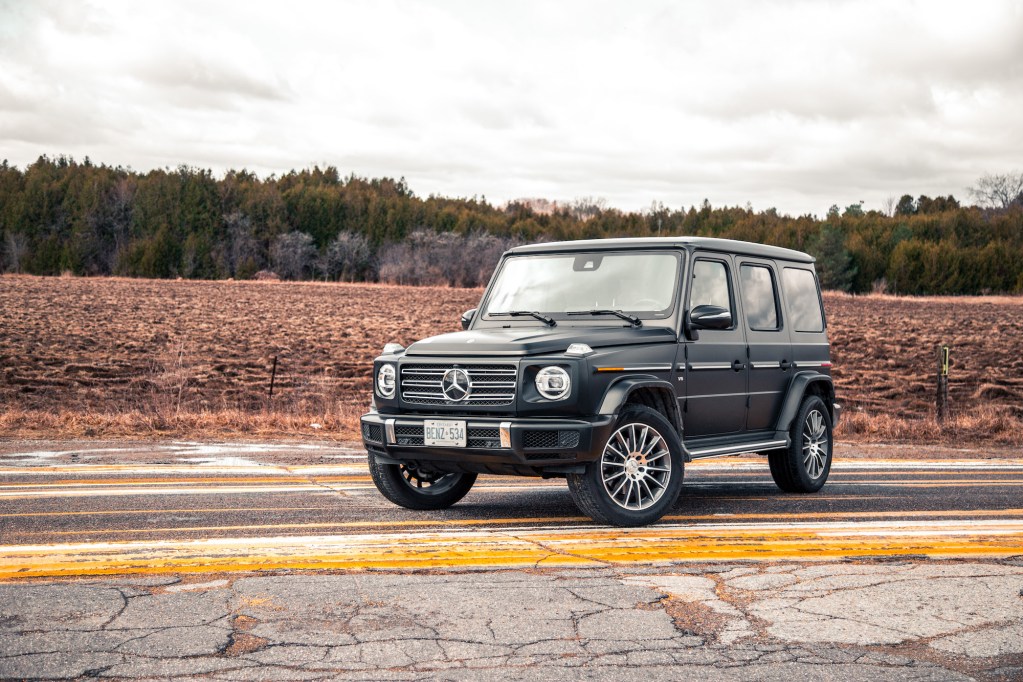
The revisions are substantial, comparable to migrating from a Motorola Razr to the latest iPhone. The G-Class retains the same boxy design but has increased in both length and width, resulting in improved interior space and cargo volume, and is now up to 170 kg lighter than before. There is a new LED headlight design, front grille, and stainless steel brush guard that is mounted differently on the G 550 (in front of the grille) and G 63 AMG (below the grille), so as not to obstruct the 360-degree camera’s view. While it’s still unmistakably a Wagen, most untrained eyes would need a back-to-back comparison to really notice these subtle differences, when in fact most of the 2019 model’s exterior is brand new save for the rather trivial headlight washer nozzles, sun visors, spare tire cover, and door handles. Everything else is fresh off the design board.
Possibly the biggest alteration to the new G-Wagen is in the way it drives, more specifically, its on-road mannerisms. Keeping to its roots, the G-Class still utilizes a ladder-type frame, which sounds like an artifact from the past but it’s able to withstand a great deal of twist, force, and damage during off-road excursions, crucially protecting the more tender parts of the powertrain. Ground clearance and wading depth have appreciably increased but the biggest news is the replacement of the old stick axle with a new independent front suspension with double wishbones. That gives the G-Class noticeably better road manners, and with the front axle isolated, there are fewer vibrations and noise seeping into the cabin. No longer does it crash into every divet in the road, and those optional adaptive dampers on the G 550 are worth every penny. Dare I say it, but it’s rather comfortable too in the same relativistic way that the Ford F-150 and RAM 1500 are comfortable, and would be a pleasant companion on a long-distance road trip.
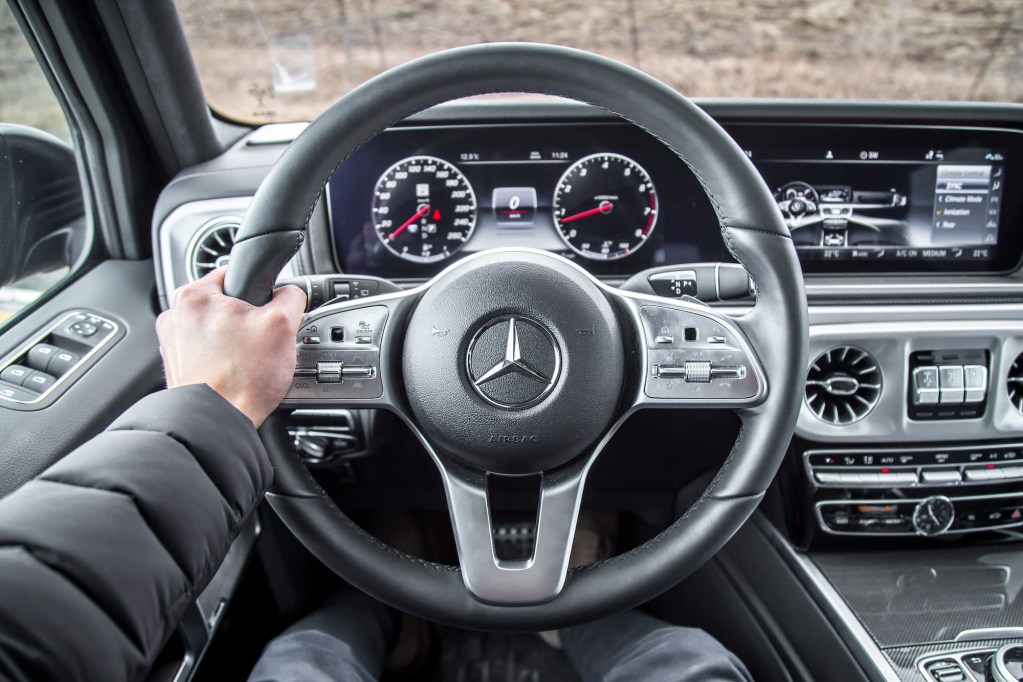
Migrating to electric steering was a smart decision, as it allows Mercedes to equip their latest semi-autonomous driving technology. However, it also means you don’t have to constantly correct the angle and rotation of the wheel to keep the G within the white lane markings. This does not apply at speeds over 110 km/h, as we have sadly experienced. That’s when things start to get a little hairy, and on a windy day, you can really feel the G-Class getting blown side to side as you nervously wrestle the wheel to keep it straight. There’s a reason why you don’t see these G-Wagens going very fast. Manhandling this SUV is a breeze compared to its predecessor, but that doesn’t magically improve the way it bludgeons through the air.
The G-Wagen does not enjoy corners either. It frankly refuses to submit to the inertial laws of physics and as such, it understeers and body rolls like a madman. Take a turn too quickly and you will feel it on the edge of tipping over. Okay, that might be an overexaggeration, but witnessing those intrinsic top-heavy characteristics firsthand is not a pleasant feeling, so either take it slowly or bring a change of pants. Slow-in and fast-out is a good approach. Luckily, it has adaptive seat side bolsters that rapidly inflate the moment you turn the wheel, keeping your body from being ejected through the side window.
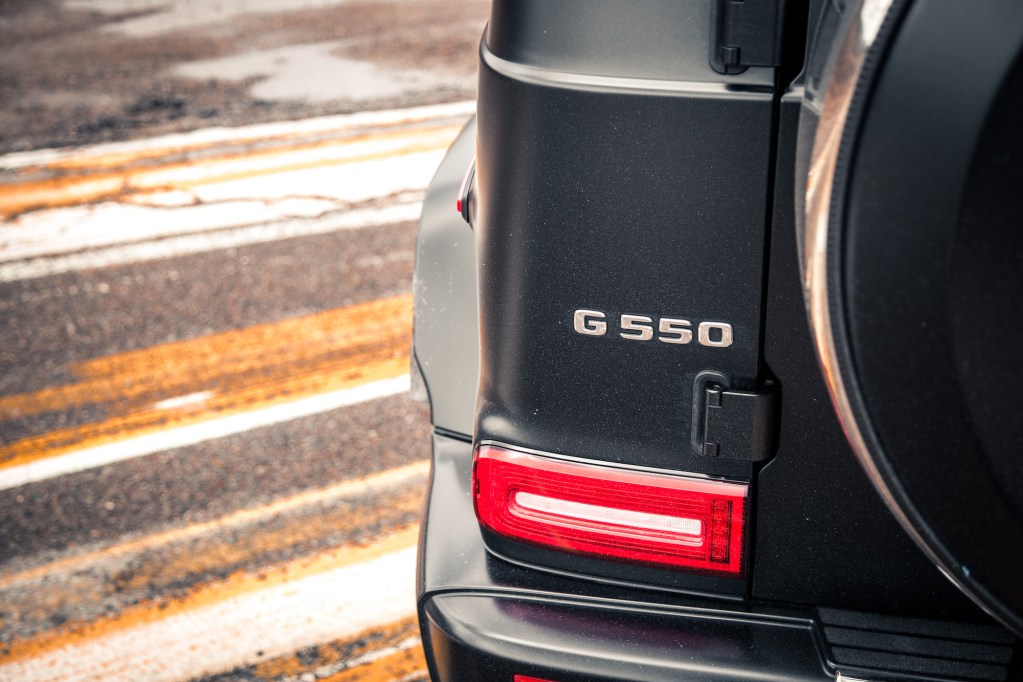
To almost contradict that experience, the G 550 really shouldn’t be able to accelerate as quickly as it does. With no shortage of power, it picks up and launches forward with a startling amount of kickback, assisted by its potent 4.0-litre twin-turbo V8 that delivers 416 hp and 450 lb-ft and a 0-100 km/h time of 5.9 seconds. For those seeking a straight line brawler, the G 63 AMG is also available with a handcrafted 4.0-litre V8 pushing out 577 hp and 627 lb-ft and is replete with side-exit exhausts, a vertical-slat front grill, and a 0-100 km/h launch time of 4.5 seconds, faster than any SUV has any right to go.
On the bright side, the G 550 wasn’t as thirsty as I would have thought. With light driving and careful throttle modulation (and I mean feather-light), I achieved an impressive 17.1 L/100 km with a near-equal mix of highway and city driving. Of course, this was aided by modern technologies such as cylinder deactivation, a clever 9-speed gearbox with seamless shifting, and an eco start-stop system that shuts the engine off when idling. Still, you can expect to pay at least north of $100 for a full tank’s worth of fuel with today’s prices.
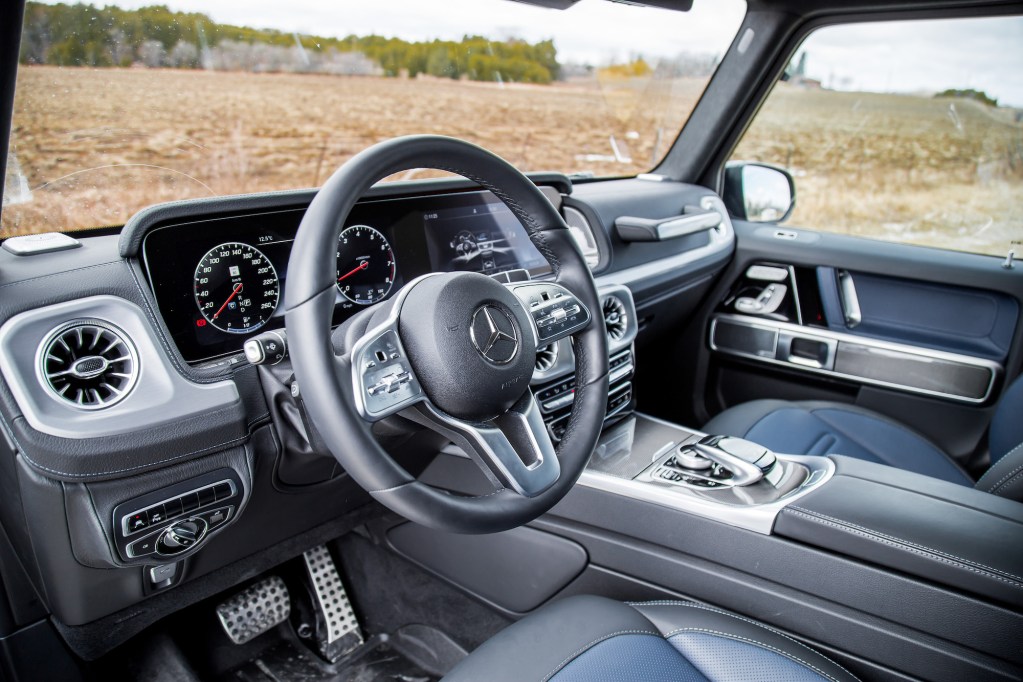
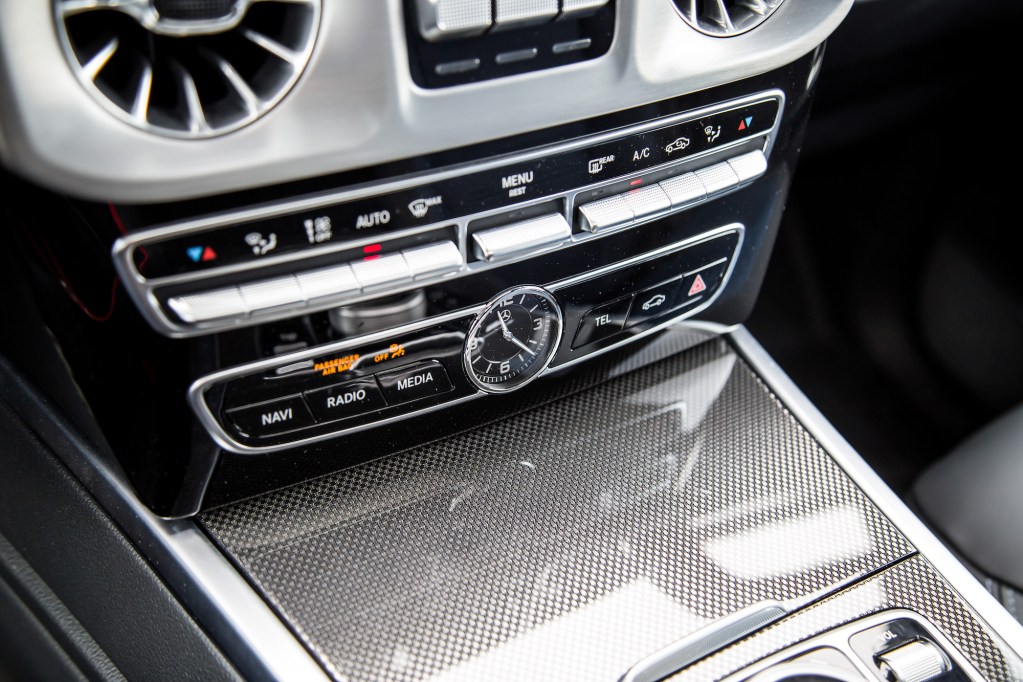
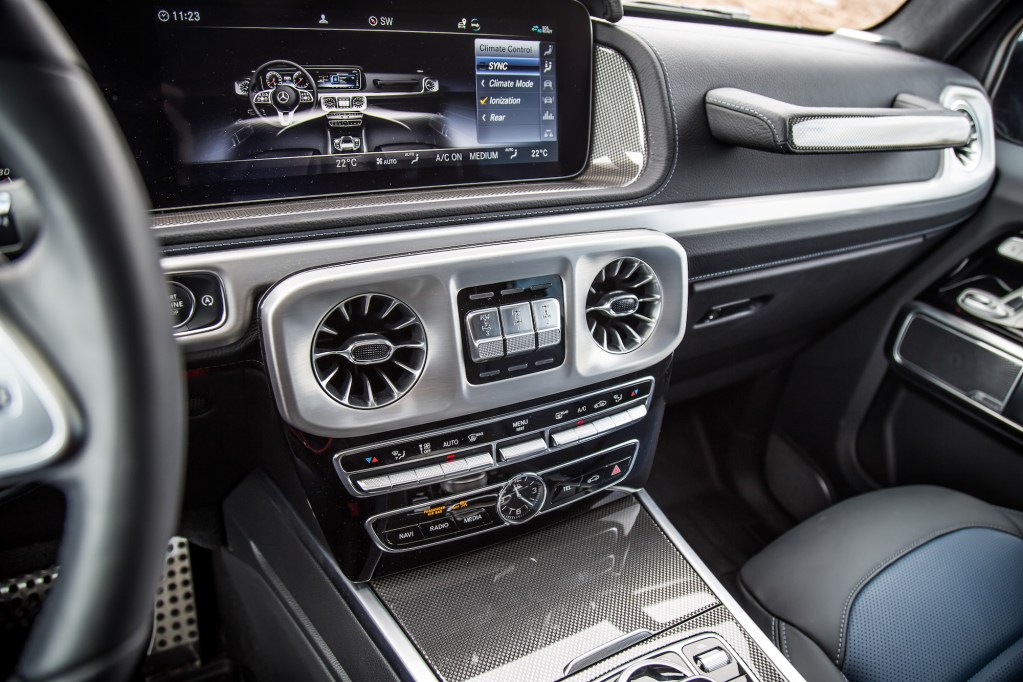
The interior sees a major revision in terms of modernality, functionality, and more importantly, luxury. The outgoing model didn’t even have a proper cup holder, let alone sufficient storage cubbies or a sizable glovebox. The slap-on infotainment display on top of the dashboard clearly looked like a last-minute afterthought, unappealing and unbefitting of its six-figure price tag. Now, the G has an interior it can be proud of, borrowing much of the design from the successful E- and S-Class models and structuring it to be fit for royalty. The makeover includes new dual 12.3-inch widescreen displays that have been implemented in almost every Mercedes model at this point. They feature a beautiful glass panel stretching the width of the dashboard, complete with crisp graphics and a user-friendly menu structure. Not to mention, the stylish fan vents that appear like a piranha’s fangs, the overly soft leather steering wheel with beautiful metal and textured elements throughout, and touch-sensitive pads on each side controlling the displays. The interior sees a major revision in terms of modernity, functionality, and, more importantly, luxury.
With the removal of the manual handbrake in favour of an electric one, the center console has been opened up, elevated, and now accommodates proper storage. Oh, and did I mention that the G-Wagon finally gets a proper cup holder to you know, hold cups? That means no more basketball net hoops, spilled drinks, and cupping your Starbucks between your legs while trying to take the route home with the least amount of corners. Long live the glorious cup holder.
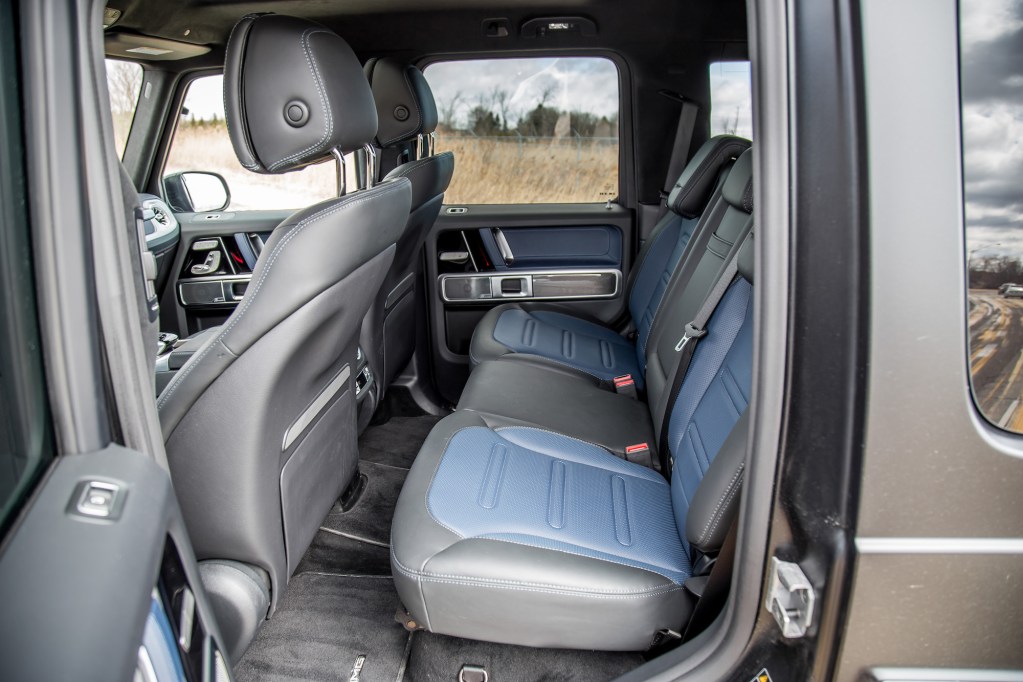
Despite being overwhelmingly large on the outside, the G-Wagon doesn’t boast as much interior room as you would expect. Though more spacious than its predecessor, your elbows will still nudge your passenger’s on the center console rest, and the footwell can feel cramped for larger occupants. The back seats host a similar amount of legroom as an E-Class Sedan, but on the bright side, headroom is more than generous thanks to its flat roofline.
That said, the G-Wagon bestows upon occupants one of the most obnoxiously upright and high-up driving positions in the segment, with a massively flat window sill for you to rest your arms on like you’re sitting on a throne. There’s barely an excuse for a dashboard, like the Jeep Wrangler, but it allows you to effectively peer out of the perpendicular windshield and use the hood-mounted signal lights as a yardstick. It’s a special place to spend time in. Most of the technology and luxurious touches from the halo S-Class have made their way into the G, and rightfully so. This is a luxury icon, after all, not some barbaric off-roader with three locking differentials, a ladder frame, and exceptional road clearance. No, that doesn’t sound like the G-Class at all.
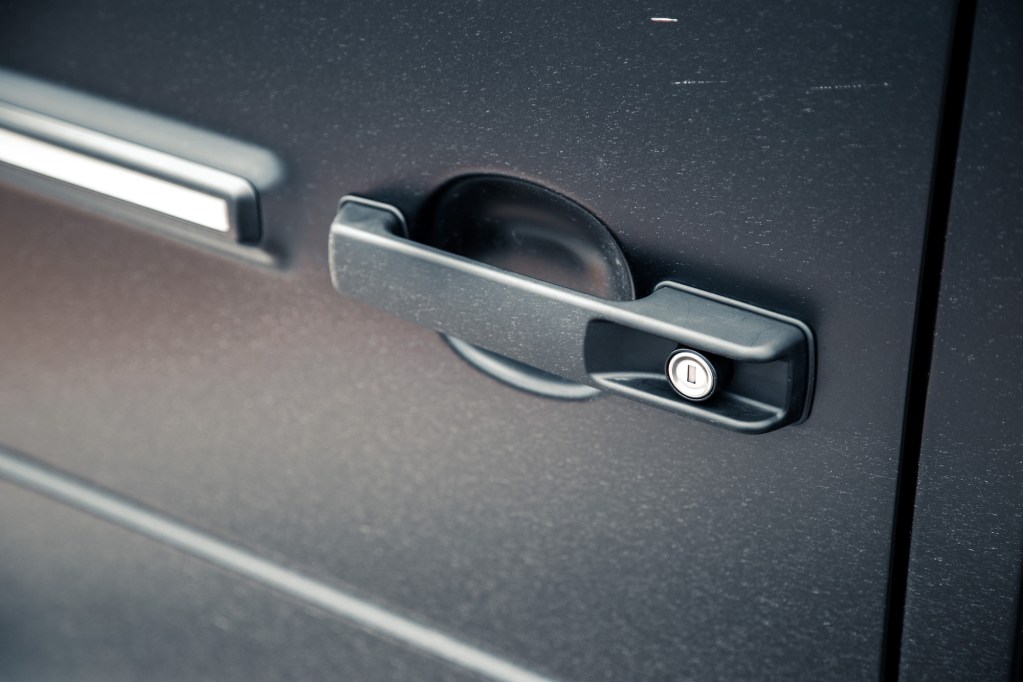
With all of its idiosyncrasies, the G-Class makes a few sacrifices to overall livability and succumbs to ergonomic foibles. It is the only SUV on the market to use doors that look, operate, and sound like it’s a gateway to a secure bank vault. Pressing the round dial on the door handle ejects the simple latch, yet it sounds like you’re cocking a bolt-action sniper rifle. It’s an addictive sound which some might say only adds to the G-Wagen’s appeal, but that also means shutting the door properly requires a fair bit of strength – nobody ever gets it on their first try – and you’ll find yourself winding up your entire body for the final swing more often than not. Watch your fingers, kids. There is no keyless entry, so you must always have the key fob within reach.
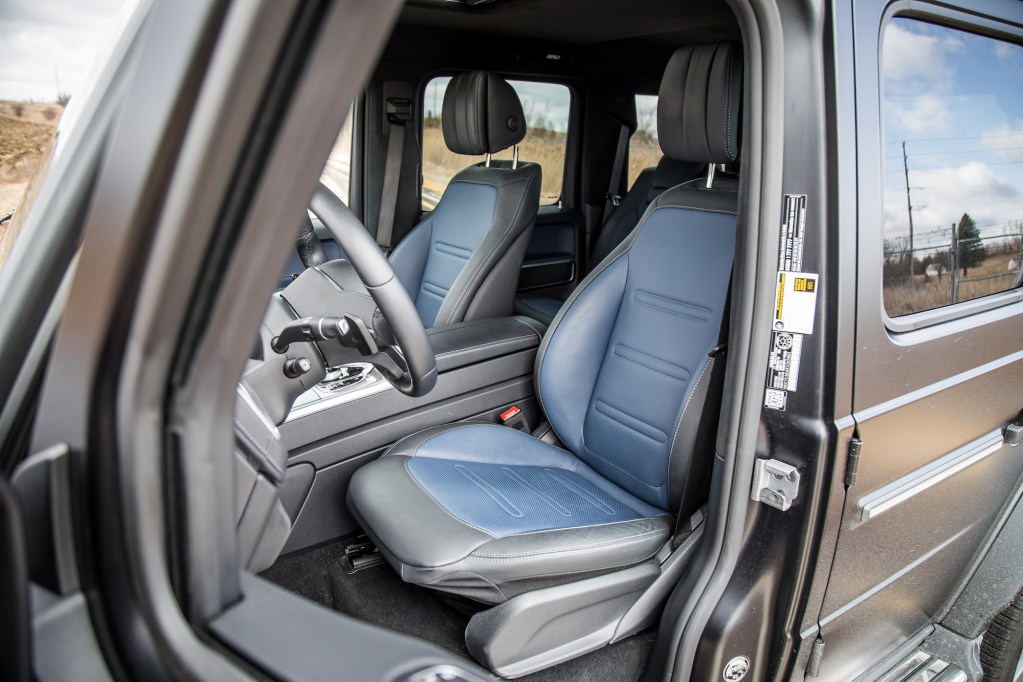
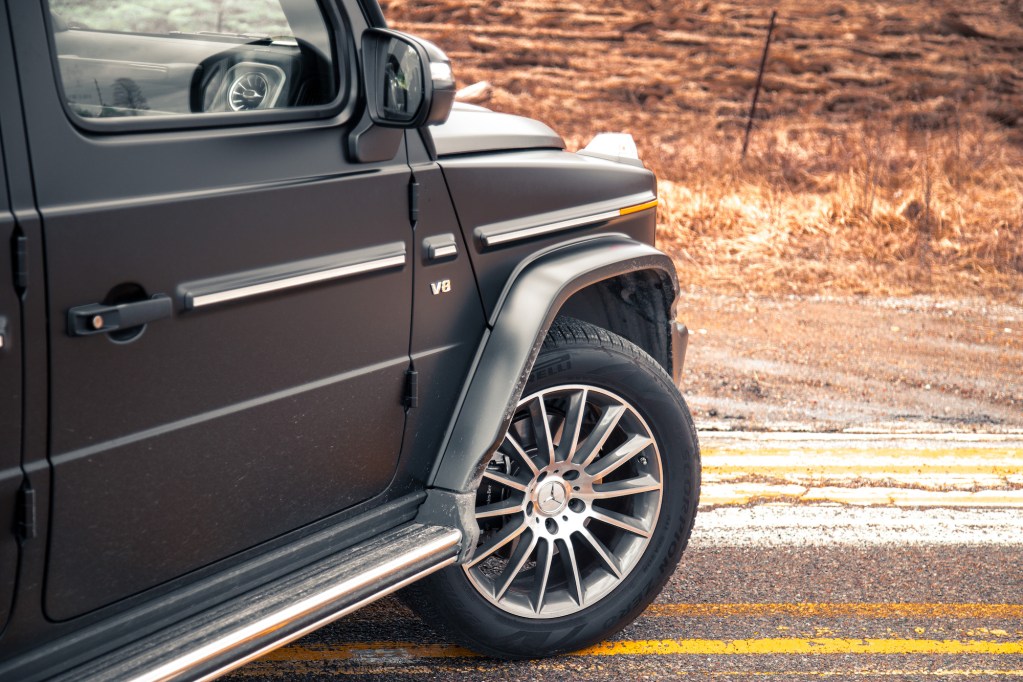
When you do end up opening that overly square door, the ergonomics of ingress and egress are noticeably poor. The G-Class is not the easiest SUV to hop in and out of, especially without any kind of sideboards. I’m six feet tall, and even I have trouble making sure my pants don’t scrape along the muddy sideboards. Entry and exit become more of a choreographed dance, and knowing where to place your feet as you fall out of the cabin is key, as is what you hold onto as you lunge upwards and onto the seats. Once up there, you are rewarded with seats that are heated, ventilated, come with eight different massage programs, and have airplane-style headrest winglets. When you do want to exit the vehicle, though, the door handles have been awkwardly positioned and hidden right at knee level, so it takes some odd leg shuffling to fully uncover.
Forty years ago, no one would have ever thought that a rudimentary military vehicle would suddenly be considered a luxurious status symbol, cherished by the upper echelon of society. Though the $134,000 starting price tag for the G 550 may be a tough pill to swallow, it’s the bridging point before you hit the stratospheric prices commanded by the Lamborghini Urus and Rolls-Royce Cullinan. Potential buyers would be glad to hear that they no longer have to contend with the intricacies that these sturdy old things used to require. Radicalized and equipped with modern amenities, the new G 550 will impress modern-day buyers who expect the pinnacle of interior luxury, advanced driver assistance features, and on-road refinement. By trading a handful of brawn for a plateful of civility, the new G-Class maintains every bit of its iconic off-road charm while simultaneously improving its daily usability. It has stood the test of time (and spilt drinks), and goes down in history as one of the most unique and galvanizing SUVs on the market.

Leave a Reply