
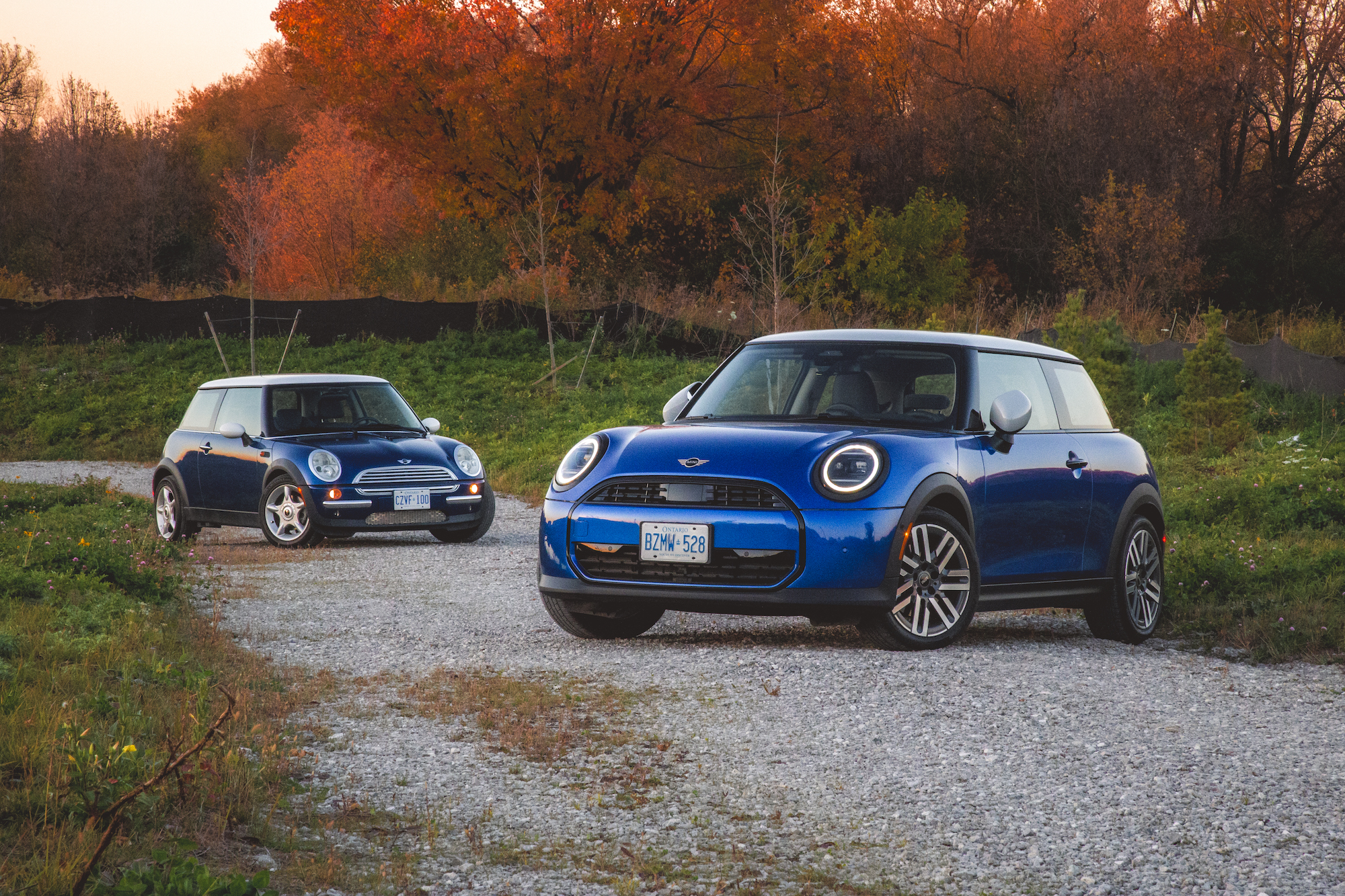
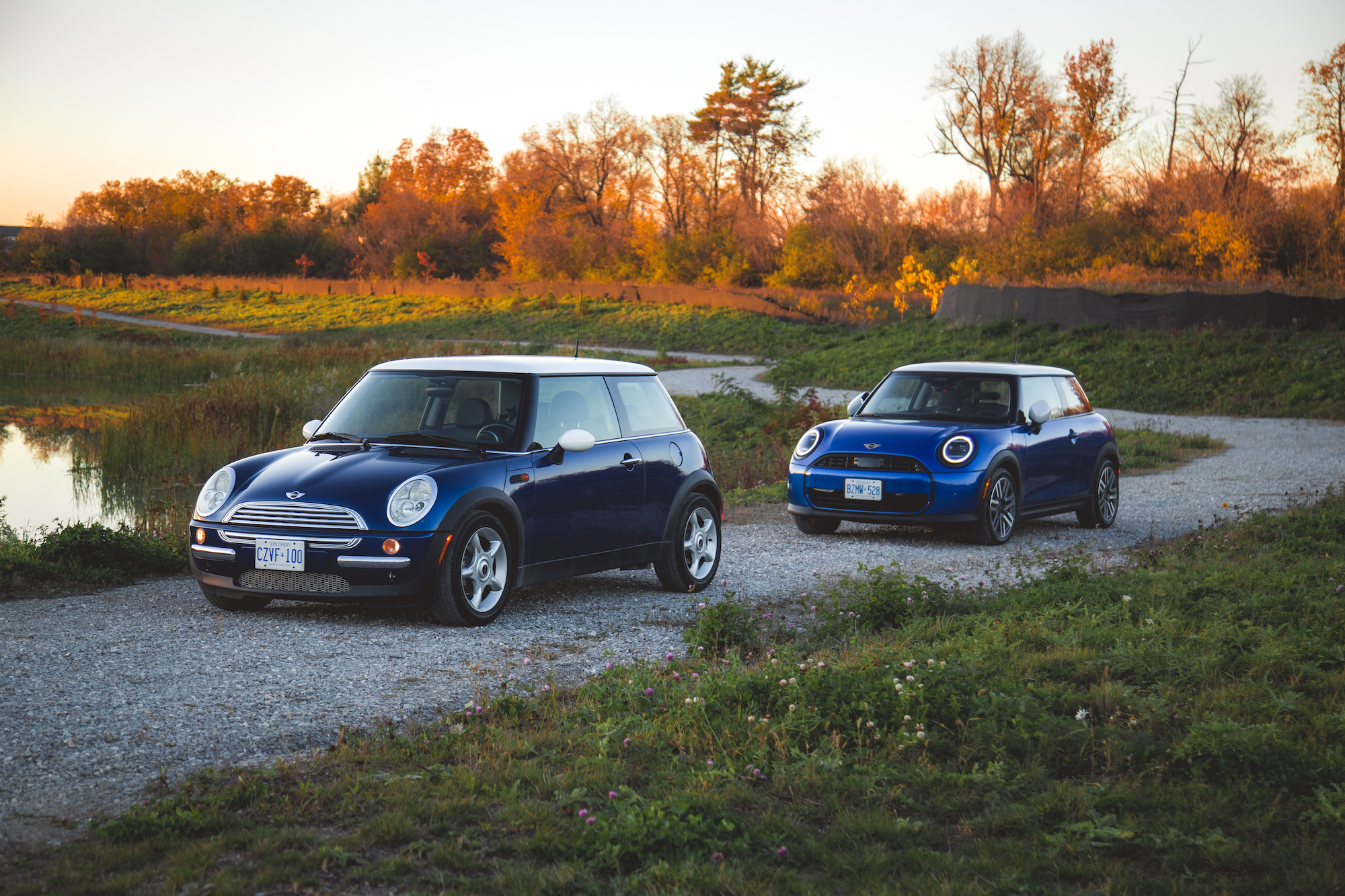
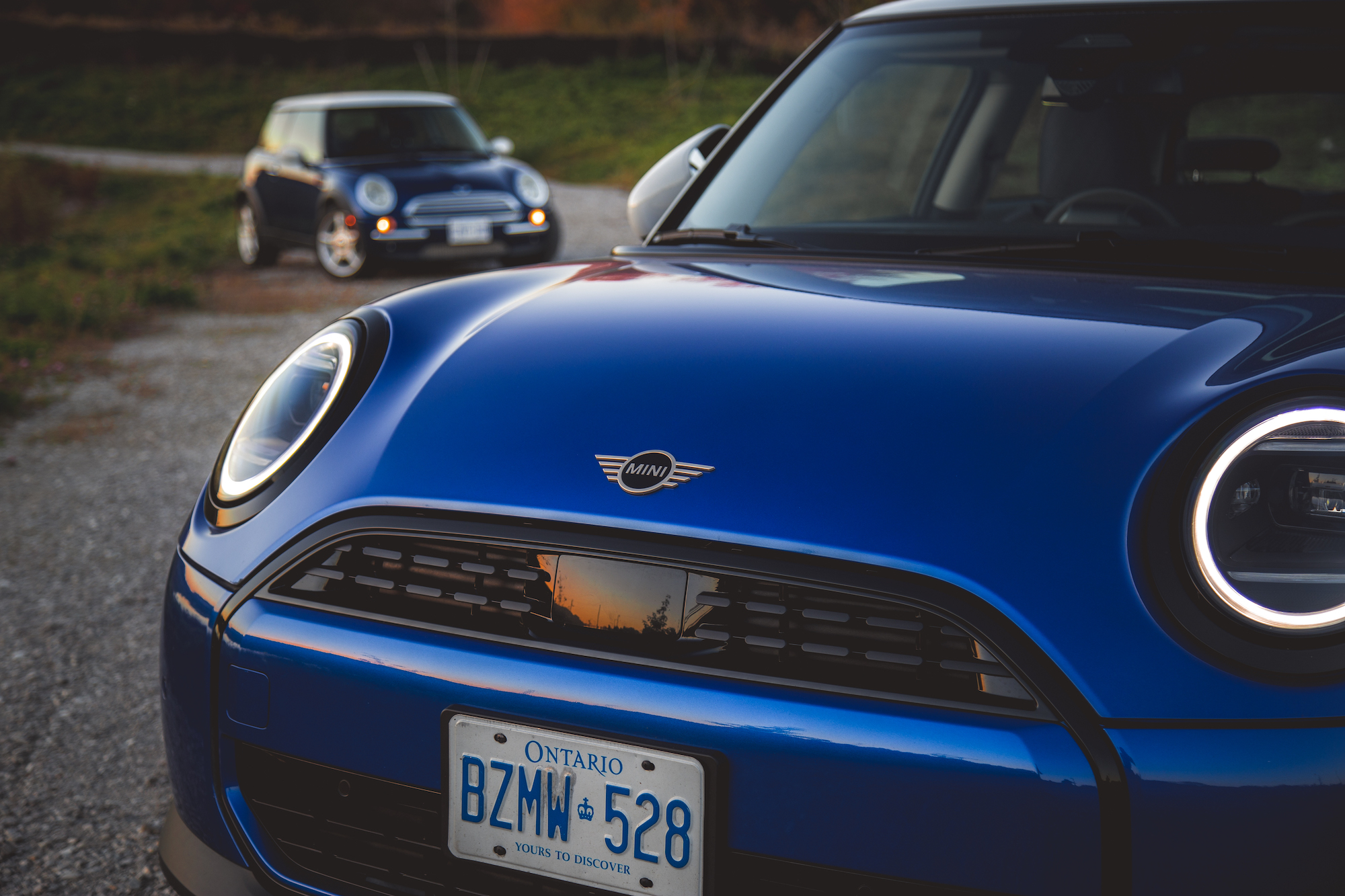
To celebrate MINI’s 25th anniversary in Canada, we’ve been given access to two bookends of the modern MINI era: the first modern MINI to arrive in Canada since 1967 and the newest model fresh off the factory floor. We’re taking a step back in time to see just how far MINI has come, and how little has fundamentally changed. Has Britain’s beloved hatchback stayed true to its roots, or have its increasingly bloated proportions and inevitable weight gain diluted the charm and character that made it so special?

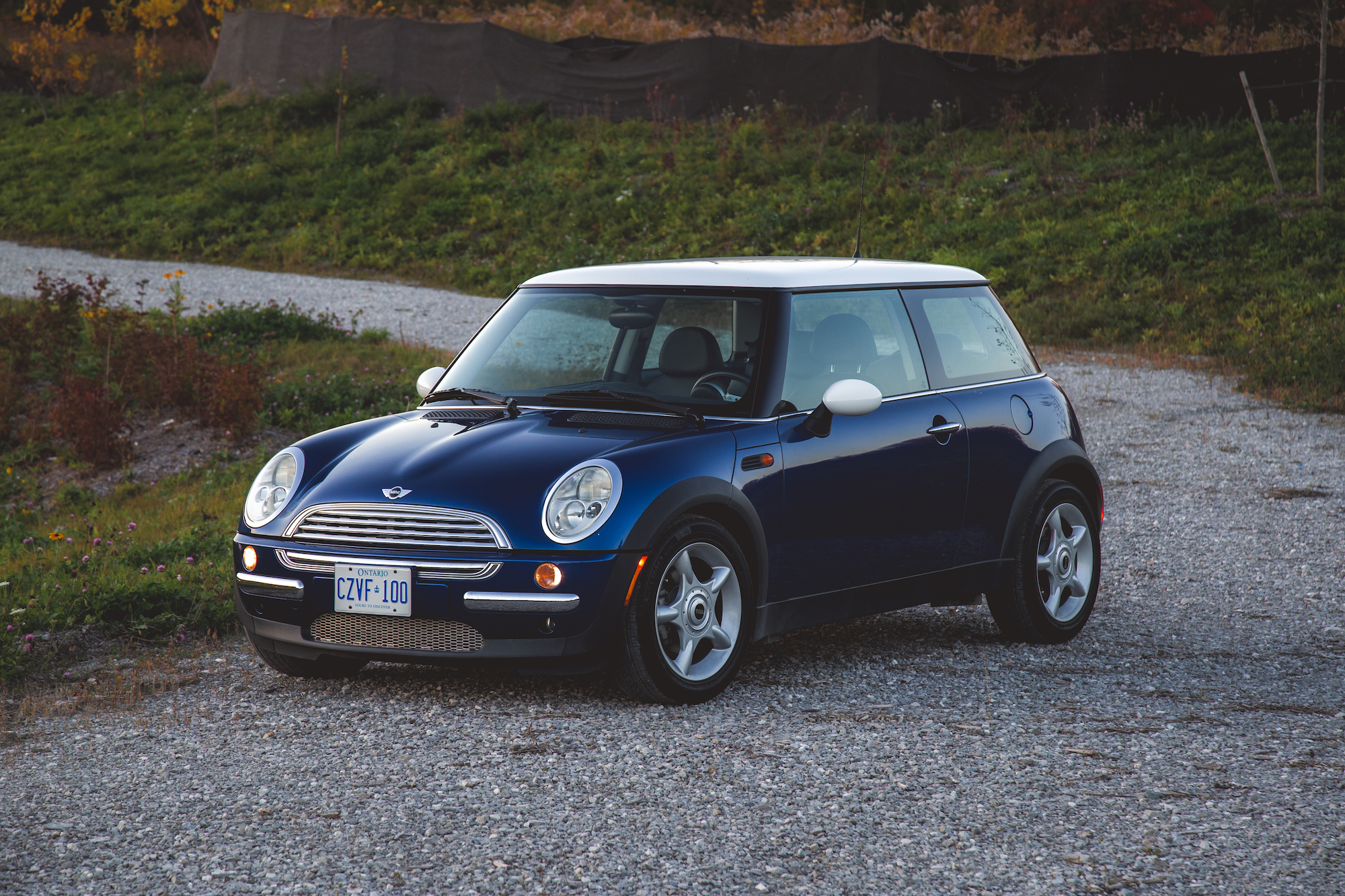
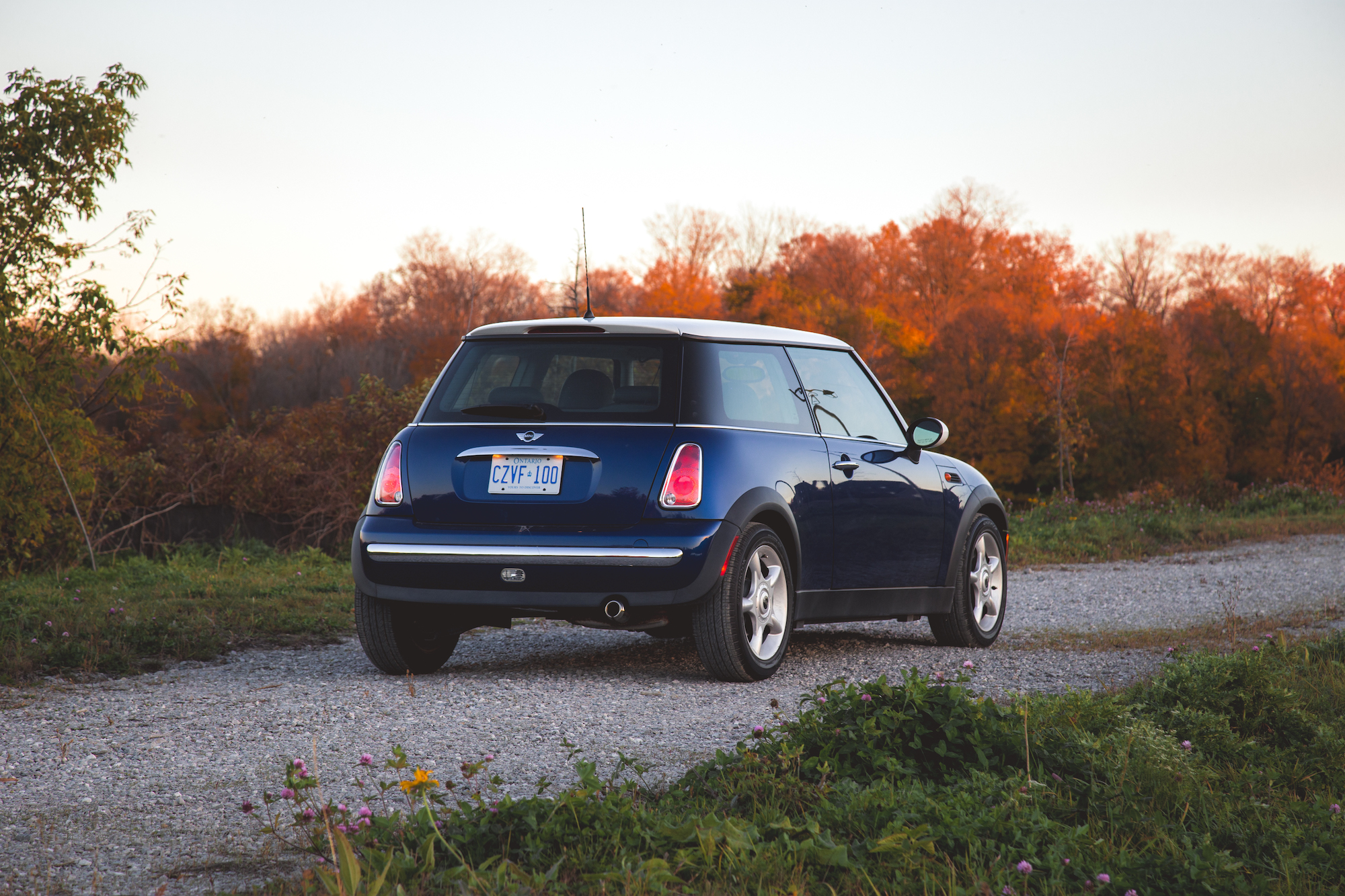
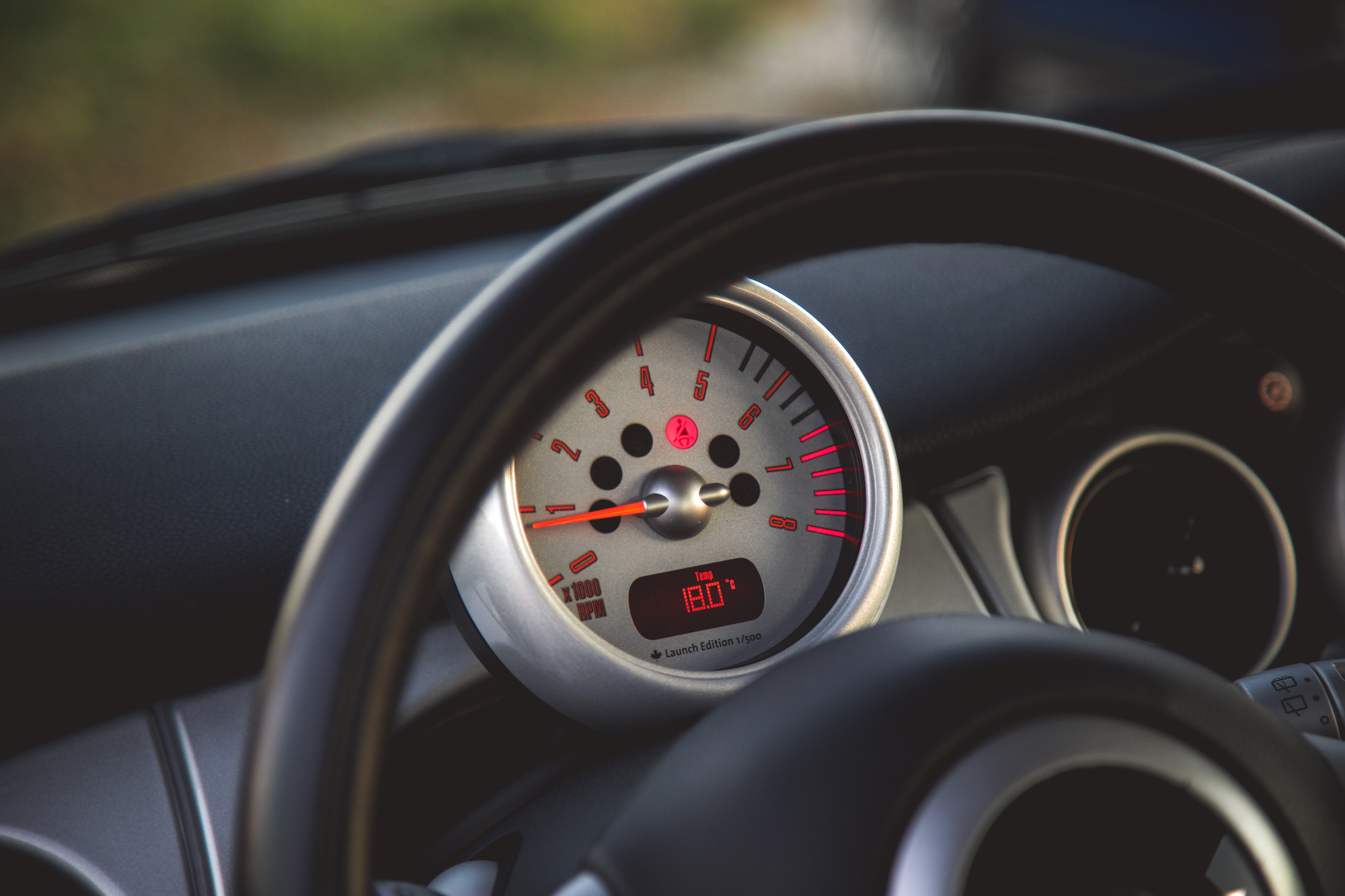
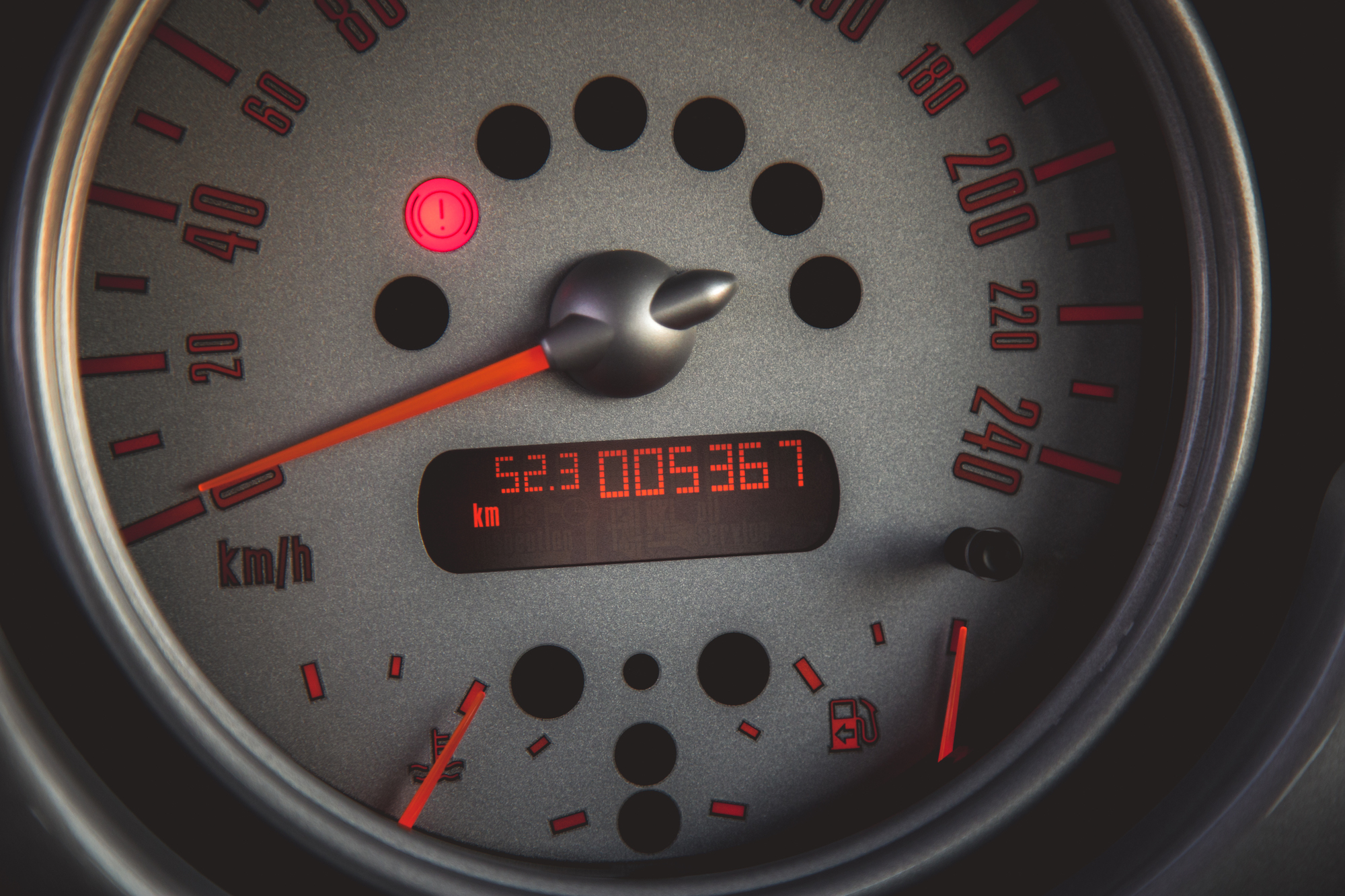
With just 5,300 km on the odometer, this 2002 MINI Cooper Launch Edition, finished in Indi Blue, represents the beginning of a new chapter for the brand. It ended a 35-year hiatus and was designed by Frank Stephenson, the same mind behind the first-generation BMW X5, Maserati MC12, and modern-day Fiat 500. His vision was to recapture the original MINI’s cheeky proportions and playful character while meeting modern safety standards and packaging requirements. He nailed it. Despite being considerably larger, his recreation was unmistakably MINI. You couldn’t mistake it for anything else. Don’t forget this was also the era of the Volkswagen Beetle revival, when retro-inspired compact cars were in the spotlight.
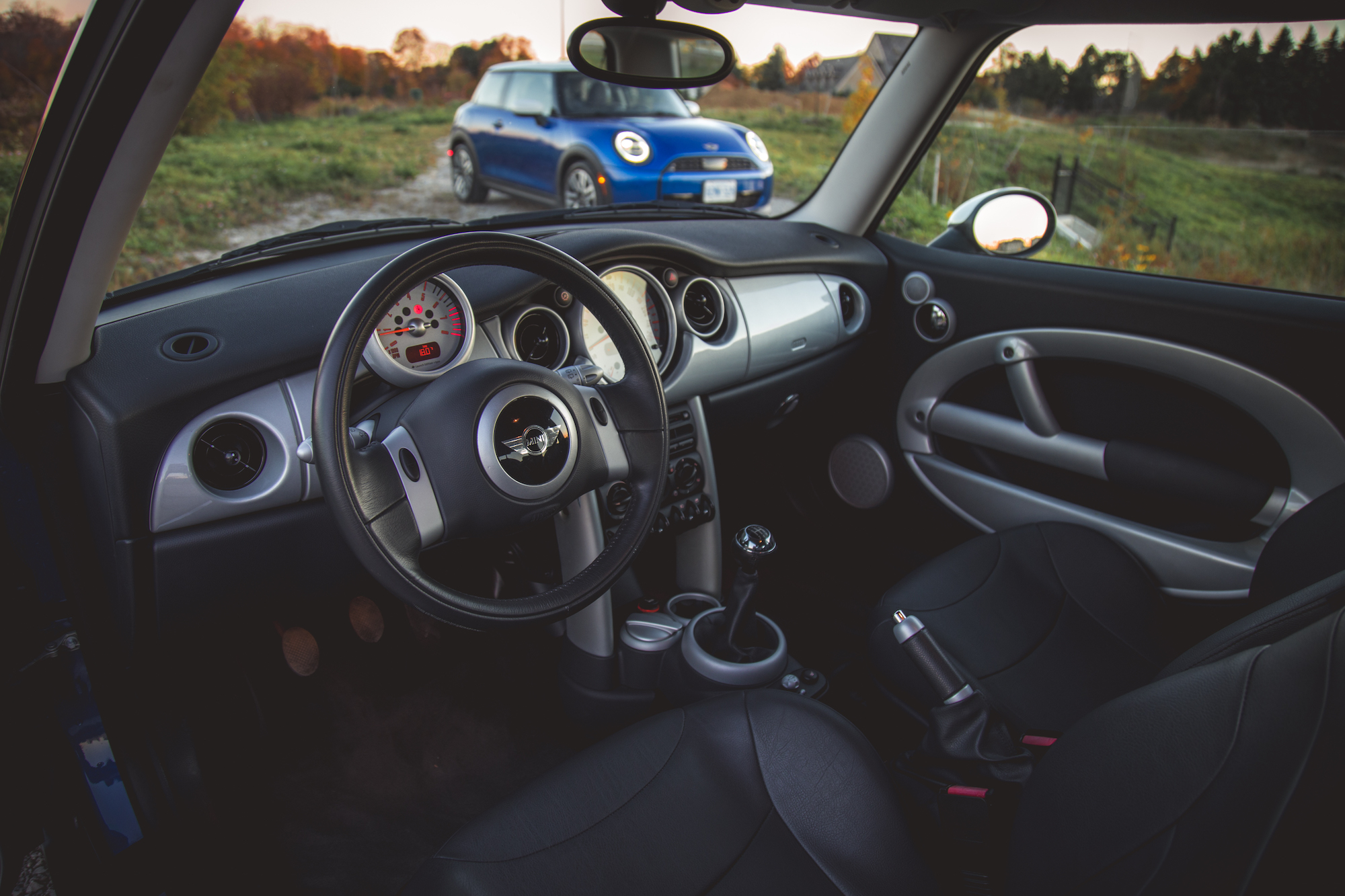
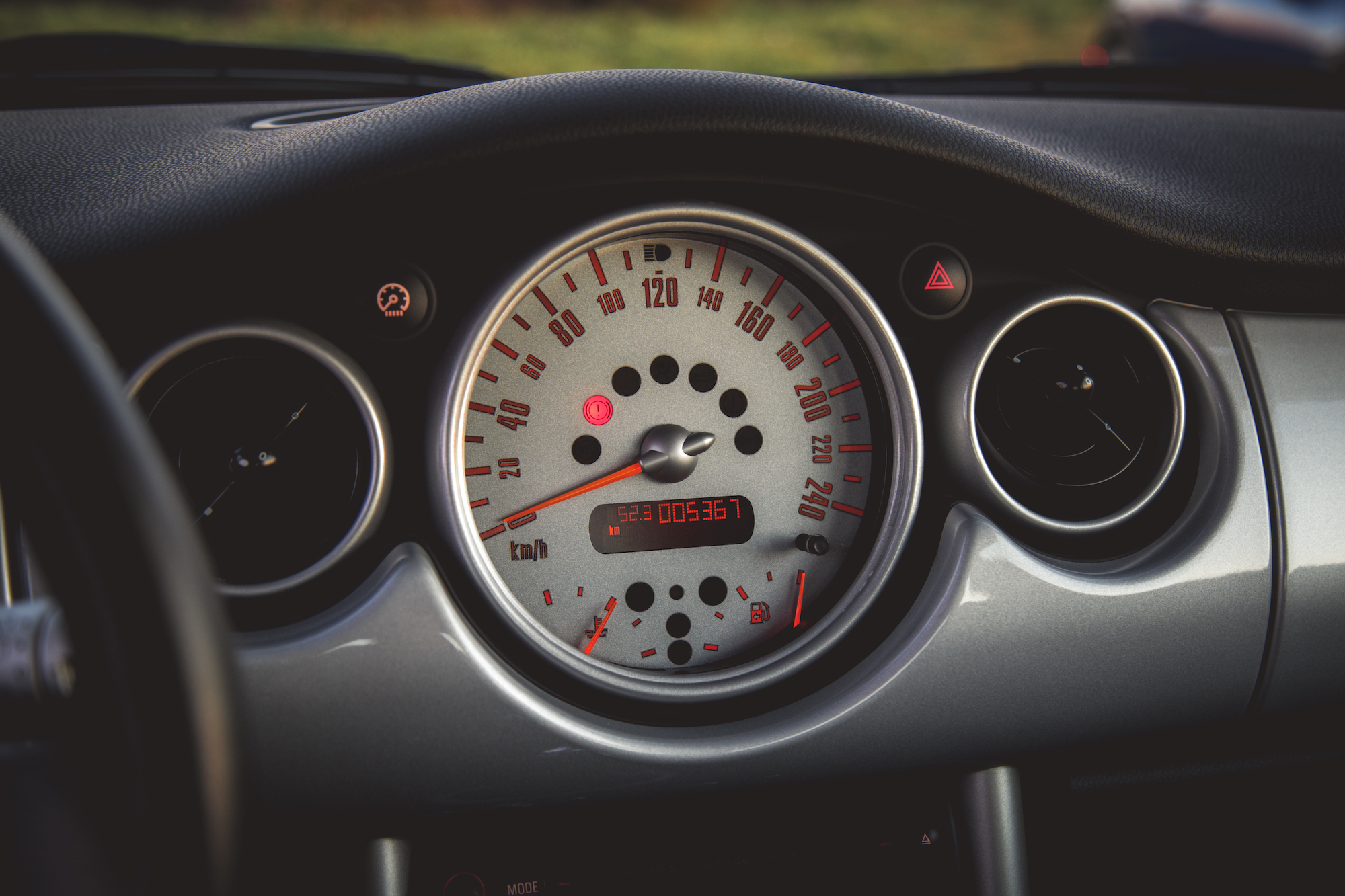
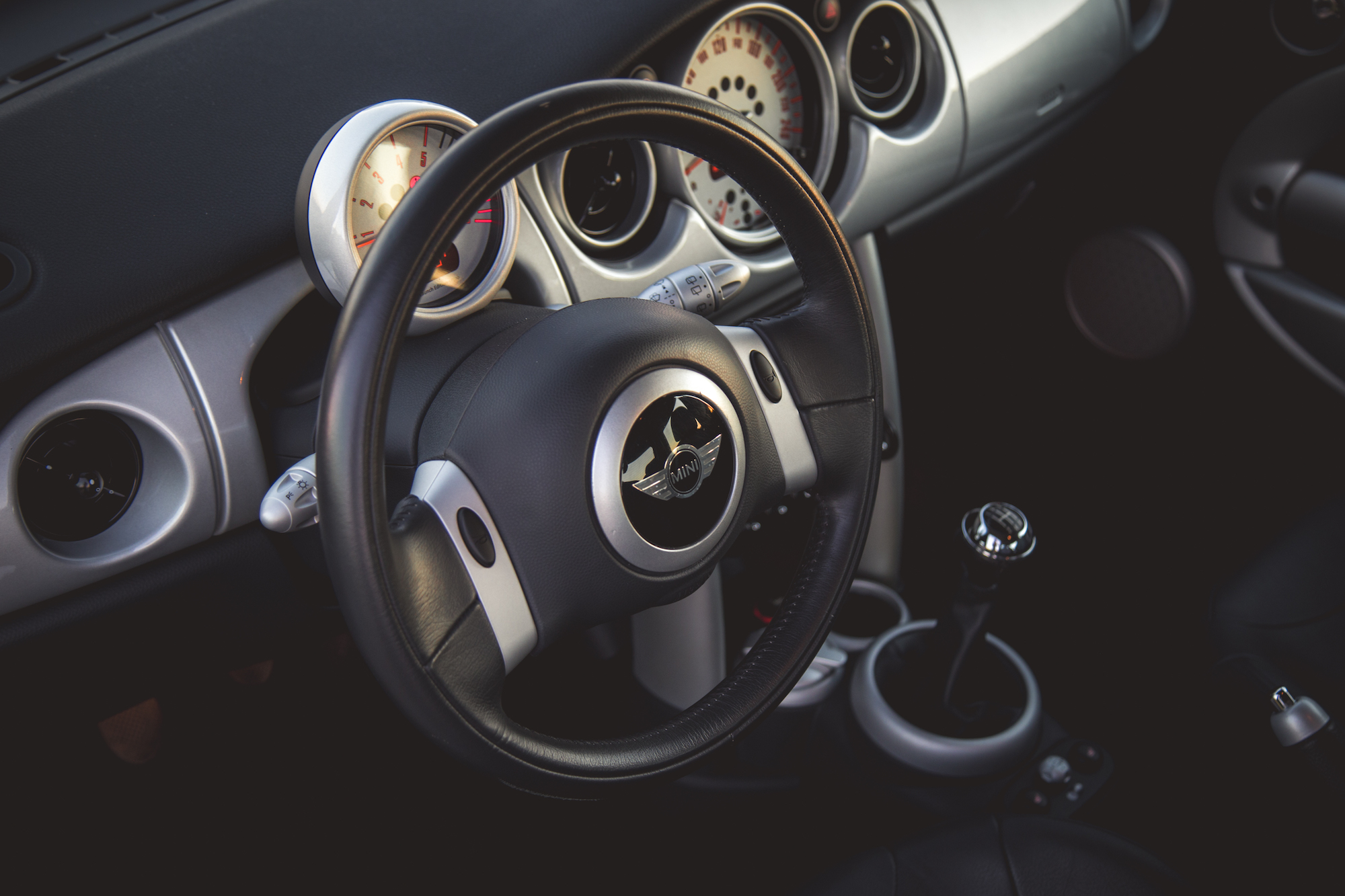
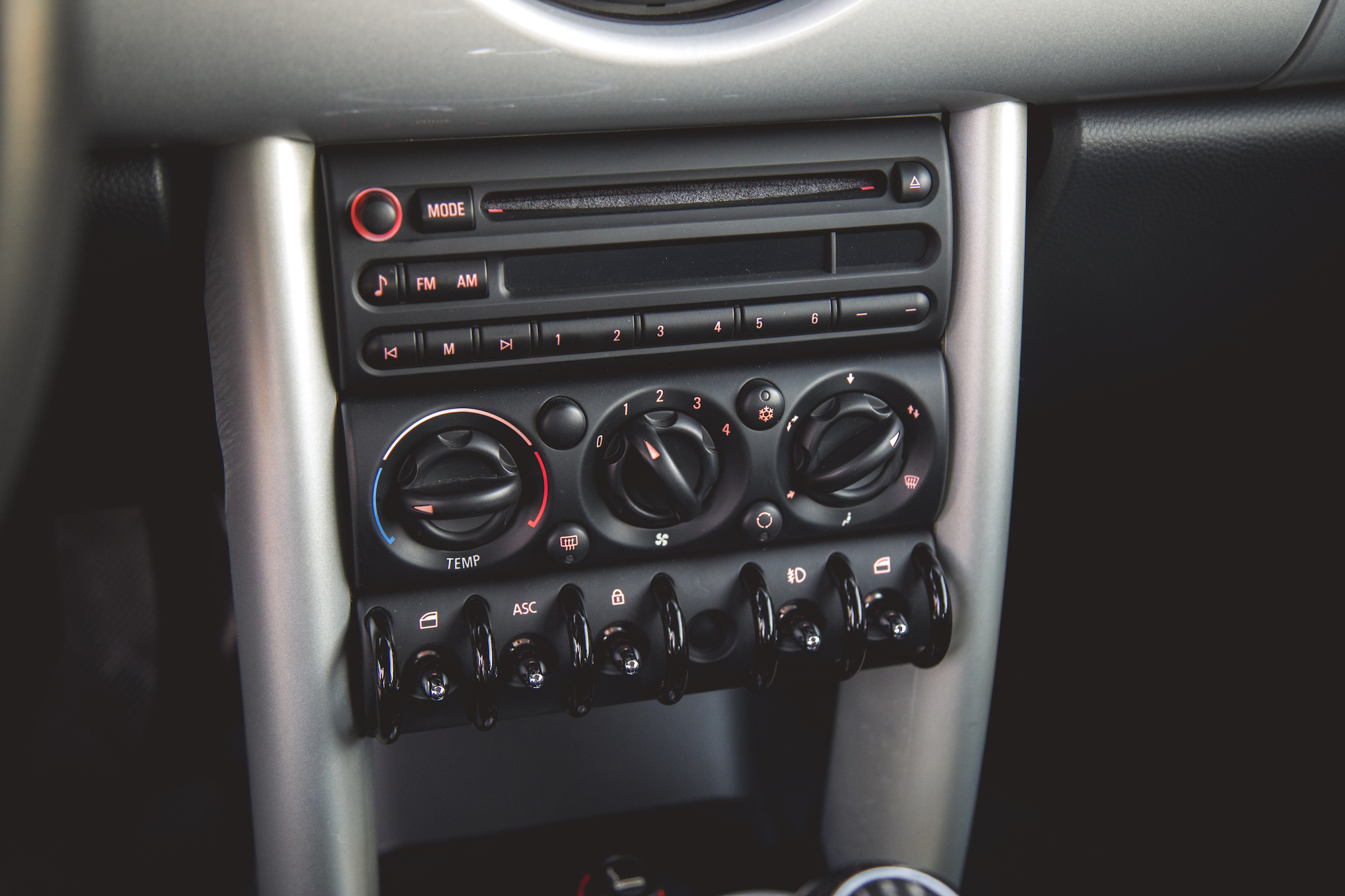
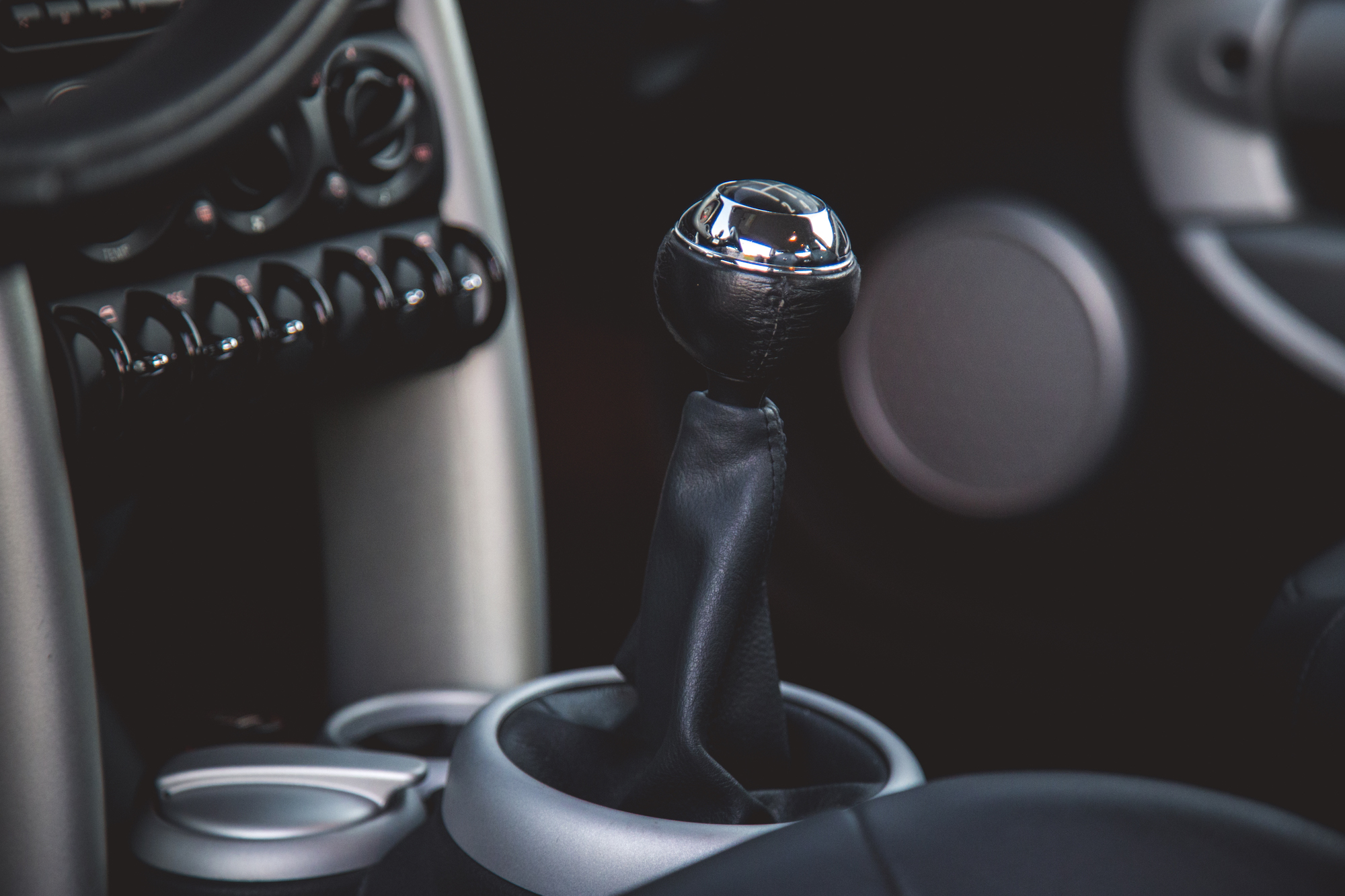
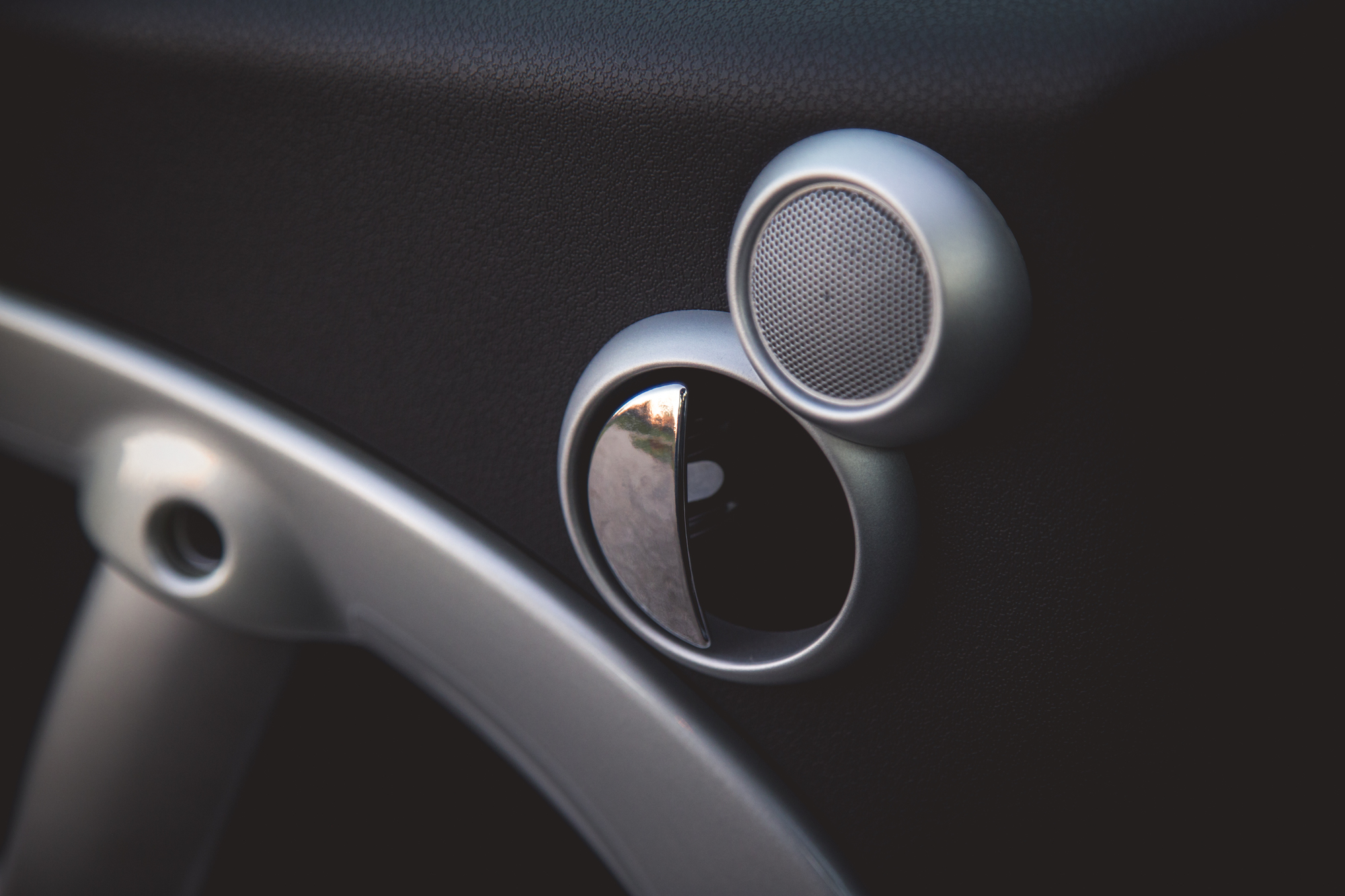
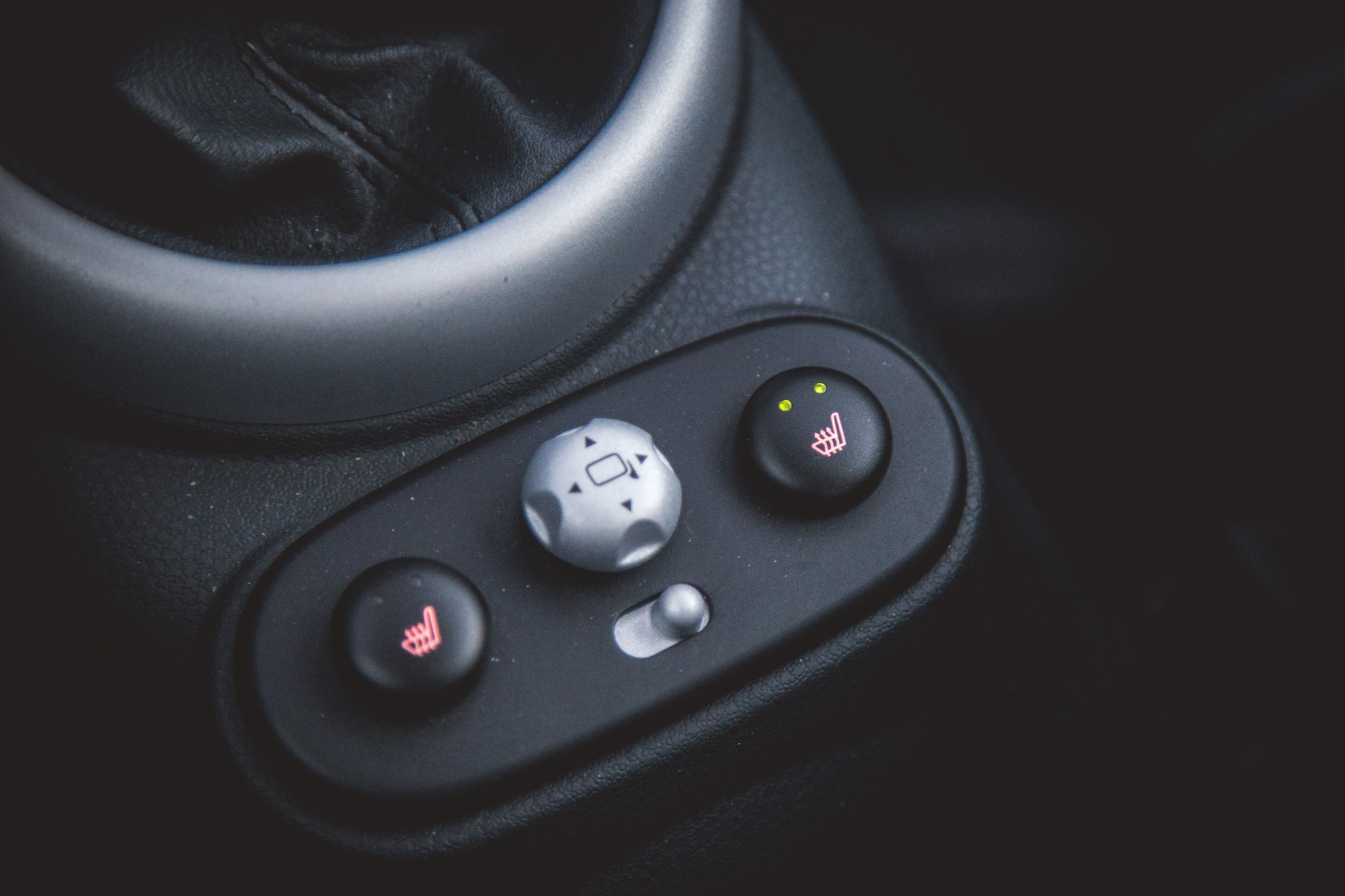
Step inside, and the space-age interior still feels ahead of its time. Aircraft-style toggle switches, dome-shaped knobs, and a playful collection of circular design elements give the cabin a distinctive character that still stands out today. Every knob seems to have its own personality, and the rounded motifs extend from the door handles to the instrument cluster and even the seat shapes. Looking back, it’s easy to appreciate how daring the design was. It must have been a genuine wow moment in 2002, when most competitors were still playing it safe. MINI wasn’t simply reinterpreting a classic. It was creating an entirely new design language that would influence the brand for decades.
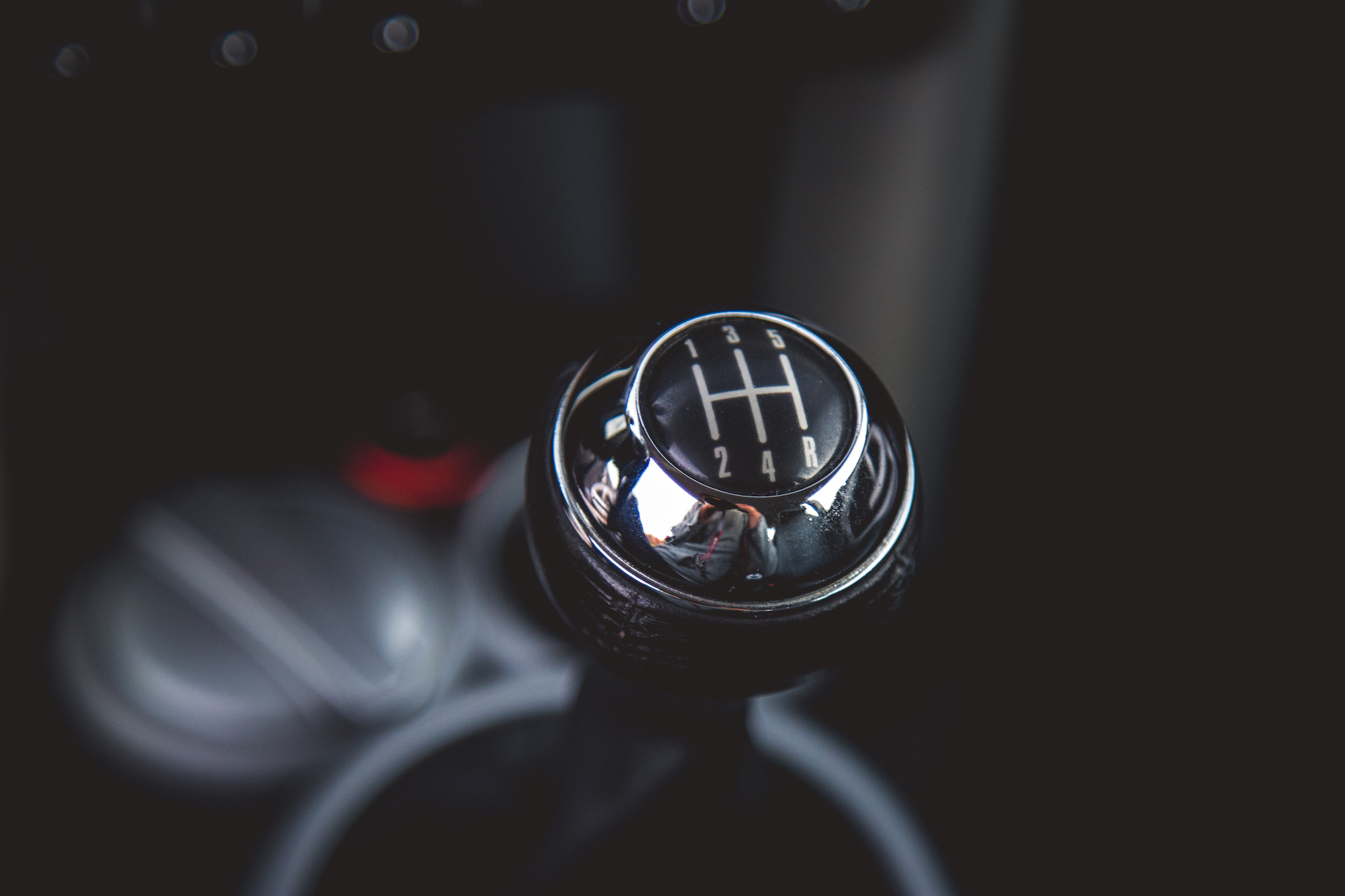
The MINI Cooper is equipped with a 1.6-litre naturally aspirated four-cylinder producing a respectable 115 hp. That might not sound like much today, but it was hardly embarrassing at the time. Its Cooper S stablemate used a supercharger for extra grunt, but there’s something wonderfully honest about the base Cooper’s free-breathing four-pot. Its linear power delivery reminds us of a time when extracting performance from an engine took patience, precision, and commitment. Instead of turbocharged torque delivered on a silver platter, you have to earn your acceleration. Wind the engine toward its 6,800 rpm ceiling, squeeze every last drop of pulp from the motor, choreograph your hands and feet to time the shift and match the revs, then begin the dance all over again. It’s the quintessential automotive rhythm of the early 2000s, an increasingly rare art in an age when so many cars do the hard work for you.
Compared with the newest MINIs, which have embraced turbocharging and abandoned the manual gearbox, the old Cooper demands more from its driver. Yet that 25-year gap only underscores how impressive the original was, especially in corners. On the road, it behaves remarkably like its modern counterpart, with a darty front end, seemingly endless mid-corner grip, and a firm but composed ride. This kind of go-kart handling must have been unusual at the time, especially at a price point that made the MINI accessible to a much broader audience. Its launch price of $27,100 was hardly pocket change, but it bought a genuinely special driving experience. I didn’t even have my driver’s licence back then, but I remember riding in one and being convinced it was warping around corners at supercar speeds.
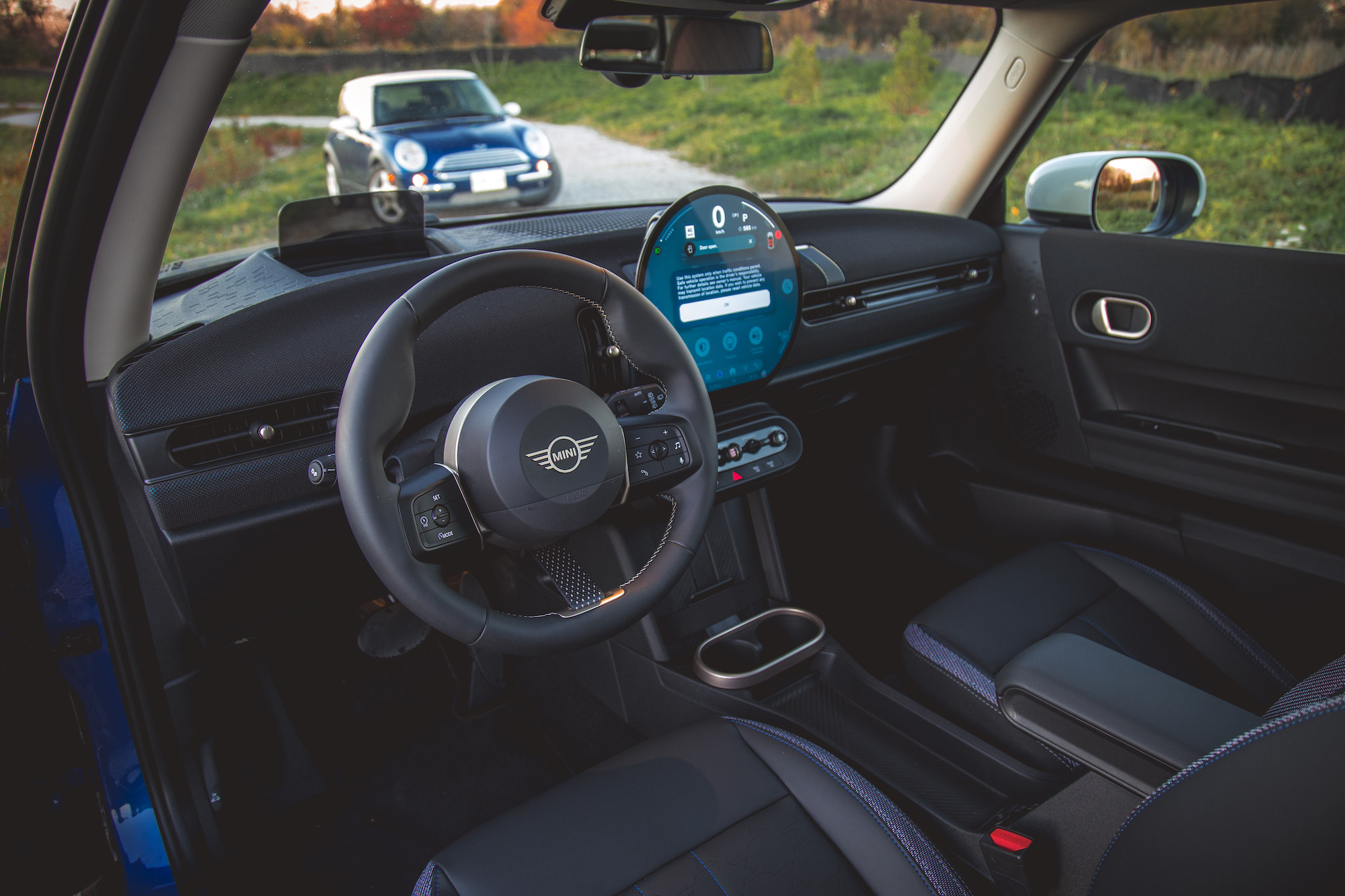
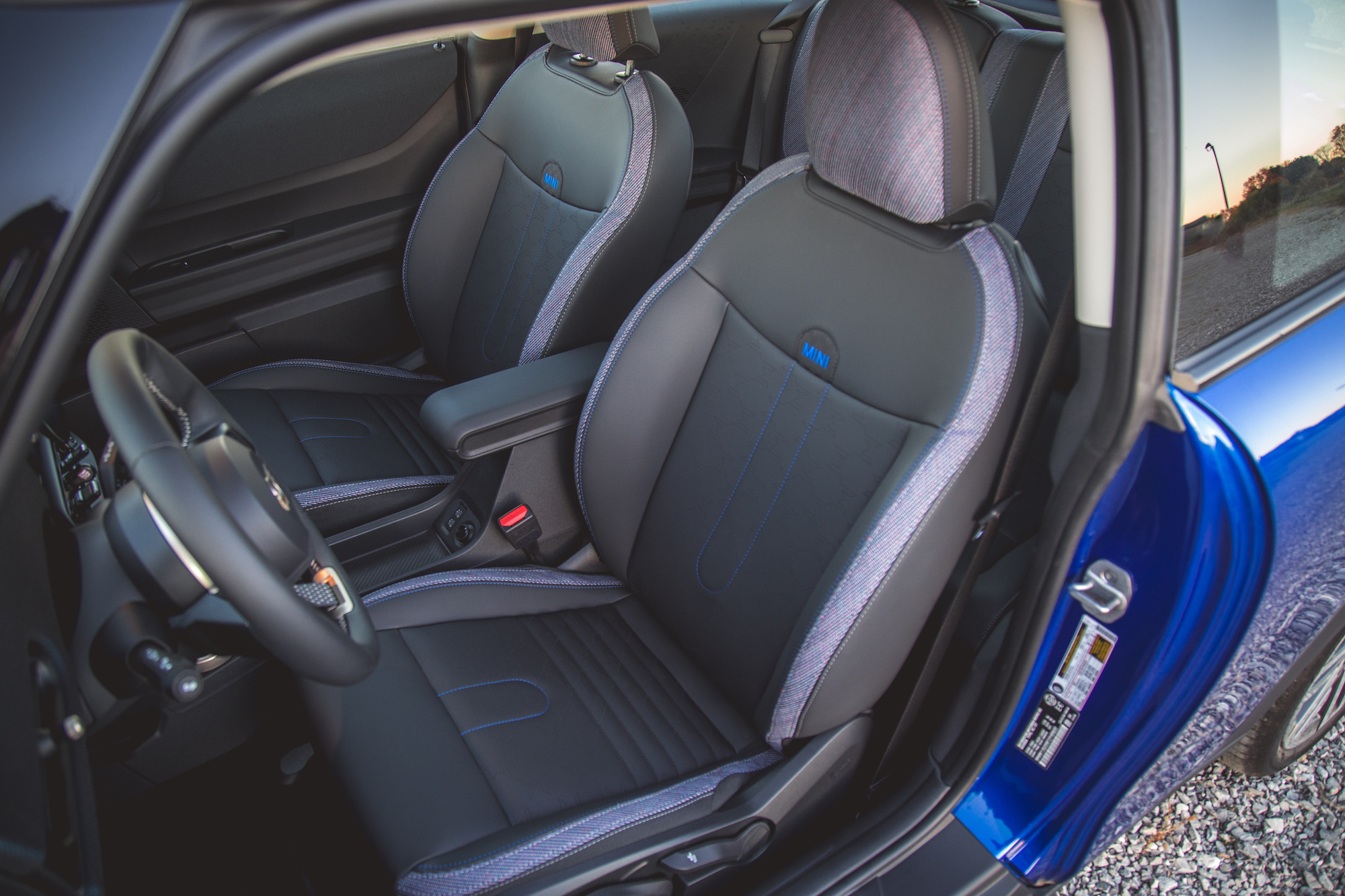
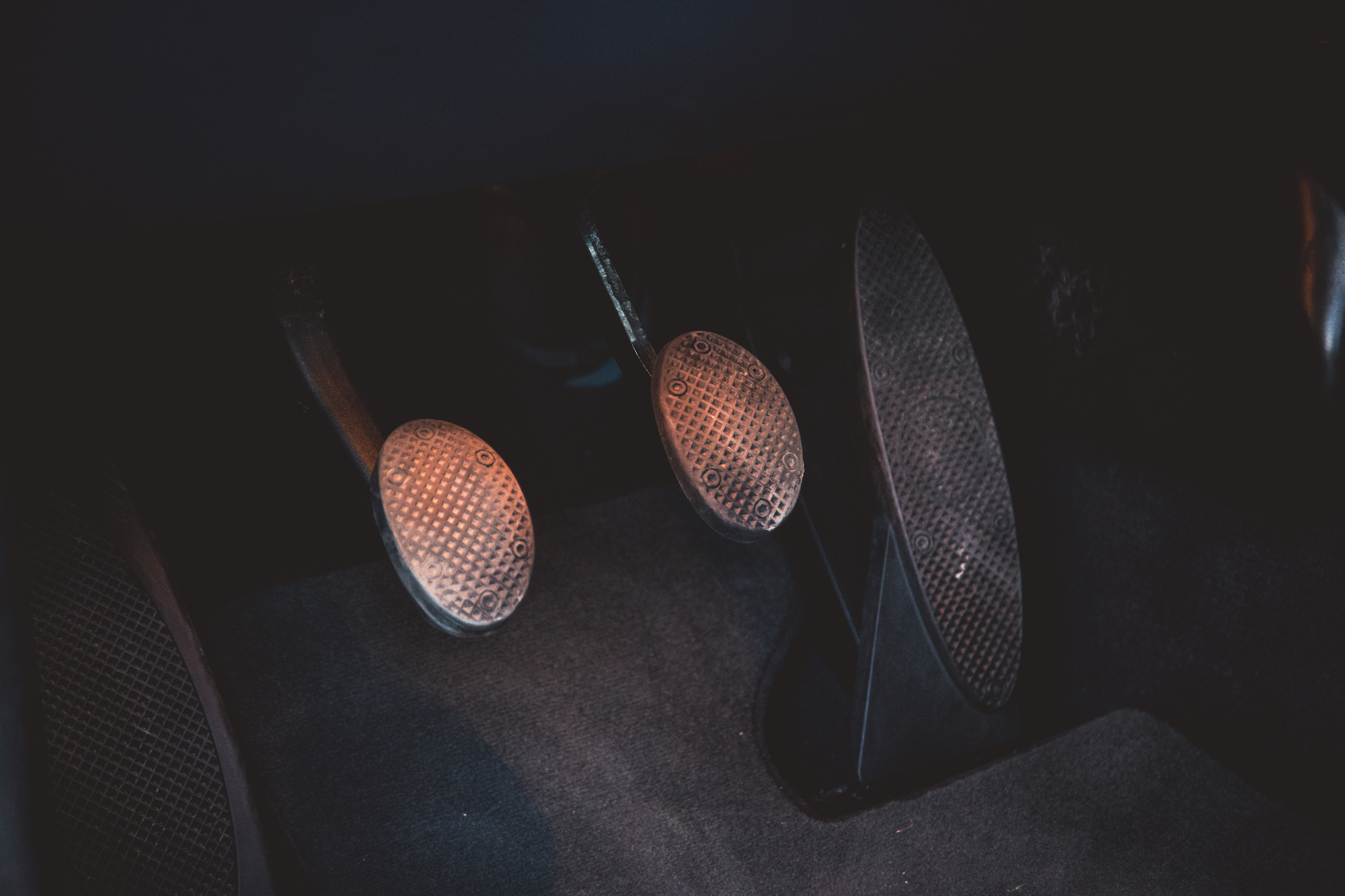
That essence comes through in the steering, too. The heavier weighting feeds a satisfying sense of connection through your fingertips, and we miss this old-school, thin-rimmed leather steering wheel compared to the latest MINIs and their chunky grips. The tactile quality makes the car feel like an extension of the driver, not a machine filtering every input through layers of assistance. Of course, nostalgia has its limits. We also appreciate the newer MINI’s more generous cabin, because our sneaker tips barely clear the firewall when pressing the clutch in this ol’ Cooper. It’s manageable, but it’s also a useful reminder of how much larger modern vehicles have become.
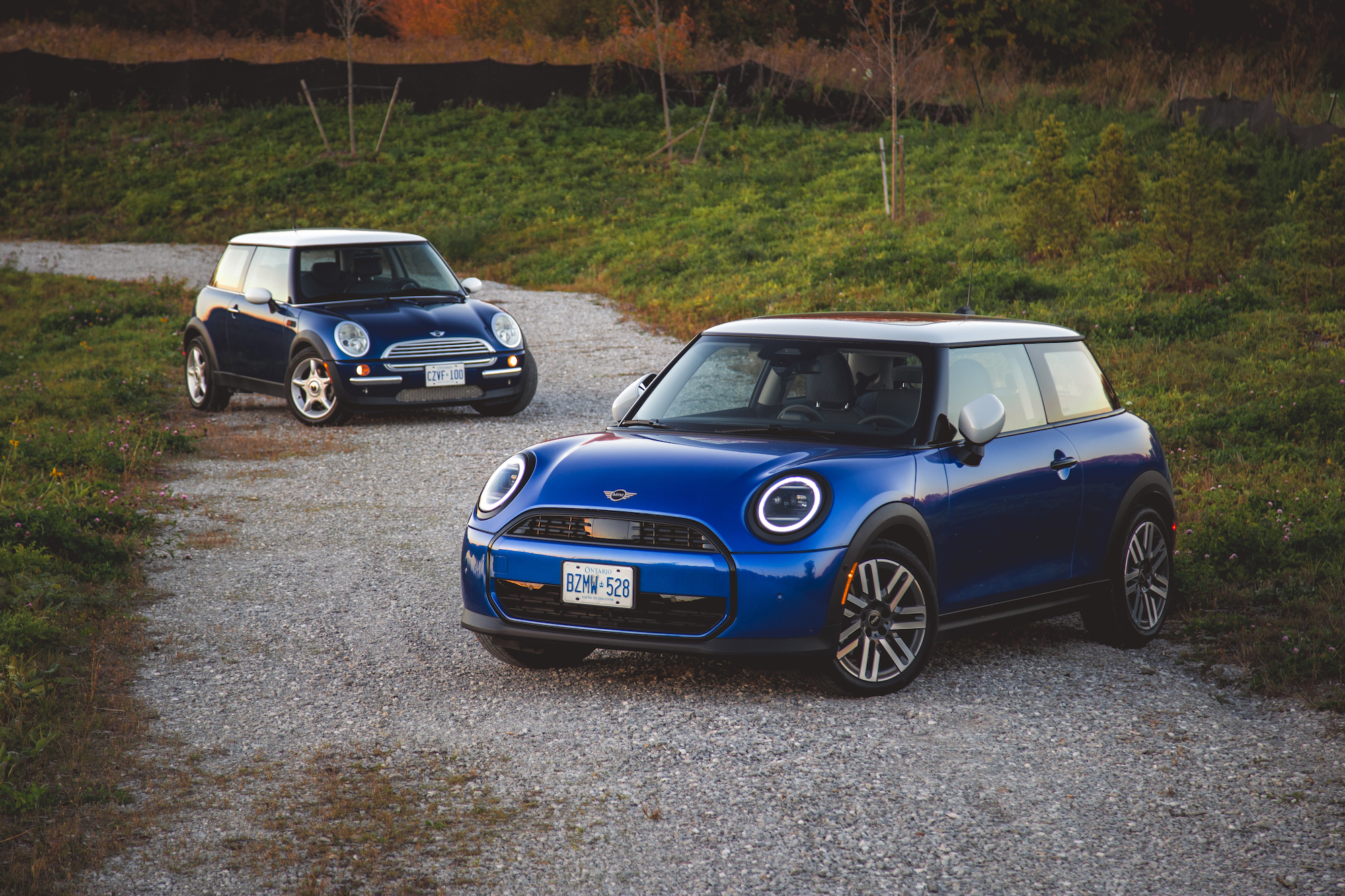
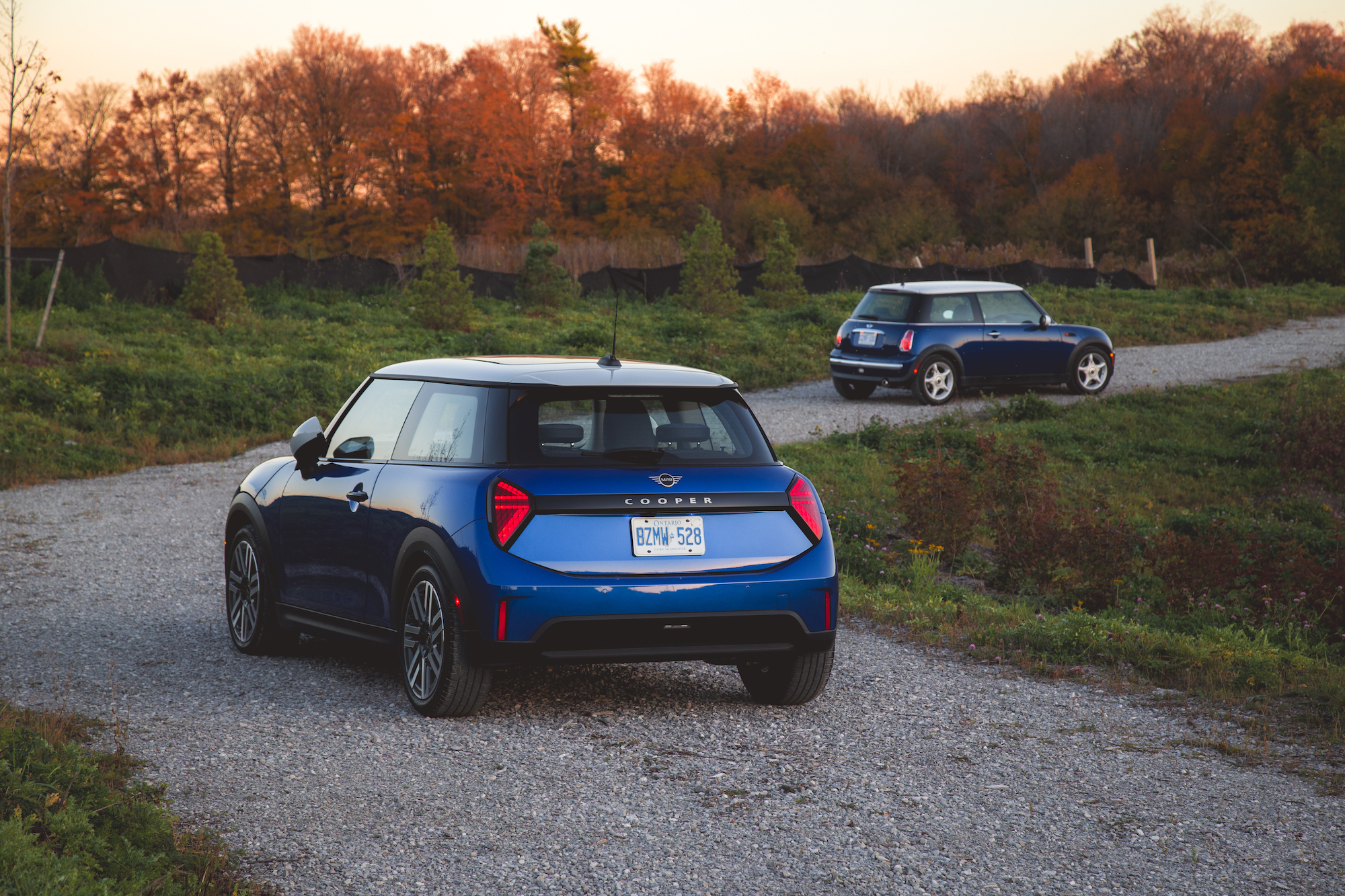
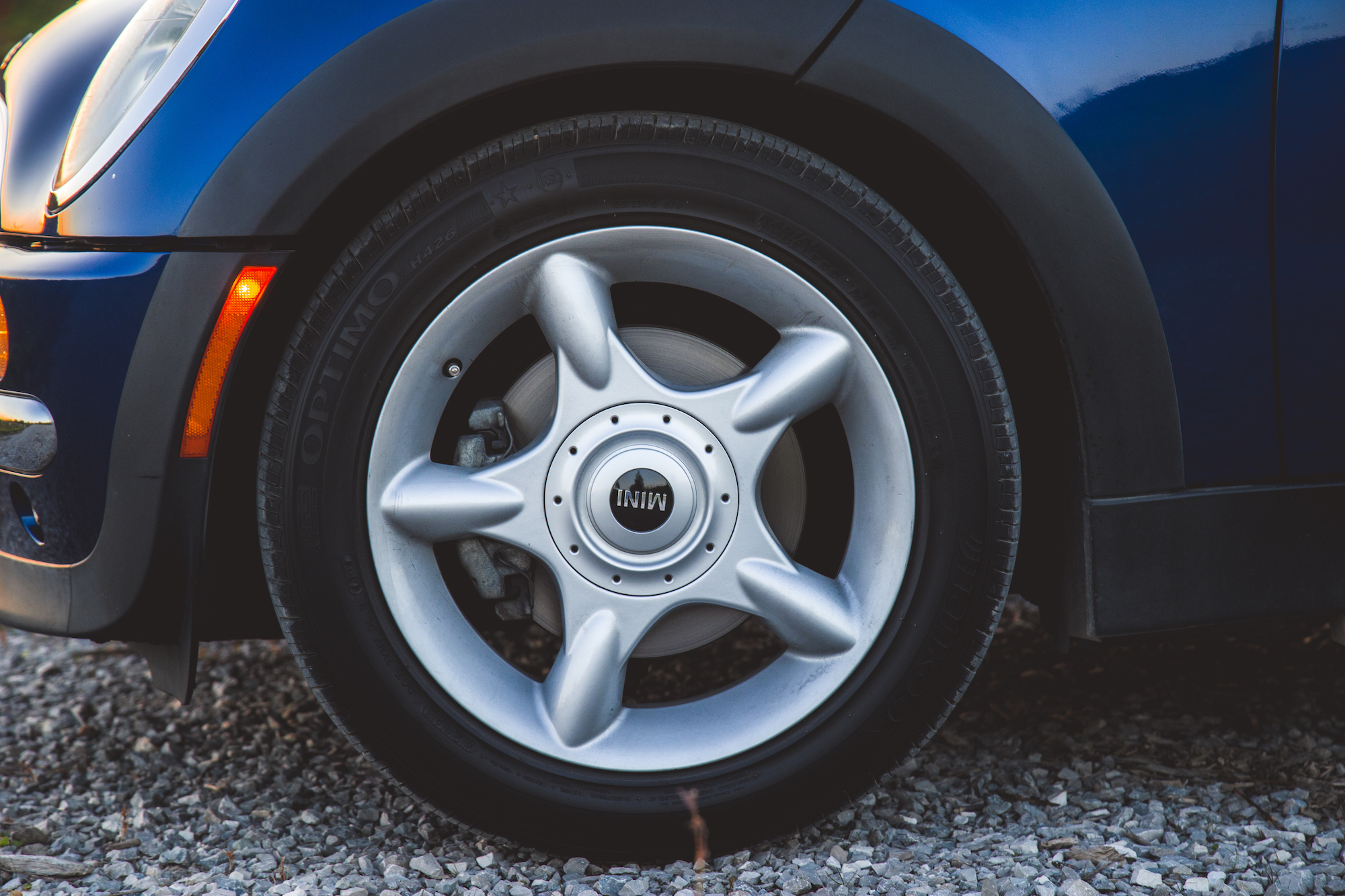
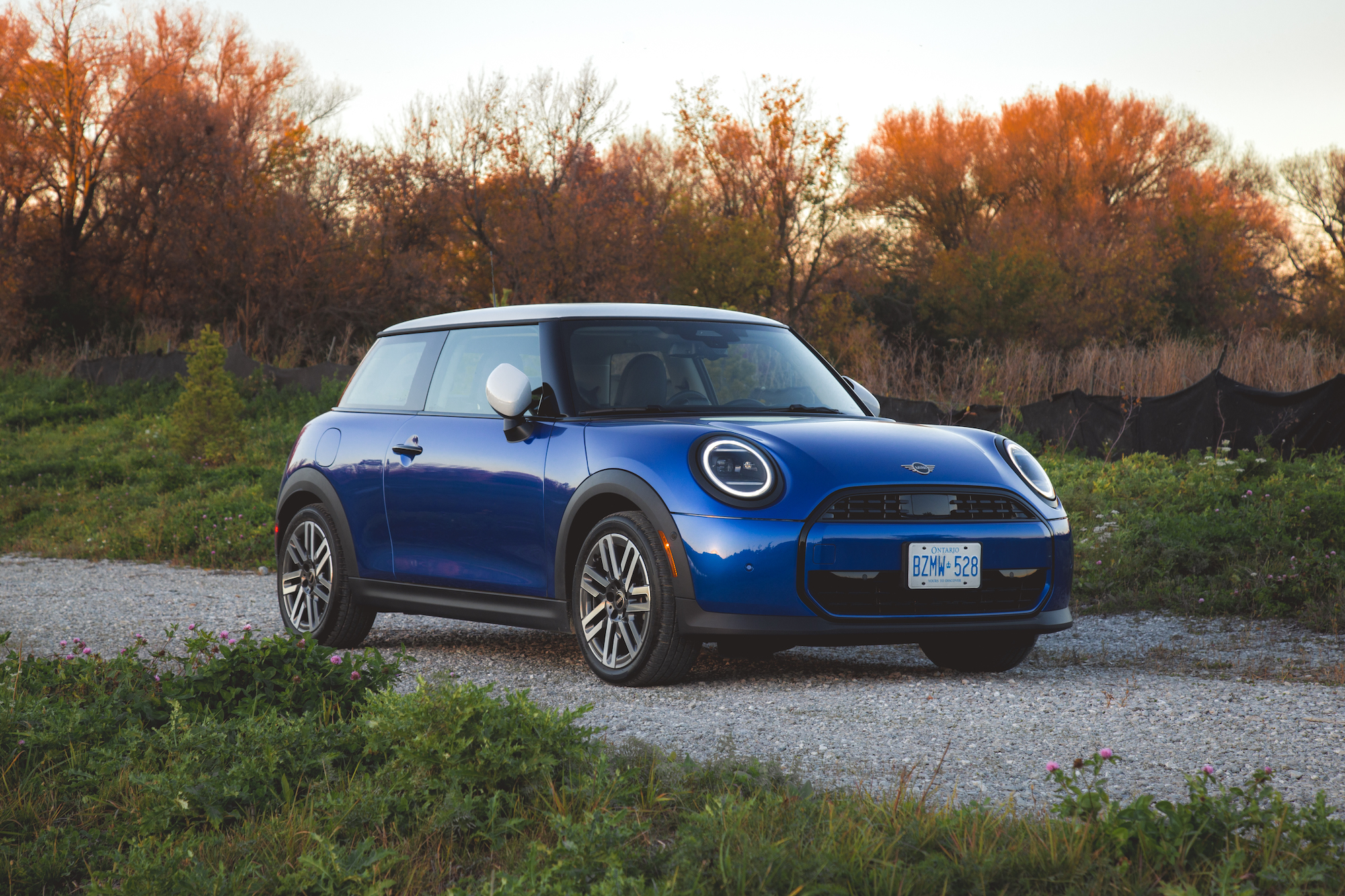
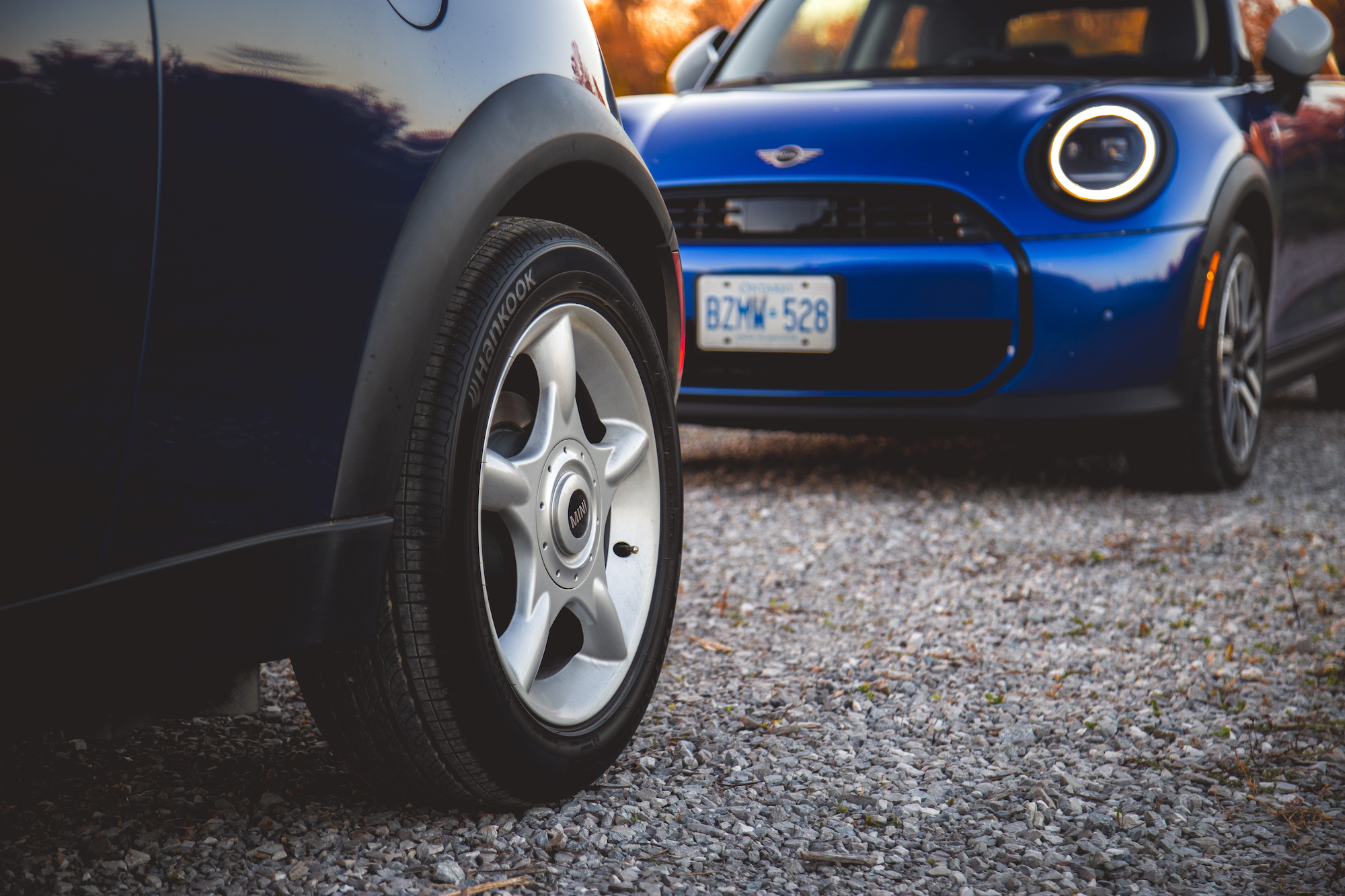
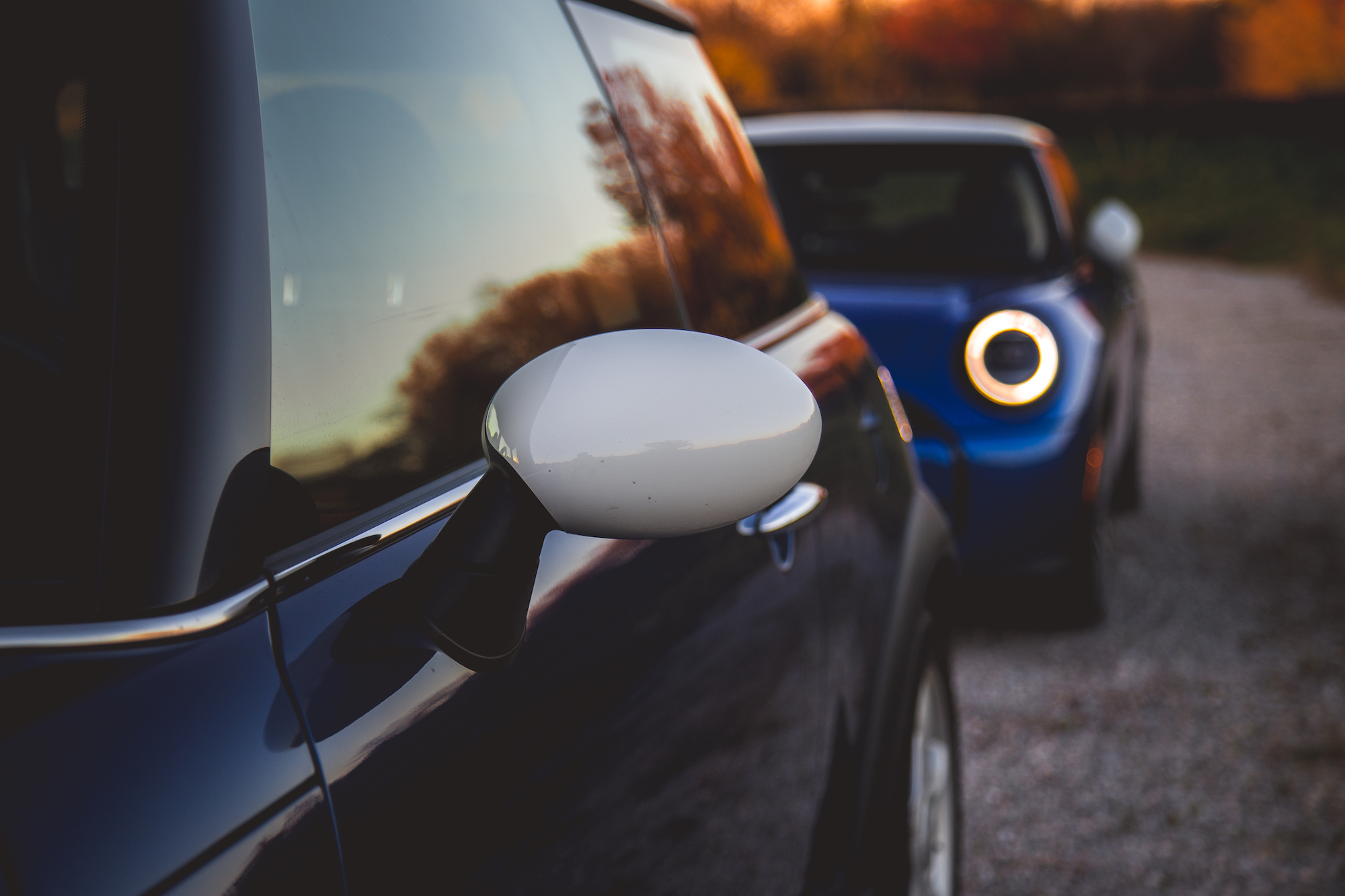
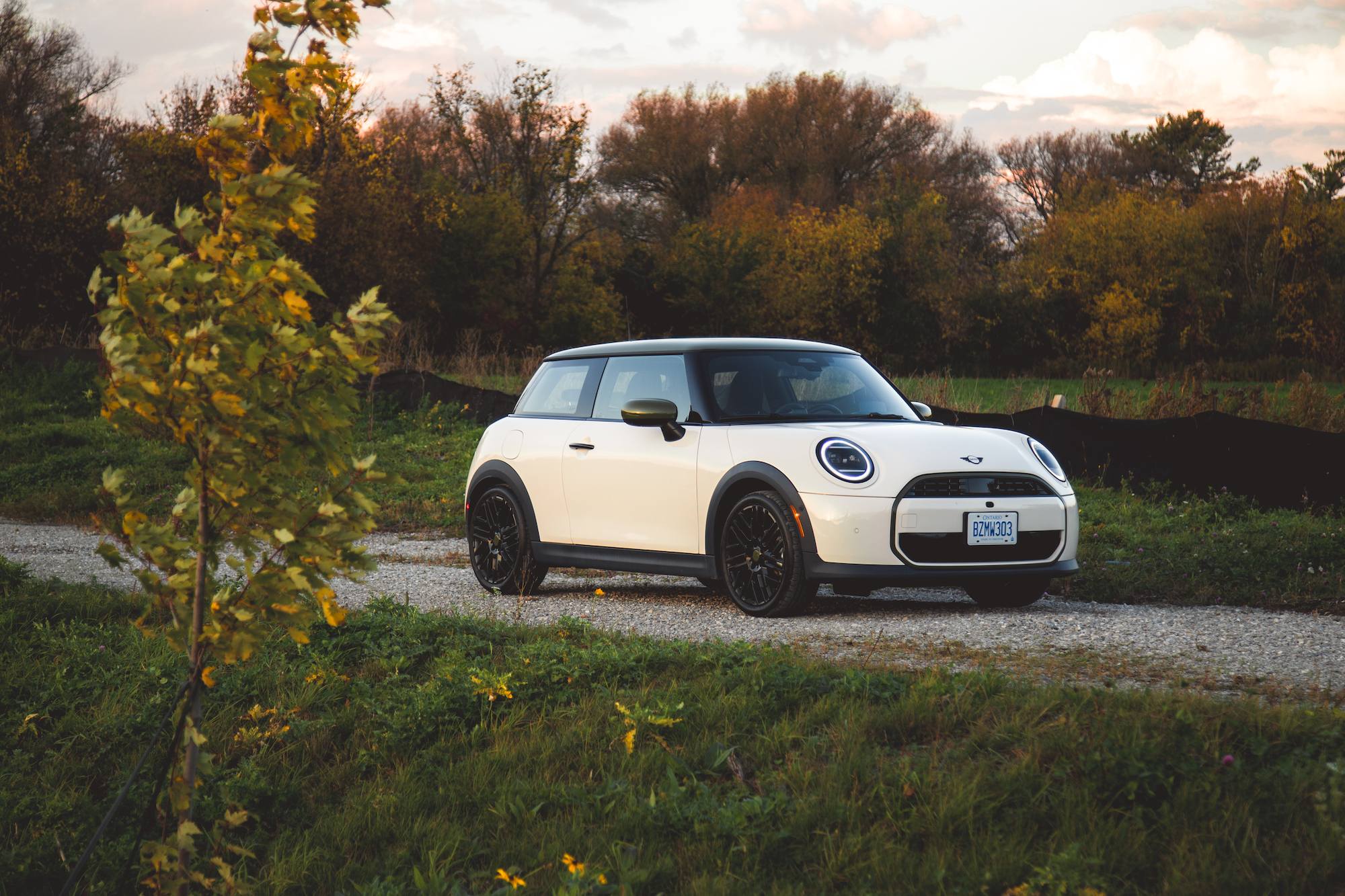
MINI Canada has done its best to recreate the original’s specification with the 2026 MINI Cooper C. Finished in Blazing Blue Metallic with a white roof and mirror caps, the newcomer comes remarkably close to its predecessor’s look. Put the two side by side, and the family resemblance is unmistakable. The rounded headlights, flat roofline, compact wheels, and sloping rear hatch are all there. The details have evolved, but the fundamental silhouette remains intact. Few modern cars can trace such a clear visual line back to their predecessors without resorting to a pastiche of retro styling cues.
The Cooper C is the entry point to the current lineup, with its 2.0-litre turbocharged four-cylinder generating 161 hp and 184 lb-ft of torque, enough to propel it from 0 to 100 km/h in 7.7 seconds, still an enormous gulf over the roughly 10 seconds clocked by the 2002. But the new MINI doesn’t really feel much quicker. It’s certainly easier to drive and exploit the available grip, but its smaller precursor somehow feels more urgent. Perhaps it’s the old car’s smaller footprint, taller gearing, and more vocal intake and exhaust notes as the engine climbs through its rev range. Whatever the reason, the performance gap feels much narrower behind the wheel than on paper.

And that’s what makes this comparison so interesting. Stepping back in time doesn’t necessarily mean a similar retrograde in performance or drivability. Quite the opposite. The 2002 MINI Cooper reminds us how rewarding and involving even a modestly powered car can be, while the 2026 Cooper C shows how that same formula has evolved for modern life. The DNA remains, from the eager front end to the playful handling, but the experience has become less demanding. The old car makes you work for the fun. The new one makes it easier to access.

For most drivers, the 2026 MINI Cooper C is undoubtedly the better hatchback. Its more accommodating cabin, improved performance, and enhanced safety features make it a more rounded companion for everyday life. You no longer need to tolerate the original’s cramped ergonomics or work as hard to make progress. But it’s how MINI has navigated its evolution that is reassuring. While some automakers have left us questioning the direction of their design departments, from Jaguar’s radical reinvention to the increasingly divisive styling of Mercedes-Benz and Audi, MINI has avoided losing sight of what makes it special.
Specifications:
Model: 2002 MINI Cooper Launch Edition (#1 of 500)
Paint Type: Indi Blue
Base Price: $27,100
Price as Tested: $27,100
Length/Width/Height (mm):
Powertrain: 1.6-litre four-cylinder
Horsepower: 228 hp @ 5,000 rpm
Torque: 280 lb-ft @ 1,500 rpm
Transmission: 5-speed manual
Engine & Drive Configuration: Front engine, FWD
Observed Fuel Economy (L/100km): 9.0
Tires: Hankook Optimo; 195/55R16
Model: 2026 MINI Cooper C 3-Door
Paint Type: Blazing Blue Metallic
Base Price: $35,990
Price as Tested: $37,940
Length/Width/Height (mm): 3,879 / 1,744 / 1,431
Powertrain: 2.0-litre turbocharged four-cylinder
Horsepower: 161 hp
Torque: 184 lb-ft
Transmission: 7-speed dual-clutch
Engine & Drive Configuration: Front engine, FWD
Observed Fuel Economy (L/100km): 8.2
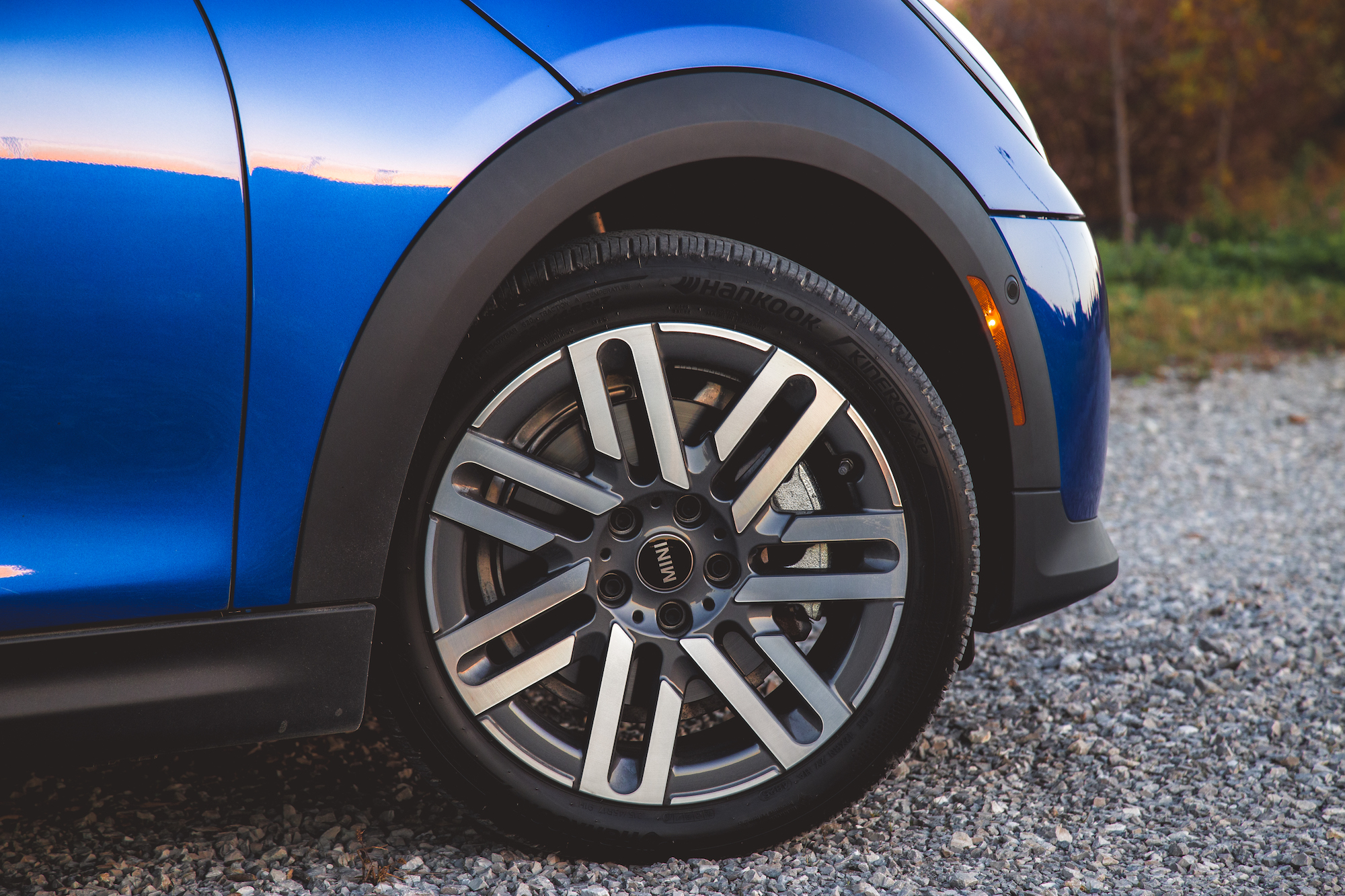
Tires: Hankook Kinergy XP; 215/45R17







Leave a Reply