
After a tumultuous first attempt at electrification with its EQ lineup, Mercedes-Benz has finally delivered a well-packaged, comfortable, and relatively affordable electric vehicle. In fact, we’d argue the new CLA is the brand’s most impressive and cohesive EV to date, and it’s good enough to make us reconsider our current $60,000 electric vehicle recommendation: the MINI Countryman SE. So what exactly makes Mercedes’ smallest and newest electric sedan so compelling?

First, there’s the price. The CLA is available in two trims, each with a different powertrain. The entry-level CLA 250+ starts at a reasonable $49,990, but comes exclusively with a single electric motor driving the rear wheels. Its 85 kWh battery spec delivers 268 hp and 247 lb-ft of torque, with an impressive claimed range of 602 km. Stepping up to the CLA 350 for $55,900, you get an additional front electric motor, increasing output to 349 hp and 380 lb-ft of torque. The added muscle also makes it considerably quicker, with a 0 to 100 km/h sprint taking just 4.9 seconds.
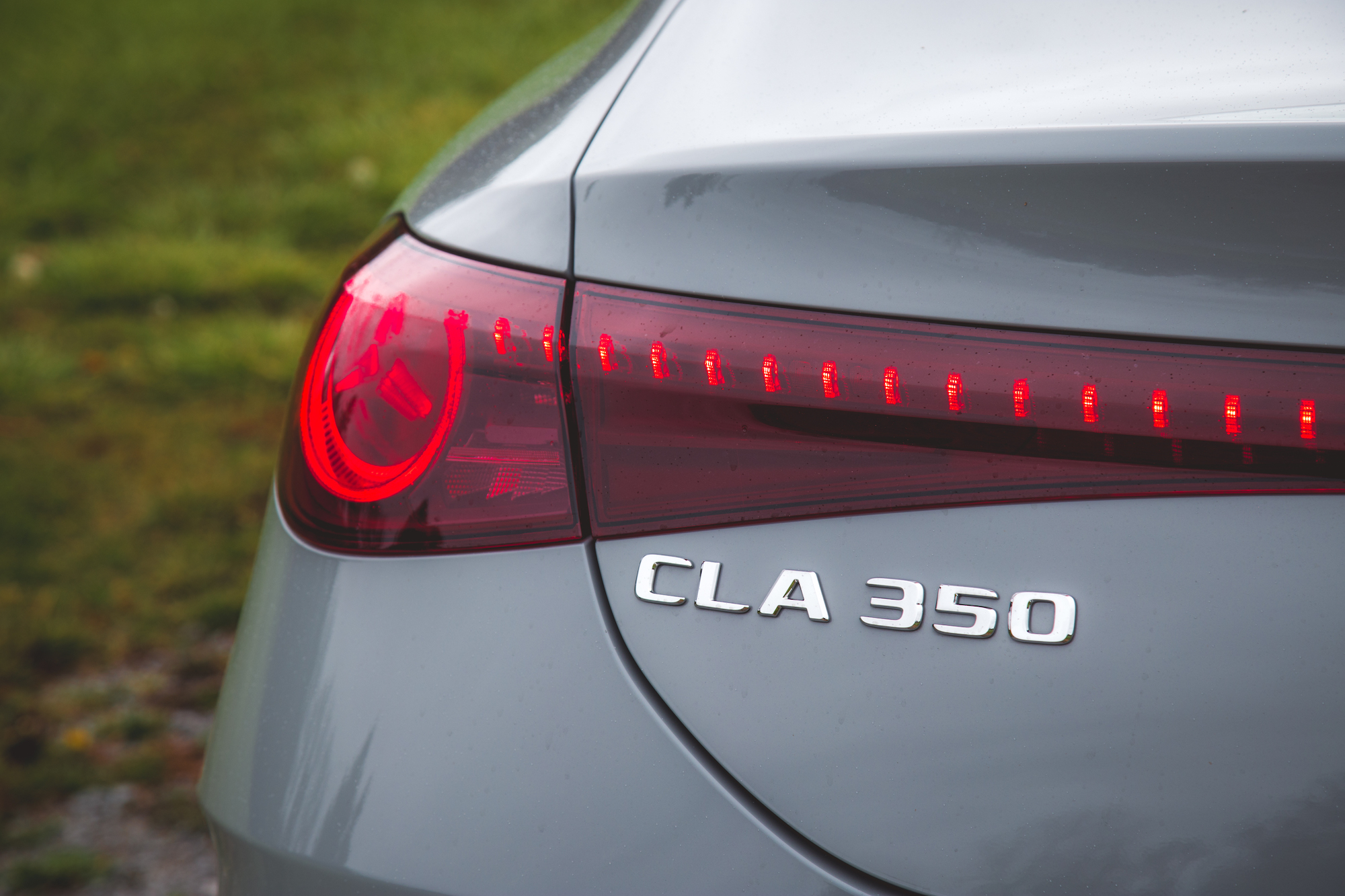
Unlike most mainstream EVs, both CLA variants utilize a two-speed transmission mounted on the rear axle. Similar in concept to the Porsche Taycan, it switches between two gear ratios to prioritize either acceleration or high-speed power delivery and highway efficiency. All this hardware does come at a cost, however, and the CLA is hardly a lightweight. Our CLA 350 tips the scales at 2,135 kg, making it approximately 30 percent heavier than the original gasoline-powered CLA 250.

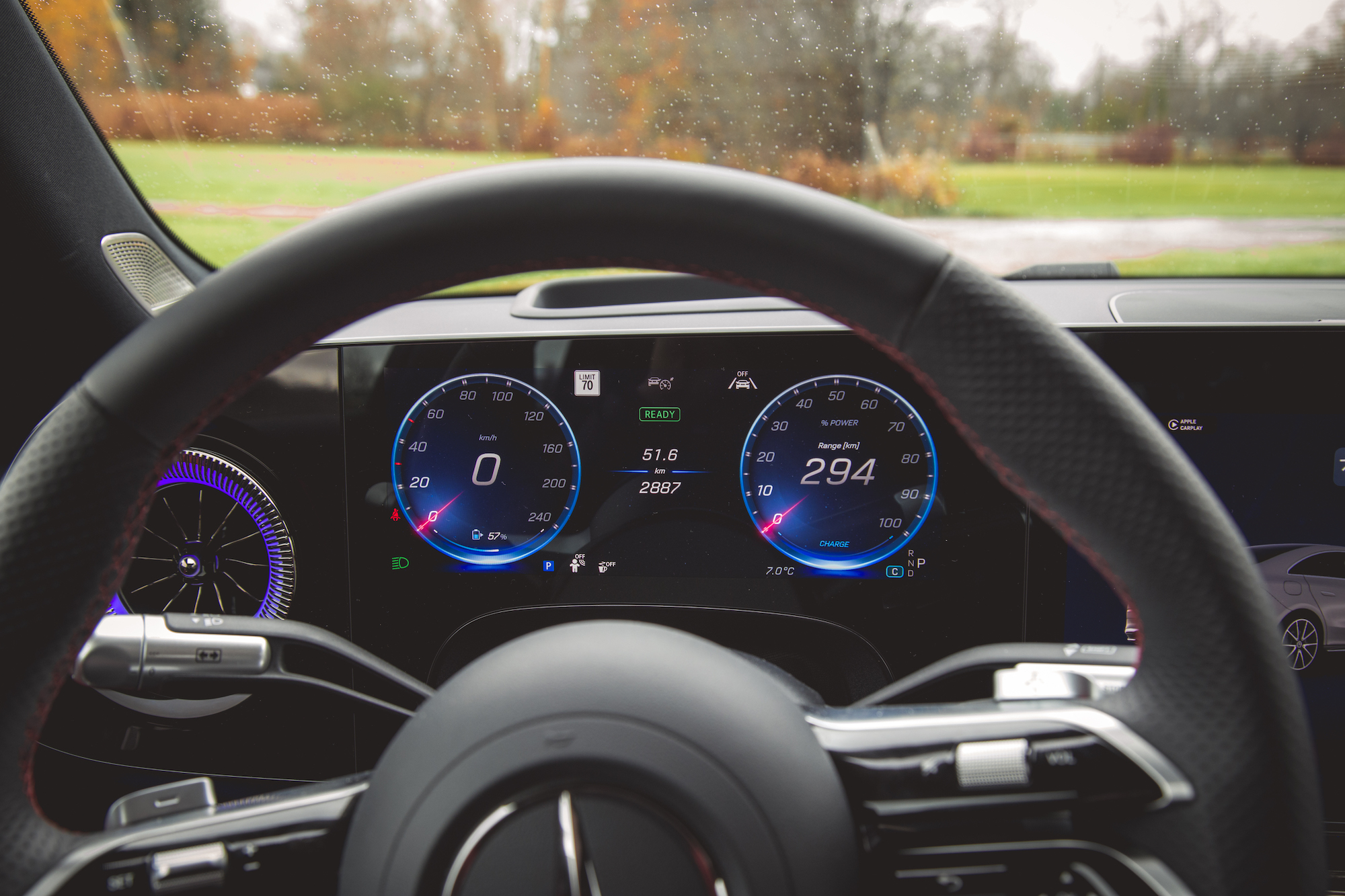
We suspect most Canadians will be willing to pay the $6,000 premium for the CLA 350’s AWD, particularly for the added performance and all-weather traction. The trade-off is a considerably shorter driving range, dropping from 602 km to 502 km. Our own testing returned a respectable 450 km, although this was achieved in chilly, single-digit autumn temperatures with the heated seats and steering wheel running almost constantly. You could probably stretch that figure closer to 500 km in warmer weather, provided you exercise some restraint with your right foot, but getting there won’t be particularly easy.
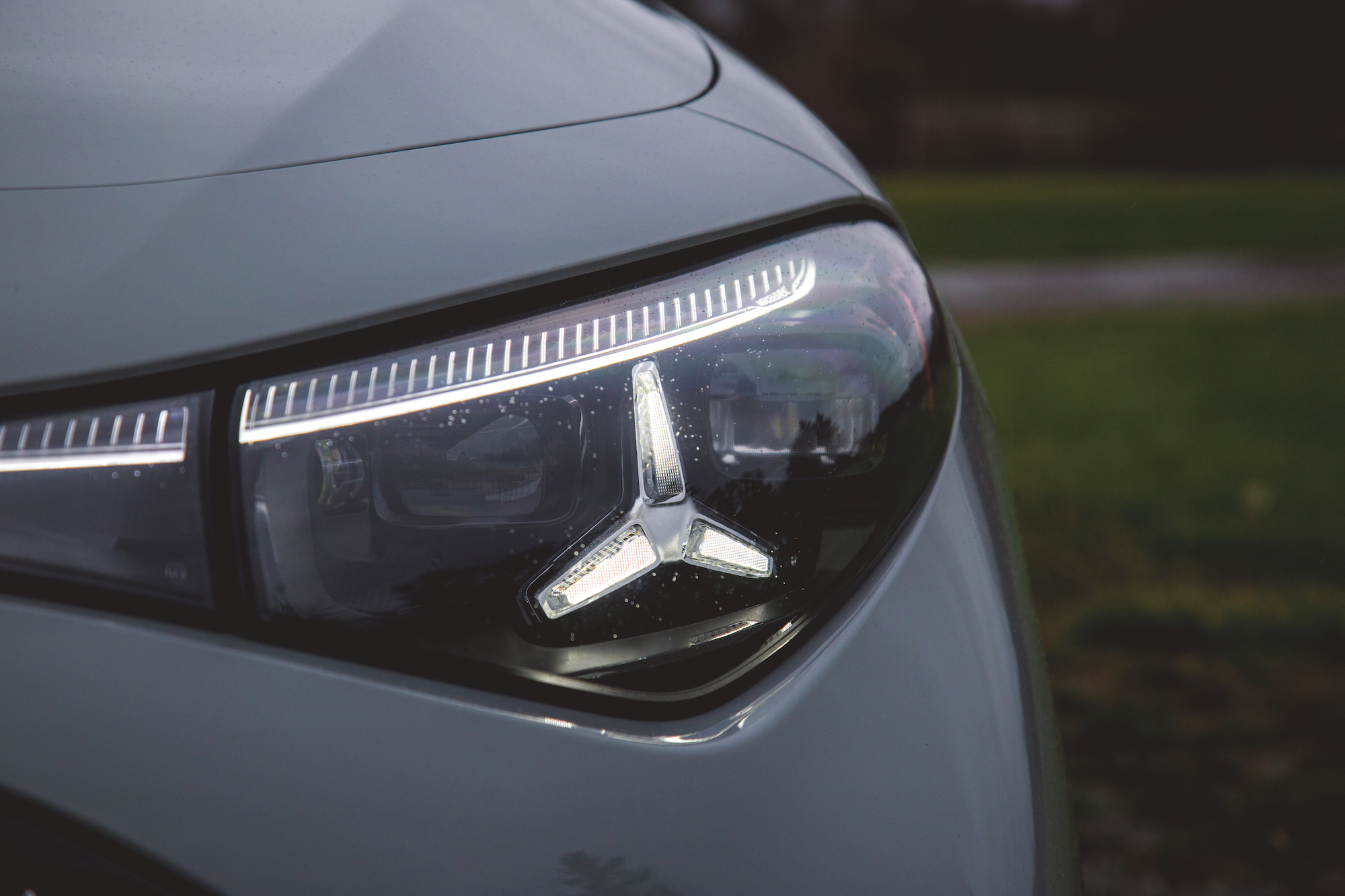
The CLA 350 strikes a pleasing balance between sprightly acceleration and everyday usability, but outright performance was never the problem with Mercedes’ earlier attempts at electrification. The EQE, EQS, and G 580 EQ all came equipped with sophisticated batteries, delivering blistering acceleration and jaw-dropping driving range. The problem was how they drove. Their steering was hopelessly overboosted, while the rear-wheel steering felt excessively reactive and artificial. Rather than making the steering wheel feel like an extension of your arms, it often felt like an awkward appendage with a mind of its own. Their ride quality was respectable, but the lofty price tags and lack of meaningful interior amenities, particularly in the sedans, made their competitors considerably more appealing. Thankfully, the CLA suffers from none of these fundamental shortcomings.
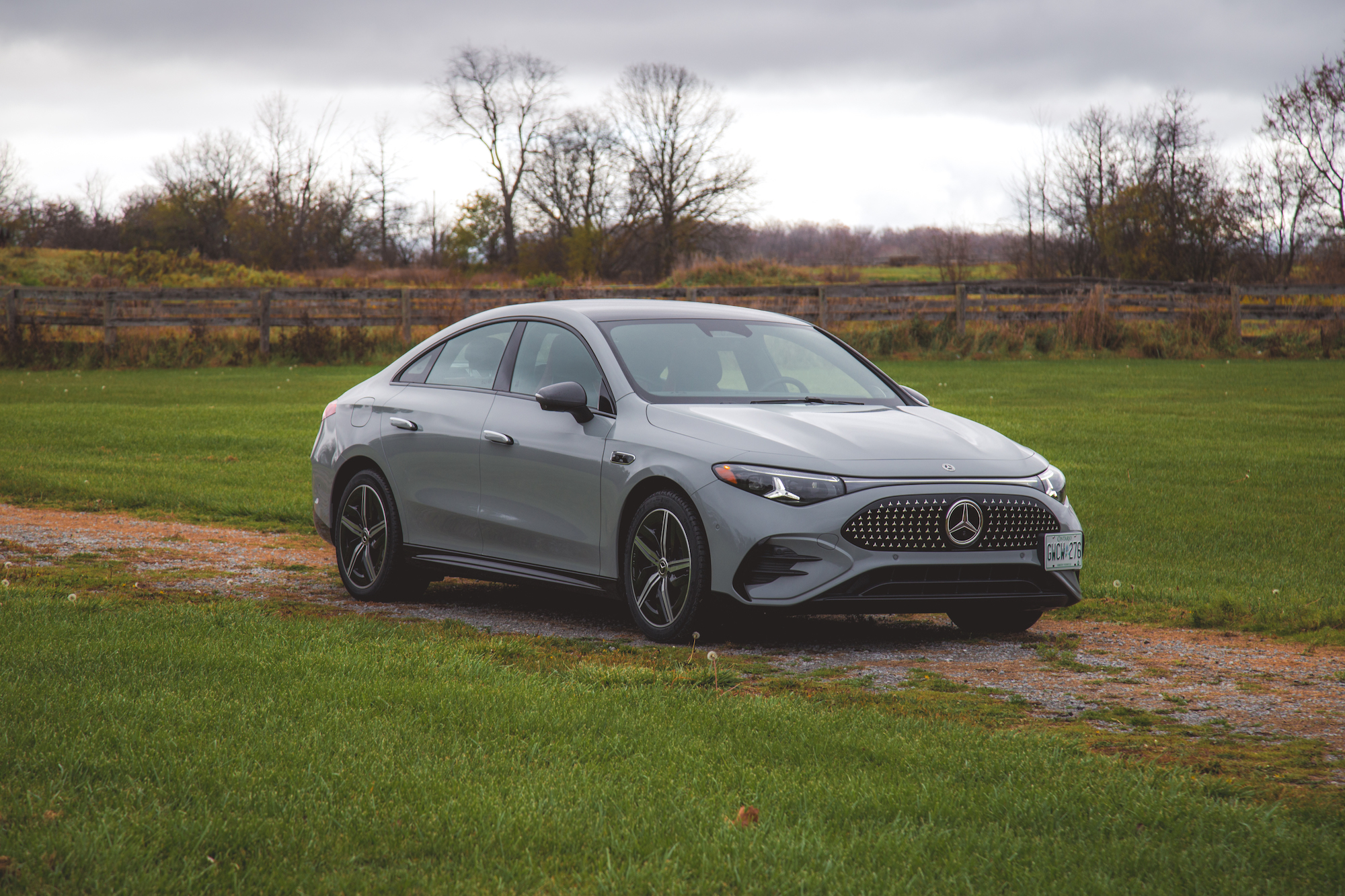
Its biggest ace is how pleasant it is to drive. Gone is the numb, overly isolated sensation of the EQS, replaced by steering with a reassuring amount of weight and feedback. It makes the CLA surprisingly easy to place with precision, even if its steering assistance is ultimately governed by lines of code rather than traditional mechanical connections. That said, the steering remains a little too reactive for our liking, particularly when turning beyond the 60-degree mark, making its responses somewhat difficult to predict at higher speeds.
Ride quality, on the other hand, is genuinely impressive. The CLA travels with poise, stability, and reassuring traction, dispatching bumps and road undulations with a level of polish we wouldn’t normally expect from an entry-level luxury sedan. It does a better job of neutralizing oscillations than the MINI Countryman SE, remains composed over harsh surfaces, and even embarrasses the BMW iX3 when it comes to outright ride comfort. It might not offer the same level of driver engagement as them, but the CLA feels deliberately calibrated for someone who appreciates a relaxed, refined, and stylish driving experience.
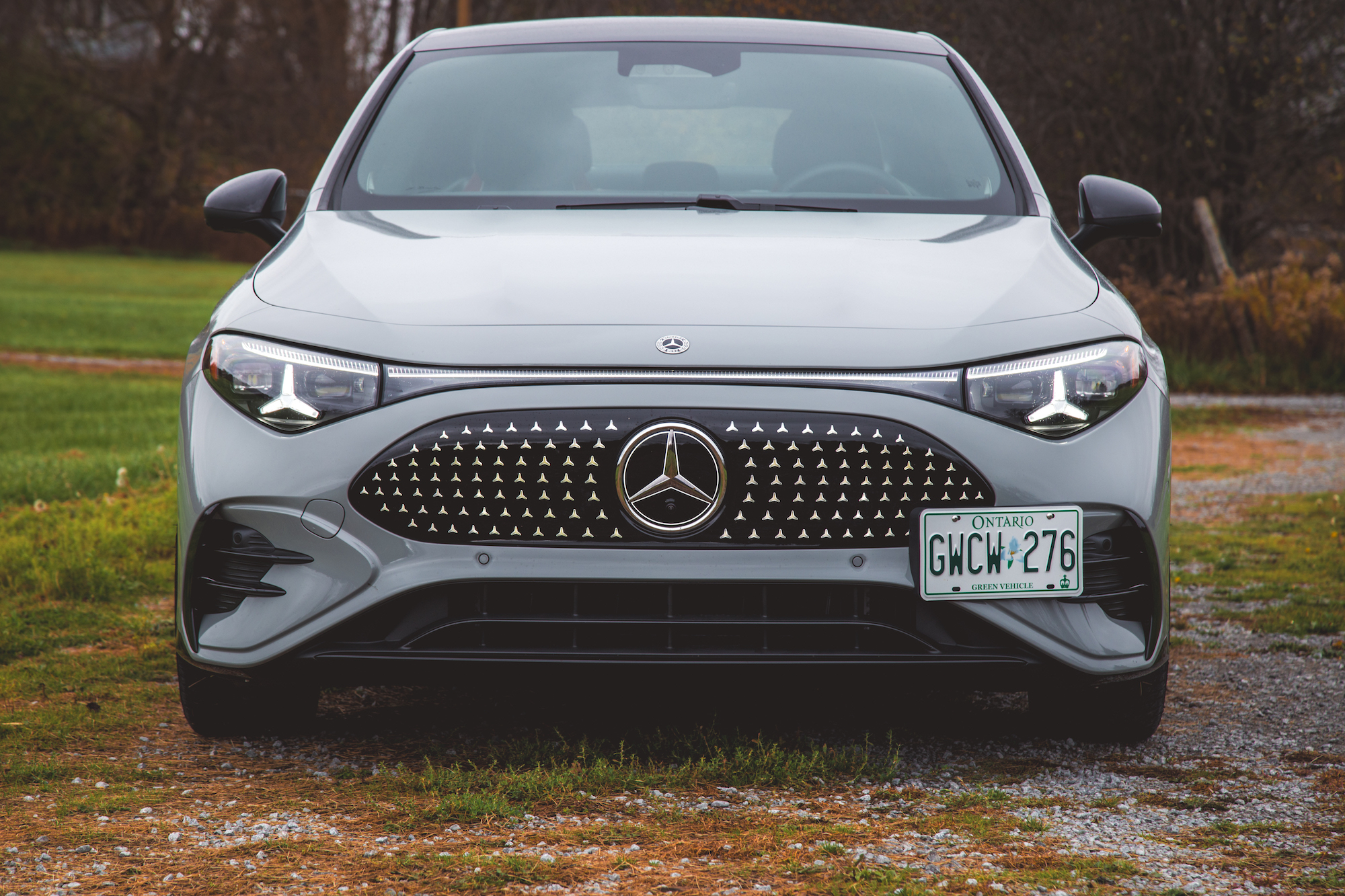
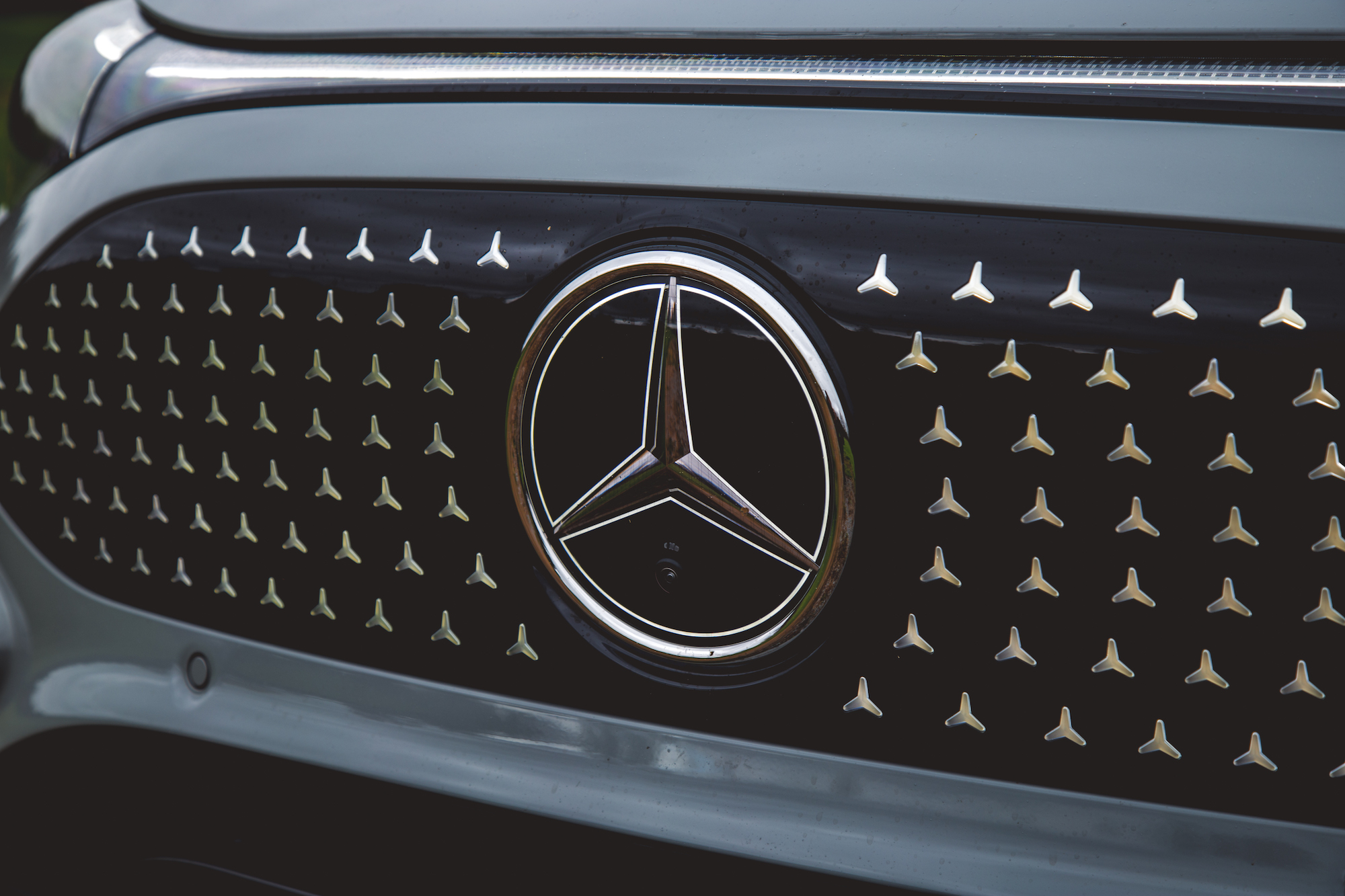
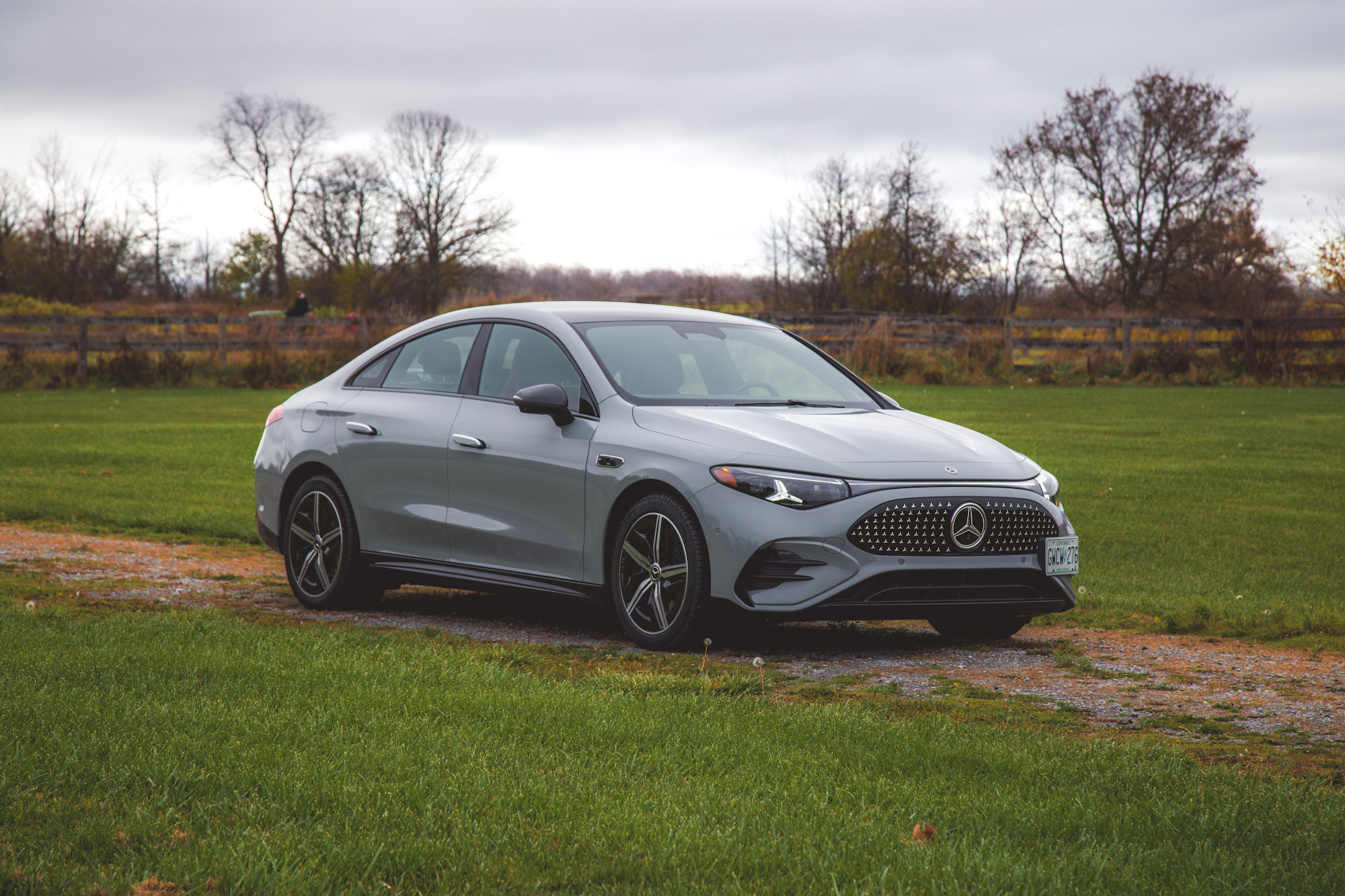
We’re not going to mince words when it comes to the CLA’s exterior styling: its front end is questionable, to put it politely. We haven’t met anyone who finds it attractive, with some comparing its face to that of a rather miserable-looking tadpole rather than the vanguard of Mercedes’ electric future. First impressions tend to involve raised eyebrows and puzzled expressions, so perhaps that was precisely the reaction Mercedes was hoping to provoke. Still, there’s something disjointed the front grill and LED light bar, detracting from what could otherwise be a clean and cohesive design.
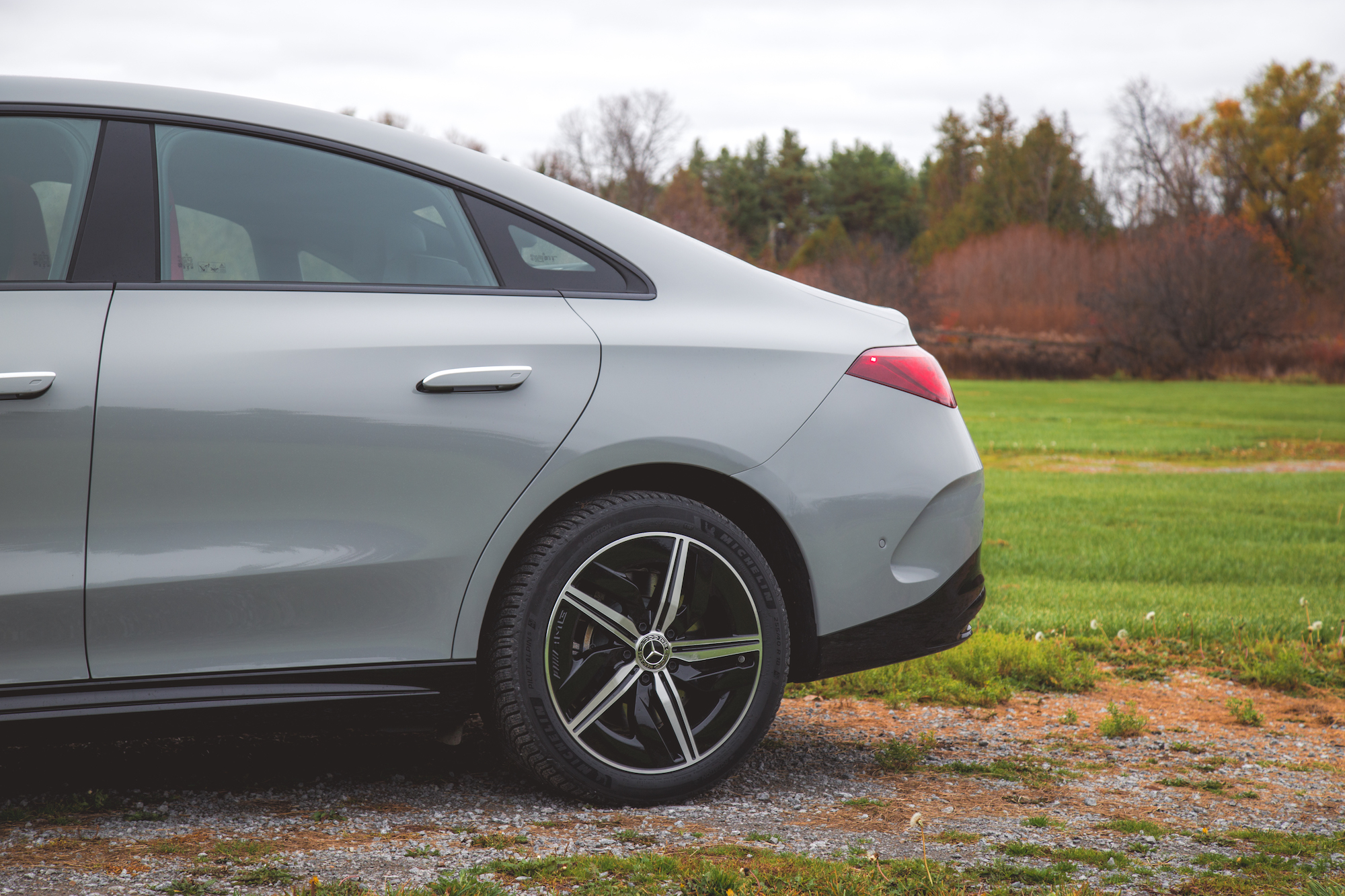
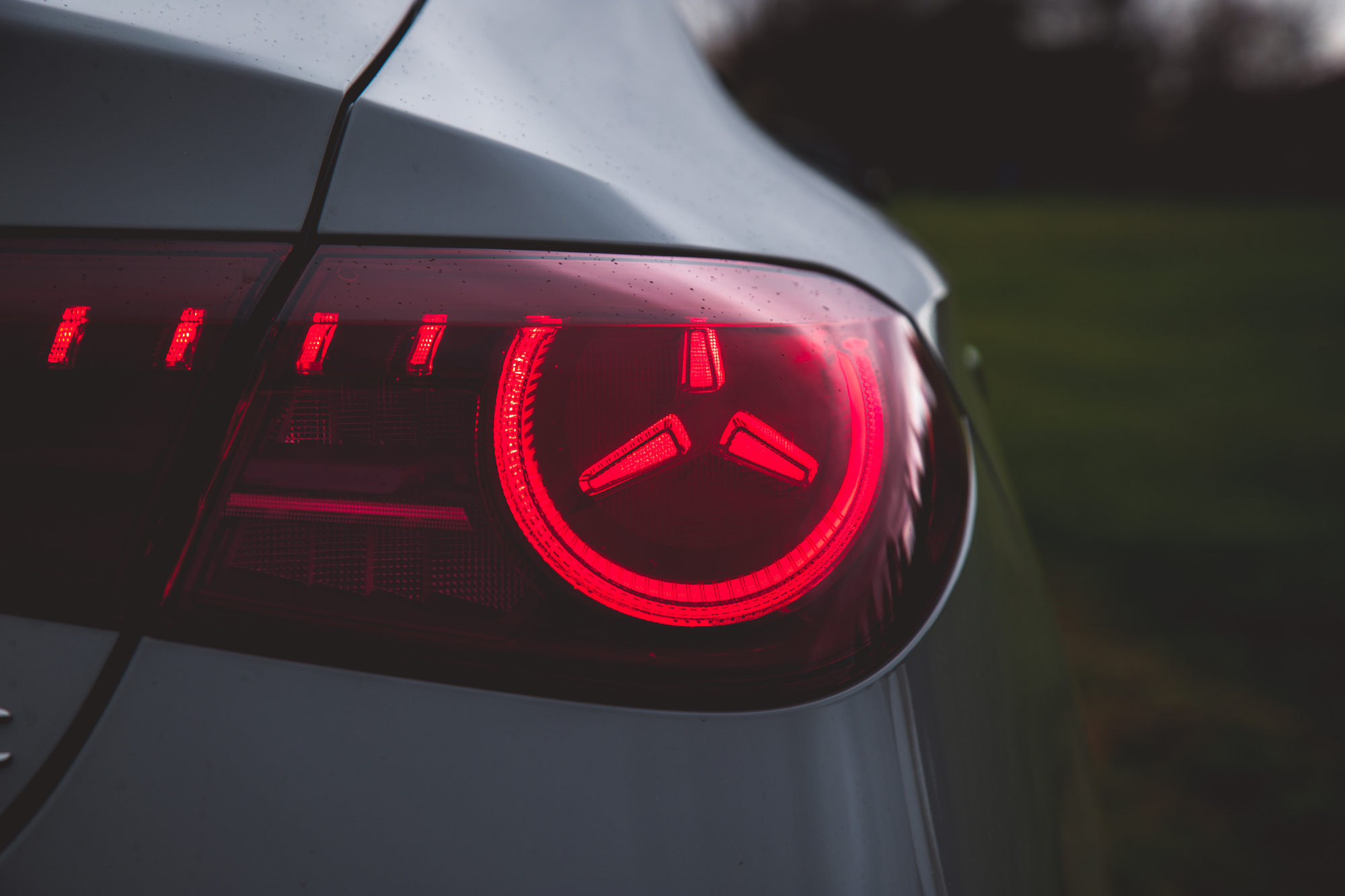
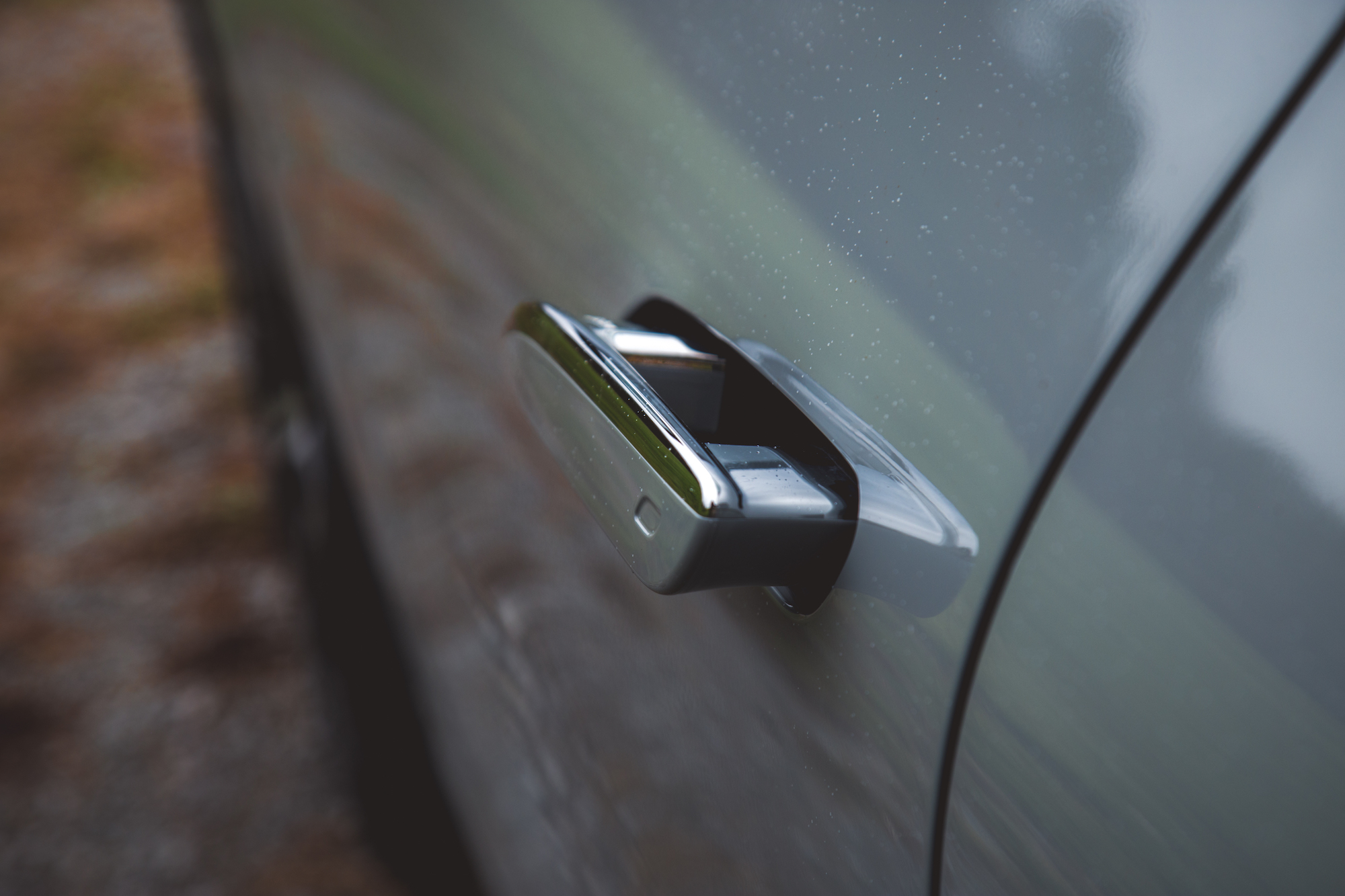
The rear end is considerably more conventional, with a tapered, angular trunk lid that should feel familiar to anyone fond of the old CLS. We’re also not entirely sold on the pop-out door handles. They certainly create a cleaner, more fluid profile when retracted, but their keyless-entry operation can be finicky, and the handles themselves feel surprisingly heavy to pull and engage.
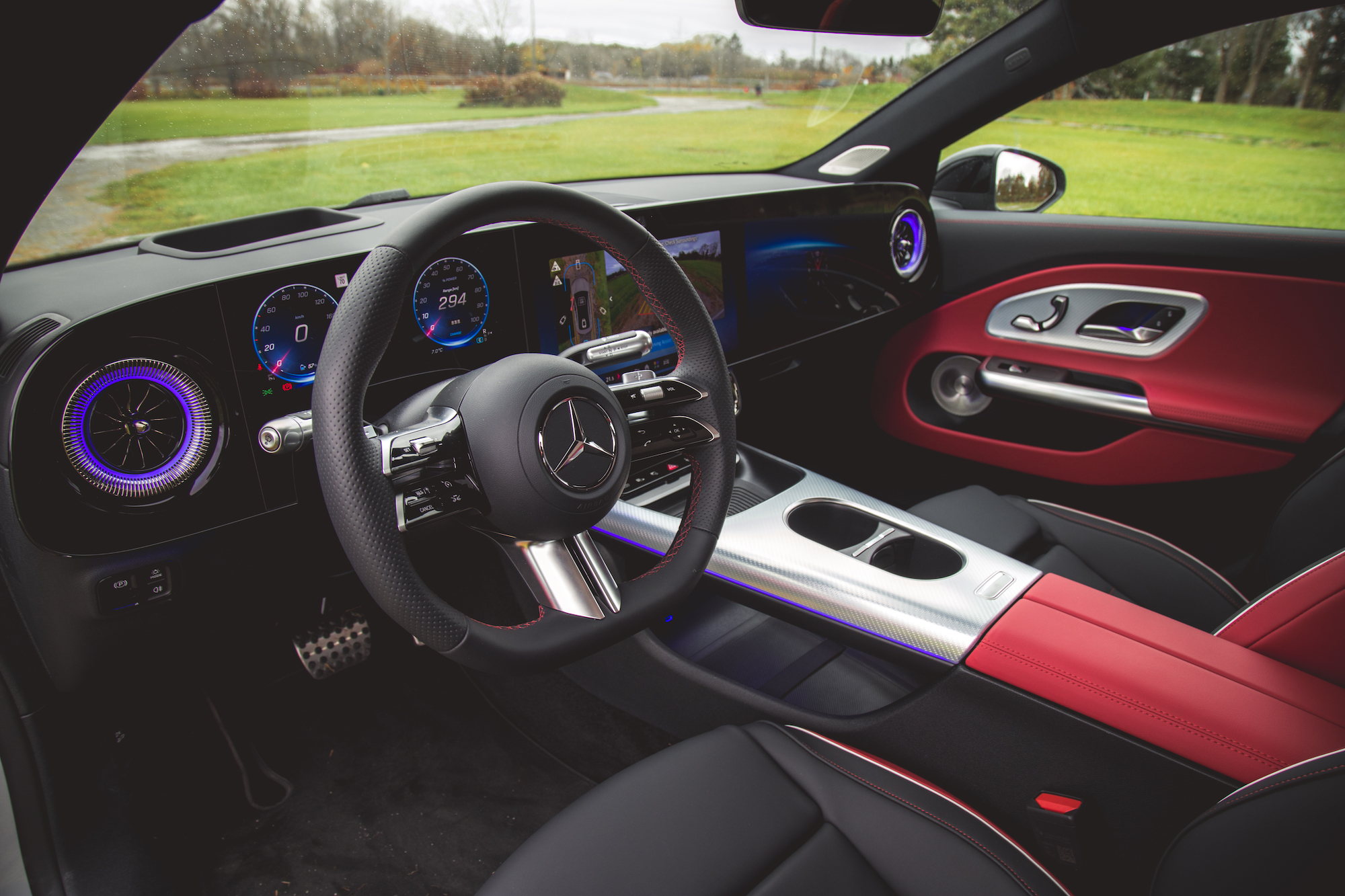
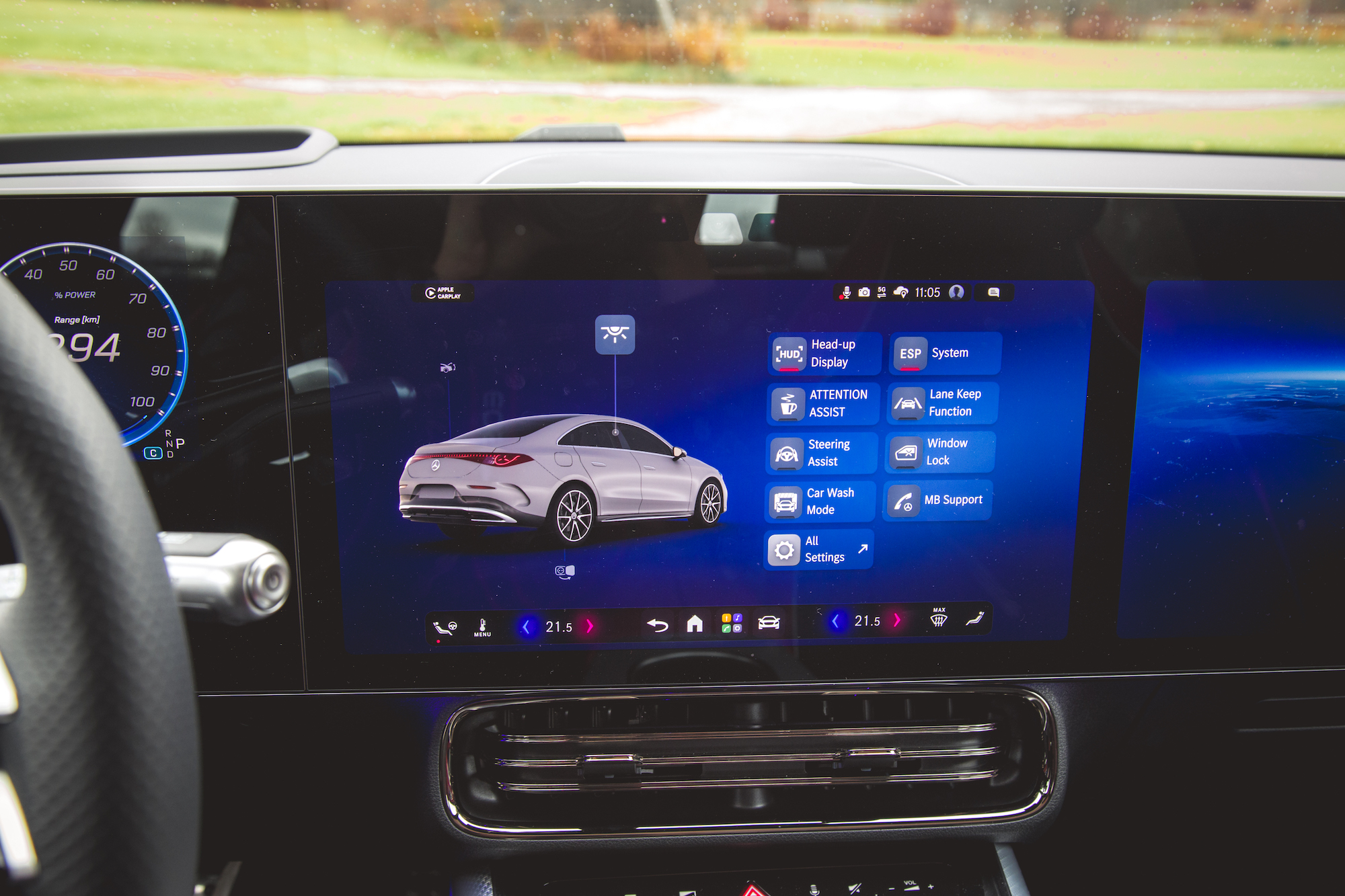
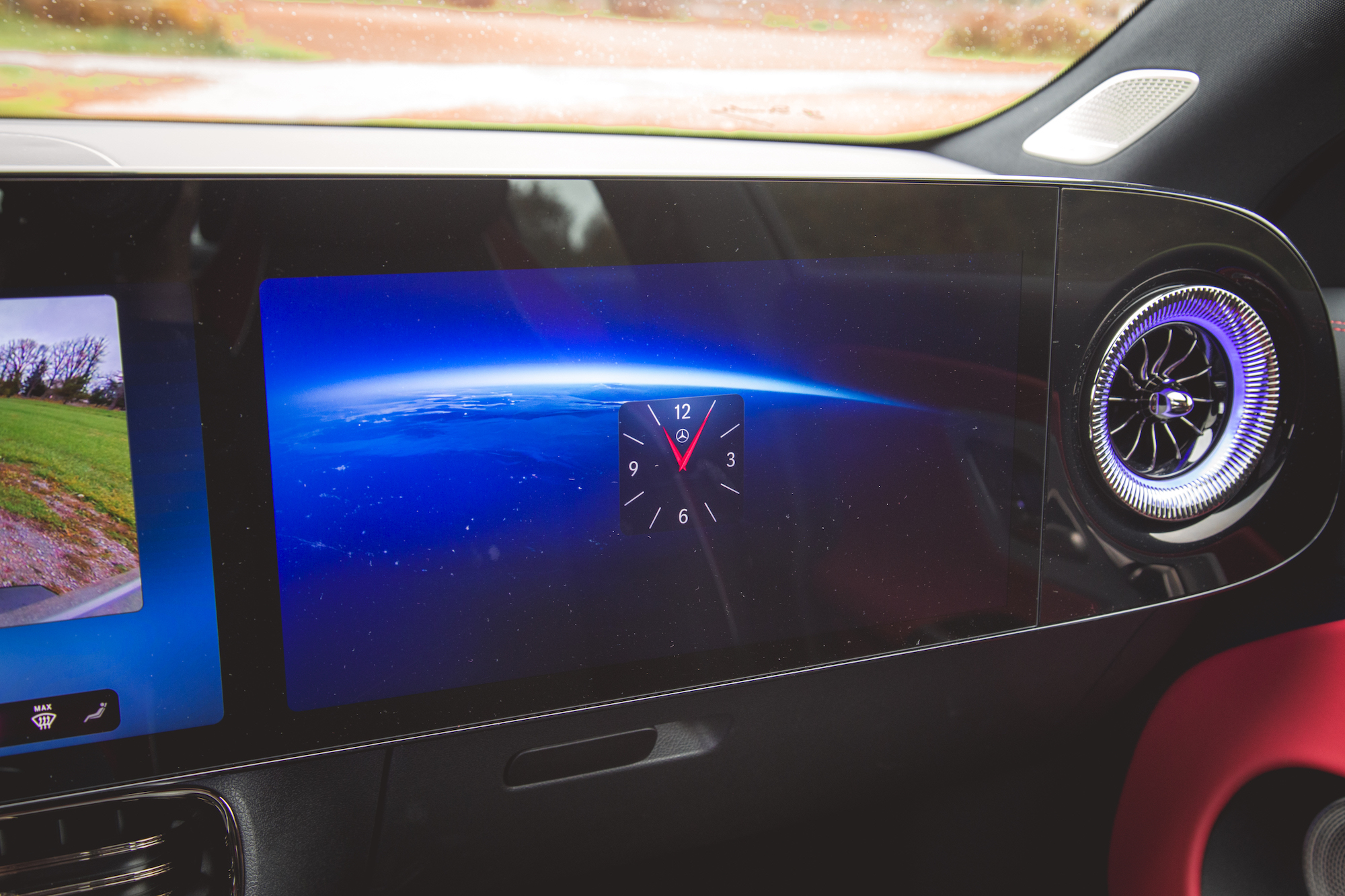
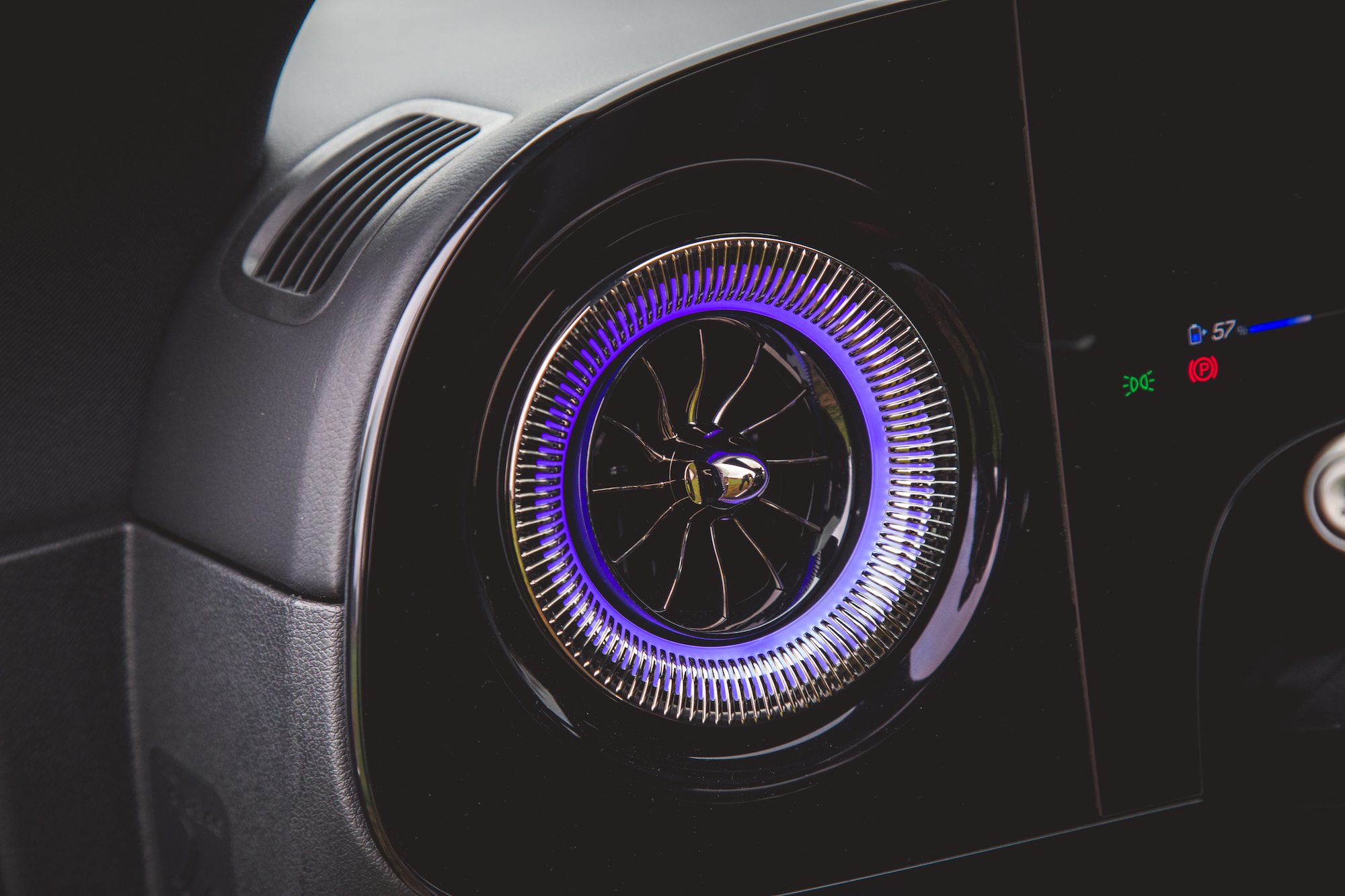
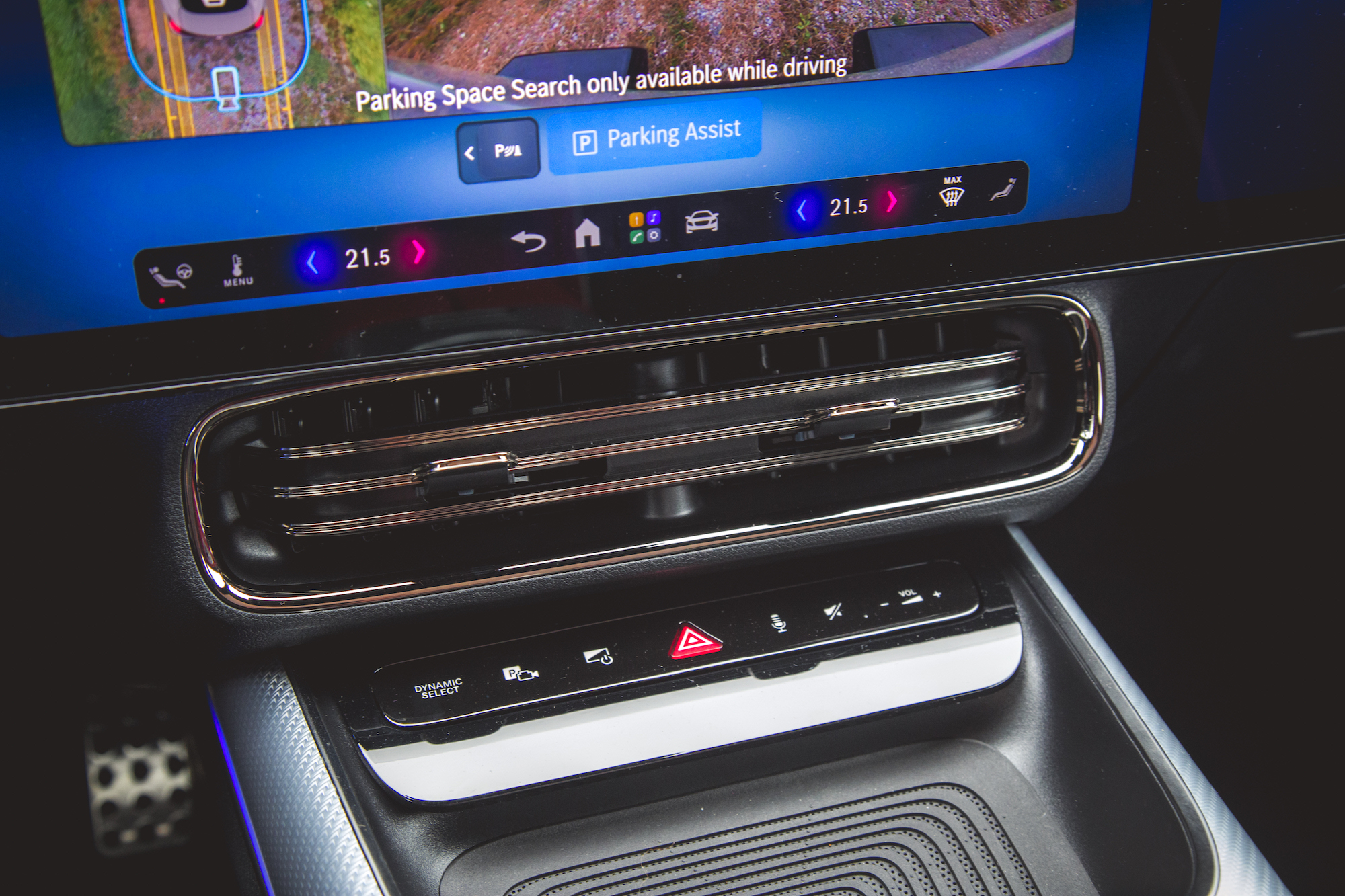
Things take a considerable turn for the better once you step inside. The new CLA boasts one of the most technologically ambitious and digitally focused interiors in its segment. Screens and displays dominate the dashboard, with every available surface occupied by glossy panels, ambient lighting, or some combination of the two. In photographs, the cabin can look excessively flashy, bright, and visually overwhelming. Spend some time inside, however, and especially after configuring the ambient lighting to your liking, and it becomes a surprisingly inviting place to spend time.
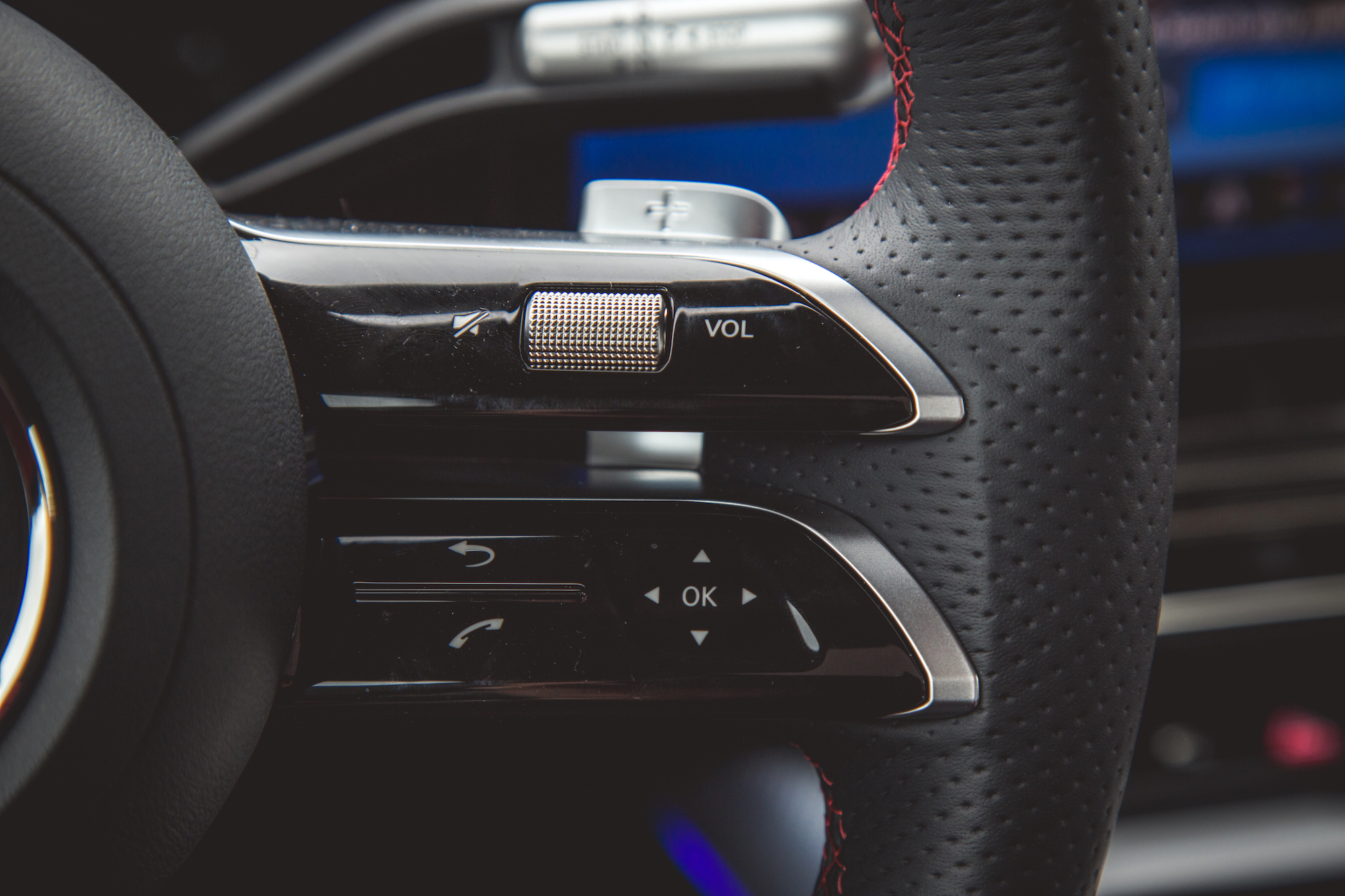
The steering wheel carries over the same general design as the previous generation, including its haptic touch controls for operating the infotainment system. Thankfully, the touch-sensitive area has been enlarged for easier operation, while physical dials have returned for volume and driver-assistance adjustments. The plastic signal stalks feel smoother and more premium than before, and we’re particularly fond of the mermaid-tail-inspired window switches, which look and feel like finely machined pieces of metal despite being made from plastic. Switchgear and perceived material quality remain areas where Mercedes continues to distinguish itself from the competition.

Unfortunately, functionality hasn’t received the same attention. Mercedes has followed Volvo’s questionable approach of fitting just two window switches on the driver’s door, with a separate button required to toggle between the front and rear windows. It’s unnecessarily frustrating, particularly when trying to lower the driver’s window and a rear passenger window simultaneously to reduce cabin turbulence. What should be a simple, instinctive operation becomes an exercise in remembering a lockbox combination. We’re not convinced the marginal material savings justify sacrificing so much everyday usability, either.
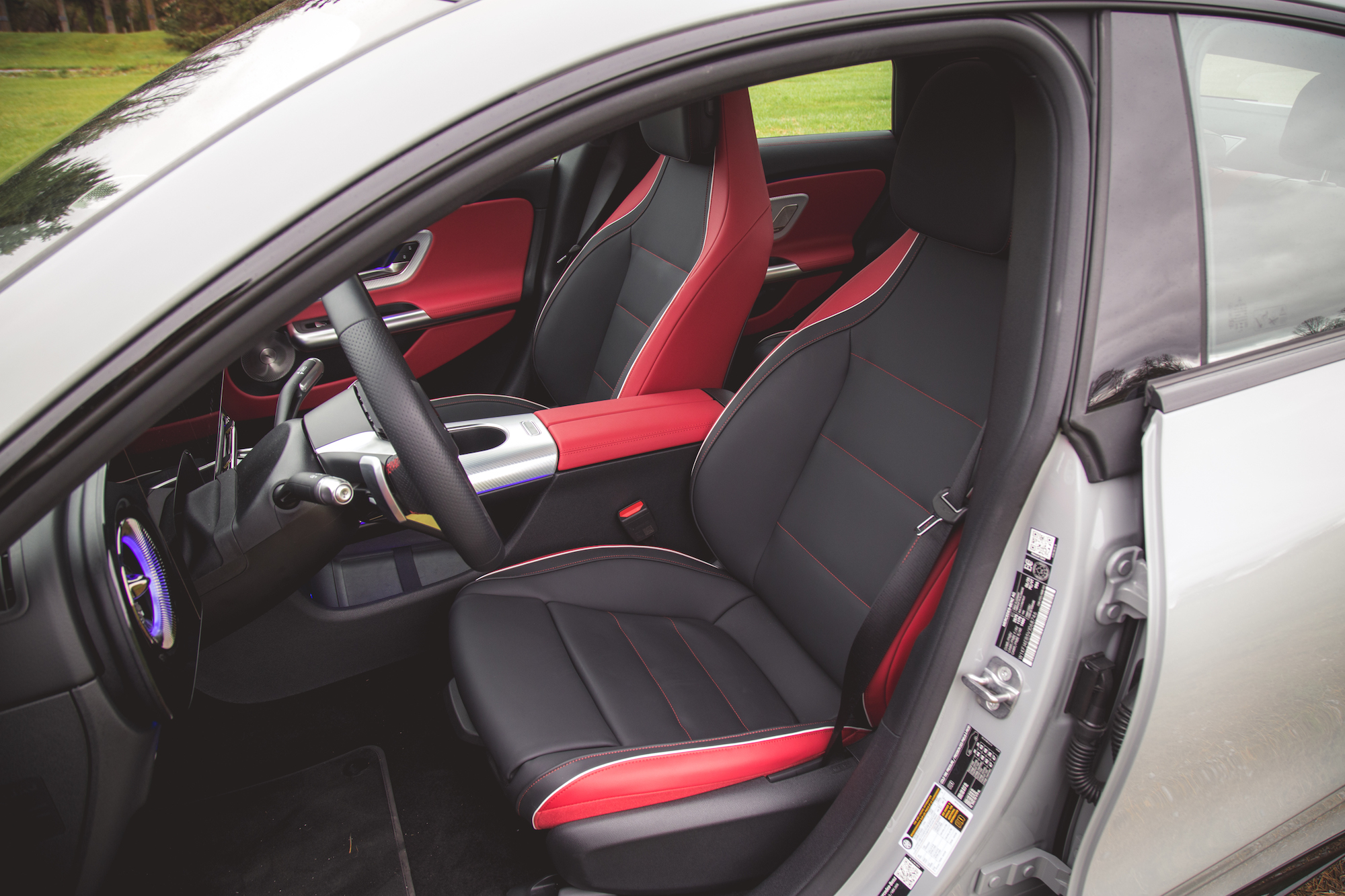
Mercedes has also taken a step backward with its seat design too. The seats themselves are comfortable, but their excessively sculpted shape isn’t particularly accommodating. Although the headrests are adjustable, they don’t extend far enough rearward, forcing us into an awkward, hunched seating position. The fixed panoramic glass roof, mounted high enough to preserve headroom for our six-foot frame, is a welcome inclusion, but the CLA still doesn’t feel nearly as spacious or as cleverly packaged as the MINI Countryman SE.
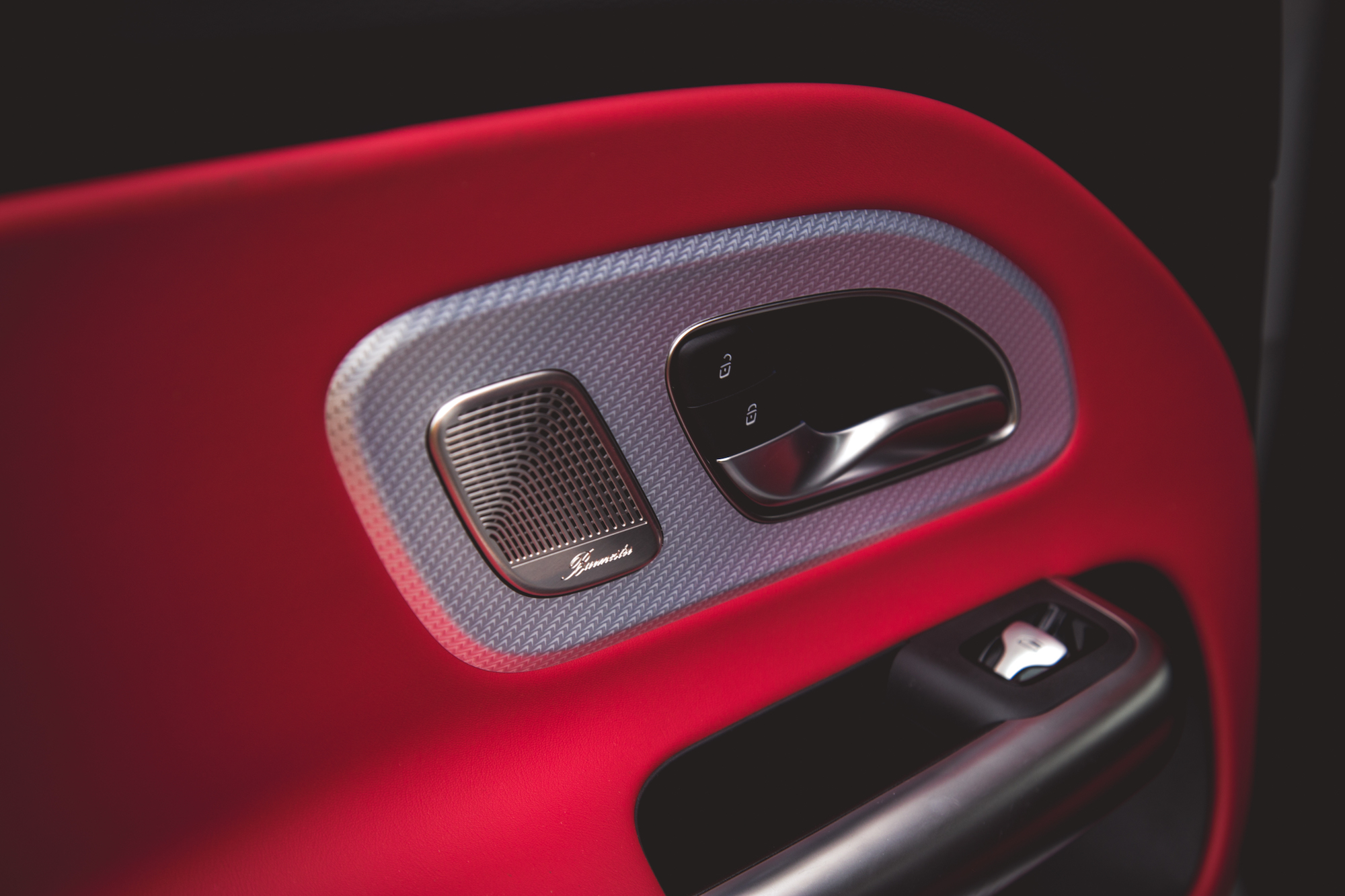
Cabin insulation is a strong point, with the CLA remaining impressively quiet even at triple-digit highway speeds. Unfortunately, the optional Burmester sound system doesn’t quite live up to its billing. There’s plenty of bass, but the delivery lacks the crispness, high-fidelity detail, and spatial definition we’ve experienced in the Burmester systems fitted to the GLC and GLE. We also encountered an occasionally glitchy rear window that refused to close after the door was opened, along with an intermittently unresponsive volume dial. Both issues disappeared after restarting the vehicle, but they’re hardly reassuring quirks in a brand-new luxury car.
With all the bells and whistles checked, the CLA 350 can quickly become an expensive proposition. Its $55,900 starting price balloons to $73,500 on our fully equipped test vehicle, putting it considerably closer to more premium rivals. Be selective with the options, though, and there’s a deal to be had. The CLA 250+ also provides a much more accessible entry point into Mercedes’ electric lineup, with its longer range and more affordable price making a particularly strong case for itself.

Regardless of which variant you choose, the CLA represents Mercedes’ most convincing effort in the EV space to date. It combines polished road manners, impressive driving range, and a high-tech interior filled with crisp displays and excellent switchgear, without the awkward driving characteristics that undermined its earlier EQ models. Questionable styling and a few frustrating ergonomic decisions aside, the CLA arrives as a compelling and well-equipped alternative to the MINI Countryman SE, Tesla Model 3, Polestar 2, and BMW i4.
Specifications:
Model: 2027 Mercedes-Benz CLA 350 4MATIC Electric Sedan
Paint Type: Alpine Grey
Base Price: $55,900
Price as Tested: $73,500
Wheelbase(mm): 2,790
Length/Width/Height (mm): 4,723 / 1,855 / 1,468
Curb weight (kg): 2,135
Powertrain: 85 kWh battery, two electric motors
Horsepower: 349 hp
Torque: 380 lb-ft
Transmission: Two-speed transmission
Claimed Range: 502 km
Observed Range: 450 km
Tires: Michelin Pilot Alpin 5; 225/45R18





Leave a Reply