
The all-electric BMW iX3 is finally here, aiming to build on the iX’s success while appealing to buyers who want a smaller, longer-range electric companion. If you think BMW is late to the party, with the Tesla Model Y, Mercedes-Benz EQE SUV, Audi Q6 e-tron, and Lexus RZ already mopping up the market, remember BMW pioneered mass-market electrification with the underrated and overlooked i3 and i8. As usual, the Bavarians were ahead of their time, and we all know timing is everything in the automotive business.
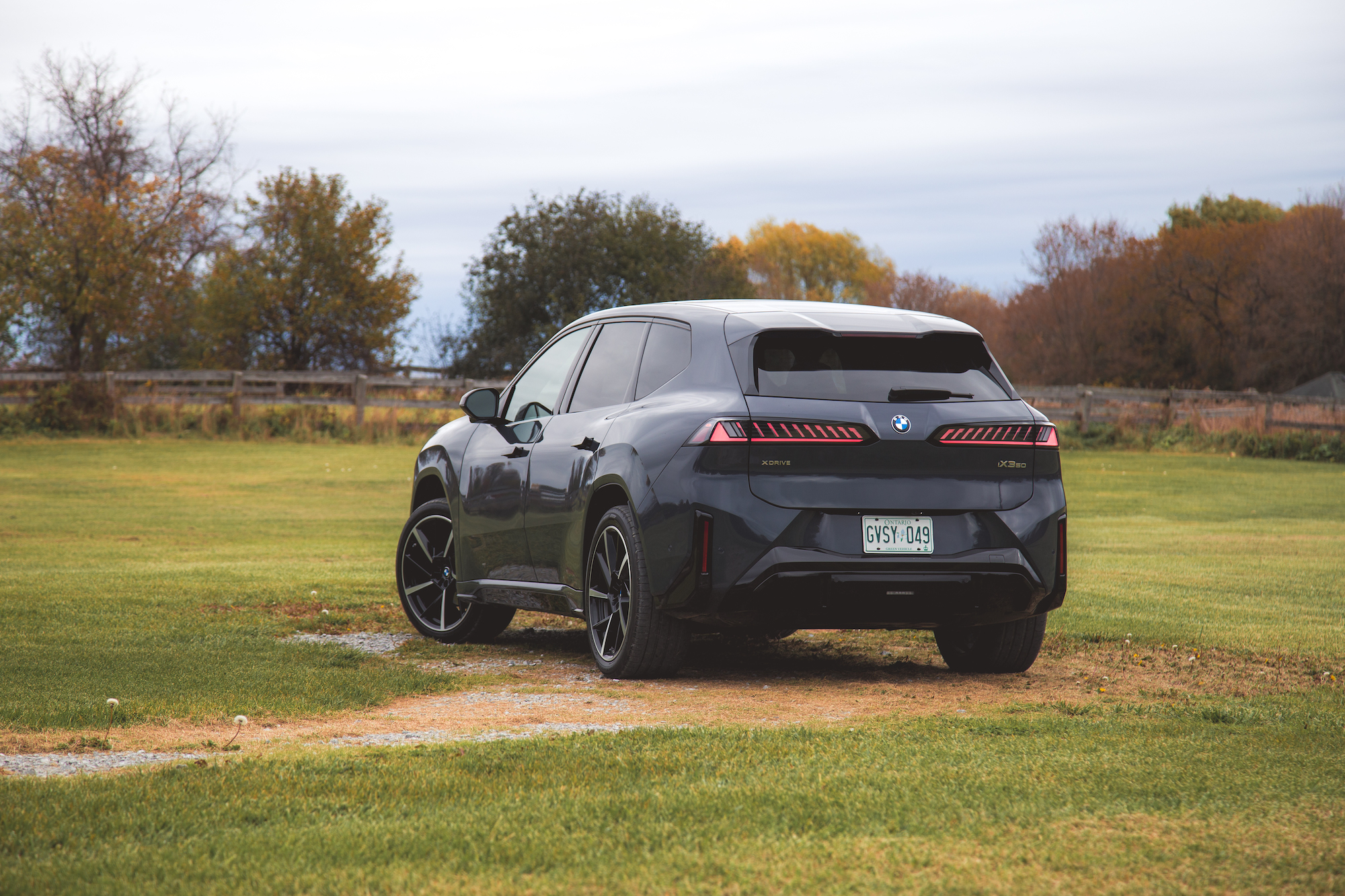
Still, better late than never. The iX3 50 xDrive is largely everything we hoped it would be, combining palpable performance with a competitive range and a fresh approach to electric BMWs. The entry-level 50 xDrive starts at $75,900, while our generously equipped example creeps up to $90,000. That puts it up against the Tesla Model Y Premium ($64,990), Volvo EX60 Plus ($81,419), and Audi Q6 e-tron ($81,000), and positions it just $1,000 above the upcoming BMW i3 Sedan.
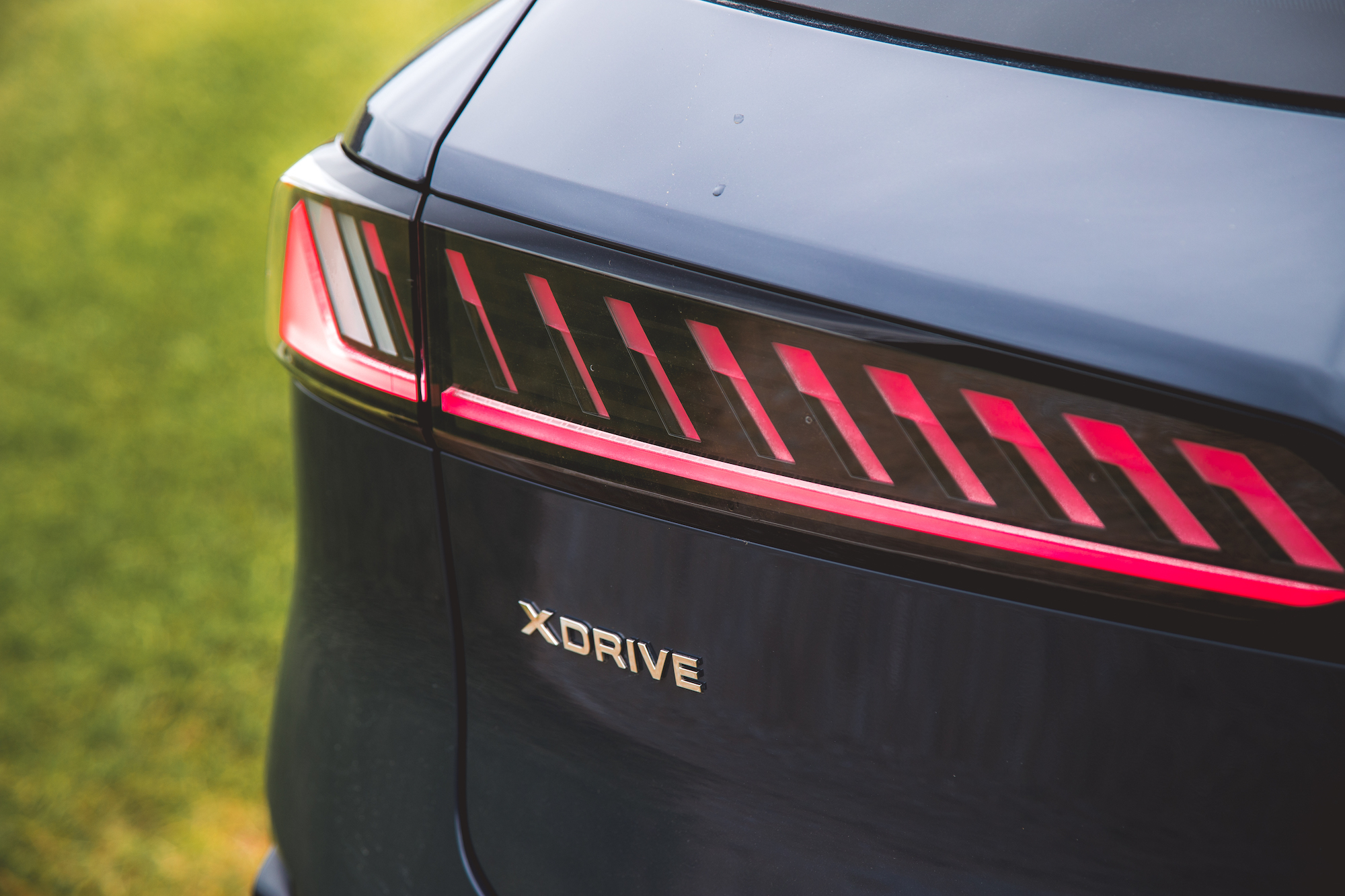
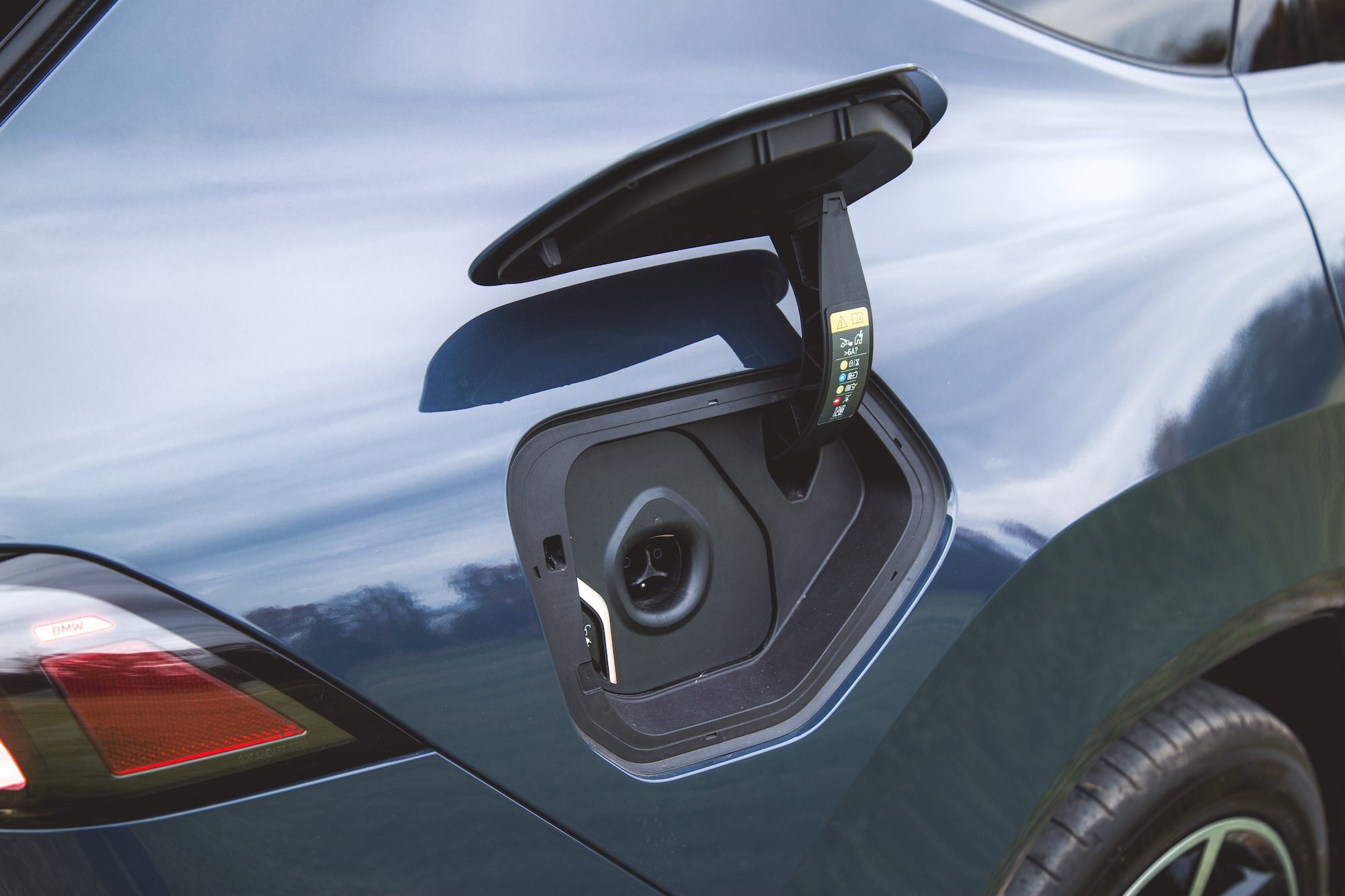
The headline is BMW’s latest electric architecture. The iX3 pairs a 112.2 kWh lithium-ion battery with dual electric motors and an 800-volt electrical system capable of 400 kW DC fast charging. It generates 463 hp and 476 lb-ft of torque, and accelerates from 0 to 100 km/h in 4.9 seconds. BMW estimates a range of 698 km, although our own testing returned a more modest 520 km in single-digit autumn temperatures.
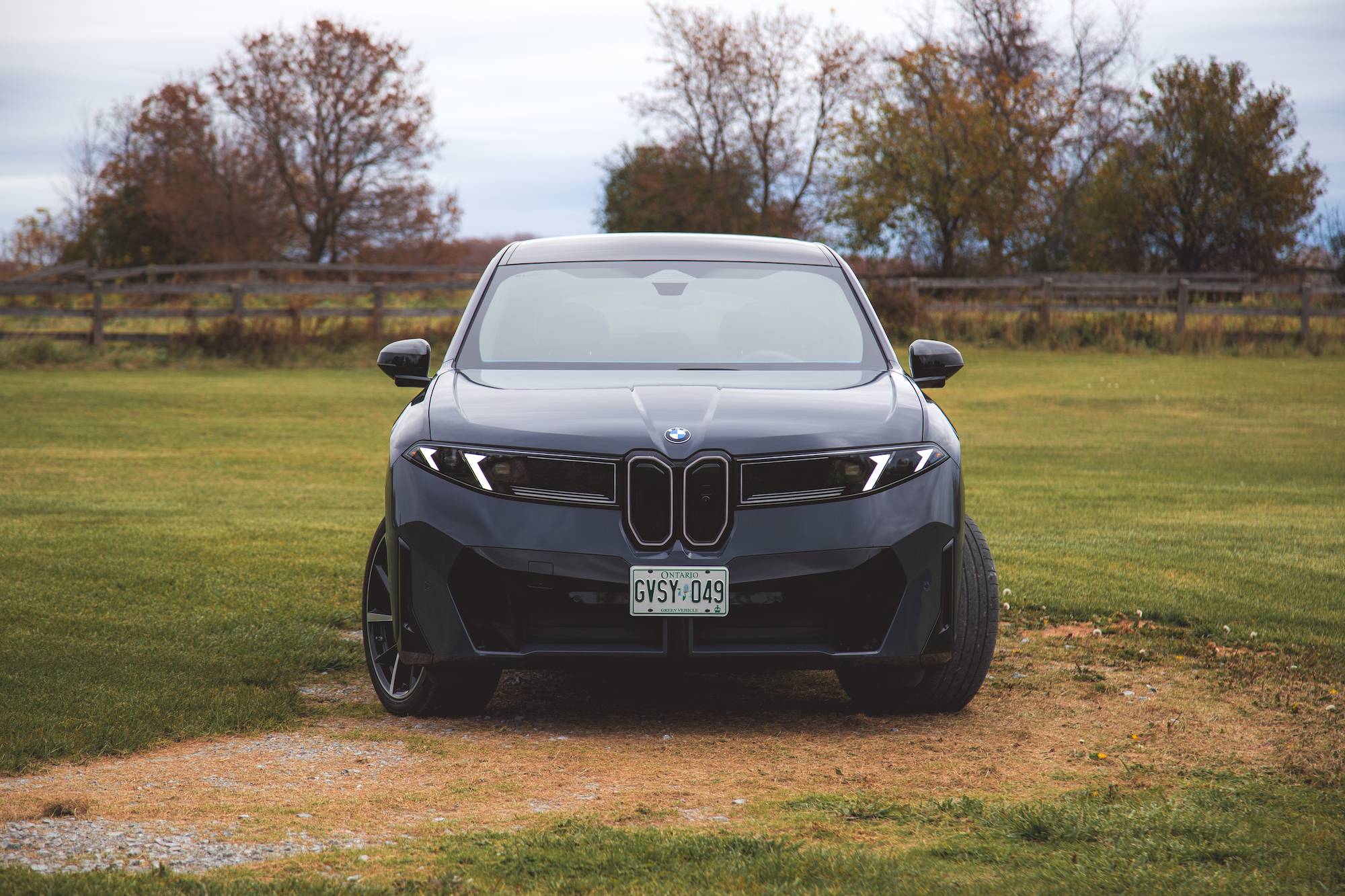
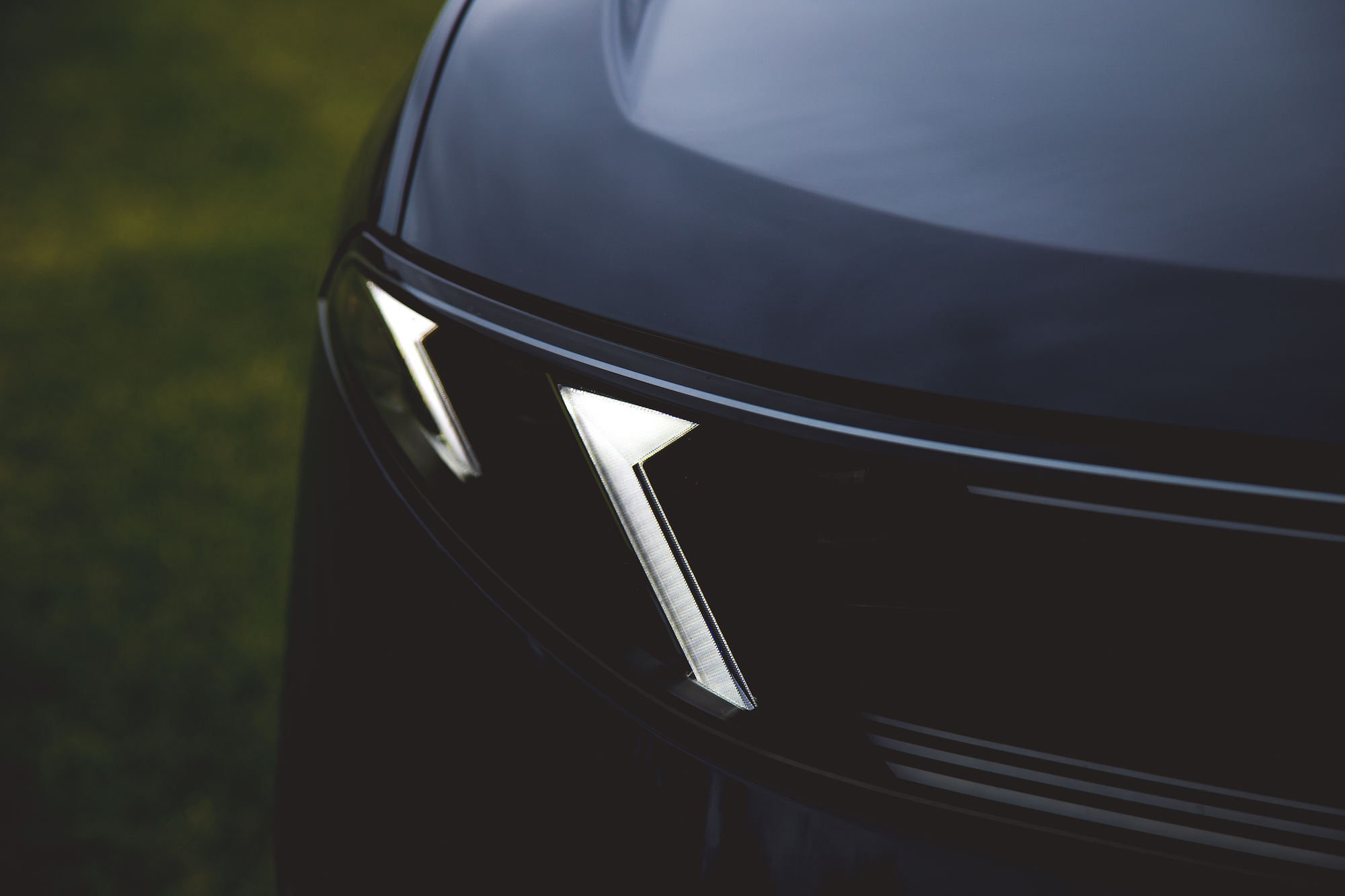
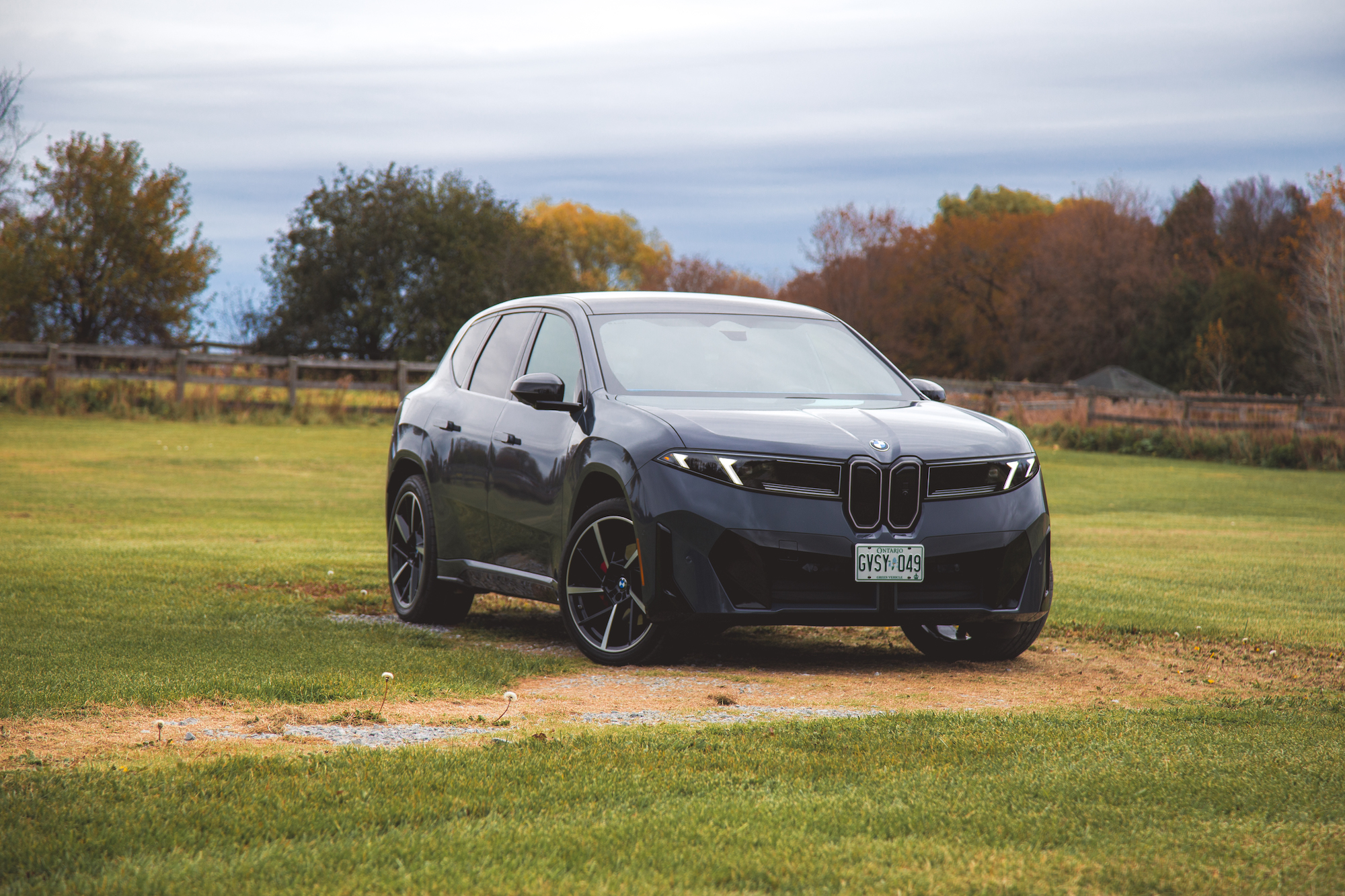
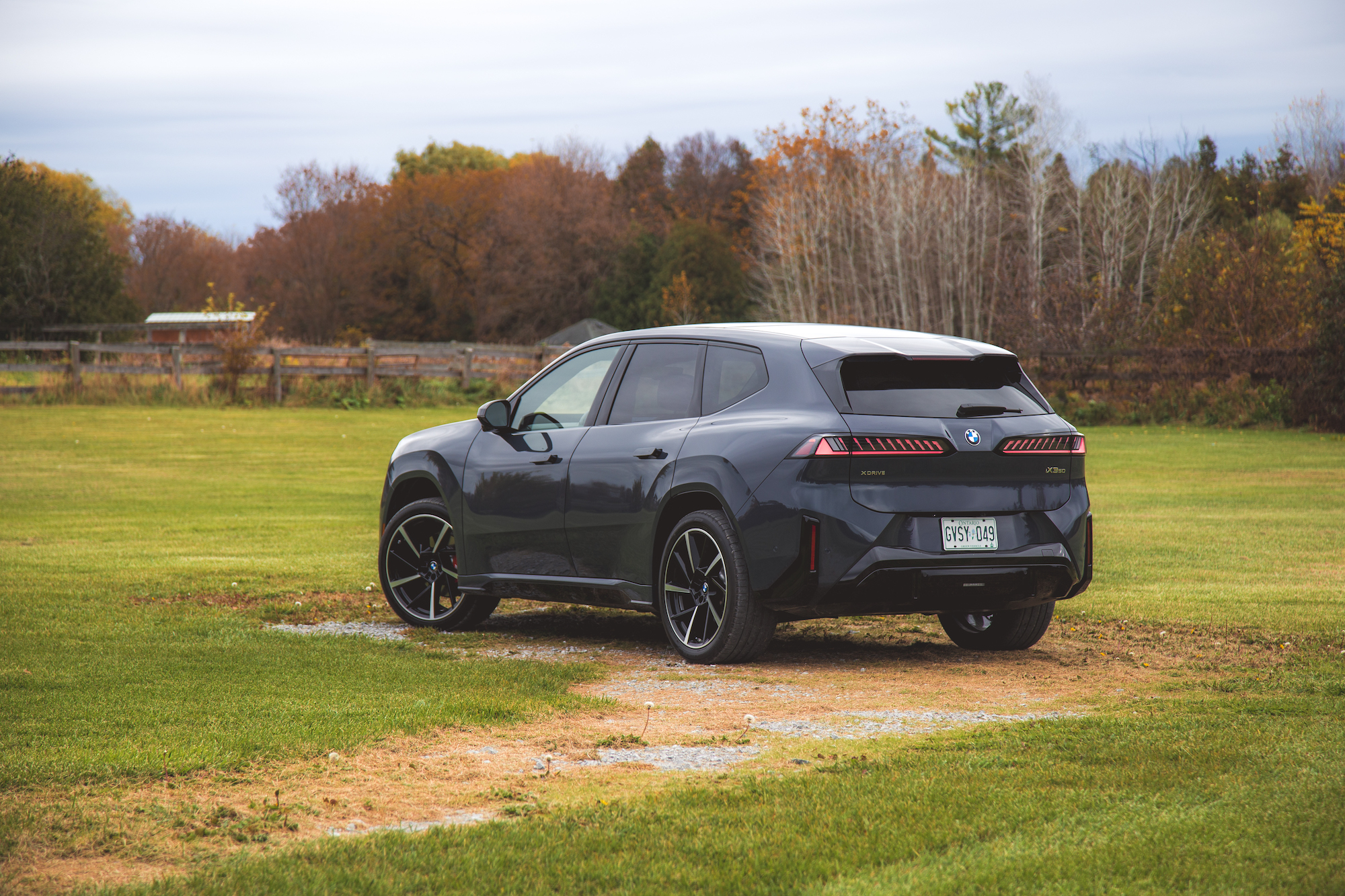
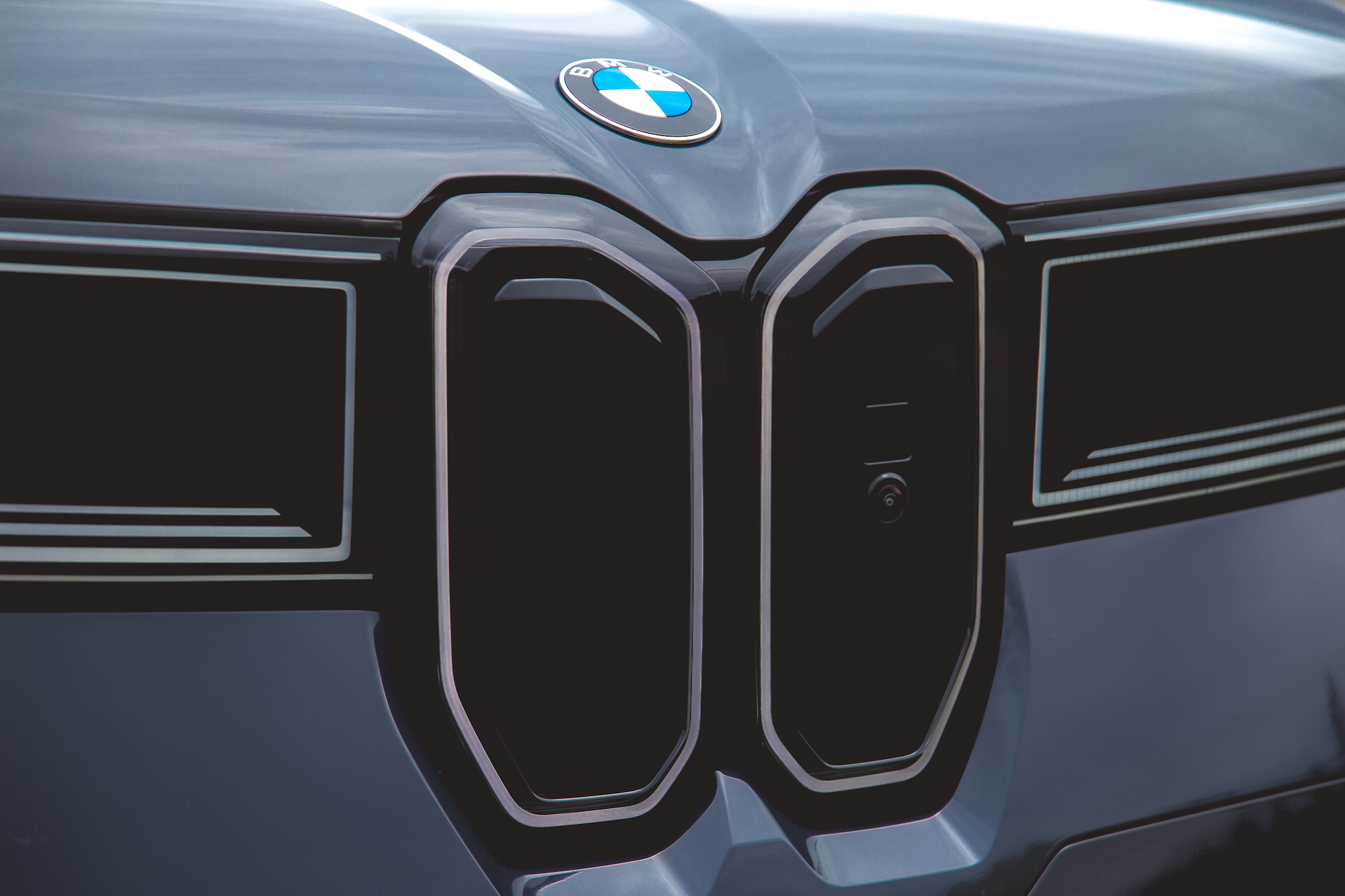
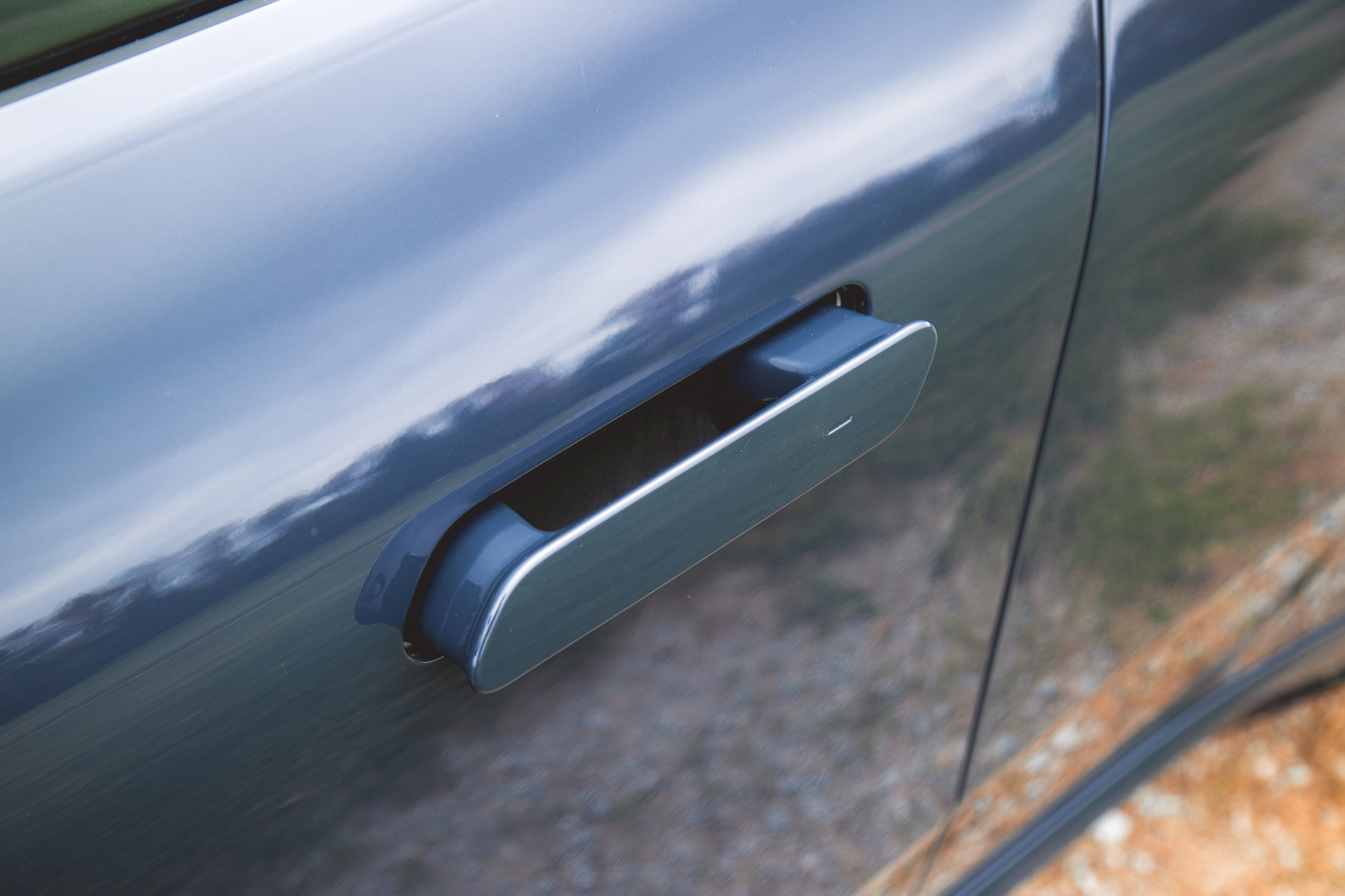
The iX3 offers our first in-person look at BMW’s Neue Klasse design language, which mixes retro-inspired details with a thoroughly modern silhouette. At 30 mm longer than the conventional X3, but similar in width and height, the iX3 is surprisingly low-slung for an SUV, standing about as tall as a Volvo XC40. Its rabbit-tooth grill, new fonts, and reworked blue roundel badging are the most conspicuous departures from the BMW design we know. Less welcome are the new pop-out door handles, which remind us just how much we dislike this increasingly common trend. Like the versions fitted to Range Rovers and Mercedes-Benz models, they can be awkwardly heavy to pull, occasionally fail to recognize your hand during keyless entry, and offer little meaningful aerodynamic benefit in everyday driving to justify the inconvenience.

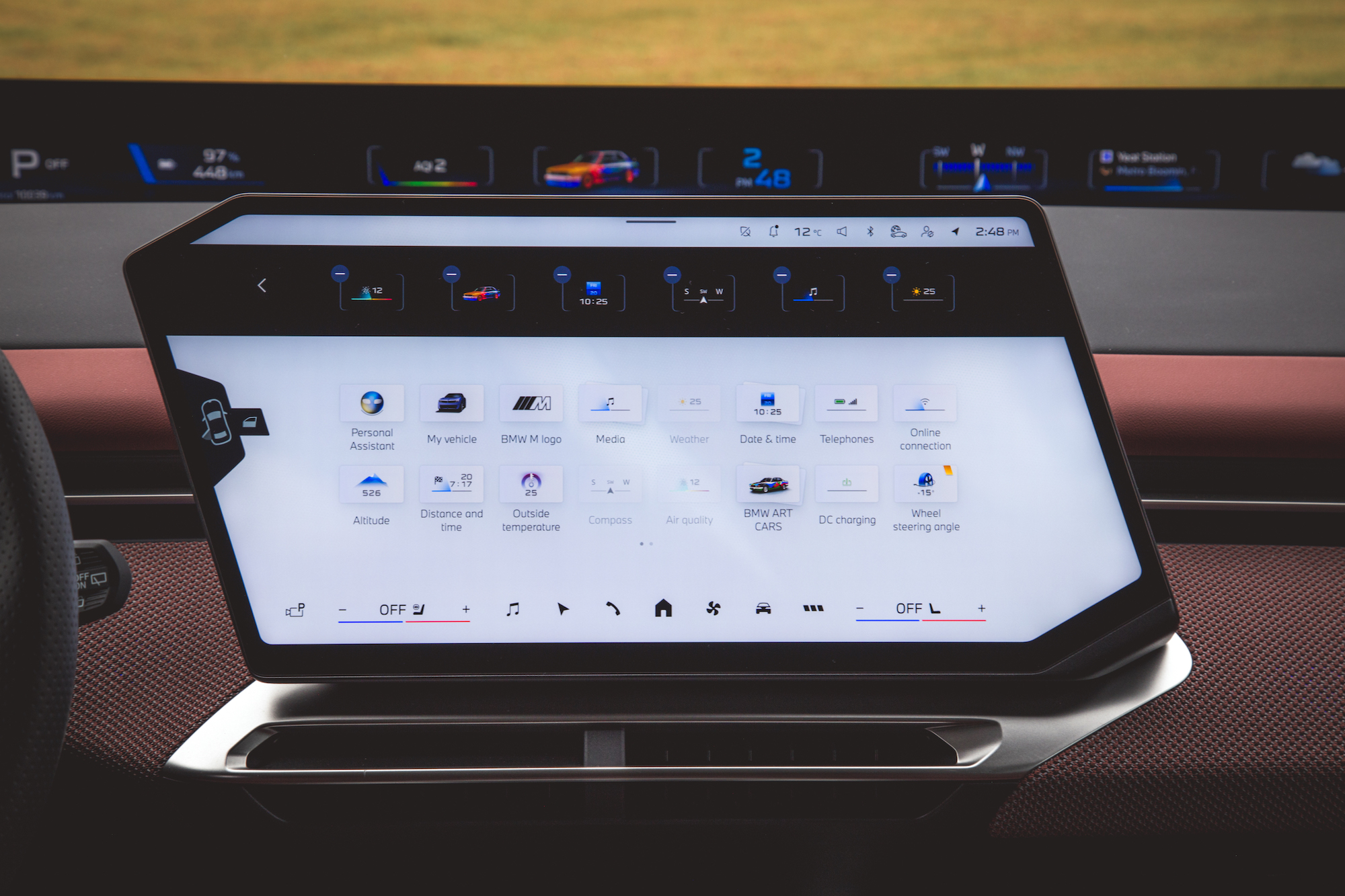
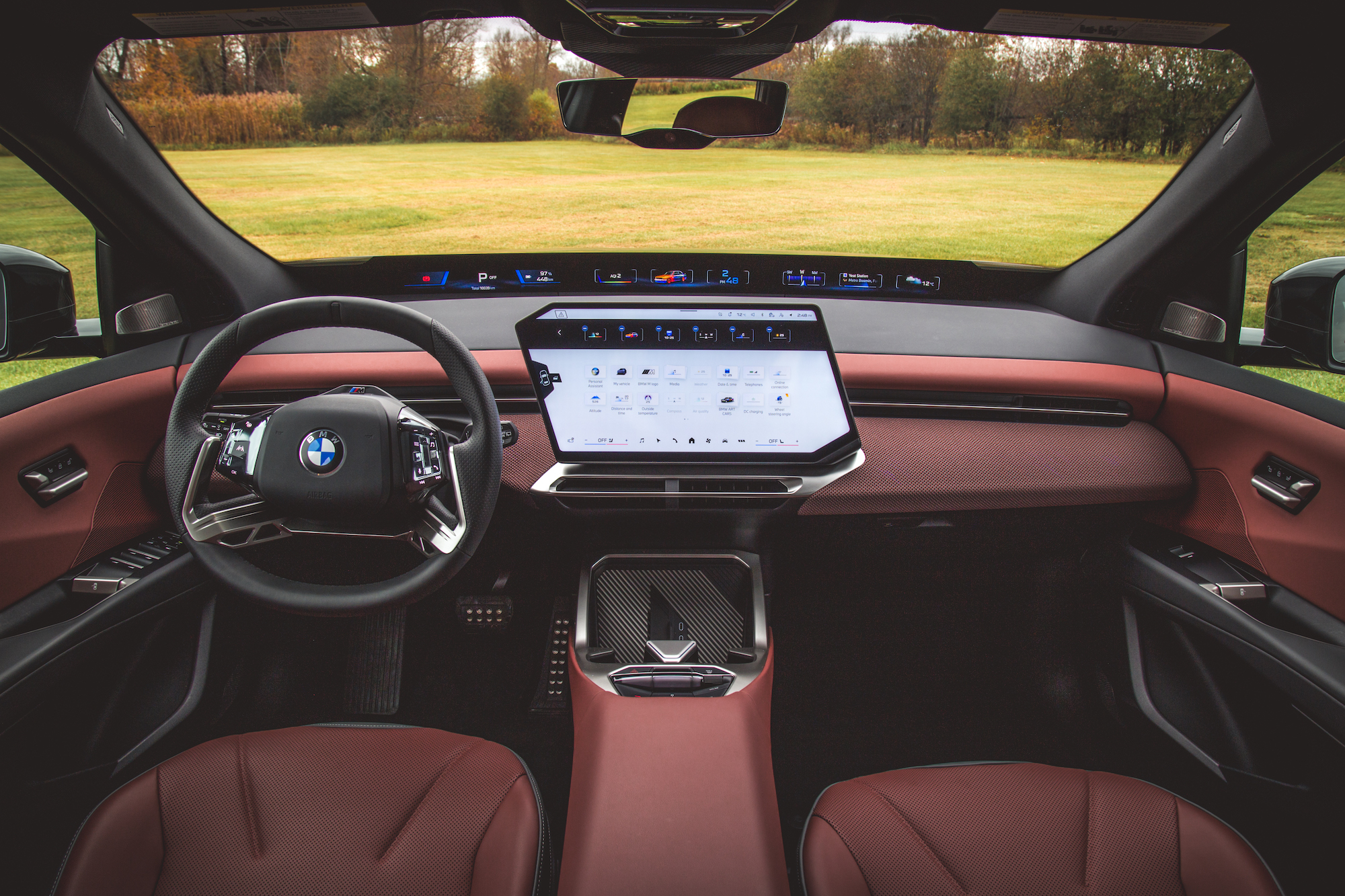
The interior fares considerably better, with a visually busy but refreshingly spacious layout built around sloping surfaces, angular screens, and a panoramic display stretching across the dashboard. The concept recalls the expansive digital interface pioneered by the Lincoln Nautilus, though BMW has put its own clever spin on it. What looks like a deeply recessed screen beneath the front hood is actually a projected image reflected into the driver’s line of sight, much like a head-up display. The iX3 also has a conventional head-up display. It sounds gimmicky, but the system works remarkably well. You can adjust the display’s size and orientation to suit your preferences, and it takes little time to acclimatize, especially if you’re already used to a HUD. The sheer amount of information available without looking away from the road is a genuine benefit.
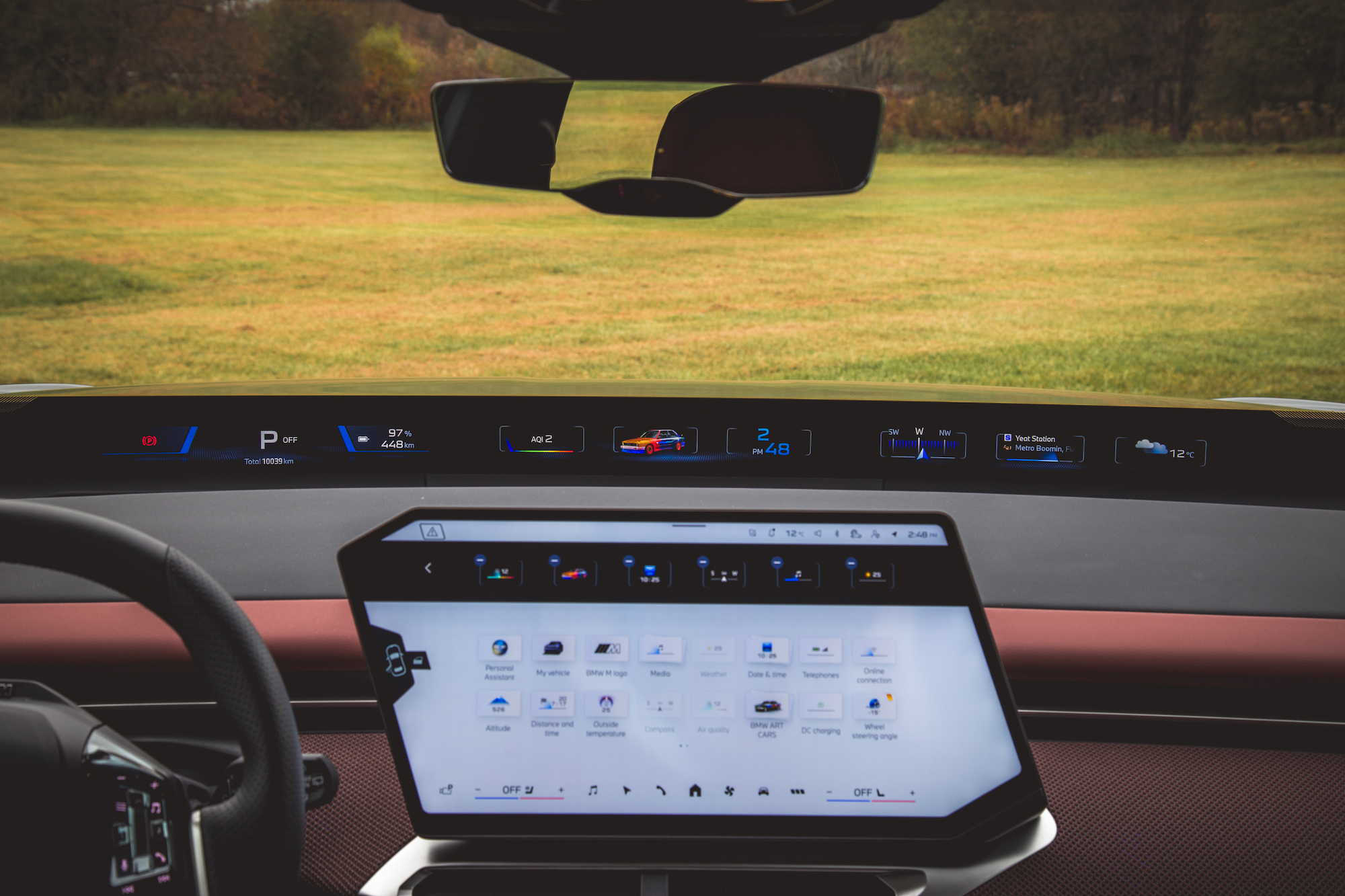
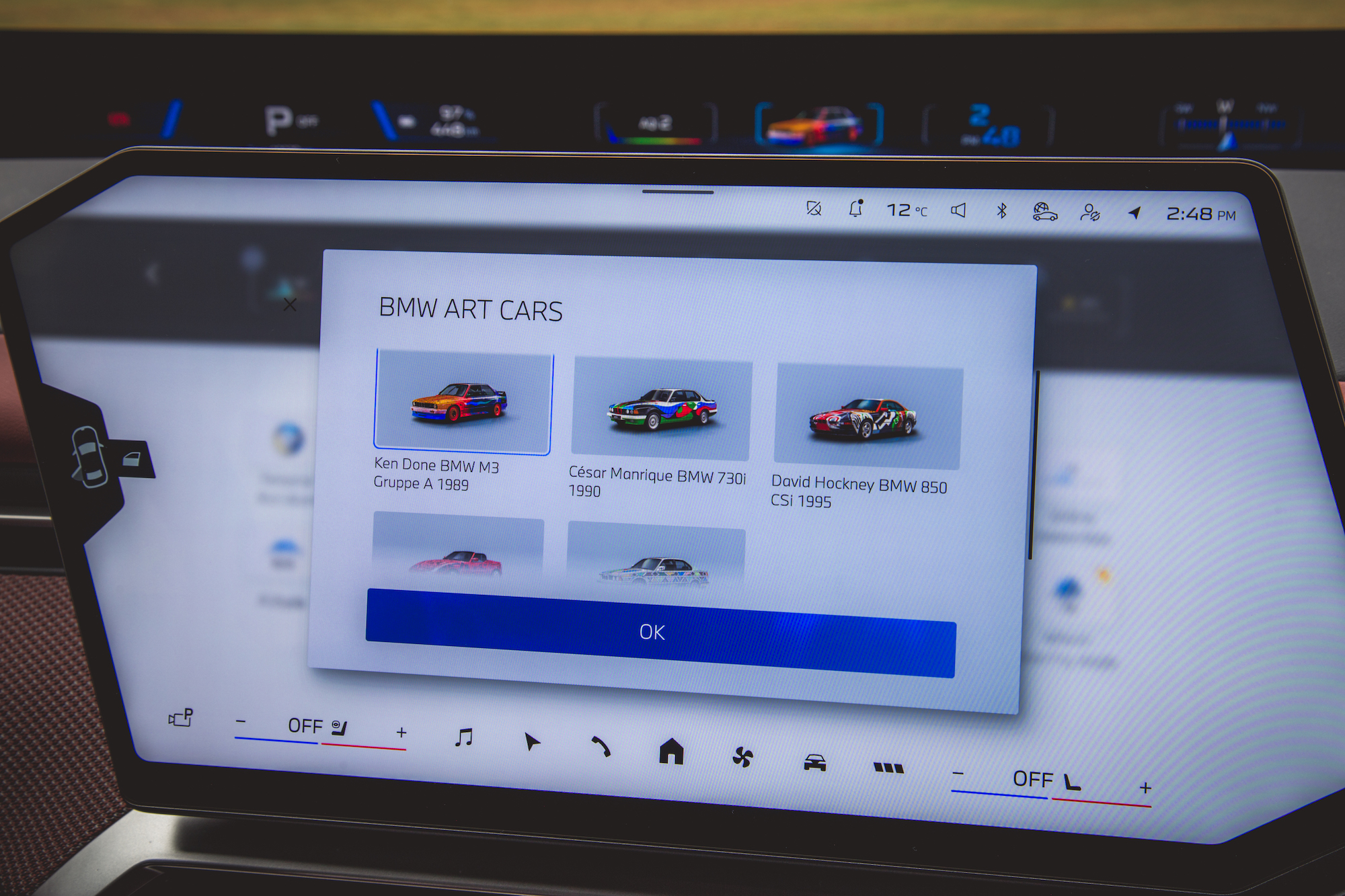
The display is crisp enough to rival an OLED panel, and its customizable interface accommodates useful widgets ranging from air quality readings and battery temperature to steering angle. BMW has also sprinkled in a few playful flourishes, including the option to display an M logo or one of five BMW Art Cars in the centre of the dashboard. Think of it as a digital equivalent of propping a Hot Wheels car on your dashboard.

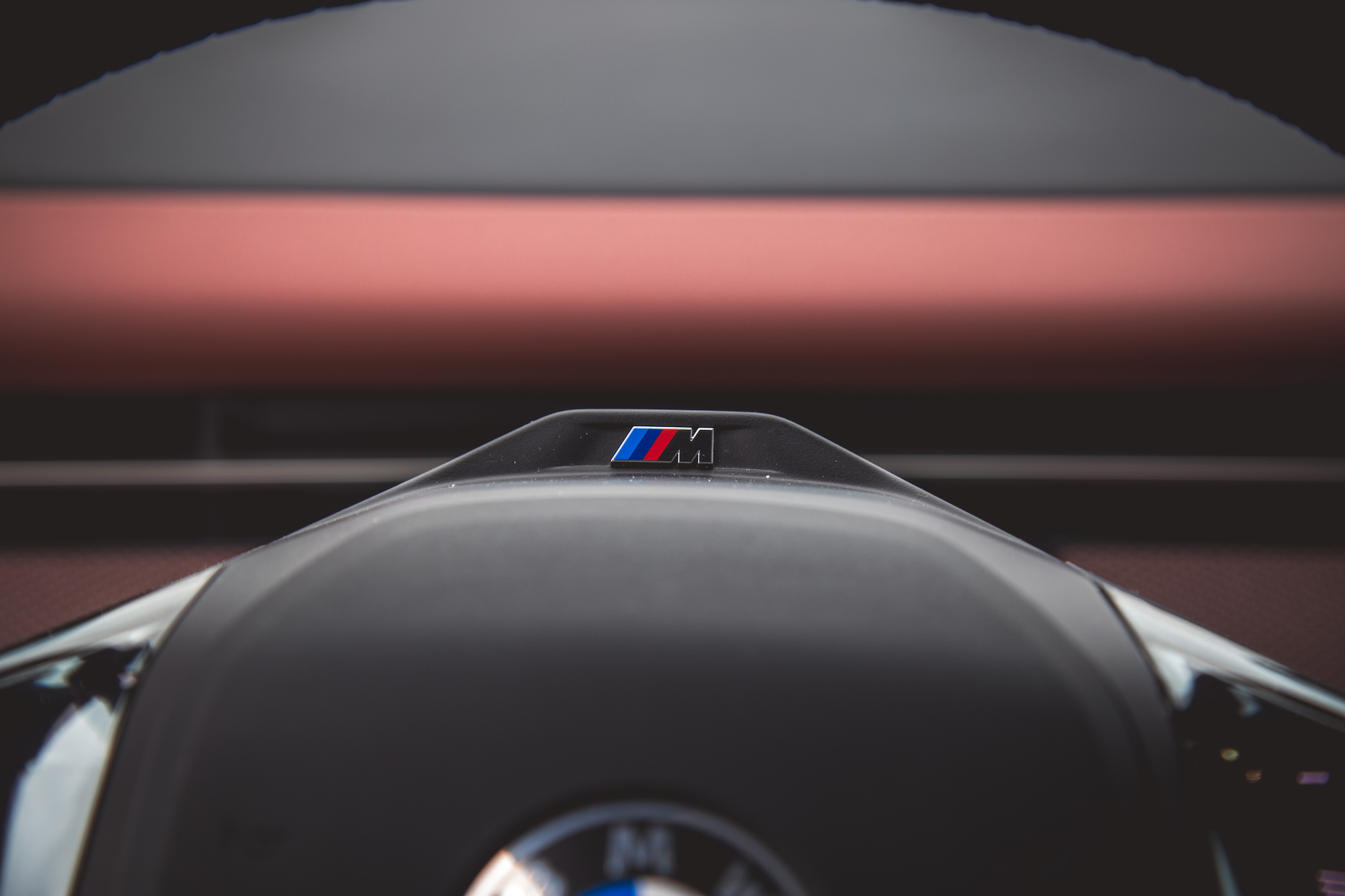
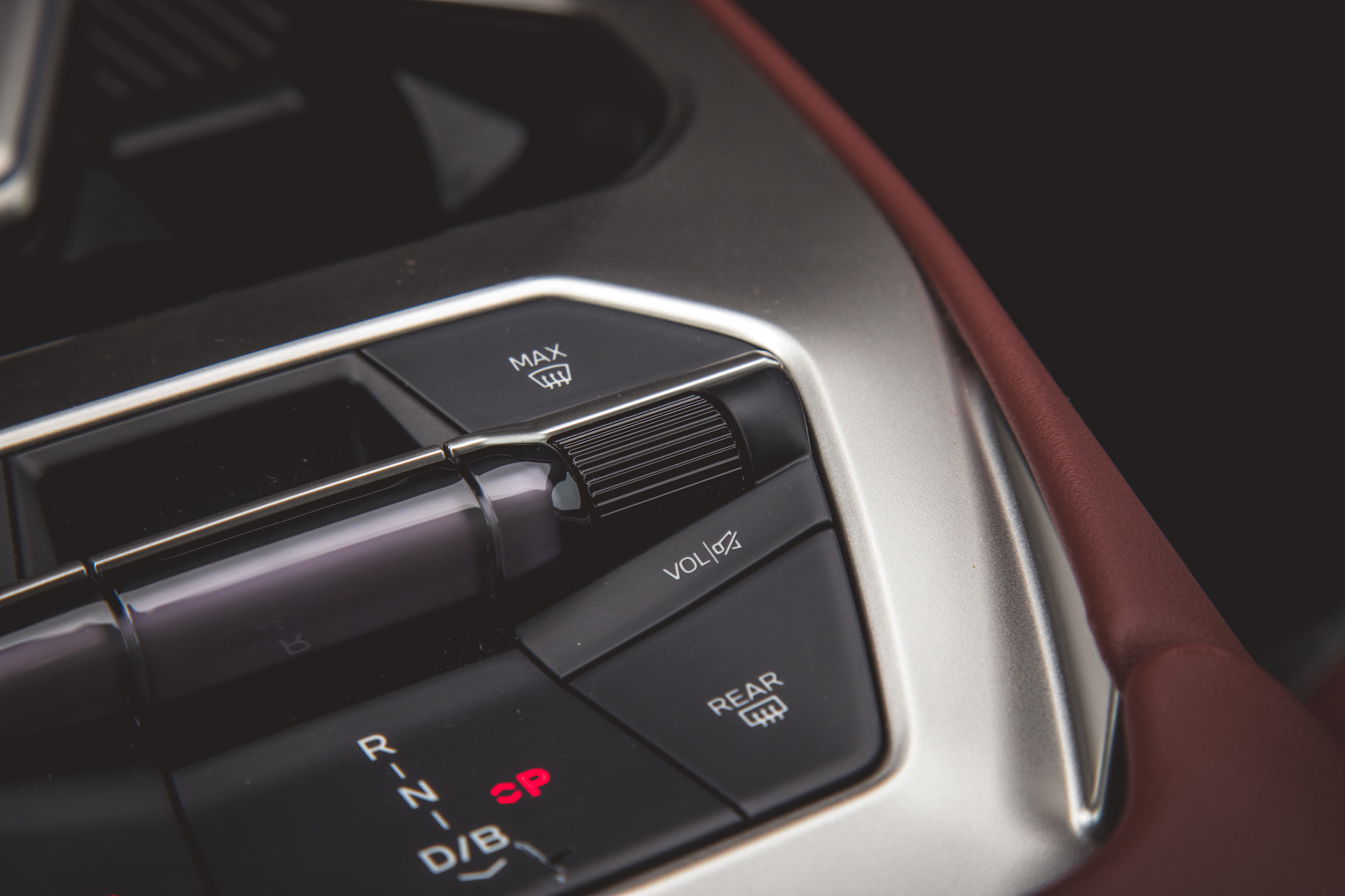
BMW offers two steering-wheel designs. The standard wheel features unconventional spokes positioned at the top and bottom, an arrangement that takes some getting used to. The optional M Sport steering wheel, bundled with the $4,000 M Sport Package, is the one we’d choose. Its more conventional side-mounted spokes make for a familiar shape, and although the design is visually noisy, it’s one of the best-feeling BMW steering wheels we’ve encountered in years. The thumb grips fit naturally in your hands, almost like holding an ergonomically designed gaming controller, while the rim strikes a pleasing balance between thickness and comfort. Better yet, the buttons are physical rather than purely touch-sensitive, with haptic feedback and ridged edges that make them easy to distinguish without taking your eyes off the road. Everything falls within comfortable reach of your thumbs too.
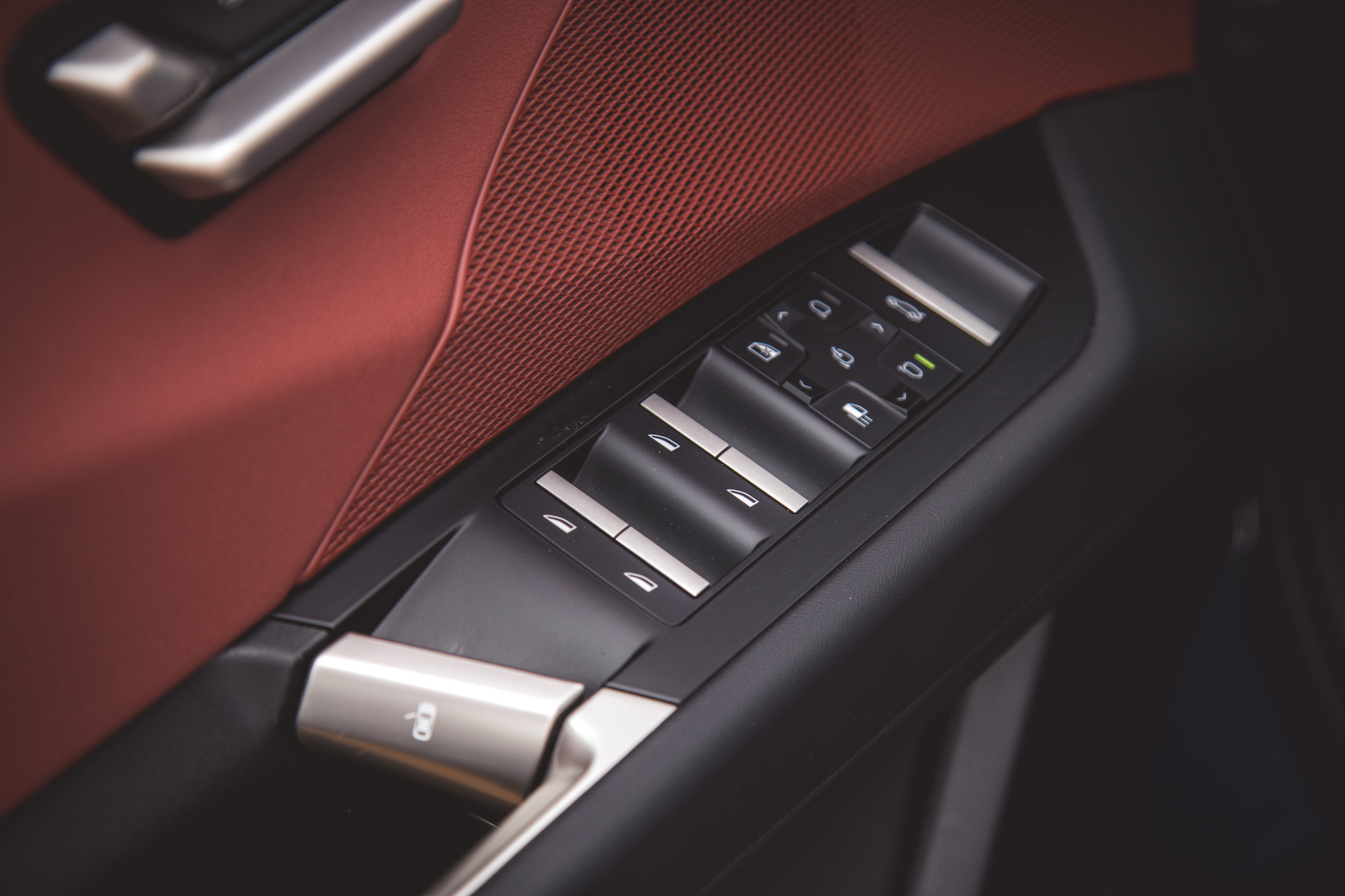
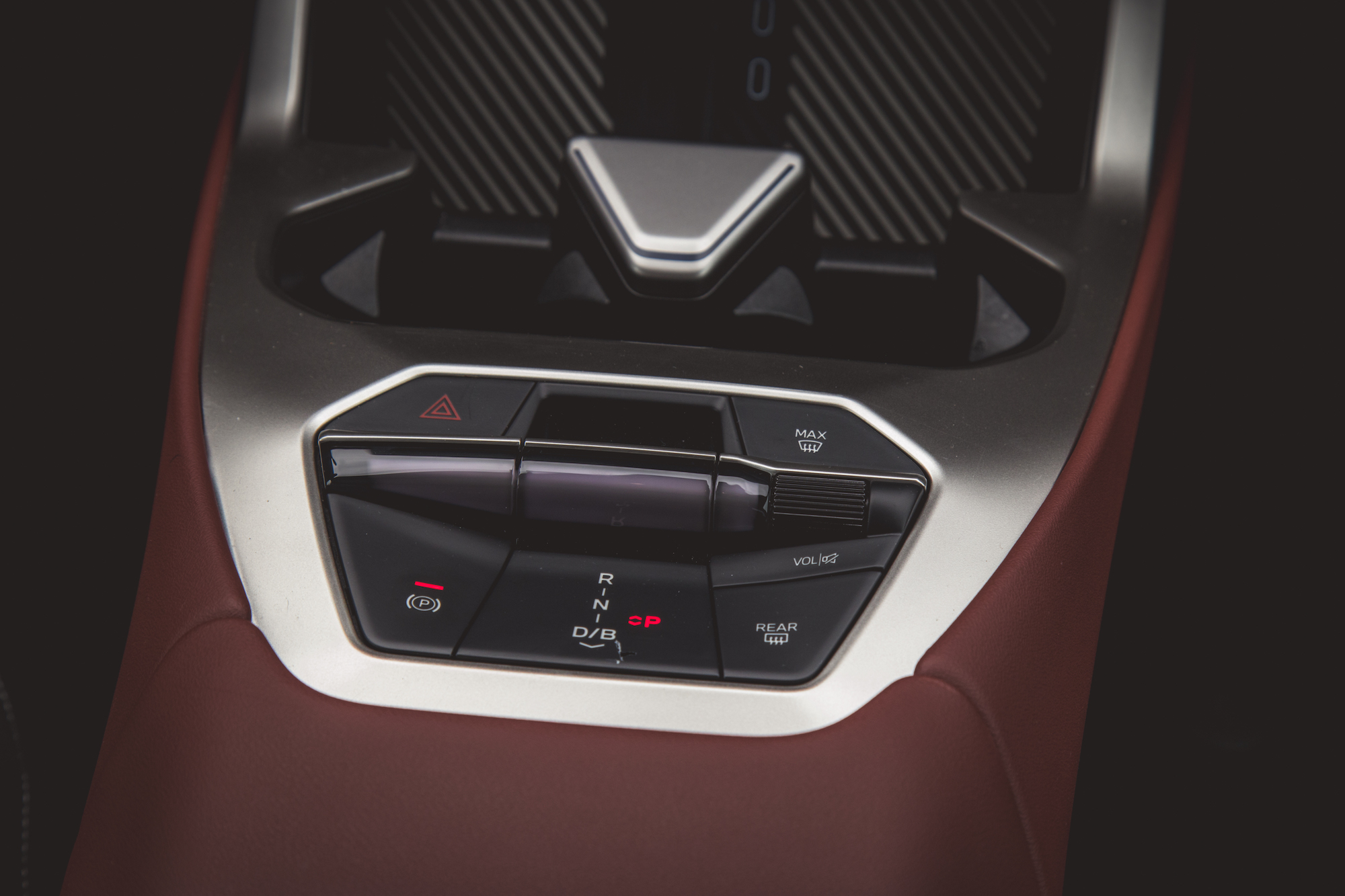
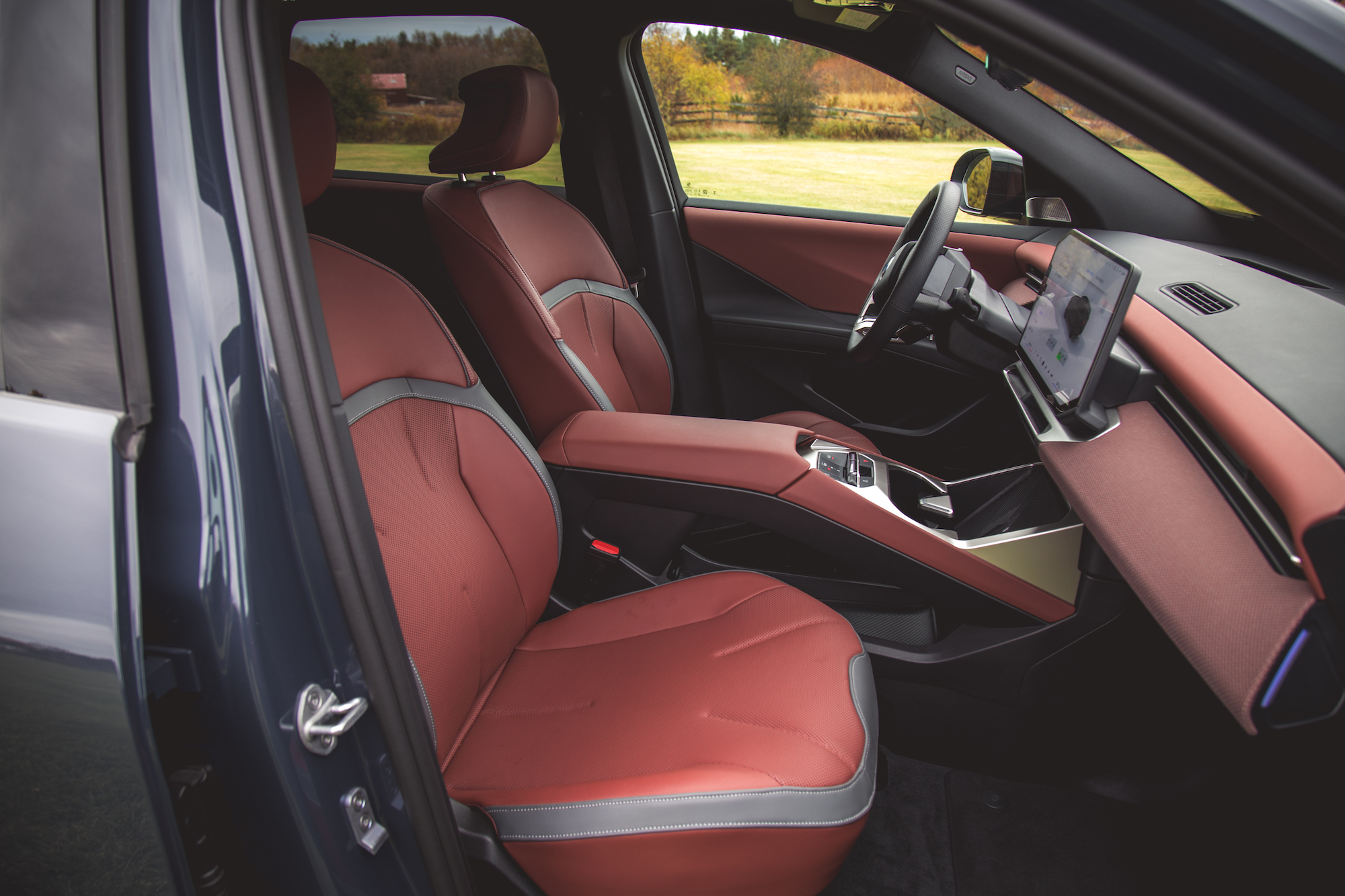
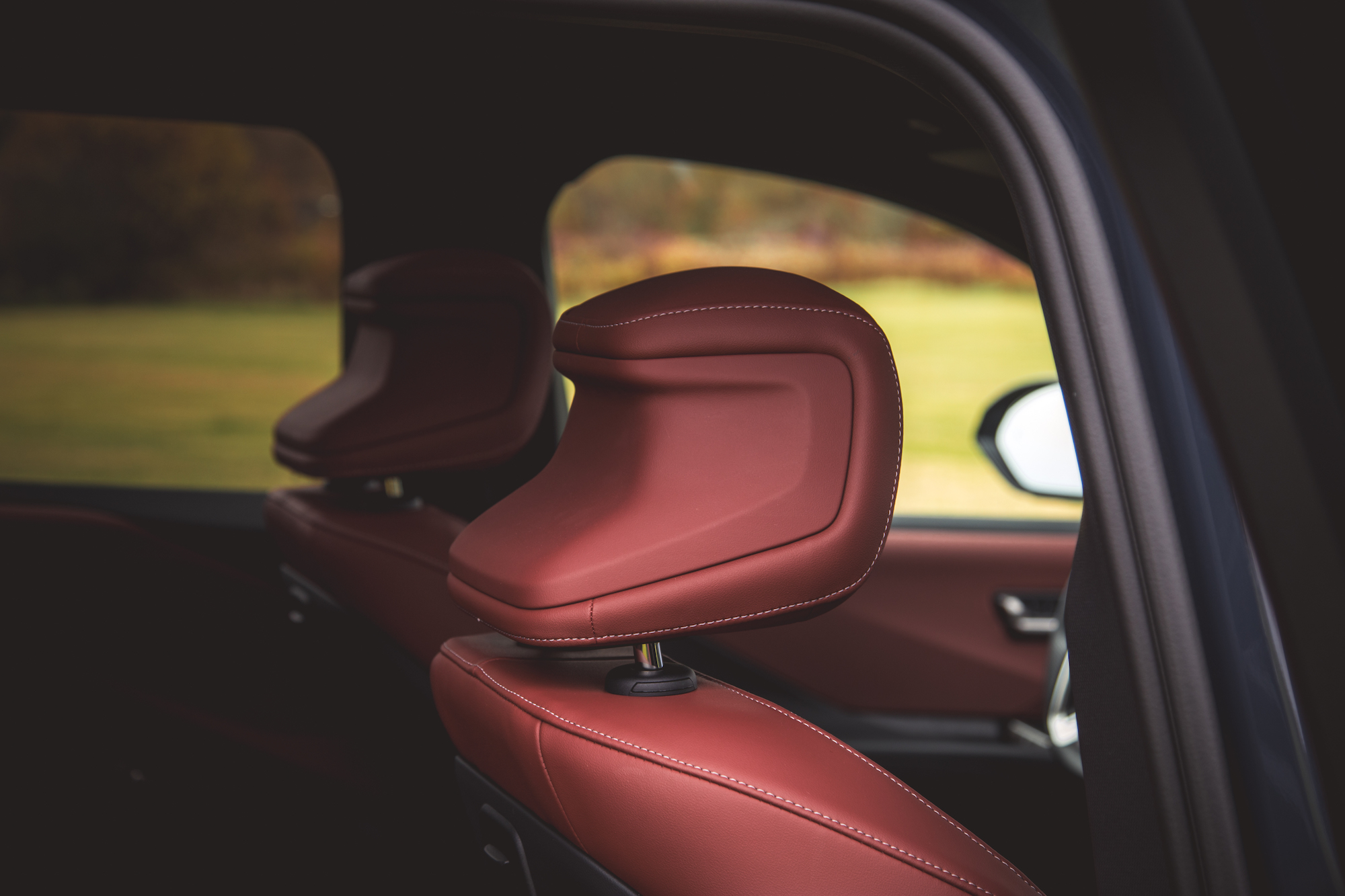
The cabin materials are less impressive than the overall presentation suggests. Nothing about the underlying plastics feels particularly high-grade, but the surfaces are dressed up well enough to avoid feeling offensive at this price point. That’s a welcome improvement over some recent BMWs, including the iX and M5 Touring, where hollow, scratchy materials can undermine the premium experience. The iX3 borrows some welcome textures from the MINI Countryman, most notably a fabric dashboard panel with configurable backlighting that adds colour and personality without resorting to more glossy black plastic.

Reassuringly, the iX3 drives like a BMW should, with outstanding body control, high-speed stability, and a penchant for powerslides and tidal boosts of mind-warping acceleration. Unlike the relatively bland Mercedes-Benz EQE SUV and Audi Q6 e-tron, the iX3 feels as though its engineers prioritized driver involvement over outright comfort. The steering loads up progressively and naturally, giving the front end an eager, responsive character. You get a sense of front-end grip that isn’t lost in the wandering digits of ones and zeroes, though its overboosted feel and twitchy nature punish excessive steering movements, meaning you have to be more precise and delicate with every degree of rotation.

The chassis is equally communicative, allowing the body to lean and respond to road undulations as the car gathers momentum. Acceleration is pulverizing. A more potent iX3 M60 with 603 hp is due to arrive later, but the 50 xDrive already delivers more than enough performance to satisfy even the most demanding BMW enthusiast. Like many EVs, however, the iX3’s power delivery is binary, like a light switch with only two settings for on and off. There’s enough bandwidth between the extremes to meter out power as needed, but no electric motor can quite replicate the rising crescendo of a straight-six engine charging towards its redline.
Grip is plentiful, but the iX3 begins to stumble on ride comfort. Our test car rides on 21-inch wheels wrapped in Yokohama Advan Sport V107 tires, and it is punishing at low speeds. Over broken pavement, the iX3 thumps and skips like a wooden roller coaster, transmitting sharp impacts into the cabin with an eagerness more befitting an X3 M Competition than a premium electric family SUV. Gravelly surfaces and cratered roads offer little in the way of isolation, and even the softer drive modes, which temper the car’s urgency and intensity, do little to smooth out the sharp edges. The ride is noticeably less forgiving than that of a conventional X3, making the smaller 20-inch wheels our recommended choice. Those who prioritize cornering precision and high-speed stability may appreciate the stiffer setup, though.
The BMW iX3 is the long-awaited electric SUV we hoped it would be, delivering warp-speed acceleration, superb body control, and steering and chassis tuning that give it an authentic driving character. Its ride has a decidedly blunt edge, and although it can eventually smooth over the worst road imperfections, it does so reluctantly. Nevertheless, buyers looking for a Tesla Model Y or Mercedes EQE alternative might be swayed by the iX3’s exceptional range, surprisingly ergonomic interior, and relatively competitive pricing, launching a new generation of electric BMWs that we’re genuinely excited for.
Specifications:
Model: 2027 BMW iX3 50 xDrive
Paint Type: Polarized Grey Metallic
Base Price: $75,900
Price as Tested: $89,700
Wheelbase(mm): 2,897
Length/Width/Height (mm): 4,782 / 1,895 / 1,646
Powertrain: 112.2 kWh lithium-ion battery, two electric motors, 800V architecture, 400 kW DC charging
Horsepower: 463 hp
Torque: 476 lb-ft
Transmission: Single-speed automatic
Drive Configuration: Dual electric motors, AWD
Claimed Electric Range: 698 km
Observed Electric Range: 520 km
Tires: Yokohama Advan Sport V107; front 255/40R21; rear 275/40R21









Leave a Reply