
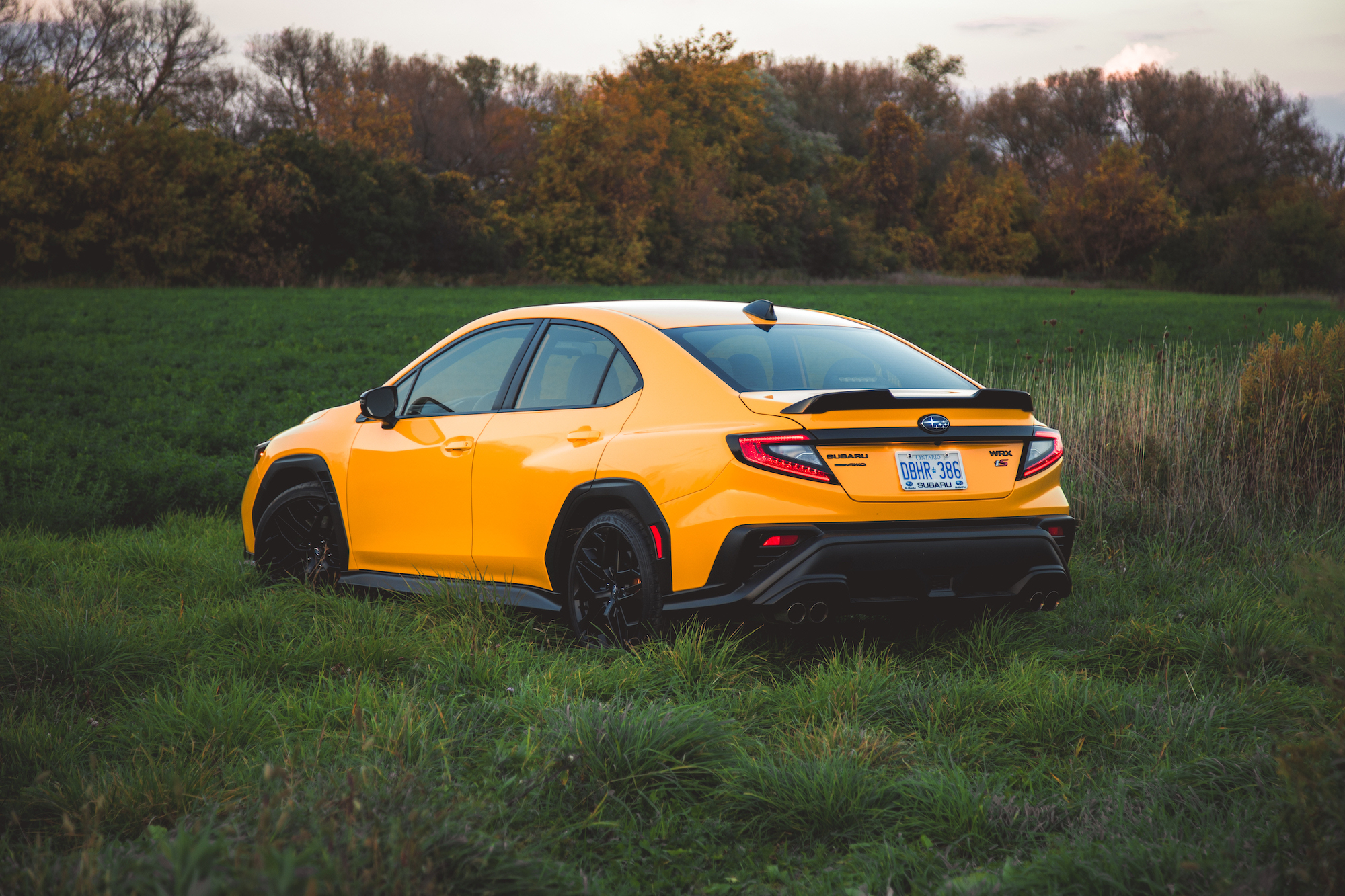
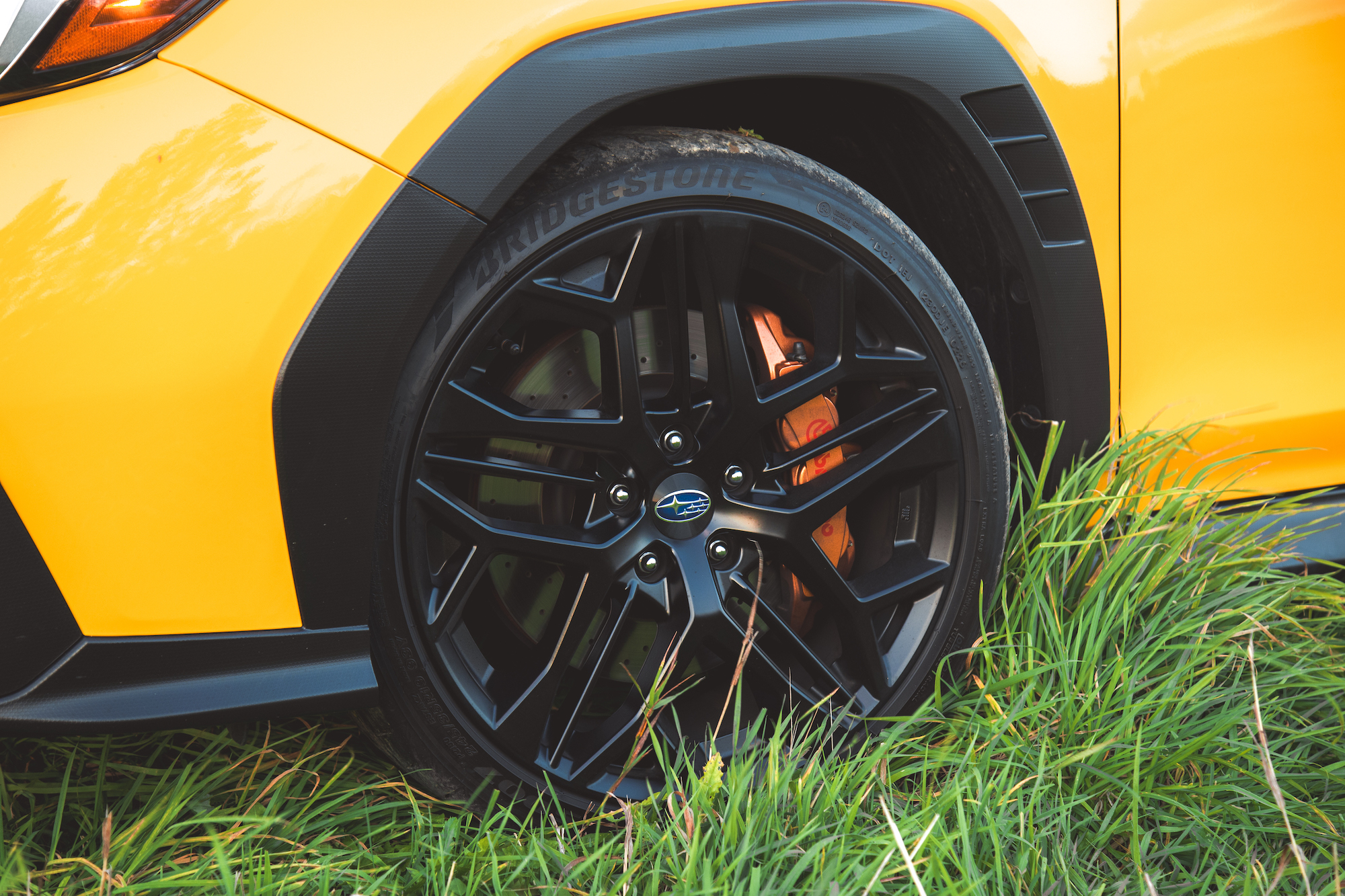
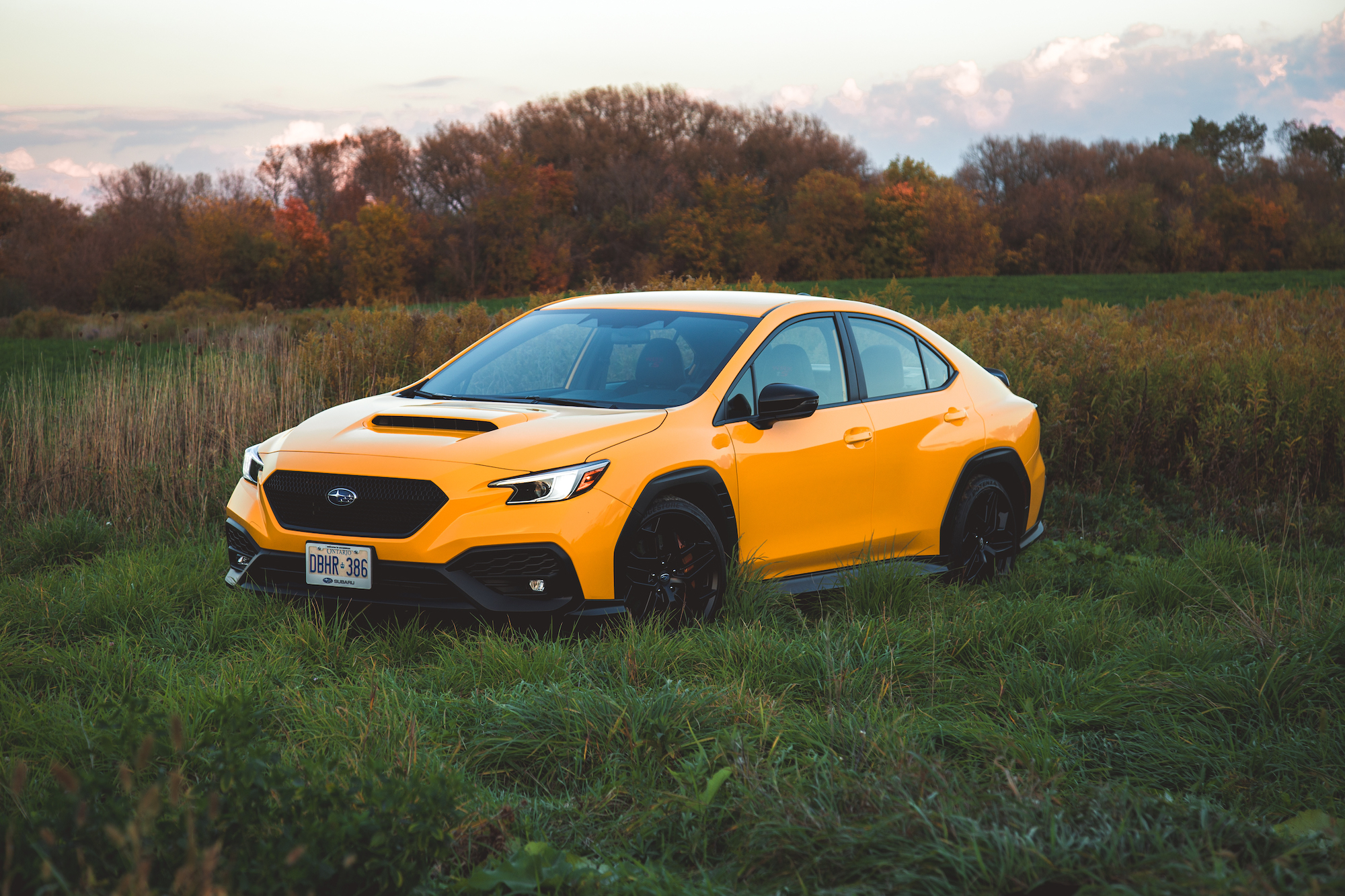
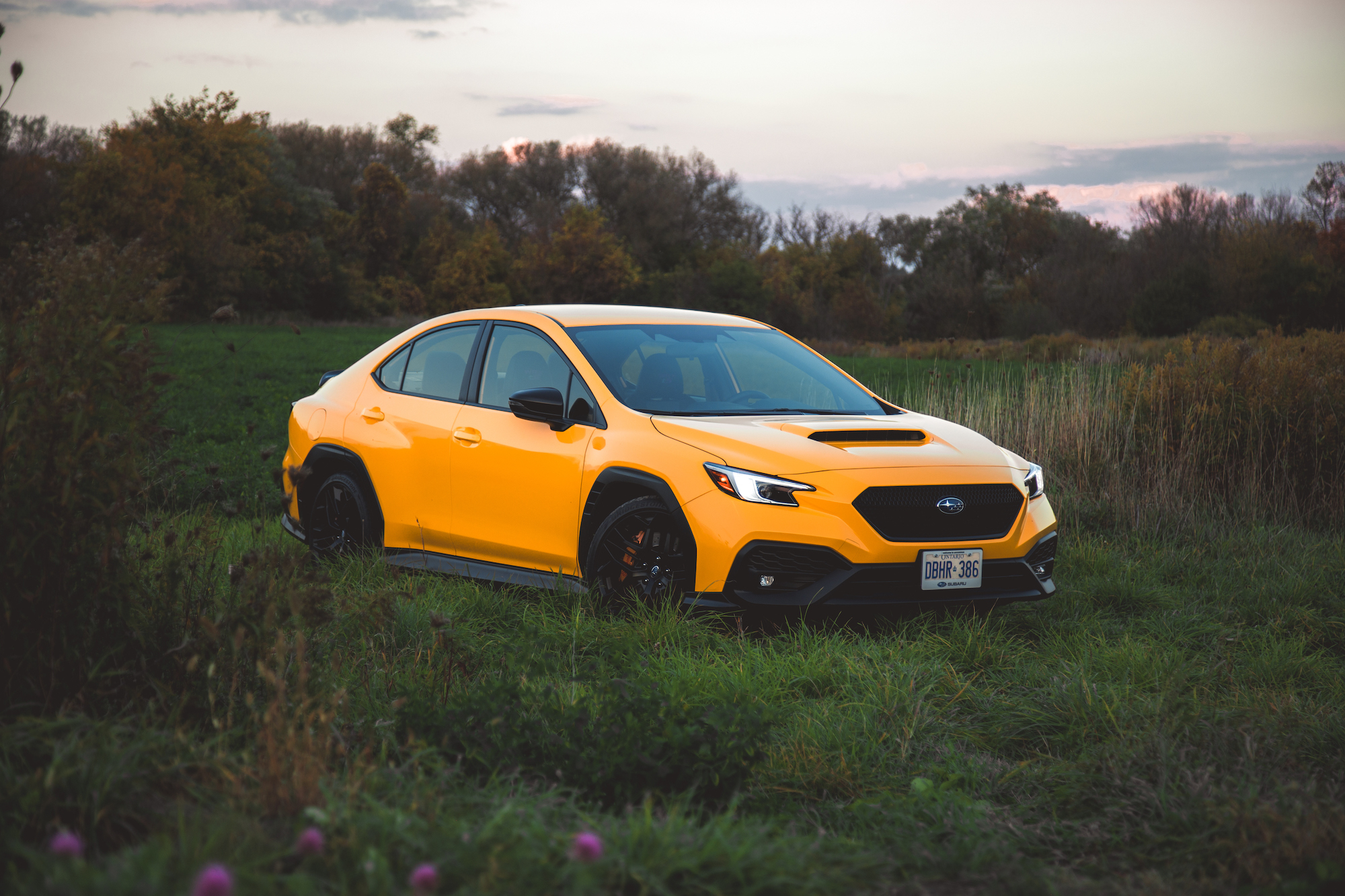
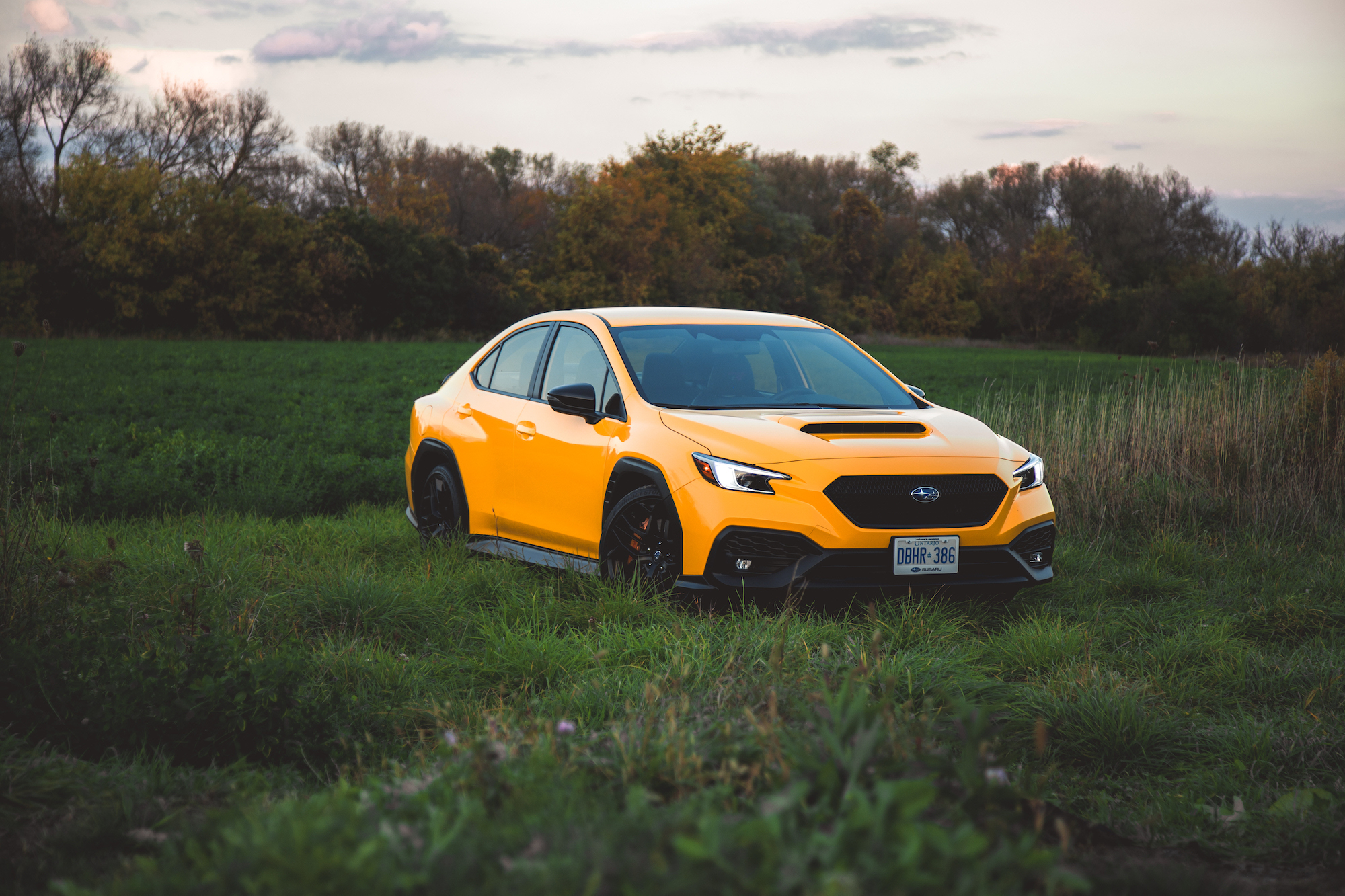
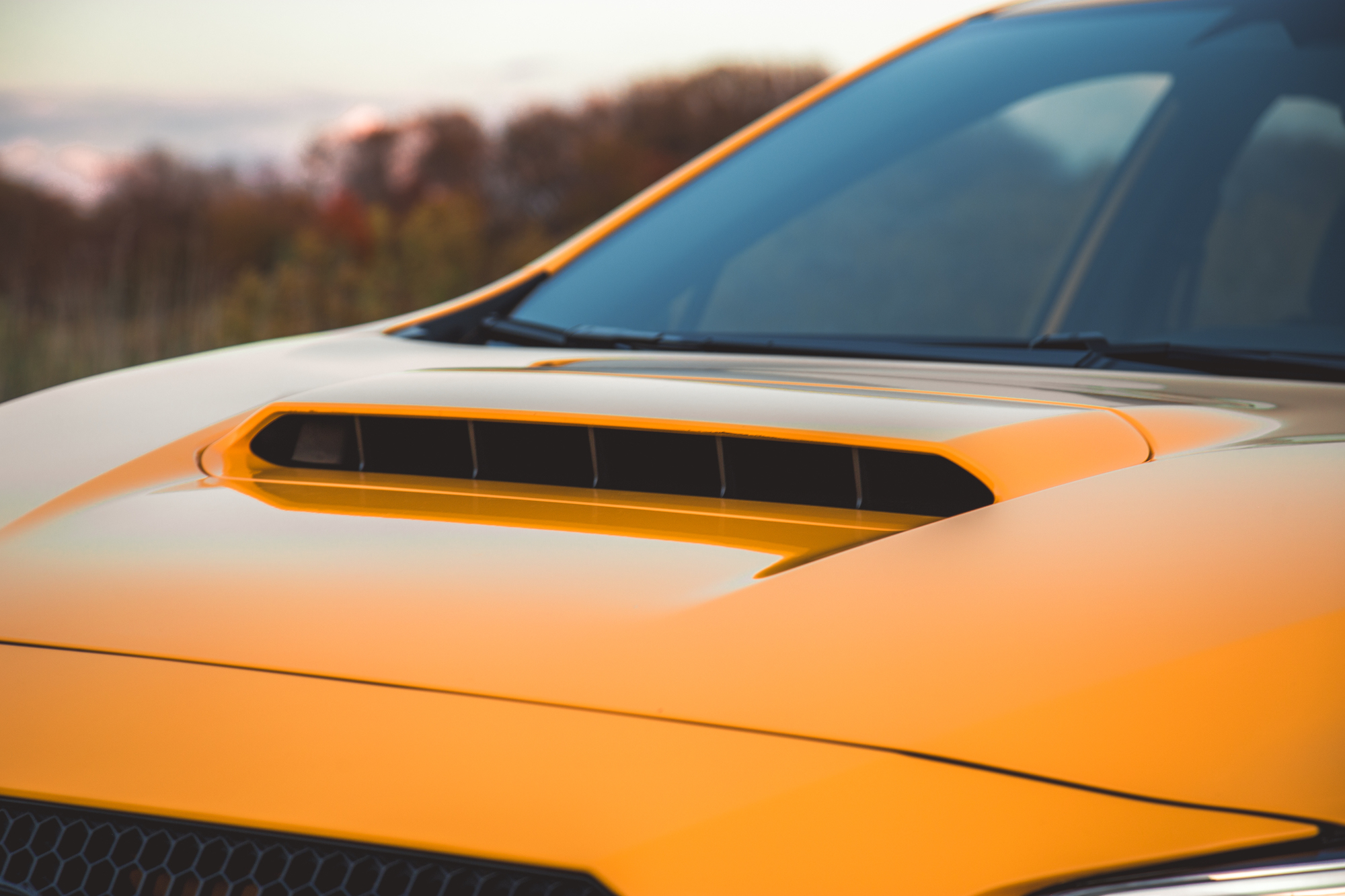
Another year, another Subaru special edition. This time, it’s the year of thunder, or Kaminari in Japanese. The WRX Kaminari arrives in full battle dress, finished in an exclusive shade of Sunrise Yellow and topped with a black rear spoiler. All it’s missing is a pair of red cheeks to complete the ultimate Pikachu spec for Halloween. The Kaminari Edition also gets a cleaner black grille, 19-inch matte-black alloy wheels wrapped in Bridgestone Potenza S007 tires, and yellow accents throughout the cabin.
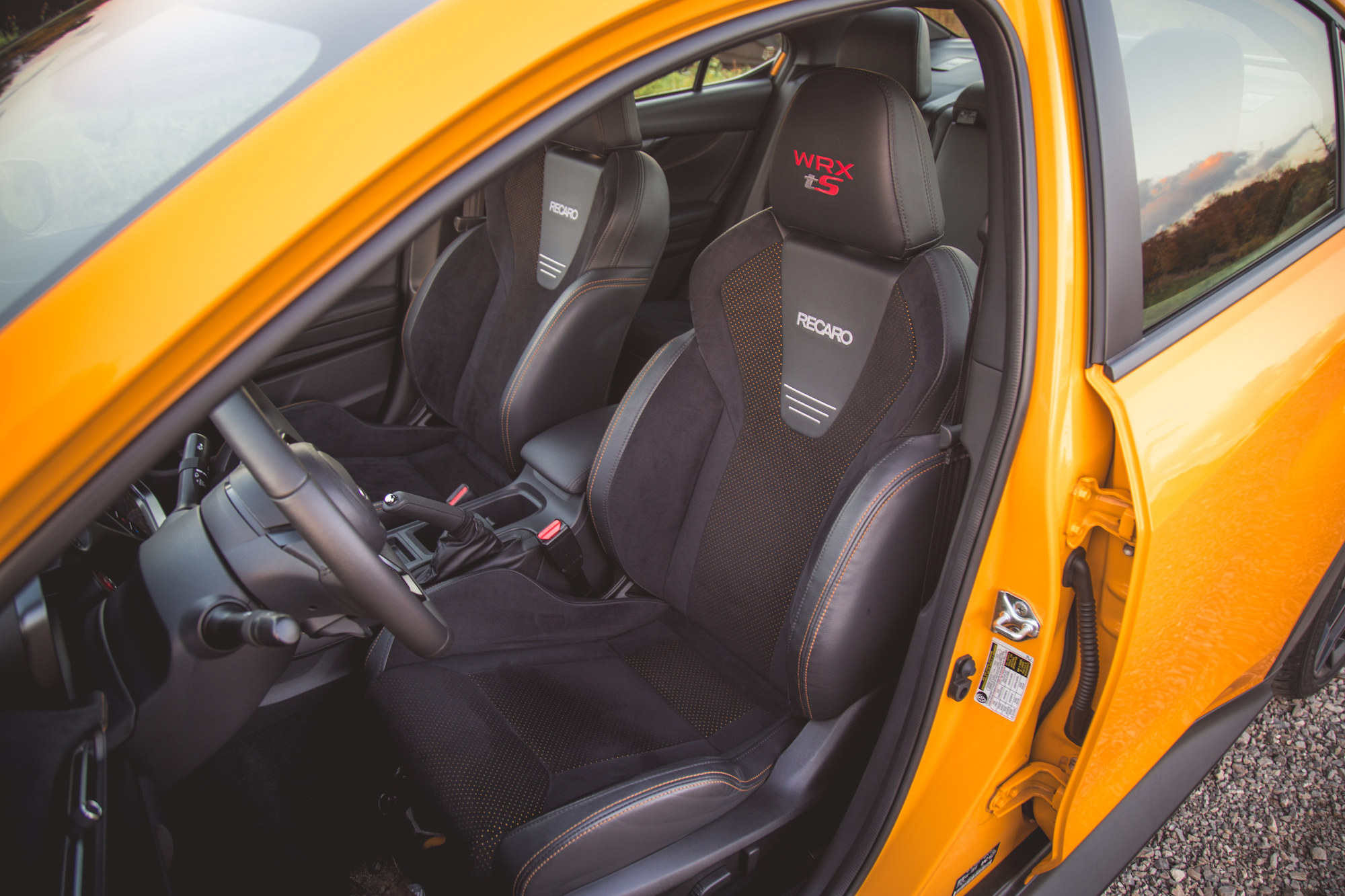
Otherwise, it’s the same WRX tS underneath, which is already a desirable piece of kit. Unlike the tS treatment applied to the BRZ, the WRX gets an electronically adjustable suspension with three selectable settings, brake-based torque vectoring, larger gold-painted Brembo brakes with six-piston front and dual-piston rear calipers, and Recaro front seats.
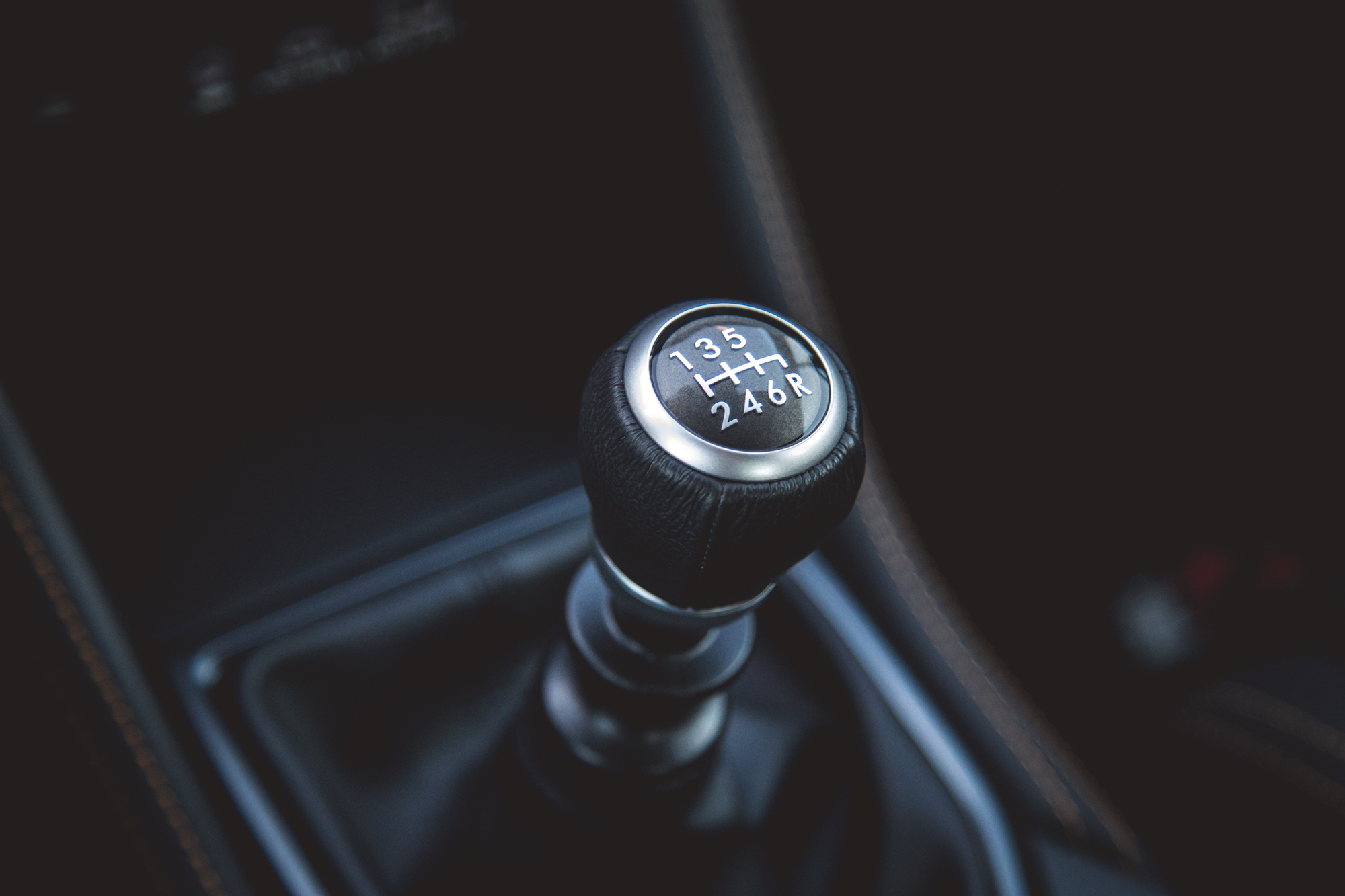
Yellow paint or not, the WRX’s aggressive stance gives off unmistakable rally vibes, as if it’s itching to powerslide across a gravel road or drift its way up an icy hill. The 2.4-litre turbocharged flat-four remains unchanged, sending a stout 271 hp and 258 lb-ft of torque to all four wheels. Unfortunately, it runs out of breath at a relatively low 6,000 rpm, meaning you’ll be shifting frequently and wringing the most out of the six-speed manual. There’s enough thrust and grip to make a Mazda3 or Nissan Sentra SR feel glacial and lethargic, but we can’t help wishing Subaru had found another 30 horses somewhere along the way.

That’s where a full-blown STI would come in, but Subaru continues to withhold one from the lineup. As a result, we can’t help comparing the WRX tS ($49,995) with the Toyota GR Corolla ($50,295), Honda Civic Type R (no longer on sale), and Volkswagen Golf R ($51,995), since it’s the sportiest Subaru currently available. The WRX has the chassis composure and all-wheel-drive grip to run with these more focused, more expensive rivals, but some of its raw, analog motorsport DNA has been diluted in the transition to this second-generation VB model.
This is a more mature sedan, one that’s considerably easier to live with every day. There’s even a dedicated driving mode called Comfort. It’s calmer, more forgiving, and more compliant in almost every metric. Even the engine’s rev-matching requirements for downshifts are less fussy, with a broader window for getting them right. The clutch has a more accommodating bite point, the ride is suppler and more absorbent, and the previously notchy shift gates are easier to navigate. The chassis no longer reverberates as much with the Boxer engine’s signature mechanical thrum, although the cabin still buzzes and drones like an overactive beehive.

Tuned by STI (tS) sounds promising, but it can also be a tease, hinting at the STI we can only dream of. Still, most buyers will likely appreciate the WRX’s more civilized road manners, while a select few will lament the loss of the VA generation’s raw, rally-bred character. What the WRX has surrendered in rawness, the GR Corolla has picked up in haste.
That doesn’t mean the WRX has lost its appetite for fun. Quite the opposite. It remains a grippy, all-wheel-drive hoot that begs to be thrown around a dirt road. Understeer is still the default response, and the nose washes wide if you’re too greedy with the throttle on corner entry or through the middle of a bend. But the brake-based torque vectoring earns its keep, helping the WRX rotate more neatly through a corner. The trick is to carry more speed than you might expect, ease the nose toward the apex with measured brake pressure, and transfer the weight rearward onto those meaty tires before powering out of the bend. Get the rhythm right, and the WRX will happily oblige with a tidy four-wheel drift. The steering also keeps you connected to the road, tracing grooves and craters in the pavement while transmitting a useful amount of texture through the wheel.
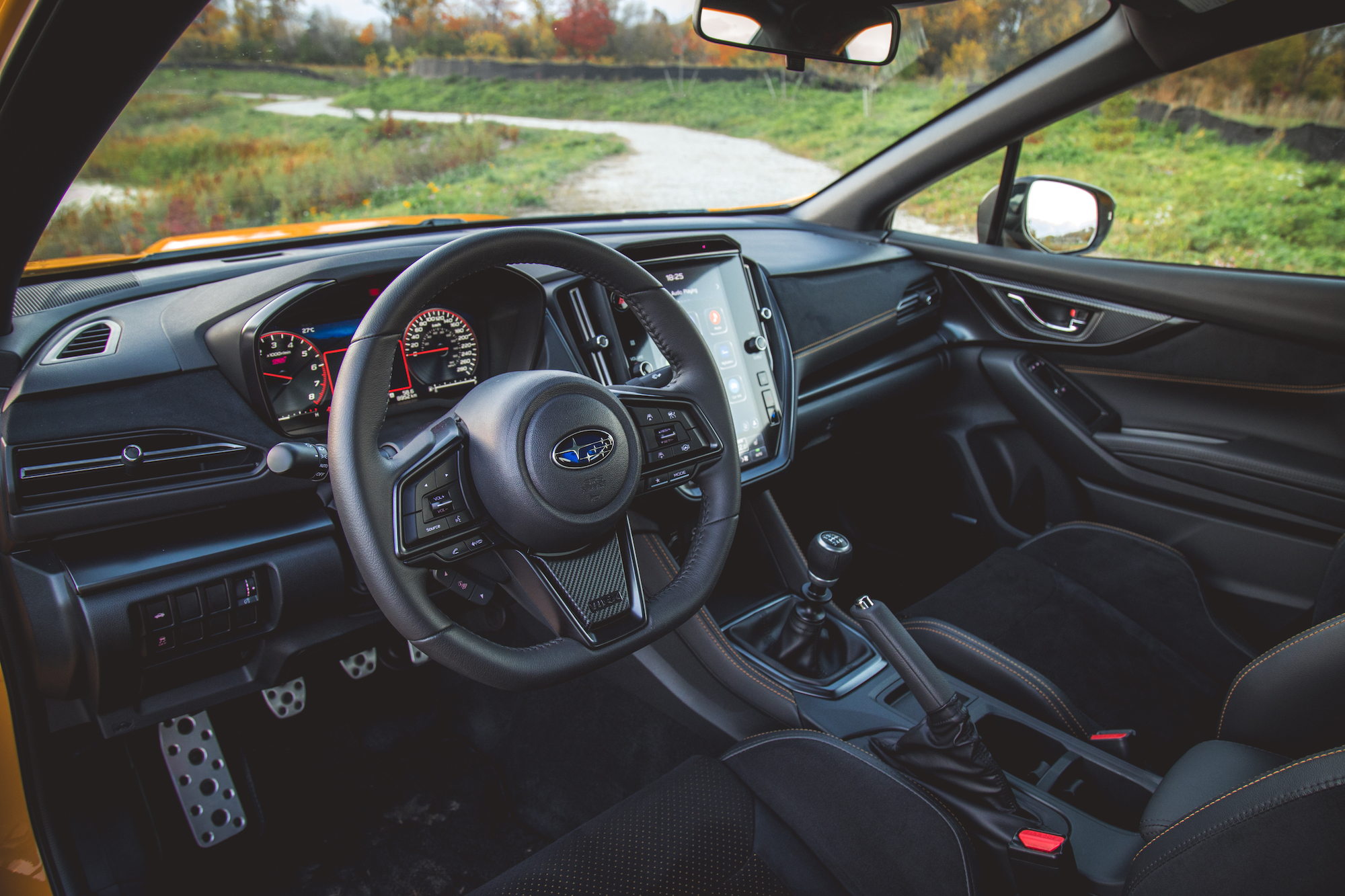
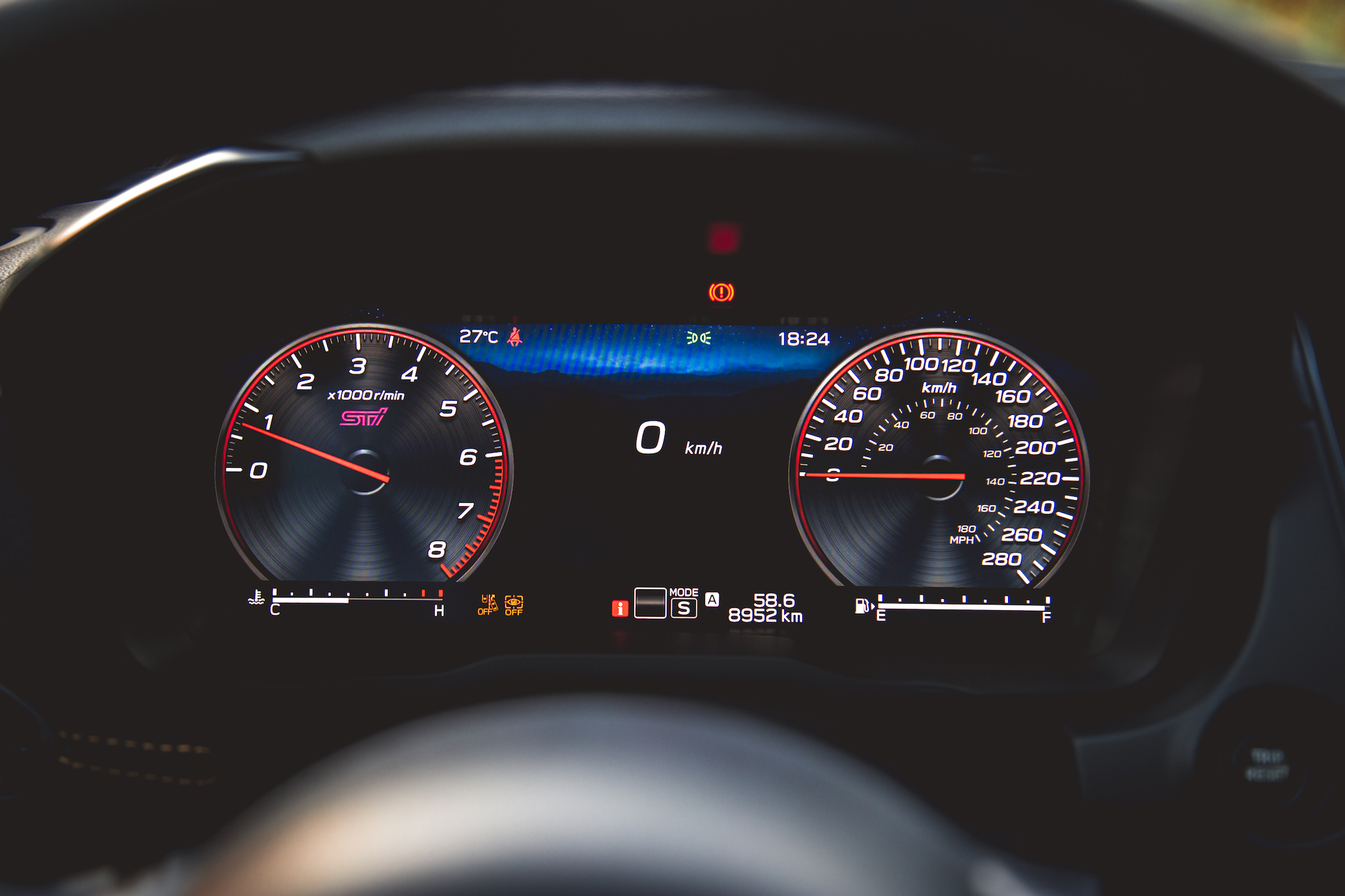
The Recaro seats grip you firmly, providing generous hip support and making you feel more closely connected to the car. However, the overly thick steering wheel grips at the three- and nine-o’clock positions are awkward to grasp, even with large hands, although the flat-bottom design does make getting in and out a little easier. The cabin relies heavily on black plastics and faux carbon fibre, which is hardly surprising in a car starting below $50,000. Still, fit and finish are excellent, with securely assembled panels and no loose switches in sight. We miss the previous generation’s analog gauges, but the digital instrument cluster and touchscreen compensate with a wealth of information and customizable displays.

With a sprinkle of civility, a splash of comfort, and a generous helping of yellow paint, the WRX formula has evolved from a raw, analog sports sedan into something more polished and approachable. It still has the hardware to immerse and reward on a twisting road, but its capabilities are buried a little deeper beneath the more refined layers, requiring greater commitment to extract the full experience. This is as much performance as Subaru is willing to offer for now, and until a proper STI returns, the WRX tS remains its most engaging offering with all the right ingredients to entertain, flatter, and occasionally remind you why $50,000 all-wheel-drive performance still has its charms.
Specifications:
Model: 2026 Subaru WRX Kaminari
Paint Type: Sunrise Yellow
Base Price: $49,995
Price as Tested: $49,995
Wheelbase(mm): 2,675
Length/Width/Height (mm): 4,670 / 1,825 / 1,465
Curb weight (kg): 1,556
Engine: 2.4-litre turbocharged flat-four cylinder
Horsepower: 271 hp @ 5,600 rpm
Torque: 258 lb-ft @ 2,000 – 5,200 rpm
Transmission: 6-speed manual
Engine & Drive Configuration: Front engine, AWD
Observed Fuel Consumption (L/100km): 10.8
Tires: 245/35R19; Bridgestone Potenza S007





Leave a Reply