
Toyota has never been particularly adept at naming its vehicles. It wasn’t long ago that we had the bZ4X, a name that sounded more like an automatically generated password than the company’s first mass-market electric vehicle. Toyota eventually shortened it to simply bZ, confusingly retaining only the lowercase “b.” The name stands for Beyond Zero, Toyota’s commitment to moving beyond zero emissions and creating a net-positive impact on the environment. It’s a noble cause, even if the nomenclature suggests a robotic rather than humanoid methodology.
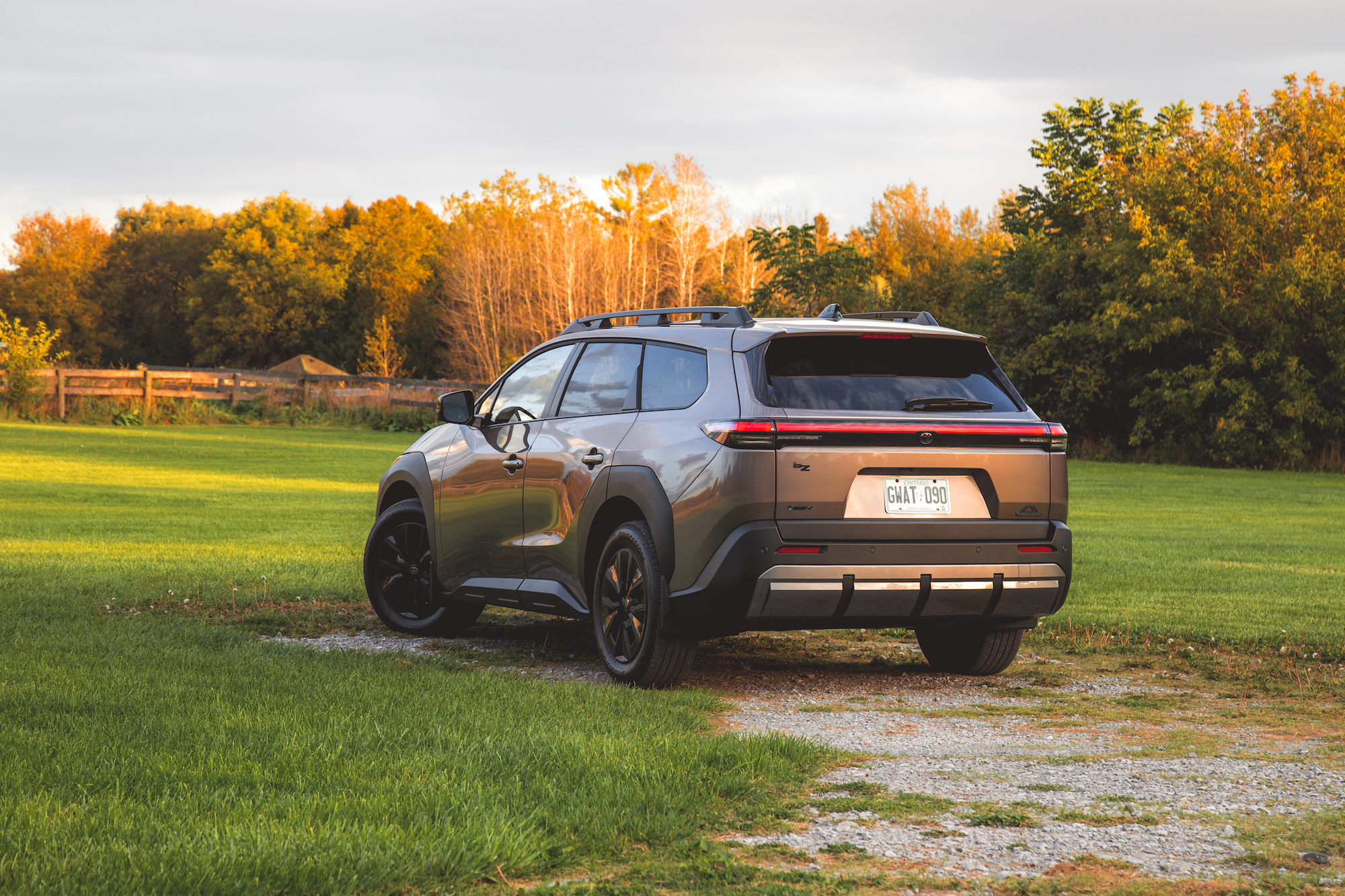
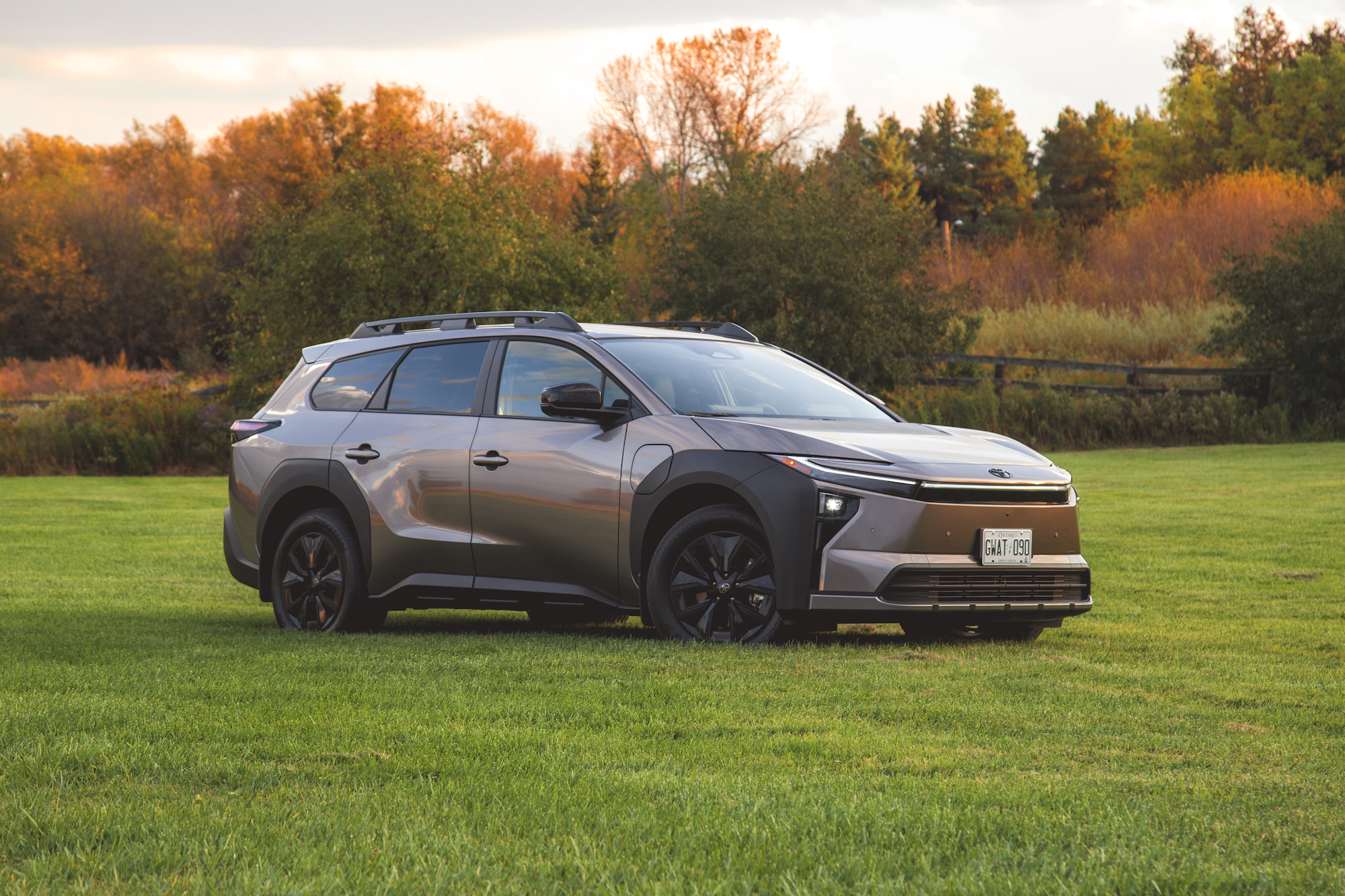
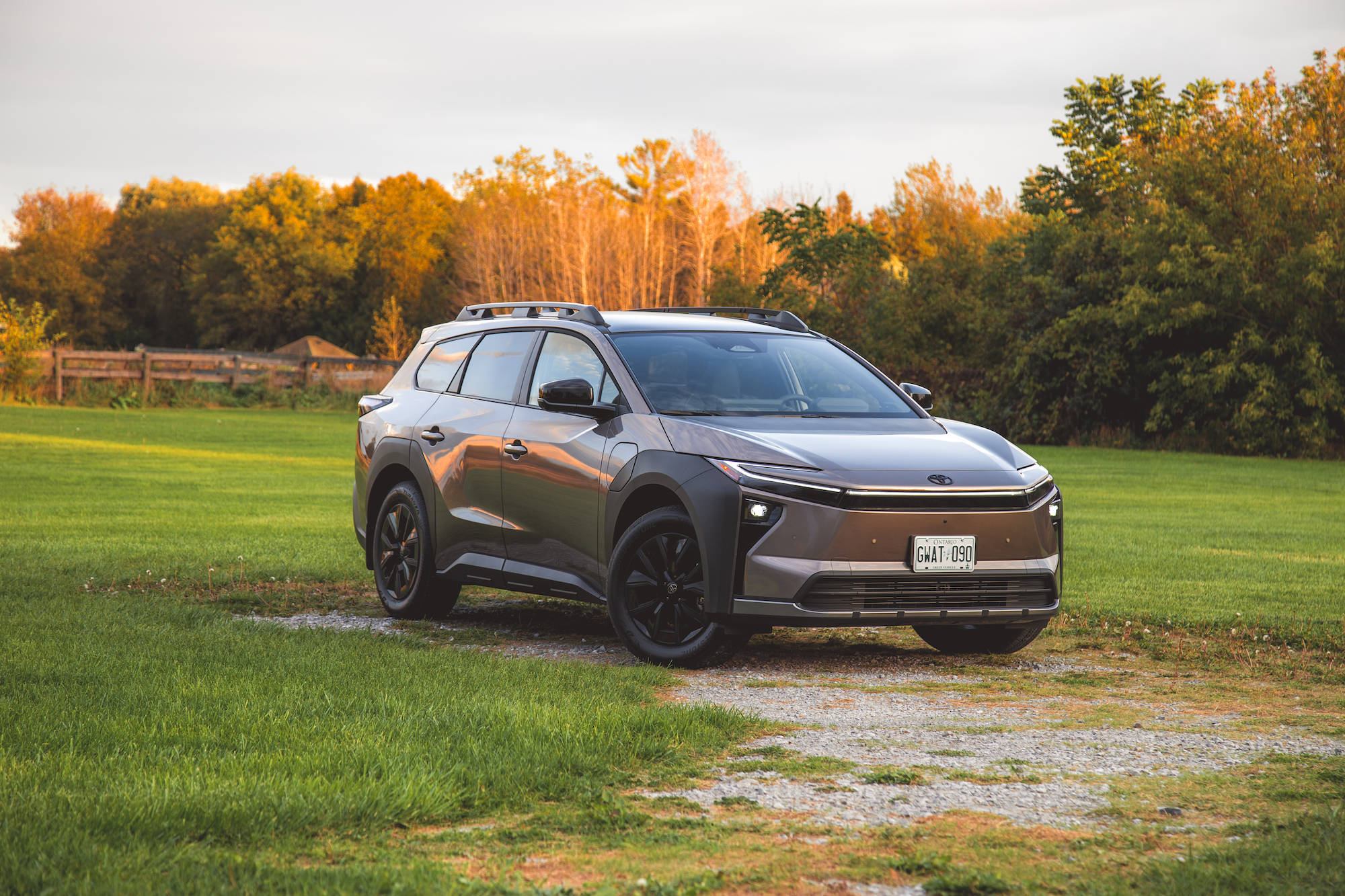
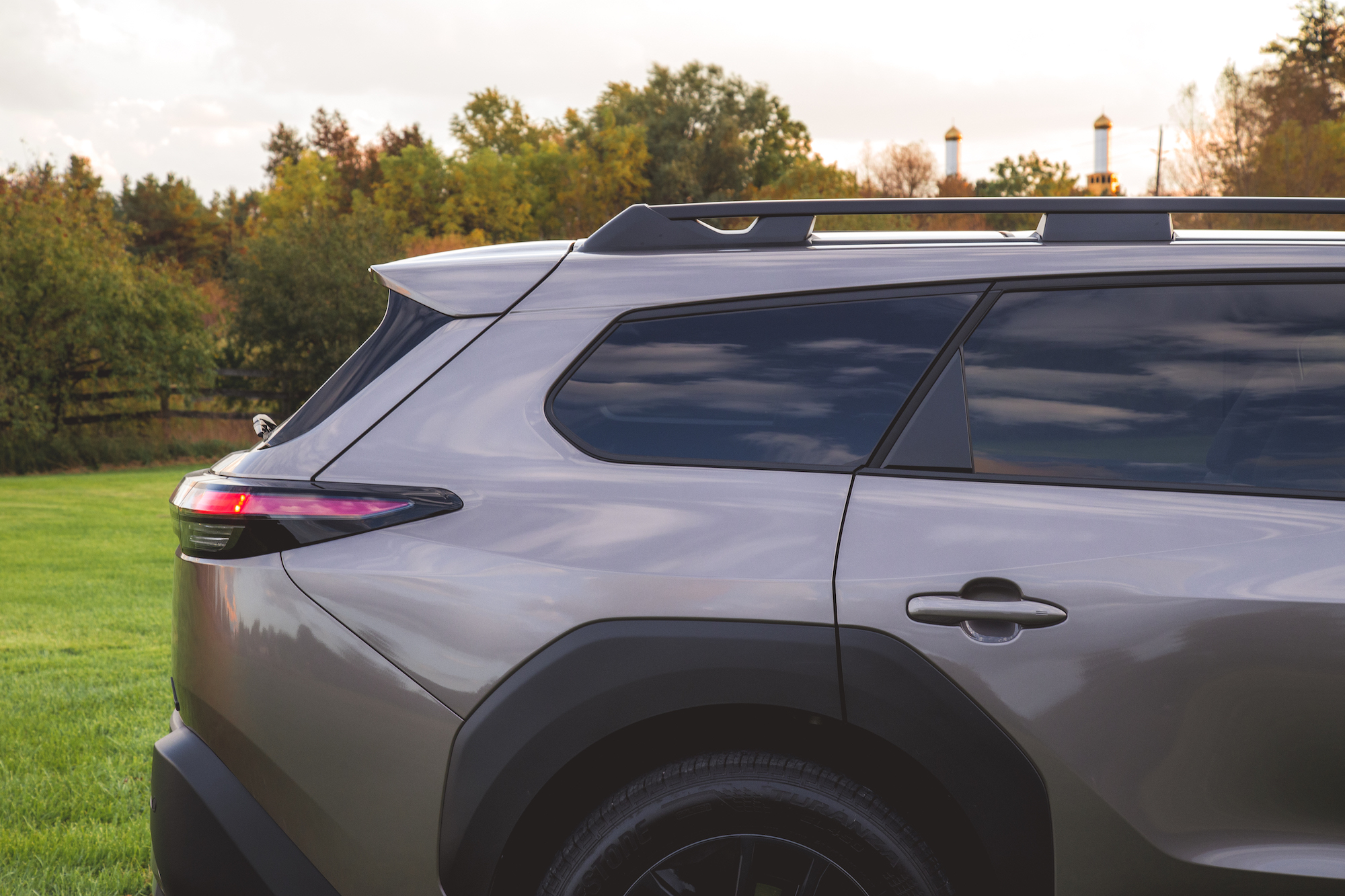
So, you would expect the latest bZ Woodland to be a more rugged, off-road-focused version of the bZ, complete with a lifted suspension and all-terrain tires, right? That’s what the name implies, anyway, following the formula established by the Subaru Wilderness, Honda TrailSport, and Ford Tremor families. Not quite. Although closely related to the bZ, the Woodland is a significantly longer and taller vehicle, with a stretched wheelbase, chunkier bumpers, roof rails, an upright D-pillar, and considerably more cargo space.
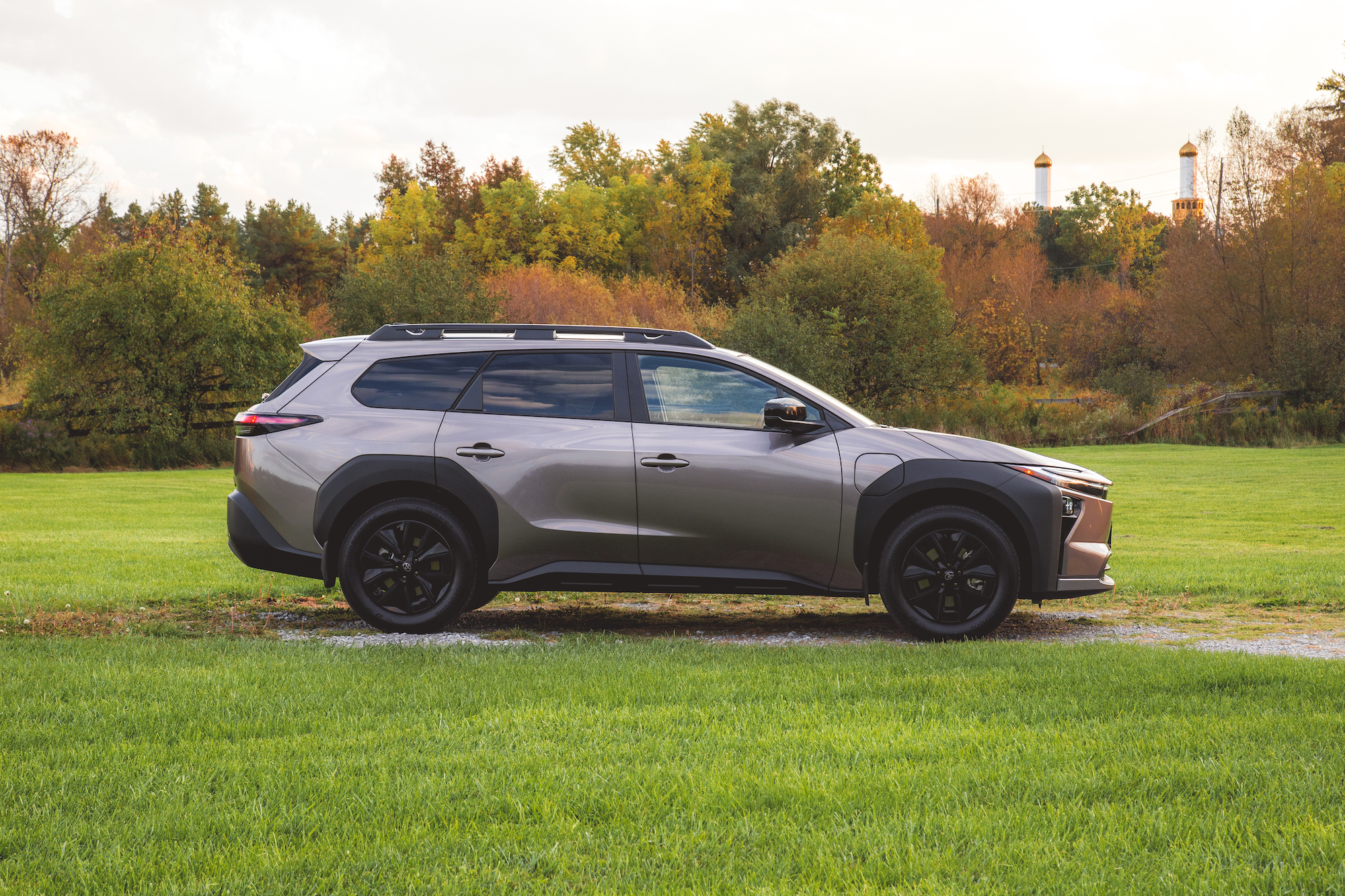
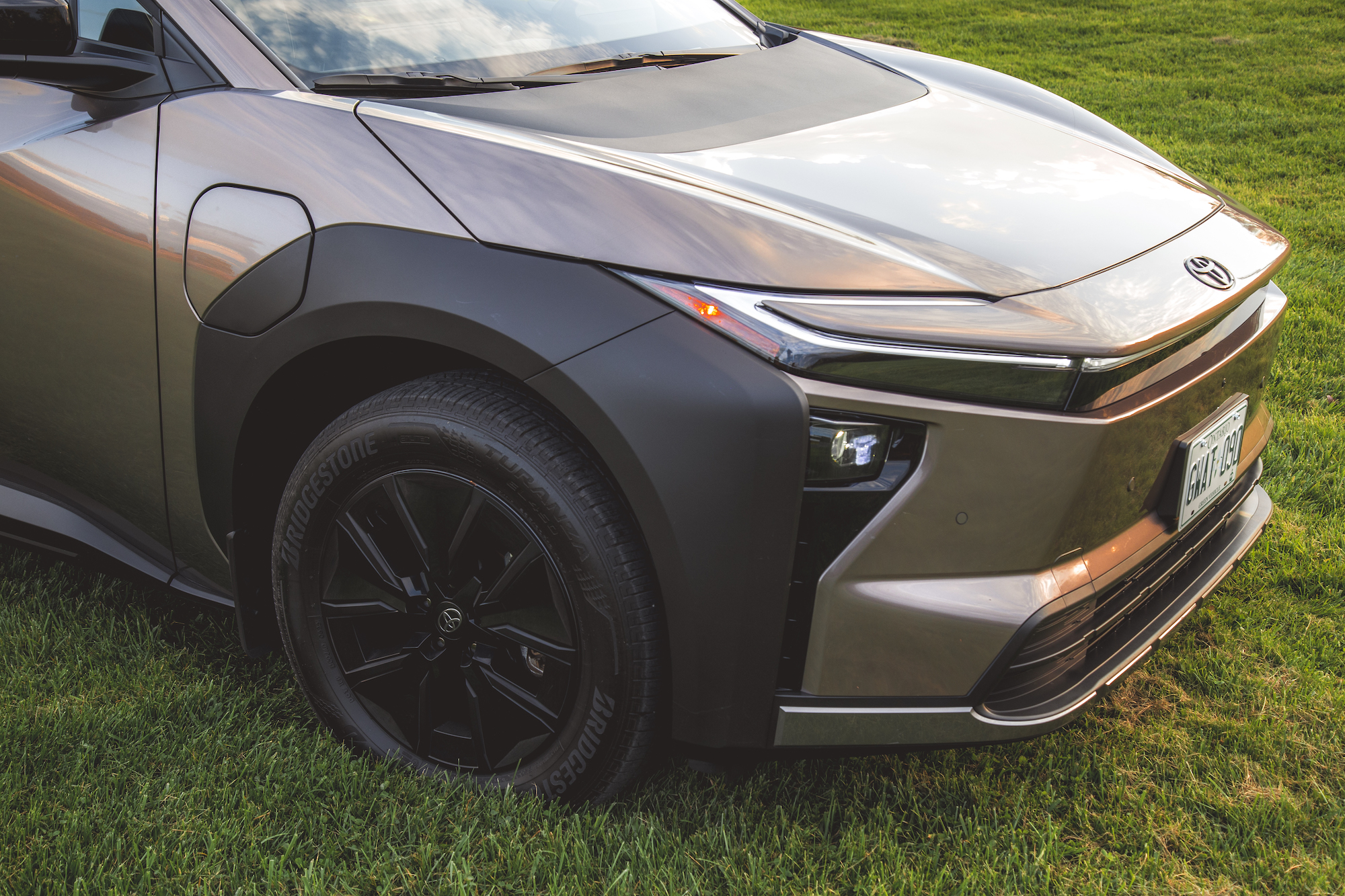
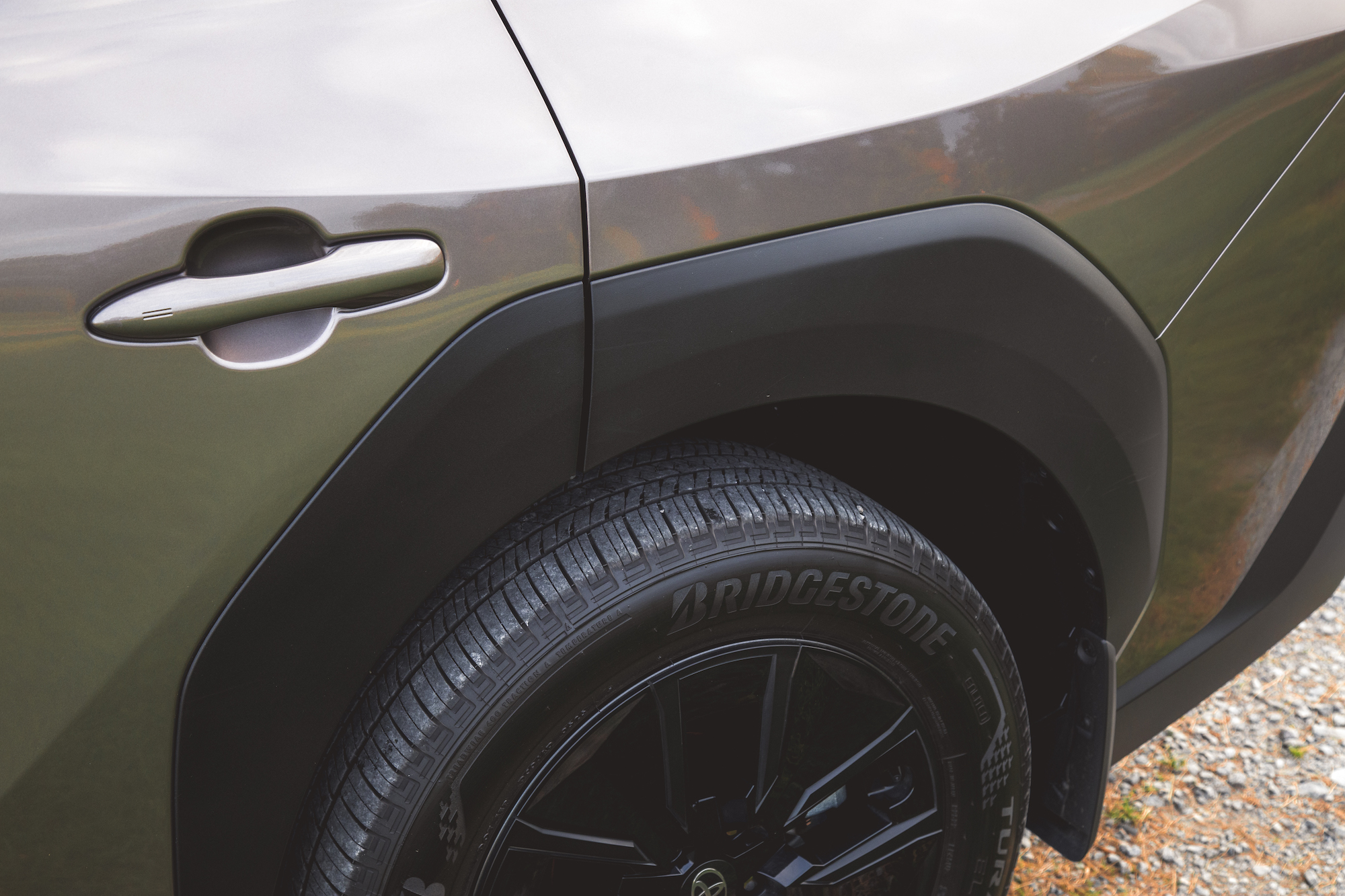
Liberal applications of black plastic cladding around the wheel arches reinforce its adventurous intentions, while the elongated silhouette suggests something closer to a wagon than an SUV. Think of it as an electric Subaru Outback, then, because despite its increased ride height, the Woodland still sits lower than your typical compact SUV. Frankly, we think the Woodland looks more like an Outback than the new Outback, but that’s a rant for another day.
Toyota’s largest electric vehicle is also its most powerful. The bZ Woodland is offered exclusively with a 74.7 kWh battery and an electric motor on each axle, giving it all-wheel drive and a stout 375 hp. That’s enough to propel this sizable EV from 0 to 100 km/h in just 4.4 seconds, matching the acceleration of a Toyota GR Supra equipped with a manual transmission. Despite its considerable footprint, we managed a competitive 450 km from a full charge. Like Toyota’s latest electric vehicles, the Woodland also adopts the NACS (North American Charging Standard) port, giving it access to Tesla Superchargers. If you’ve ever wanted an electric Toyota Venza, this is probably as close as you’re going to get.
Larger than the Toyota Crown Signia, the Woodland’s elevated ride height provides excellent outward visibility without introducing the top-heavy body lean typically associated with larger SUVs. That’s one of the reasons automotive enthusiasts tend to favour wagons: a lower centre of gravity generally translates into sharper responses and better driving dynamics.
Wickedly quick and remarkably surefooted, the Woodland combines excellent road compliance with a surprising willingness to engage the driver. It feels more composed and natural through corners than a Hyundai Ioniq 9 or Cadillac Lyriq, with smoother steering inputs and less sensitivity to minor suspension movements. There’s a cohesive sense of the chassis working with the road beneath it rather than reacting to every imperfection. We genuinely wish the similarly priced Crown Signia possessed this level of road manners.

True to its Woodland name, Toyota also offers all-terrain tires at no additional cost on the Premium model for buyers who want greater confidence away from the pavement. Just be aware that the Dunlop Grandtrek AT30s reduce the estimated range by approximately 34 km. Our bZ Woodland arrived on the more conventional 18-inch Bridgestone Turanza EL450s, and we’d happily recommend sticking with them. They deliver superior comfort and noise isolation while better suiting the Woodland’s duties as a road-going commuter tool.
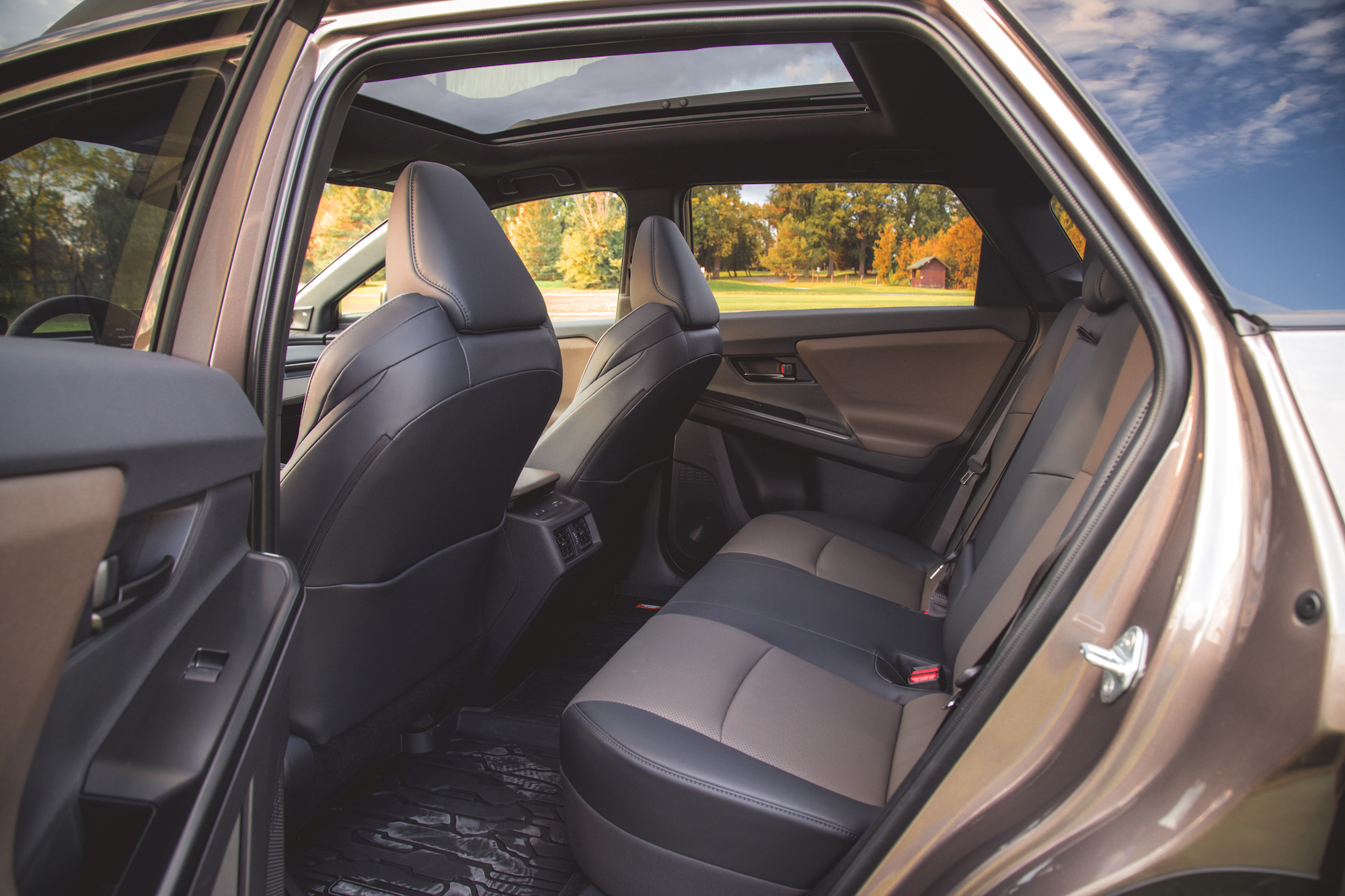
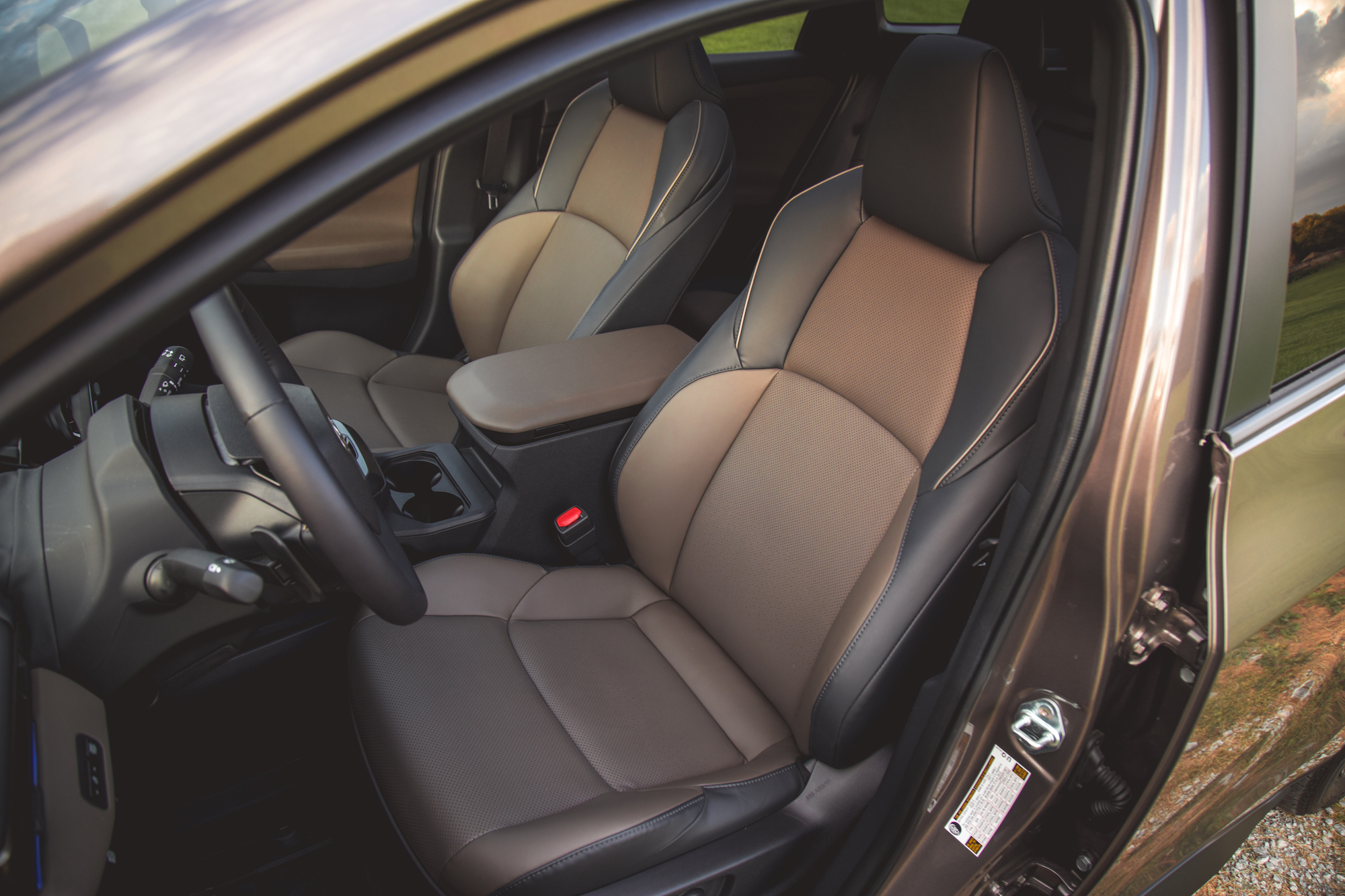
If the Crown Signia’s low roofline and tight cabin packaging are too restrictive for your six-foot frames, the Woodland feels considerably more accommodating for North American drivers. Its larger entry portals make getting in and out easier, while the enormous trunk opening provides access to a genuinely useful cargo area. It offers all the practicality of a wagon with the elevated driving position of an SUV. Toyota has also delivered better perceived build quality than the Tesla Model Y, although it lacks many of the Crown’s more luxurious touches.
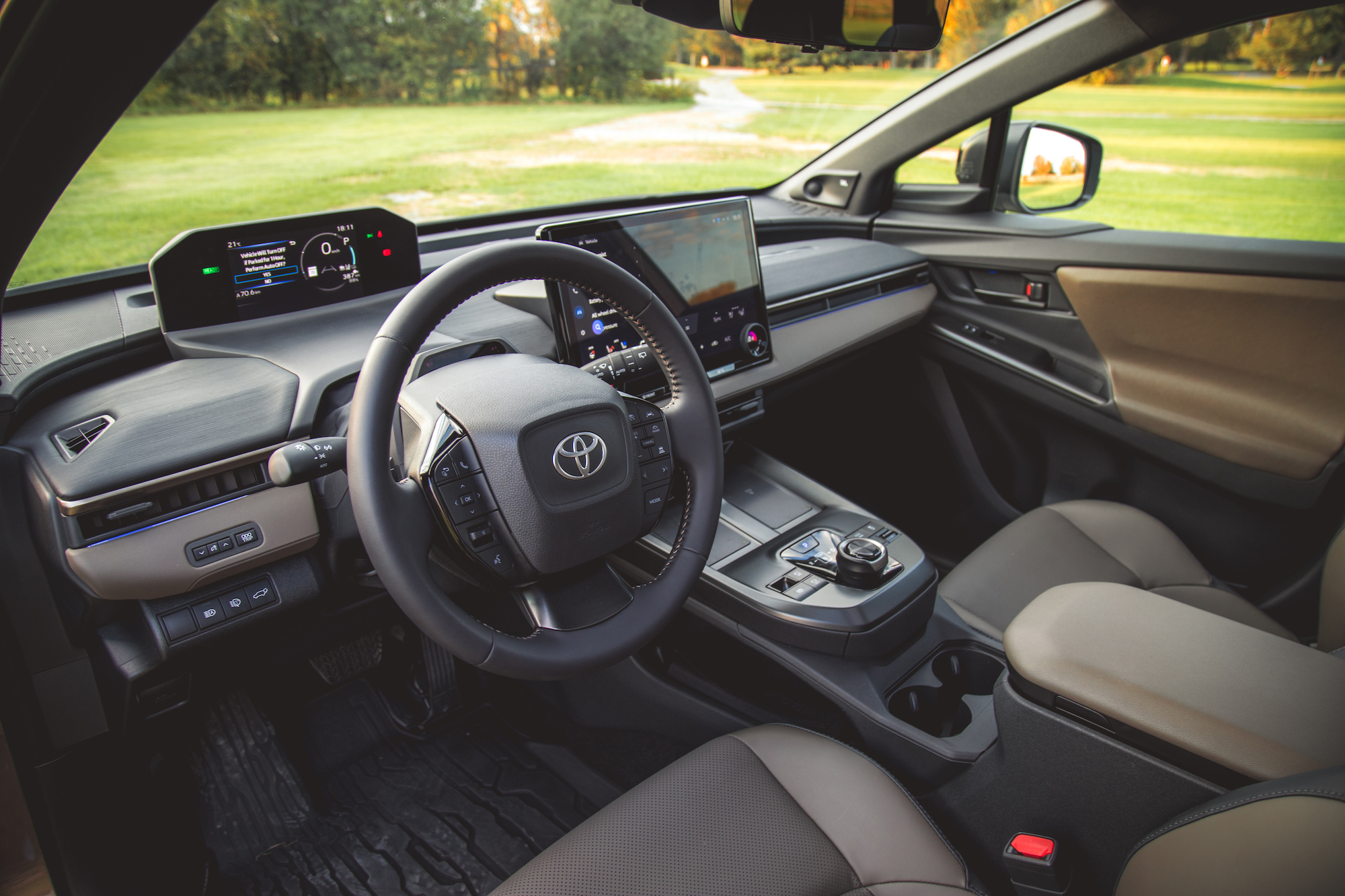
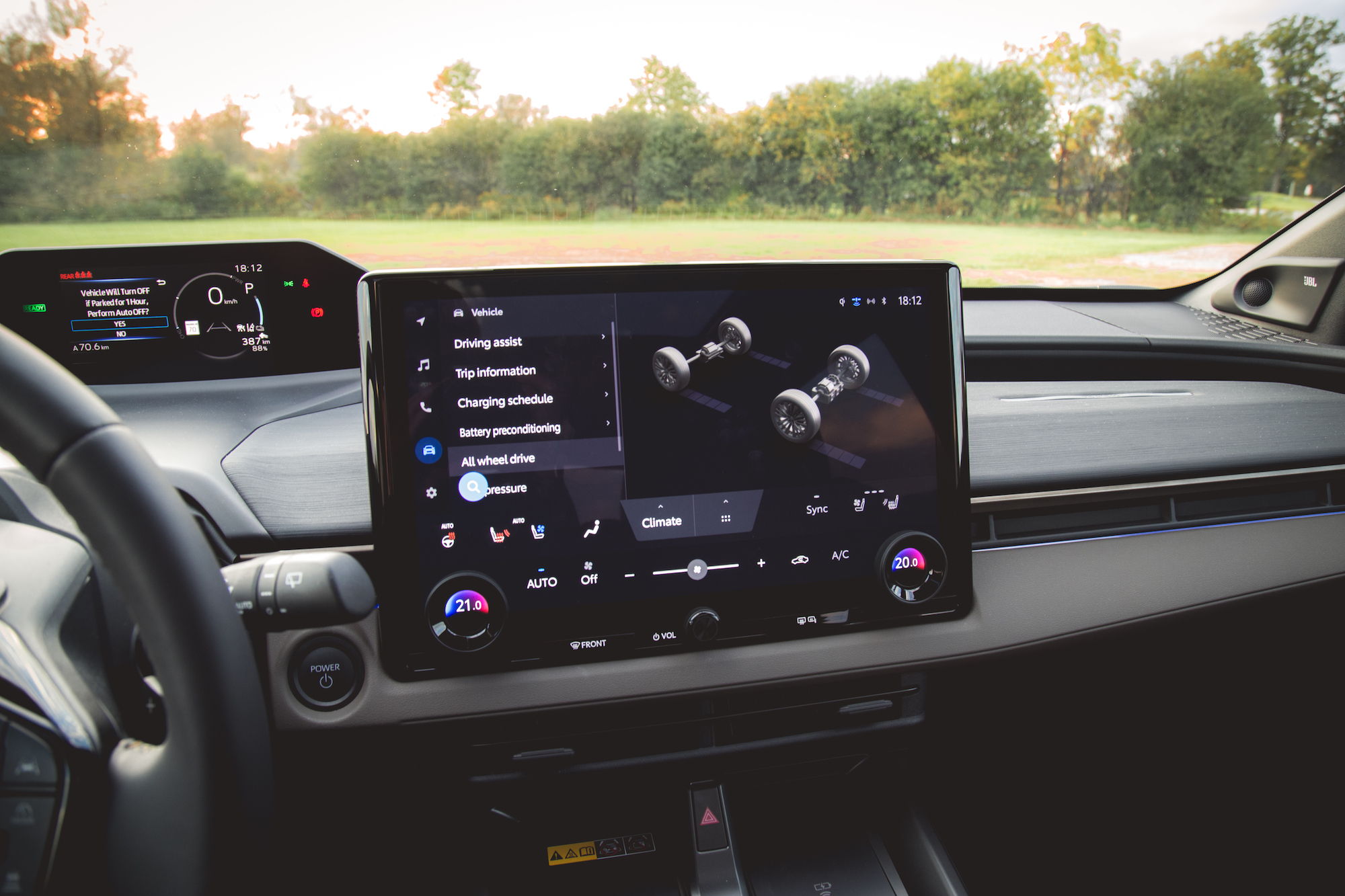
Inside, the Woodland borrows heavily from the standard bZ, only magnifying the formula by roughly 25 percent. The 14.0-inch touchscreen and gear selector are shared with its Subaru Trailseeker counterpart, but Toyota surrounds the colourful display with a welcome collection of physical controls for functions such as volume and temperature. The interface is intuitive and easy to navigate, proving once again that not every vehicle function needs to be buried inside a touchscreen.
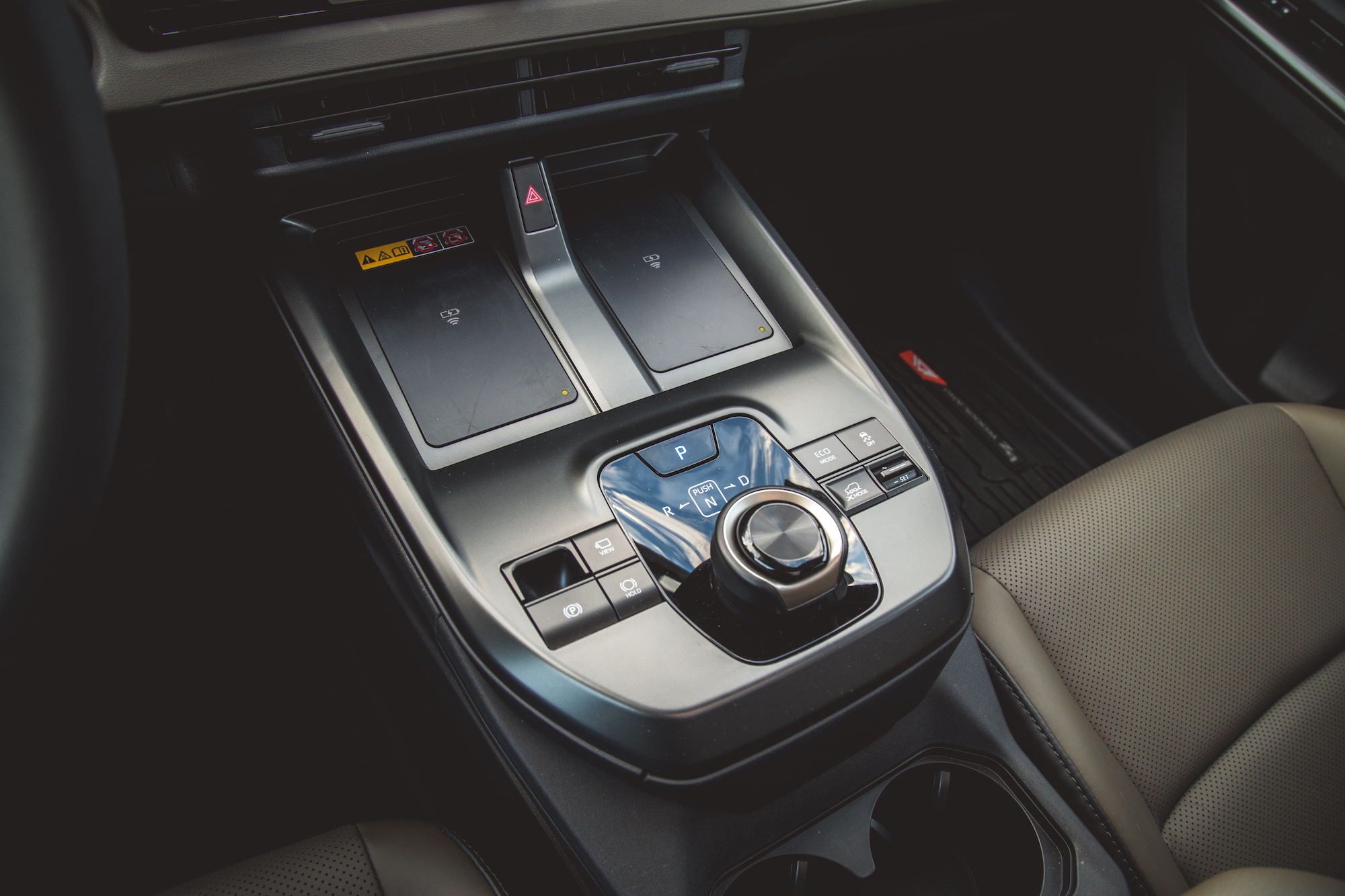
Neighbouring wireless charging pads are another welcome touch, although spirited driving can send your phones sliding around because the rubberized surfaces aren’t particularly grippy. Still, we appreciate being able to toss our devices in without much thought, while the additional storage underneath is genuinely useful. The larger centre console does come at a cost, however, making the front footwell feel narrower and more confined than some competitors.
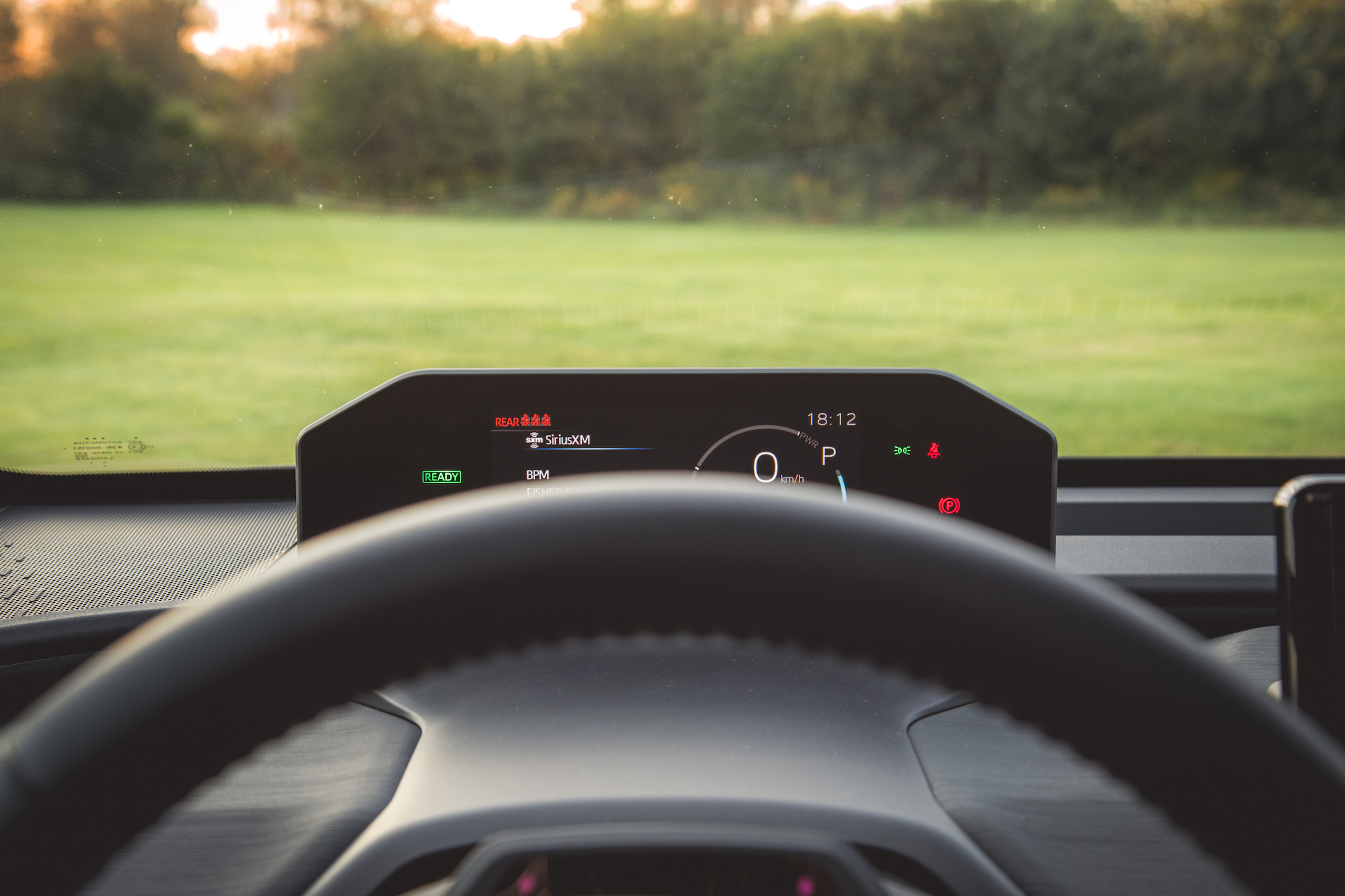
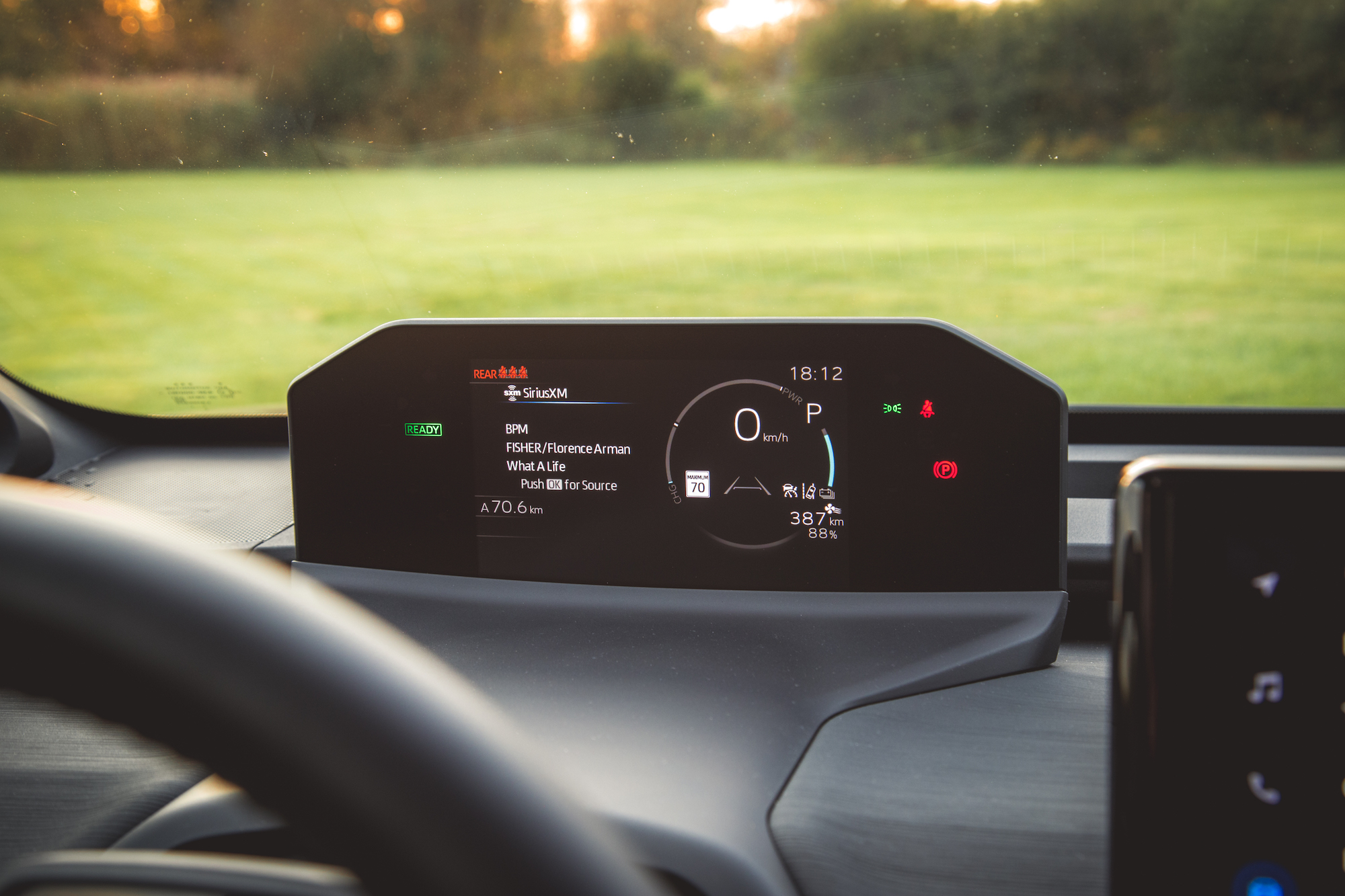
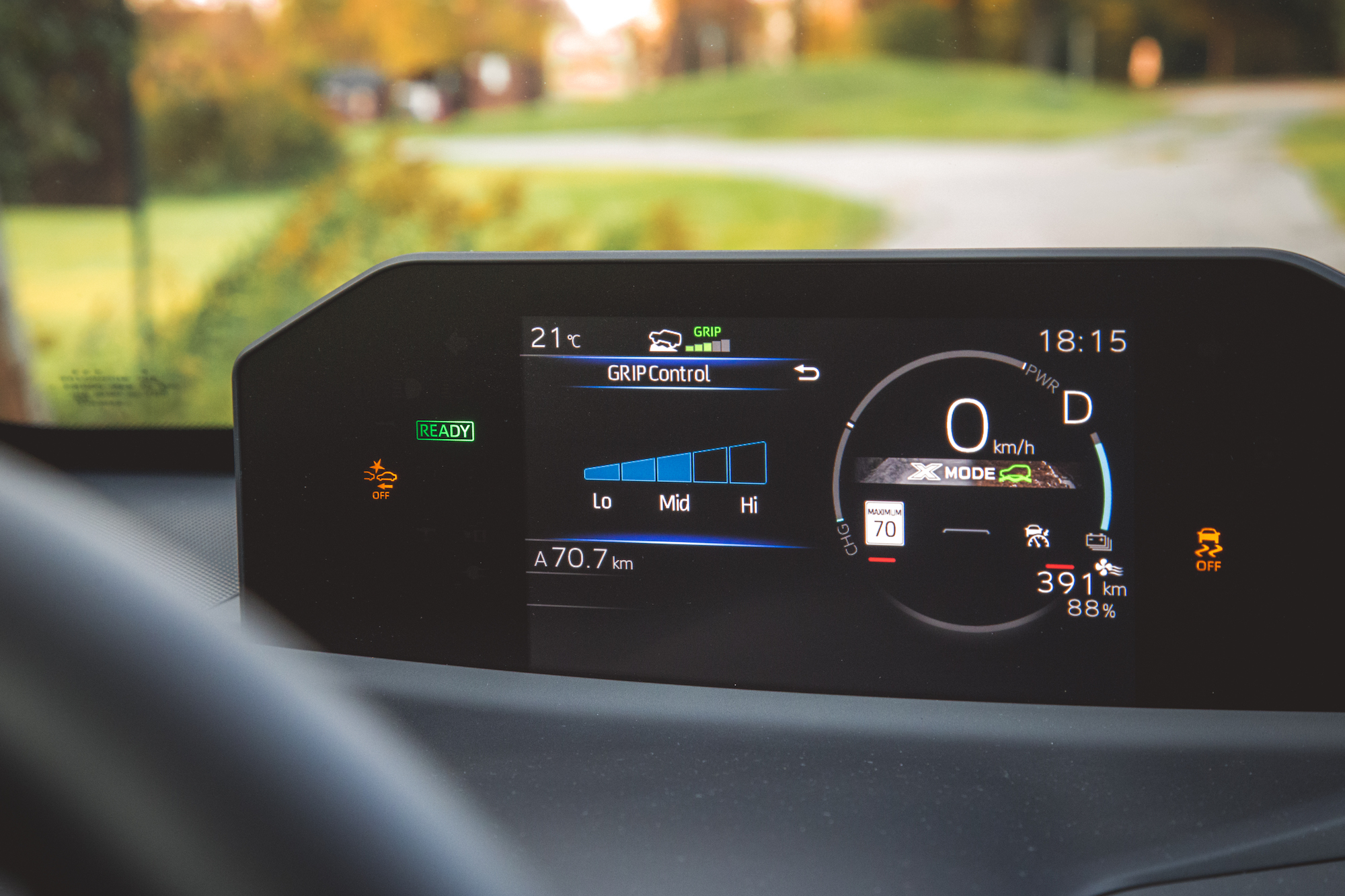
Unlike Subaru’s squircle-shaped steering wheel, Toyota sticks with a traditional, rounded, small-diameter design. It gives the Woodland a lively feel when making large steering inputs and suits its more agile character. Unfortunately, the upper spoke can obstruct the driver’s view of the dashboard-mounted display, which becomes irritating and forces you to adjust the steering wheel lower than you may be used to. And though they’re fairly similar in equipment, the Subaru Trailseeker comes with a cheaper Touring base model for those who don’t value a heated steering wheel, heated rear seats, power-adjustable passenger seat, 360-degree camera, or a hands-free kick sensor to open the trunk, all of which come standard on the base bZ Woodland.

The bZ Woodland is the most impressive and well-rounded Toyota electric vehicle we’ve driven. It combines near-luxury levels of ride comfort with startling acceleration, practical wagon-like packaging, and compliant road manners. More importantly, it achieves all of this without falling into the compromises that often accompany rugged, off-road-oriented vehicles.
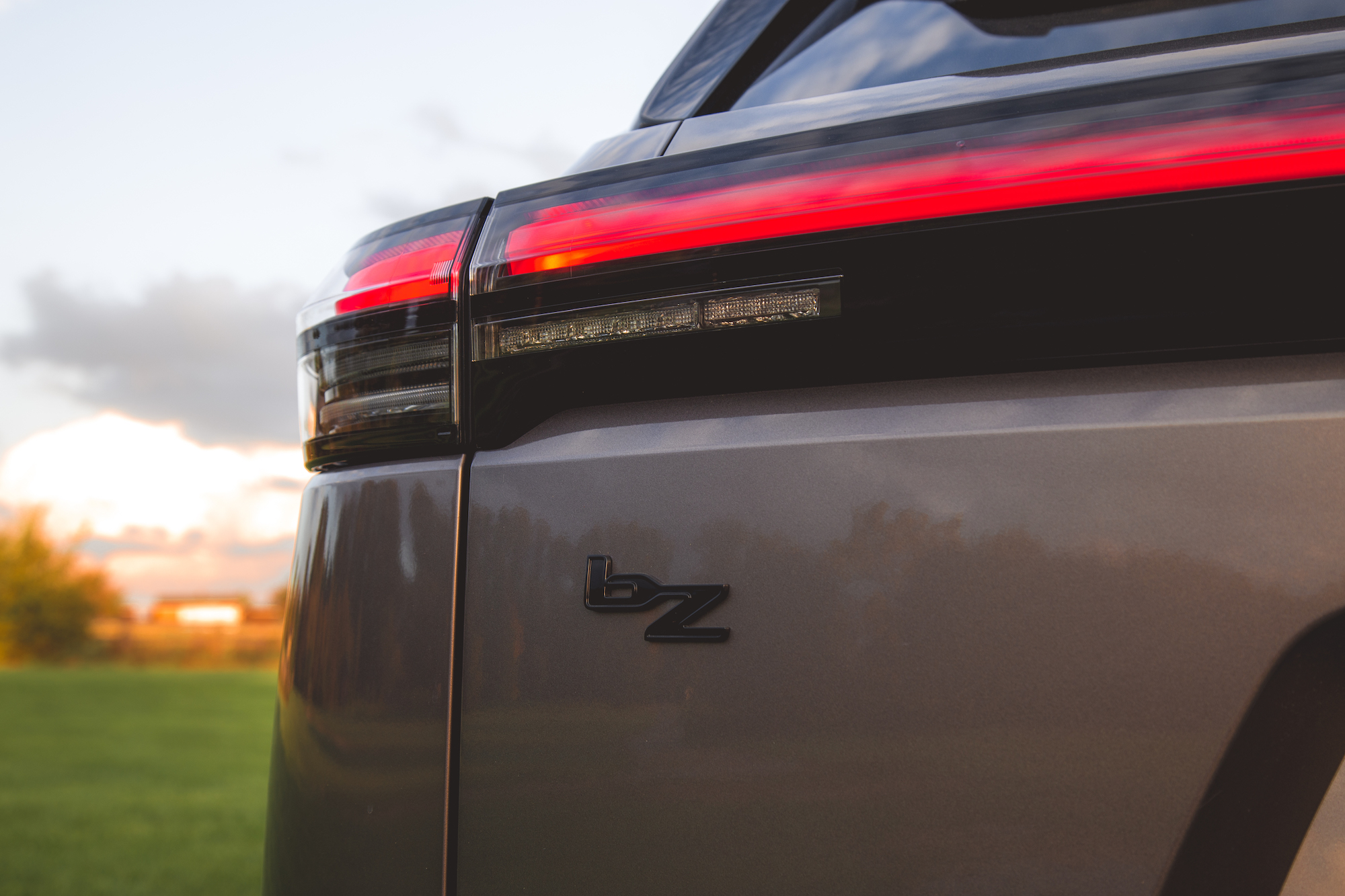
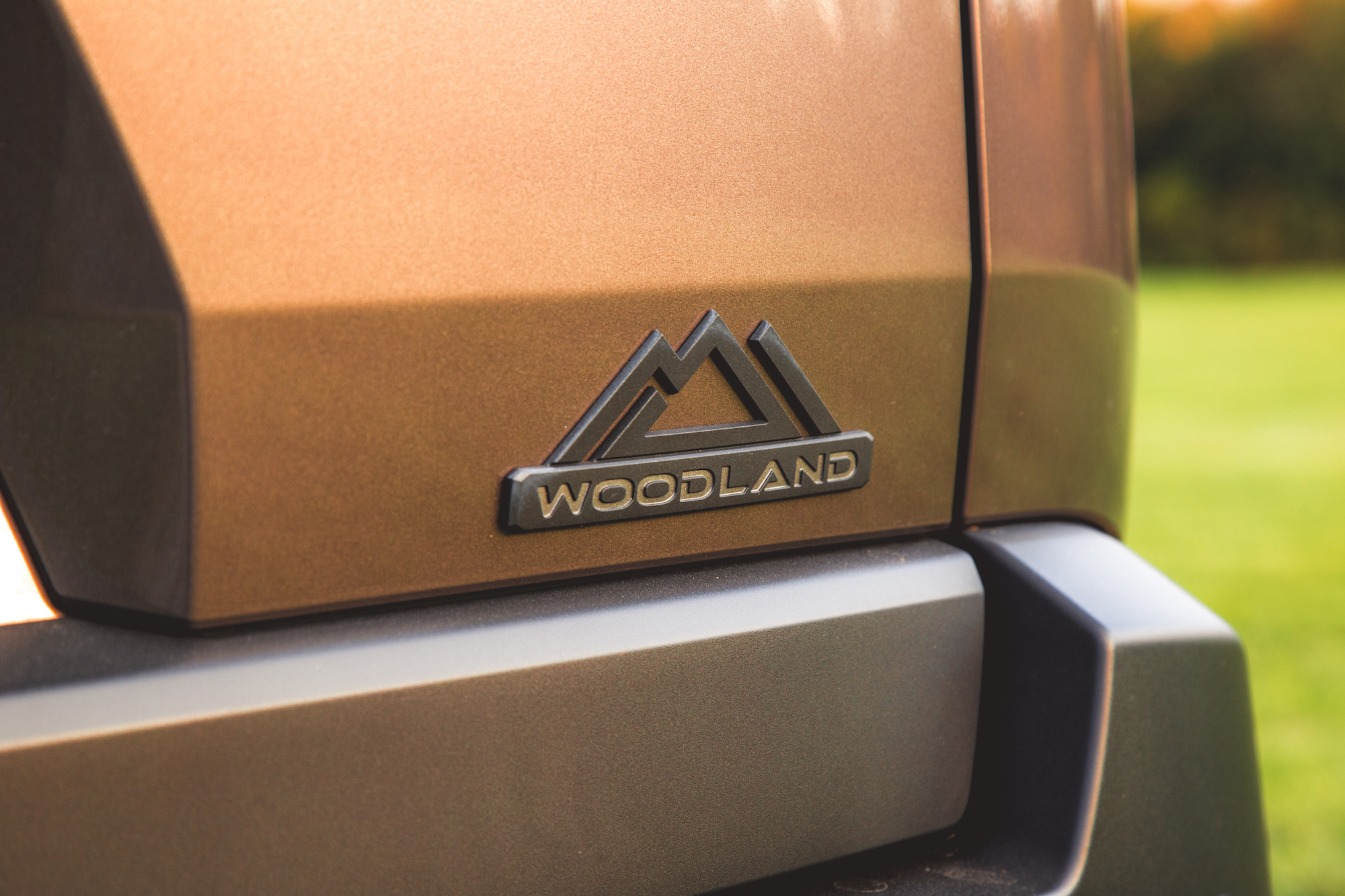
The naming may still require a decoder, but once you understand what the badges mean, the Woodland makes considerably more sense. It may wear an adventurous name, but its real talent lies in being an exceptionally comfortable and functional everyday companion. For us, it’s Toyota’s finest EV entry yet.
Specifications:
Model: 2026 Toyota bZ Woodland Premium
Paint Type: Stepping Stone
Base Price: $64,900
Price as Tested: $64,900
Wheelbase(mm): 2,850
Length/Width/Height (mm): 4,830 / 1,860 / 1,675
Curb weight (kg): 2,015
Powertrain: 74.7 kWh lithium-ion battery, two electric motors
Horsepower: 375 combined hp
Transmission: Direct drive
Observed Range: 450 km
Tires: Bridgestone Turanza EL450; 235/60R18




Leave a Reply