
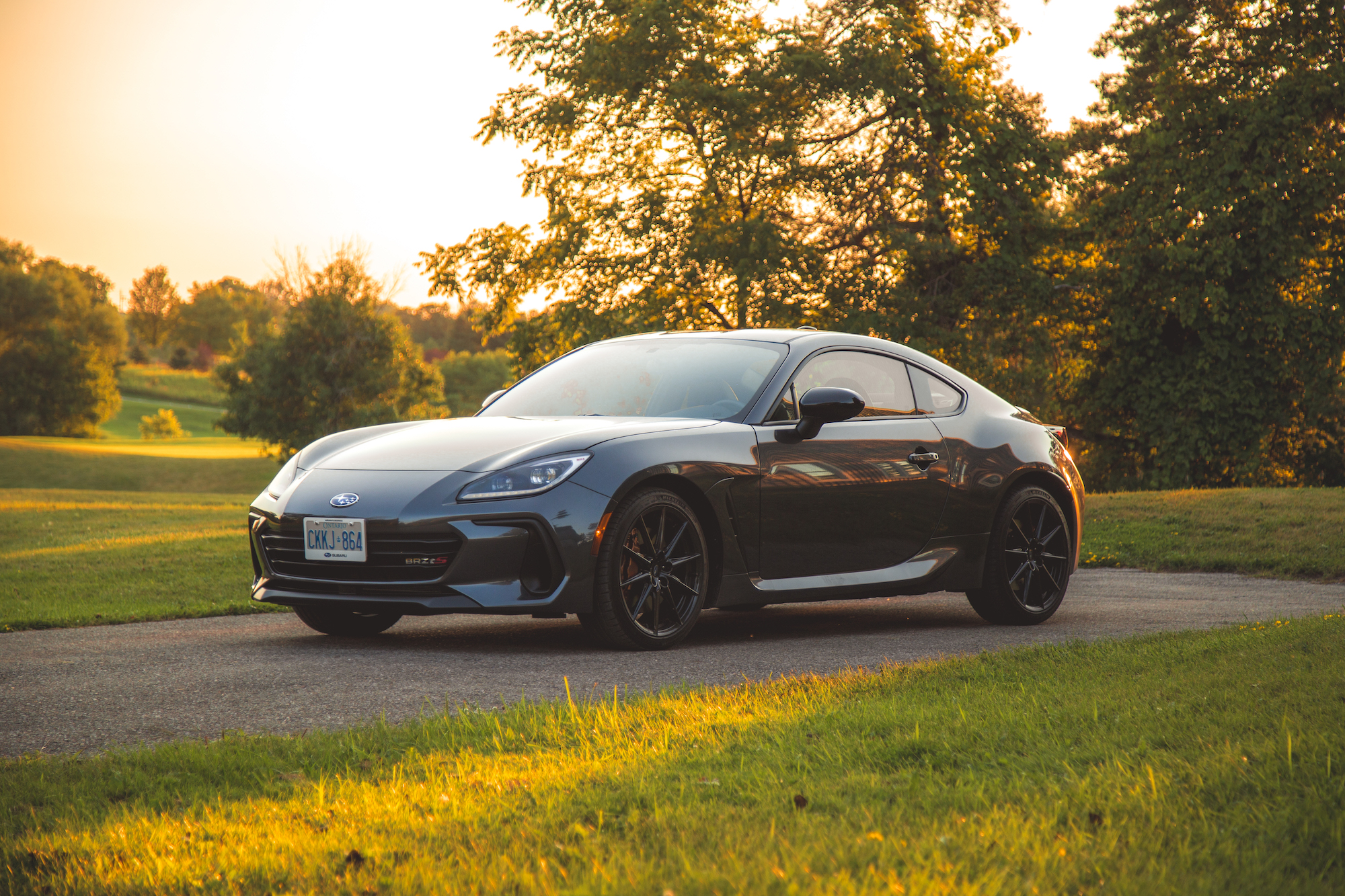
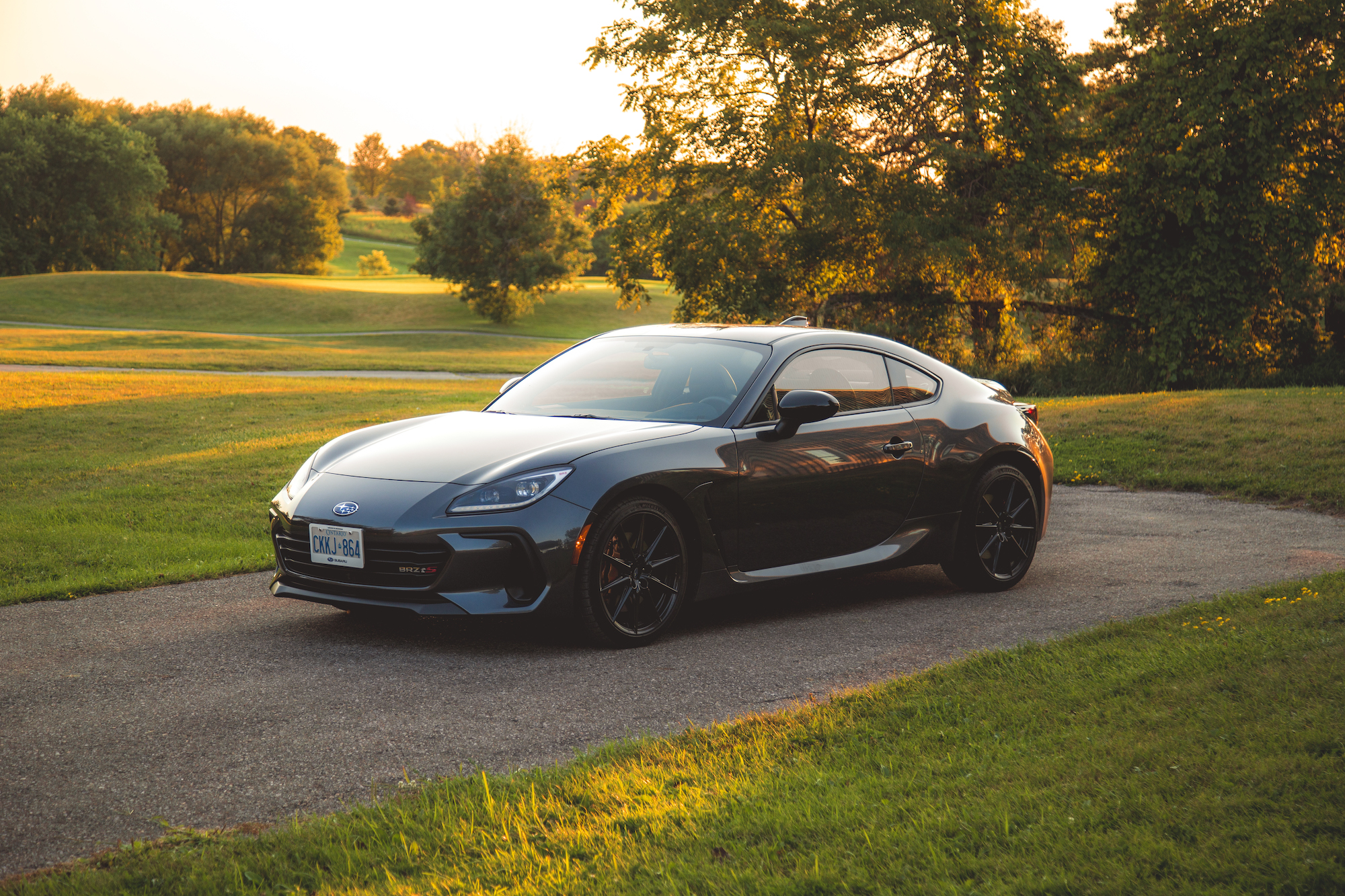
Tuned by STI with a sportier suspension and larger brakes, the BRZ tS is a sharper dagger that delivers maximum smiles per mile through its communicative steering, reactive front end, and lightweight balance. While its naturally aspirated engine and manual transmission remain unchanged, and with our hopes of a BRZ STI dissolved into a footnote, the BRZ tS is still a serious and rewarding driver’s car with genuine enthusiast appeal.

The tS upgrade adds Hitachi-Astemo front dampers, which are passive, variable-valve shocks that adjust damping force based on input, softening when hitting a harsh bump, and firming up under cornering loads. This promises greater flexibility and versatility in its varied roles as track warrior and daily driver. The rear dampers have also been retuned but lack the variable-valve feature.
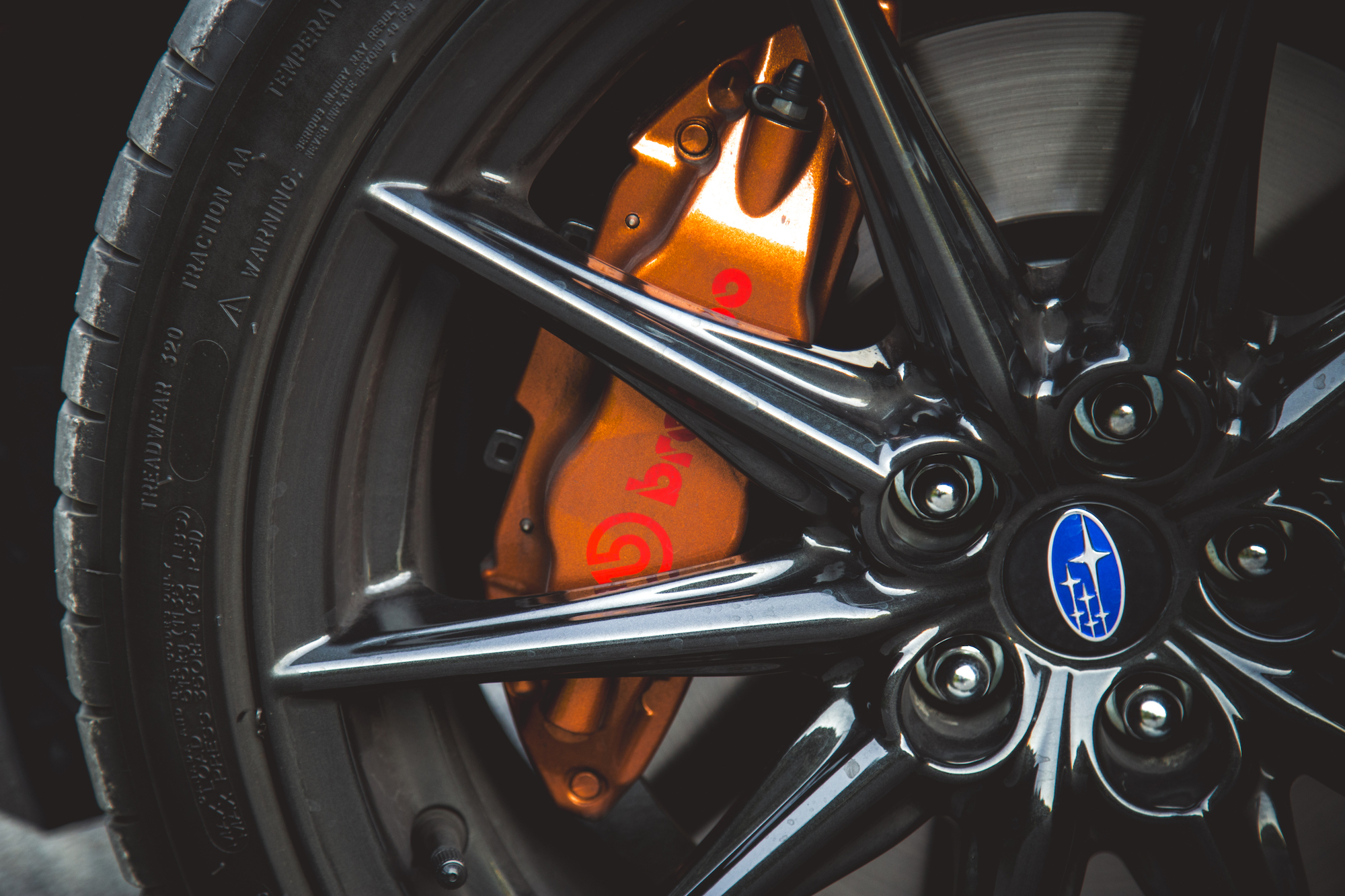
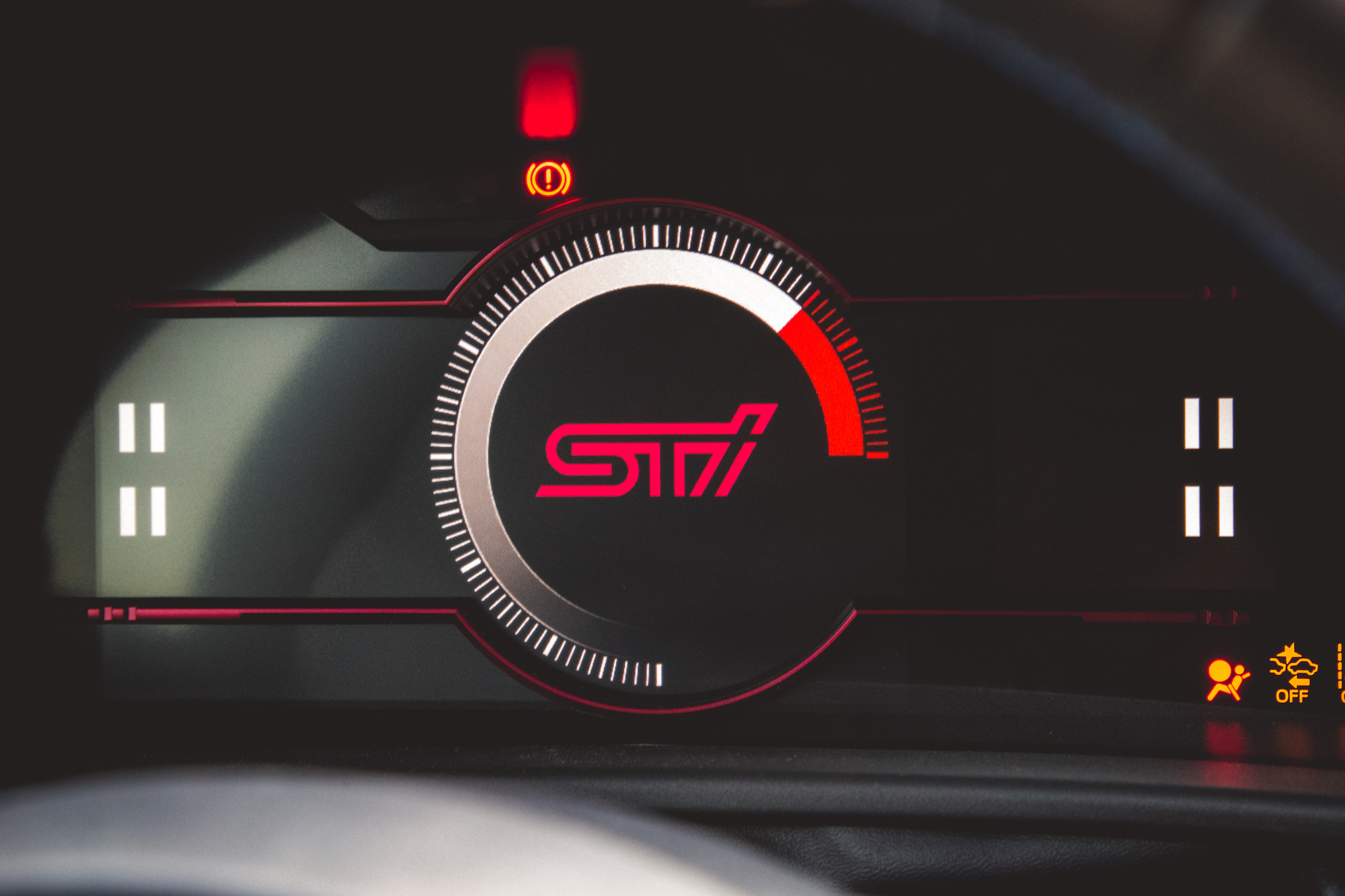
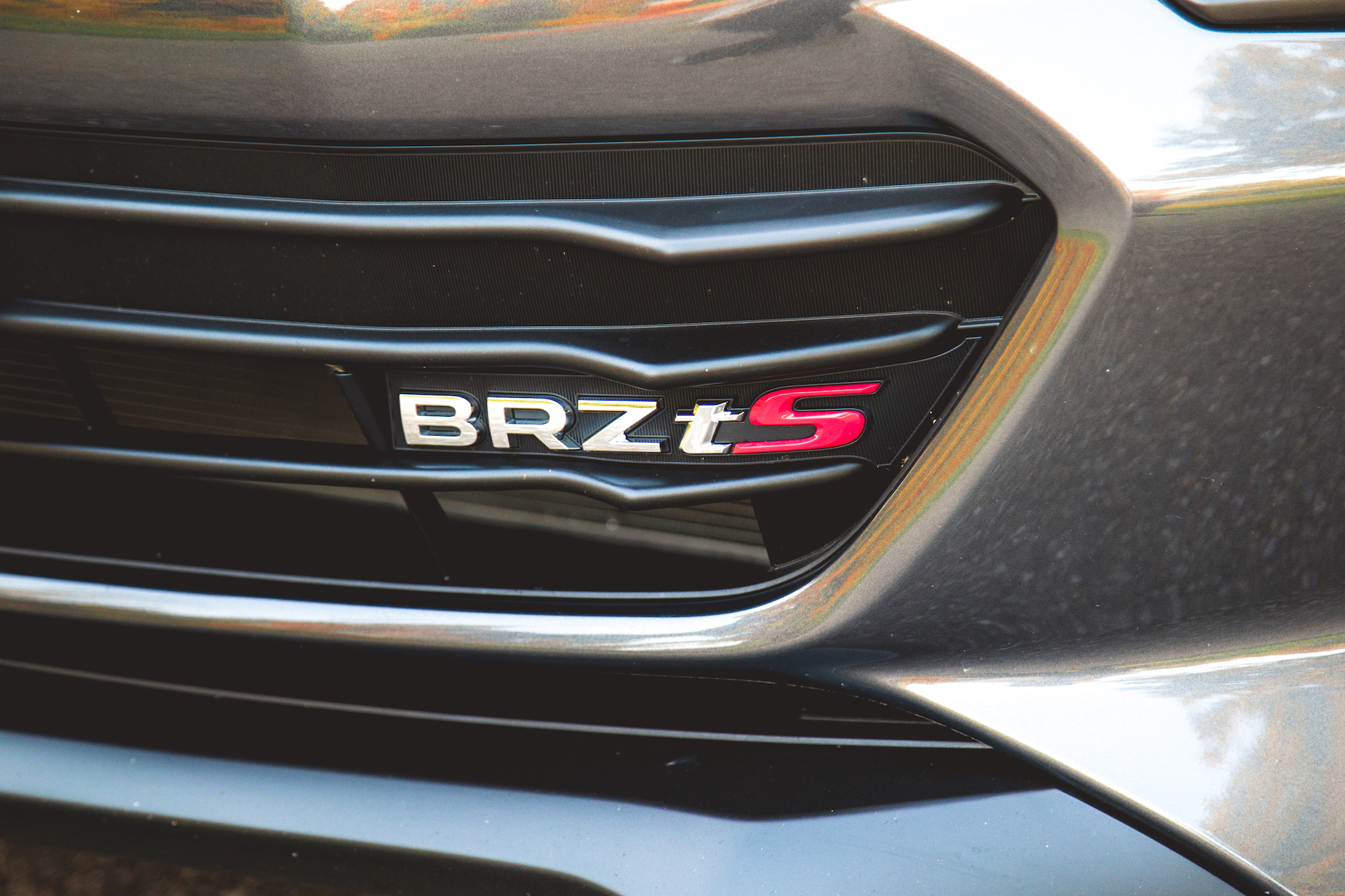
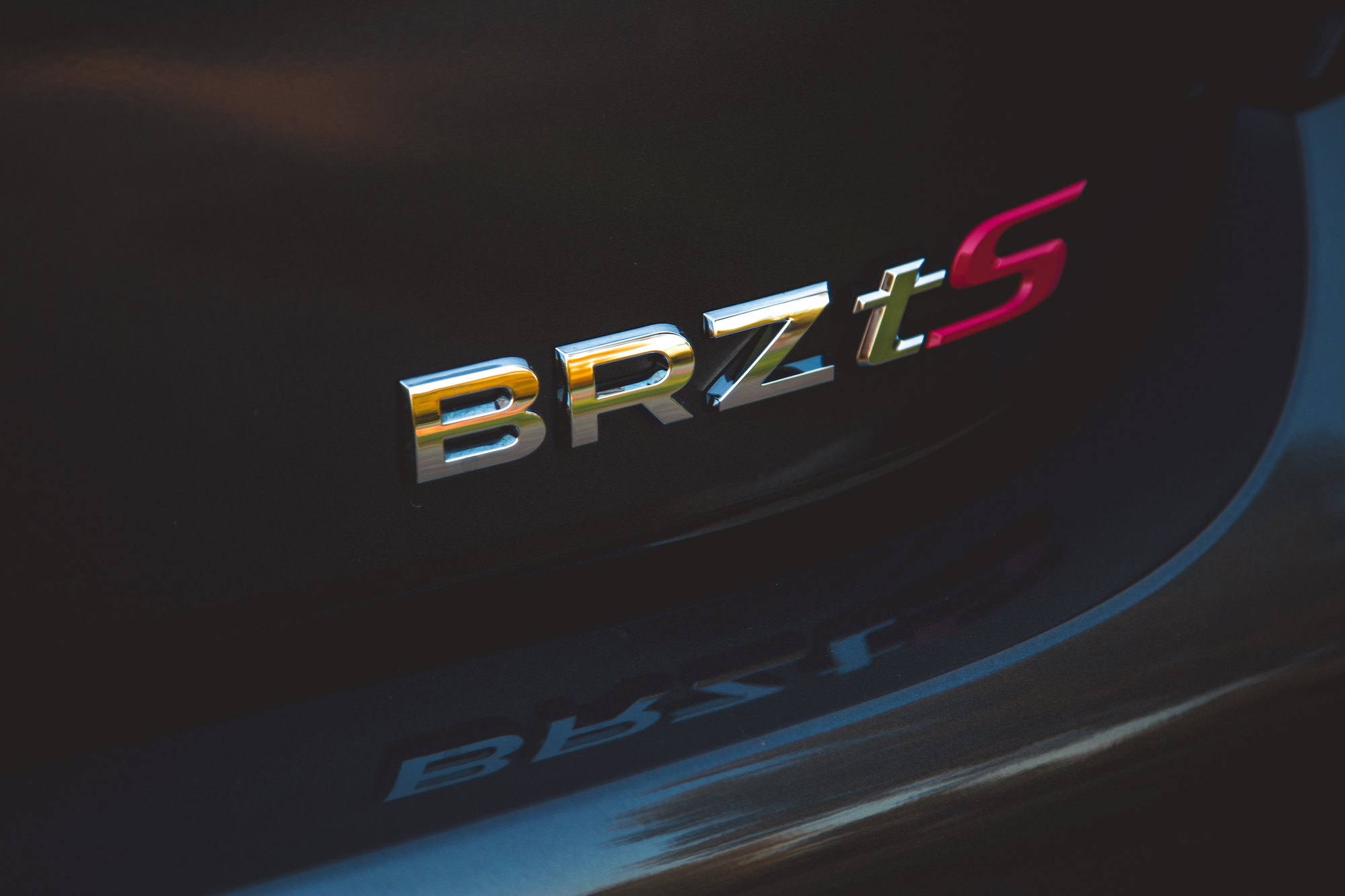
The Brembo brakes have been beefed up for better stopping power, with larger ventilated discs and the original dual-piston front calipers and single-piston rear calipers replaced by 4-piston fronts and dual-piston rears, both painted gold. Multiple tS badges, a red STI start button, and STI instrument cluster graphics round out the changes.
Augmenting the BRZ’s natural aptitude towards cornering and driver engagement, the new brakes are immensely capable and worth the tS premium alone, while the more flexible front end provides better damping for tackling uneven roads. While these changes are meaningful and noticeable, those expecting a night-and-day difference compared to a standard BRZ will be disappointed. This is more of a slightly modified unit for those who don’t enjoy getting their elbows greasy, tinkering with their suspensions, adjusting rebound and compression settings, or equipping aftermarket parts.
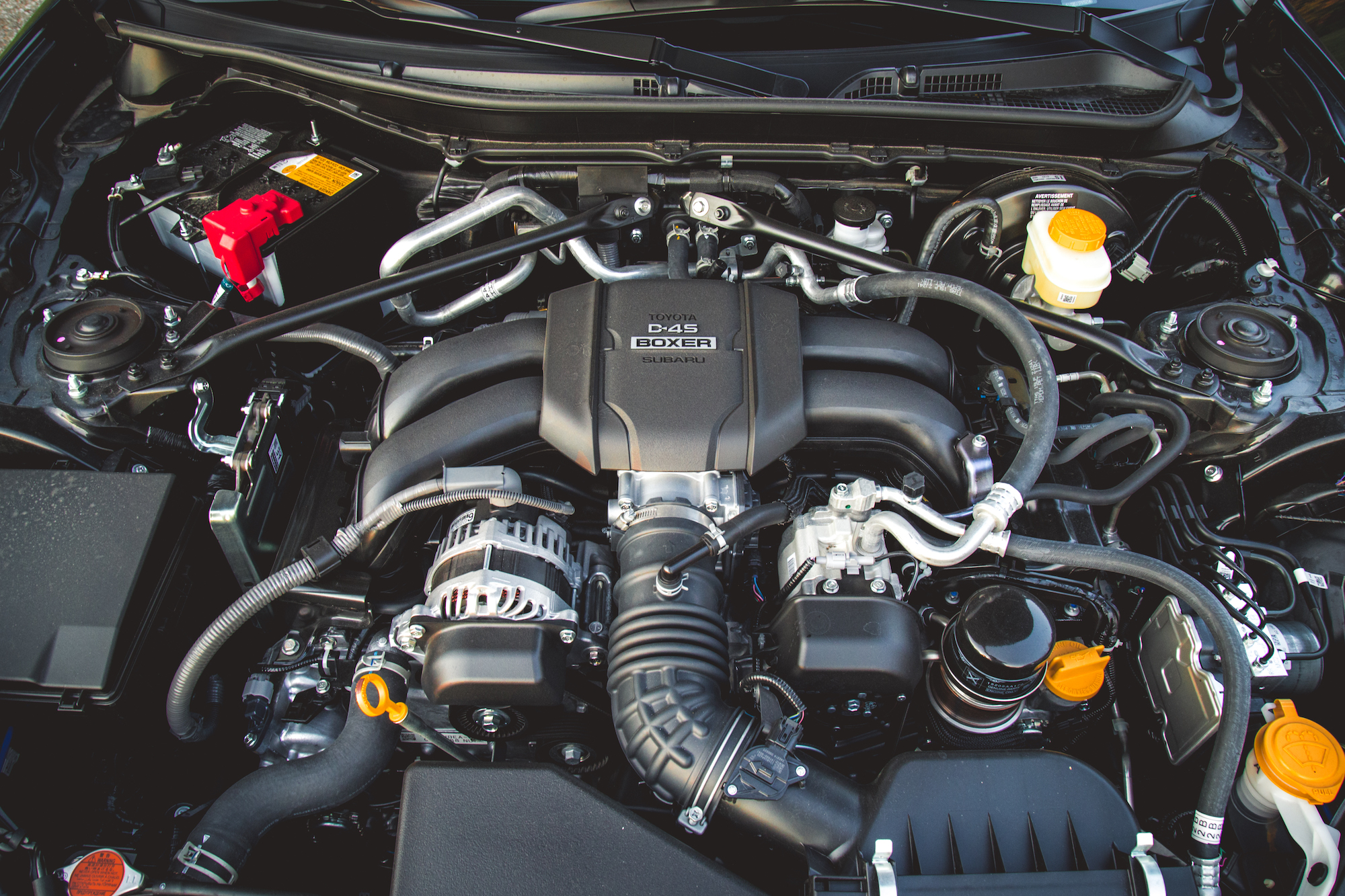
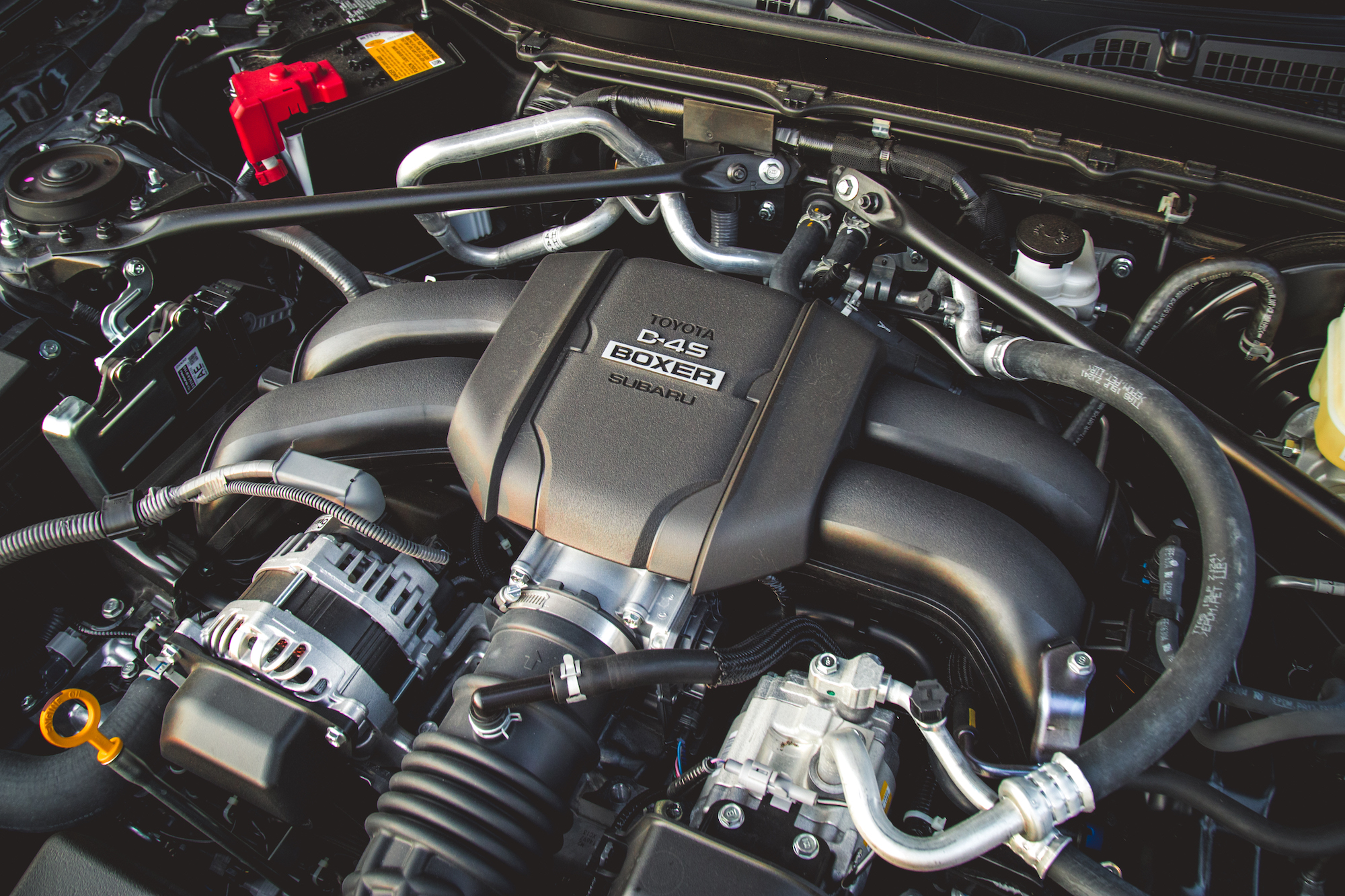
It merely elevates the BRZ platform from excellent to exceptional. Metrics such as power-to-weight ratio or fuel efficiency aren’t prioritized, whereas the experience of translating mechanical and physical movements into emotional engagement is. So while the 2.4-litre flat four-cylinder engine continues to produce 228 hp and 184 lb-ft of torque, it remains a satisfying, sky-piercing, peachy unit that screams for revs.
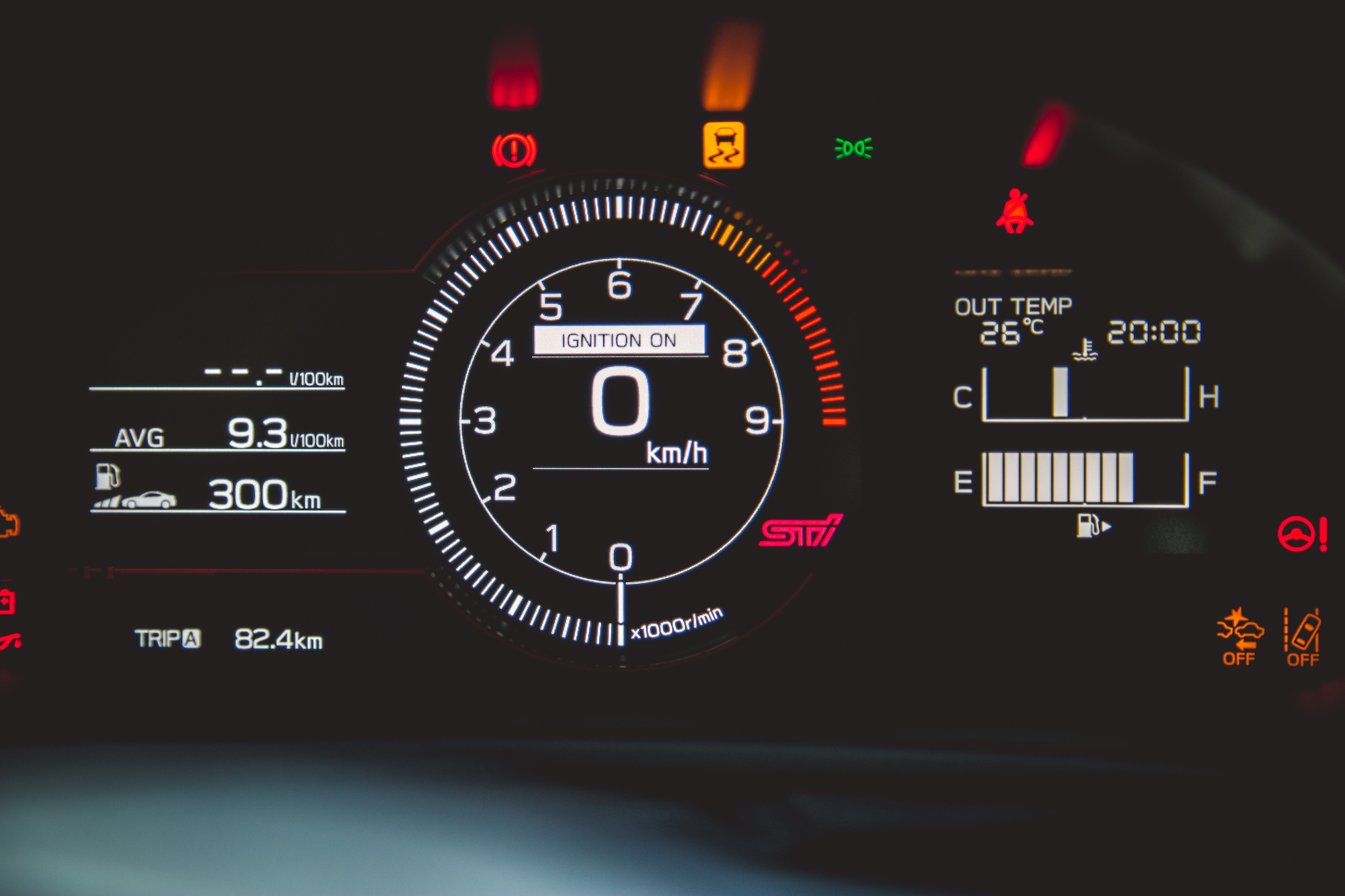
Without a turbocharger, the BRZ doesn’t hand you propulsion on a silver platter. One must work for their acceleration. Keeping the needle hovering above 3,000 rpm offers sensible thrust. While there’s little value in reaching the 7,500 rpm redline where the BRZ begins gasping for its Ventolin, the gravelly roar and fizzle that follows is suitably amusing. It’s not the most flattering symphony, but we don’t expect many of these BRZs to keep their standard exhausts anyway. Be that as it may, the BRZ is one of the few sports cars that you can actually go flat-out, full-throttle, on public roads without breaching legality. Rather than being fearful of wheelspin and clambering into a roadside barrier, you’re consistently extracting peak performance from the powertrain, a sensation that’s quite rewarding on its own.

The engine may be the vital organ, but it’s the steering that supplies it with life and blood. Perhaps it’s because newer cars are becoming more electrified and their steering more anesthetized, but it’s refreshing to feel so connected to a vehicle, a reminder that not all is lost in the realm of driver feedback. Turning the wheel offers a sensation of both grip and speed as vibrations flow through your fingertips. The steering is light without being over-boosted and quick without being too twitchy. We wouldn’t mind a shorter ratio, as it requires quite a bit of rotation at low speeds, but otherwise, its crisp feedback and fidelity are perfect for a coupe of this size, making it easy to find harmony with the road.
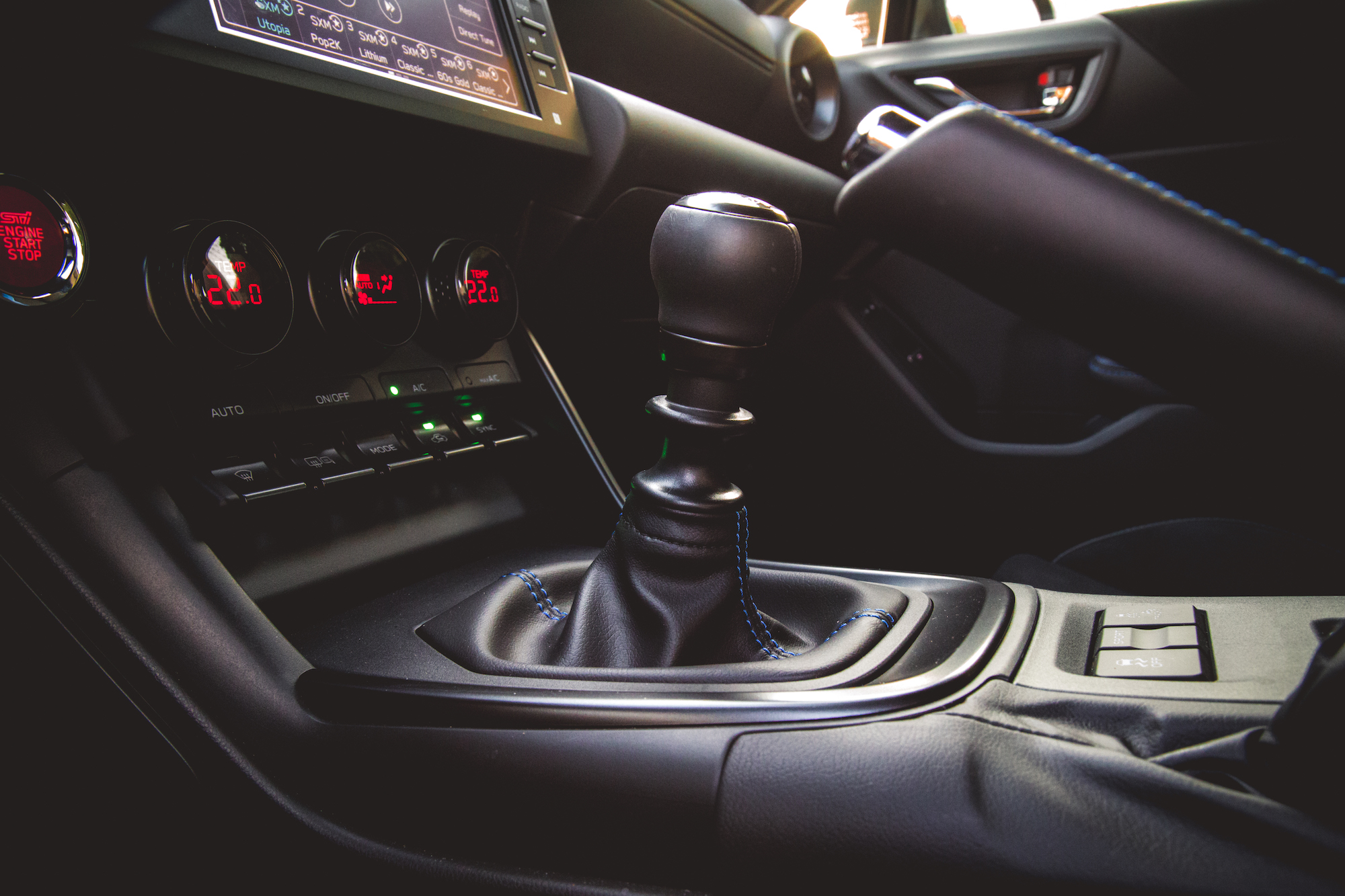
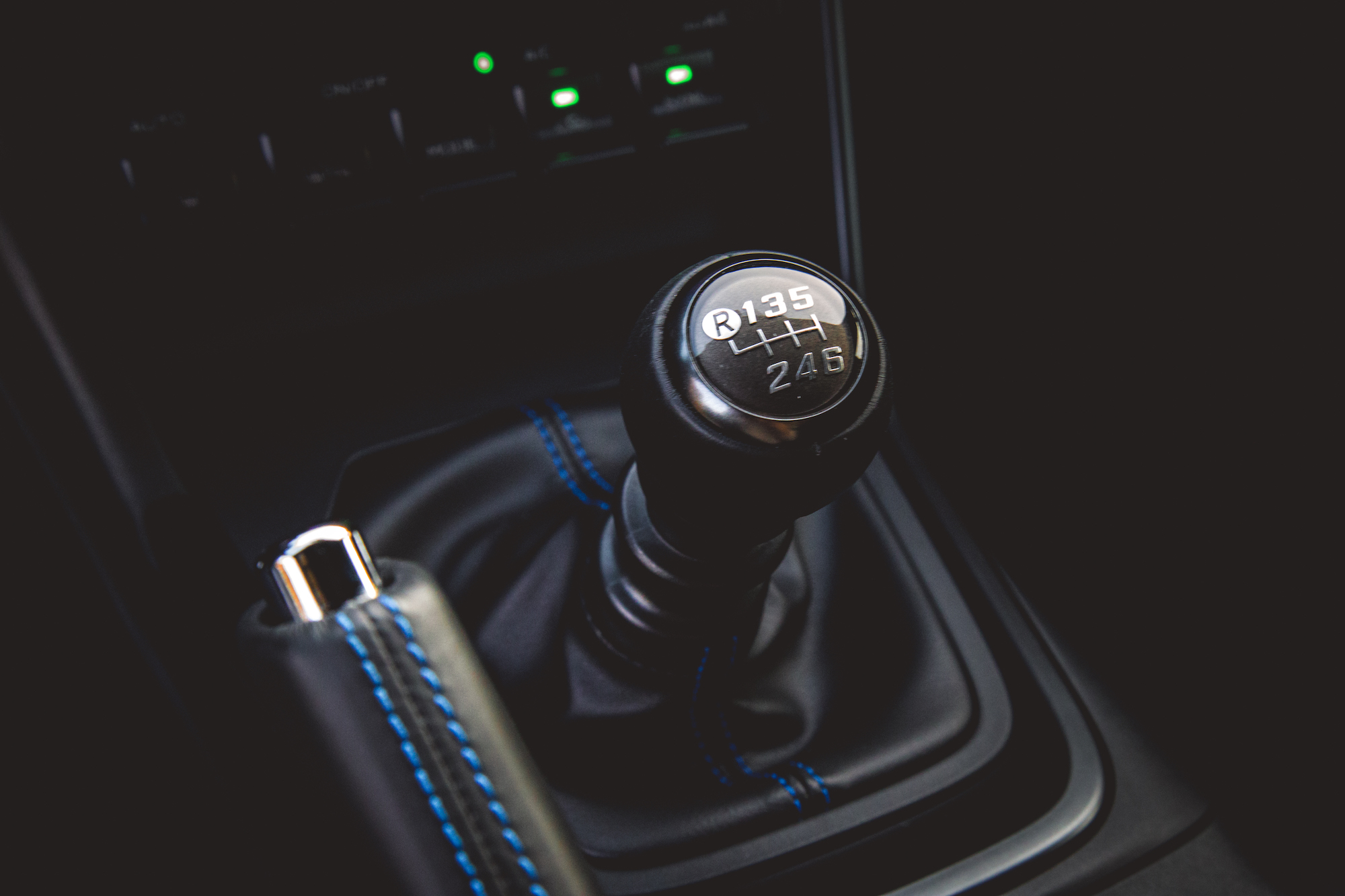
And that’s just your left hand. Your right will be rowing the BRZ’s short and precise gear shifter. While not as exaggerated as in the WRX, there’s a slight wiggle of notchiness from the center, but it pairs well with the clutch’s linear pedal travel and consistent bite point. Perfectly spaced pedals allow for easy heel-and-toe shifting as well.
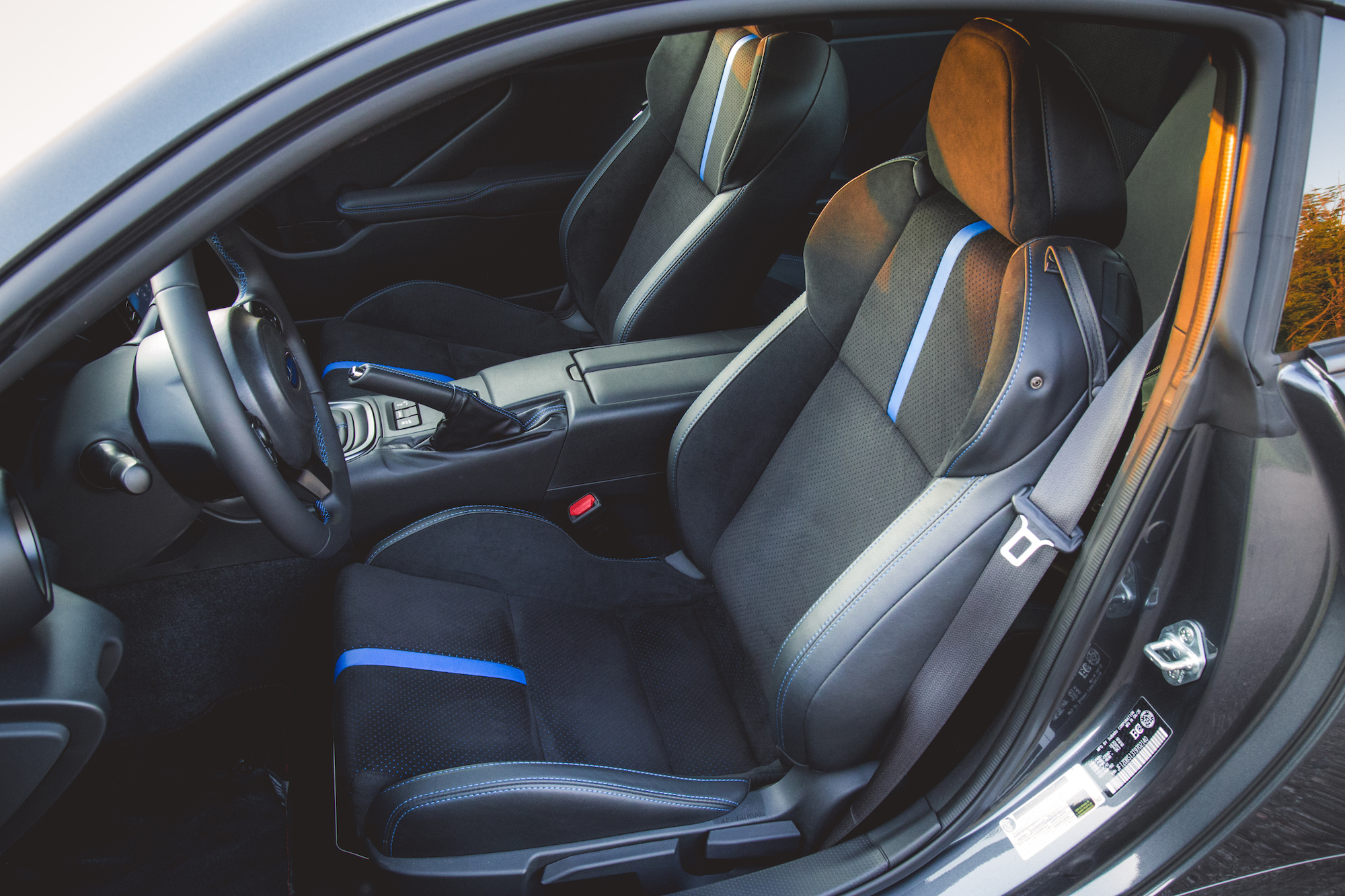
With its lightweight, rear-wheel-drive platform, the BRZ is easy to manage on oversteer but quickly hits a ceiling where, if you’re overzealous with steering and throttle inputs, it will bite and spin, as it should. The BRZ tS lacks the sophisticated safety net that blankets higher-end sports cars like BMW’s MDM mode, but it offers a more honest and authentic experience as a result. There’s no intrusive electronic gadgetry to dilute the man-to-machine connection.

The new front dampers cloak some of the harshness of potholes and broken roads, and react similarly when under high-speed cornering loads, firming up and keeping body roll to a minimum. The BRZ tS is slightly more comfortable than the standard model but is still a demanding and involving tool that demands more respect for its limits than the Honda Prelude and Ford Mustang.
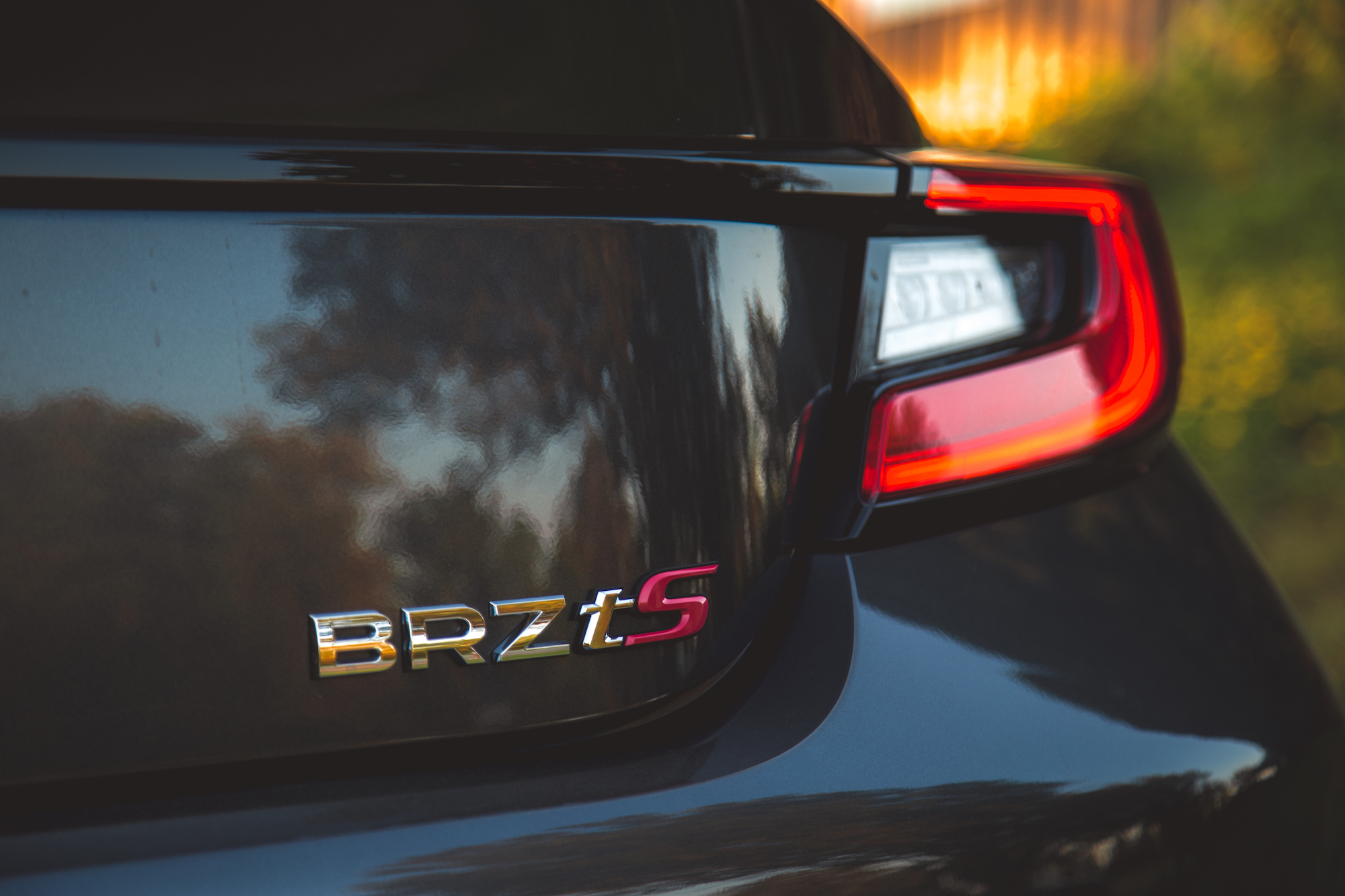
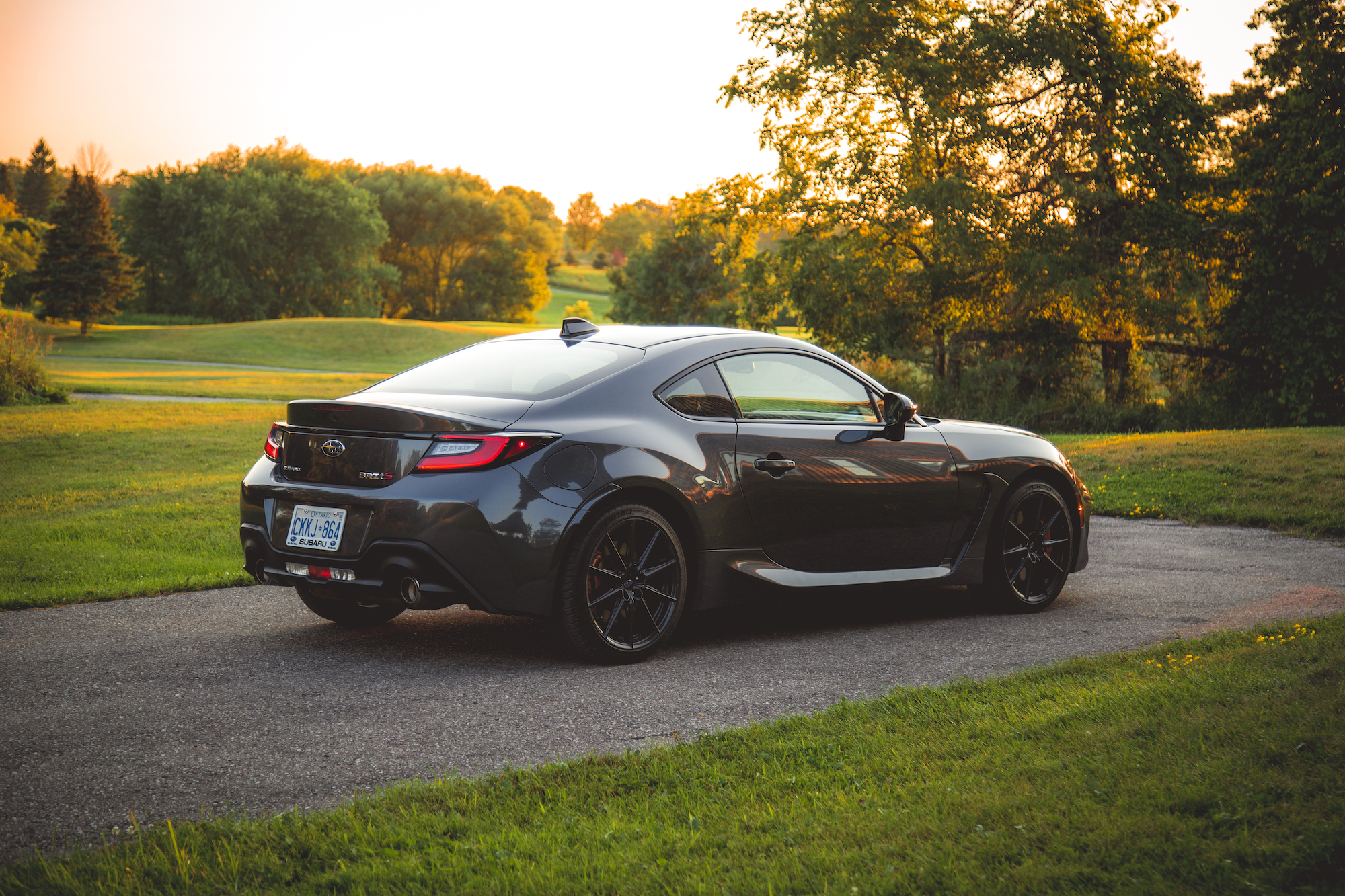
Subaru believes that fun, endearing, and engaging sports cars should never be out of reach for the masses, and driver involvement should not be exclusively destined for a small audience with deep pockets. Like the Mazda MX-5 and Honda Civic Si, the BRZ’s price tag beckons with value, and while we doubt we will ever see a BRZ STI, the tS is the next best thing.
Specifications:
Model: 2026 Subaru BRZ tS
Paint Type: Magnetite Grey Metallic
Base Price: $37,895
Price as Tested: $37,895
Wheelbase(mm): 2,575
Length/Width/Height (mm): 4,265 / 1,775 / 1,310
Curb weight (kg): 1,285
Engine: 2.4-litre flat-four (D-4S Boxer)
Horsepower: 228 hp @ 7,000 rpm
Torque: 184 lb-ft @ 3,700 rpm
Transmission: 6-speed manual
Engine & Drive Configuration: Front engine, RWD
Observed Fuel Consumption (L/100km): 9.4
Tires: 215/40R18; Michelin Pilot Sport 4






Leave a Reply