
The Challenger and the Charger nameplates have been consolidated into one, Charger, but there are still two- and four-door models available, and the choice is between electric and combustion inline-six propulsion, the latter with two output levels. The new Chargers are even built in our own backyard in Windsor, Ontario. What’s missing then? A V8 engine, perhaps?
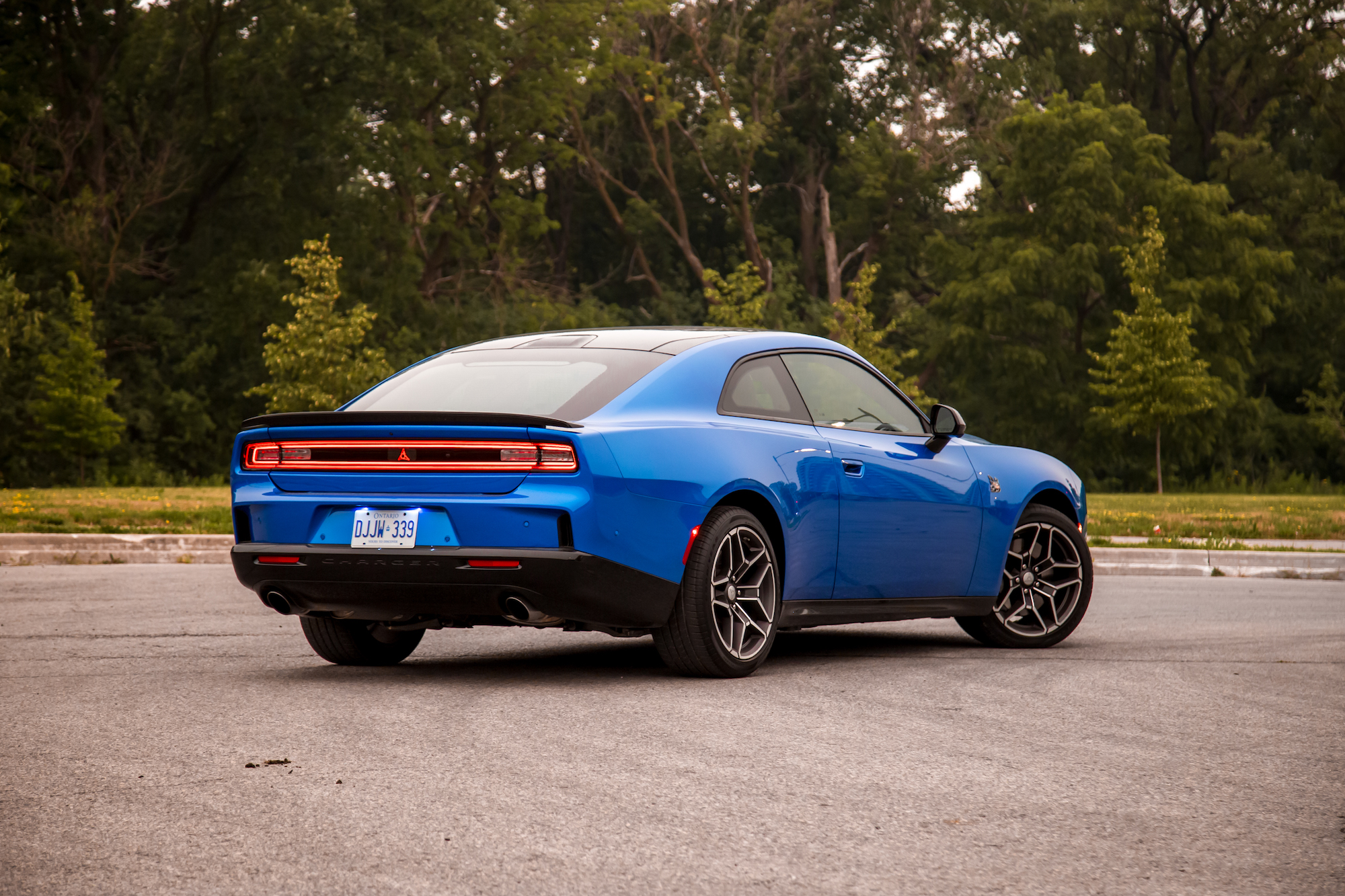
As synonymous with muscle cars as scissor doors are to Lamborghinis, we’re fearful that the Charger will follow the same fate as the recent four-cylinder AMGs, which ultimately tanked and were pulled from the market due to poor buyer interest. These extroverted cars are sought after for their extravagant power outputs and eight-cylinder war drums audibly vandalizing the streets, not for downsized engines with eco-friendly electric emissions. Luckily, Dodge saw the light early and decided to reincarnate the HEMI V8 for the Charger. Though it has yet to be officially revealed, we think they should have started with it from the beginning.
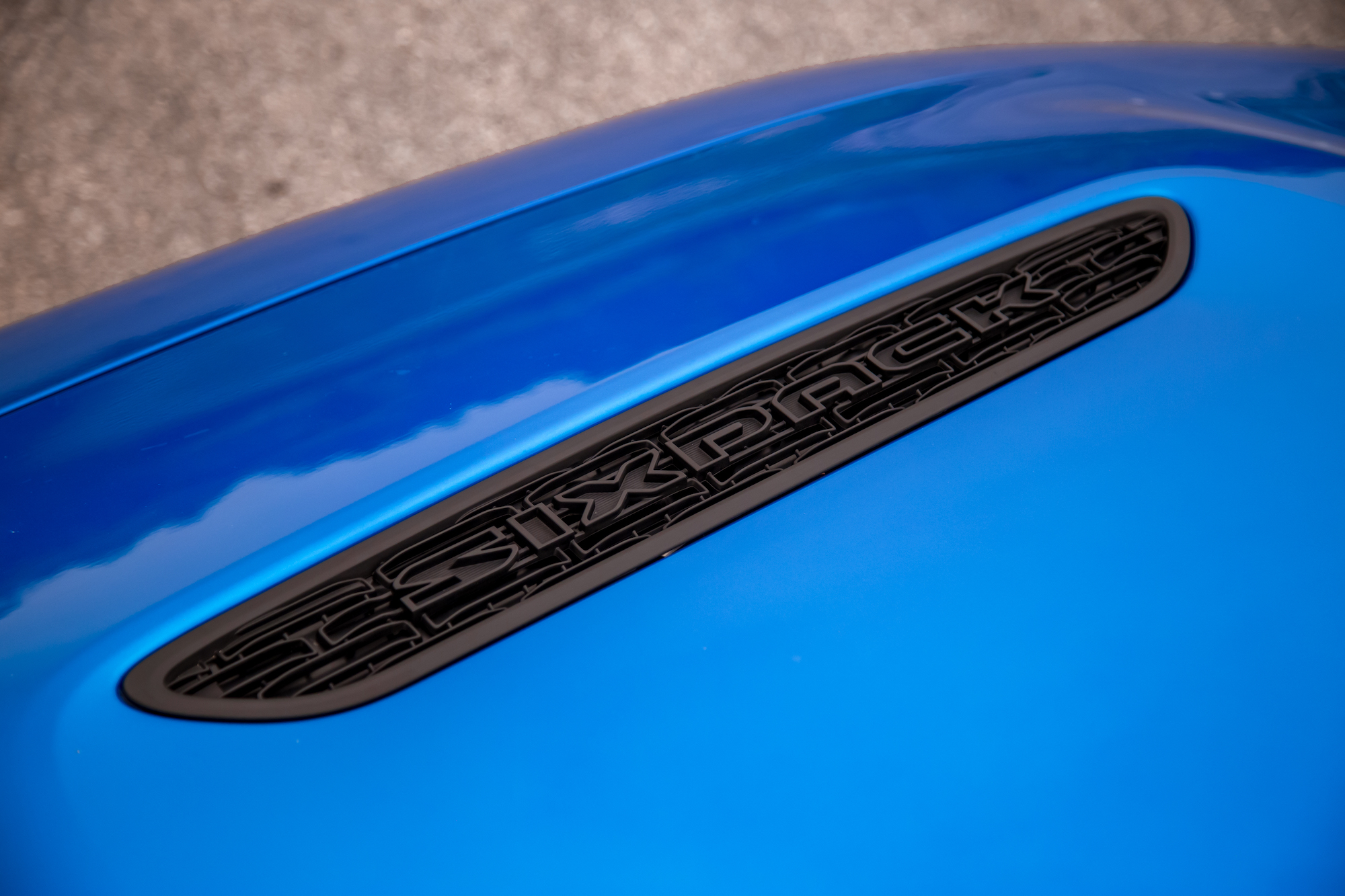
Which isn’t to say the current 3.0-litre twin-turbocharged inline-six engine is inadequate. On the contrary, it’s an excellent unit that also powers the Wagoneer and RAM models. Available in two outputs, the LO (low output) in the Charger R/T generates 420 hp and 469 lb-ft of torque, while the HO (high output) in the Charger Scat Pack produces 550 hp and 531 lb-ft of torque, both routed through an 8-speed automatic transmission and all-wheel drive. Both require 91-octane fuel.

Doing its best impression of an eight-cylinder, the engine rumbles, throbs, and vibrates on ignition and idle, and certainly adds to the sense of occasion but won’t easily be mistaken for the authentic chorus of a V8 and isn’t a compelling replacement. What surprised us, though, was the acoustic similarity to the BMW M3, which is also equipped with a twin-turbo inline-six. While the Charger doesn’t surge with the same volume or swell of mechanical intake noises, the Dodge hits the same low- and high-end notes thanks to its dual-mode exhaust. Blindfold us, and we might have mistaken one for the other.
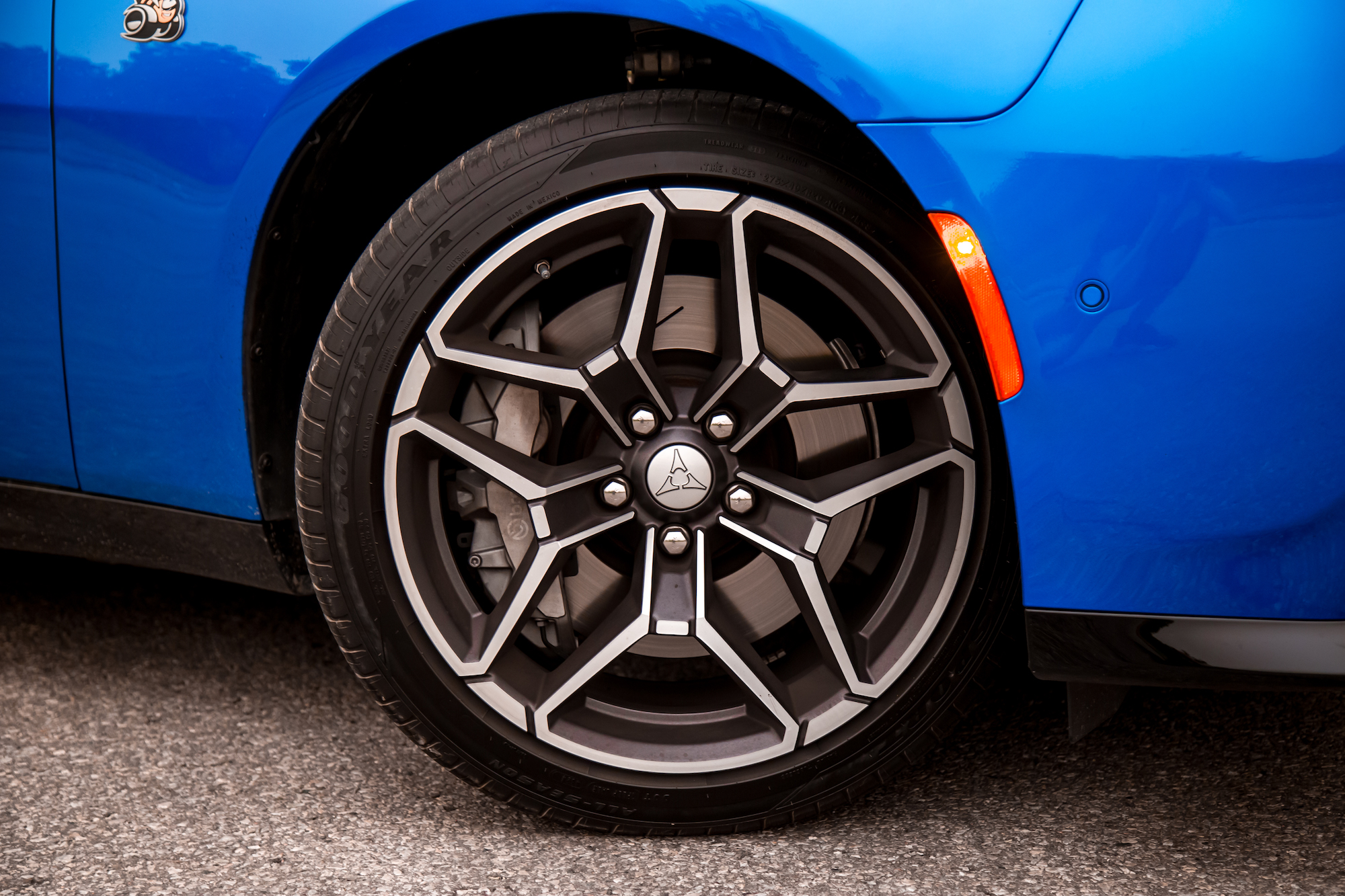
Dodge quotes a 0-100 km/h time of 3.9 seconds, which is still half a second off the previous Hellcat-powered variants, but those limits are unquestionably more approachable and forgiving thanks to the stability of all-wheel drive. Having two extra driven wheels adds a stupendous amount of overall grip, and drivers no longer need to be afraid of exploring the deep end of the throttle pedal. It should theoretically mean less rear tire wear, and less aggressive tire setups – the squared-off 275/40ZR20 wheels and Goodyear Eagle Sport tires reflecting that. There are optional, larger tires available too, and, like BMW’s M xDrive, drivers can switch to a rear-wheel-drive mode should they desire more tail-happy maneuvers.
With these advancements come the security and the tempting prospect of exploiting the Charger’s full stable of horses. And while it runs out of breath quickly at a low 6,300 rpm, the noise and the resultant acceleration are worth it. The 8-speed automatic gearbox can be hesitant at low speeds, but it seems not due to inherent unrefinement, but rather because it was tuned to prefer accelerating without abandon, favouring heavy-footed throttle maneuvers over feathery cruises at a leisurely pace.

The Charger is more comfortable and tolerable over long distances than before, adding to its road trip appeal, but it lacks high-speed stability, often swaying in turbulent wakes. Body roll is heavy and noticeable, and you’ll often be thrown violently to the side when carrying too much speed into a corner, but the quick steering makes the front end rotate nicely and feel alive.
It ultimately lacks the agility and maneuverability of a Ford Mustang, unsurprising given the Charger’s dimensions and bulk. Both two- and four-door models share the same wheelbase and size, so it really depends on whether you want the extra doors. Both weigh 2,185 kg, about the same as a Toyota 4Runner TRD Sport. Take a minute to absorb that to temper your expectations on how this Charger will perform.
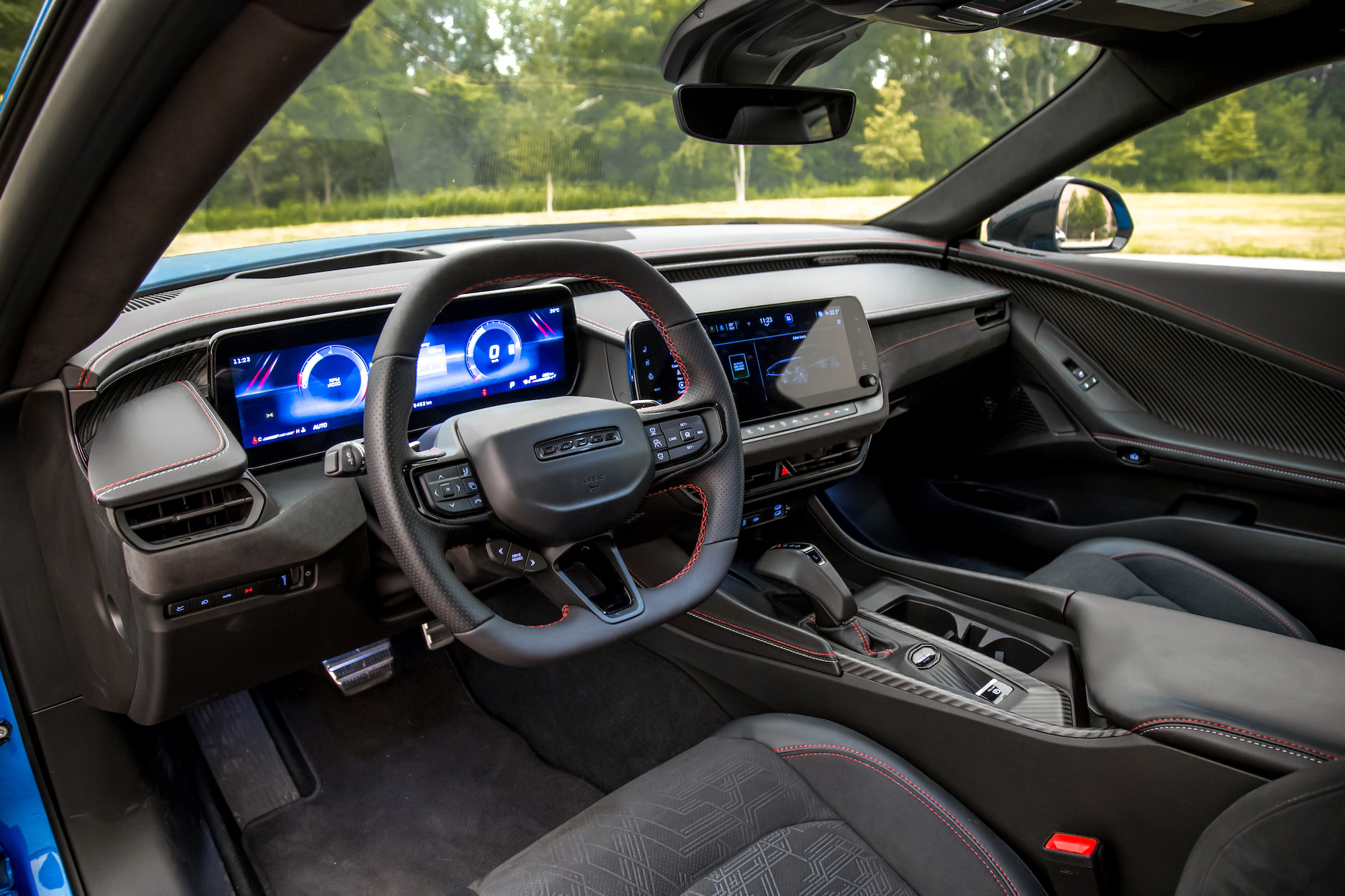
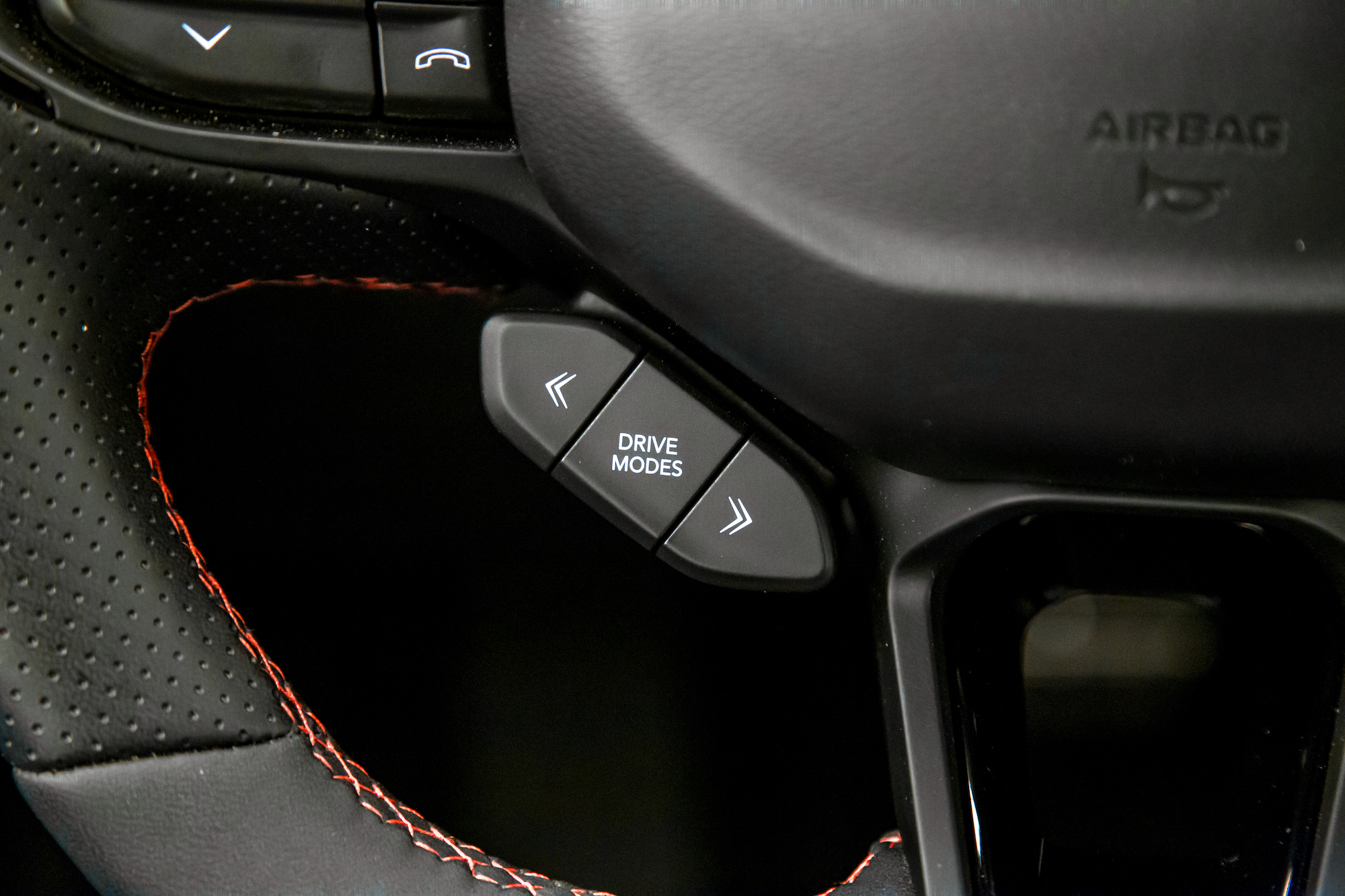
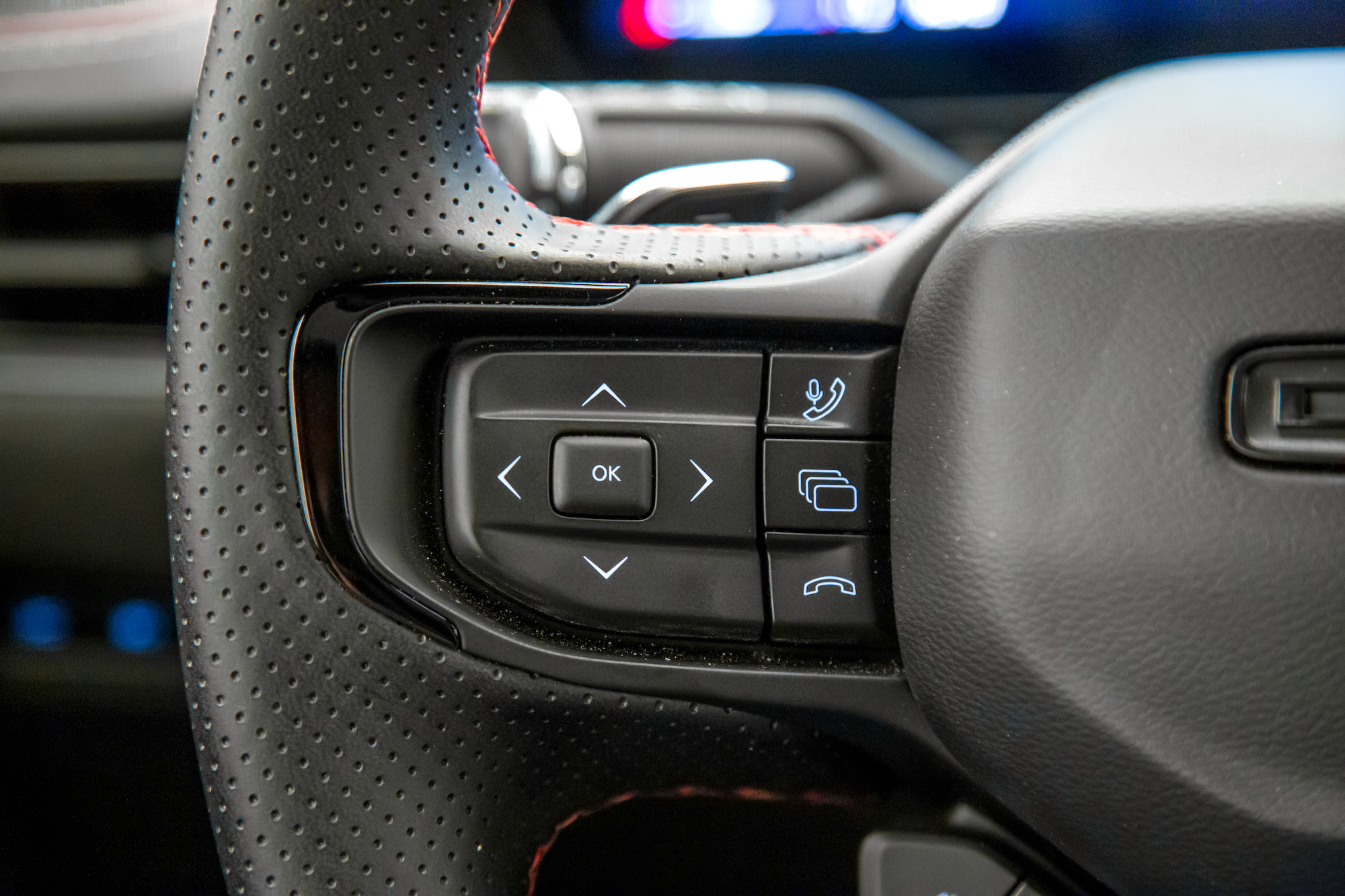
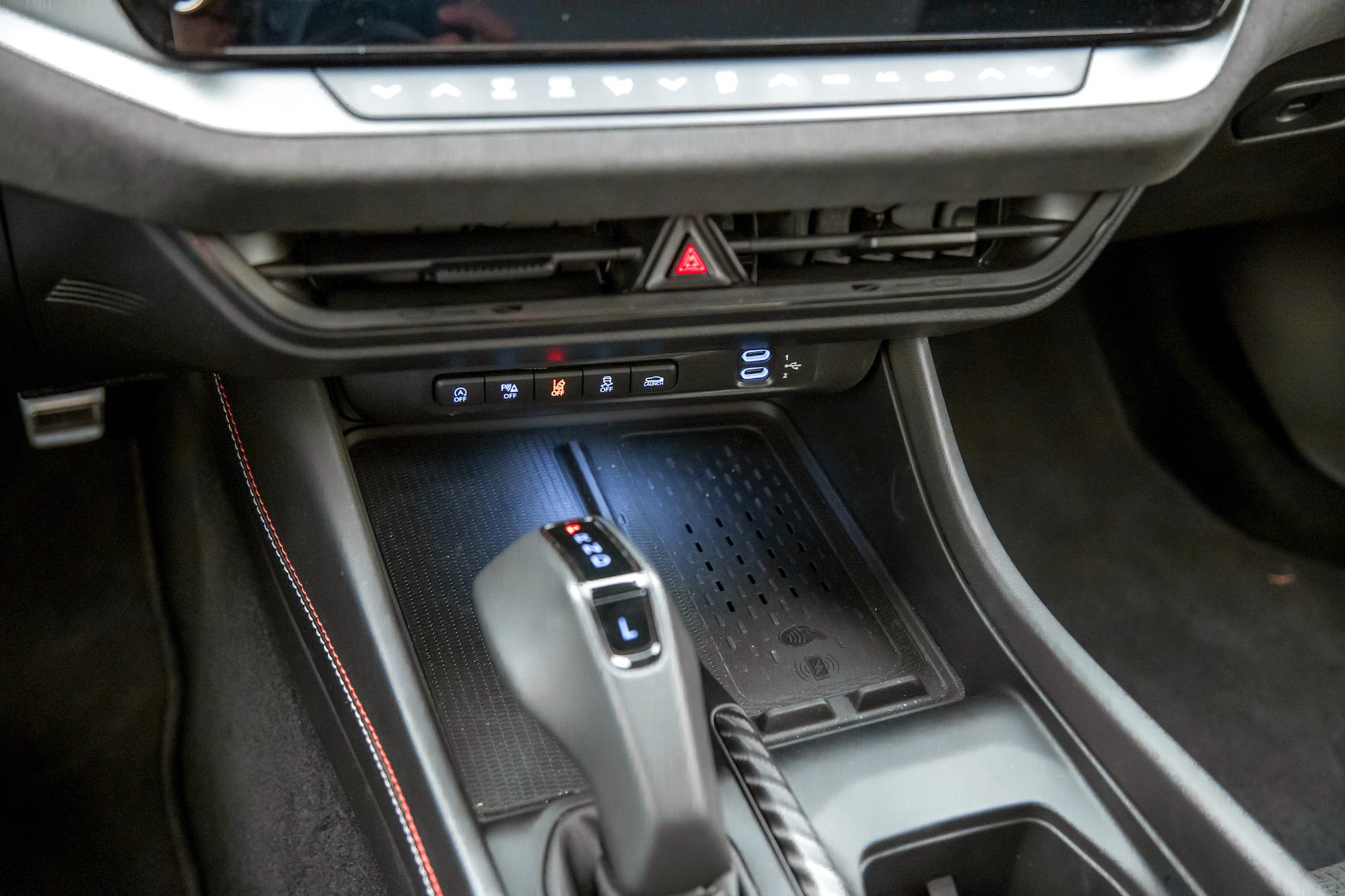
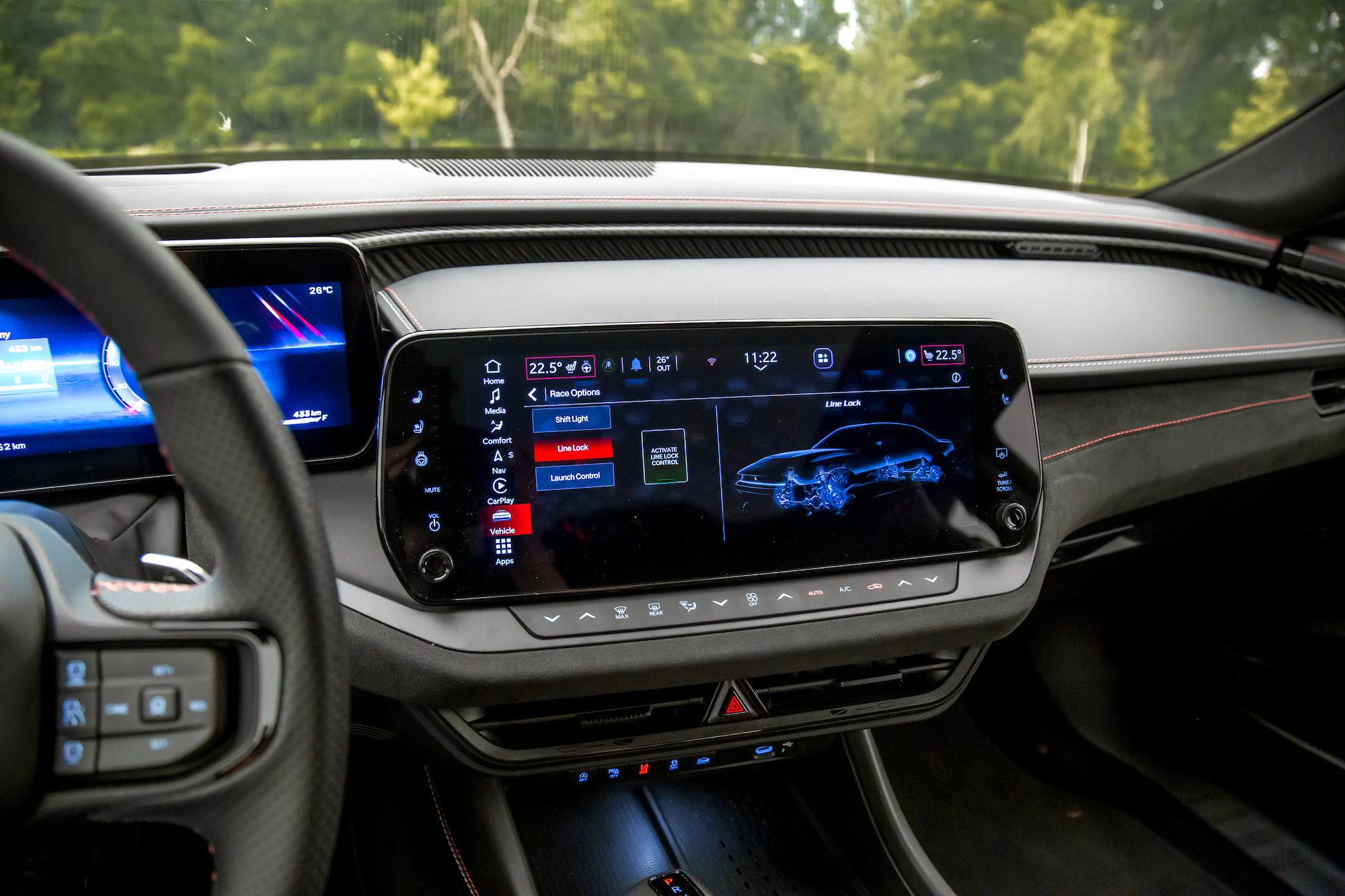
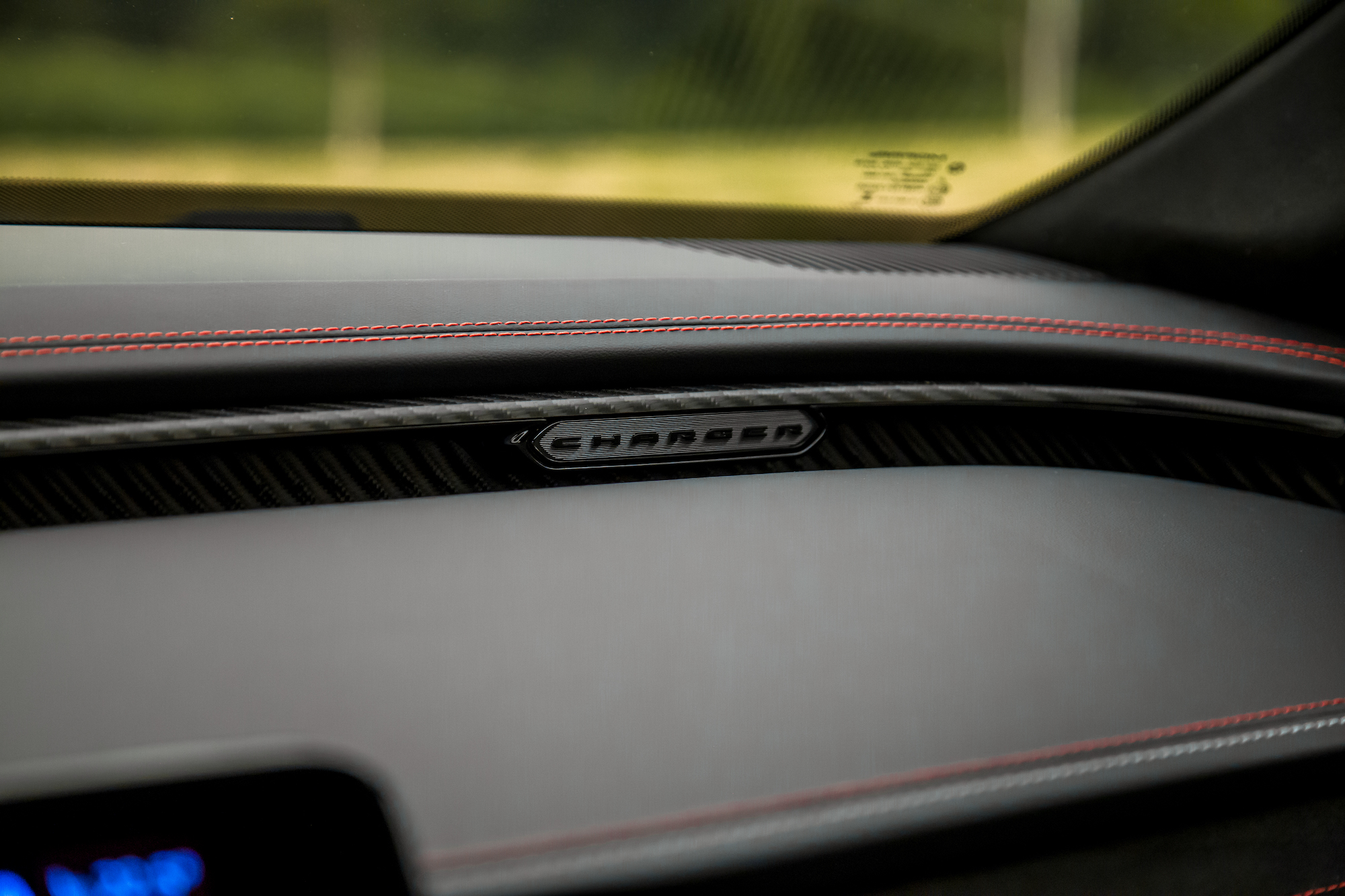
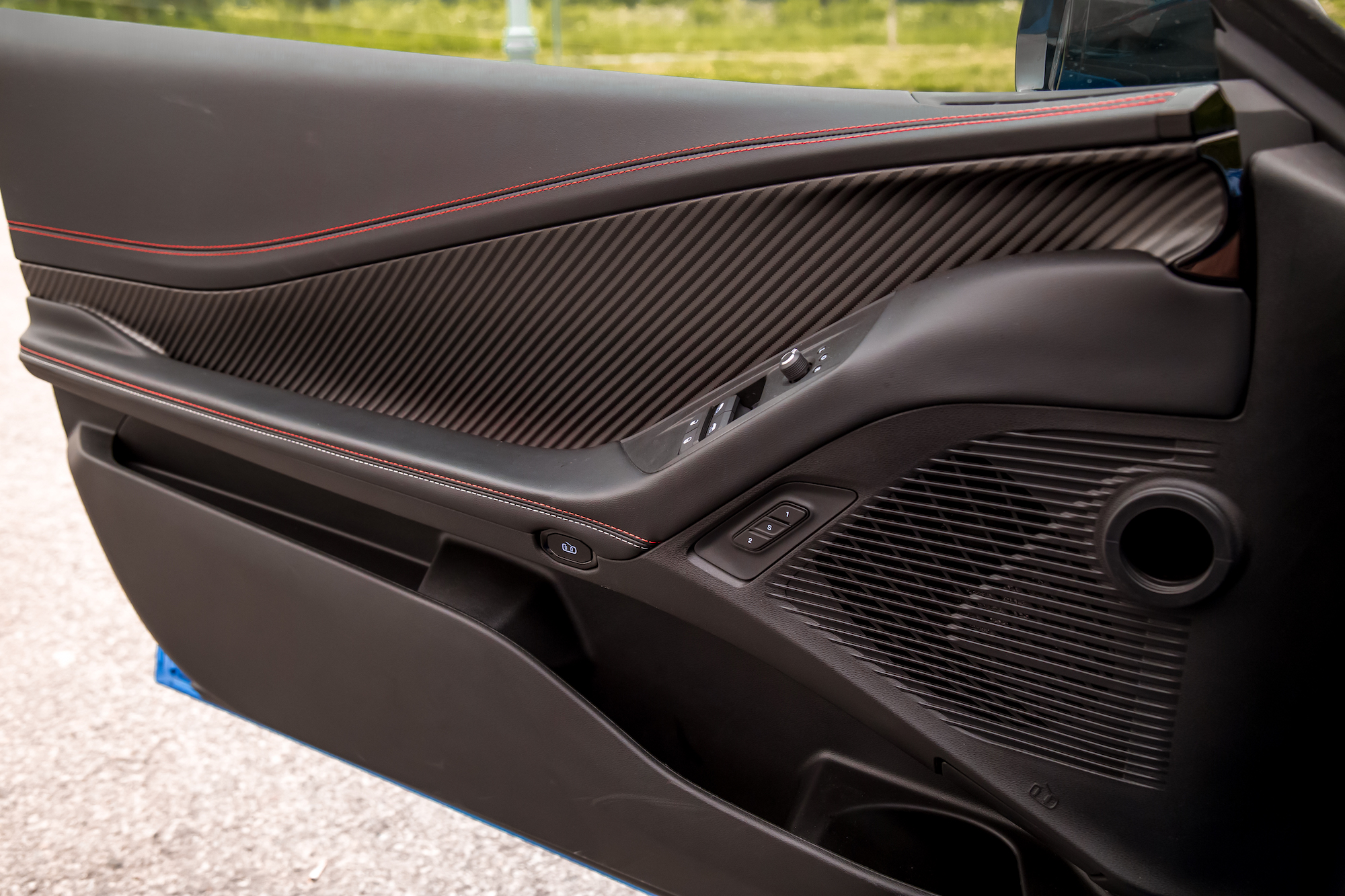
This is the most modern and visually pleasing Dodge interior we’ve been in, with a dashboard that curves and wraps around the cabin like a Mercedes. The switchgear feels fantastic with sturdy feedback, and the steering wheel buttons no longer wobble in their loose slots. Tighter panel clearances and an overall emphasis on ergonomics and functionality give the Charger a more grown-up, refined vibe. Empty spaces are filled with storage areas and wireless charging pads, the overall layout makes sense, and you can tell this was designed with thought and passion.
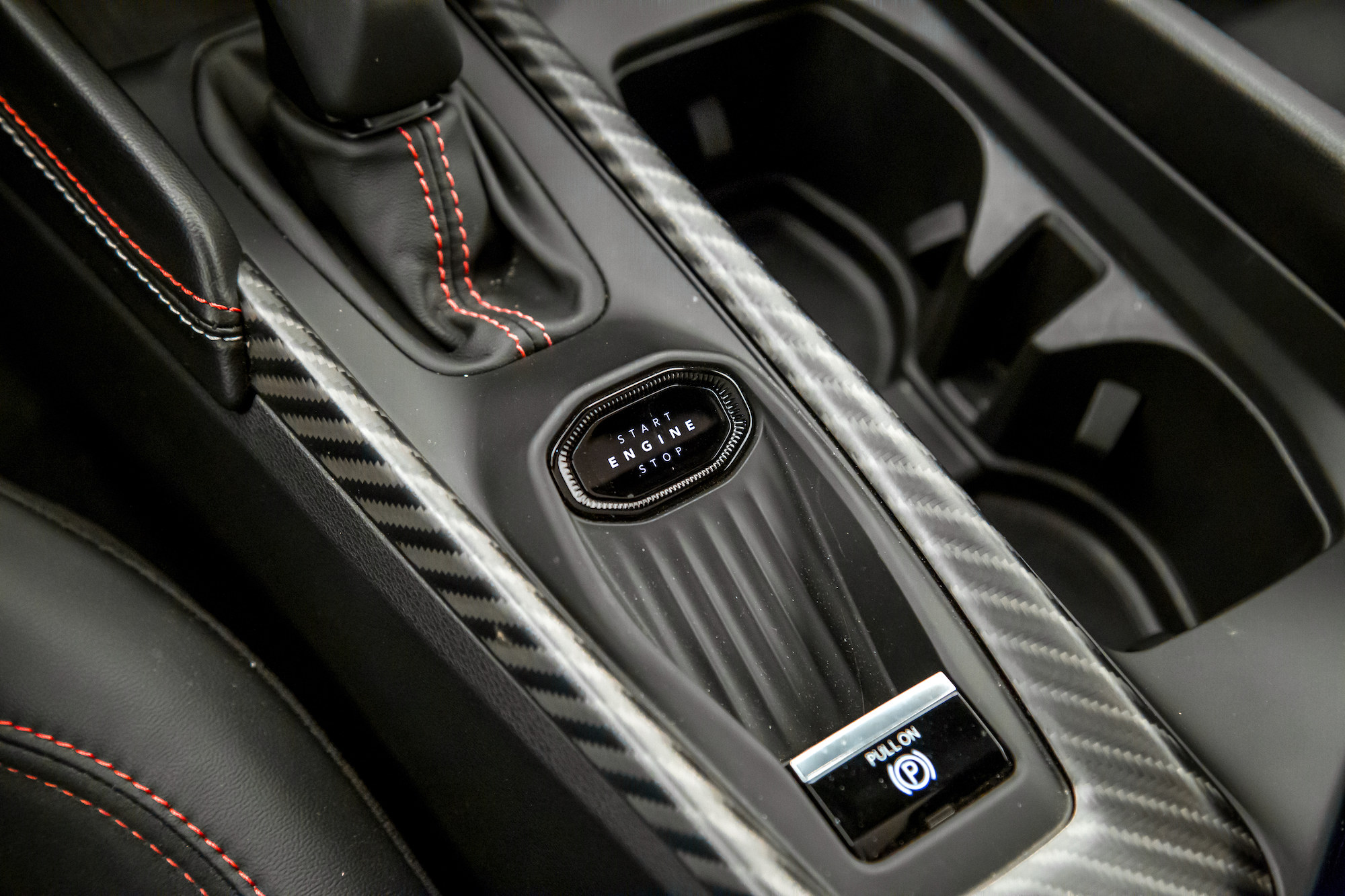
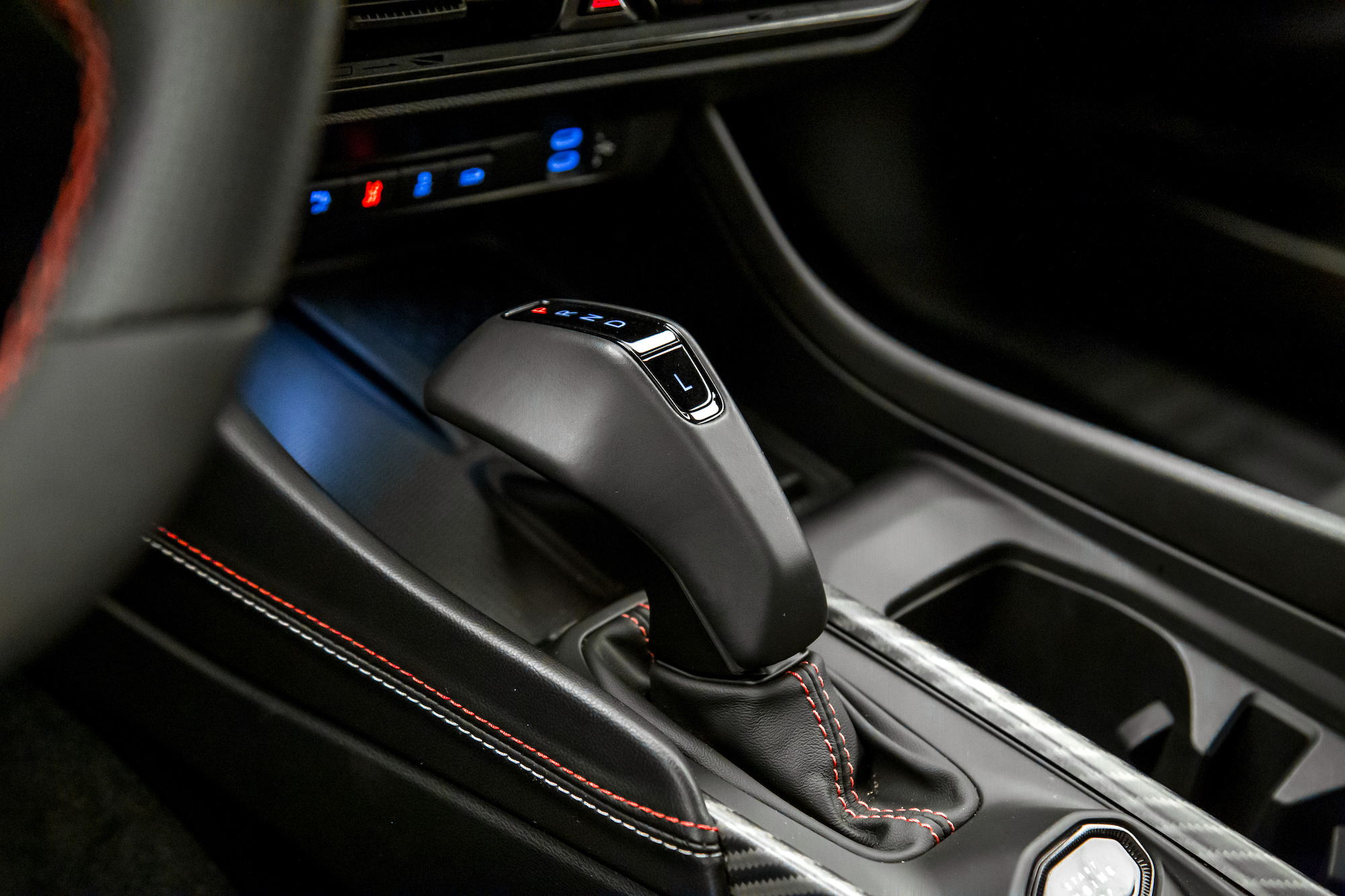
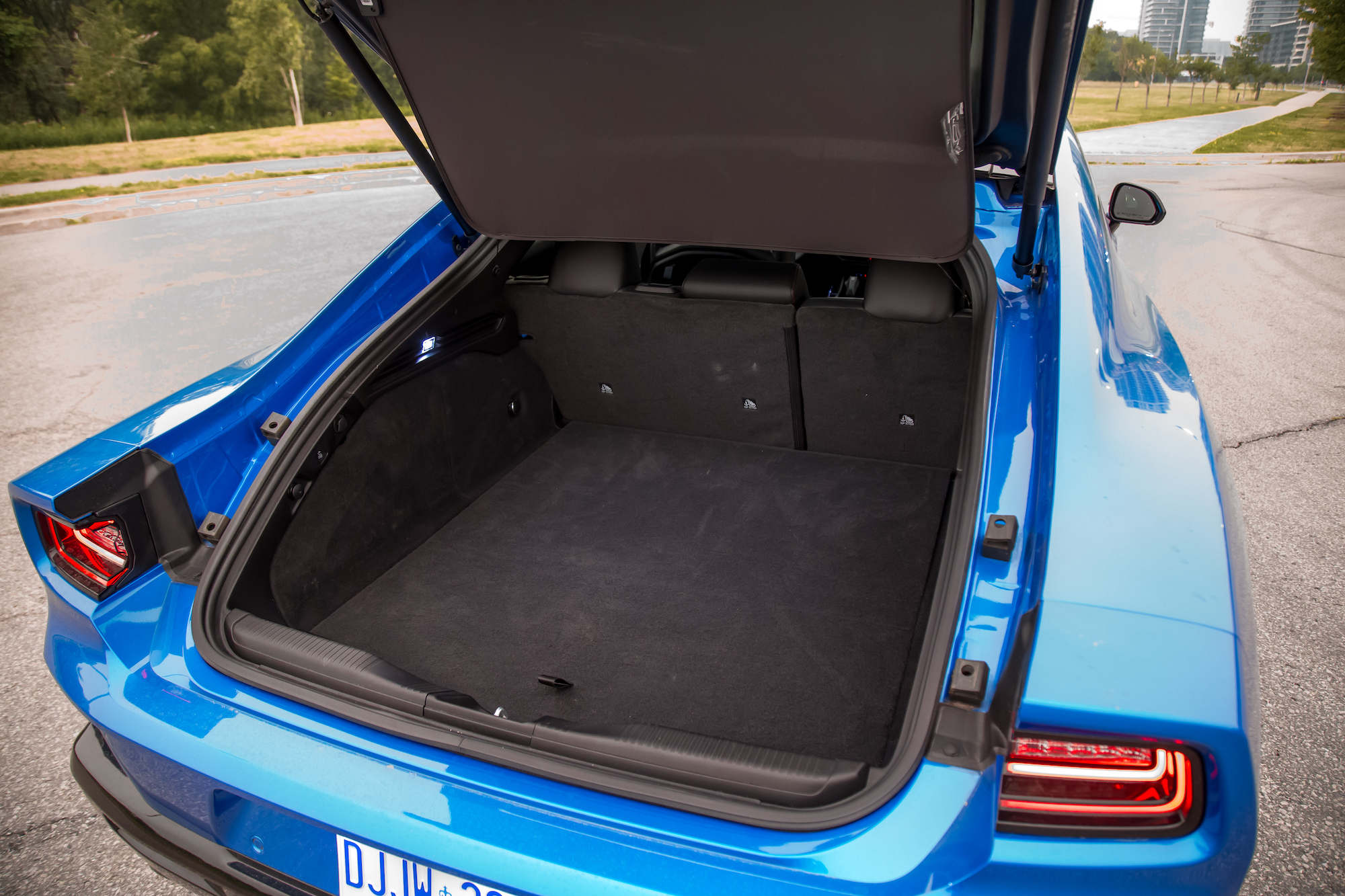
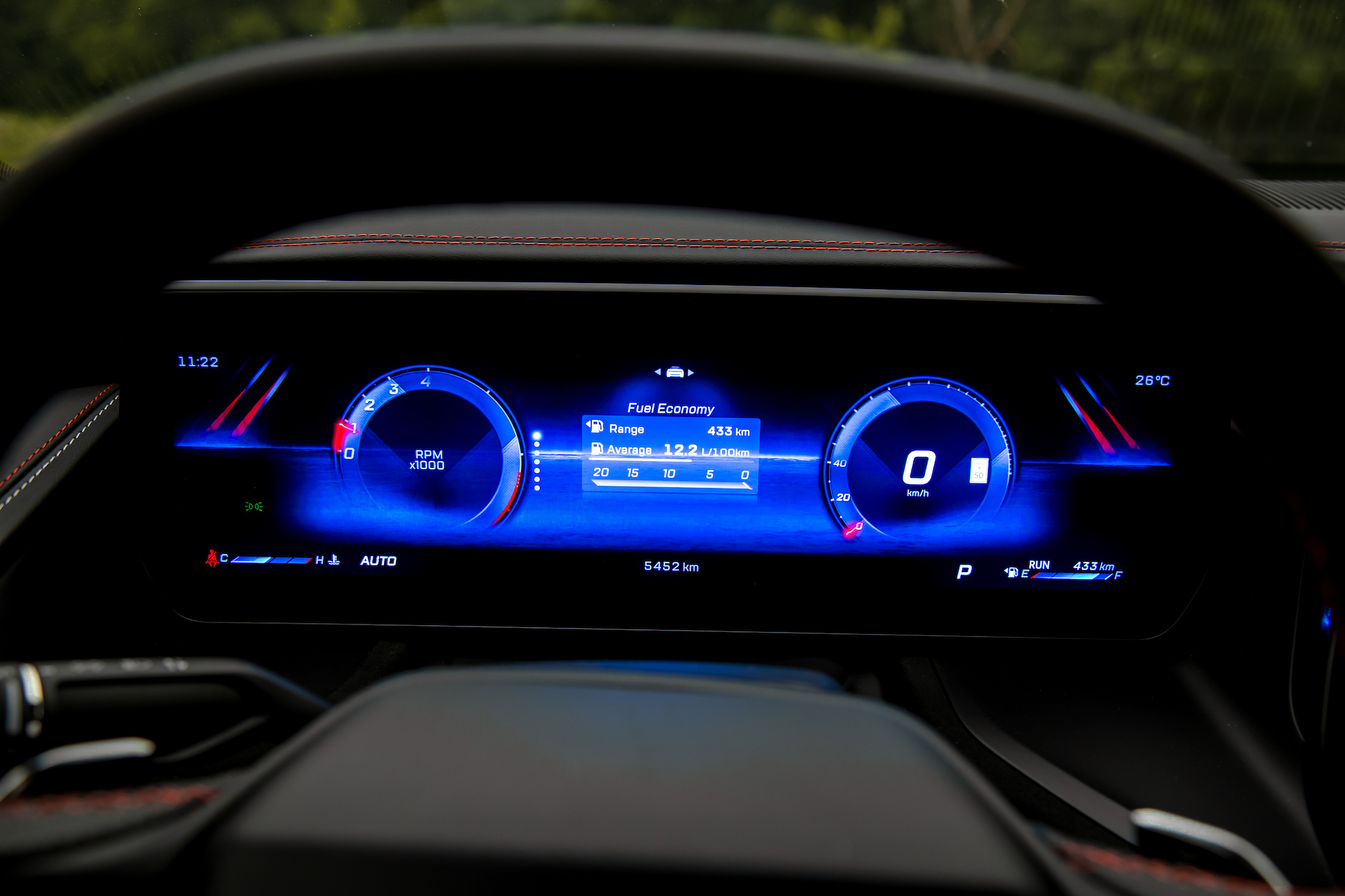
The center-mounted start button and the chunky gear shifter are entertaining, and two large screens handle every function, though Dodge was still keen to install a more user-friendly haptic touchbar below with volume and tuning dials. Of course, skipping the Plus package deprives you of many creature comforts that alleviate driver stress, such as memory and ventilated front seats, second-row heated seats, a larger 16-inch driver’s display, a power trunk hatch, head-up display, ambient lighting, and LED headlamps, among others.

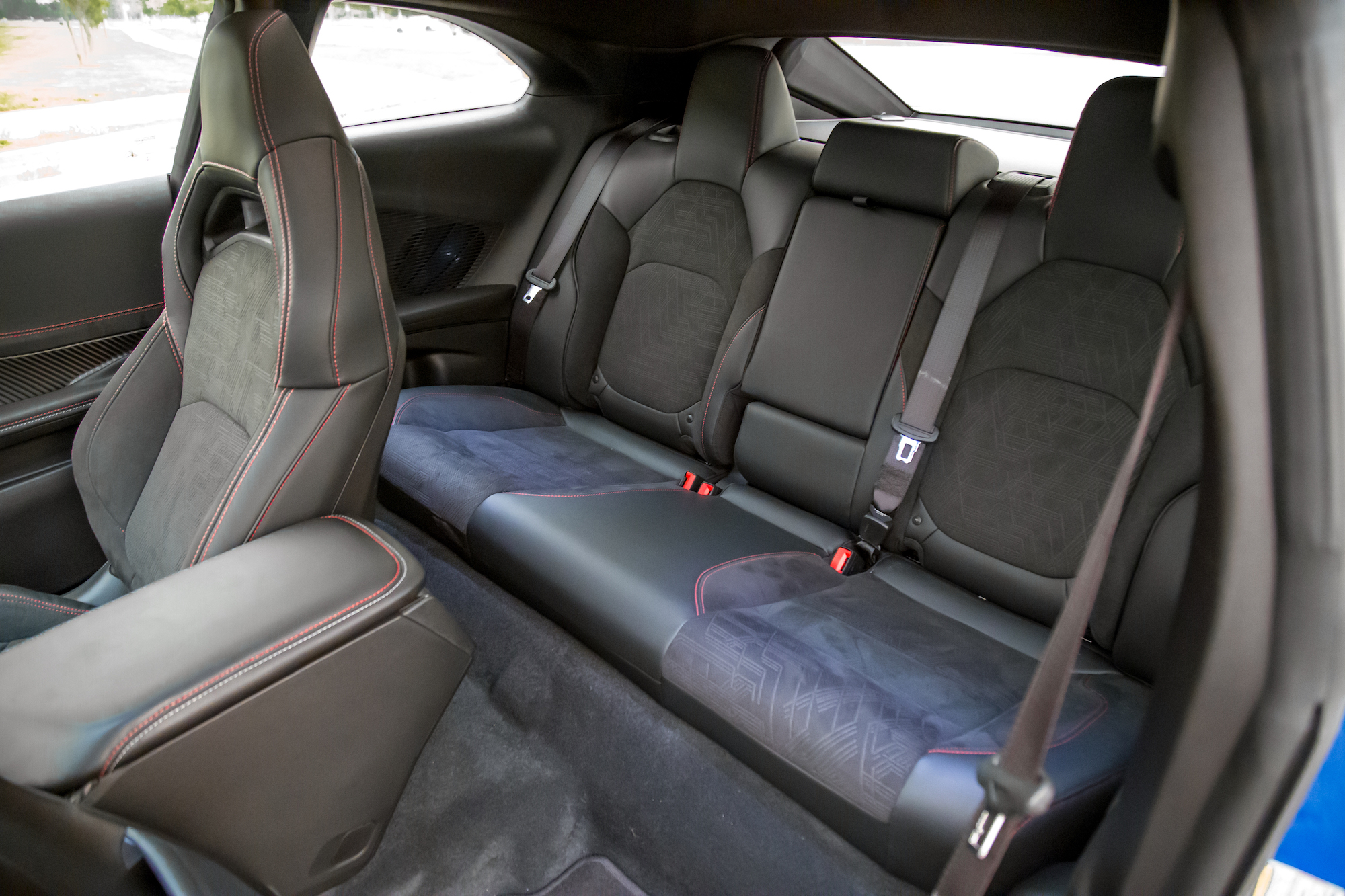
We hoped for larger paddle shifters – could you imagine if they installed the metallic column-mounted ones from Alfa Romeo and Maserati – as these small ones feel diminutive and uninspiring to engage. Still, there’s an extraordinary amount of legroom and headroom in both front and rear seats, even for six-foot occupants, and despite the lack of rear doors, ingress to the rear is quite straightforward thanks to the large door aperture.
The only criticism is the awkward driving position, as the seat is mounted too high, which takes away any sense of vehicle integration. Even though the front hood is sculpted and curved down for better visibility than before, the narrow windscreen and bulky mirror casing block a significant portion of your 2-o’clock view. You always get the sense that you’re sitting on top of the car, rather than in it, and for a car with sporting intentions, that’s not entirely desirable.
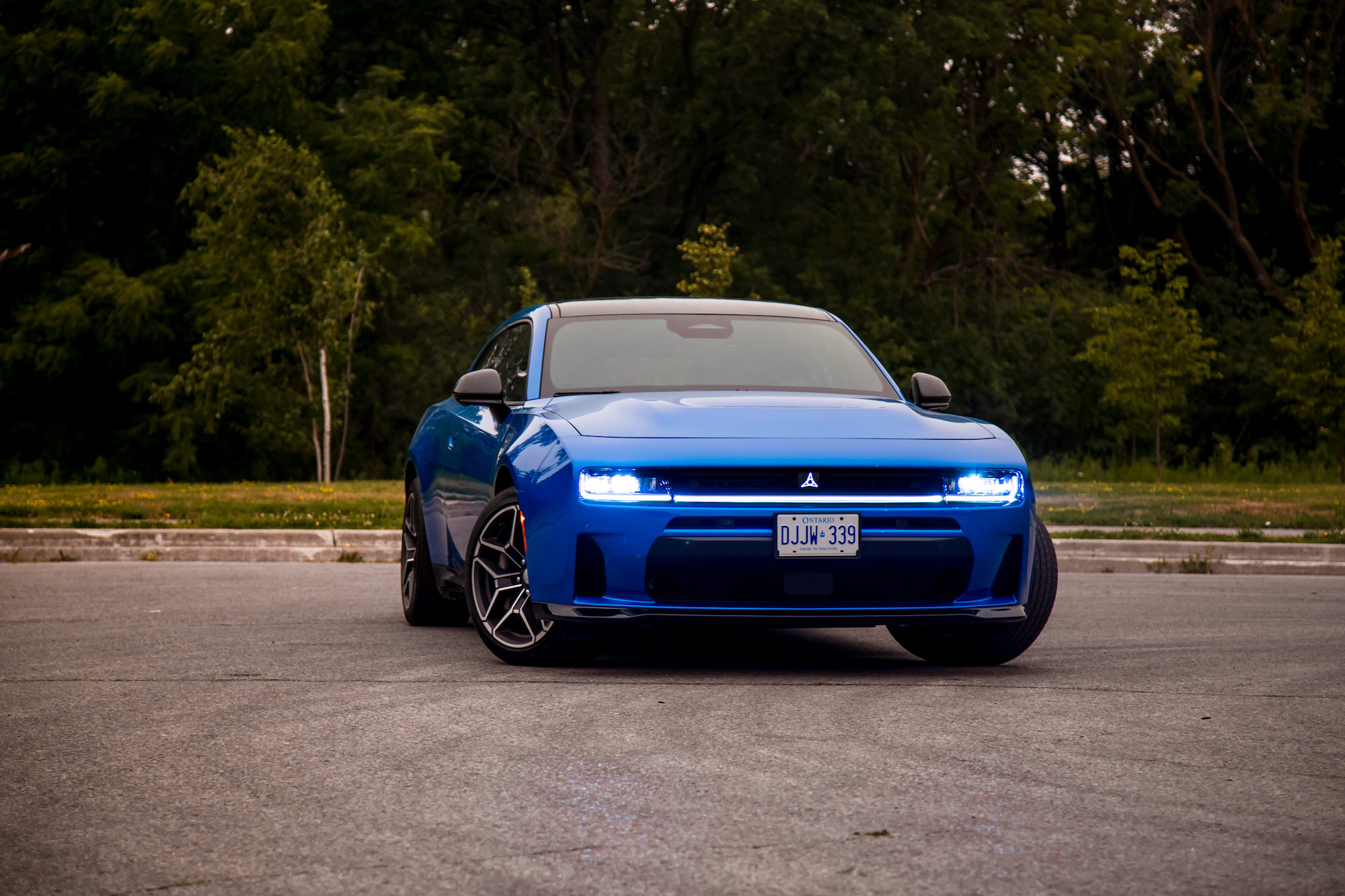
The entrance fee for a Charger is a tough pill to swallow, and our fully loaded tester tops out at $86,583, pushing it further into the realm of luxury sports cars. The smarter buy would be a fully loaded BMW M240i xDrive or a lightly optioned Audi RS3, but something tells us that those in the market for a Charger would shame the German variety for their inferior outputs and miniature measurements.
Be that as it may, Dodge made its entry one of the finest in its history, with a polished interior, characterful powertrain, and approachable all-weather performance. It’s missing two cylinders, and it lacks the raw theatrics of the outgoing Challenger with a shaker hood and manual gearbox, but the new Charger’s fundamental platform and ingredients are impressive, making the wait for a new Hellcat all the more agonizing.
Specifications:
Model: 2026 Dodge Charger 2-Door Scat Pack Plus
Paint Type: Bludicrous
Base Price: $69,995
Price as Tested: $84,170
Wheelbase(mm): 3,073
Length/Width/Height (mm): 5,248 / 2,028 / 1,497
Curb weight (kg): 2,185
Engine: 3.0-litre twin-turbocharged inline-six
Horsepower: 550 hp
Torque: 531 lb-ft
Transmission: 8-speed automatic
Engine & Drive Configuration: Front engine, AWD
Observed Fuel Consumption (L/100km): 13.1
Tires: 275/40ZR20; Goodyear Eagle Sport All-Season

Leave a Reply