
Conflict in the Middle East has led to a surge in oil prices with no signs of relief in sight, but it’s in these times of uncertainty that plug-in hybrids (PHEV) become ever more attractive. With a choice of propulsion, PHEVs can run on either a combustion engine or an electric battery, though the latter typically offers less than 20% of the car’s total range capacity. But gone are the days of small, negligible batteries that offer unrealistic range.

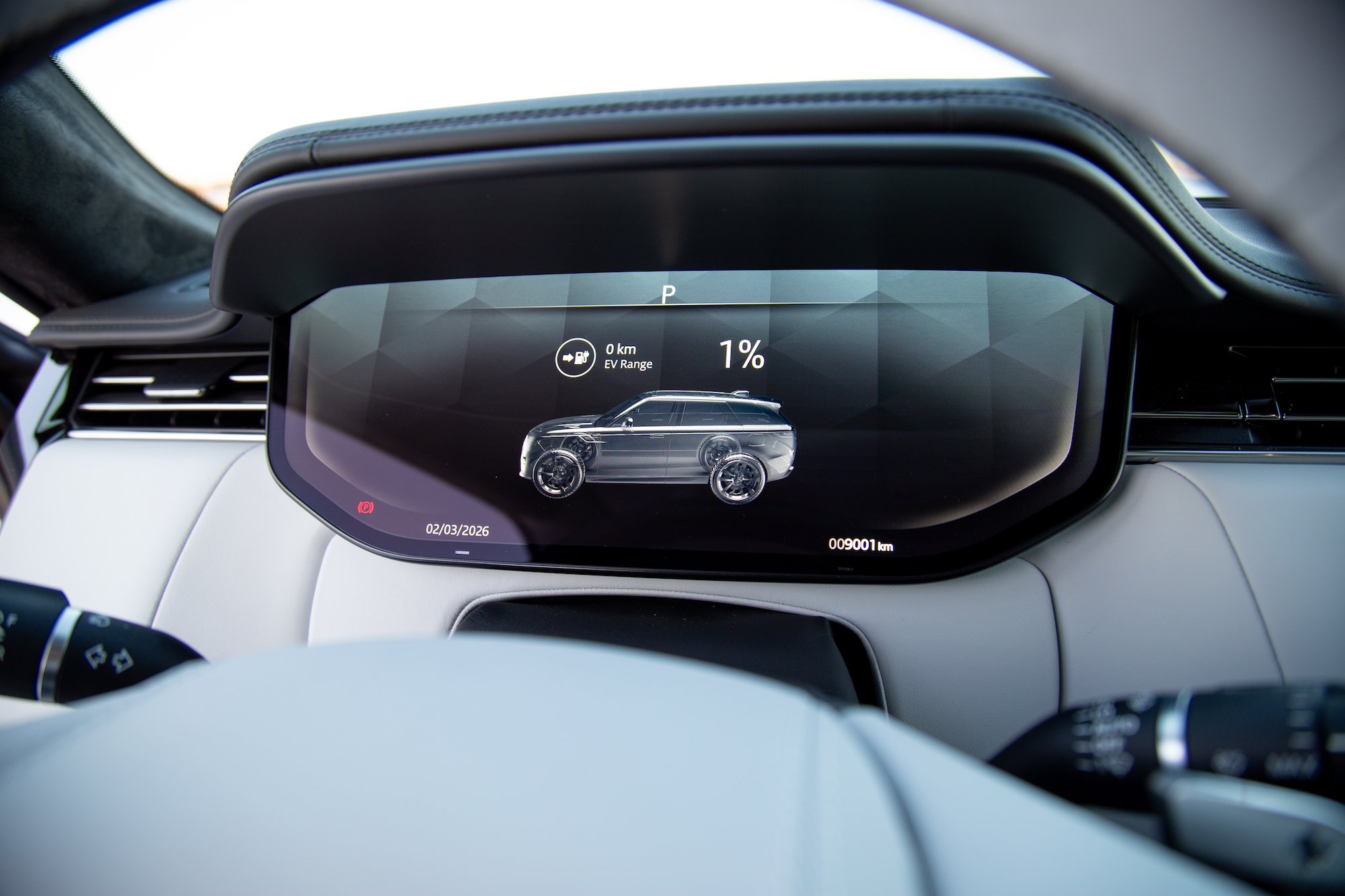
Take the new electrified Range Rover Sport PHEV, for instance. Even with the weight of a battle tank, its 38.2 kWh lithium-ion battery and electric motor still manage 70 km on an even mix of city and highway driving in the Canadian sub-zero climate. That’s in addition to the combustion engine, which provides another 450 km. Of course, uses and weather conditions will vary, but anything over 50 km is personally more than enough for us to use daily, with an overnight top-up resetting the barometer.
Not only that, but the silence of electric propulsion fits right in with the spirit of the brand. The ability to waft around with the grace and confident stillness of a nuclear submarine augments the Sport’s inherent strengths of road isolation. And the best part? When the world’s network of oil and fuel is no longer at the mercy of unpredictable conflict, and fuel prices drop again, you can fire up the Range’s silky smooth 3.0-litre inline-six engine and let its combined 543 hp accelerate you from 0-100 km/h in 4.9 seconds. Of note, this Autobiography model is limited to the P550e powertrain and differs only in software tuning and output from the 454-hp P460e PHEV found in the Dynamic SE model.
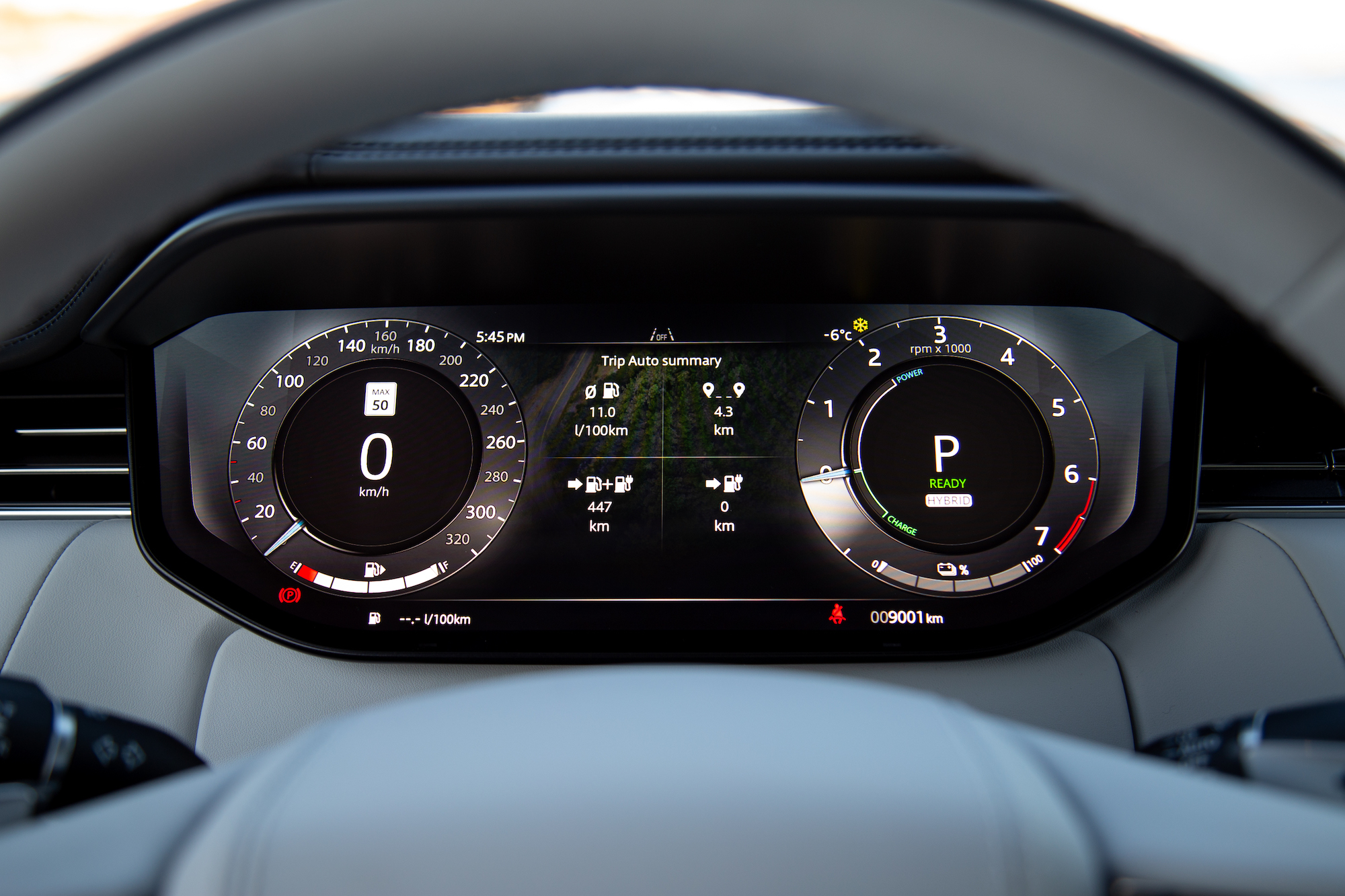
It’s also the same powertrain found in the full-size Range Rover PHEV that we recently reviewed, and it deserves the same praise for its pleasant power delivery and mid-range torque. Transitions between fire and electric are seamless, though not the quickest, and acceleration is decent in EV mode. Even with the battery fully drained, the gear transitions and engine are much smoother than the P440e we last drove. Now, the only way to tell if the inline-six kicked in is by monitoring the driver’s gauges – it’s that quiet.
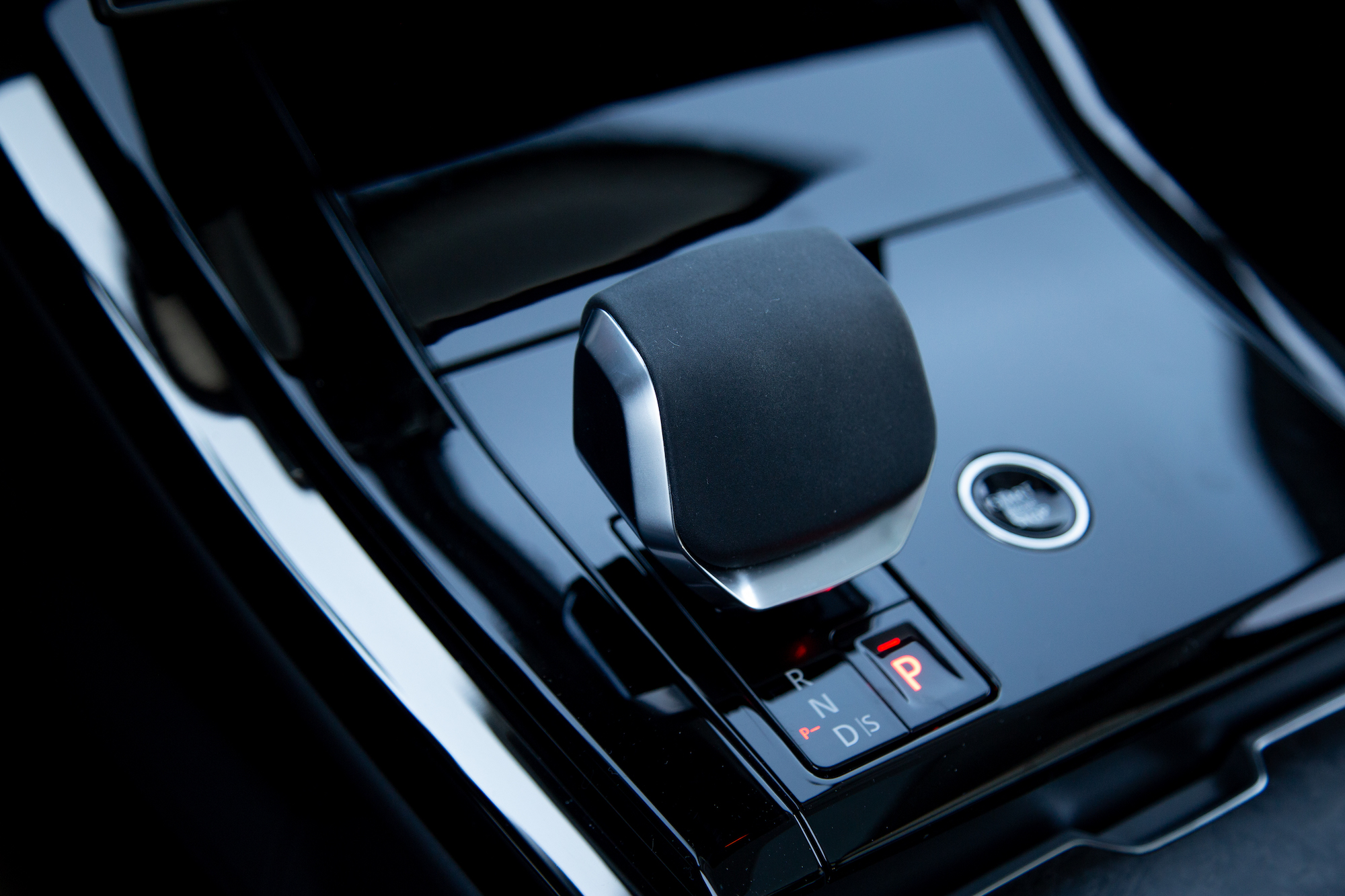
With both electricity and combustion on deck, the Sport delivers the punch of a naturally aspirated V8, but with the rich, velvety polish of a BMW straight-six engine. That changes when you start shifting with the paddles, as the powertrain seems to choke on its loss of autonomy, and unnecessarily rev hangs for a solid second after throttle lift, as if the sensors haven’t sensed your foot off the pedal. It’s an odd feeling, and as much as Sport is in the name, it doesn’t particularly enjoy being driven that way.

Much of the exhaust noise is muted due to the Range’s heavily insulated cabin too, but this is where the optional $900 acoustically laminated front and rear side glass make their money’s worth, reducing so much wind and tire noise that hopping into the cabin is like slipping on a pair of noise-cancelling headphones – this is no hyperbole. Bump up the volume on the 1700-watt, 28-speaker Meridian Signature sound system, and the rest of civilization is drowned out by your chosen tunes. Speakers embedded in the headrest add to its surround sound effect, making it an audiophile’s (and introvert’s) sanctuary away from home, and it is more impressive than many dedicated home setups. All we’re missing now is a cinema screen like in the BMW i7.
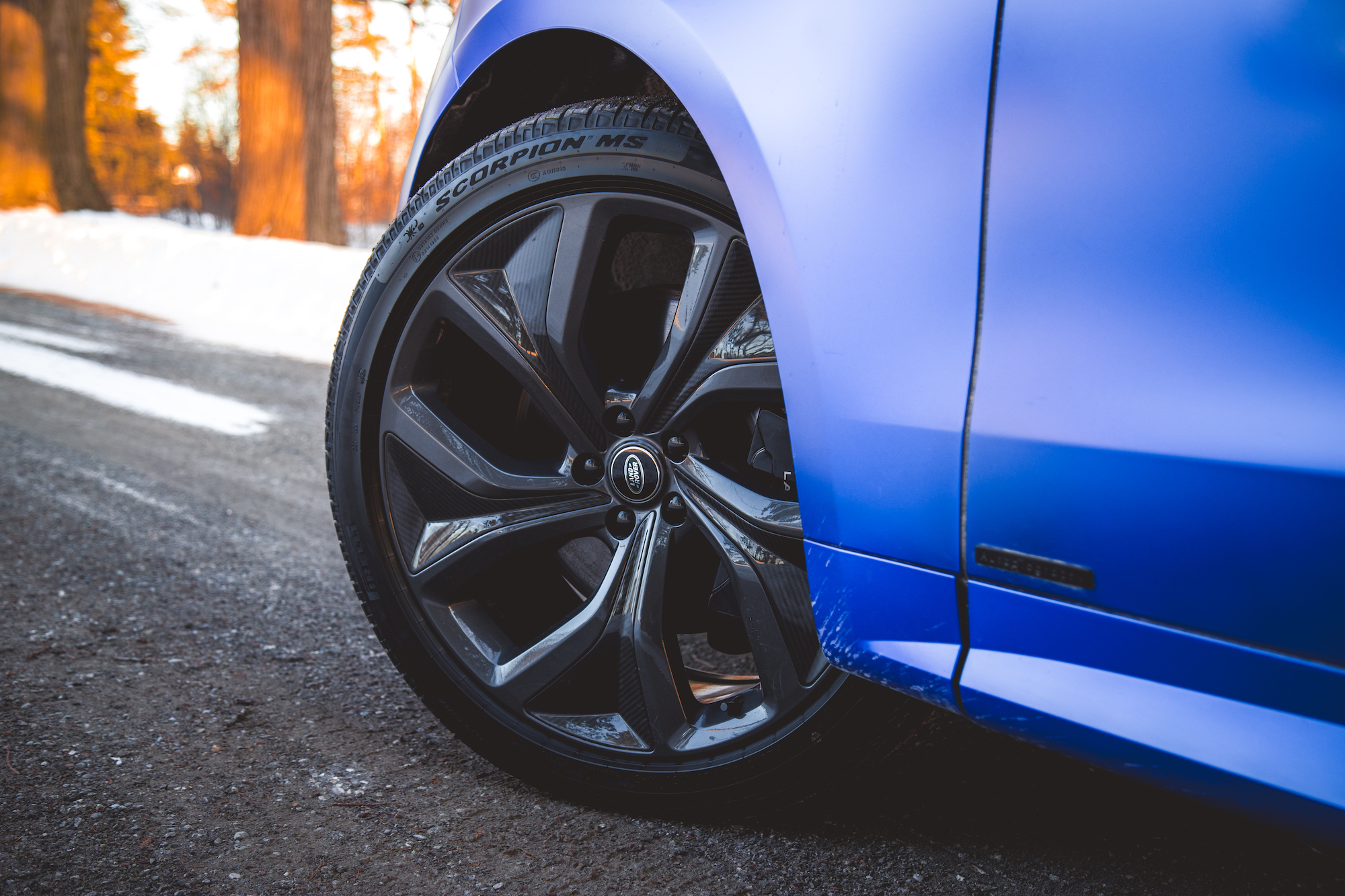
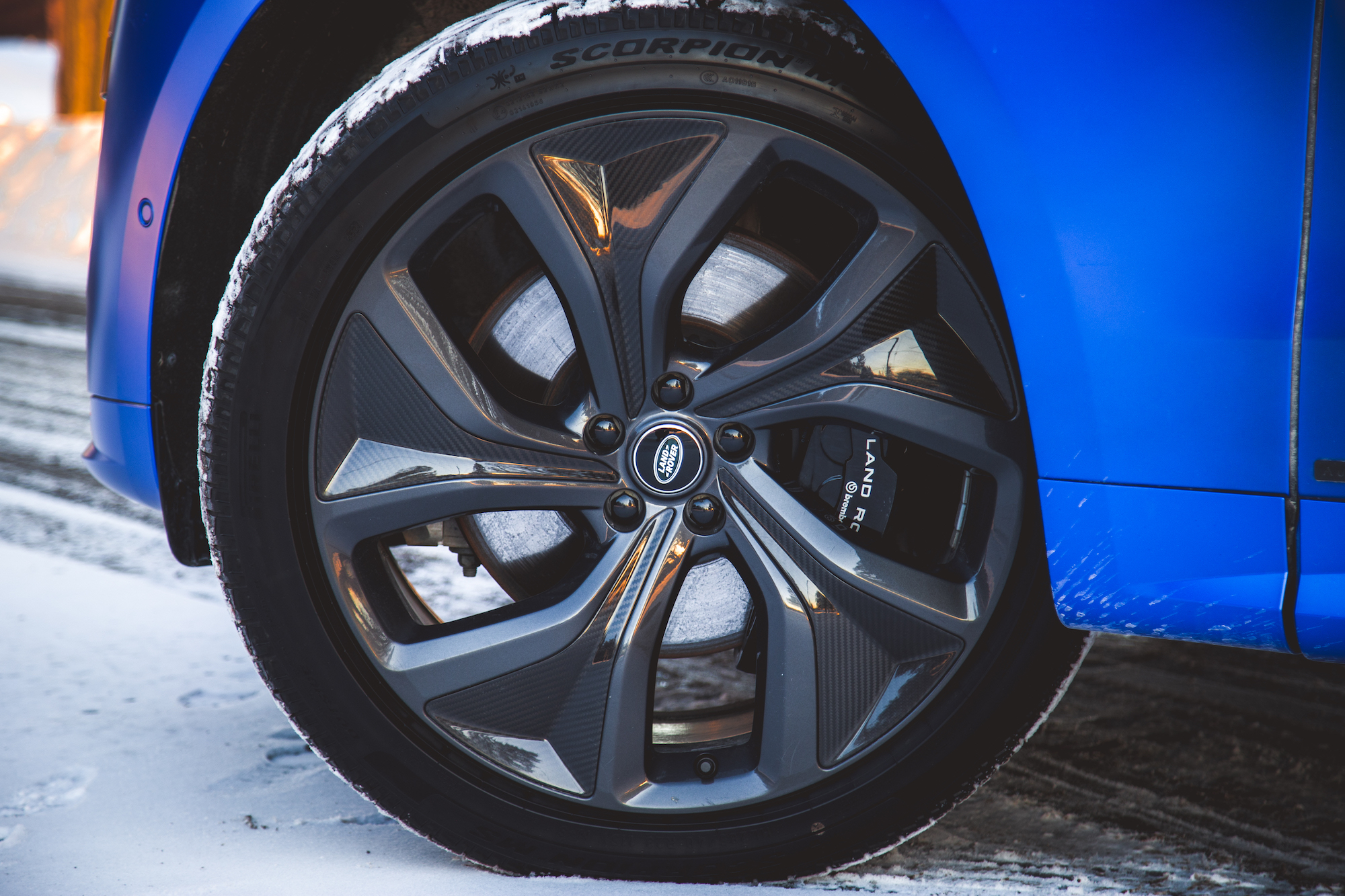
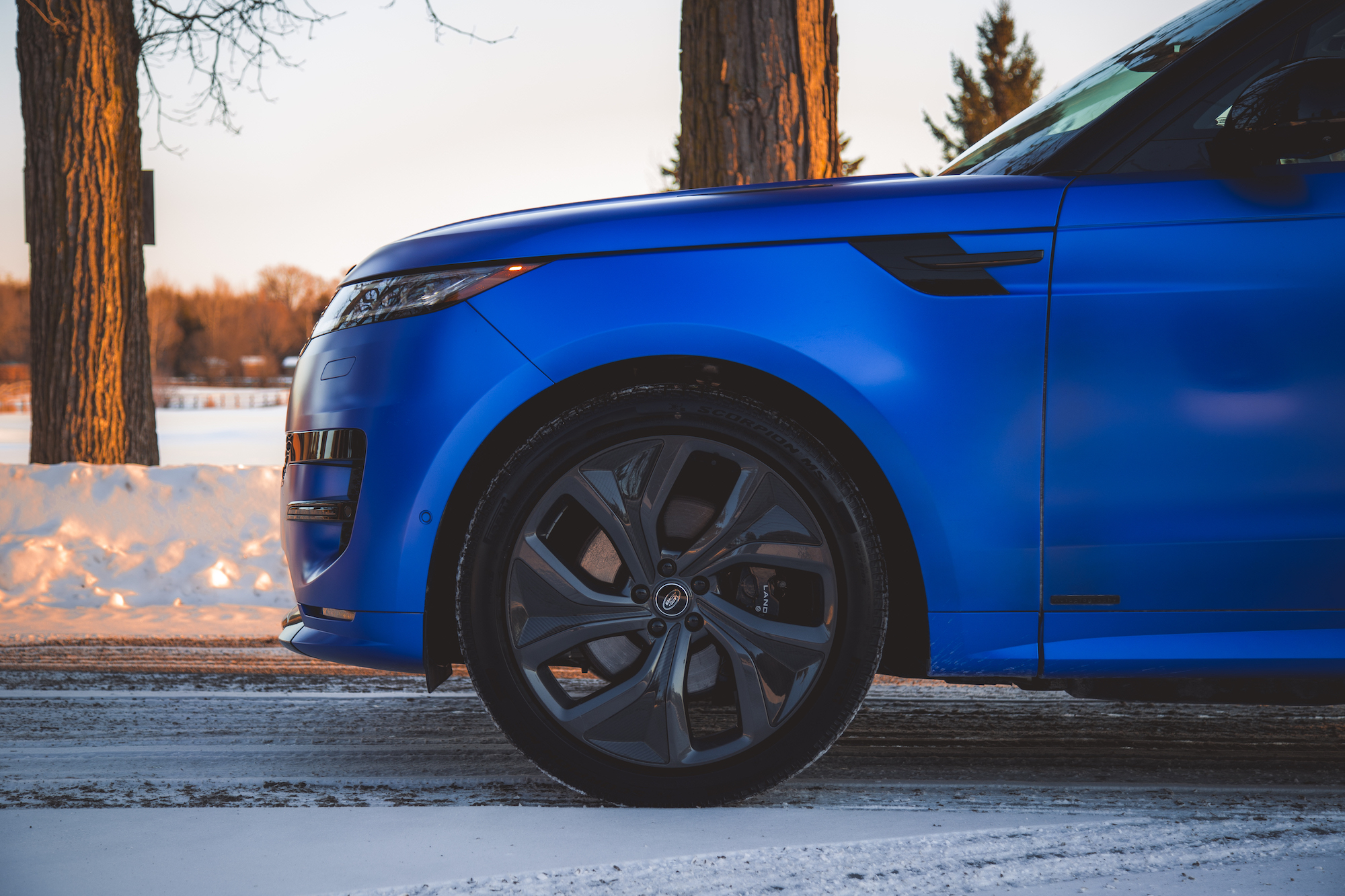
You wouldn’t be remiss if you popped a bottle of wine either, as the ride, even on chunky 23-inch wheels, does an excellent job of disconnecting the occupants from the ebb and flow of the road beneath, soaking up minor oscillations like a sponge. We’re not sure why this particular Sport has managed to offer a better ride than all the Sports before it. They have the same air suspension setup, and we don’t believe the $3,650 carbon fibre inserts on the 23-inch wheels affect the unsprung weight. Maybe they forgot to divulge something in the press release, or it’s the Pirelli Scorpion MS tires. Nevertheless, the ride is significantly more supple and comfortable than the 2023-2025 Range Rover Sports we’ve previously driven.

That allows more time to soak up the heady smells of the semi-aniline leather, which offer a richer and more fragrant note than the German kinds found in Alpinas and Maybachs. The upholstery is meticulous, and a dual-colour steering wheel always makes for a welcoming visual splash. The optional Satin Forged Carbon panels on the door inserts, cupholder cover, and at the back of the center console are a nice touch, but for $2,000, we’d have expected it to cover more real estate.
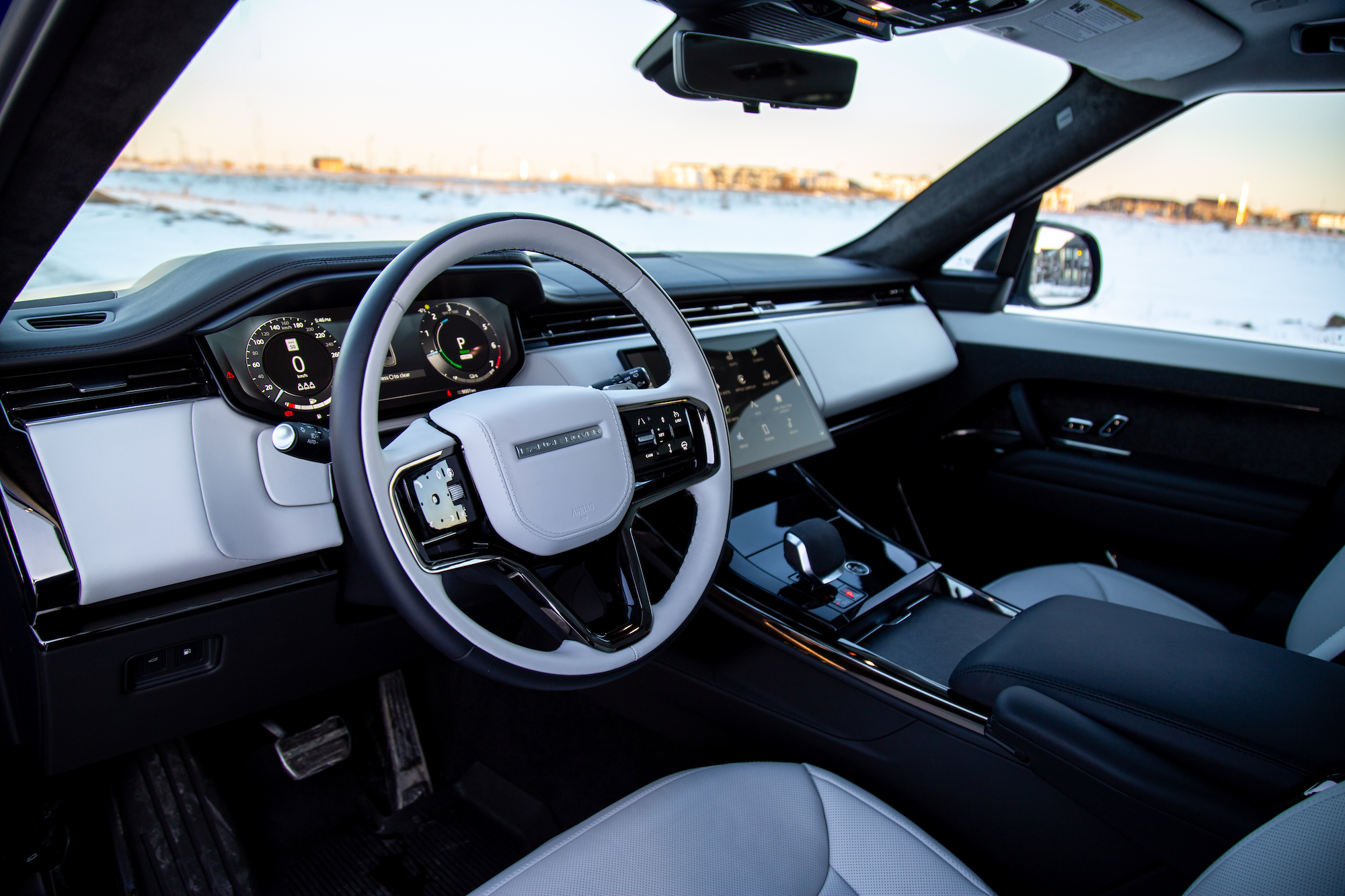
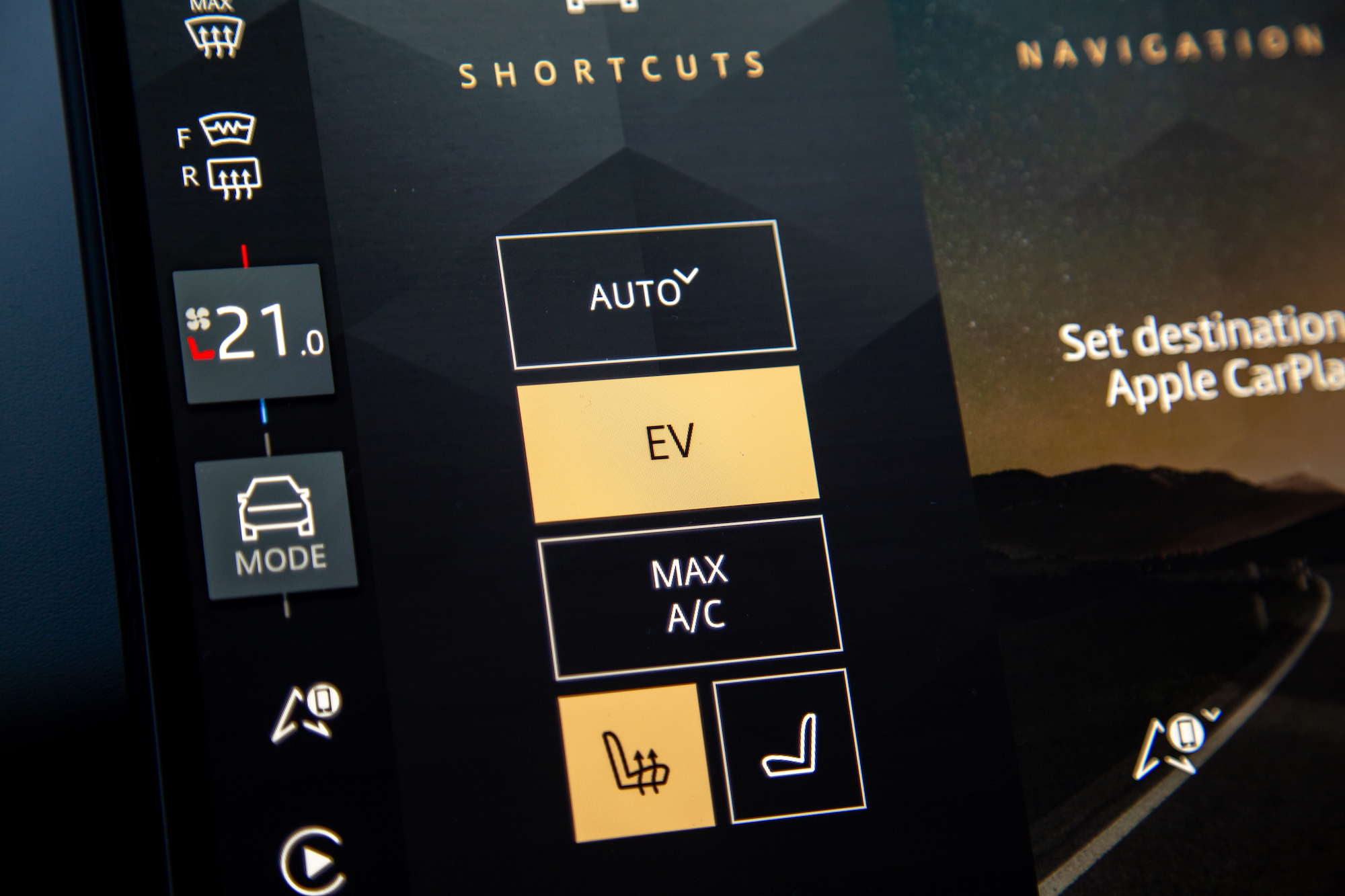
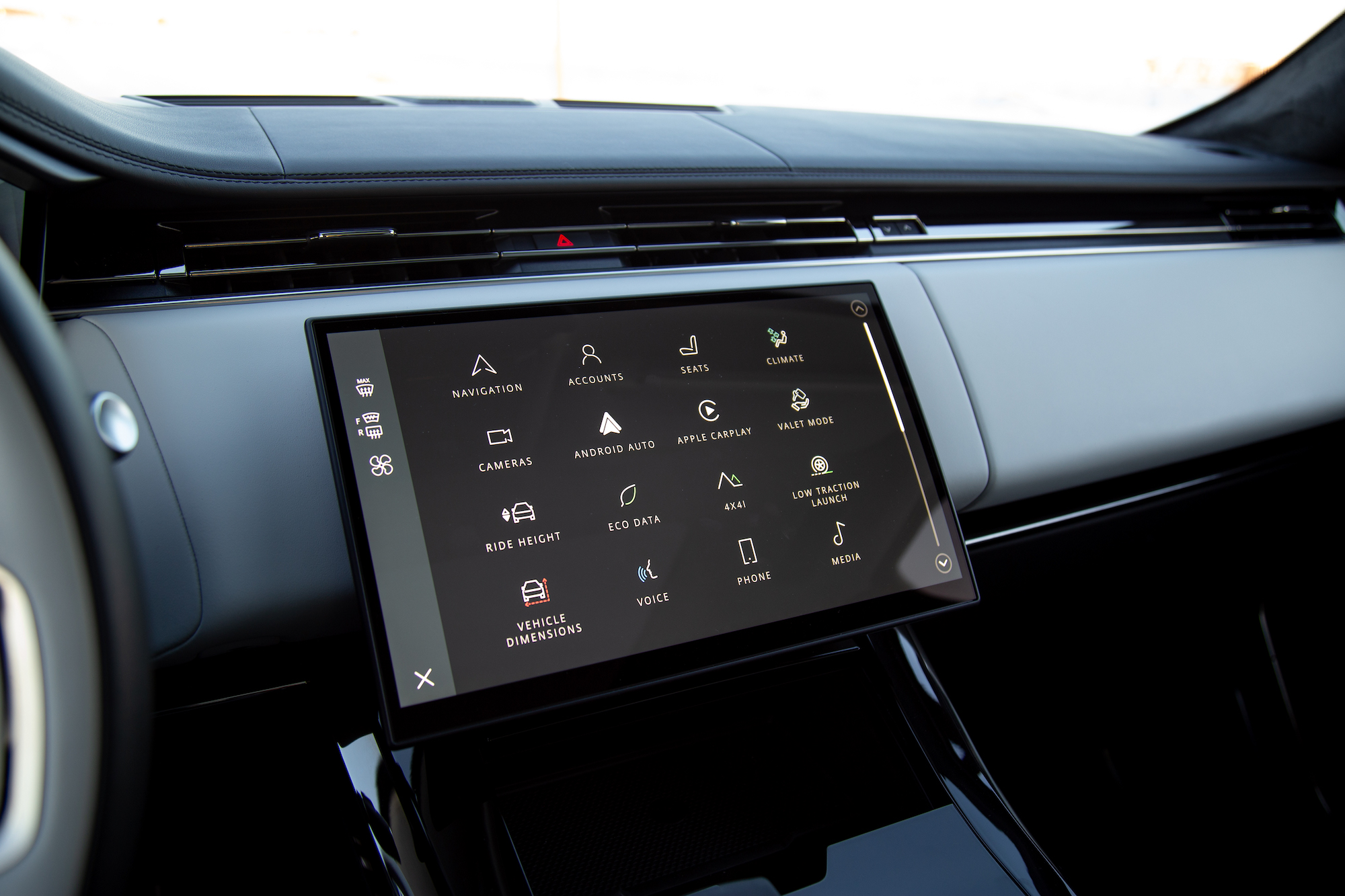
Otherwise, the cabin is well-furnished and nicely appointed, with a large 13.1-inch touchscreen complementing the driver’s 13.7-inch digital instrument cluster. The software focus and loss of dedicated buttons and switches on the center console remain frustrating, however. Taking your eyes off the road to adjust these high-traffic functions is annoying, and while there are multiple avenues to achieve this goal through voice recognition and steering-wheel buttons, we don’t see how the added visual simplicity amounts to a better experience. It’s like having a stark, bare, and attractive living room, but with nowhere to put your coffee mug.
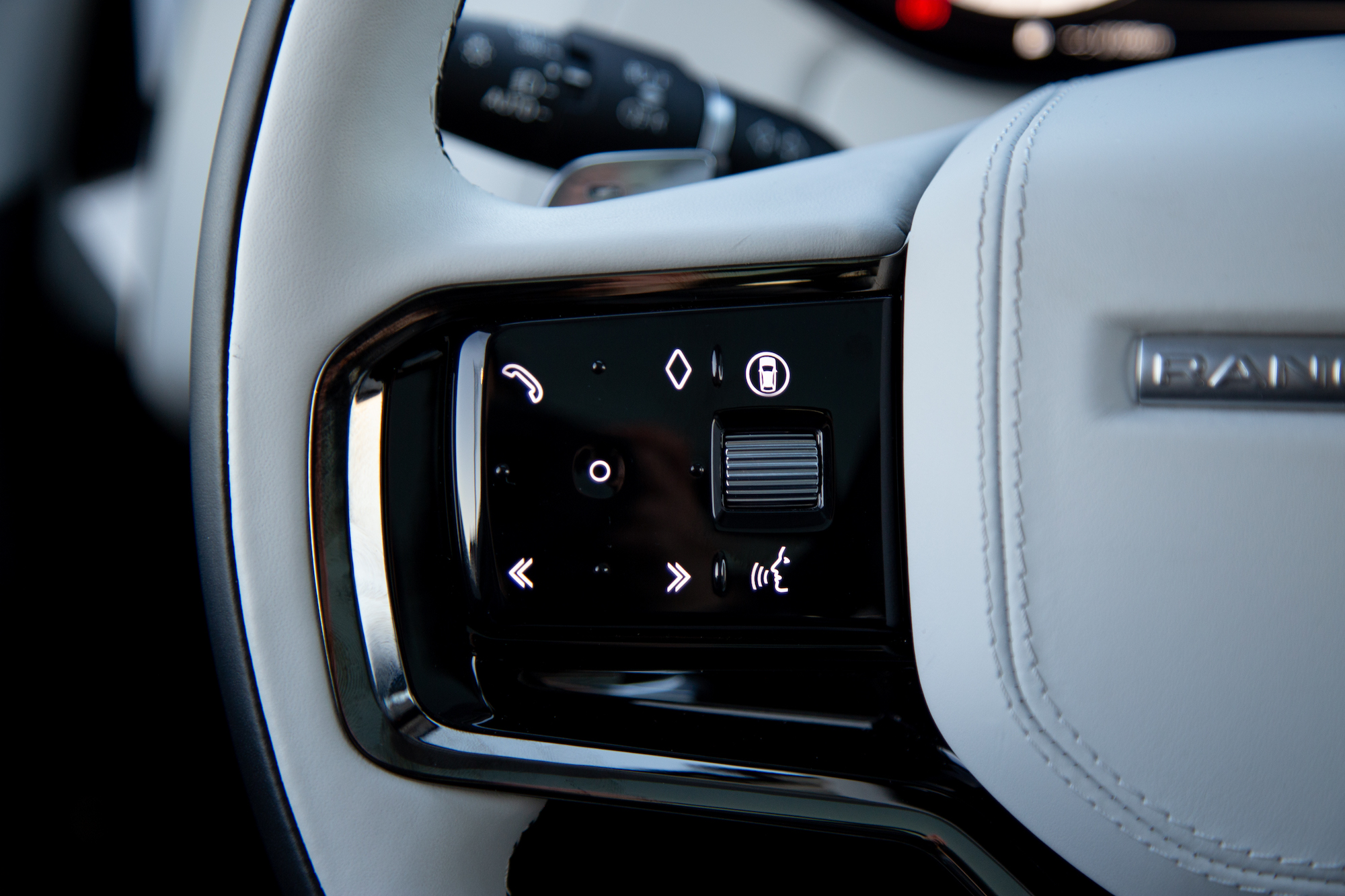
The diamond button on the steering wheel is quite useful. It serves as a programmable shortcut button, but it offers more versatility compared to similar features in Audis and Porsches. You can customize it to perform various functions, such as turning on the massaging seats, activating Apple CarPlay, muting the audio, or displaying the air quality status, which shows how effectively the car’s built-in air ionizers and filters are working. Pressing the button activates one function, while holding it down activates another. Clever.
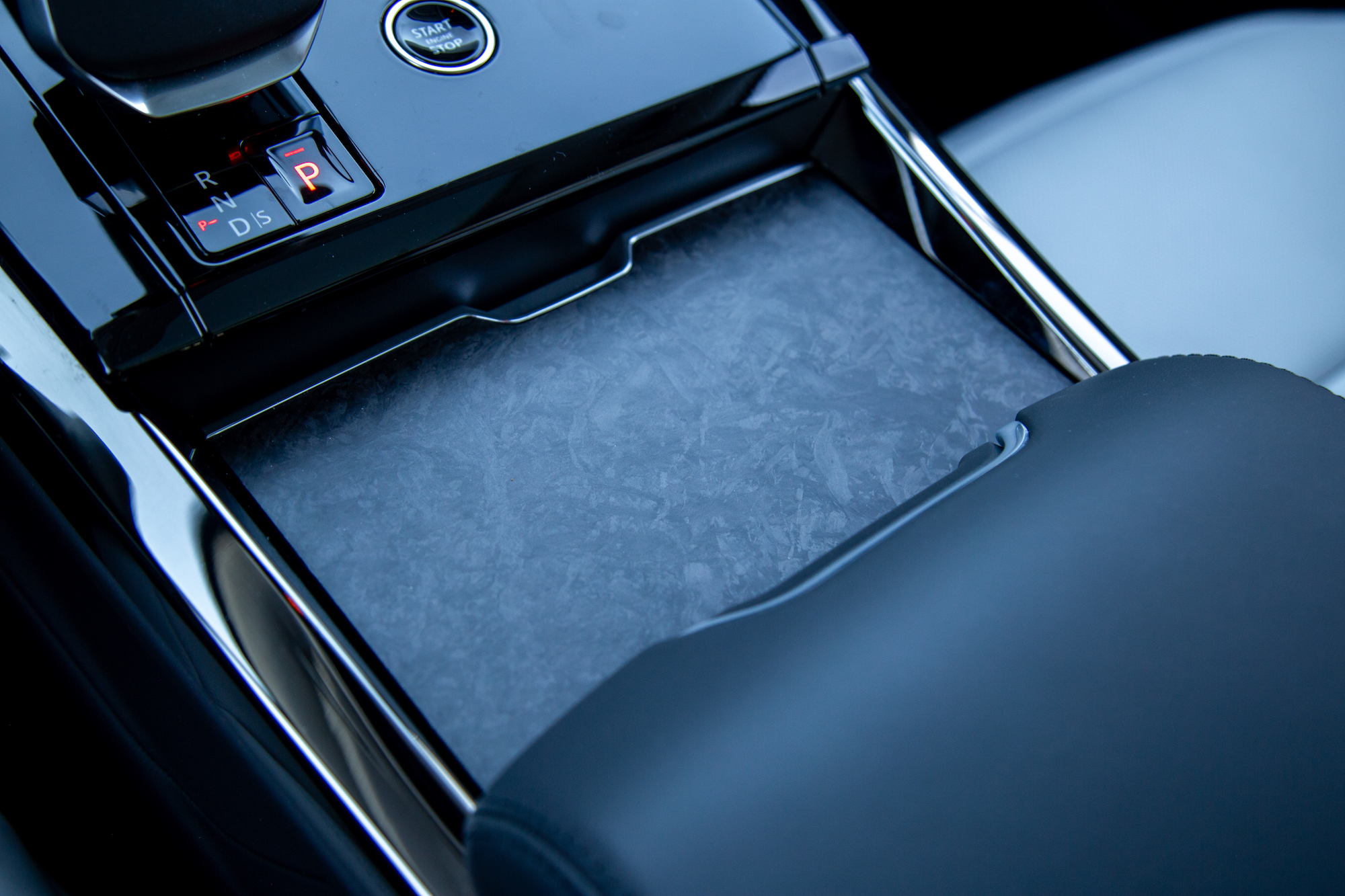
The center console is nicely thought out, but it still lacks the functionality of a family-oriented SUV. Those coming from Santa Fe, Palisade, or even Telluride will find the lack of storage space crippling. Not that the rivalling BMW X5 or Mercedes-Benz GLS manage any better, and the Range does come with its own refrigerated compartment, but we’d take a larger cubby over that tiny cooler box any day of the week. The Range does offer an upper and lower passenger-side glovebox, though, and how they’ve managed to fit an airbag somewhere in that dash is beyond us.
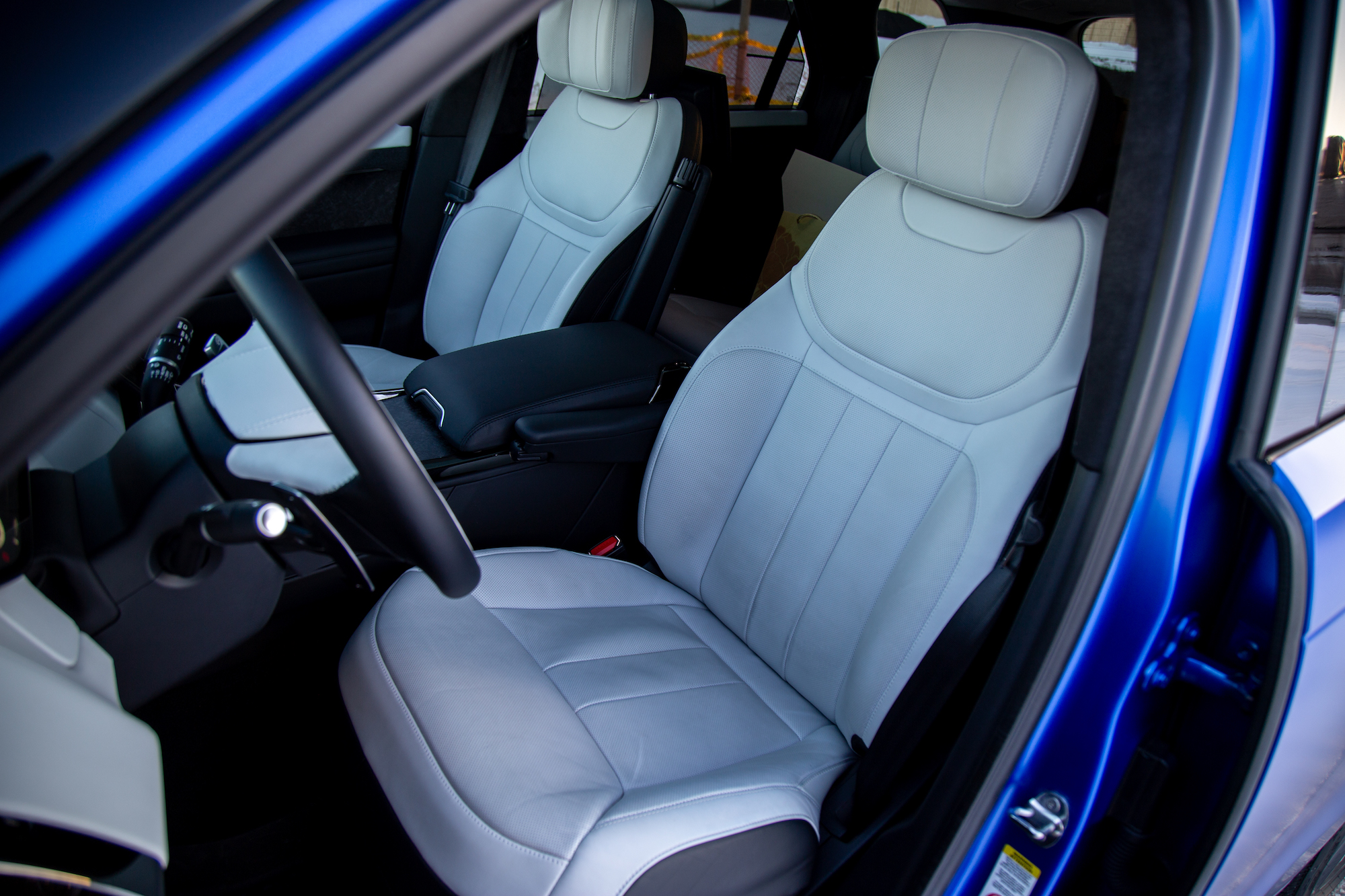
Other nice touches include the couch-like seats, with the bottom cushions as soft as a large pillow, though with firm edges so you don’t sink in too much or fall off during egress. The second row seats fold relatively flat, too, and are electronically operated via toggles near the trunk door. You can also operate them from the center touchscreen, so you can stay cozy while arranging the seating configurations.
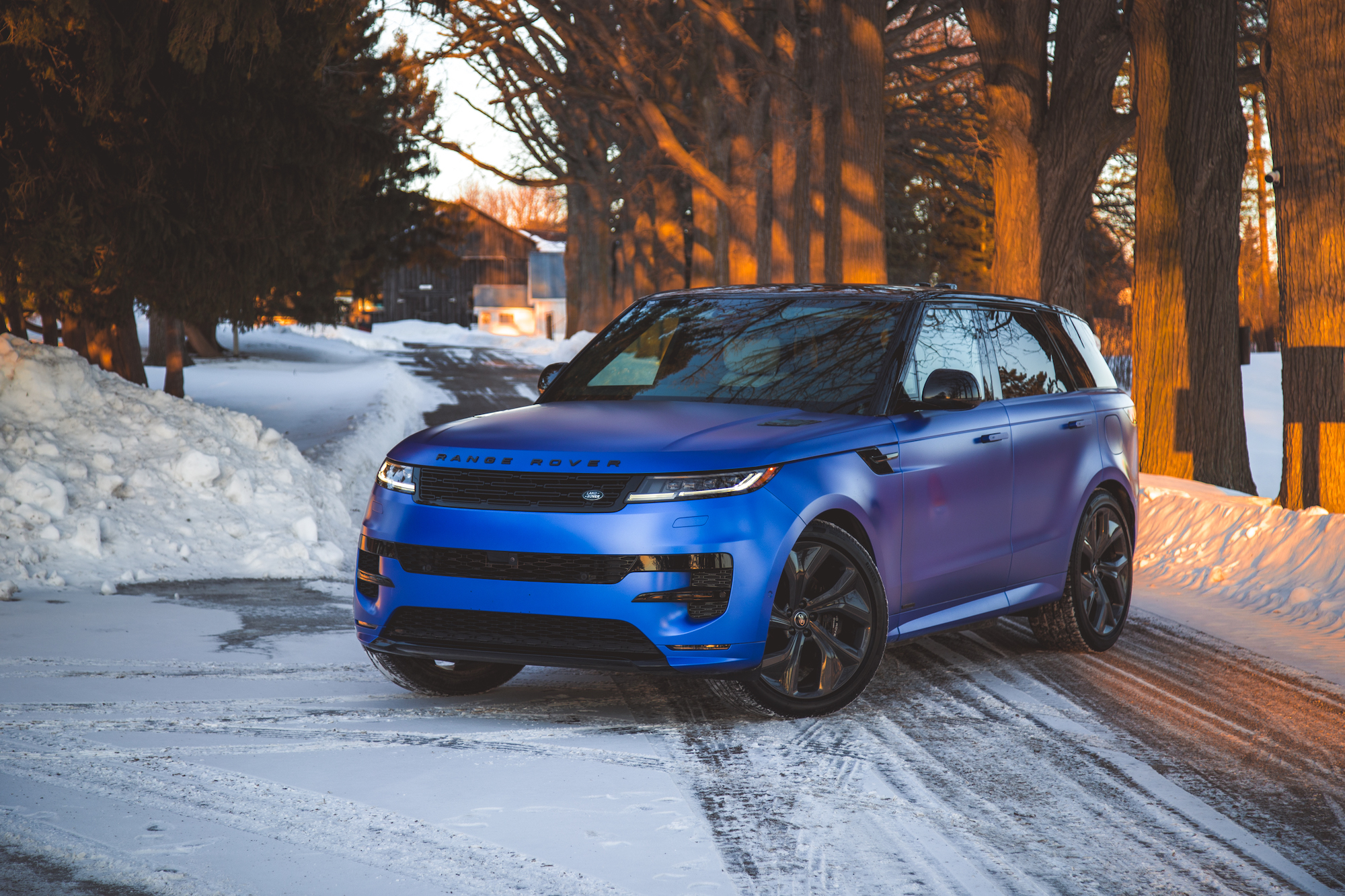
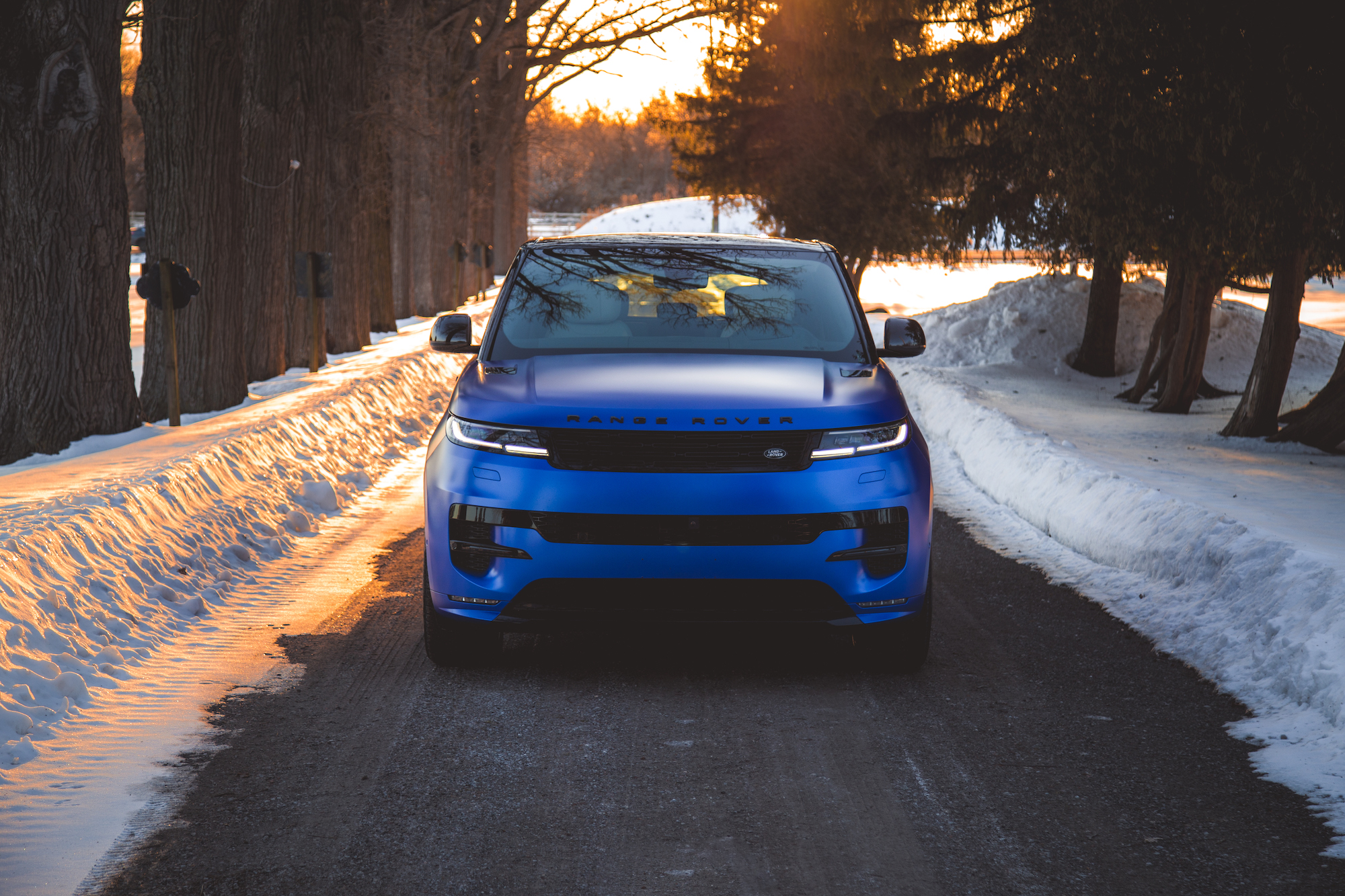
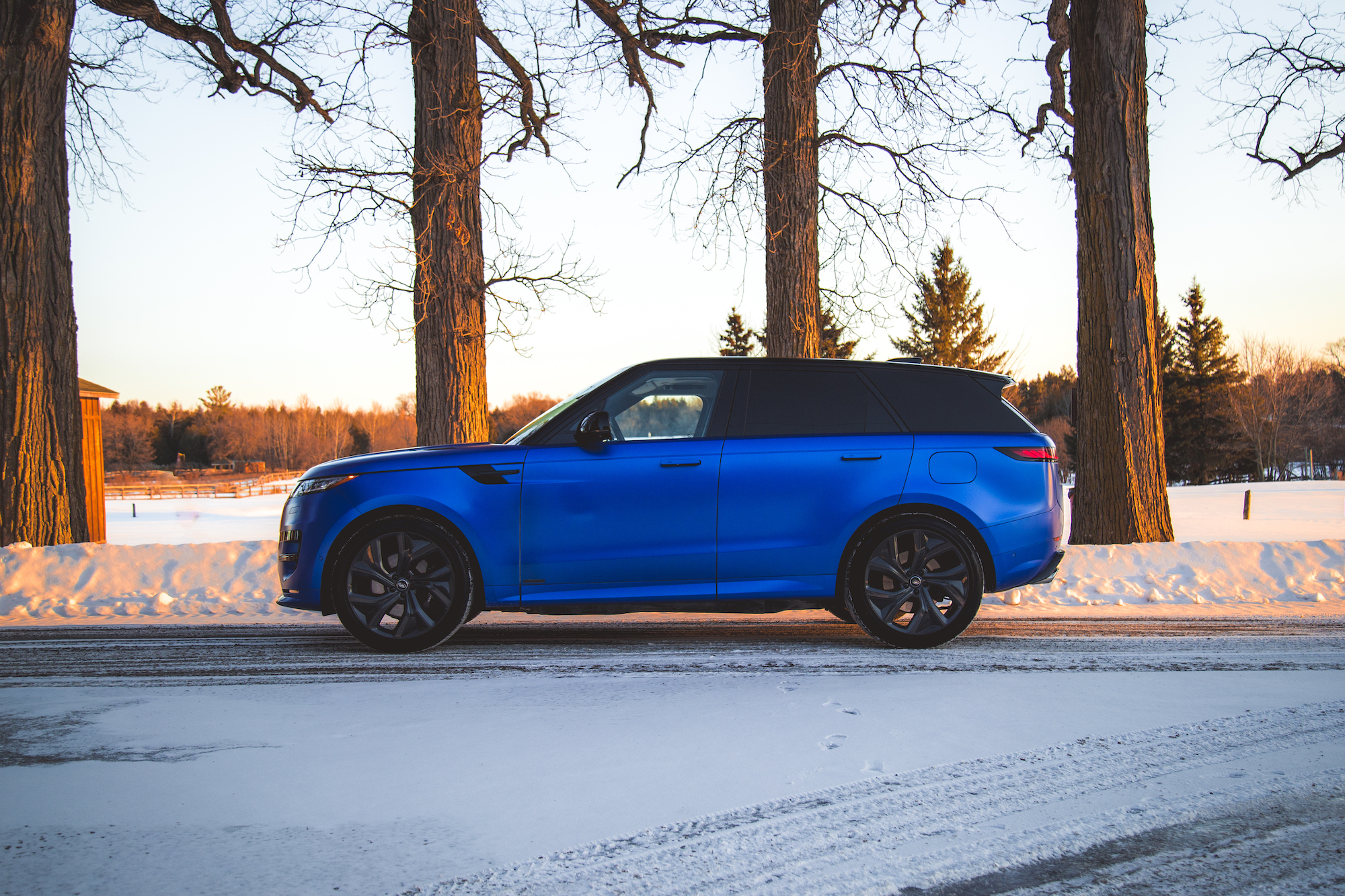
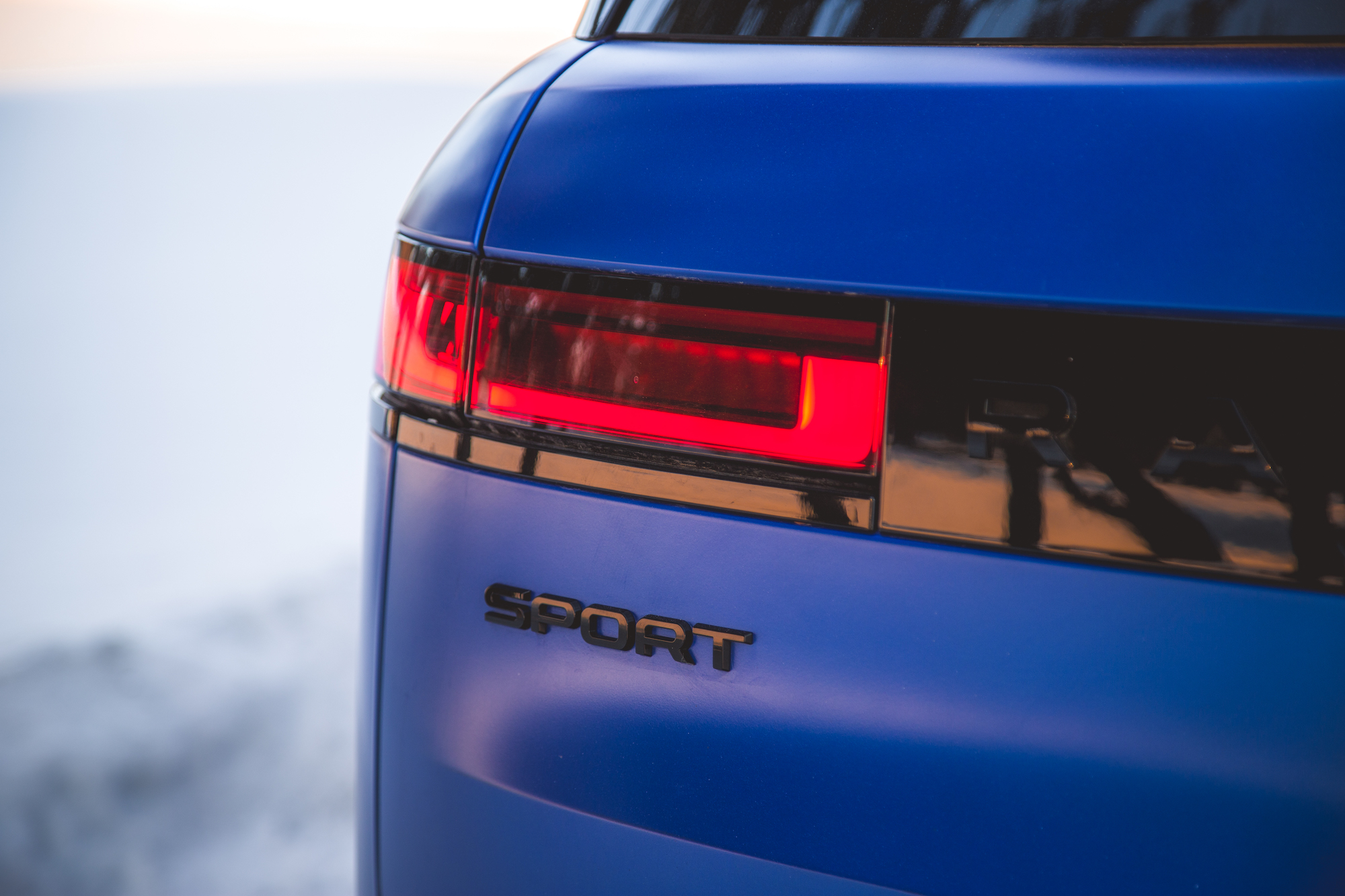
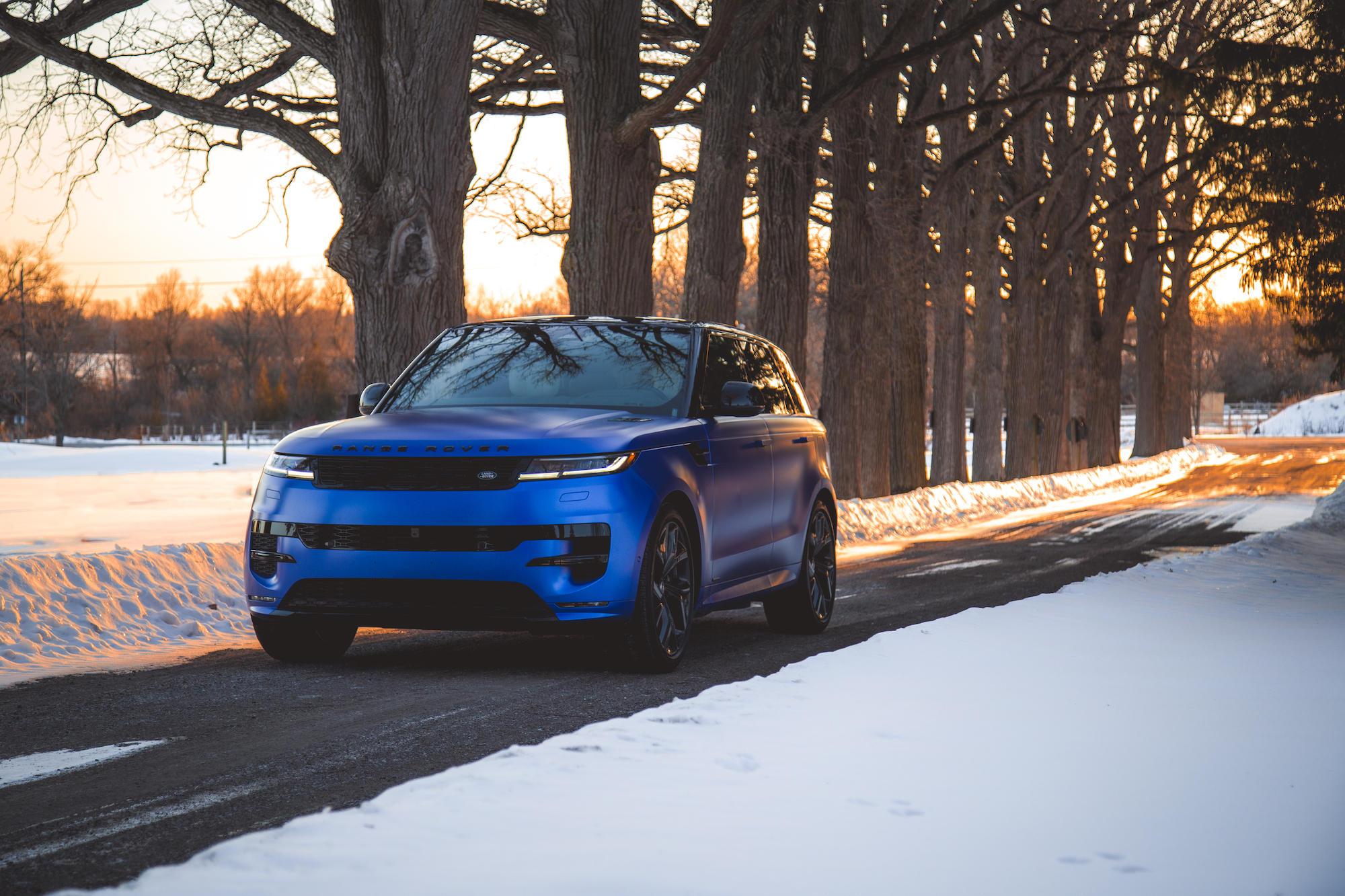
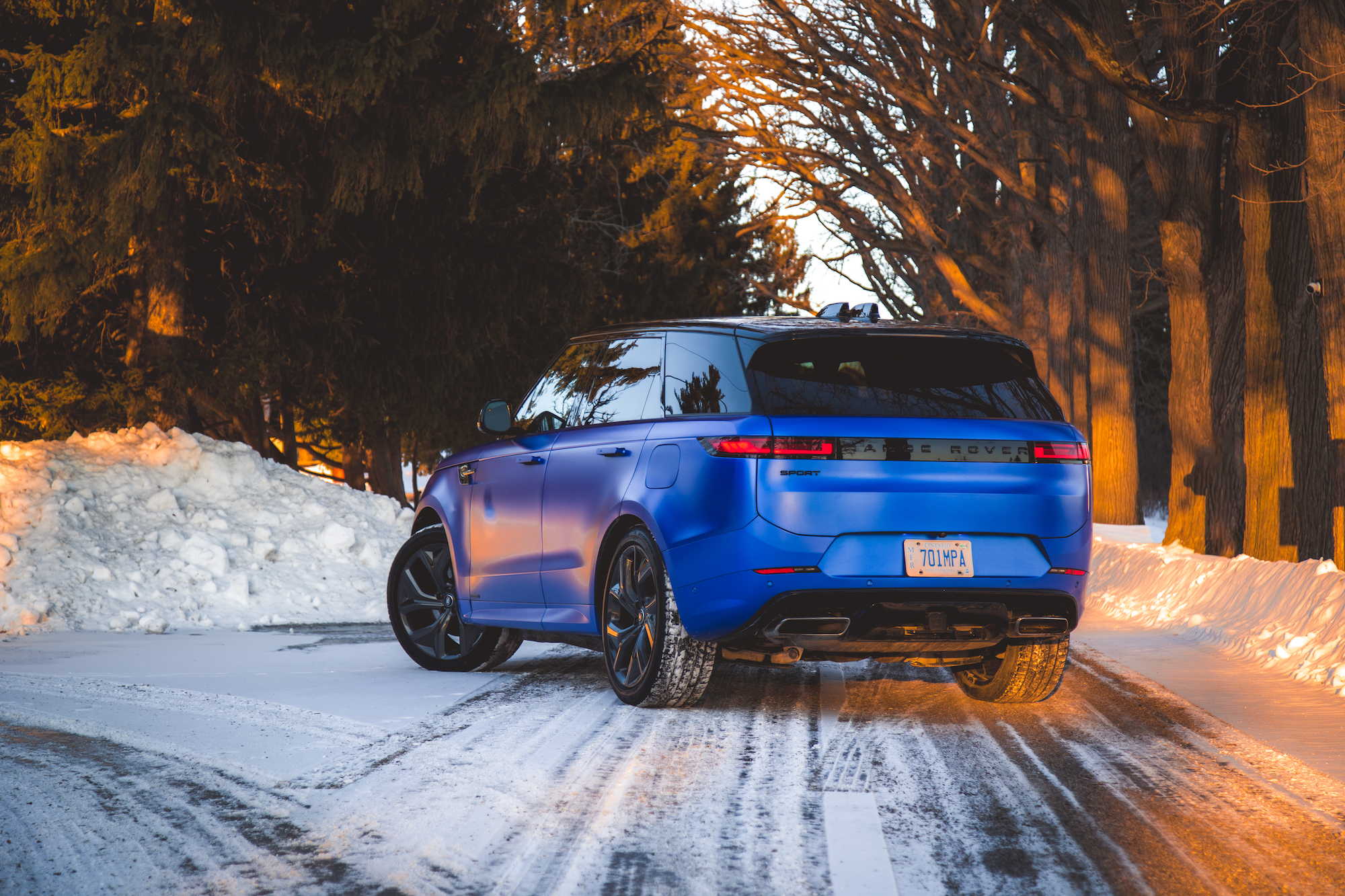
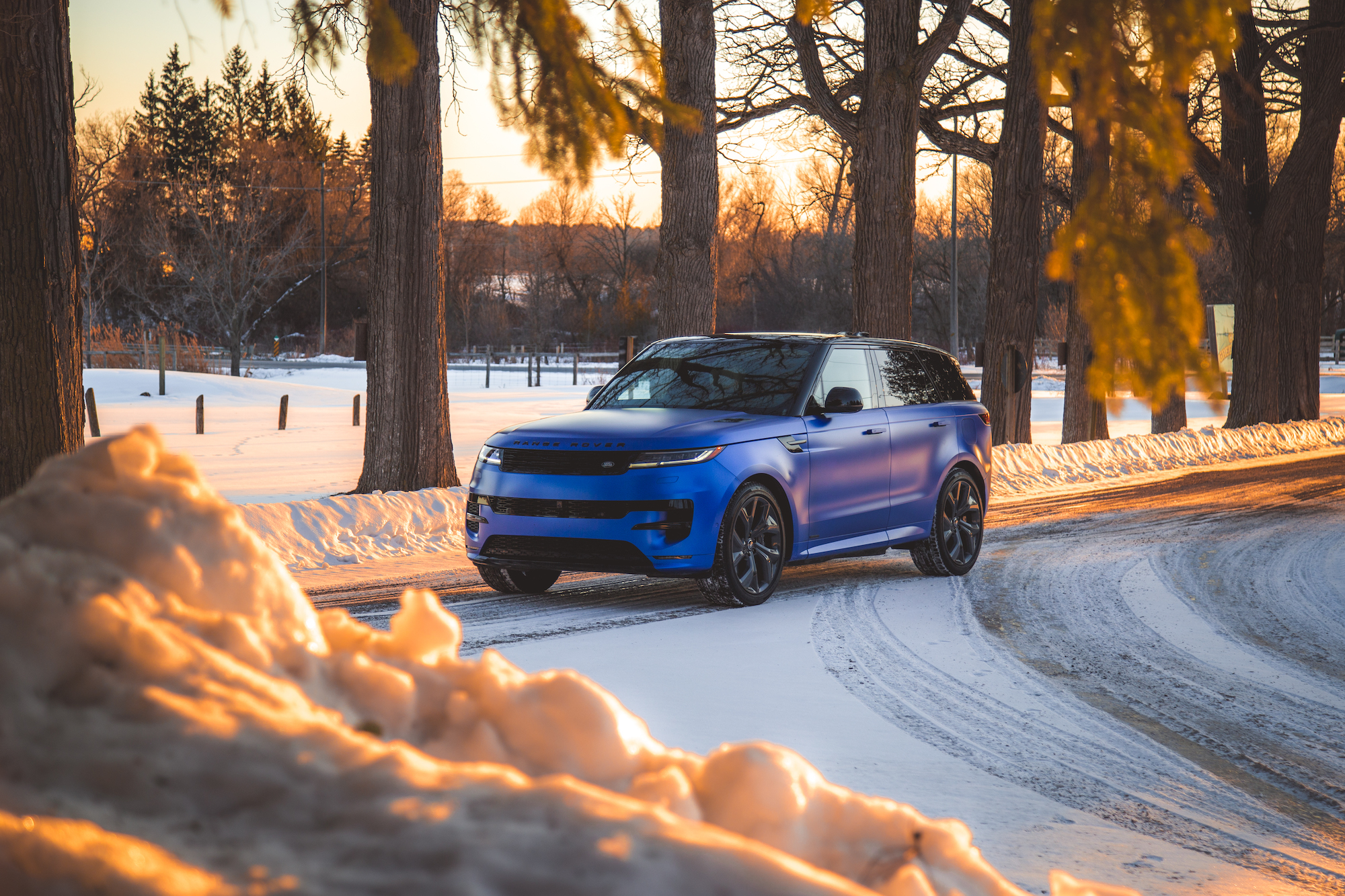
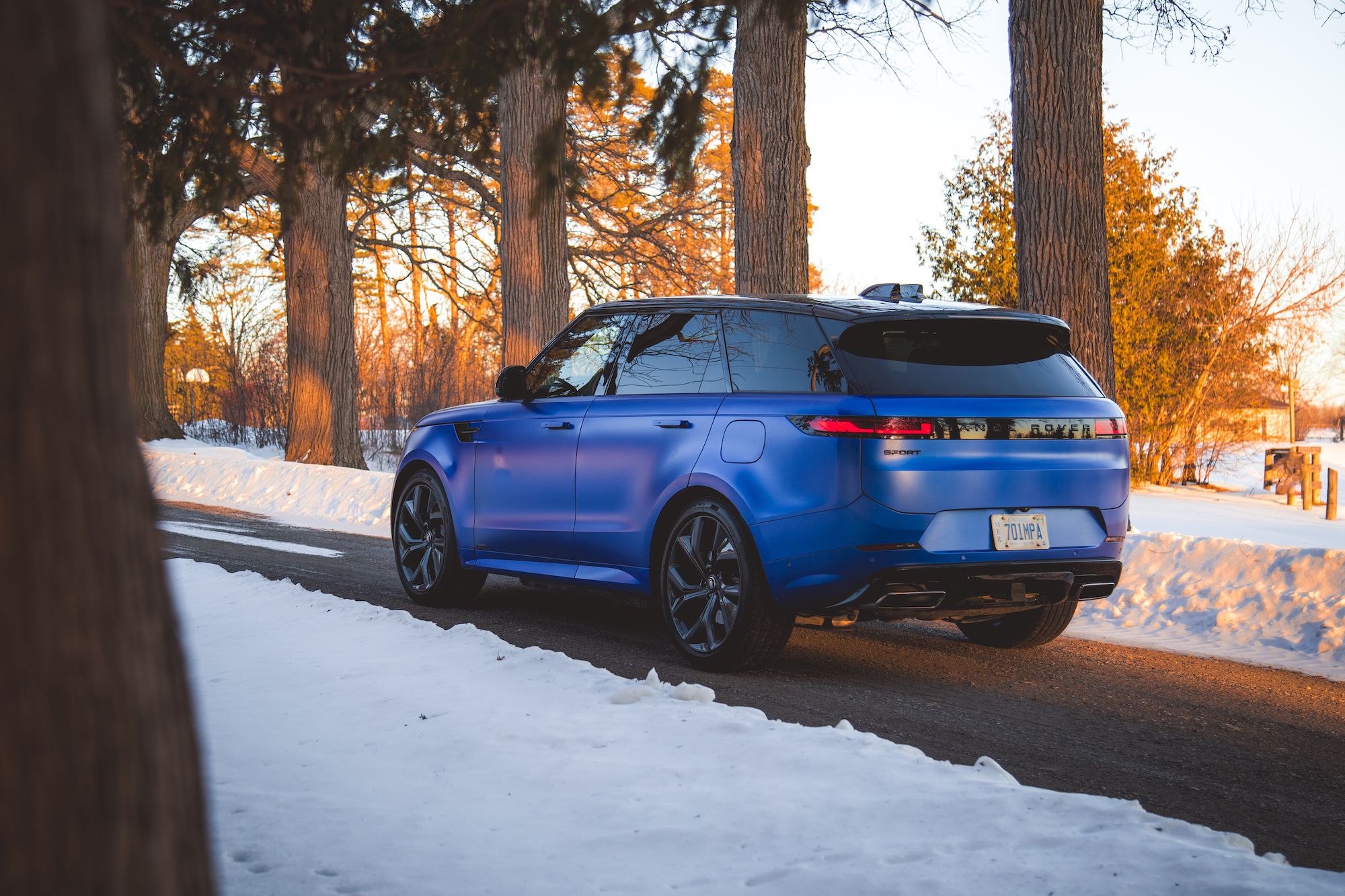
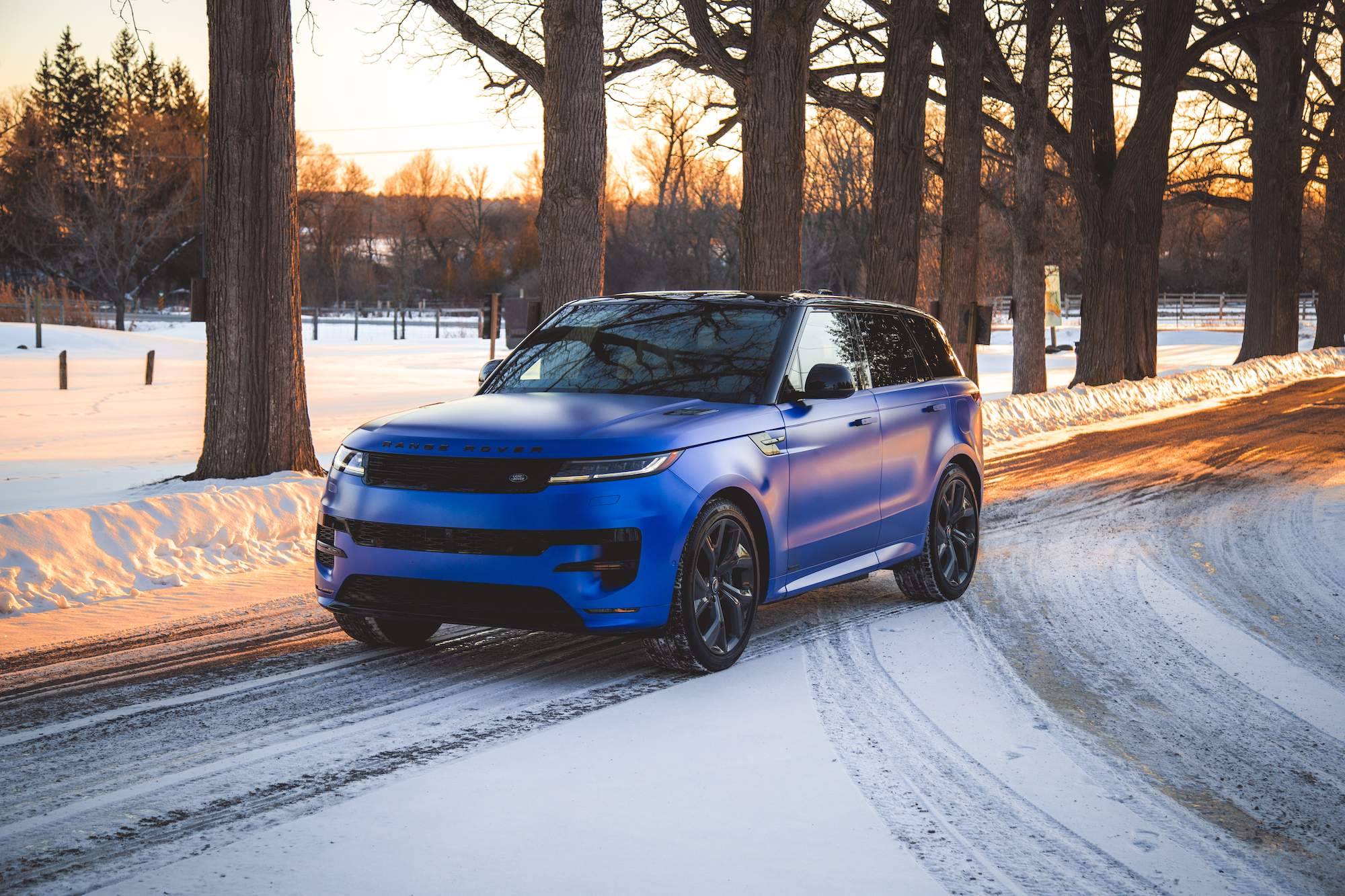
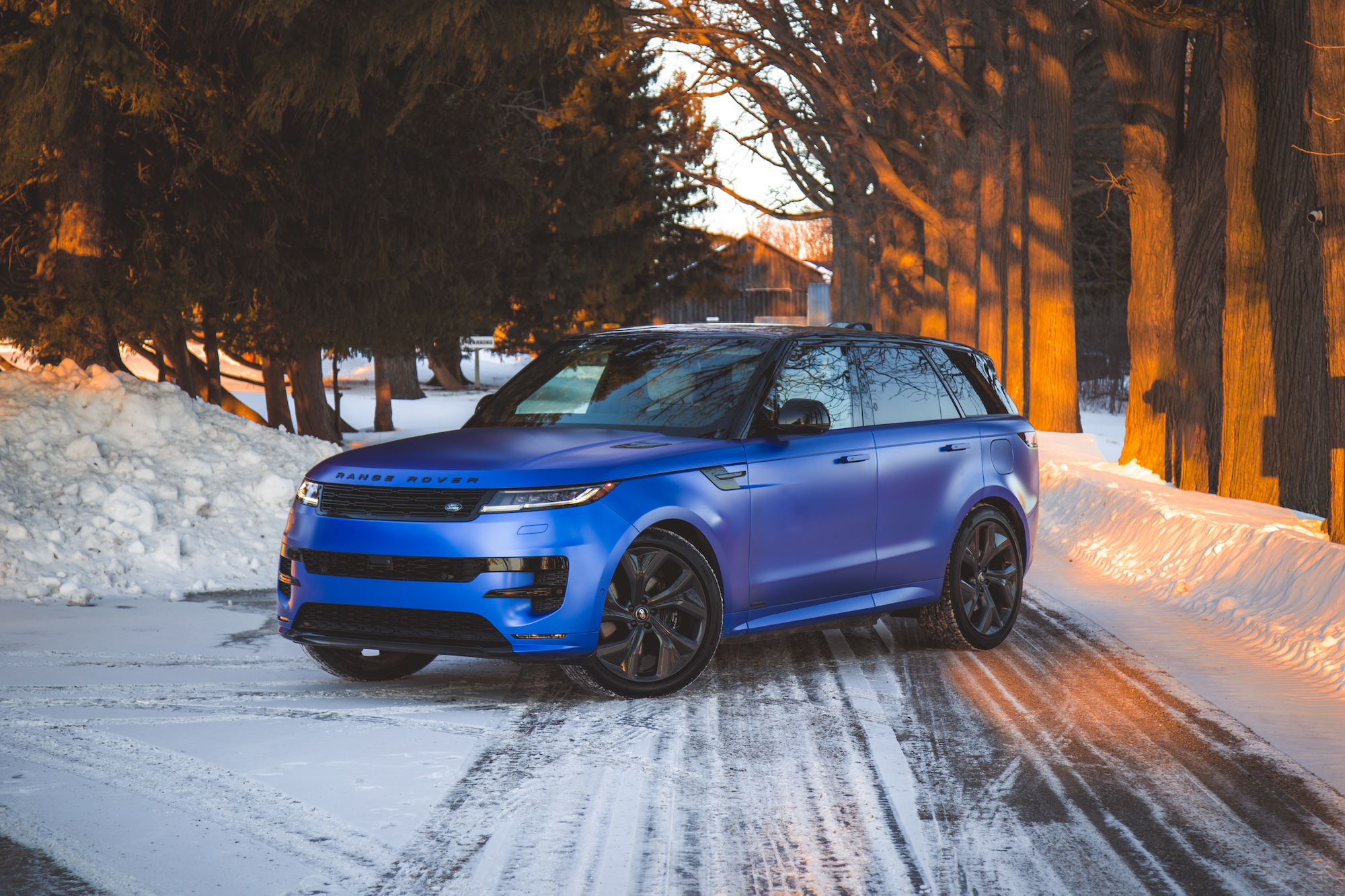
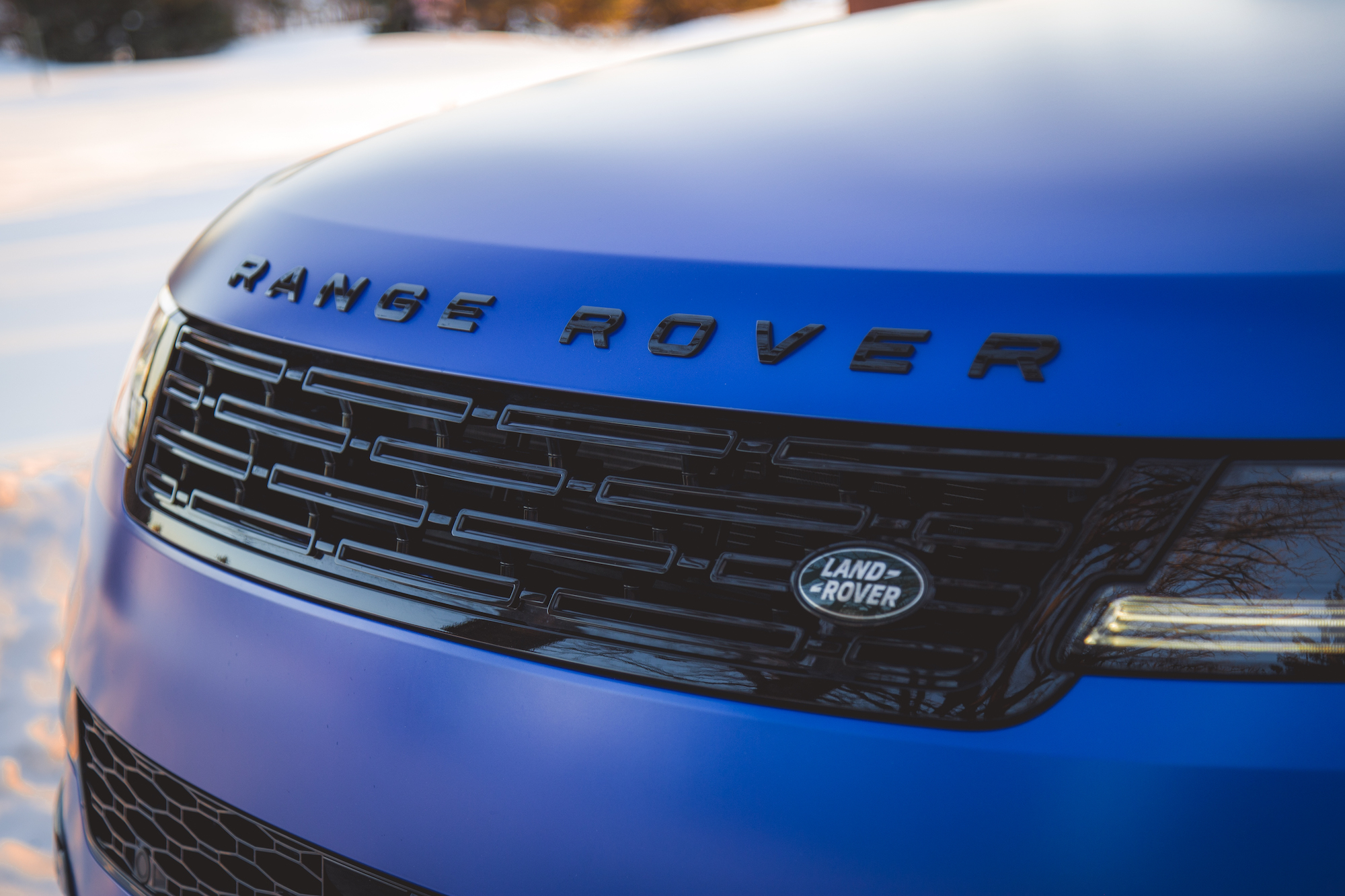
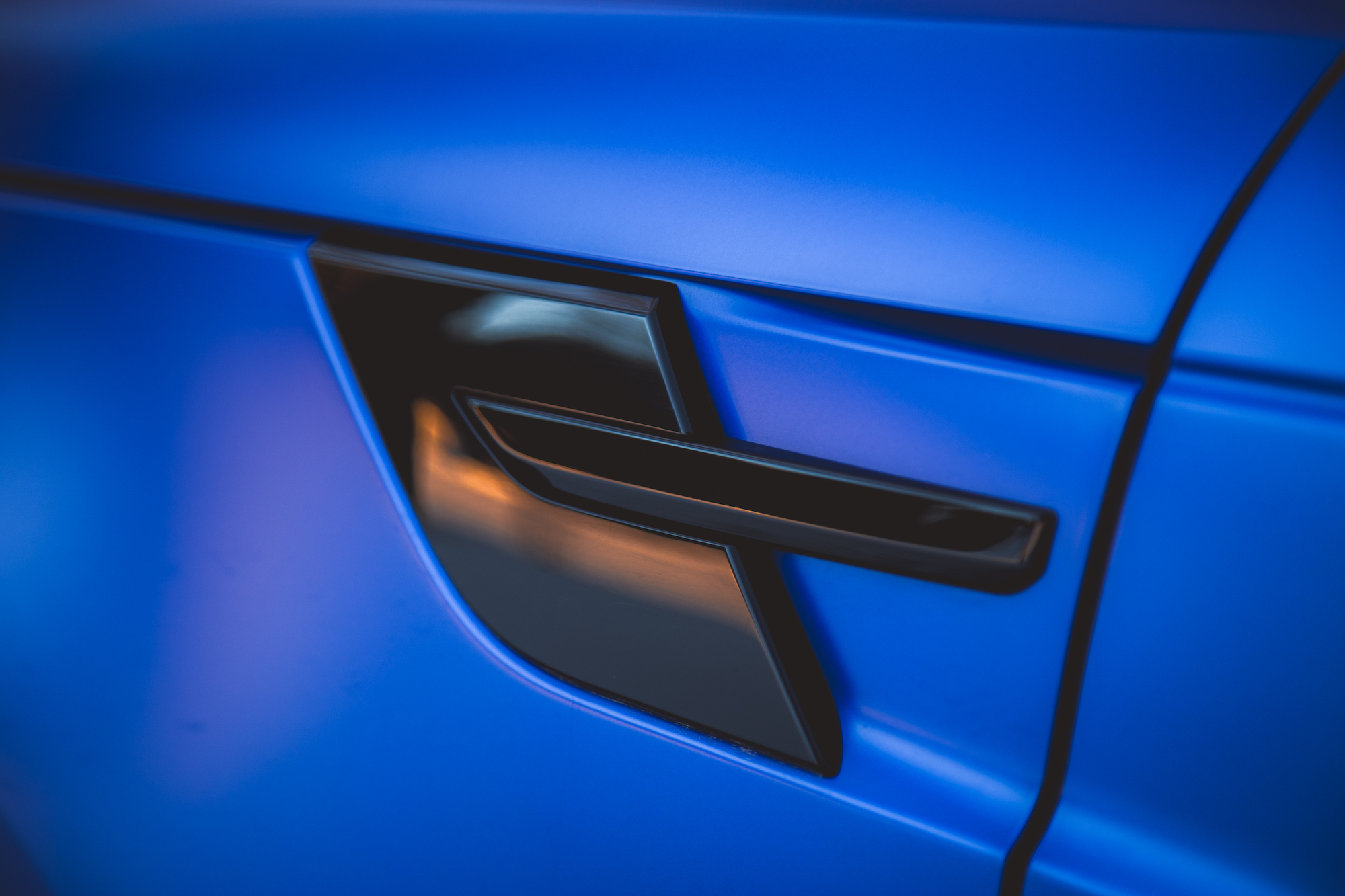
Velocity Blue is eye-catching on its own, but with the $13,200 Satin Finish, it’s eye-searing. A street peacock, if there ever was one, our Range was never devoid of attention. Frankly, the pebble-smooth shape of this generation of Sport benefits greatly from bolder colours. Dark, shadowy, grim shades don’t suit it well and make it appear bland and conventional. Bright blues, greens, and reds make up for its lack of acute angles and sharp architecture. This intense blue is bold and deeper than the sea, and like Porsche, luxury automakers are beginning to discover the profit margins of custom paint. Range Rover calls it SV Bespoke Match to Sample, a program where you can ask them to paint your vehicle in any colour your heart desires, for a hefty fee, of course.
Few vehicles can isolate you from the road as effectively as this one. Only Rolls-Royces come to mind, and those are in an entirely different price bracket. A bargain then, as you would have to spend a lot more money to surpass this level of comfort. And the PHEV is even more impressive than the combustion-only offerings, delivering a rich and sensory(less) experience attuned to electric mobility. We’re glad its ride appears to have been sorted out and now matches the larger Range Rover’s fluid road-cossetting abilities. A five-star interior and flexible propulsion options make it the most balanced and stately Sport in the stable.
Specifications:
Model: 2025 Range Rover Sport P550e Autobiography
Paint Type: Velocity Blue in Satin Finish
Base Price: $141,800
Price as Tested: $172,665
Wheelbase(mm): 2,997
Length/Width/Height (mm): 4,946 / 2,047 / 1,820
Curb weight (kg): 2,735
Engine: 3.0-litre turbocharged inline-six, battery, 38.2 kWh lithium-ion battery, electric motor
Horsepower: 543 hp
Transmission: 8-speed automatic
Engine & Drive Configuration: Front engine, AWD
Observed Fuel Consumption (L/100km): 10.7
Tires: Pirelli Scorpion MS; 285/40R23






Leave a Reply