
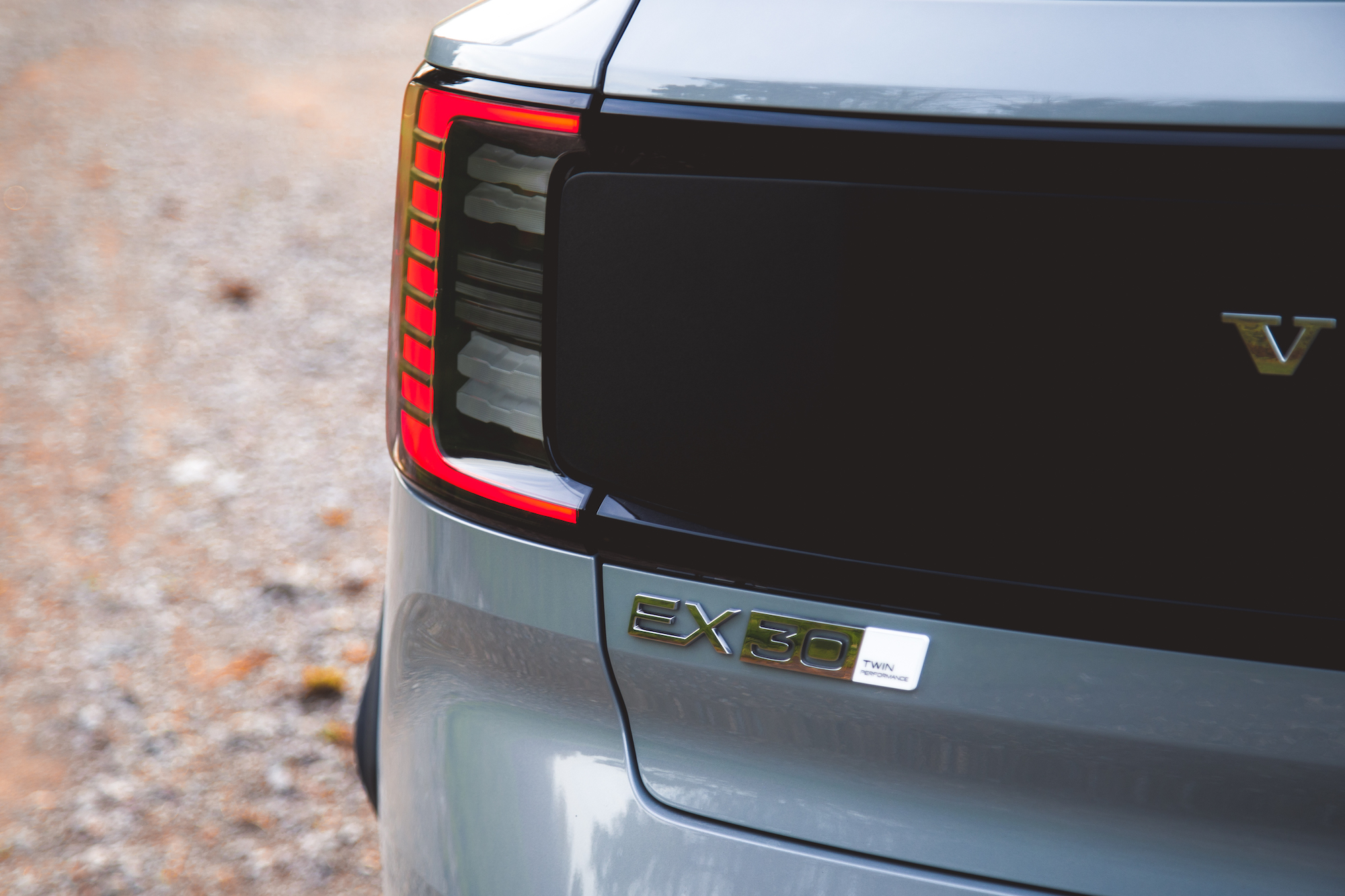
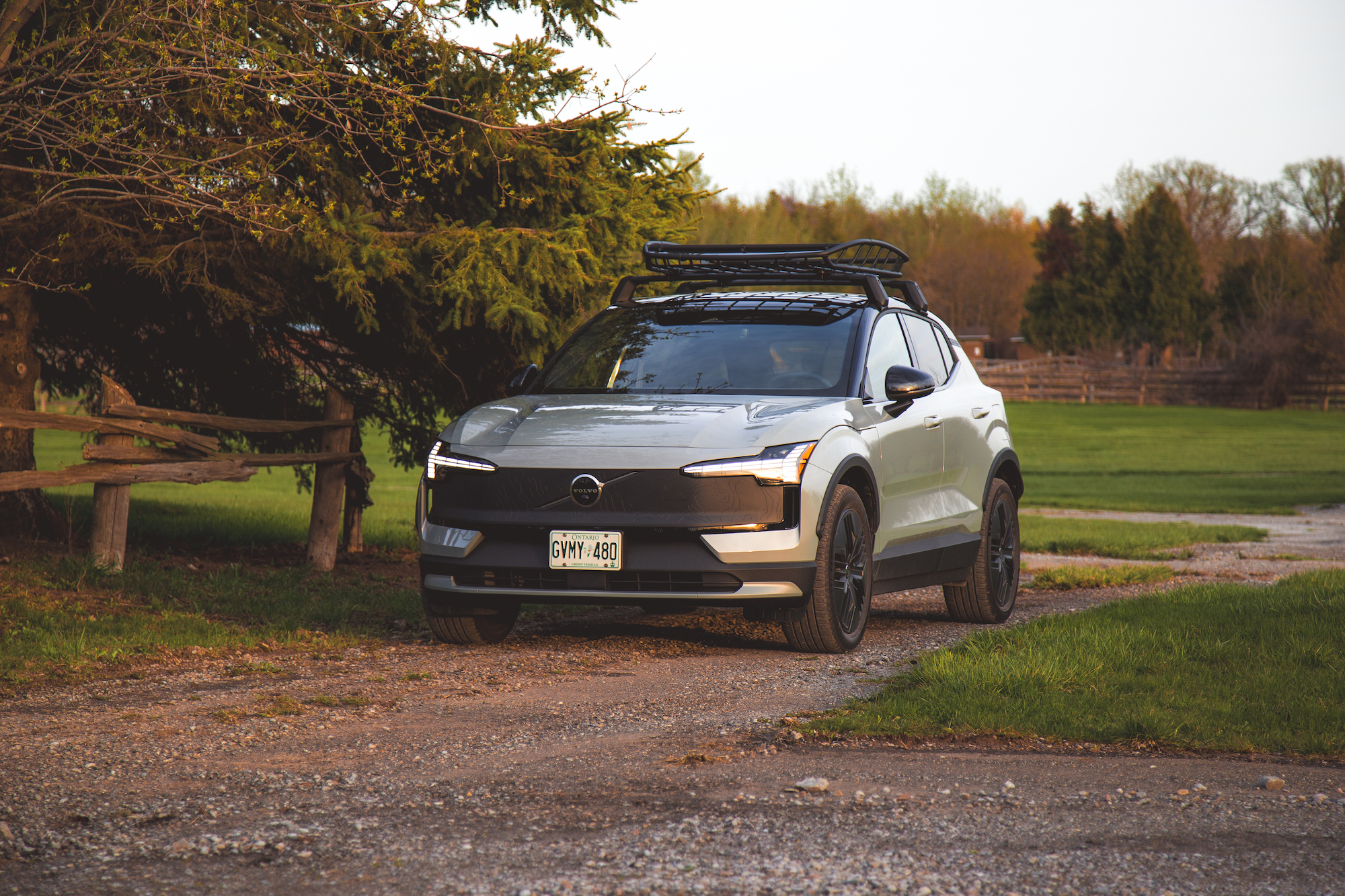
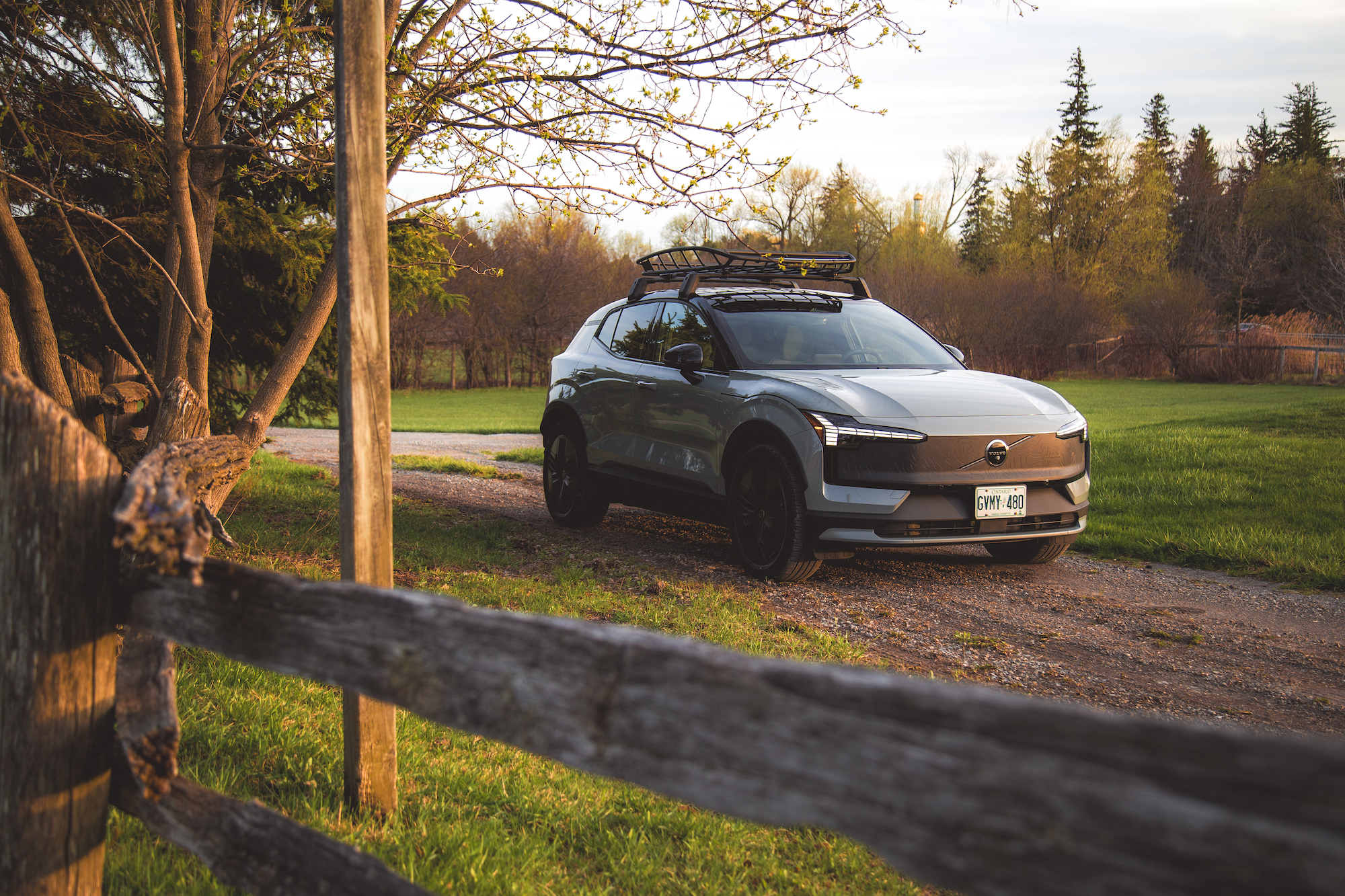
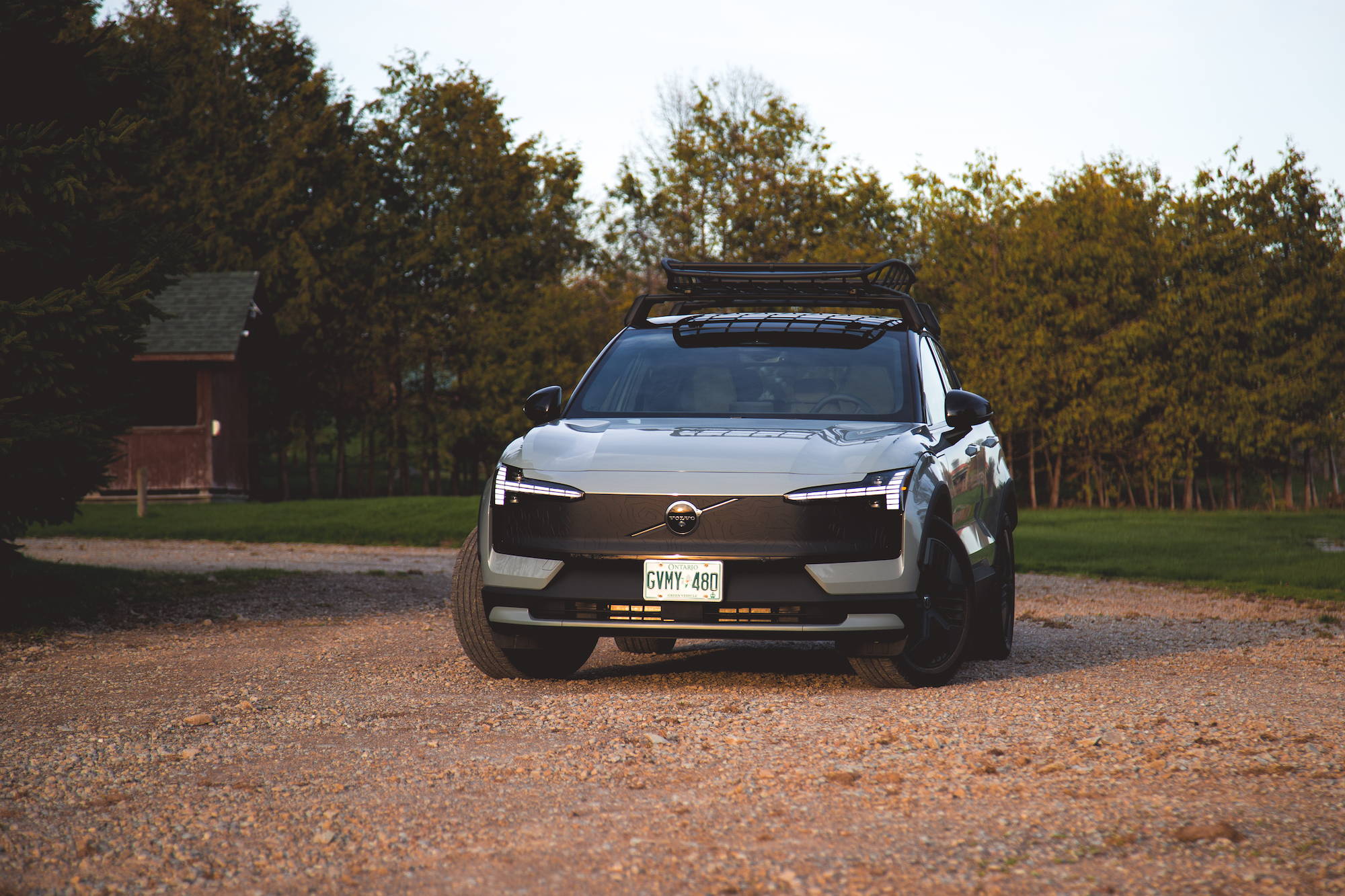
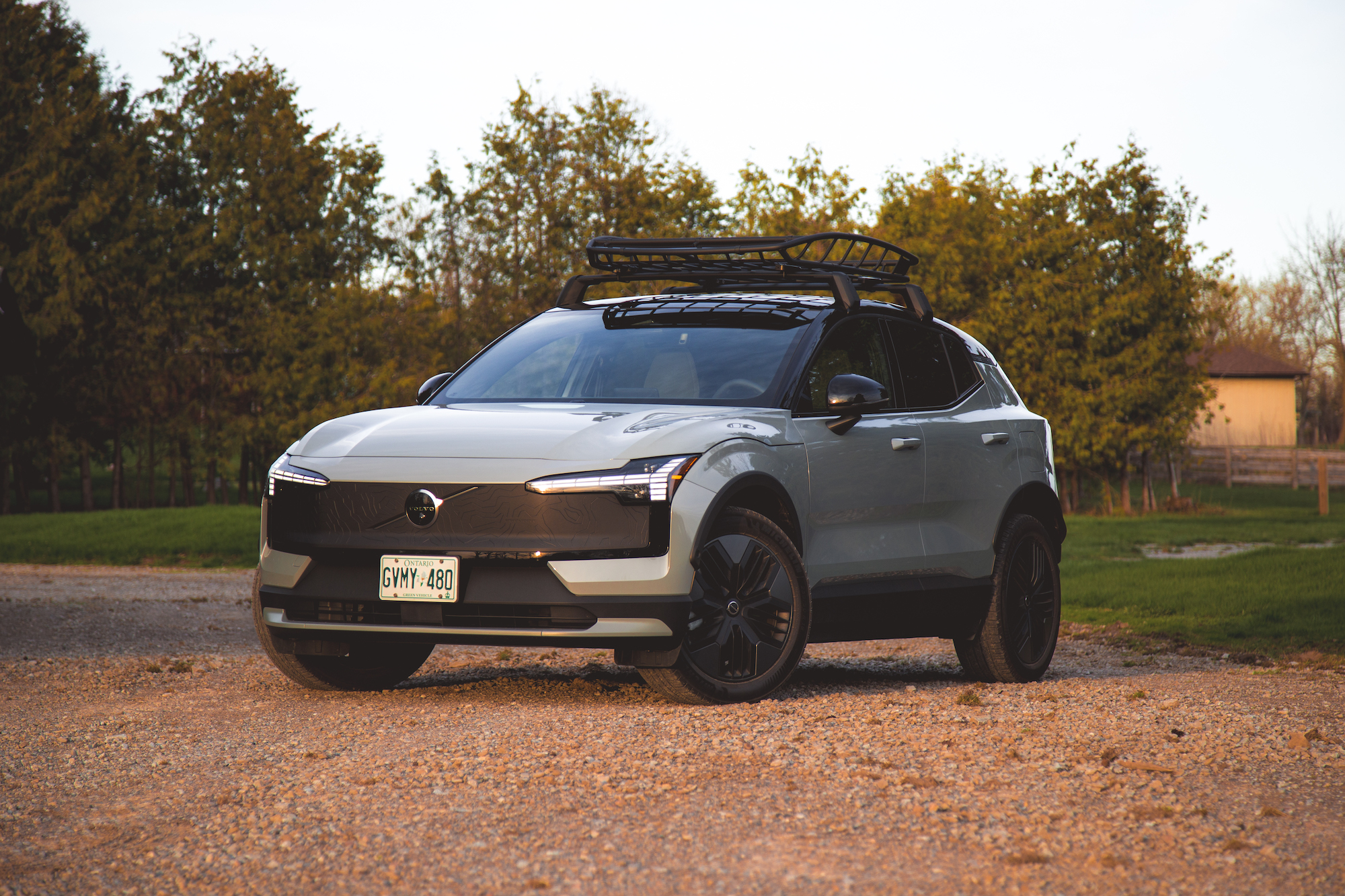
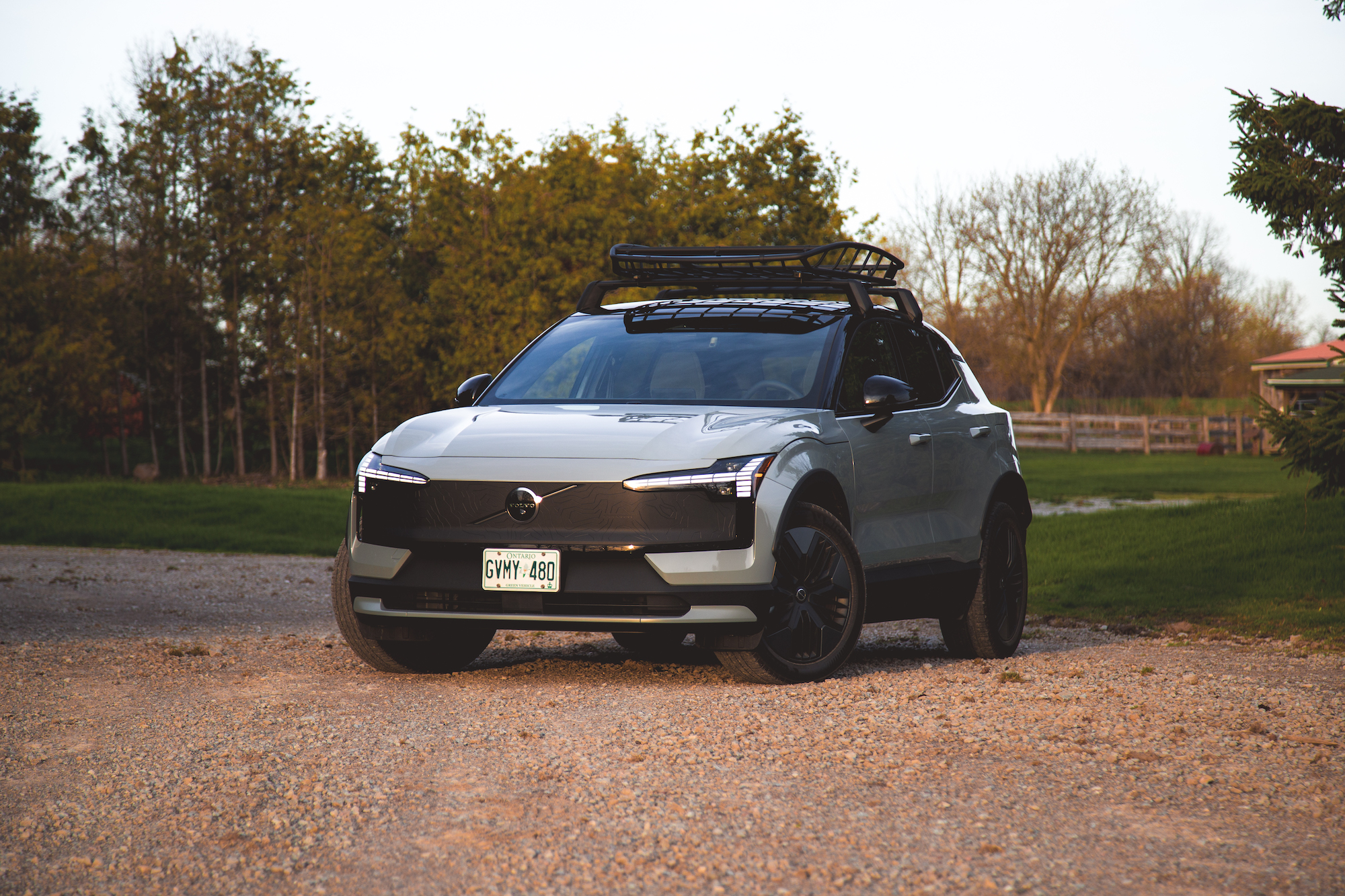
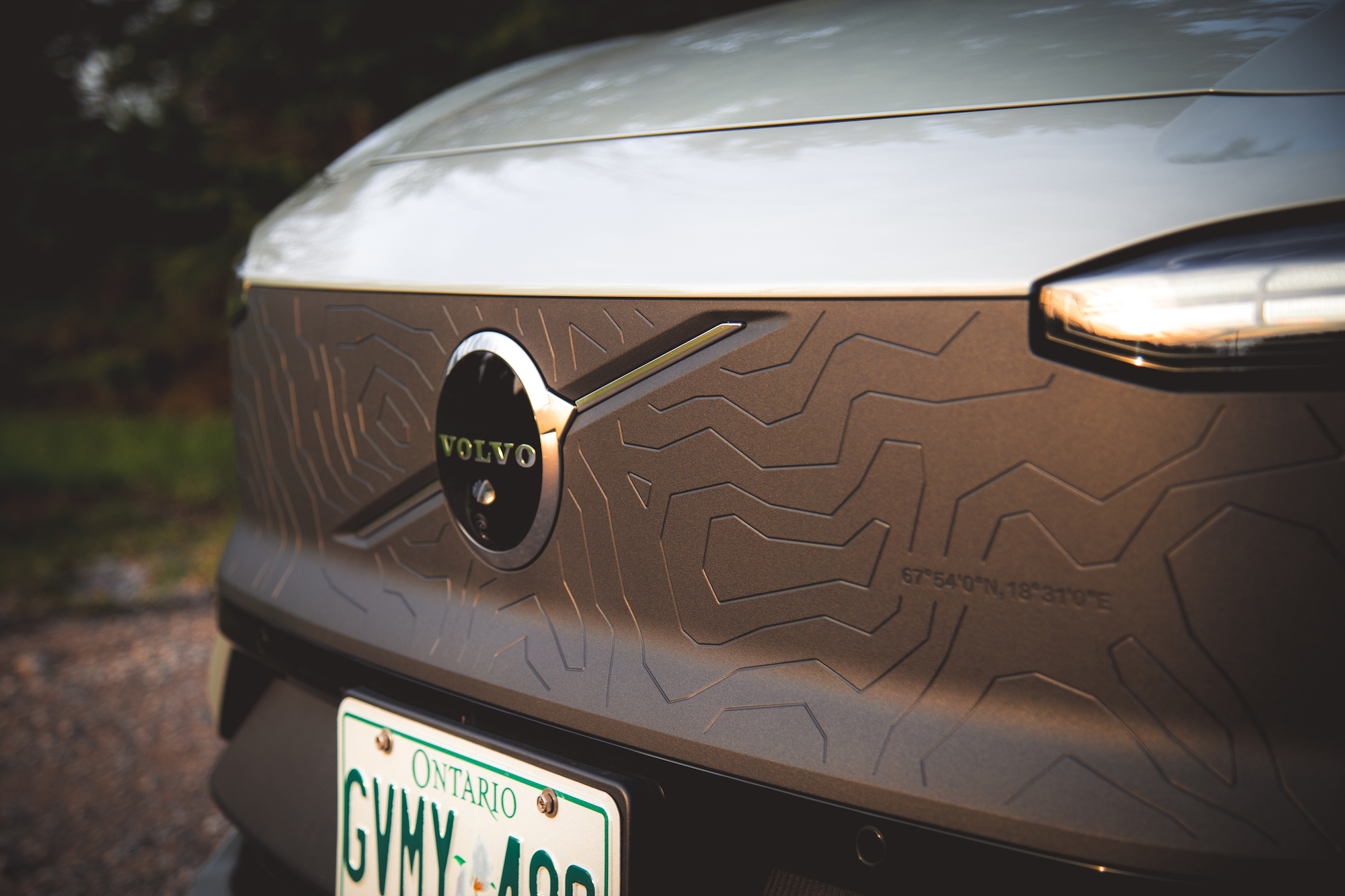
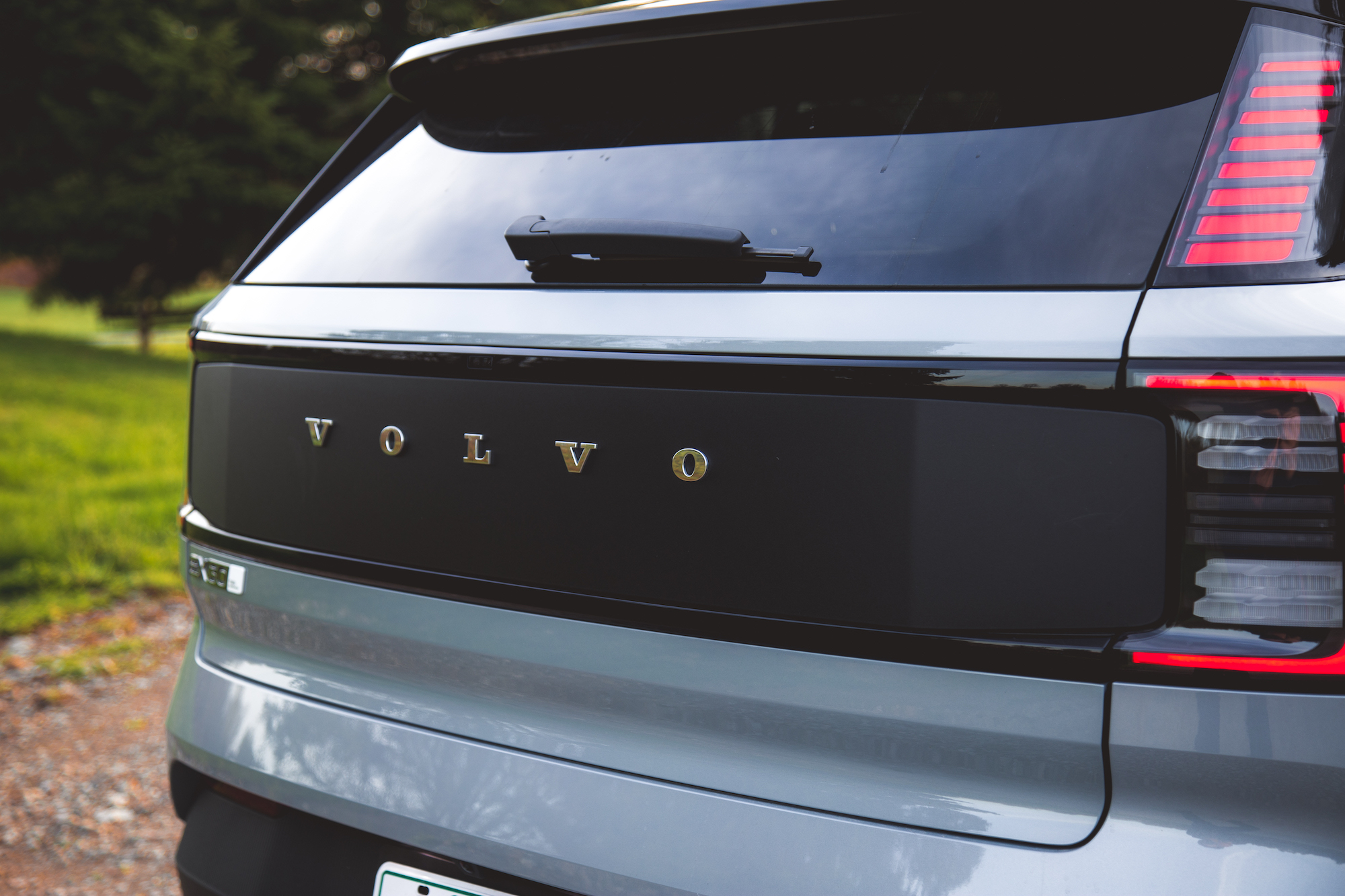
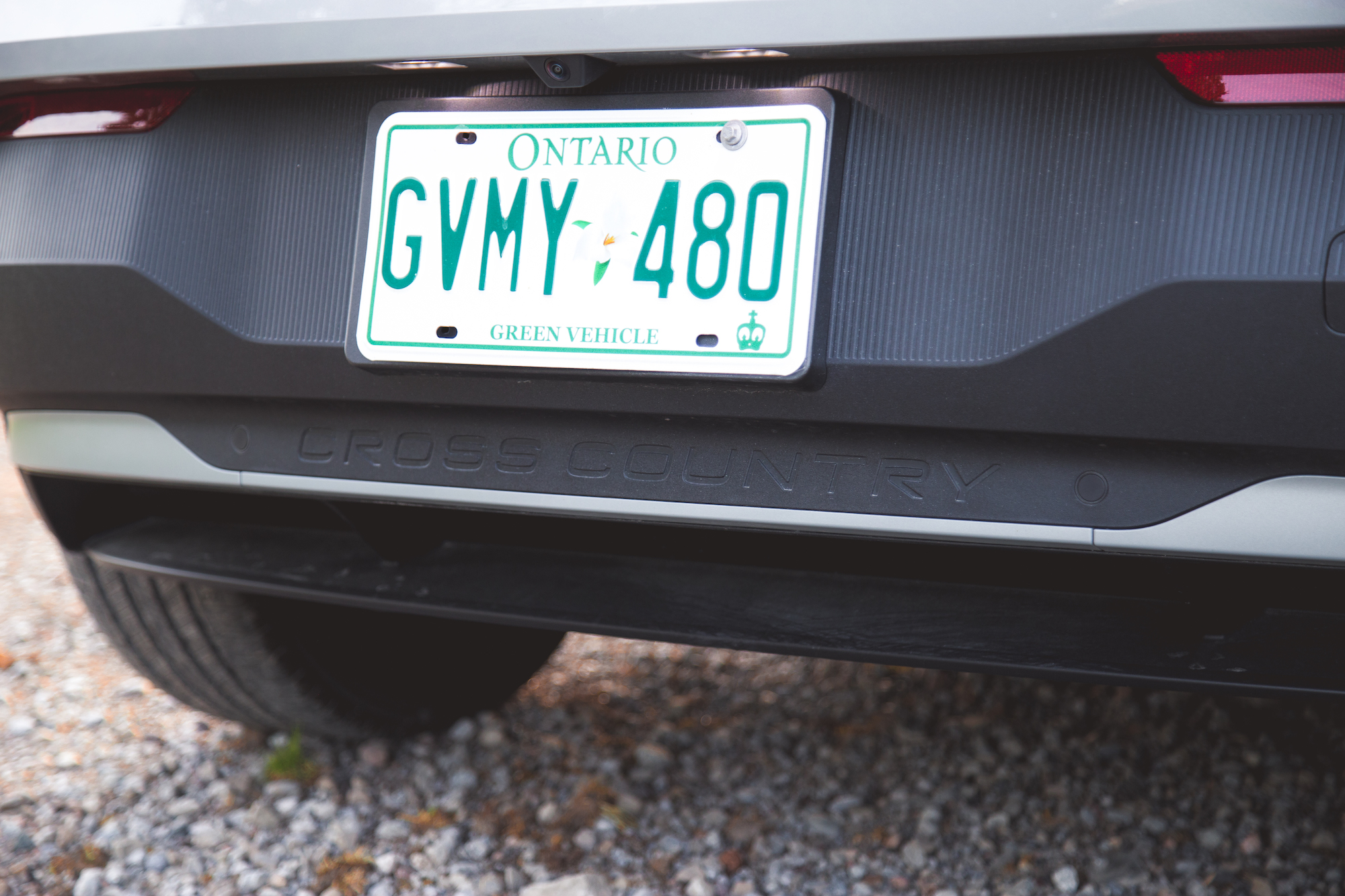
Chic styling, compact proportions, and a catalogue of refreshing pastel colours make the Volvo EX30 one of the most exciting electric vehicles on the road, especially with the new Cross Country treatment. A more rugged, outdoor-focused model, Cross Country costs $2,000 more and raises the ride height of the EX30 by 19 mm with black plastic cladding around the wheel arches, front and rear skid plates, and a black front and rear grill shield, the front etched with topography and coordinates of the Kebnekaise mountain range in Arctic Sweden. Slightly larger, matte-black 19-inch wheels wrapped in Michelin e.Primacy all-season tires are also equipped, as Volvo doesn’t want you to just daydream about winter cabins next to lakes and forests. They want to take you there.
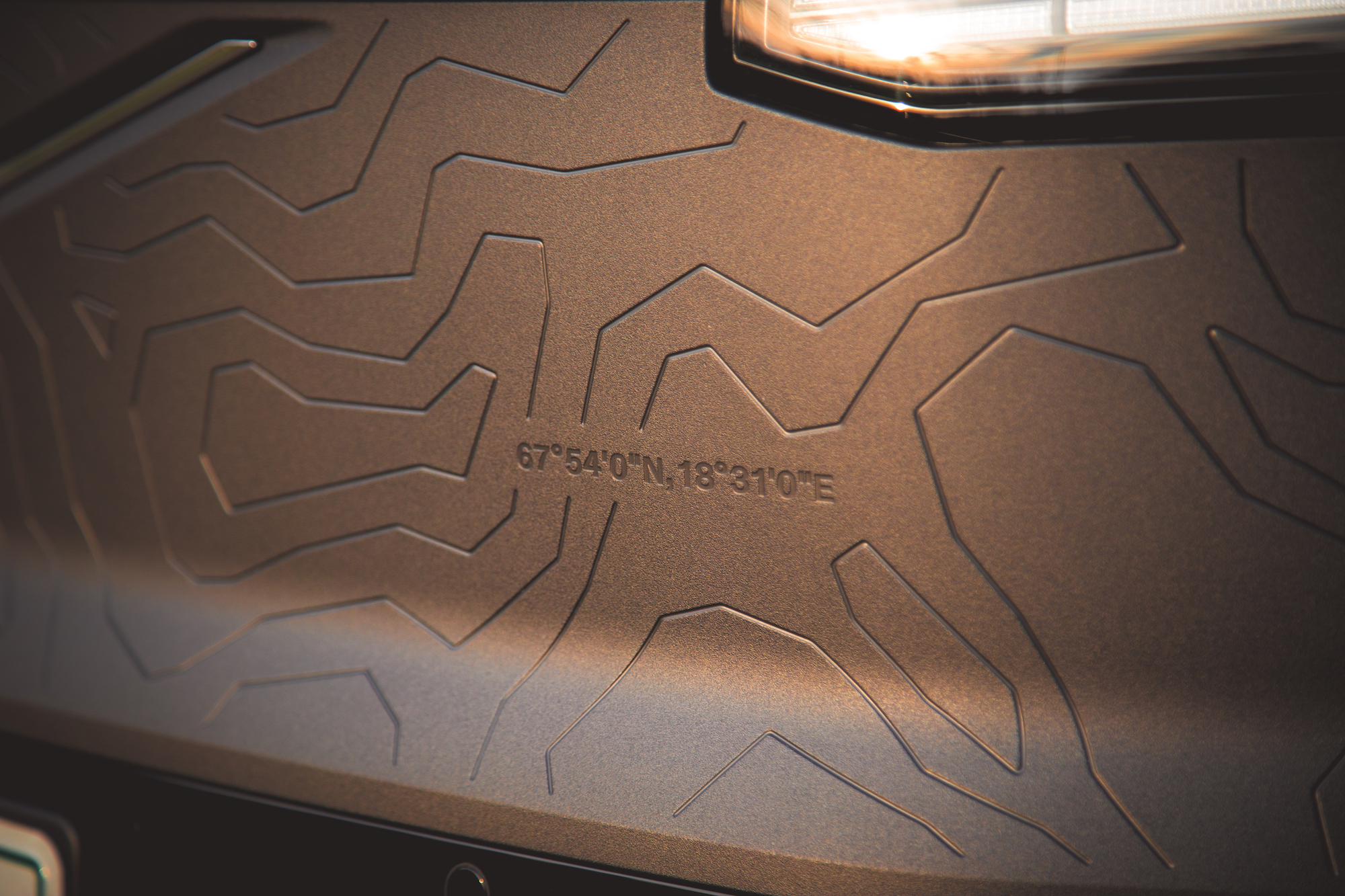

Because of the raised ride height, the EX30 sacrifices a bit of acceleration, just one-tenth of a second from 0 to 100 km/h (3.7s). The 69 kWh lithium-ion battery and two electric motors still generate a healthy 422 hp and 400 lb-ft of torque, and is the only spec available for the Cross Country.

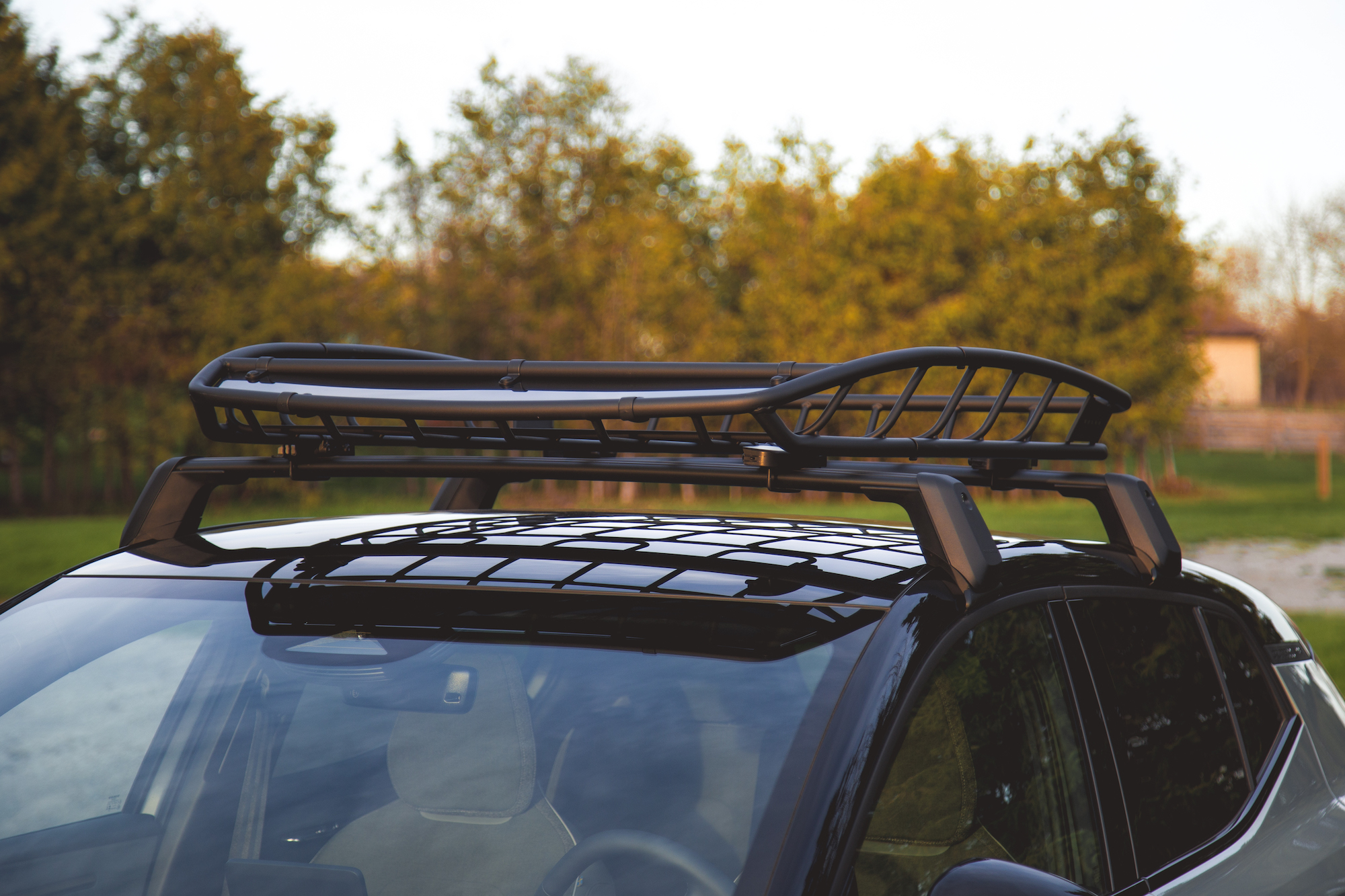
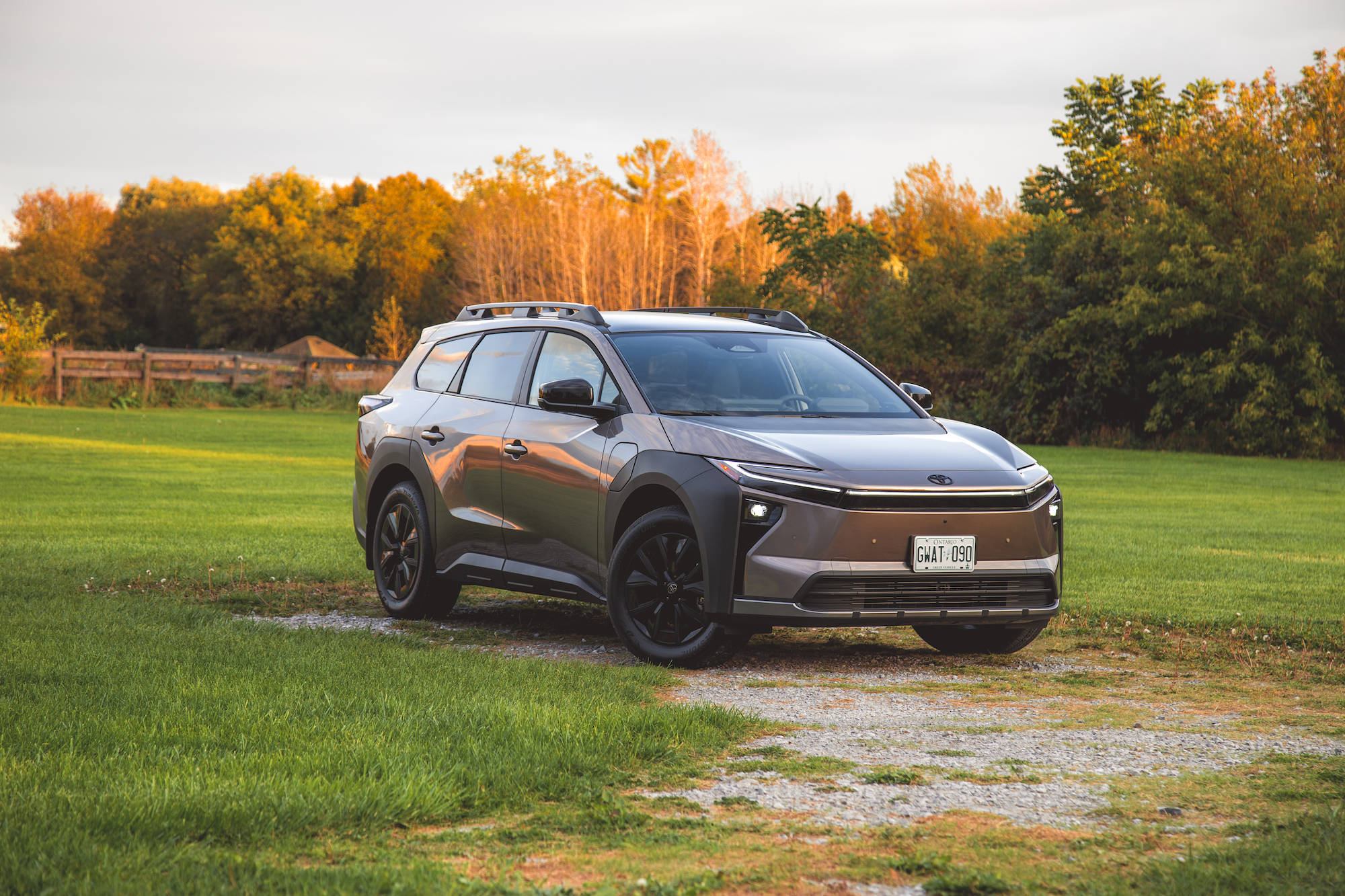
The range is also affected and reduced by 42 km from the standard model to a claimed 365 km. On vehicles such as ours, equipped with the optional load carrier ($490) and roof basket ($650), the range should be further diminished. However, our observed range was an impressive 340 km thanks to gingerly driving that maximized coasting and gradual acceleration. While the range is still inferior to other urban-focused EVs like the Subaru Solterra and Toyota bZ, it stacks up better than the Fiat 500e and MINI Countryman SE.
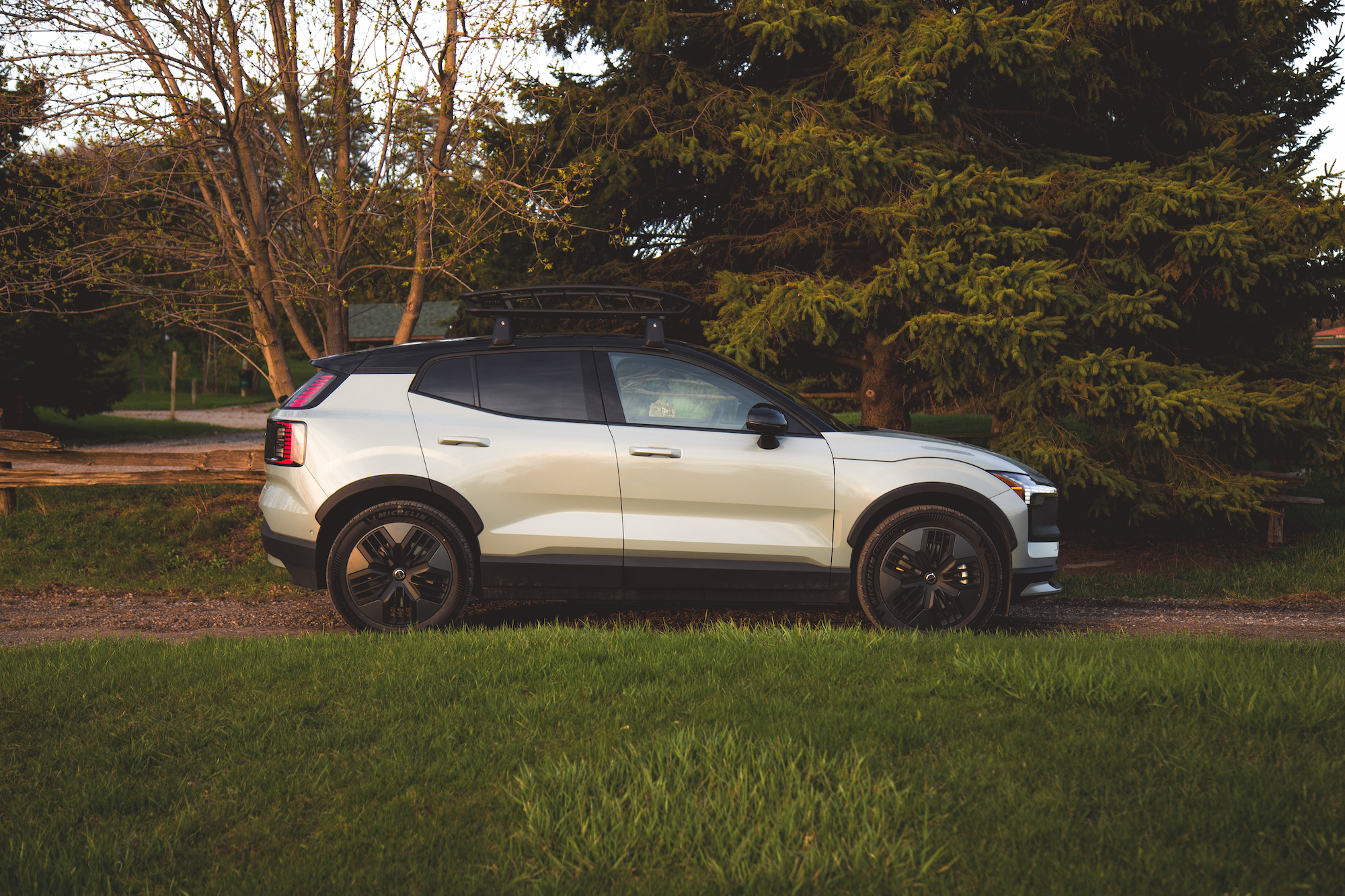
Does the EX30 Cross Country feel any different to drive than the standard model? Not particularly. The higher ground clearance and raised seating position are noticeable, offering a better view of the road, and its swift off-the-line acceleration and rigid structure make it feel just as nimble and agile. There’s not much steering feel brimming through the wheel, and there’s plenty of body roll, but the EX30 feels controlled, stable, and stiff, no matter the speed. It doesn’t wobble or fidget under direction changes and remains sturdy, not overly affected by cratered roads or undulating surfaces.

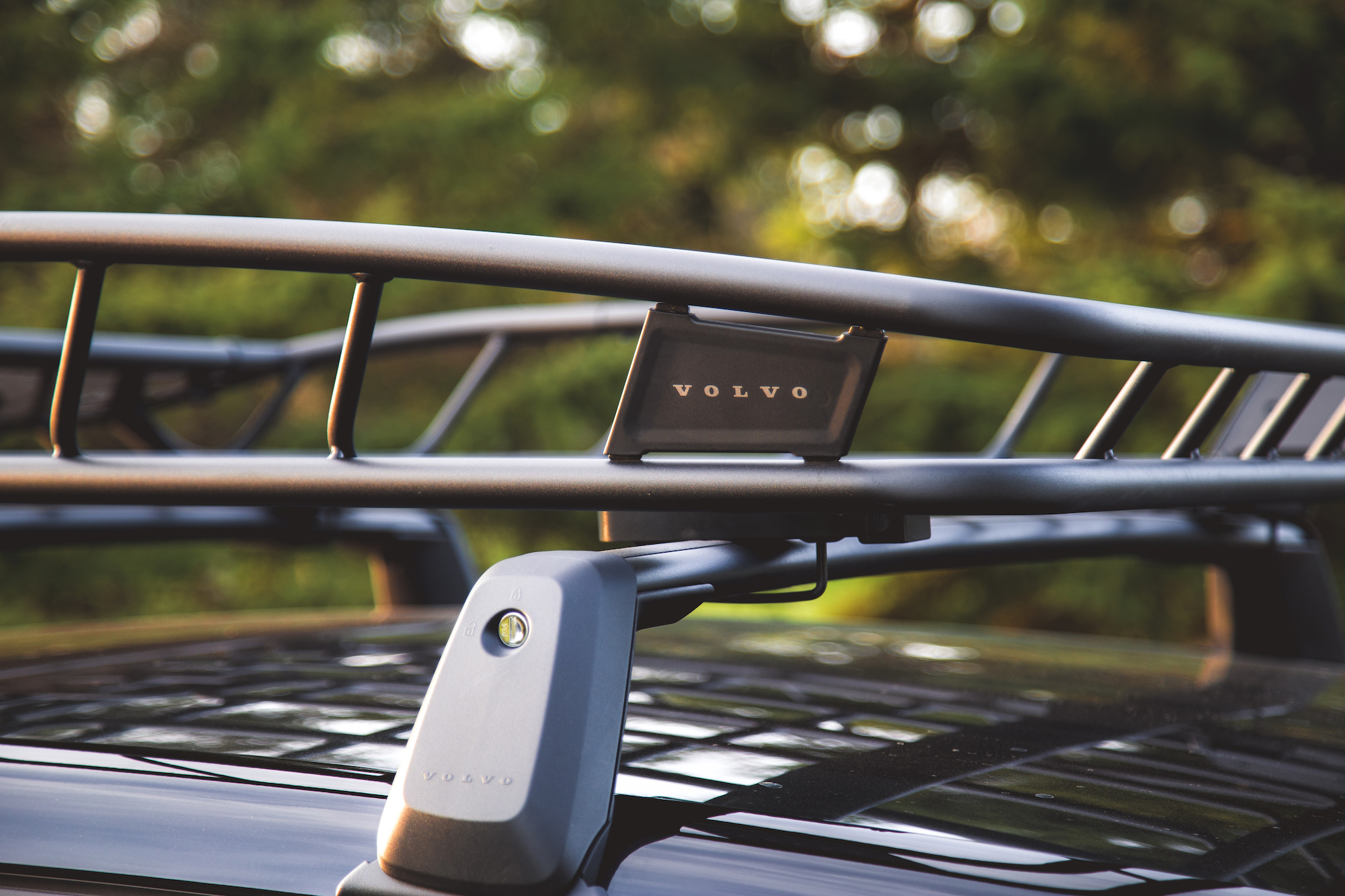
The roof basket is a functional and aesthetic addition to its all-terrain appearance, allowing you to throw spare tires and suitcases on top. Though you will still have to strap them down yourself, the basket makes much less wind noise than we expected. There’s slight whistling above 60 km/h, but it’s easily drowned out by standard radio volume. It’s only when you get past 110 km/h that the wind turbulence begins to pick up exponentially, and starts to shift the car laterally as the EX30 struggles to stabilize through the uneven aero turmoil. Still, we would have gone even further and added the optional mudflaps ($210) to complete the wilderness spec and complement the Vapour Grey paint.

The EX30 Cross Country is only available in the Ultra trim ($49,000). However, its compact size and sub-$50,000 price mean that its only real competition comes from the upcoming Kia EV3 and the Tesla Model Y RWD with its current $49,990 bully offer. The closest rival we can think of in style and customization is the all-electric MINI Countryman SE ($59,990), but it costs nearly ten grand more. The Hyundai IONIQ 5 ($55,499), Chevrolet Equinox EV LT AWD ($53,143), and Cadillac Optiq ($65,543) are all roomier and offer superior range estimates, but they also cost more. The Ford Mustang Mach-E comes to mind with its lower price of $46,590, but it’s also not as premium in cabin quality or road feel.
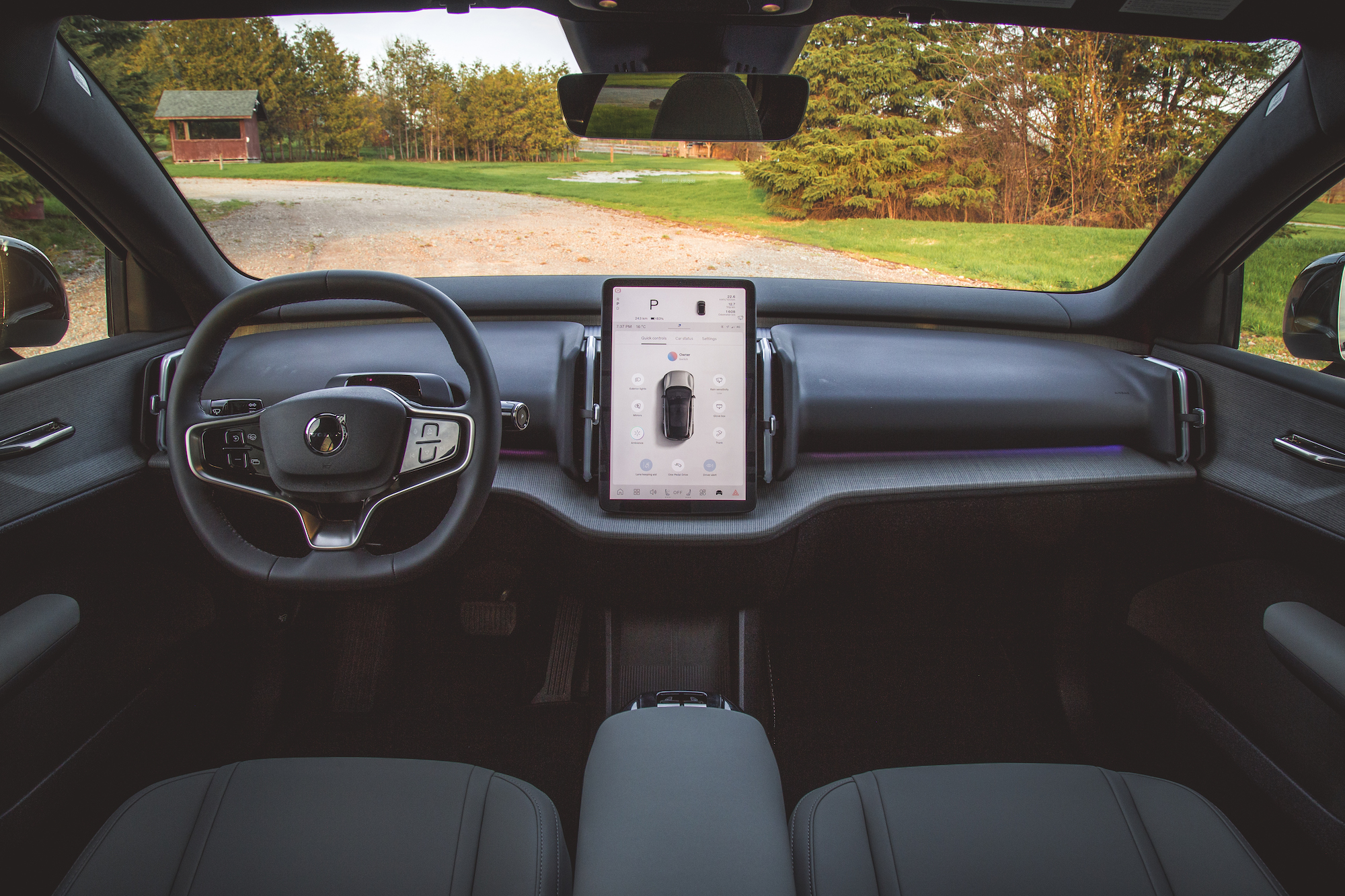
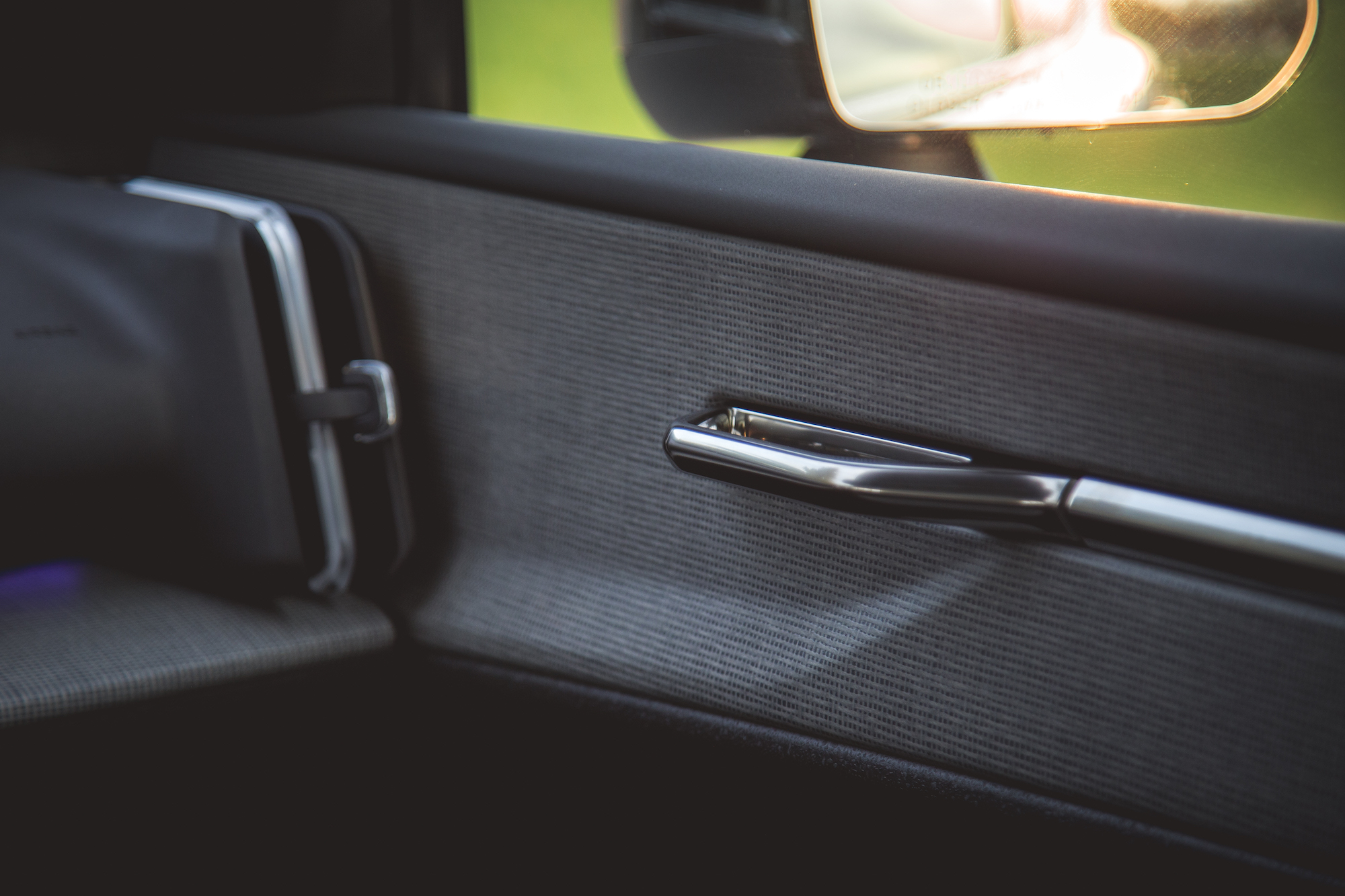
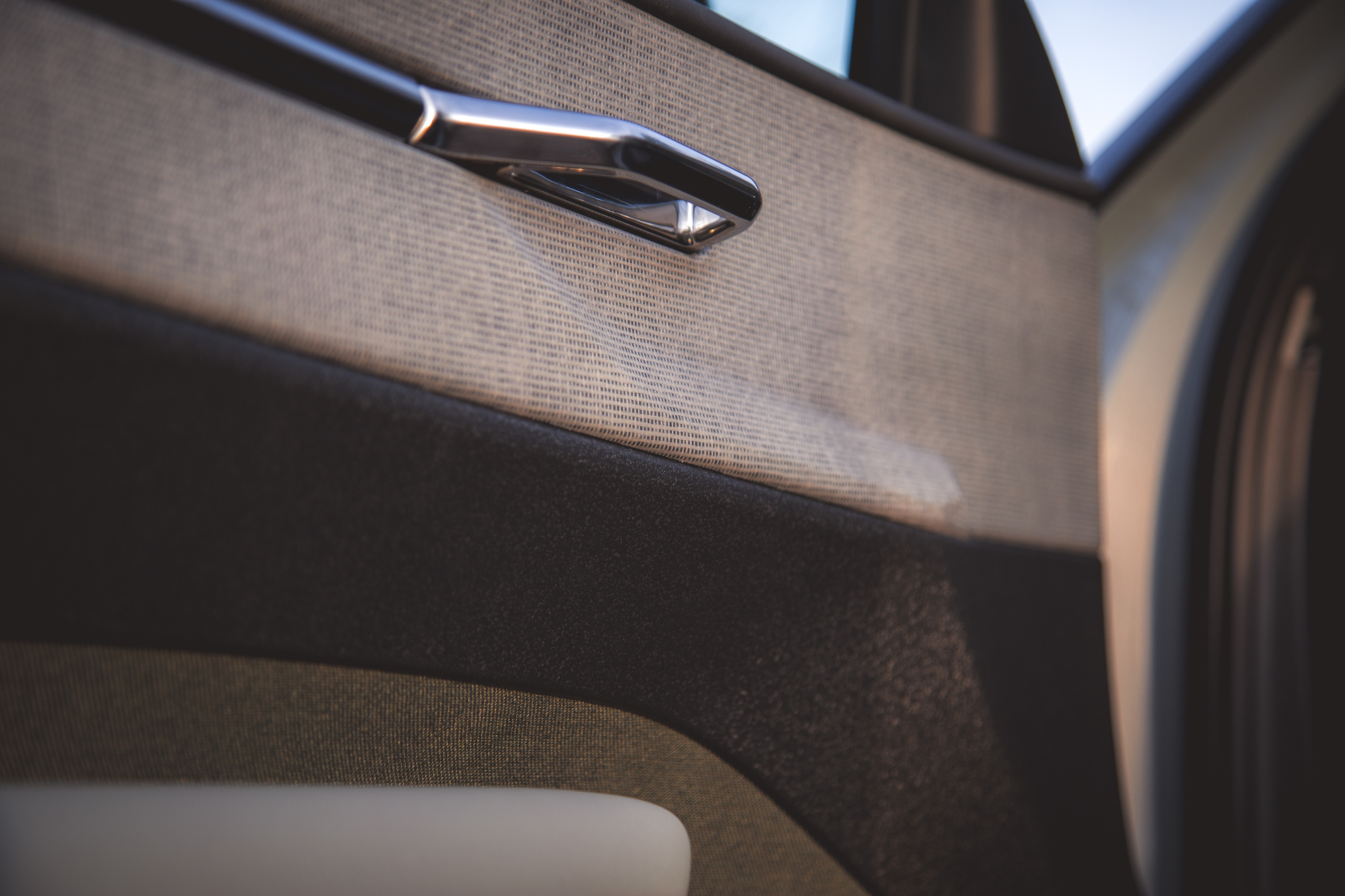
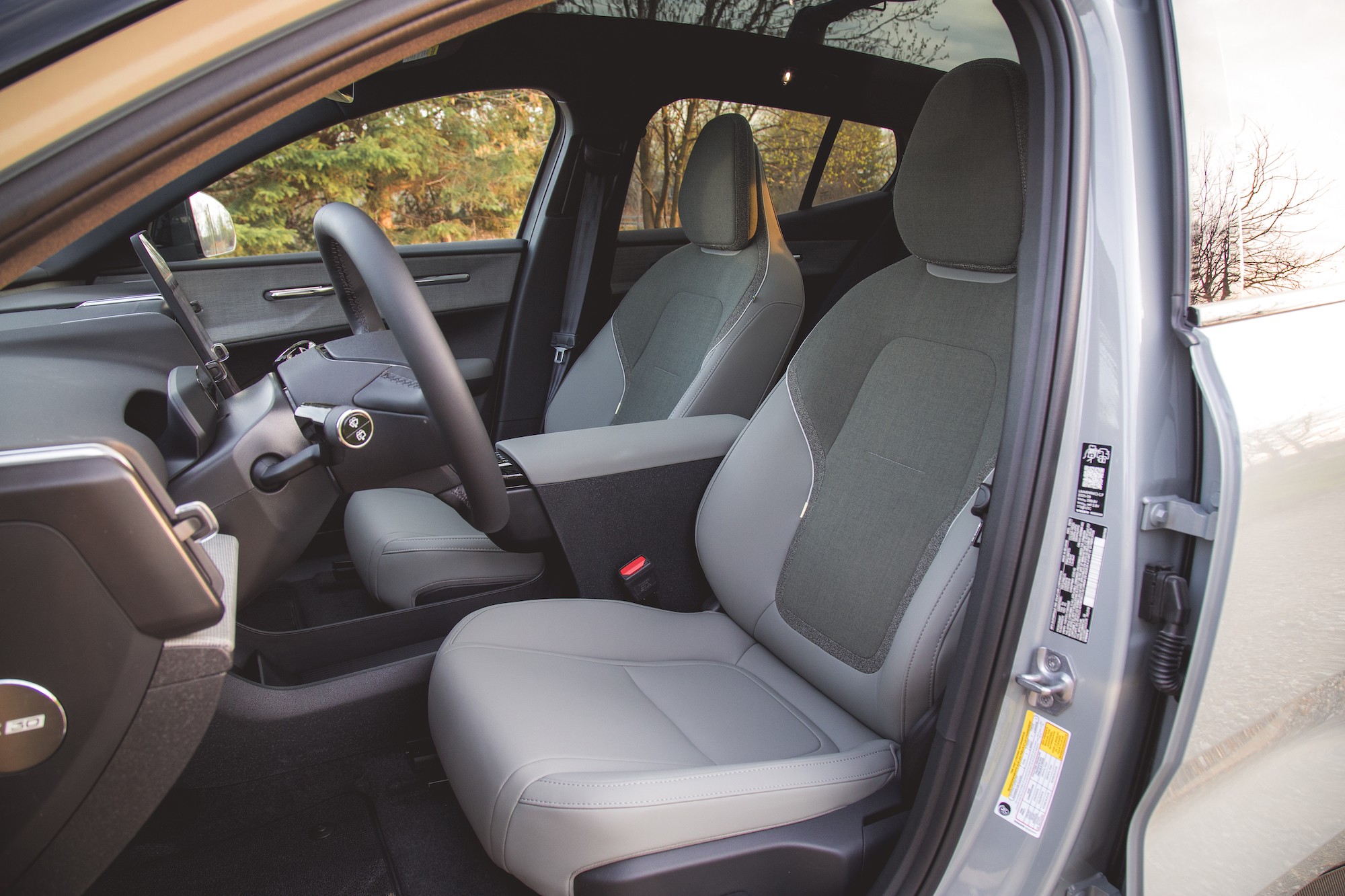
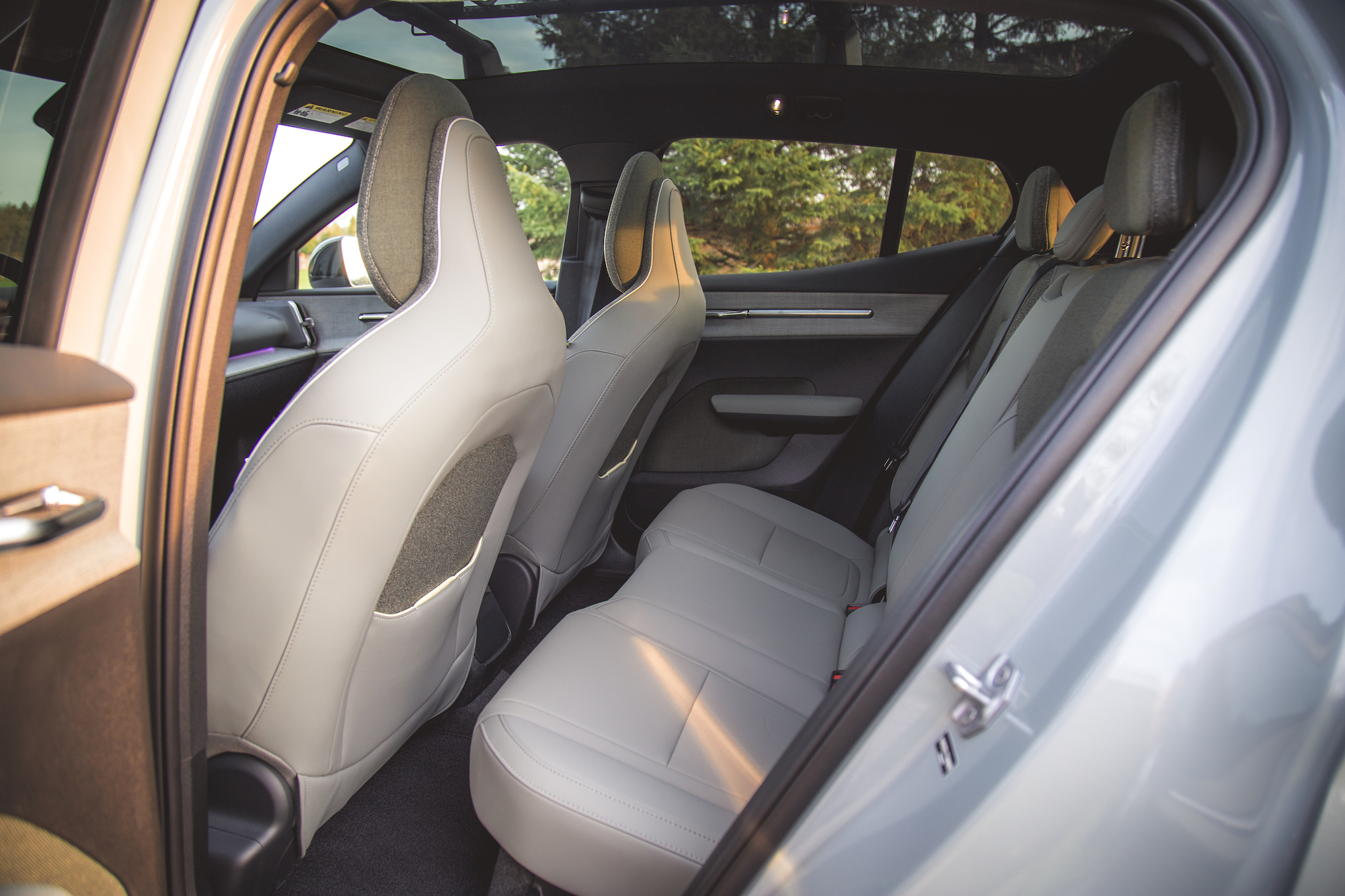
While the interior may be carried over from the regular EX30, it’s a nicely realized design with that signature flair of Swedish minimalism. Sustainability was a core focus, meaning much of its aluminum, steel, wool-blend, and polyester is from recycled sources. The textures around the cabin don’t come across as cheap alternatives or lazy textiles, either, and the colours are well thought-out and complementary. Volvo even claims that the EX30 has the lowest carbon footprint of any Volvo car to date, but it being the smallest also helps.
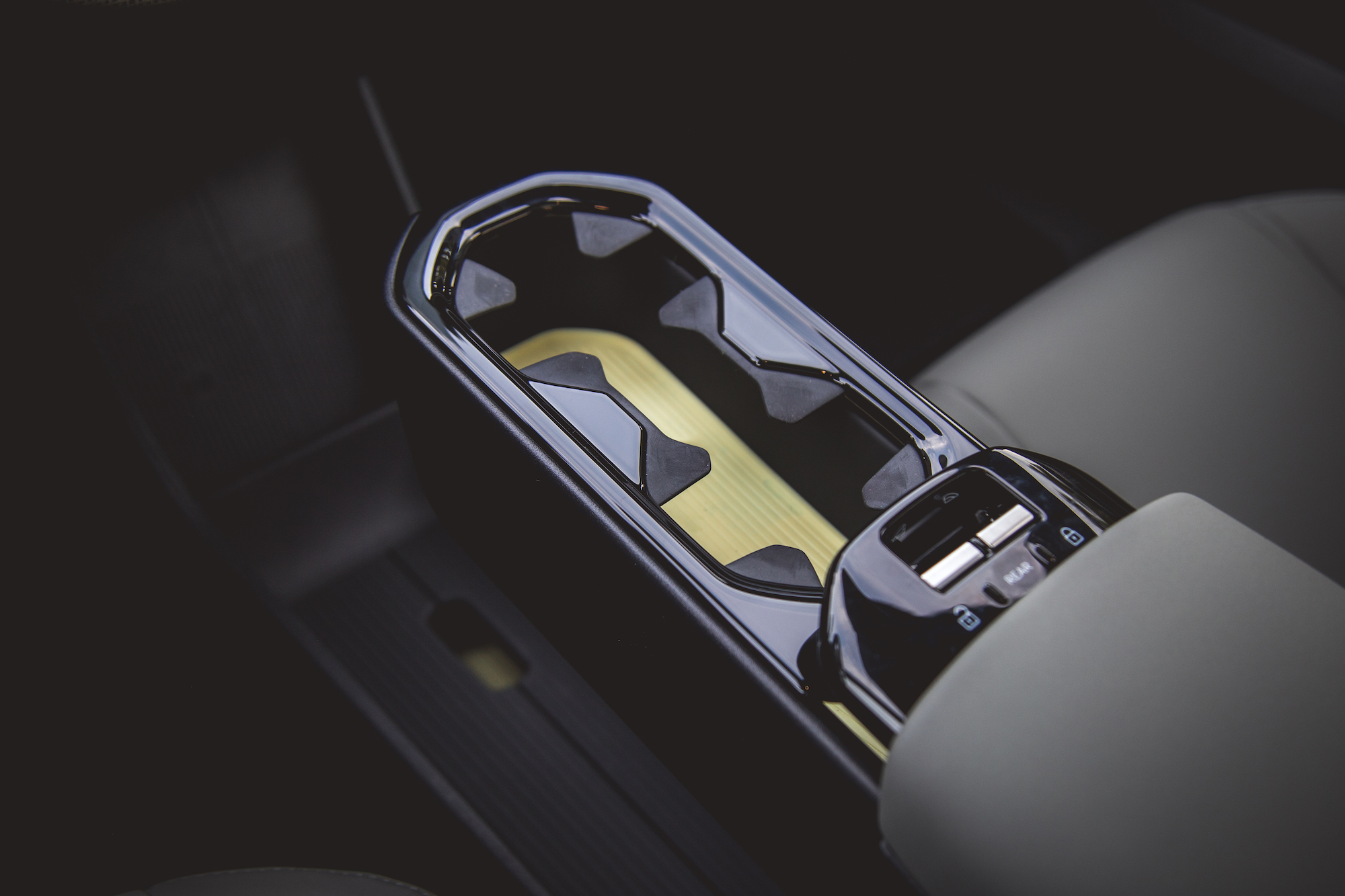

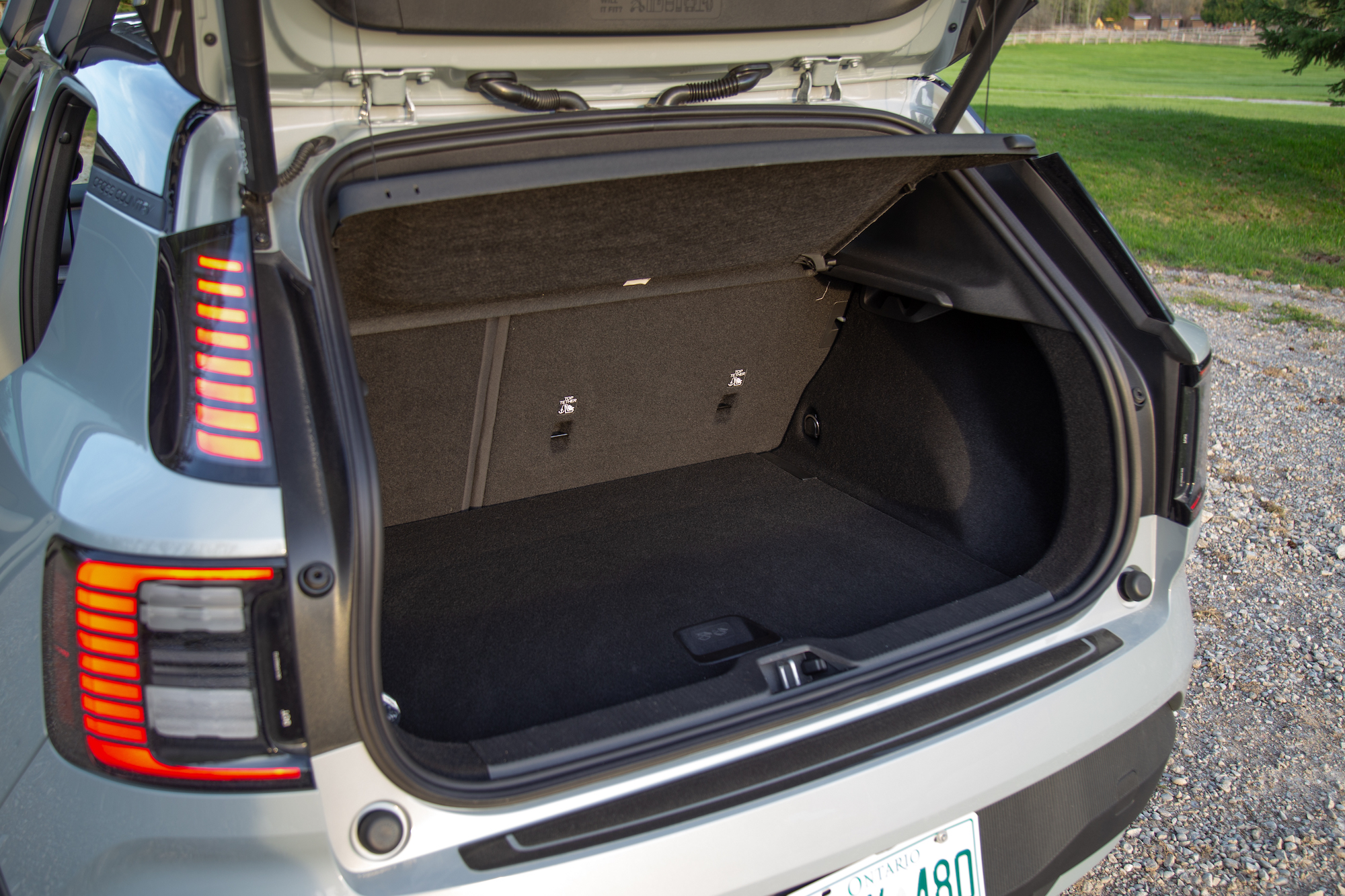
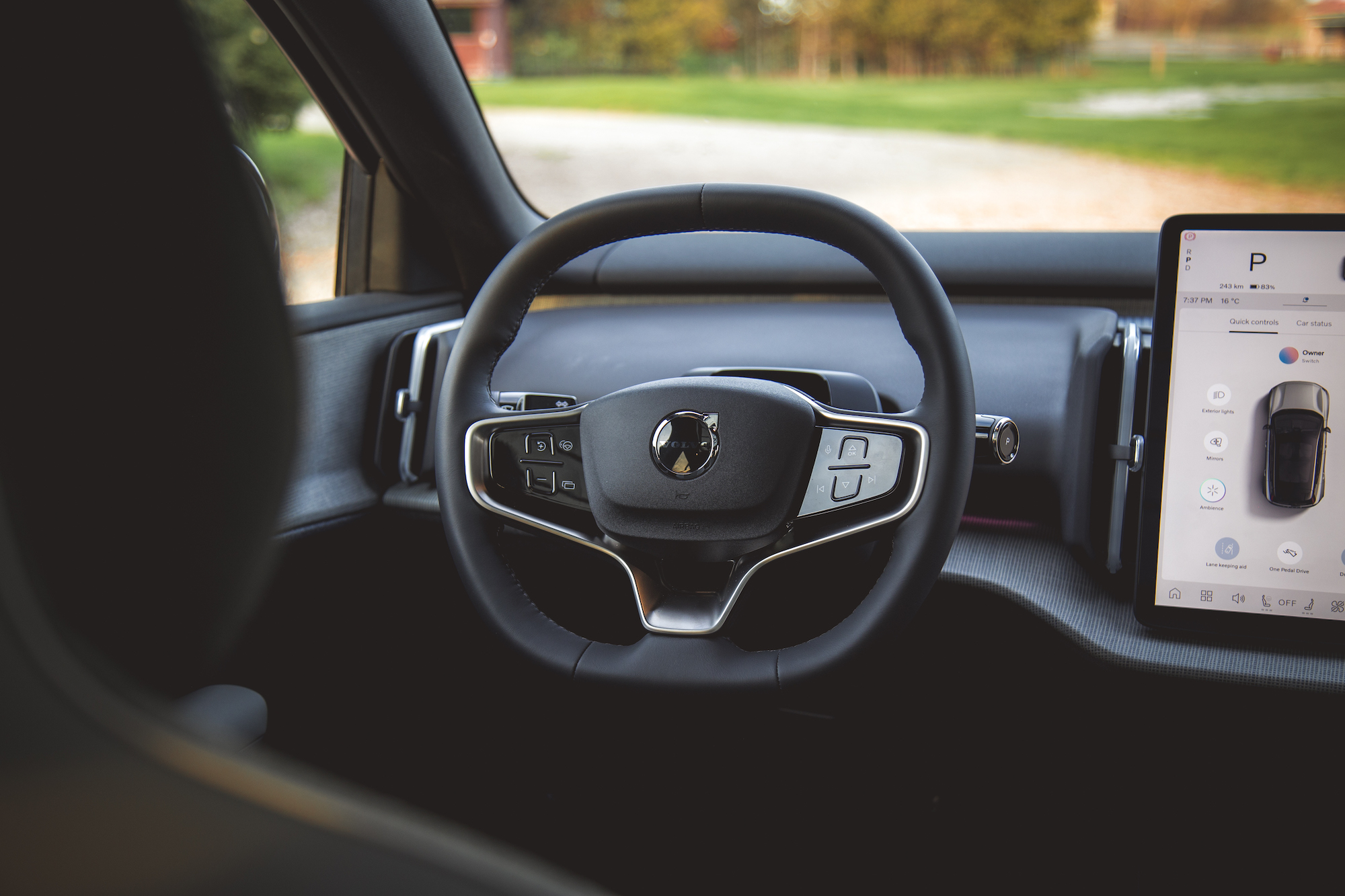
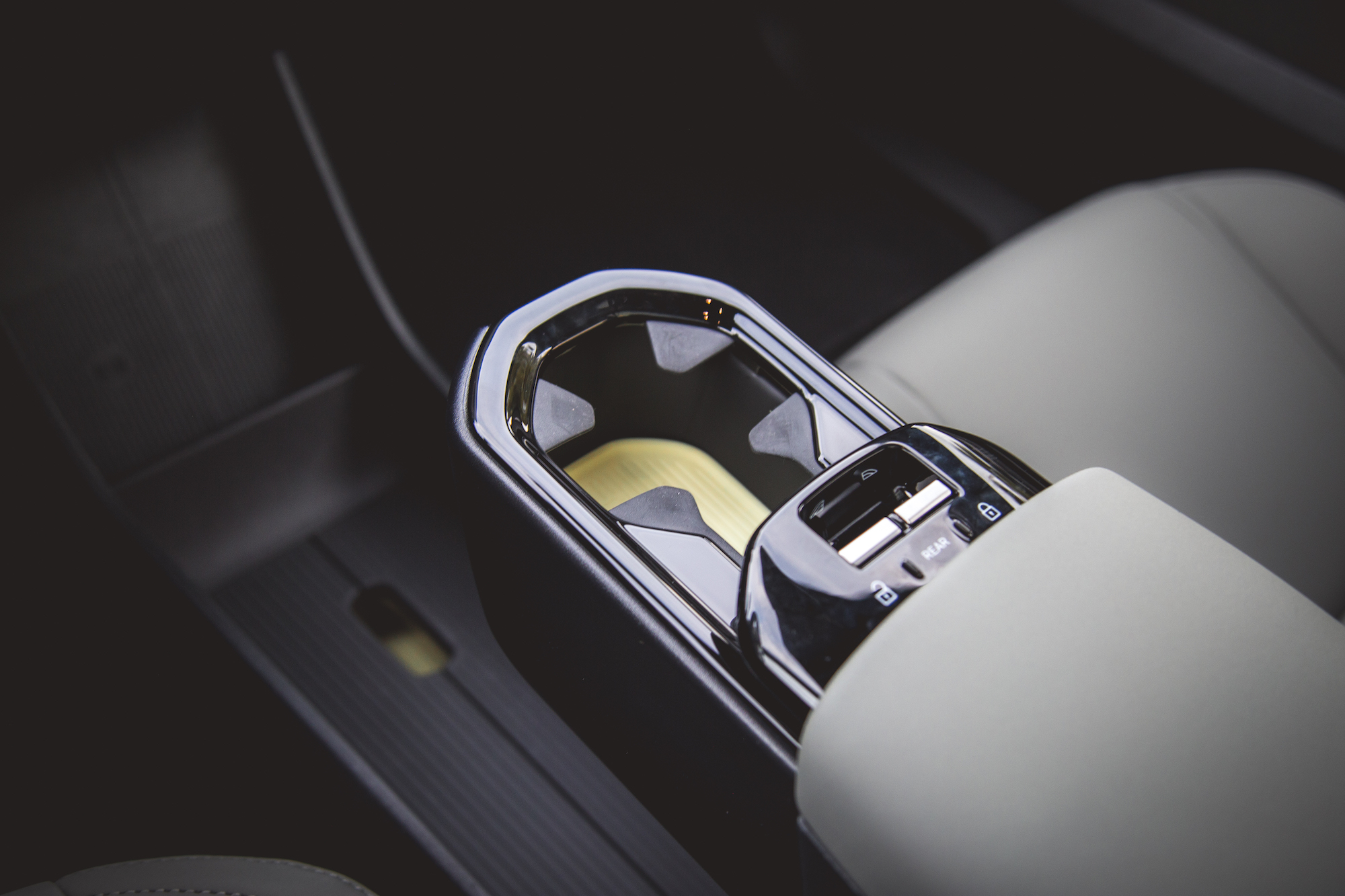
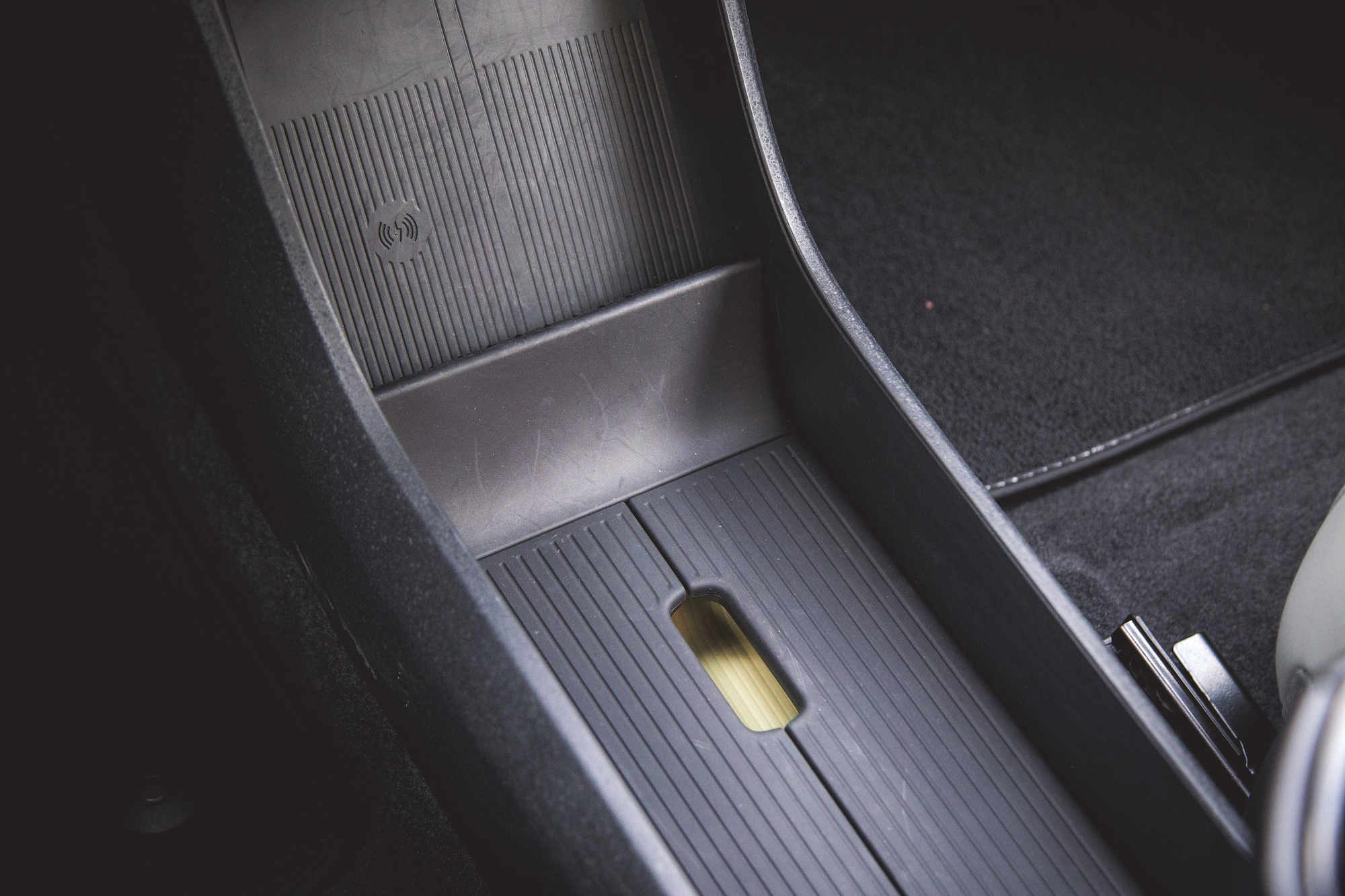
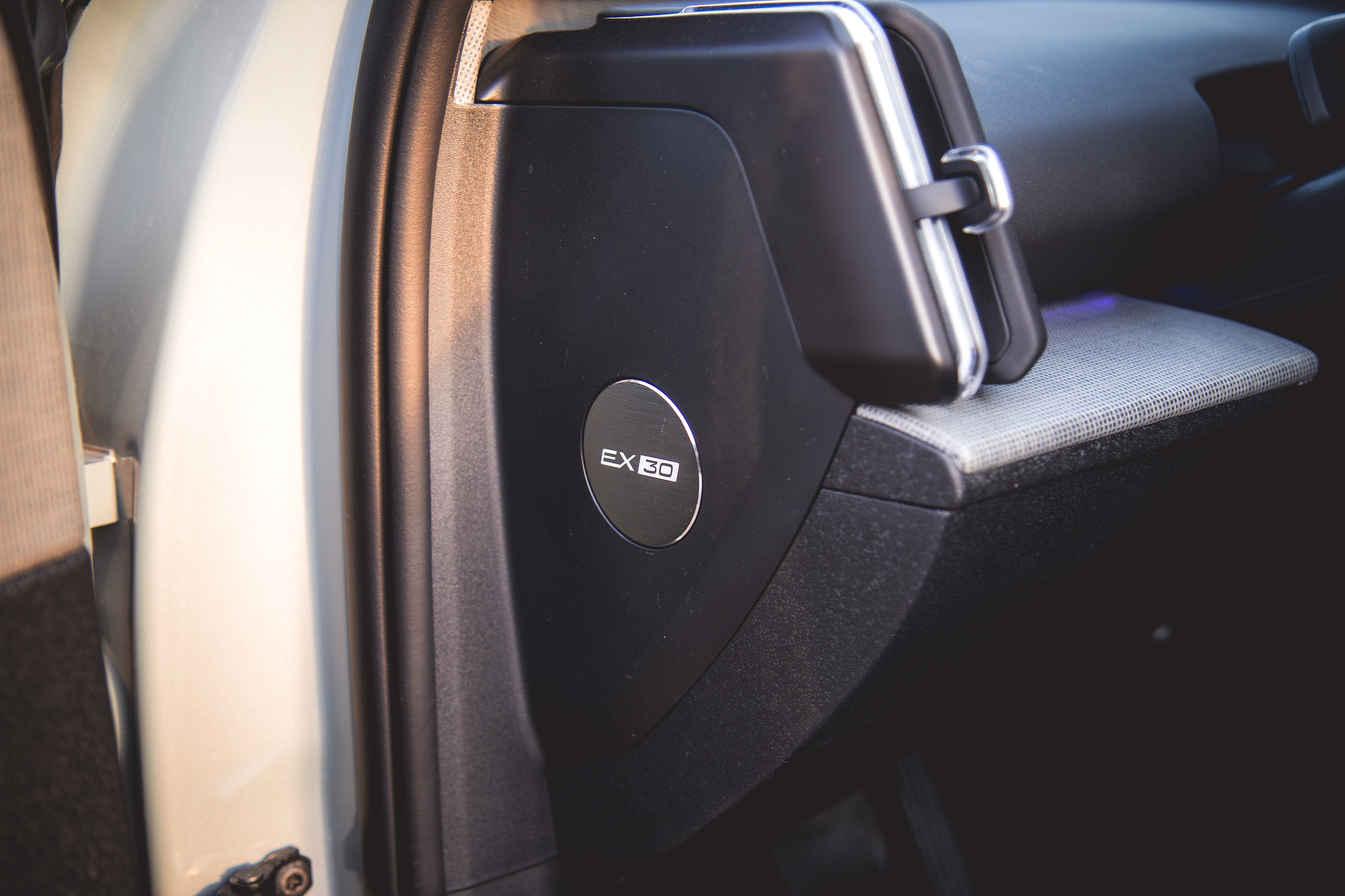
Though slim in size, the space is cleverly packaged, with deep storage compartments on the door panel thanks to the relocation of all the switchgear to the center panel, and the speakers to the dashboard. The slide-out center cupholder is a clever contraption, and can be easily stowed and adjusted to access the rail storage area below. Volvo has even listened to customer feedback and brought back manual steering wheel adjustment via a column latch. However, the mirror controls are still accessed via the touchscreen and handled via the steering wheel toggles, but this is a much more reasonable compromise.
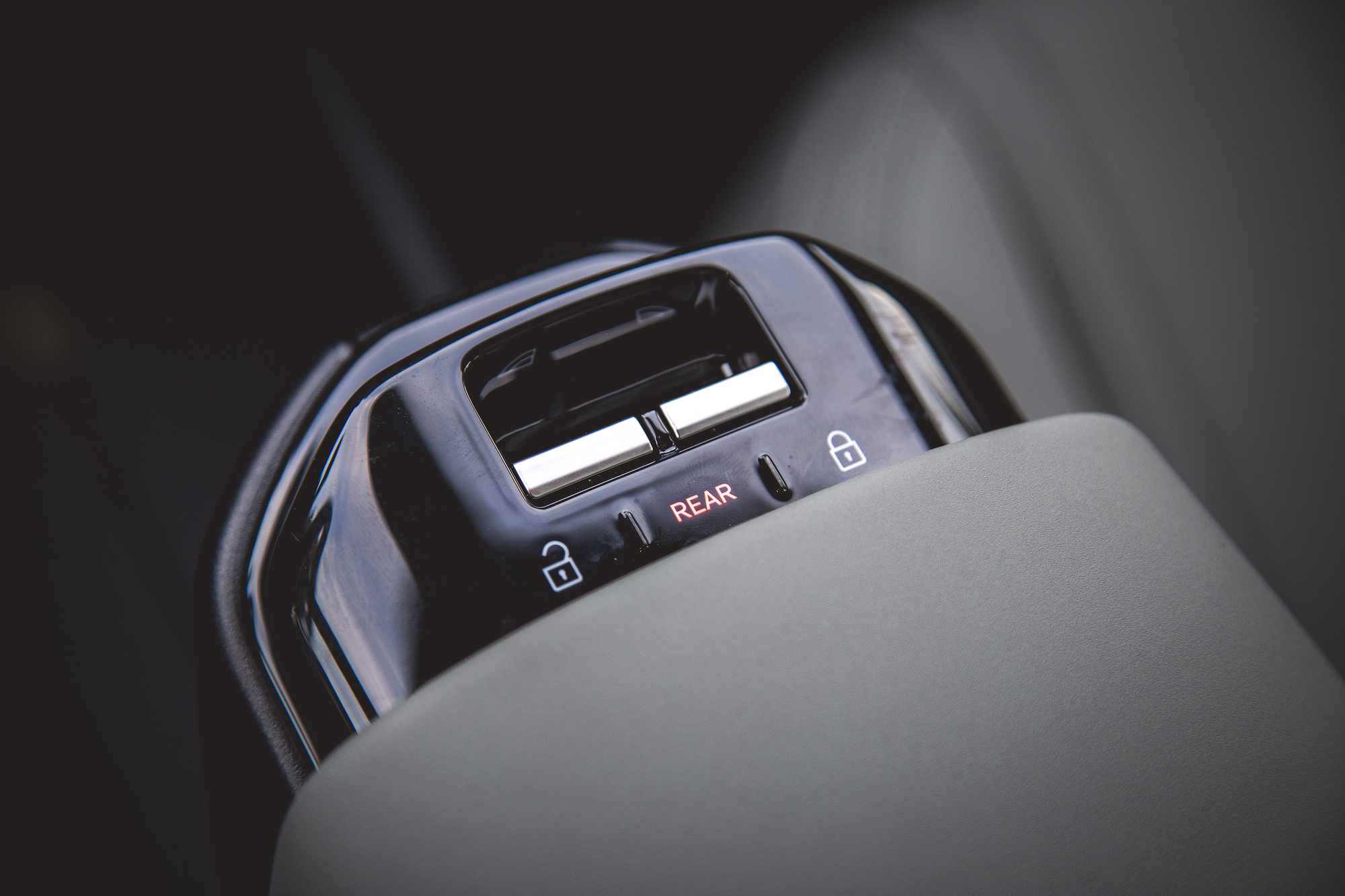
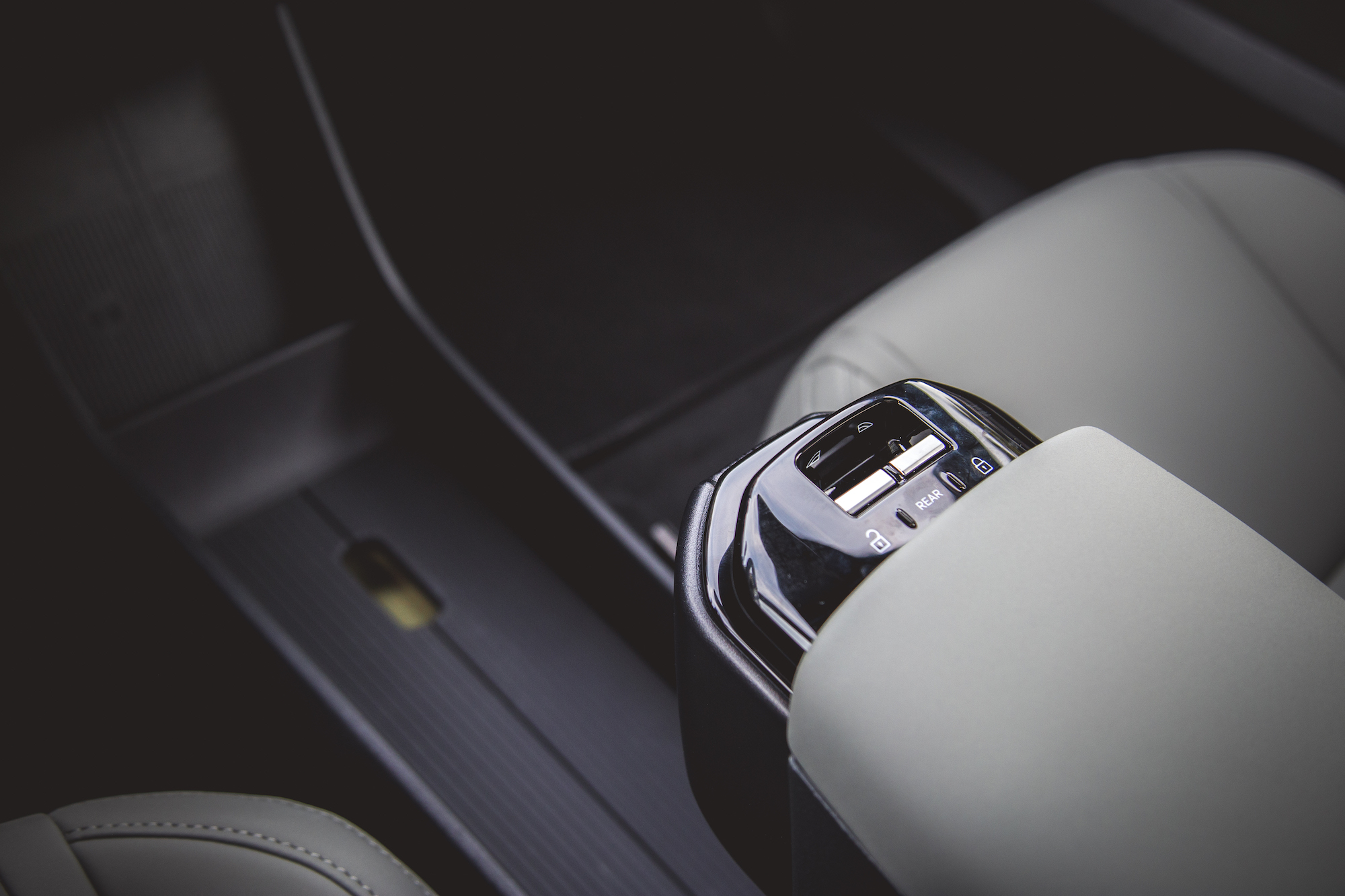
The part we still lament is the window switchgear. Embedded in the center armrest are two window switches, with a haptic ‘Rear’ button that alternates their function to control the rear windows. It seems easy to get acclimated to, but it’s not, and only knowing if ‘Rear’ has been activated by seeing if the text lights up is downright aggravating, like you have to solve a blind puzzle every time you want to close all your windows at the end of a drive. Not having a physical button for the trunk or glovebox is another glaring drawback.
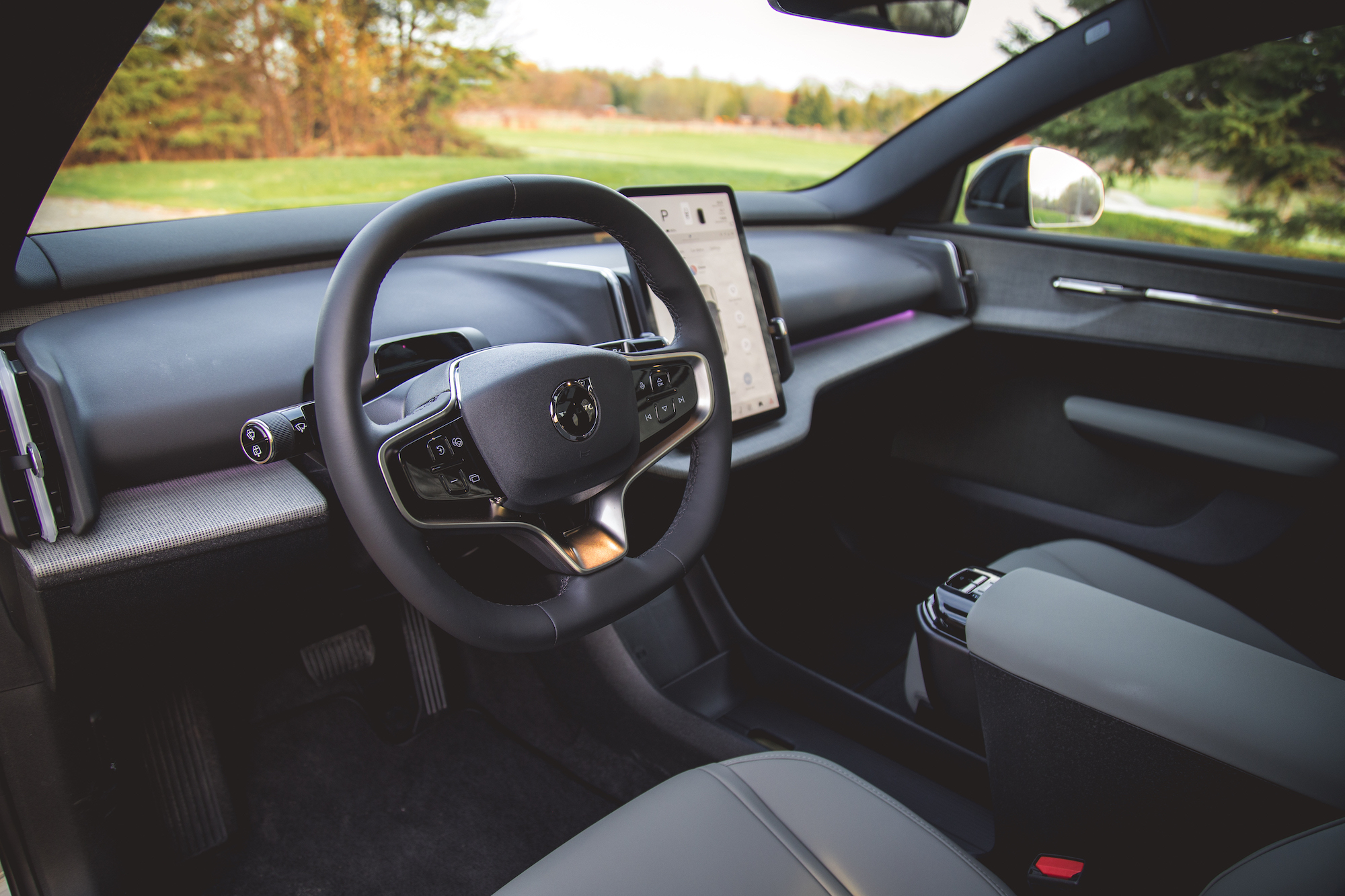

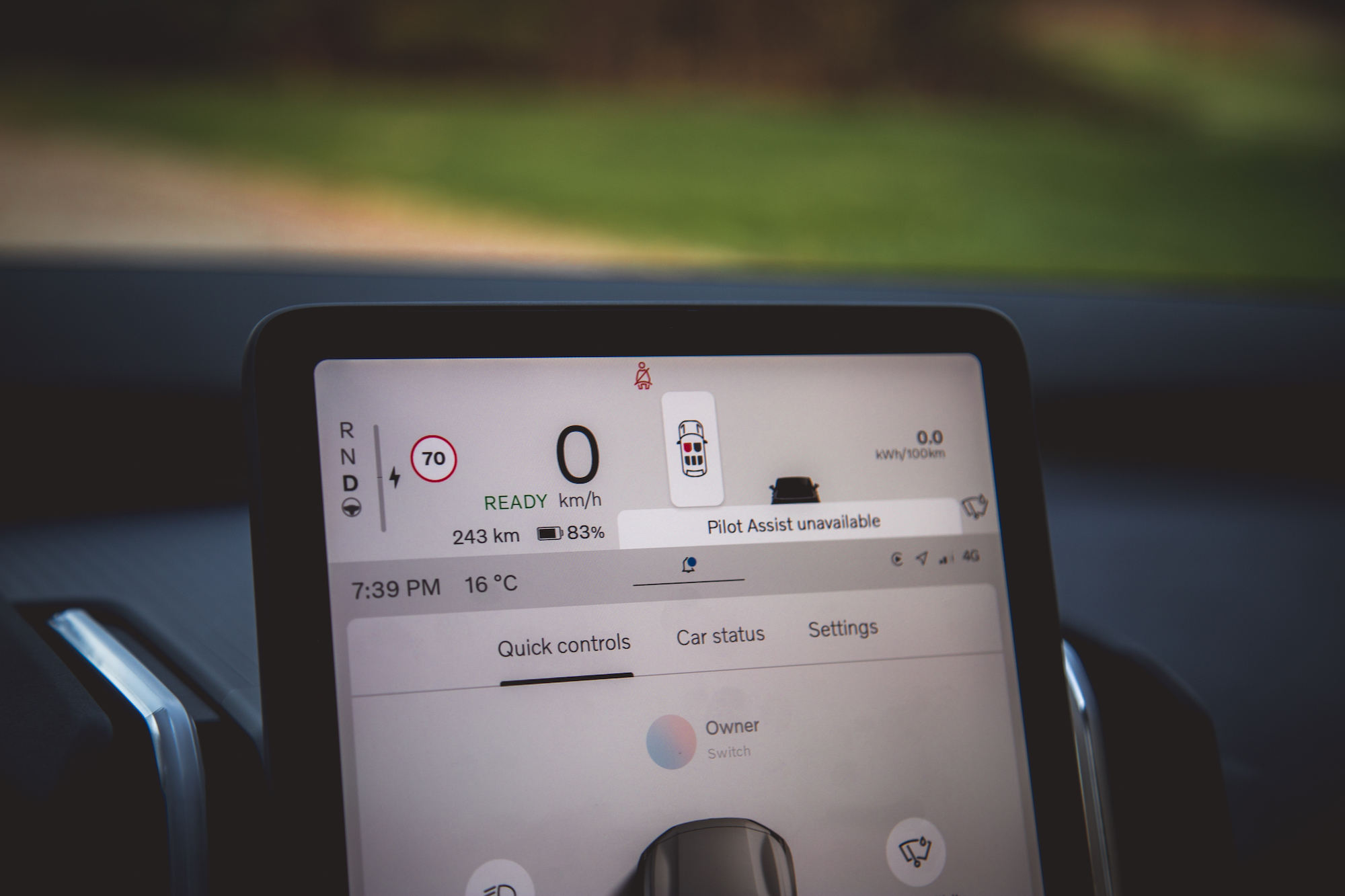
However, the most vexing part of our drive was the Driver Alert feature, which uses a camera just above the steering wheel column to observe your eyes and attention span. The system will audibly ping whenever it detects you aren’t looking at the road, but it yelled at us when we were simply checking our blind spot. It pinged every time we yawned too, displaying a snobbish message on the screen that said, ‘Take a break. You show signs of being tired’. It’s like getting scolded by your third-grade gym teacher for not seeking out the basketball. The alert also interrupts any music or podcast you have playing, and while Driver Alert is easy to switch off, it must be done every time you start your vehicle. Current owners have even resorted to blocking the camera with cloths or 3D-printed parts.
The Volvo EX30 Cross Country is one of the better-realized EV designs to date, right up there with the adorable Fiat 500e in terms of curb appeal. You certainly won’t mistake this for a Tesla. Some ergonomics have been lost in Volvo’s headstrong charge into minimalism and sustainability, but the return of the manual steering column adjustment is a promising step forward. Its cleverly packaged interior, sturdy ride, and reasonable electric range also do a good job of bandaging up those foibles and making the EX30 Cross Country one of the more desirable EVs on sale today.
Specifications:
Model: 2026 Volvo EX30 Cross Country Ultra Twin Motor Performance
Paint Type: Vapour Grey
Base Price: $49,000
Price as Tested: $51,010
Powertrain: 69 kWh lithium-ion battery (65 kWh usable), two electric motors
Horsepower: 422 hp
Torque: 400 lb-ft
Transmission: Direct drive
Drive configuration: Dual electric motors, AWD
Claimed Range: 365 km
Observed Range: 340 km (with roof basket installed)
Tires: Michelin e.Primacy All-Seasons; 235/50R19









Leave a Reply