
Toyota isn’t just making headlines for its efficient hybrids, hydrogen fuel cells, or the latest Prius. Toyota GR (Gazoo Racing), its motorsport and high-performance production car division, is demonstrating its technical prowess with Haas in Formula 1, fighting for wins in the World Endurance Championship with the TR010 Hybrid, and dominating the World Rally Championship with the GR Yaris Rally1. Toyota’s exploits on the loftiest tiers of motorsport are quickly becoming legendary, and it’s being reflected in their current production lineup, particularly with the RAV4 GR Sport.

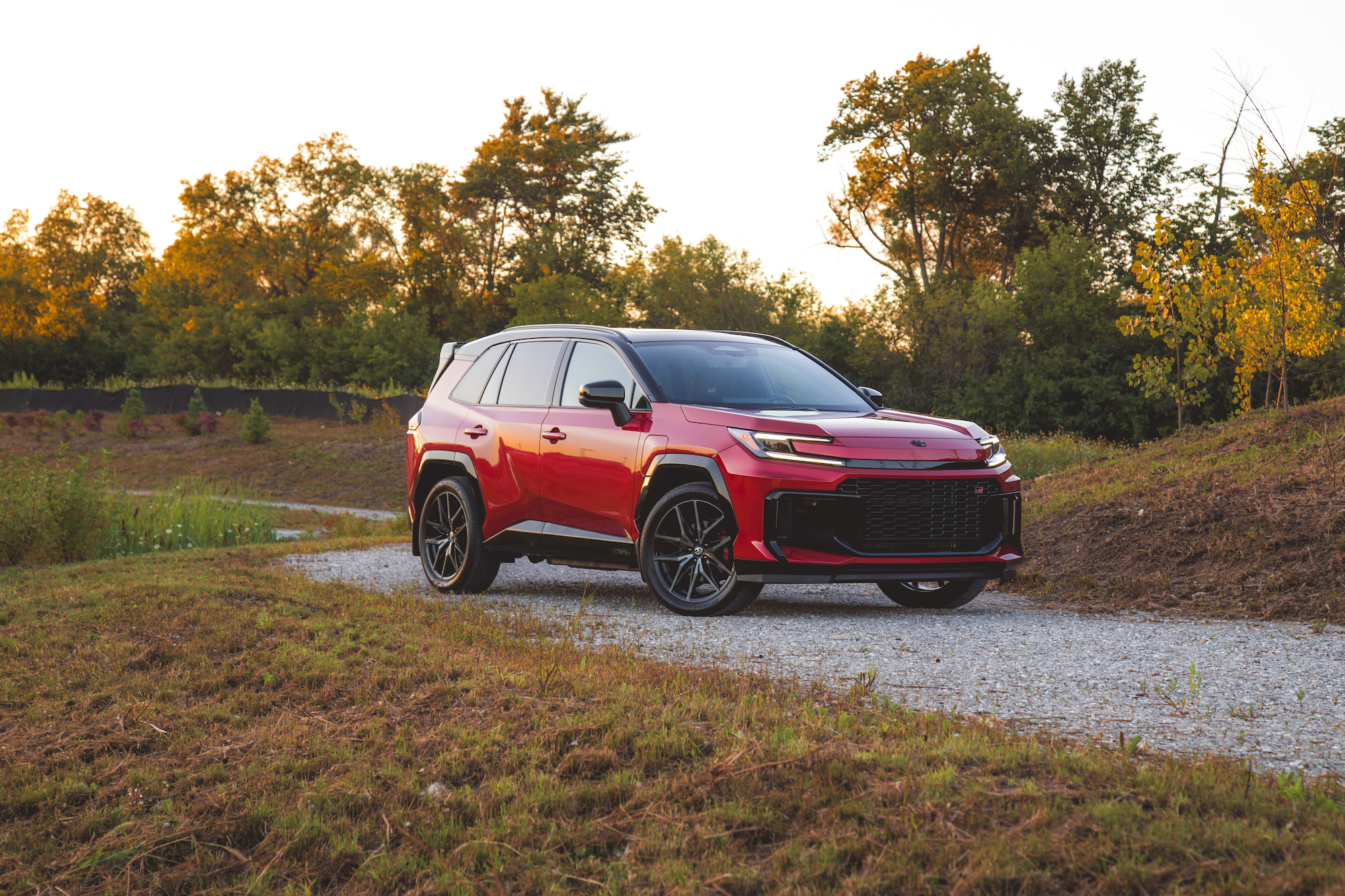
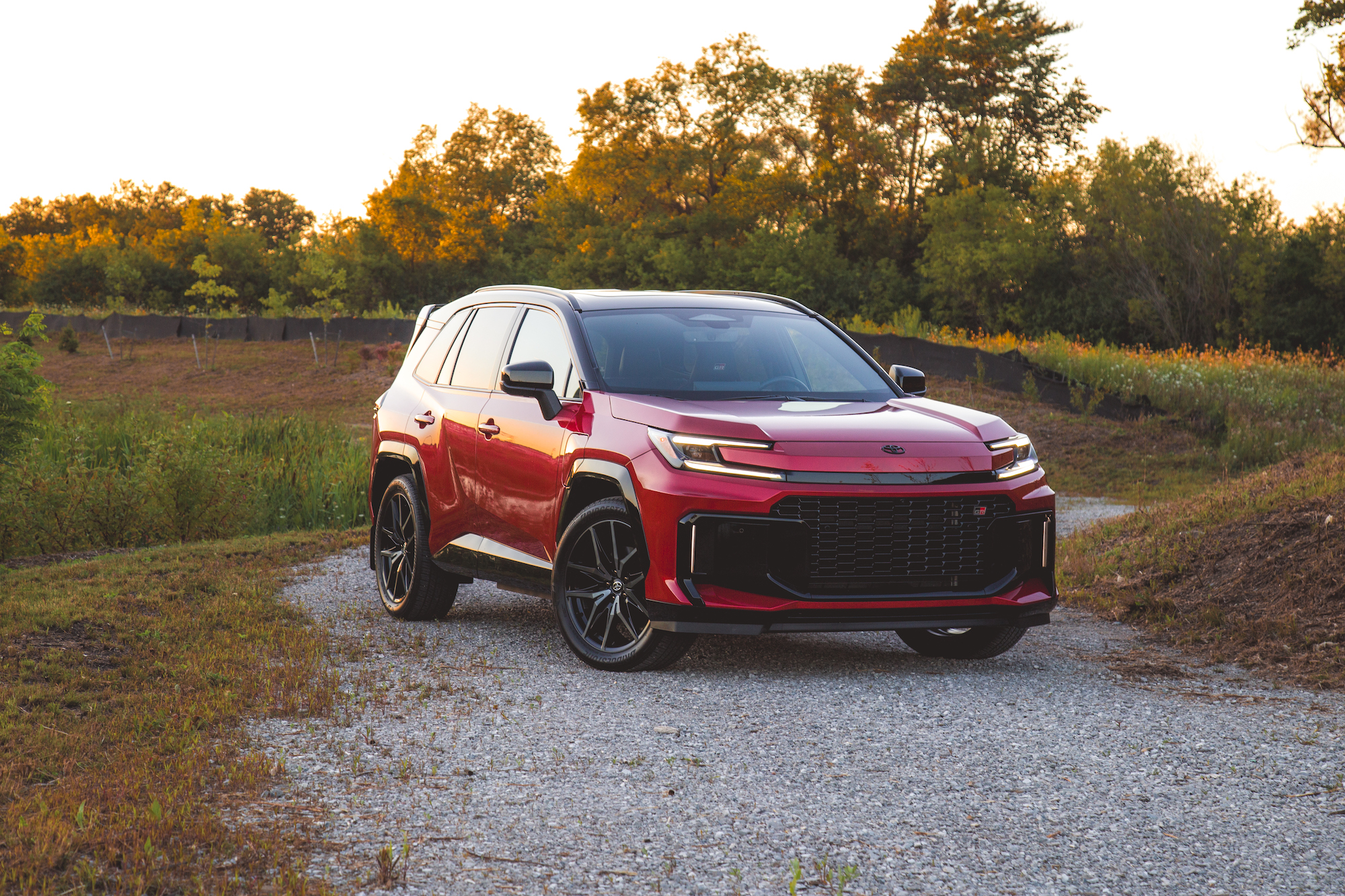
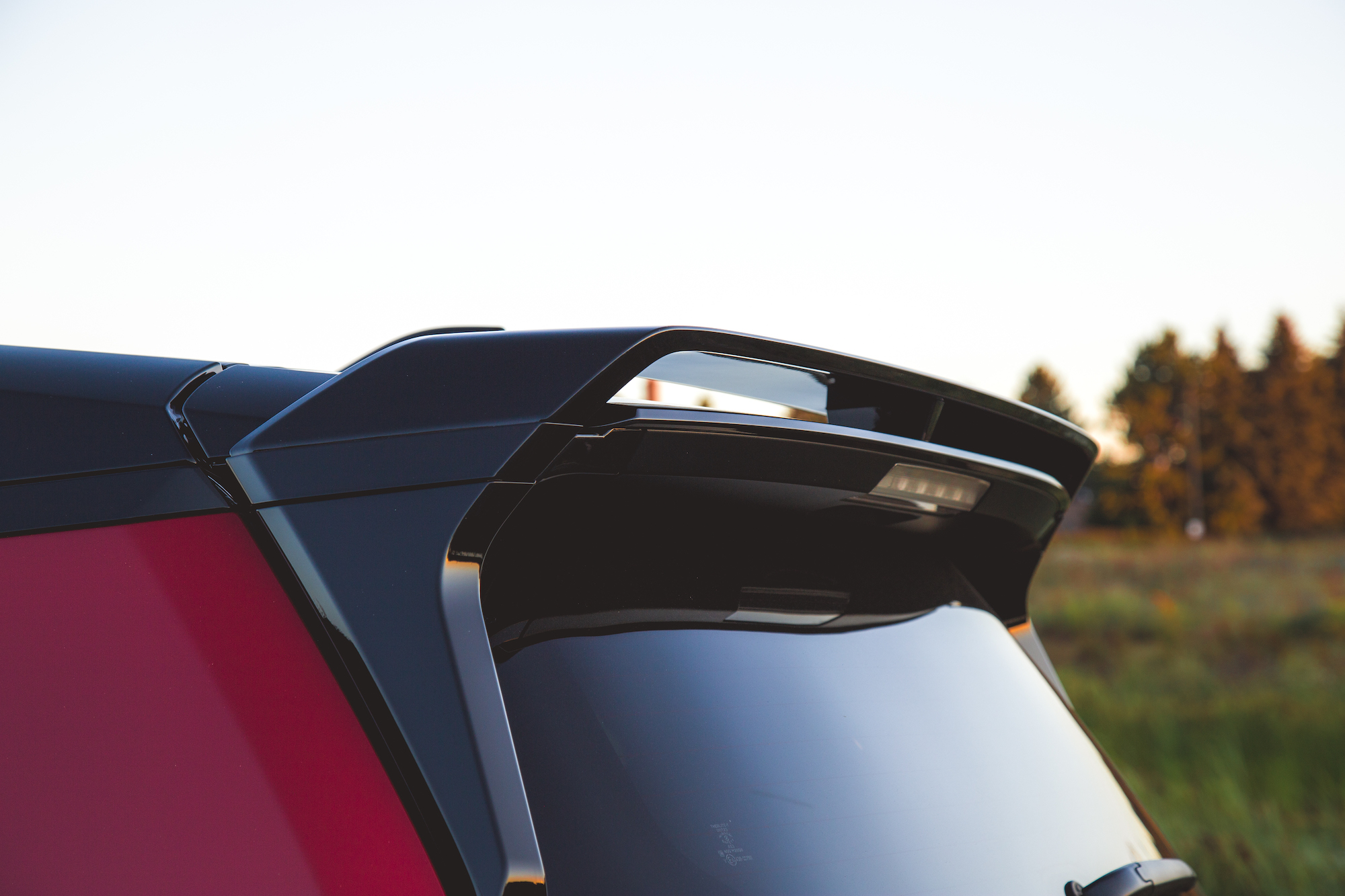
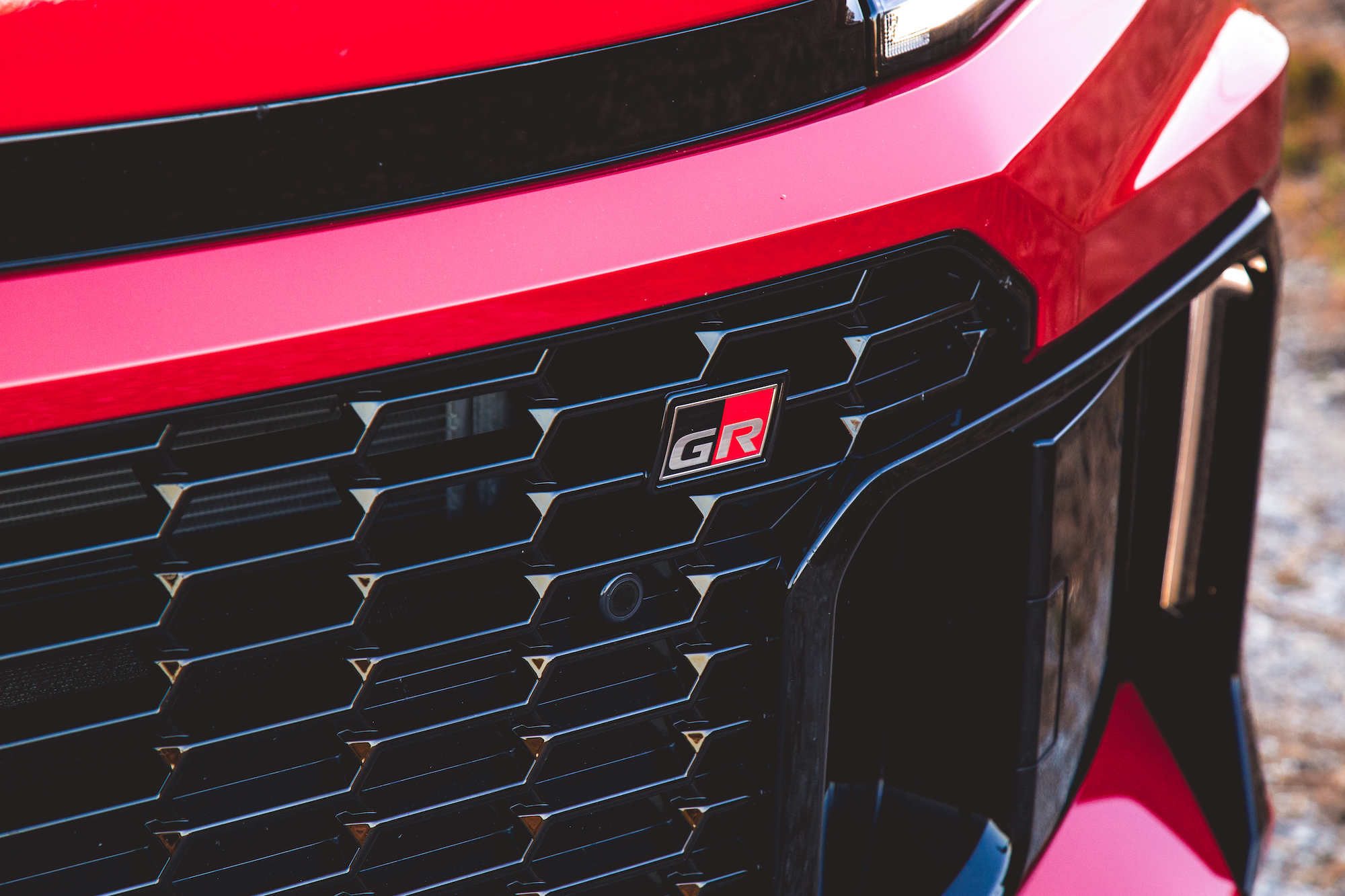
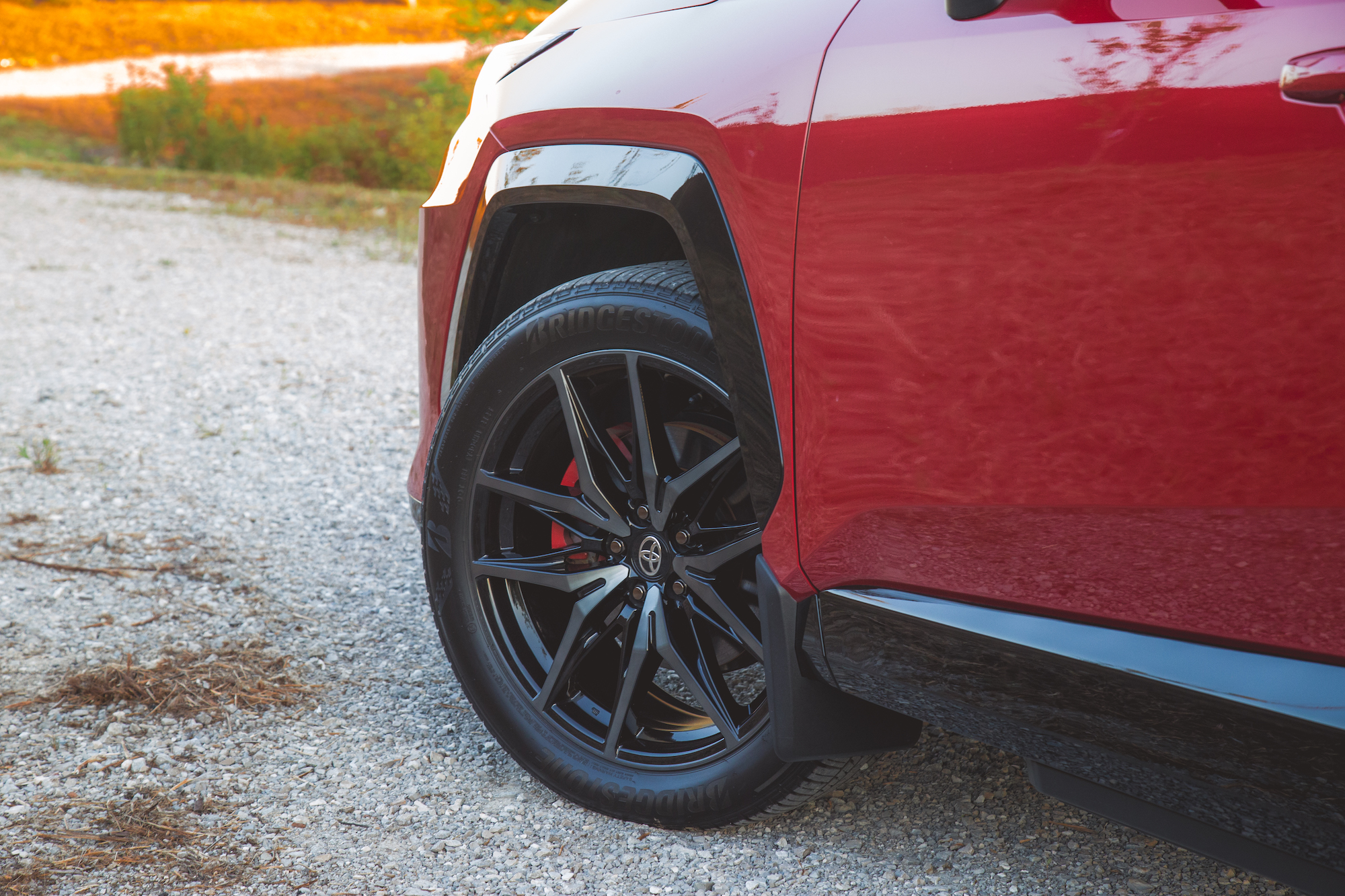
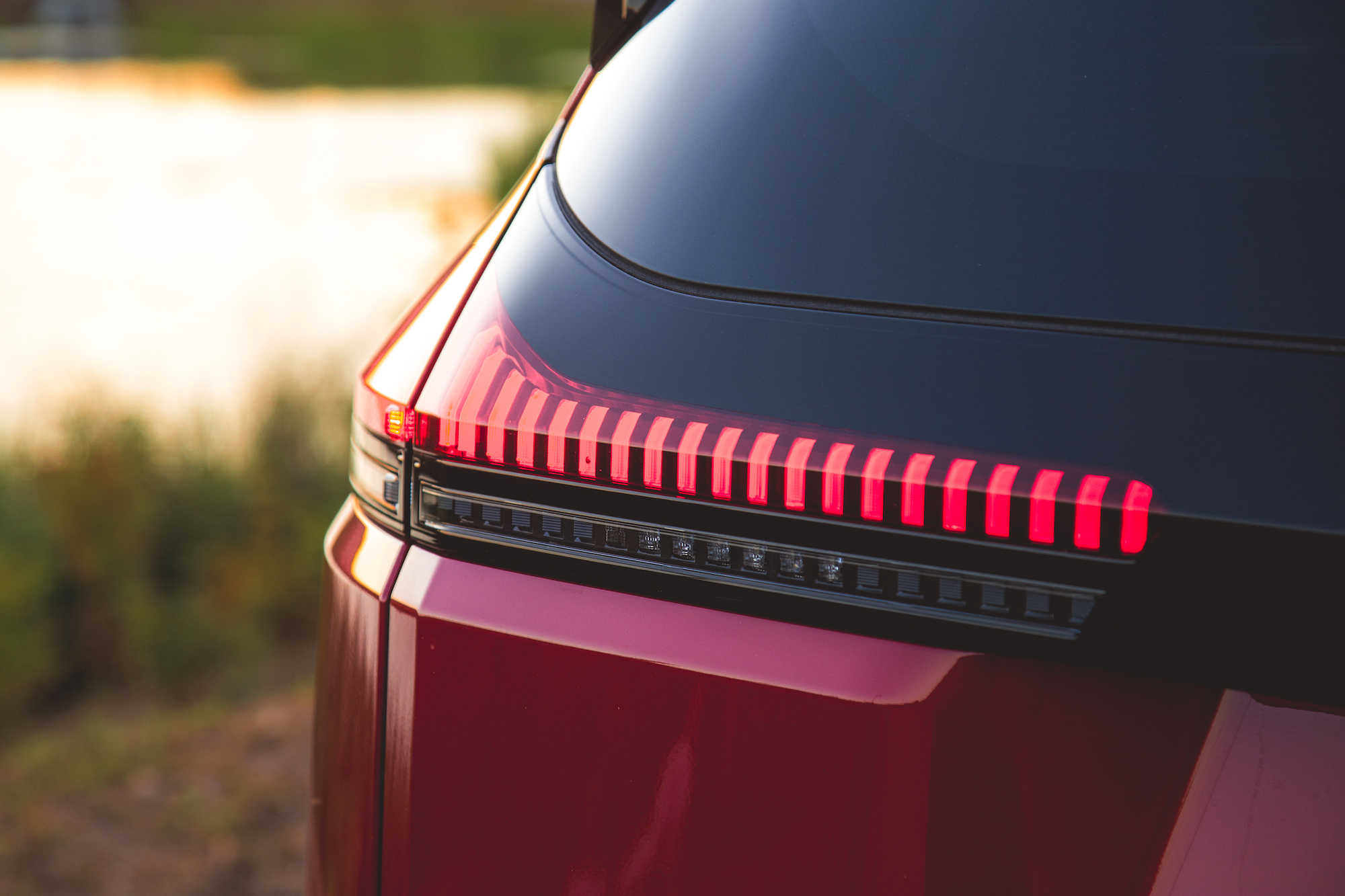
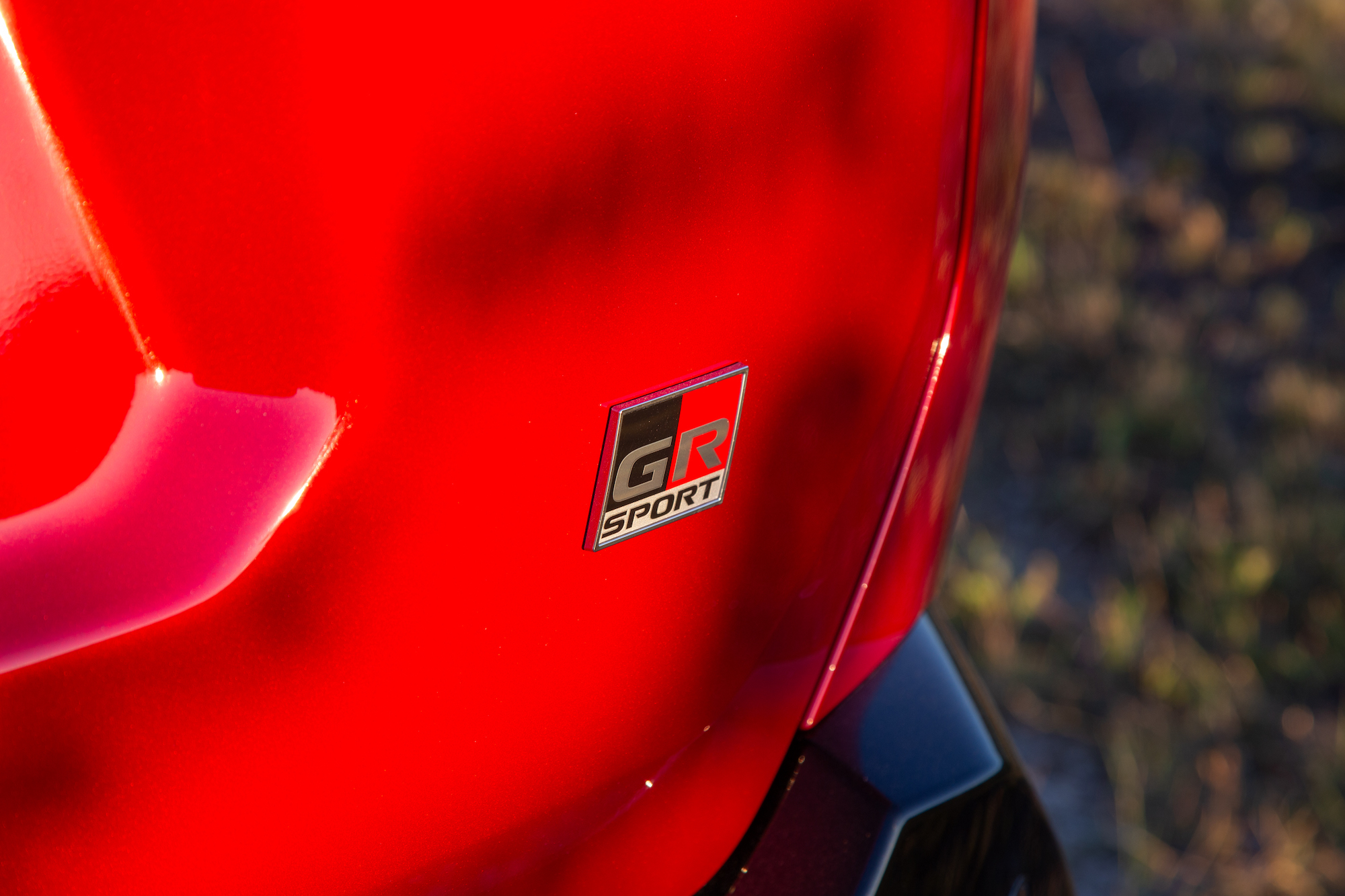
Toyota essentially plucked a plug-in hybrid RAV4 off the shelf, stiffened and lowered the suspension by 15mm, revised the steering, dampers, and brake ducts for a sharper drive, added a bolder front grill and rear spoiler for visual aesthetics, equipped unique 20-inch alloy wheels with red brake calipers, and slapped on a bunch of GR badges for good measure.
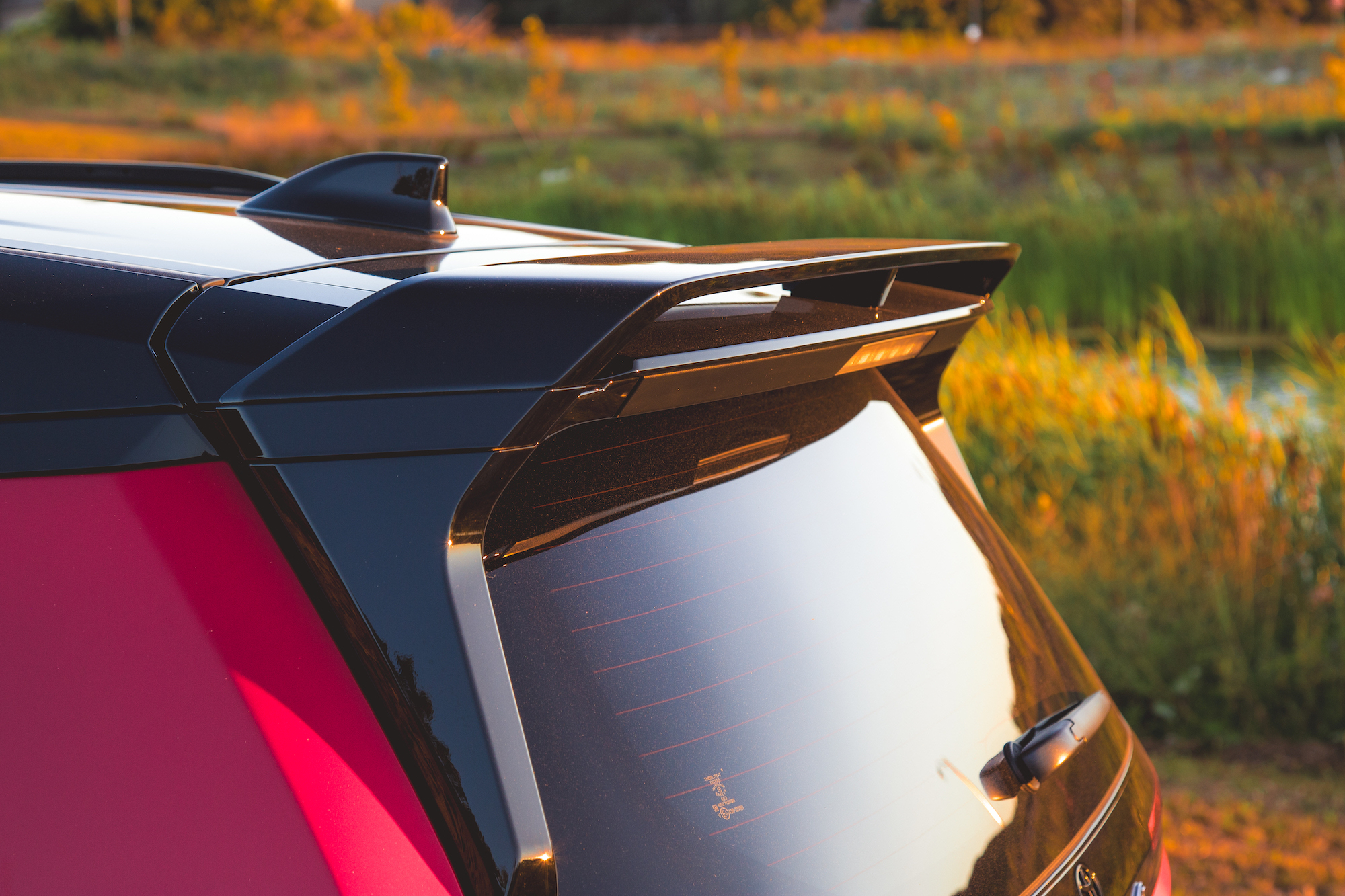
The GR Sport costs $1,100 more than the feature-oriented XSE trim that comes with memory seating and front ventilation. Still, no other compact SUV has attempted this sport-tuned formula, and Toyota, being the first, has completely caught us off guard. Not even the 268-hp Volkswagen Tiguan Turbo R-Line or 256-hp Mazda CX-50 Turbo come close. Could you imagine the market disruption of a Honda CR-V Si, or a Tiguan GTI?

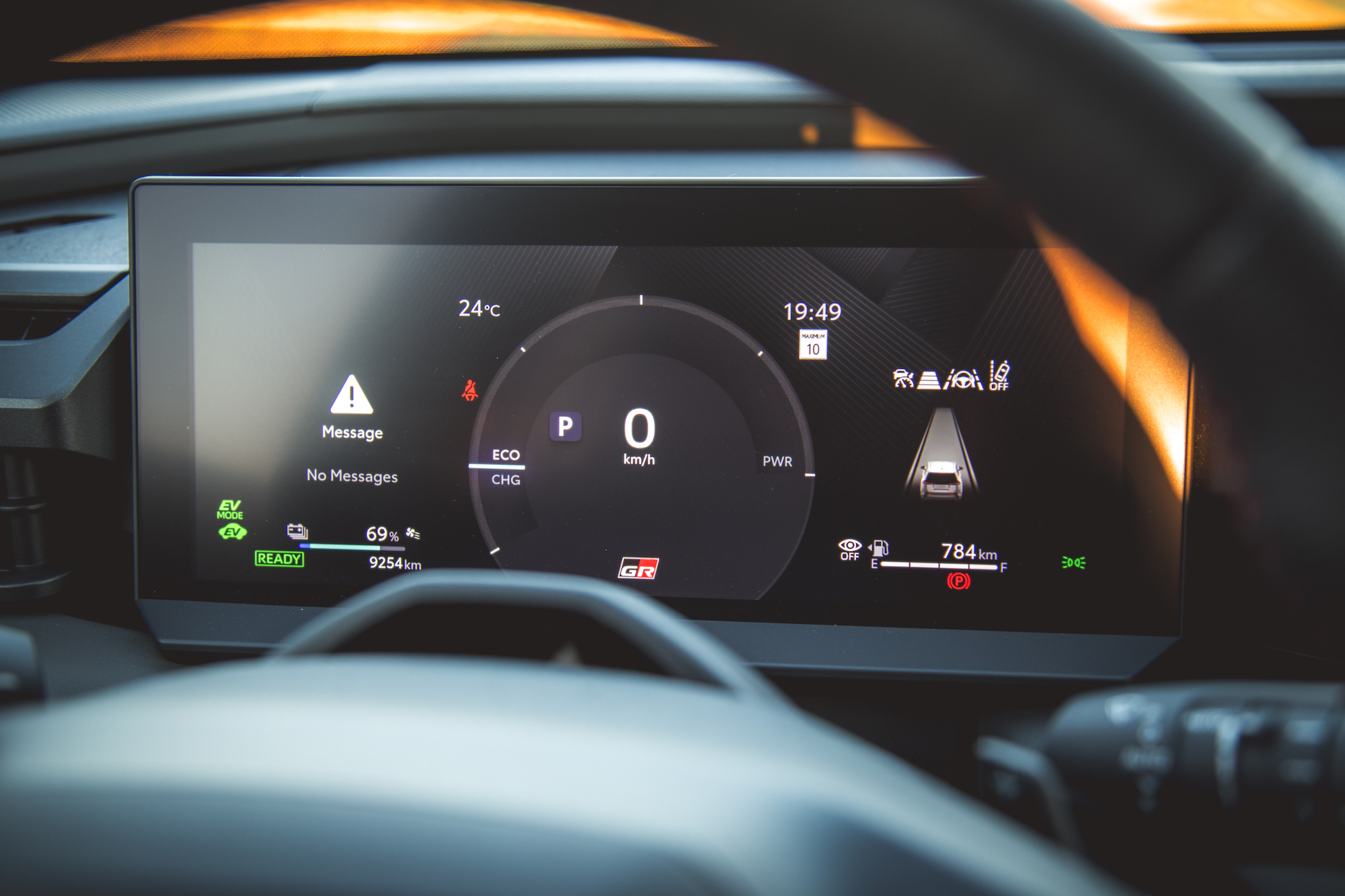
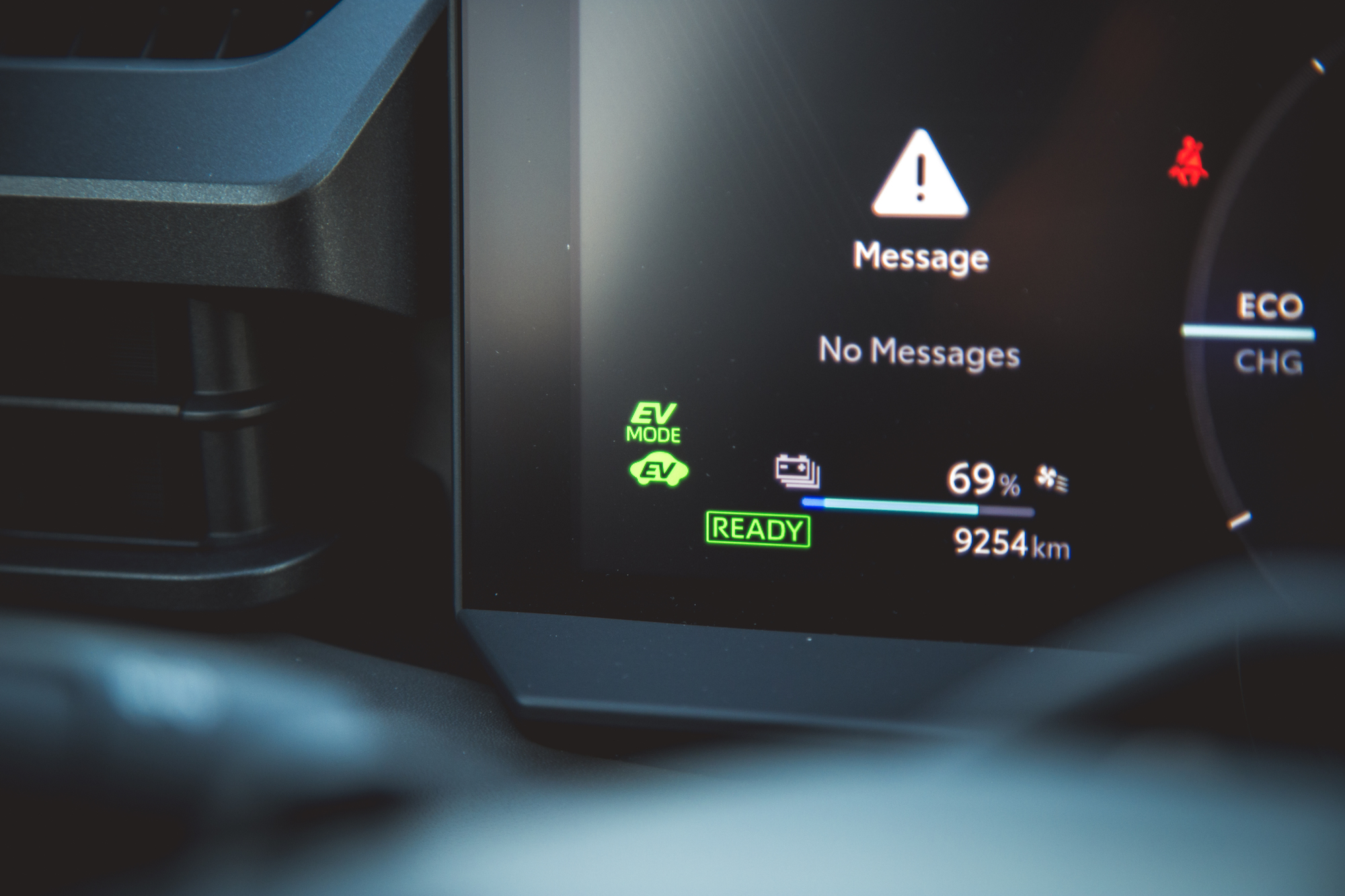
While the powertrain is carried over from a standard RAV4 PHEV, the 2.5-litre naturally aspirated inline-four engine paired with three electric motors and a 22.7 kWh lithium-ion battery produces a combined 324 hp through its electronic continuously variable transmission (eCVT). Its electric-only driving range is slightly affected by the GR Sport’s aero addenda and Bridgestone Turanza EL450 tires, yet we achieved a respectable 83 km on a full charge and over a mix of city and highway roads.

The GR Sport drives remarkably well, to the point where you’d think Toyota has been tuning these souped-up RAV4s for years. The tag team between combustion and electricity works seamlessly, providing a linear, generous pull that carries higher than you would expect from a hybrid, even when on electric power alone. Dedicated buttons below the touchscreen let you easily choose among EV (electric), HV (hybrid), or Auto modes, though neither propulsion method offers an inspiring soundtrack. Adding a bit of acoustic flair to the exhaust would have been appreciated, but we have to remember that this isn’t a full GR model after all.
Toyota has nailed the suspension tune, providing a firmer and more engaging drive for GR enthusiasts who expect more spice and a greater sense of occasion in their daily workhorse. The RAV4 GR Sport flows and gels nicely on winding roads like a BMW X3, and does not excessively heave or pitch under heavy acceleration or braking maneuvers. The ride is perfectly judged, fluid, and remains composed even over broken roads, giving it better road comfort than a Subaru Forester or Hyundai Tucson.
While the steering is too elastic and overboosted for our liking, when pushed to its grip limits, the RAV4 behaves just like a front-wheel-drive hatchback, compelled into understeer with a heavy front bias, but requiring just a few dabs of brakes to get the nose rotated cleanly. Pedal feel is good too, with a strong initial bite and without the springiness that typically accompanies regenerative brakes.

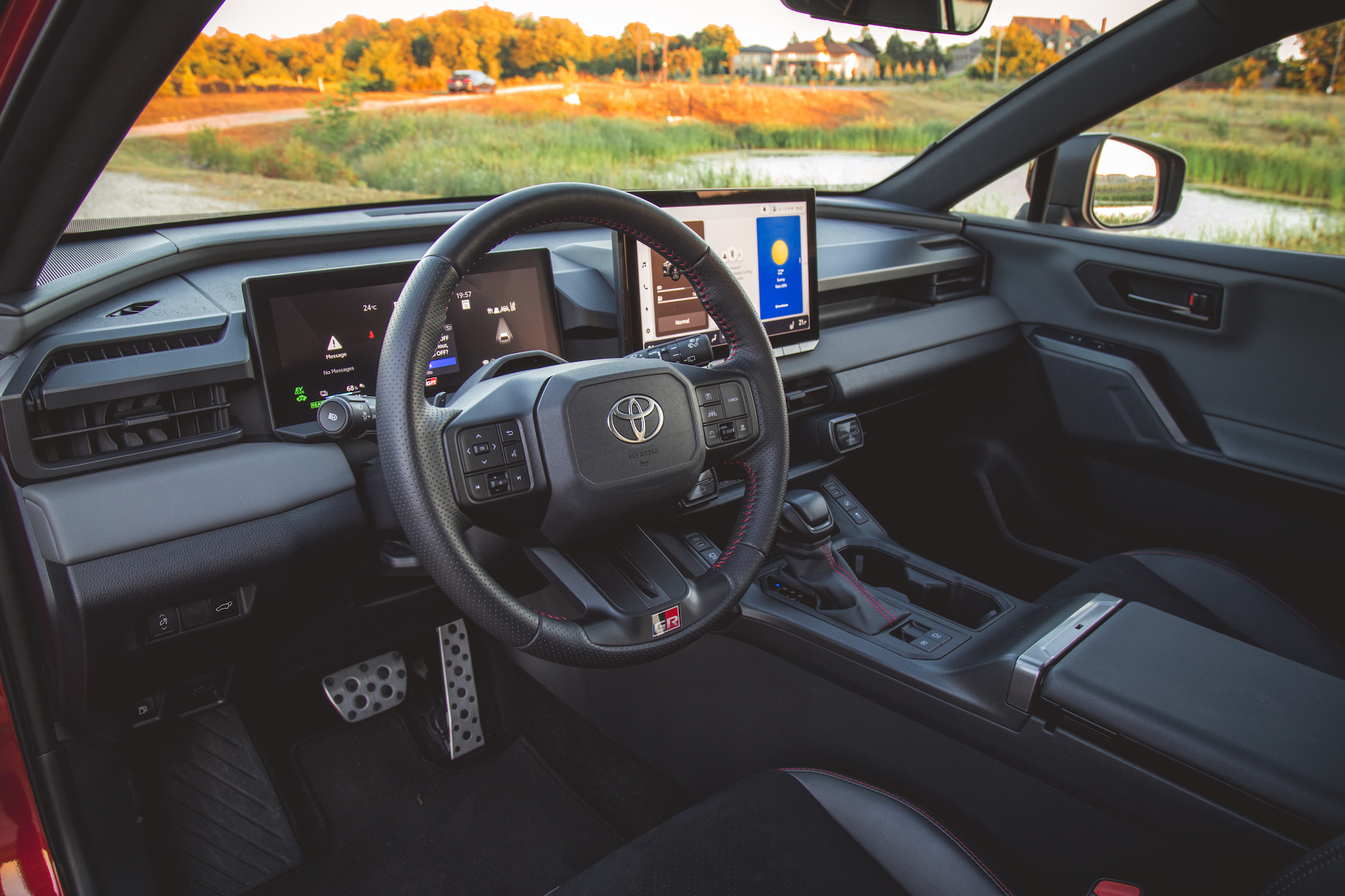
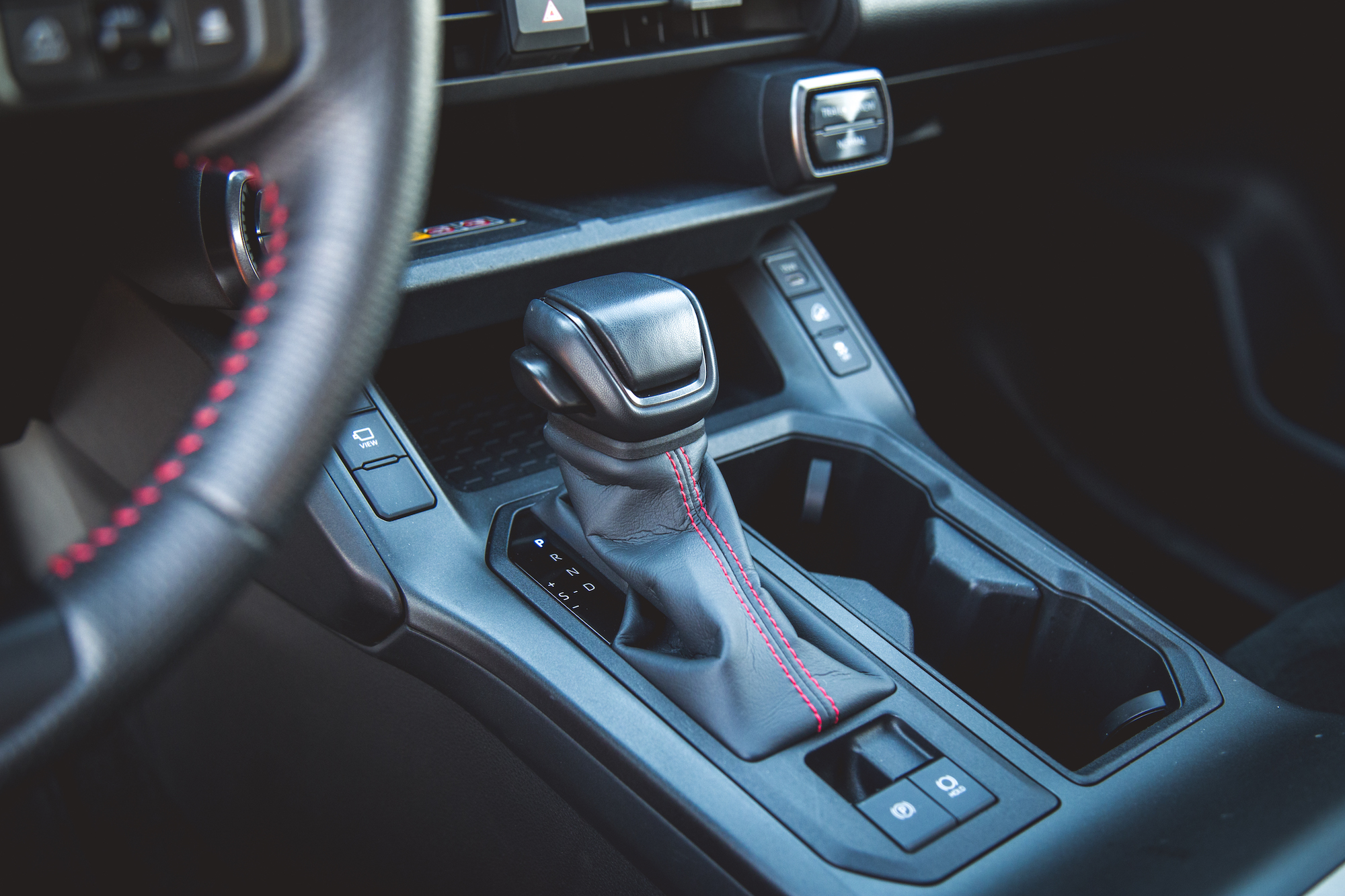
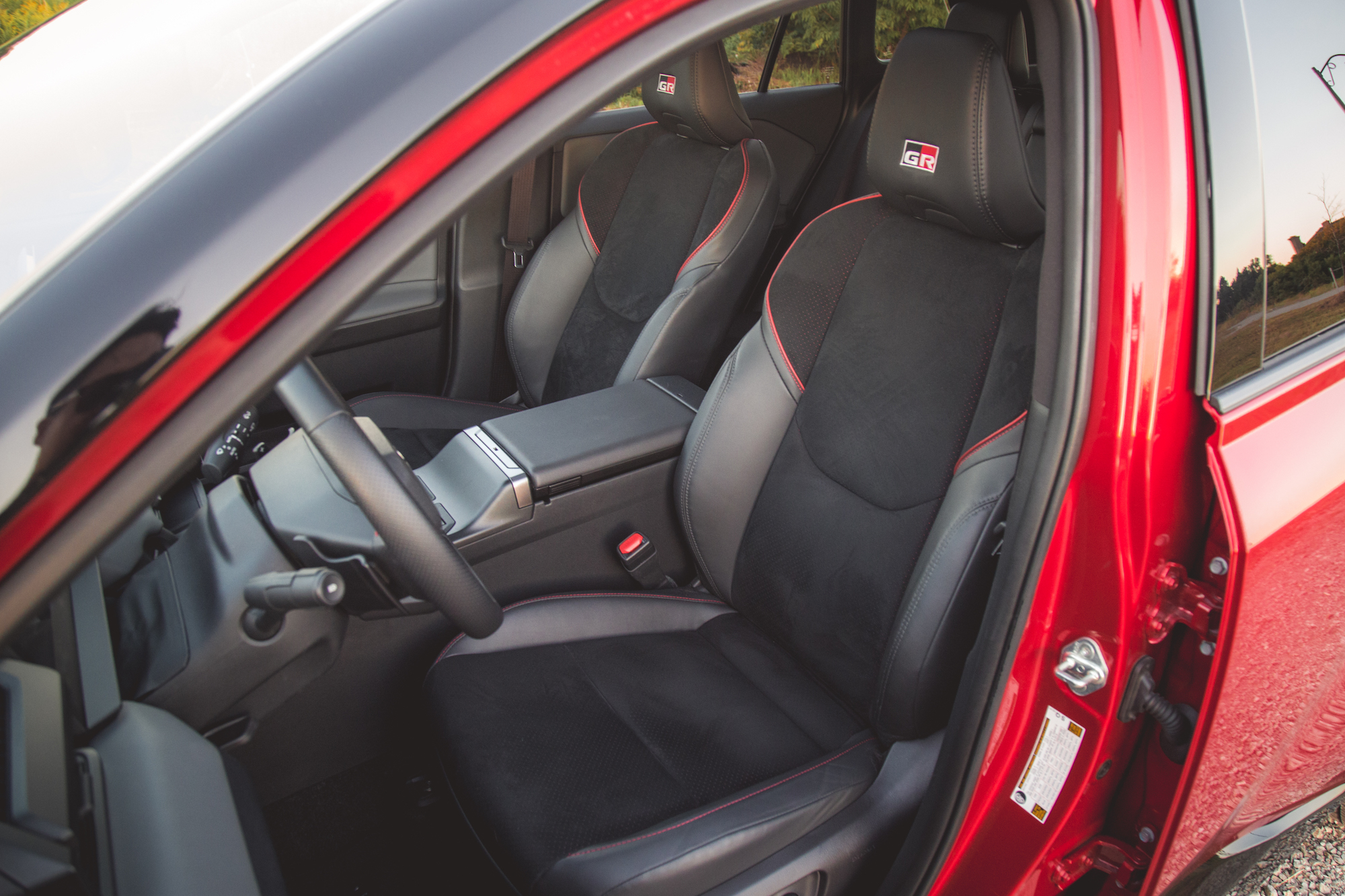
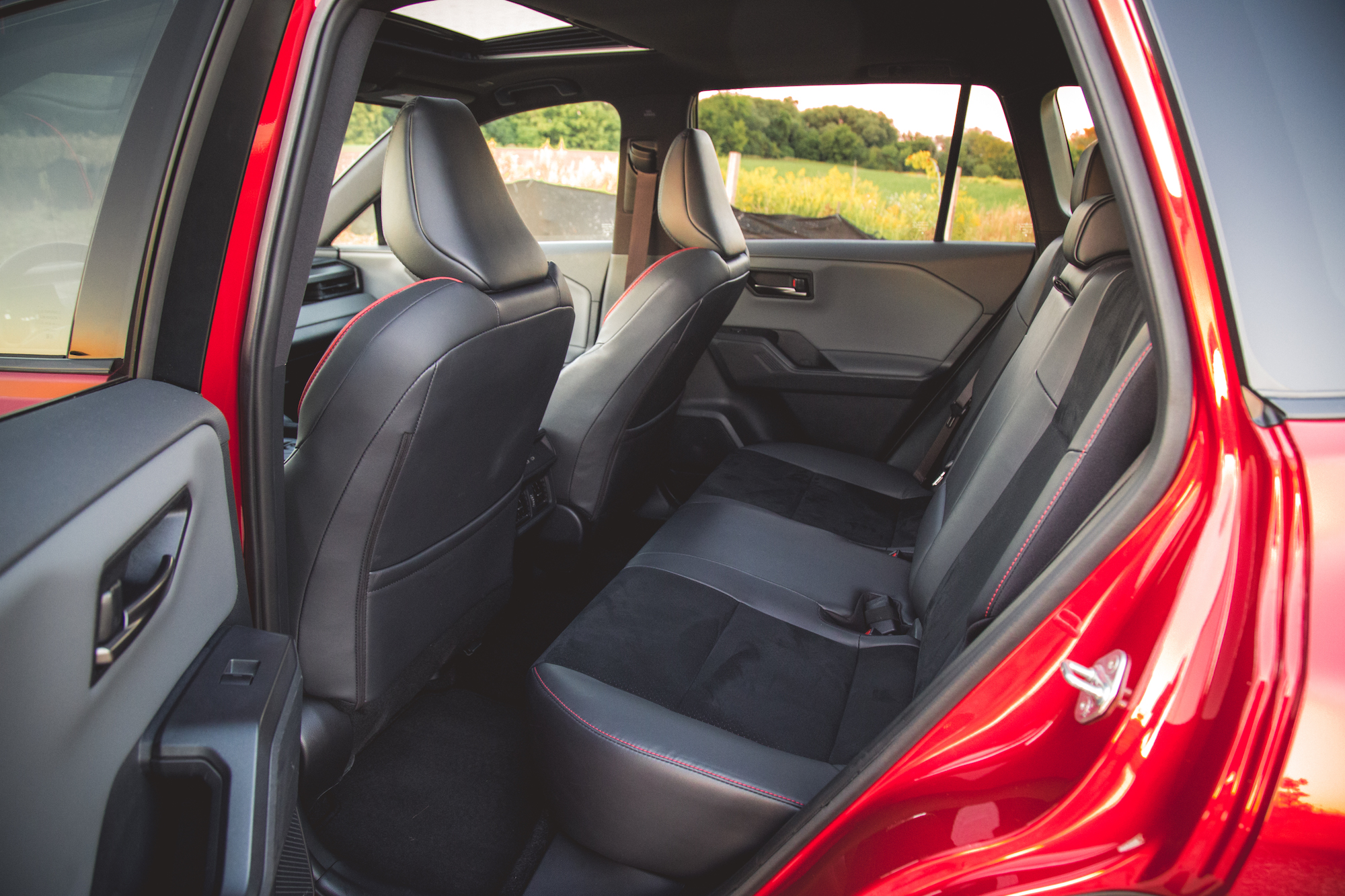
The interior feels slightly more special than the standard unit. The perforated leather, small-diameter steering wheel with ergonomic grips elevate the sporty vibes, and the paddle shifters feel good in operation and are easy to reach. We are just glad they didn’t go the Lexus route with haptic touchpads, and it’s genuinely a more aesthetically pleasing and functional wheel than the ones in Toyota’s Land Cruiser, Crown, and Corolla.
Bright displays and a large 12.9-inch touchscreen bring the RAV4 up to modern standards, but it has lost some functionality in the process. The screens now incorporate the majority of the ventilation controls, though a few dedicated buttons remain to adjust the temperature, defrosters, and volume. The extra parcel shelf that has materialized is handy for phone storage and miscellaneous items, but we strongly prefer the physical knobs from the outgoing model.

On the Scoville scale, the GR Sport is more Habanero than Carolina Reaper, but not everyone wants to challenge their tolerance every day of the week. Sometimes we just want the flavour and not the full punishment. As such, this hybrid’s duality of combustion and electric driving offers a flexible, though not particularly exciting, form of propulsion, and the steering could use a slightly less artificial tune, but the more prominent chassis fluency, strong brakes, and engaging drive offer just enough spice to make the RAV4 an enormously likeable car. For that, the GR Sport may have just paved the way for a burgeoning new segment of lightly spiced SUVs.
Specifications:
Model: 2026 Toyota RAV4 PHEV GR Sport Prototype
Paint Type: Supersonic Red
Base Price: $58,405
Wheelbase(mm): 2,690
Length/Width/Height (mm): 4,644 / 1,880 / 1,685
Curb Weight (kg): 2,009
Powertrain: 2.5-litre four-cylinder, 23 kWh lithium-ion battery, three electric motors
Horsepower: 324 combined hp
Transmission: eCVT
Engine & Drive Configuration: Front engine, AWD
Observed Electric Range: 83 km
Tires: P235/50R20; Bridgestone Turanza EL450




Leave a Reply