
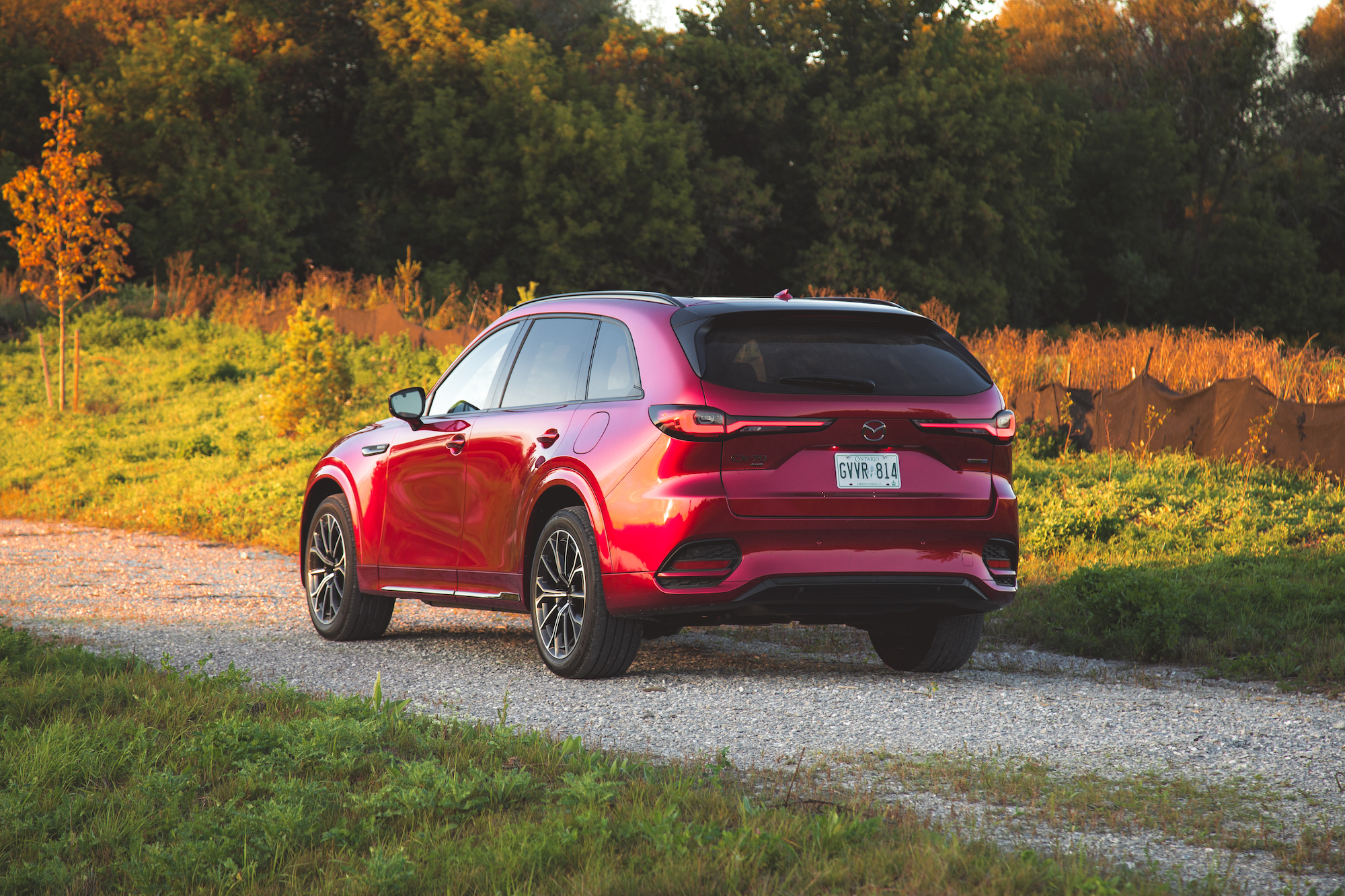
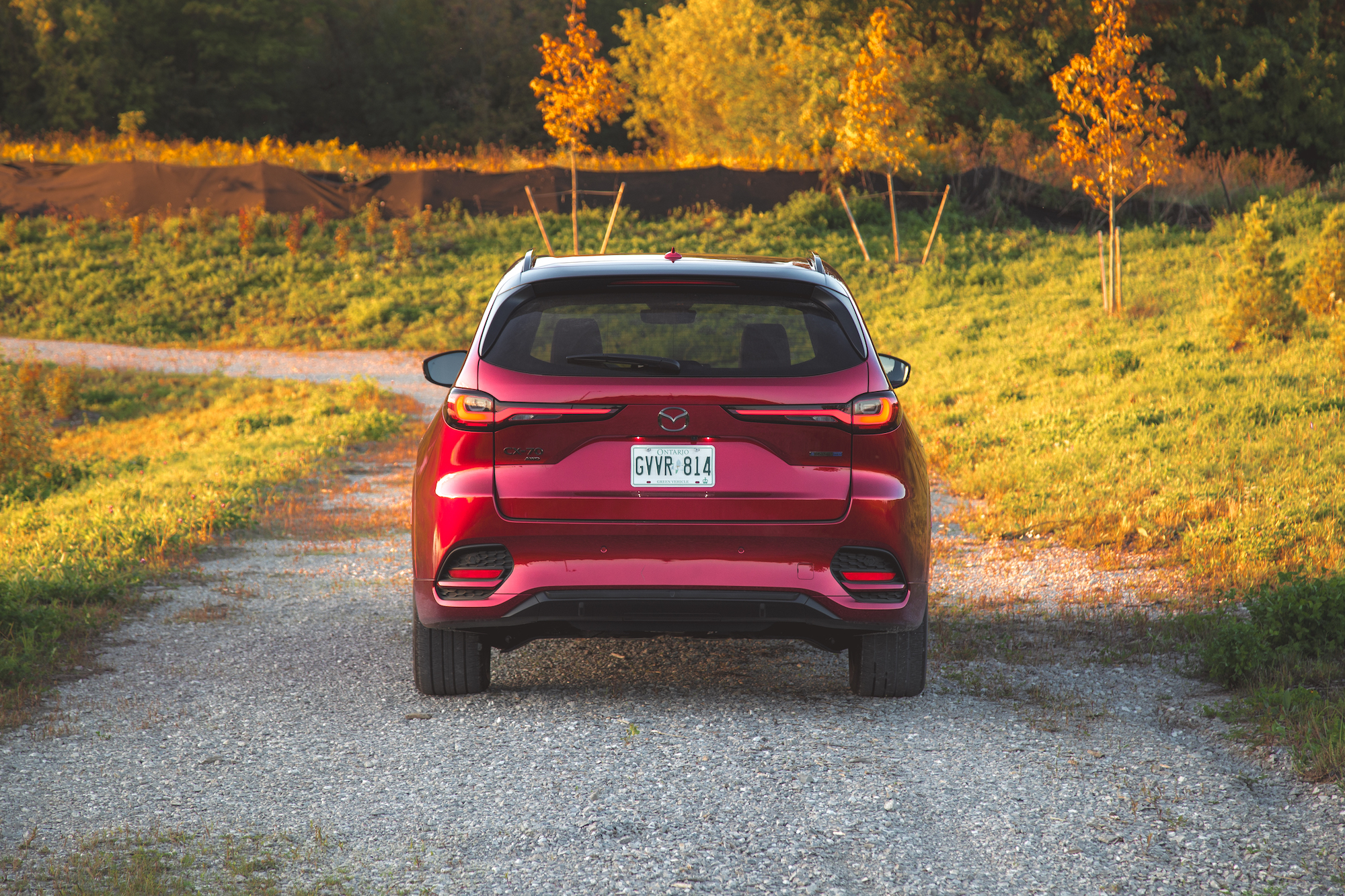
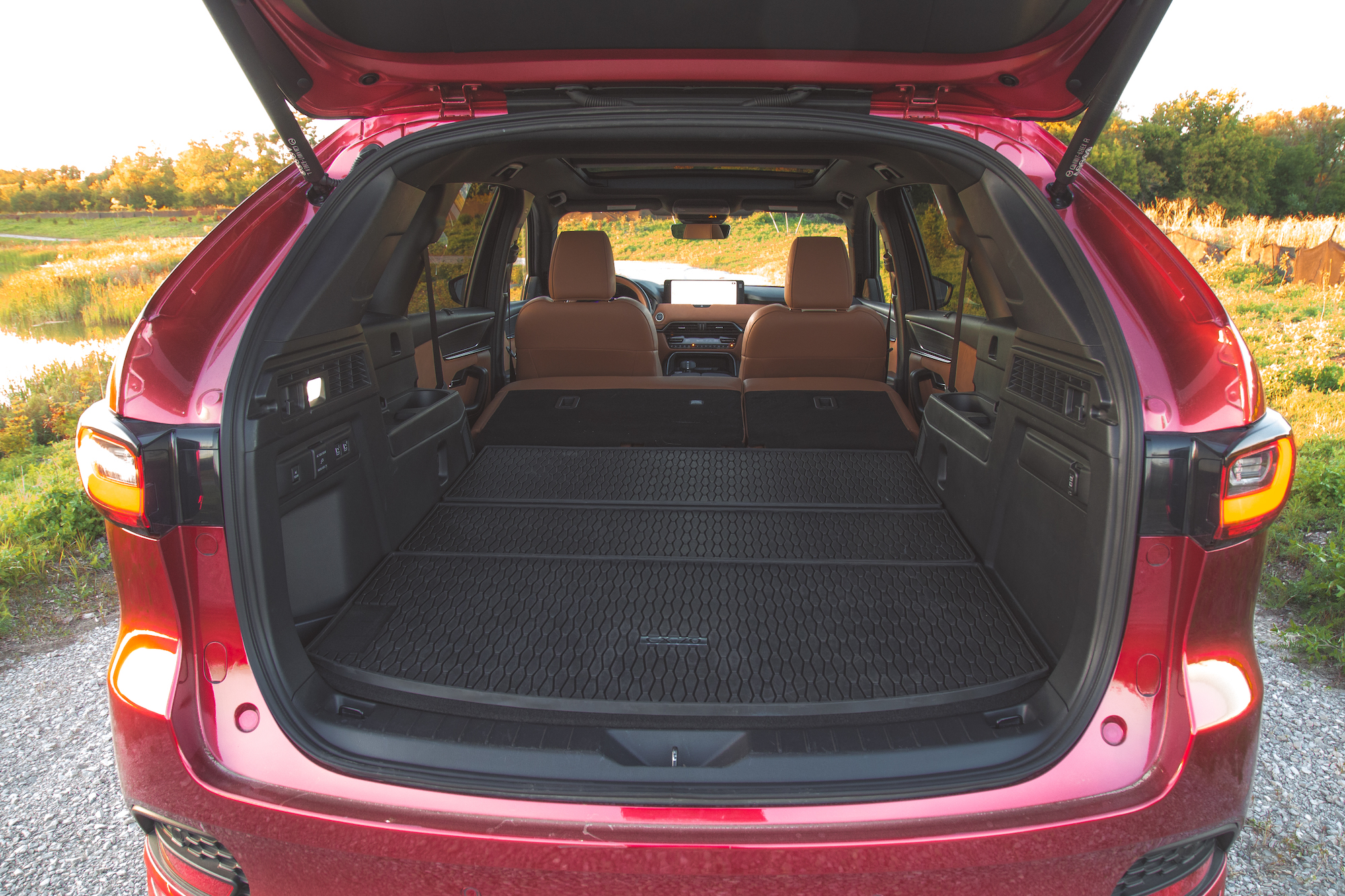
Why do the Mazda CX-70 and CX-90 look identical? Because they are. The CX-90 offers a third row of seats, while the CX-70 is strictly a two-row, five-seat SUV, using that additional space for a larger cargo area and an underfloor cubby for the spare tire. Otherwise, the exterior dimensions, wheelbase, and engine choices are identical. Why Mazda insists on marketing it as a separate model, when it could have simply been another CX-90 trim, is beyond us. It may confuse customers, but at least it gets their attention. Could you imagine the uproar if Toyota introduced a five-seat Highlander and called it the Lowlander? Bean counters must be making all the decisions these days.
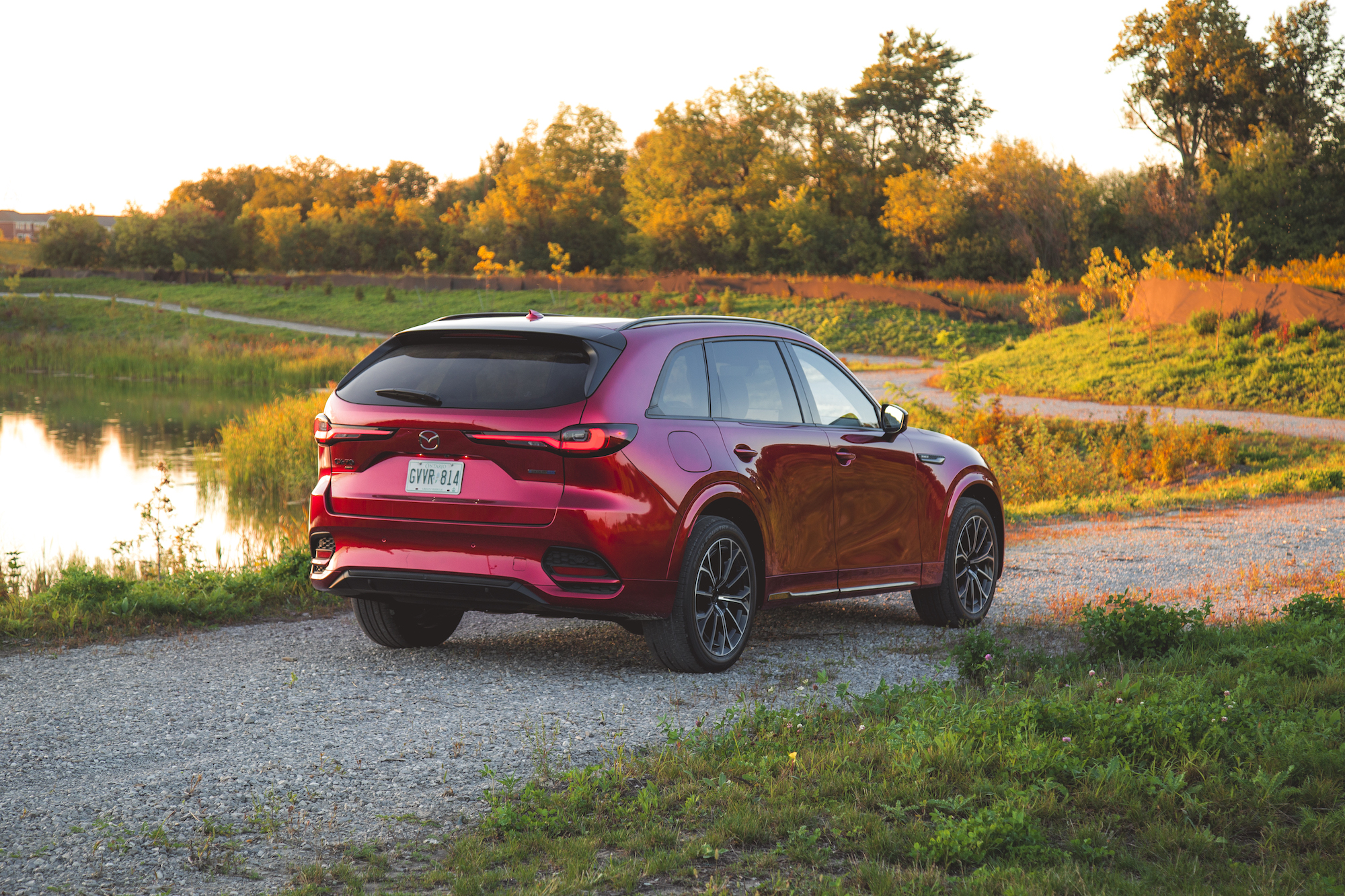
Semantics aside, the CX-70 is an excellent family SUV, combining flexible powertrains with excellent cabin ergonomics. While the turbocharged inline-six mild hybrid (MHEV) delivers competitive power, we’re curious about the plug-in hybrid (PHEV) and the flexibility it provides. With the future of fuel prices uncertain, there’s something reassuring about waking up in the morning and being able to choose the desired mode of propulsion.

The CX-70 PHEV pairs a 2.5-litre inline four-cylinder engine with a 17.8 kWh lithium-ion battery and electric motor, tag-teaming to deliver a combined 319 hp and 369 lb-ft of torque. Mazda says 93-octane fuel nudges the output to 323 hp, but with fuel prices the way they are, we doubt many owners will willingly fork over an extra tenner for a measly four horsepower.
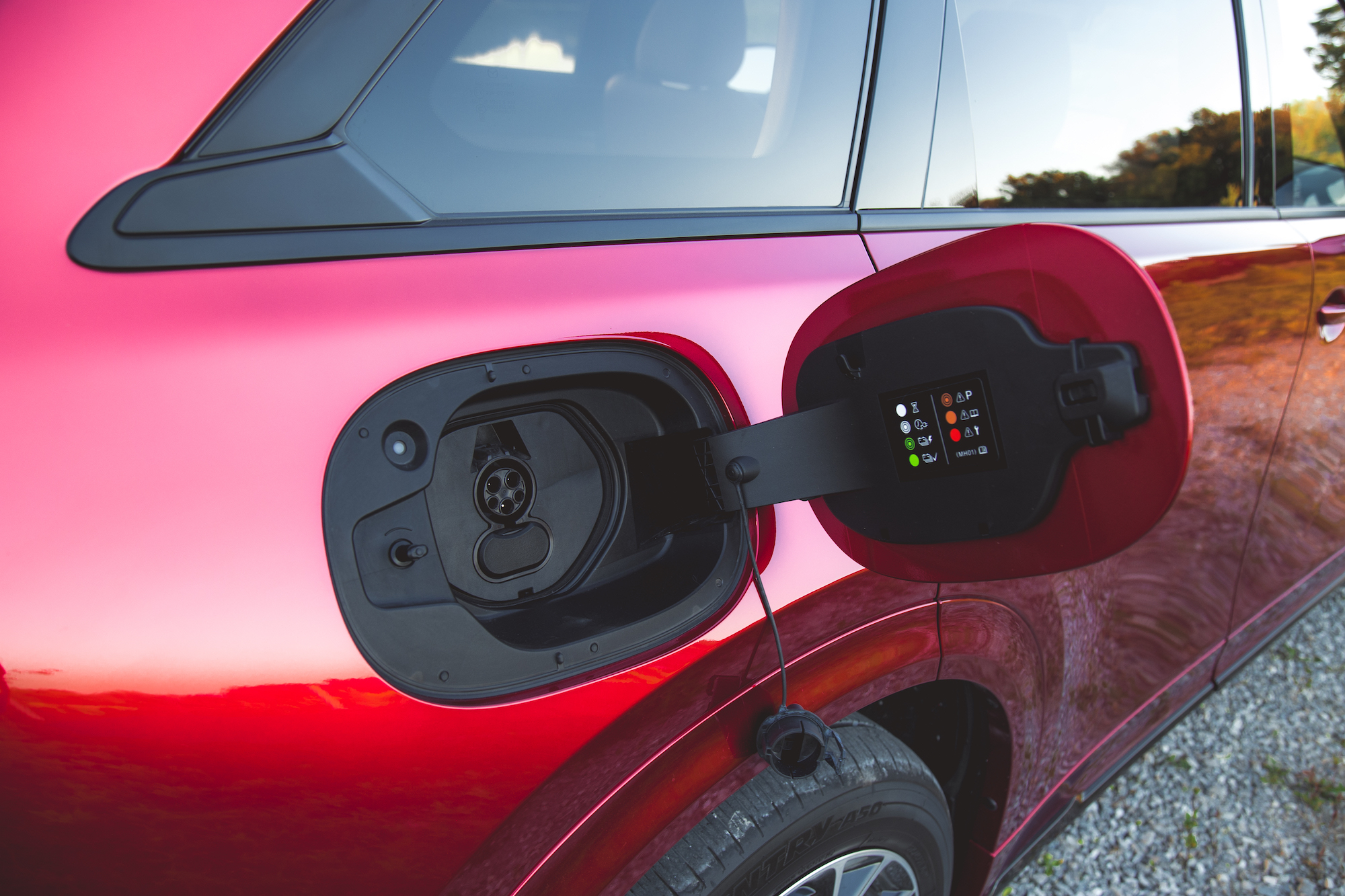
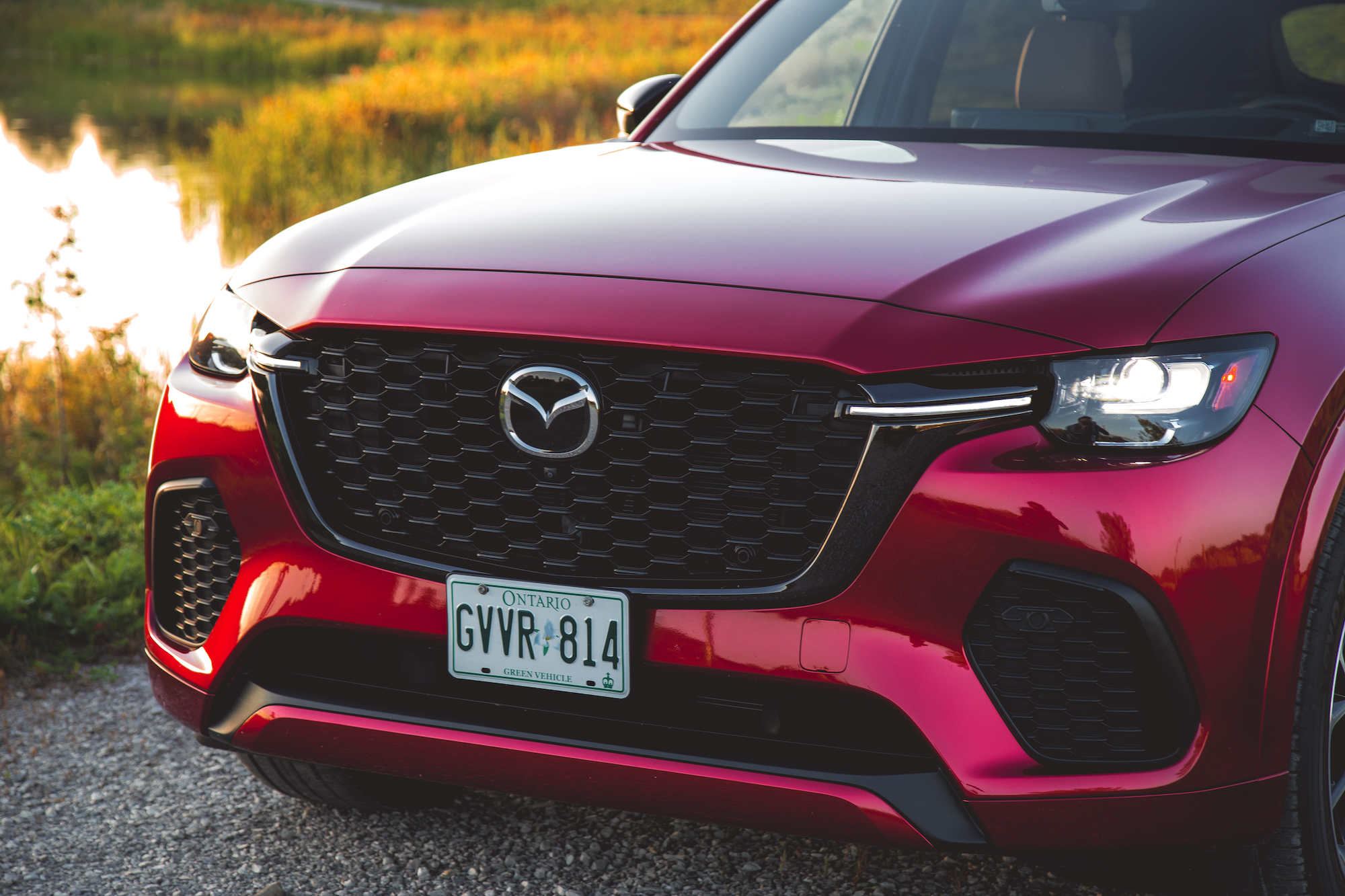
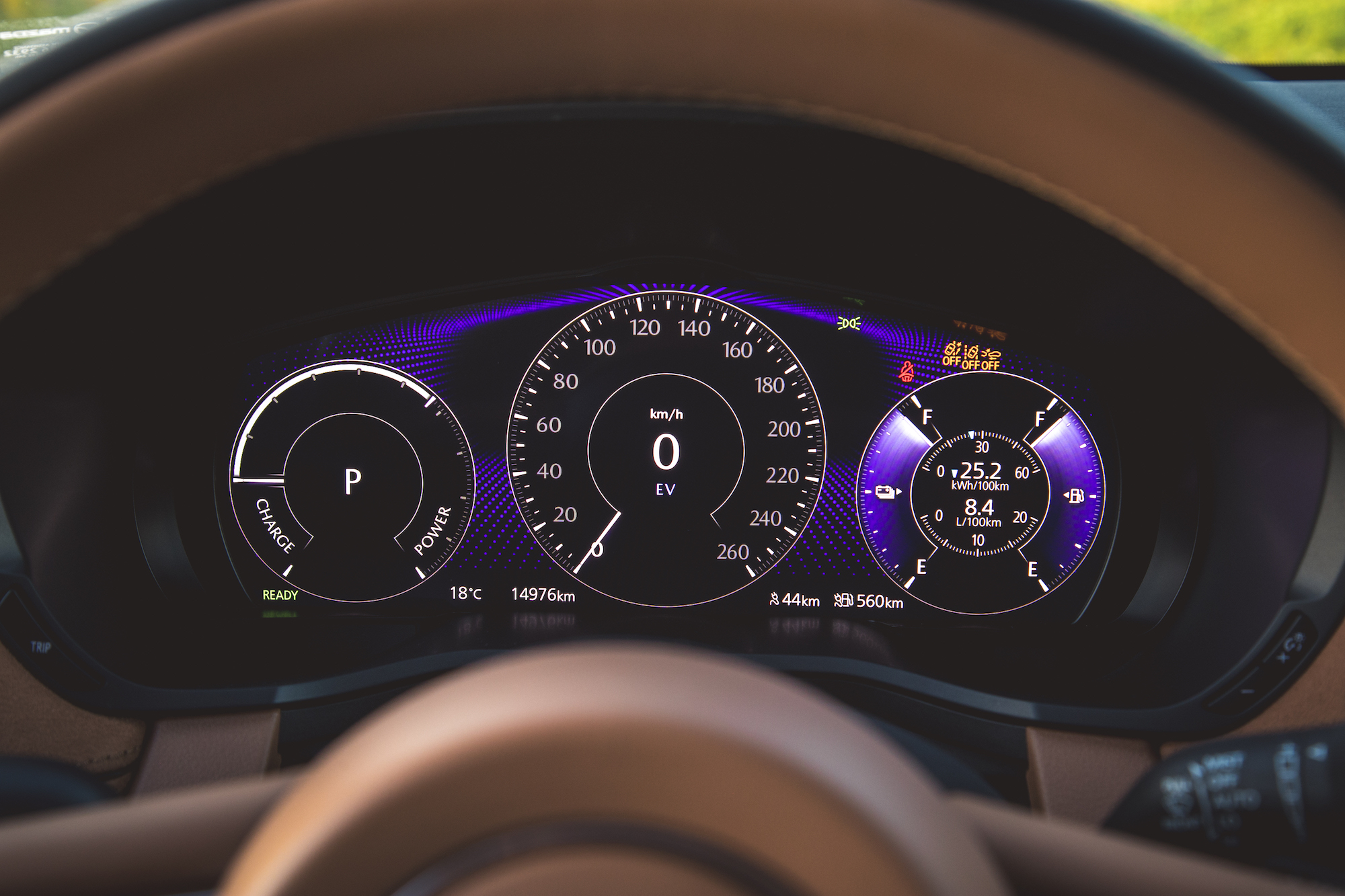
With the fuel filler on the driver’s side and the charging port on the passenger’s, Mazda claims the CX-70 PHEV can travel up to 43 km on a single charge in the GT and Signature trims. The lower GS SC and GS-L SC trims are rated at 51 km instead due to differences in software calibration and the additional weight of higher-spec equipment. Actual commuting distances will vary, but the 35 km we managed in our Signature test vehicle through city traffic proved sufficient for our daily errands.
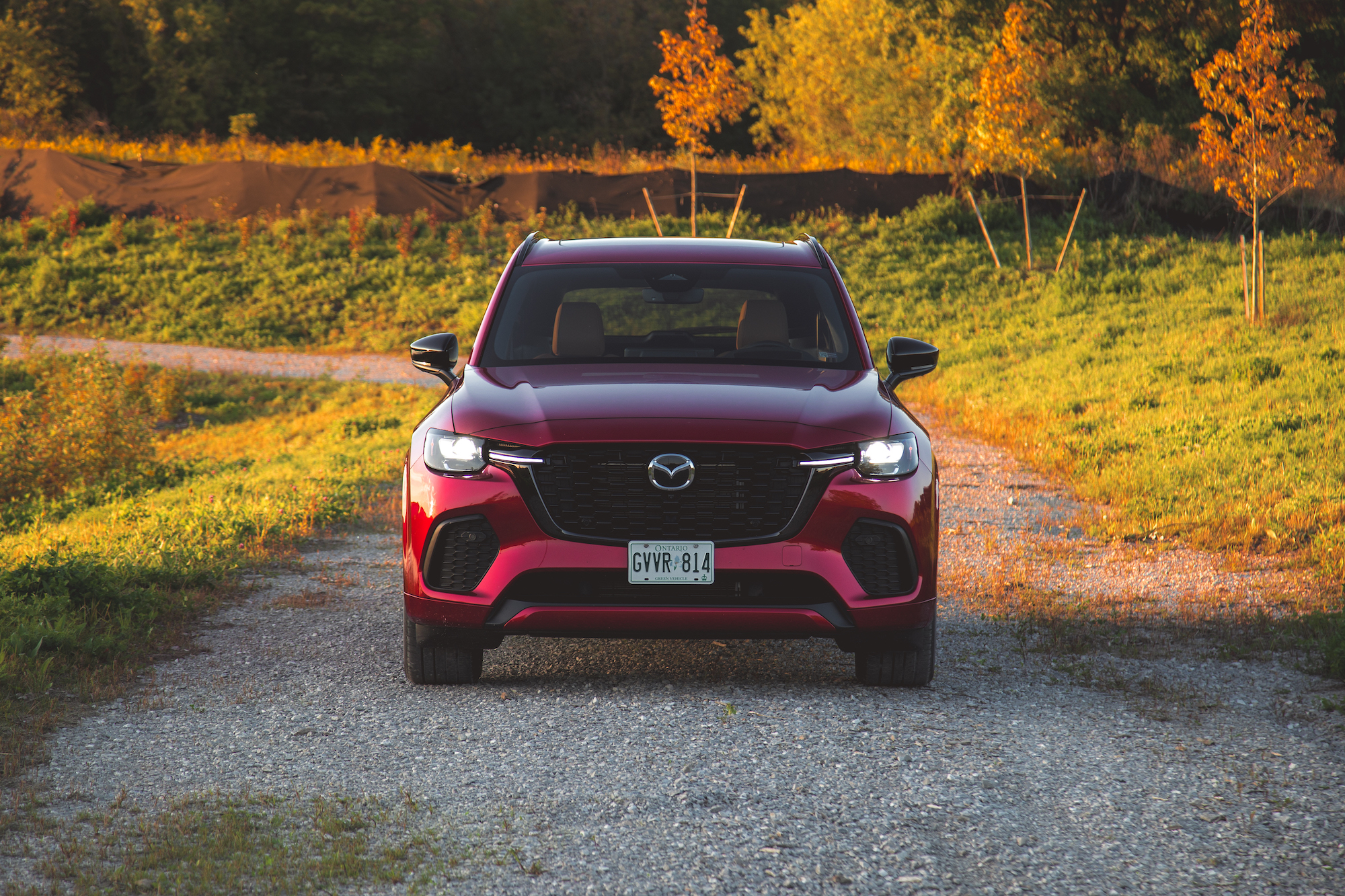
The problem is that the CX-70’s electric range isn’t particularly competitive. The Kia Sorento PHEV claims 55 km, the Lexus RX 450h+ 60 km, the Mitsubishi Outlander PHEV 72 km, and the Volvo XC90 PHEV 53 km. The Mazda cannot be DC fast-charged either, although the relatively small battery means a home charger can replenish it in a jiffy.
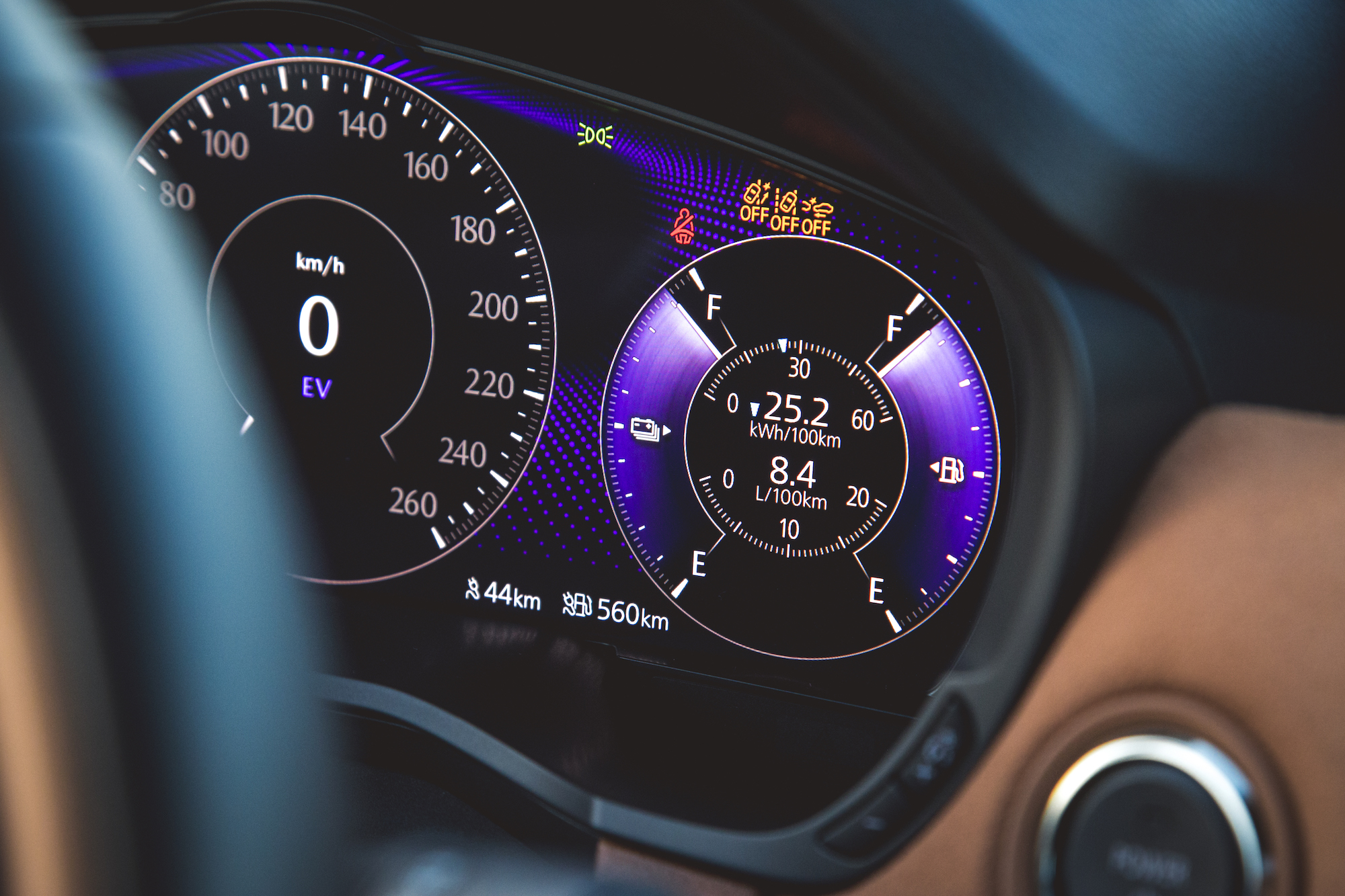
In EV mode, the electric motor provides smooth but glacial acceleration, adequate for suburban driving, but a far cry from the immediate torque provided by a thoroughbred electric vehicle. EV mode also emits excessive whining and seems to simulate upshifts until the ‘third gear,’ with brief hiccups during low-speed acceleration. Pulling one of the paddle shifters instantly wakes the turbocharged engine, though, allowing the four-cylinder to join the party and deliver considerably stronger thrust.

On the road, the CX-70 drives like a carbon copy of the CX-90, and if there are meaningful differences underneath the skin, we didn’t feel them. The electrification hardware adds considerable mass, though, bringing our tester to 2,362 kg, more than a non-PHEV Range Rover Sport. That heft makes itself known in the ride quality, which can feel unpolished and brittle as the suspension struggles to contain oscillations over poor road surfaces. The large 21-inch wheels and Toyo Open Country A50 tires certainly aren’t helping, and the busy ride has us looking for a more tolerable alternative for long-distance voyages, such as the Dodge Durango or Lexus RX 450h+.
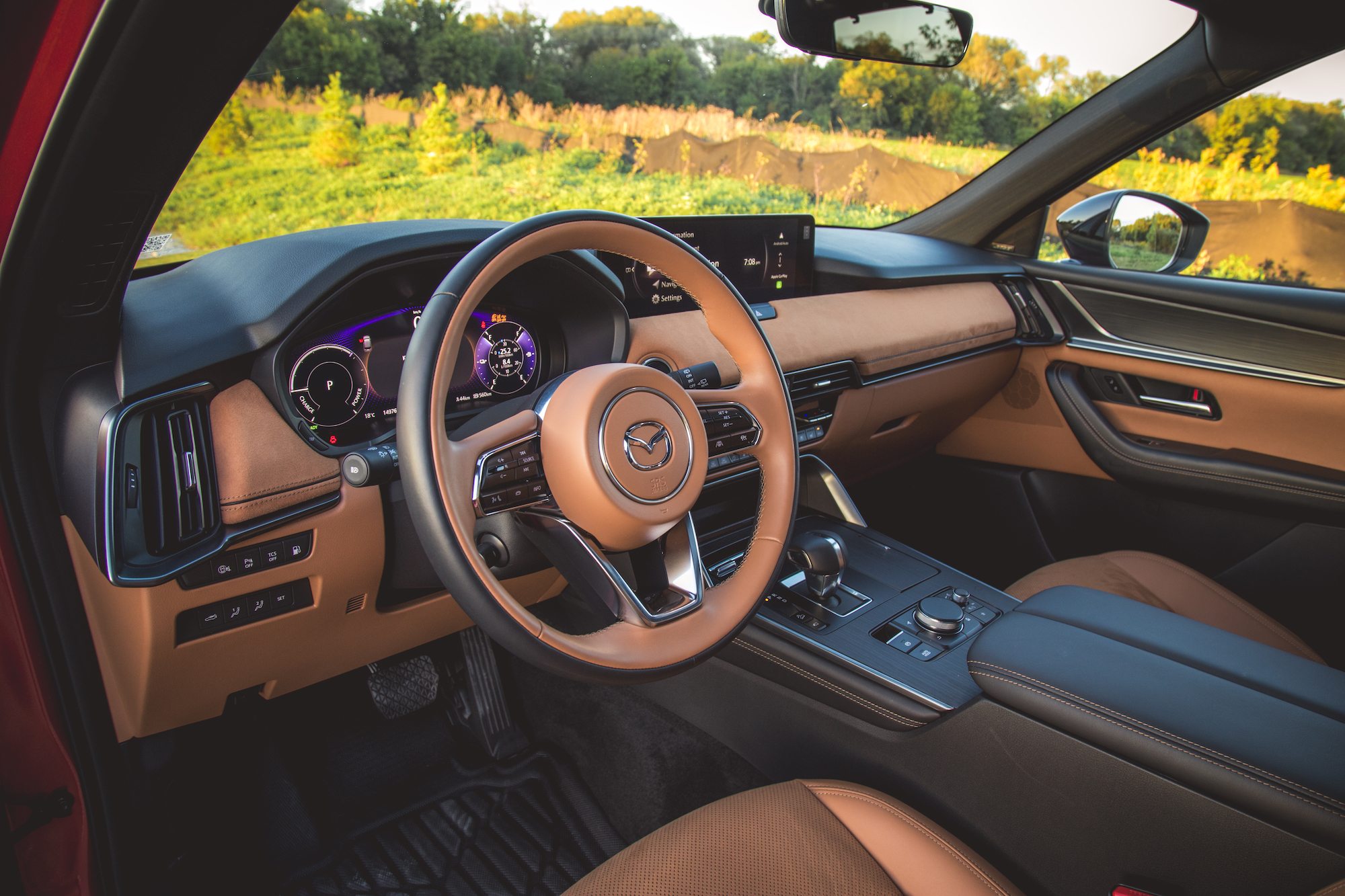
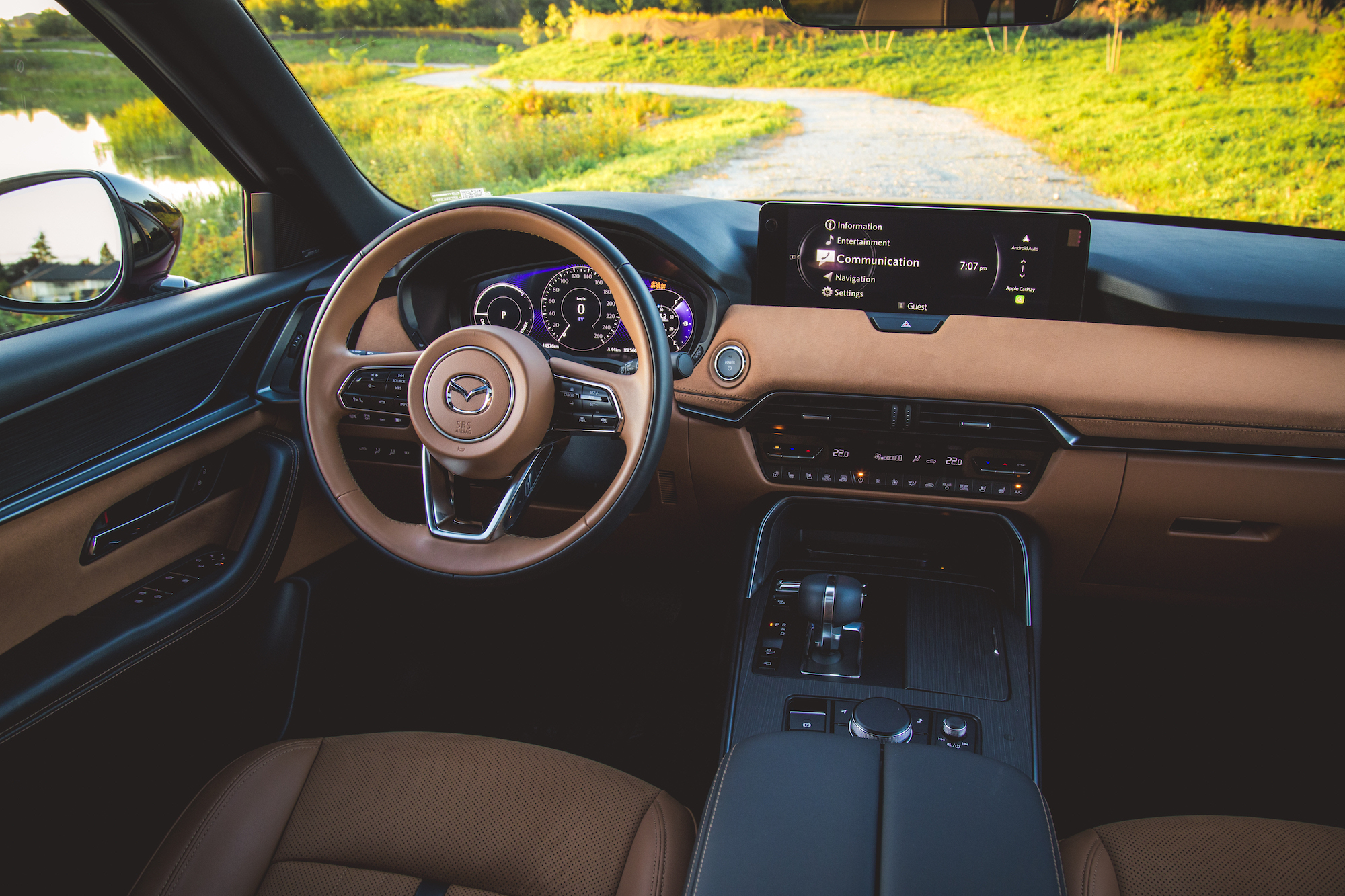
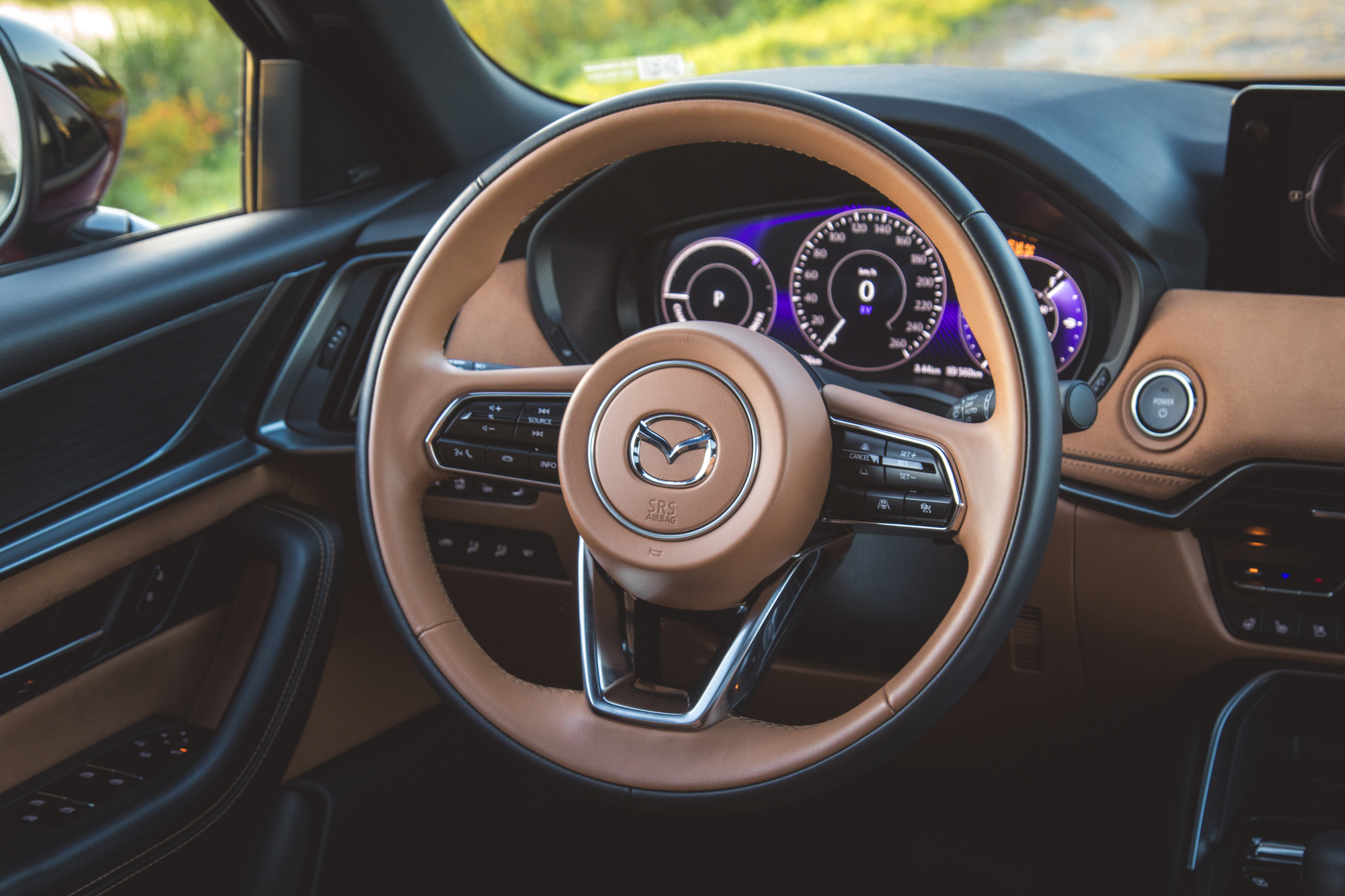
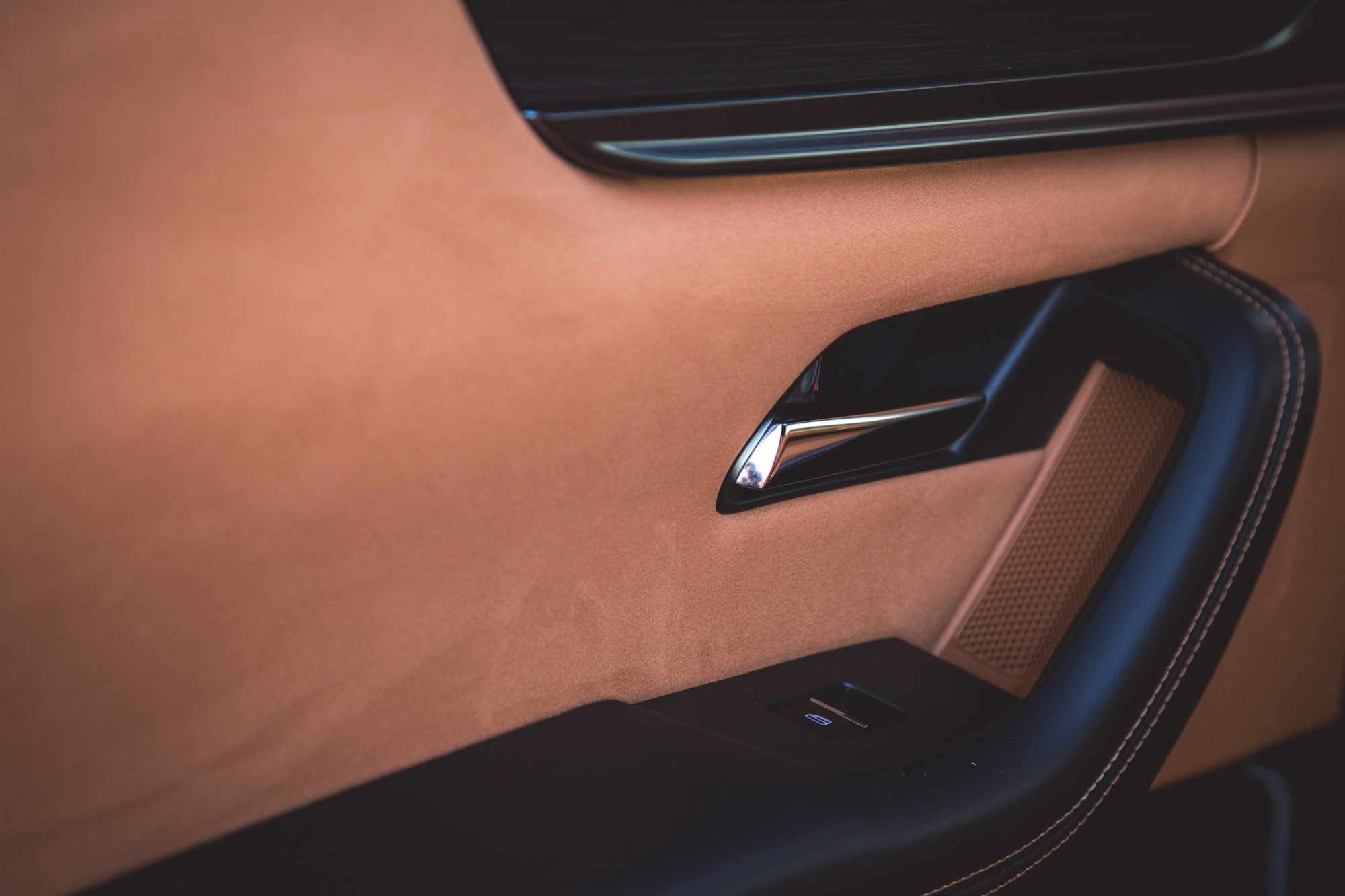
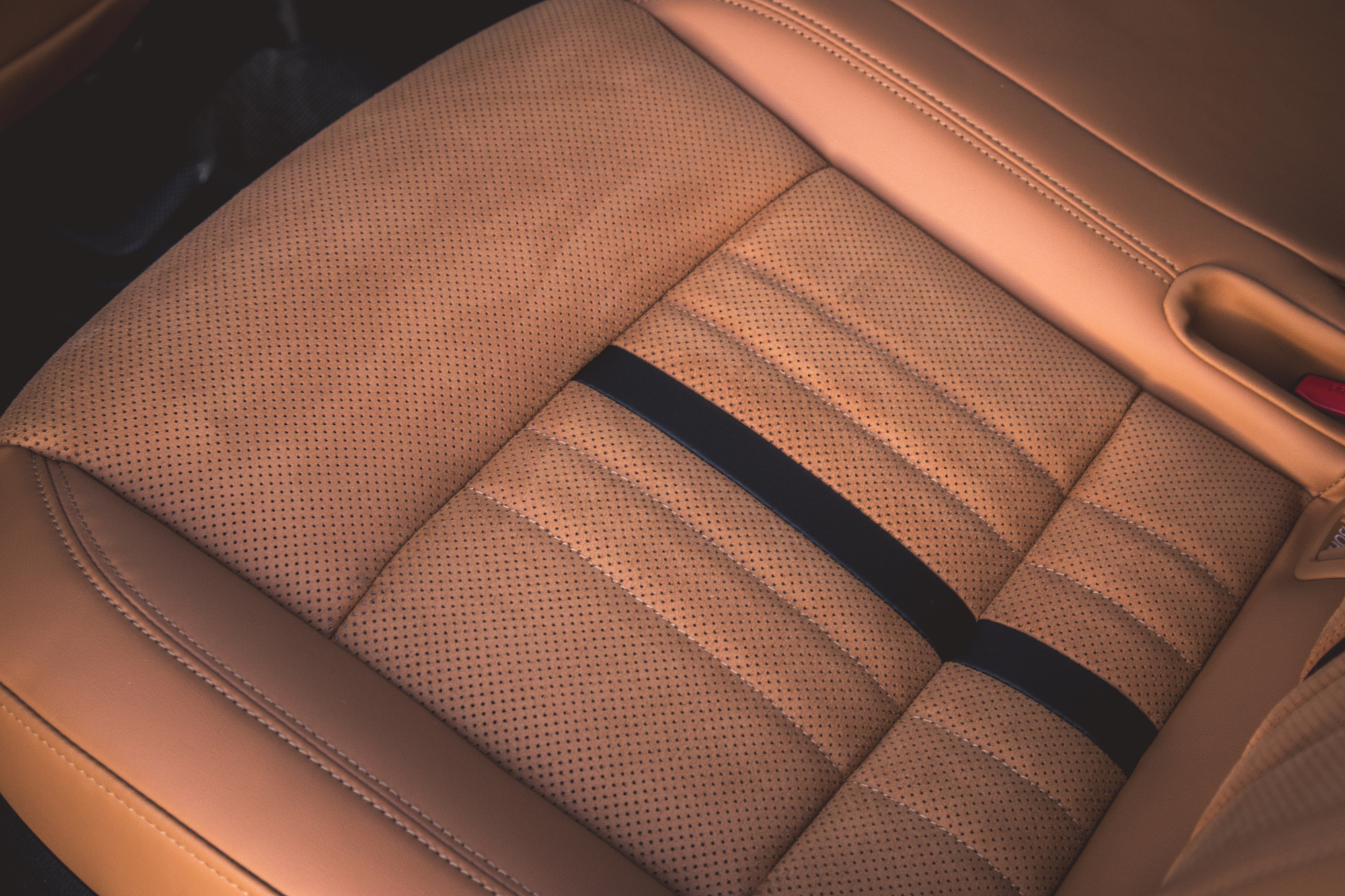
The CX-70 interior is peak Mazda, furnished with top-shelf materials, high-quality suede, and Nappa leather upholstery that looks more expensive than what you’ll find in the Acura MDX and is easily comparable with the Lexus RX. Our Soul Red Crystal test vehicle with Windsor Tan leather also gave us faint Lexus LC vibes.
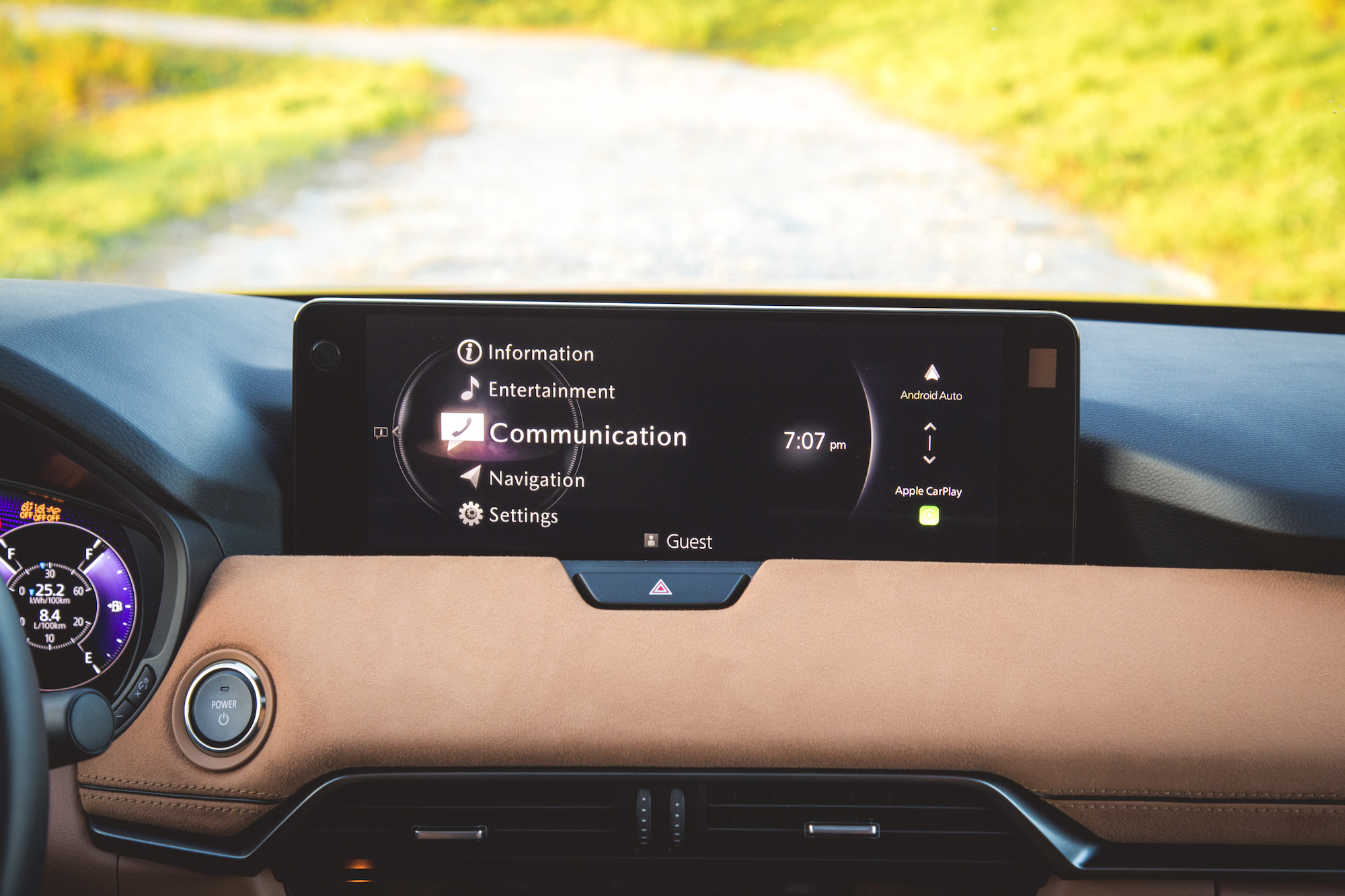
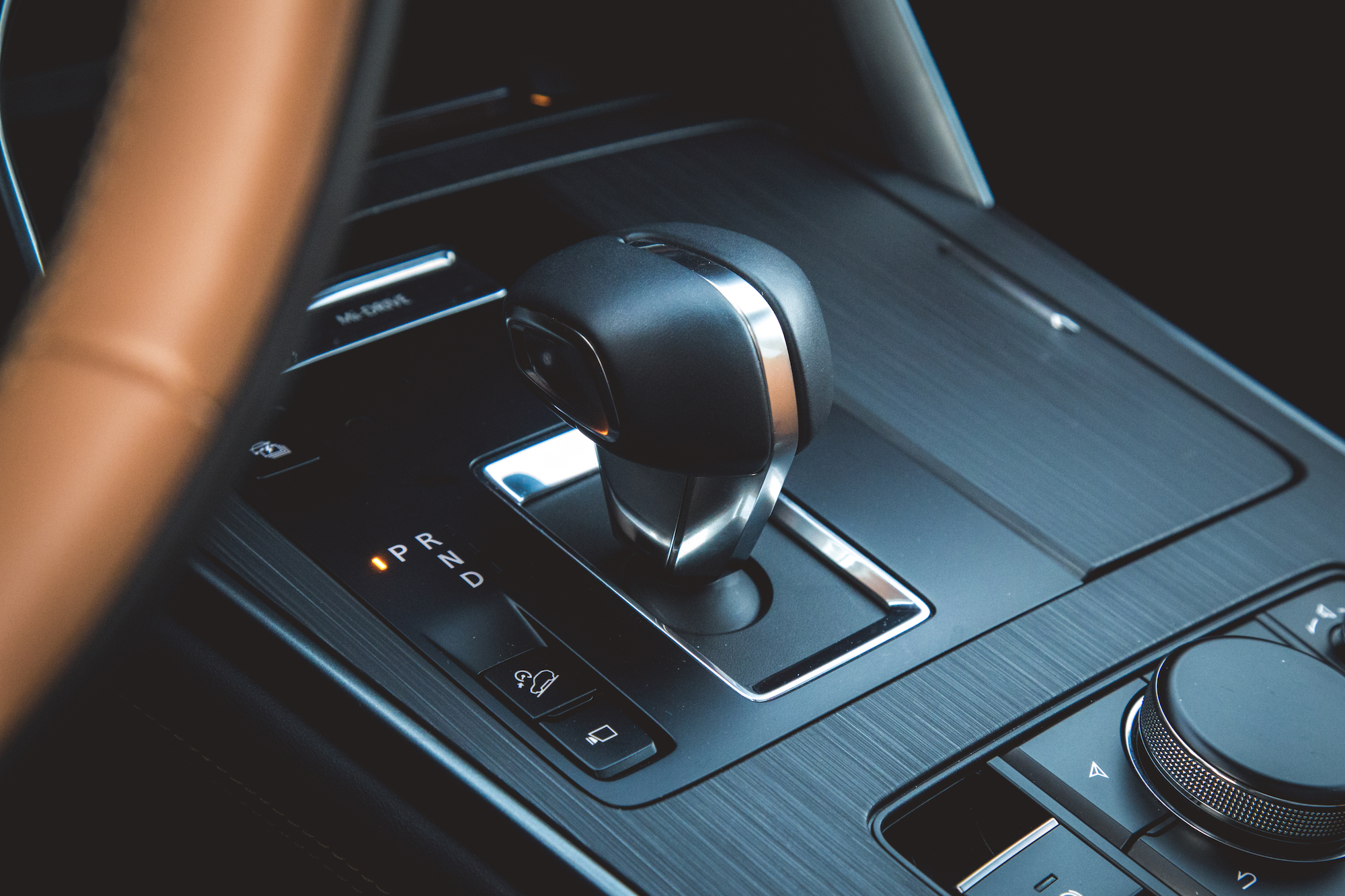
The 12.3-inch infotainment display is wide and narrow, limiting usable screen real estate compared with the squarer panels found in some rivals, particularly when running Apple CarPlay or Android Auto. Mazda’s native interface remains somewhat finicky, but the rotary controller makes it considerably easier to navigate. We preferred using it over touch input, not least because the screen sits a considerable distance from the driver, but also because there’s something deeply satisfying about the controller’s mechanical clicks.

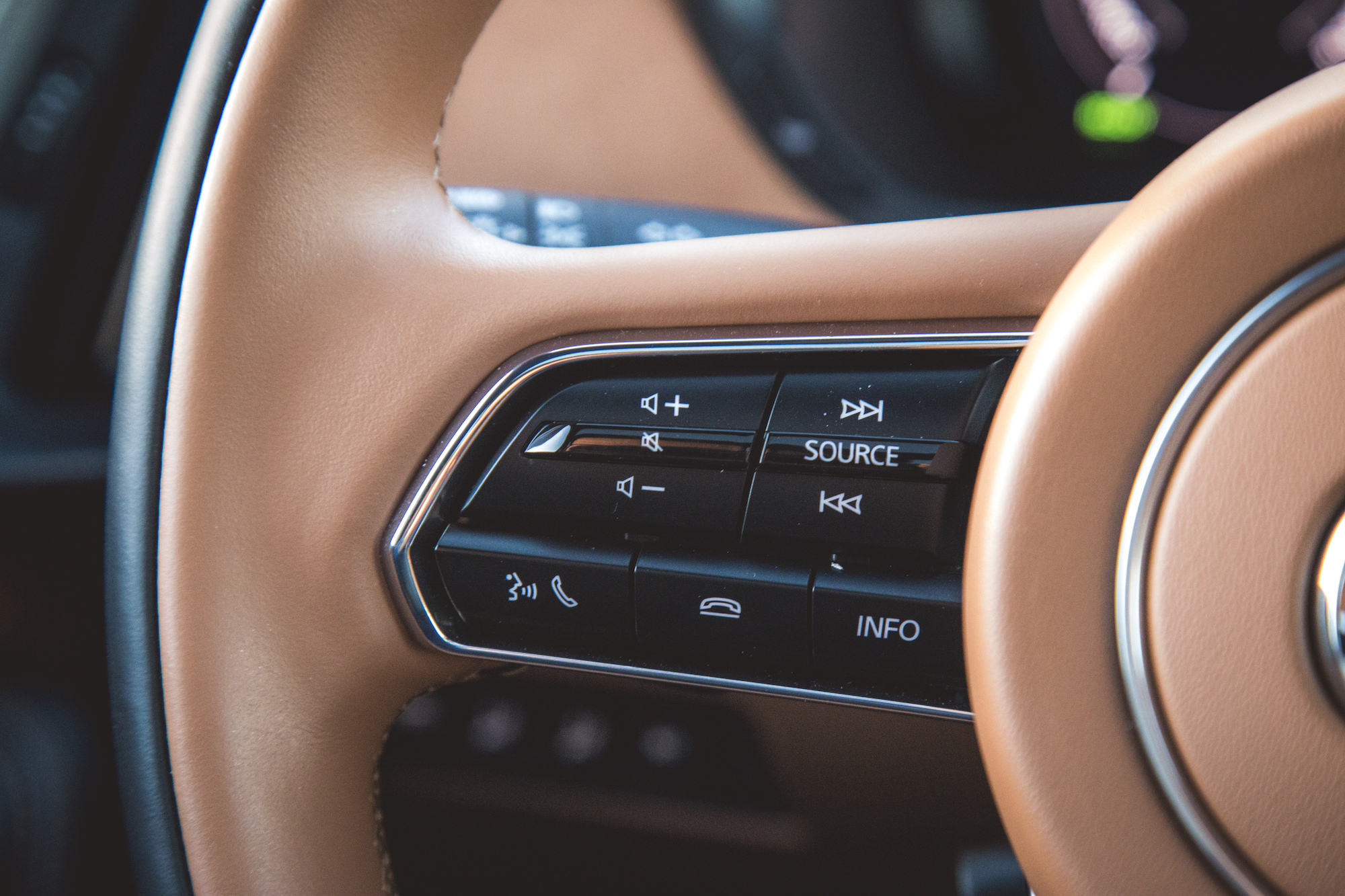
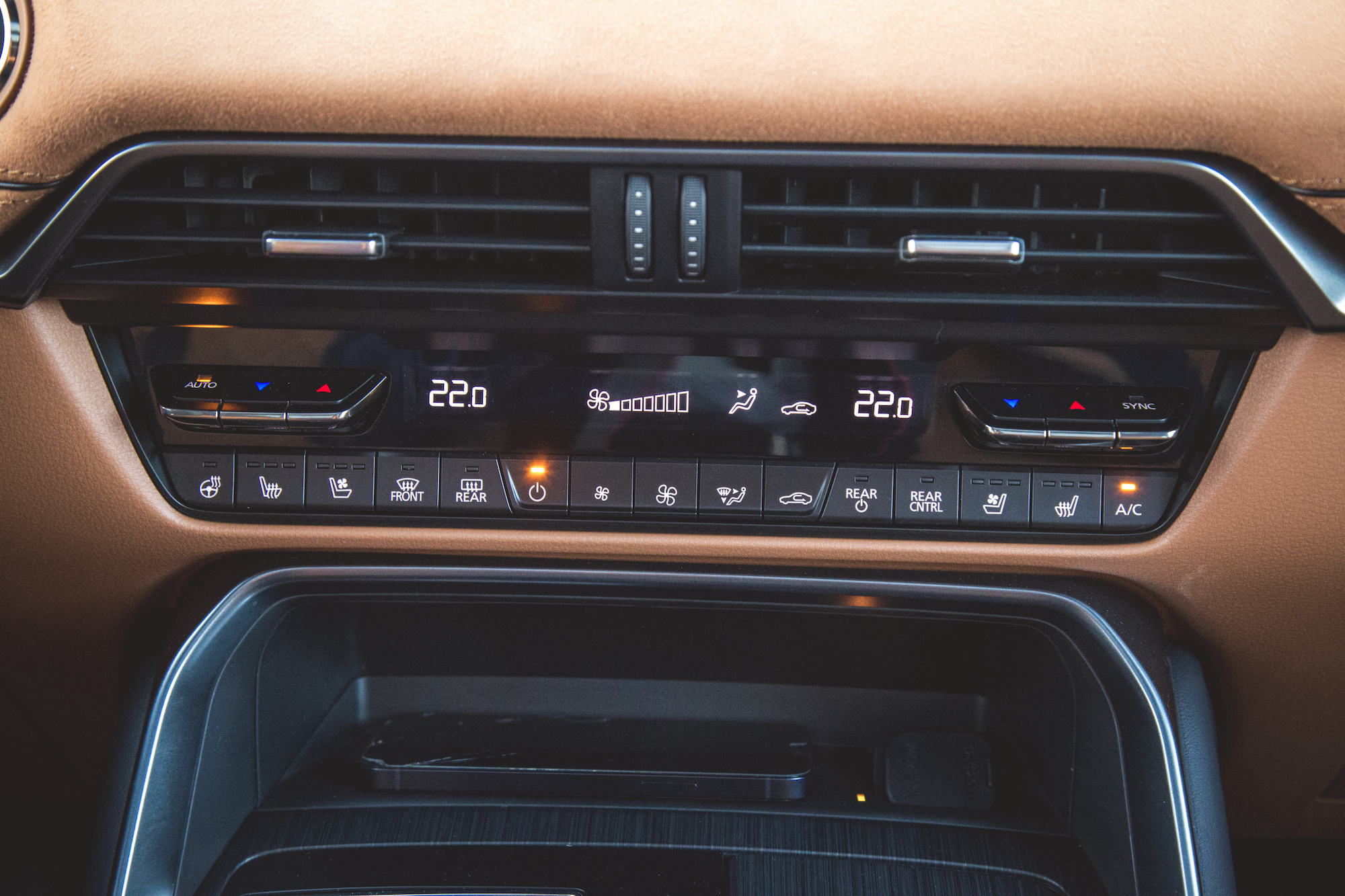
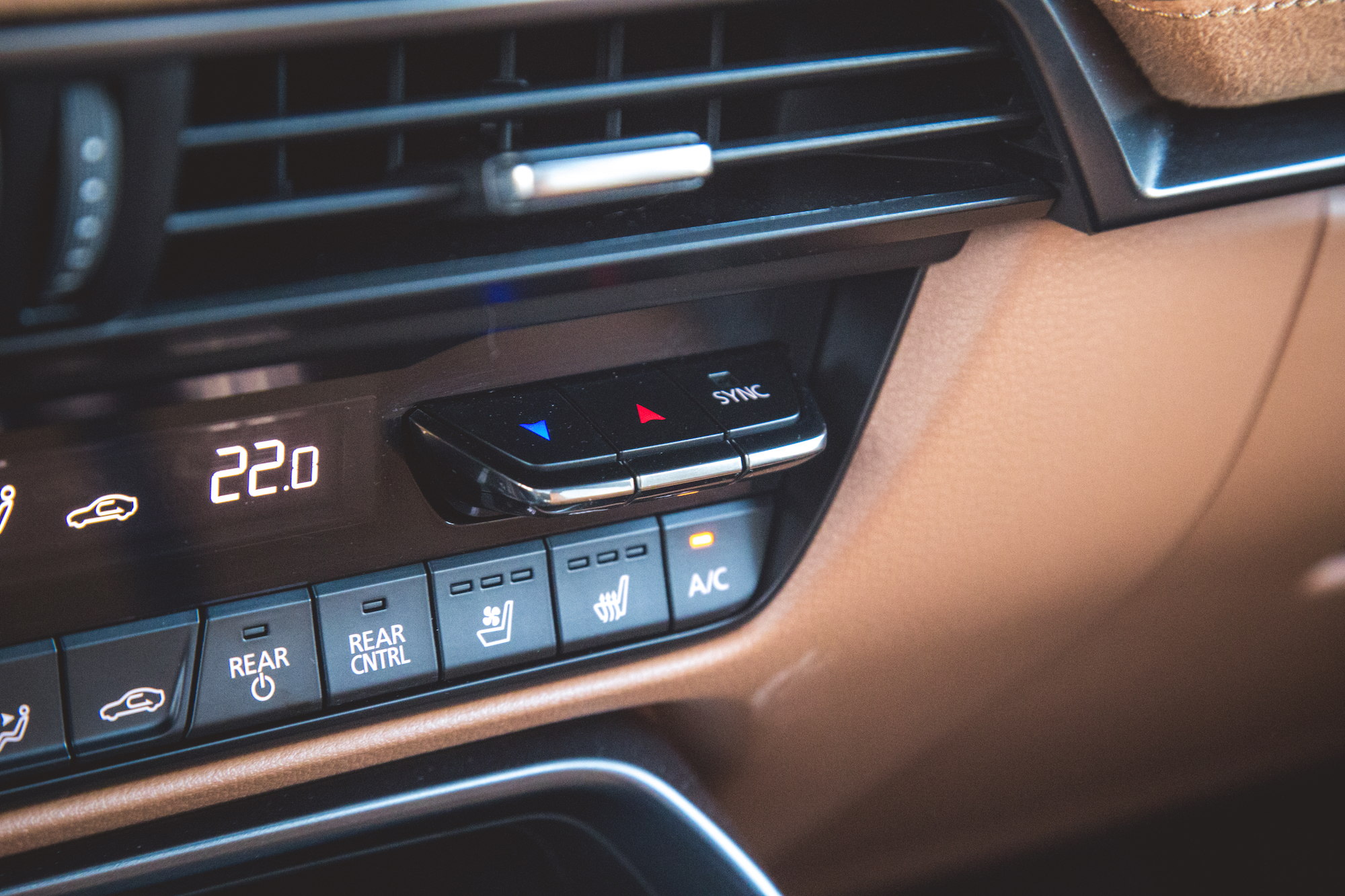
That brings us to Mazda’s switchgear, which remains among the finest in the business. The toggles are firmly anchored, the metallic-look knurling has Porsche-like tactility, and the decisive clicks of the controls make those in the Acura and BMW feel comparatively low-rent. The same goes for the window and climate controls. Having a dedicated physical button for a commonly used function is a simple joy, particularly after spending time in the new, screen-reliant CX-5, which has deprived us of that pleasure.
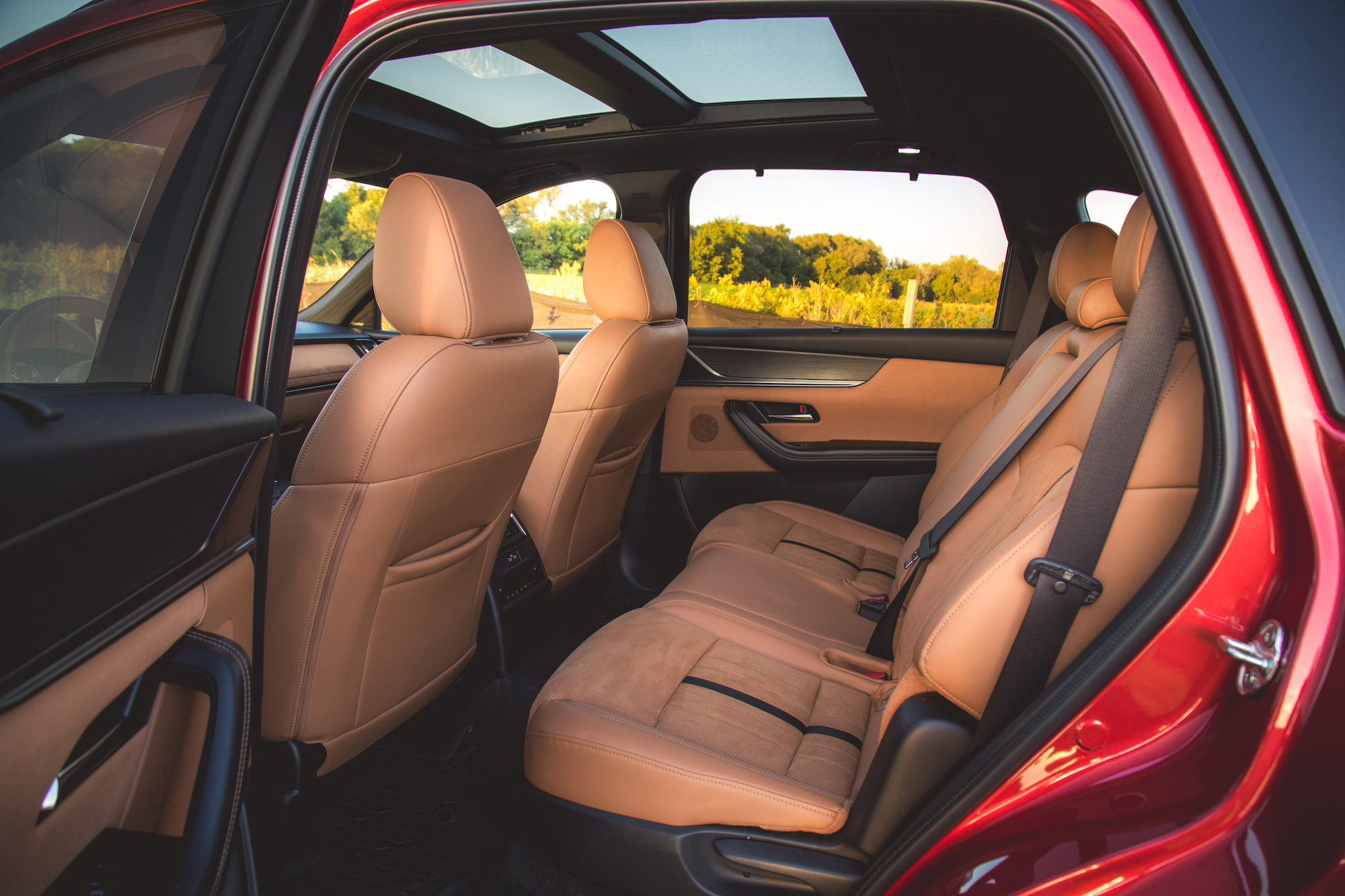
The driving position is snug and comfortably positioned within the CX-70’s tall cabin, with expansive sightlines and large windows providing excellent visibility. Like the CX-5, the rear doors swing open to nearly 90 degrees, creating a huge entry portal similar to the Lucid Air’s. It makes getting in and out remarkably easy and virtually pain-free, and is particularly useful if you regularly ferry passengers, accommodate elderly occupants, or use your CX-70 as a ride-hailing carriage.
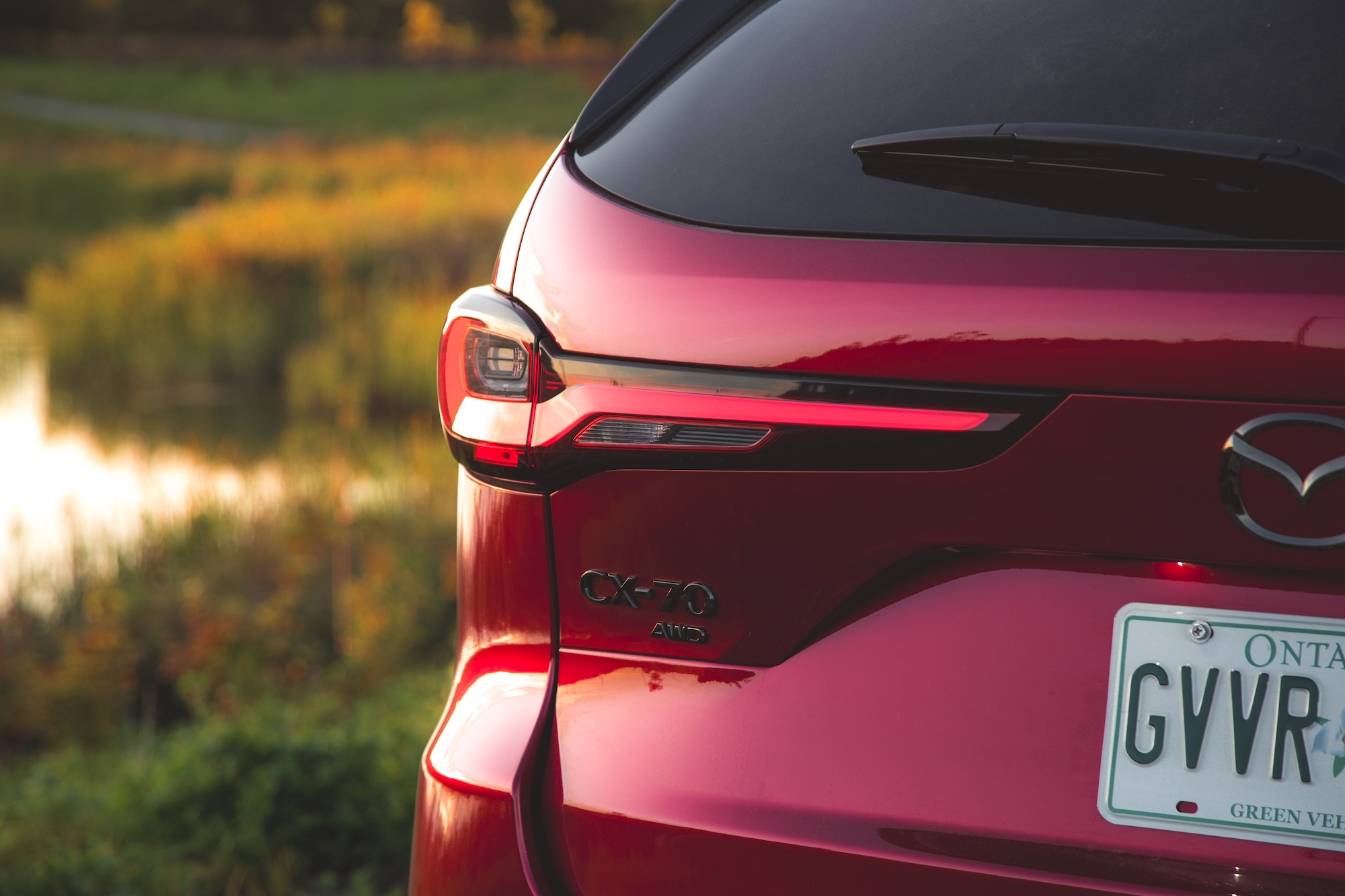
The CX-70 PHEV is a flexible means of transportation, but its modest electric range and middling ride quality leave us hesitant to recommend it over its alternatives. If 35 km of summertime range covers your daily commute, the PHEV can make plenty of sense. But with battery technology continuing to advance, it’s difficult not to wonder how quickly today’s modest outputs will begin to look dated. Regardless, the CX-70 remains a well-rounded, do-it-all family SUV, with an upscale cabin, excellent ergonomics, and a level of tactile quality that remains uncommon in this class. For our money, though, the MHEV is the better pick of the litter.
Specifications:
Model: 2026 Mazda CX-70 PHEV Signature
Paint Type: Soul Red Crystal Metallic
Base Price: $68,300
Price as Tested: $68,800
Wheelbase(mm): 3,120
Curb Weight (kg): 2,362
Powertrain: 2.5-litre four-cylinder engine, 17.8 kWh lithium-ion battery, electric motor
Horsepower: 323 hp @ 6,000 rpm (with 93-octane fuel), 319 hp (87-octane fuel)
Torque: 369 lb-ft @ 4,000 rpm
Transmission: 8-speed automatic
Engine & Drive Configuration: Front engine, AWD
Claimed Electric Range: 43 km
Observed Electric Range: 35 km
Tires: Toyo Open Country A50; 275/45R21






Leave a Reply