
Having too much choice isn’t always a good thing, like being overwhelmed by a 200-dish takeout menu, trying to find a piece of furniture on Wayfair, or deciding which streaming service to cancel. But we’d argue that the automotive market greatly benefits from more choice. After all, a rising tide lifts all ships, and competition only breeds better, more affordable products.
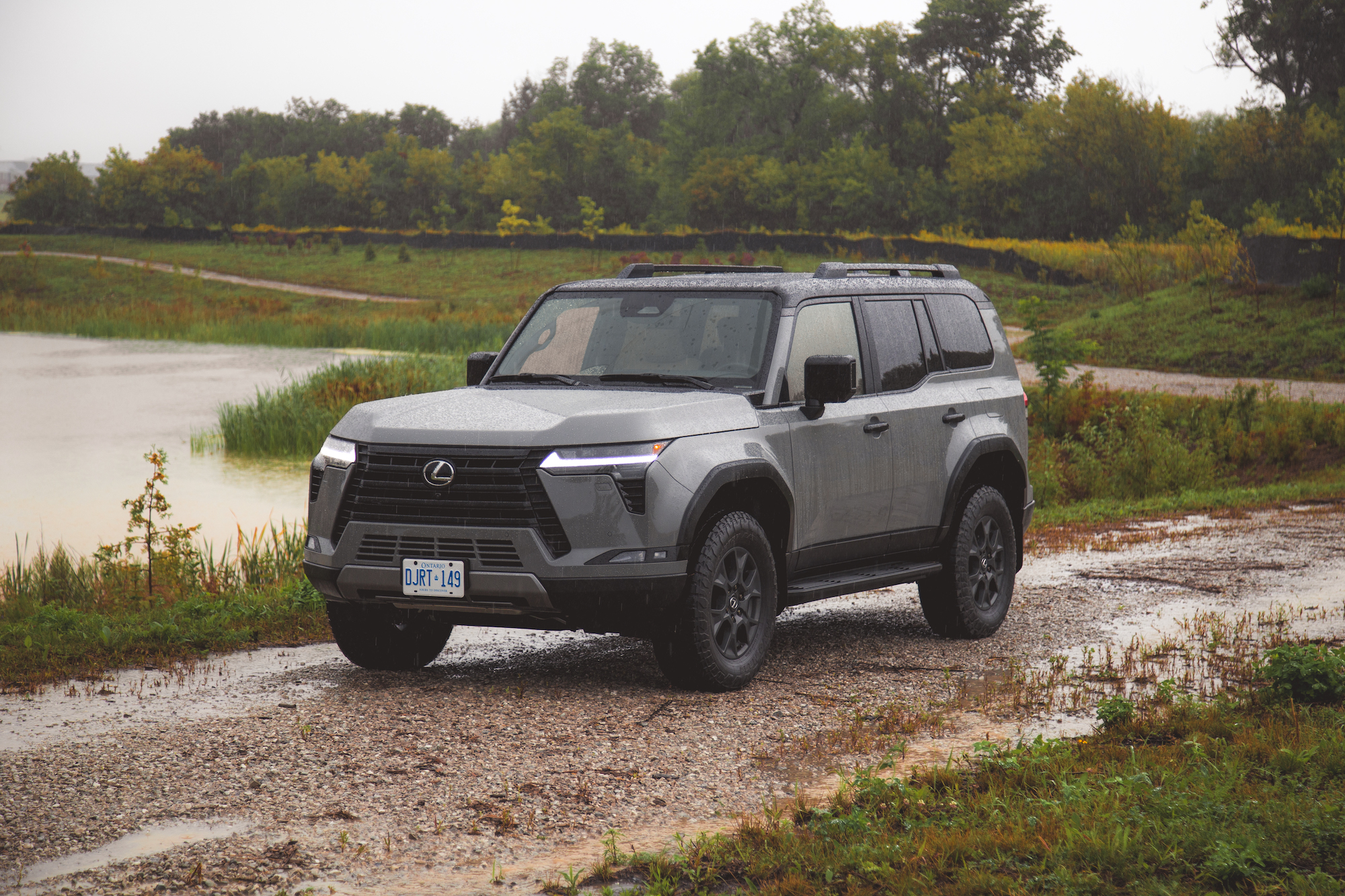
The Lexus GX is one such example, with six available trims that cater to different audiences: Signature (base), Premium, Overtrail, Luxury, Overtrail+, Executive, each pricier and better equipped than the last. But it’s Overtrail that we’re taking a closer look at, the off-road-focused variant that ditches the road mannerisms of the base models and trades them for ruggedness.
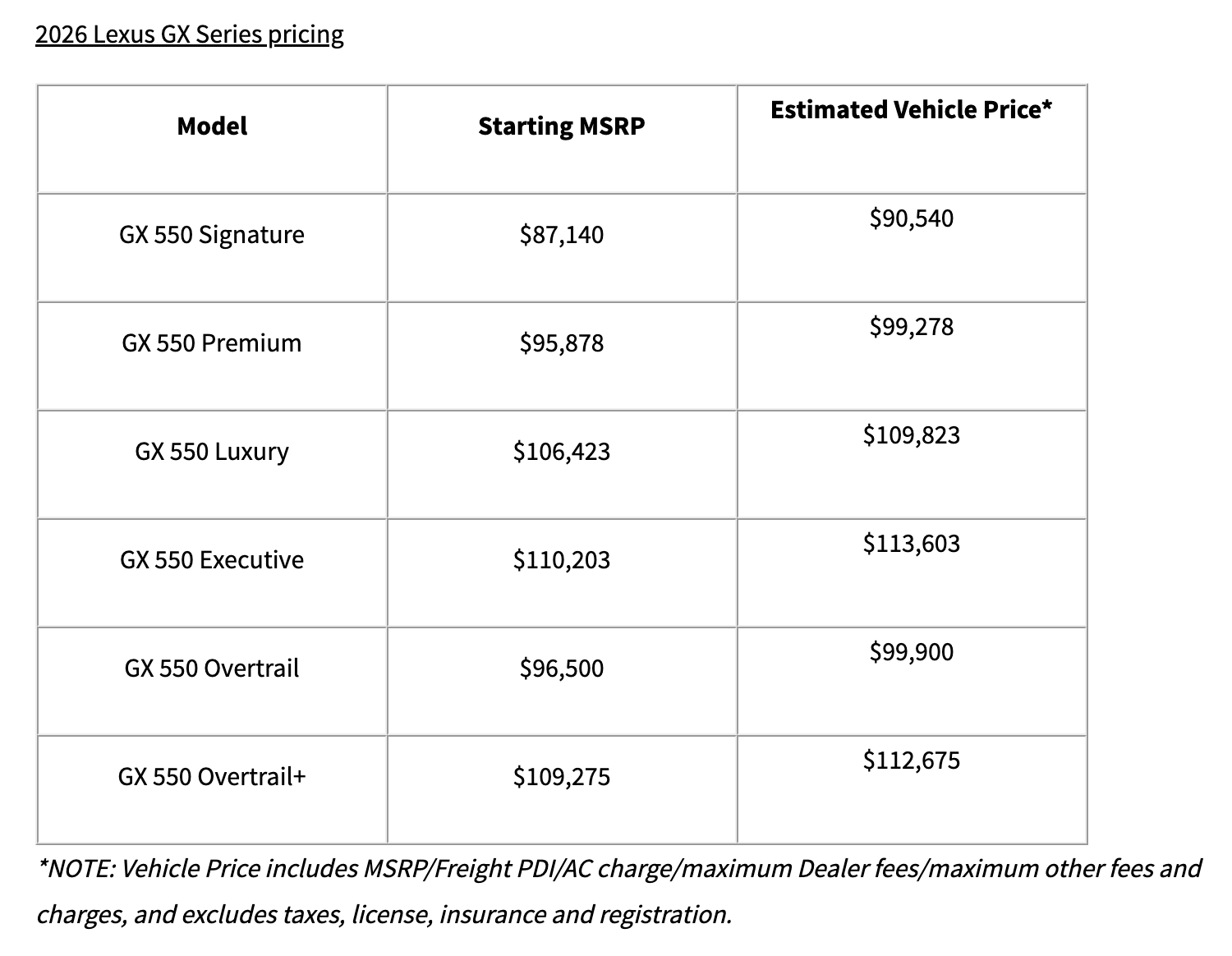
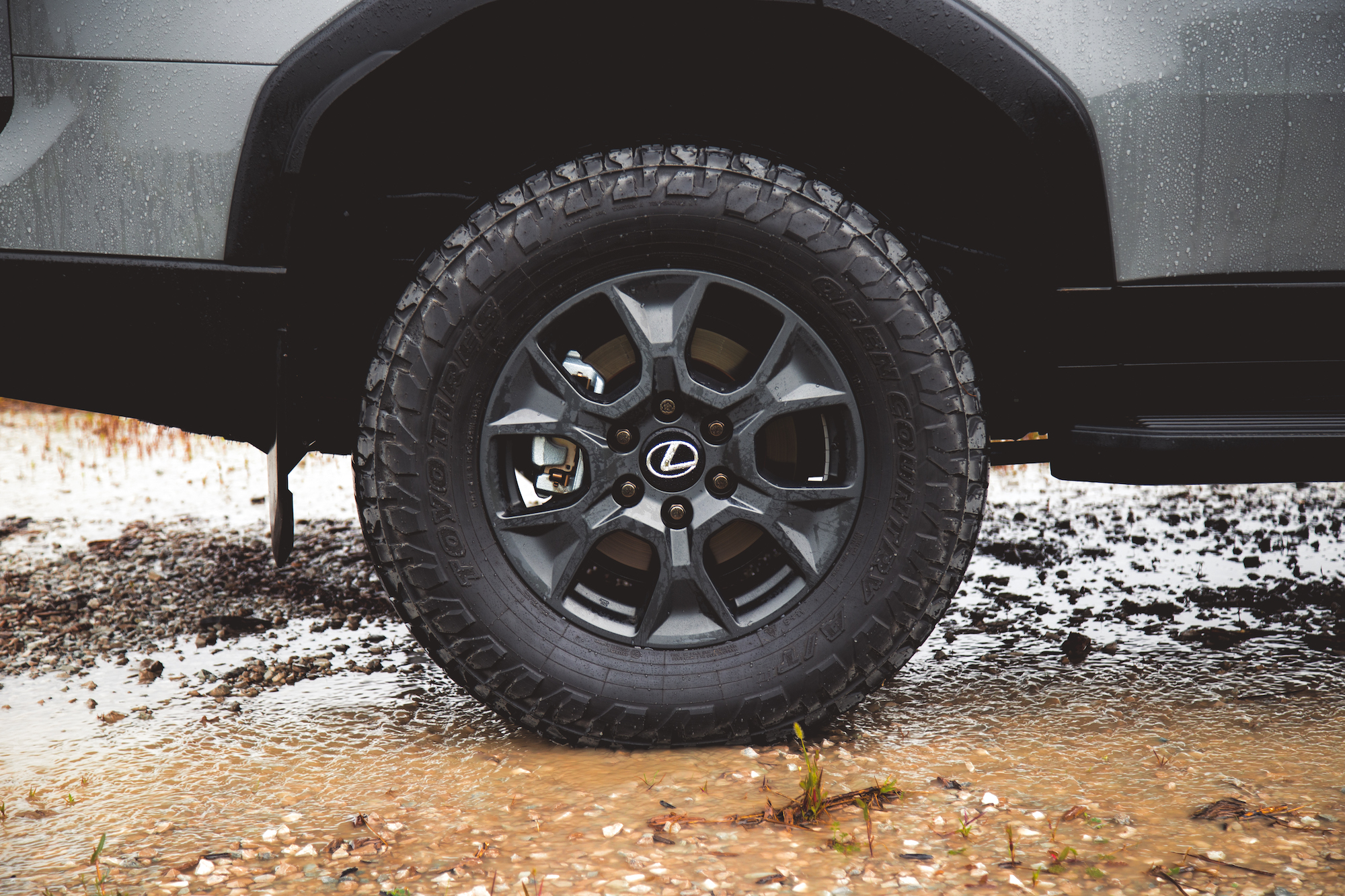
Overtrail sits at the center of the price ladder ($96,500), and its squared-off proportions, upright stance, roof rails, and compact dashboard already suggest that this isn’t your typical luxury crossover. The 33-inch Toyo Open Country all-terrain tires on 18-inch wheels leave little ambiguity, and the locking rear differential, front and transmission skid plates, and fog lamps further reinforce its intentions.
Overtrail also comes with an adaptive variable suspension system and Lexus’ Electronic-Kinetic Dynamic Suspension System that balances the front and rear stabilizer bars for better on- and off-road stability. While the more expensive Overtrail+ ($109,275) trim is also intended for those leaving the asphalt behind, it adds more creature comforts including massaging seats, heated rear seats, ambient lighting, rear sunshades, a cooler box, and a head-up display, among others.

Lexus has never exactly been synonymous with mud, rocks, and rutted trails. When the conversation turns to off-roading, Jeep, Land Rover, and Toyota are usually the names that come to mind. Lexus has quietly offered the GX for decades, an SUV whose storied history and deliberately understated marketing have kept it well outside the limelight.
Yet beneath its sharply creased exterior lies a conventional body-on-frame chassis shared with the Toyota Sequoia and Lexus LX. Plenty of modern technology has been layered on top, creating an SUV that can tackle rough terrain without asking its occupants to surrender the comforts expected of a luxury vehicle. It’s a formula that inevitably invites comparisons with the Land Rover Defender, Range Rover, and Mercedes-Benz G-Class.
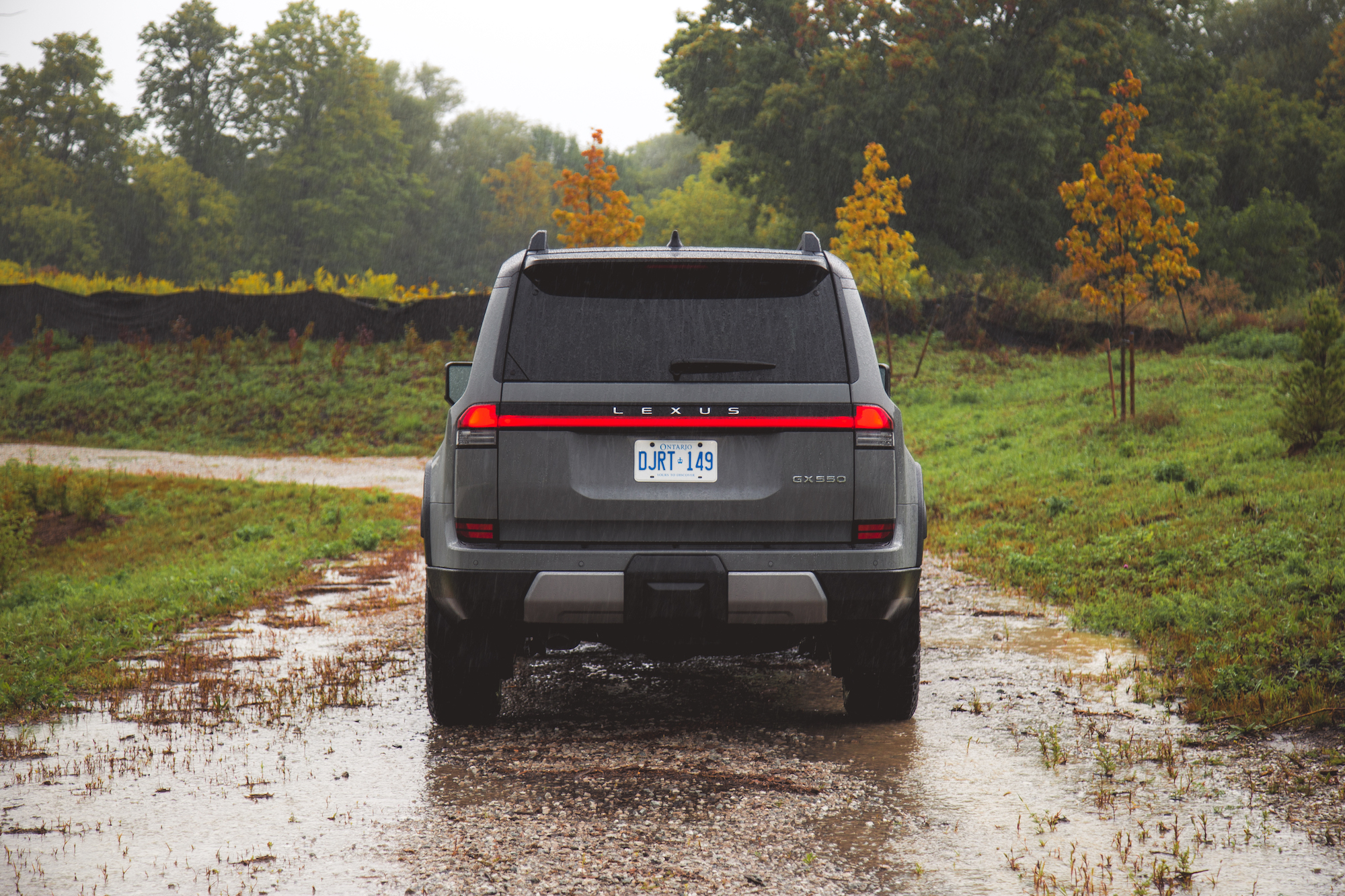
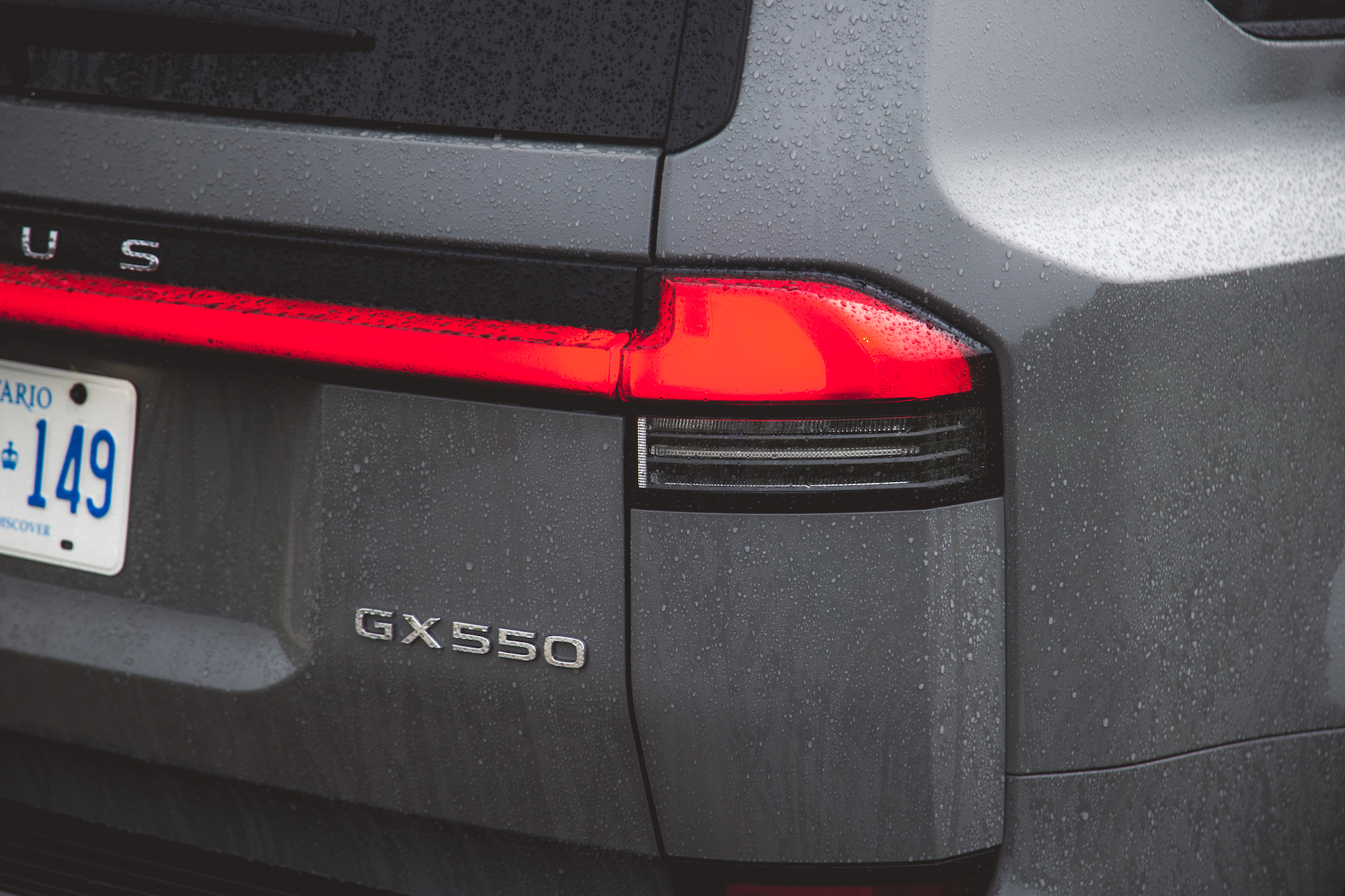
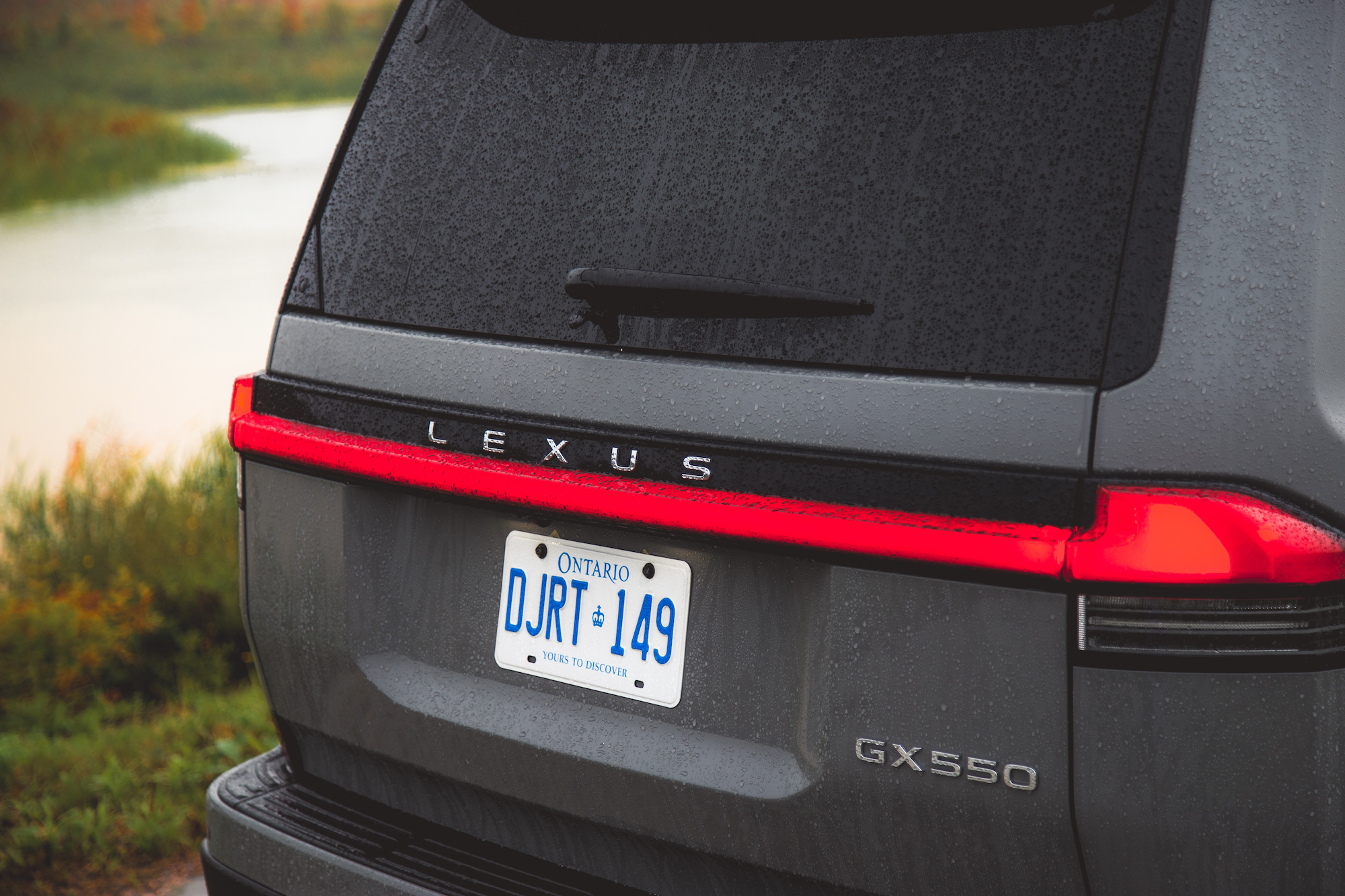
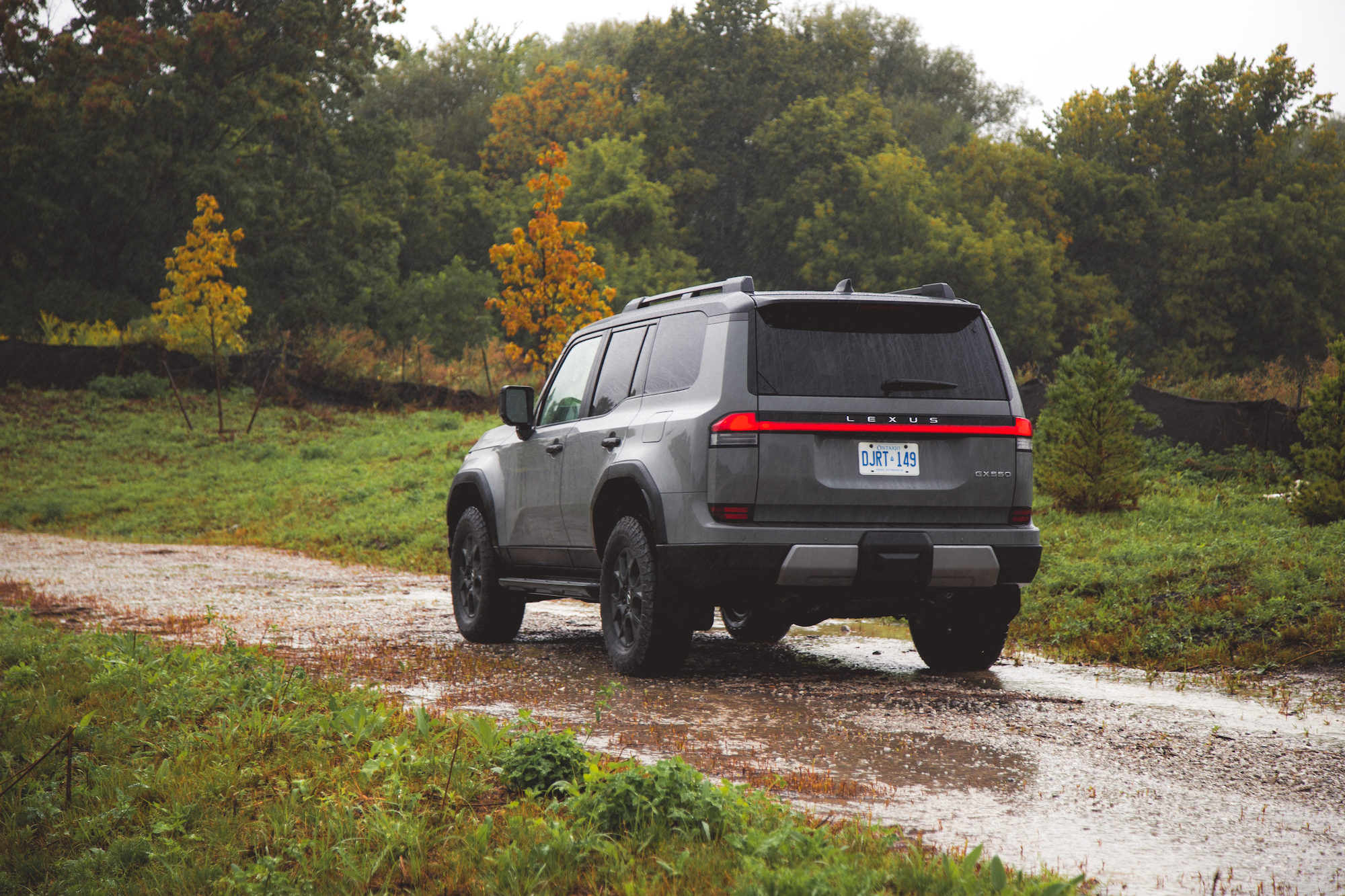
The tall, boxy shape gives it an imposing stance without becoming cartoonish, while the black roof breaks up the Incognito paint. The rear spoiler and full-width lighting element emphasize the GX’s width, giving it the unmistakable appearance of a Tonka truck come to life, with an overall footprint comparable to that of the Lexus TX 500h.

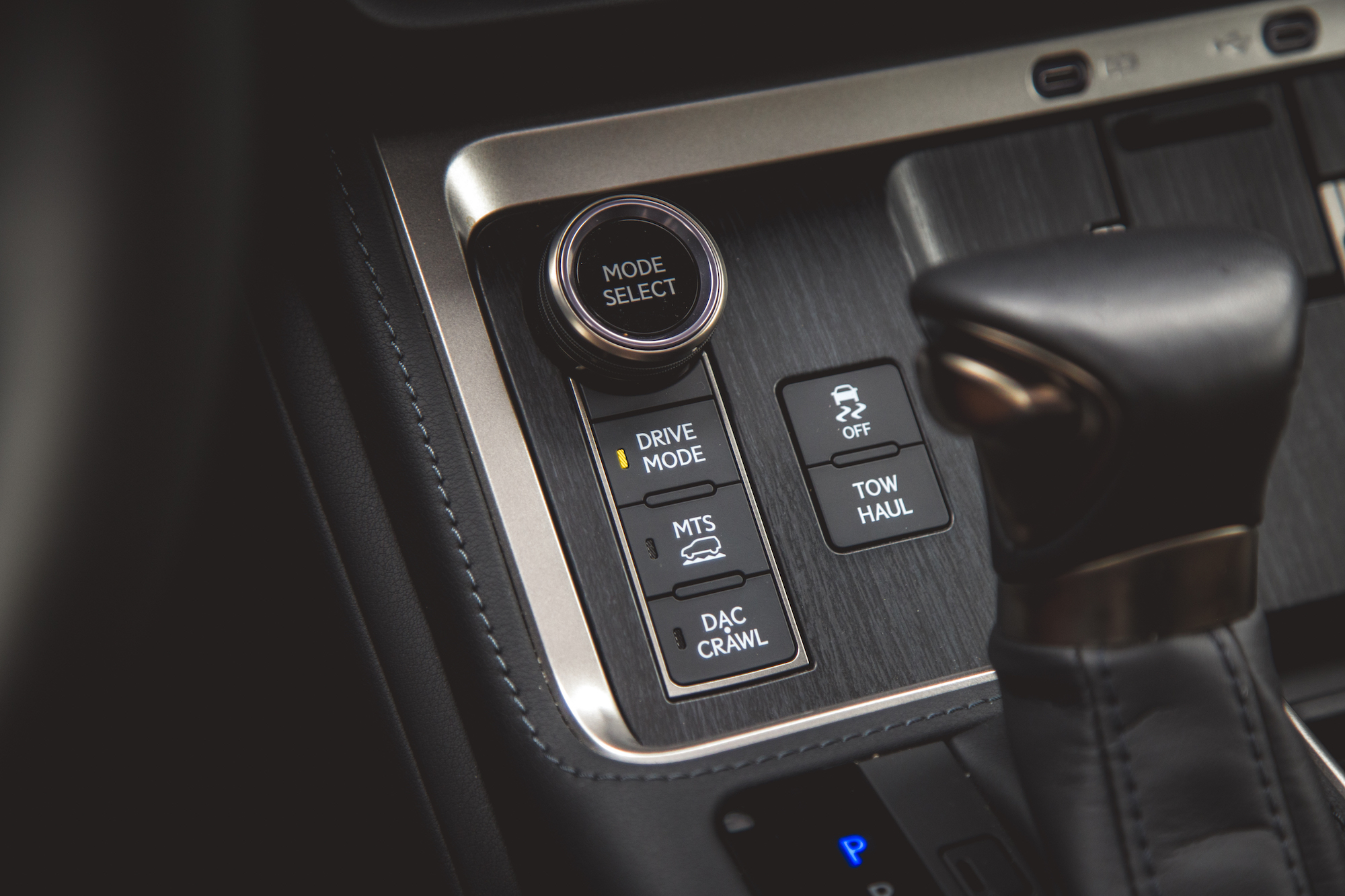
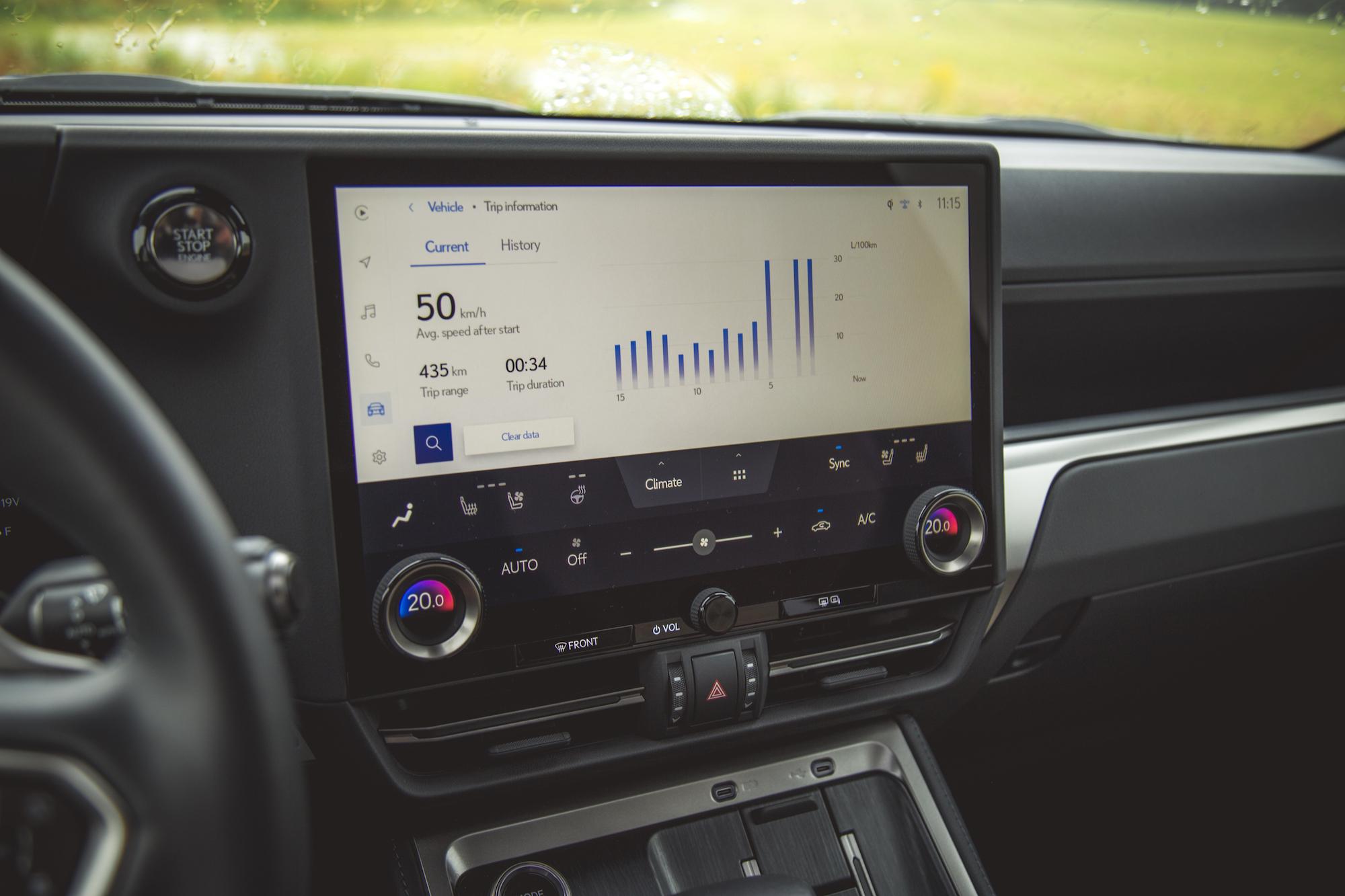
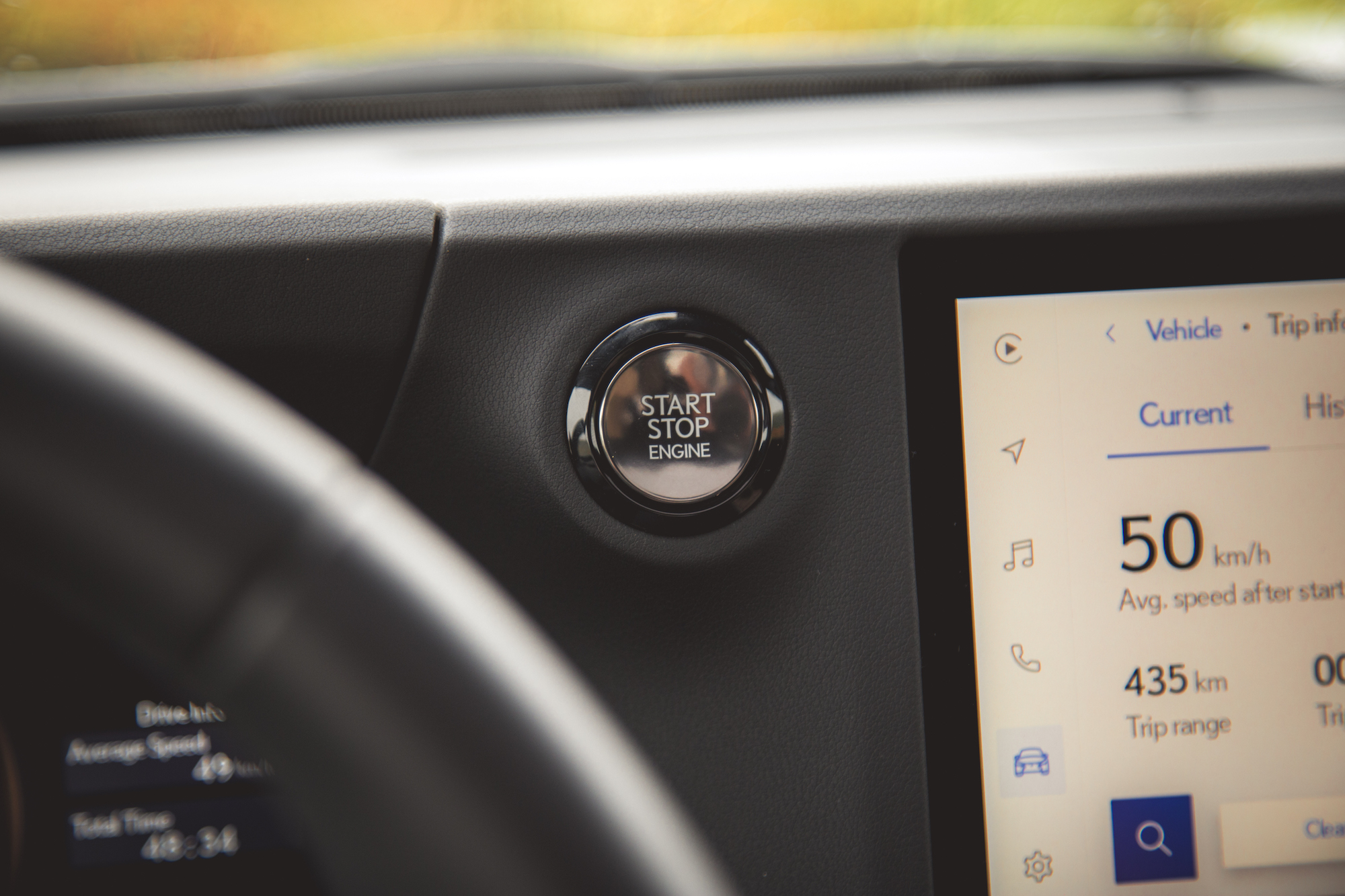
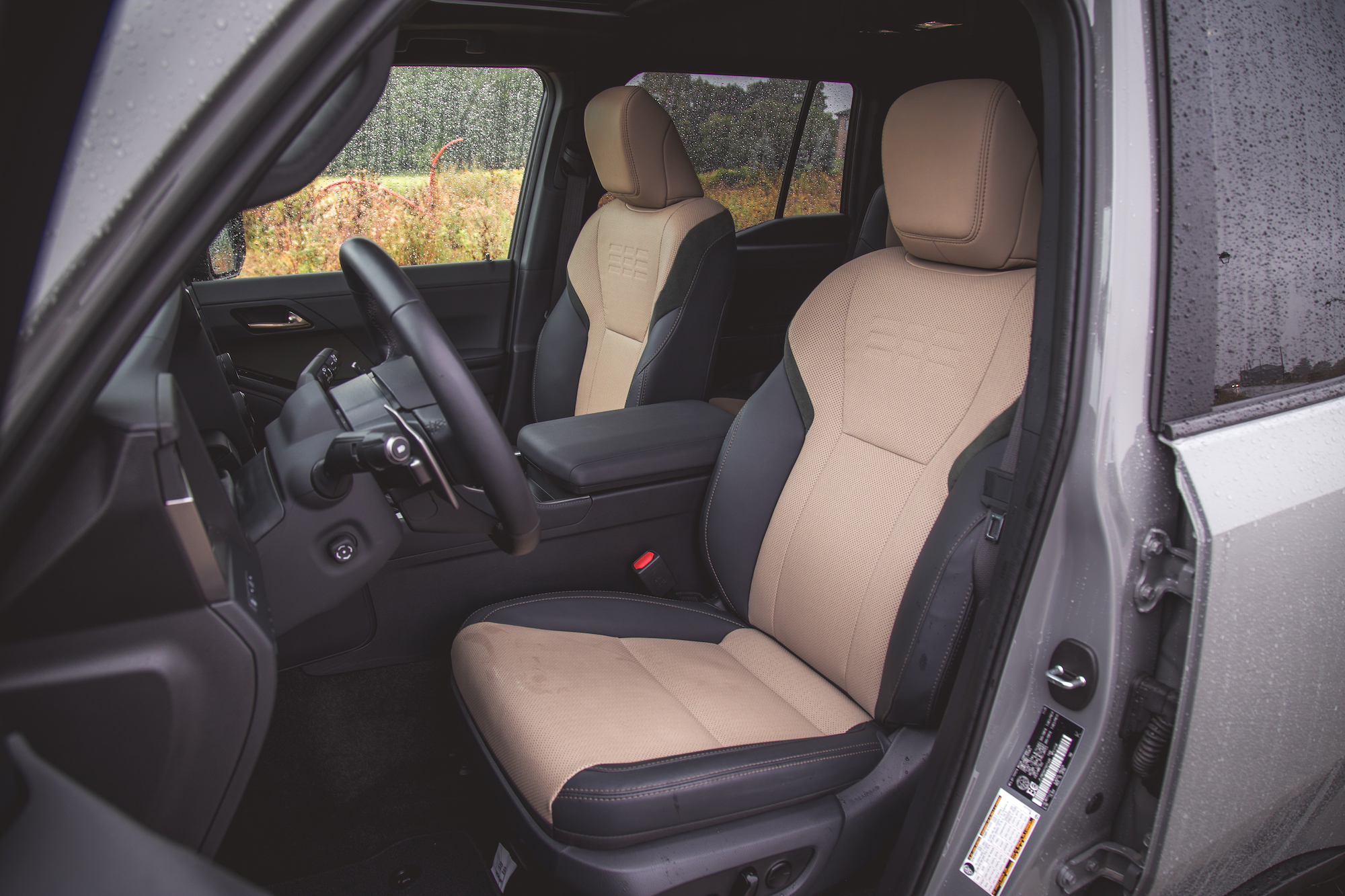
The upright cabin follows the same philosophy, with a short dashboard that feels more Wrangler or Bronco. For anyone moving up from an NX or RX, though, the switchgear and controls are immediately recognizable. The steering wheel and shifter carry familiar Lexus DNA, while the 14-inch touchscreen dominates the centre of the dashboard. Thankfully, it’s a straightforward system with a sensible layout and little need for an owner’s manual. Lexus has also resisted the temptation to digitize everything. Drive modes and the various off-road functions remain on physical controls, while volume and climate temperature get proper rotary knobs.
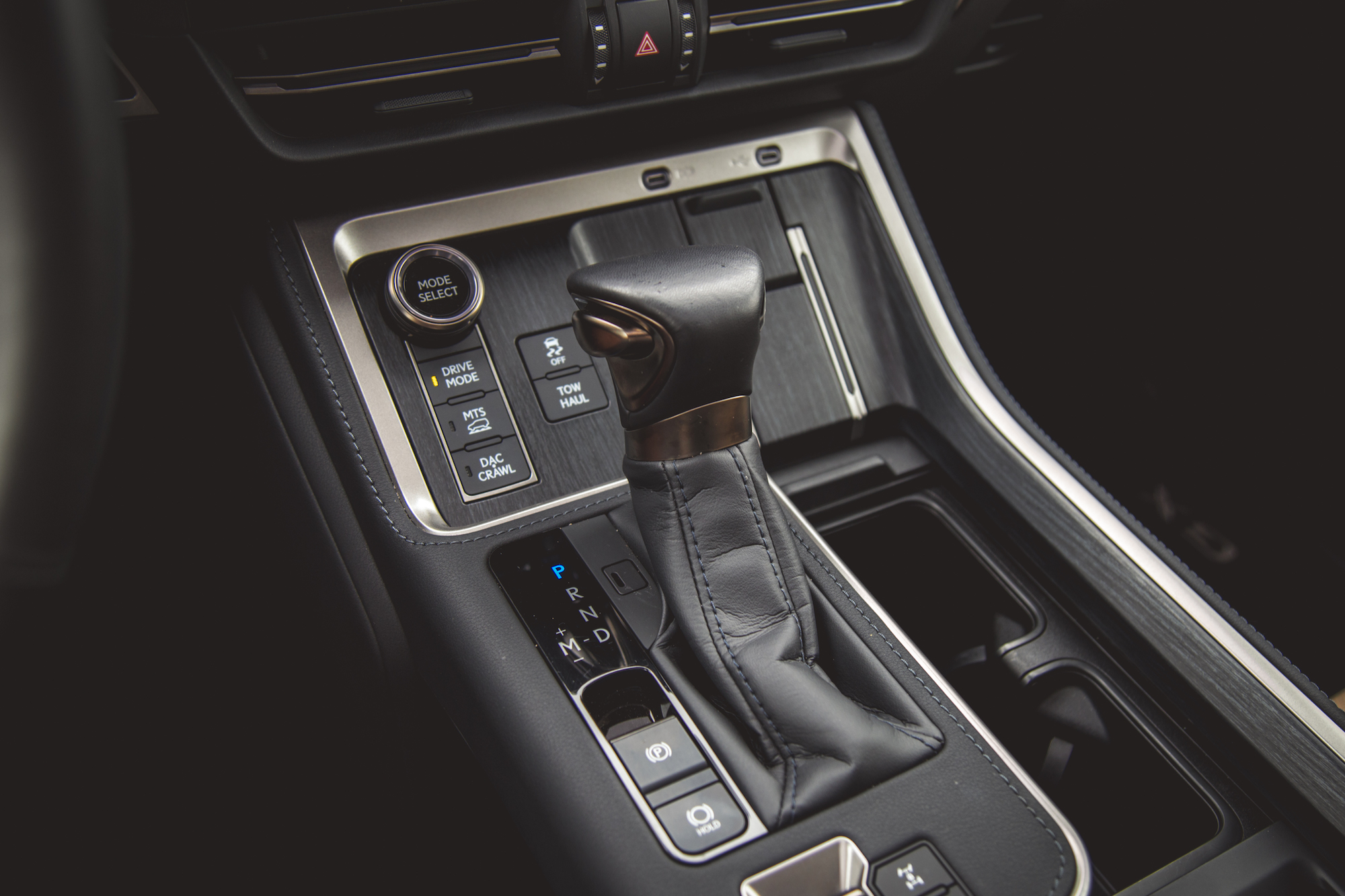
Powering every GX 550 is a 3.4-litre twin-turbocharged V6 producing 349 horsepower and 479 lb-ft of torque. It drives all four wheels through a 10-speed automatic transmission, while Lexus provides five conventional drive modes and four additional off-road modes. There’s even an automatic off-road setting that lets the vehicle determine how it should respond to the terrain beneath it.
The V6 is a strong match for the GX. It produces plenty of low-end torque, builds speed quickly, and is more polished than the four-cylinder hybrid in the Toyota Land Cruiser. The gearbox is equally responsive and is willing to drop gears when asked, but without sacrificing the smoothness expected from a Lexus. Its relatively narrow body works in its favour around crowded streets too. Light steering, excellent outward visibility, and an arsenal of cameras make the adjustment period more manageable for those migrating from an NX or RX.
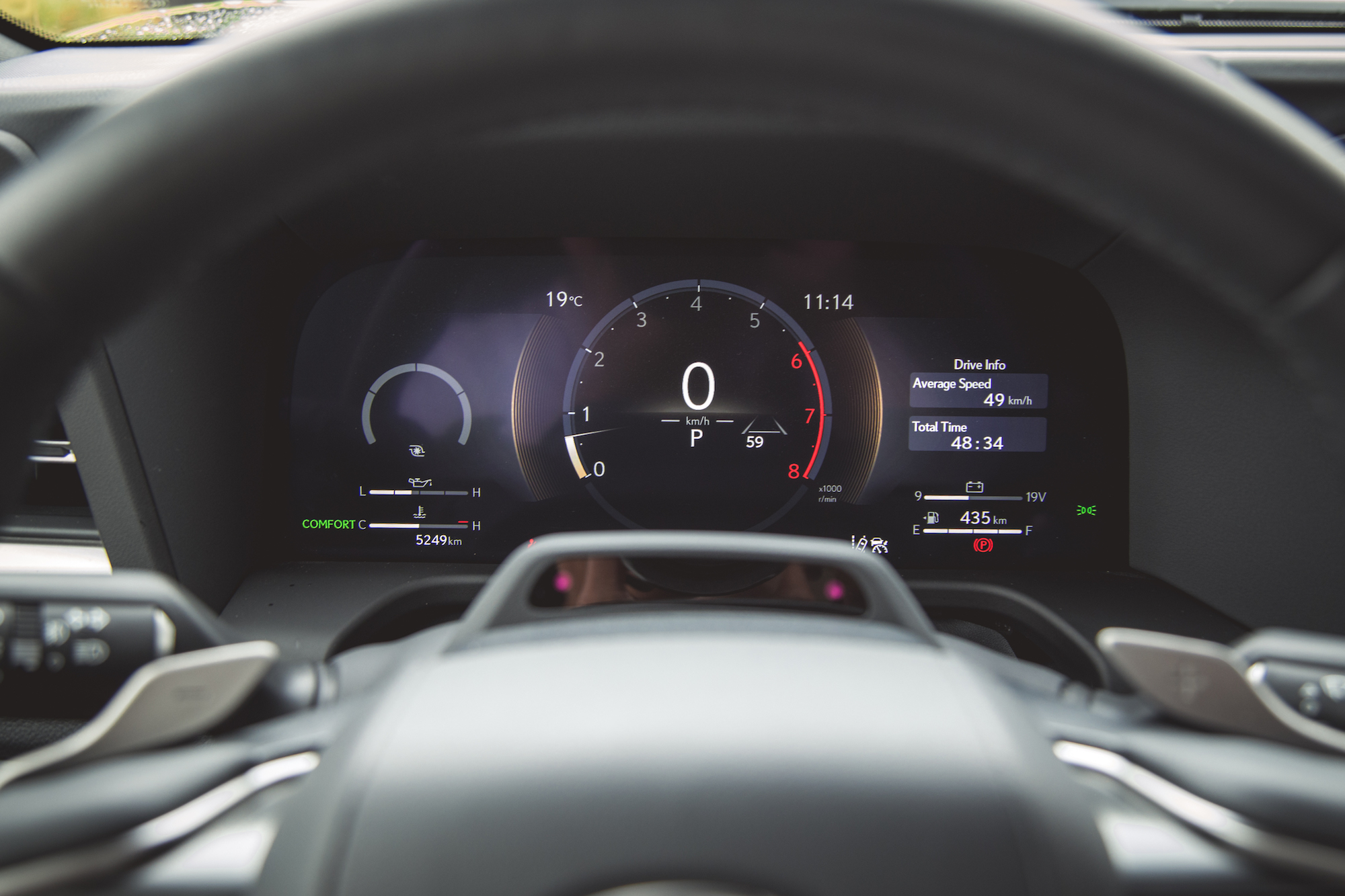
The GX sits high, carries considerable weight up top, and makes its body movements known through corners. It rewards patience rather than aggression. Letting the chassis settle before getting back on the gas is the best way to drive it. Slow in, fast out is the GX’s natural rhythm. Even on aggressive all-terrain tires, it tracks confidently rather than constantly needing steering corrections, while the ride remains reasonably settled and isolated over most surfaces. Noise insulation at low speeds is impressive too, though the decibels quickly ramp up once triple digits are achieved.

The all-terrain tires do not handle vertical movement as well as the GX 550 Premium on the more conventional Dunlops, but choosing Overtrail hardware means accepting some concessions on pavement, and the feeling of invincibility it provides over all types of terrain is a compromise many, including us, are willing to make. Notably, the GX is easier to live with day in and day out than competing off-road brawlers such as the Land Cruiser, Gladiator, and Bronco.
There’s a Lexus GX trim for everyone, whether you’re looking for the rugged appearance without the rugged ride, or for all the bells and whistles to traverse the wilderness. After generations of quietly occupying the fringes of the luxury market, the GX is finally showing off its credentials with off-road capability, on-road mannerisms, and, of course, ever more choices.
Specifications:
Model: 2026 Lexus GX 550 Overtrail
Paint Type: Incognito
Base Price: $87,390
Price as Tested: $97,140
Wheelbase(mm): 2,850
Length/Width/Height (mm): 5,005 / 1,980 / 1,920
Curb weight (kg): 2,570
Engine: 3.4-litre twin-turbocharged V6
Horsepower: 349 hp @ 5200 rpm
Torque: 479 lb-ft @ 2000 rpm
Transmission: 10-speed automatic
Engine & Drive Configuration: Front engine, 4WD
Observed Fuel Consumption (L/100km): 15.2
Tires: Toyo Open Country all-terrain 33-inch tires; 18-inch wheels


Leave a Reply