
The Lexus ES is a staple of the luxury sedan segment, and it enters its eighth generation with both hybrid and fully electric variants. Armed with competitive pricing, more interior space than ever, and a feature-rich list of amenities, it’s easy to see why the ES has endured and continues to thrive in a market that has long since migrated toward SUVs.

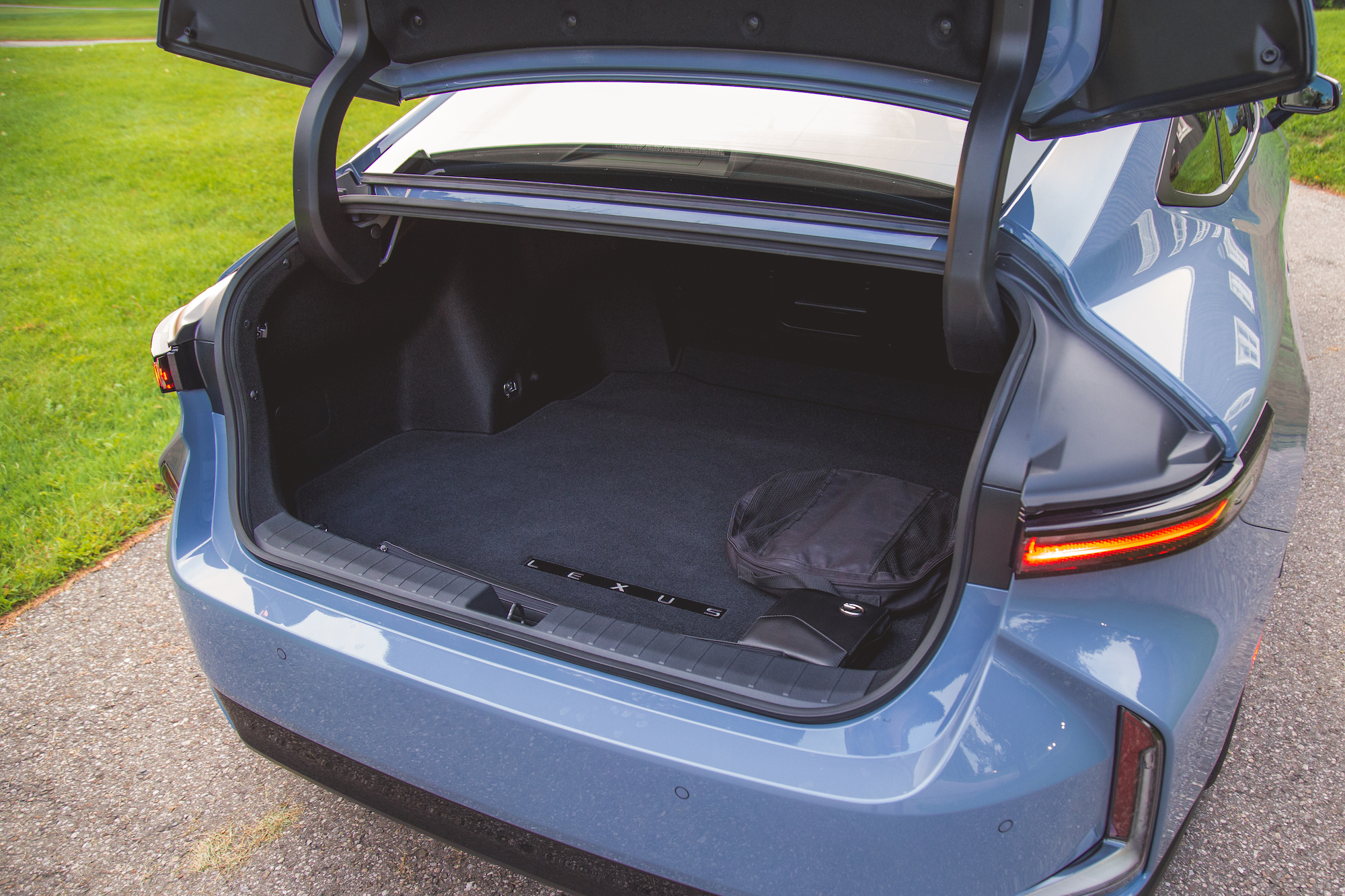
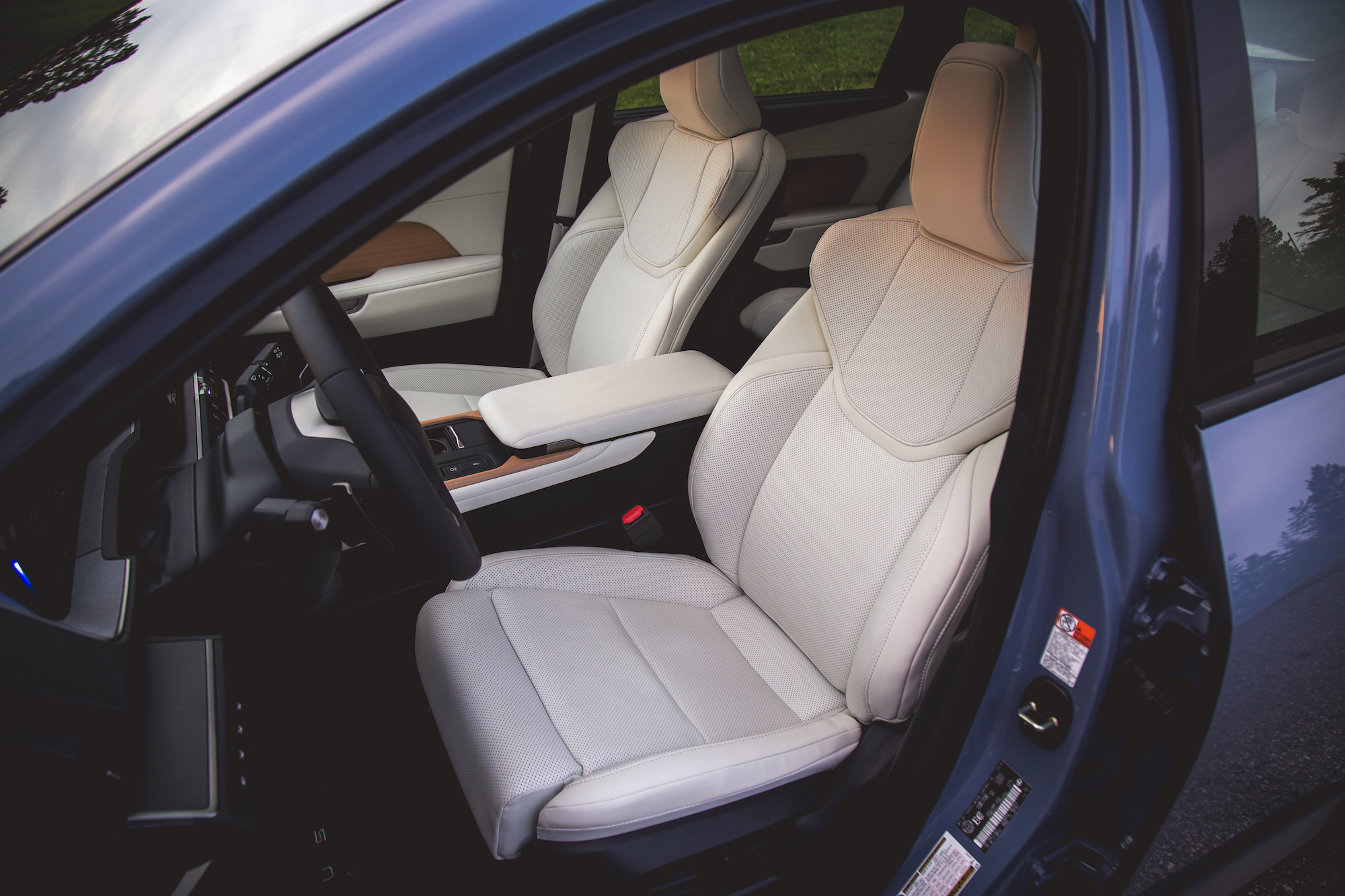
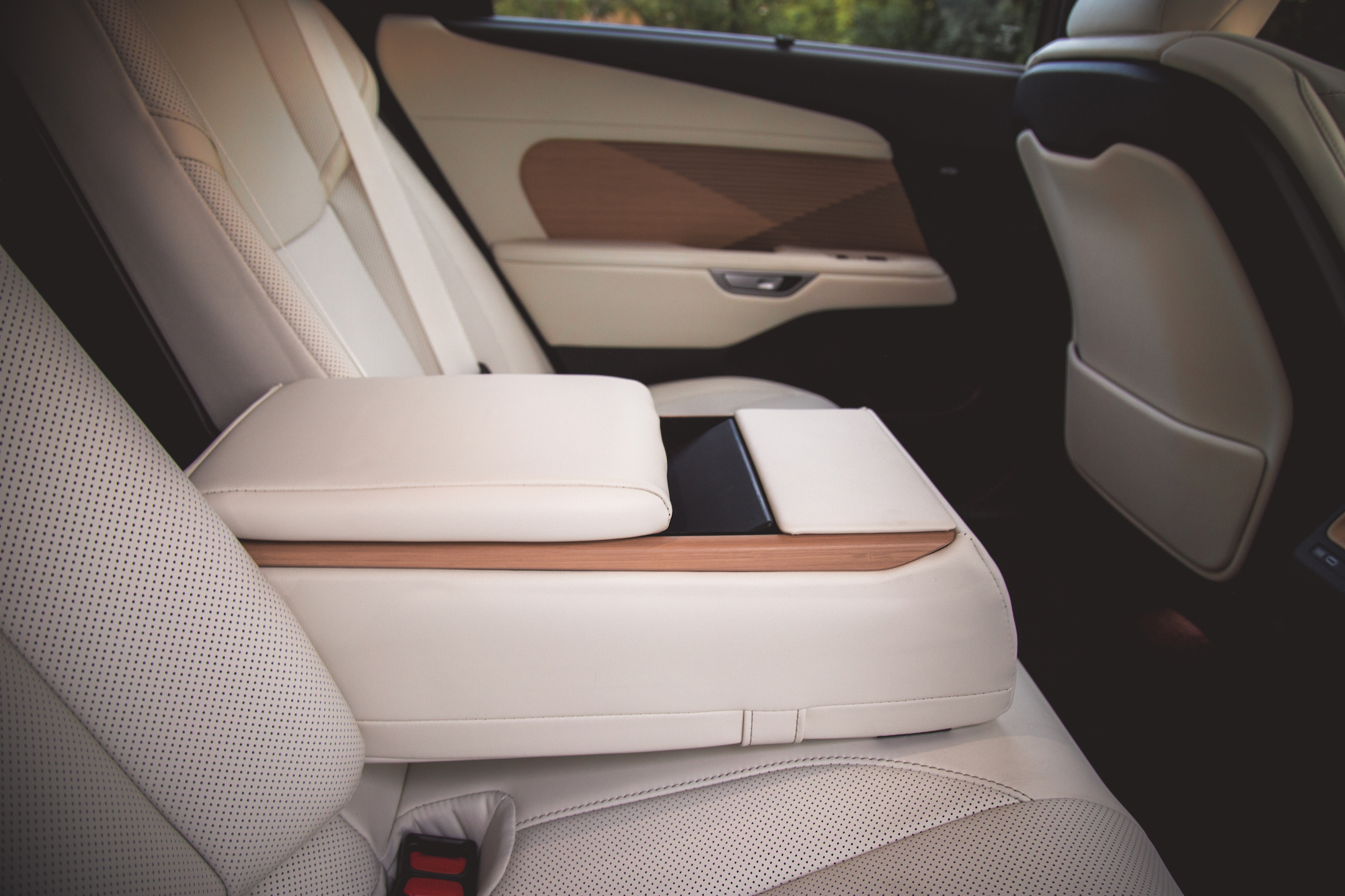
The ES rides on a wheelbase stretched by 80mm, while overall length, height, and width have grown by 165mm, 115mm, and 56mm, respectively, making it deceptively longer than both the Lucid Air and BMW i5. To say it has gained weight over the years would be an understatement, but the payoff is substantial, with considerably more usable space inside. Front and rear legroom is generous, underscoring its potential as the ideal ride-hailing tool, but this is more Uber Black than UberX. Without a rear motor, the front-wheel-drive model benefits even more with the Executive VIP trim, which adds massage, heating, ventilation, and adjustment to the rear seats, plus softer headrests and a legrest ottoman.
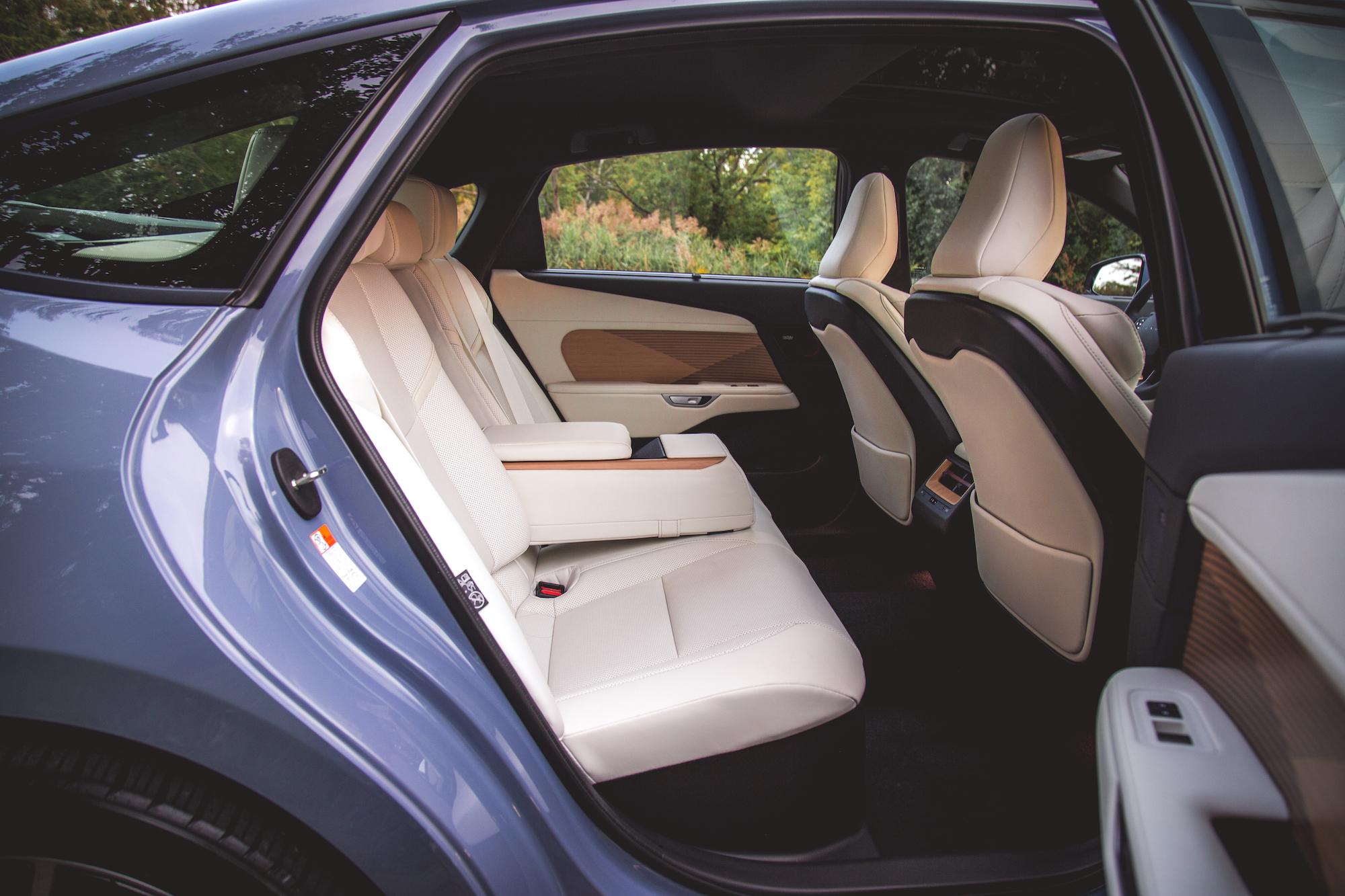
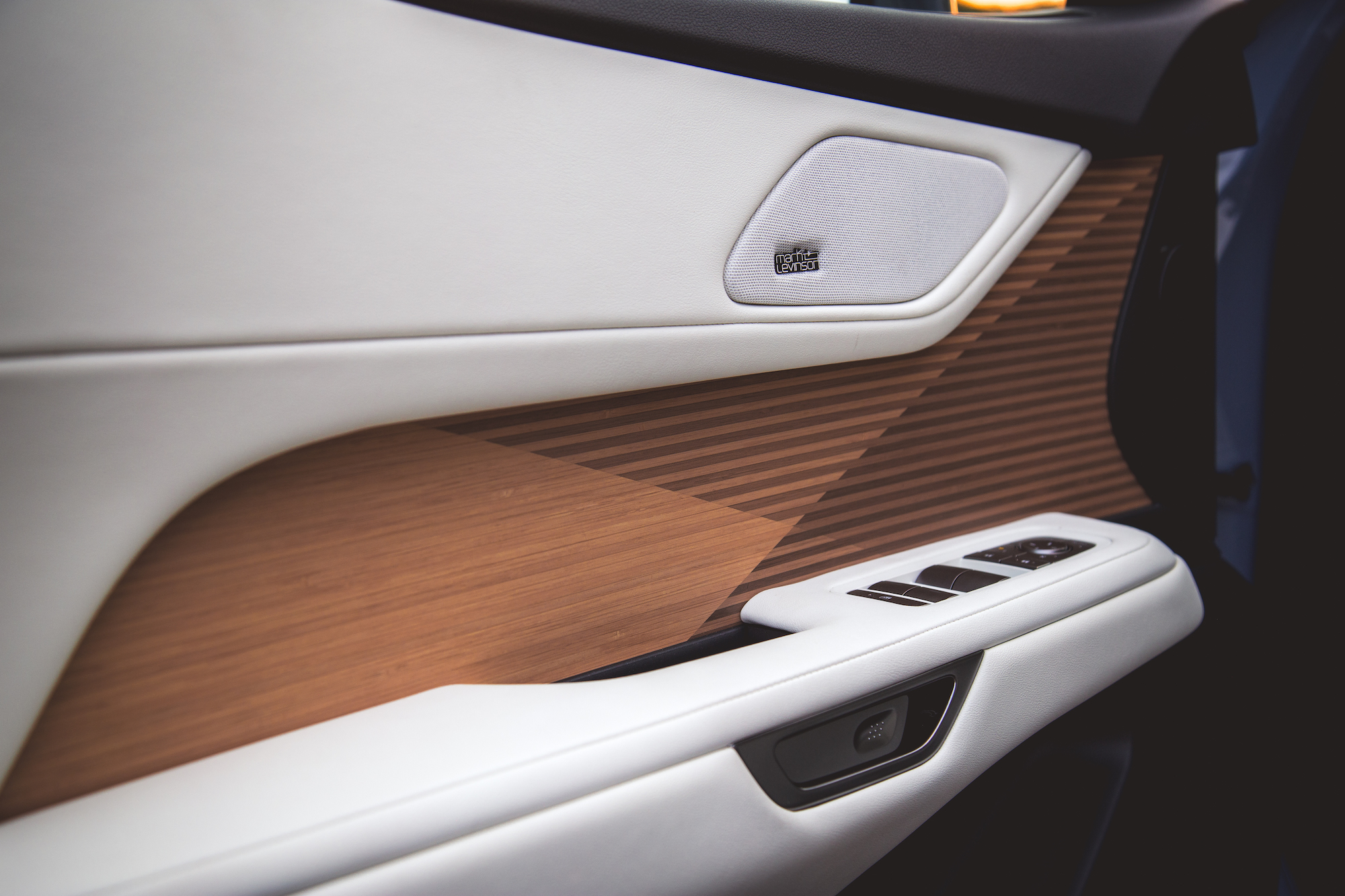
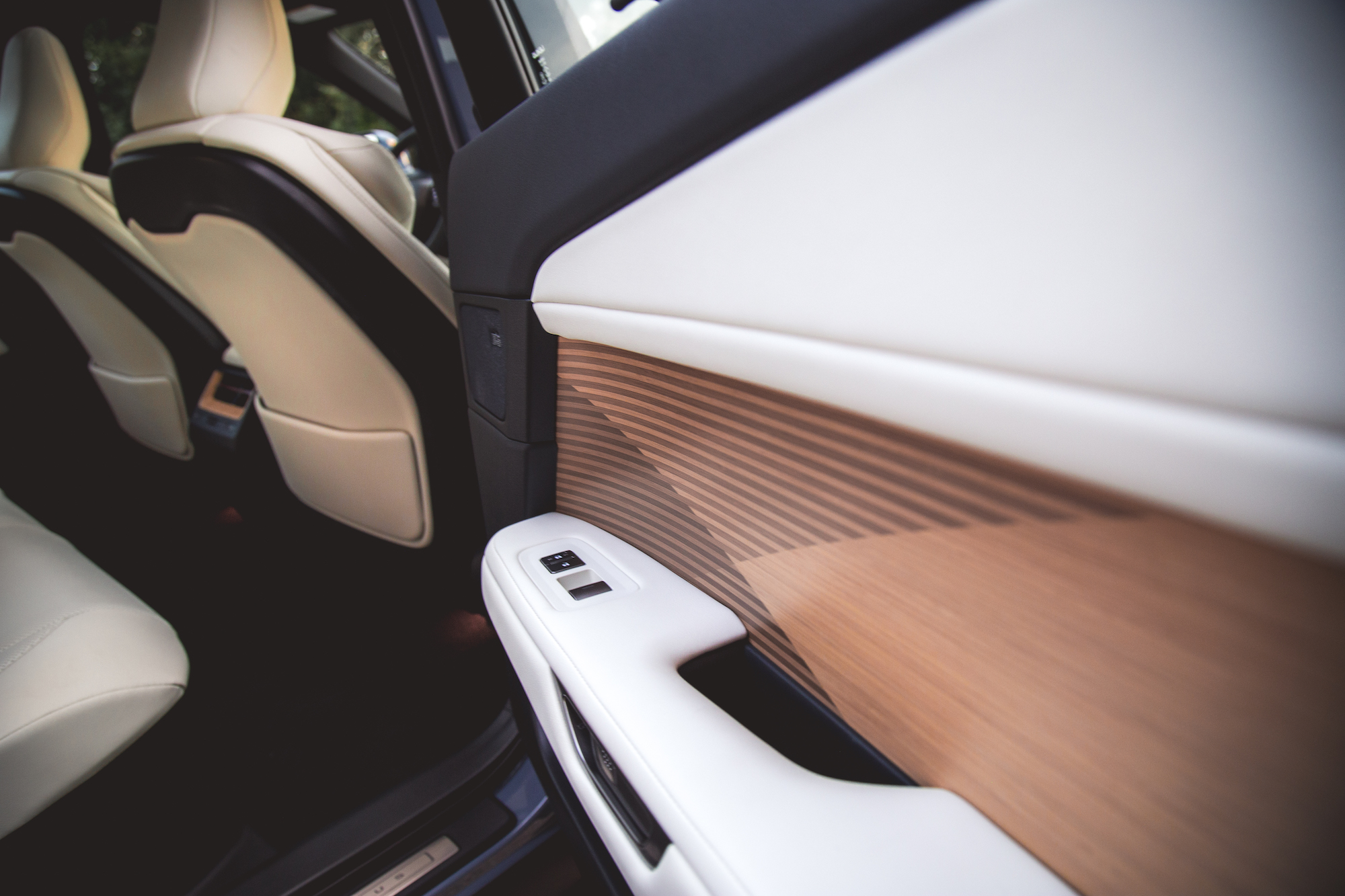
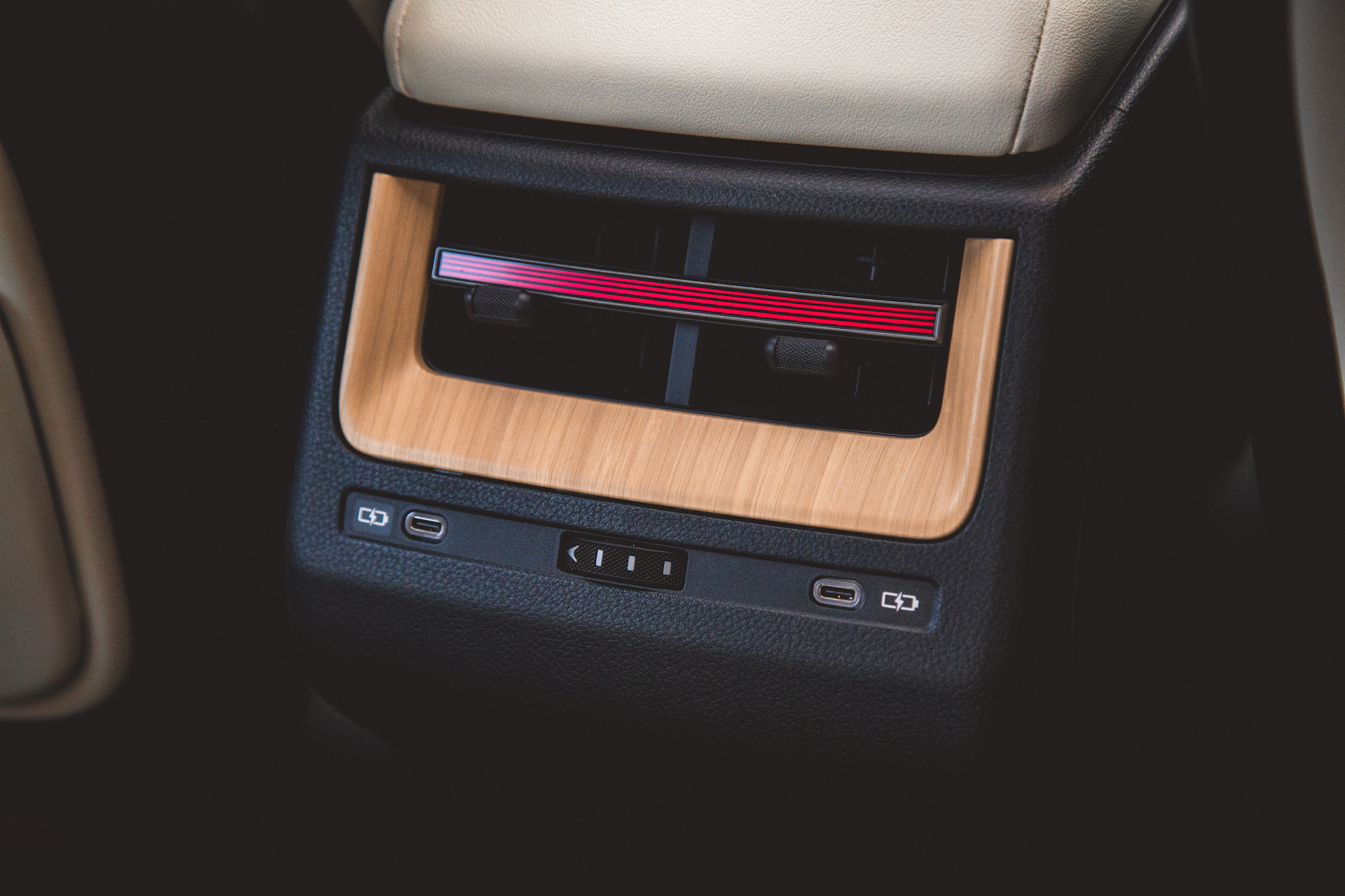
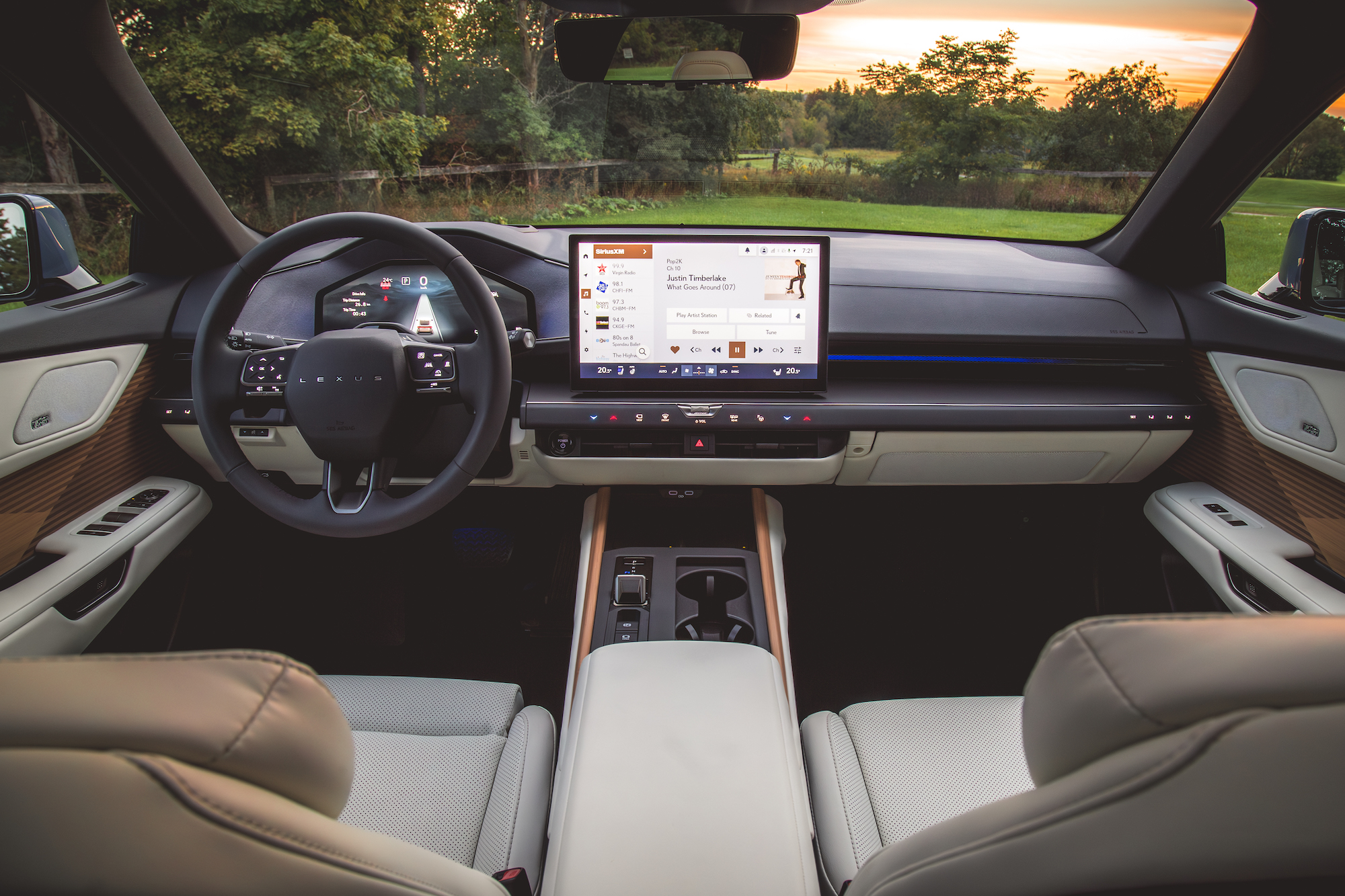
The interior is a return to form for Lexus, delivering a zen-like and unpretentious blend of Scandinavian minimalism and Japanese warmth. It’s a haven of grippy touchpoints, semi-aniline leather, and LED-backlit bamboo layered across the door inserts and rear centre armrest. All it’s missing is a bonsai tree. Clean and uncluttered, the cabin prioritizes upscale sophistication over digital gadgetry, and it pulls it off with the immaculate fit and finish we’ve come to expect from the brand.
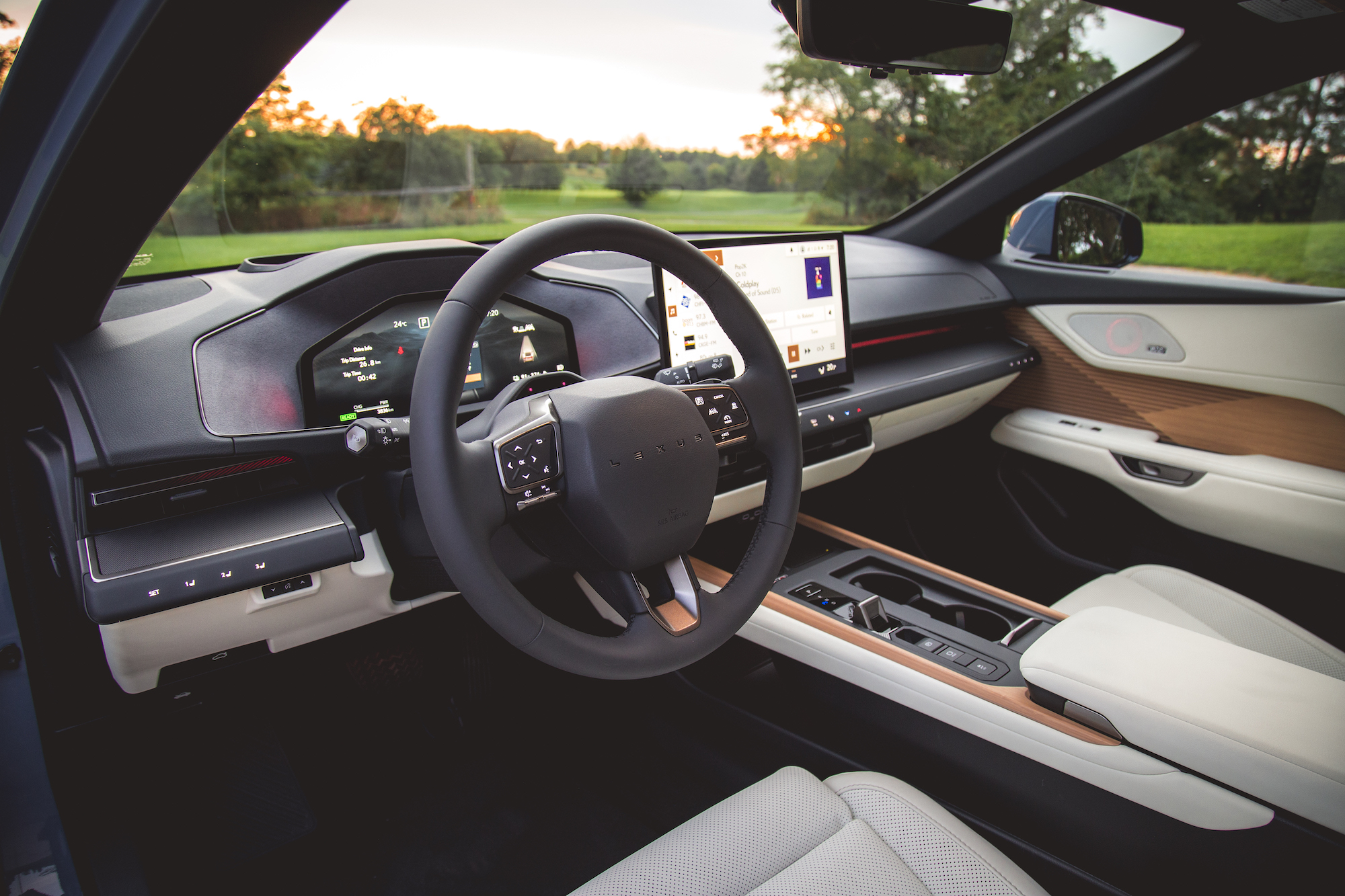
Lexus has followed Mazda’s lead by ditching the logo on the steering wheel in favour of script, but it’s not our favoured update, as the font and lettering make the airbag cover appear too austere and understated, like a colourless Fruit Gusher. The thin-rimmed wheel is small in diameter, almost Porsche-sized, making it comfortable to grip and rotate, and the paddle shifters offer a positive, reassuring click when engaged to change the brake regeneration strength.

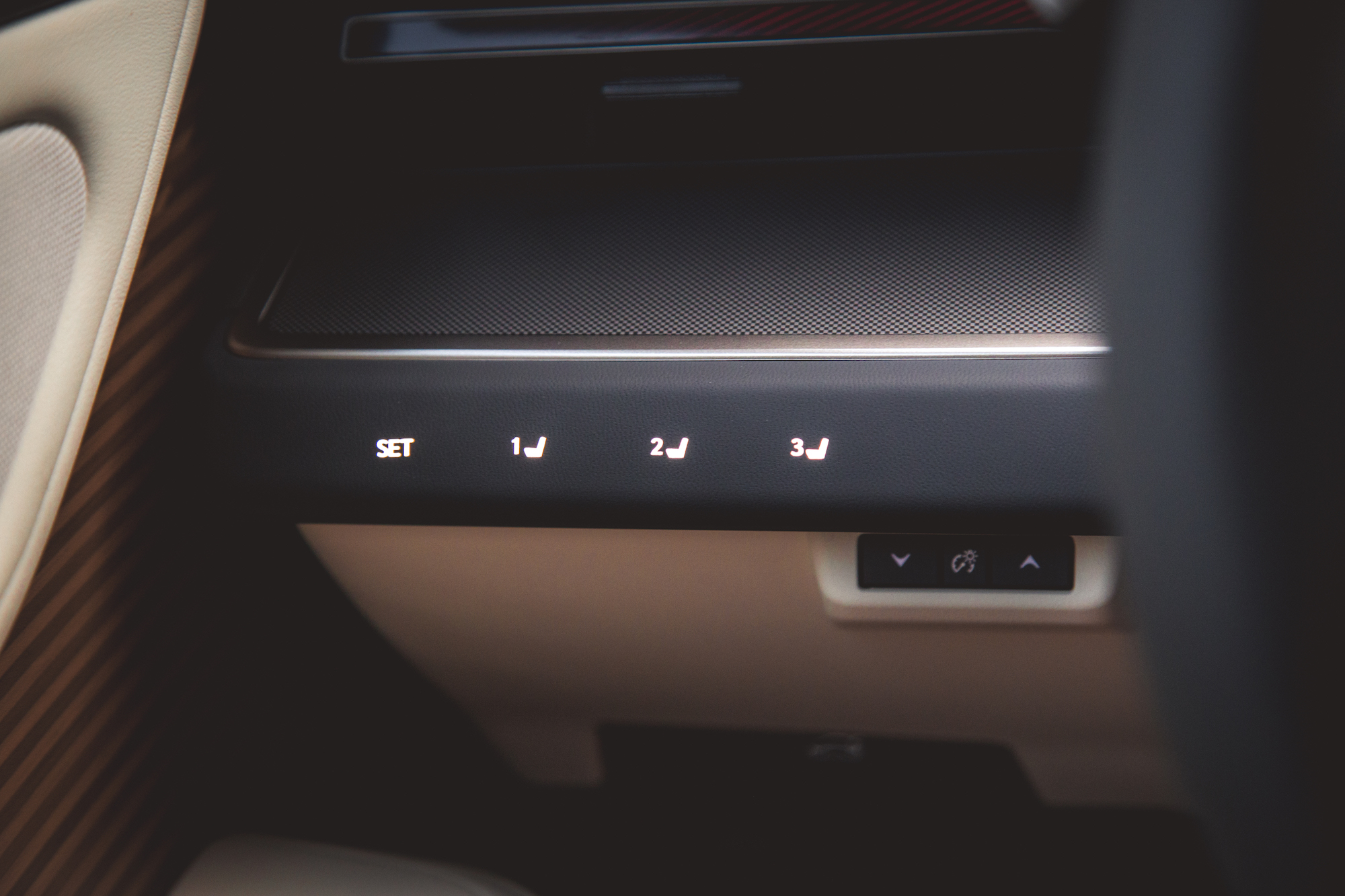
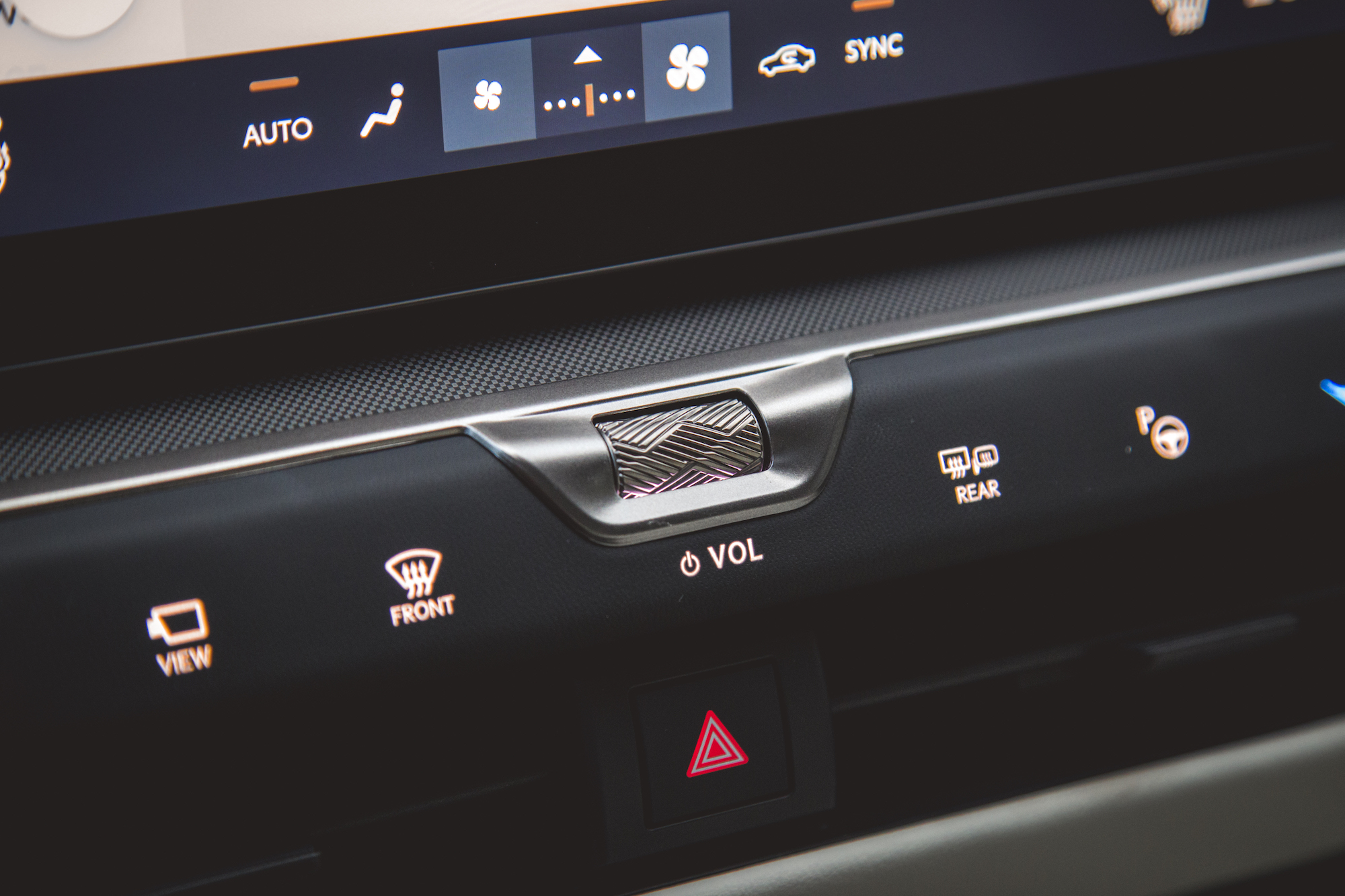
The exile of those frustrating haptic touchpads soothes our souls, and the rubbery button replacements work well, with ridged dividers so your fingers can locate them without looking. Memory seats, temperature controls, and volume have their own dedicated switches, but all other functions have been relegated to the large 14.0-inch touchscreen with the same, relatively easy-to-learn operating system as the Toyota RAV4.
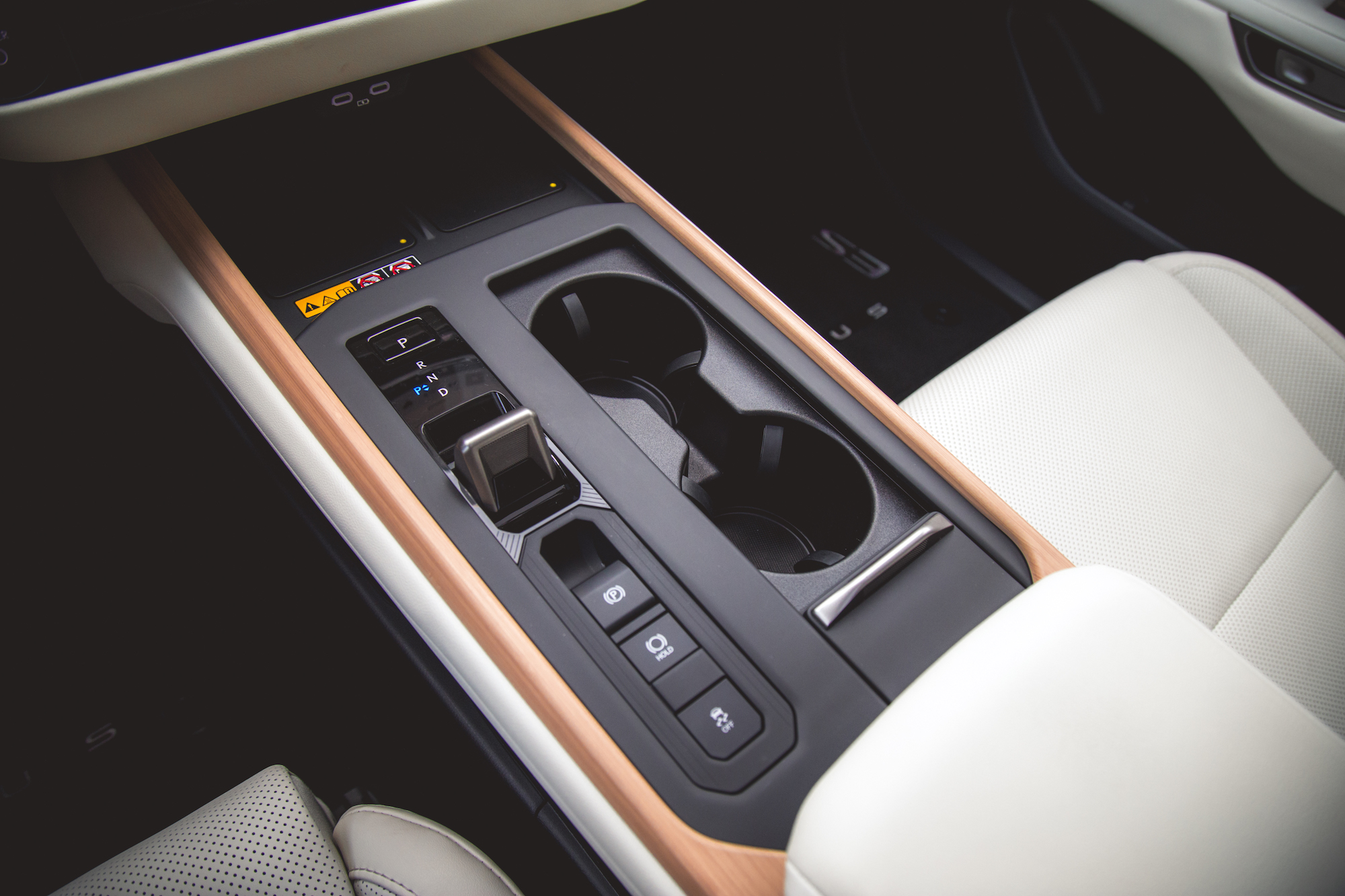
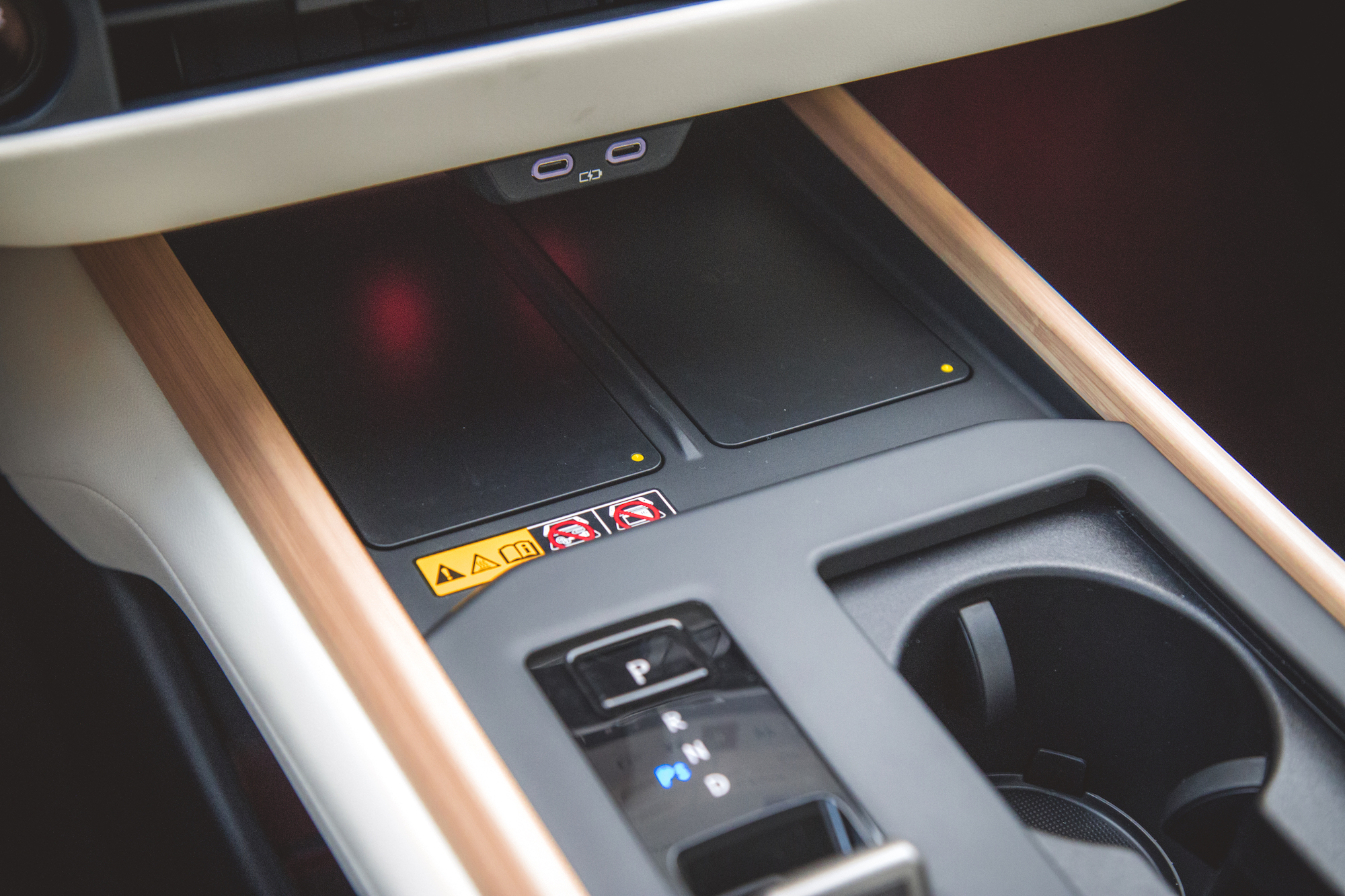
The ES consistently delivers the best bang for your buck in this price category, as getting this level of extravagance for under $70,000 is almost a steal. Of course, piling on the bells and whistles with the Luxury packages pushes the price higher, adding niceties such as soft-closing doors and a second wireless charging pad, among others. Even so, a fully loaded ES only just breaches the $80,000 ceiling, underscoring the base models of the BMW i5 ($83,900) and Audi A6 e-tron ($83,950).
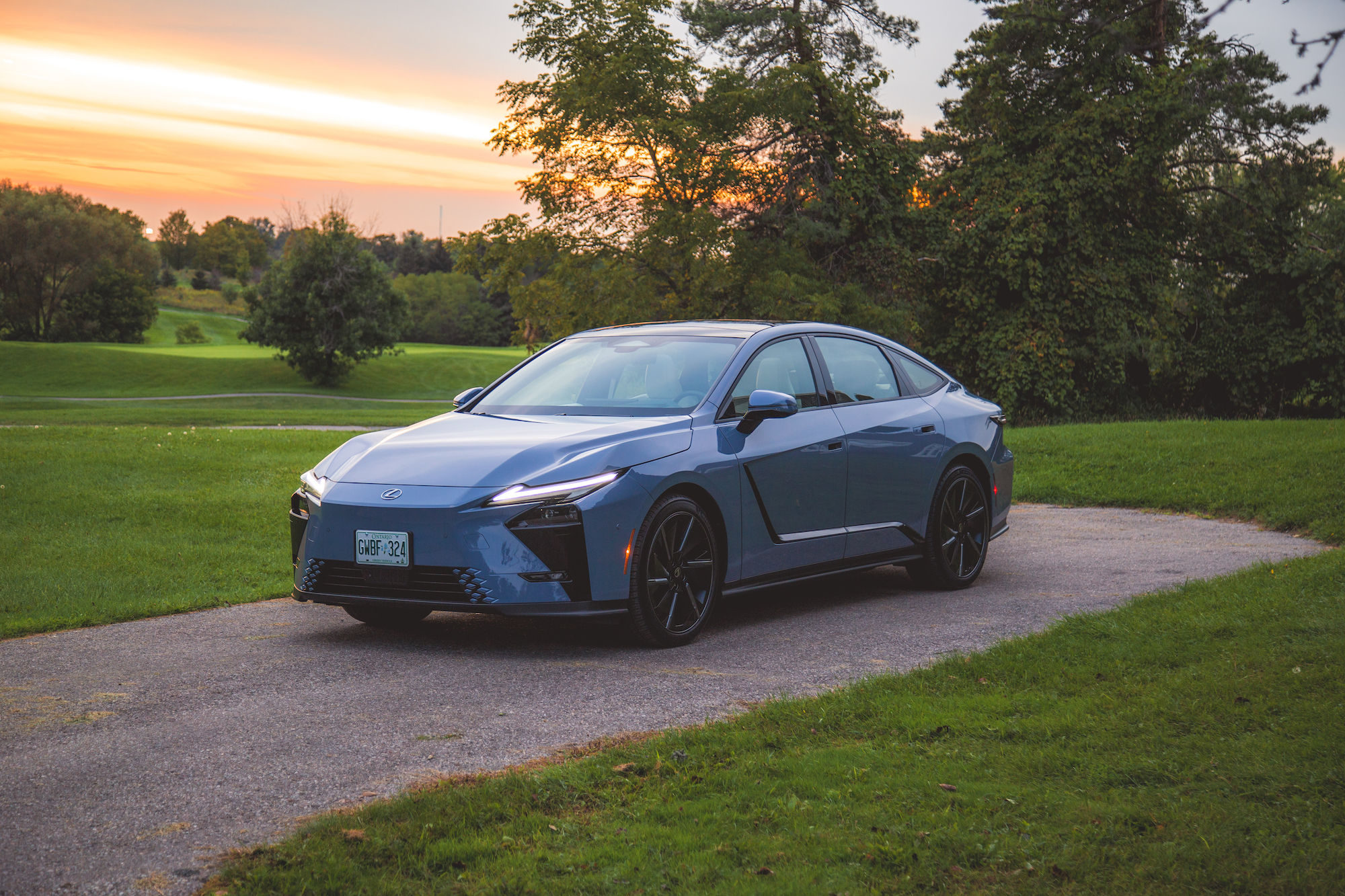
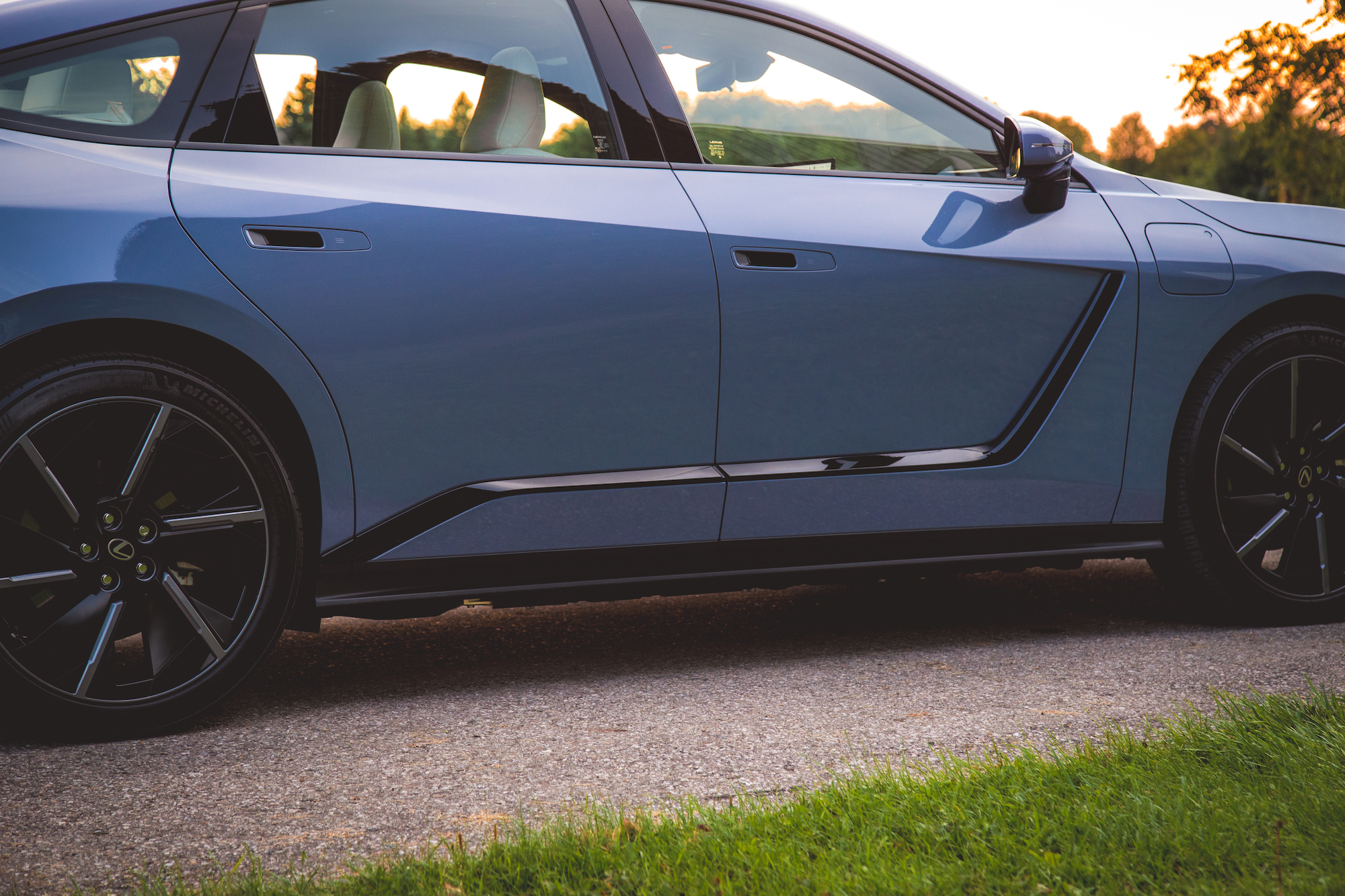
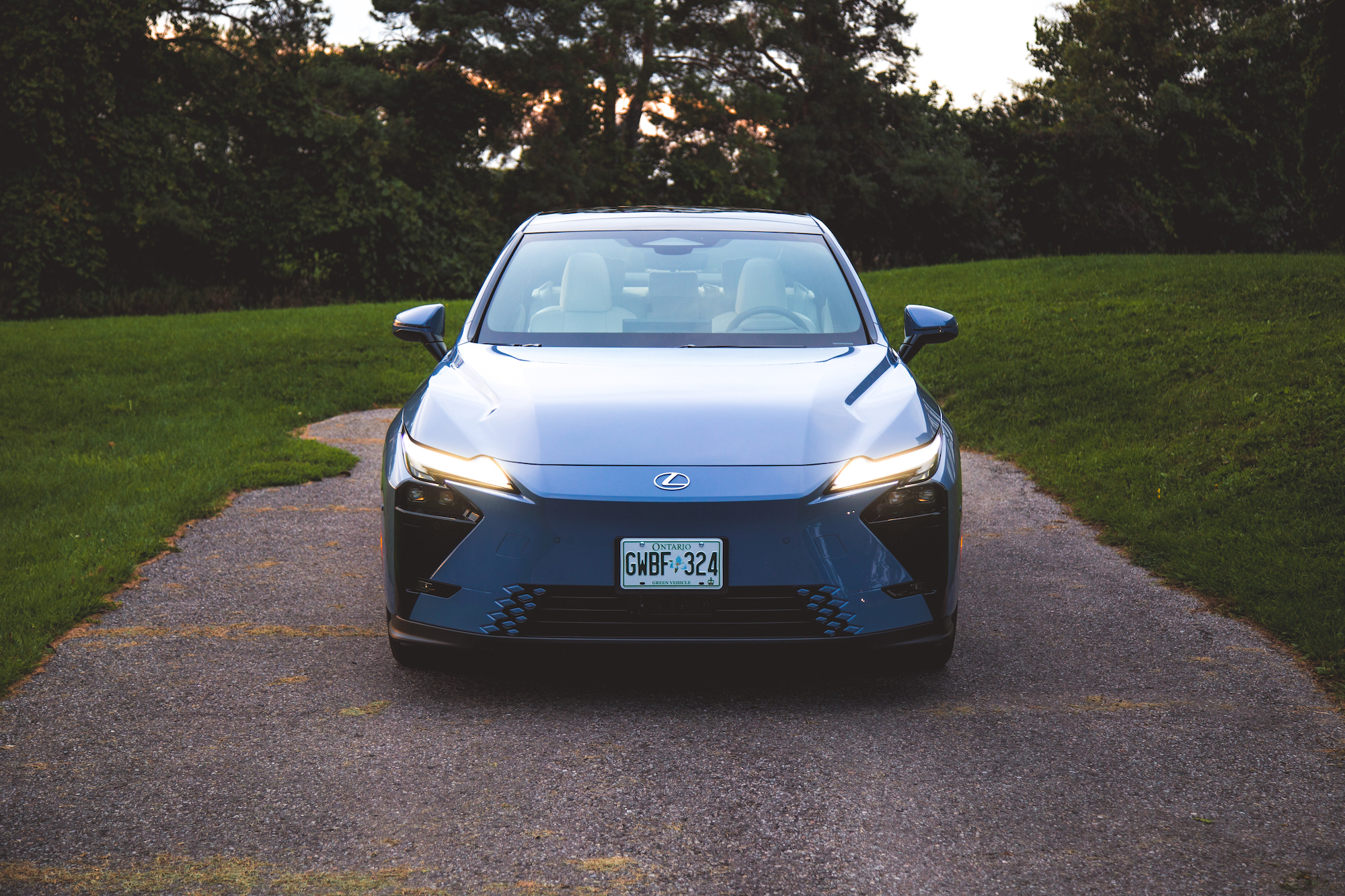
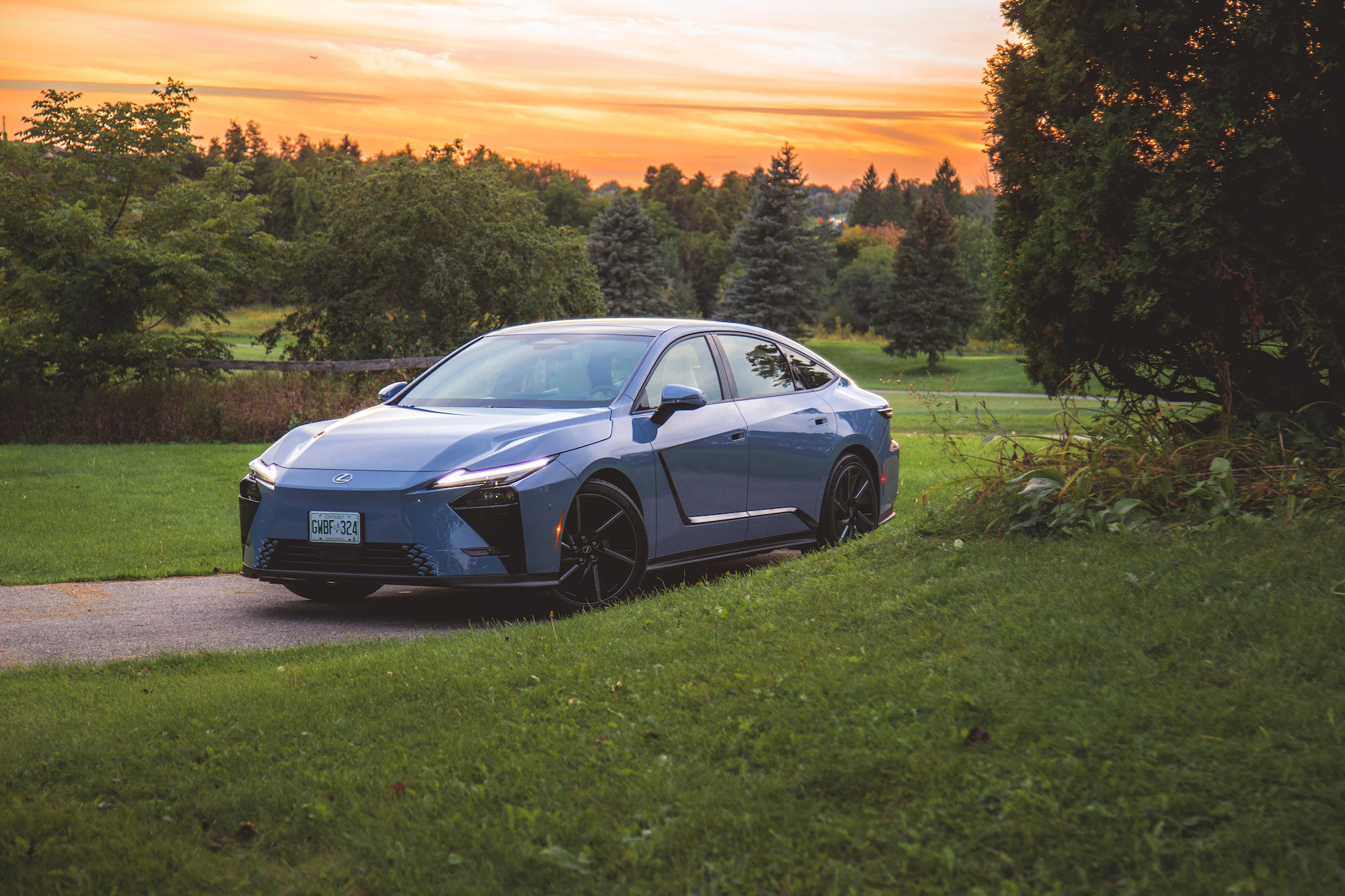
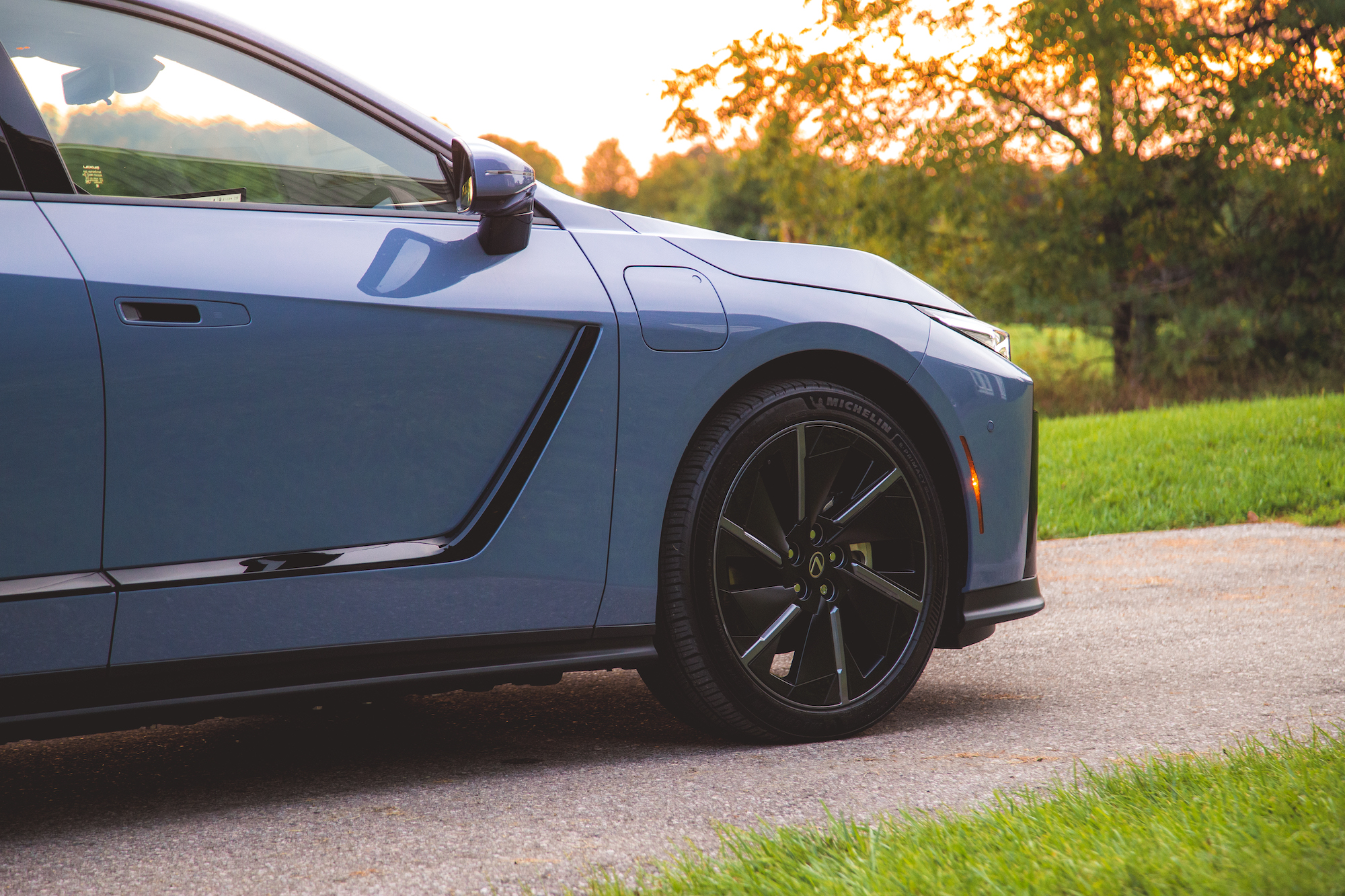
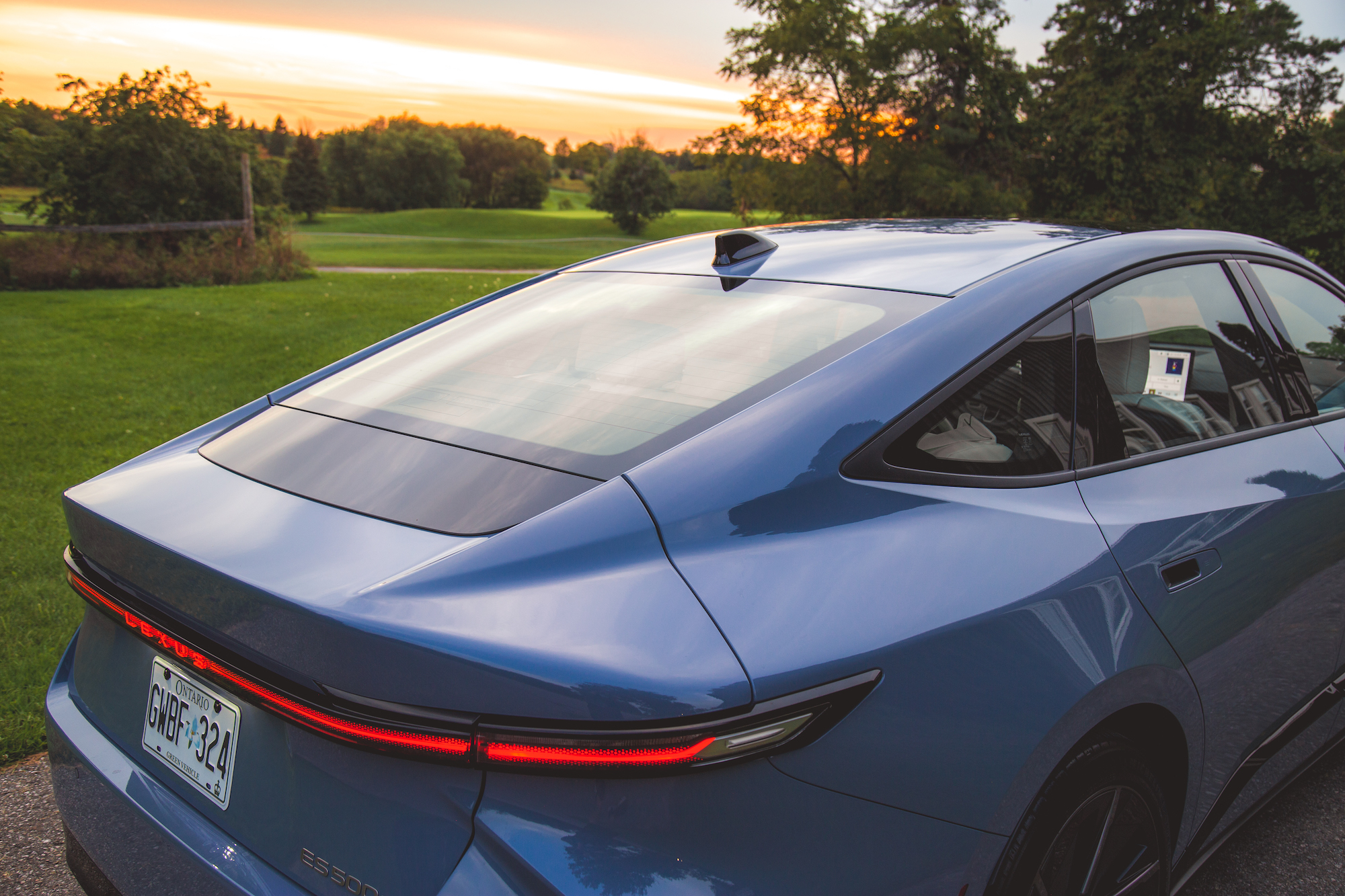
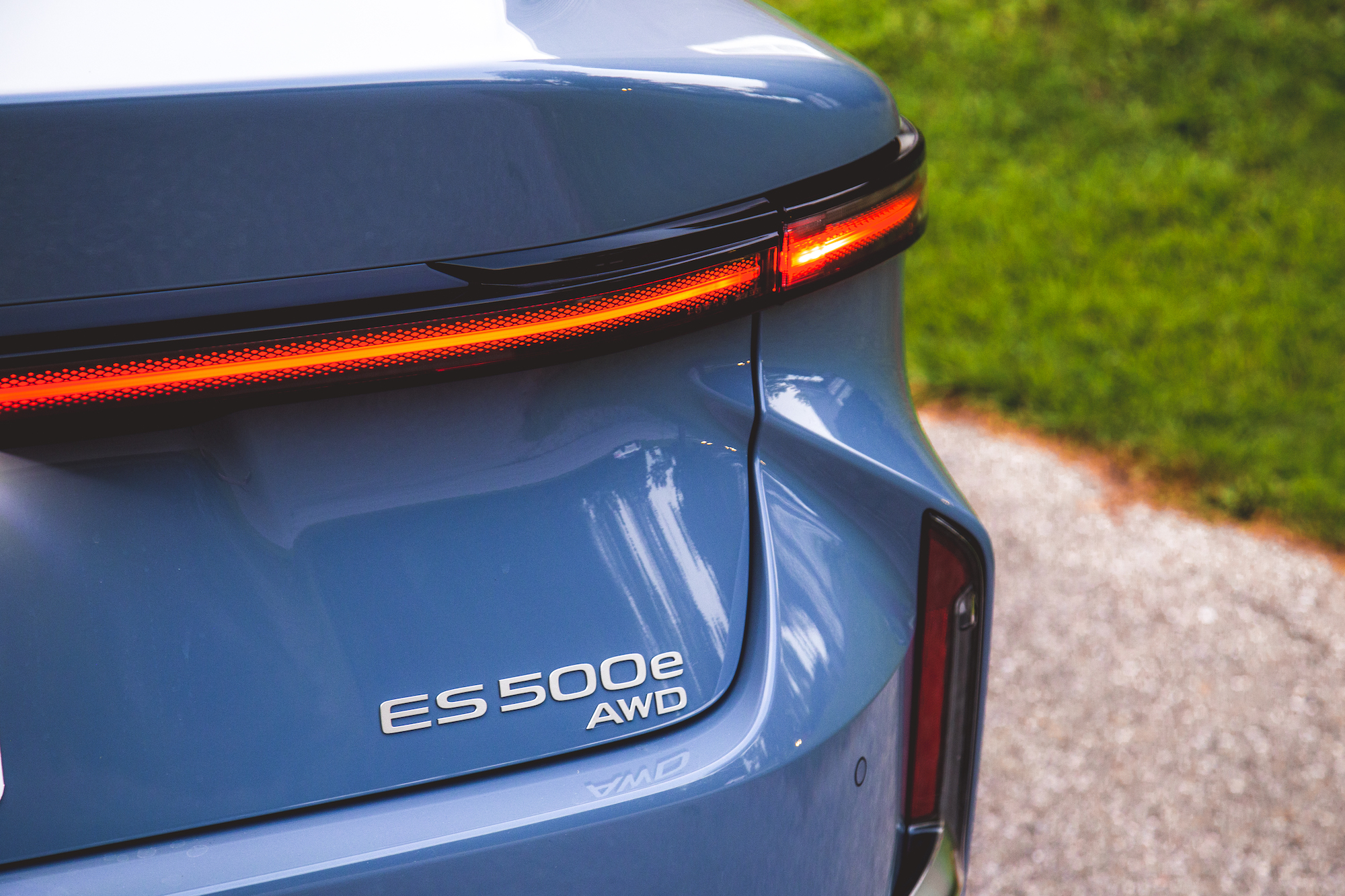
It looks the part, too, with thunderbolt-shaped headlights that usher in the next chapter of Lexus’ design language. No longer blending into traffic, the new ES has a sparkier presence, like a thunder dog ready to pounce. The angular S-line running along the side profile is another bold flourish, standing out particularly well against the dusky blue Wavelength paint. From afar, however, the rear end and full-width light bar can be surprisingly easy to mistake for a Nissan Sentra, but darker colours seem to suit the ES better, giving its otherwise angular silhouette a more relaxed and calmer appearance.
The ES is offered in hybrid (ES 350h) and fully-electric (ES 350e, ES 500e) variants. The ES 350h uses a 2.5-litre four-cylinder hybrid system, while the ES 350e uses a 74.7 kWh lithium-ion battery mated to a single electric motor for FWD and 481 km of range. The ES 500e uses the same battery but adds a rear electric motor for AWD, costs $3,000 more, and offers a slightly reduced range of 444 km. Opting for the 21-inch wheels reduces it down even further to 438 km. Like Toyota’s recent upgrades, the ES adopts the NACS (North American Charging Standard) port, allowing access to Tesla Superchargers, and requiring an adapter for all others.

The ES 500e uses a 221 hp front motor and 118 hp rear motor for a combined 338 hp. It’s the variant we drove, and it proved more than capable of handling everyday duties. Predictable throttle response is complemented by strong, linear brakes that avoid the springboard sensation often associated with regenerative braking systems. The ES comes daringly close to the Mercedes E-Class in terms of road comfort and overall polish, while wiping the floor with the hopelessly stiff EQE. But when it comes to body control or road composure, the ES does little to distinguish itself from other electric sedans.
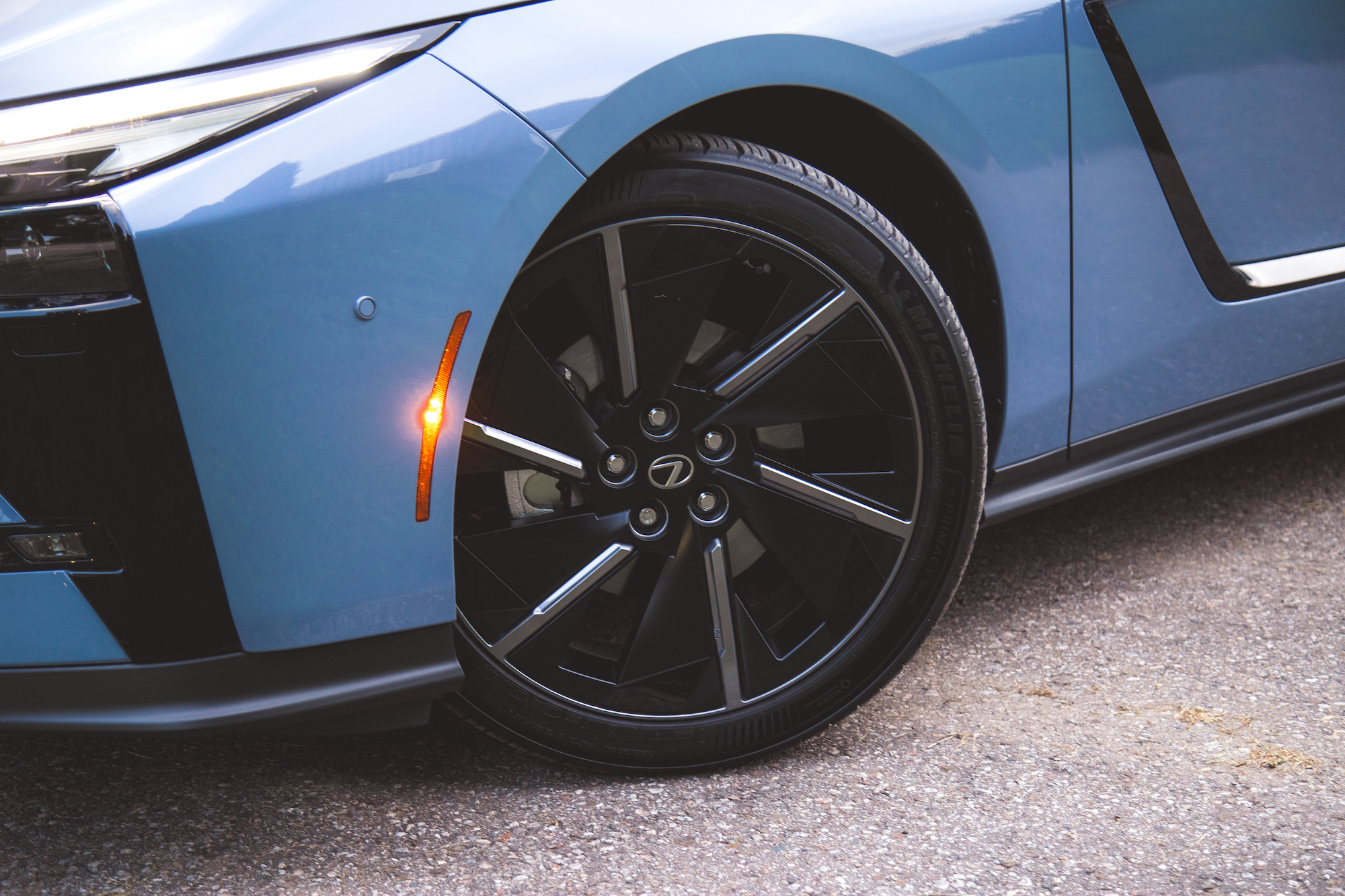
The wide Michelin e-Primacy All-Season tires don’t chirp and squirm for traction often, even when you’re greedy with the throttle, as the AWD system is clever enough to shuffle torque to the tire with the most grip. But Lexus has clearly favoured a safer, softer, more compliant suspension tune over one that gels with the road and communicates its every undulation through your fingertips. The result is a soft, cocooning ride that does little to engage or reward the driver. Not that driving performance was ever the mission. After all, ES stands for Executive Sedan. Soft and cocooning was precisely the brief, and it does it better than the Toyota Crown Signia and Porsche Taycan.

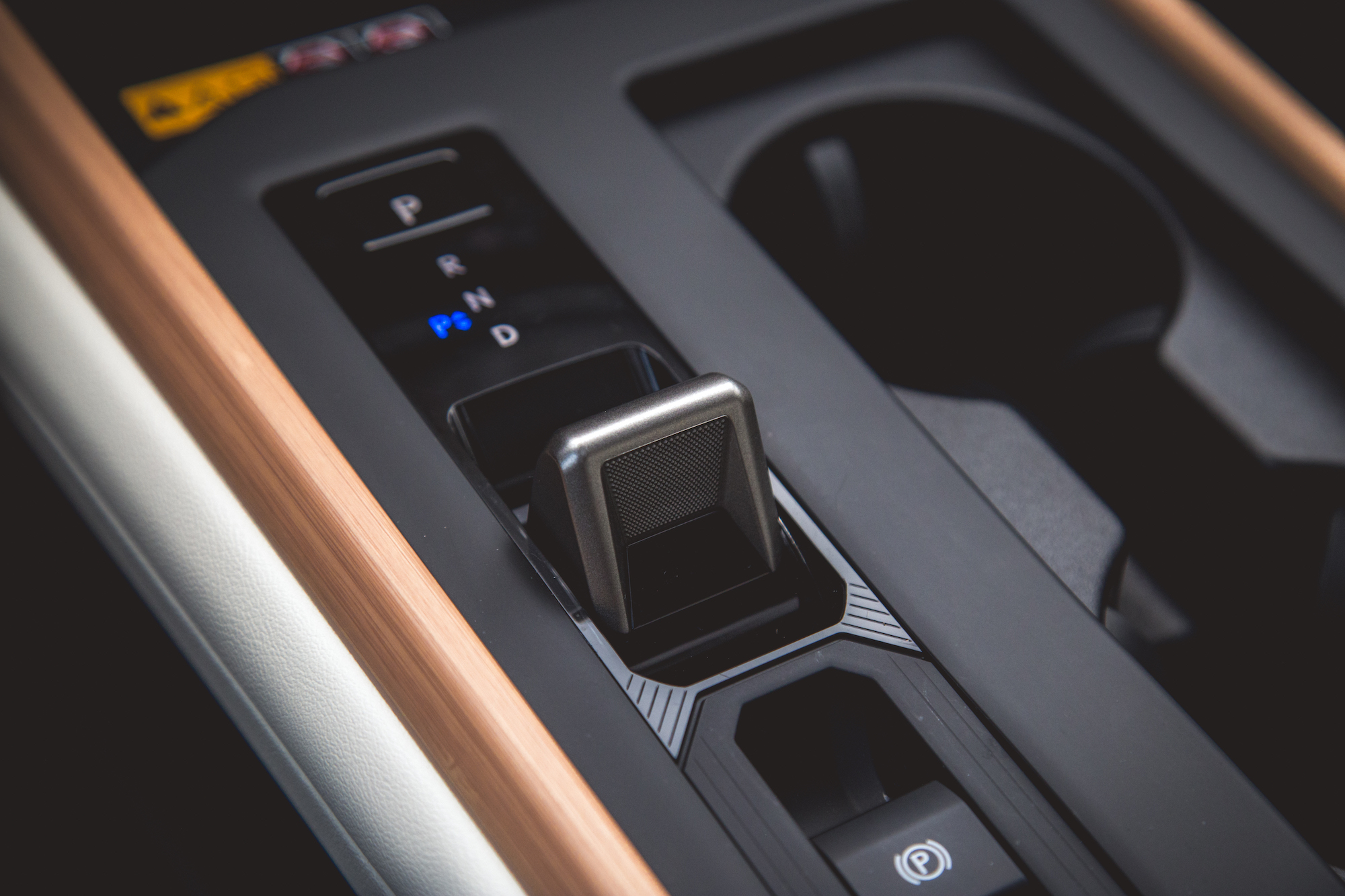
Undistracted by digital gadgetry or overly complicated driving modes, the ES 500e is a welcome return to what Lexus does best: providing a cloud-like passage in a deluxe cocoon, all for a relatively modest sum. Ample electric range, exceptional ergonomics, and a spacious rear cabin make it an even more compelling proposition.
Specifications:
Model: 2026 Lexus ES 500e AWD Luxury+
Paint Type: Wavelength
Base Price: $65,525
Price as Tested: $77,785
Wheelbase(mm): 2,950
Length/Width/Height (mm): 5,140 / 1,920 / 1,560
Curb weight (kg): 2,199
Powertrain: 74.7 kWh lithium-ion battery, two electric motors
Horsepower: 338 combined hp
Drive configuration: Front and rear electric motors, AWD
Claimed Range: 438 km
Observed Range: 395 km
Tires: Michelin e-Primacy All-Season; 235/45R21












Leave a Reply