
It’s easy to fall in love with the Land Cruiser. The badge carries weight, its off-roading pedigree is undeniable, its lineage traces back to the early 1950s, and in recent years, it has finally become available to Canadians. But staying in love with the Land Cruiser is more challenging, especially with this current-generation model.
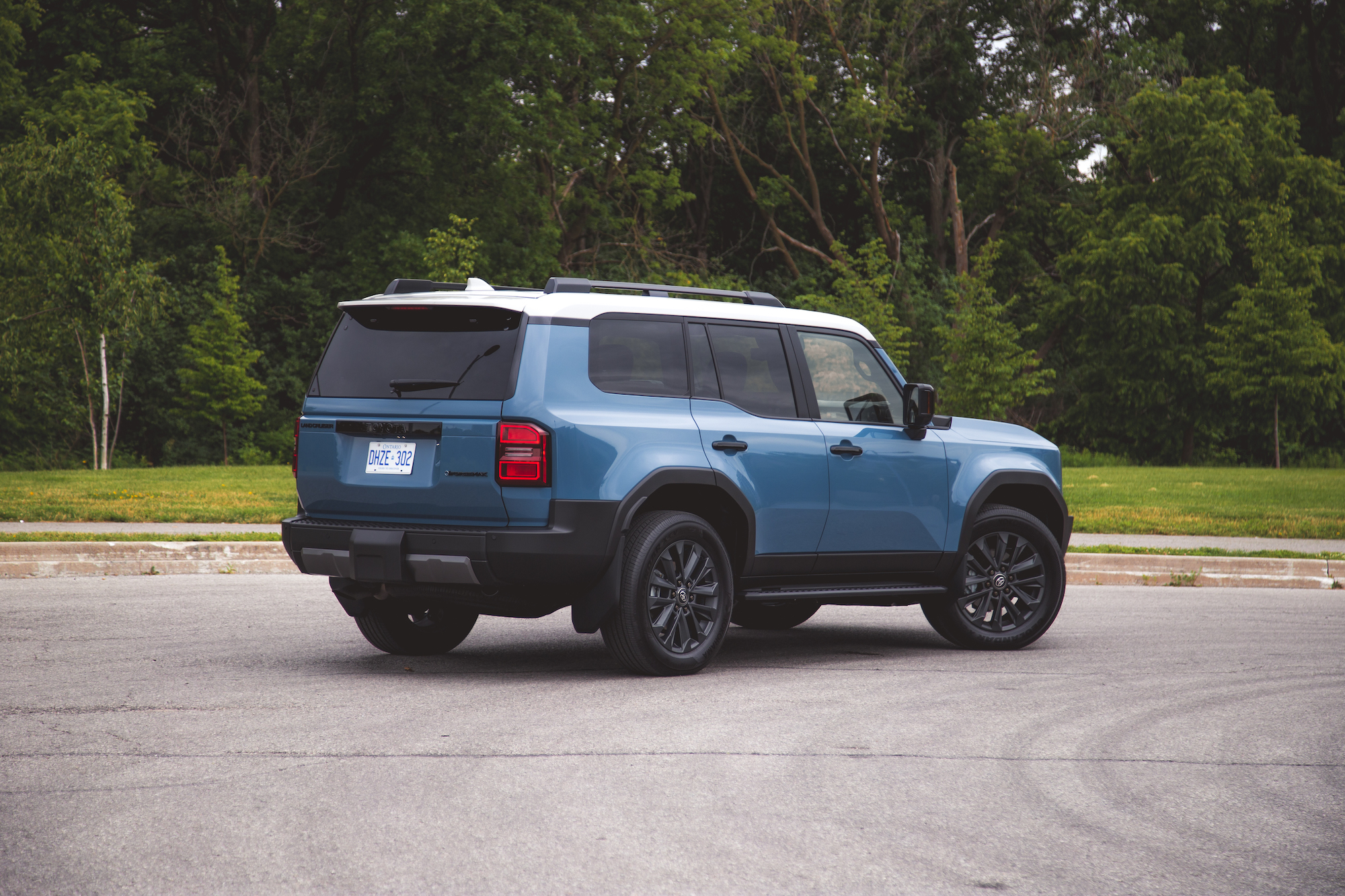
The Land Cruiser sits on a body-on-frame foundation with a solid rear axle, center and rear locking differentials, and an electronically adjustable sway bar, ensuring that it can not only talk the talk, but also walk the walk when it comes to crawling over rocks and navigating through forested paths. But the trade-off for such ruggedness comes at the expense of ride quality and powertrain refinement.
Evaluating ride comfort depends on your reference frame. If you’re accustomed to piloting a Toyota 4Runner or Ford Bronco, the Land Cruiser will feel comparable. After all, it’s essentially a pick-up truck wearing SUV attire. The ride isn’t supple or relaxing in the slightest, with what feels like the chassis fluency of a wooden cart. It squats, pitches, and lurches with vigour, needing time to settle before going at it all over again. While it ensures all occupants feel the oscillations and are in tune with the state of the road, it also feels stable and enduring, as if it’s simply seeking out those bumps to show off and prove its worth. The ride isn’t intolerable, though, and its elevated seating position and excellent outward visibility add to its ease of maneuverability.

This physical prowess imparts a sense of imperiousness on the driver, without the poshness that comes with a G-Wagen or Range Rover. If you’re migrating from the aforementioned or are accustomed to the polish and absorbency of the rides provided by a Lexus RX or Toyota RAV4, the Land Cruiser will require a few weeks of acclimation. The same goes for the powertrain.
The Land Cruiser is only available with i-FORCE MAX Hybrid, a 2.4-litre turbocharged four-cylinder engine paired with an electric motor and a 1.87-kWh nickel-metal hydride battery. It produces 326 hp and 465 lb-ft of torque through an 8-speed automatic transmission and a four-wheel-drive system. Don’t ask us where the V8 or diesel engines are, but we’re glad that it hasn’t been plagued by the problematic 3.4-litre twin-turbo unit found in the current-gen Tundra.
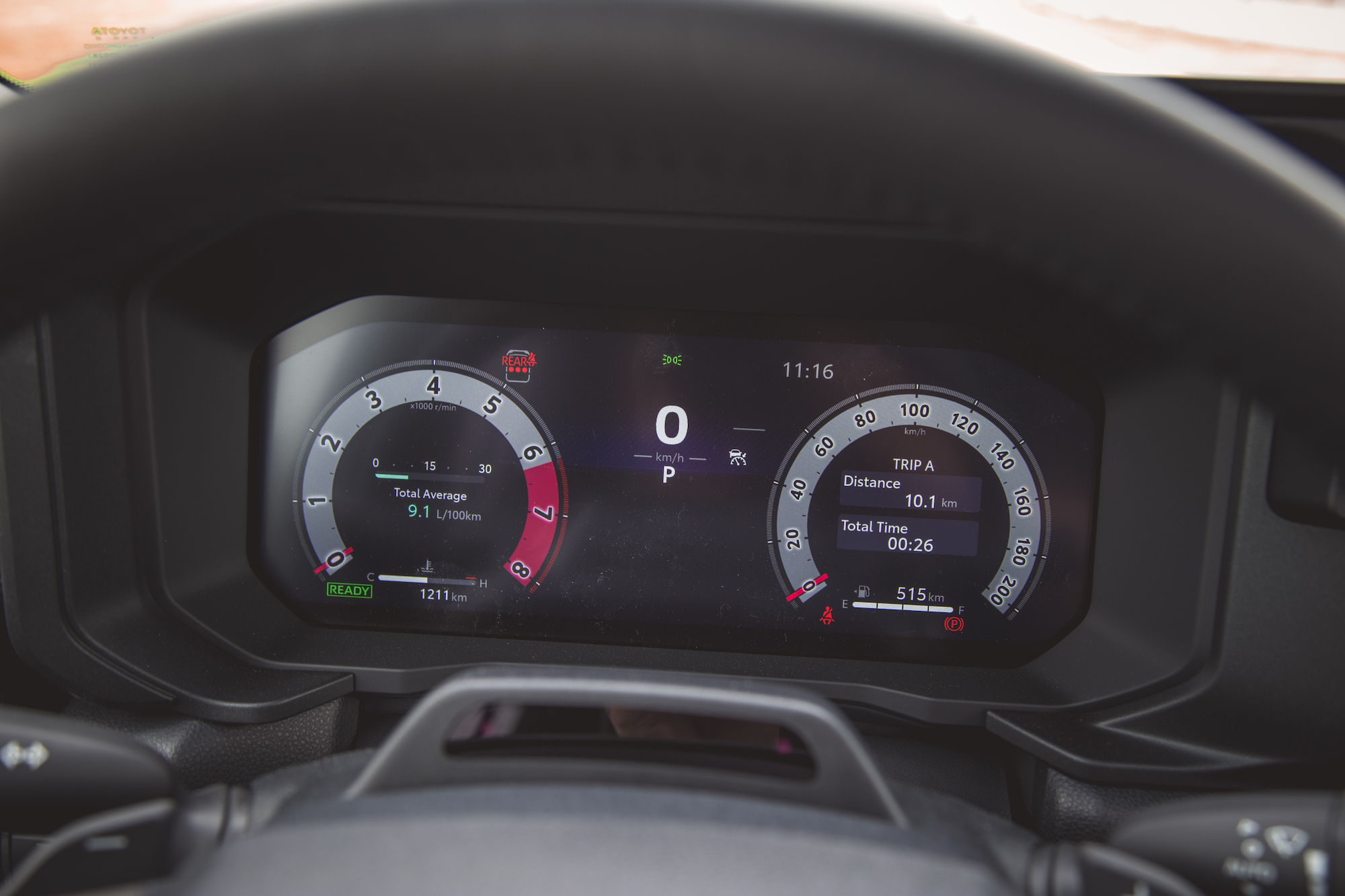
Still, Toyota believes that fuel efficiency was a greater priority for our market, given their eventual and rather simple suburban use. As such, the hybrid allows for electric-only driving at very low speeds or when cruising under low power demands, meaning you can navigate parking garages silently. Like other Toyota hybrids, the engine will fire back up when needed, but if you are precise with your right foot, using feathery, articulated pedal modulation will maximize its electric potential. Lift and coast is effective at extending the range, enough for us to achieve an impressive 11.5 L/100km over a mix of city and highway driving.

While the turbo-four is well-suited to low-demand driving, there’s some turbo latency. The power delivery is neither gradual nor linear, resulting in either sudden or sluggish acceleration, leaving little room to maneuver in between. Every time you step on the gas, the engine’s heavy vibrations trickle down to the steering wheel, reverberating through your hands as they grasp it, making it feel unrefined despite its electric power steering rack. The vibration strength is proportional to the amount of gas you add, but it’s an easy way to tell if the engine is off and in electric mode. There is also a noticeable whine from the electric motors during acceleration, much like Toyota’s other hybrids in the Crown Signia and 4Runner.
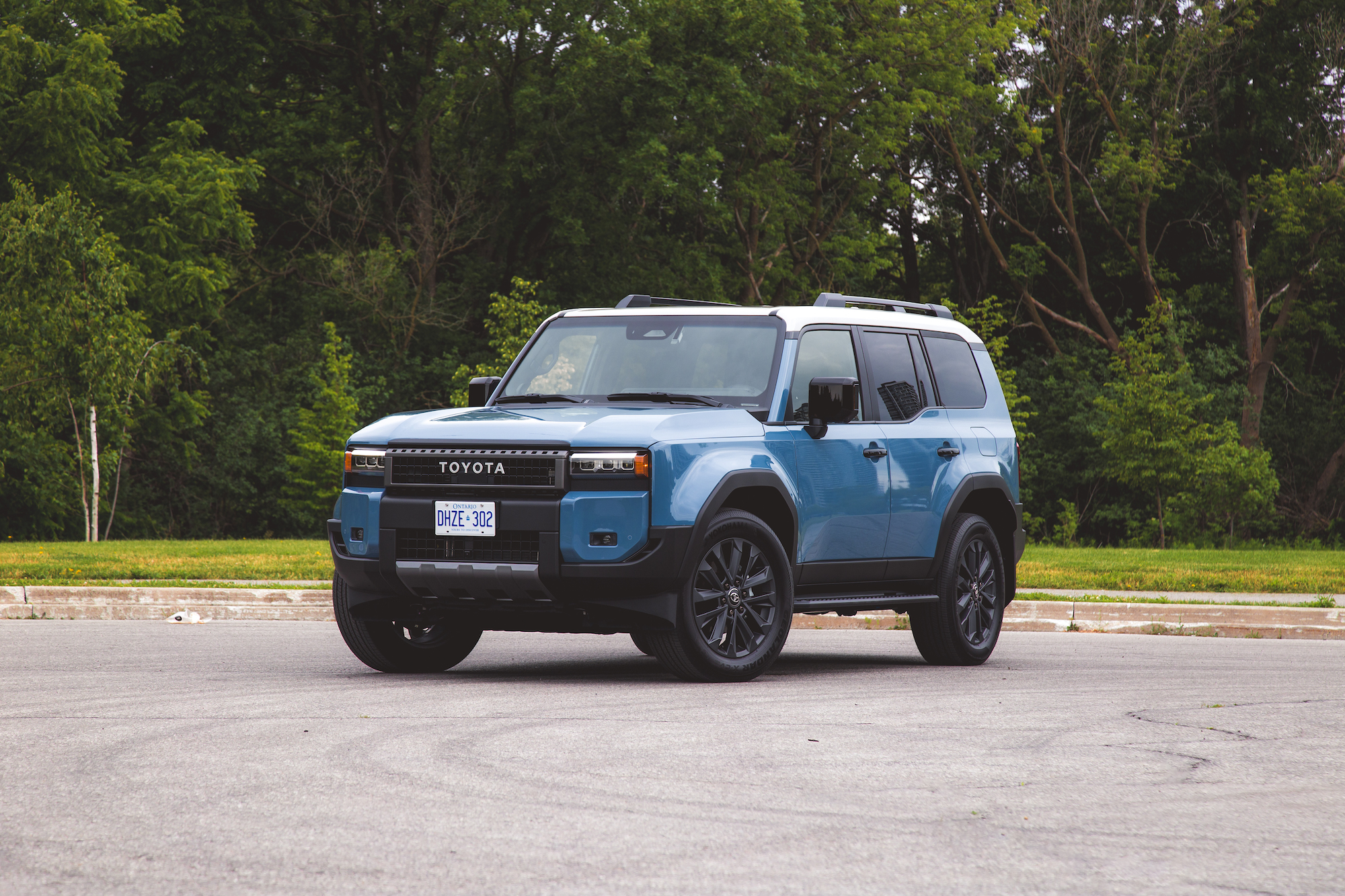
The engine itself doesn’t make a flattering noise either, emitting an uninspiring racket that has us yearning for a V8 re-run. We noticed instances where the engine and gearbox did not work in unison, resulting in disjointed shifts and engine stuttering, particularly on rolling stops, partial-throttle acceleration, and low-speed deceleration. There isn’t the general sense of polish and cohesion that we expected from a nearly $100,000 rig. But there’s no denying that the Land Cruiser looks the part.

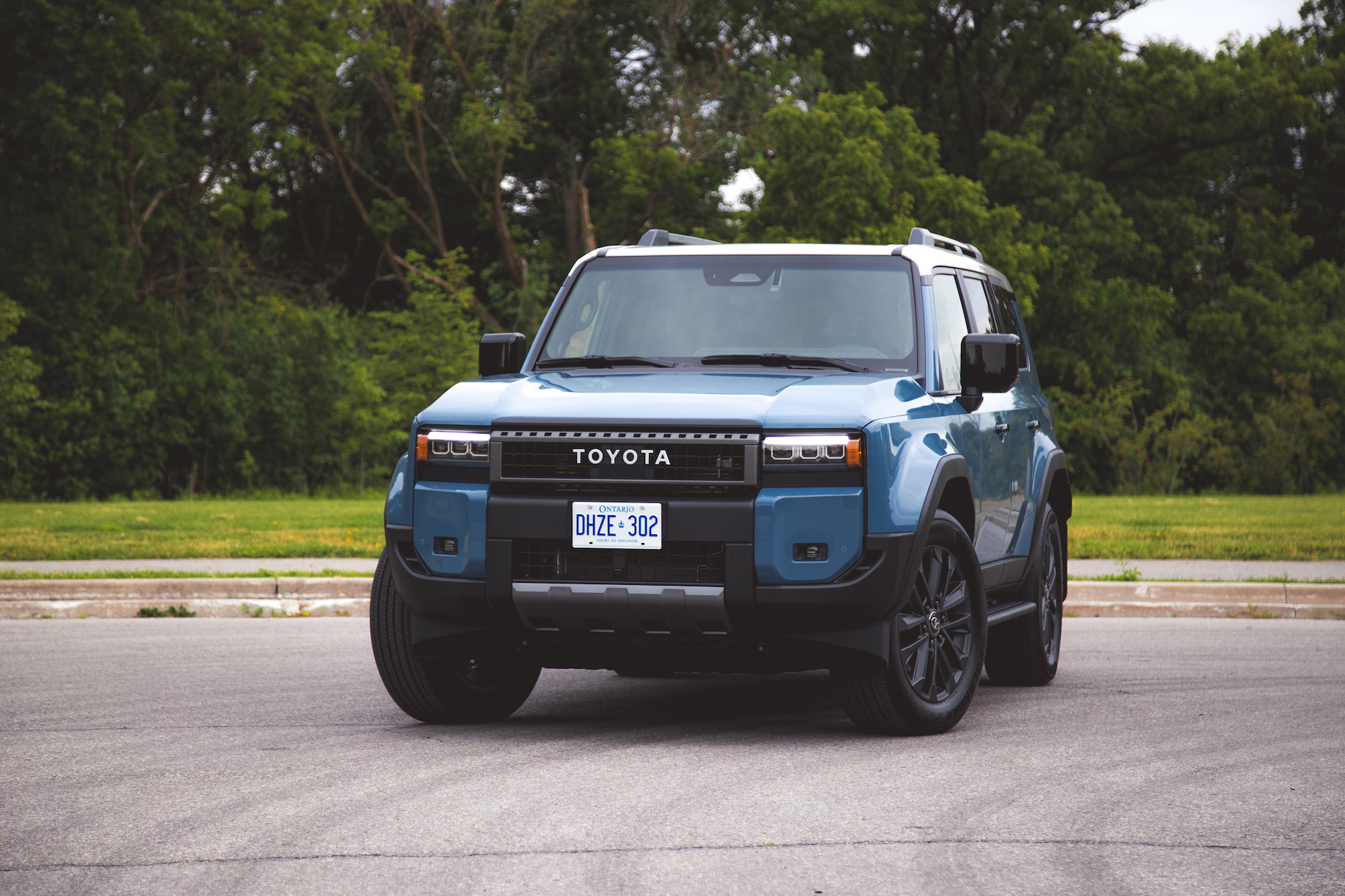
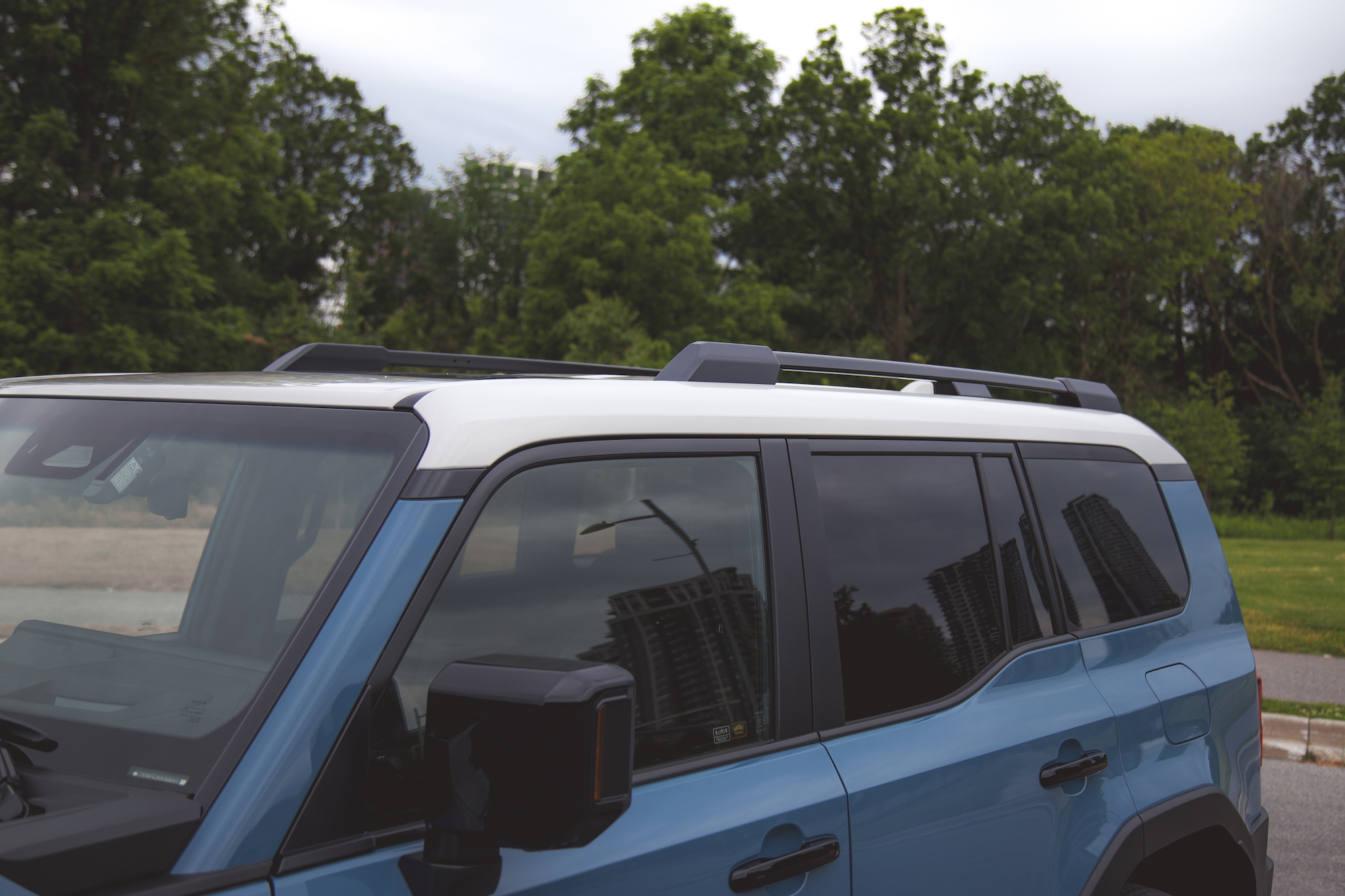
With a silhouette shared with the Lexus GX, the two are difficult to distinguish, as their similar boxy forms carry a great deal of visual tension and energy. The Land Cruiser comes in two distinct front-end styles: the 1958 model with rounded headlights and the standard model with more modern rectangular ones. Those with taste will choose the Heritage Blue with a contrasting light grey roof, allowing them to peacock on the streets like a Japanese G-Wagen.
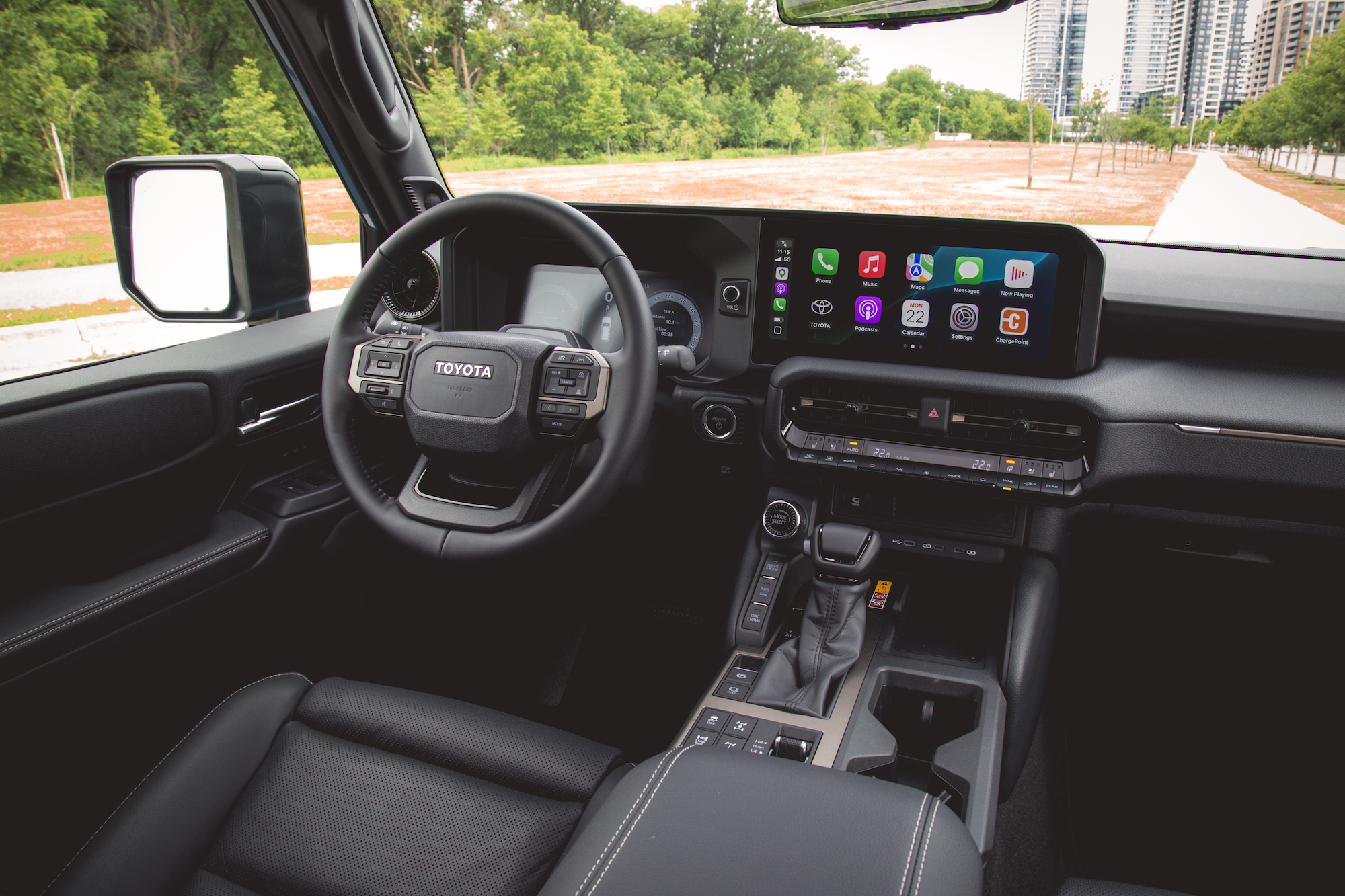
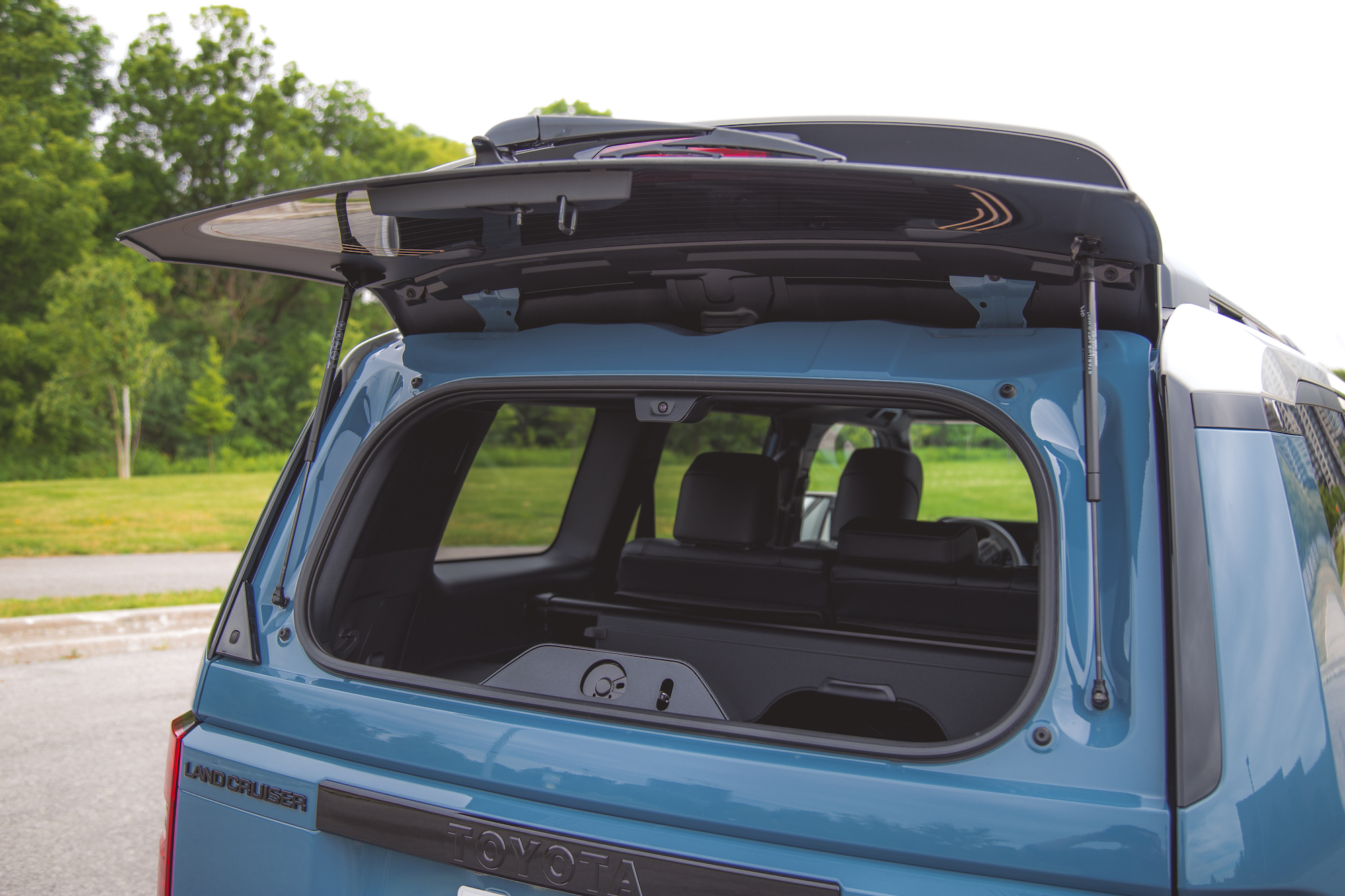
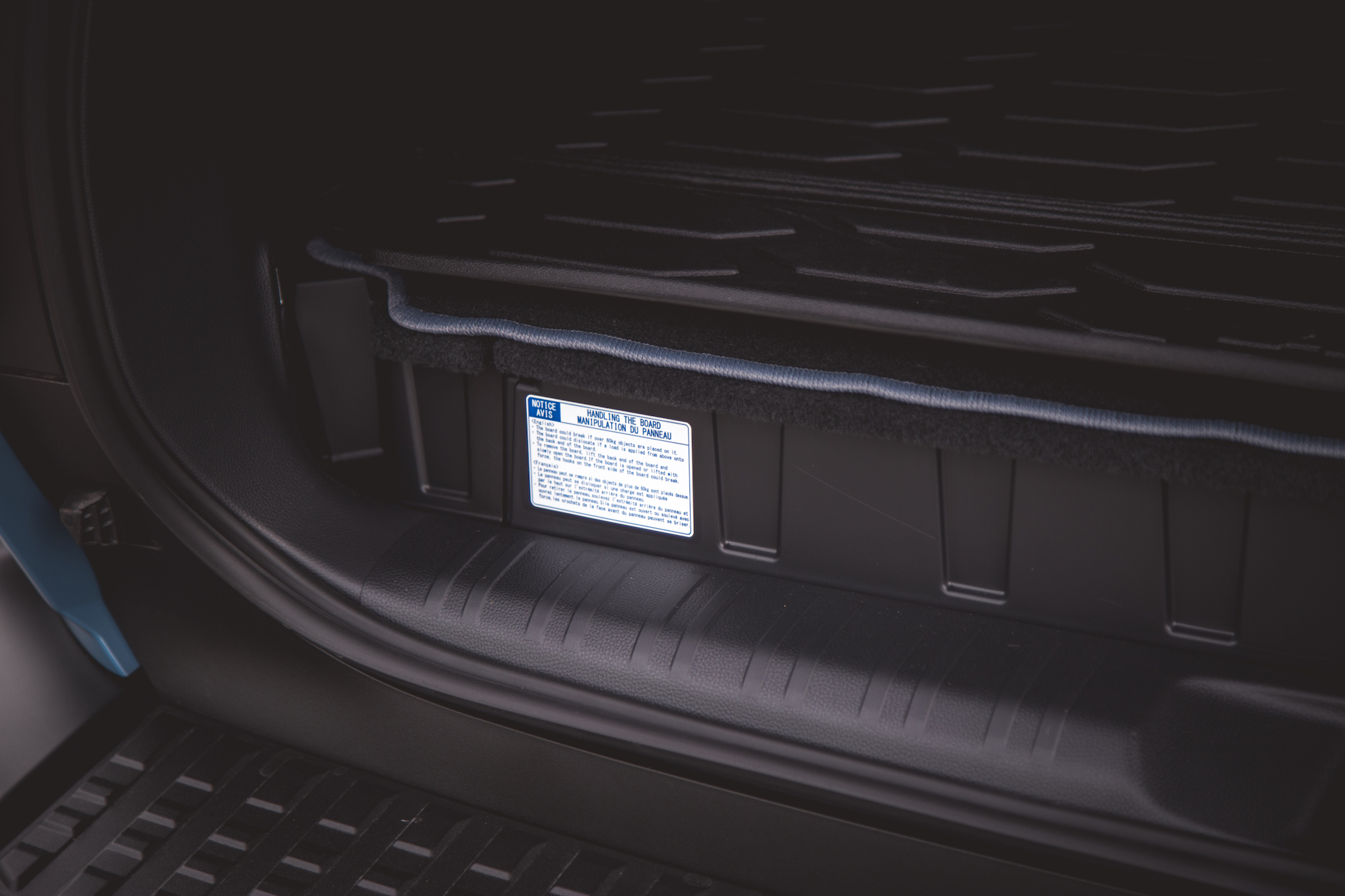
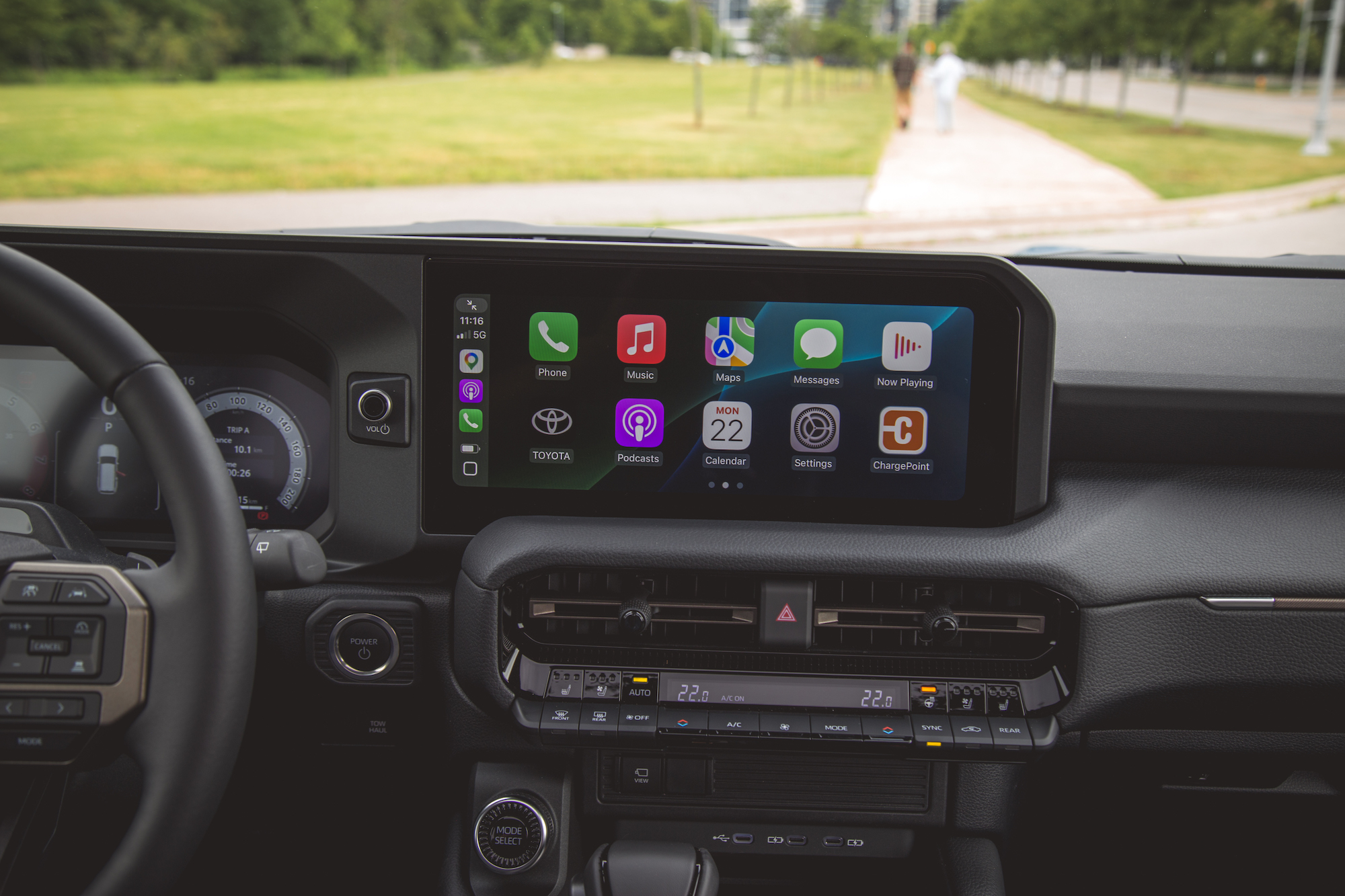
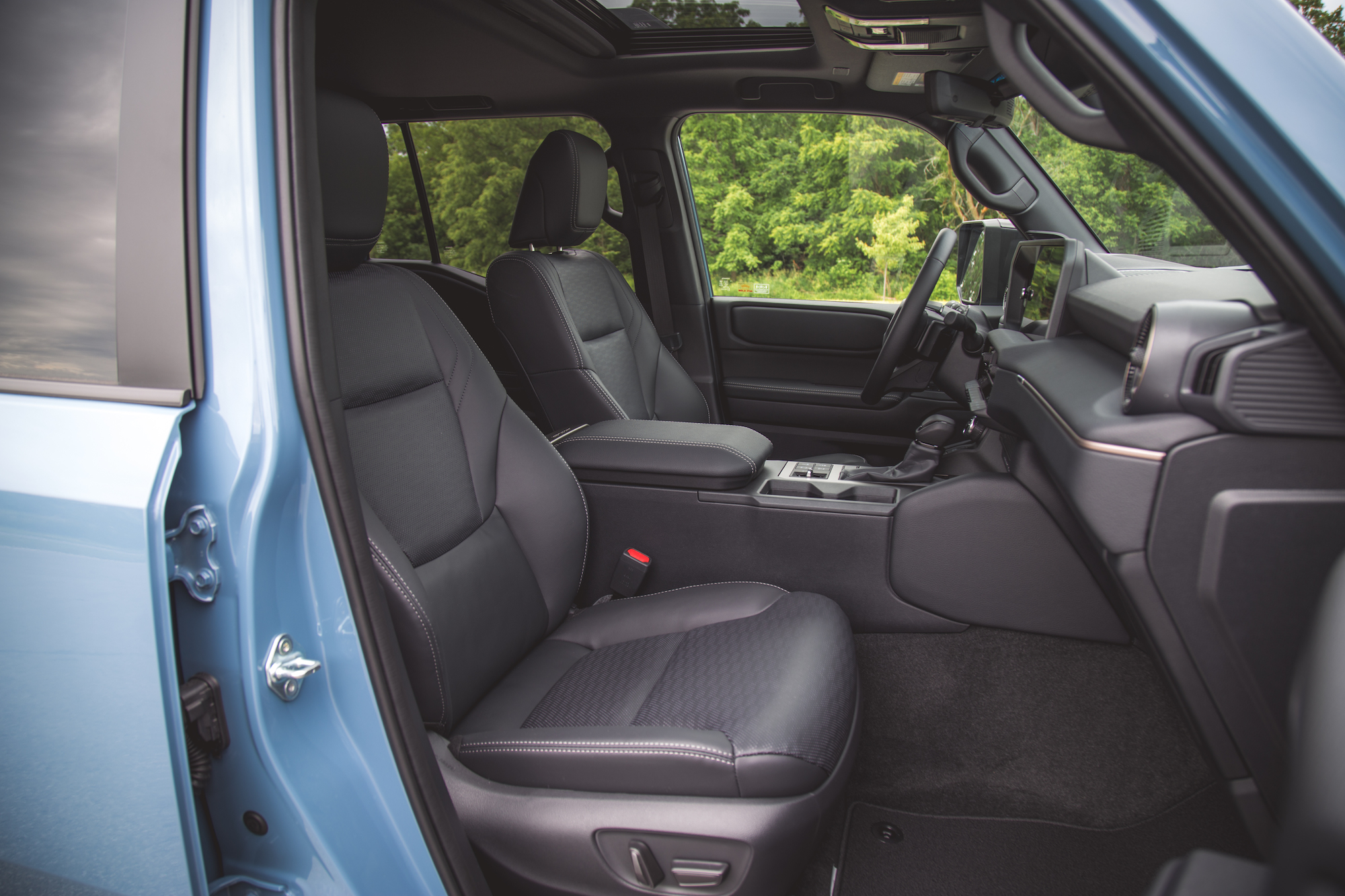
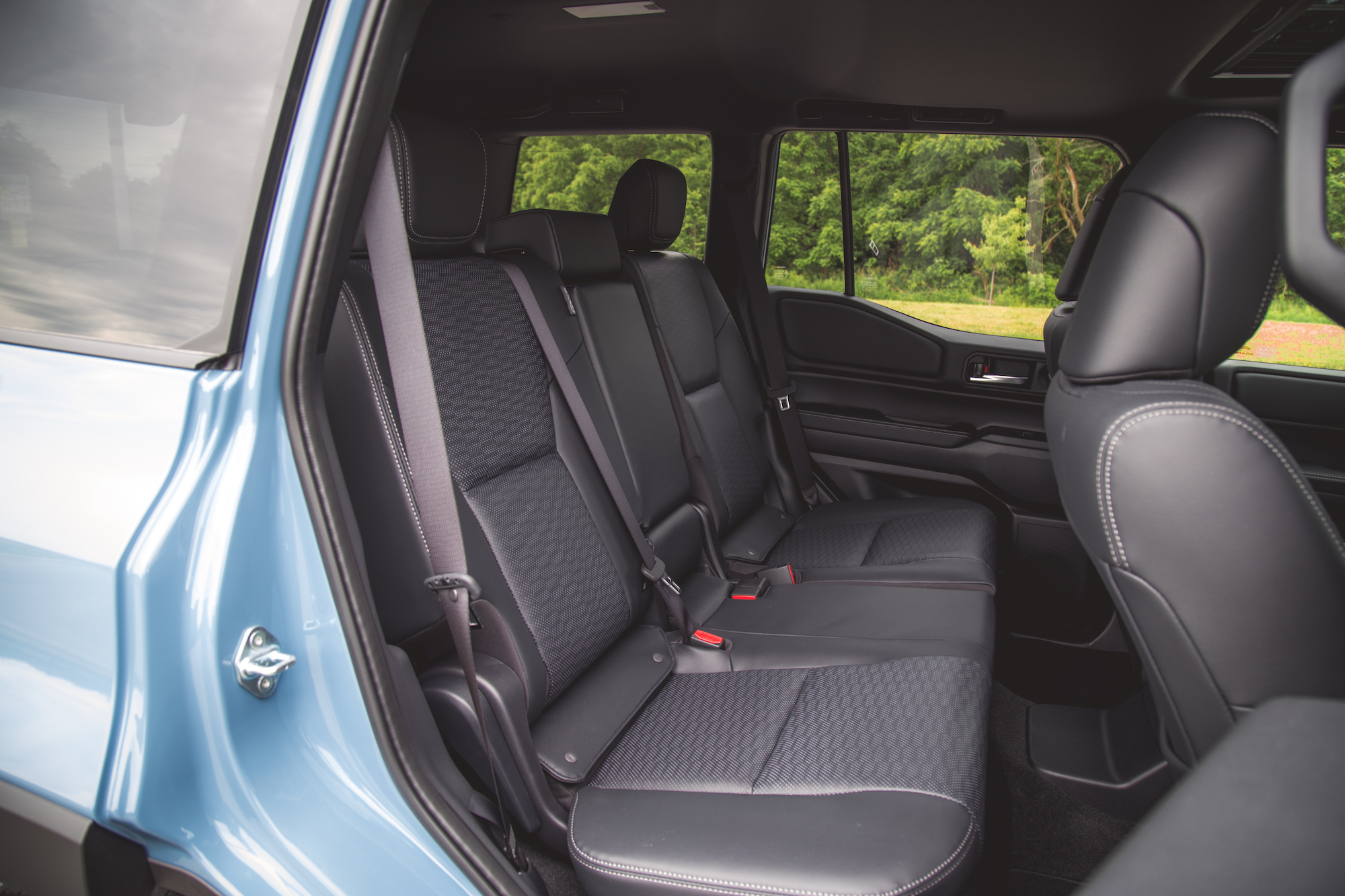
Inside is basic, ergonomic, and purposeful. If you’re satisfied with the ease and durability of manually adjusted cloth seats and don’t require the largest touchscreens or amenities, the 1958 model will suit you just fine. But hopping up to the standard model or Premium package adds many of the creature comforts that soften the rough edges and make it easier to live with. The Land Cruiser finally begins to feel like it’s worth the money in this top trim, with nicely appointed leather surfaces, a larger touchscreen, and a 360-degree camera. While the Land Cruiser does not come with a split tailgate like others before it, you can open the trunk window separately from the trunk door. This lets you throw in groceries without opening the doors, but note that the trunk floor is slightly elevated by the battery mounted below.
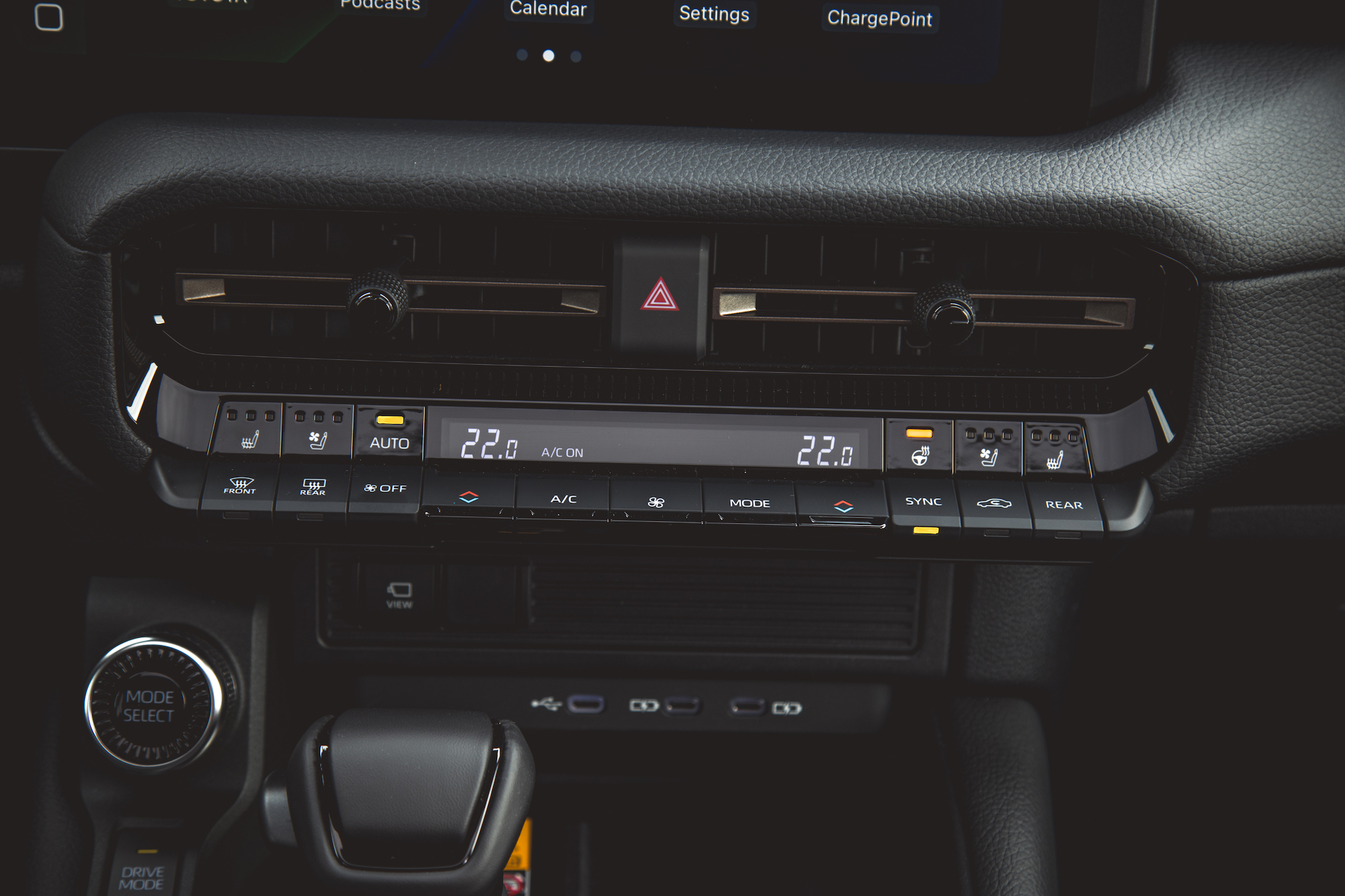
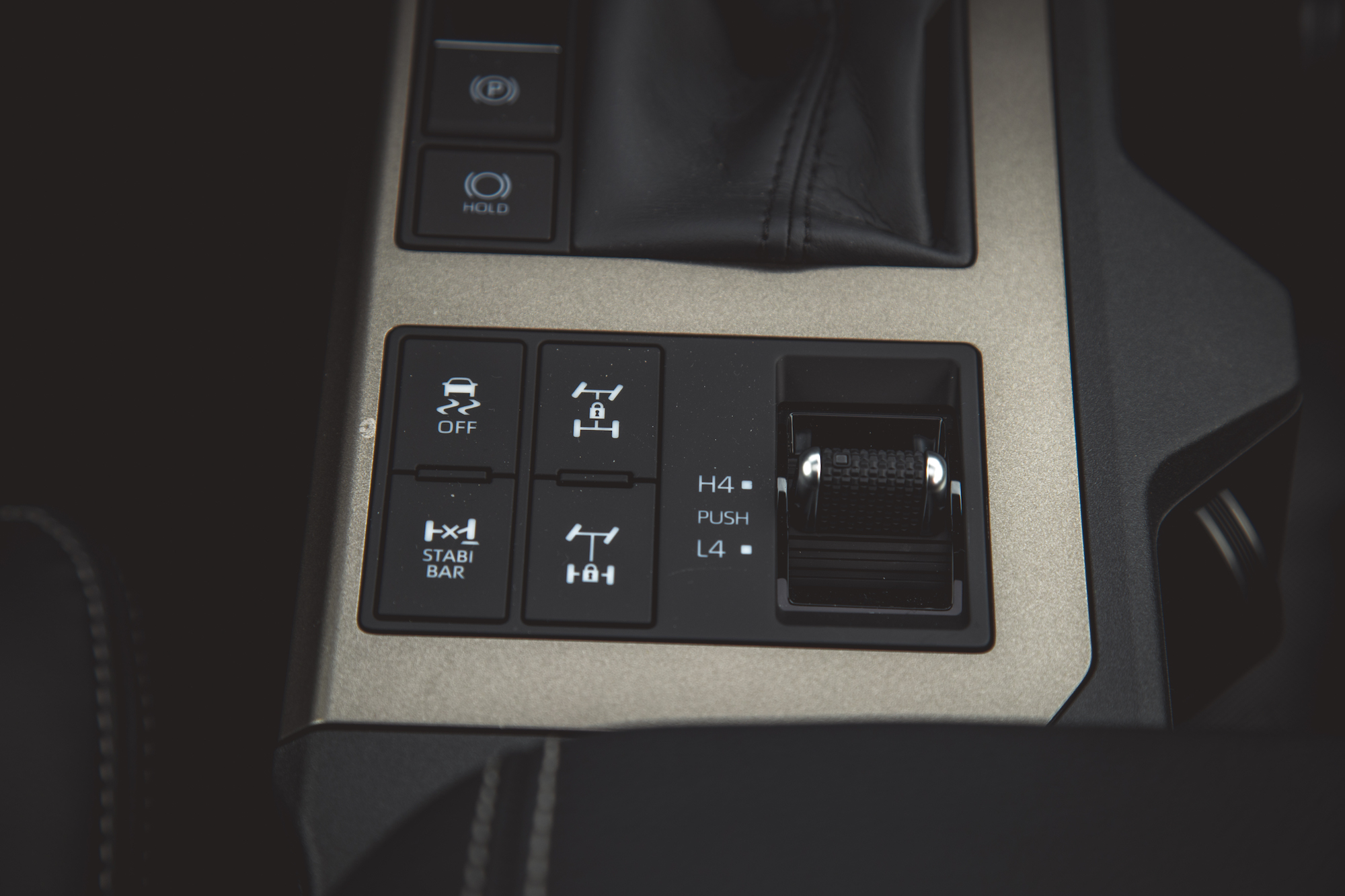
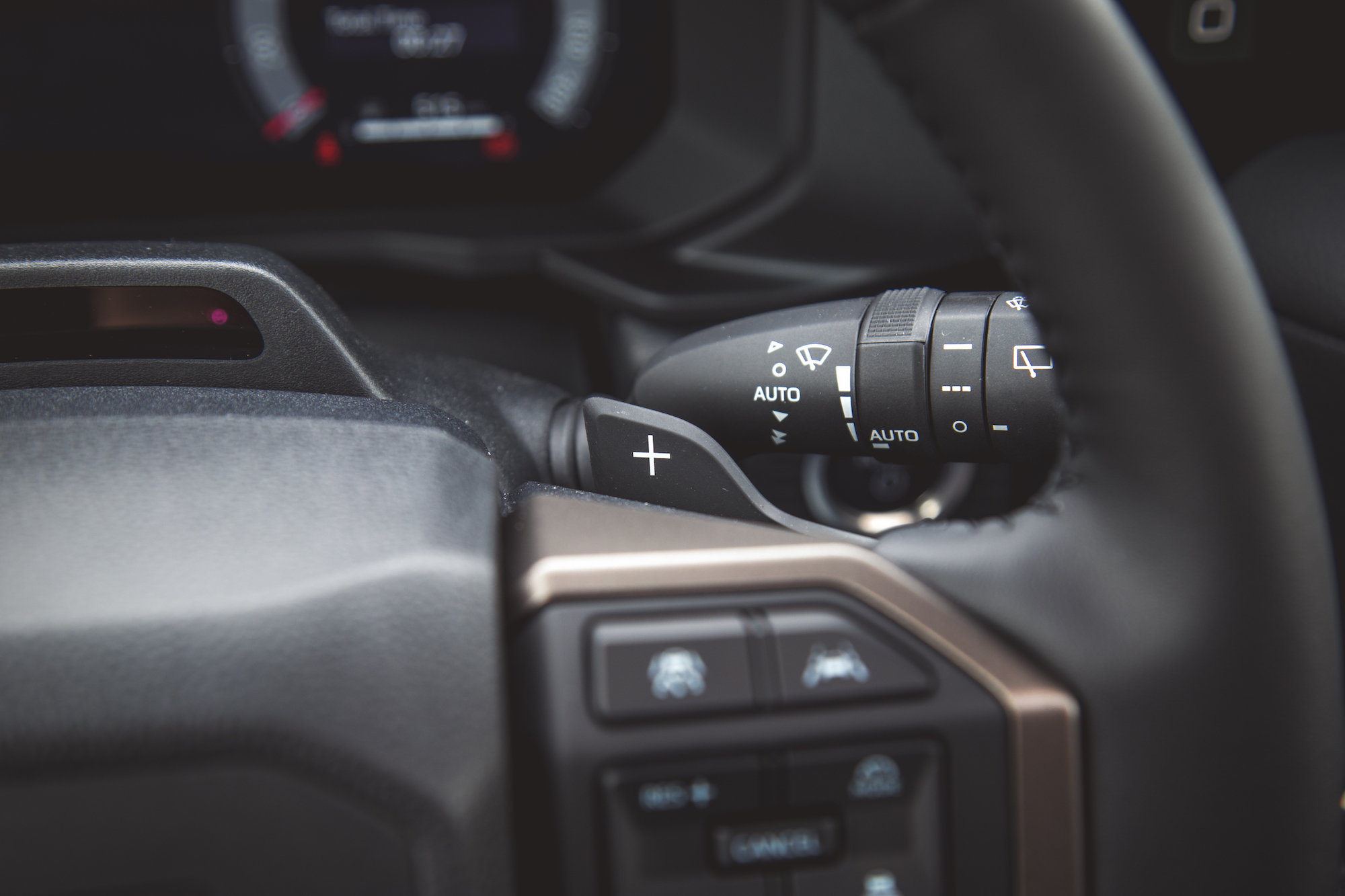
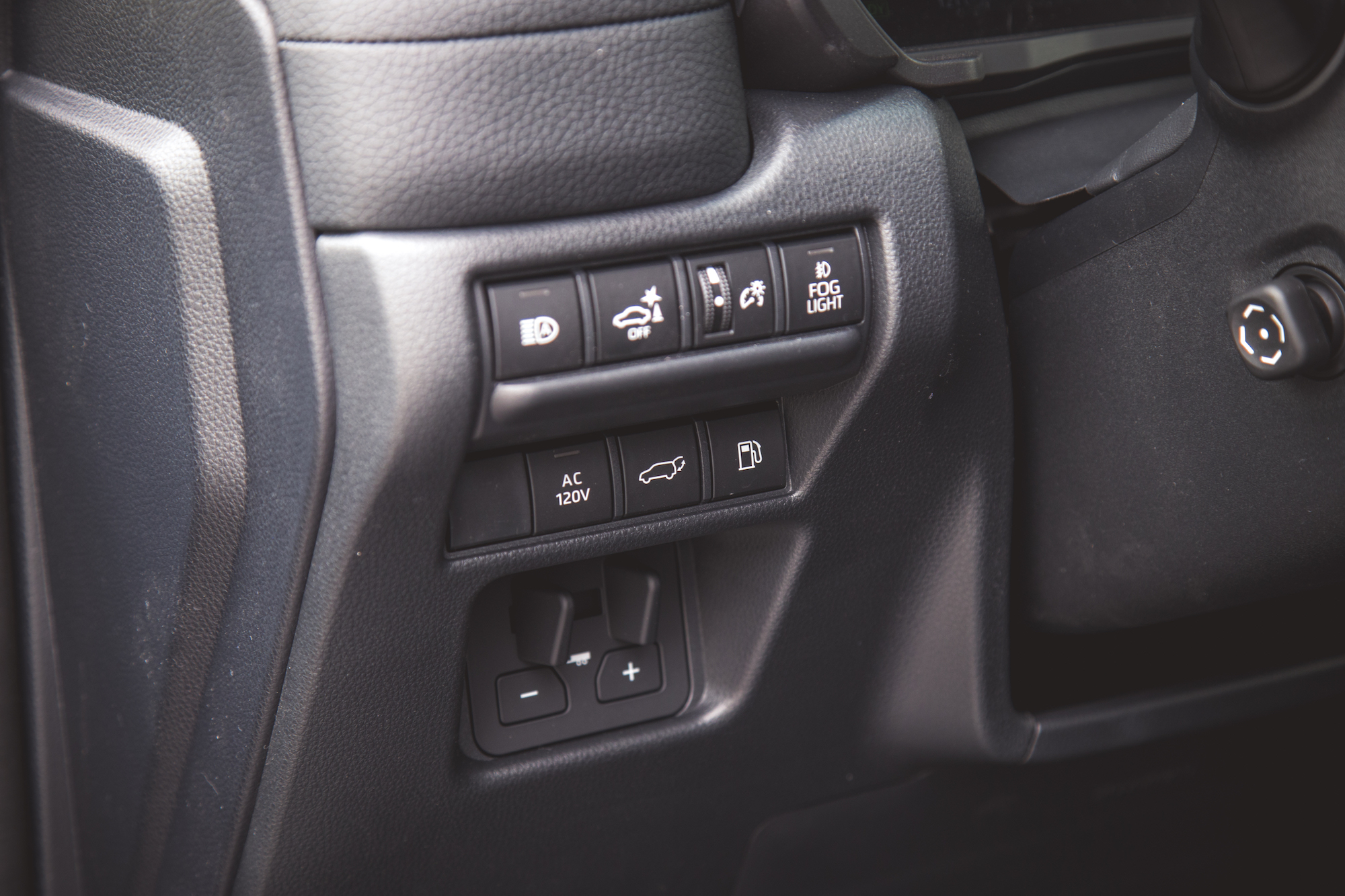
The windscreen is upright, the windows are tall, and there are more buttons than you can count to adjust the differentials, driving modes, and the 4WD transfer case. There are actual toggles and switches on the steering wheel, and even the heating controls are neatly arranged rather than delegated to a confusing touchscreen. The lack of irritating capacitive touch-sensitive buttons is refreshing. This is driver functionality done properly, and we can’t praise Toyota enough for not going down the route of heavy digitalization.

You have to genuinely idolize the Land Cruiser’s looks and class to choose it over the immensely more affordable 4Runner. Both have future-proof designs and simple yet attractive interiors. Their amenity lists are comprehensive, with all the toughness of an off-roader and as much machismo as the Wrangler and Bronco. The Land Cruiser is more expensive than the lot, and its clamorous turbo-four is hardly confidence-inspiring, but the premium is somewhat justified for its efficiency and road presence. The 4Runner is undoubtedly the wiser purchase, but since when did we buy cars with our brains? It’s the heart that takes custody, but be sure to leave room for the turbulent ride and relatively crude powertrain.
Specifications:
Model: 2027 Toyota Land Cruiser Premium
Paint Type: Heritage Blue
Base Price: $80,460
Price as Tested: $87,225
Wheelbase(mm): 2,850
Length/Width/Height (mm): 4,990 / 1,940 / 1,925
Curb weight (kg): 2,430
Engine: 2.4-litre turbocharged four-cylinder, electric motor, 1.87-kWh nickel-metal hydride battery
Horsepower: 326 hp
Torque: 465 lb-ft
Transmission: 8-speed automatic
Engine & Drive Configuration: Front engine, 4WD
Observed Fuel Consumption (L/100km): 11.5
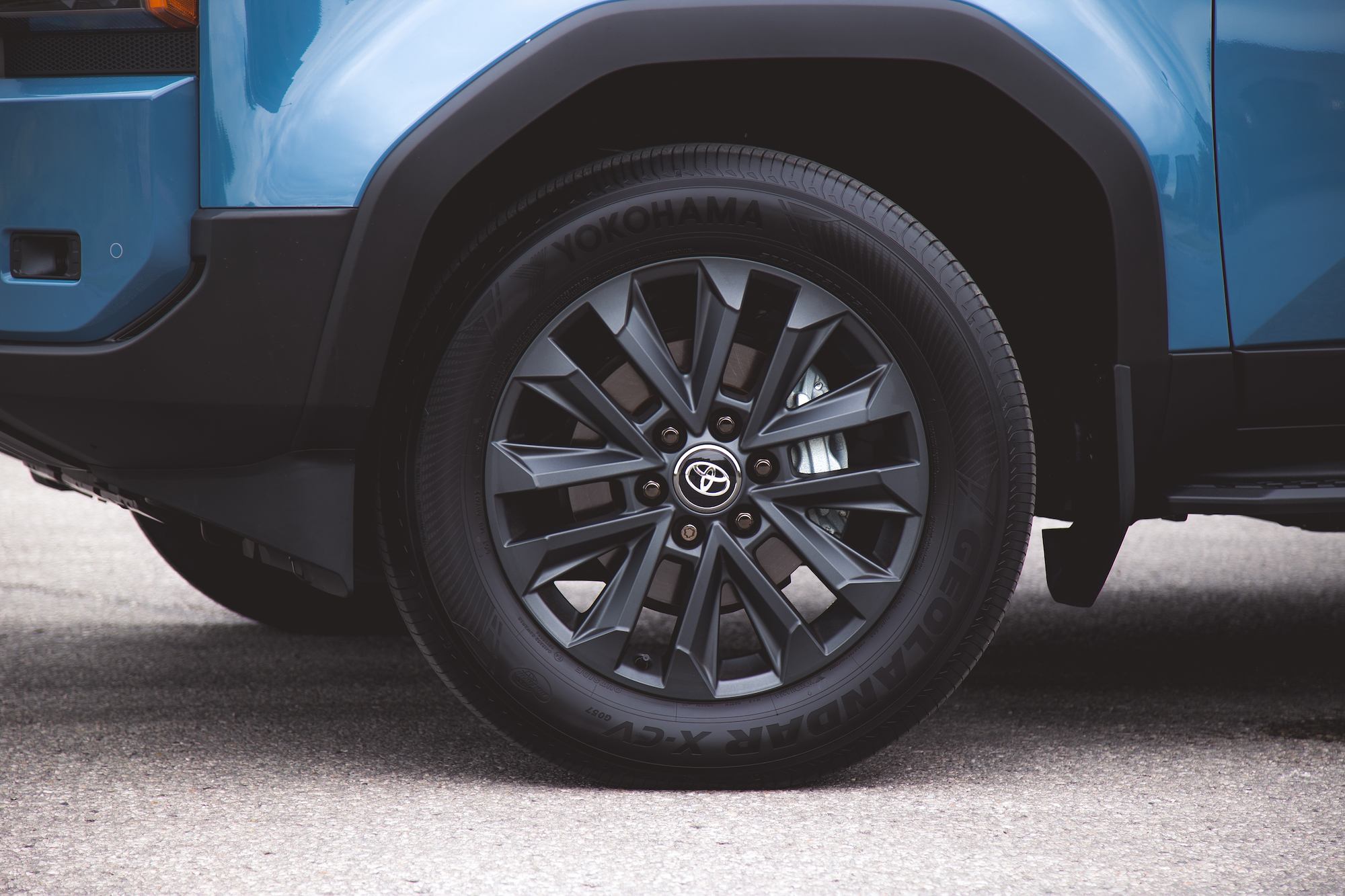
Tires: Yokohama Geolandar X-CV; 265/60R20










Leave a Reply