
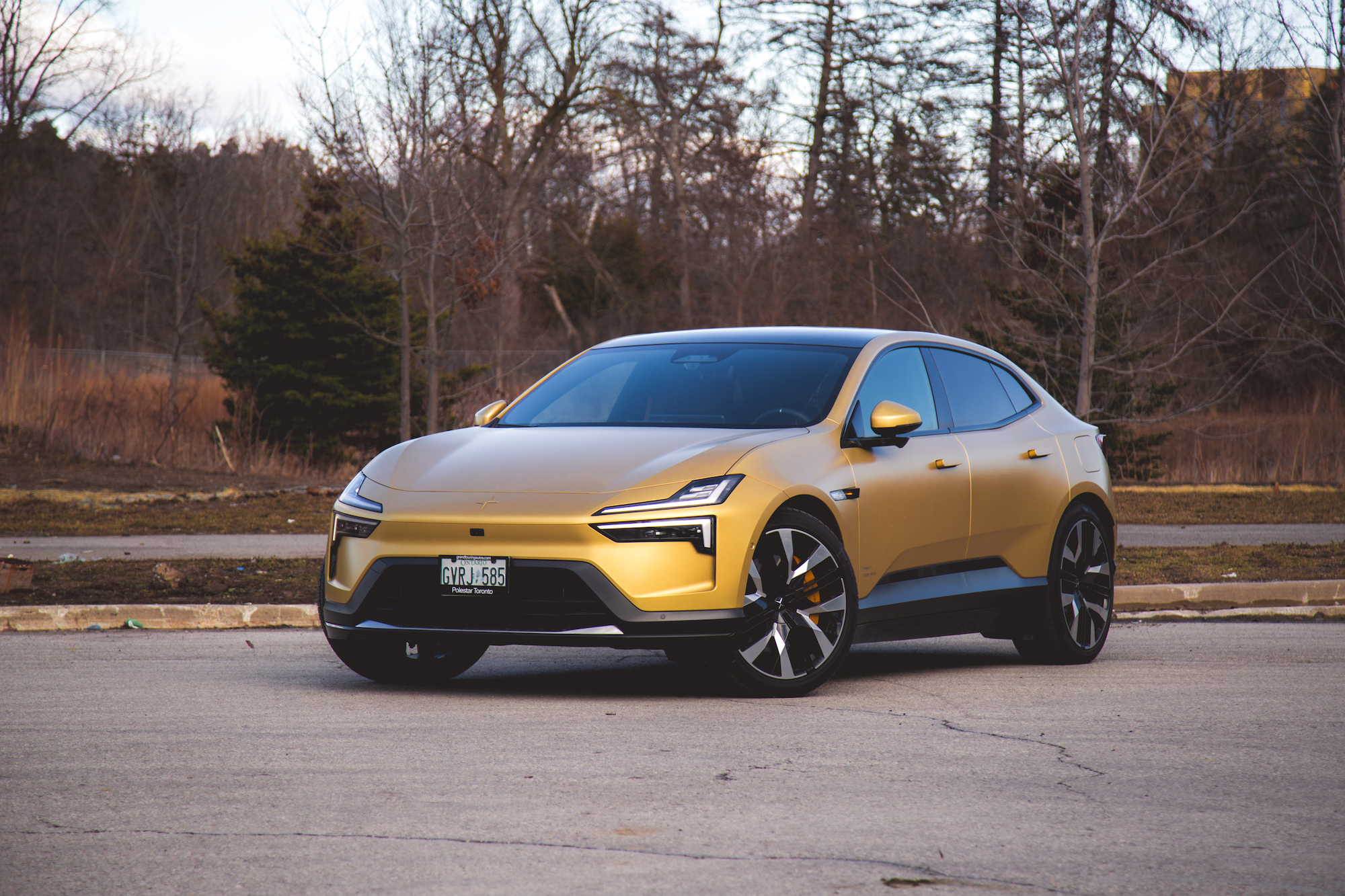
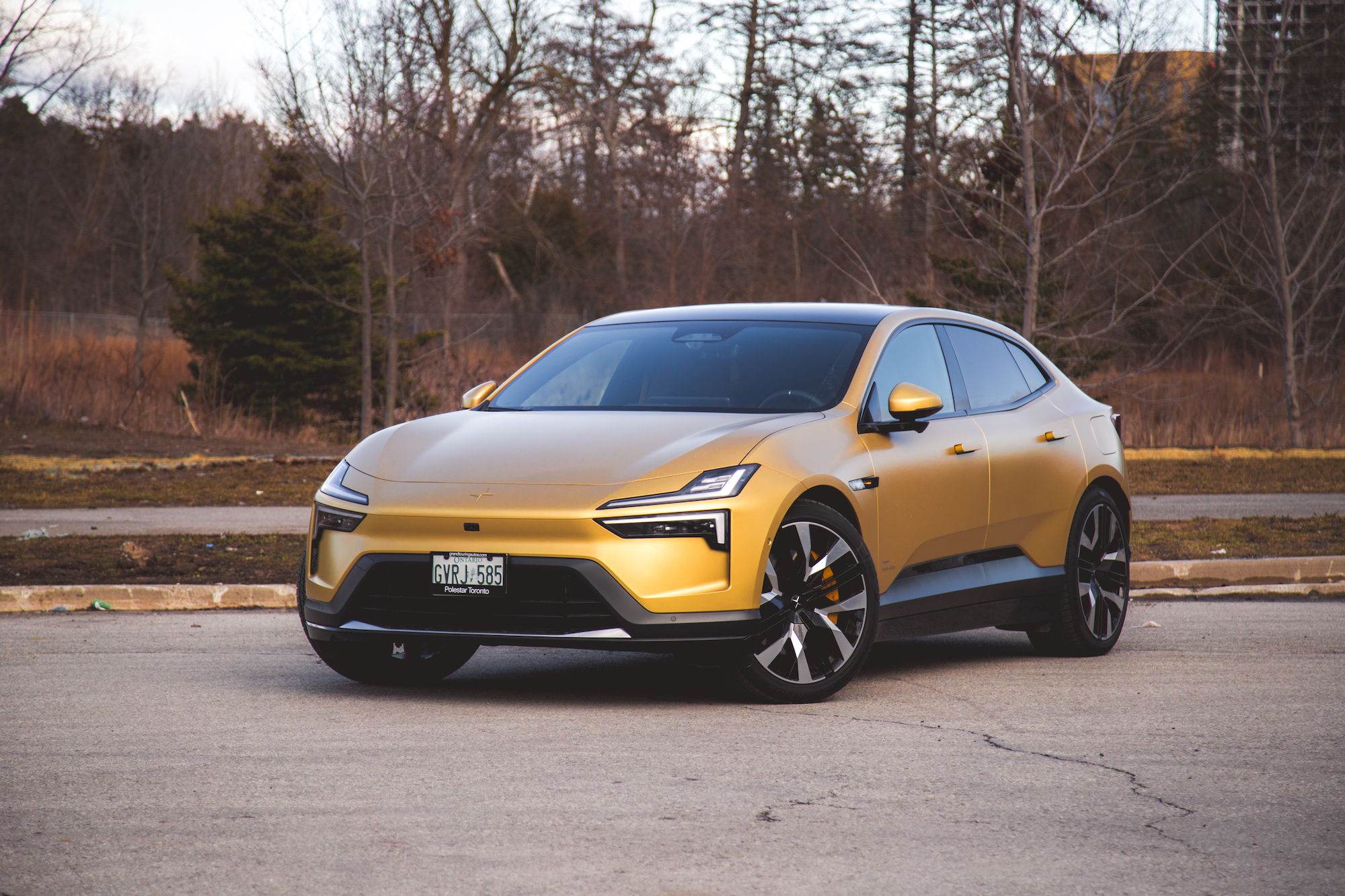
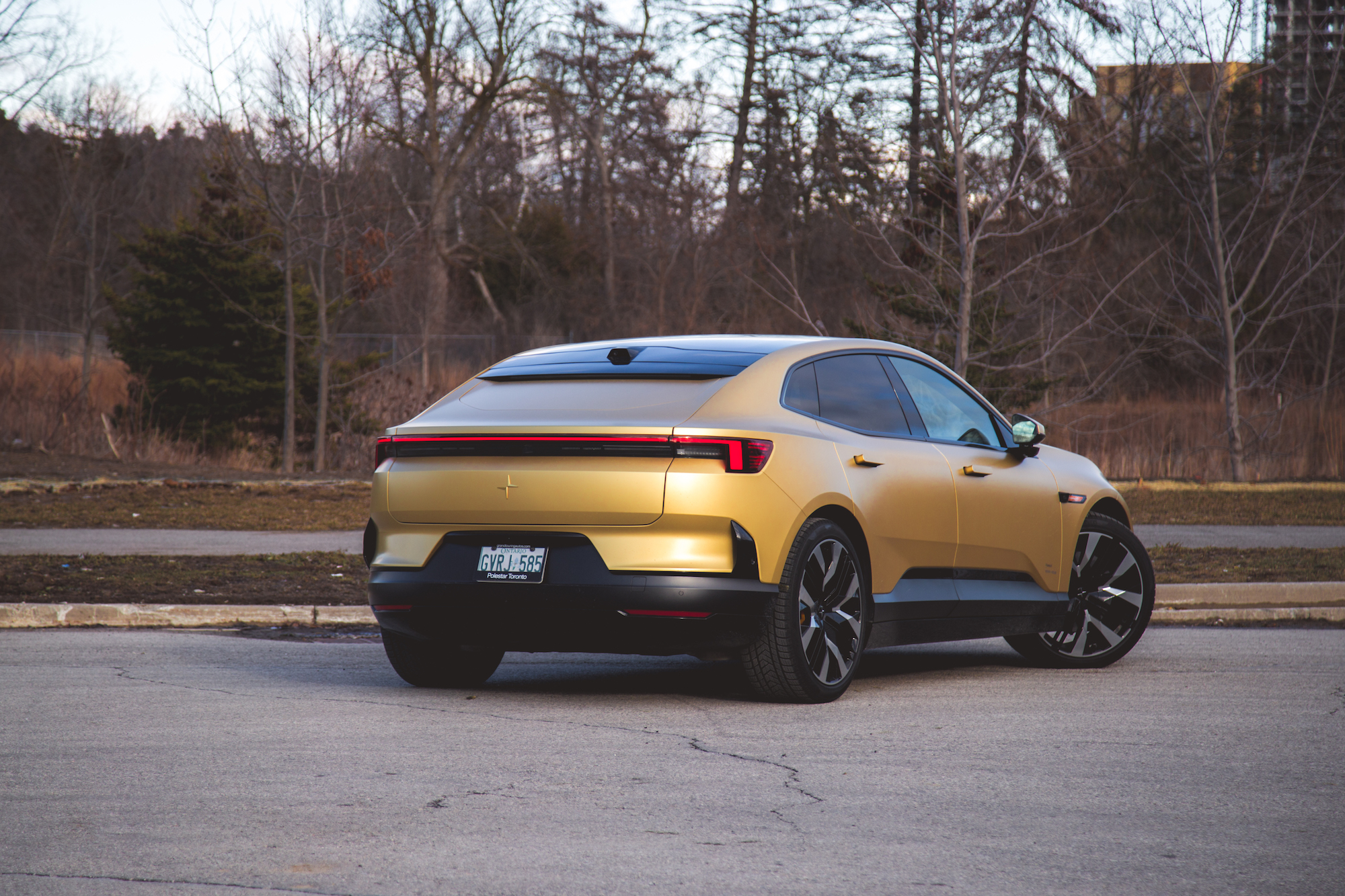
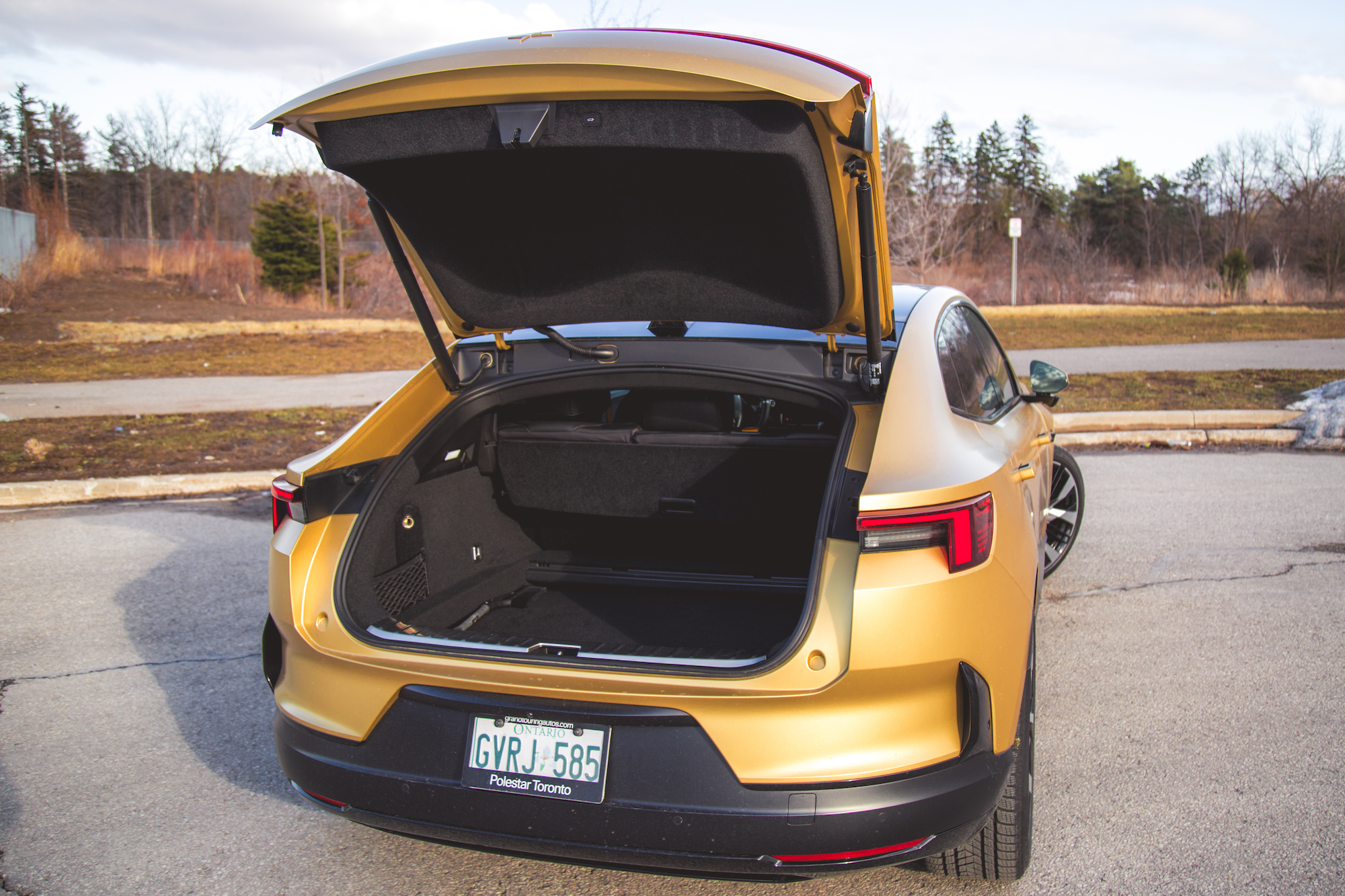
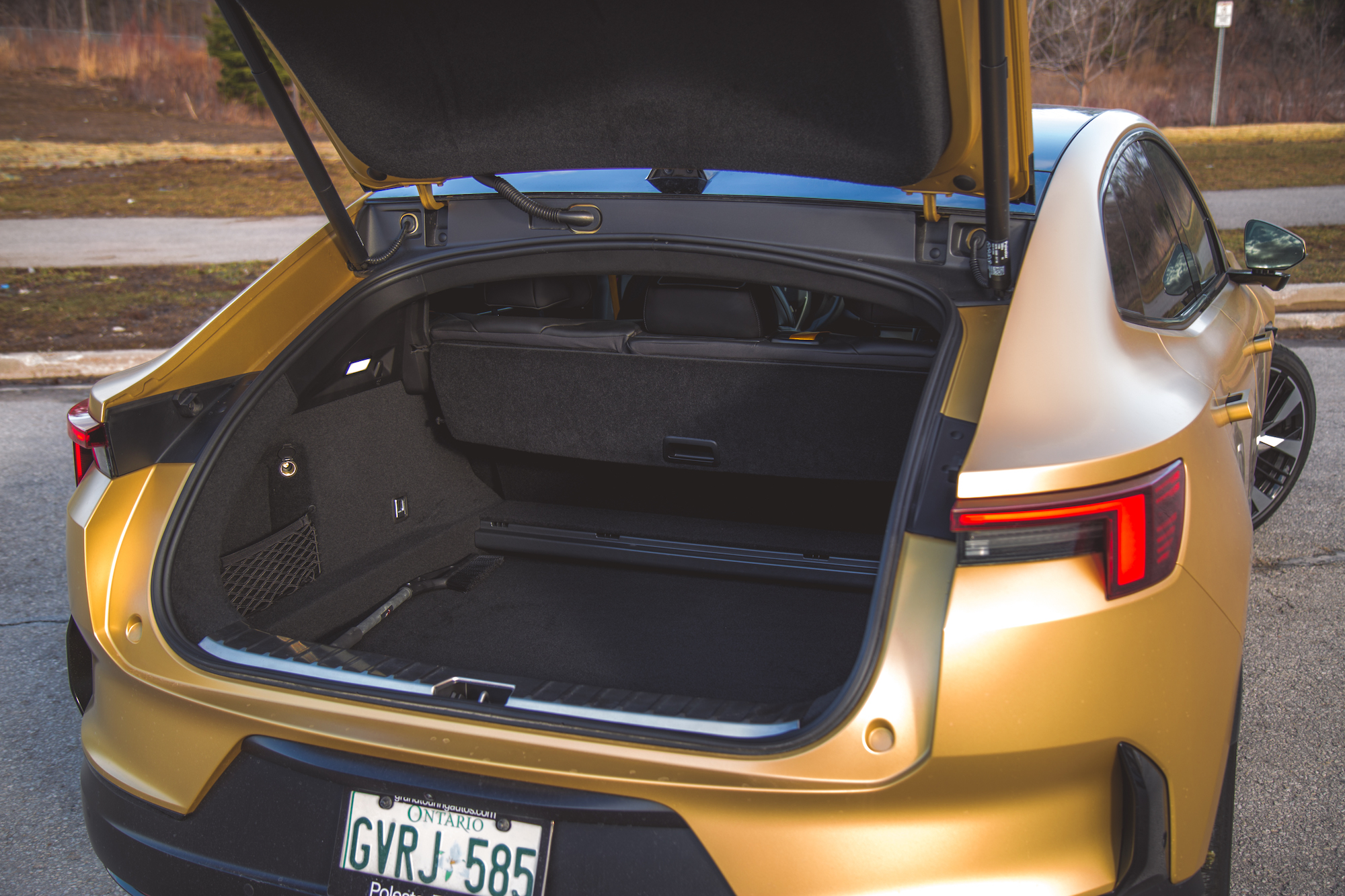
There’s no looking back now. Seriously. The Polestar 4 doesn’t have a rear windscreen. A camera display on the rearview mirror is used instead, and that tells you all you need to know about this sporty, alarmingly attractive, electric SUV. It’s not one to be taken too seriously. The Polestar 4 is marketed to be a light, engaging, spirited take on electric mobility, and it really is quite entertaining and memorable in a market filled with look-alike Teslas, as if the matte gold paint, exclusive to the 4, hasn’t already given it away.
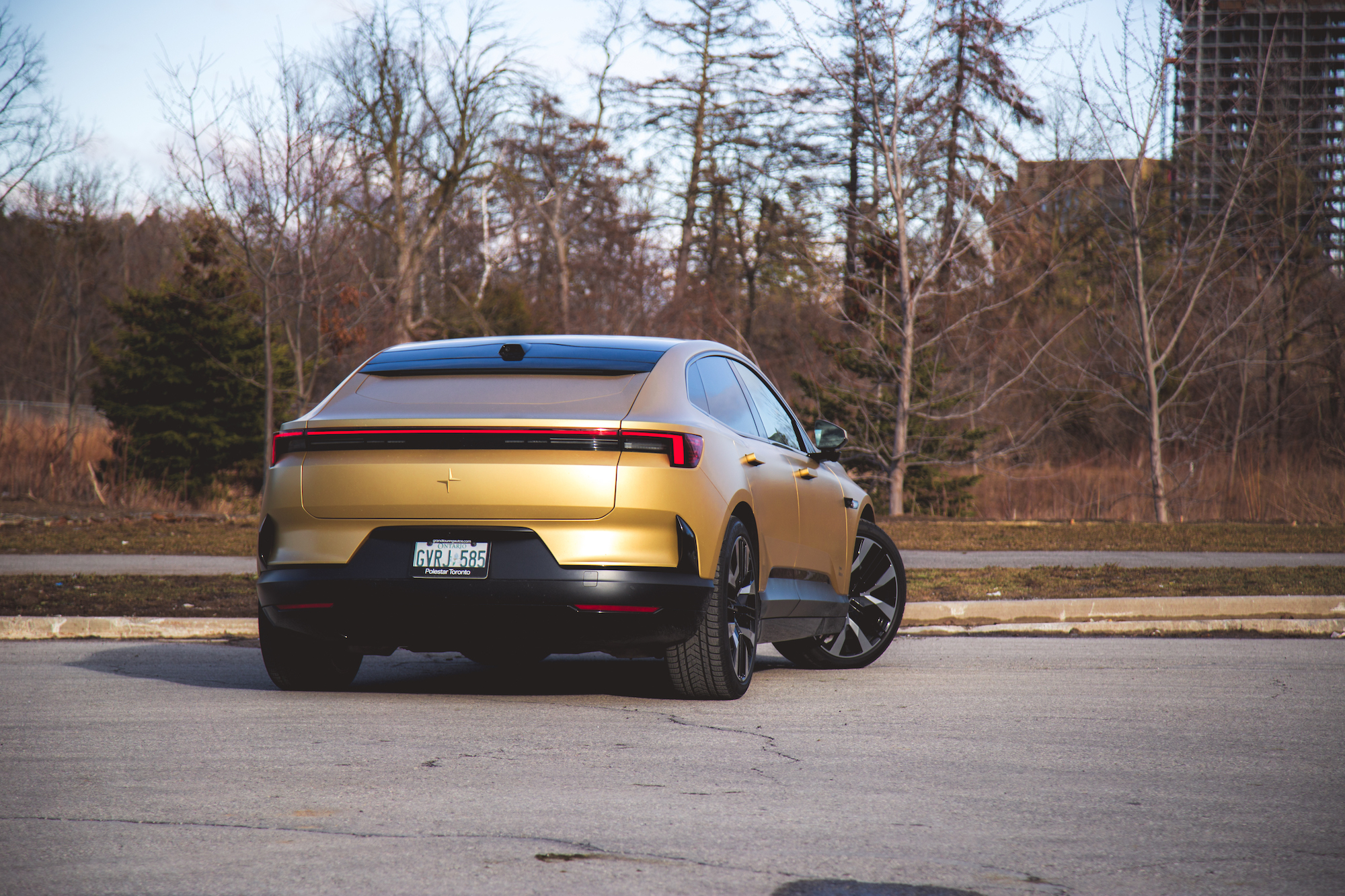
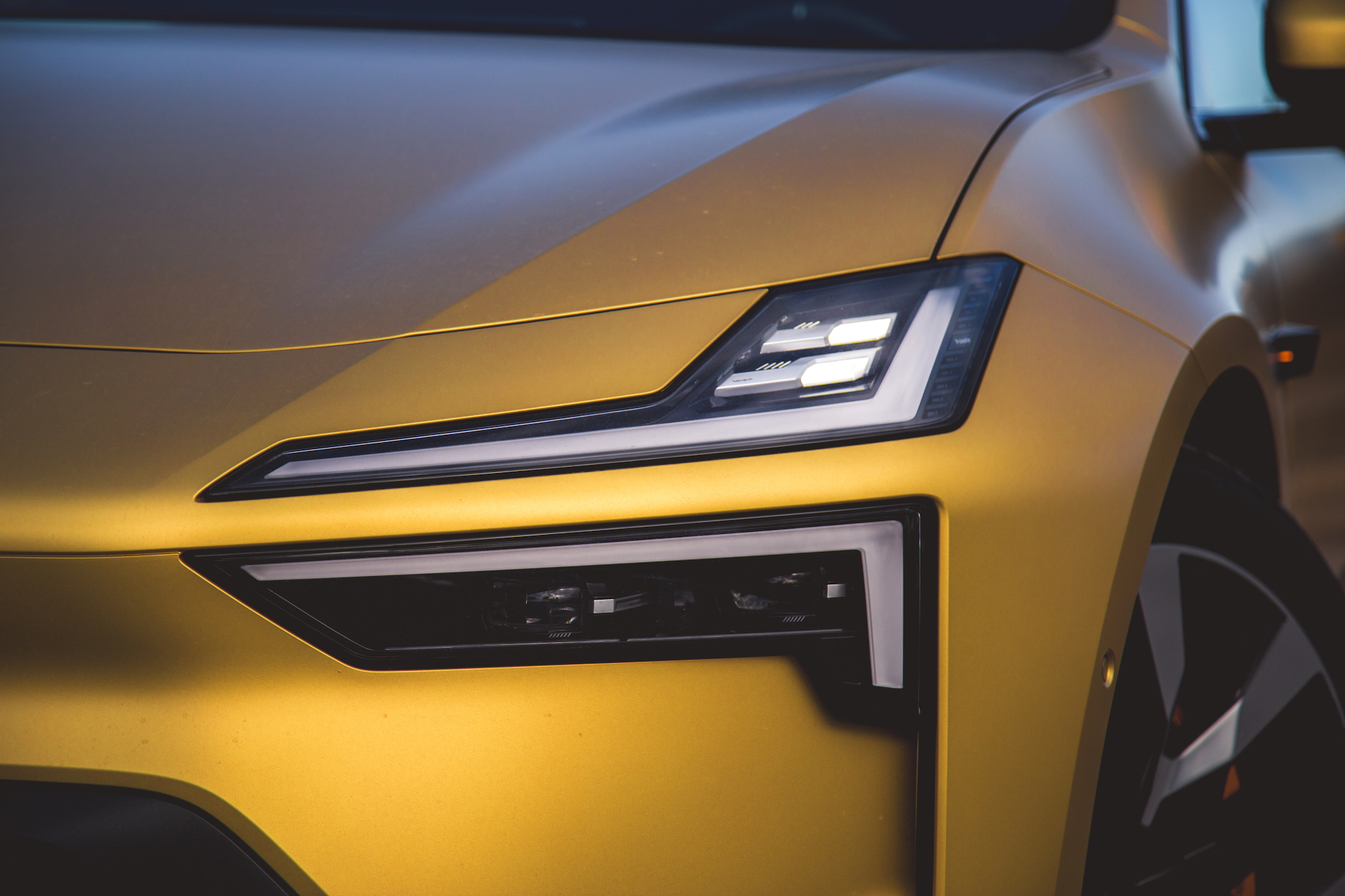
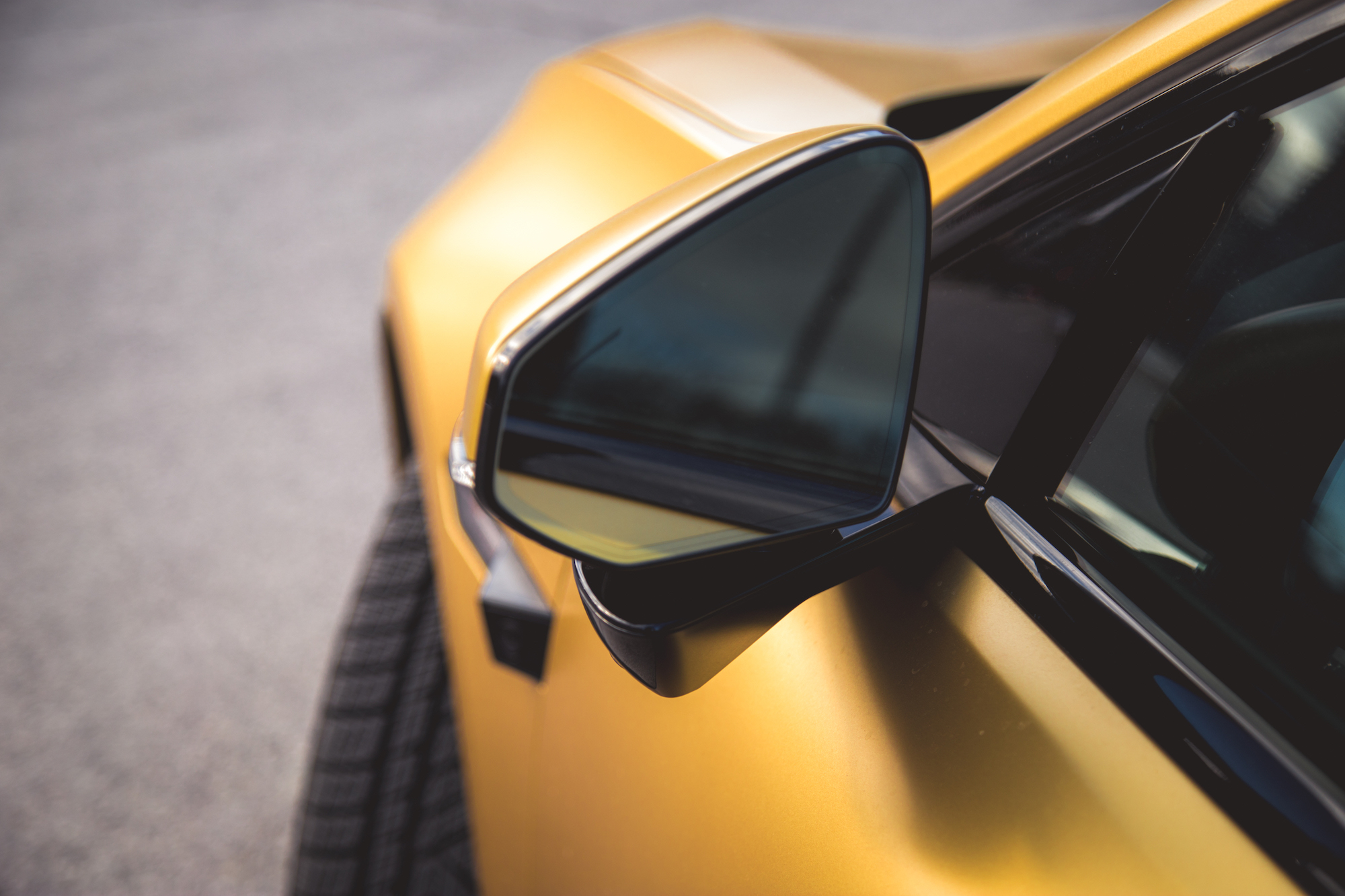
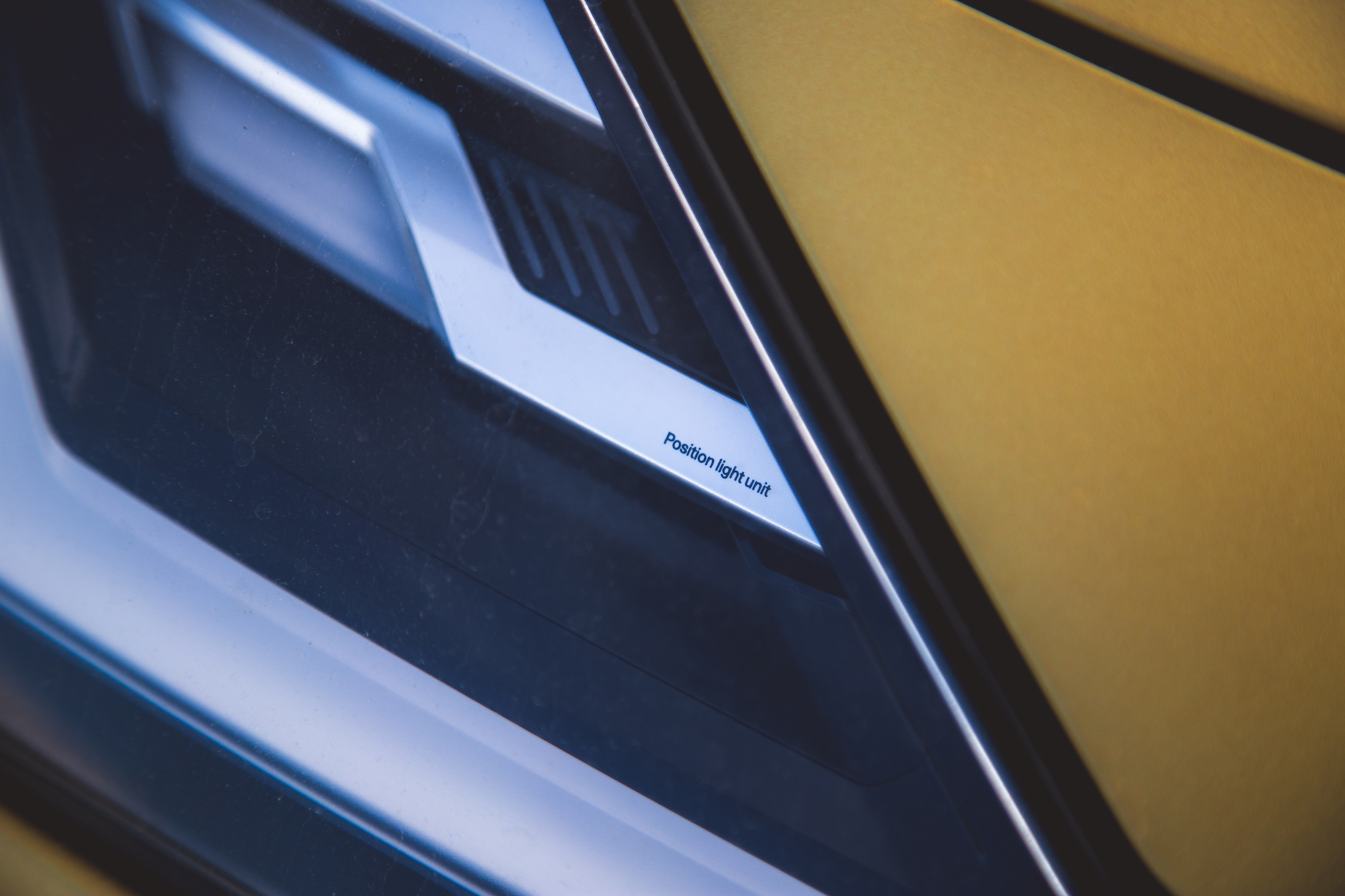
The Polestar 4 is the coupe-like variant of the Polestar 3 SUV. Think of it like the BMW X5 and X6 comparison, with the P4 sporting a haunched rear roofline that slopes down just like a Porsche Macan. Large 22-inch wheels, short overhangs, frameless side mirrors, and split headlights give it extraordinary road presence, particularly at night. It doesn’t have the storage space, battery capacity, or practicality of the P3, but those seeking a left-field alternative to the EV status quo should find this Korean-made Polestar a refreshing sight.
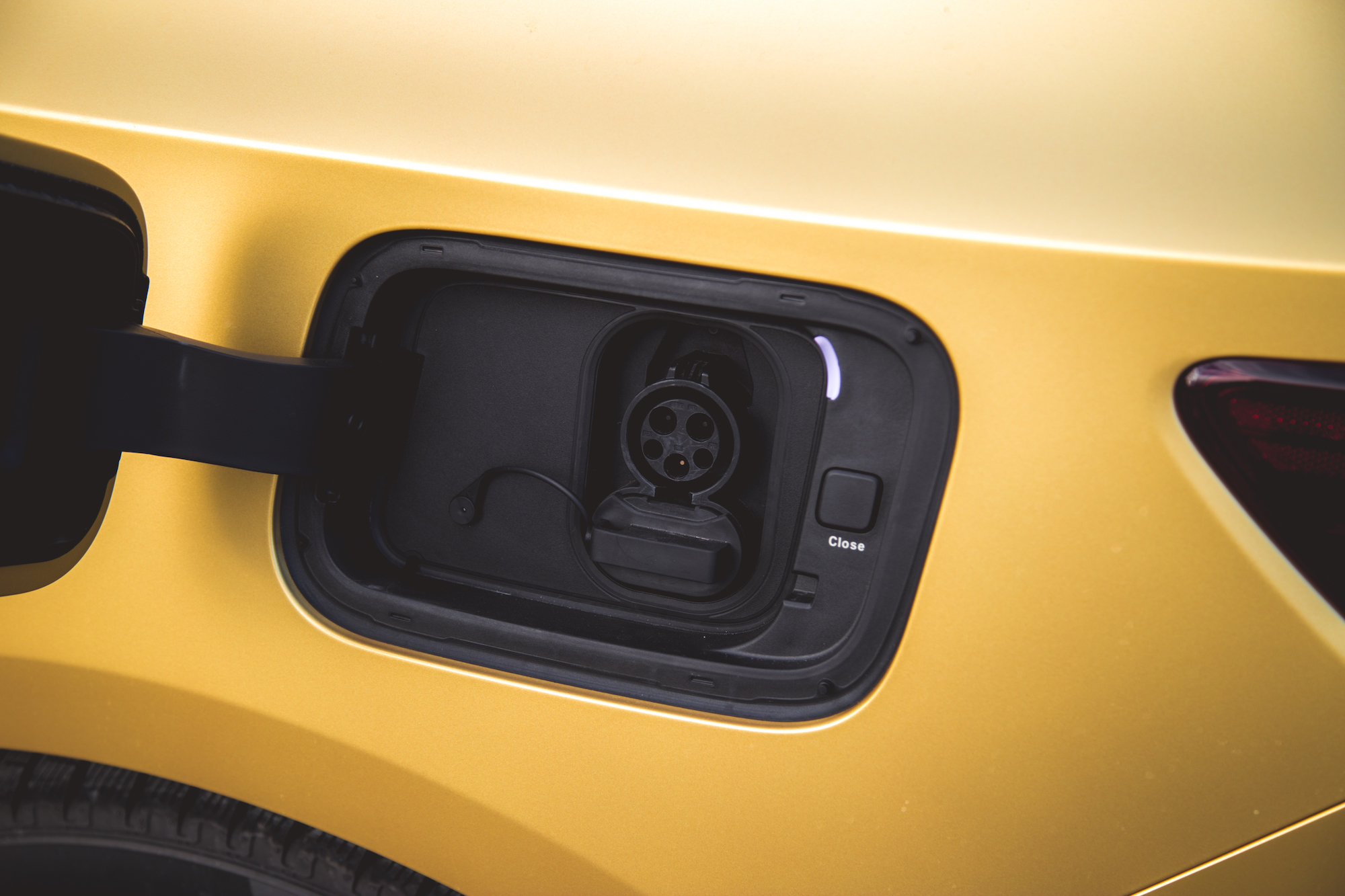
Range is always the first inquiry we get, so here it is. Polestar offers a single-motor and dual-motor variant, both using the same 100 kWh, 400-volt lithium-ion battery. The single-motor P4 is EPA-certified for 499 km, while the dual-motor hits 451 km. Both have an 11 kW on-board charger that supports 200 kW fast charging. The single-motor P4 is rear-wheel driven only, producing 272 hp and a 0-100 km/h time of 7.1 seconds. The dual-motor, on the other hand, only costs $5,000 more ($69,900), and is entirely worth that premium, as it delivers double the power at 544 hp and 506 lb-ft, double the speed with a 0-100 km/h sprint in 3.8 seconds, and with standard adjustable, active, ZF dampers, but with diminished range.
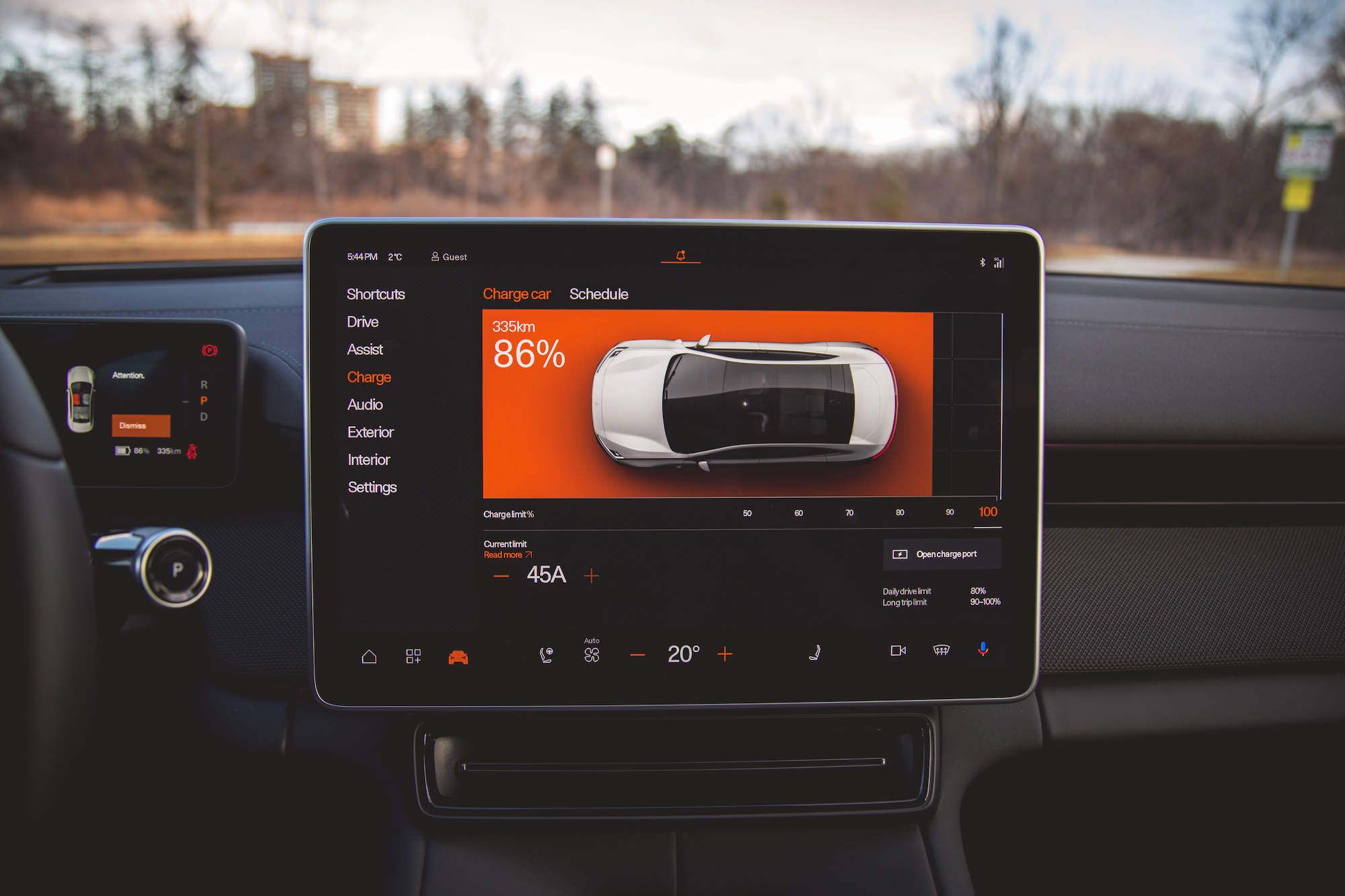
Unplugging our dual-motor P4 at 100% battery charge gave a computer estimate of 499 km, but that optimistic reading drained rapidly the moment we started driving. Granted, the zero-degree Canadian climate didn’t lend the battery any favours, nor did keeping on the heated seats and wheel on for all of our drives, but we did manage a respectable 350 km on a single charge. What’s intriguing is that you can change the settings to display the range in either certified or dynamic settings, though we preferred the latter as it gave us a more realistic estimate.

Notably, that 100 kWh battery is larger than the Lucid Air Touring’s, but the smaller P4 somehow weighs 100 kg more. The Porsche Macan GTS electric is comparable in both range and power, delivering the same 0-100 km/h time of 3.8 seconds, but it will cost you over $30,000 more for a similarly equipped model with the same amenities and creature comforts. That also throws you into the Canadian luxury tax bracket, whereas the P4 keeps it under.
The Audi SQ6 Sportback e-tron is another leading competitor to the Polestar, but it starts at $104,014 before options and is slower, with a 509-hp powertrain that accelerates it from 0 to 100 km/h in 4.3 seconds. The P4 is starting to look like a bargain. However, the value of the Tesla Model Y is hard to argue with, especially with the single-motor variant now listing under $50,000. While it lacks the interior quality, amenities, and exclusivity on the road, it does have a vast charging network. Ultimately, it depends on whether you prefer to blend in. In our area alone, the Tesla-to-every-other-EV ratio is about 15:1.
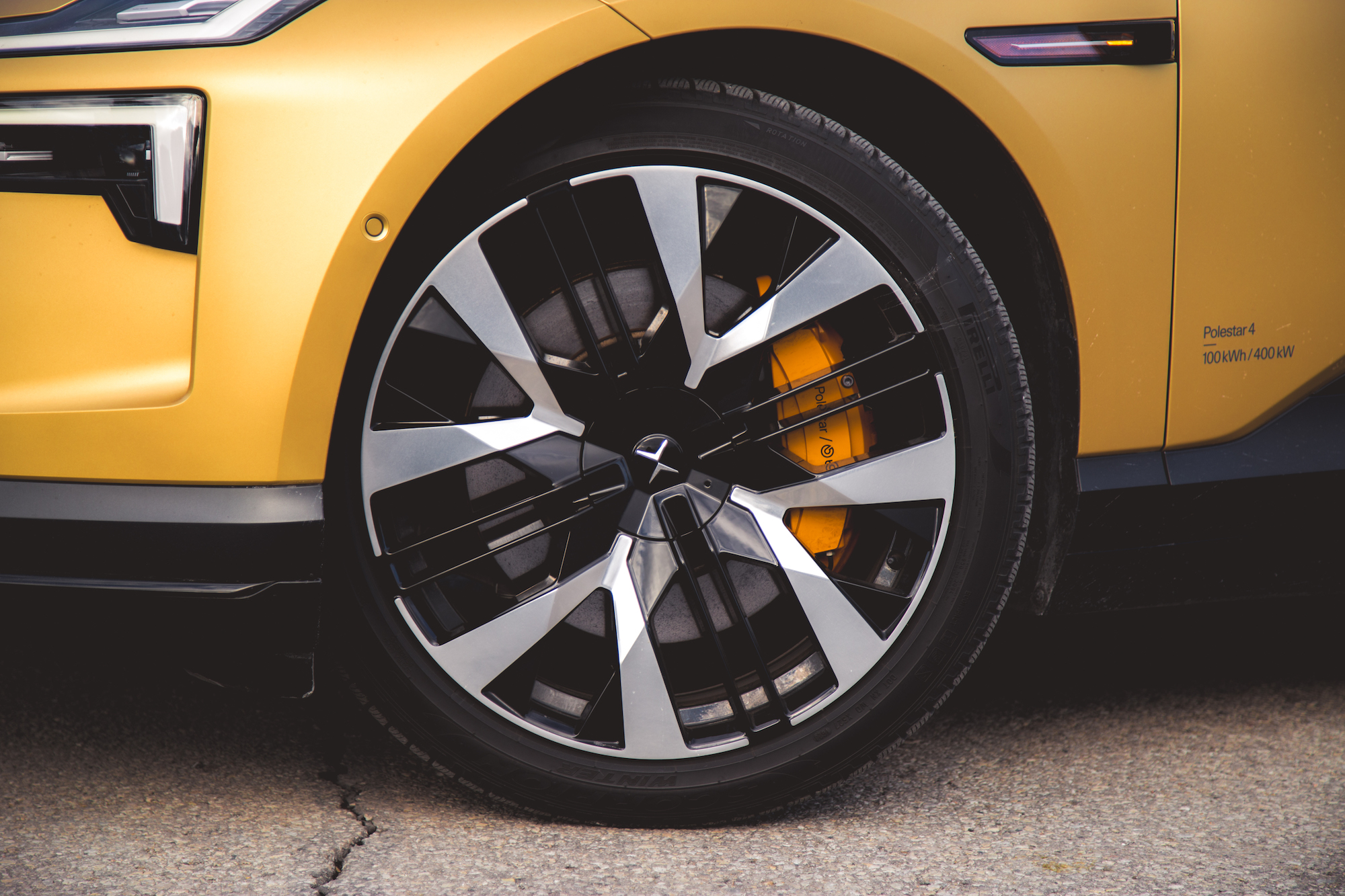
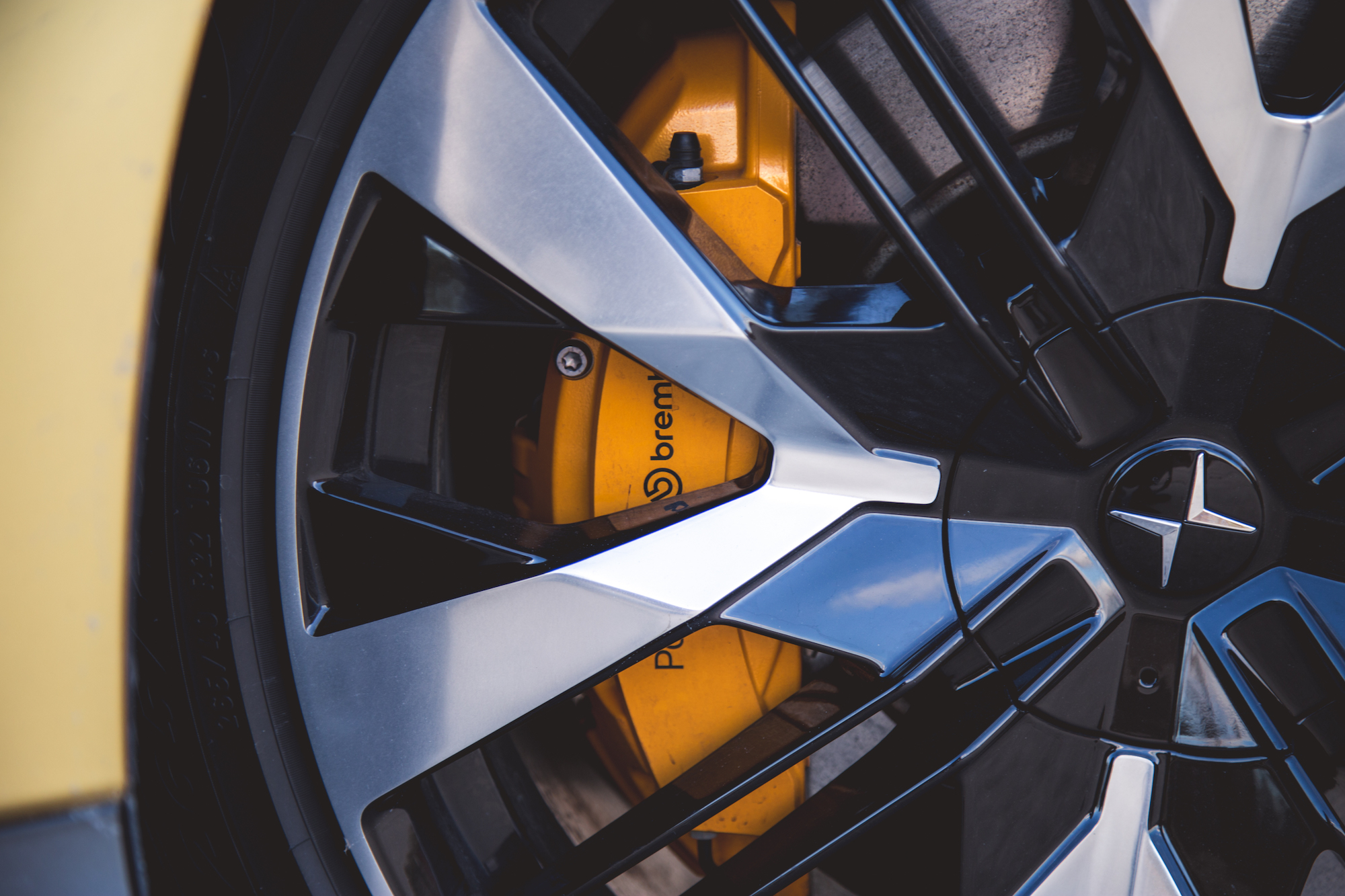
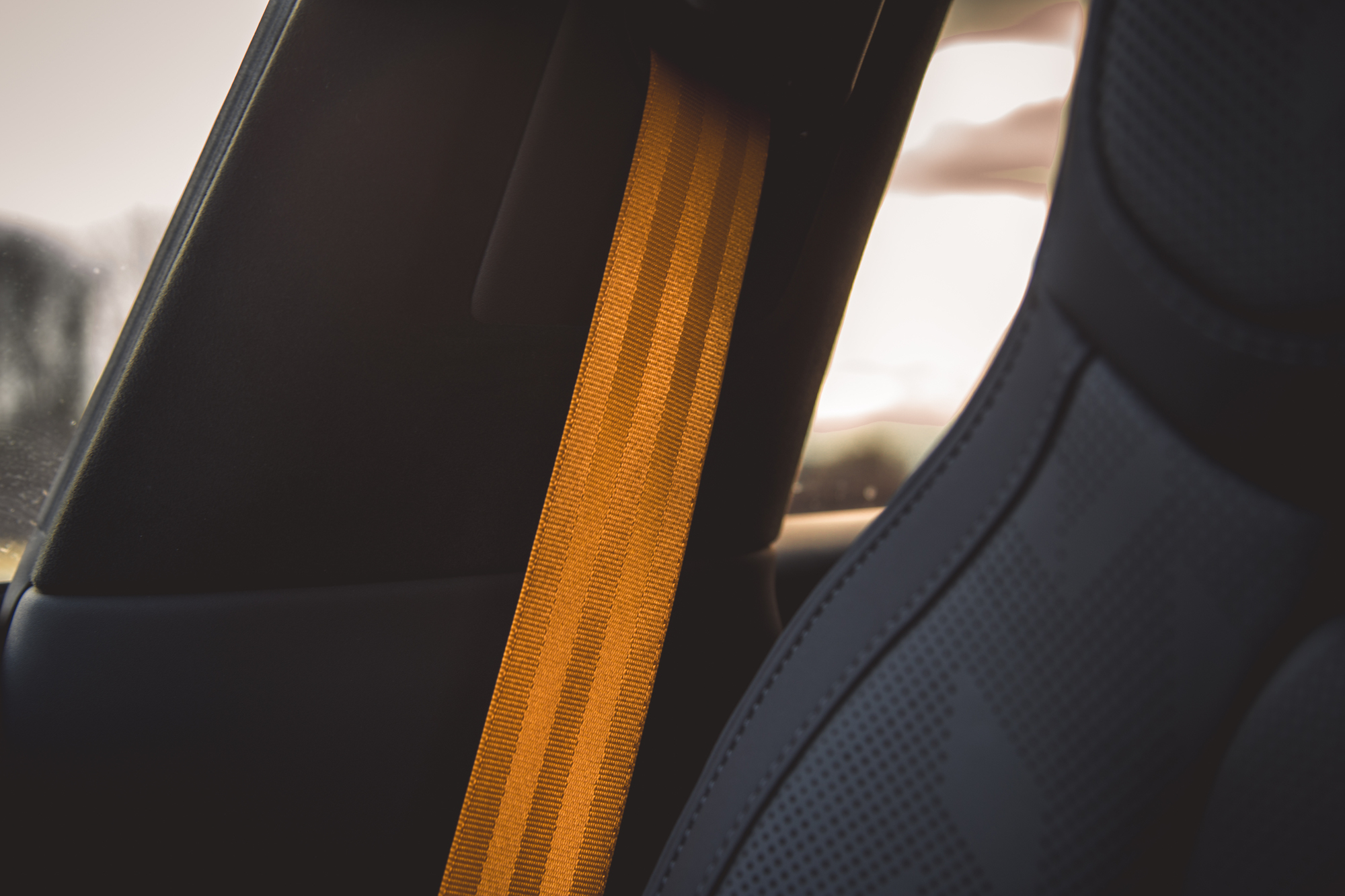
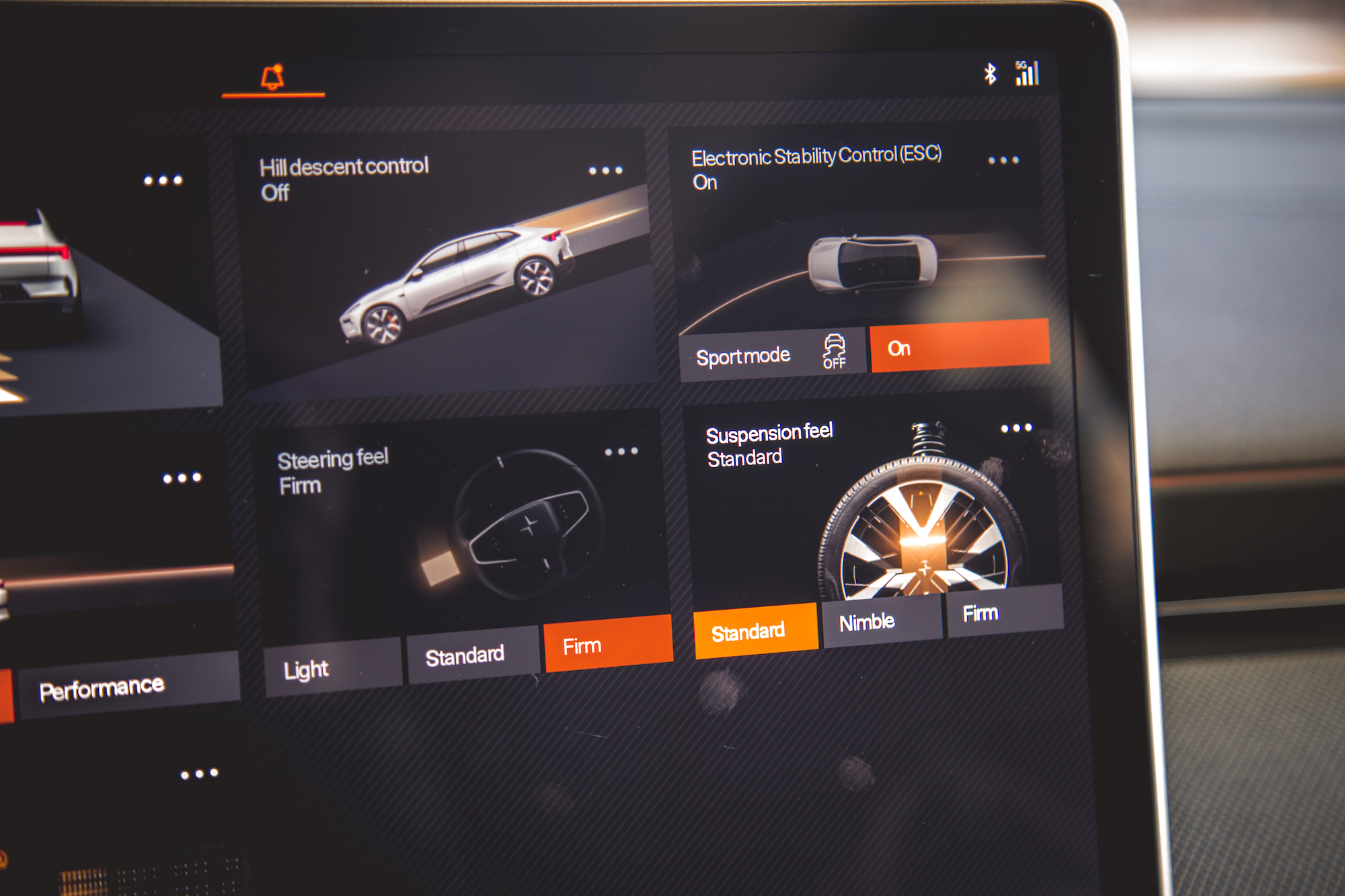
The drive sets it apart. The P4 provides a more stable and secure ride than the Model Y, even though we expected it to be harsher due to those 22-inch forged wheels, part of the $5,800 Performance Pack that also adds Brembo brakes with golden four-piston callipers, Polestar Engineered chassis and damper tune for elevated road control, and gold seatbelts and valve caps for that extra garnish. There’s a level of pliancy and composure in the way that it contains excessive vertical movement. Though the ride doesn’t exhibit the chassis fluency and body control of a BMW iX, the P4 still feels locked into the road and more communicative through the steering.
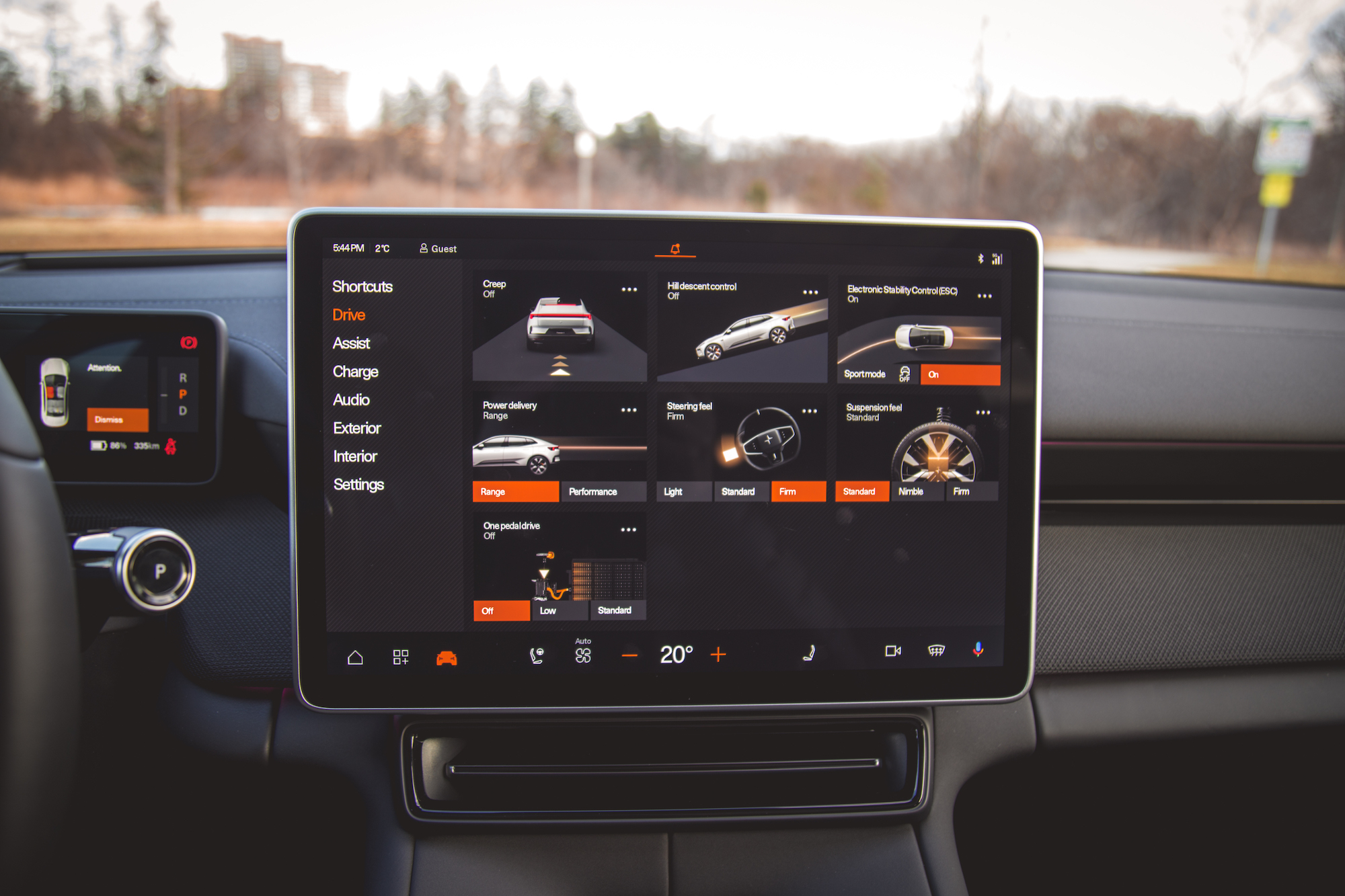
Speed is never lacking in electric vehicles, and the P4 is no exception. With four wheels being driven by a 544-horse chariot, the addictive propulsion allows you to accelerate into the distance faster than a zoom lens, and it’s not far off from challenging the Mercedes-AMG EQE SUV (3.7s) and Tesla Model Y Performance (3.5s) for pink slips. Polestar has somehow tuned out all the inertia out of the vehicle’s components as well, displaying such low rolling resistance that, without regenerative braking switched on, the P4 acts like a bowling ball rolling down a steep hill. These aren’t even on eco tires, but rather Pirelli Scorpion Winters. It’s a cool feeling, and gave us a shot of dopamine knowing we were saving minuscule amounts of electricity, but you do need to get used to braking more often and recalibrating your closing speeds to slower vehicles in front.
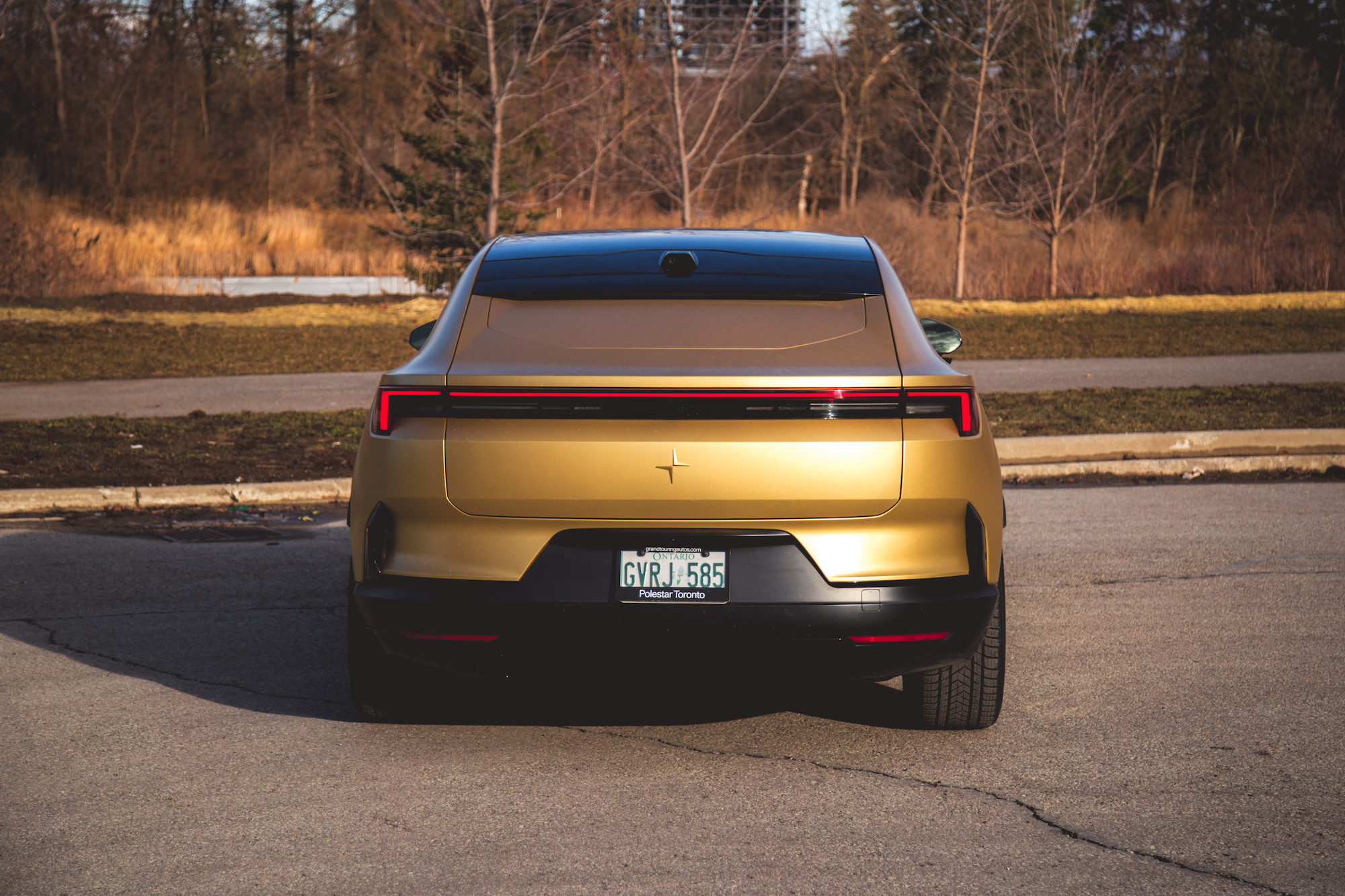
What they will see quickly approaching in their rear-view mirrors will be a beautifully sculpted, space-age SUV with clean lines and a handsome silhouette. If Apple were to design a car, we think it’d look something like this. We weren’t smitten by the Polestar 2 – its awkward stance, three-sizes-too-large wheels, and boxy proportions meant it was never destined to win any beauty pageants. But it seems like Polestar has finally found a design language that’s memorable and able to bloom.
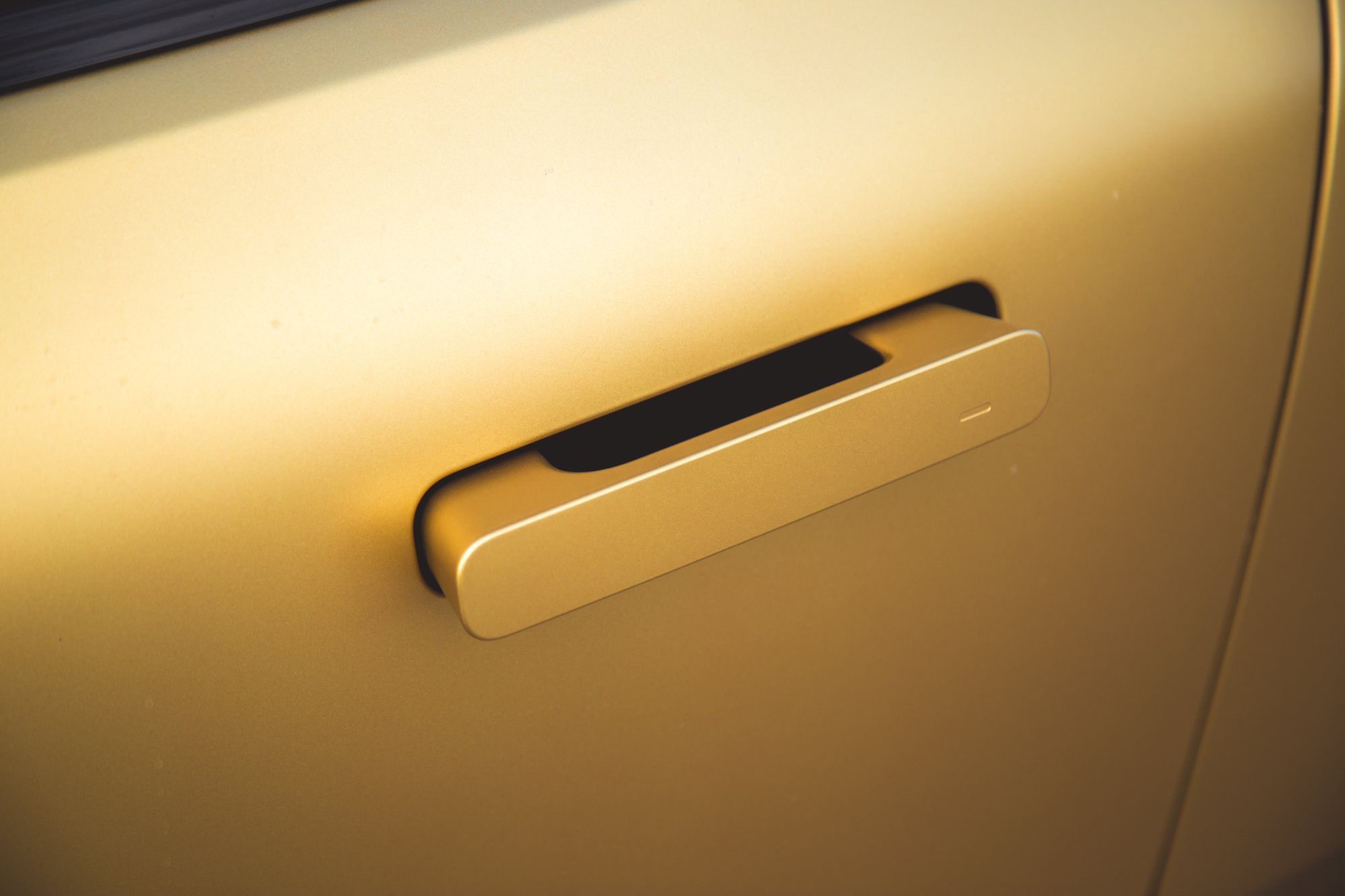
Though we wish Polestar hadn’t copied Tesla with those flush door handles that pop out when unlocked, Lucid is doing the same, but these gimmicks never feel as solid to pull as a dedicated lever. Realistically, how much benefit do these have on the drag coefficient and resulting range anyway? But we do like how Polestar lists their battery specs on the lower door panel next to the wheels, like it’s some futuristic development vehicle. It’s a tasteful and unique way to show off your car spec that’s less flashy than a fake vent or an oversized M badge.
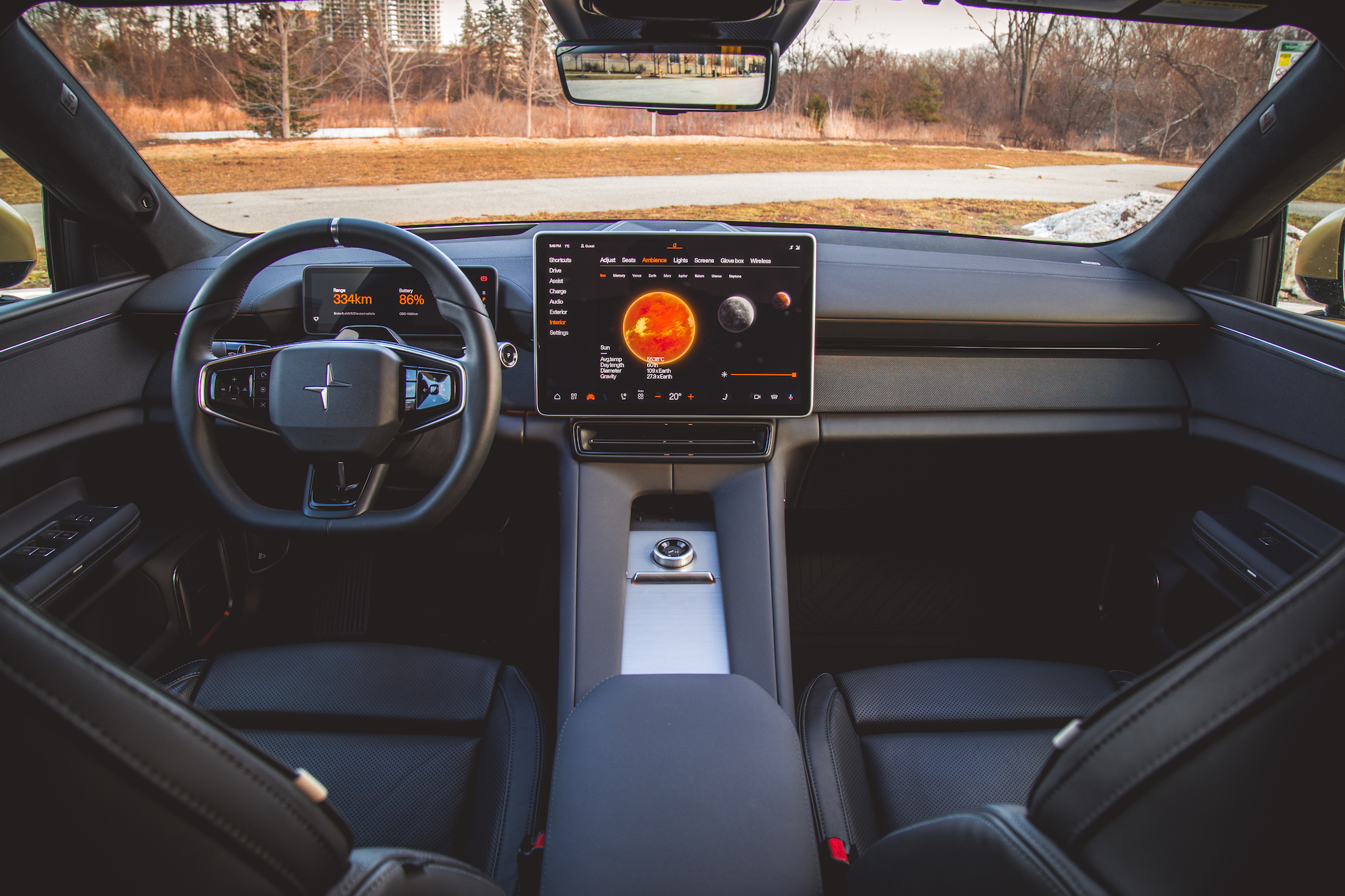
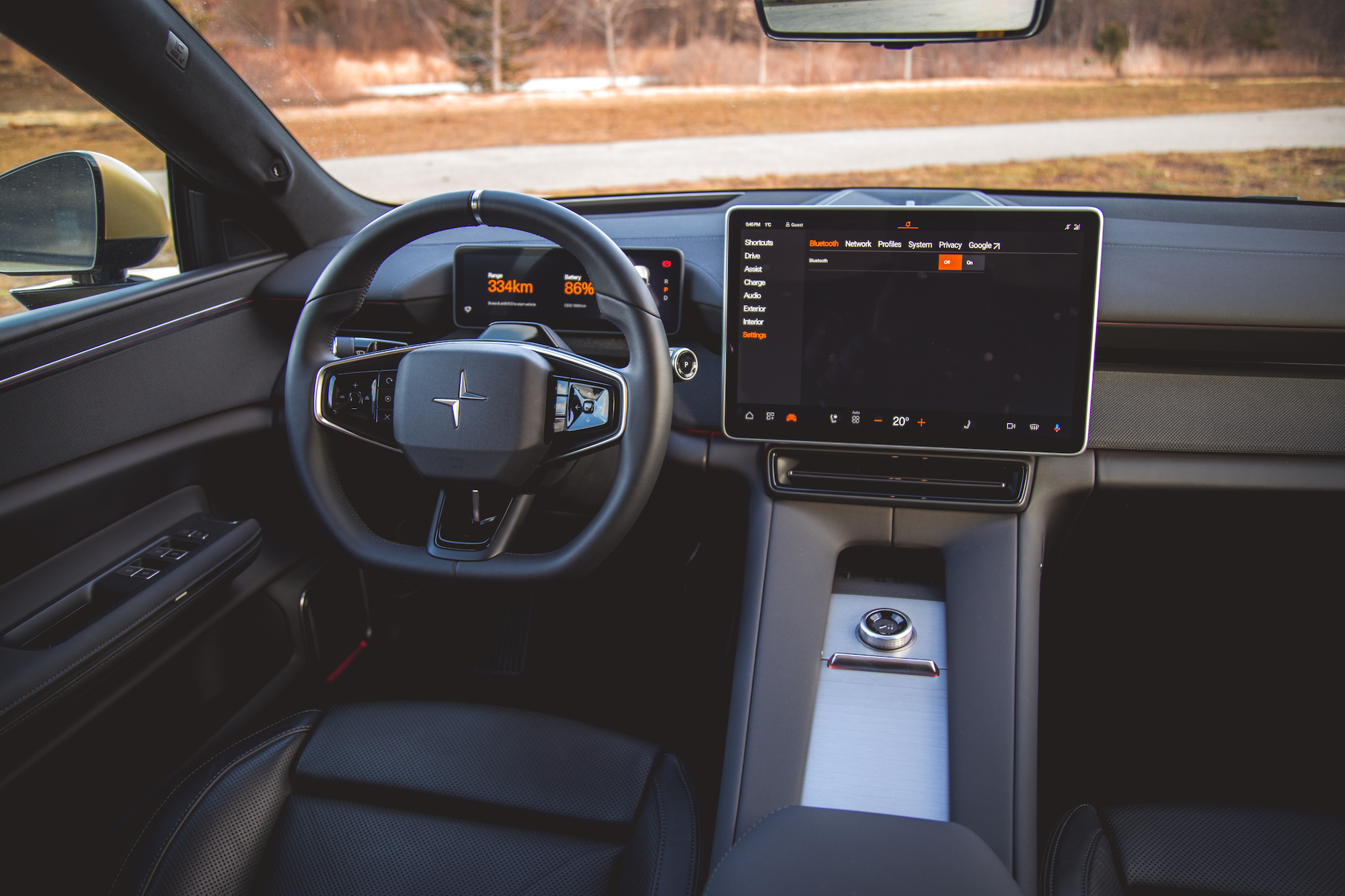
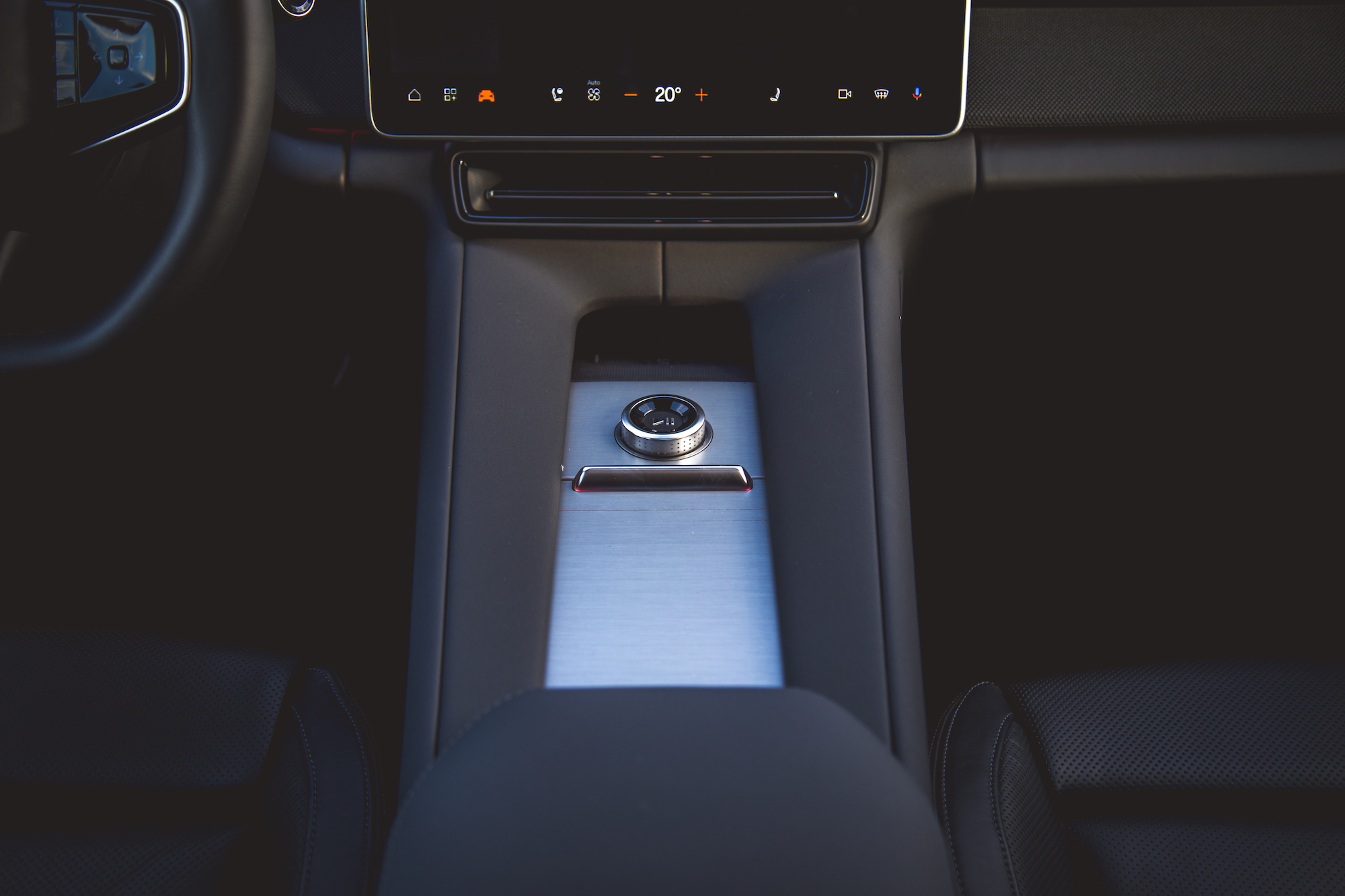
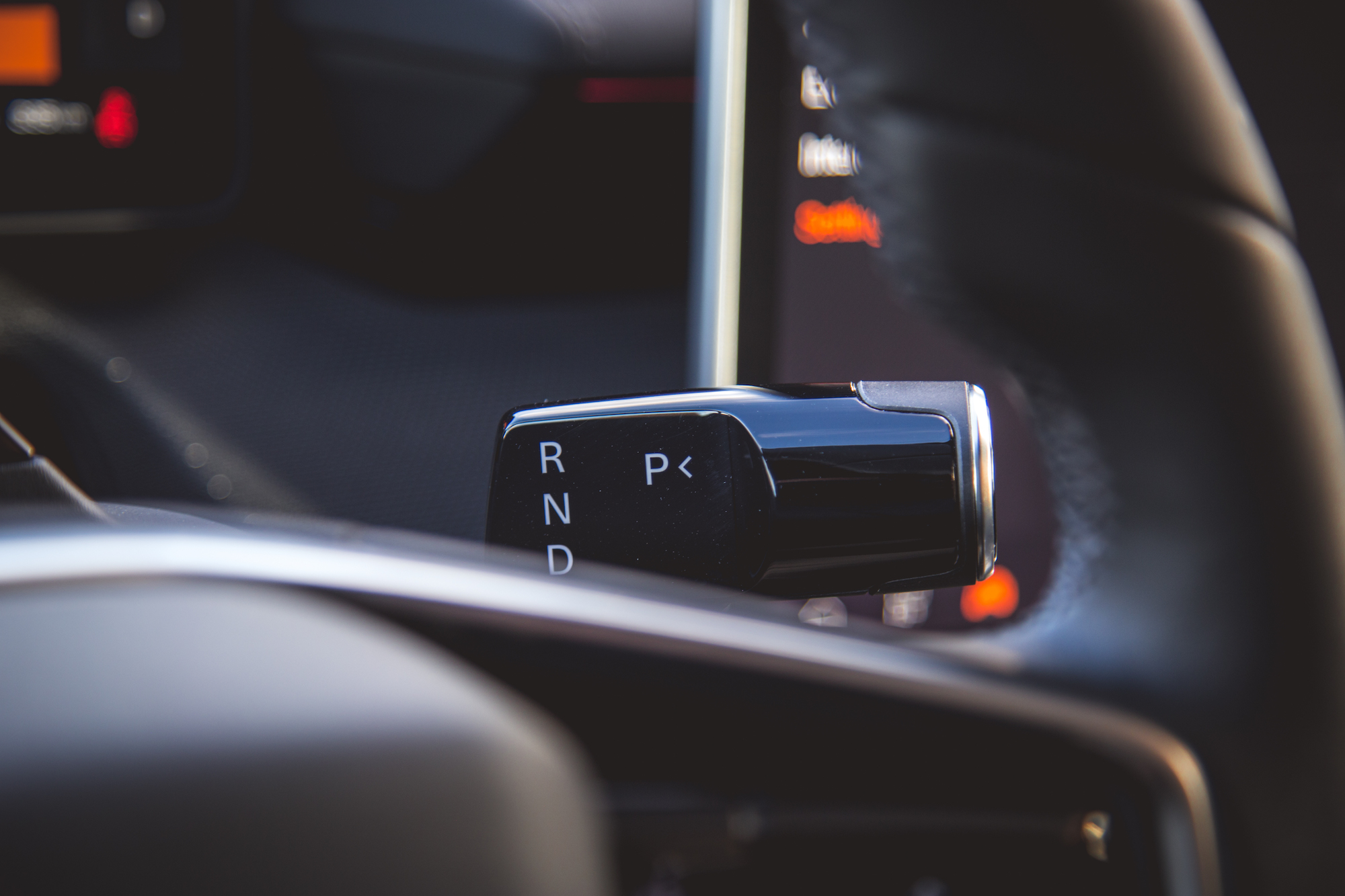
We were worried the P4 interior would look too much like a Volvo, but it seems they’ve found a distinctive way to furnish their cabin. In fact, the only Volvo-borrowed parts we could find were the gear lever, door latches, volume dial, and the driver’s display. The Swedish flair is still there, but with chunkier surfaces, less usable real estate, a less cohesive dashboard flow, and blockier, more purposeful panels. More MINI than Volvo.
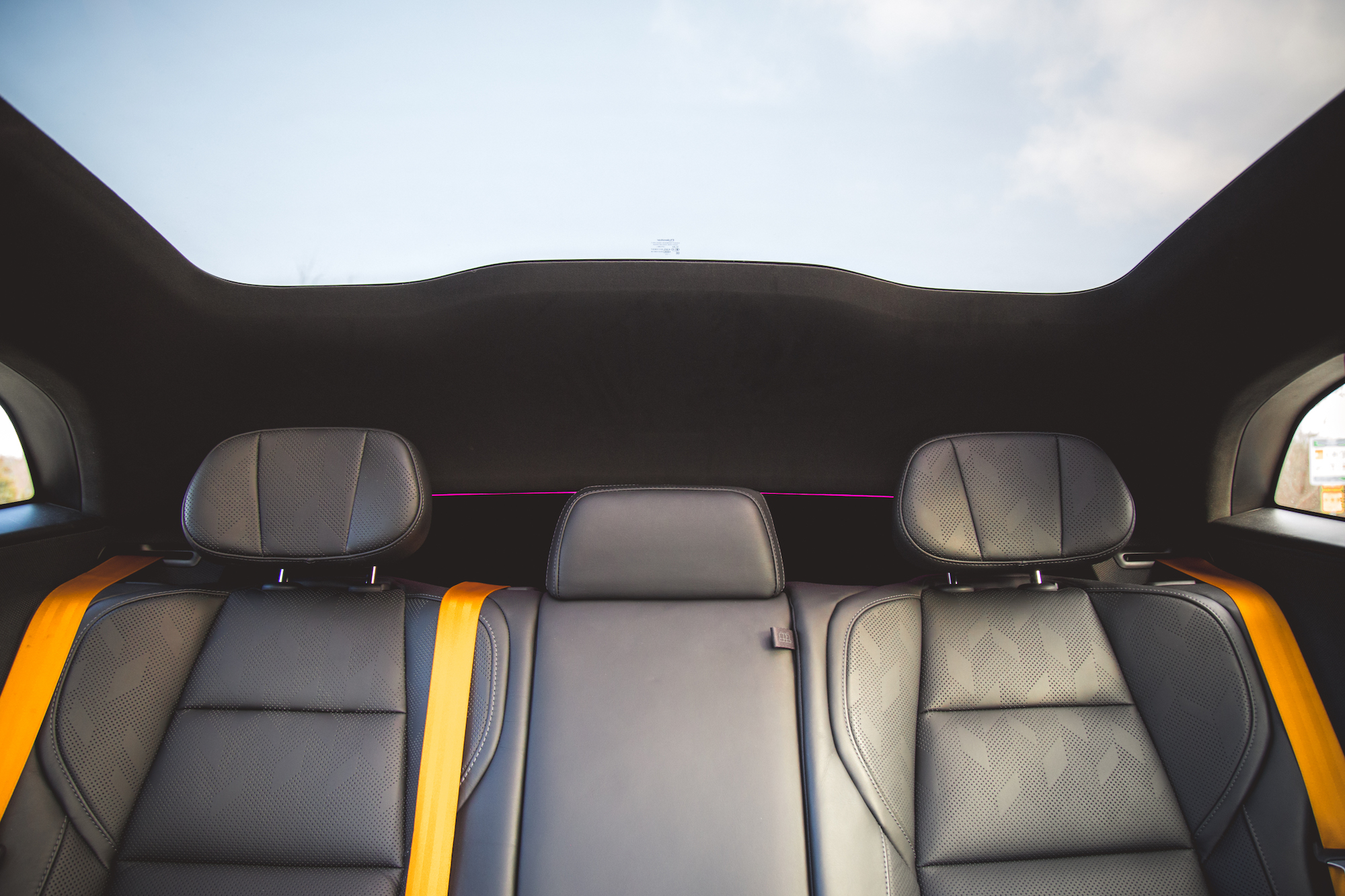
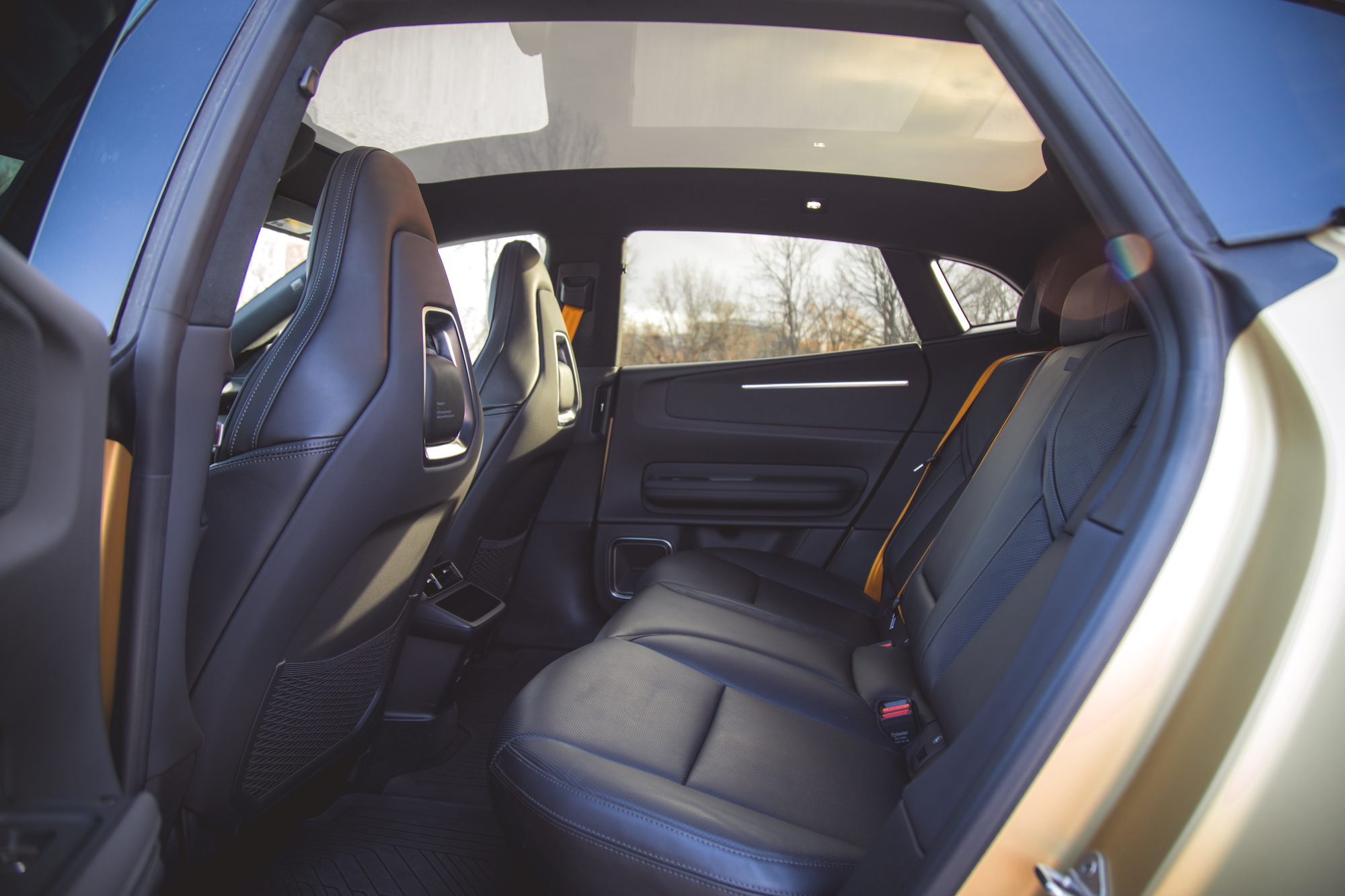
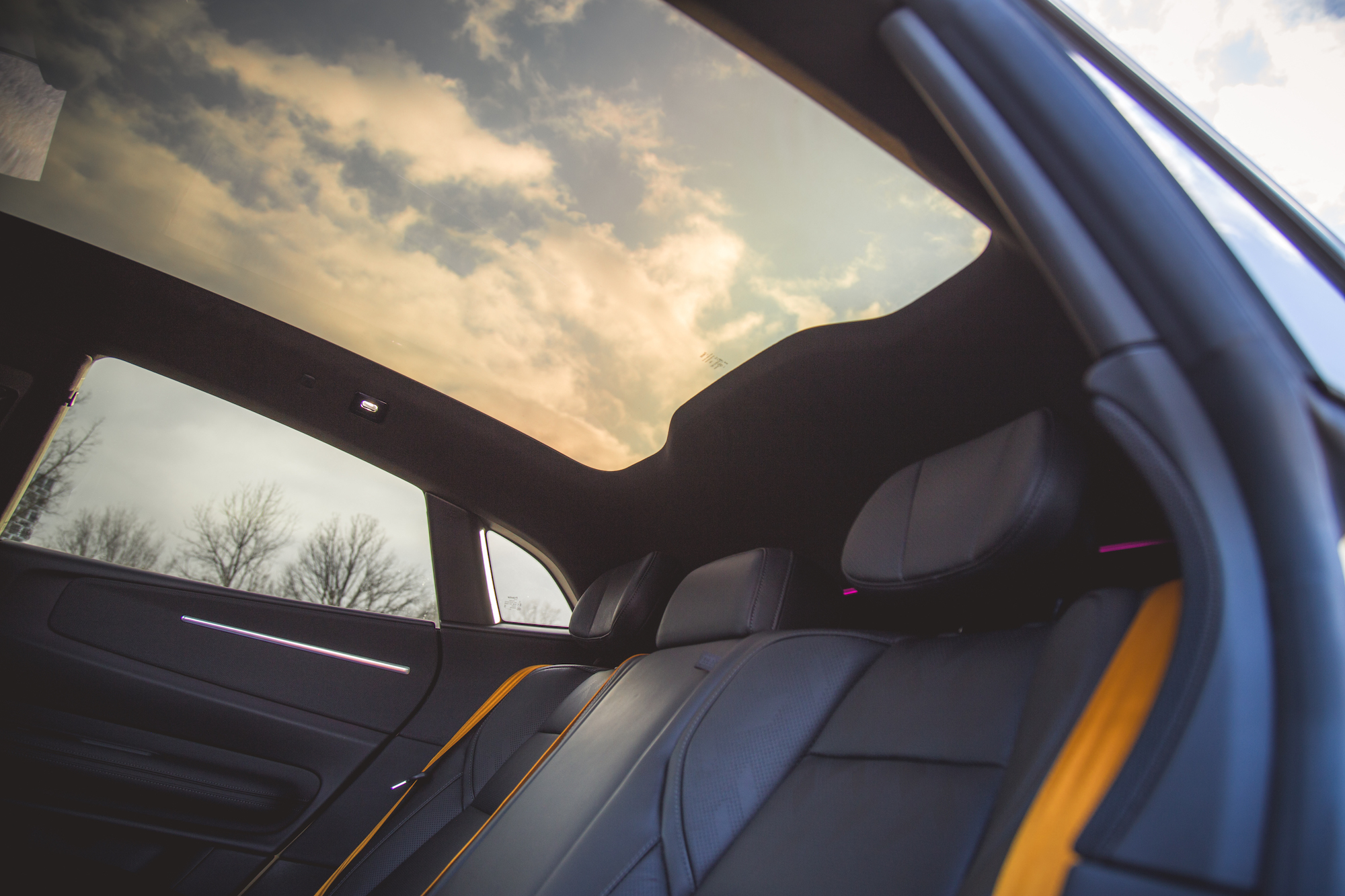
Omitting a rear windshield meant Polestar could push the seats rearward, providing an abundance of legroom and headroom, even for my six-foot frame. I would be happy sitting in any of the five available seats for an extended period, with the enormous glass roof compensating for any sunlight lost from the missing rear screen. And while you can’t make funny faces at tailgaters anymore, the digital rear-view camera quickly made us forget about this no-windshield nonsense. It’s not a new piece of tech – mainstream vehicles have already been using it for years, including the Cadillac Escalade and Land Rover Defender. The screen’s lack of visual depth does take getting used to, though. Those with vision problems or near-sightedness might have particular difficulty getting accustomed to it – we would highly suggest test-driving one first to see if it’s a dealbreaker, because it definitely will be for some.

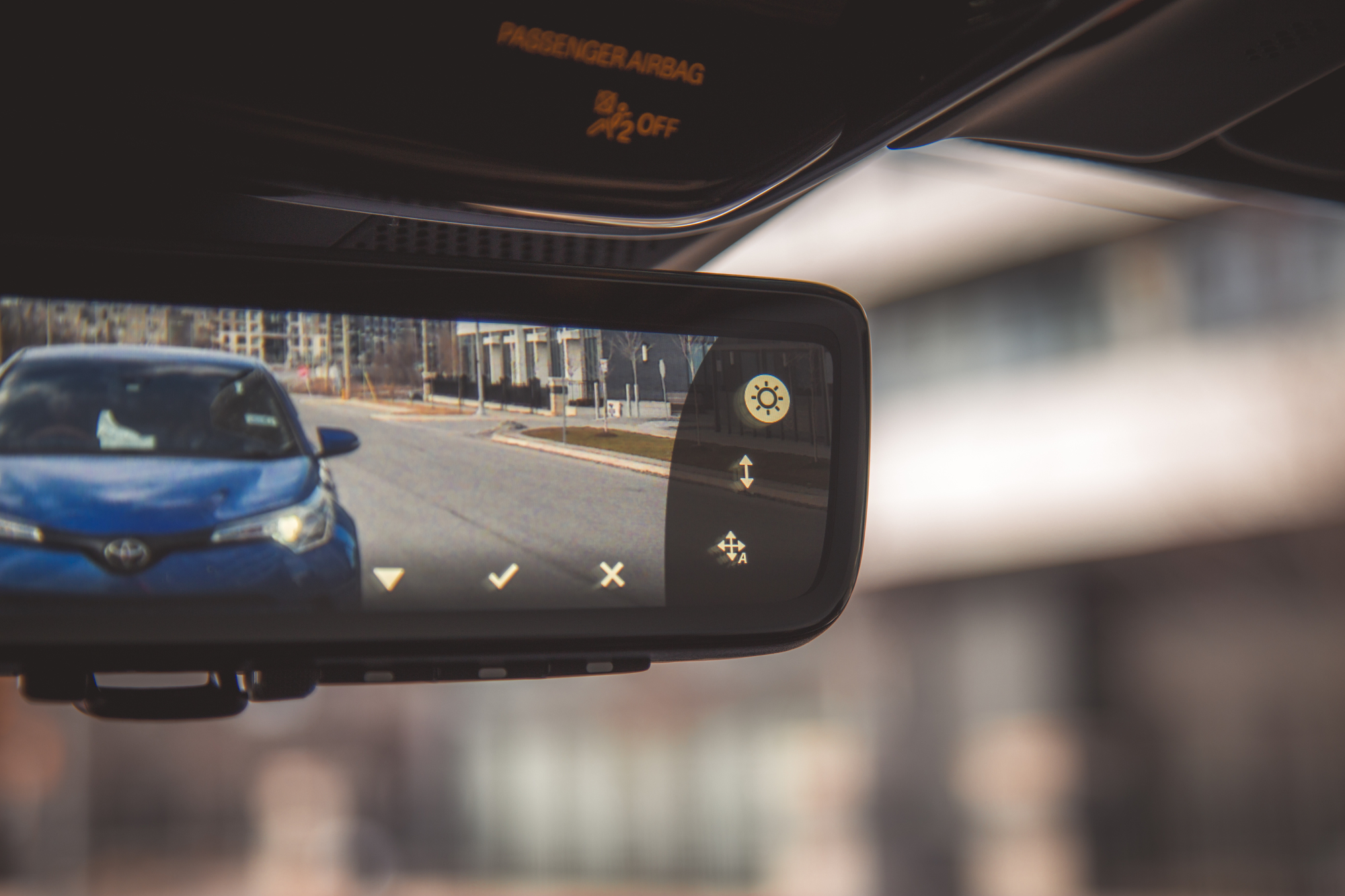
Polestar includes a useful feature that automatically tilts the rear camera to the sides for improved visibility when using the signal stalk for lane changes. There’s also a casing around the roof-mounted camera to protect it against water and grime build-up, but in the snowy months, drivers will have to get out and scrape any debris off themselves. You can still use it as a regular mirror should you need to touch up your hairdo, and all is quickly forgiven once you realize that the high resolution and zoom let you see significantly more detail behind you, especially at night. You can distinctly see the faces of the tailing drivers, and even license plates from further away.

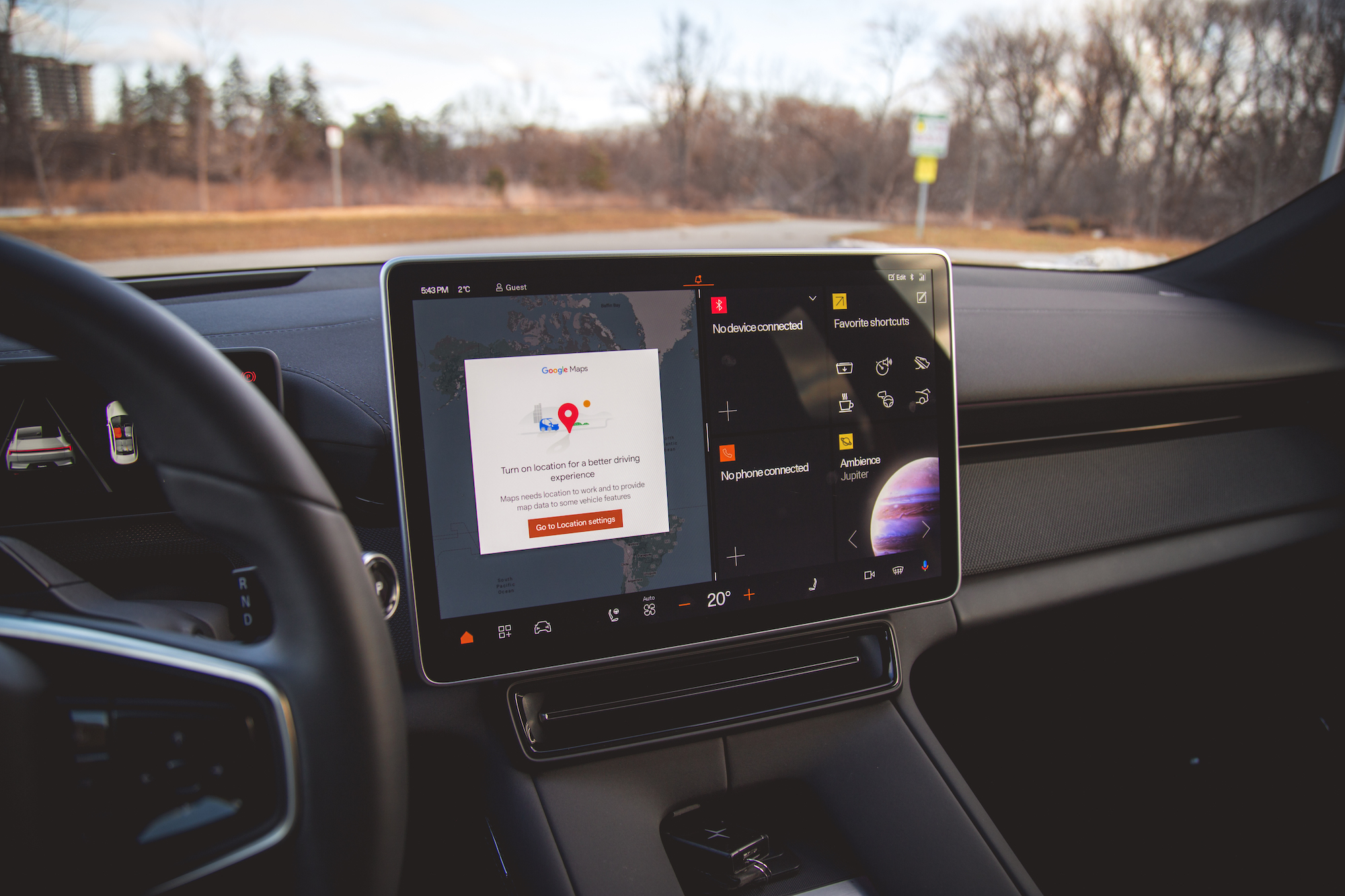
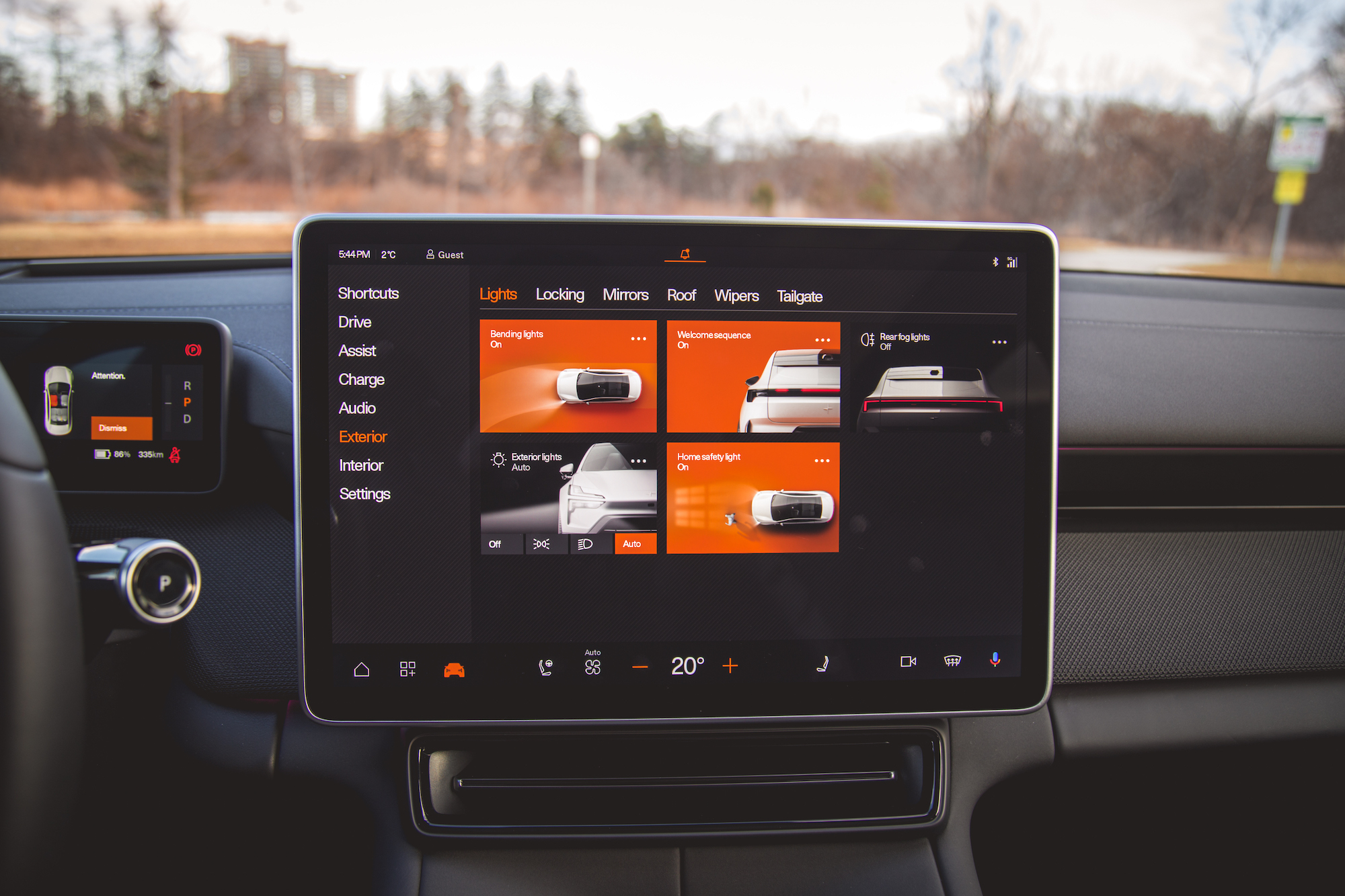
The center touchscreen is a tremendous 15.4 inches, larger than a standard MacBook or iPad, and is landscape-oriented rather than vertically in the Volvo, as if they were trying to make a point. Built-in Google software, Apple-like fonts, and a 1920×1200 px resolution ensure everything is easy to read and understand, with logical menu layouts that make shrewd use of the screen’s vast real estate, with Apple CarPlay even taking up the entire screen width.
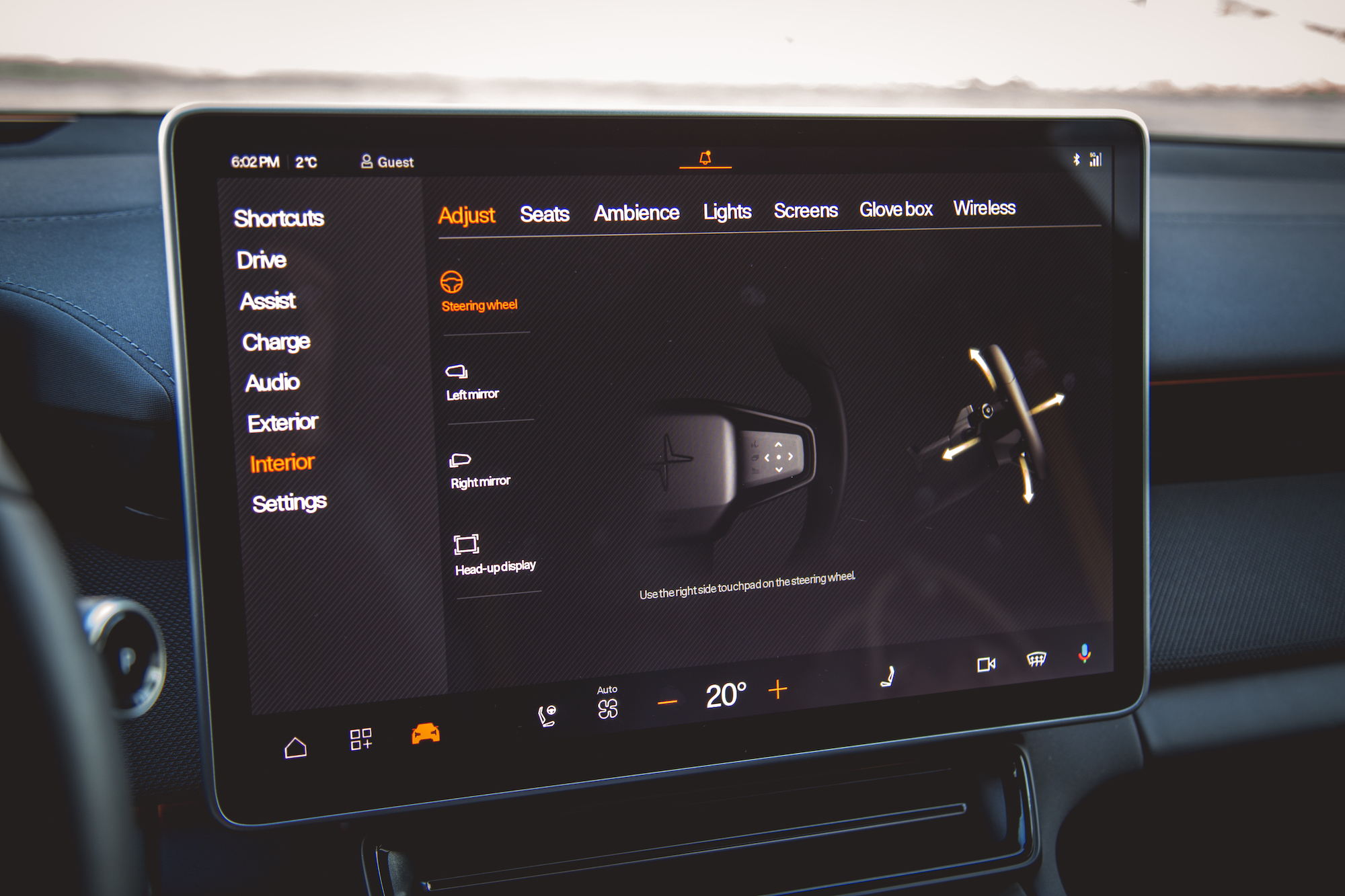
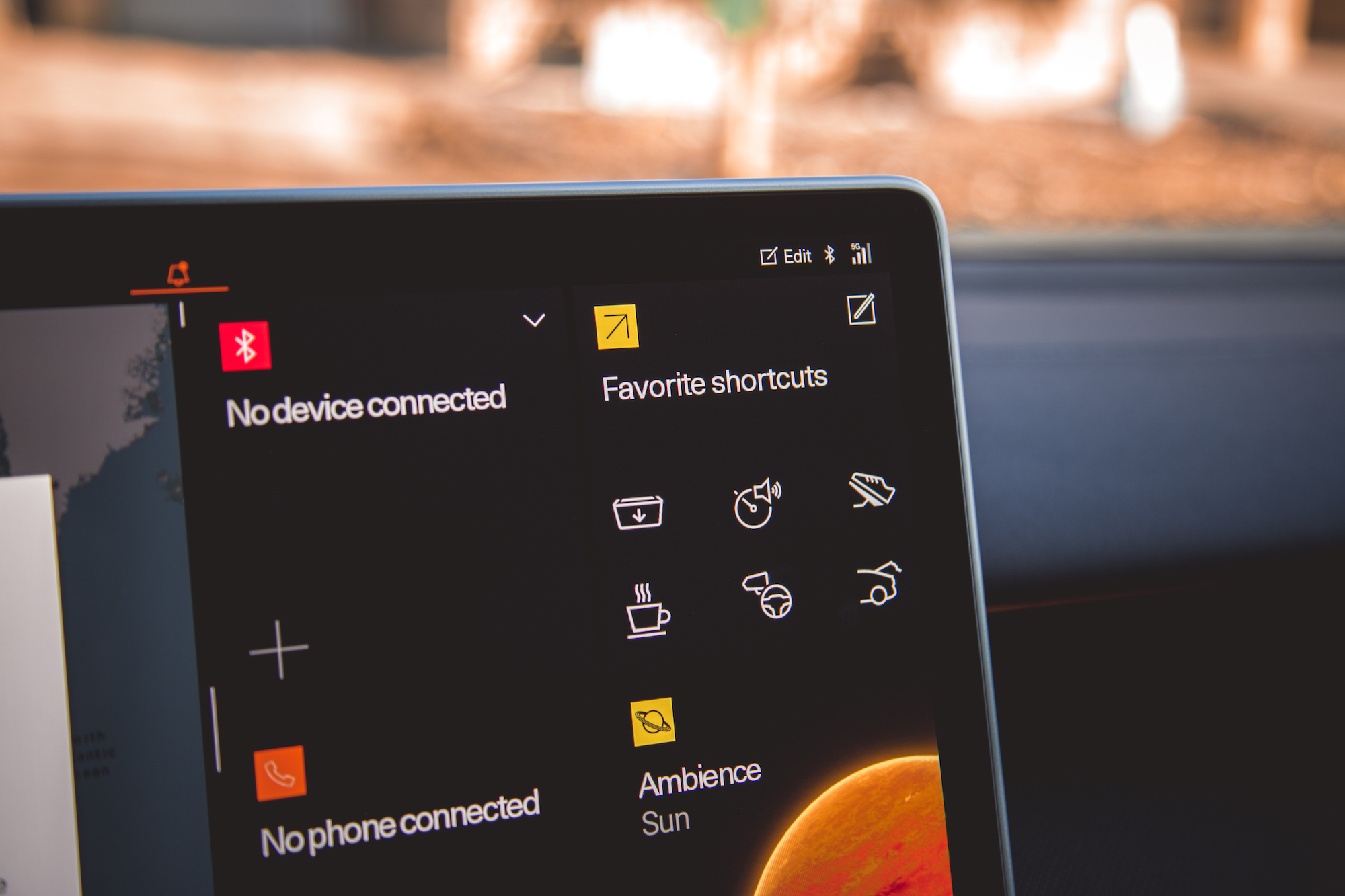
What we don’t agree with is delegating the steering wheel and side mirror adjustment to the screen. Like the current crop of electric Volvos, there are no dedicated toggles for these functions, nor are there physical switches for the glovebox or trunk access. Not even the Google-integrated voice command system allows for that. Polestar integrated a ‘favourites shortcut menu’ on the main screen that displays up to six of your most-used features for one-press activation, which somewhat alleviates that issue.

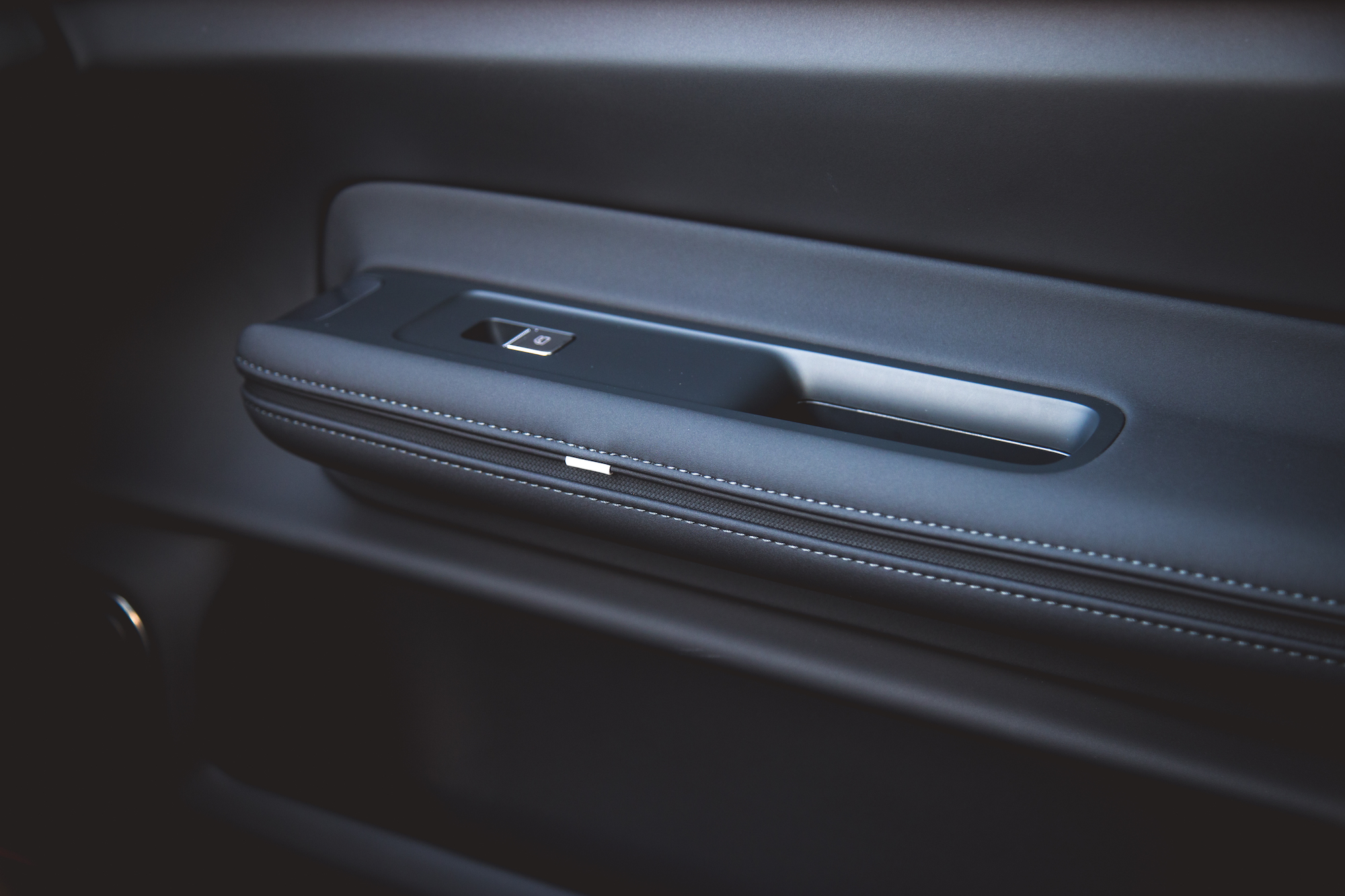
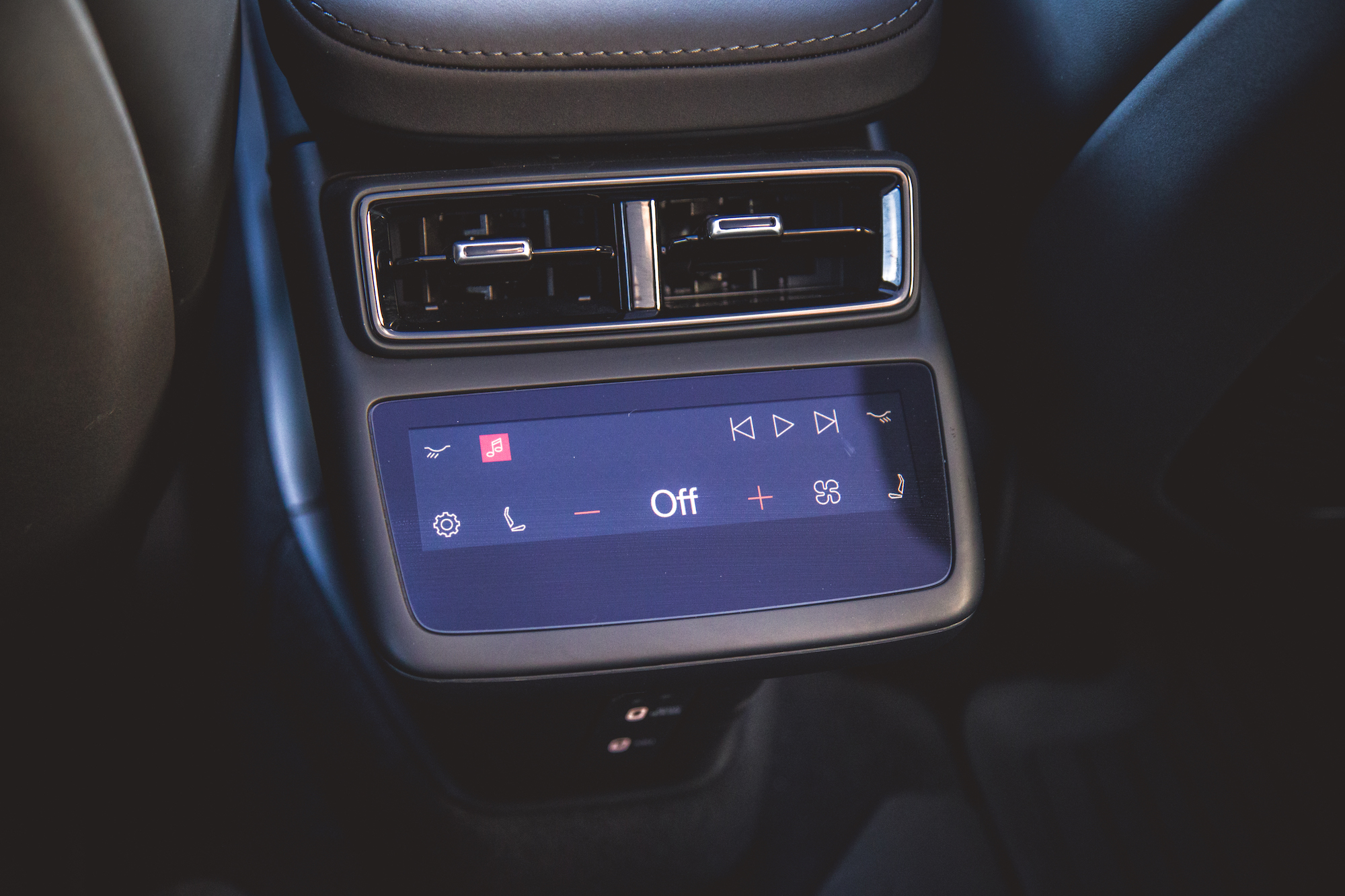
What’s more surprising is that the steering wheel still uses physical buttons with clear dividing ridges, rather than haptic touch sensors like in the Lexus RZ. It seems Kia and BMW were doing somewhat right after all. The P4 even employs dedicated rear window switches, unlike the Volvo EX90, meaning not all hope is lost in the EV world.
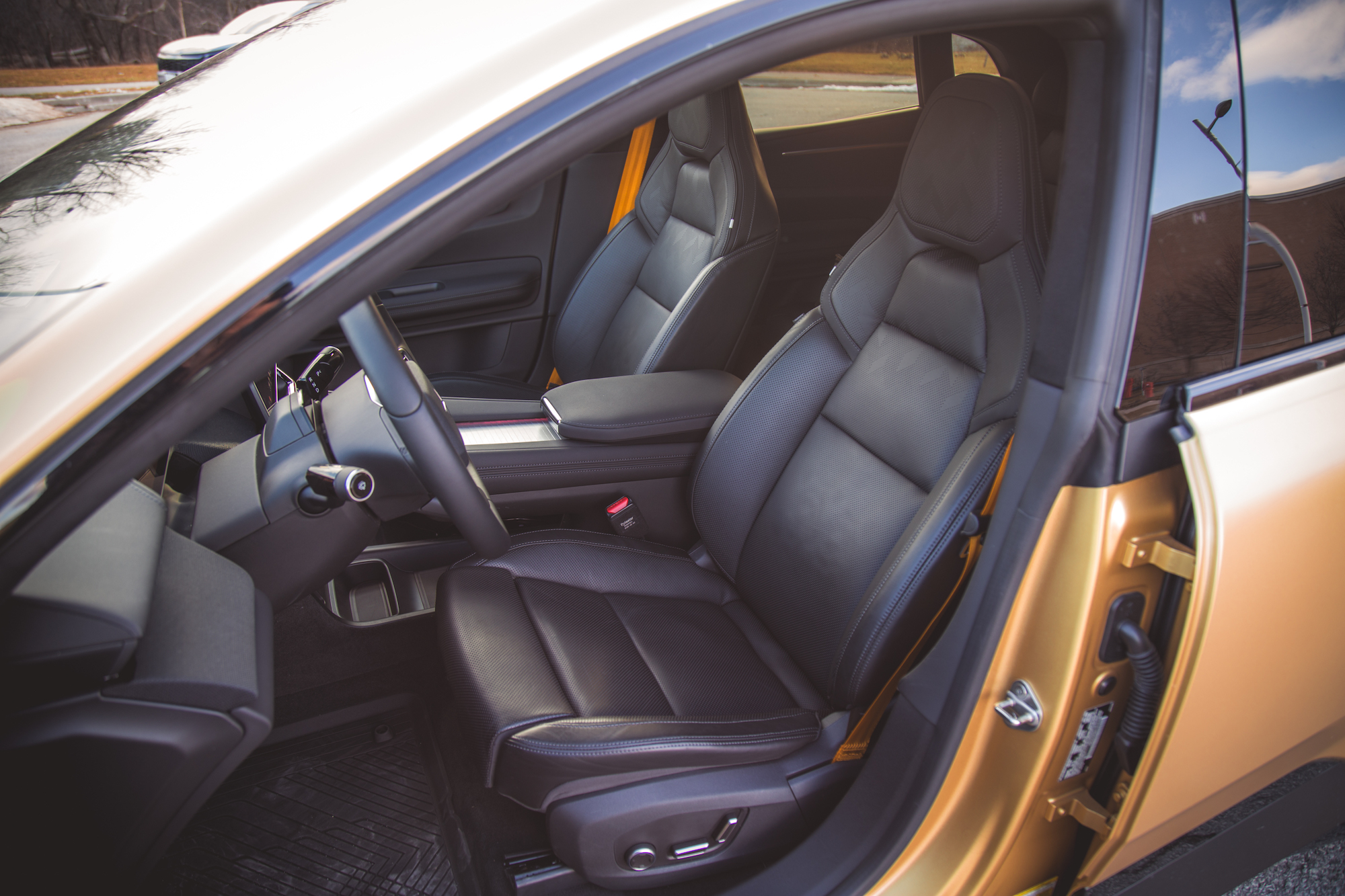
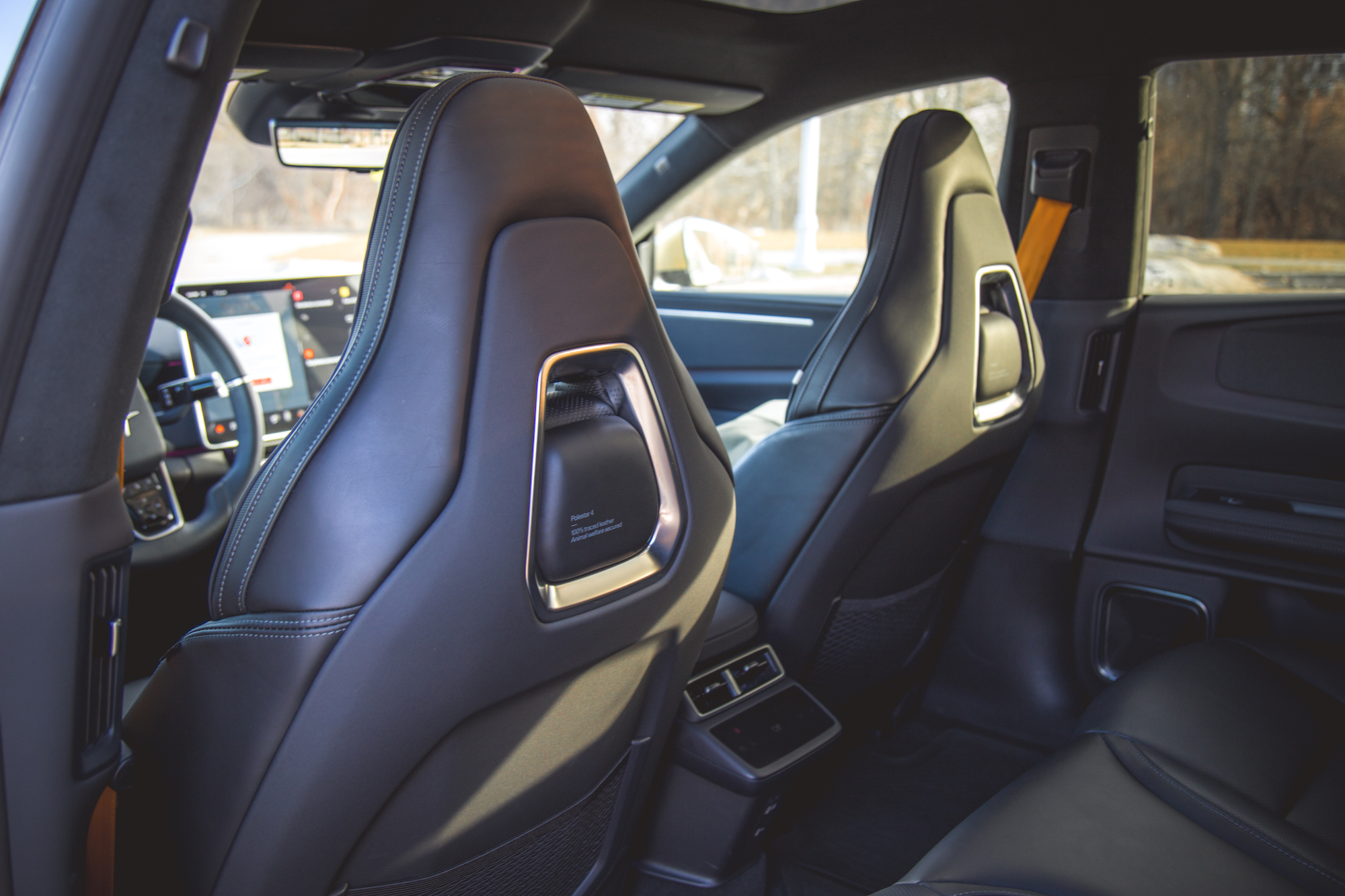
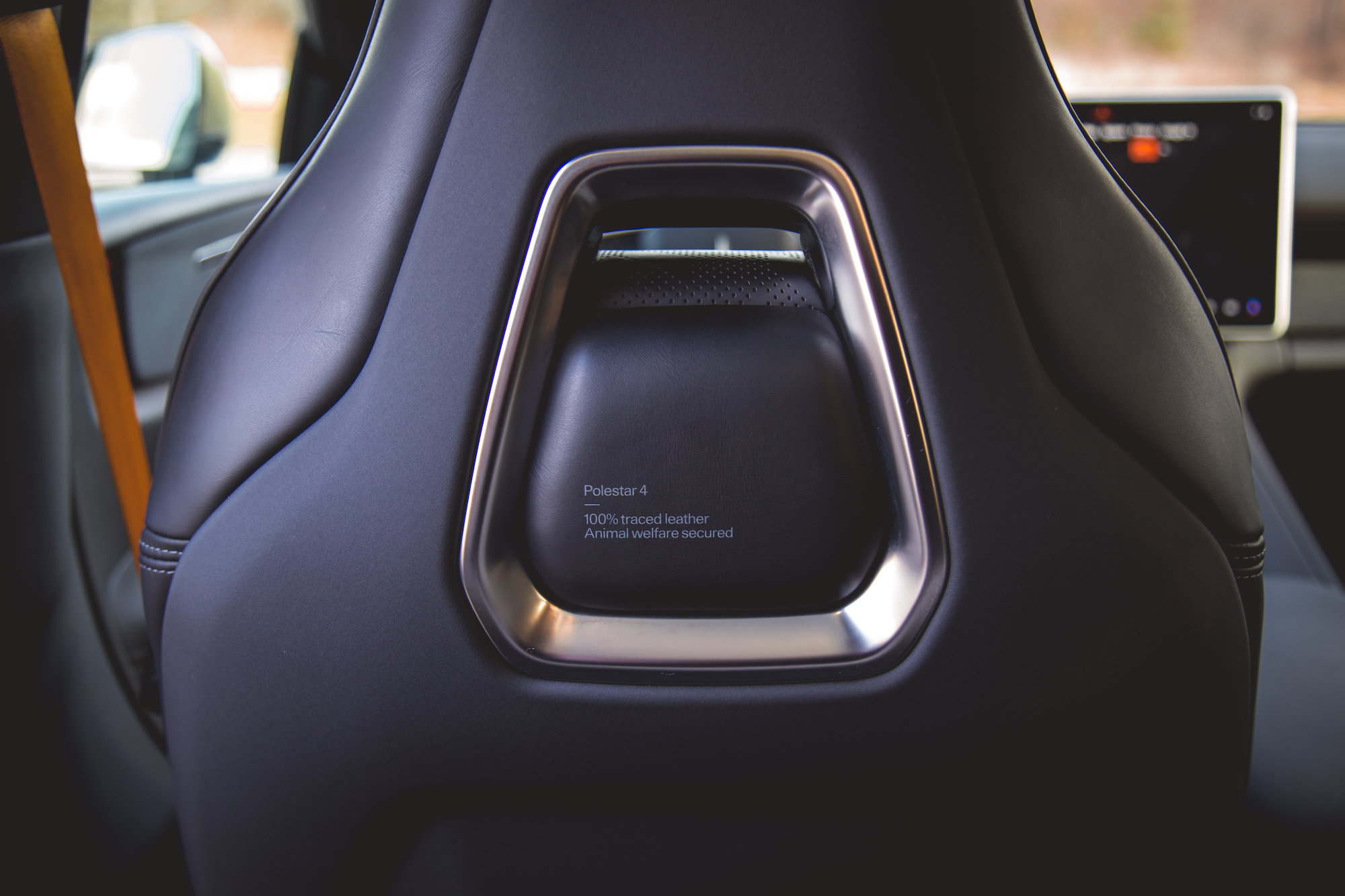
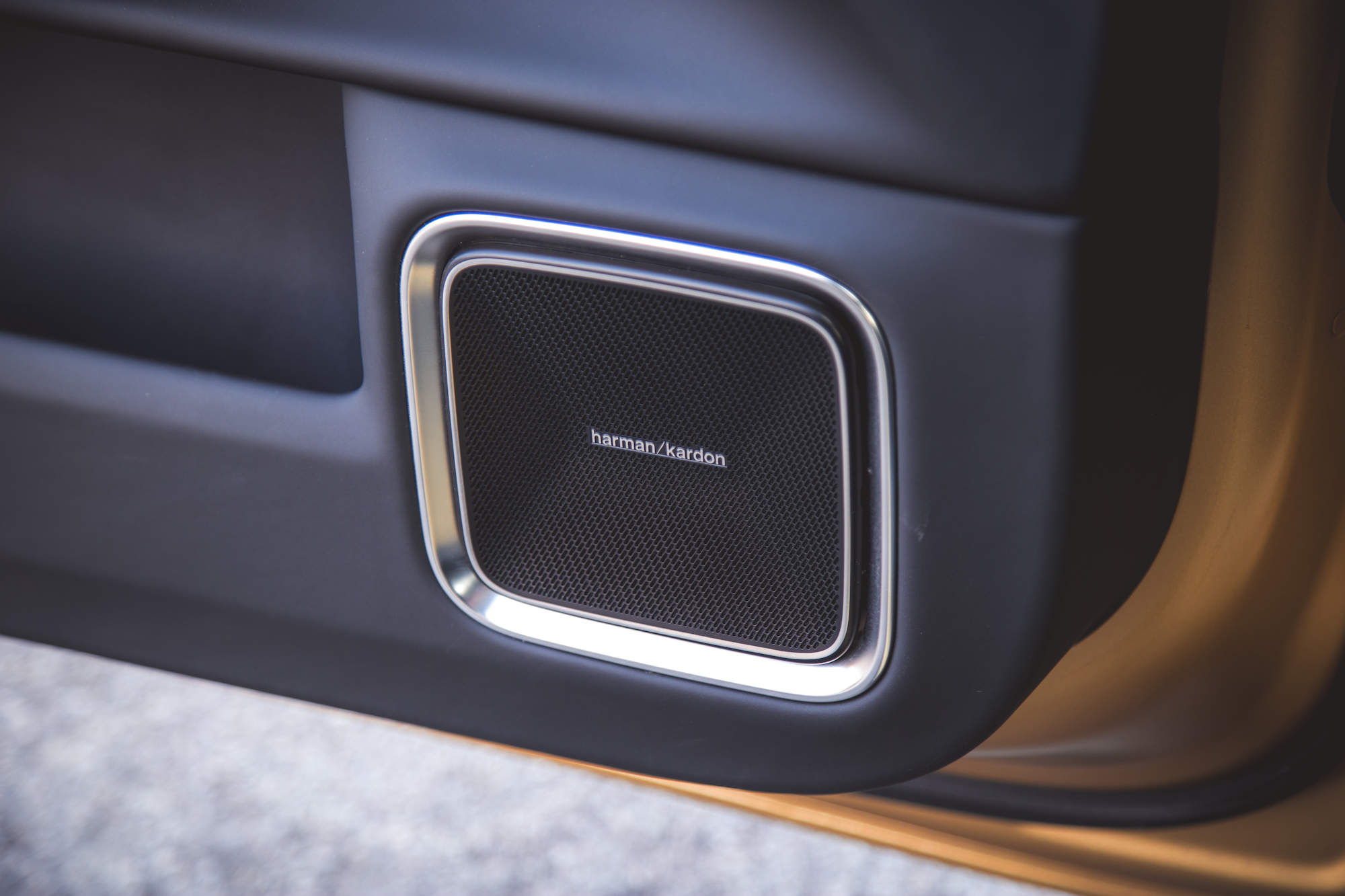
Some positive notes from our drive include a pleasingly crafted, heated steering wheel that looks better than the blocky example in the P2, and heats up to a volcanic temperature, perfect for this snowy, cold, depressing Spring that has us questioning our life choices. Headrest speakers add immersive, audible, and spatial depth to the Harmon Kardon’s surround sound system (you can’t option the Bowers and Wilkins like the Polestar 3), and the massaging seats are potent enough to actually knead into your sore back muscles, making the ones in BMWs and Range Rovers feel like cheaply-made tickle massagers sourced from shoddy suppliers.

The Polestar 4 doesn’t uproot the goalposts and catapult itself into the horizon, but it has stamped its mark on the EV space and shown the established brands that they should never rest on their laurels. Whereas the Polestar 2 felt more like a rebadged Volvo, the 4 shows us that the brand has finally landed on a solid footing. Electric vehicles don’t typically evoke deep emotions from their rather bland, overly synthesized, light-switch driving performance, but the P4 genuinely stirs excitement with its visual styling, outstanding Google software, and lack of a rear windscreen, which always makes for a fun conversation starter. Those in the market for an electric Macan or SQ6 e-tron need to think twice.
Specifications:
Model: 2026 Polestar 4 Long Range Dual Motor
Paint Type: Matte Gold
Base Price: $69,900
Price as Tested: $93,400
Wheelbase(mm): 2,999
Length/Width/Height (mm): 4,840 / 2,067 / 1,534
Curb weight (kg): 2,365
Powertrain: 100 kWh lithium-ion battery, two 200 kW permanent magnetic liquid-cooled electric motors
Horsepower: 544 hp
Torque: 506 lb-ft
Transmission: Direct drive
Drive configuration: Dual electric motors, AWD
Claimed Range: 451 km
Observed Range: 350 km
Tires: 265/40R22; Pirelli Scorpion Winter






Leave a Reply