
Lexus currently offers only one fully electric vehicle in the Canadian market: the RZ. However, this model has previously suffered from limited range, a high starting price, and some unconventional features, such as a yoke steering wheel. For 2026, Lexus aims to refine its EV vanguard with more power, range, and value.
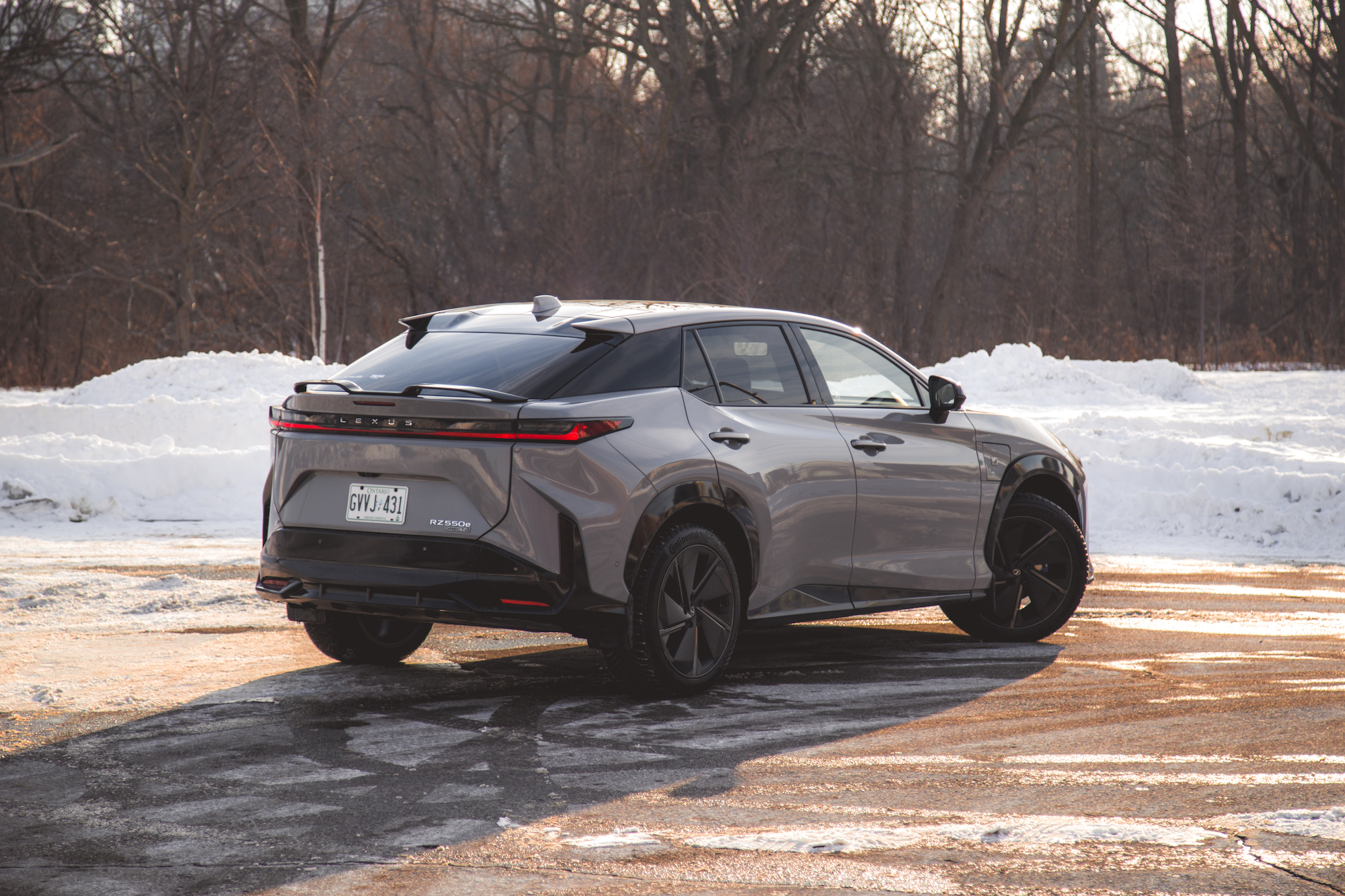
The most notable upgrade is the new performance trim, the RZ 550e F Sport, packing a 408-hp, 77-kWh lithium-ion battery, dual-motor all-wheel-drive setup, that can reach 0-100 km/h in a scant 4.4 seconds. Sound spicy? Well, it is. The RZ 550e generates phenomenal acceleration, and there’s noticeably more kickback than the 300-hp RZ 450e and 221-hp RZ 350e models. The extra horses are palpable, and the RZ doesn’t run out of breath as quickly once you hit triple-digit speeds, making highway overtaking a silent, effortless breeze.

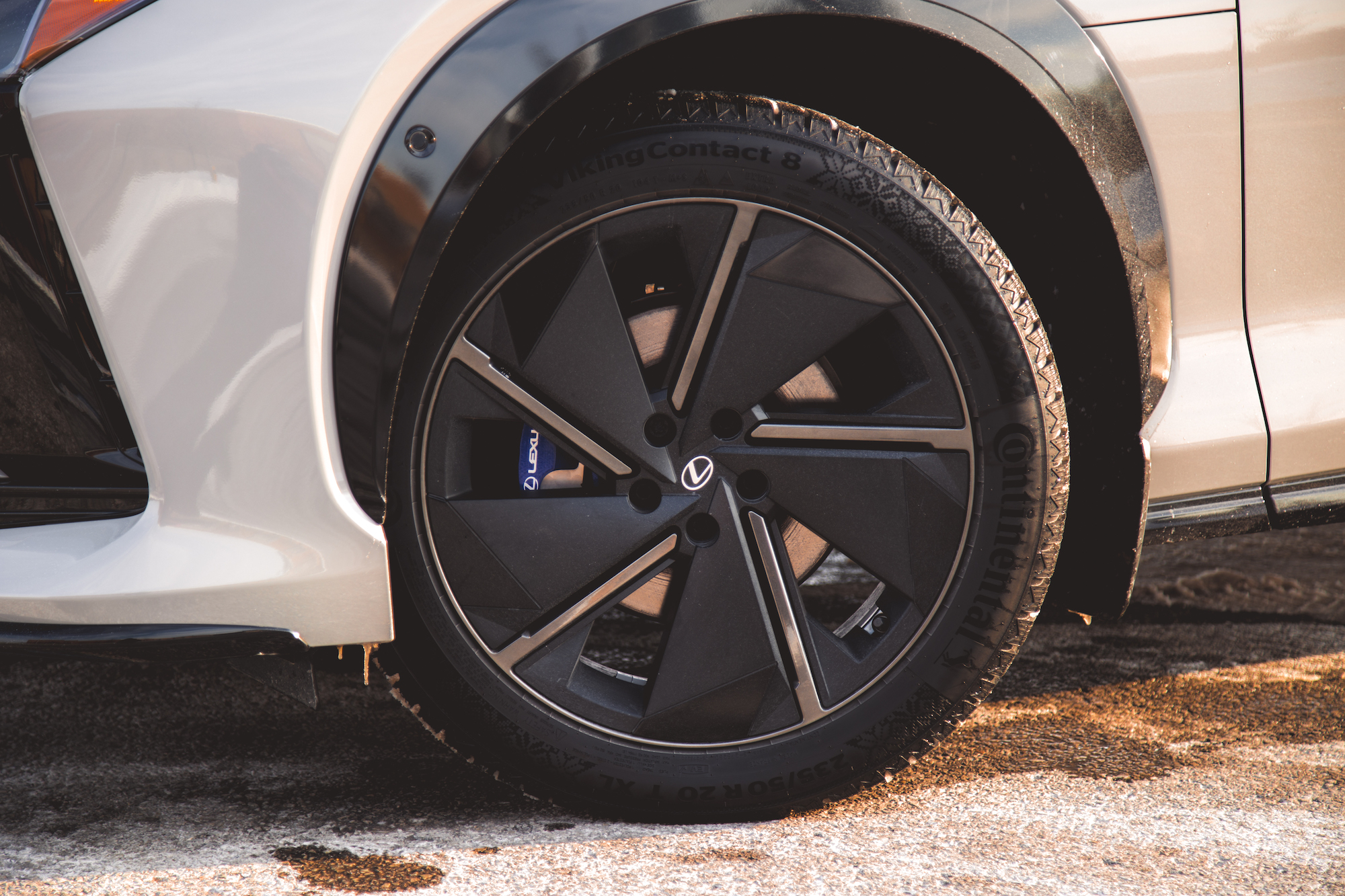
This F Sport model also comes with a sportier body kit, a dual-wing rear spoiler that also acts as a picnic table for two, and large 20-inch wheels, which hardly affect its relaxed gait and impressive ride quality. You can tell it’s been tuned to give more road control and compliance in the corners, but over harsh, pockmarked roads, the RZ remains soft and stable, and is nicely tuned for spirited drives as well as lengthier journeys across the motorways.

There is a new ‘M Mode’ that accompanies the paddle shifters. Like many other performance-focused EVs, the RZ attempts to mimic gear changes with some electronic trickery. Engaging the right upshift paddle triggers a quick shudder through the chassis, convincing you that you have just performed a rough, hard, purposeful shift into a higher gear. The same shudder follows the downshifts. Frankly, we used this mode twice and then kept it off for the remainder of our drives, because the shifts don’t feel natural. If we wanted some dopamine dripping into our motorsport veins, we would get more excitement from shifting on a PlayStation controller.
When switched off, the paddle shifters control the four levels of braking regeneration. There are also three levels of exhaust sound fakery that accompany throttle pedal movement. While the spaceship noises aren’t as pronounced or exaggerated as those in the BMW iX or Mercedes-AMG EQS, the podracing hums suit the more mature Lexus image. We still preferred it completely off, keeping the drive silent, and taking advantage of the already excellent cabin insulation.

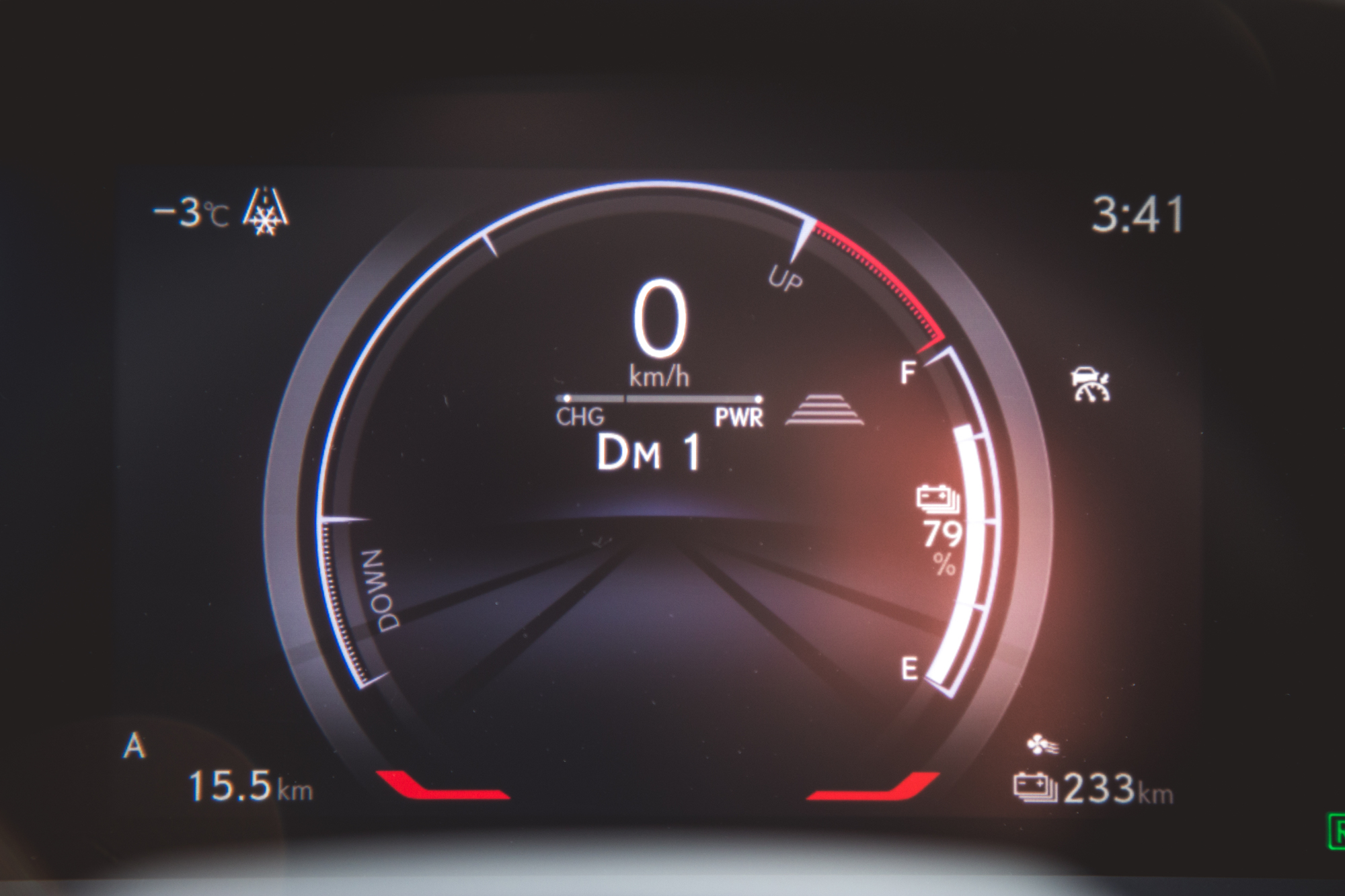
The most significant tradeoff with the RZ 550e is its range. Lexus claims a range of 369 km on a full battery, which is a whopping 109 km less than the cheaper RZ 350e. In real-world usage in the cold Canadian climate, we achieved an even less impressive 280 km, granted this was during a week of consistent -20°C snowstorms. Additionally, the RZ will automatically decrease your power output when the battery level drops below 20%, even under those conditions. This triggers a persistent message on the instrument cluster that remains visible, no matter how many times you acknowledge or dismiss it. As a result, it becomes challenging and slow to accelerate on highway on-ramps.
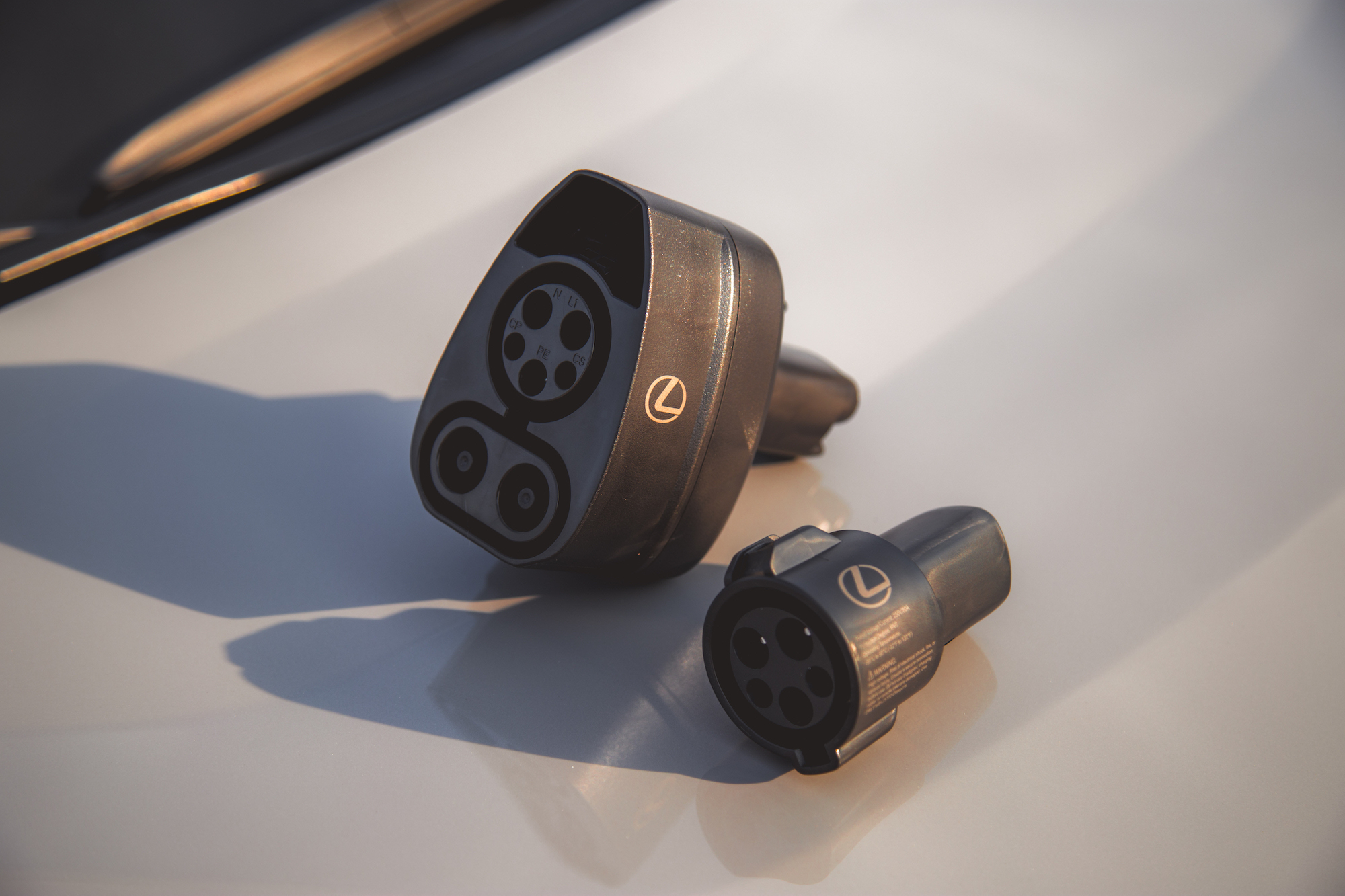
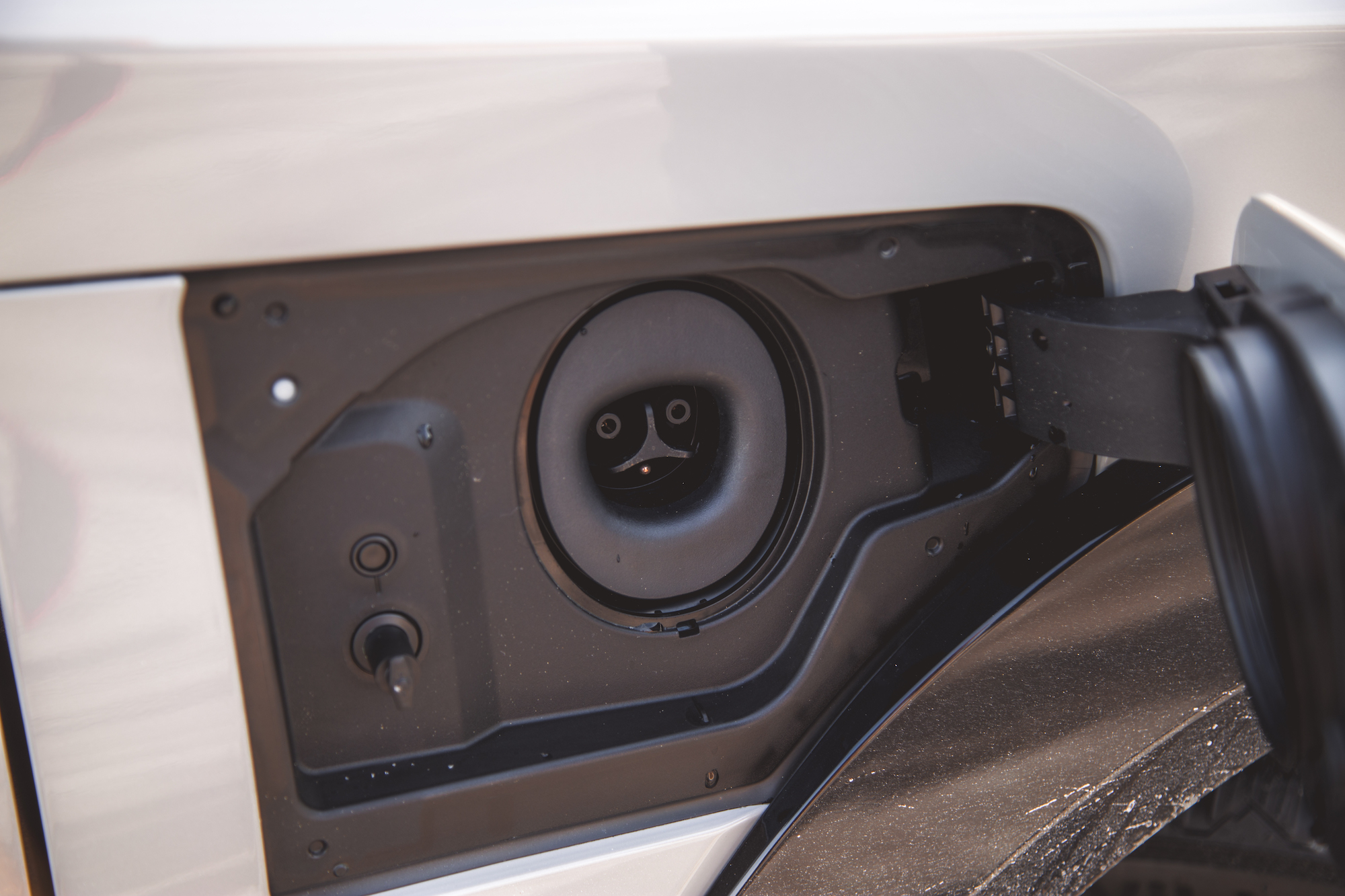
But there is a remedy. For 2026, all Toyota and Lexus models have adopted the North American Charging System (NACS) port, which makes them compatible with the Tesla Supercharger network. The vehicles even include the adapters, allowing you to quickly top up in more locations across the city. Whether that fits into your driving lifestyle is up for debate, but you should weigh the benefits and ask yourself whether the added performance is worth the range penalty.

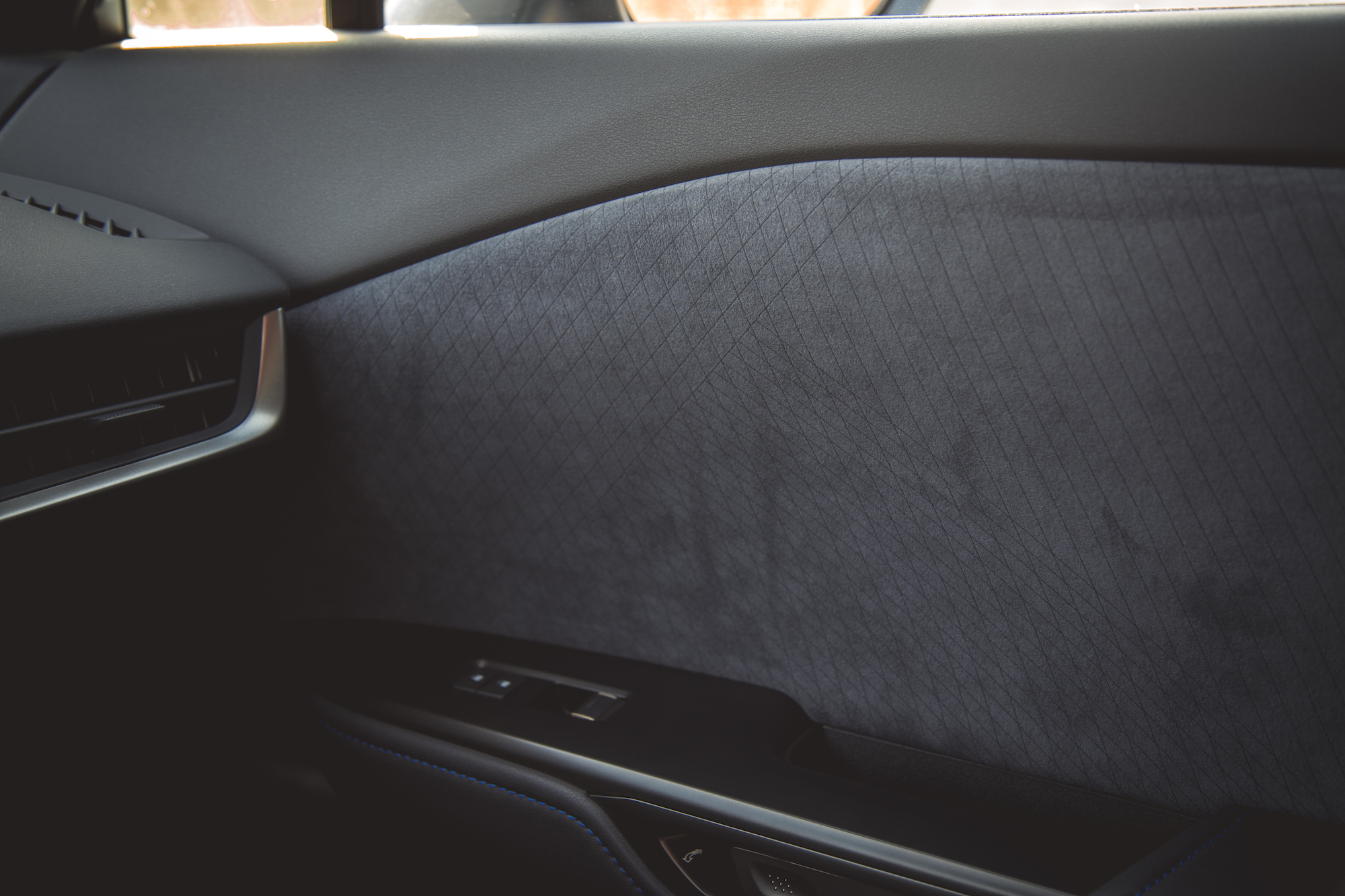
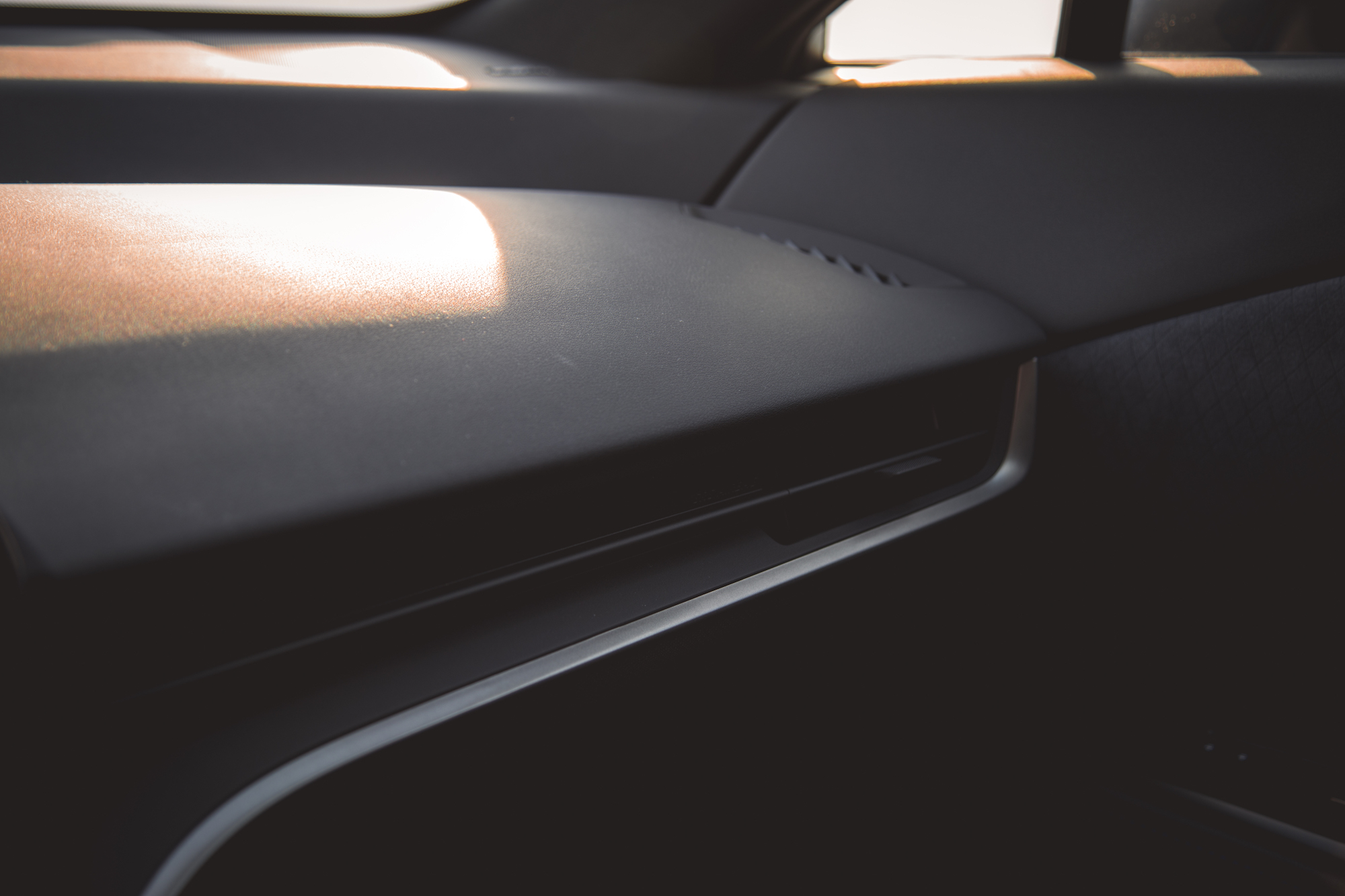
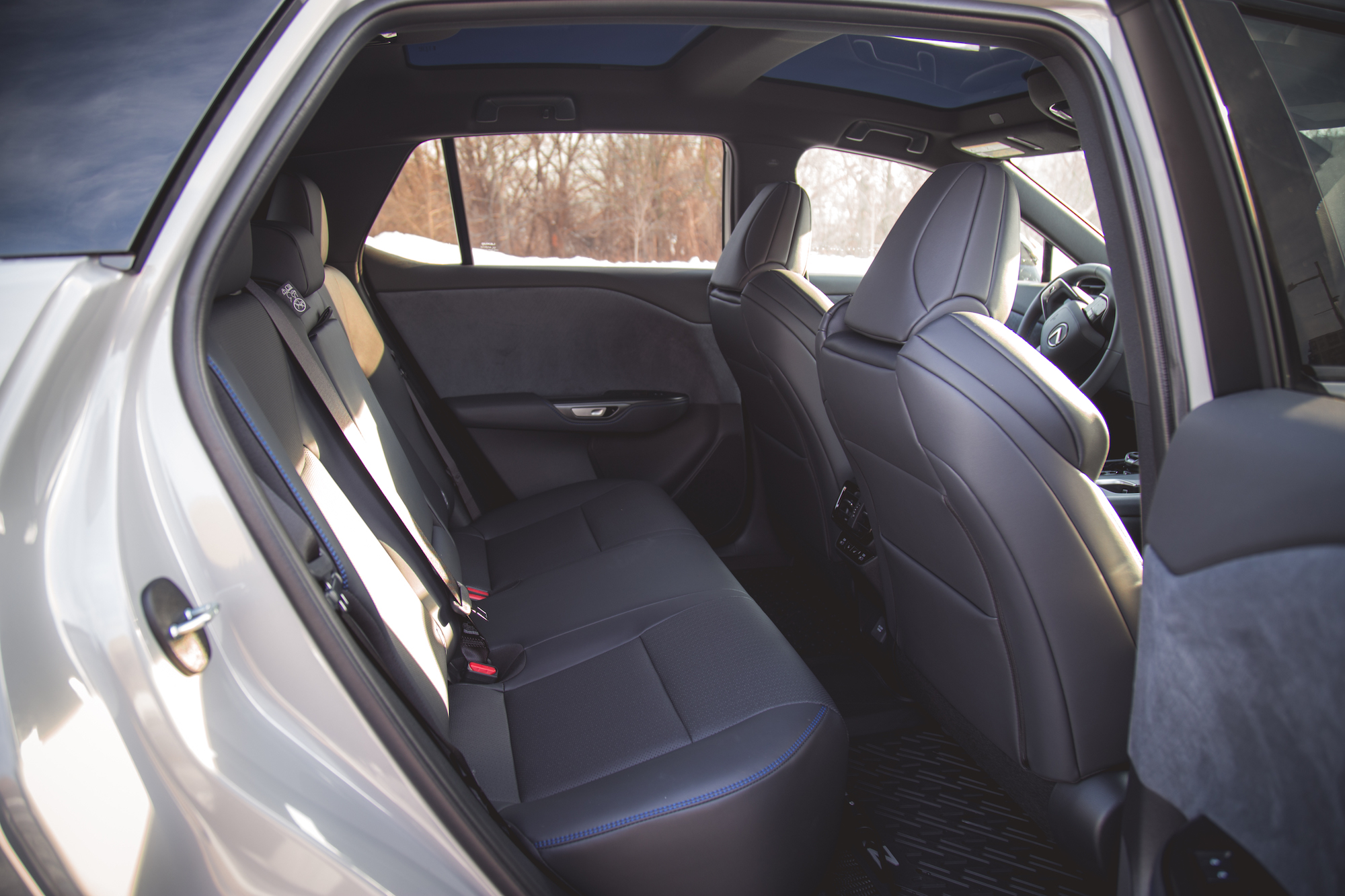
While the Lexus RZ shares the same platform as the Toyota bZ and Subaru Solterra, the interior is much better appointed and is where the RZ begins to shine. The yoke steering wheel has been yoked out of the cabin and replaced by a more conventionally-shaped round wheel and a traditional dashboard to match. Lexus does the small things better than its competitors, like the tightly wrapped, buttery-soft leather on the steering wheel that feels like 5-ply toilet paper, to the way the windows are damped so softly and quietly that they gently roll up and down like the zipper on a Loro Piana sweater. The seats are supportive and comfortable, with soft side bolsters featuring suede inserts and a plush, unadjustable headrest positioned at the optimal angle.

Unlike its American counterparts, such as the Lincoln Nautilus or Ford Explorer, the heated seats and heated steering wheel in this vehicle do not get very warm. Instead of providing a comforting heat, they feel more lukewarm, as if the seat had been pre-warmed by a small passenger. This issue is common across many Toyota and Lexus models. Additionally, we noticed that the heating system completely shuts off after a few minutes, leaving the leather feeling cold again.

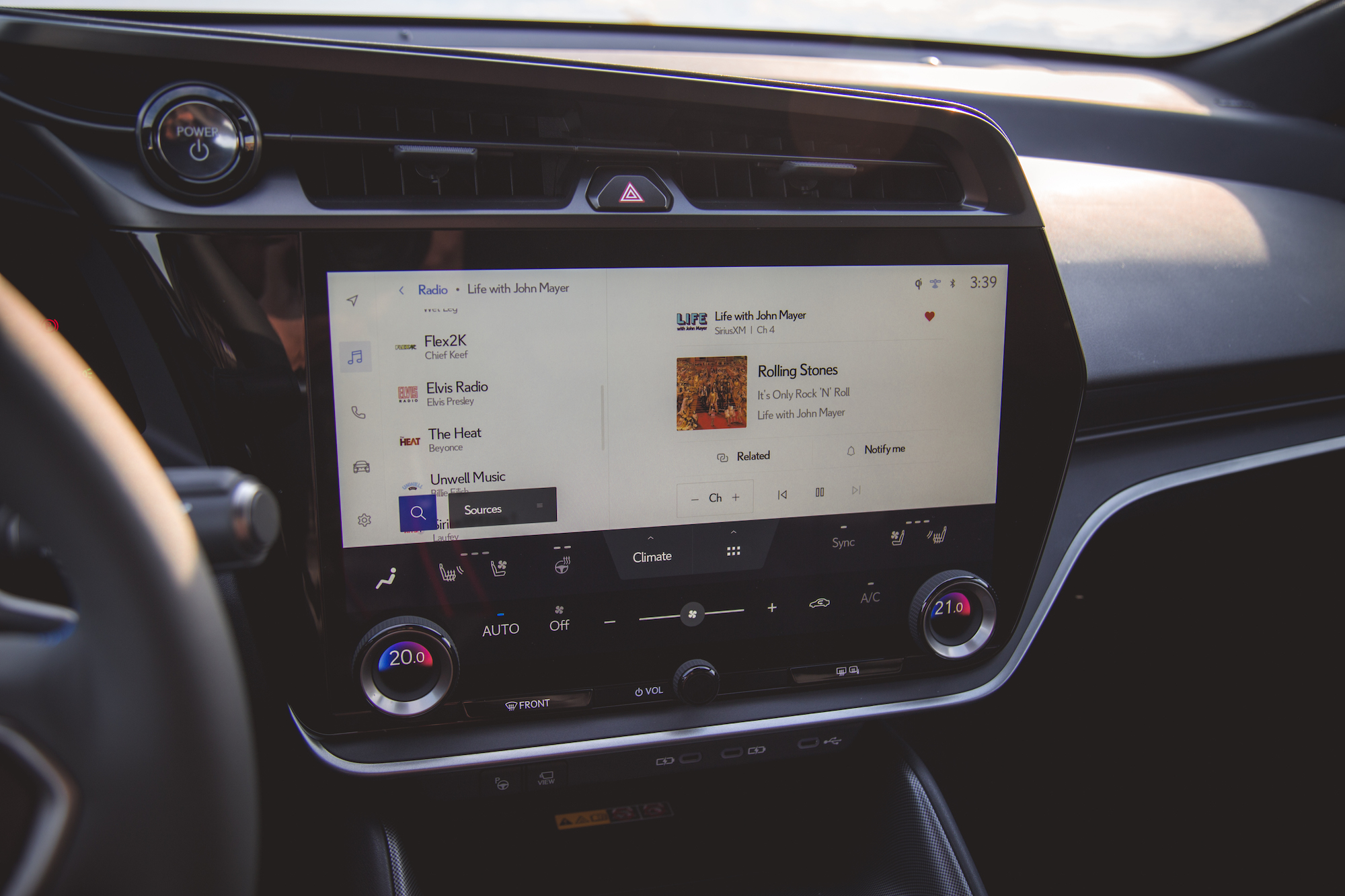
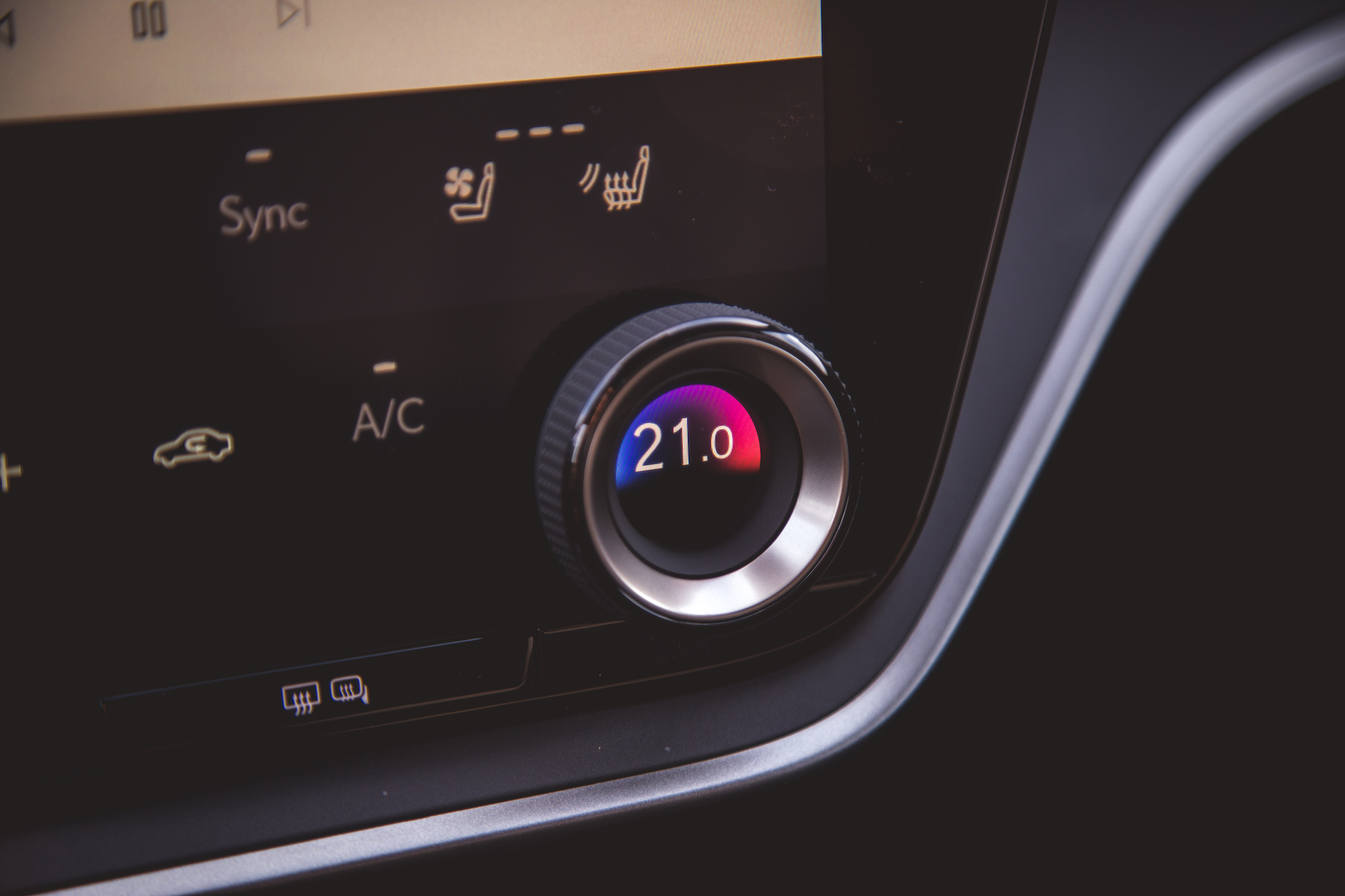
The center touchscreen is gargantuan and easy to navigate, and while the yoke is gone, the frustrating haptic touchpads on the steering wheel remain. The pads will sense your fingers hovering over them without being pressed, and there’s a slight delay between when you touch and when the button registers it. So if you quickly tap the pad with your finger, it won’t register anything. You must first touch it, let the head-up display acknowledge the touch, and then click the button. This becomes frustrating when you want to quickly change a song or flip the driver’s gauge display. On the bright side, the trackpad offers multiple functions, such as adjusting the cabin temperature, so if you’re lazy like us and prefer to stay seated, this can be quite helpful. But we wish they used the wheel from the Lexus GX and LX instead.

The rest of the cabin’s functionality and touchpoints are good, with an actual volume dial and heating controls. But the center console doens’t feel well-utilized, with vast real estate taken up by empty panels, a gear selector, two average-sized cupholders, and a sloped ridge that falls into the wireless charging pad. This area could use more storage cubbies for small items.
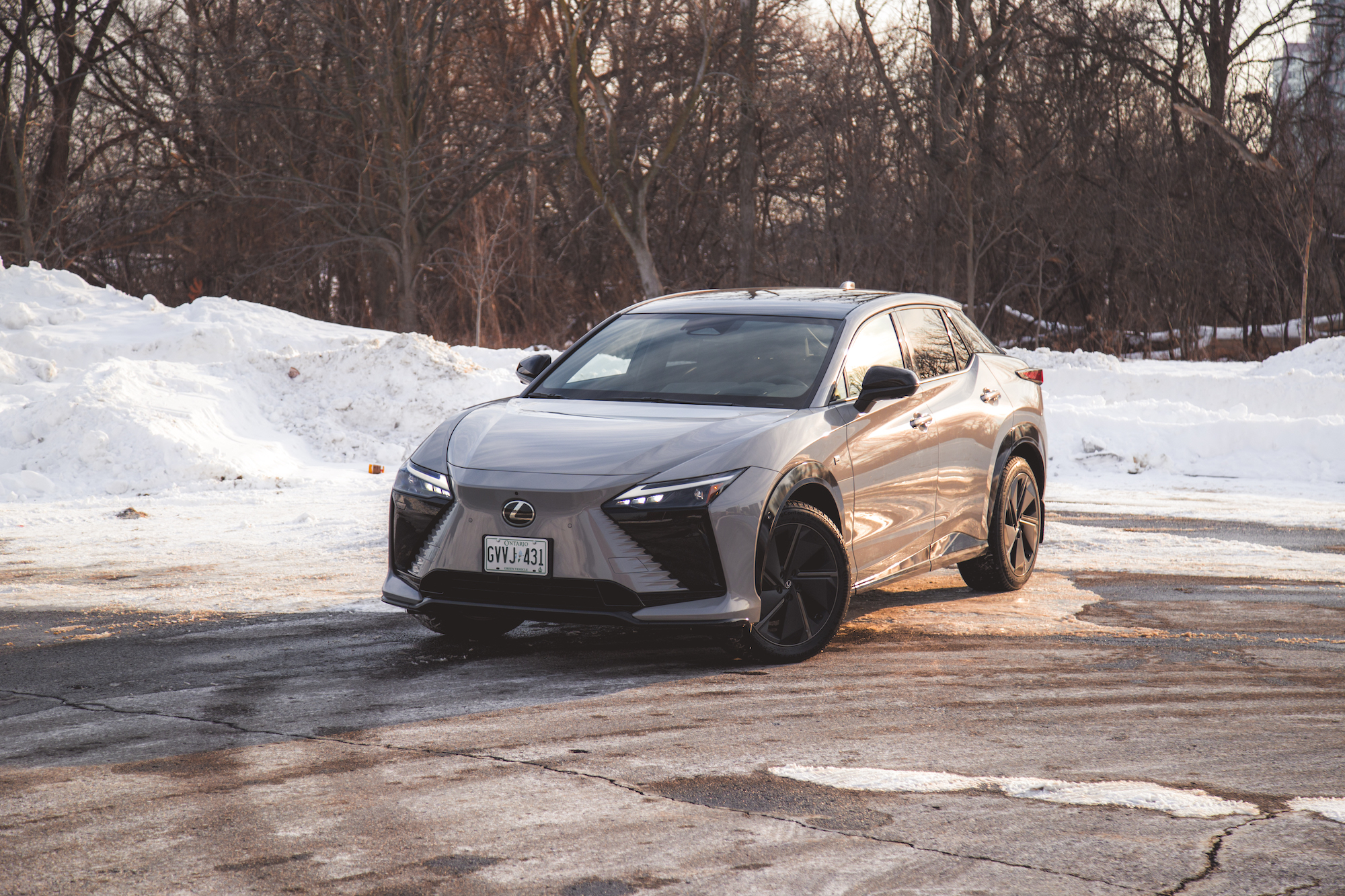
Lexus’s solo electric vehicle is a good step forward for the luxury brand, but it’s not as impressive in sport-tuned form as it should be. The RZ 550e F Sport is a comfortable, well-appointed, and quick SUV, and the extra power is more than welcome, but there’s not enough to get excited about for us to recommend it over the cheaper models, especially given its poor range and reduced output in cold climates. If you don’t need the typical Lexus refinement or luxury amenities, the bZ and Solterra are even better alternatives.
Specifications:
Model: 2026 Lexus RZ 550e F Sport
Paint Type: Wind
Base Price: $77,990
Price as Tested: $77,990
Wheelbase(mm): 2,850
Length/Width/Height (mm): 4,804 / 1,895 / 1,636
Curb weight (kg): 2,125
Powertrain: 77 kWh lithium-ion battery, two electric motors
Horsepower: 402 hp
Drive configuration: Dual electric motor, AWD
Claimed Range: 369 km
Observed Range: 280 km
Tires: Continental VikingContact 8; P235/50R20 front; P255/45R20 rear










Leave a Reply