
Every time we fire up an inline-six engine, nostalgic memories come flooding back into our dopamine-depleted brains, from the M1 Procar howling down the Nurburgring with Niki Lauda behind the wheel, to the BMW M4 GT3 winning the 24 Hours of Daytona just last weekend. Whether it’s the shrilling intake noise at 4,000 rpm in third gear, the riotous thump of throttle bodies in action, or the melodic rise and fall of the rev counter from a stratospheric red line, a BMW is not complete without six cylinders arranged in a line.

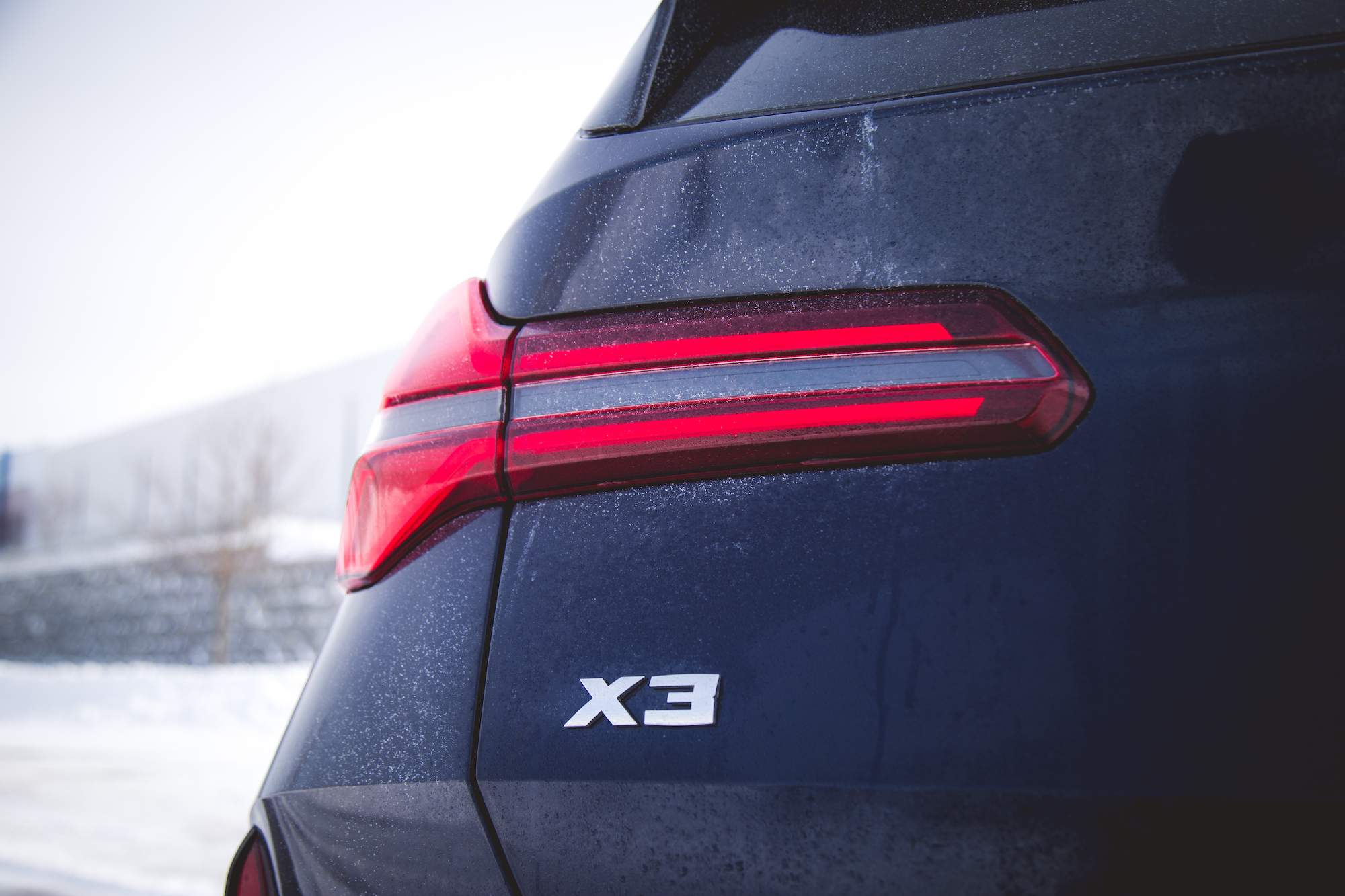
Now, a bulky, heavy SUV might not be what its progenitors had in mind when designing such an inherently balanced engine, but the X3 M50 makes a compelling case as a jack-of-all-trades, one-man show that can haul the family and handle all weather conditions. The X3 is still available with the 30 xDrive, four-cylinder turbo B48 engine that delivers 255 horsepower and 295 lb-ft of torque, but it’s the M50 you want if those BMW antibodies are still flowing in your motorsport veins.

With it comes the signature 3.0-litre turbocharged inline-six (B58 engine) that generates 393 hp and 428 lb-ft of torque, assisted by a 48-volt mild-hybrid system. That’s an 11 hp and 59 lb-ft increase from the departing X3 M40i thanks to redesigned intake ports and combustion chamber geometry, a revised injection and ignition system, changes to the exhaust and camshafts, and the use of a Miller combustion cycle instead of the traditional Otto cycle, which should improve the engine’s efficiency.

Free revving like it’s running with a no-inertia cheat code, this engine isn’t shy about hitting its 7,000 rpm limiter. Forward thrust is readily available throughout the rev range, hitting 0-100 km/h in 4.6 seconds, and its delivery is more polished than the electric turbo unit in the Mercedes-AMG GLC 43. The M50 enjoys dashing through all eight gears and has clearly been crafted for drivers who prize handling and have winding roads to explore in their backyard. The brakes deserve additional praise, with strong bite right at the tip of the pedal, making the AMG’s feel long and weak, with unprogressive travel.
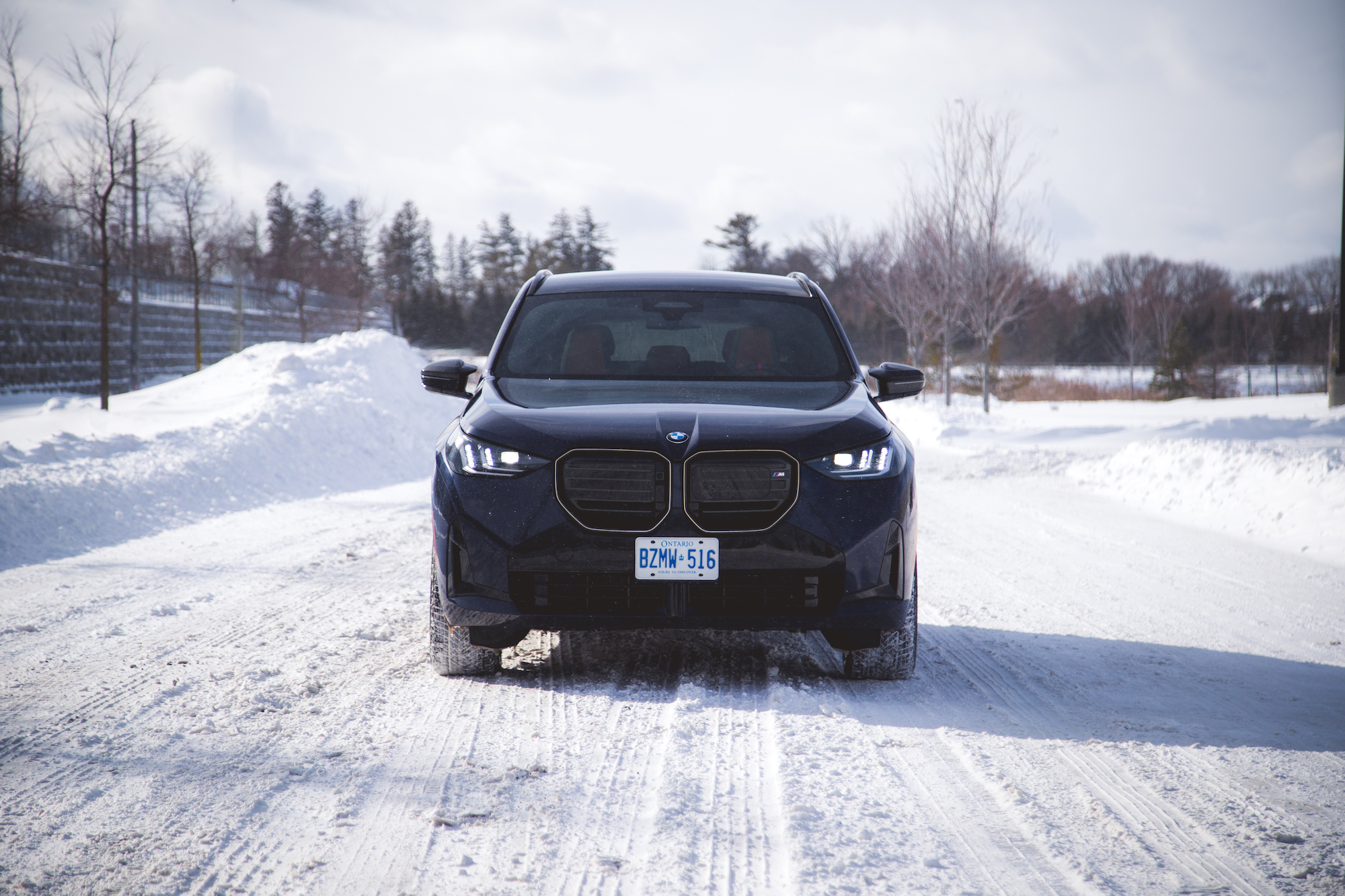
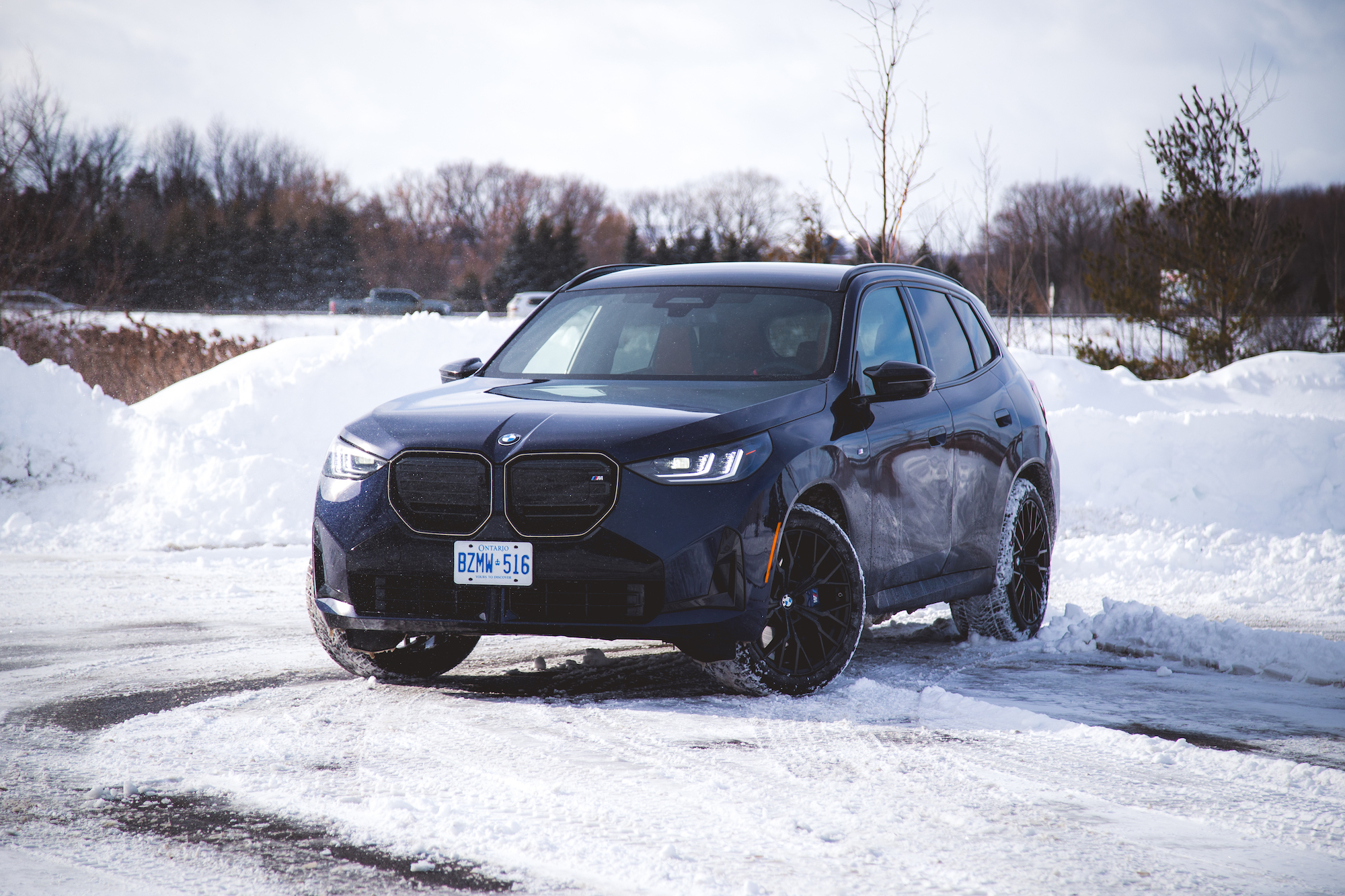
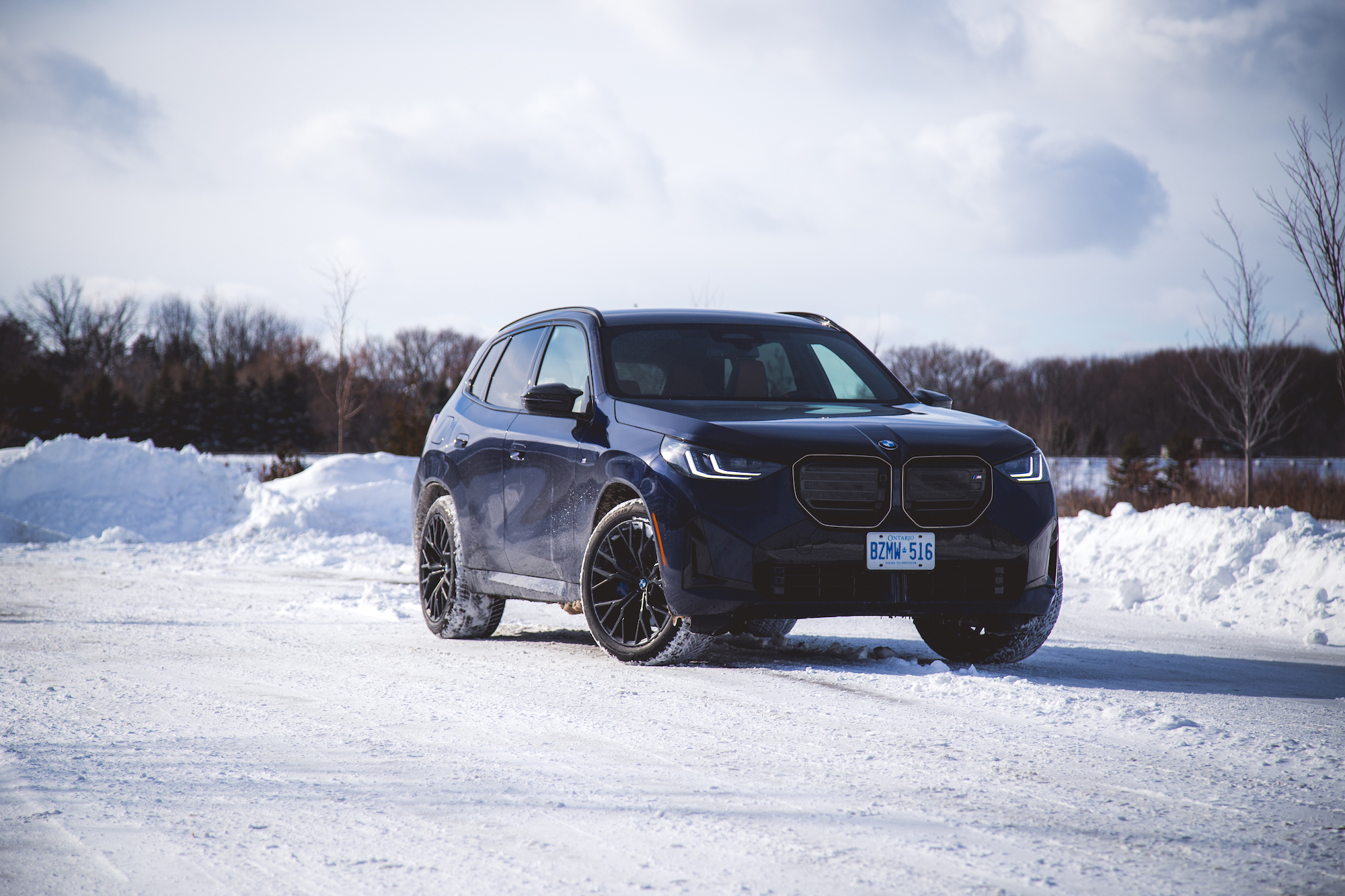
When the road becomes icy, and the black tarmac is hidden beneath a white, powdery fluff, this X3 feels in its element. Thanks to the rear-biased all-wheel-drive system, the X3 isn’t afraid to let its tail hang loose, letting you dictate slip angles with your right foot instead of your arms. Loosen the traction and stability control reins by selecting Sport Mode, and the X3 will let its hair down and provide driver fun, engagement, and progressive powerslide drifts that will make any Audi, Mercedes, or Volvo SUV feel overly safe and risk-averse. Snow day? More like BMW day.

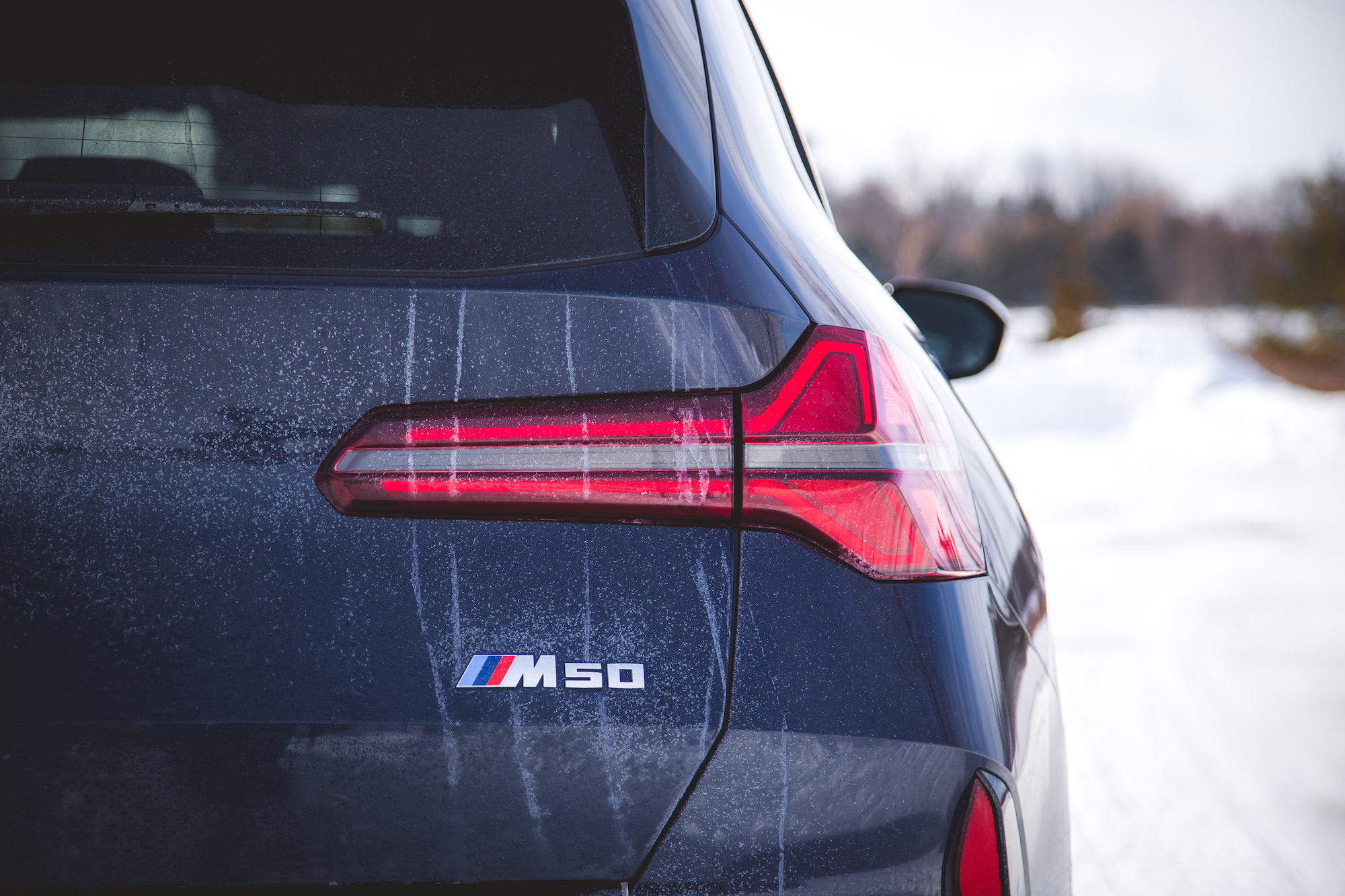
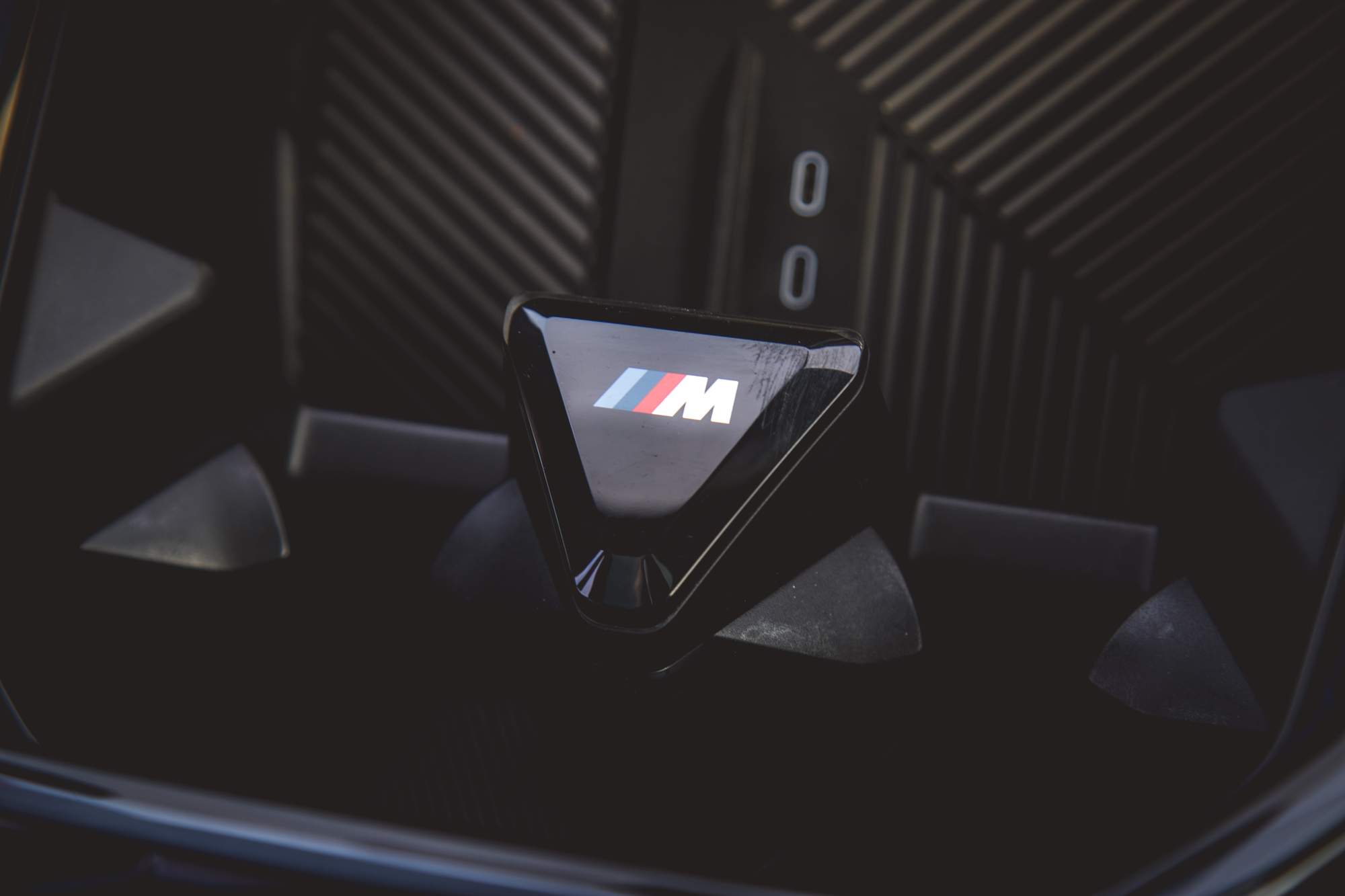
The exhaust soundtrack alone is worth the M50 premium. Third gear at 4,000 rpm is mechanical harmony at its finest, as it emits the same kind of raspy noises, but at a lower volume, as the highly-strung M4 Coupe. Take away some cabin insulation, and we probably couldn’t tell the difference. Maybe that’s the reason they put quad exhaust tips on this M50, a design normally reserved for full M cars. The soundtrack here is throatier than that of the M340i, and silkier than the six-cylinder vocals in the GLE 53 AMG. Odd that there is no dedicated exhaust button anymore. Instead, you have to locate the settings menu and engage the ‘Iconic Sounds’ tab for extra piped-in cabin noise.

The last X3 M50 we drove did not come equipped with the $1,000 adaptive suspension, and we complained about its stiff, busy ride, even over glassy surfaces, making it difficult to recommend as an everyday, comfortable companion. However, the model we’re reviewing does have it equipped, and while it’s not a night-and-day difference, the way the springs and dampers neutralize porous surfaces and absorb small suspension movements makes it a much more bearable SUV to drive long distances. Of note, our X3 wears smaller 20-inch wheels on winter rubber, compared to the previous test vehicle’s larger 21-inch summer tires, but the improvement in ride quality is noticeable and palpable enough for us to highly recommend the upgrade.
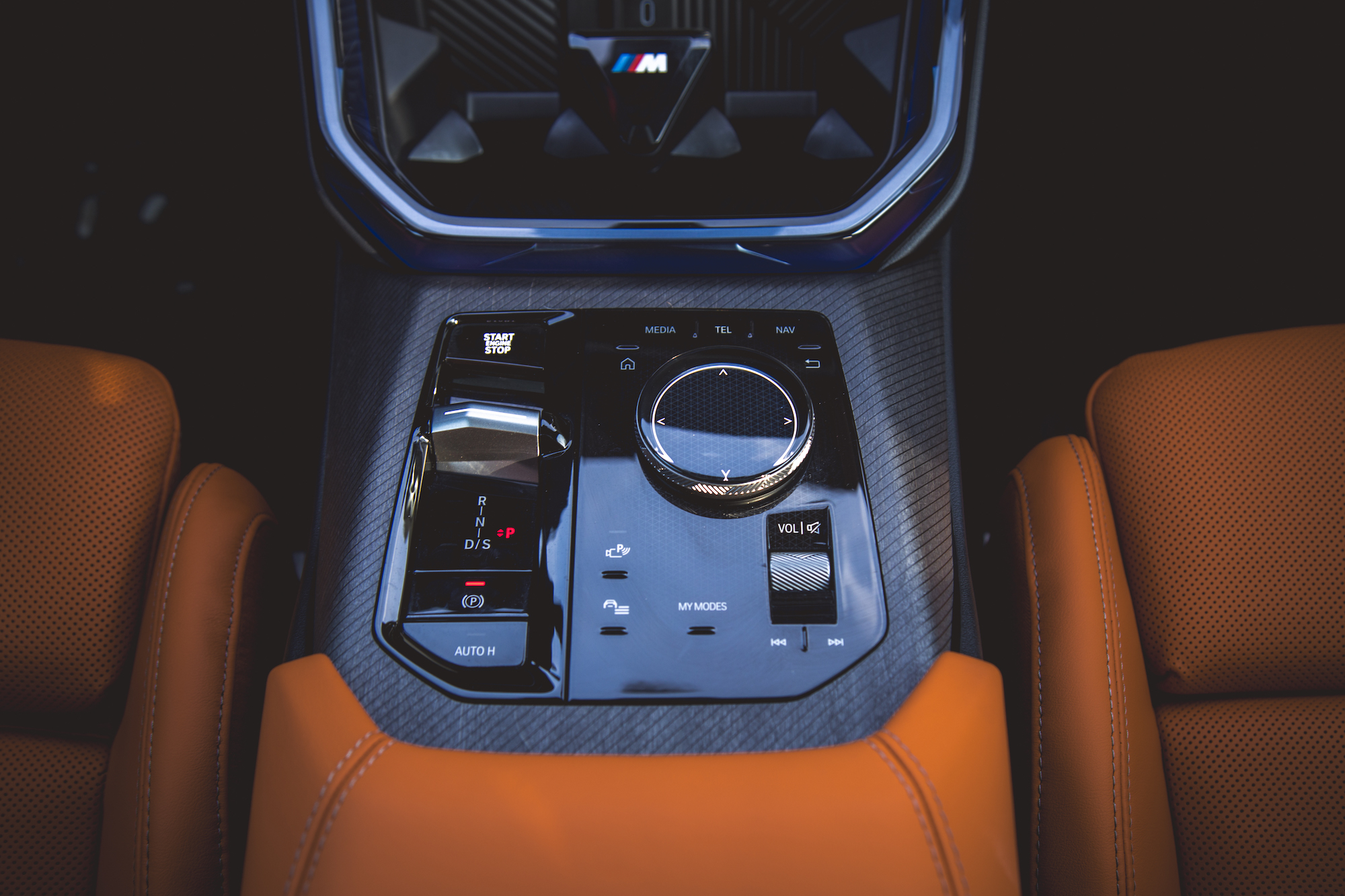
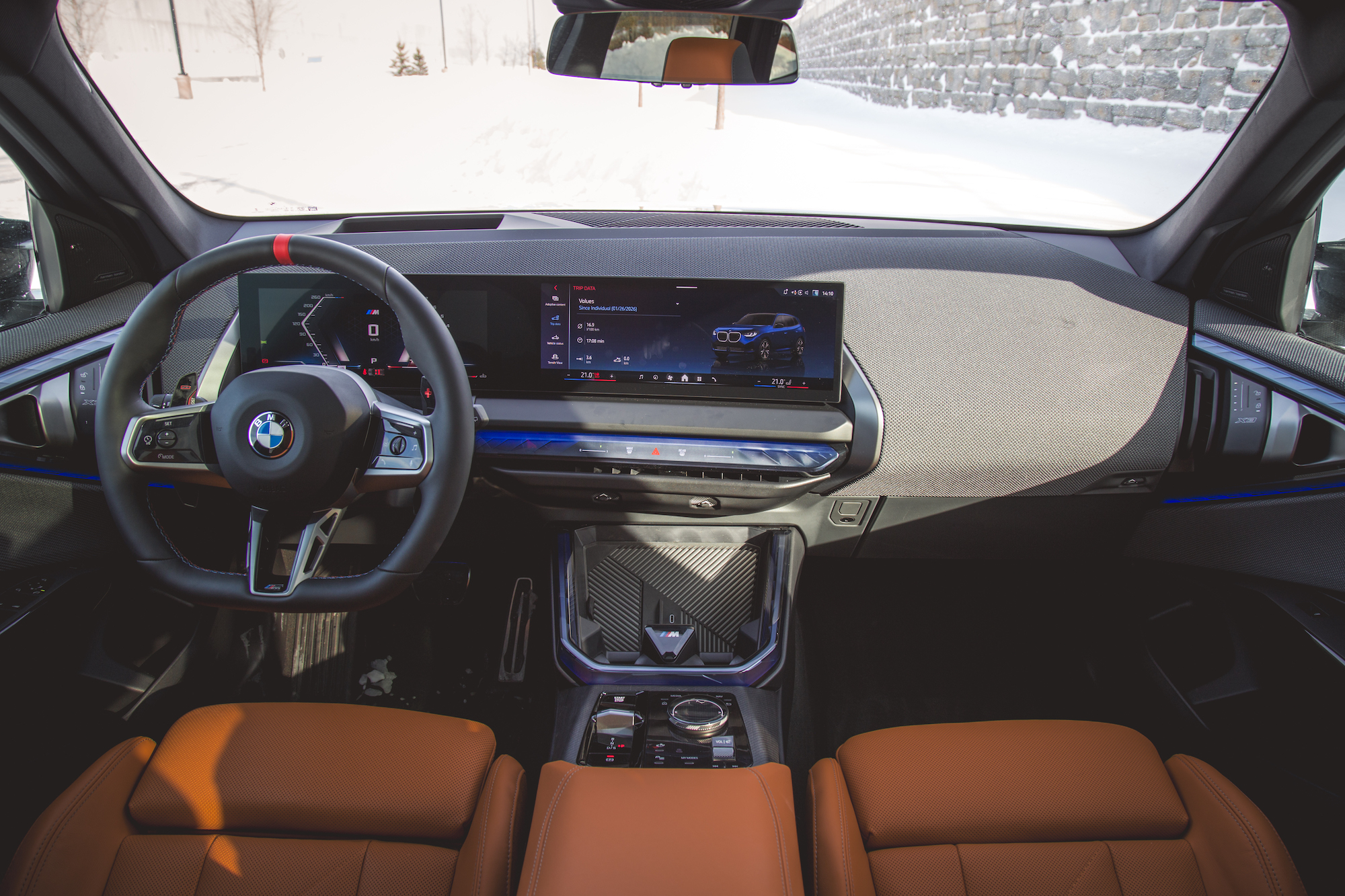
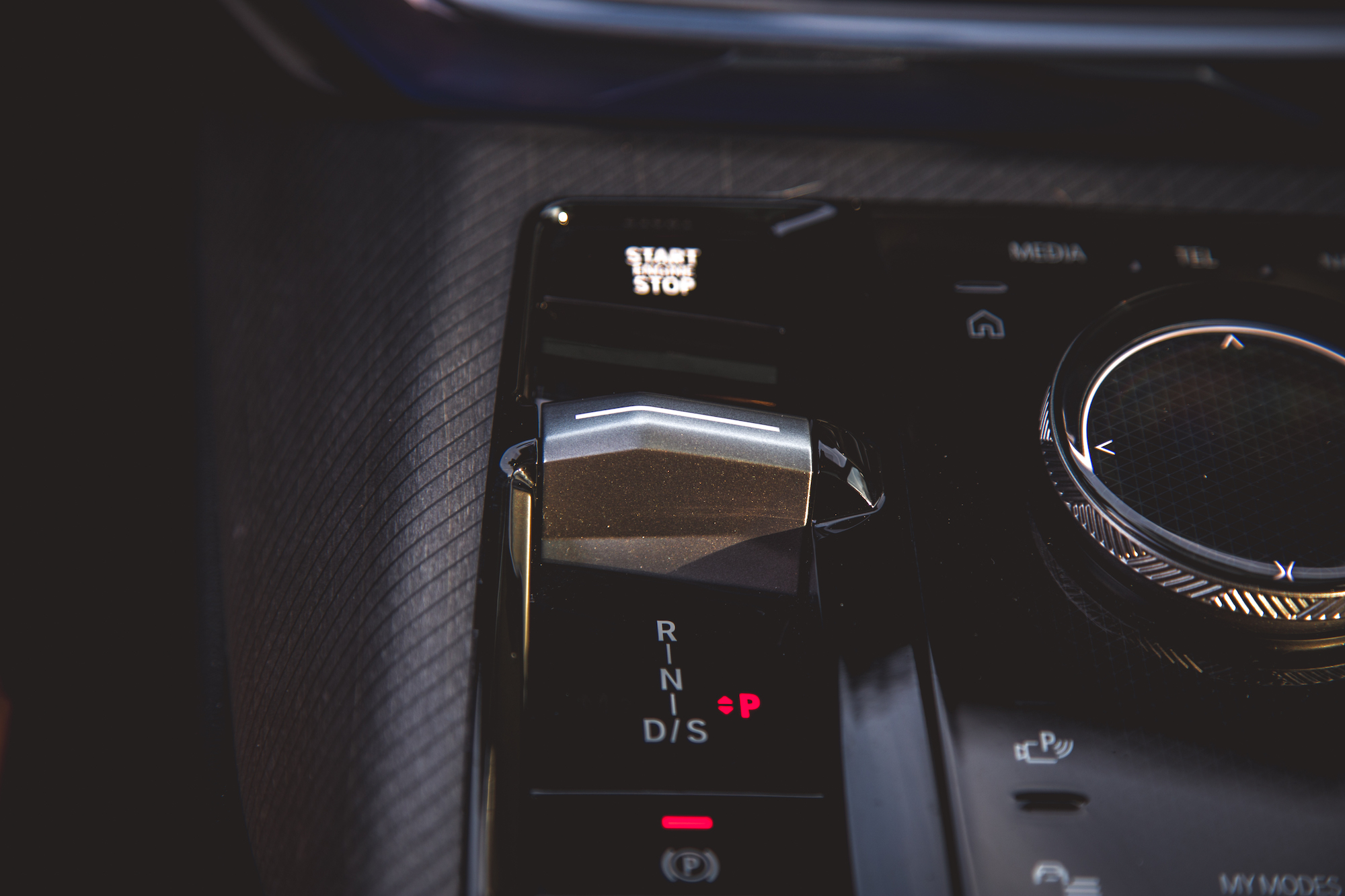
Perhaps we have been spoiled by the adjustable rotary dials on the Mercedes steering wheel, but the lack of dedicated buttons for the driving modes here is disappointing. To access Sport Mode, you need to click the ‘My Modes’ button on the center console, followed by a press on the touchscreen to select Sport, and then another click to confirm that ESC will be slackened off. That’s three inputs. BMW has addressed this issue by equipping the left paddle shifter with a secondary Boost Mode function. By holding down the paddle, Boost Mode will engage for ten seconds and ramp up every setting to its sportiest, useful for quick overtakes and risky maneuvers, but it doesn’t retain those performance changes. So if you spot a winding, serpentine road up ahead on the GPS that will take longer than ten seconds to traverse, then Boost Mode is rendered useless.
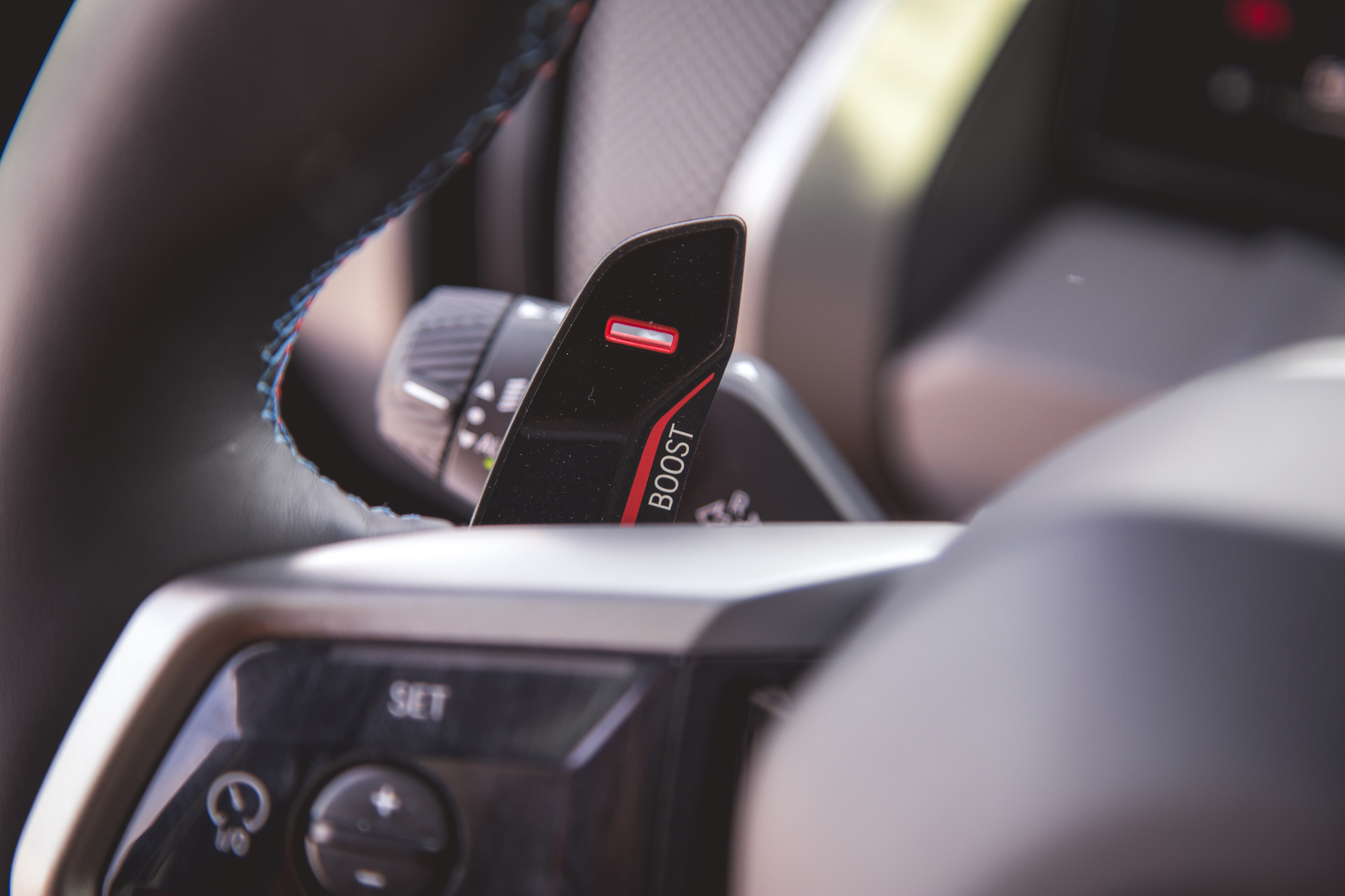
Speaking of the steering wheel, the top-mounted red stripe is a sporty addition, and those with smaller hands will now find its thinner circumference easier to grip than the bulky wheels of past X3s. The paddles may feel cheap and overly plastic compared to the metallic examples in Mercedes and even Land Rovers, but their short travel makes them feel more responsive and engaging to click.

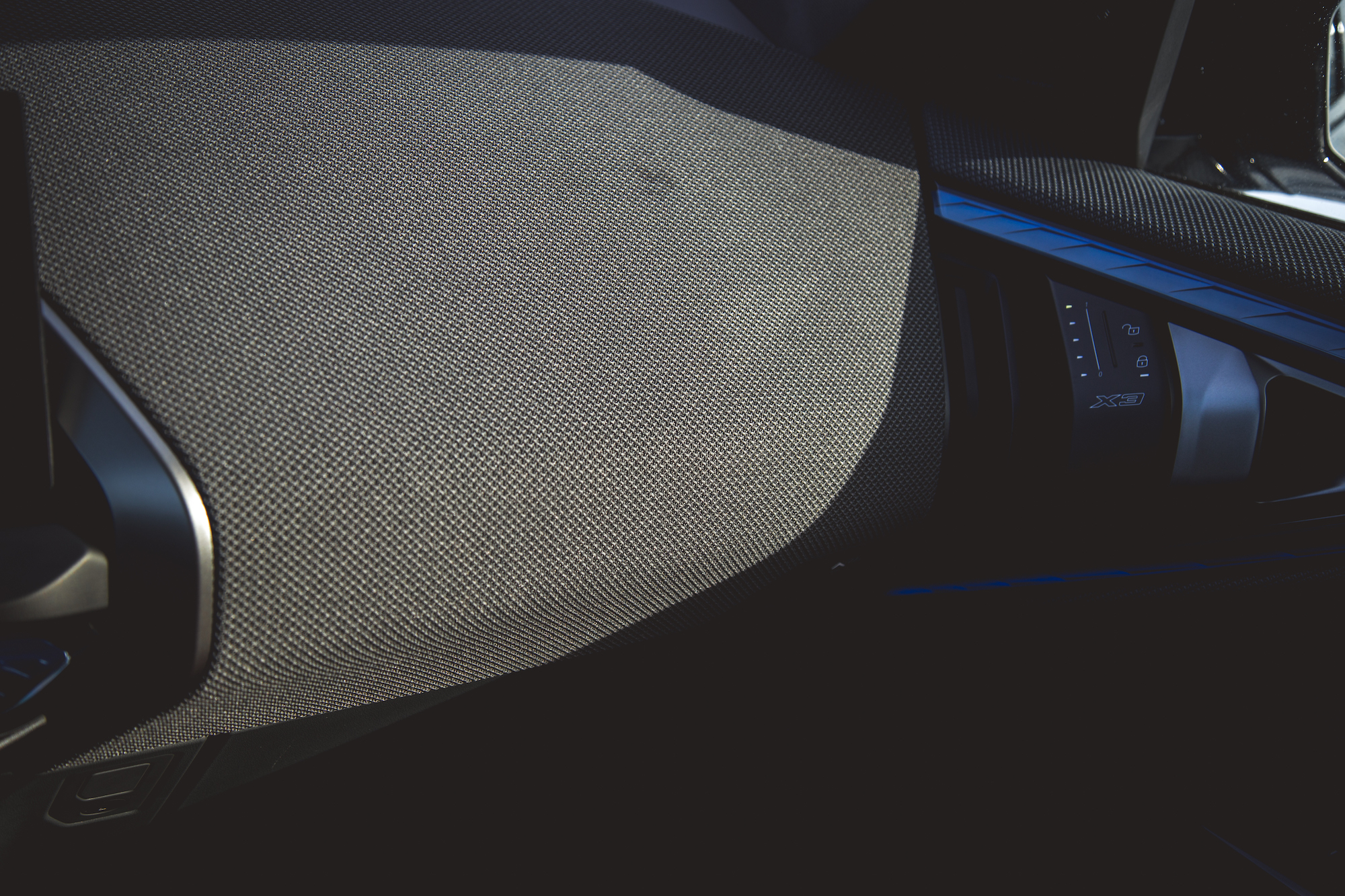
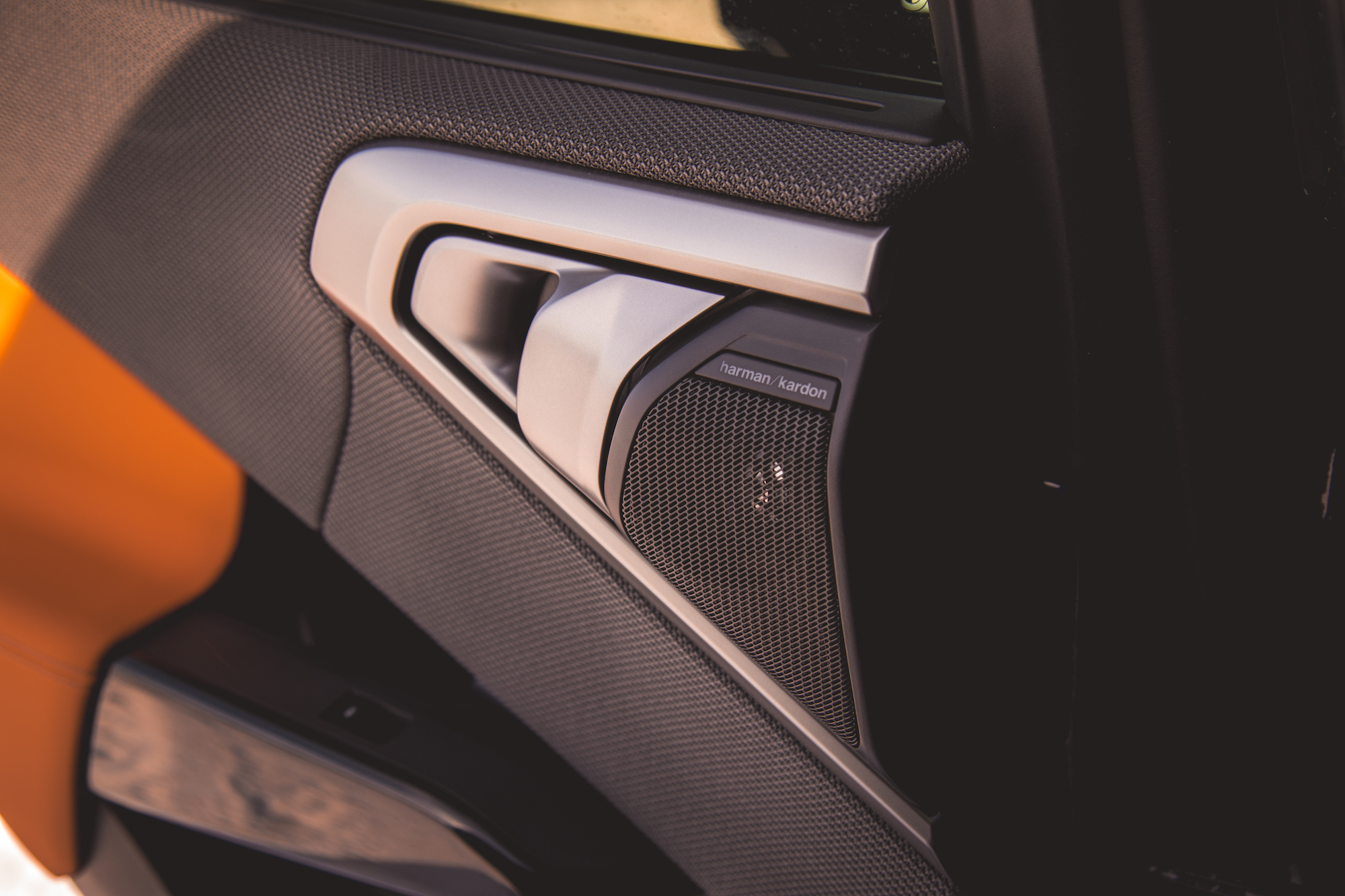
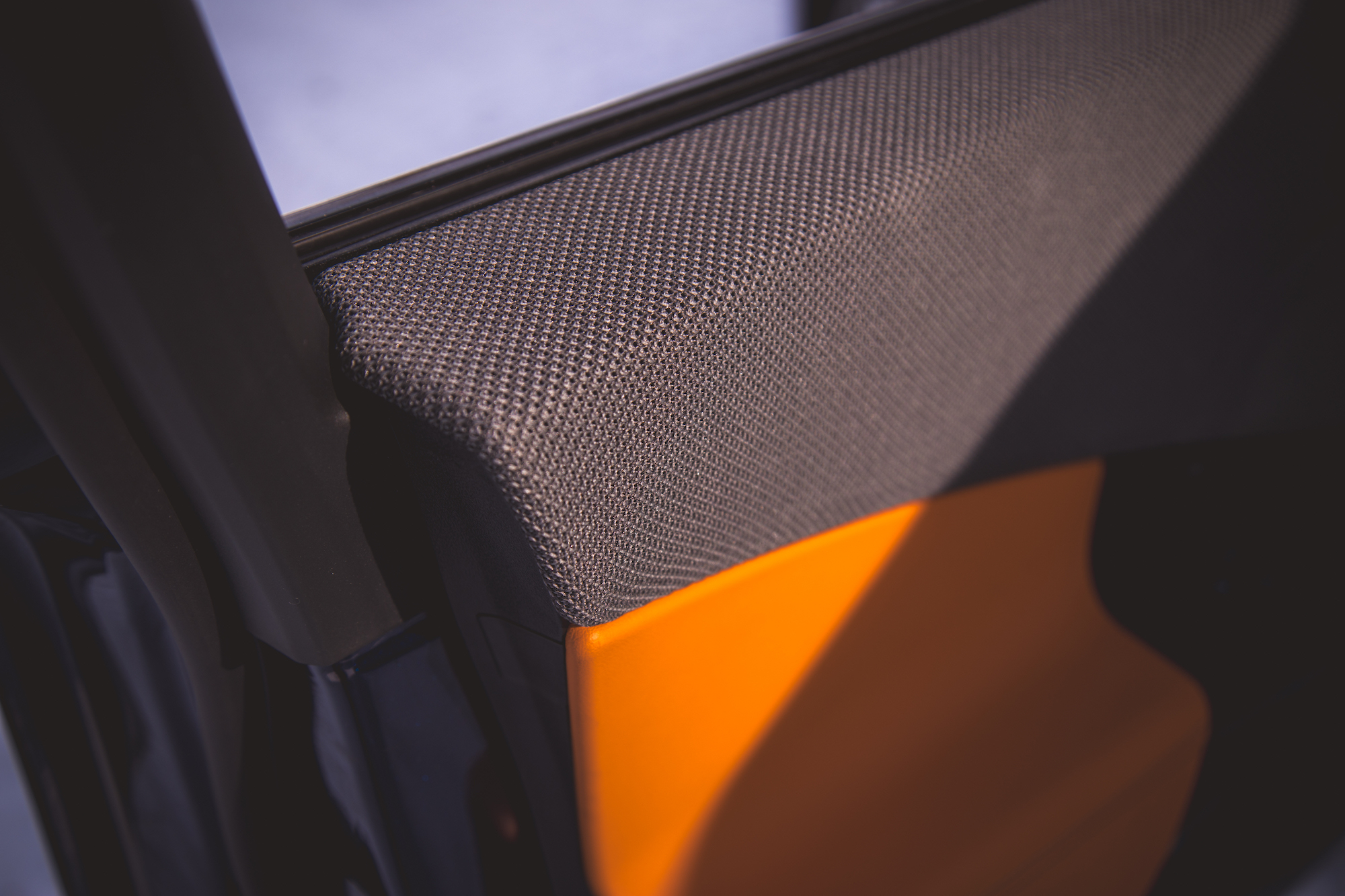
Overall, the interior is cleaner and more spacious than before, featuring fewer buttons and dials, with their functions now relegated to the large touchscreen. Ambient lighting accentuates the cabin’s key elements, such as the door handle, center vent controls, and the deep center cubby. The switchgear on the door panel has been improved with glossier black plastics, but we still question the thin, hollow, plastic, 3D-printed-like door handle and the clunky, bulbous seat controls it’s integrated with. We’re also not convinced by the functionality and ergonomics of the hidden fan vents, with a separate toggle on the panel underside that controls the fan direction and a haptic touch pad above that controls its strength.

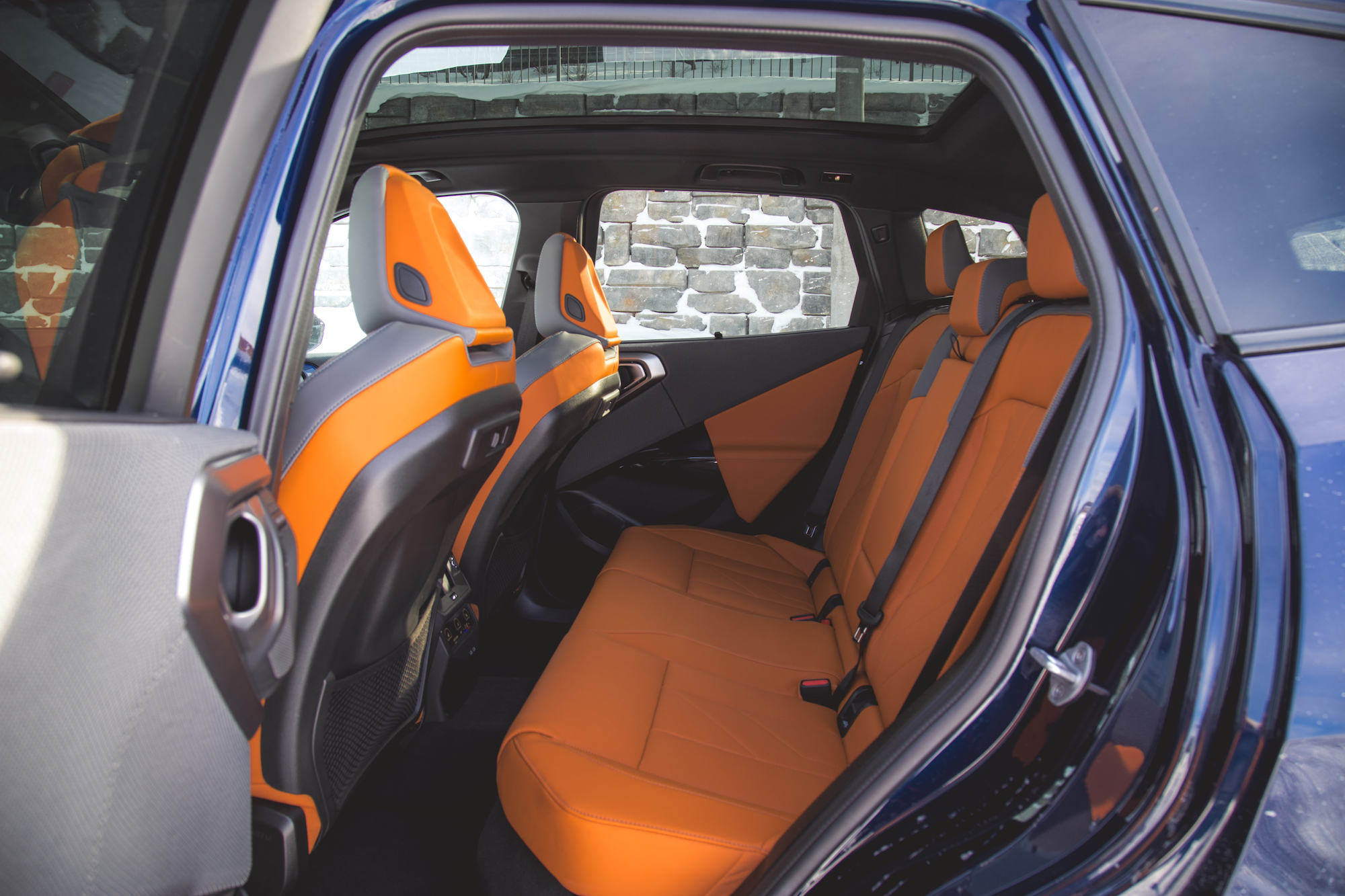
The X3’s bloated dimensions have paid dividends in cabin space, and I have no trouble slotting my six-foot self into any one of the five available seats. The large single-pane sunroof, unfortunately, does not open, but it floods our Amber and Atlas Grey Merino leather interior with much-needed light. The driving position up front is configured like a sports car, with nicely bucketed seats and a steering wheel that telescopes farther than any vehicle we’ve been in. This allows taller individuals with longer legs to sit further back and avoid contorting their legs to match the wheel position.

With the adaptive suspension equipped, the X3 M50 is finally the sporty yet comfortable SUV we’ve always wanted it to be, straddling that fine line between canyon carver and everyday driver. The inline-six engine delivers the thrills and noise that you’d expect from an M car, and is wholeheartedly worth the upgrade if the 13th letter of the alphabet means anything to you. Though some cabin material and functions remain questionable, it’s easy to overlook these minor foibles with such a melodic soundtrack drowning out your eardrums.
Specifications:
Model: 2026 BMW X3 M50 xDrive (G45)
Paint Type: Tanzanite Blue
Base Price: $77,900
Price as Tested: $96,900
Wheelbase(mm): 2,865
Length/Width/Height (mm): 4,755 / 1,920 / 1,660
Curb Weight: 2,057 kg
Powertrain: 3.0-litre turbocharged inline-six, 48V mild hybrid system
Horsepower: 393 hp @ 5,200 – 6,250 rpm
Torque: 428 lb-ft @ 1,900 – 4,800 rpm
Transmission: 8-speed automatic
Engine & Drive Configuration: Front engine, AWD
Observed Fuel Economy (L/100km): 12.1
Tires: Goodyear Ultra Grip; 285/40R20 rear: 255/45R20 front









Leave a Reply