
The Range Rover SV, formerly known as the SVAutobiography, represents the pinnacle of British engineering. Although the upgrades and revisions compared to the standard model may seem subtle at first glance, there are actually 1.6 million different ways to customize your SV, including short-wheelbase and long-wheelbase variants.

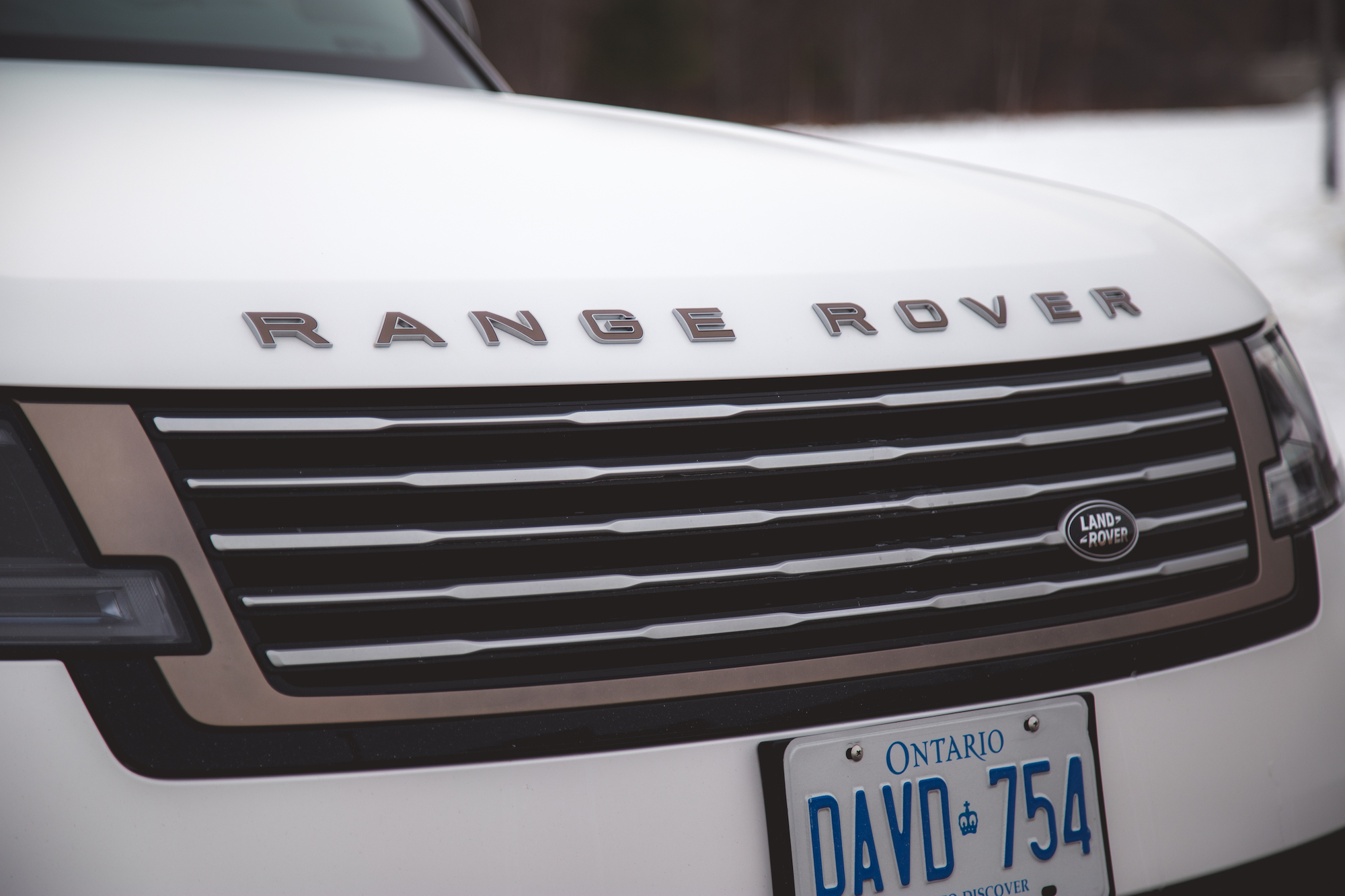
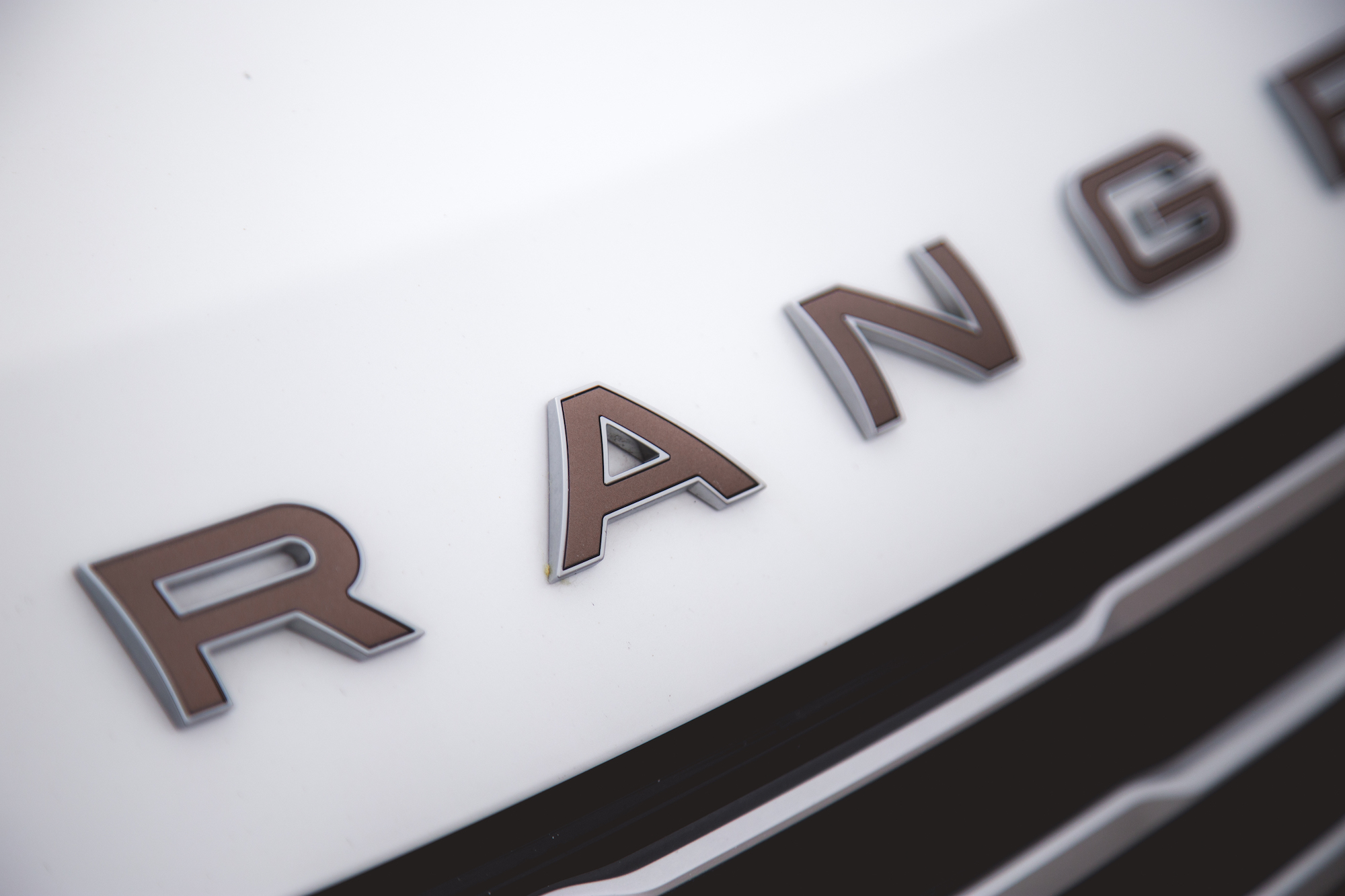
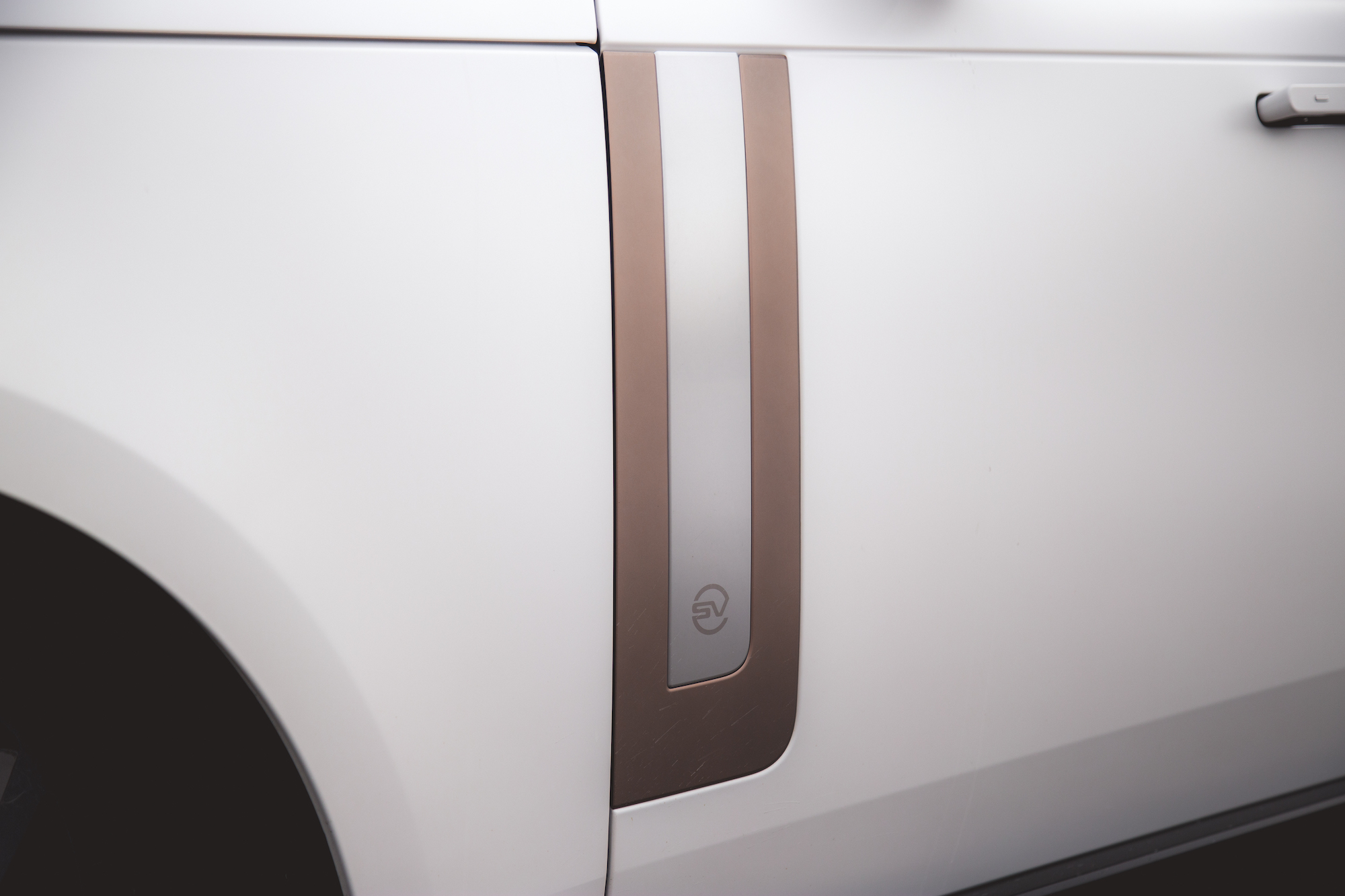
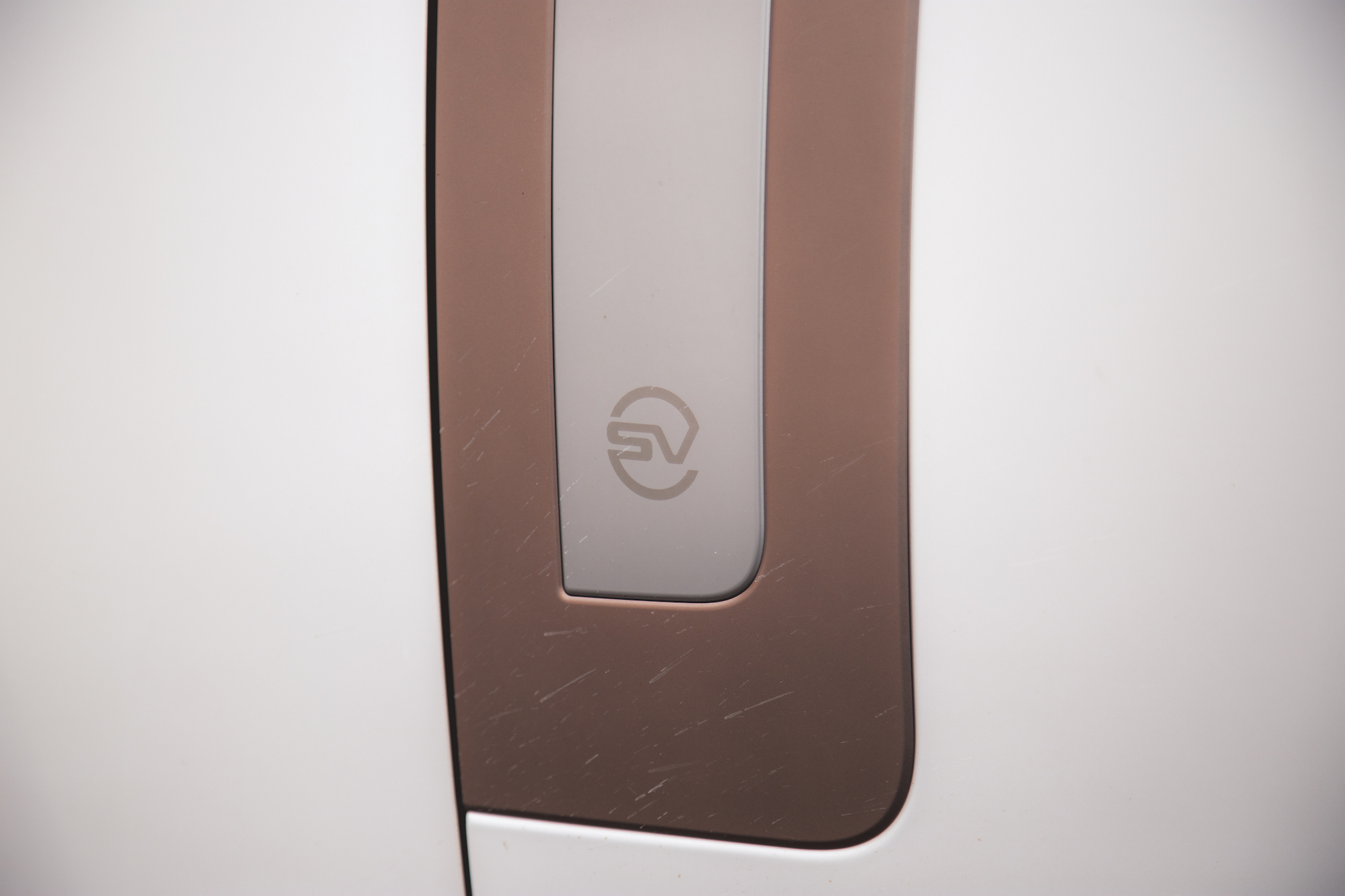
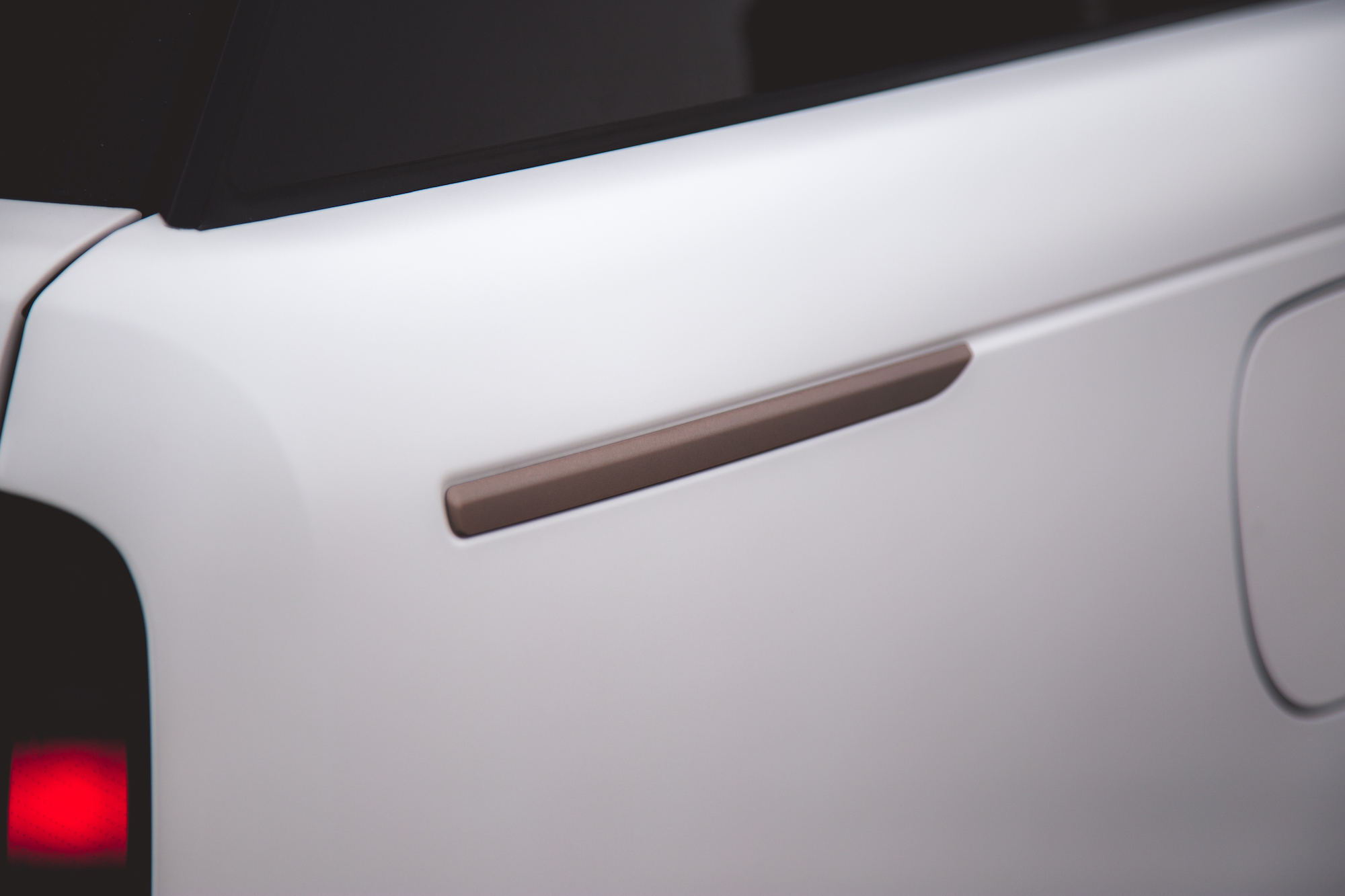
The front fascia is cleaner than the SE and Autobiography trims, featuring more horizontal slats in the grill and lower bumper, as well as laser-etched SV badges that seamlessly blend into the side fender blades. Although the rear remains unchanged, this fifth-generation Range Rover stands large and proud like Ser Duncan the Tall, especially in this Icy White satin paint, and stays true to the brand’s rugged but stately DNA.
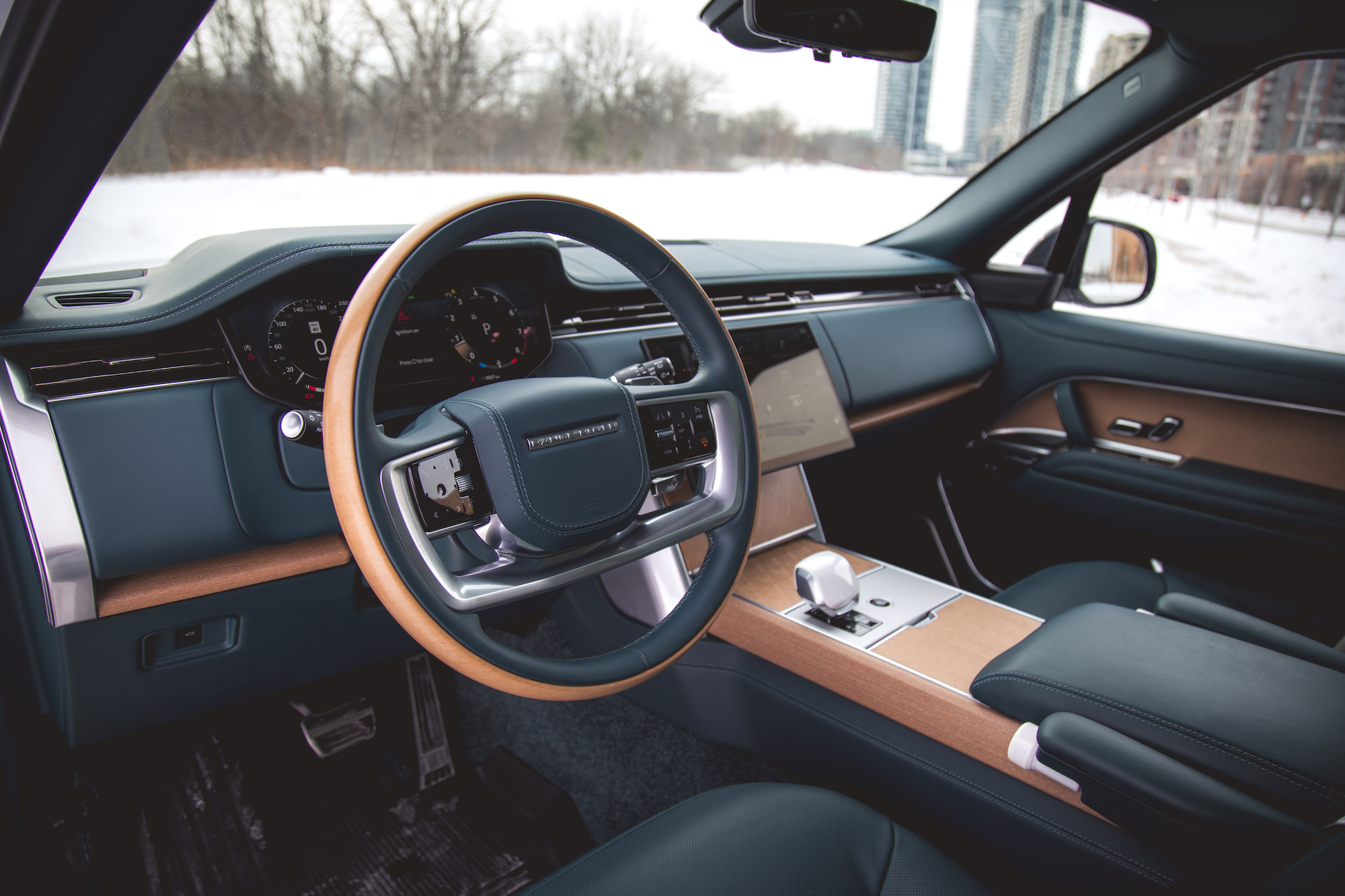
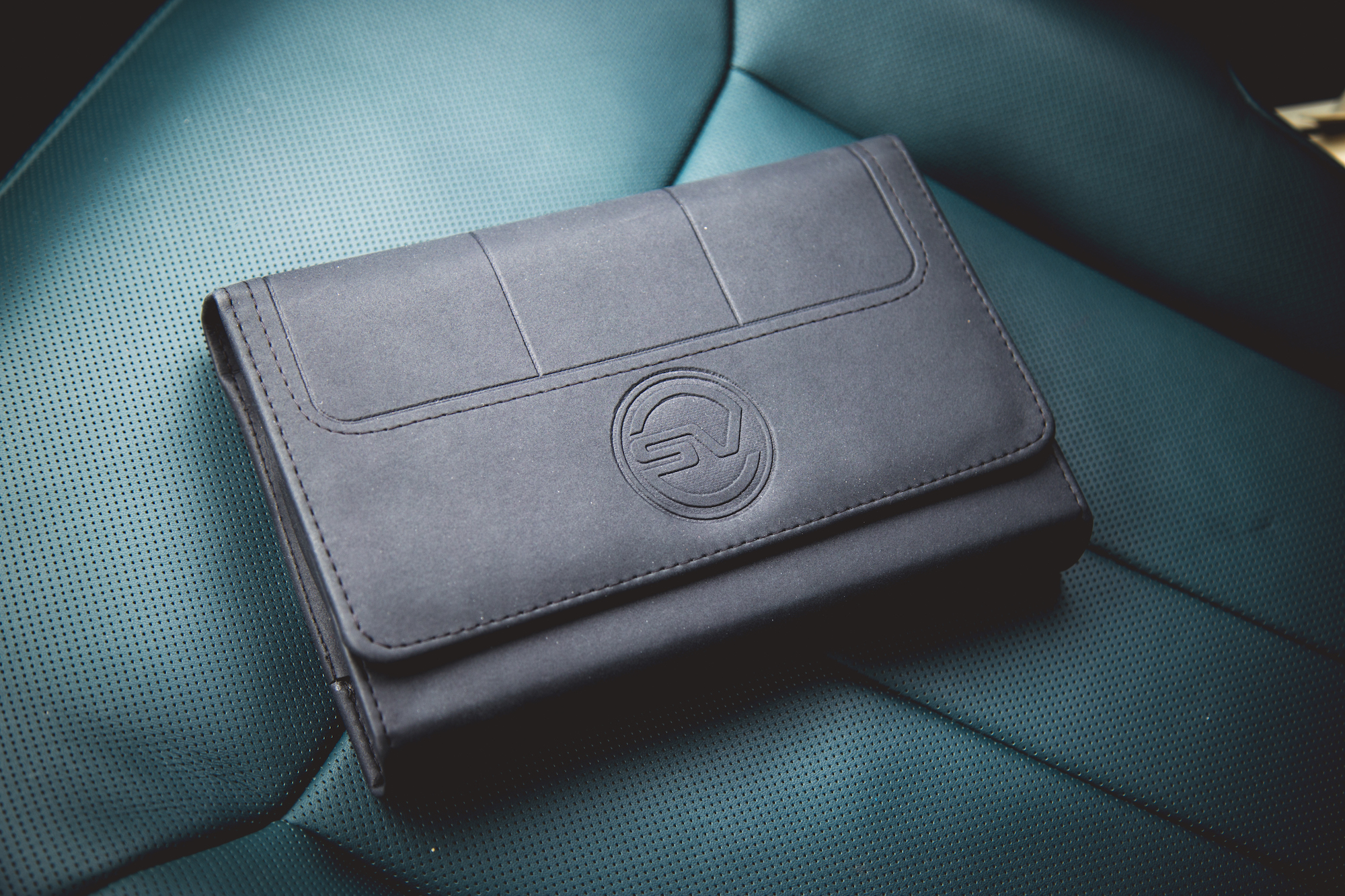
While you may be scratching your head, wondering why the SV costs nearly twice as much as the base SE model, one look at the interior will convince you of its heart-stopping $239,100 entrance fee. Land Rover didn’t skimp on any details, and no expense was spared. Rolls-Royce, Bentley, and Aston Martin were the targets here and are firmly in the crosshairs. The key fob, for instance. In a car costing this much, you want every touchpoint to feel special and exclusive. Owners wouldn’t want to find the same kind of switchgear on their next Hertz rental. Like Audis with their RS models, there’s a large white SV logo on the back of the key to show friends that this isn’t just a normal Range. And if that SV badge looks familiar, it finally hit us a week later when we pulled up right behind a Nissan Rogue. SV.
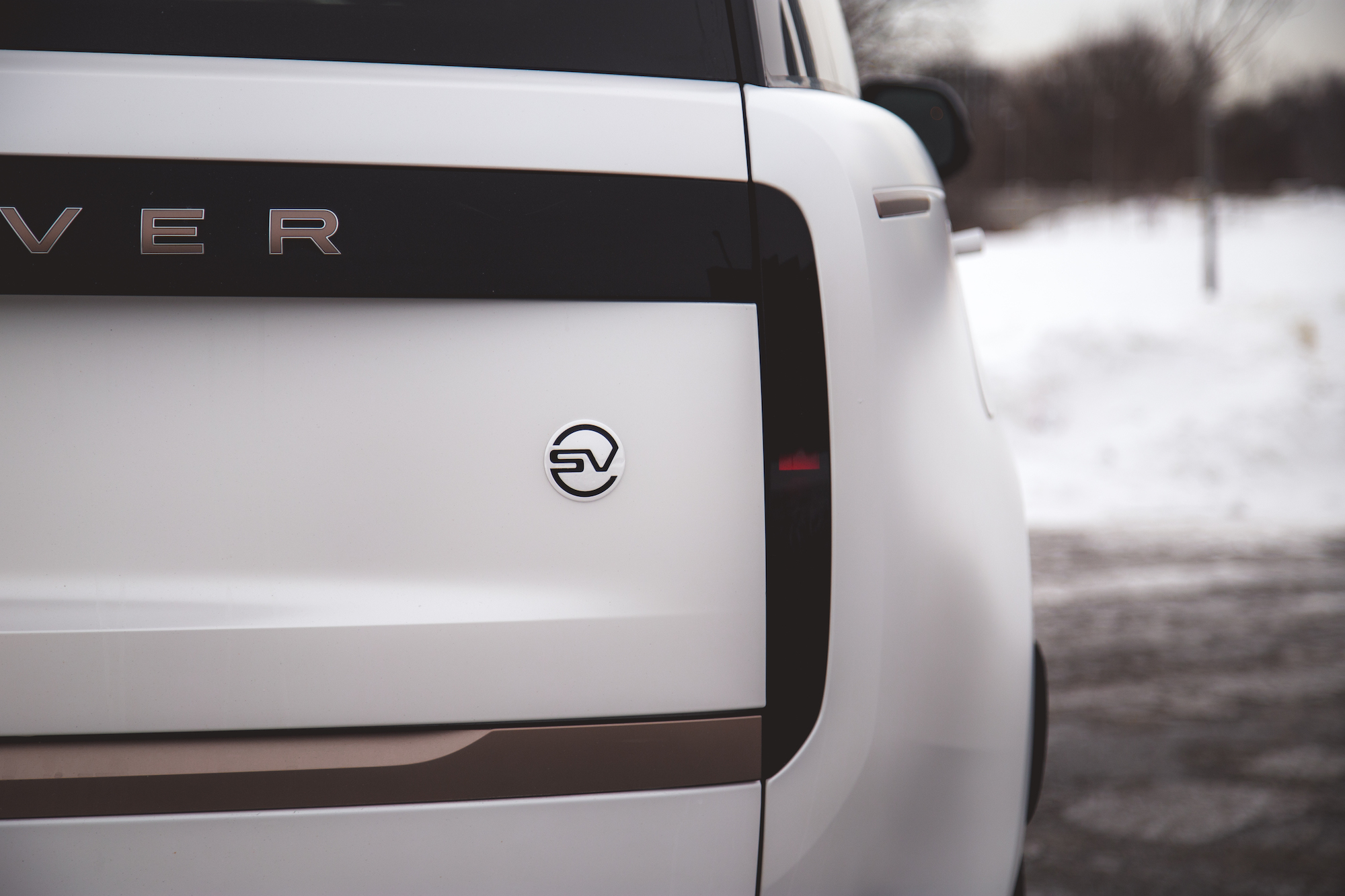

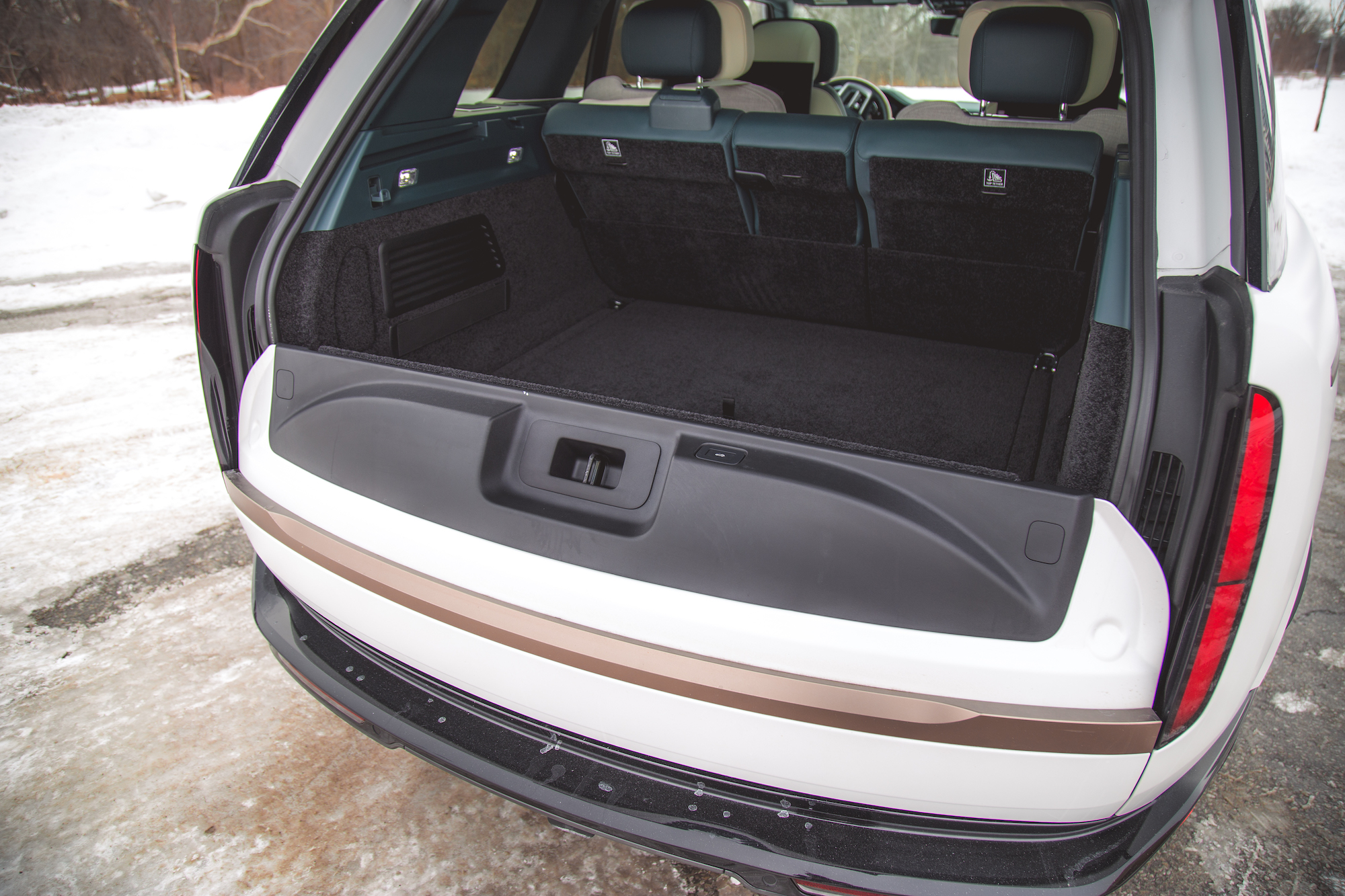
But they have shown restraint in some areas. Land Rover didn’t bother plastering SV badges on every exposed surface, unlike a BMW M car. You won’t find any inside the cabin aside from the door sill plate and start-up graphics. The only other SV badges are on the side fender, puddle lights, VIN plate on the front windshield, and the ceramic white SV badge on the trunk lid, the latter of which blends into the white paint. It’s an if-you-know-you-know kind of deal.

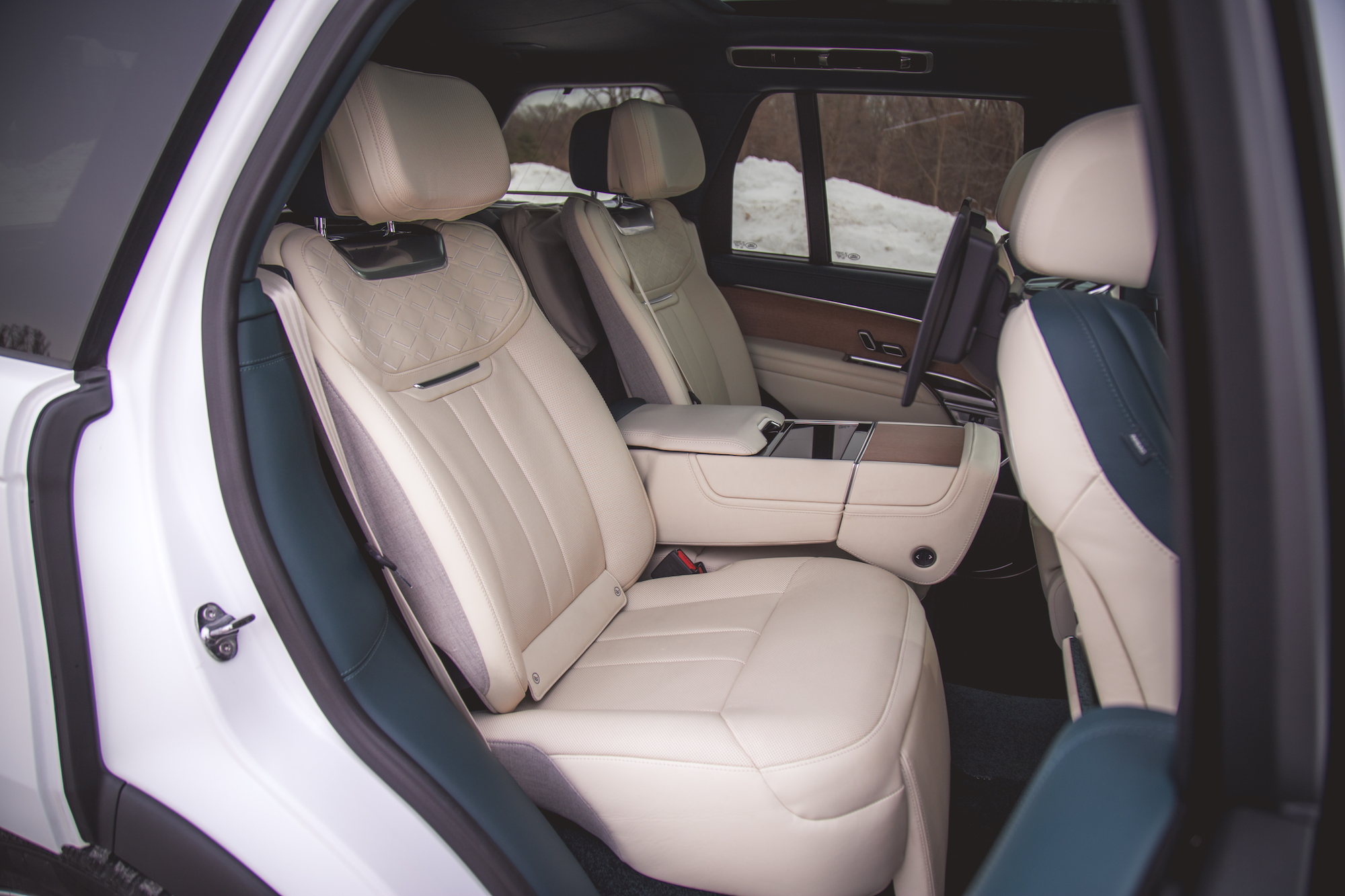
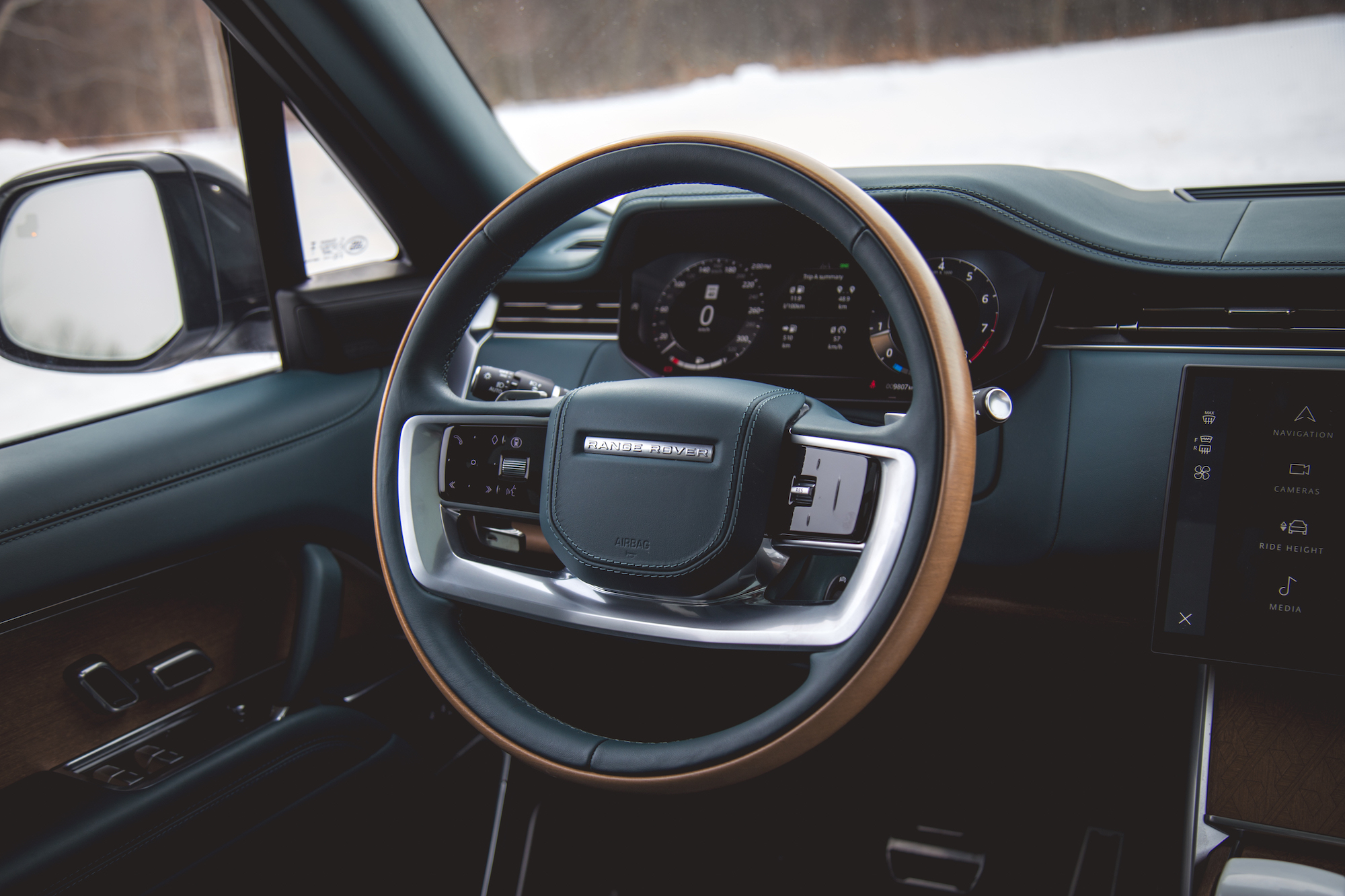
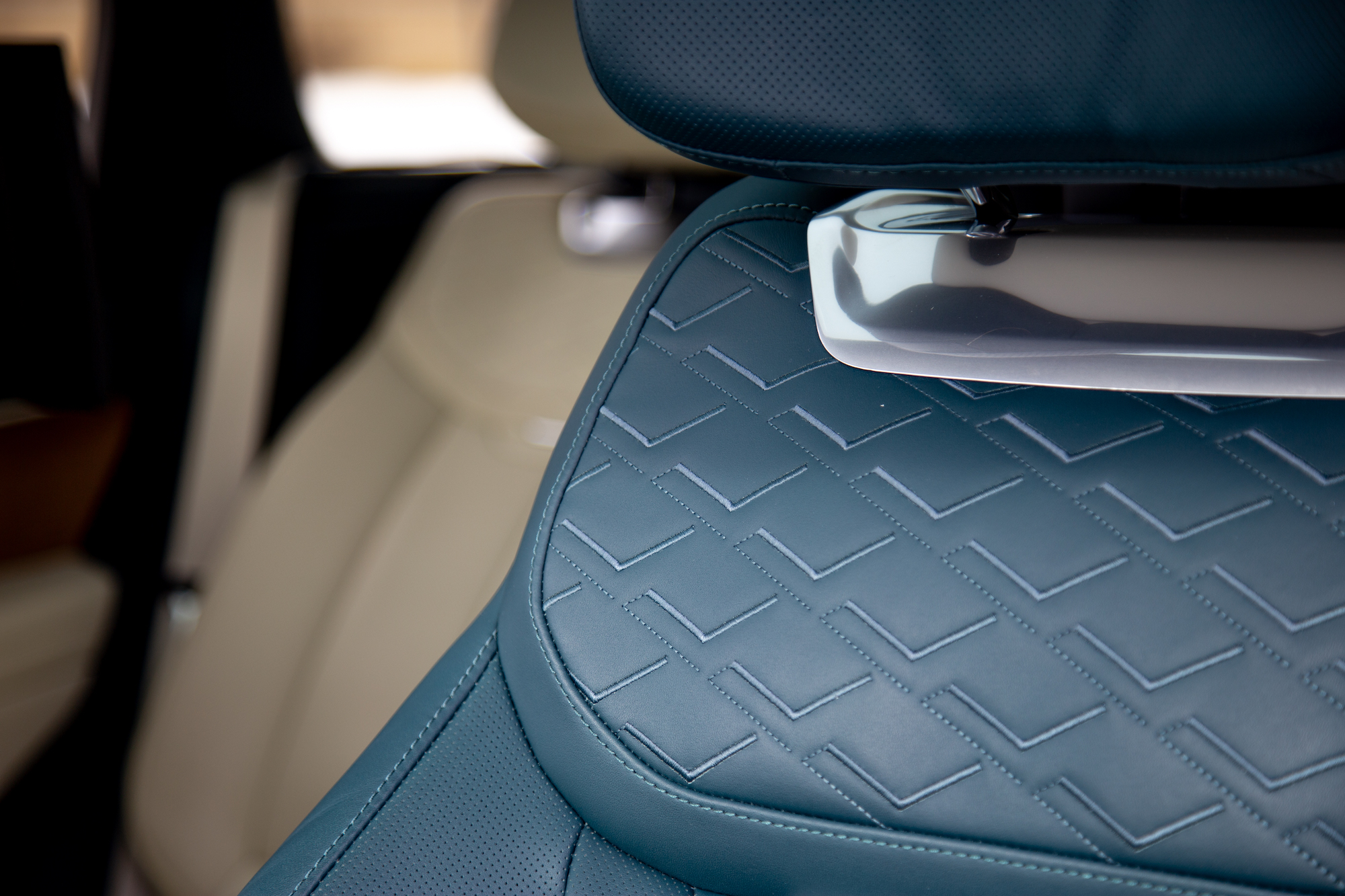
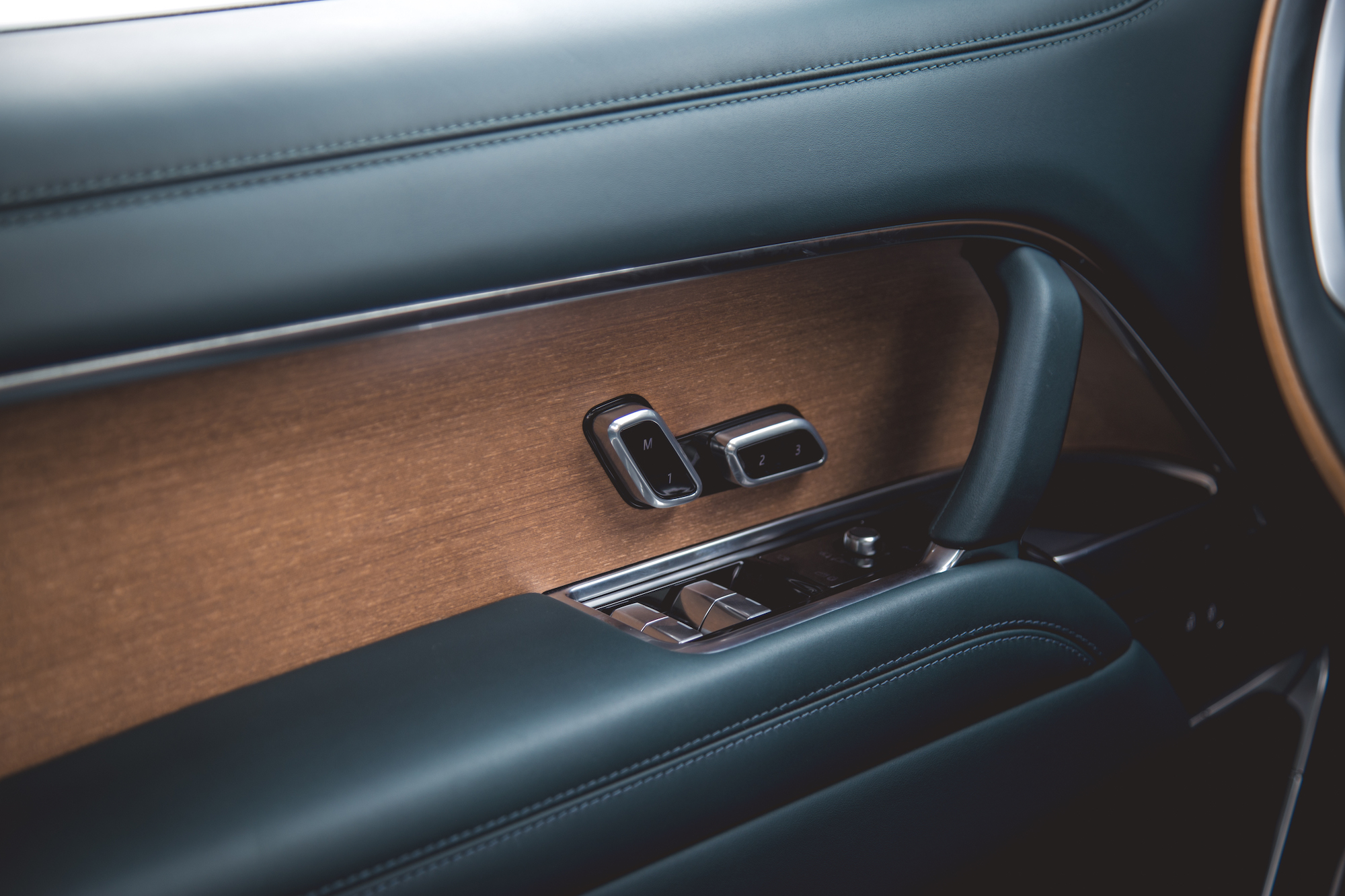
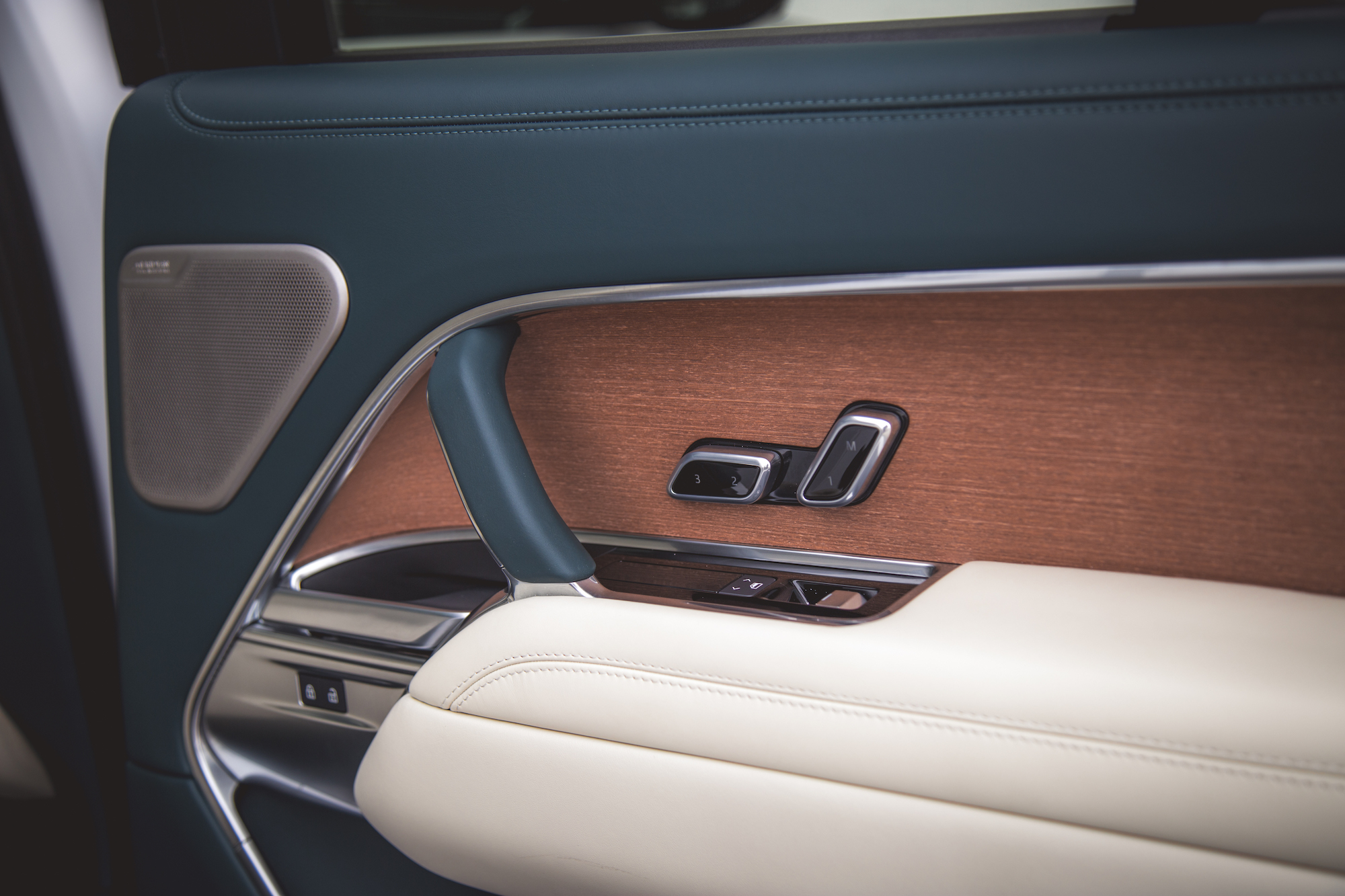
Instead, the SV highlights its quality through the leather that covers almost every surface in the cabin, including the entire headliner. You’ve heard of semi-aniline leather before – one of the industry’s top choices for its soft and buttery textures – but the SV uses near-aniline leather instead, which is even softer, creamier, and more expensive but slightly less durable. The craftsmanship is impeccable; you can see all the delicate micropores. It smells like you have just entered a high-end Italian shoe store, and it wouldn’t look out of place on a Hermès Birkin. We’re afraid to look up how many cows went into the making of this SV, but the curb weight of over 2,600 kg gives us a clue. Not to mention, the flawless finish of the wood veneer panels. How many trees? Best not to ask.

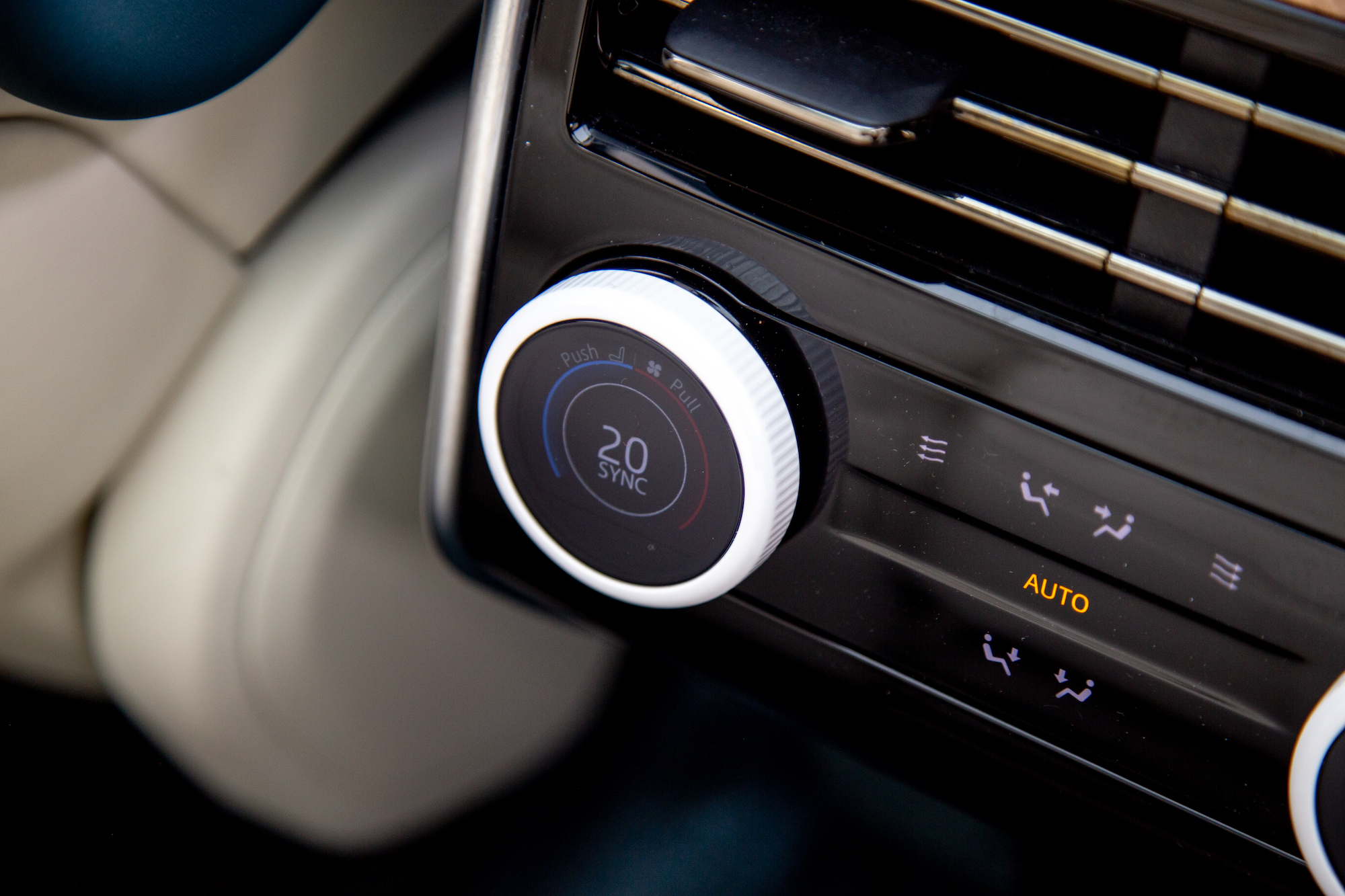
The front and rear seats are also different coloured leathers, Sequoia Green paired with Perlino, and we are smitten by how well it has been pulled off. While these bold colours may not be to everyone’s tastes, the SV also features exclusive white ceramic finishes on the armrest knobs, dial surrounds, and gear shifter. While it doesn’t feel particularly special when prodded, it’s nice to have something less extravagant than carbon fibre or Alcantara. Other choices include natural wood inlaid with metal, woven mesh, or anodized metal, or our test vehicle’s Natural Light Linear Wenge Veneer with Mosaic Marquetry – a fancy way of saying fancy wood.


For 2025 models, the SV comes with the uprated P615 powertrain, which utilizes a 4.4-litre twin-turbocharged V8 engine and an 8-speed automatic gearbox sourced from BMW. Here, it’s tuned to produce 607 hp, 84 hp more than before, and 553 lb-ft of torque. That allows the SV to sprint from 0-100 km/h in 4.5 seconds.
Power comes on smoothly and consistently, exactly what you want in this substantially sized land yacht. While it may have BMW DNA, Range Rover has replaced that torquey explosiveness with linearity and polish, but we never felt the 84 hp difference. Still, you can ride the throttle and let the gearbox sort itself out with invisible shifts behind the scenes, and make outrageous progress without ever breaching 5,000 rpm. The way it wafts to the limiter reminds us of a Rolls-Royce twin-turbo V12, and the exhaust is neither overly shouty nor in your face. Its acoustics are restrained and mature, and you could even call it grown-up or professional, especially since we know what this V8 engine is capable of in the BMW M5.
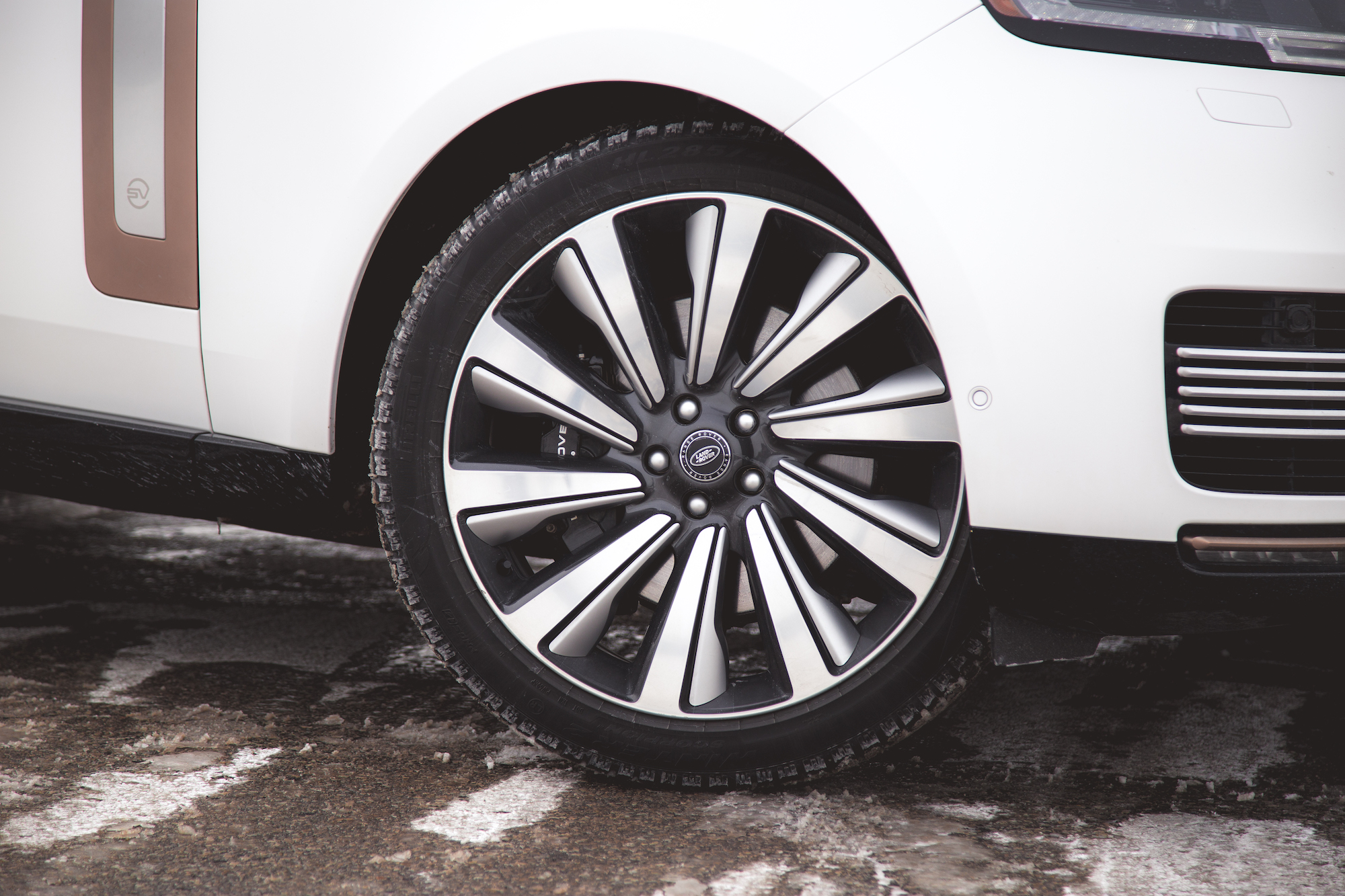
The ride quality is exceptional. Minor bumps barely affect the ride, allowing it to float and glide smoothly along your chosen path. Even with 23-inch wheels, the SV easily navigates rough terrain, thanks to ample suspension travel. Remarkably, it isn’t far off from a Rolls-Royce Cullinan in this regard. Body roll is minimal, and the handling remains as stable and balanced as the Swiss economy.

Maneuverability at both low and high speeds is incredible, reducing the intimidation factor of the LWB’s large footprint. The steering is wonderfully light and precise, while directional changes and minor adjustments are met with zero resistance. The rear-wheel steering feature pays for itself, allowing the SV to navigate through tight spaces like an Evoque, and Range Rover has tuned the steering to feel more organic and natural than even the BMW XM. Mix in the army of cameras and displays, and you will never have to touch up any of that expensive matte paint.

The Range Rover SV is priced for the upper echelons of the elite, and for good reason. In ride quality and craftsmanship alone, it puts theMercedes-Maybach GLS 600 and BMW XM to shame, and those looking for Bentleys and Rolls-Royces shouldn’t hesitate to cross-shop with one. It’s more comfortable and usable than a G 63 AMG, and it’s not as flashy or in-your-face either, prioritizing the comfort of its occupants rather than showing them off like a German peacock. The SV oozes first-class luxury through each of its molecular fibres, and it hasn’t missed an iota of detail. It’s the best that Range Rover has to offer and is uncoincidentally the best one we have ever driven.
Specifications:
Model: 2025 Range Rover P615 SV SWB
Paint Type: Icy White in Satin Finish
Base Price: $239,100
Price as Tested: $278,410
Wheelbase(mm): 2,997
Length/Width/Height (mm): 5,058 / 2,047 / 1,870
Engine: 4.4-litre twin-turbocharged V8 (P615)
Horsepower: 607 hp @ 5,500 – 6,000 rpm
Torque: 553 lb-ft @ 1,800 – 4,600 rpm
Transmission: 8-speed automatic
Engine & Drive Configuration: Front engine, AWD
Observed Fuel Consumption (L/100km): 15.2
Tires: 285/40R23; Pirelli Scorpion Winter 2













Leave a Reply