

Following in the footsteps of the recently redesigned C-Class, the popular GLC 300 receives an extensive makeover for 2023 with a new look, interior upgrades, and a refreshed powertrain. It’s one of the few luxury mid-size SUVs in this category to receive a significant overhaul this year, leading the segment forward with the now-aged BMW X3, Genesis GV70, Porsche Macan, and Volvo XC60 lagging behind.

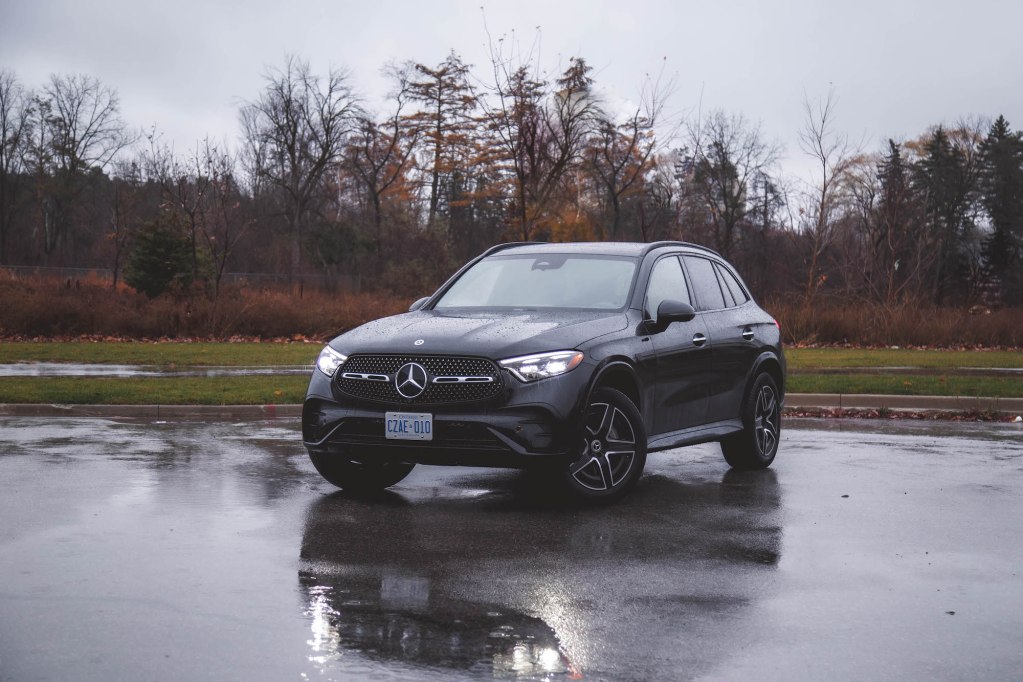
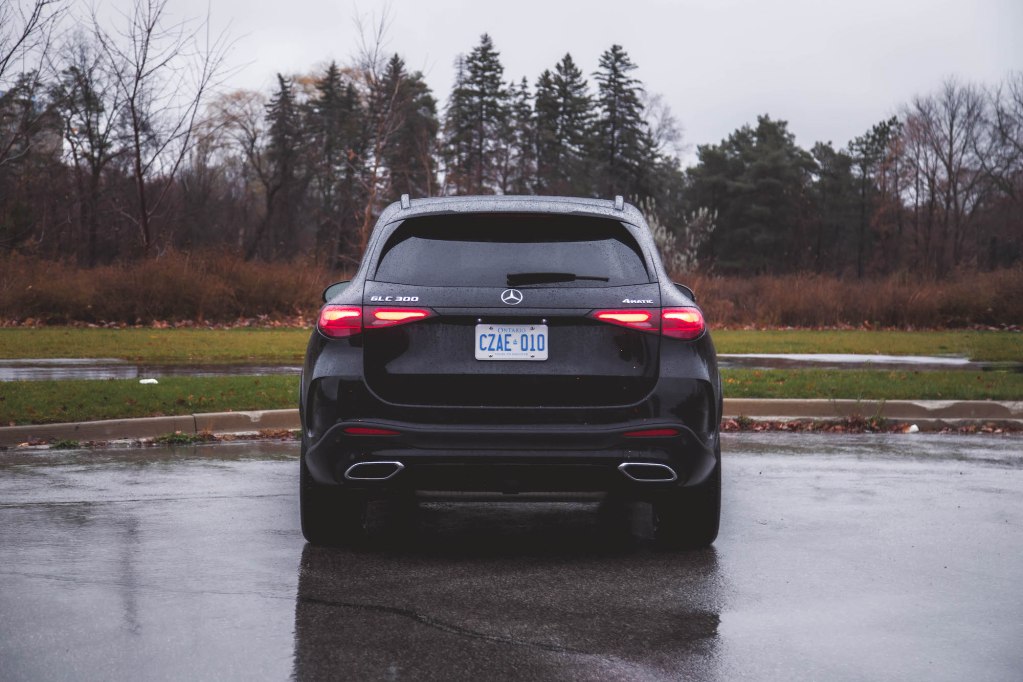
The looks are a clear evolution of its predecessor but an untrained eye will need help to spot the differences. The new GLC retains the same basic shape but is mildly bloated in all directions, and its lines are fully manicured out for a sleek and attractive silhouette. Along with the slimmed-out headlights and the tapered rear end, we’d call it the best-looking GLC ever, especially when spec’d in our test vehicle’s Obsidian Black with chrome elements giving it more contrast. The more youthful GLC coupe variant is still available, along with a future plug-in hybrid model and accompanying -43 and -63 Series AMG models.

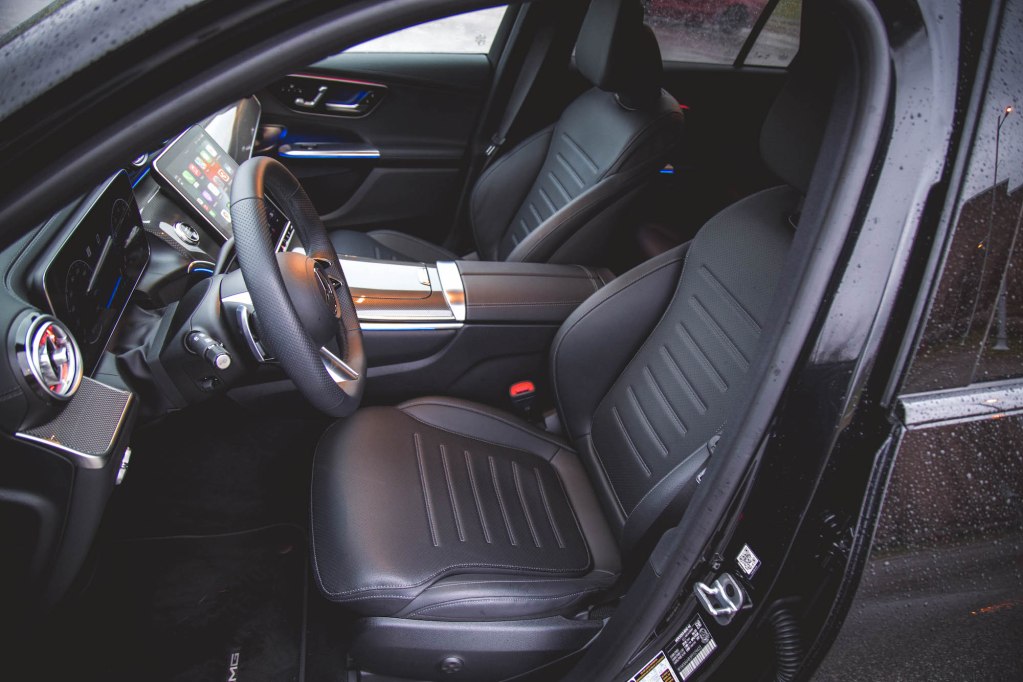
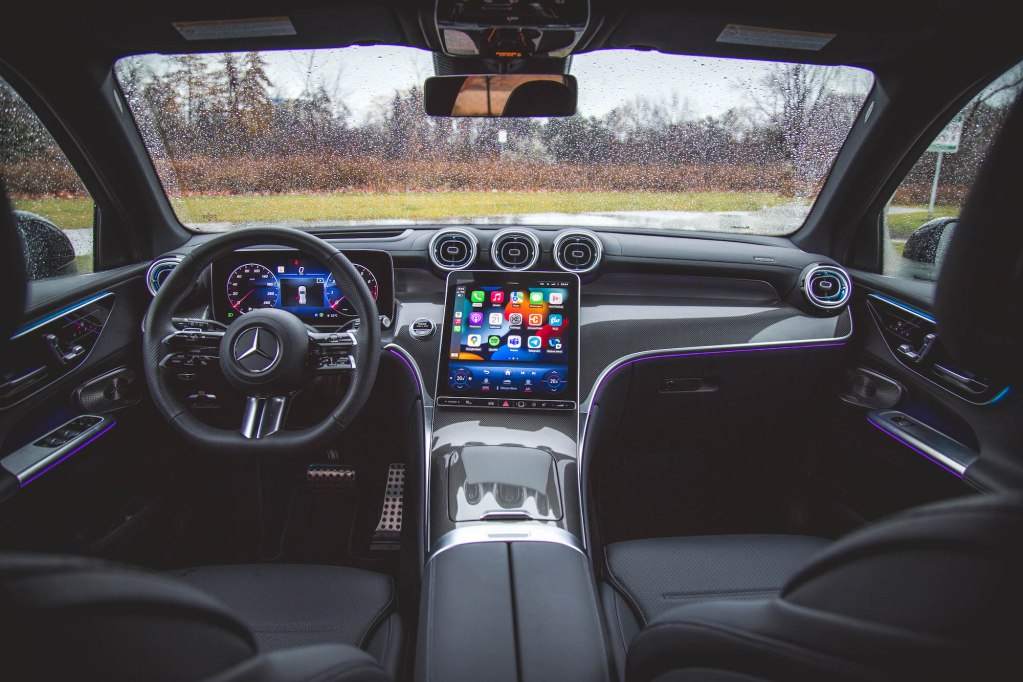
The interior represents a significant upgrade in both refinement and visual appeal. Immediately, you are greeted by an intricately designed steering wheel, but you won’t find any actual buttons or dials on it, just haptic touch sensors. As sleek and seamless as they are, they lack any grooves or tactile borders so you can’t really tell where that specific button ends. We had a frustrating time searching for the optimal way to push the buttons while driving but to no avail. The most infuriating of them is the seat control panel on the door. There are no grooves between each of the three memory seat buttons, and the panel is mounted vertically and angled away from the driver, so you can’t really tell where you’re pressing. It’s a guessing game 90% of the time, and this glaring issue is not exclusive to the GLC. It runs rampant in their entire lineup.
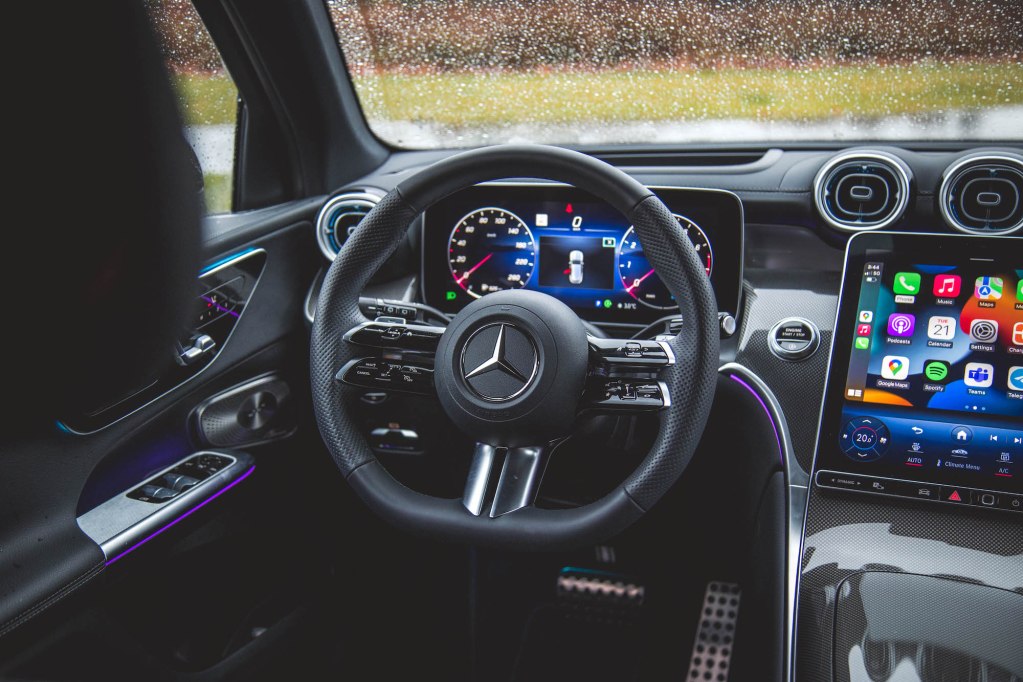
Still, it’s an ergonomic flaw that hardly detracts from an otherwise inviting cabin, boasting a bold display of digital real estate. We actually prefer this vertically oriented 12-inch center touchscreen to the massive Hyperscreen in the EQS. It’s just more compact and you don’t have to extend your arm as much to reach the corners of the screen. It’s also the most responsive and glitch-free touchscreen unit we’ve experienced in a Mercedes.
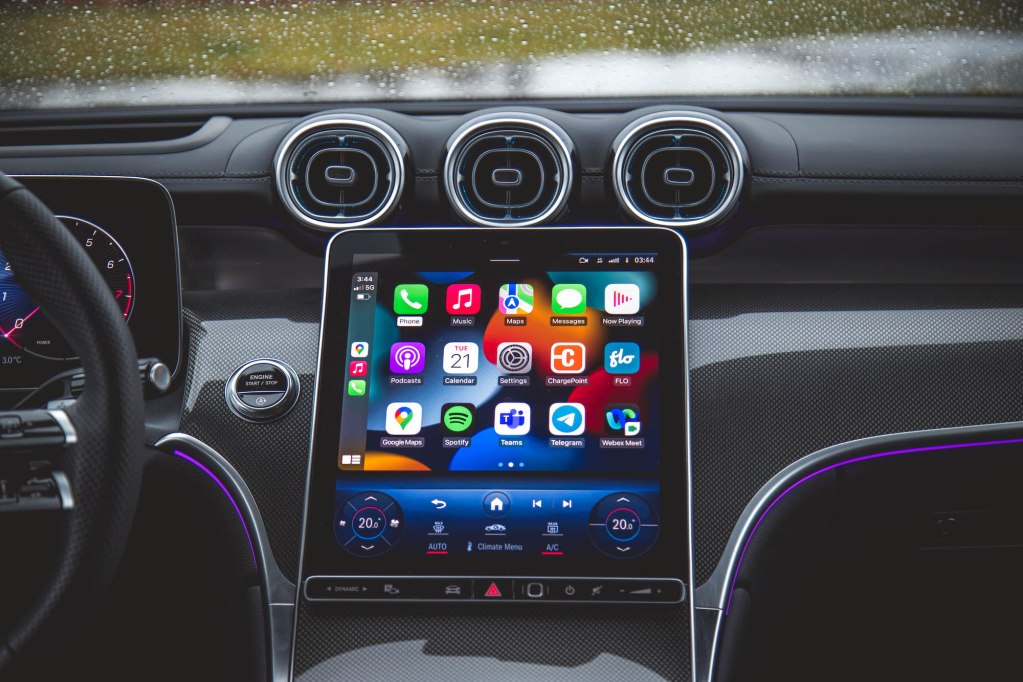
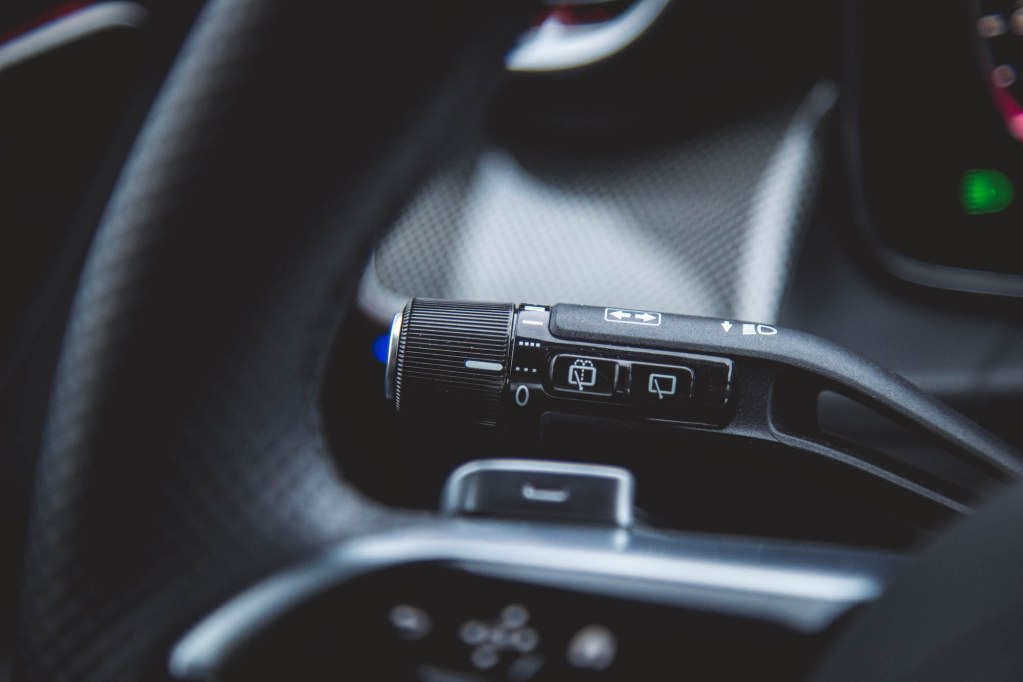
The switchgear feels expensive from the window controls to the start button, and miles better than what the current X3 and Macan use. You may have noticed what appears to be carbon fibre panels in our test vehicle interior, which is actually an optional metal weave trim that costs $250. And having it along the centre console costs an additional $200. With the snazzy material spanning the entire dash and center, it elevates the cabin to a new level and is well worth it, in our opinion. You can even opt for a full-leather dashboard for $455, and again, we think it’s worth it, as there is hardly any plastic in sight.
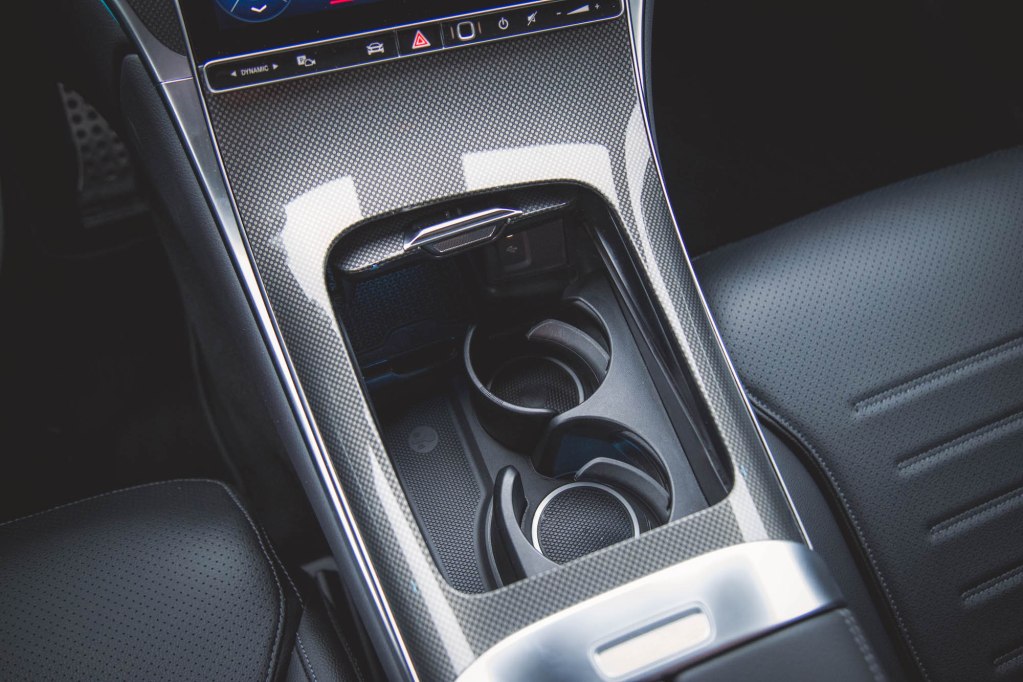
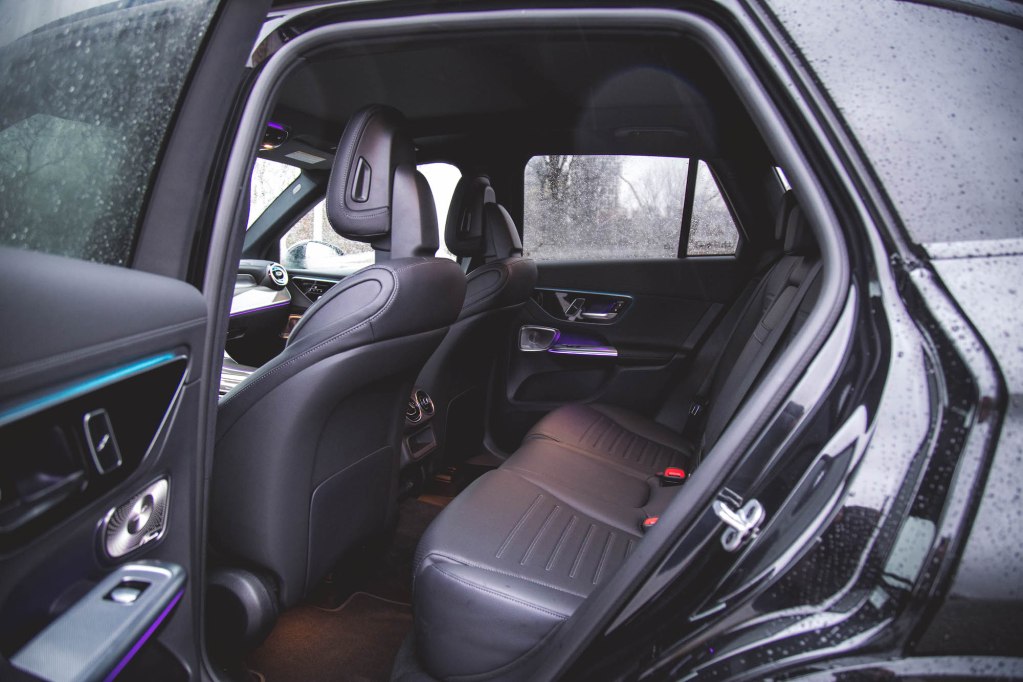
We still find the center storage space with the push-out cover annoying and an ergonomic mess. It’s flush and beautiful when the cover is closed, and it does hide a decent amount of storage underneath but it’s not enough, especially when you’re stowing water bottles. The door sill plate is also annoyingly wide, so rainwater and built-up snow will always brush the back of your pants if you’re not careful with egress. We had the same issue with the previous GLC, which had optional running boards that exacerbated the problem. There is decent rear legroom this time around but sitting behind my six-foot self is still a touch cramped – my knees rub the seat in front but it’s better than in the C-Class Sedan.
The GLC 300 is the only trim available before you head into AMG territory, and it’s equipped with a 2.0-litre turbocharged four-cylinder engine that delivers 258 hp and 295 lb-ft of torque. However, the big news for 2023, and nearly all new 2023 models, is the addition of a mild hybrid system. It consists of a 48-volt lithium-ion battery that aids in smoothing out powertrain transitions, allowing for fuel-free coasting and capturing kinetic energy during braking, which is then used to supplement the engine with an additional 23 hp and 148 lb-ft of torque on demand.
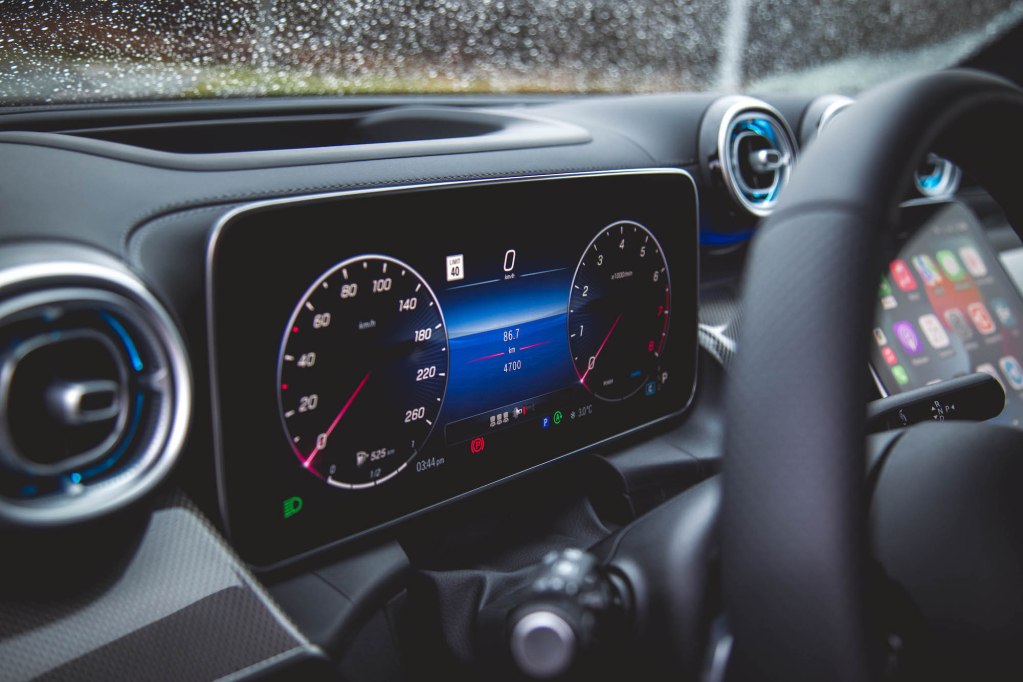
Sound like just a gimmick? In practice, it really isn’t but don’t expect a game-changing experience. It’s more of a slight upgrade to polish out the powertrain and incrementally improve efficiency, which did yield an impressive 10.6 L/100km over a mix of city and highway driving. It also makes the engine start-stop transitions almost physically undetectable, though you can audibly hear the engine wake from its slumber if you have the radio off. Otherwise, it’s a fairly matched powertrain that delivers decent acceleration and a 0-100 km/h time of 6.2 seconds. Most drivers won’t need anything more.
But we aren’t convinced by the 9-speed automatic transmission. Like previous models, it sometimes feels like a semi-automatic and it comes down to how slowly the clutch engages a gear. It hesitates and bottles up during rolling stops and low-speed creeps, where you add gas and absolutely nothing happens for a full second. It’s off-putting and zaps out any confidence we have in the car, and we also noticed it rolling backwards on uphills when letting off the brakes as if the clutch hasn’t engaged and we’re stuck in neutral. You won’t notice these quirks in other SUVs using a more traditional torque converter setup like the BMW X3.
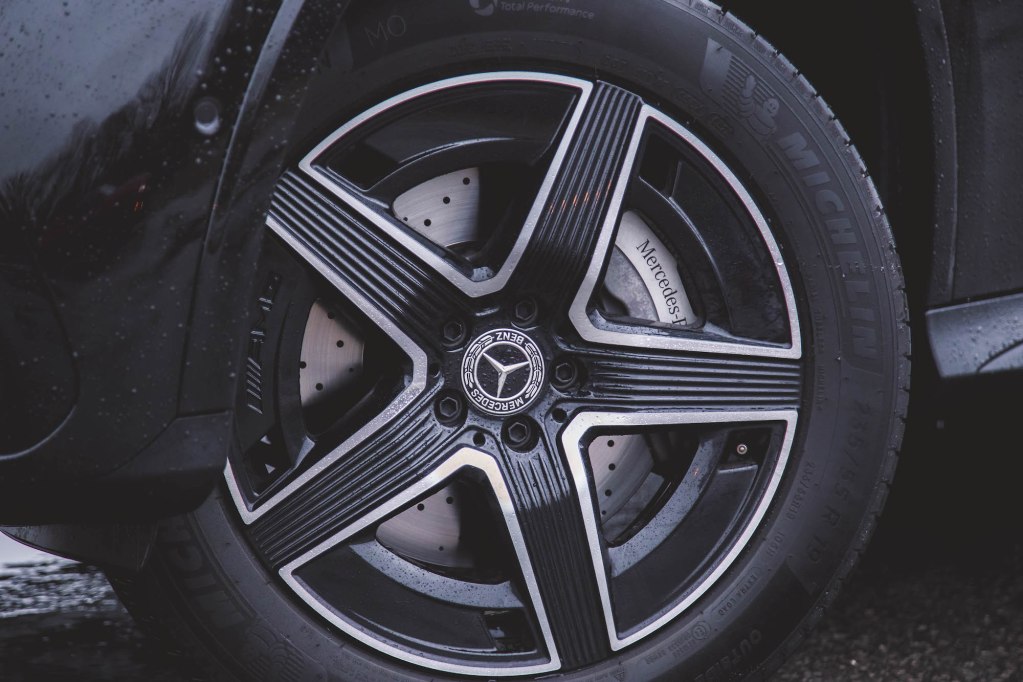
Where the GLC shines is in the way it gels with the road. It rides better than the X3 and even the Macan, thanks to Porsche’s optional air suspension. The GLC is more calm and collected, and those stepping up from a Toyota RAV4 or Honda CR-V will notice a significant uptick in ride comfort. The drawback is that the GLC is more isolated from the road and tends to be more buoyant around corners. It’s softly sprung, which equates to more body roll, and it’s clearly tuned for road comfort rather than road carving. We’re okay with that and we’re sure 95% of its target clientele will be too.
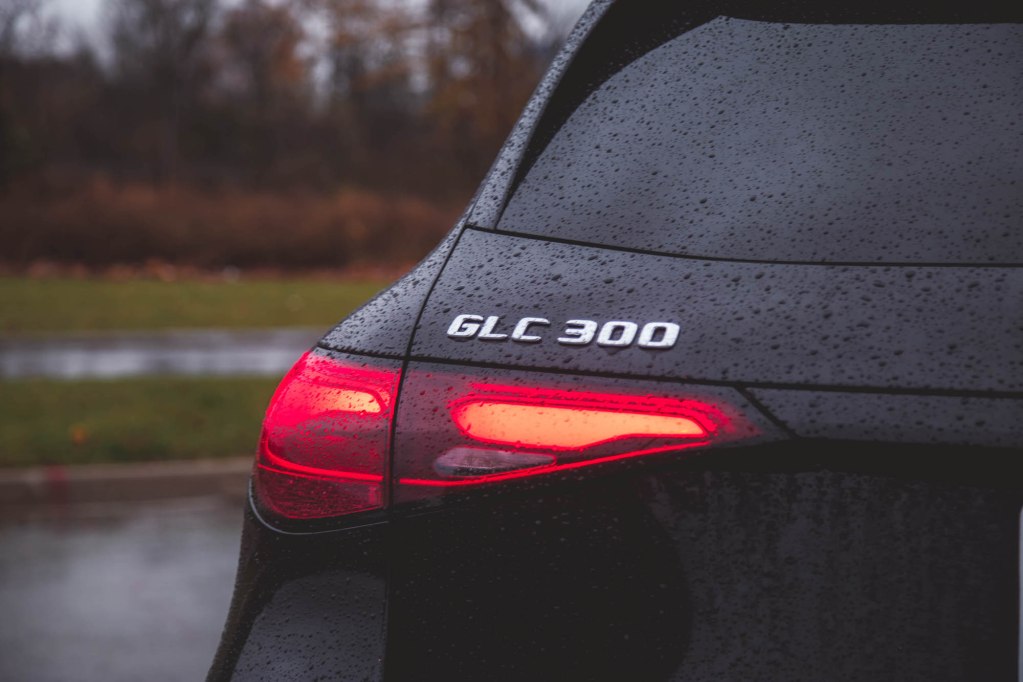
The GLC 300 caters to comfort and technology enthusiasts, while its performance credentials are reserved for its AMG brethren. That’s fine with us – we prefer a more focused machine rather than one that tries to achieve everything yet master none. In that light, the new and improved GLC doesn’t miss a beat, and though its hesitant gearbox still leaves some refinement on the table, we’re mightily impressed by its road comfort, cache of top-shelf tech, and interior refinement. The GLC may not be as rewarding and engaging on a winding road as a BMW X3 or Porsche Macan, but it’s clearly one of the most comfortable and relaxing mid-size SUVs on sale today.
Specifications:
Model: 2023 Mercedes-Benz GLC 300 4MATIC+ SUV
Paint Type: Obsidian Black Metallic
Base Price: $58,900
Price as Tested: $74,085
Wheelbase(mm): 2,888
Length/Width/Height (mm): 4,716 / 1,890 / 1,640
Curb Weight: 1,925 kg
Engine: 2.0-litre turbocharged four-cylinder with 48-volt mild hybrid system
Horsepower: 255 hp @ 5,800 rpm
Torque: 295 lb-ft @ 1,800 rpm
Transmission: 9-speed automatic
Engine & Drive Configuration: Front engine, AWD
Observed Fuel Consumption (L/100km): 10.6
Tires: 235/55R19





Leave a Reply