
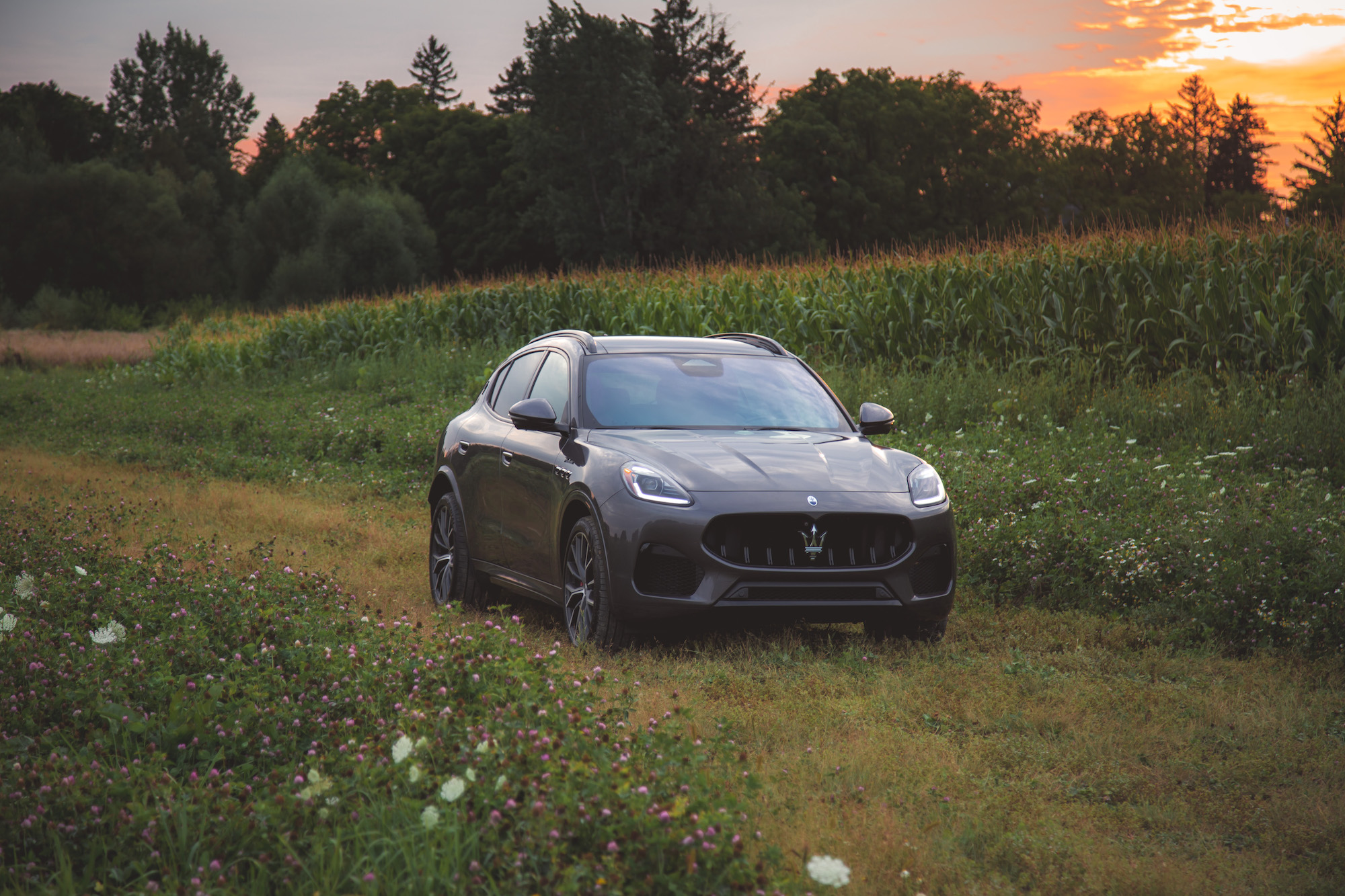
We recently tested the top-trim Grecale Trofeo, featuring its bombastic and exquisite V6, and claimed that Maserati had built a better Porsche Macan. We should have been more specific: they made a better Macan GTS. However, we’re now testing the volume seller of the lineup, the Grecale Modena. Can it still sparkle without that Ferrari-esque engine?
The mid-level Modena is no slouch. Under the hood is a 2.0-litre turbocharged four-cylinder that pushes out a healthy 325 hp and 332 lb-ft of torque. That’s quite a step down from the Trofeo’s 523 hp and 457 lb-ft of torque, but it’s enough for the Modena to sprint from 0-100 km/h in a swift 5.3 seconds (3.8 s for the Trofeo). That’s not record-breaking and about par with the Range Rover Velar P400 (5.5 s), but it’s slower than the Macan S (4.8 s). The engine is further paired with a 48-volt mild hybrid system, which tags in and out during low-speed traffic or when coming to a halt. It also shuts off the engine and uses the battery to power all the auxiliary systems, saving fuel.
The engine is a peach and reminds us of the four-cylinder in the Alfa Romeo Stelvio – coarse and muted, but it packs a punch. Even without the Trofeo rocket strapped in, acceleration from the Modena is respectable, with wide-open throttle delivering a wallop to the seatback. It feels as quick as its output suggests and should be more than enough for the everyday driver. However, while the mild hybrid system integrates smoothly, it lacks the polish and seamlessness found in the BMW X3 and Mercedes GLC.
Under mild to moderate acceleration, the four-cylinder hardly makes any noise except for the odd whoosh and whistle from the turbocharger. But shift into Sport mode, let the needle caress the limiter, and flick that right paddle, and the exhaust will let out a blaring but brief blaaaaart that will wake the neighbours and scare the living daylights out of anyone within a 50-metre radius. It’s like the Italian cousin of a MINI JCW. The noise is similar to the Trofeo, but with the volume reduced by 60%. Fewer combustion events per crankshaft rotation means fewer decibels overall. It’s a gravelly, raspy, beehive-like soundtrack overlaid by induction and turbo noise, one that isn’t as refined as a BMW inline-six, not as anodyne as a Porsche turbo V6, or as muted as a Range Rover Velar, but still so addicting. It successfully adds that extra layer of auditory excitement that is lacking in other four-cylinder SUVs.
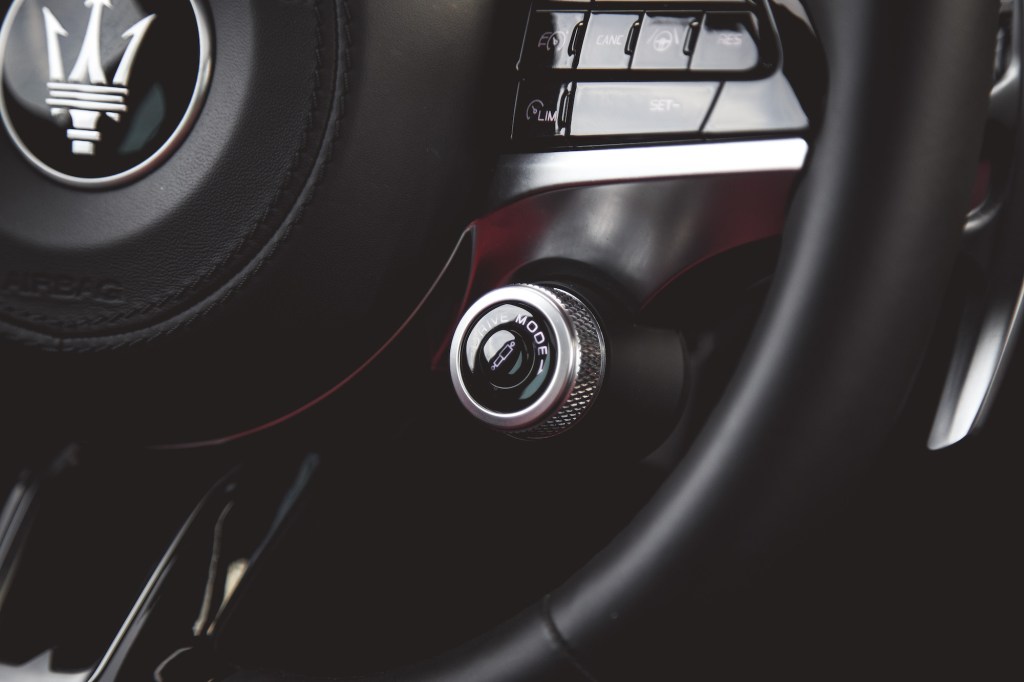
The Grecale Modena has to be the most comfortable Maserati we’ve driven in recent memory, and that includes luxury-focused sedans like the Ghibli and Quattroporte. It quells vertical oscillations exceptionally well and isolates the driver from those pesky minor vibrations on the road. Conveniently, there’s a suspension mode button built into the steering wheel should you need quick access to a stiffer ride.
It’s also best to rotate that dial and activate Sport mode, which offers a greater sense of connection. Although stiffer and more alert, it brings a more natural feel to the way it flows through a sequence of corners. Though the damping in Sport Mode may be too stiff for some with low-frequency vibrations percolating through the seats and steering, it becomes so agile through corners that you really want it in maximum attack mode all the time. Unlike the Macan or F-Pace, the Grecale slips so progressively into a tail-led balancing act that it instills every bit of confidence you want in a rear-wheel drive car, but then you realize this is a 1,895 kg all-wheel drive SUV. The Grecale has clearly been meticulously crafted for drivers who prize handling and have engaging, winding roads to explore in their backyard.

The light steering is brimming with superb clarity and consistent weight and response, demonstrating that you don’t need heavy steering to transfer road feedback. You can dial in rotation and place the front nose exactly where you want it, or simply ramp the wheel a full 90 degrees, add a load of throttle, and coax the rear to rotate into power oversteer, in which the Grecale will happily oblige, even with ESC turned on. Aluminum paddle shifters and integrated ignition and drive mode dials add an extra sense of theatre, and it’s these little moments and touchpoints that Maserati has always mastered, and are lacking in the somewhat more serious German SUVs.
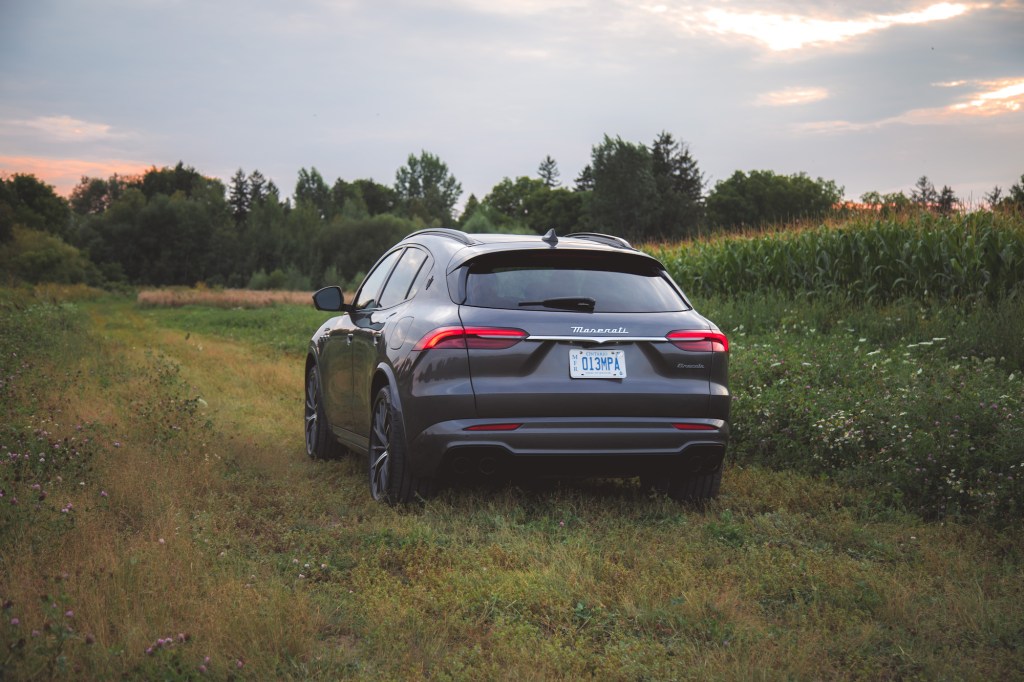
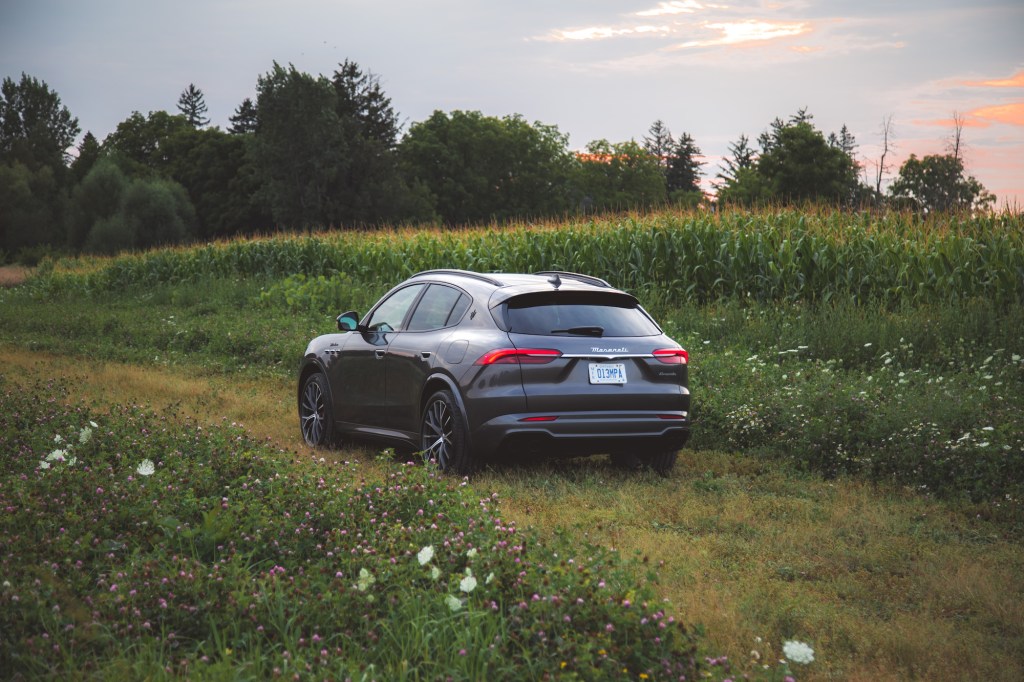
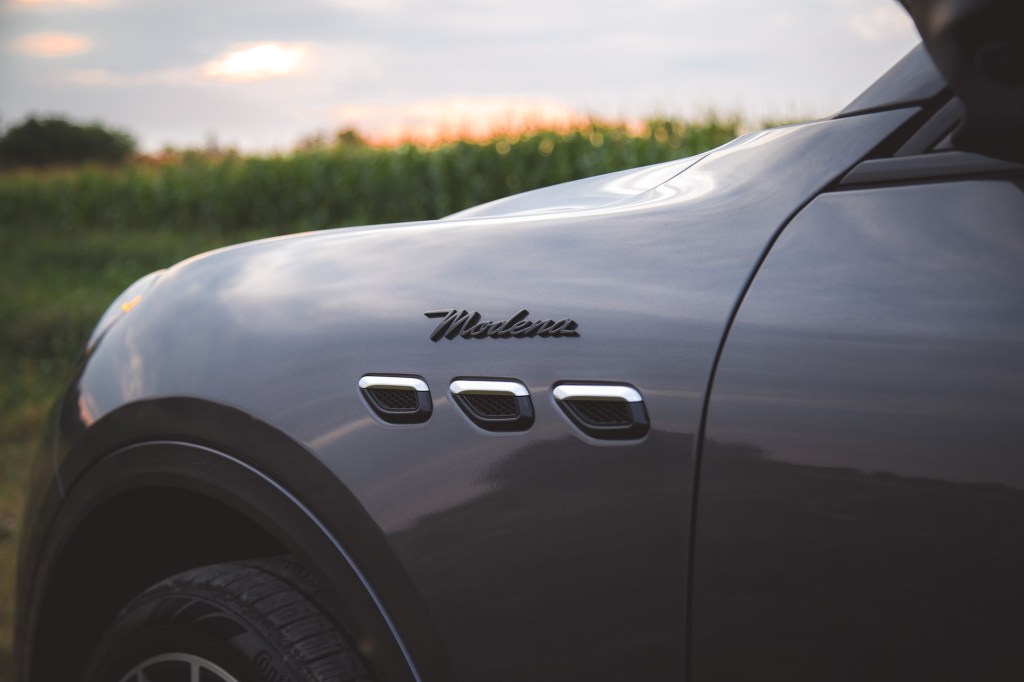
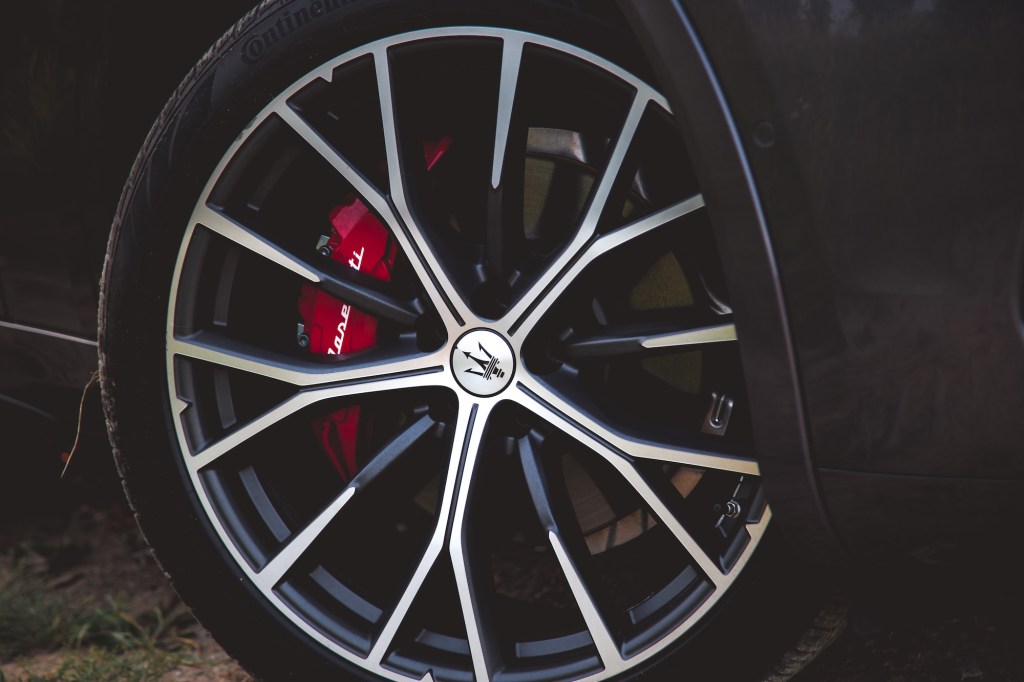
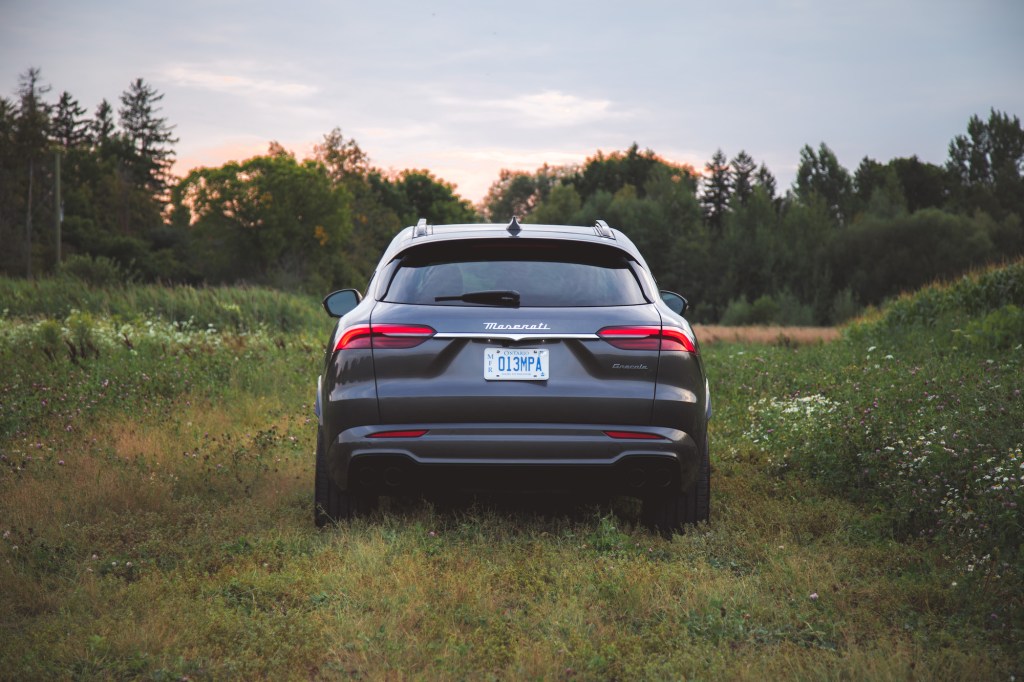
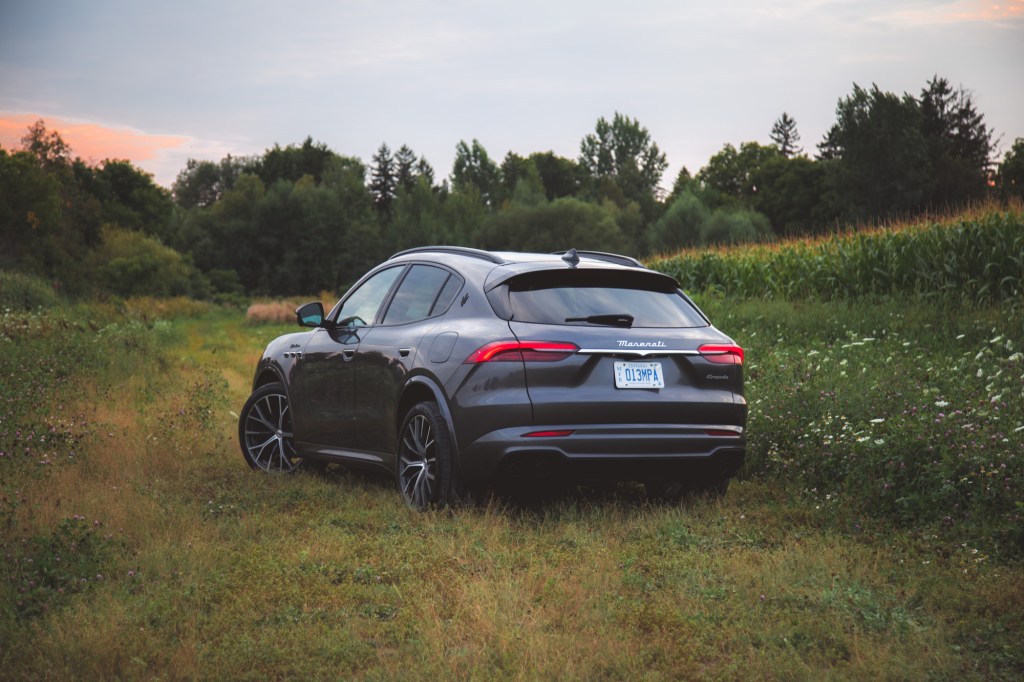
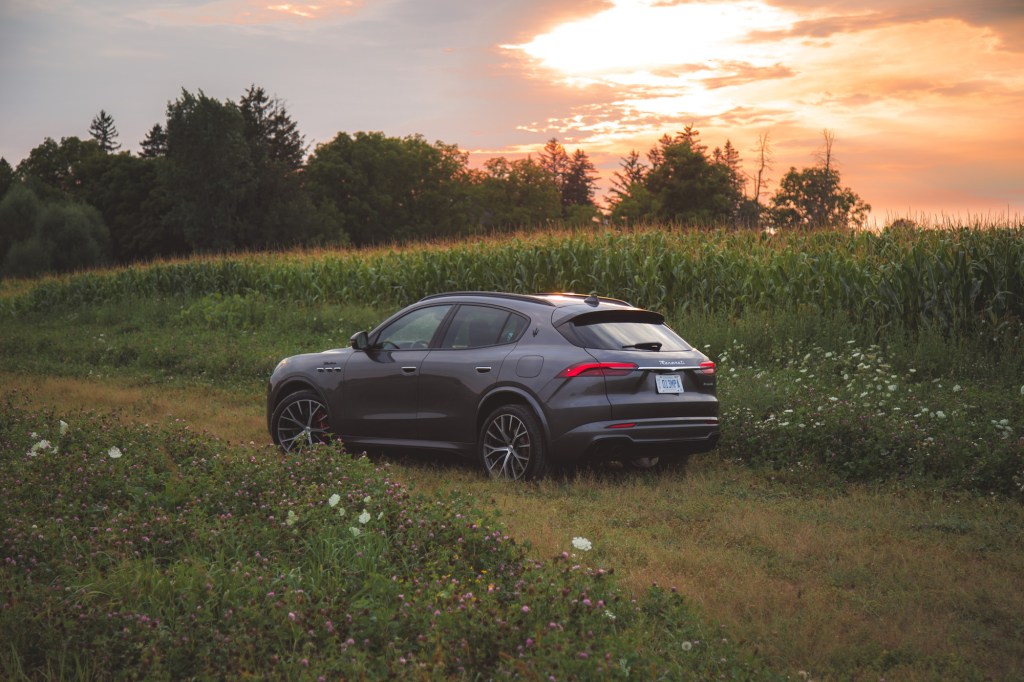
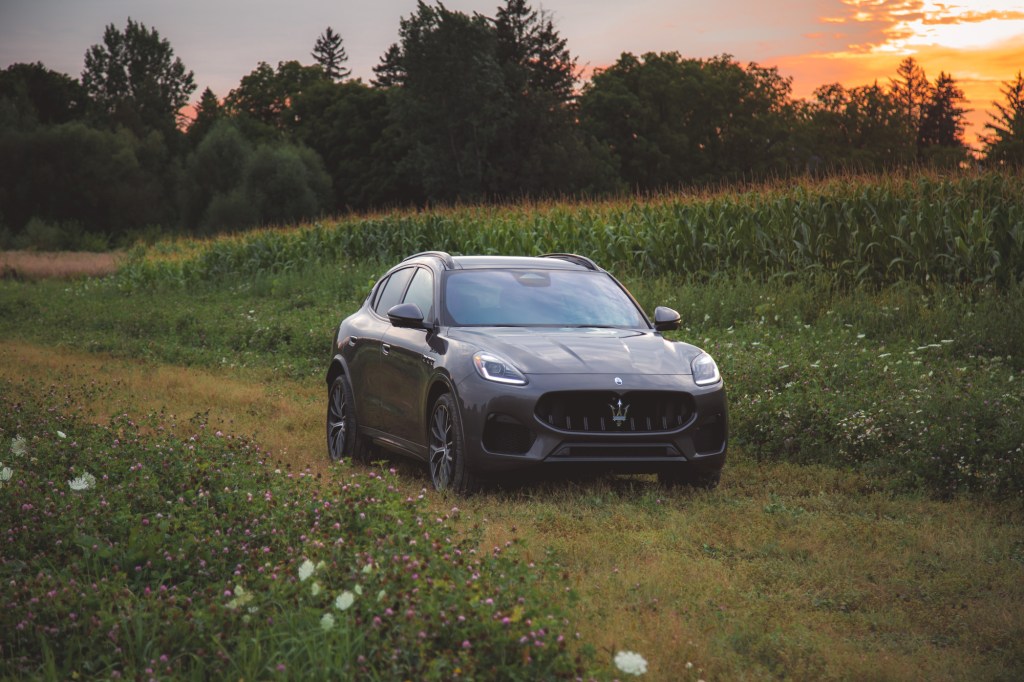
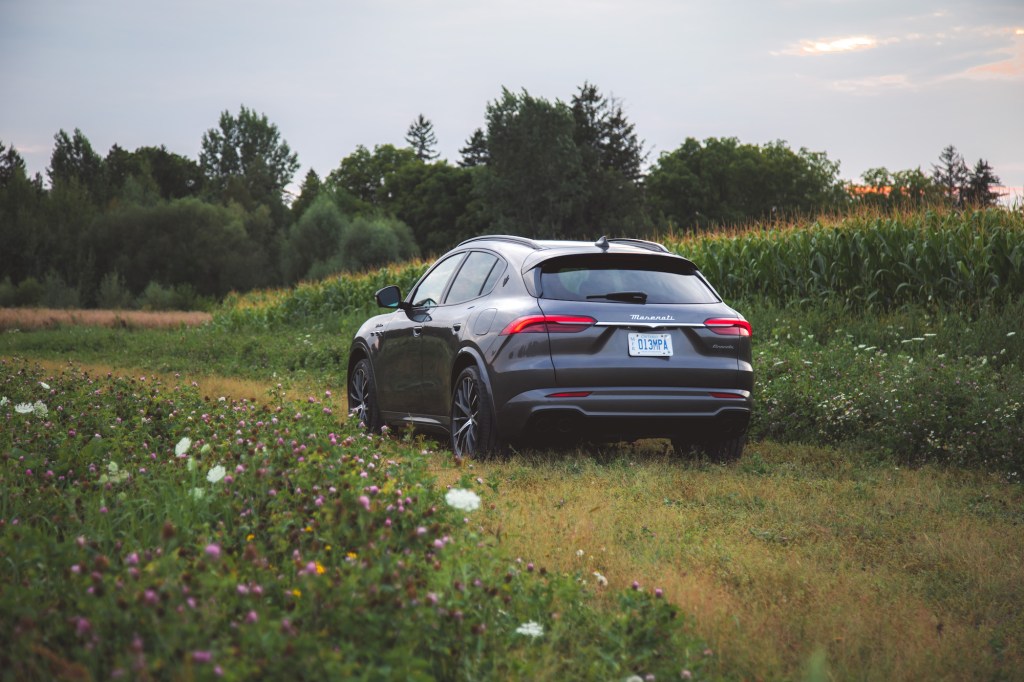
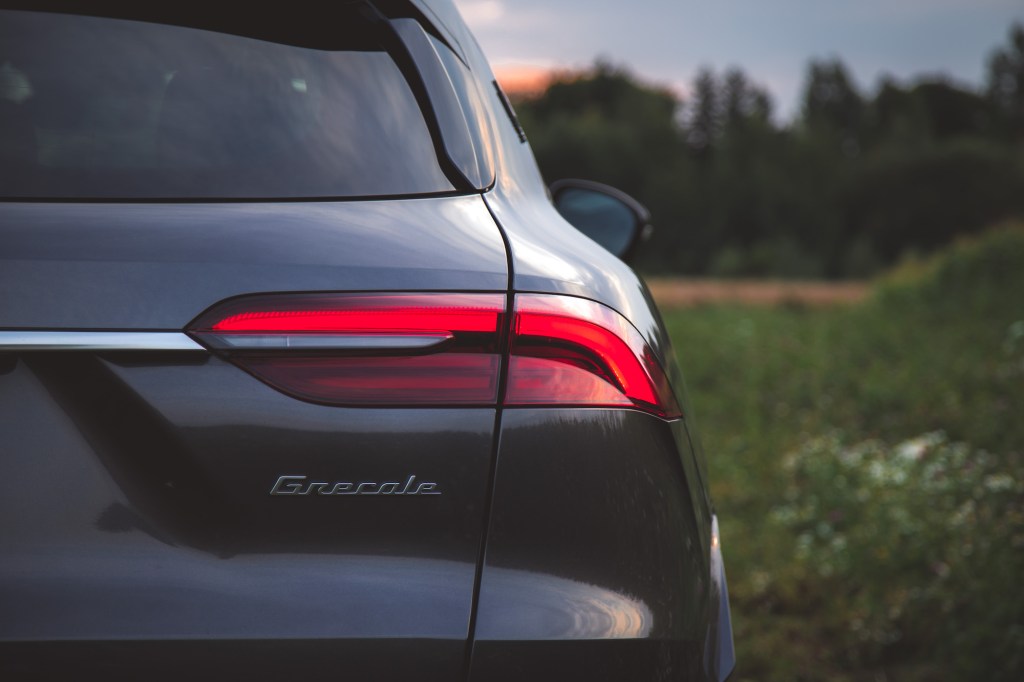
It is difficult to distinguish the Modena from the other Grecale trims, except by looking at the script badges above the front wheels, exhaust tips, or wheel designs. Still, we think the Grecale is more visually stunning and unique than the Alfa Romeo Stelvio and Porsche Macan. However, with only six paint colours to choose from and a limited number of options for the interior, we think Maserati should push harder and market their Fuoriserie customization department. Porsche has perfected individualization to a science, offering extensive lists of options and marketing its Paint to Sample program to the casual buyer, charging them a substantial fee for the service. Just look at how well MINI is doing with its customization, too. Add a splash of daring colours and make the Grecale stand out from the crowd. Nobody buys a Maserati to blend in.
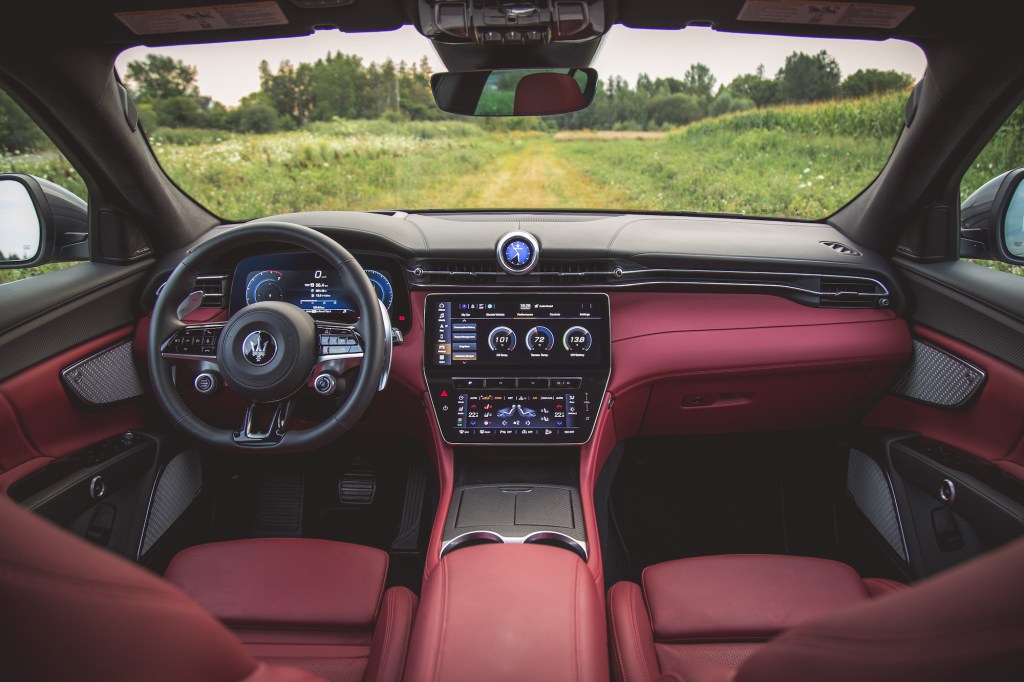
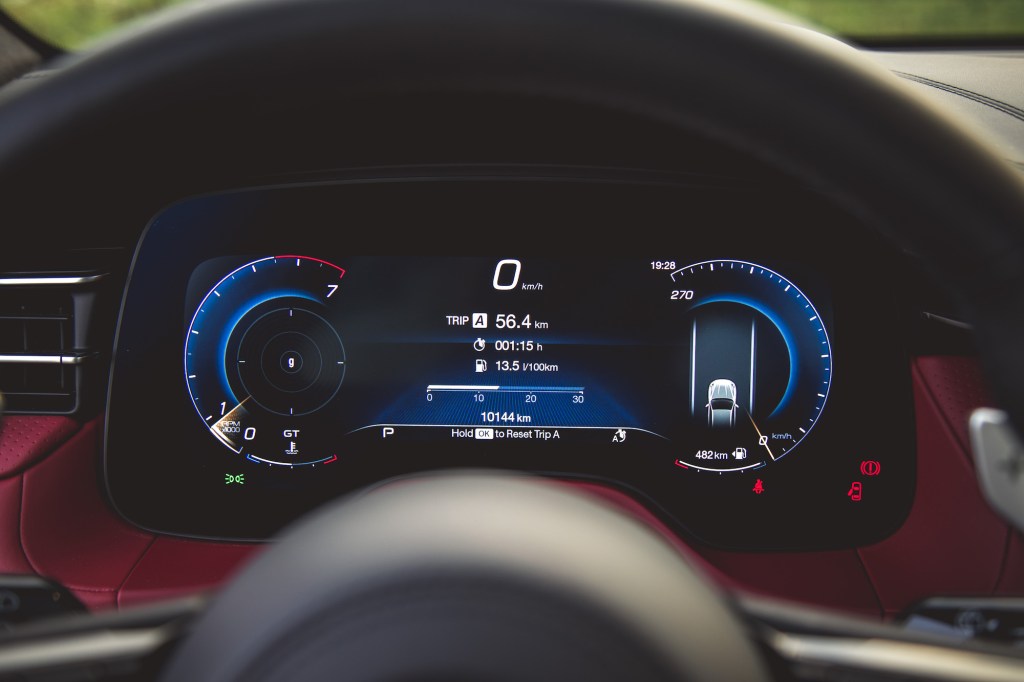
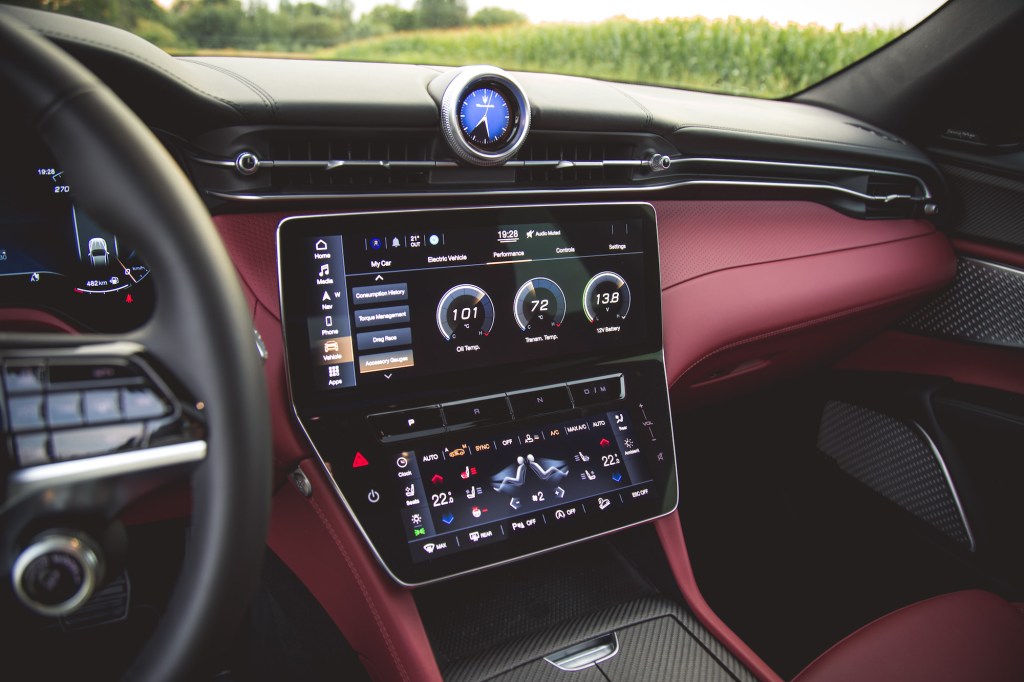
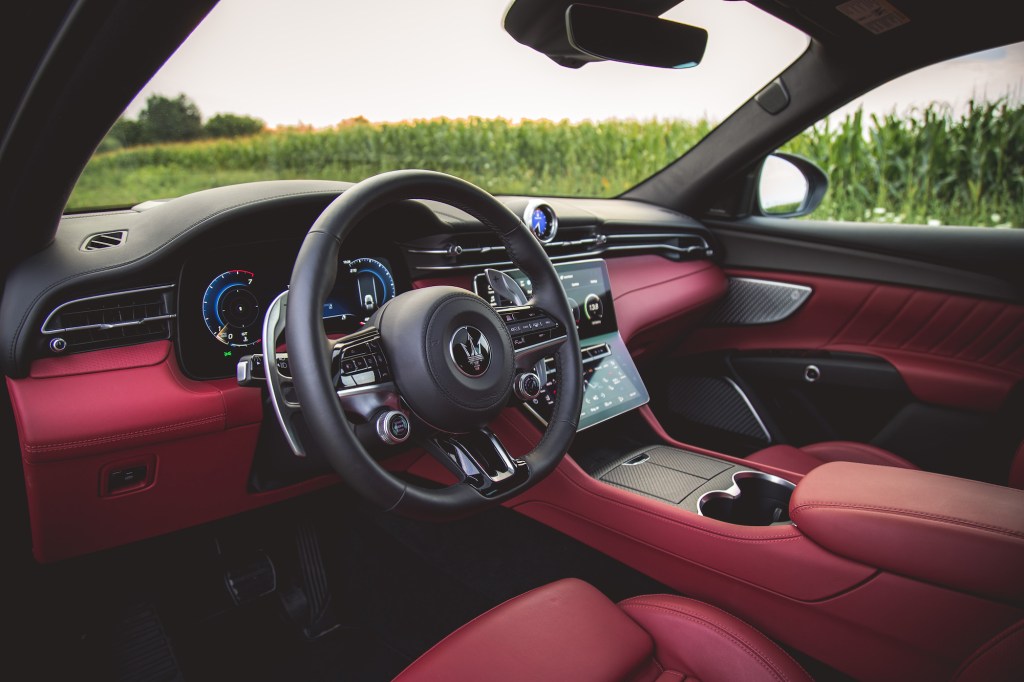
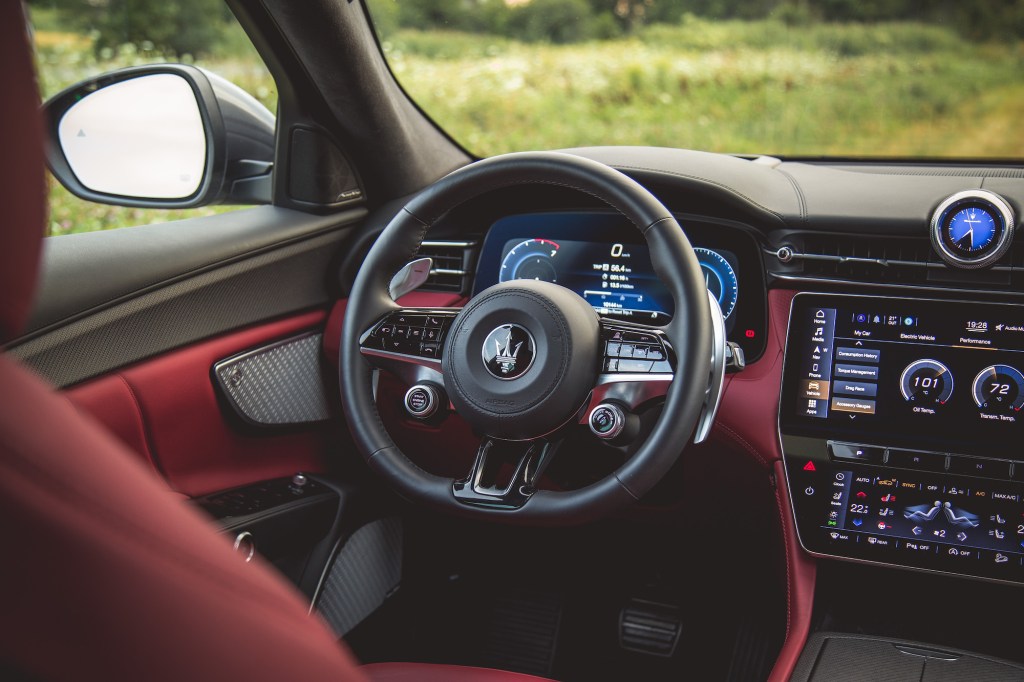
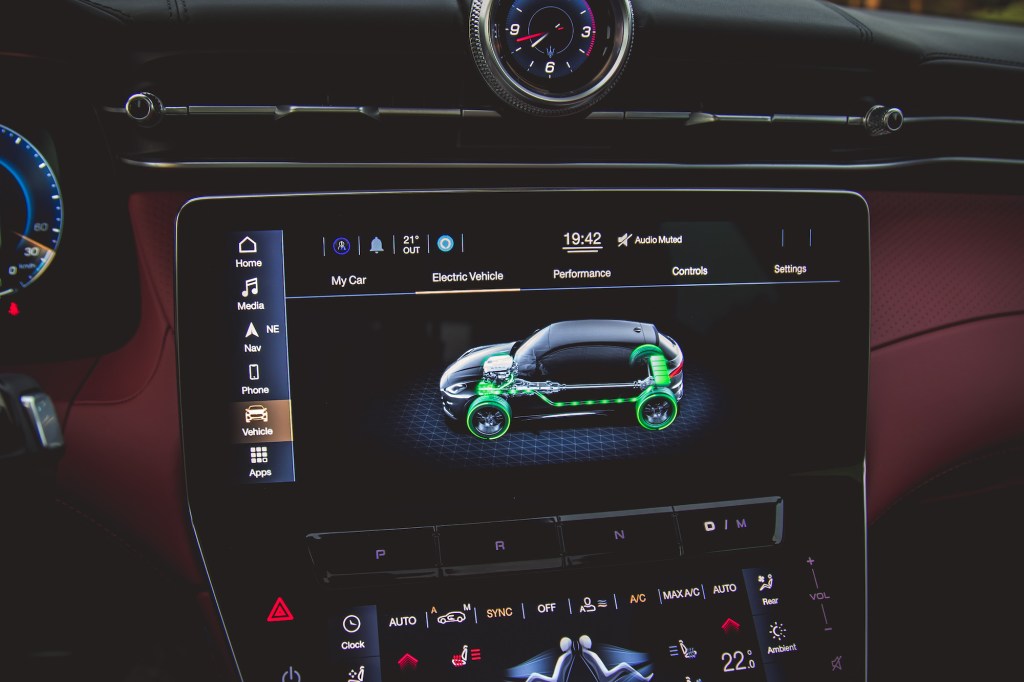
The cabin is a notable upgrade over the Levante in terms of quality and visual appeal. A splendid and luxurious place to spend time, the interior is adorned with upscale materials and features a pair of stacked touchscreens. Sadly, the displays are constantly marred by fingerprints, but that’s a foible not unique to Maserati. A 12.3-inch screen sits above a smaller one that handles more functional features such as the clock display, heated seats, and curiously enough, the side mirror and headlight controls. Yes, everything is now modulated with the touchscreen. There isn’t even a volume dial or a real hazard button.

Maserati’s new steering wheel is an ergonomic and visual joy – it’s no coincidence that we reported the same with the Alfa wheel, as they share the same skin and bones. It’s armed with purposeful and nicely labelled buttons that don’t trigger any guesswork – none of those sensitive, haptic touchpads here. Maserati has even retained the small nipple buttons on the back of the wheel, similar to those found on Jeeps and Dodges, which control the audio and infotainment functions, allowing you to keep your eyes on the road. The actual buttons feel plasticky, flimsy, and hardly glued into place, and it makes our eyes twitch knowing that a Dodge Journey that lists for an eighth of the price shares the same switchgear, but the ease of functionality that it provides is undeniable. On the same note, the infotainment system is also sourced from the Stellantis parts bin, but it’s such a vibrant, logical, and easy-to-use system that we could never fault it for that.

Like the Lexus NX, Maserati has adopted electrically operated door handles that activate with the simple push of a button. They work well, but what we’re not so convinced about are the drive selector buttons located on the center stack, sandwiched between the touchscreens. The Drive gear is frustrating the furthest from the driver, so you have to actively get off your seatback every time, and it doesn’t help that the buttons squeak when pressed – not a positive sign of a very luxurious six-figure rig. Placing the buttons directly above the lower touchscreen means it’s inevitable that your wrist and palm will accidentally trigger some buttons. It happened to us an unspeakable number of times. Aiming to hit Reverse? Prepare to also trigger the air con to the maximum. Want to engage Drive? You will likely also increase the audio volume.
No matter what engine is inserted into the Grecale, it will win you over with riveting performance and an exhaust soundtrack that we want to play on repeat. All the while, it also provides a thick layer of daily usability and everyday comfort. It’s the beguiling SUV for every day of the week, and there’s no shortage of desire here.
Specifications:
Model: 2023 Maserati Grecale Modena
Paint Type: Grigio Lava Metallic
Base Price: $87,600
Price as Tested: $105,750
Wheelbase (mm): 2,901
Length/Width/Height (mm): 4,847 / 1,979 / 1,667
Curb Weight (kg): 1,895
Engine: 2.0-litre turbocharged four-cylinder
Horsepower: 325 hp @ 5,750 rpm
Torque: 332 lb-ft @ 2,000 – 5,000 rpm
Transmission: 8-speed automatic
Engine & Drive Configuration: Front engine, AWD
Observed Fuel Consumption (L/100km): 12.6
Tires: Continental ContiContact; front 255/45 R20, rear, 295/40 R20




Leave a Reply