

We couldn’t praise the last-generation Honda Civic enough for its razor-sharp handling, smart cabin packaging, and sound ergonomics. When family or friends would ask what car they should buy, and they wanted something affordable, efficient, and fun to drive, the answer would typically be a Civic. But since its debut in 2015, it has had to fend off the heavily updated and equally impressive Mazda3, Toyota Corolla, Nissan Sentra, and Hyundai Elantra. Putting their best foot forward, Honda has completely redesigned the 11th-generation Civic for 2022 with a more mature appearance, an upgraded interior, added safety features, and more power.
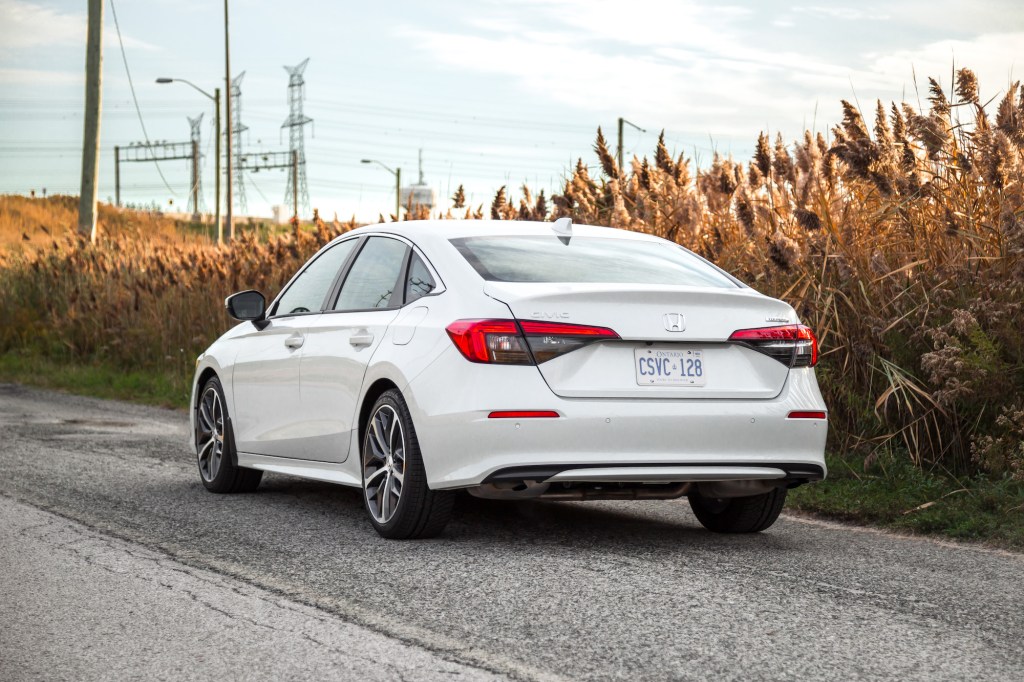
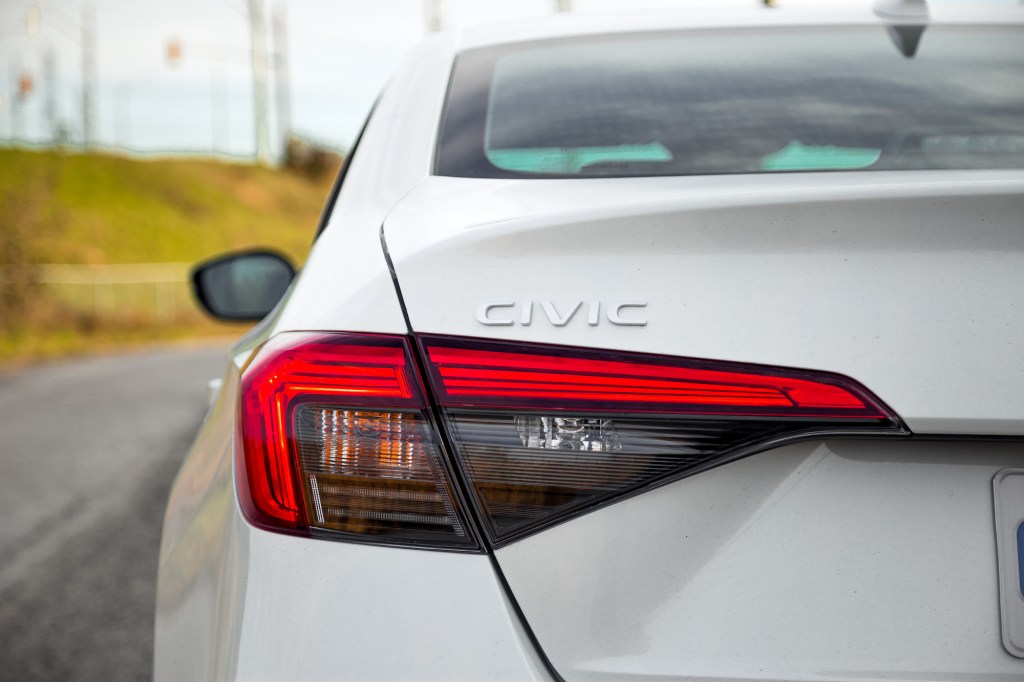
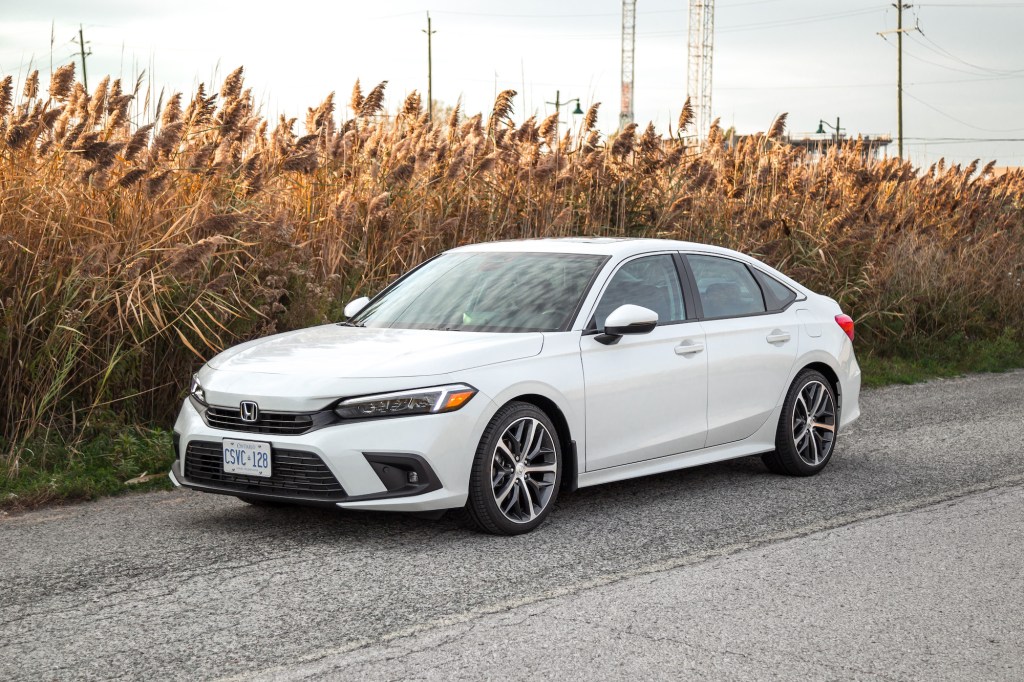
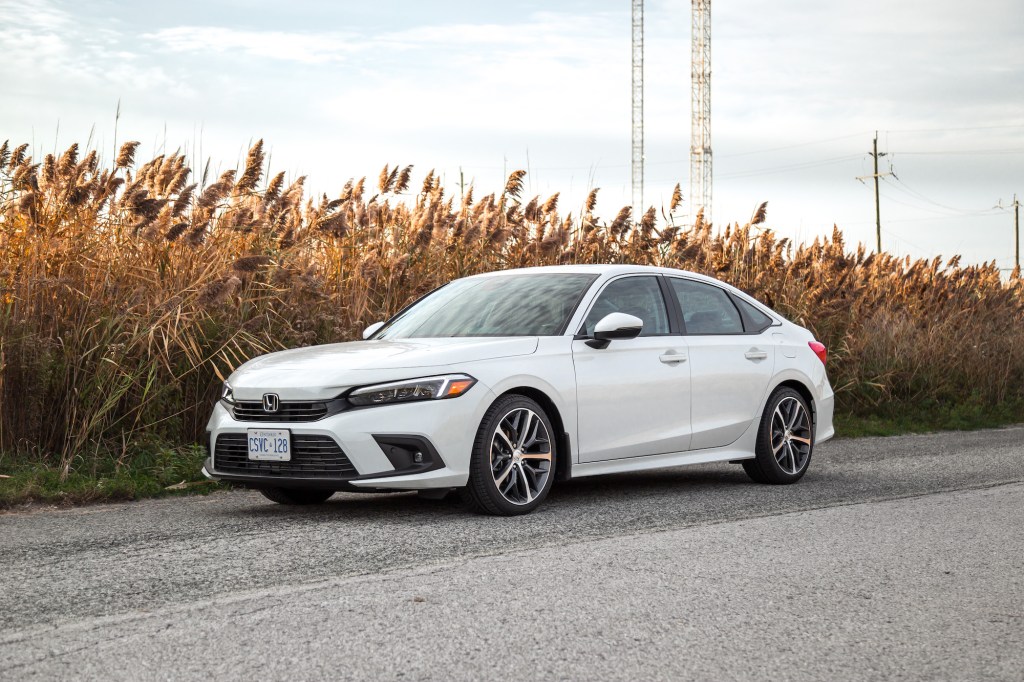
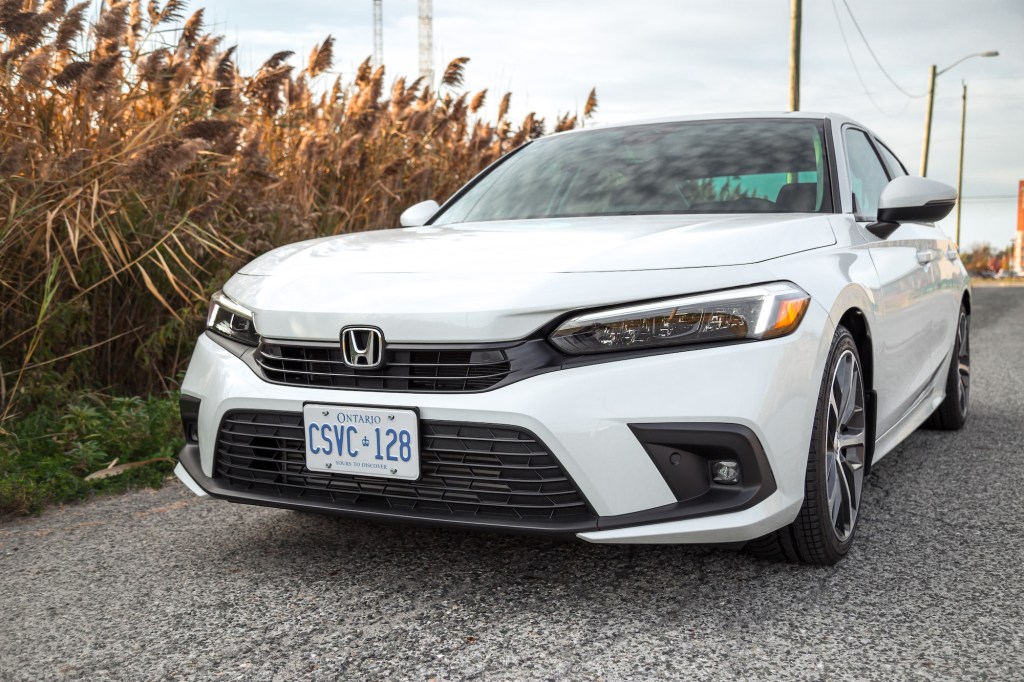
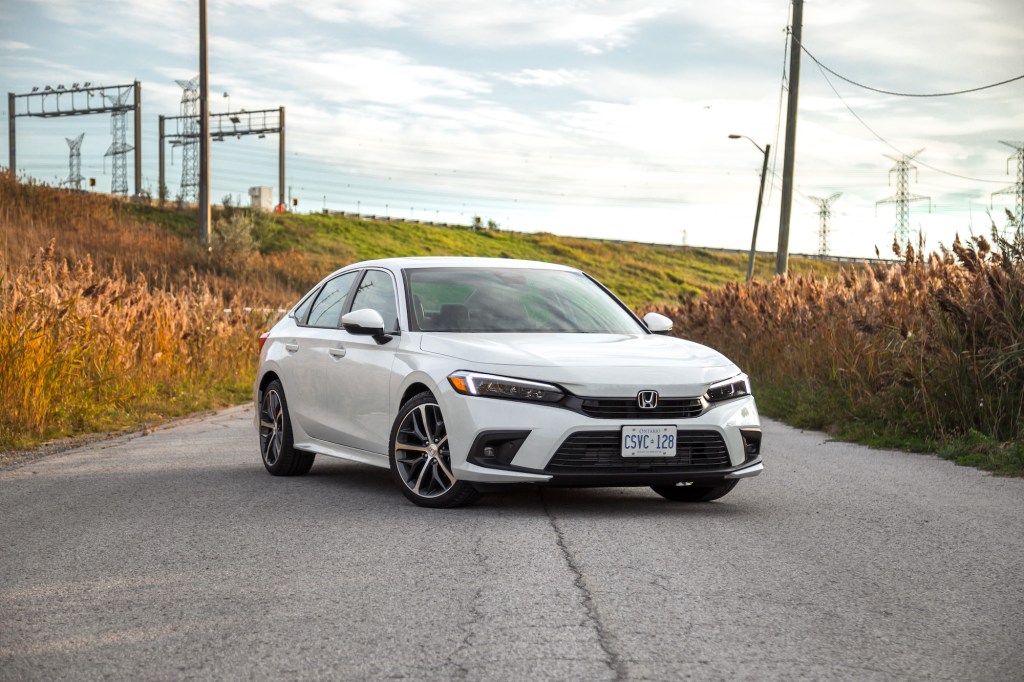
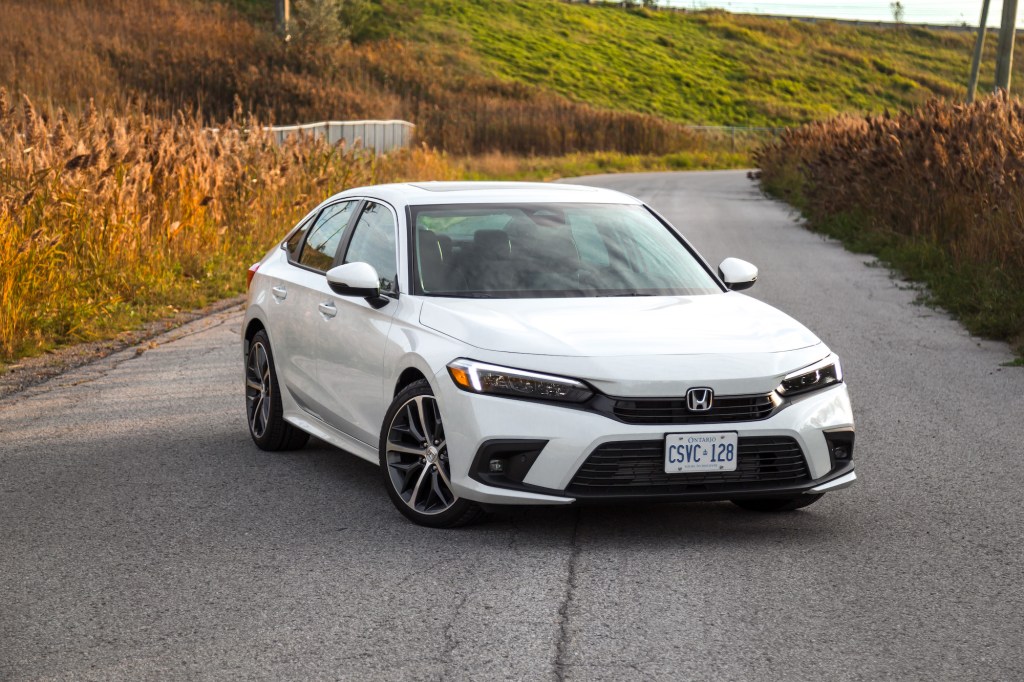
Whereas the last Civic looked quite stiff and polarizing, this new iteration is much more reserved and toned down. Its squared off shoulders and boxier front end appear almost retro-themed, and we think it looks quite handsome in white attire. There will be a hatchback variant later next year as well.
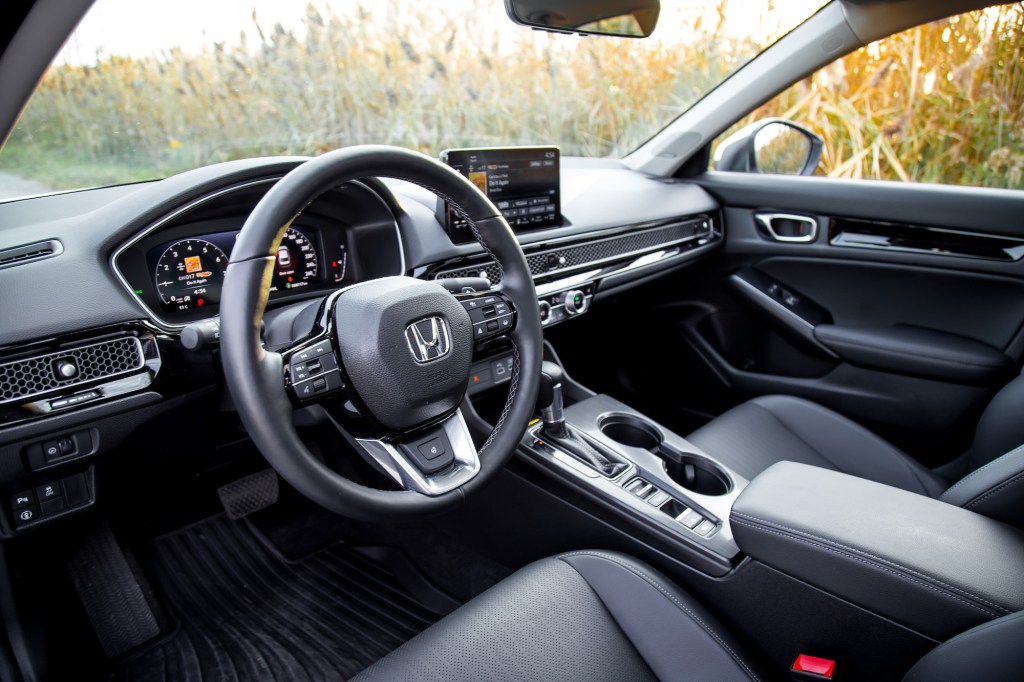
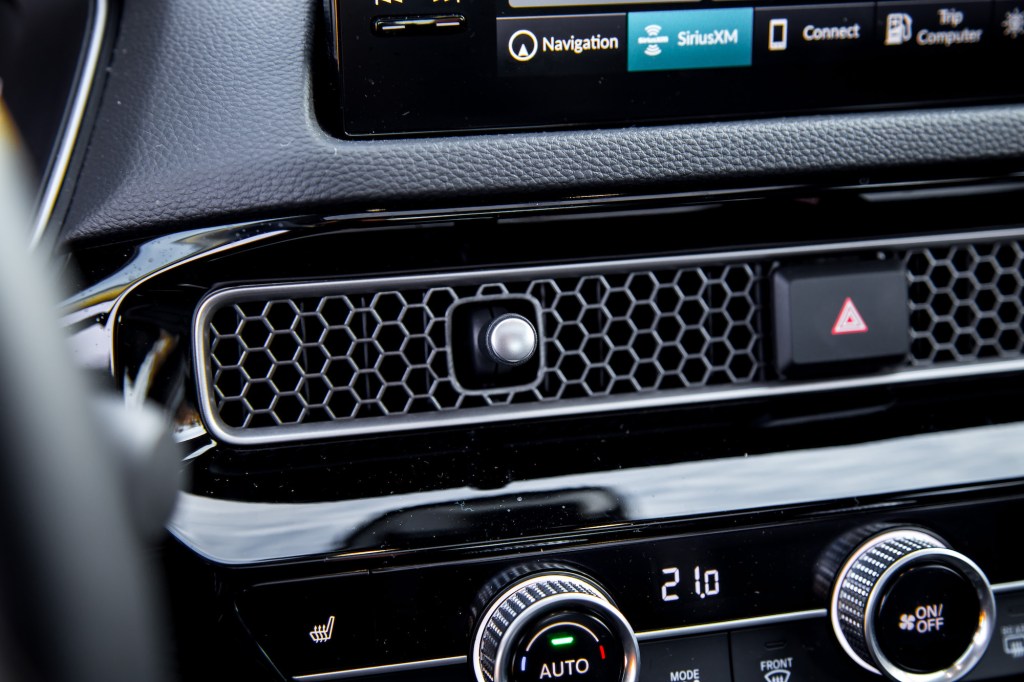
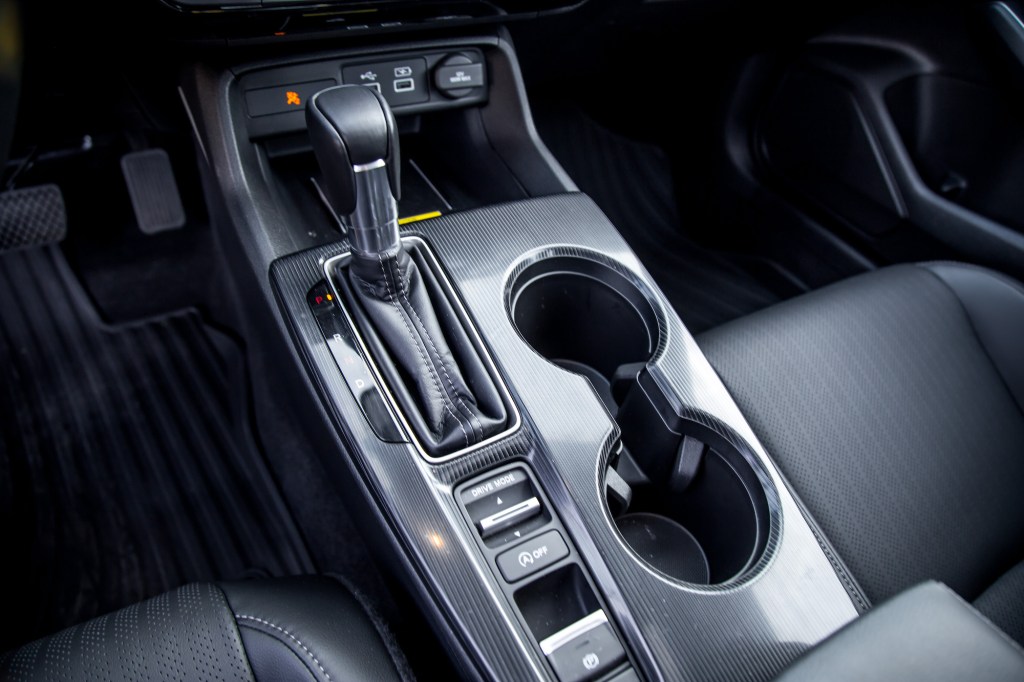
The interior may not appear drastically different but there are a litany of new features that aim to improve connectivity and usability. Considering it’s the best selling car (not SUV or truck) in Canada, it’s easy to see why Honda didn’t stray too far from a proven formula. The cabin is a clean-cut design with a nicely sized steering wheel and a neat metal honeycomb mesh stretching the entire width of the dashboard, which conveniently and neatly integrates the air vents. The leather and switchgear isn’t as high-end or as premium as the Mazda3’s but they feel precise and buttoned-down to operate, and there’s enough well-dressed glossy plastics to never feel like you cheaped out. It lacks the chrome polish and pizzazz of the voguish Elantra but the Civic remains faithful to ergonomics and didn’t sacrifice cabin space for visual style.
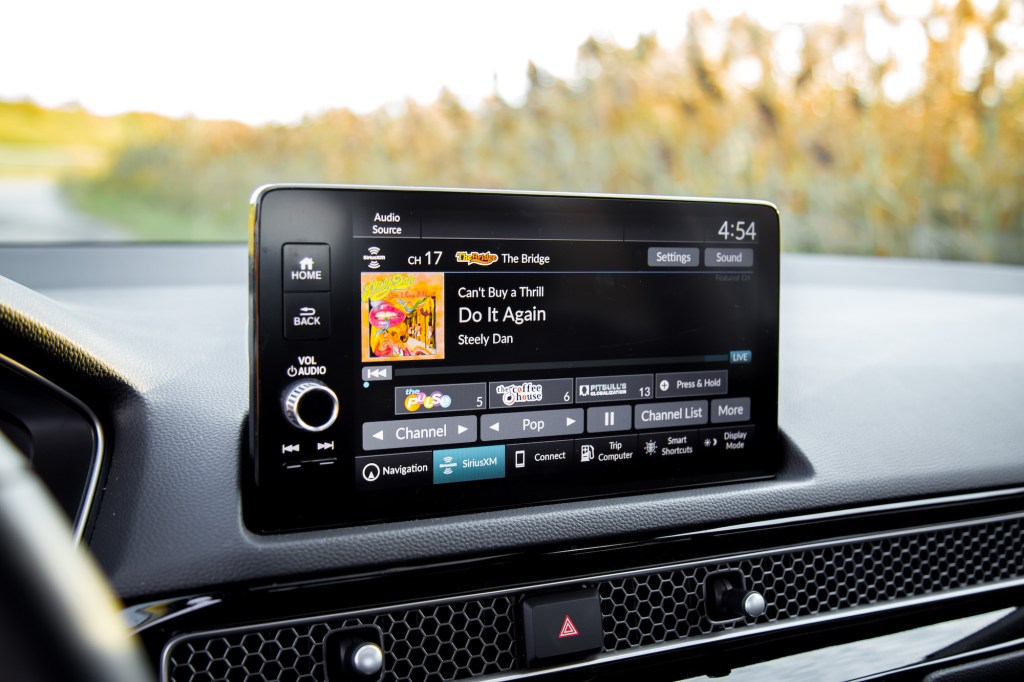
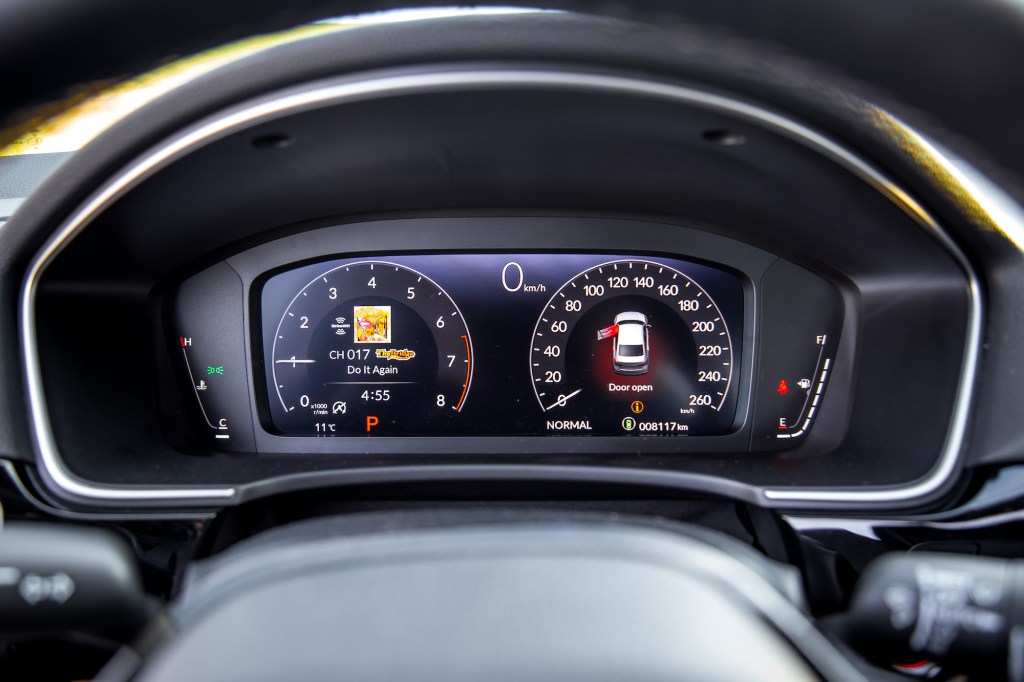
The instrument cluster is now fully digital on Touring models, and there’s a new 7-inch and optional 9-inch center touchscreen that integrates Apple CarPlay and Android Auto. Top trims are also equipped with a 12-speaker Bose sound system, wireless phone charging, GPS navigation, and leather-trimmed seating surfaces. Honda didn’t forget about safety either, and loaded the Civic with newly designed front airbags and rear side airbags, and an updated suite of driver assistance features including a wide-angle front view camera. Of note, Honda’s unique right-side blind spot camera is gone, but in its place is a blind-spot monitoring system that can now manage both sides. As with most entry-level compact sedans though, all of the more desirable creature comforts are only available on the more expensive trims and in this case, the $30,265 Touring model that we tested.
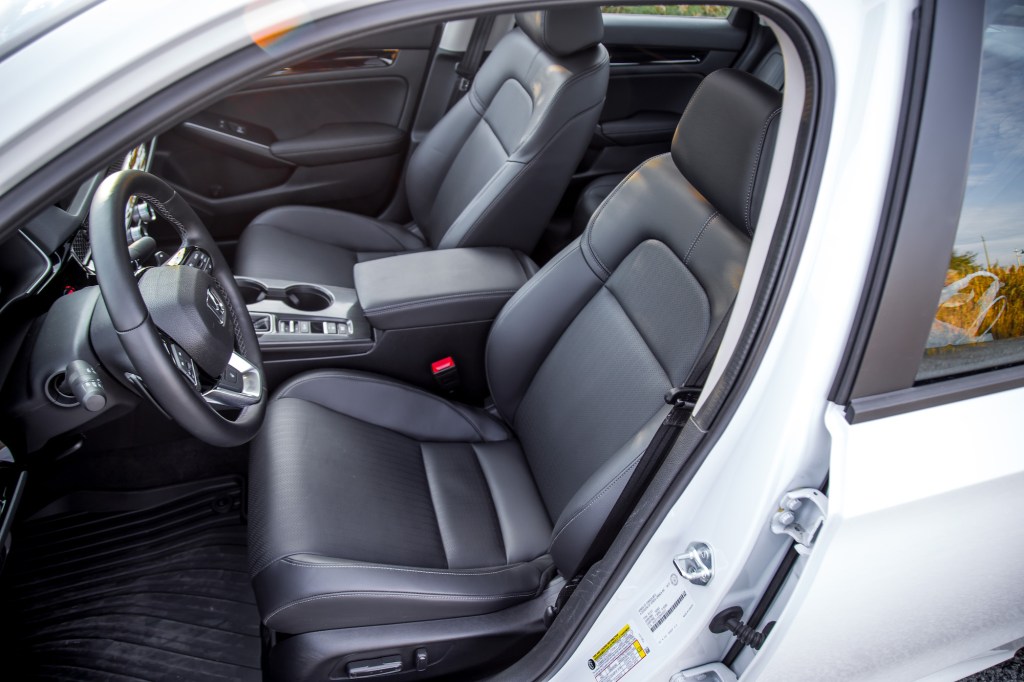
Cabin packaging is superb, and we found the front seats comfortable and supportive enough for lengthy journeys. Six-foot adults will have no issue slotting into the rear seats either. It’s not as cramped as the Mazda3 with its somewhat high dashboard and shoulder lines, and the Civic’s outward visibility is impressive with the thin A-pillars and a recessed and lower windshield.
The Civic is offered with two engines. The LX, EX, and Sport models are equipped with a naturally aspirated 2.0-litre inline-four carried over from the last Civic, and it continues to push out 158 hp and 138 lb-ft of torque. Honda says that the standard idle-stop system and a new catalytic converter design makes it more efficient than before. The Touring model that we tested receives a turbocharged 2.0-litre four-cylinder that delivers 180 hp and 177 lb-ft, which is 6 hp and 15 lb-ft more than before. Both engines are paired with a revised continuously variable transmission (CVT), as well as front-wheel drive.
We never found all-wheel drive completely necessary for compact sedans, even in Canadian winters as long as snow tires are equipped, but that didn’t stop Mazda and Subaru from offering it on their Mazda3 AWD and Impreza anyways. And while there is no manual transmission available here, we are sure the upcoming Civic Si and Type R won’t come without one.
Acceleration from the turbo-four is decent, with a slight hint of turbo lag before the party gets start, though it’s more than enough for casual drivers and those with a heavy right foot. We never had any issue getting up to speed on highway ramps, and even under wide open throttle, it emits just a moderate drone while gently humming along at cruising speeds. The CVT is well-mannered, relatively quiet, and behaves better than the Sentra’s dull unit, but it’s not as polished as the 6-speed automatic in the Mazda3, or the 8-speed in the Volkswagen Jetta.
Honda quotes an 8% increase in torsional rigidity and an 11% improvement in bending rigidity. What this equates to is a stiffer, less jittery and more cohesive ride, as well as a reduction in wind and road noise. While we could not detect a night and day difference, the Civic does show off some improved ride mannerisms when negotiating bumps and expansion joints. The ride feels grounded and secure, and we also noticed greater high-speed stability possibly due to the Civic’s longer wheelbase and wider rear track.
Steering feel and body control are the Civic’s star attributes. A revised MacPherson front suspension features new joints and bearings, and it means the Civic is as enjoyable and engaging as ever. You can whip the Civic around a corner at speed without worrying about too much body roll or the front end washing out, and simply let the turbo-four gargle its way to the limiter while you ride the wave of boost. We didn’t notice much of a difference in steering precision – that just goes to show how good the last Civic was – and it’s clearly not at the level of an Si or Type R. But there’s plenty of joy to be had with such a communicative front end and a willing chassis, not something you will find in the Hyundai Elantra or Nissan Sentra. It’s just a car you want to hustle around twisty streets and take advantage of its witty reflexes and composed ride.
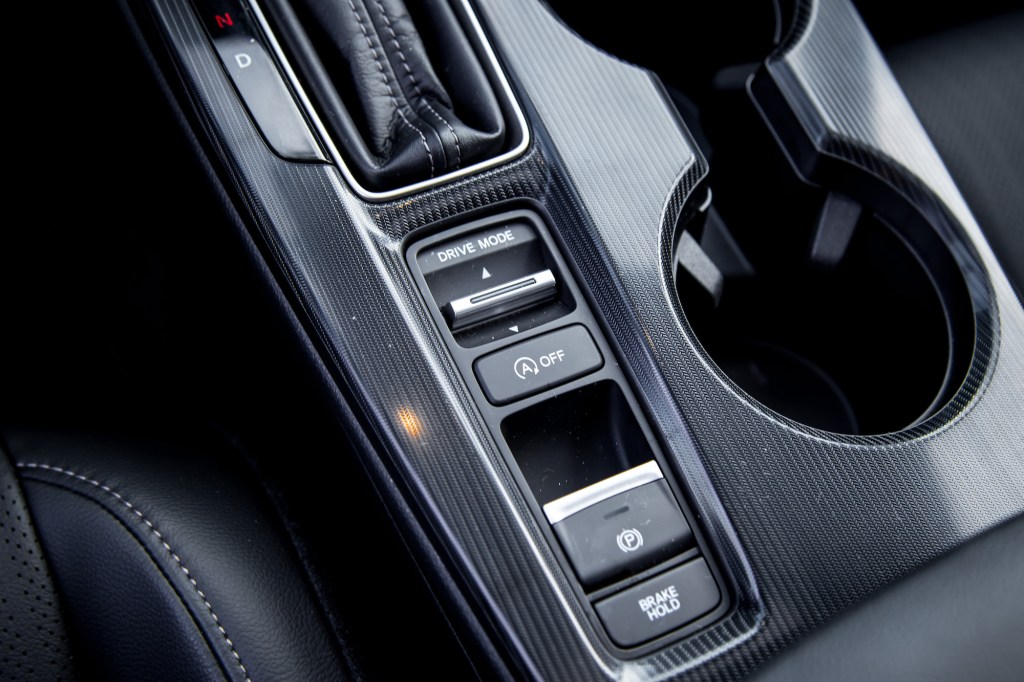
There’s a new Sport mode too which changes up the CVT’s gear ratios and mapping, but we found little use for it as the standard mode’s power delivery was peaky enough, and the gearbox was polished and gentle enough that we found little need for the wheel-mounted paddle shifters either. ECO mode on the other hand will dial back the throttle and gearbox sensitivity, as well as reduce the air conditioning output.
Honda’s bread and butter sedan brings forth small but meaningful revisions for 2022, resulting in a genuine and well-packaged commuter car for the masses. The upgraded interior tech is a welcome addition, as are the gains in the turbo-four’s output, and the calmer and more pleasant ride. The new Civic steers and corners with as much enthusiasm as before and while it doesn’t audaciously change the status quo, it still remains at the forefront of entry-level sedan domination.





Leave a Reply