
We spent some quality time with the track focused GT350R a few months back at Pocono Raceway in Pennsylvania, but now we’ve been given the keys to the friendlier (if you could even call it that) GT350 for a proper road test.
The city streets are where the majority of these snakes will undoubtedly spend most of their time, so we’re giving it a proper go around town. Is the new Ford Shelby GT350 acceptable as a daily driver, or is it too much for the road and solely meant for the track? These are questions we’re going to address.
Let’s start off with introductions. What is the GT350 exactly? Well the skunkworks at Shelby have taken a standard Mustang GT and put it under the knife, swelling every piece of sheetmetal they could find and even gave it a heart transplant under the hood.
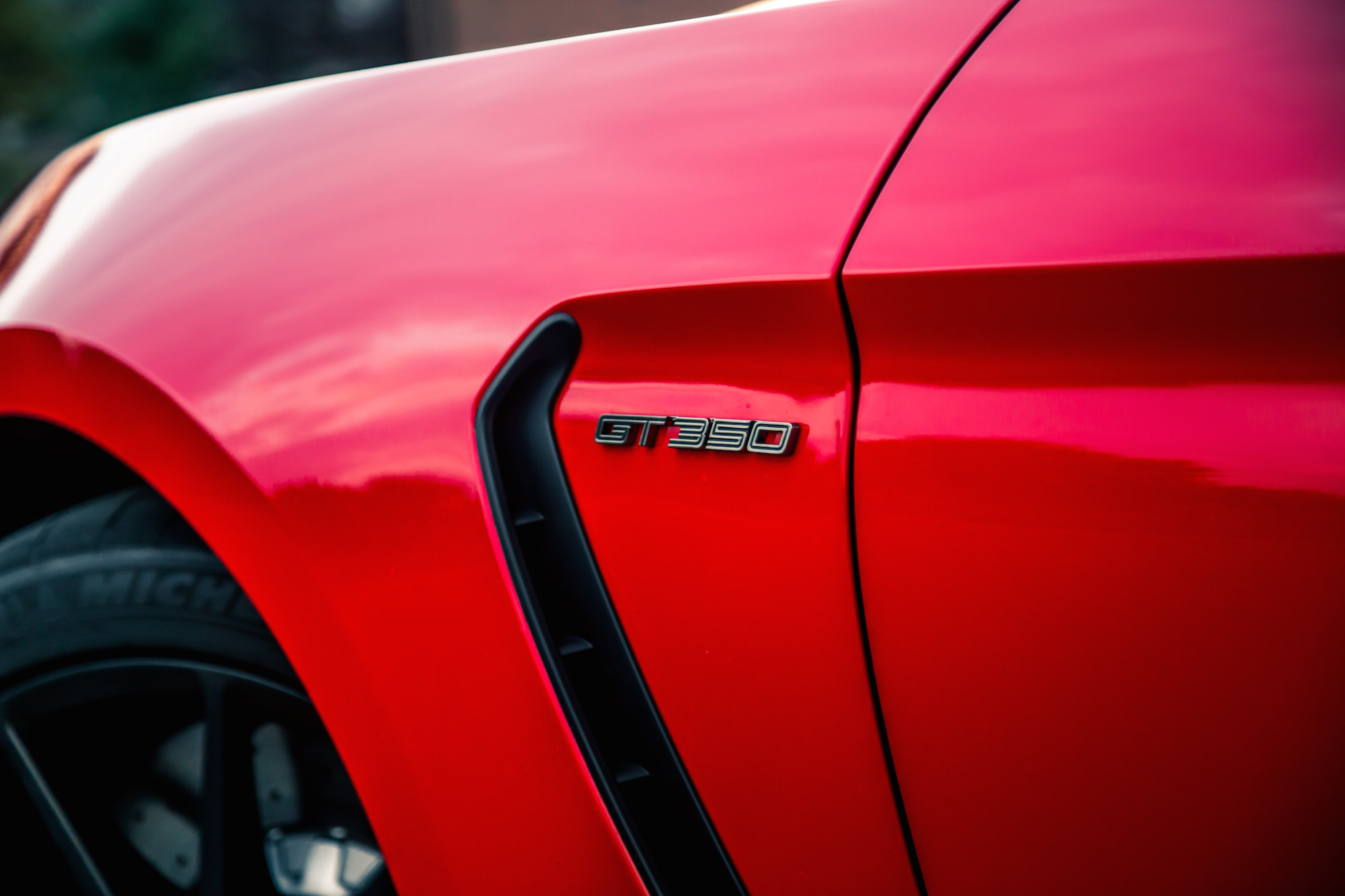
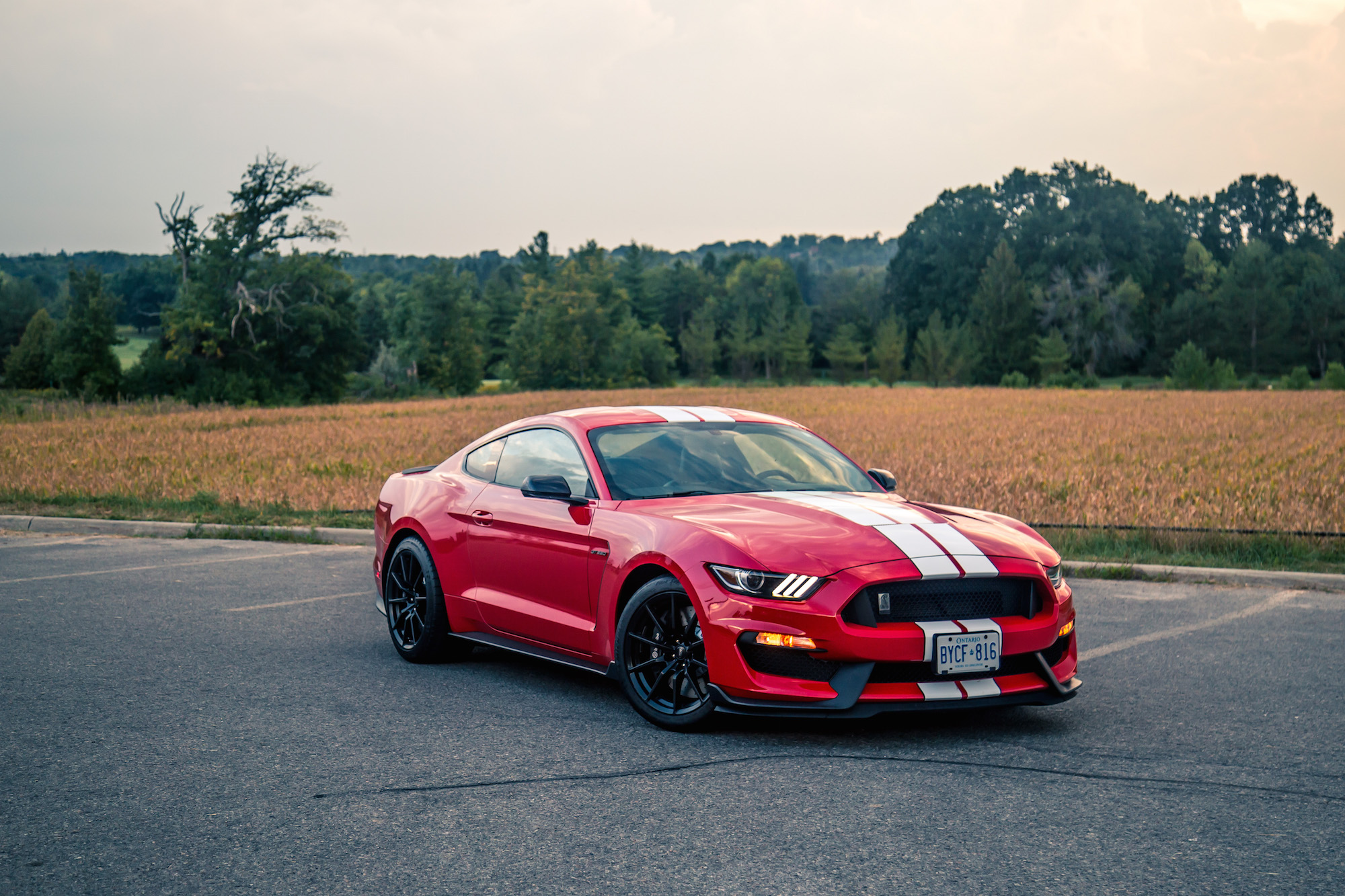
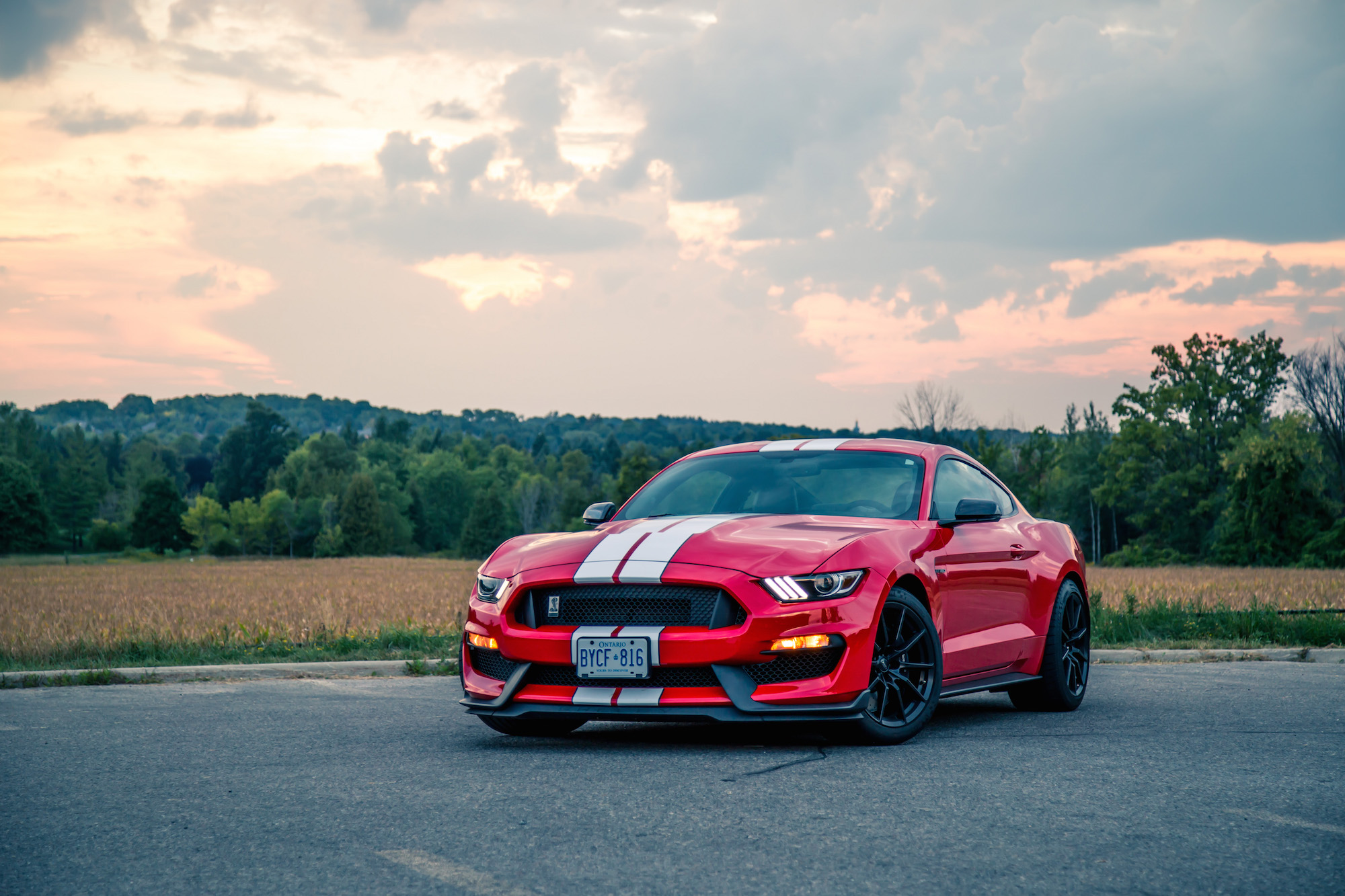
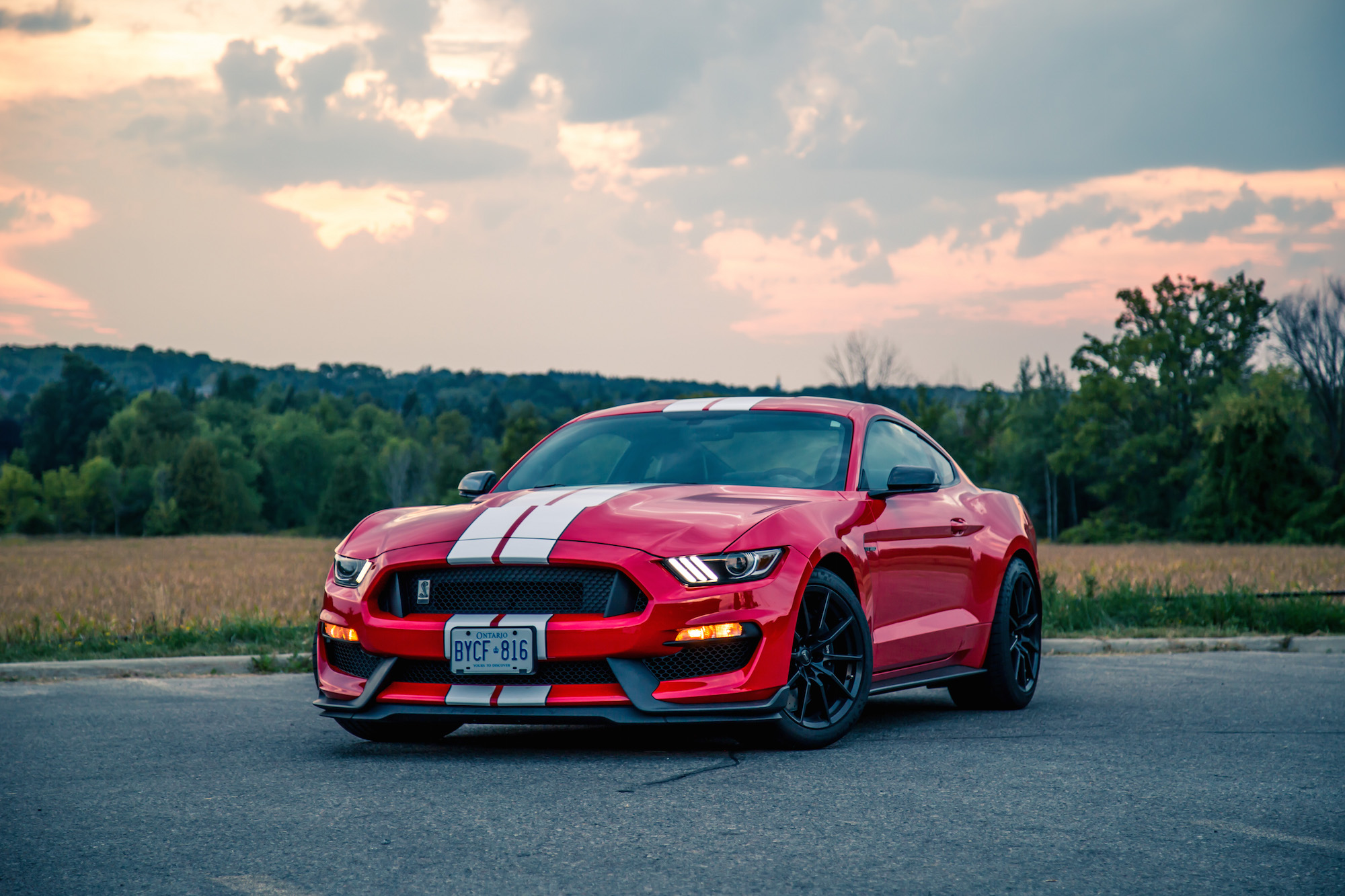
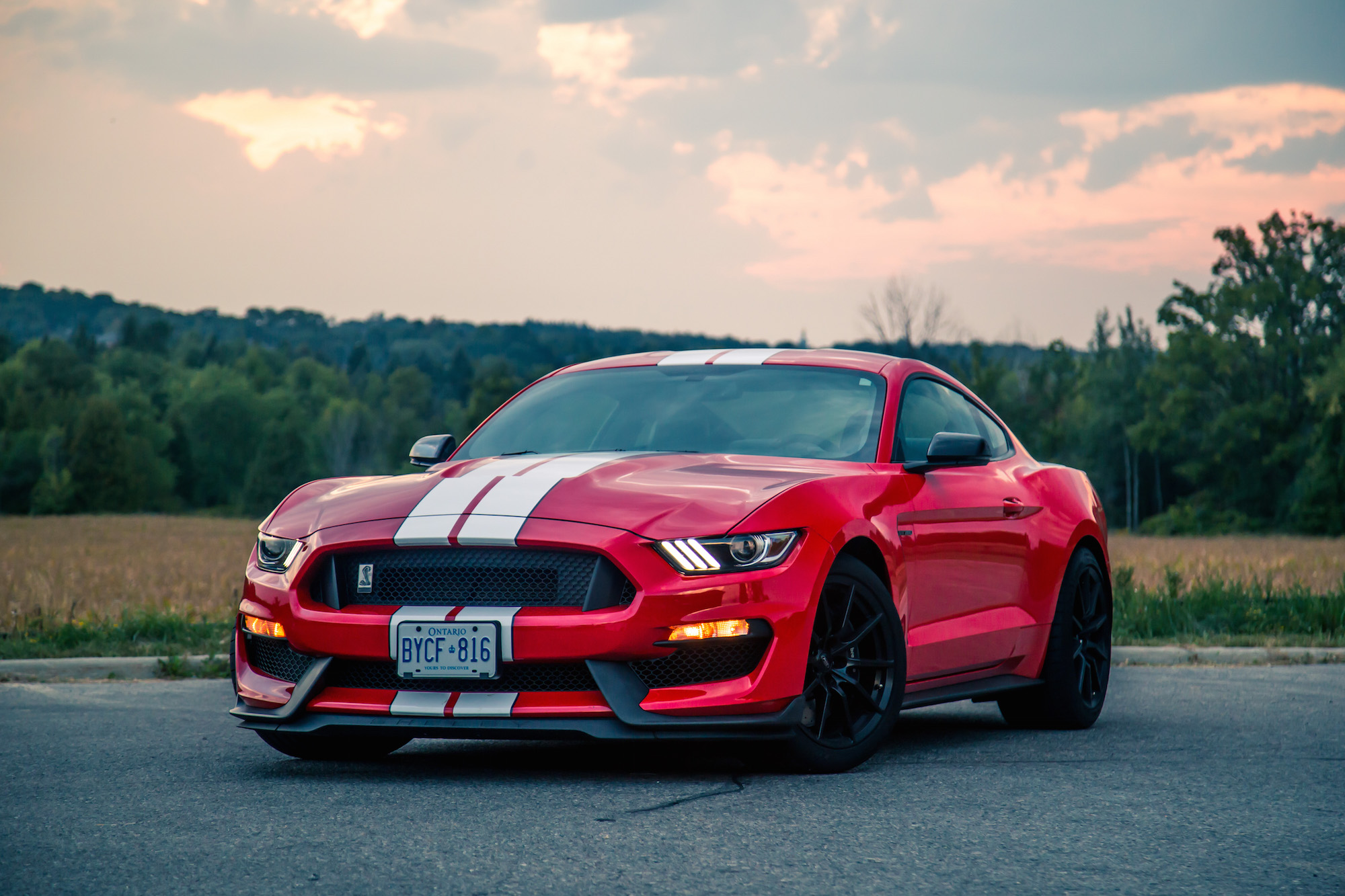
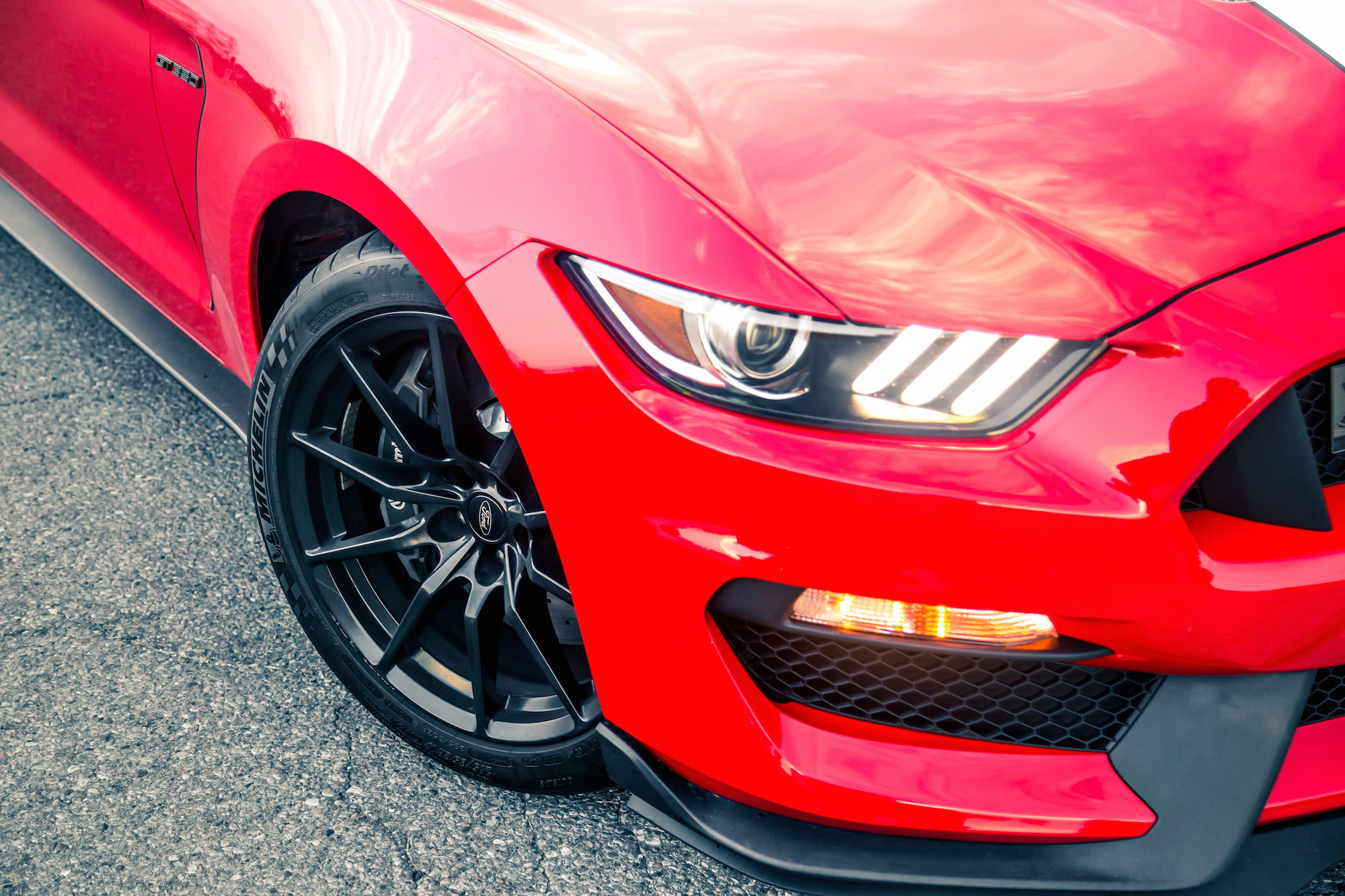
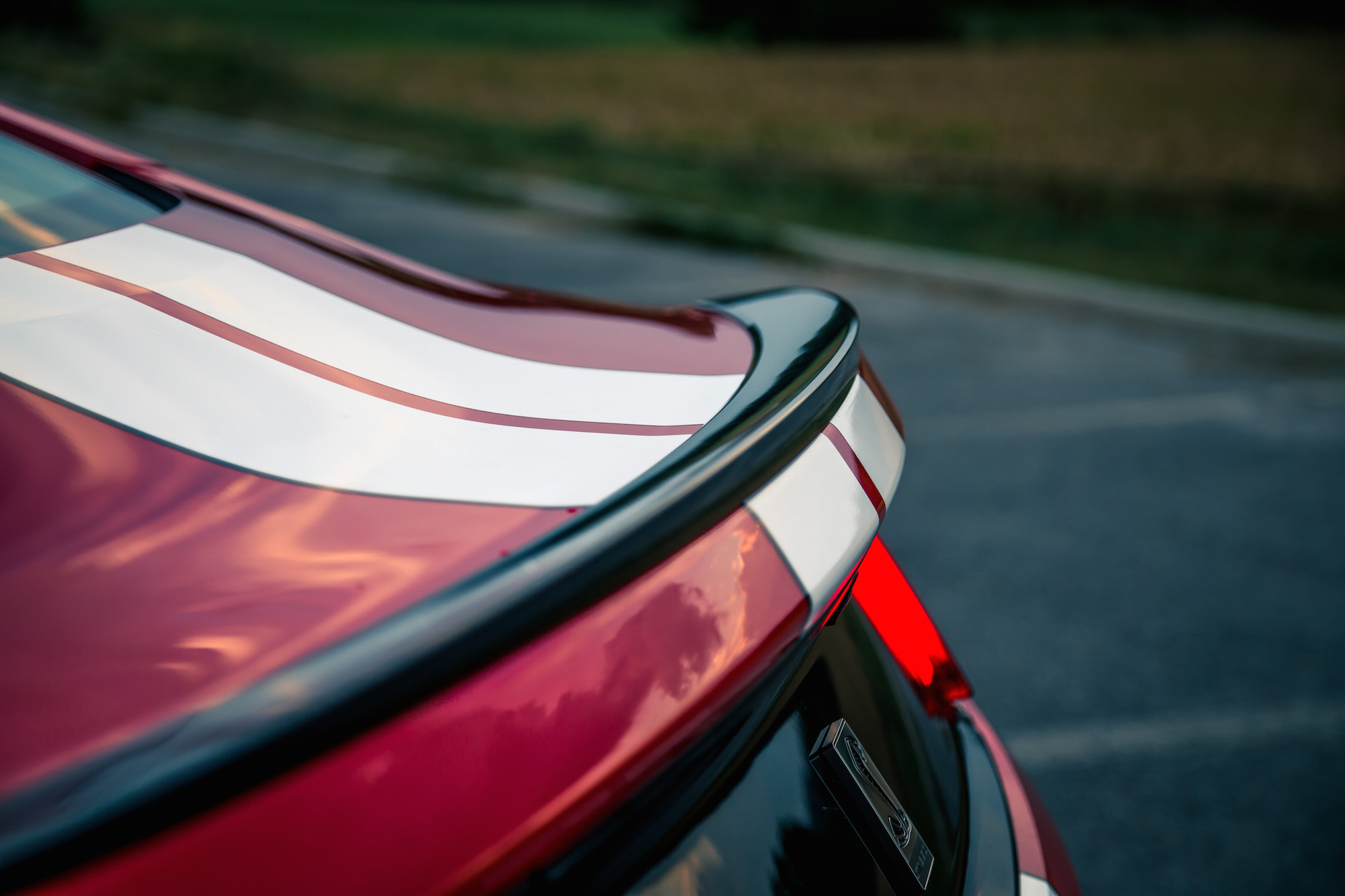
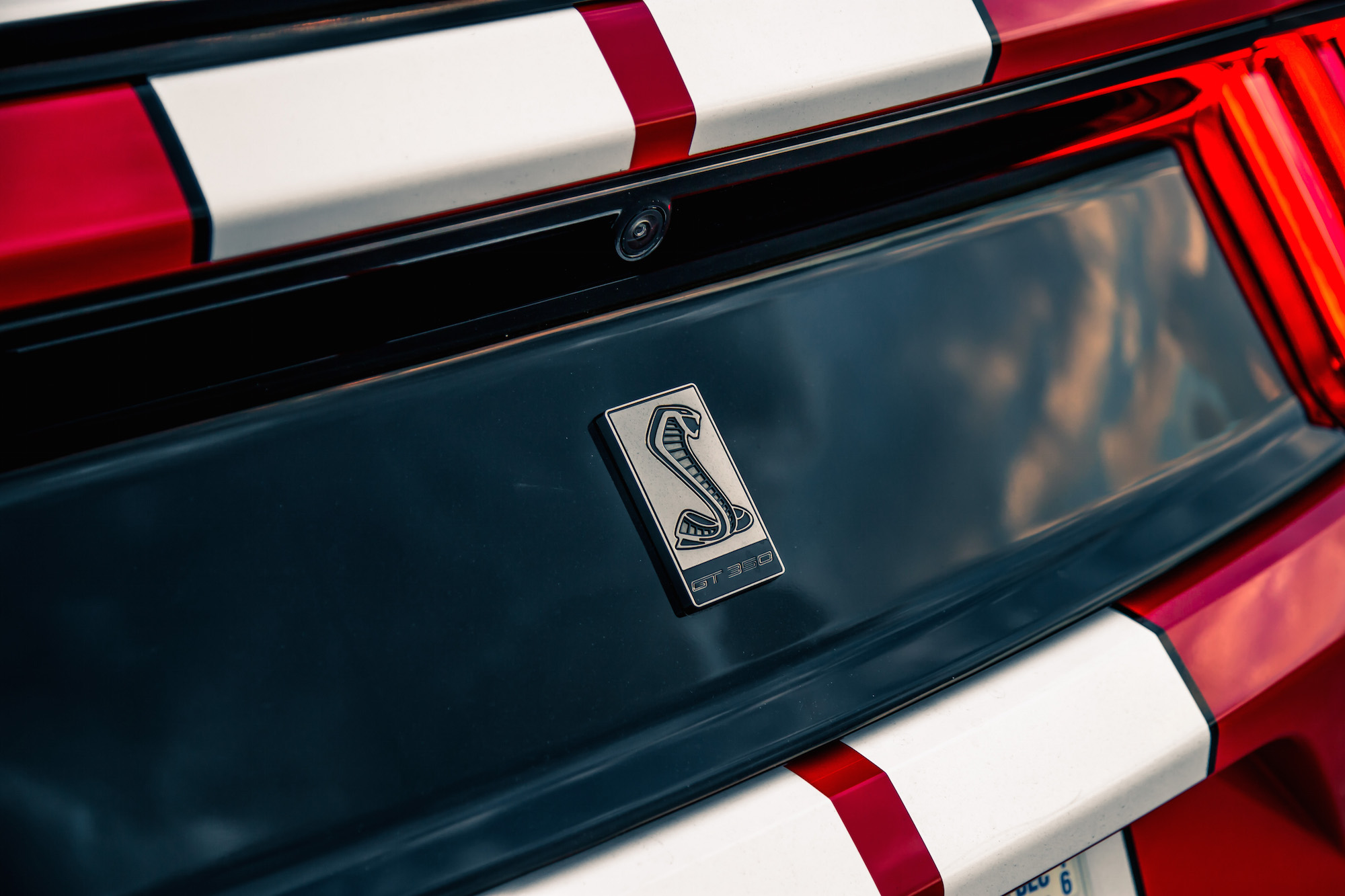
The GT350 receives a new front splitter, bumper, sculpted hood, cobra badges, flared fenders, a fresh set of Michelin Pilot Super Sports, and a rear spoiler that compliments its wider track.
Still having trouble telling these Mustangs apart? Just look for the optional stripes running down the middle of the Shelby (not all owners will opt for it though). Race Red, as our tester is draped in above, is nothing but a cop magnet but who are we to complain when we have one of the most intriguing Mustangs ever produced in our grasp?
Now you may have been hearing a lot of hype enshrouding the beating heart the lies within the GT350: the flat plane crank V8 that Ford has aptly codenamed the Voodoo. Is it as magical as other auto scribes have made it out to be? Well it helps to know a bit about how engines work.
You see, most V8s on the road like the 5.0L Coyote V8 on the Mustang GT, are cross-plane crank engines, which have their crank pins set at a 90-degree angle. This, along with its unique firing order, creates that distinctive baritone burble sound we have all come to love from American muscle cars.
Flat plane cranks are actually a little more straightforward. They are flat, like two inline-fours conjoined together at the hip, and their crankpins are arranged in one single plane, hence the term “flat plane.” They’re smaller, lighter, offer better packaging, and can rev a lot higher (just ask the Ferrari 458 Italia that uses the same setup), but they do suffer from a lot of vibration.
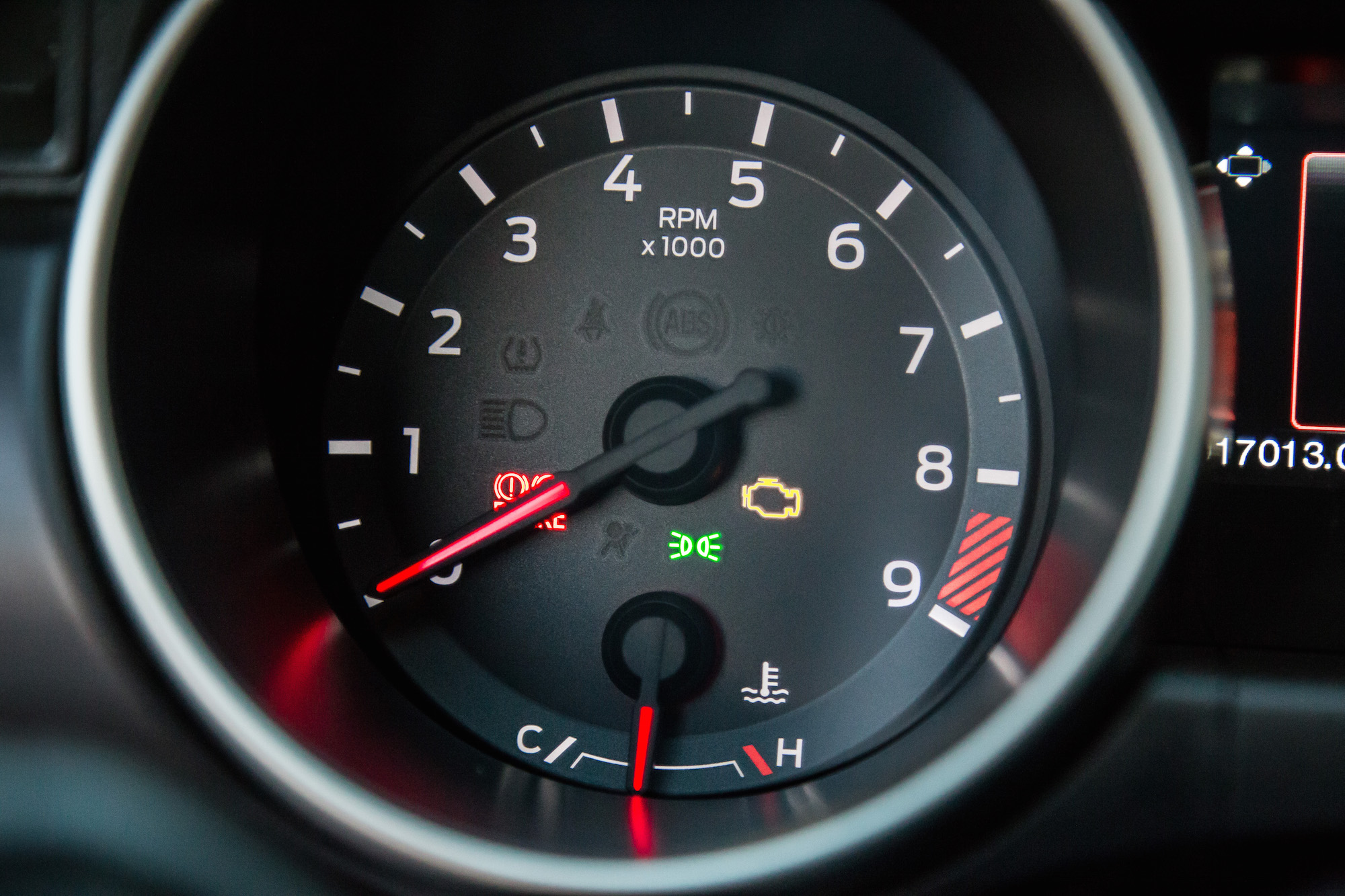
Ford engineers have refined it however, and in return have made the most powerful naturally aspirated engine in their arsenal: 526 hp and 429 lb-ft of torque straight to the rear wheels via an 6-speed manual, screaming up to a baleful 8,250 rpm redline. Yes, you read that right. An 8,250 rpm redline in a V8. That’s just absurd.
In fact, the only thing the Voodoo V8 shares with the Coyote V8 is the bore spacing and deck height. Everything else is brand new. The driving experience is entirely different too. We’re so used to driving turbocharged cars where we get initial boost and stunted redlines, but hopping into the Shelby took some adjustment.
Where we would normally shift at 4-5,000 rpm to keep our cars in the meaty part of the powerband, the Shelby commands nearly twice that number, ringing the bell past 8,000. It doesn’t lose much steam up there either, on the contrary. Power delivery chugs on in an unprecedented linear fashion, and the noise goes from raucous to downright malicious.
We actually discovered that Ford programmed the GT350’s exhaust to be some sort of a bizarre mating call. Modded Mustangs and Camaros were lured in every day of the week, lining up next to us asking if we wanted to race. Some even threw in a laughing joke about pink slips (98% truth). But they could put whatever aftermarket exhaust system they wanted, nothing would deliver the same kind of intoxicating sound as this flat plane magic wand.
How to best describe the GT350’s exhaust? Have a listen here yourself. It’s an emotional rollercoaster of bangs, roars, pops and crackles. It’s maniacal, sinister (I’m running out of synonyms here), and I’ve even questioned its legality. Start the engine, flick that exhaust button that looks like a pair of goggles, and every cent you paid for it becomes justified. Suddenly, all is right in the world.
Mashing the gas pedal is like tearing a portal into Hell, with all the demons from the seventh circle bellowing out with infernal wails. It sounds quite morbid actually, but once you hear this Shelby whine up to the red, you’ll know exactly what I mean.
On back roads, the GT350’s new independent rear suspension keeps up with the best. The frame isn’t as well sorted as the Chevrolet Camaro’s Alpha Platform, but it manages to place itself in a rigid and taut manner.
The suspension has two adjustable settings, and the comfort setting is actually fairly compliant on everyday commutes. The springs do a phenomenal job of soaking up undulations and impurities on the road. It isn’t as well mannered as a standard Mustang, but it could easily be taken on a cross-country road trip without complaints of sciatica or tinnitus.
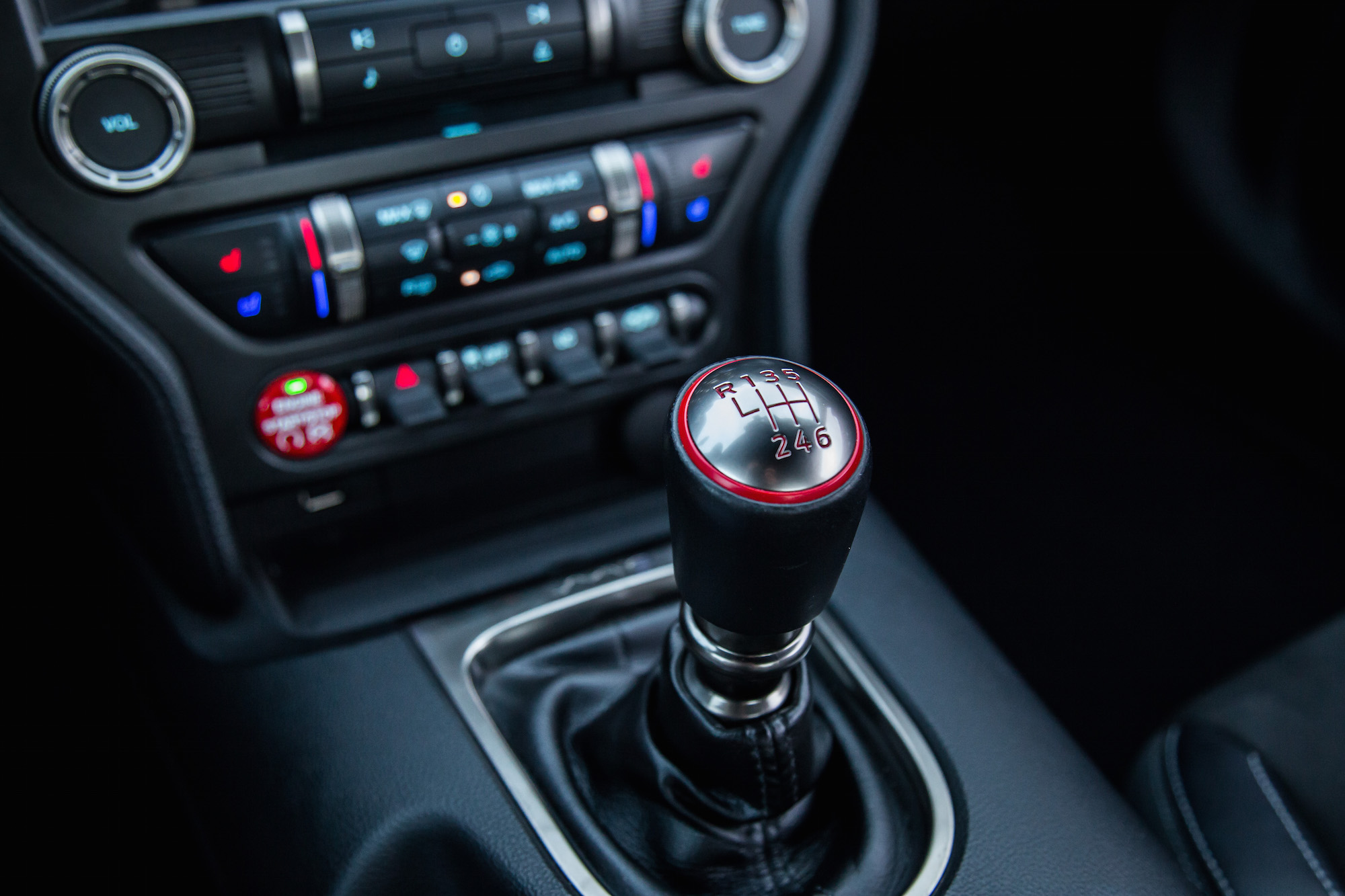
The clutch is as light as it is velvety smooth, making it a breeze to navigate through stop and go traffic. It’s a different feel than the Getrag example in the GT. The Shelby’s TREMEC transmission feels more like an MX-5’s with its short throw shifter and lenient engagement point.
The tires were quite worn when we received the car, so we didn’t dare try any corner carving antics at high speeds. Instead we kept the engine in the high rpms and filled our ears with expletives as we enjoyed the Voodoo magic at city speeds.
There isn’t a car like this on the market at this price point. Not even close. But it’s clear all the money went into the performance. Inside, you’ll find a low rent interior that genuinely lacks depth.
The seats are long-distance comfortable and are far better bolstered than the standard Mustang’s seats, but the cabin design is just plain old economy car. The center stack is flat as an airport with convoluted buttons for audio and HVAC that look absolutely identical. SYNC 3 is a saving grace, and is one of the better, more intuitive, and quicker infotainment systems out there.
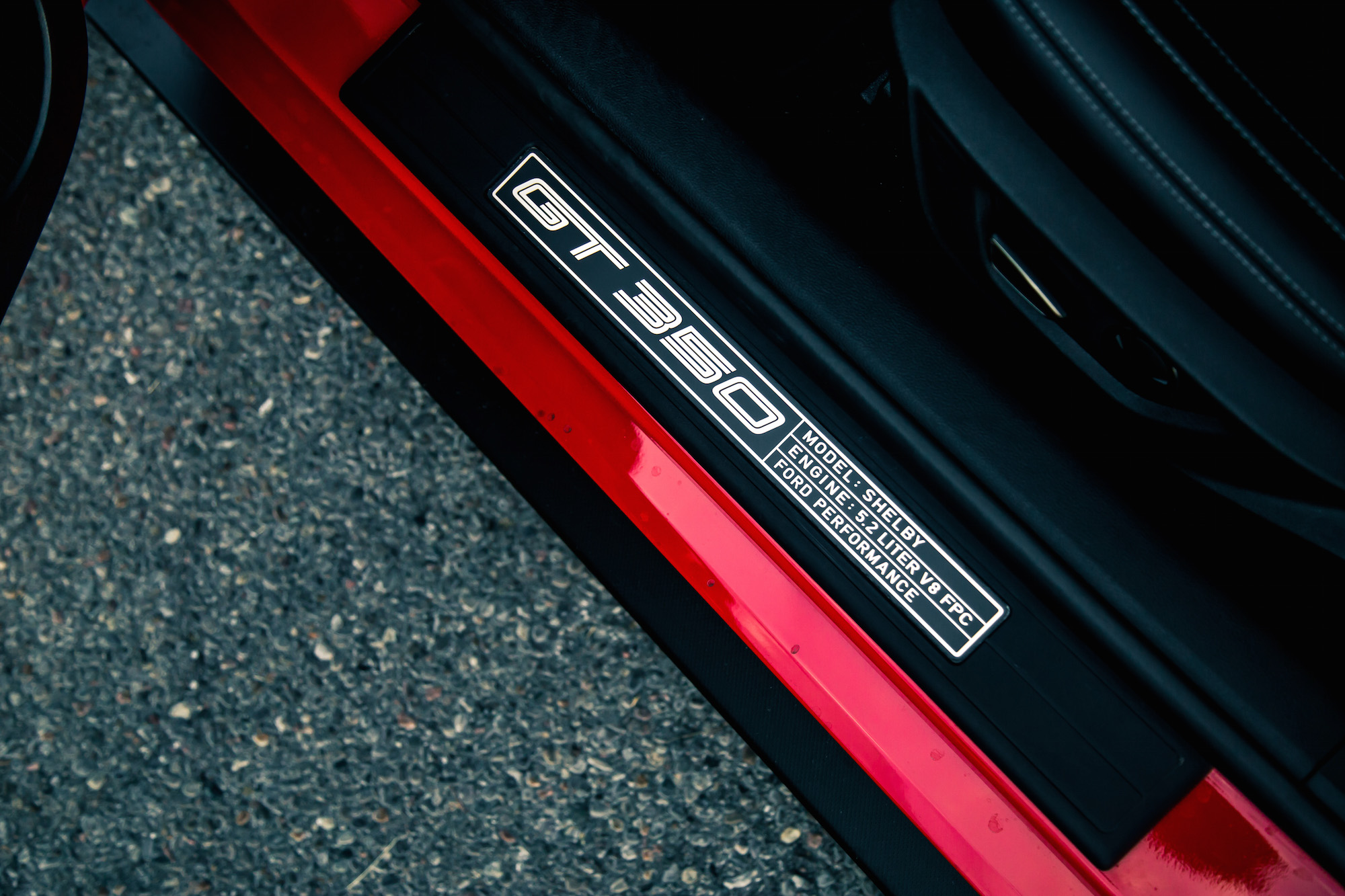
Still, Ford did their best to make drivers feel special in their $70,000 cocoon with a unique chassis plate on the dashboard, cosseting leather seats, Alcantara on the steering wheel, a red shift knob, and a plaque on the door sill that reads out the car’s stats like a personal dog tag.
The $9,400 Technology Package is essential to bring out the “grand touring” side of the GT350. With it you get heated and cooled seats, navigation, dual-zone climate control, SYNC3, and leather trimmed sport seats, suiting a leisurely drive around town.
The best part about the Shelby however is that Ford didn’t sacrifice much of the Mustang’s civilized mannerisms and livability for that injection of performance. The trunk size and rear seat room remains the same, meaning you can still haul two children and a few golf bags on the weekend. There is no sunroof available and the front lip spoiler forces you to slow down before speed bumps but at the end of the day, the side effects are minor and you can use the GT350 just as you would any other rental-spec Mustang.
It’s near impossible to take the GT350 to its limits on public roads (that what the track is for) but the wailing exhaust and stellar looks will prove its money’s worth regardless of the terrain. Ford could ramp up the sticker on the GT350 by $10,000 or even $20,000 and they would still sell out like hotcakes. I’m not even sure which has the bigger dealer demand at the moment: the GT350 or the Hellcat twins.
The bottom line is that regardless of road or track, the GT350 is the best Mustang ever built. Period. The GT350 is a monumental step up from the GT in terms of noise and dynamics, and not only is it a prouder, louder, and lighter specimen, but it is infinitely more engaging and focused. Call it the magic touch, if you will, but they call it Voodoo.












Leave a Reply