
“Mitsubishi is still making cars?” screamed my co-worker. Being more commonly associated to air conditioners and electronics rather than automobiles, it’s nice to see some new 2015 models coming off the shelves at Mitsubishi. After the departure of the Lancer Evolution, there are only 5 models left in the Japanese manufacturer’s lineup: Lancer, Mirage, i-MiEV, RVR, and Outlander. We’re here to take a closer look at the latter, the Mitsubishi Outlander. In my opinion, it is one of the more underrated crossover SUVs in its segment, carrying a potent V6 engine, the same all-wheel drive system as the Lancer Evolution, and enough room inside to seat 7 passengers. It offers all the safety features and cargo space to fulfill its crossover image, but is it enough to revive the brand?
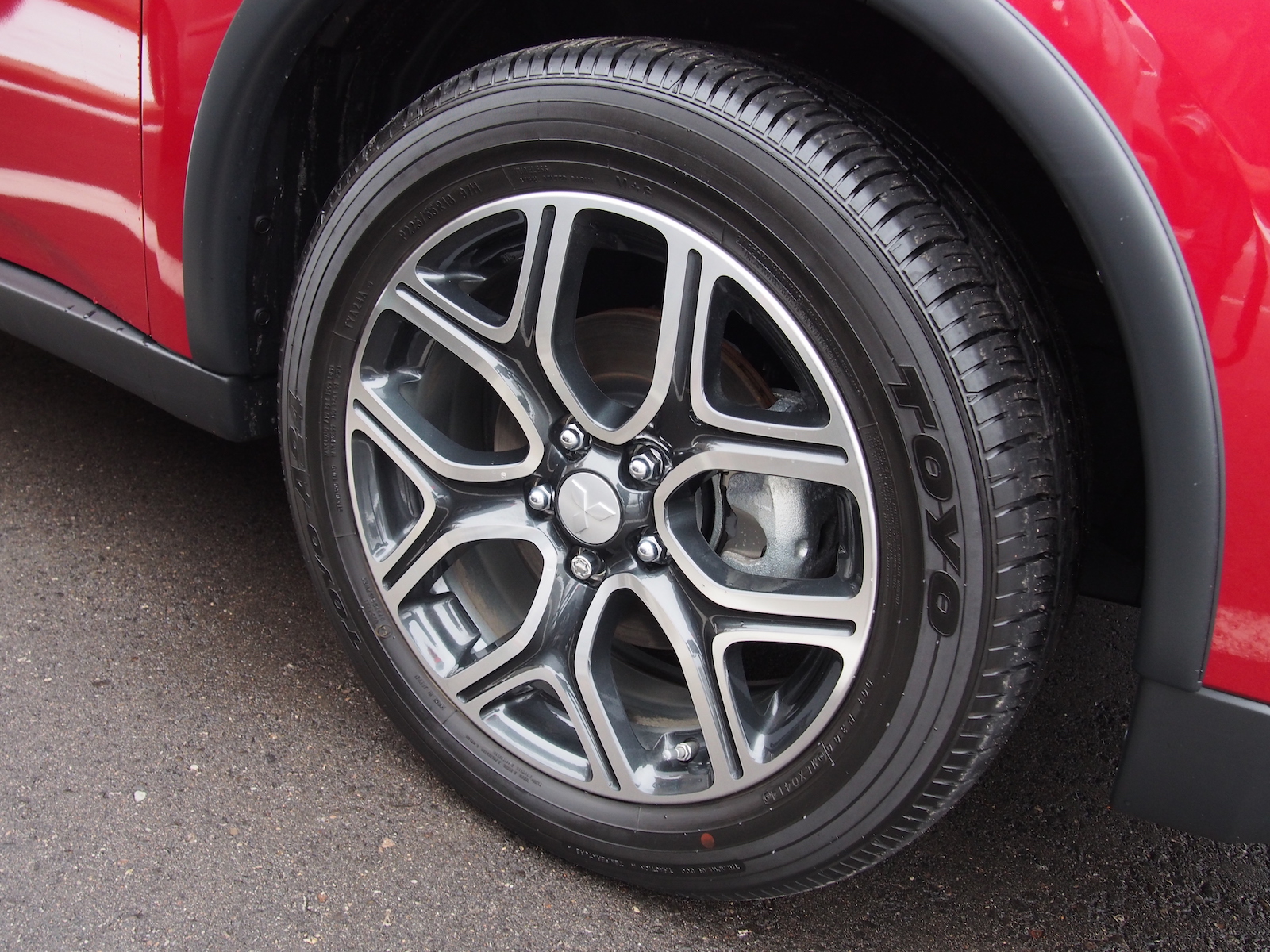
The Outlander receives a few subtle updates for the 2015 model including exterior changes, interior updates and new 18-inch alloy wheels. There are four trims available: ES FWD, ES AWC, SE AWC, and the GT S-AWC. The first two receive the 2.4L MIVEC 4-cylinder engine coupled with a not-so-welcome CVT, and the latter two receive the more powerful 3.0L MIVEC V6 engine coupled with a proper 6-speed automatic.
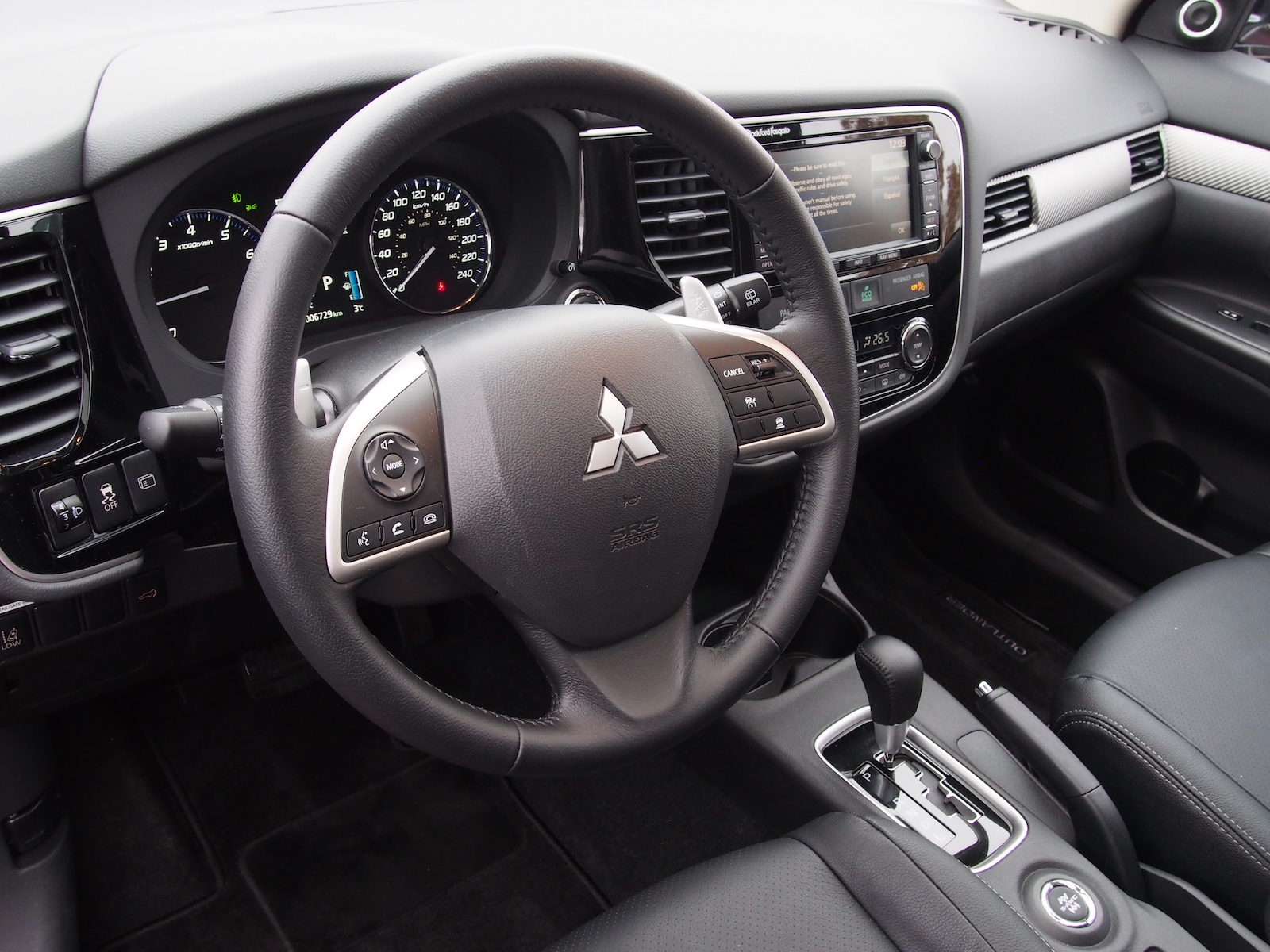
We spent a solid week with the GT S-AWC trim that receives the V6 MIVEC engine. It produces a gutsy 227 horsepower and 215 lb-ft of torque, and though the numbers seem paltry next to competitor engines, the amount of oomph you get from the six cylinders suggests numbers much higher than stated. The 6-speed automatic does a great job offering torque throughout the powerband, but it can be a bit slow finding the right gear. When I needed a sudden bolt of acceleration for overtaking, I resorted to the column-mounted paddle shifters to select a lower gear and breeze ahead. I liked how the paddle shifters remain stationary rather than being wheel-mounted, but it does force you to straighten up the wheel before you can flick it and row the gears. They’re long and slim for easy reach, but feel a bit plasticky. A neat feature that I also discovered was how you can hold down the right paddle to change from manual shifting back into automatic mode.
We didn’t get a chance to test the inline-four engine in the Outlander ES trims, but the fact that it is coupled with a CVT, alone, is already worth the upgrade to the SE and GT trims for the 6-speed. The only tradeoff is that the V6 requires premium fuel, while the 4-cylinder only needs regular fuel. It’s unfortunate, because that premium fuel cost is bound to put off the more conservative-minded customers, and might even push them into other showrooms. Yet, our time with the V6-equipped Outlander netted us an average fuel economy of 11.5 L/100km with a mix of both highway and city driving, which isn’t bad and sits well above average.
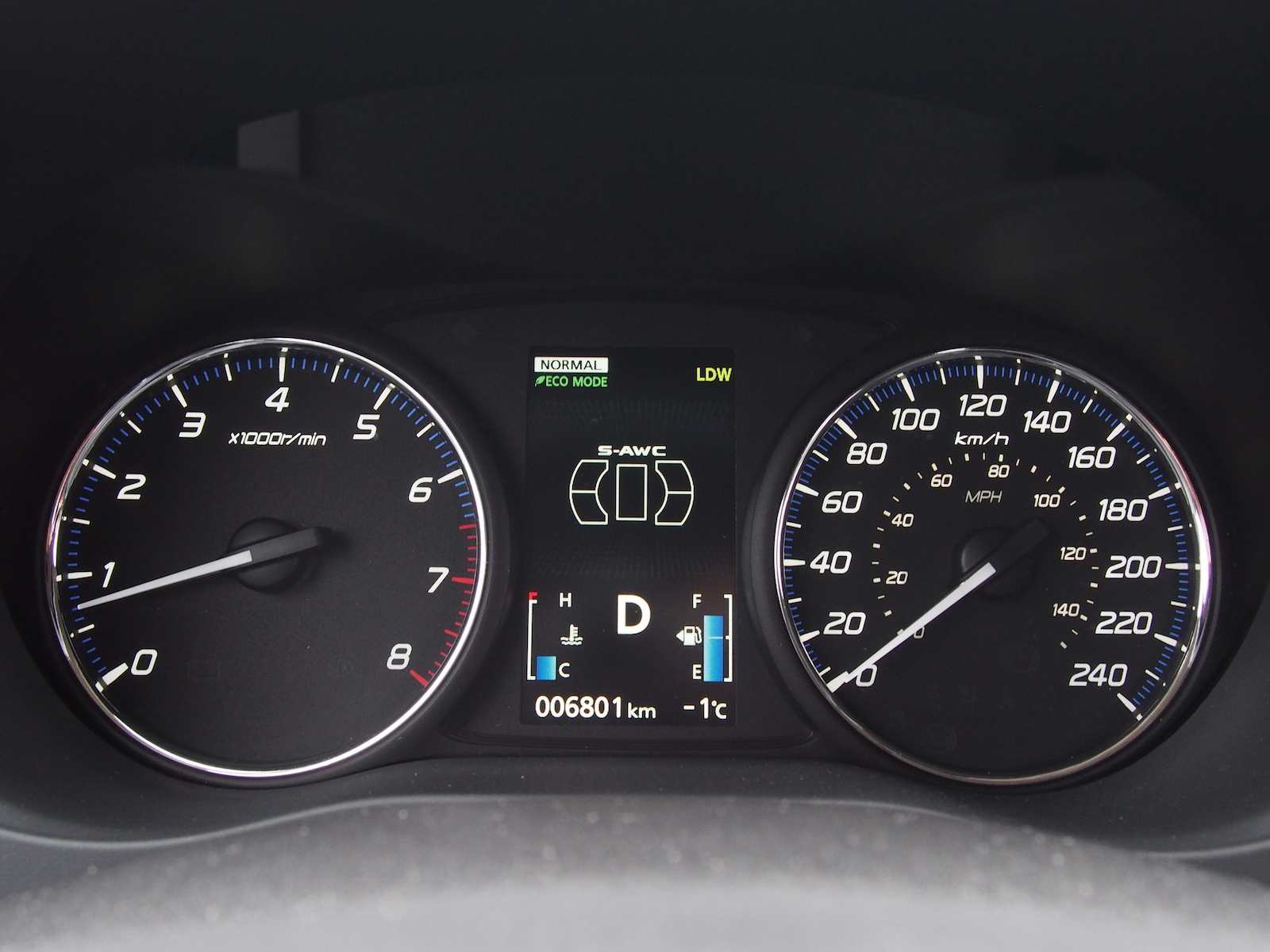
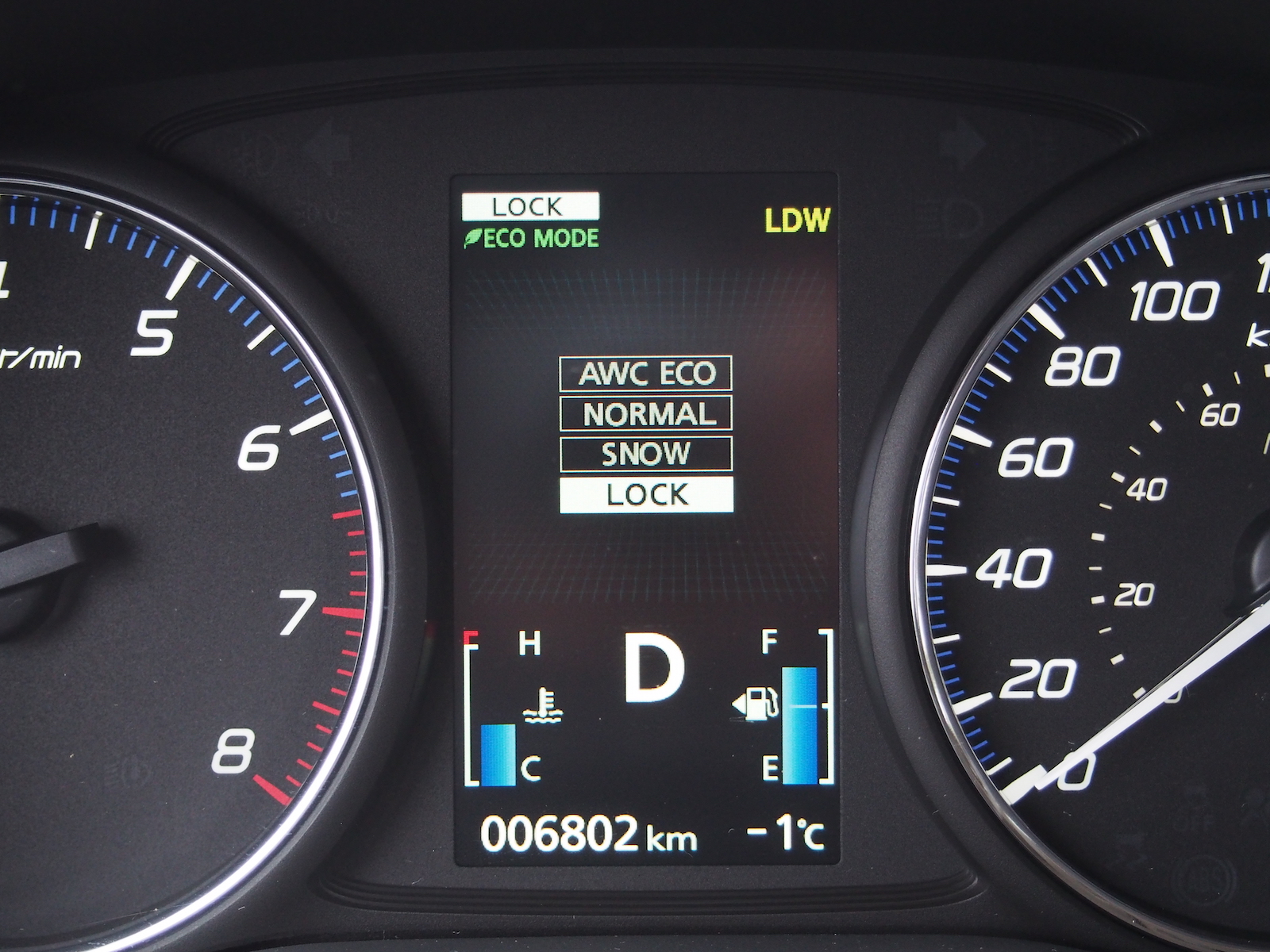
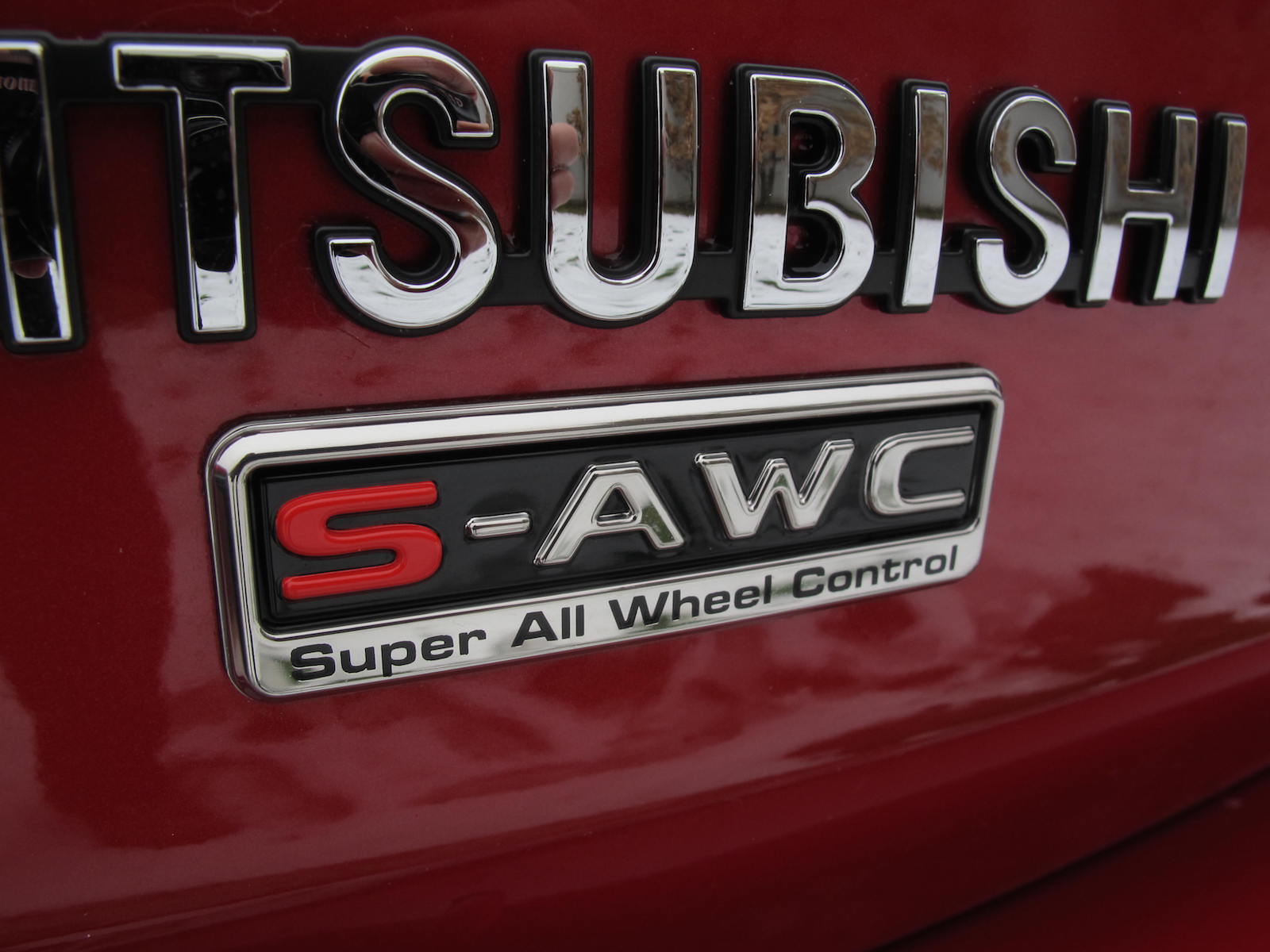
Now you might be wondering what that long acronym stands for, S-AWC. It stands for Super All Wheel Control, which is Mitsubishi lingo for its advanced four-wheel drive system that is also found in the superb but now defunct Lancer Evolution. S-AWC manages the differentials, yaw controls, stability controls, and ABS to manage and regulate torque at each of the four wheels. In short, it’s an all-wheel drive system that allows for better traction, performance, and stability in any possible driving condition. Throughout the week with our Outlander, we encountered heavy snow, ice, and even a gravel road. It handled the above obstacles confidently and without any setbacks. We were also pleased with the four available modes to choose from: ECO, NORMAL, SNOW and LOCK. ECO mode forces the engine to solely send power to the front wheels, but can transfer power to the rear wheels when needed. A keen eye will also notice an ECO MODE button sitting underneath the center navigation screen. Don’t get confused, as this similar button will reduce the throttle input and airflow of the air conditioning to increase fuel efficiency. In my opinion, the numbed throttle isn’t worth the minor increase in fuel numbers. Leave that button turned off.
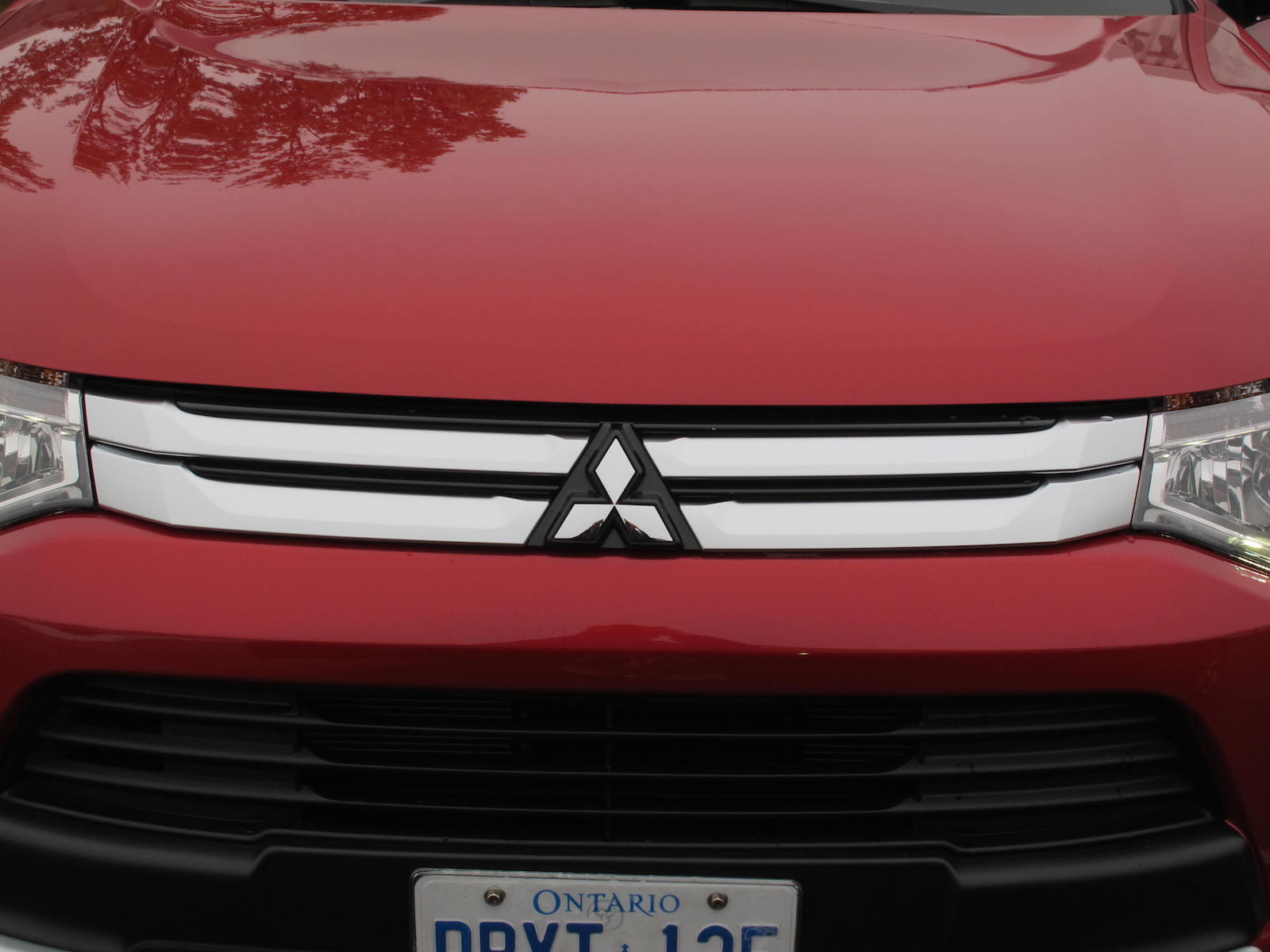
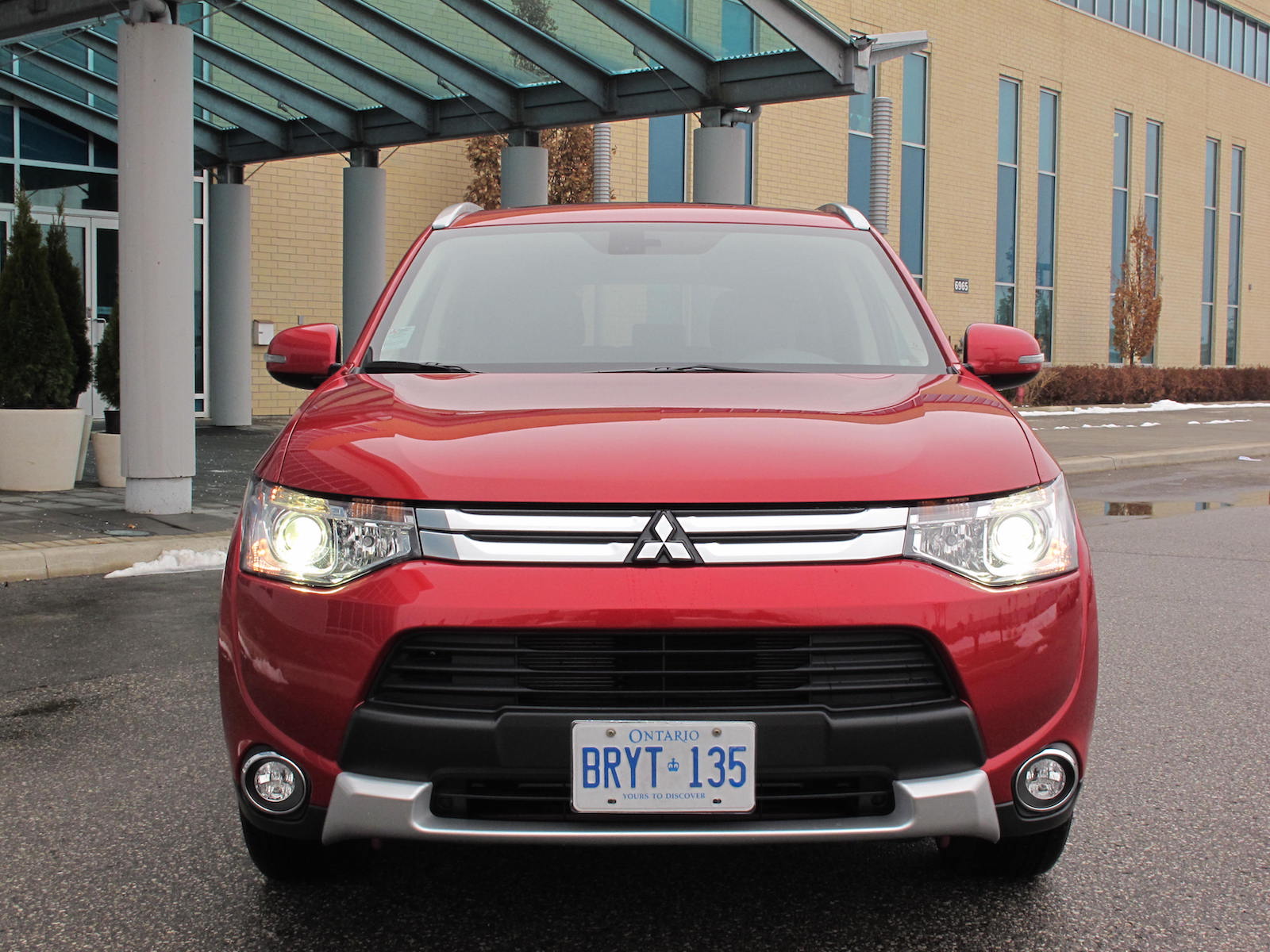
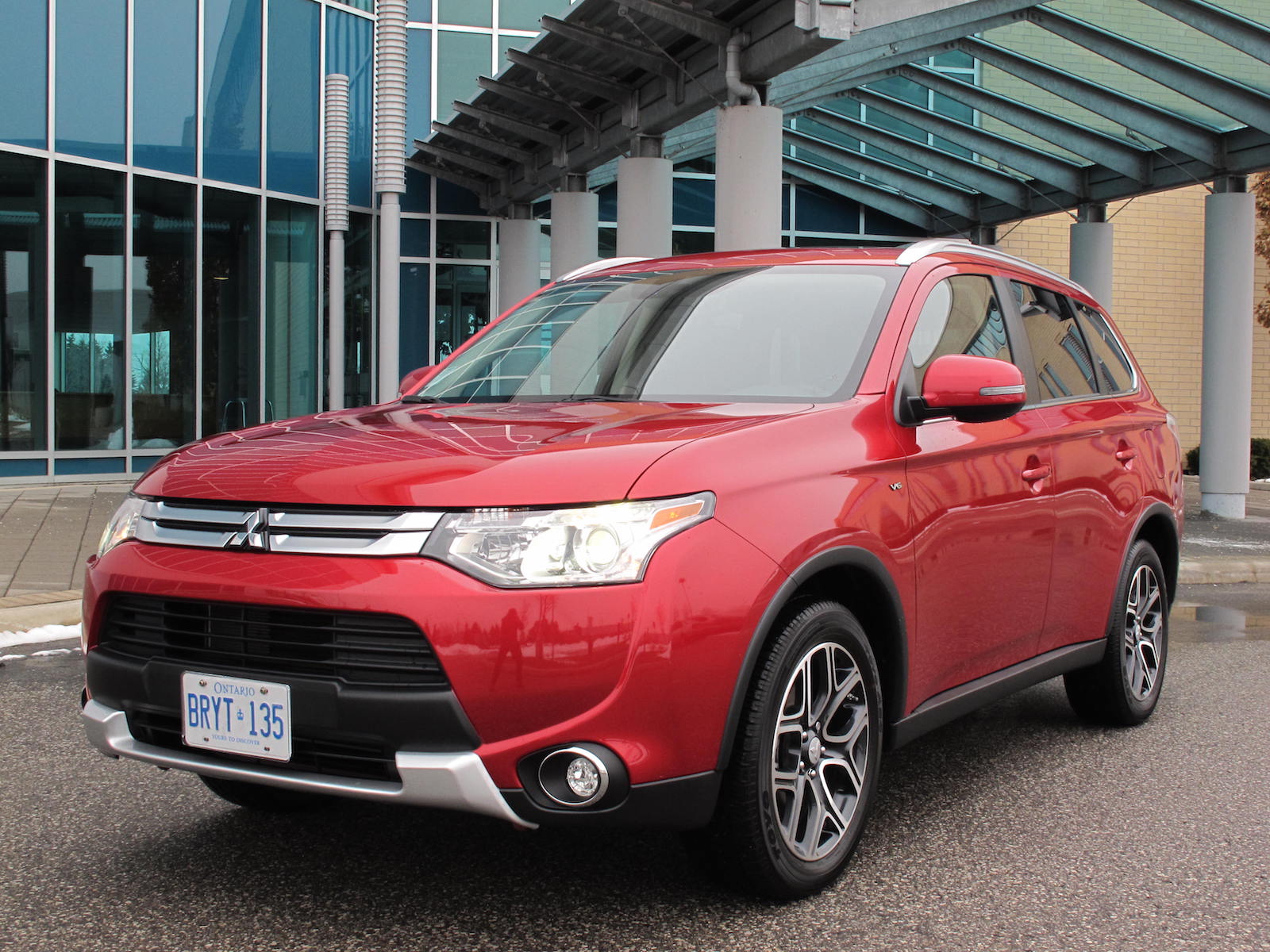
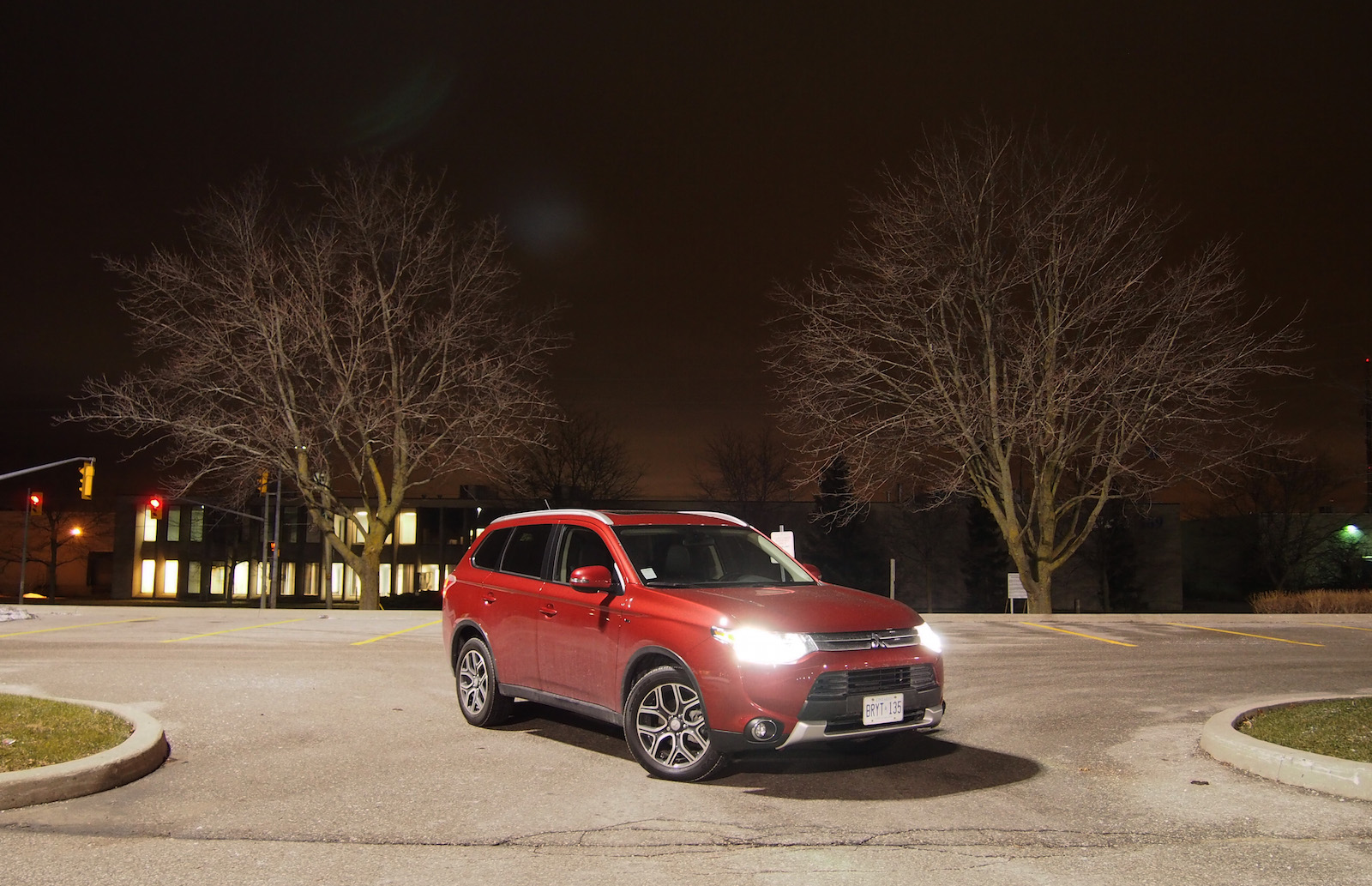
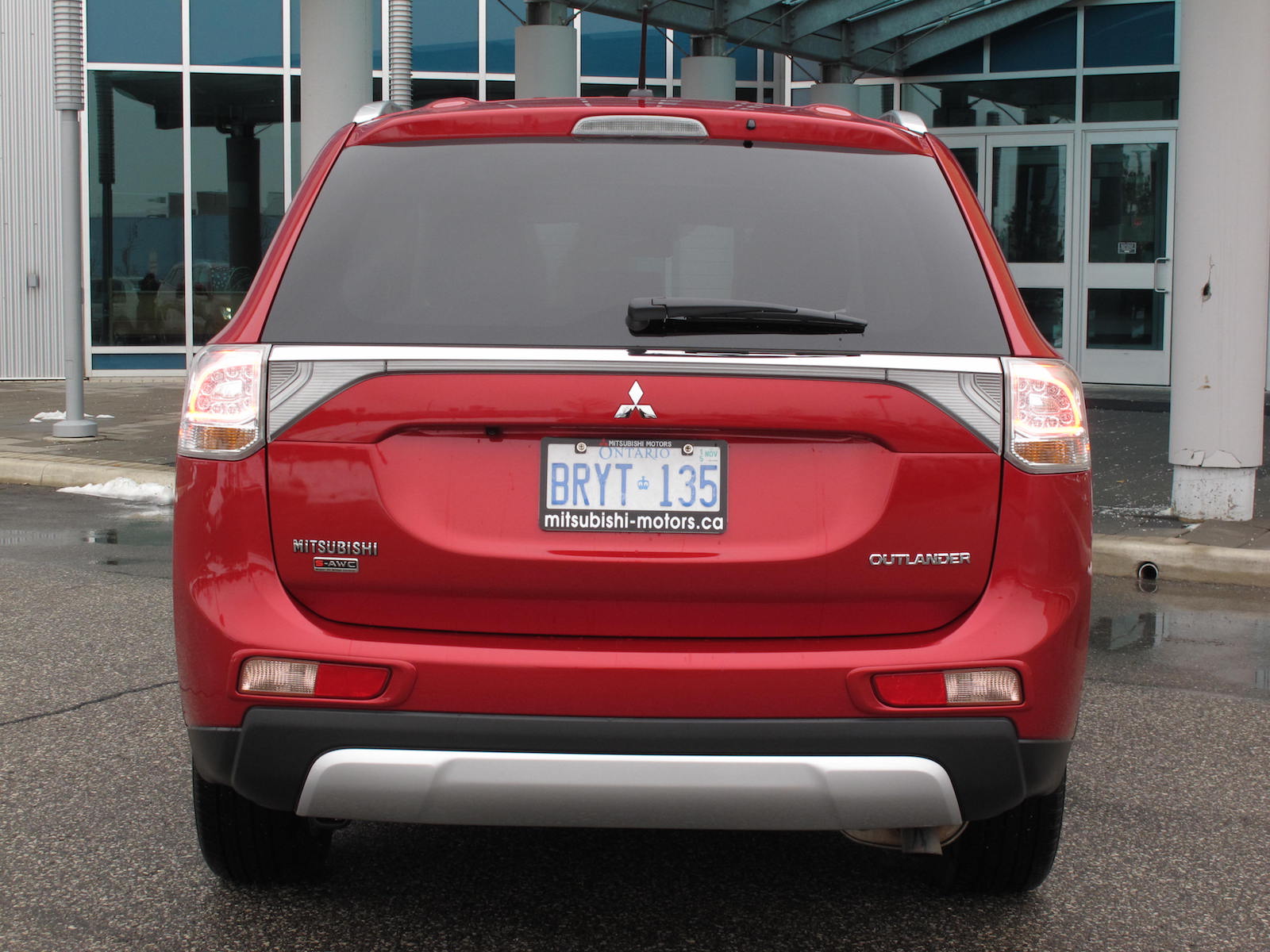
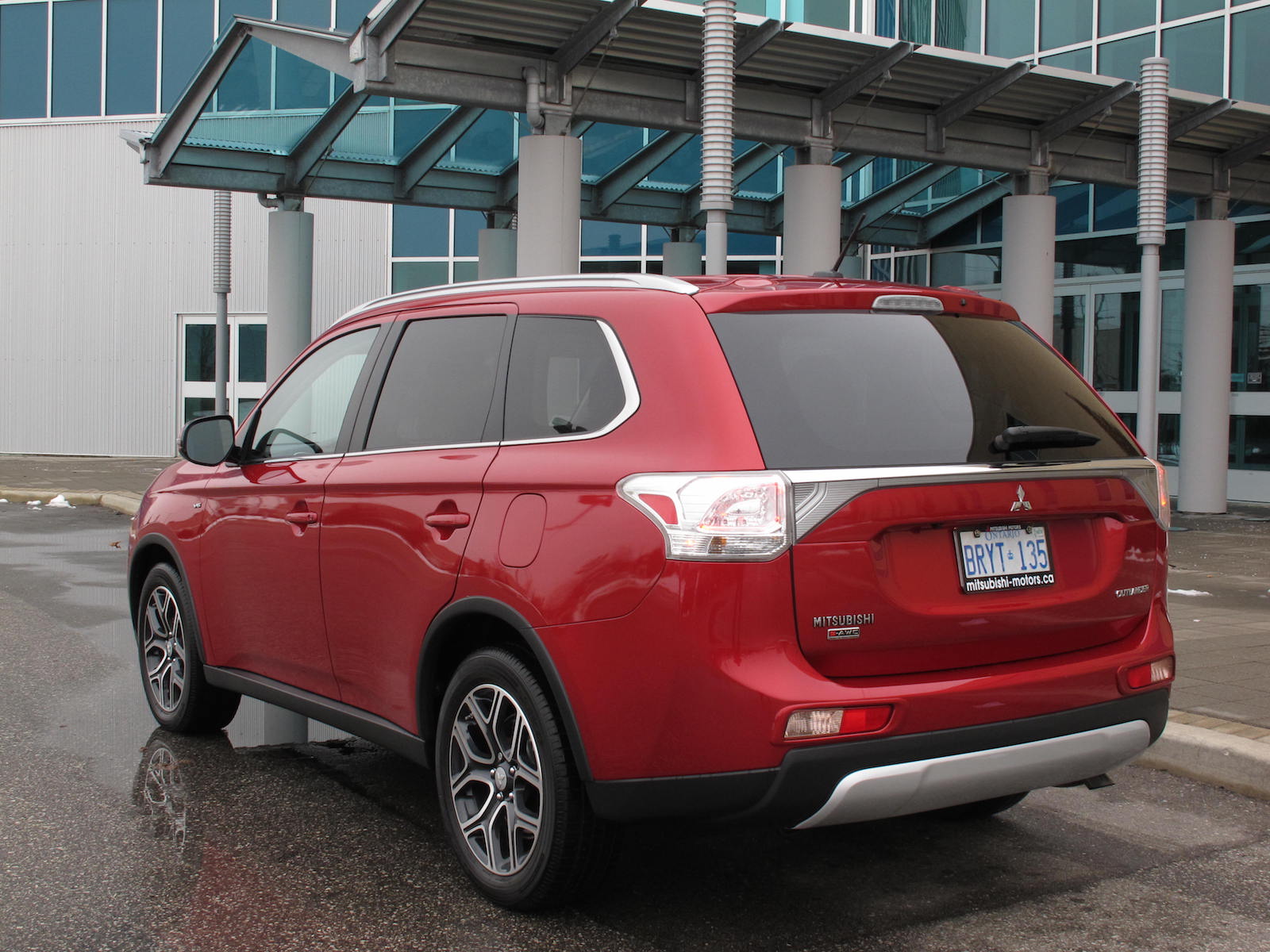
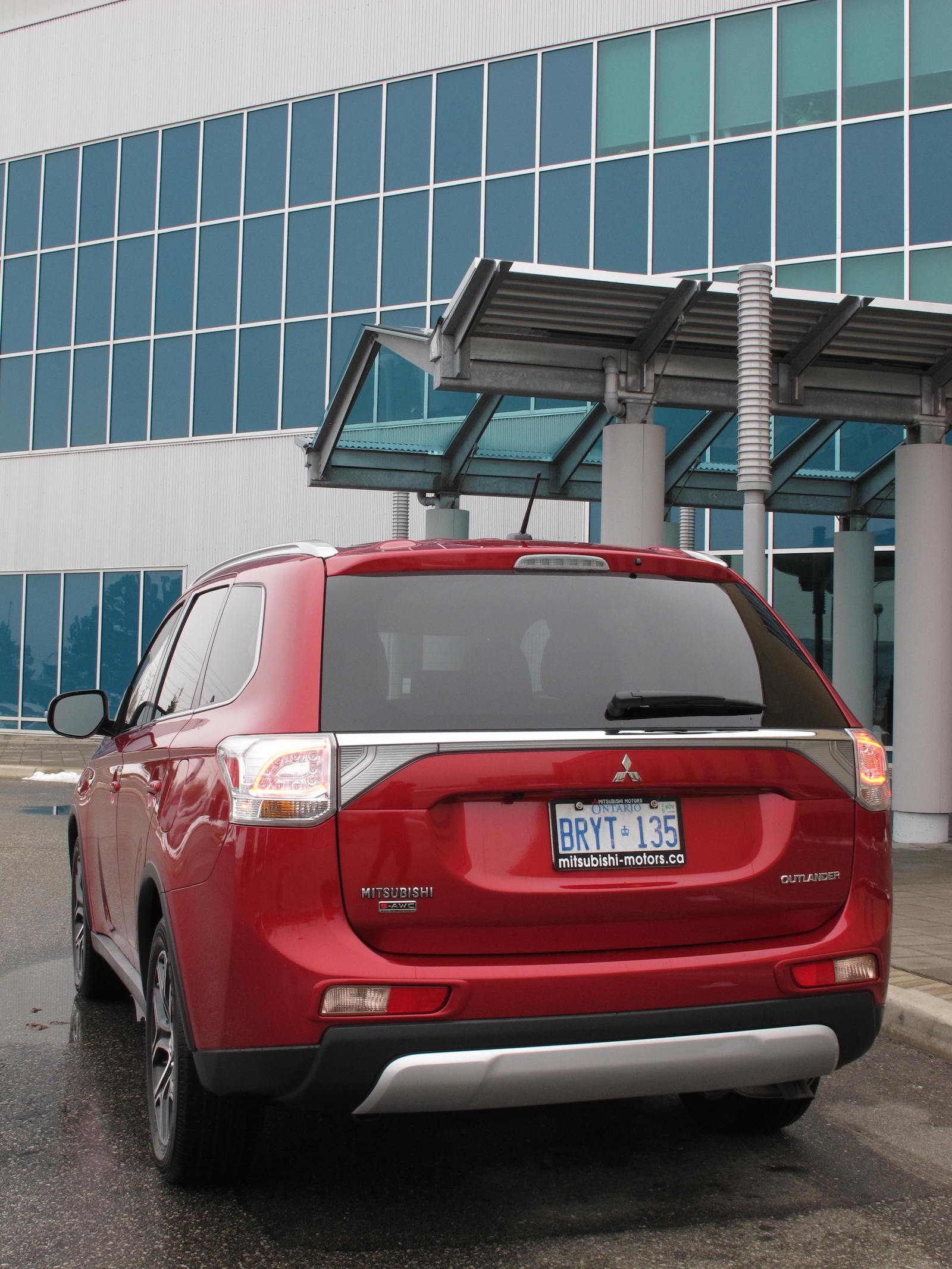
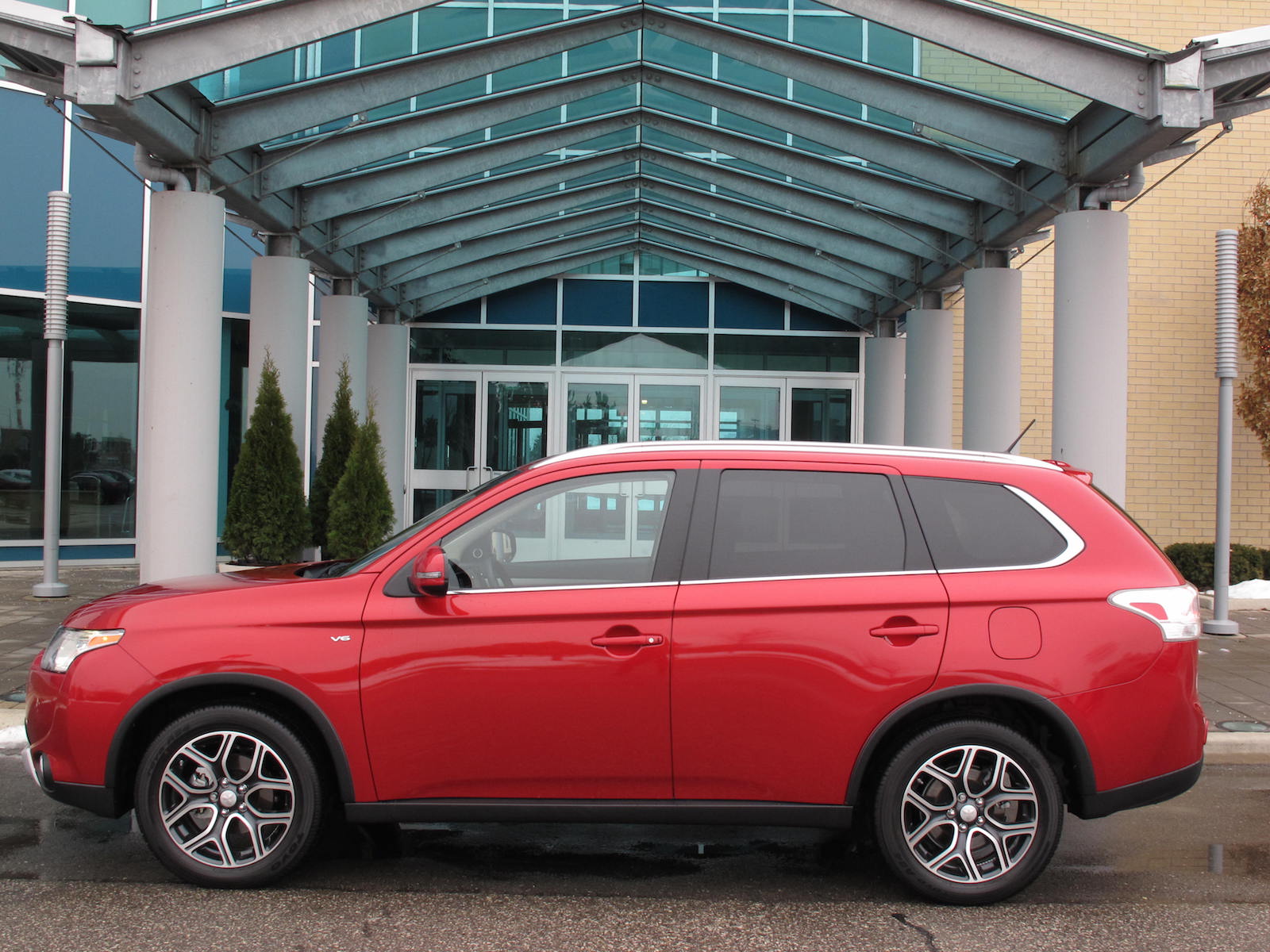
The 2015 Outlander’s sheetmetal carries over from 2014 with a bolder and sharper looking front grille, new bumpers, HID head lights, and drosophila-eyed LED tail lights in the rear. The design looks elegant and tasteful, and to me it even looks a touch futuristic. The Rally Red paint looks great in person, the new 18-inch wheels manage to look sporty, and the Cyclops-looking rear is distinctive and sits well amongst its competitors.
Make your way inside and you’ll notice a dated and more antiquated cabin. The buttons and controls don’t try to cover up their plastic foundations, the steering wheel looks boring and the dashboard is void of any luxury touches. Despite the aging design, the cabin remains airy and cavernous. One would never describe the Outlander as cramped and lacking legroom or headroom. The 60/40 split folding seats make it easy to slip into the third row, but folding them flat requires some assembly. Being a stubborn person and always refraining from reading the owner’s manual, it took me several attempts to figure out how to do this. First you must take off the headrest, fold the lower seat portion up, find the latch, flip it, and pull the entire seat down. Phew.
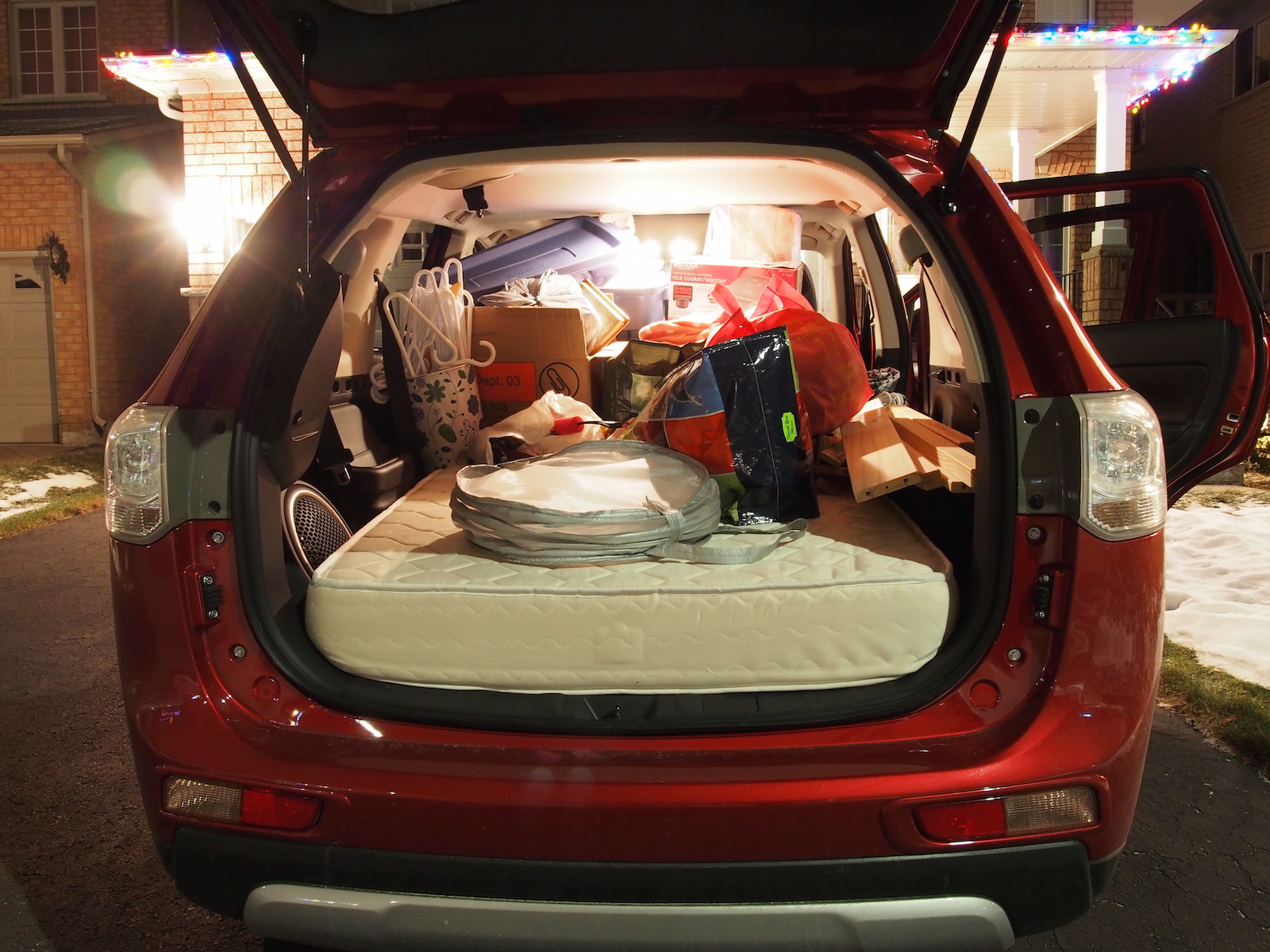
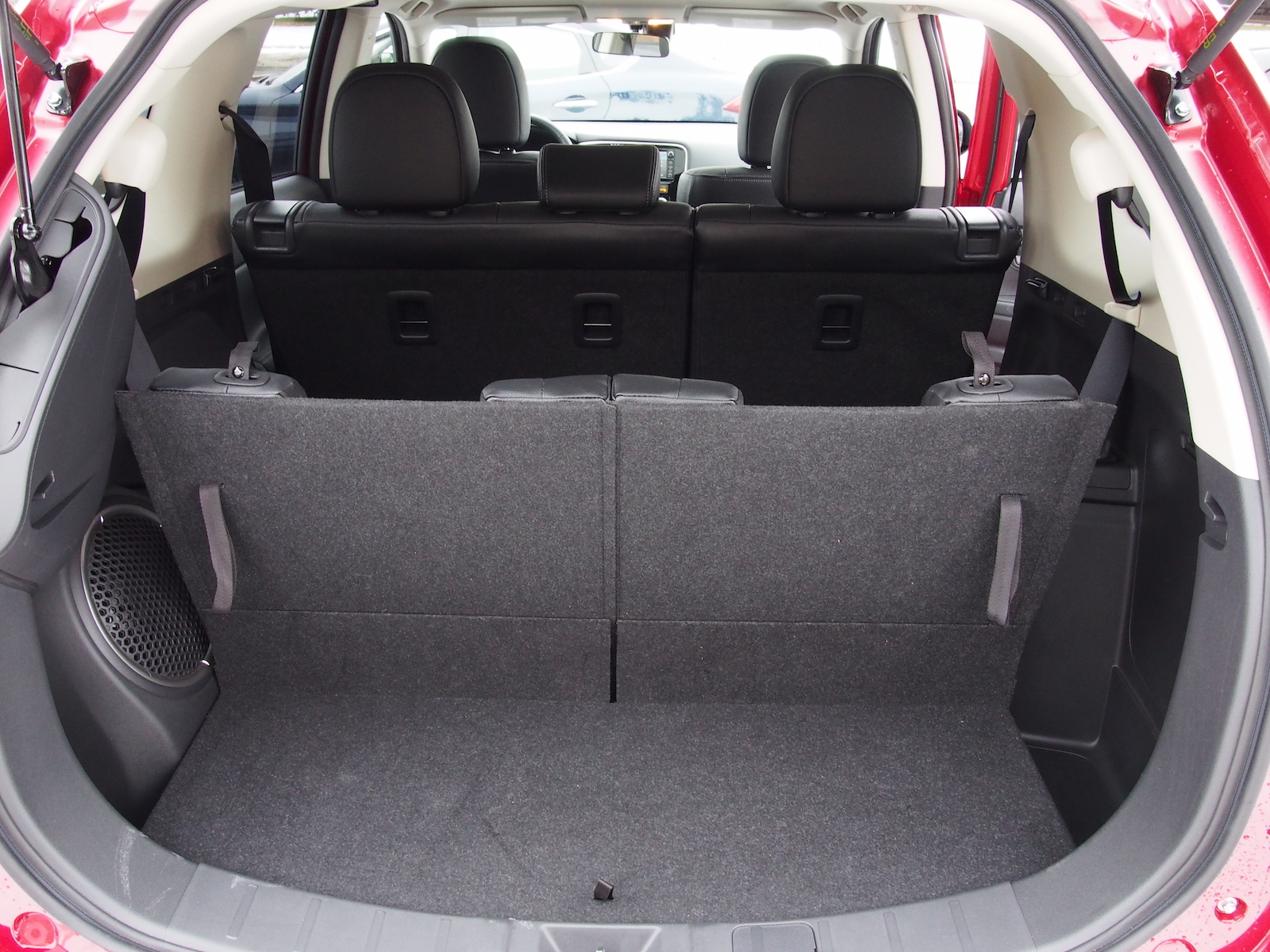
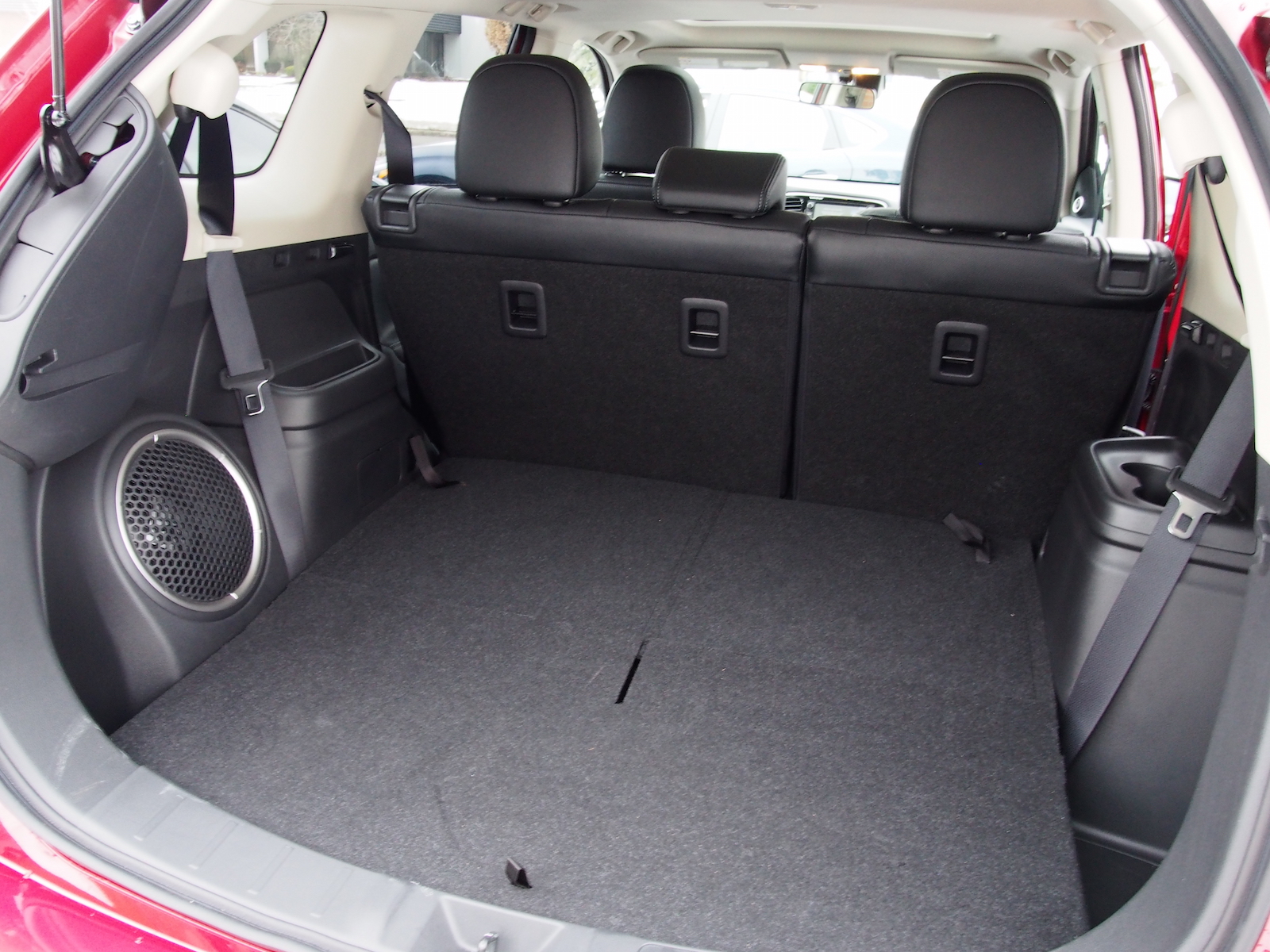
Cargo space is impressive, stretching up to a total of 1792L behind the front seats, 968L behind the second row, and 292L behind the third row. If these numbers mean nothing to you, just know that the Outlander’s trunk can eat anything you feed it, and retain it. Helping a friend move from Hamilton to Toronto, we were eager to fit everything in the trunk in one go and not have to make a second trip. We were able to easily fit a twin-size mattress, seven medium-sized boxes, a huge chair, bags of clothing and coats, shoes, lamps, an un-built IKEA bed frame, and more. See the picture below to see what it looked like when we loaded it halfway.
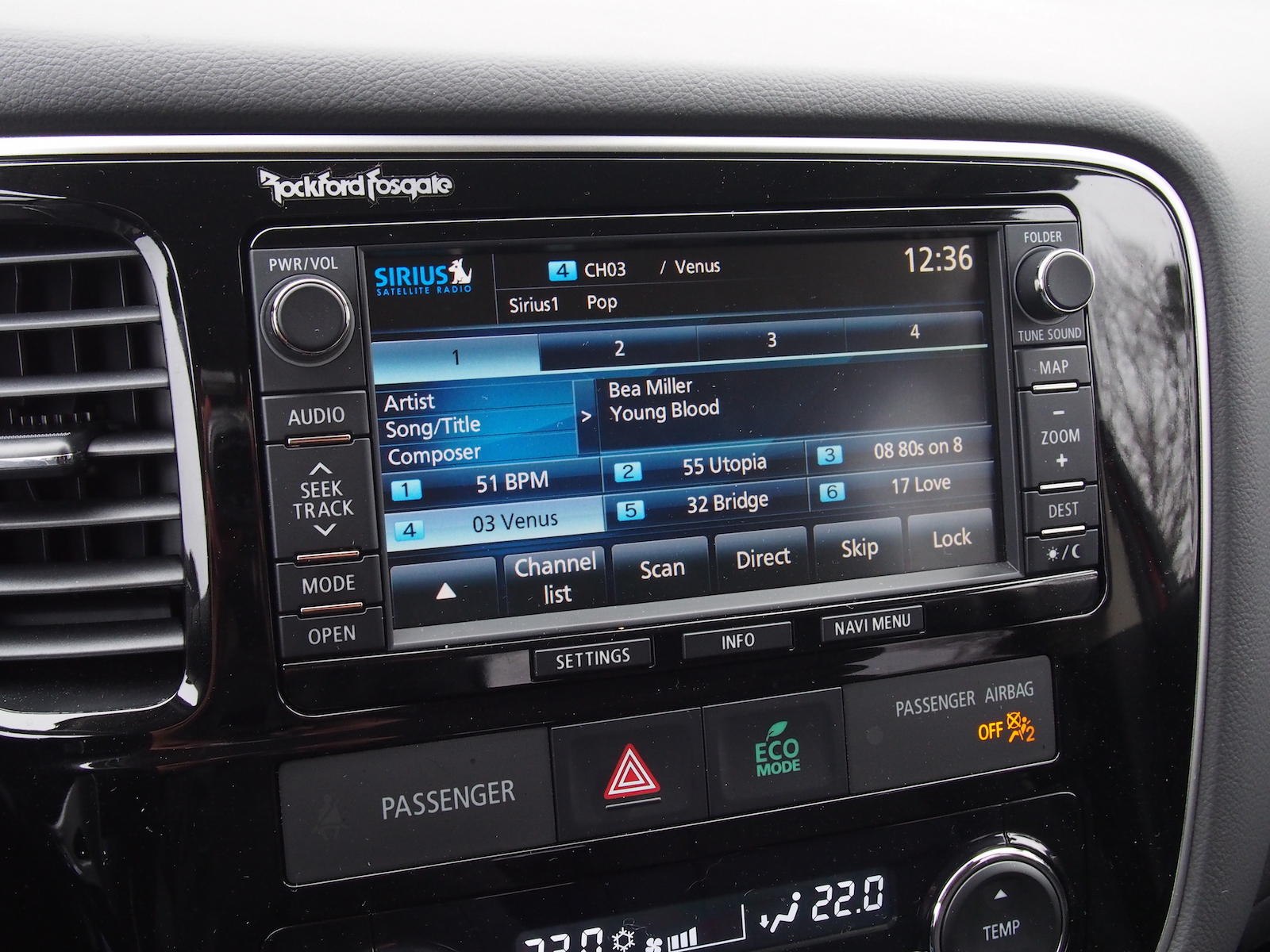
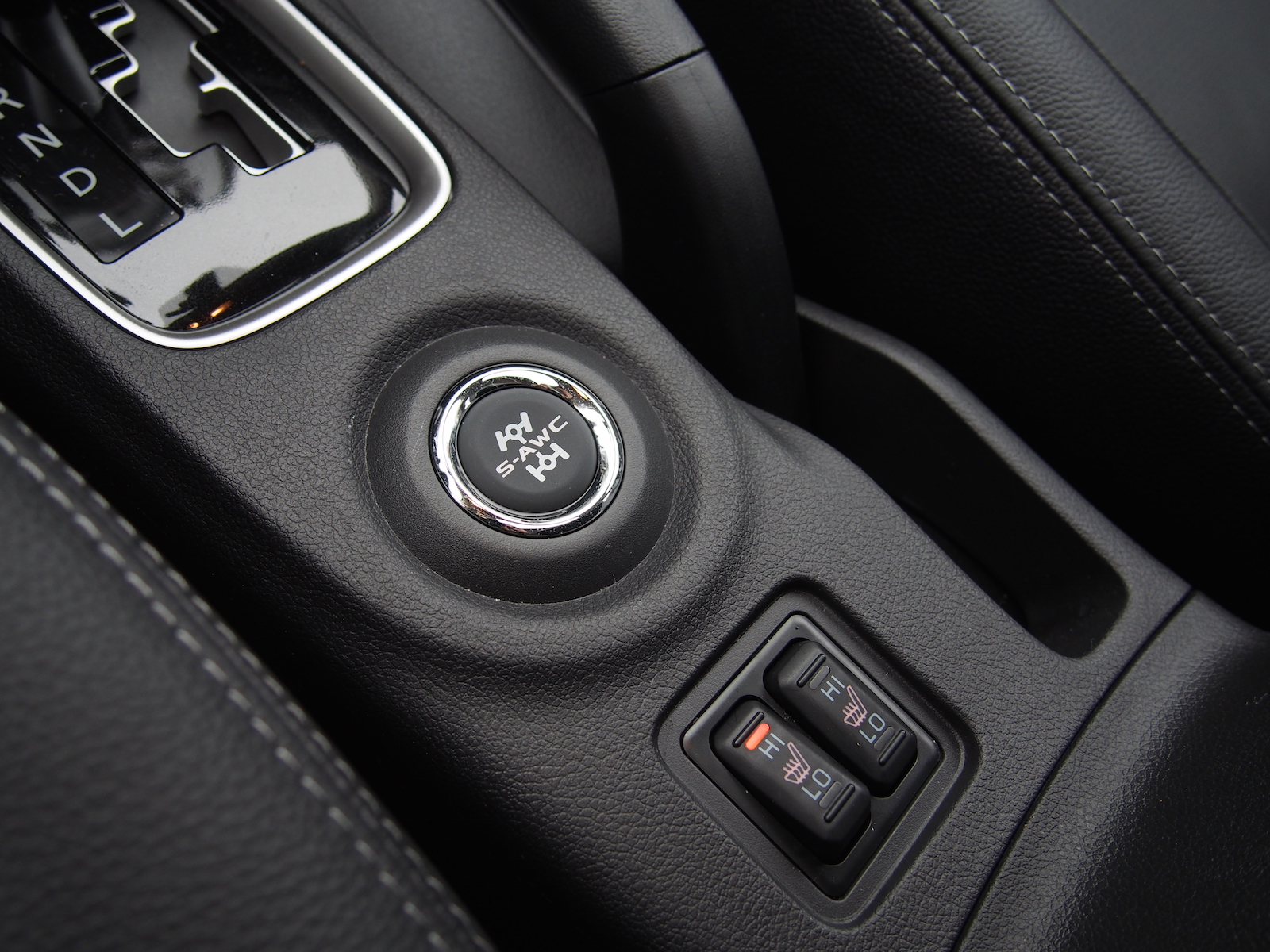
The center console remains clean and well thought-out. A large S-AWC button steals the show in the middle with a proper hand-brake situated next to it. Navigation, unfortunately, costs as extra $2730, which in my opinion should come standard to help set the Outlander apart from its rivals. Yet, the navi is quite simple and easy to use. Entering in addresses and numbers were a breeze, no lag, no cumbersome buttons and menus to navigate. Mitsubishi kept it simple and that deserves some praise, even if it does cost an extra penny.
One area where the Outlander shines above the crowd is the amount of equipped safety technology. Forward Collision Mitigation will apply the brakes if you’re coming too close to the vehicle in front, Lane Departure Warning will keep you in your designated lane, and Adaptive Cruise Control will use radar technology to set and maintain a distance to the vehicle ahead of you. They all work surprisingly well, but the Lane Departure Warning system is a bit too sensitive. The alarms will loudly beep every time you come an inch close to veering out of your lane, and it became so annoying that I ended up turning it off for the rest of the week.
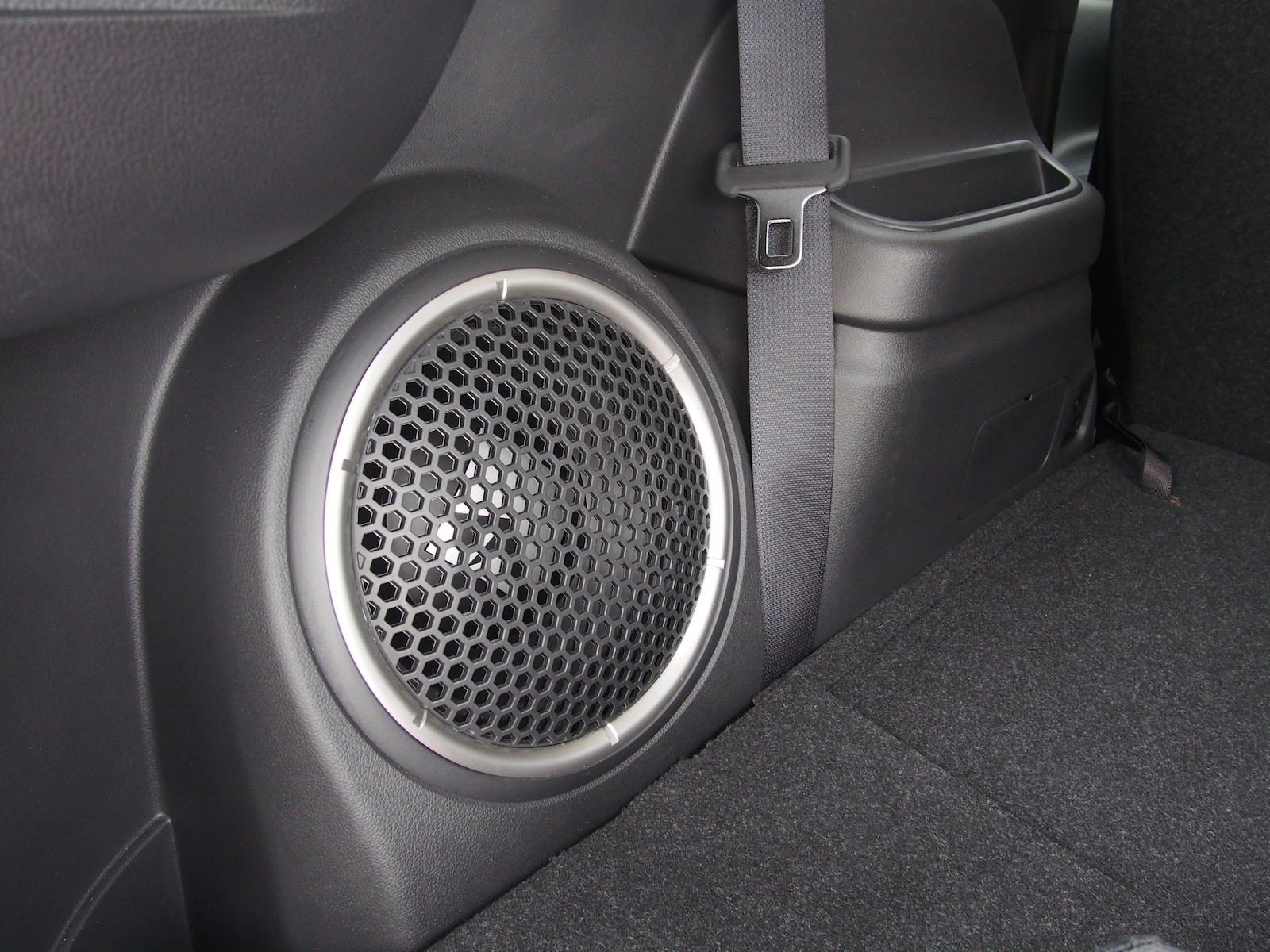
Sadly, the suspension was on the firm side which resulted in a bumpier ride. The cabin was also quite noisy, though I believe that was due to the Toyo A24 winter tires that resonated with tire squeal at highway speeds. The Outlander isn’t the quietest crossover SUV out there, nor is it the comfiest, but we were able to play our tunes and raise the volume on the 9-speaker Rockford Fosgate speakers to create our own little audio bubble. The 10-inch subwoofer also looks pretty cool and is situated in the trunk for a clear view when loading cargo.
Sporting solid performance numbers, a decent sized trunk, seating for 7, a solid 6-speed transmission and striking good looks, the 2015 Mitsubishi Outlander GT S-AWC offers everything that is expected from a crossover SUV. It blends into the market well and is bound to make its mark on crossover lovers. But with a starting price of $36,198, it’s not the cheapest or best-valued option to choose from. For that price-tag, I wish it had a quieter cabin, better tires, a V6 that doesn’t drink up premium fuel, and better materials for the interior controls, buttons, and panels. There’s heavy competition in the crowded crossover SUV segment, and the Kia Sorento and Hyundai Sante Fe are compelling and cheaper choices on their own. The 2015 Mitsubishi Outlander certainly doesn’t re-invent the segment, but it still poses as a solid contender offering functionality and versatility in a family and cargo hauler.




Leave a Reply