
In this review we are going to address one of the main dilemmas that customers will have when purchasing a new Mustang – the choice between the Ecoboost ($28,349) and the GT ($37,349) models. We spent a week with each car and now, we’re going to compare the two and give you our opinions on which is the most fun to drive, best in value, and easier to live with. Read the full review of the Mustang Ecoboost here.
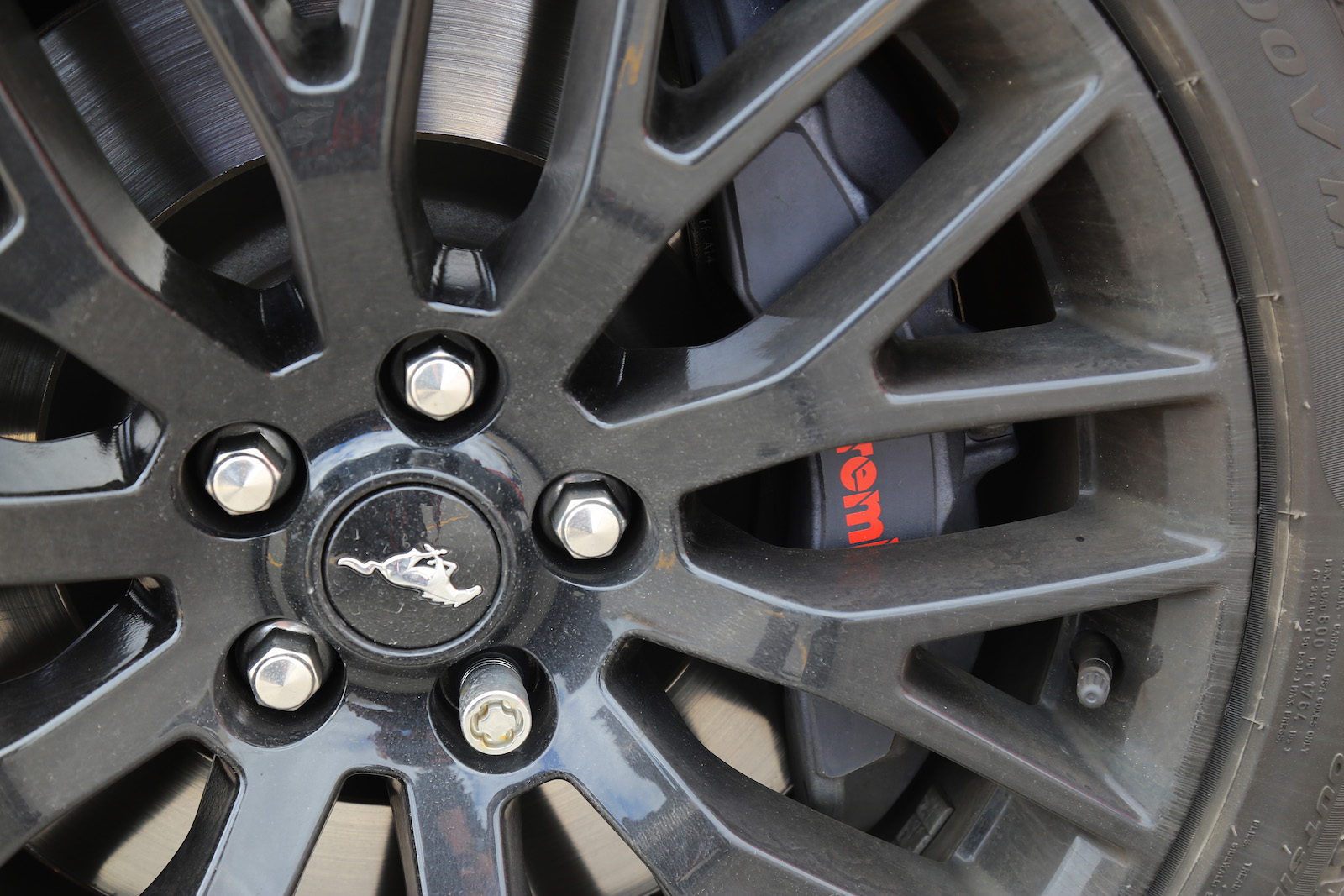
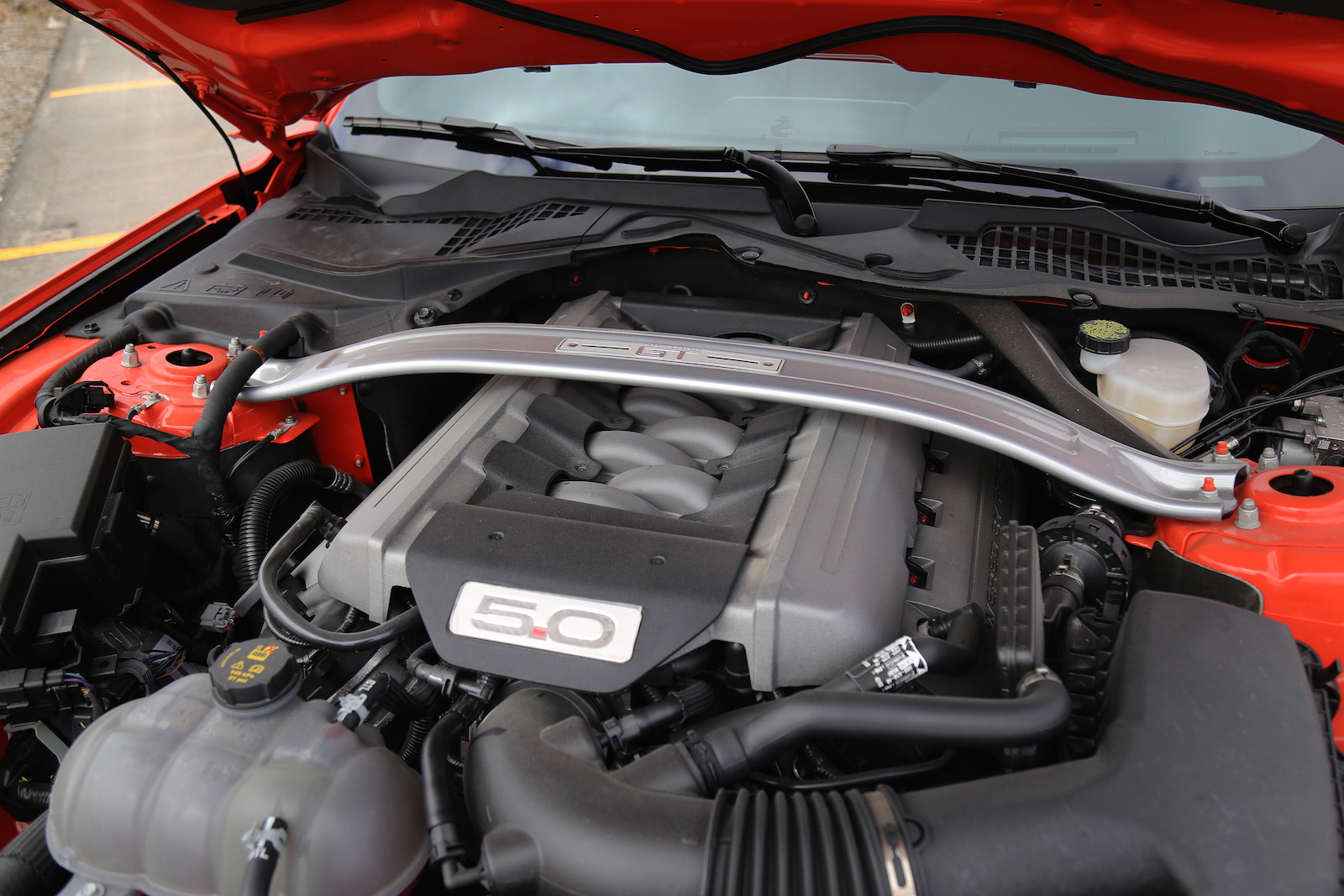
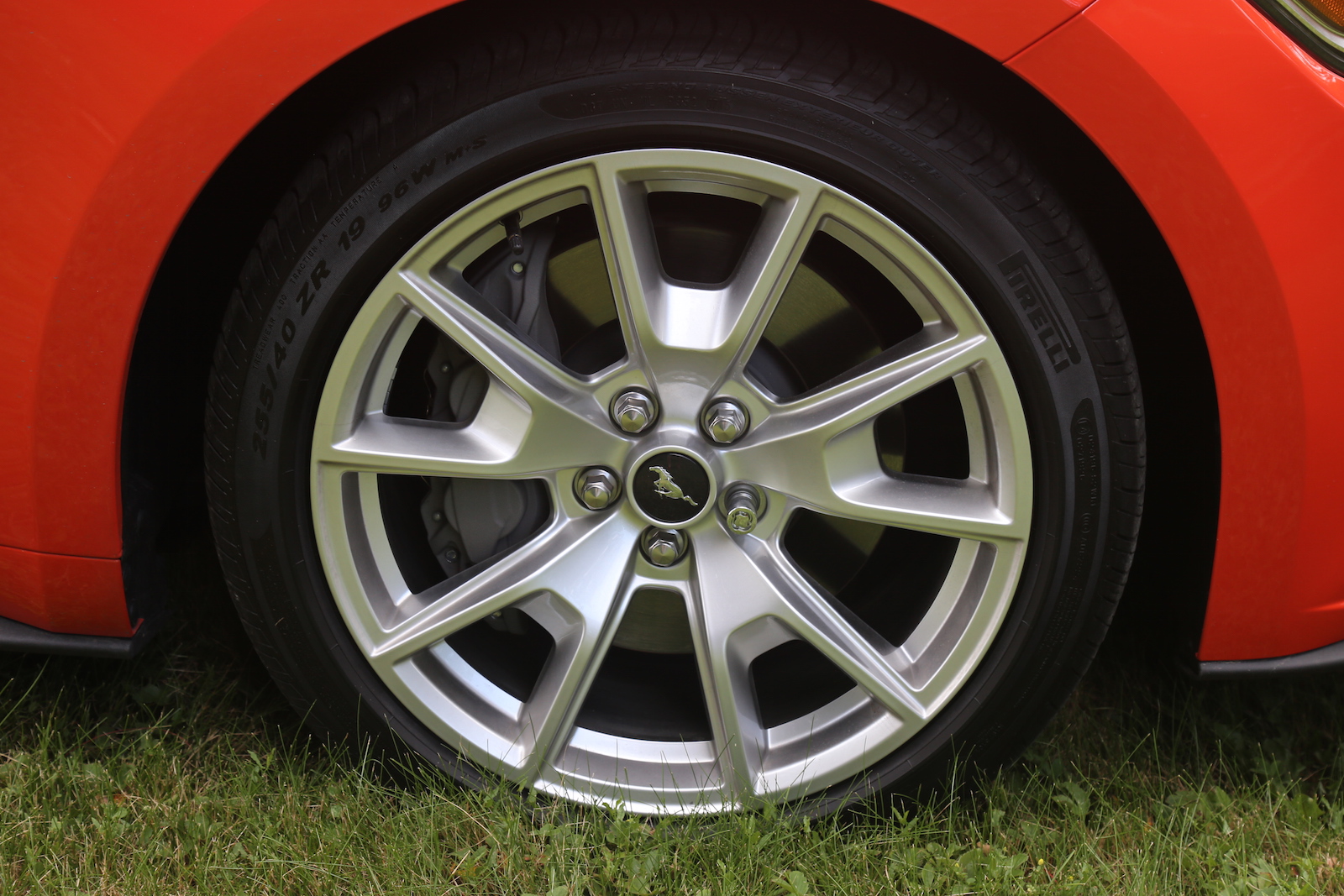
The Mustang GT holds a $9000 premium over the Mustang Ecoboost, and most of that extra cash is put towards the 5.0-litre Coyote V8 carried over from the previous generation. However, this V8 is a little different. Mustang engineers wanted to use the legendary Boss 302’s engine parts for better performance, but those were way too expensive to mass produce. Instead they found little tricks to enhance engine airflow: improved head flow, Boss 302-spec valves, stiffer springs, connecting rods, and tubular headers. More air into the engine, and therefore more power. The result is 435 hp at 6500 rpm and 400 lb-ft at 4250 rpm. The numbers run shy of the Boss 302’s specs (444 hp), but it does trump the 2014 Mustang V8 by 15 hp and 10 lb-ft. Our GT tester also came equipped with the GT Performance package (different from the Ecoboost Performance Package) that added stiffer front springs, a rear sway bar, tuned up chassis, larger Brembo six-piston brake calipers, 19-inch wheels, a strut-tower brace, K-brace, and a 3.73 Torsen rear axle. For $3700, that’s pretty much a steal.
I was sold within the first few minutes of driving it. First off, the sound. That glorious V8 exhaust is going to get us in trouble. It has a mean grumble at idle and reminds me of why we all love naturally aspirated V8s in the first place. Rev it up to the 7000 rpm redline and it screams and howls with every inch of horsepower and torque it can muster. Feed the GT with 93-octane fuel and it sings even louder. It’s hard to snatch the same experience from the Ecoboost’s exhaust note. That turbo-four gave us some delightful whooshing noises and a mechanical whirl at the redline, but it doesn’t induce the same sort of euphoria we get from the V8.
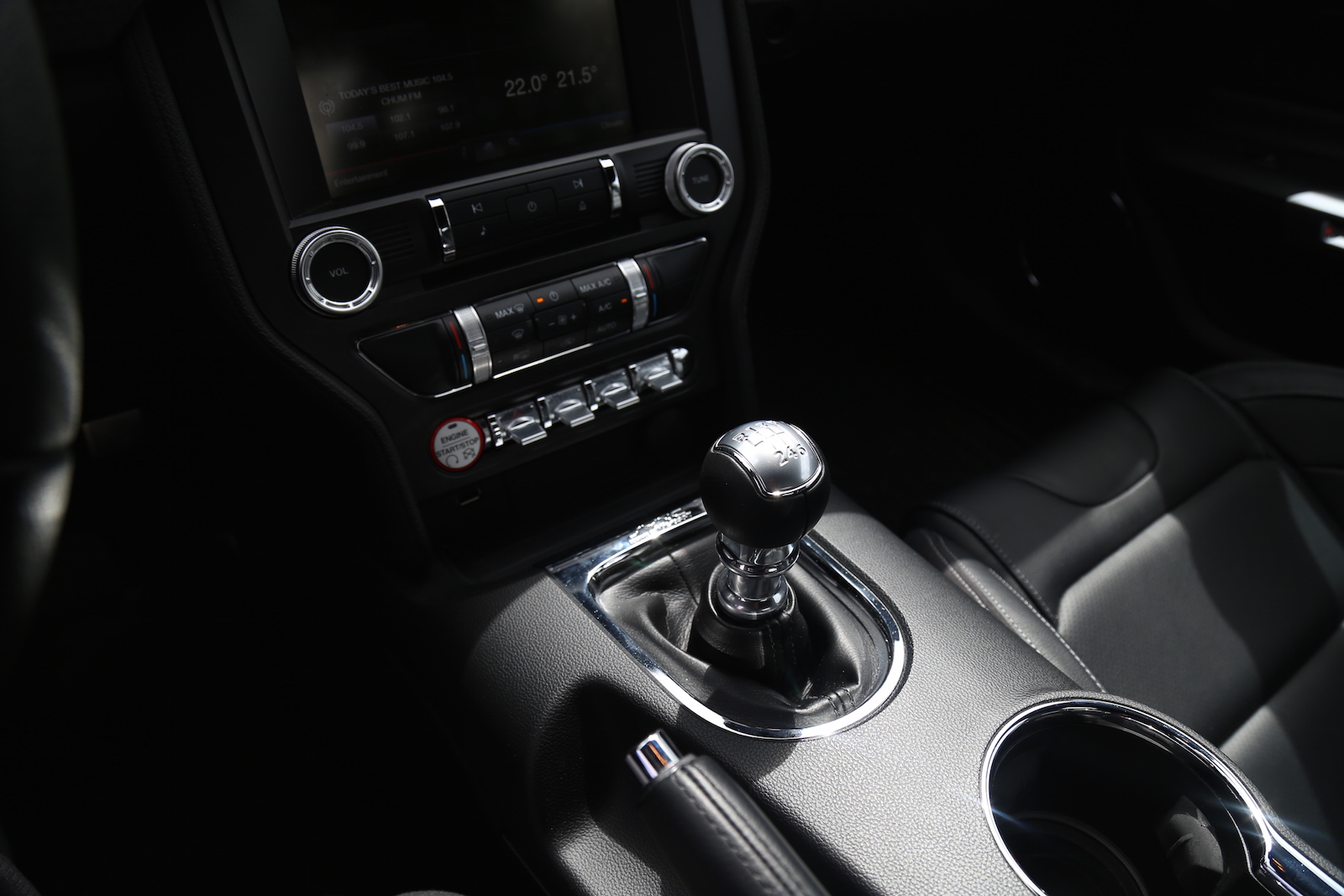
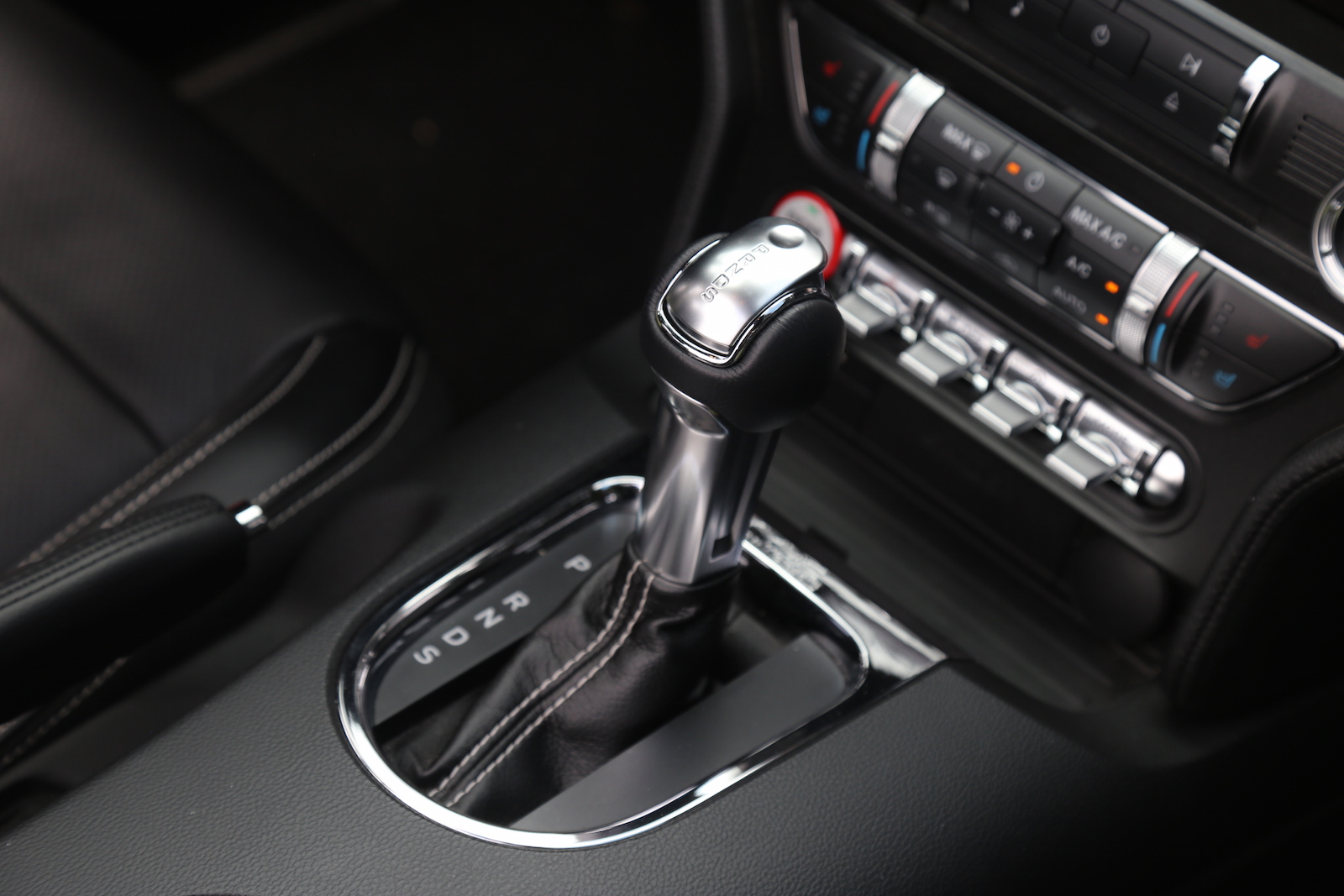
The GT and Ecoboost models are both mated to the same transmission – a 6-speed Getrag-built manual gearbox, which is in my opinion, the only way to have your Mustang. A 6-speed automatic ($1500) is also available for those buying it for their rental fleets. In our Ecoboost review, we stated that the “shifts were smooth and buttery”, but it’s a little different with the GT mainly due to all that extra power. The gear shifts aren’t as liquid and it fights you a little more to stay in the precise rpm before shifting. There’s less leniency and the transition from first gear to second takes some work to nail down smoothly. The clutch is still heavy, and punches you in the solar plexus if you lift off too quickly. All it takes is some practice.
Hopping from a 2014 Mustang into a 2015 Mustang is like upgrading from a flip-phone to a Samsung Galaxy S6. With an all-new independent rear suspension (we go into more detail about that in the Ecoboost review), the ride is now incredibly supple and drivable. With the 2014’s solid-axle suspension, we would fight with potholes and bumps as the tires suddenly grew a brain of their own. Driving on the highway is now bearable, undulating roads are less tragic – the Mustang GT is actually a great daily driver. The V8 engine doesn’t drone on the highways like the Ecoboost engine does, and it’s incredibly quiet when locked in sixth gear. Downshift into third and raucous noise will instantly fill the cabin, consequently bringing back delinquent childhood memories.
With traction control on, the GT will only fishtail if you force it with a heavy throttle and a sharp turn. The heavy front nose bites hard into the corners and we owe that infallible grip to the Pirelli Sottozero snow tires still lodged on our tester. When you do manage to swing the tail out like a hooligan, the Mustang still feels controllable, predictable, and precise even though it’s leaving tread marks on the tarmac. We were a little more daring than usual due to the larger and stiffer front Brembo brakes. Like your last clingy girlfriend, these brakes are astonishingly sensitive to any input and will quickly stop the car with the slightest touch. Compared with the four-piston calipers in the Ecoboost, the GT gets six-piston calipers to stop an entire army of horses.
The Mustang GT weighs 82 kg more than the Ecoboost but it doesn’t feel that way on the road. That Torsen 3.73 rear axle ratio contributes to amazing acceleration off the line at the sacrifice of top speed (standard is 3.31 and the Ecoboost Performance Package gets a 3.55), but the GT immediately feels firmer, faster, and more taut.
Now I’ve been going on a one-sided binge about how much I love the Mustang GT, but that’s because the Mustang Ecoboost is an entirely different car. I attribute the GT as a true muscle or sports car, while the Ecoboost is more of a grand tourer – comfortable, good on gas, and quiet. Speaking of fuel consumption, that’s the one key area that will persuade customers to choose the Ecoboost engine. With it, we averaged 11.5 L/100km, whereas in the GT we averaged 15.8 L/100km. A huge difference if you ask me. Both only require 87-octane fuel but they will have greater performance when you spoil it with some 93-octane. The weekly gas bill for the Ecoboost rang up at $48 CAD, while the GT had us forking over close to $70 CAD. And mind you that the GT will spend that fuel quicker. In all, around an $18-20 difference each week at the pump and nearly $1000 difference per year if you look at the big picture.
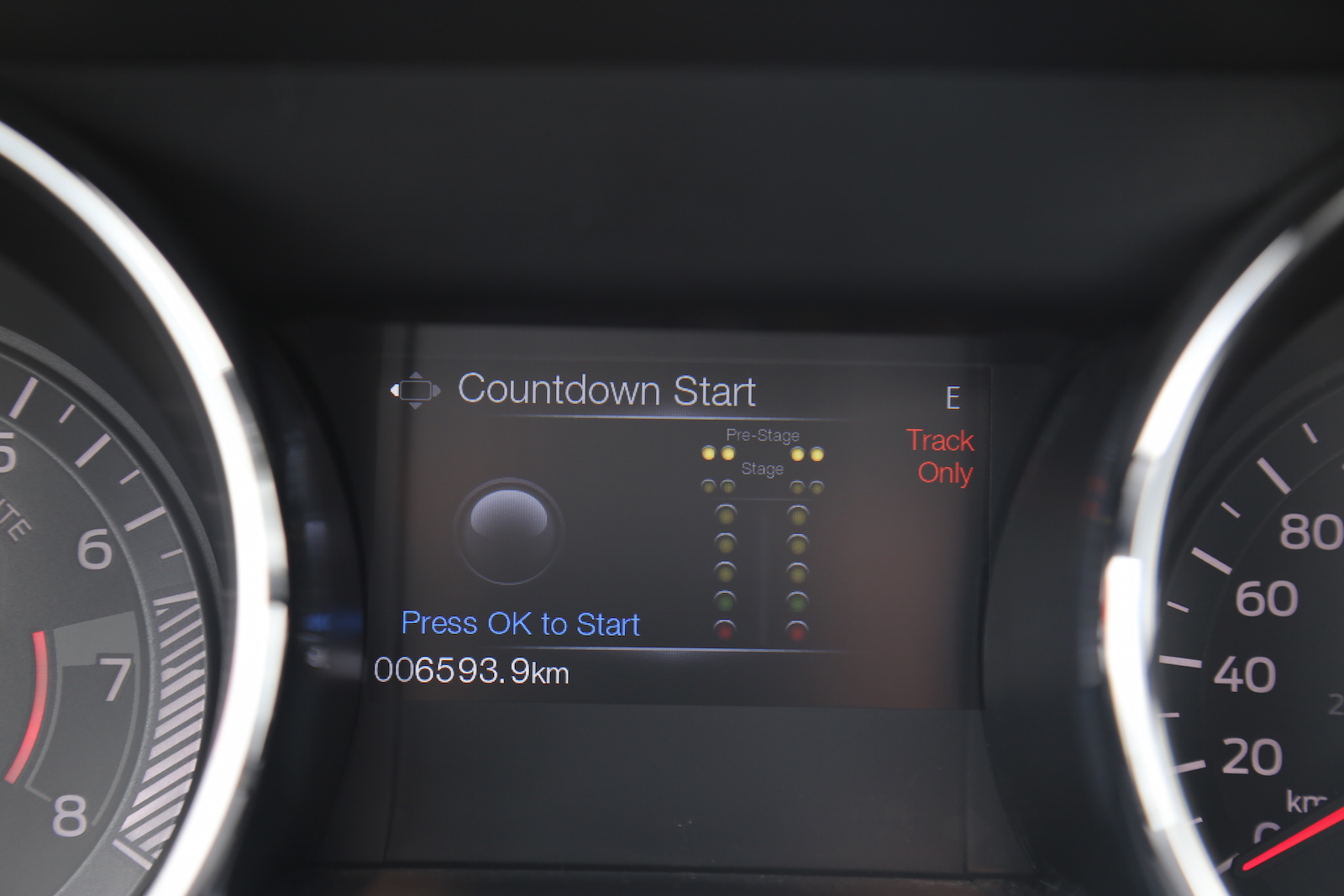
Now there are some performance features that we didn’t mention in our Ecoboost review. The first is Launch Control. What this mode does is allow your car to accelerate with maximum traction and acceleration from 0 km/h. All you have to do is come to a full stop, slip into first gear, keep the clutch down, handbrake down, floor the gas pedal and the systems will automatically limit your rpms. Quickly dump the clutch and off you go – with as little wheel spin as possible for a brilliant takeoff. It’s no Youtube-worthy Nissan GTR reaction nonsense, but it’s still hold-on-tight quick. Pro tip: you can configure it so that Launch Control is always on. At any red light, you can repeat from step one, accompanied by a quiet mutter of “is it coast clear bro?” Now you’re thinking, “What? You can just do that yourself with a manual gearbox”, but with the Mustang you can set your rpm limit – we kept it at 4000 rpm for a nice balance between traction and wheel spin.
The second feature is exclusive to the GT and is actually rumoured to be banned in Australian-sold Mustangs – Electronic Line Lock. With the push of a button, the computers will lock the front wheels so that you can floor the gas and let the rear wheels spin freely while you’re in the same spot. Ford says it’s for “track use only” and for racers to warm up their tires for maximum grip before a race. We just see it as a neat way to burn some rubber. Can’t say we didn’t give it a try though.
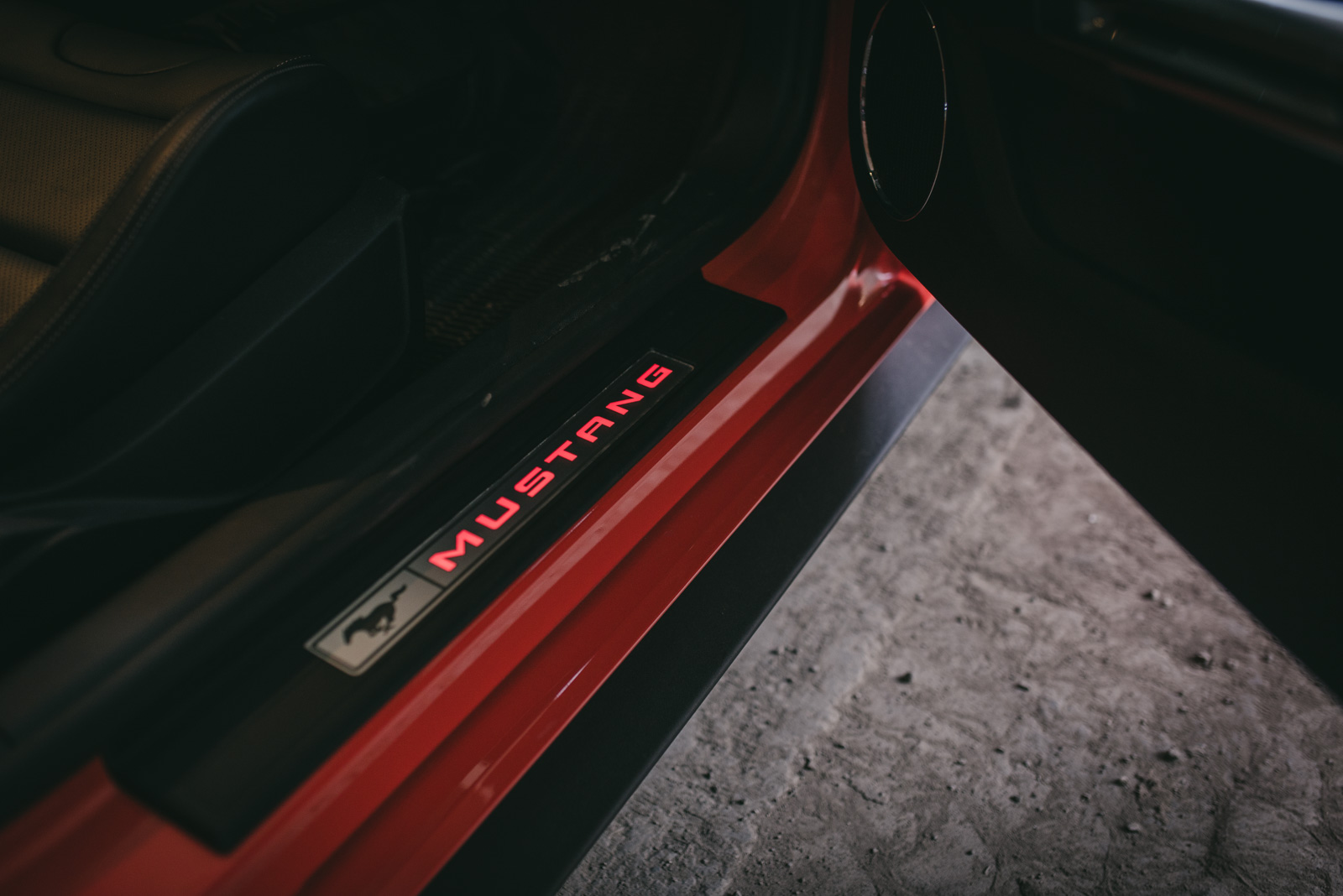
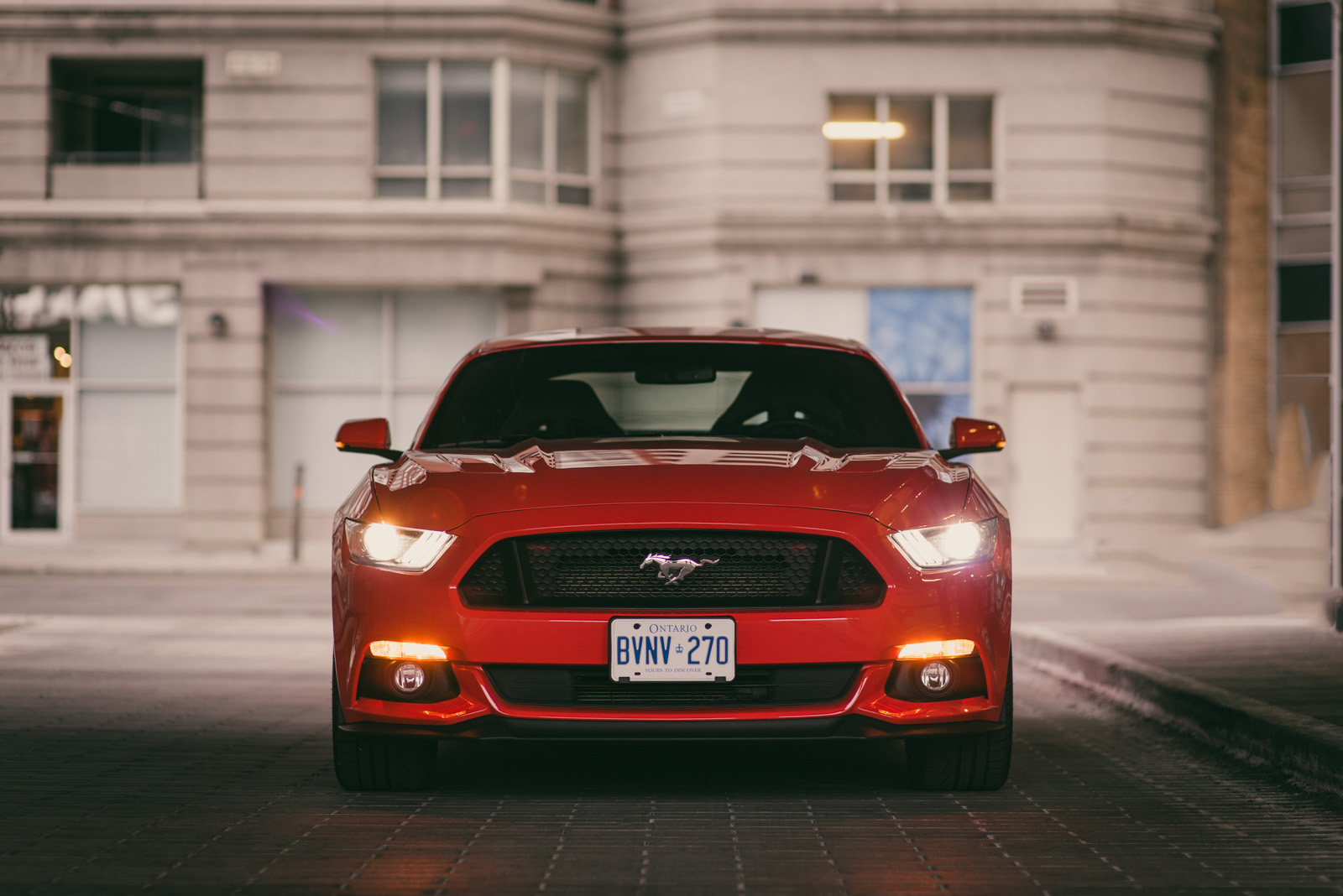
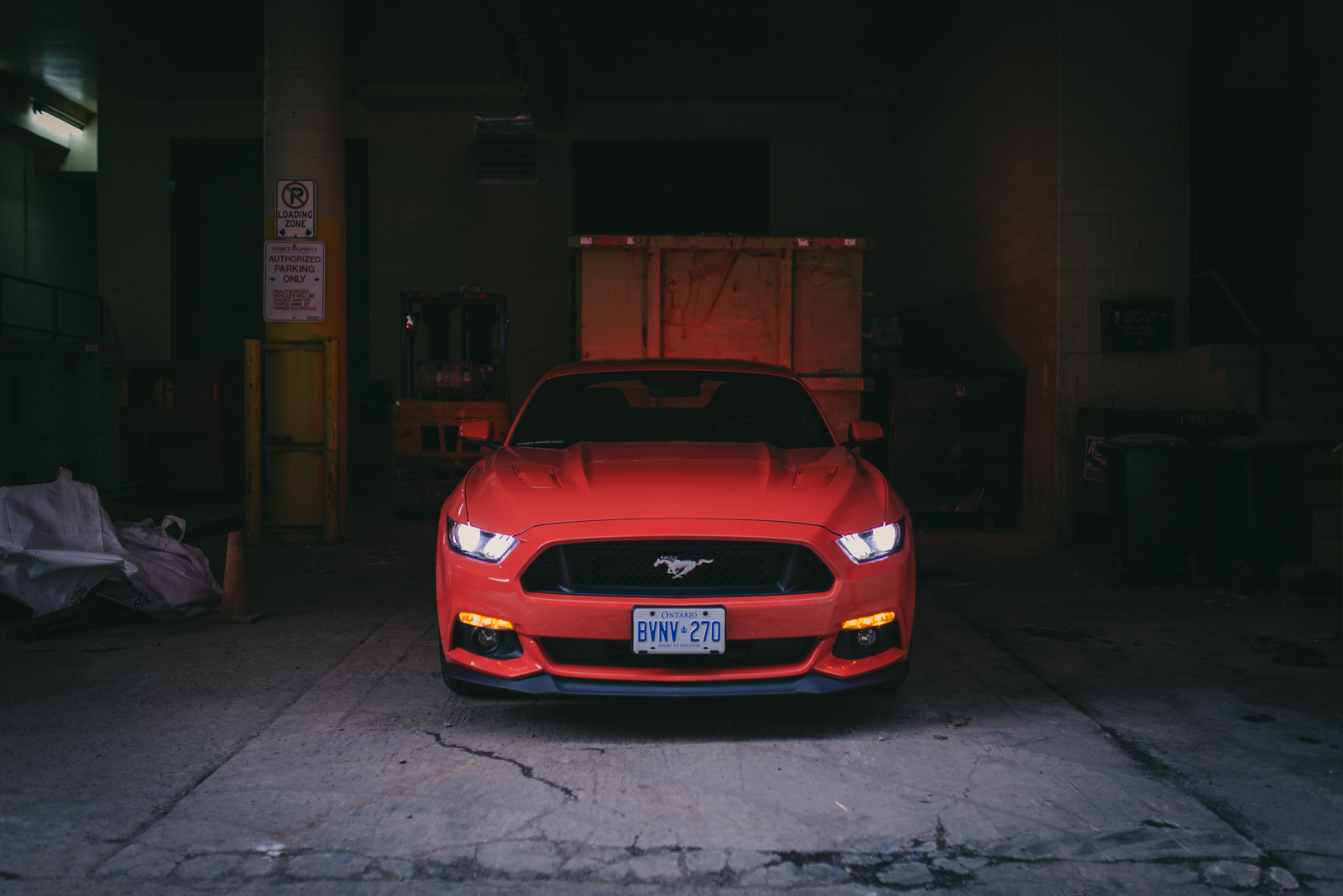
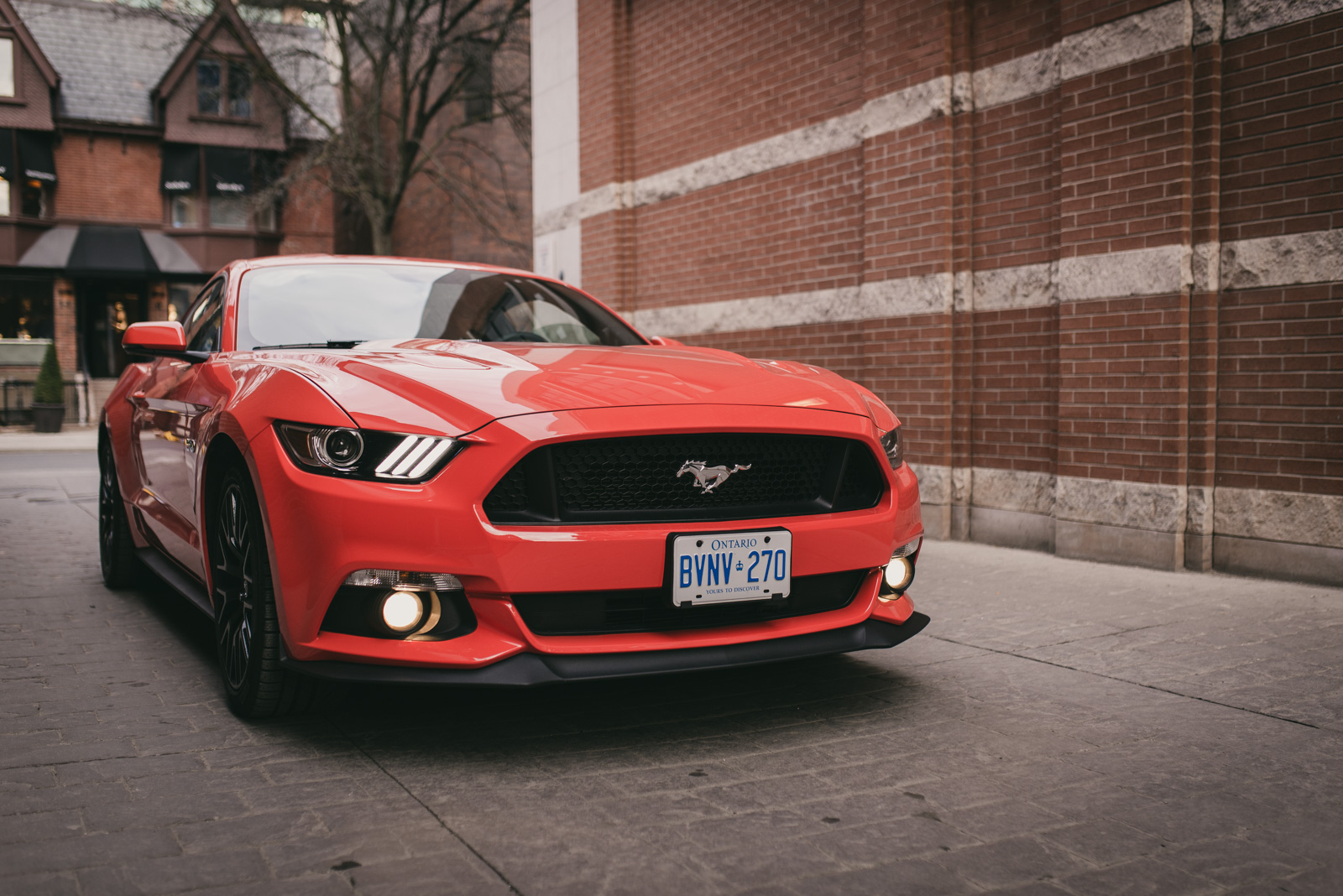
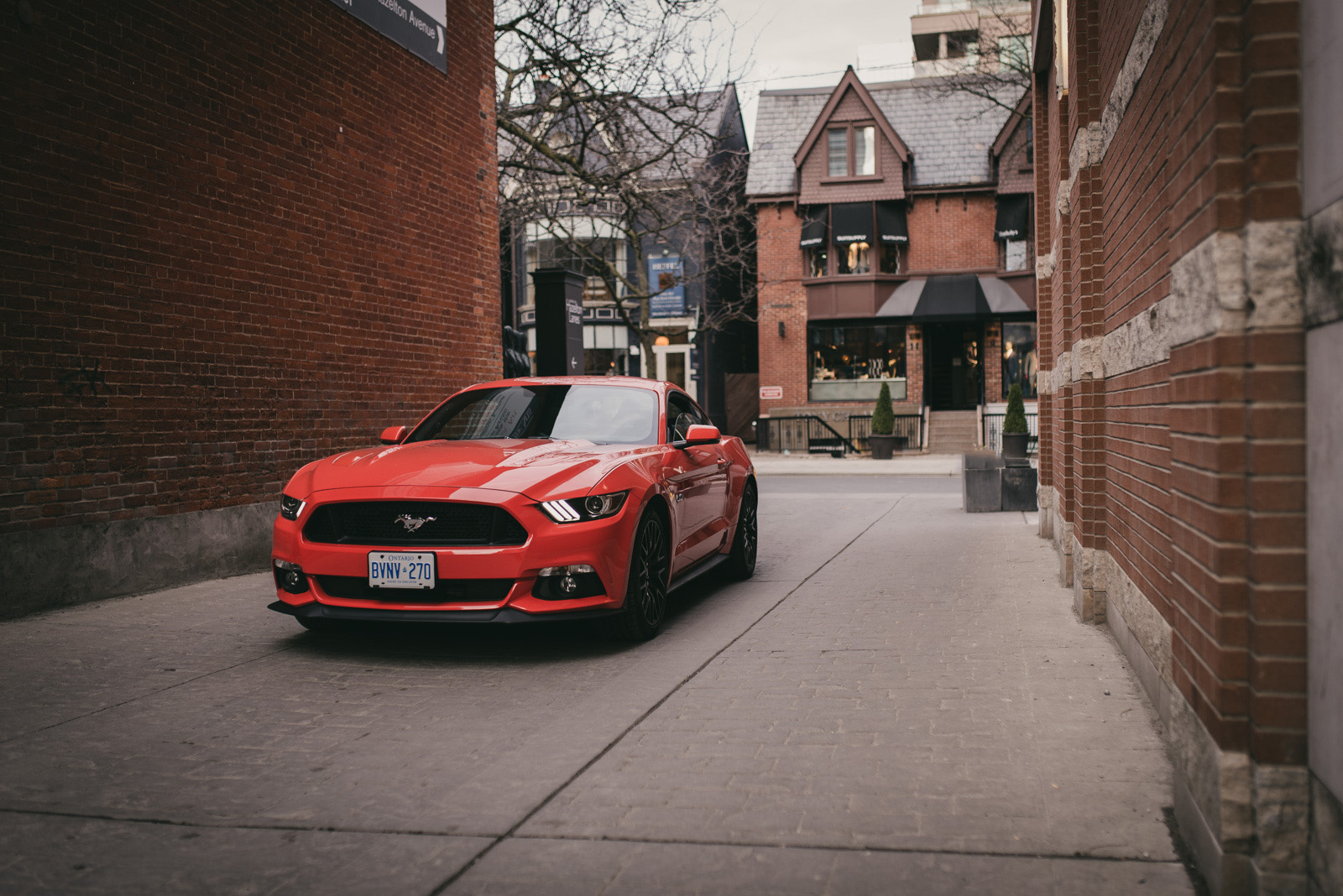
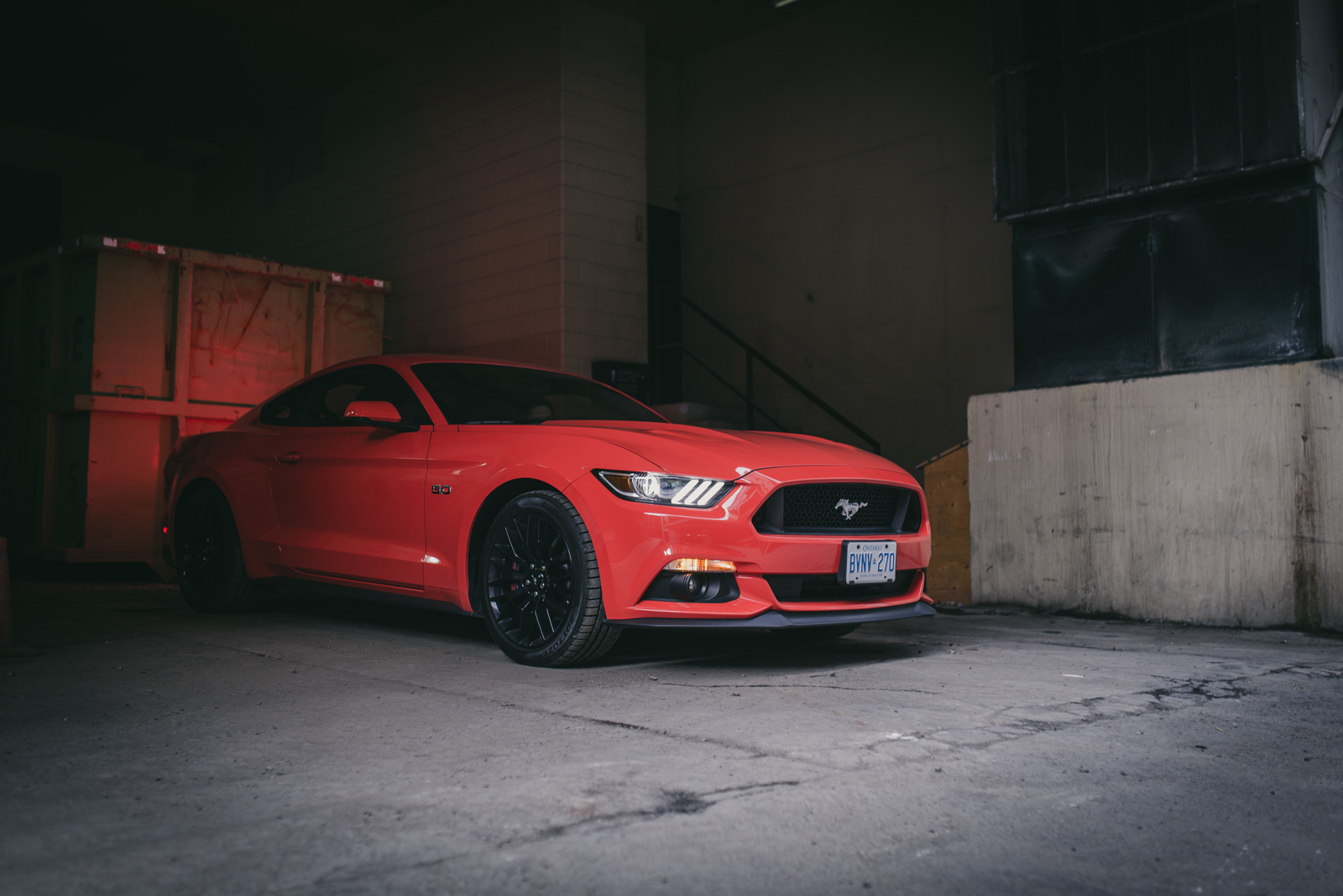
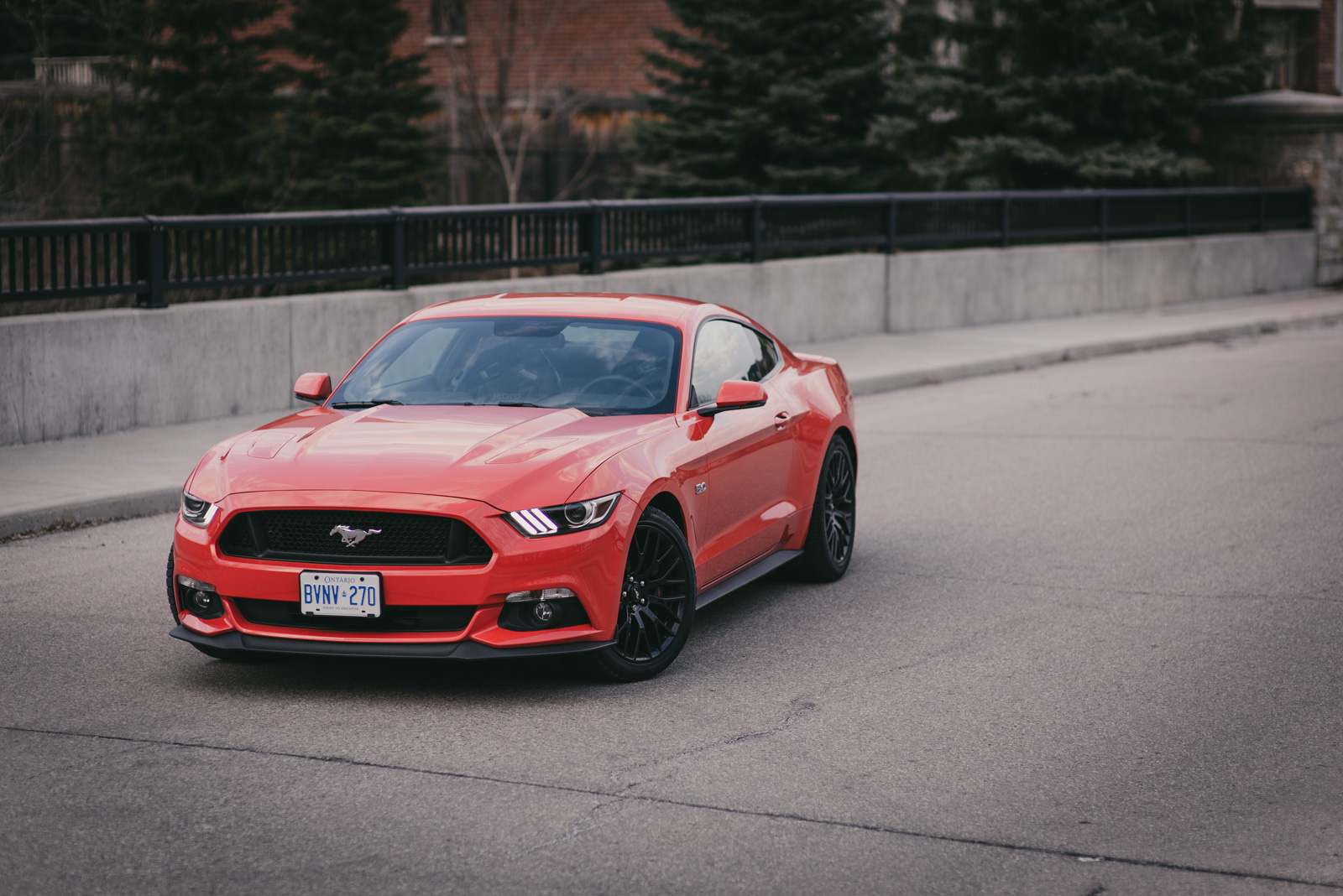
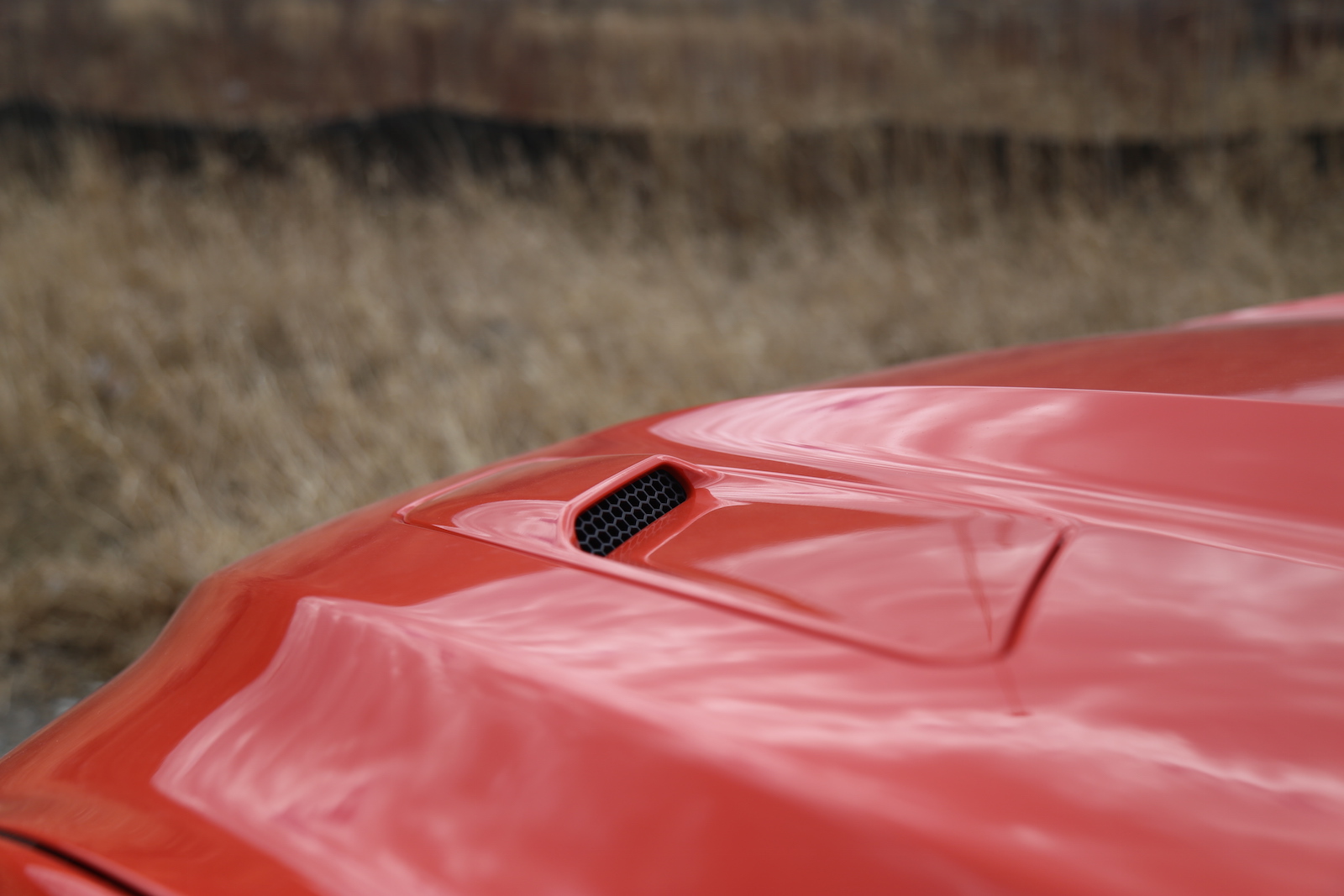
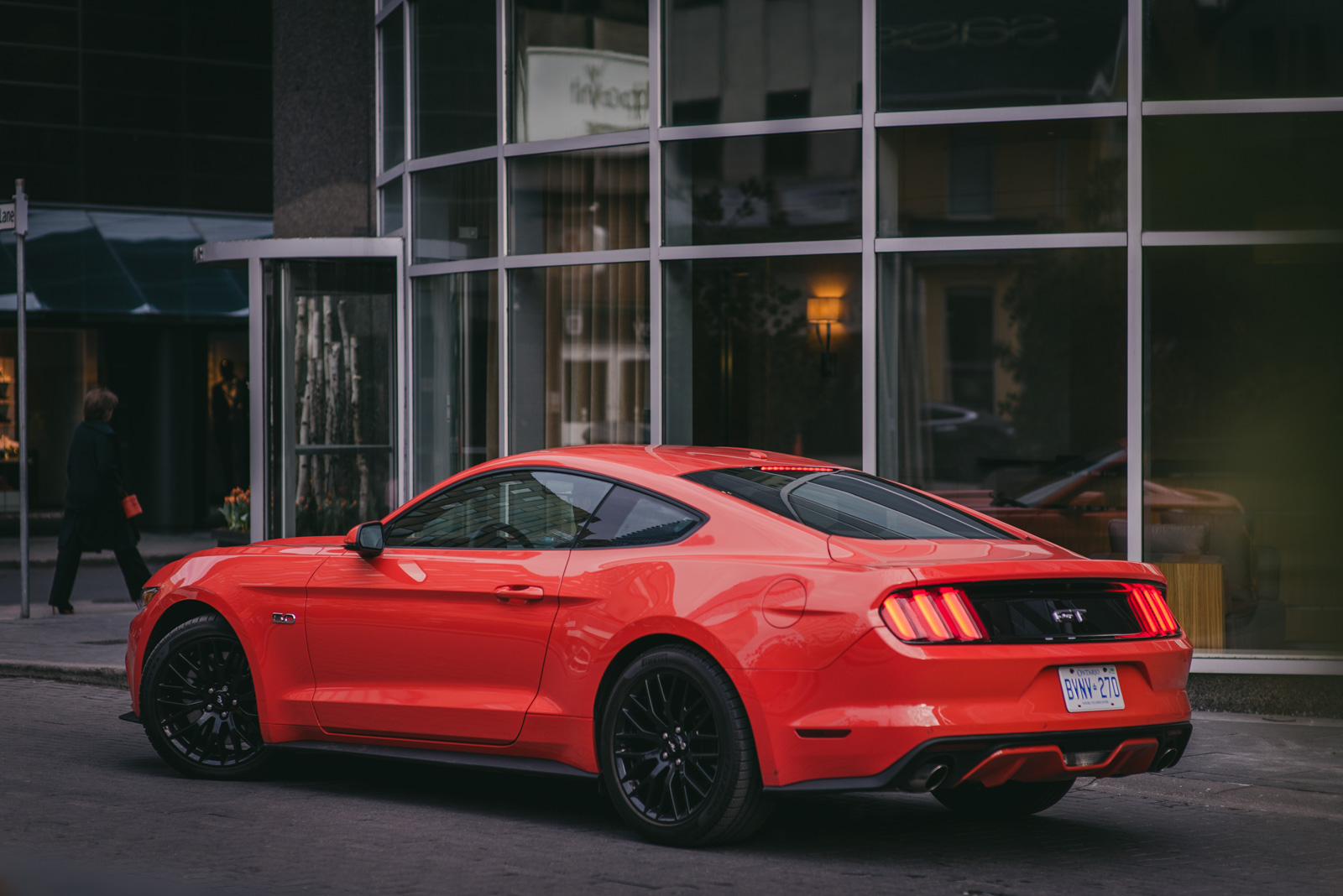
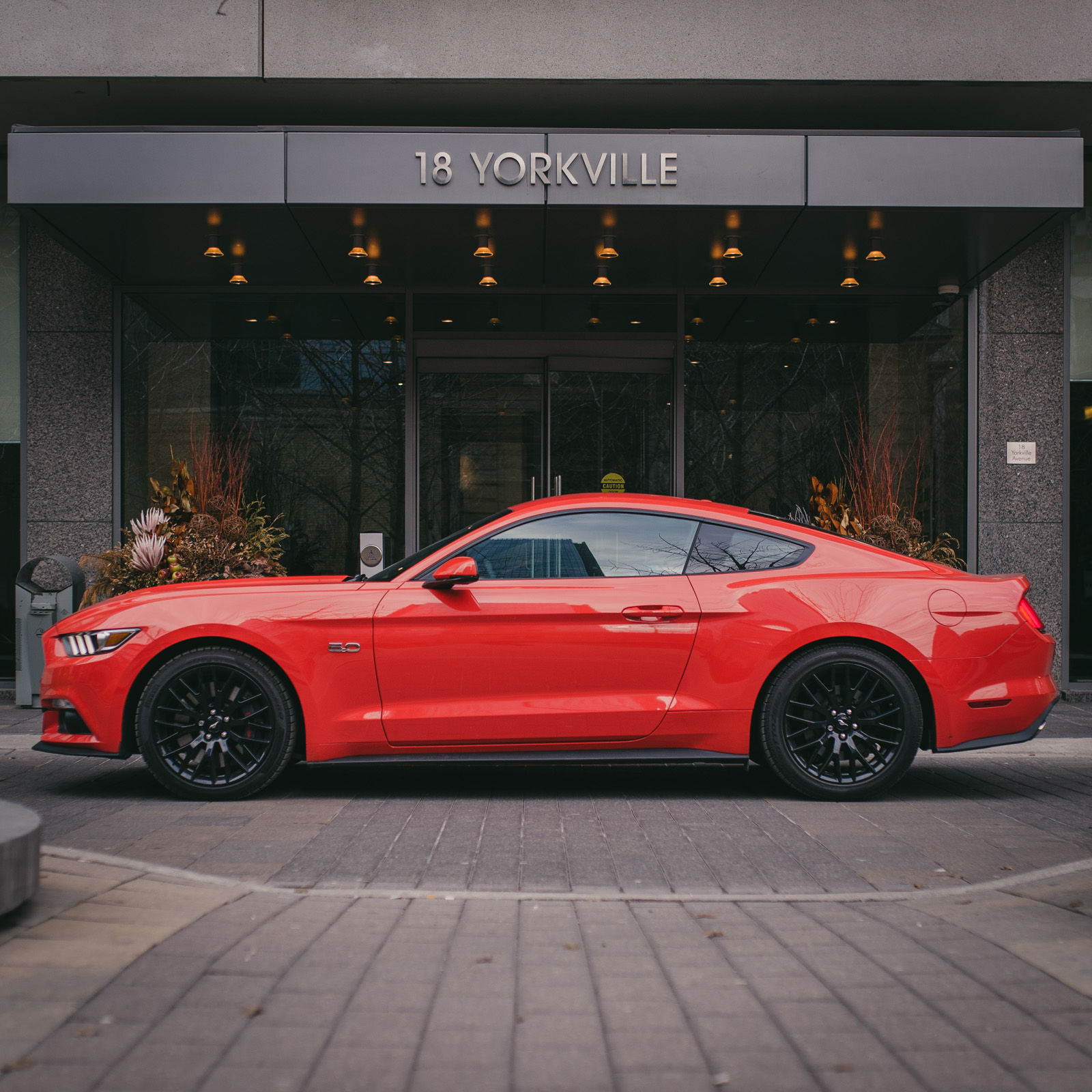
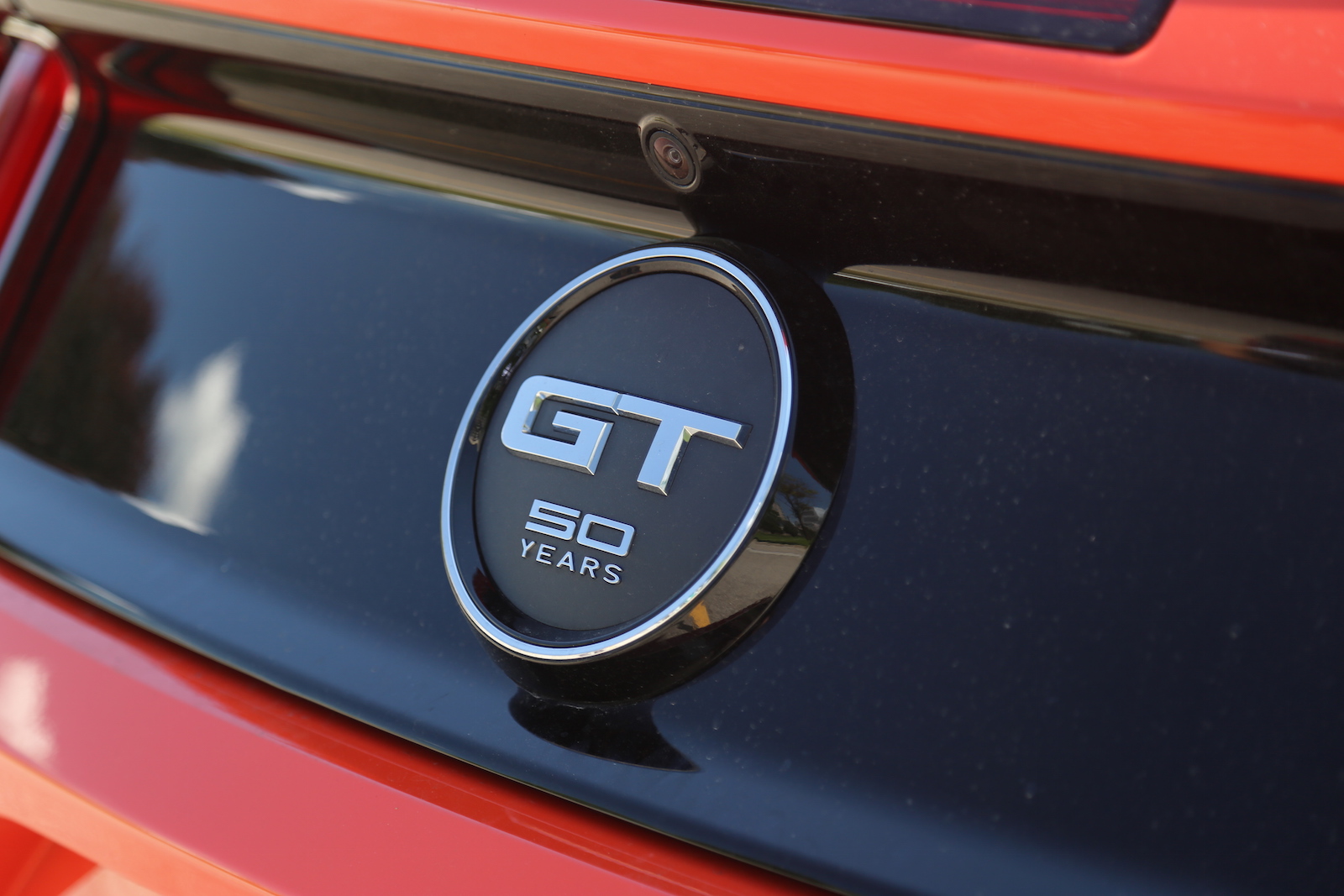
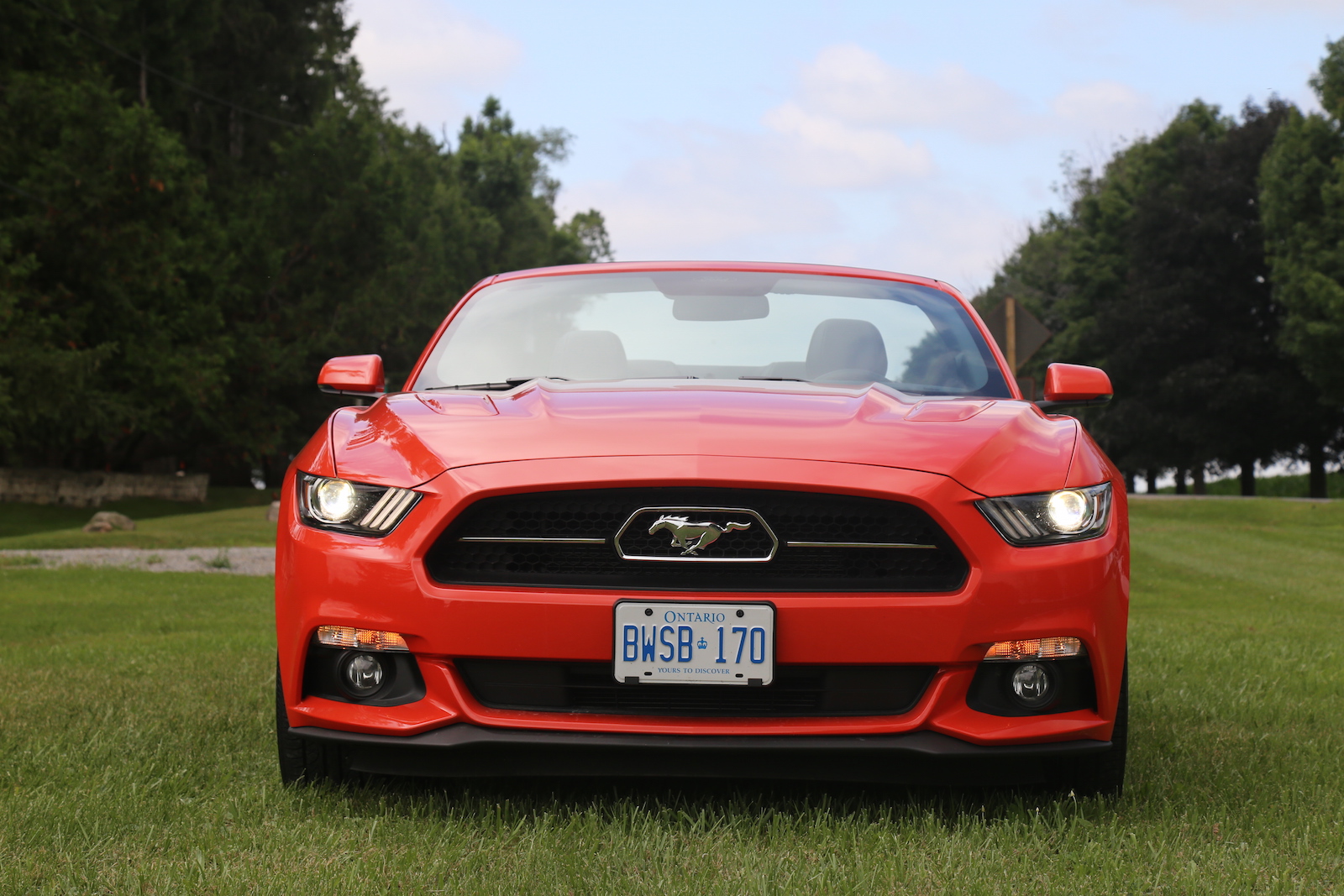
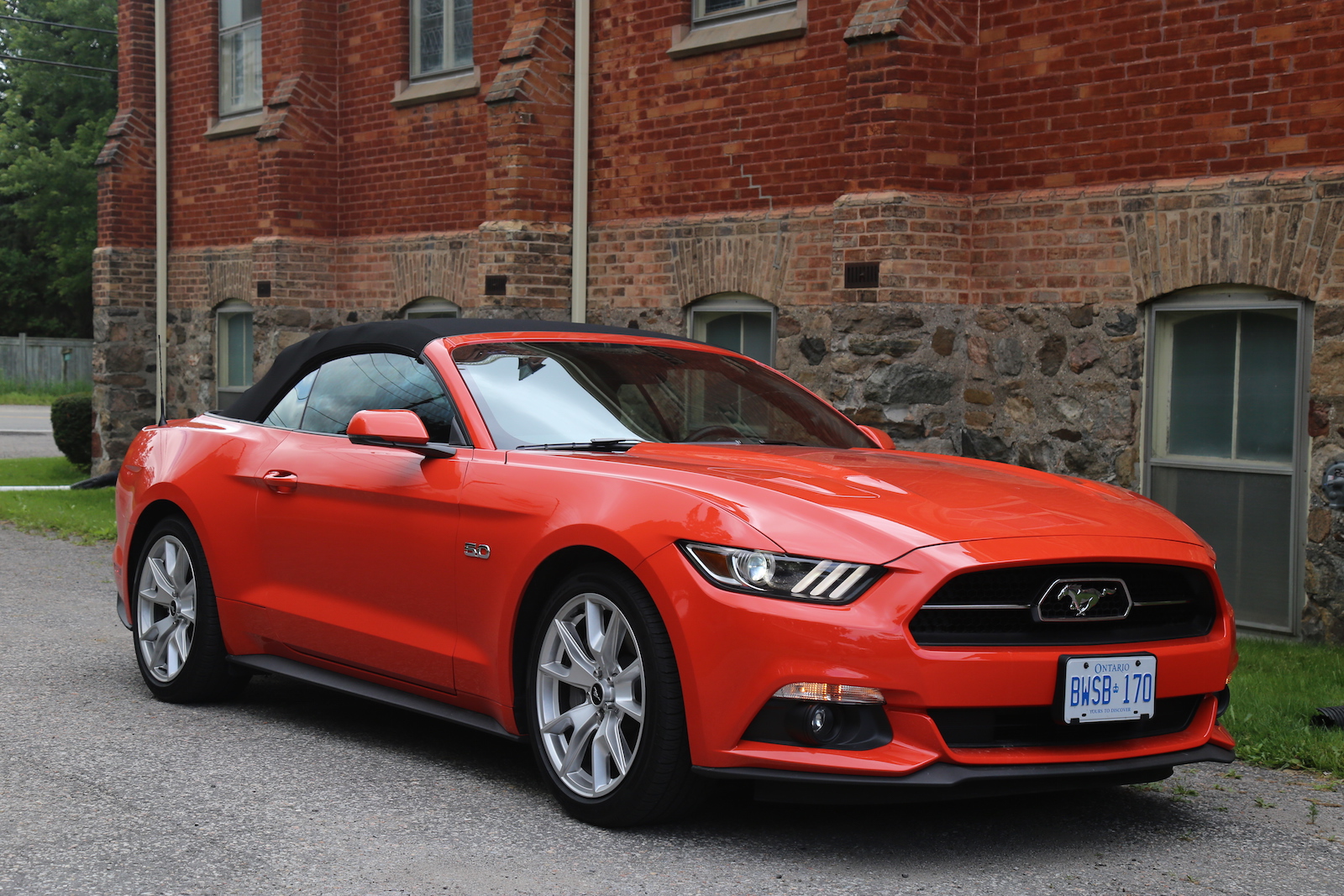
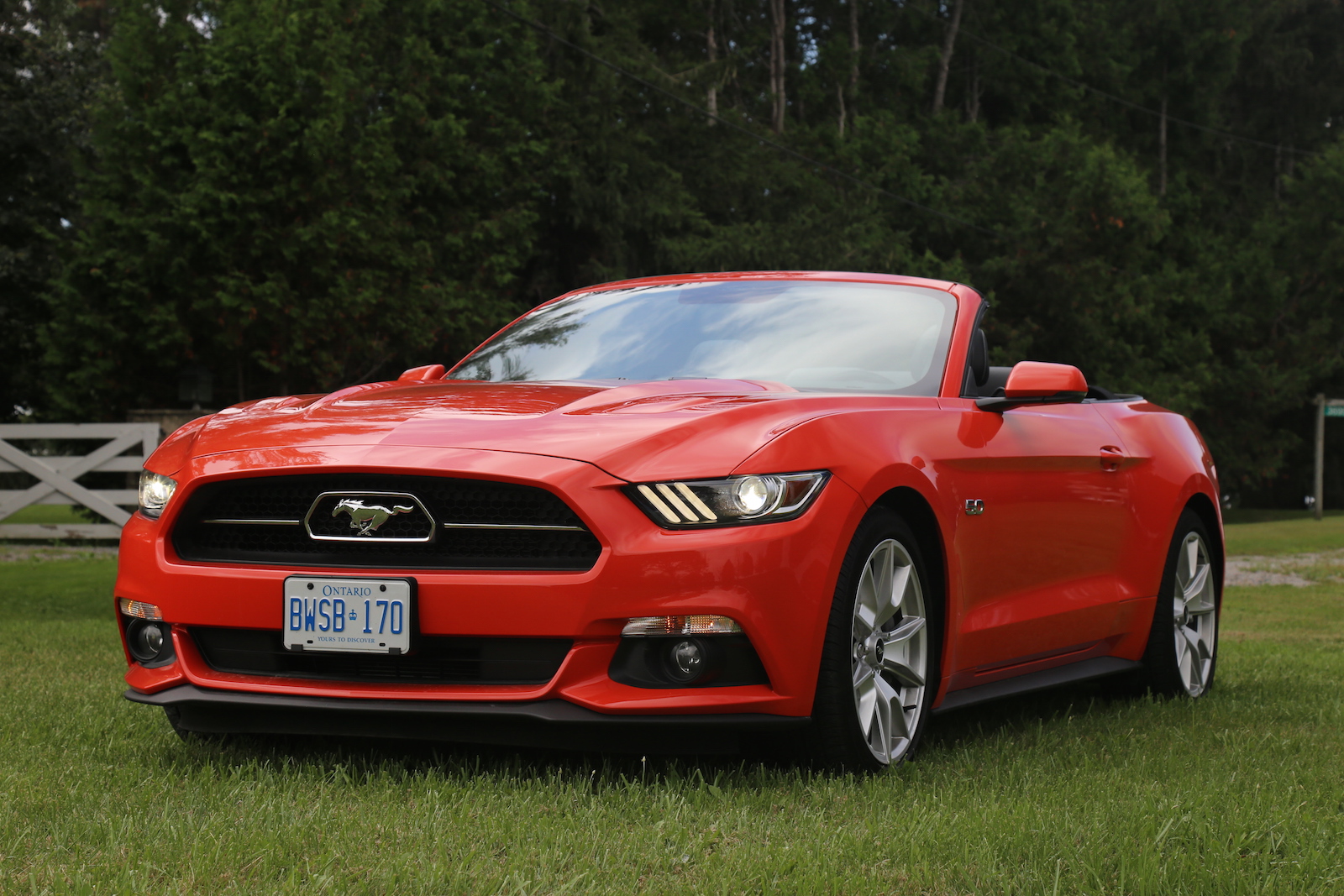
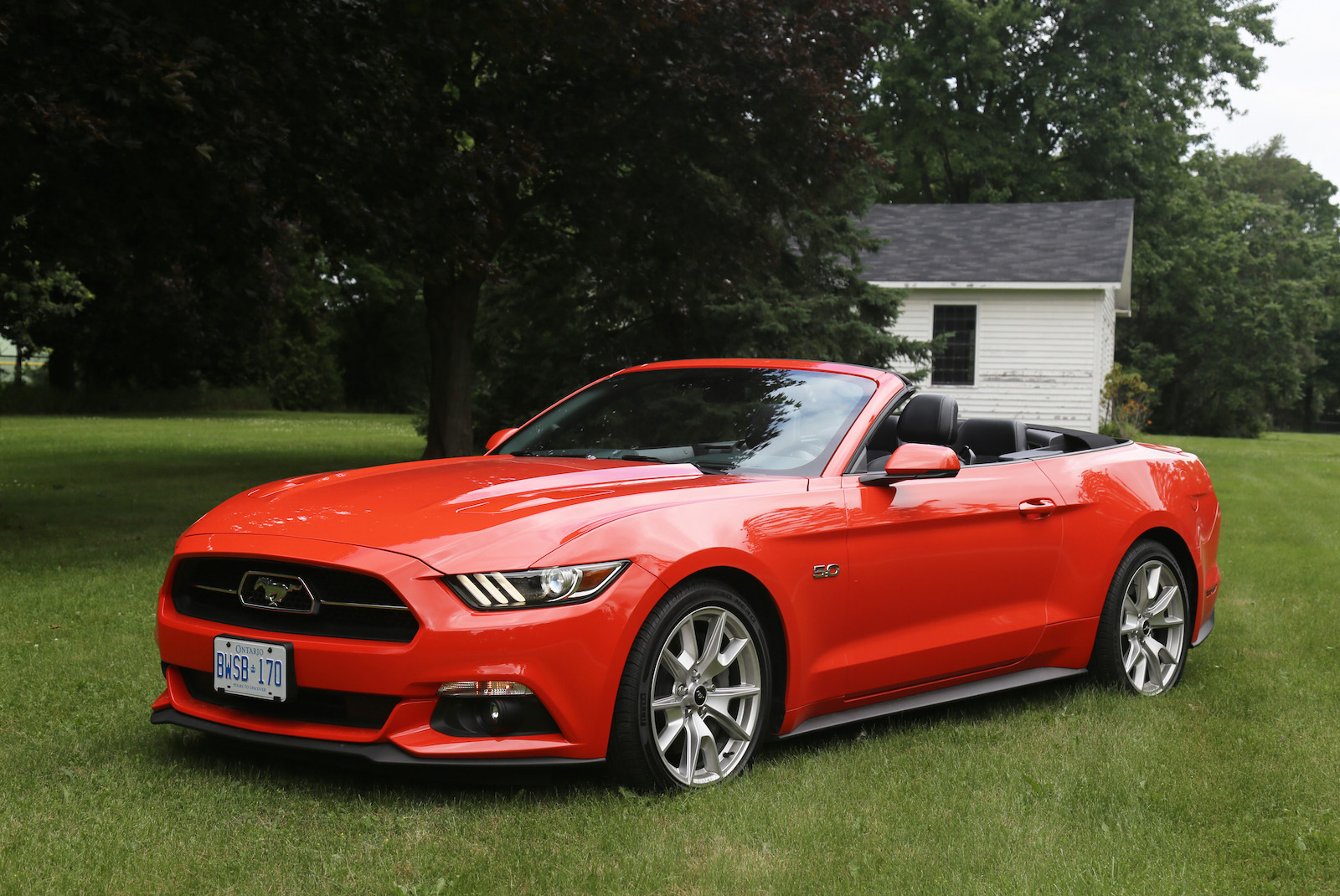
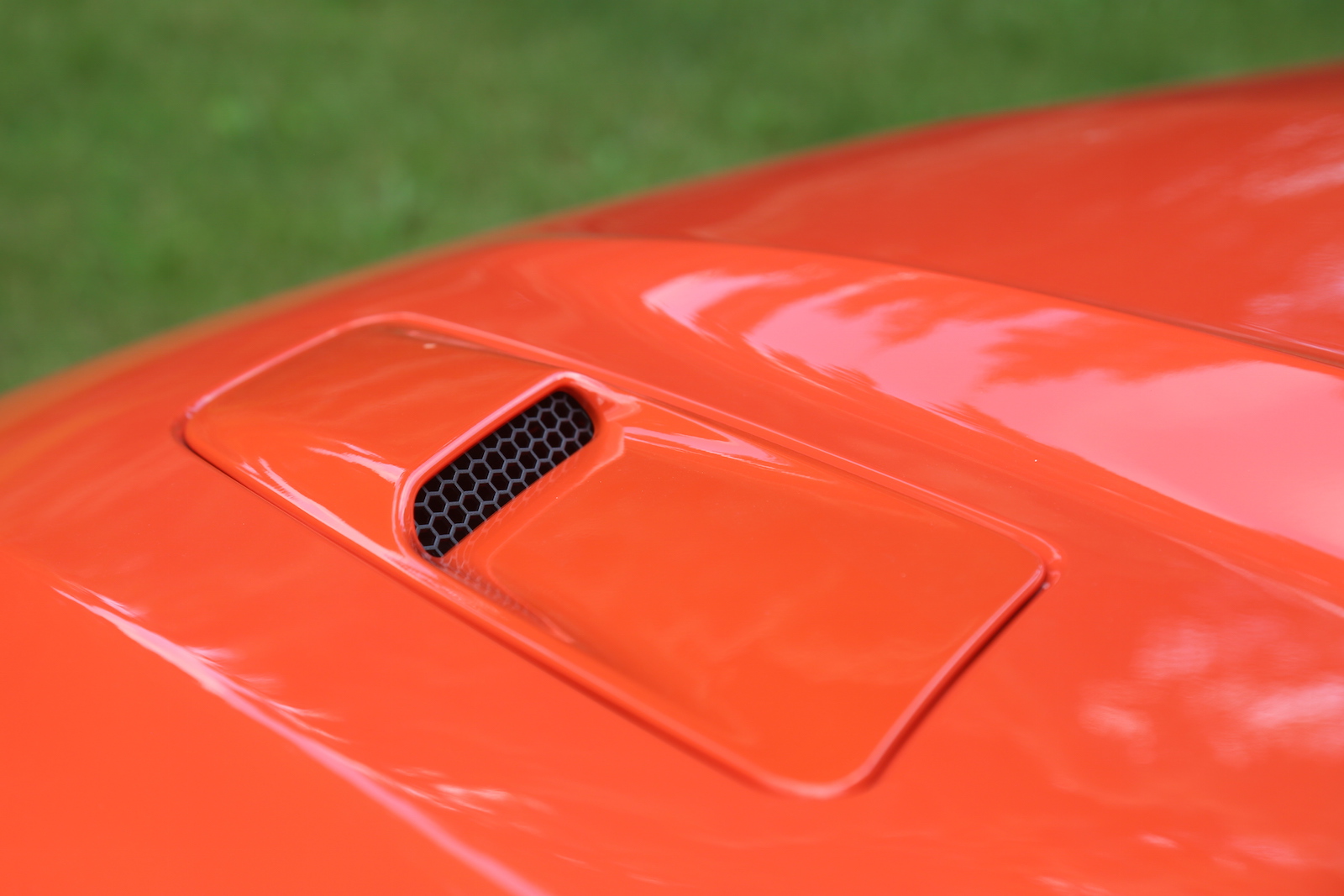
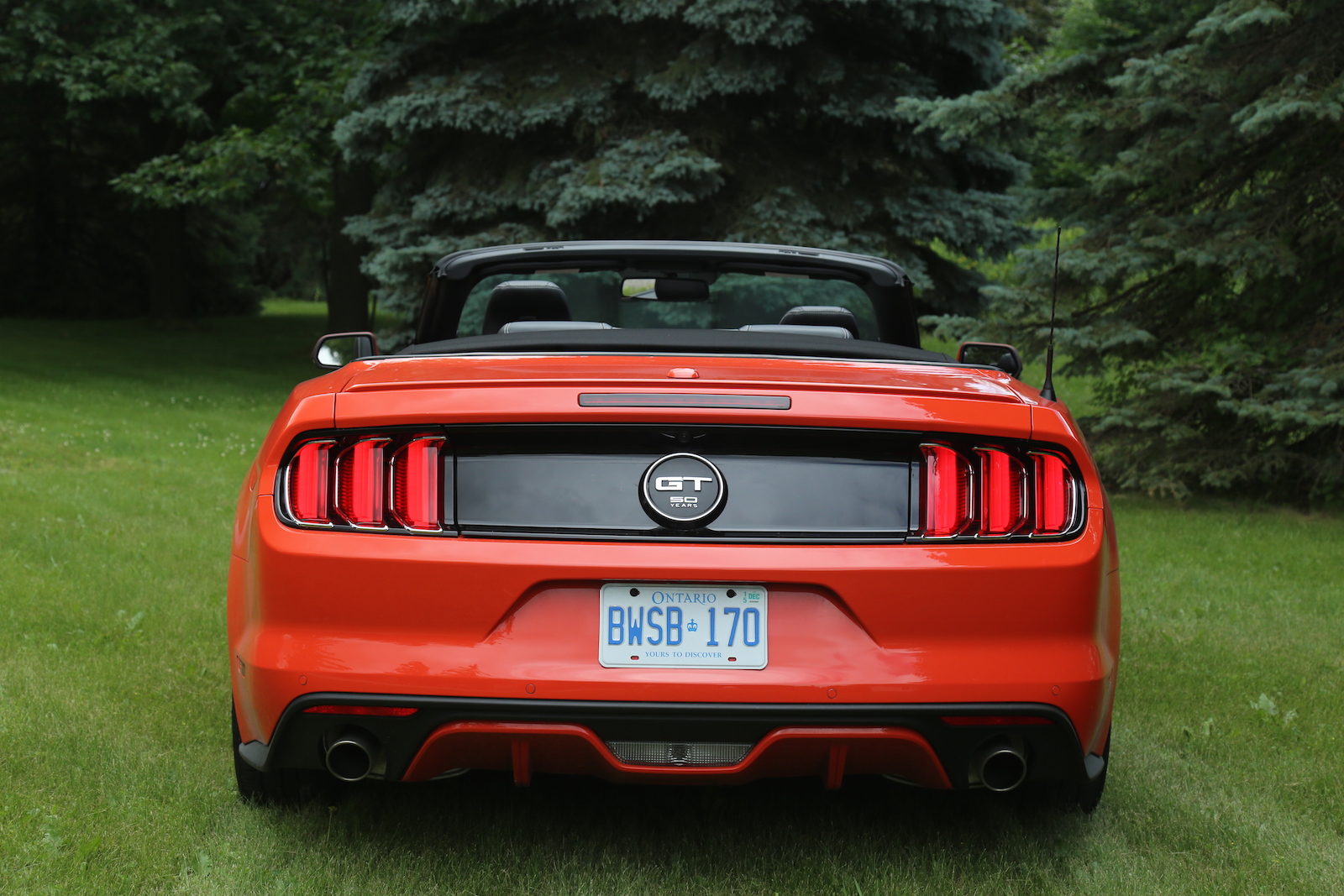
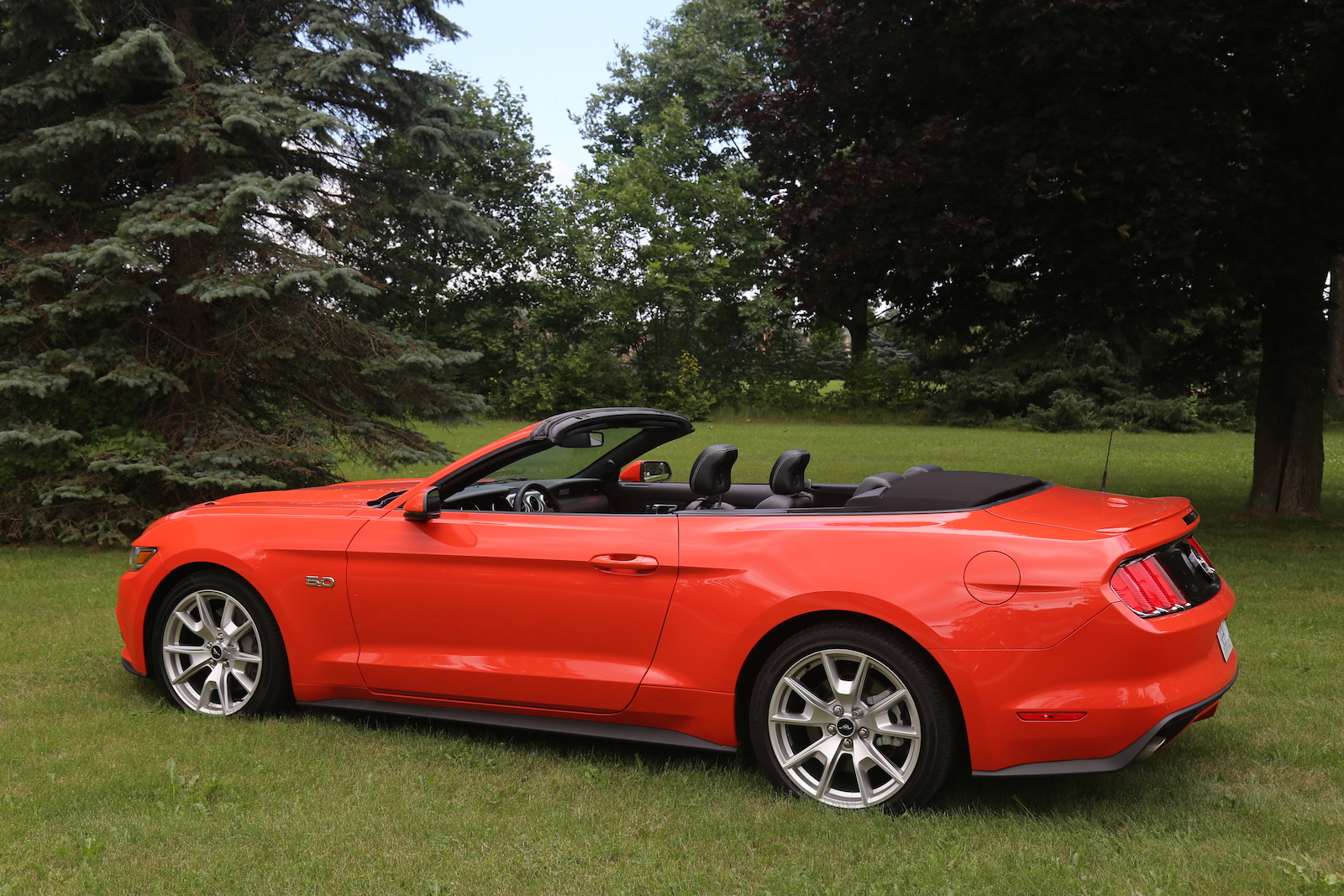
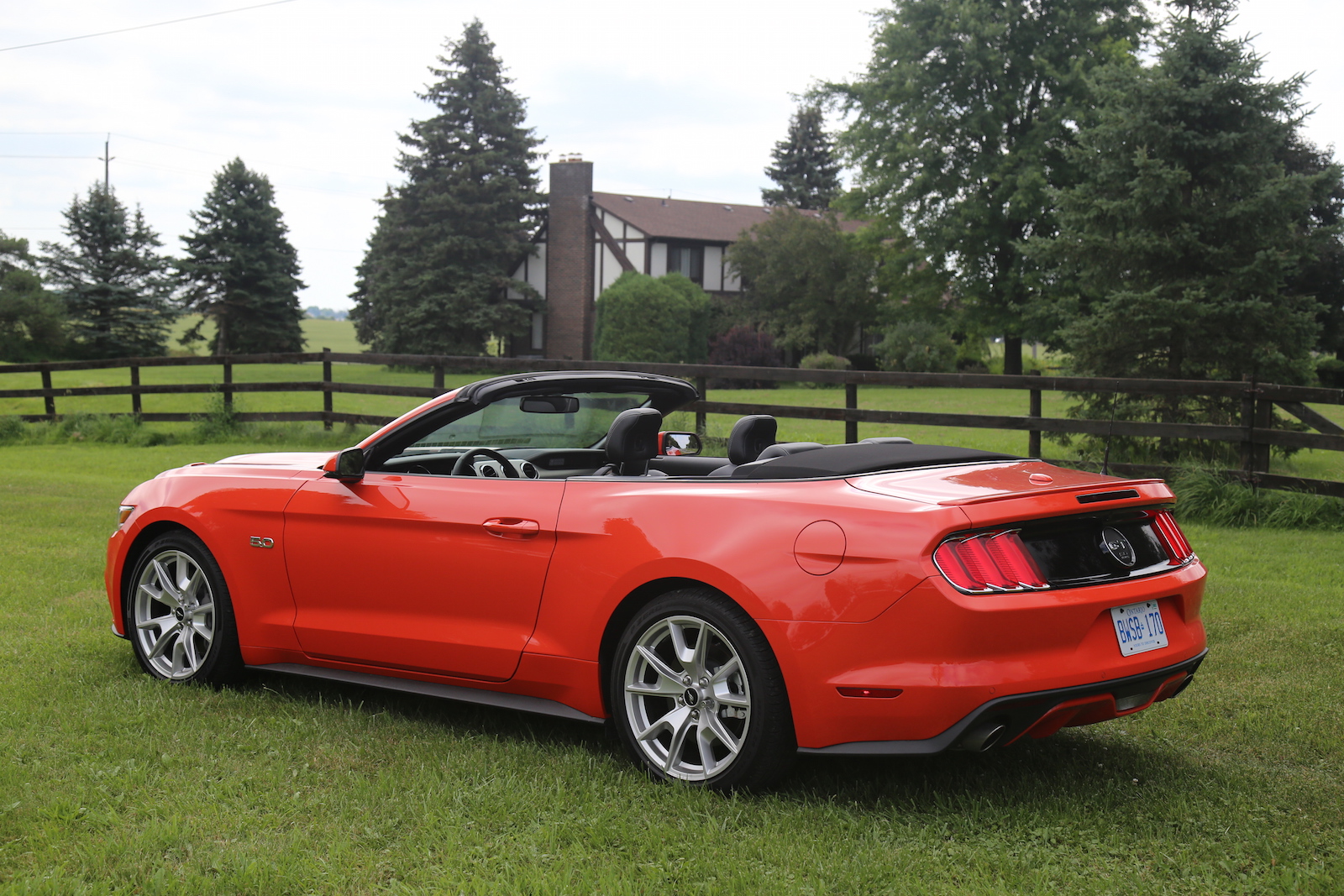
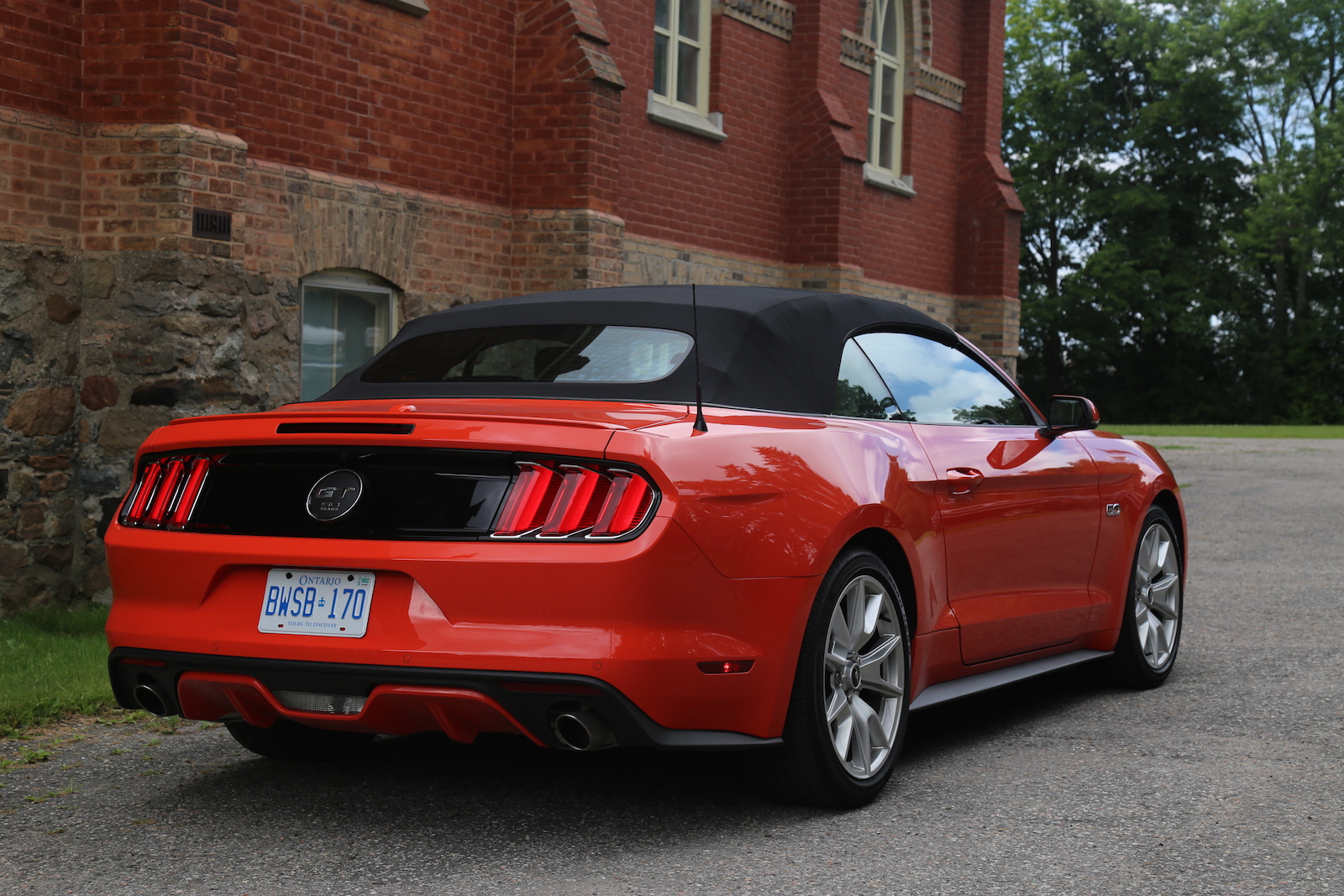
There are quite a number of visual differences between a GT and Ecoboost Mustang, most notably the menacing hood scoops on the former – I love how you can see them from the driver’s seat as well. The GT also receives larger front splitters, exclusive 19-inch wheels, a not-so-inconspicuous GT logo on the trunk panel and a large fonted “5.0” on the side fenders. While the Deep Impact Blue paint on our Ecoboost tester fit well into that car’s overall theme – elegant, retro-modern, tame – the Competition Orange paint on our GT turned heads wherever we went. It looks fierce, aggressive, and sporty. A colleague of mine even went as far as to call it “Beck Taxi Orange” – hope that doesn’t ruin it for you.
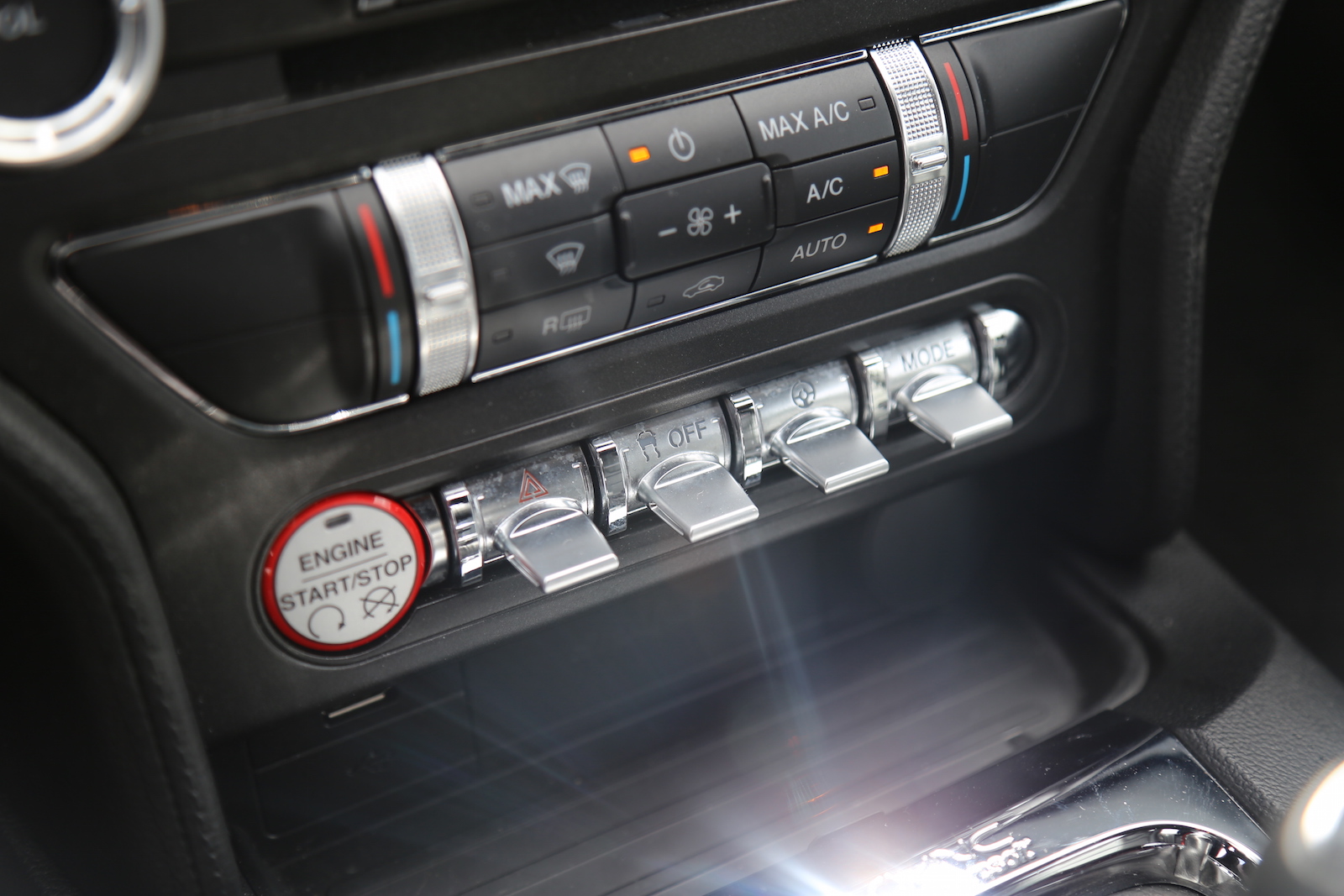
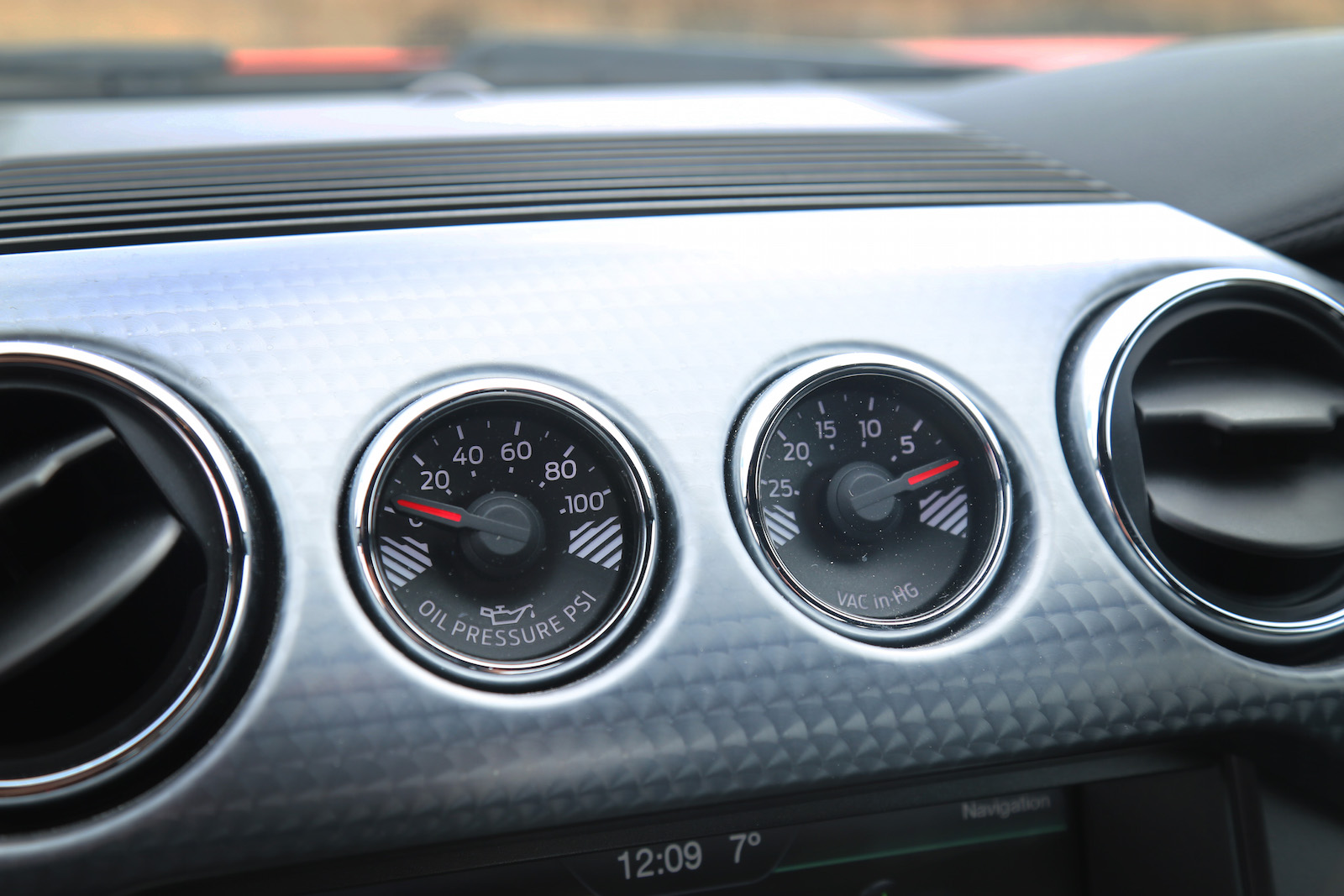
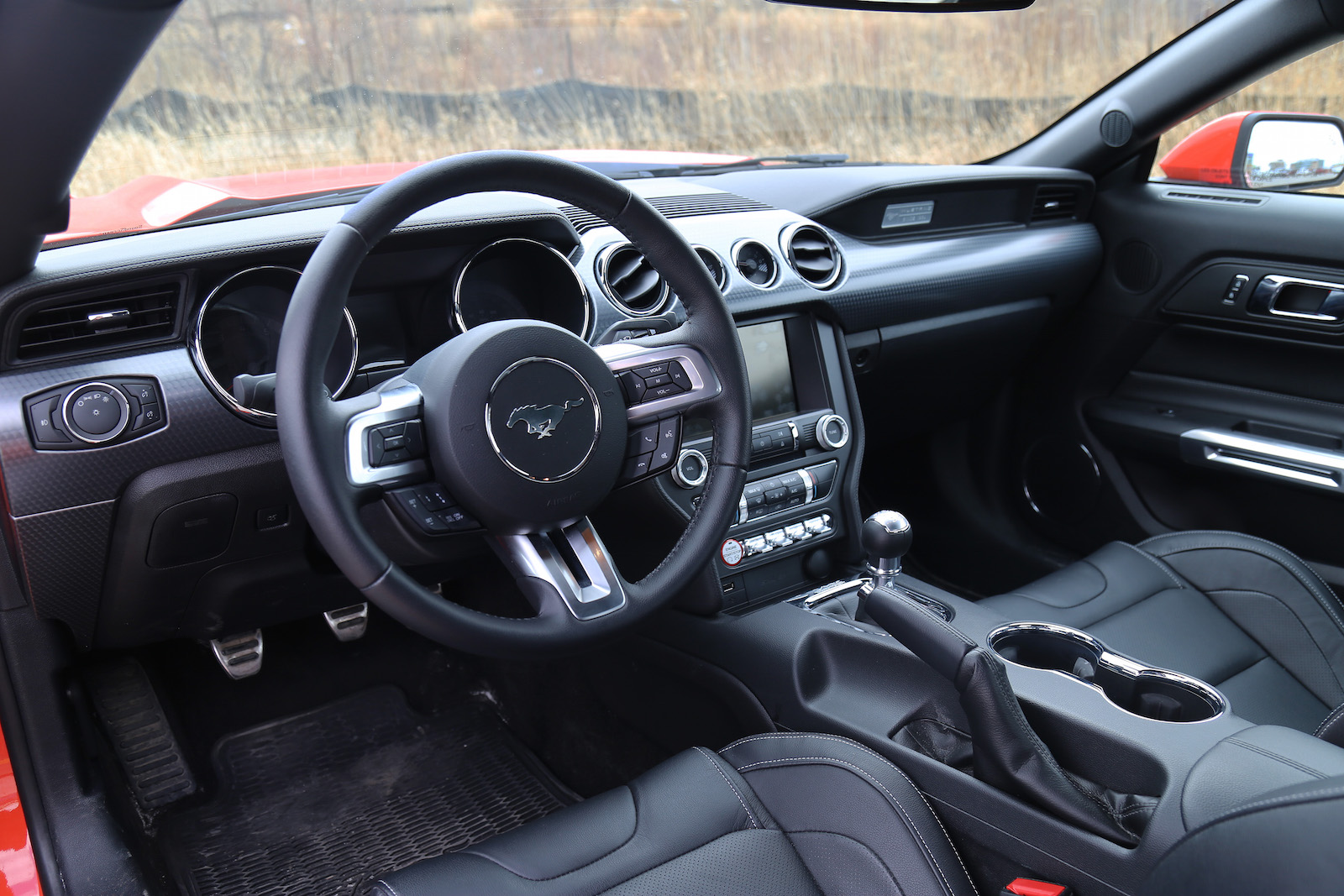
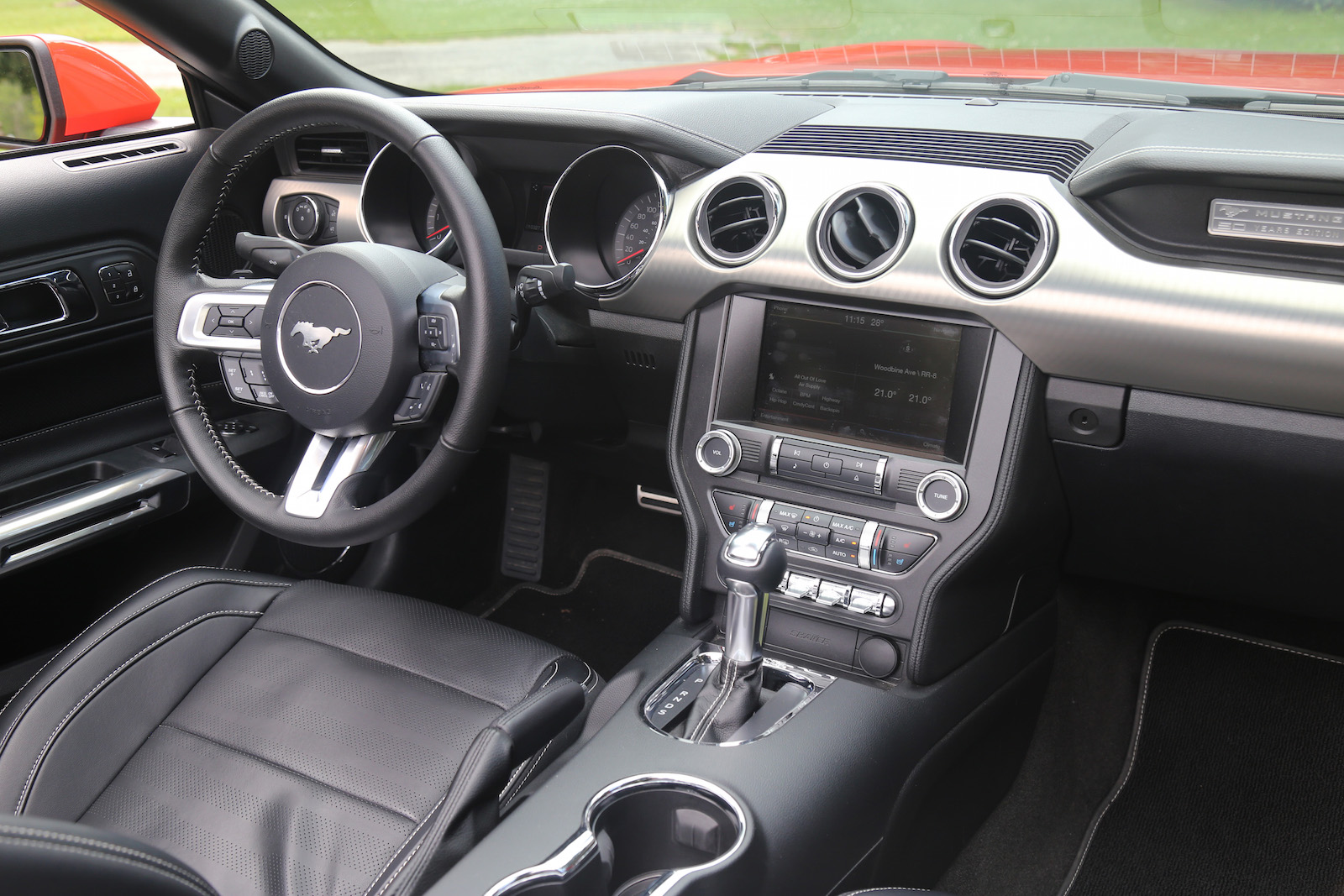
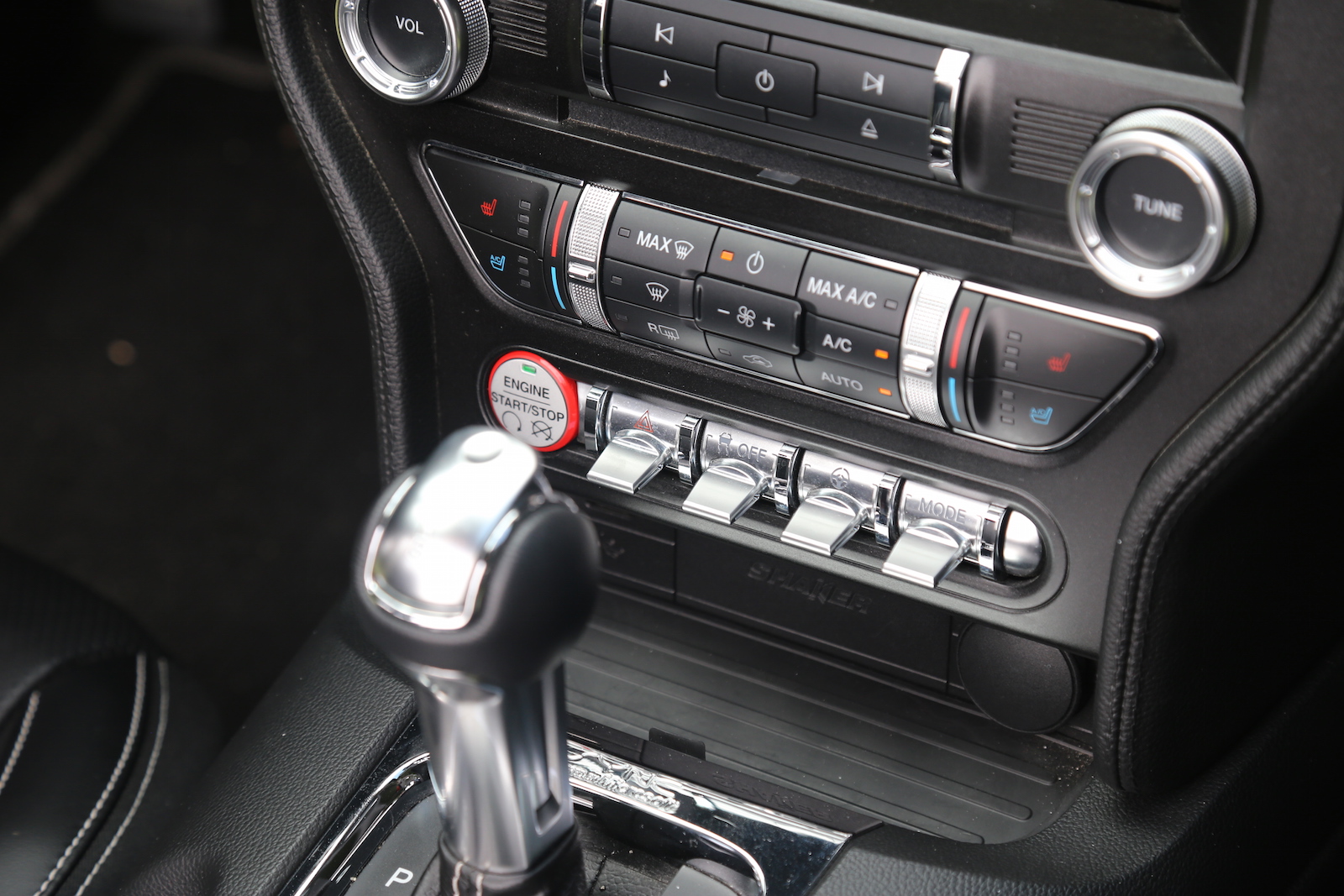
Inside is pretty much the same story. Our tester is the GT Premium, so it comes with upgraded leather upholstery, Ford’s SYNC infotainment system, and aeroplane-inspired flip switches to operate the traction control, steering feel, and driving mode. The use of leather and soft materials make for a delightfully premium feel, and the Mustang also makes use of ambient lighting, allowing for the colour configuration of the boost gauges, instrument cluster, door handles, and the cup holders.
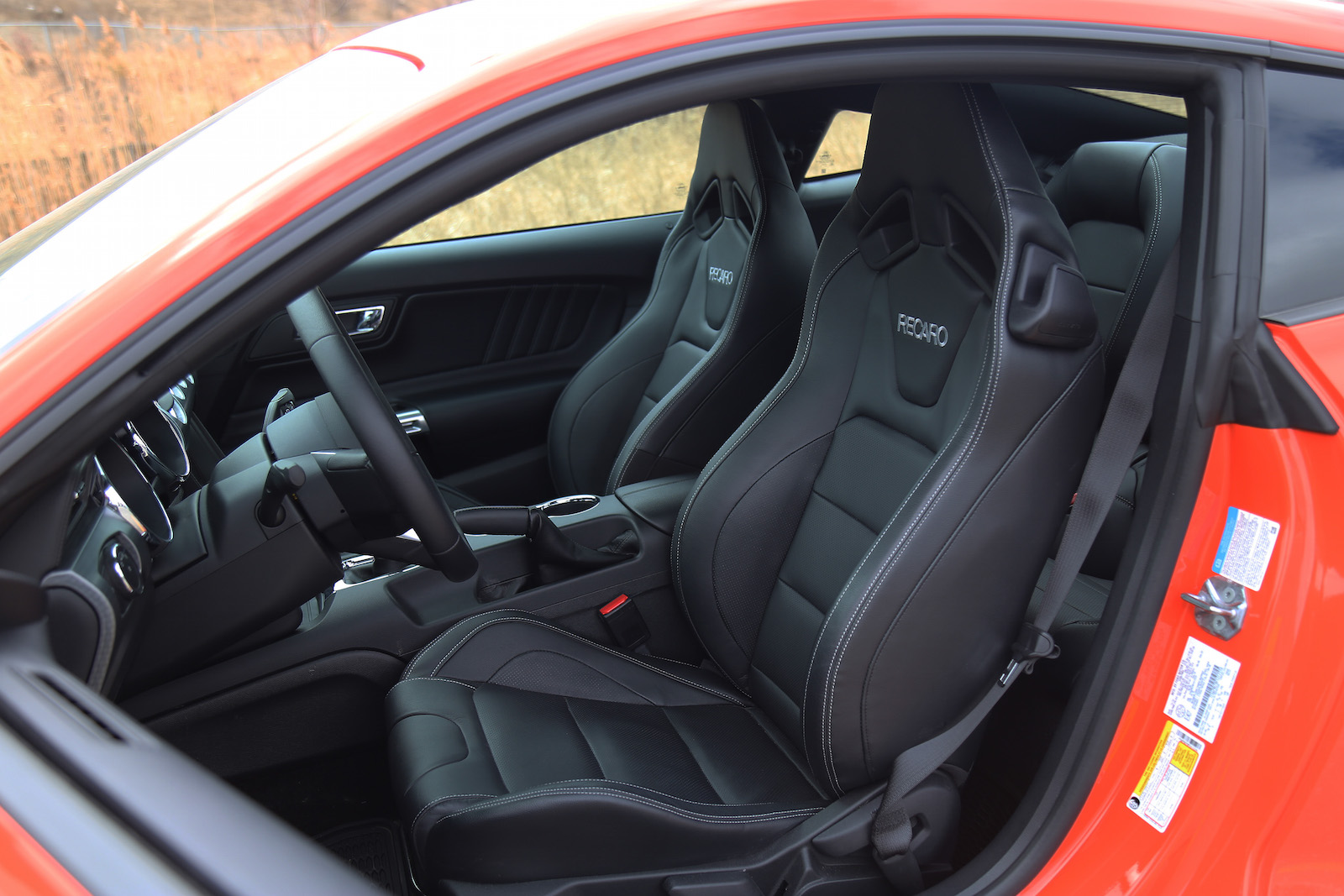
Our GT tester was also equipped with Recaro leather seats ($1800) as opposed to the Recaro cloth seats ($1500) that we tried out in the Ecoboost. The leather ones look and feel better, but takes away from the boy-racer appeal. A Shaker Pro Audio system with 12 speakers, a subwoofer and amplifier also found its way into our tester. The audio was crisp and more enjoyable than the standard speakers. We had the Blind Spot Intervention System option installed as well – a godsend for coupes like these and a highly recommended option. When a car shows up at your blind spot, a little orange light will blink on the side mirrors to warn you – no more acrobatic neck-twisting.
There is no cast-iron winner here. I’ve come to the conclusion that the Mustang Ecoboost and GT are different cars meant for a different audience. The Ecoboost houses a wonderful turbocharged engine – a technical marvel to say the least. It’s good on gas, smooth to drive, and a great beginner’s car for someone learning how to drive manual. The Ecoboost is comfortable on the road, not overly outlandish or superfluous in looks, and it makes for a compelling daily driver and a grand tourer. The GT on the other hand provides a more cerebral and organic experience, accompanied by aural insanity from the exhaust. It is without a doubt a quicker car – the numbers tell the whole story. It’s not as easy to drive, but when you nail it down correctly, it’s that much more rewarding. The only drawback is the fuel-efficiency and starting price – two areas where the Ecoboost has the GT flat on the floor.
Those new to the realm of Mustangs and just want a livable, daily driver without too much sacrifice, stick with the Ecoboost. If you want a sports car that will keep smiles coming all day long, go for the V8. Whichever option you choose, the price starts under $50,000. In my eyes, that’s a supercar bargain.

















Leave a Reply