
The i3 is back, but this isn’t the skinny-tire city car that launched in 2014. This is BMW’s answer to the Tesla Model 3, and it’s got prerequisites to flatter: 700 km of range, two electric motors, 463 hp, all-wheel drive, and the same 800-volt electrical architecture as the recently unveiled iX3 SUV.
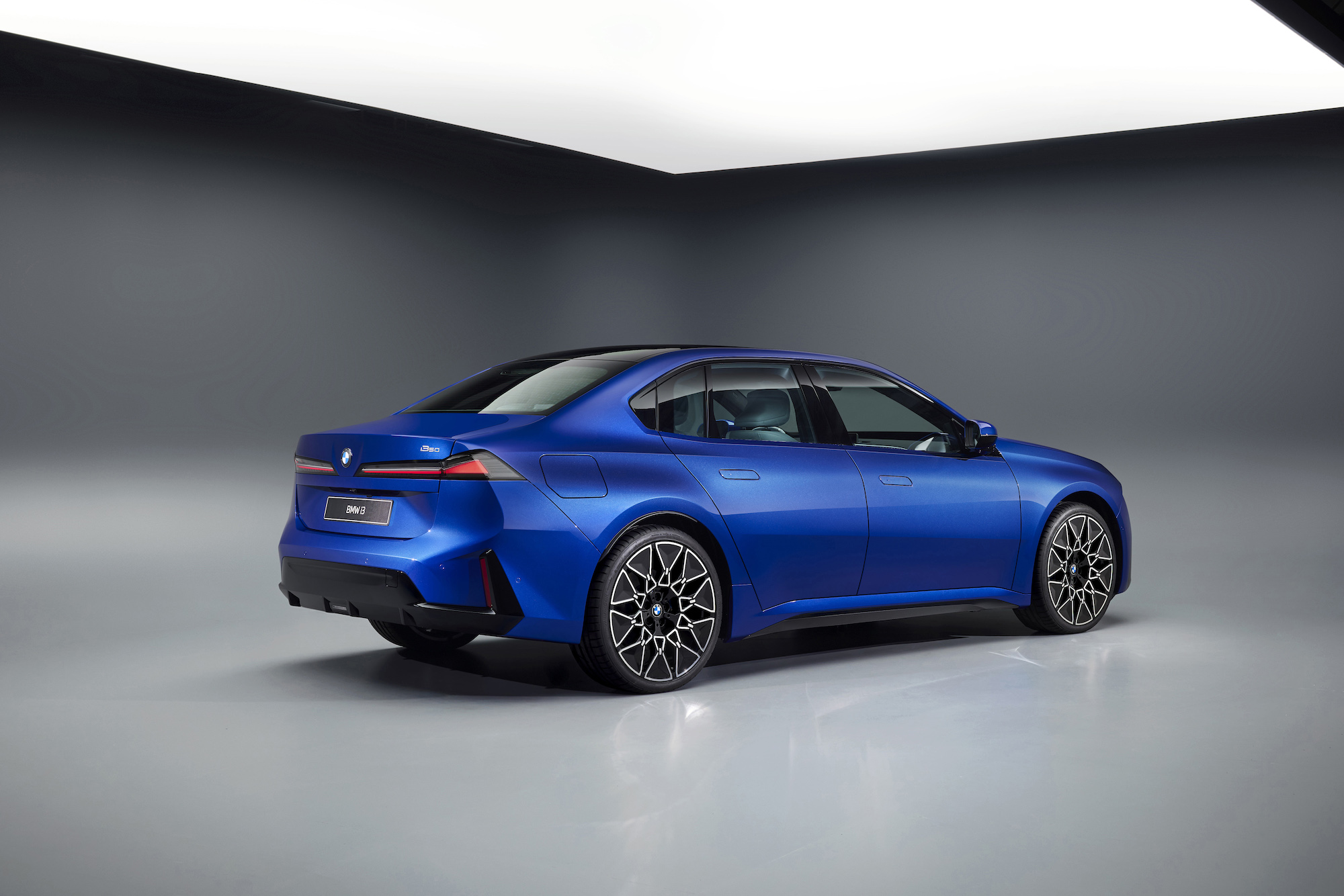
That’s enough driving range to make the Lucid Air look in its rear-view mirror, though we expect its real-world performance to dip into the 600s. Nevertheless, that’s more than what the current crop of Porsche Taycans and Tesla Model 3s can muster. Two electric motors on each axle are to thank for that, backed by a 109 kWh mile-munching lithium-ion battery that delivers 463 horsepower and 476 lb-ft in the launch-spec i3 50 xDrive. Expect M Performance and M models to follow shortly – we wouldn’t be surprised if those figures start tickling the 700-hp barrier.
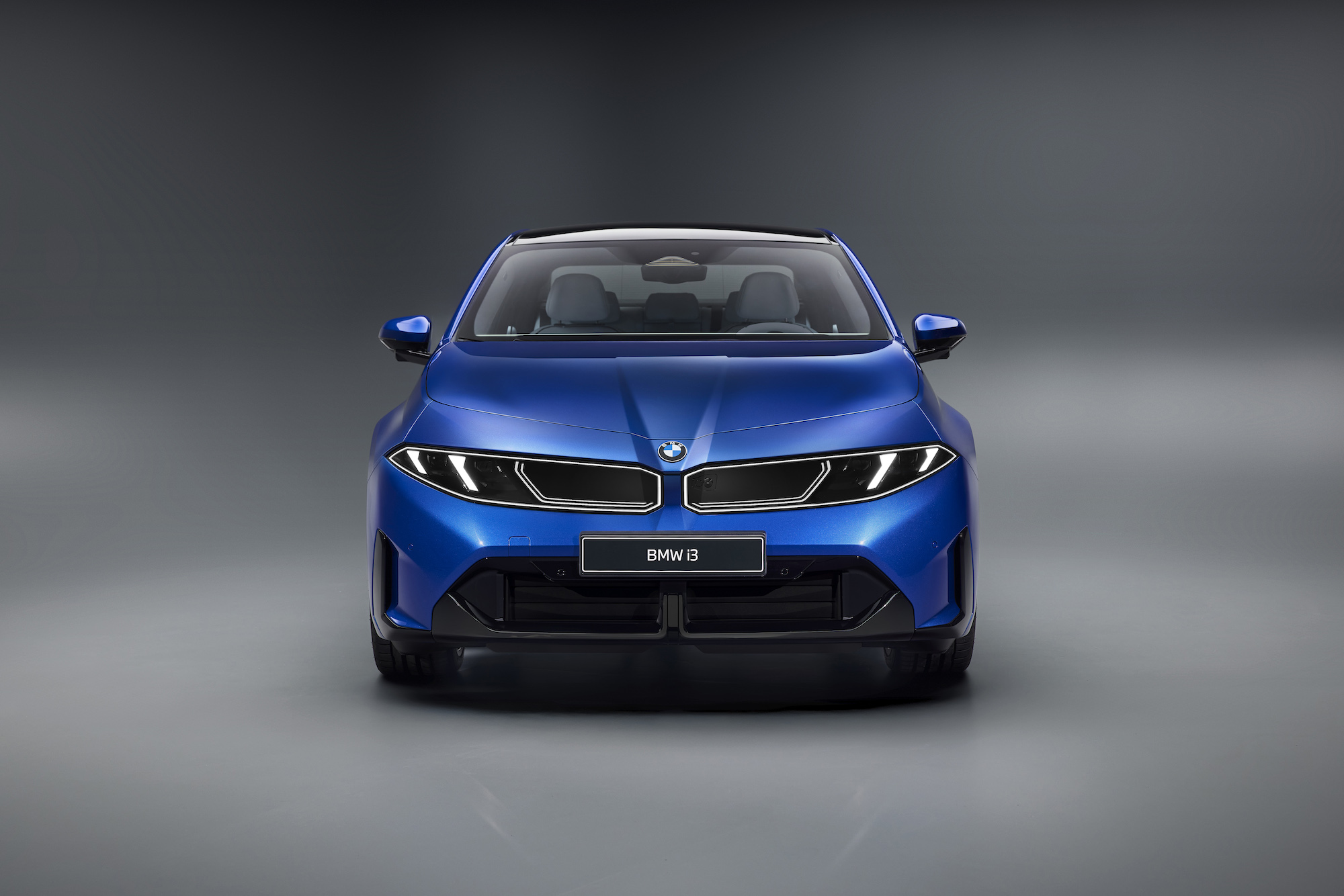
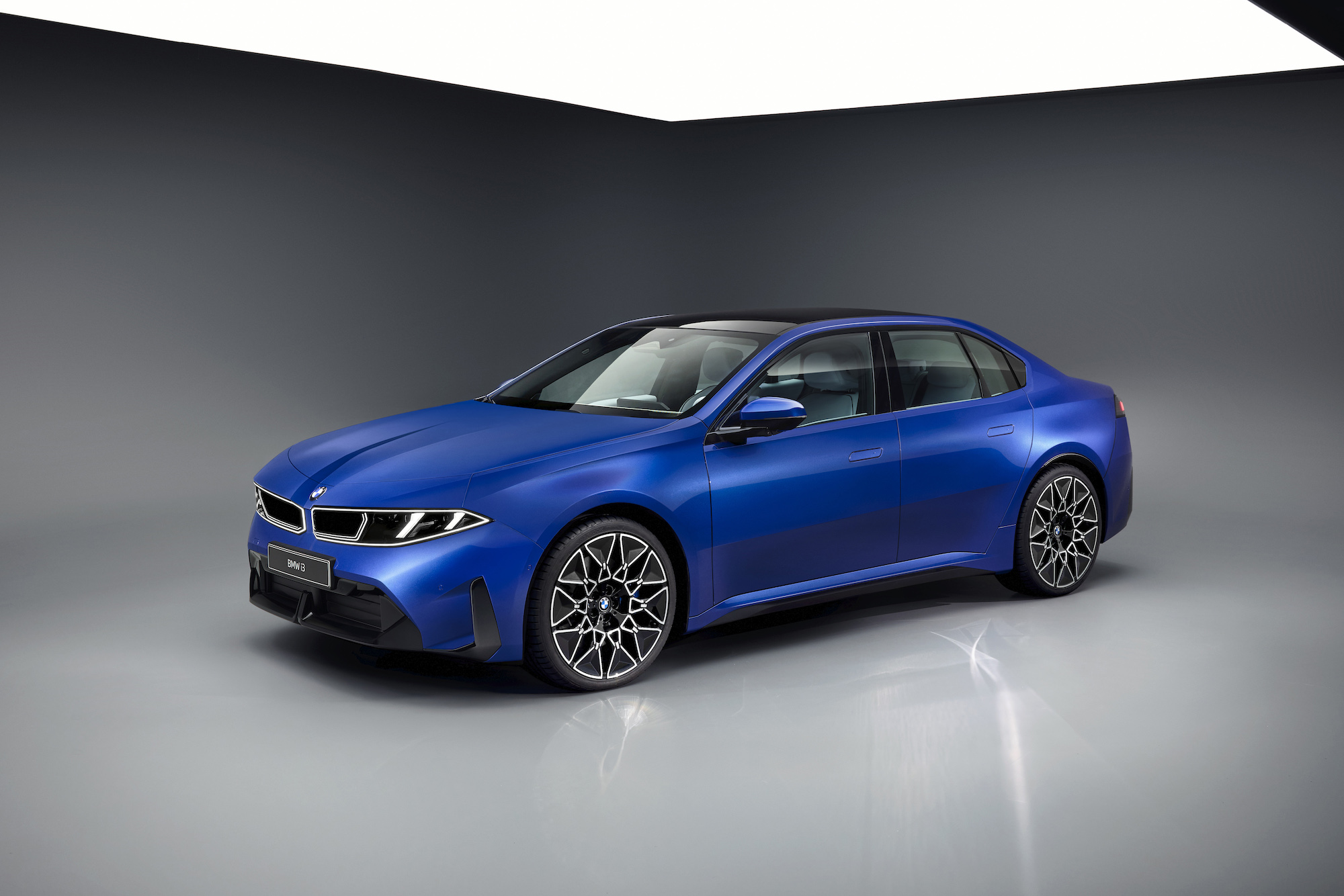
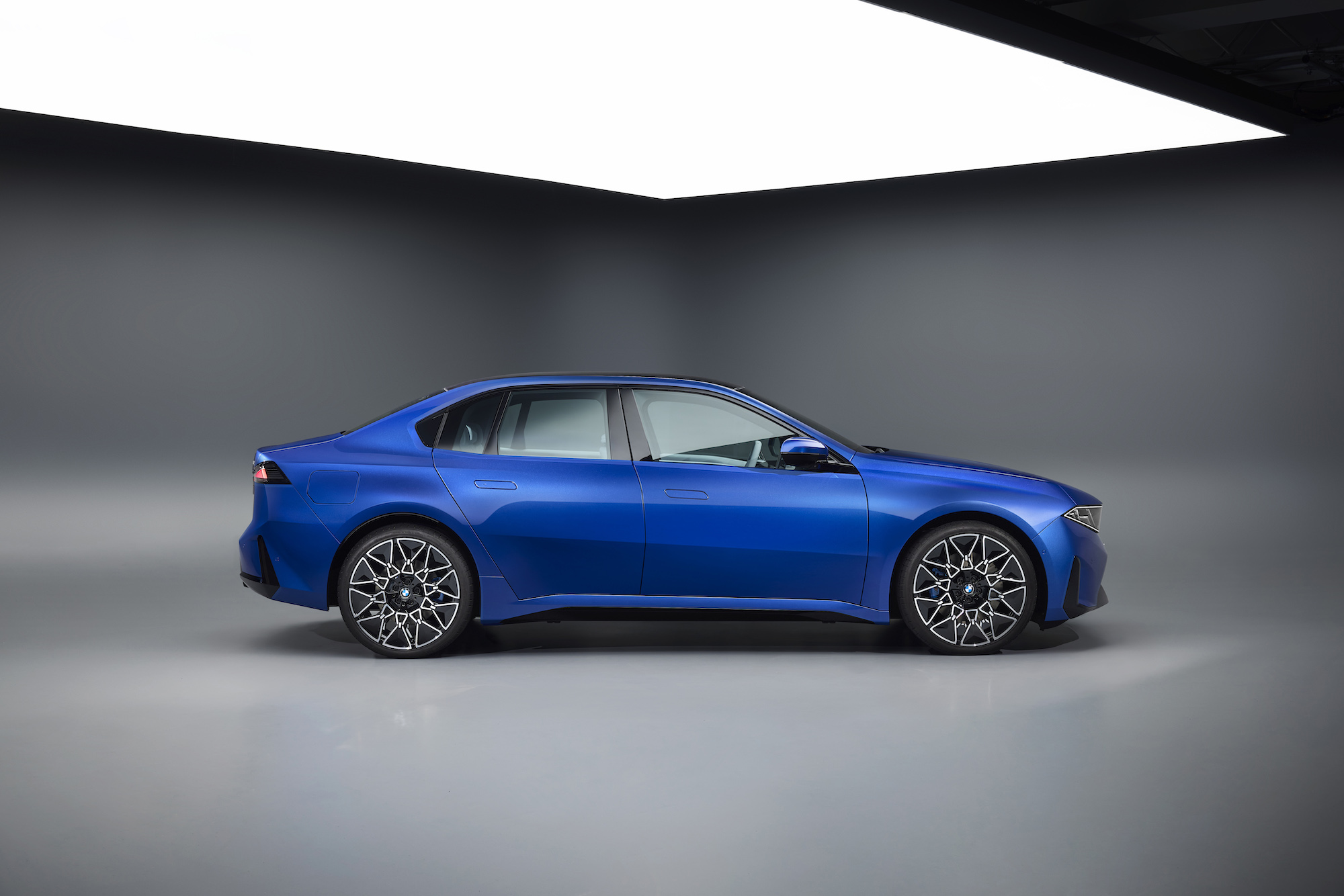
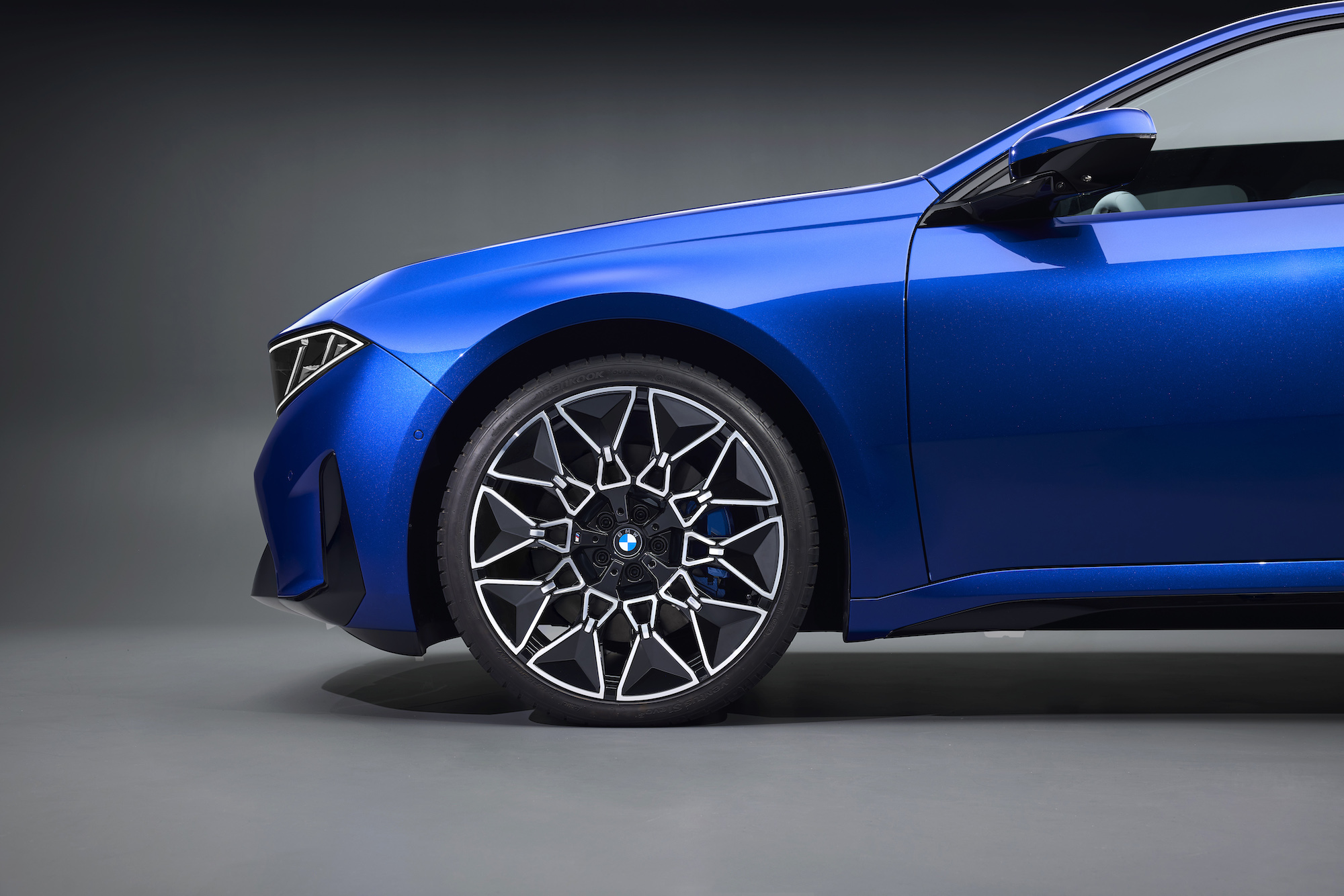
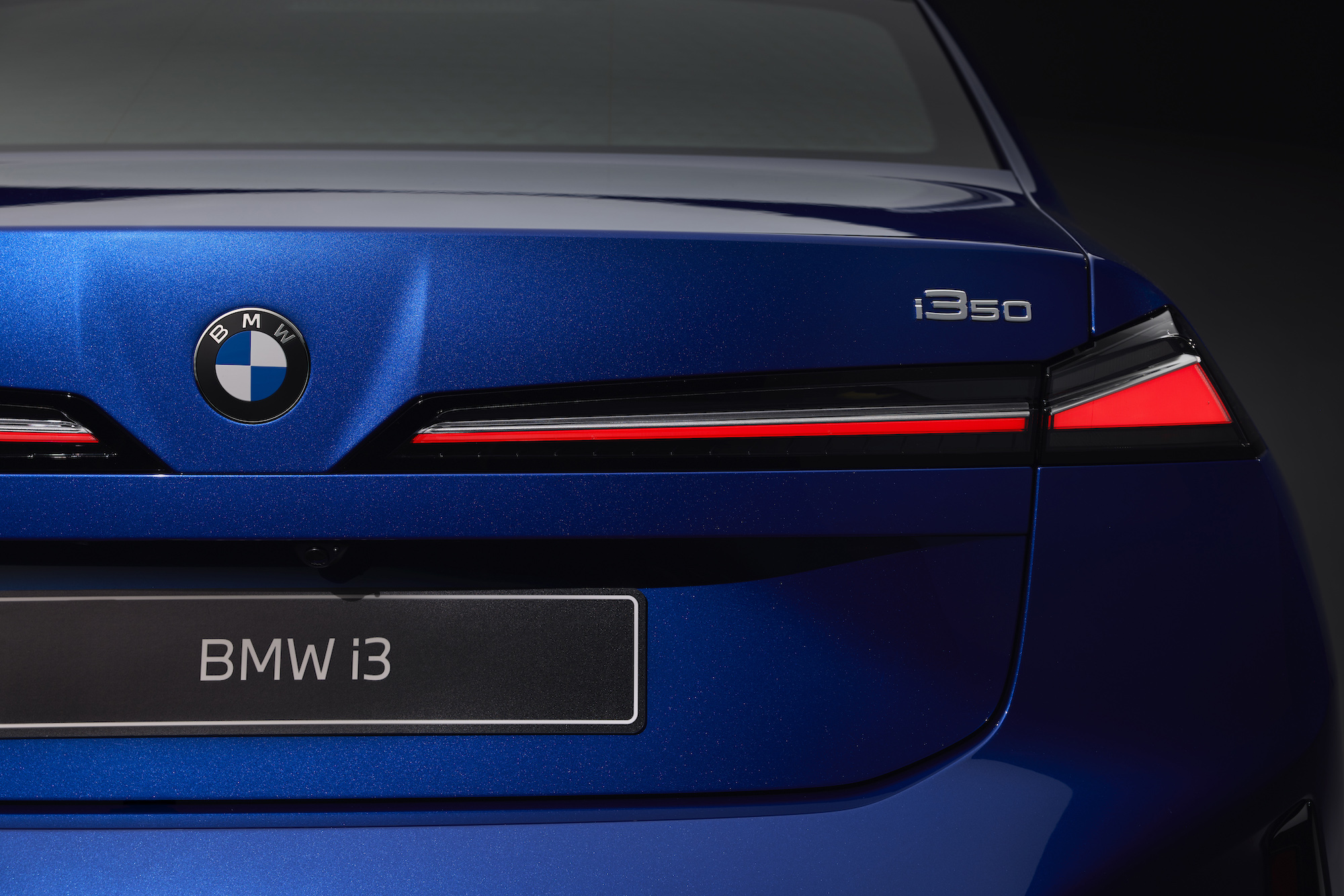
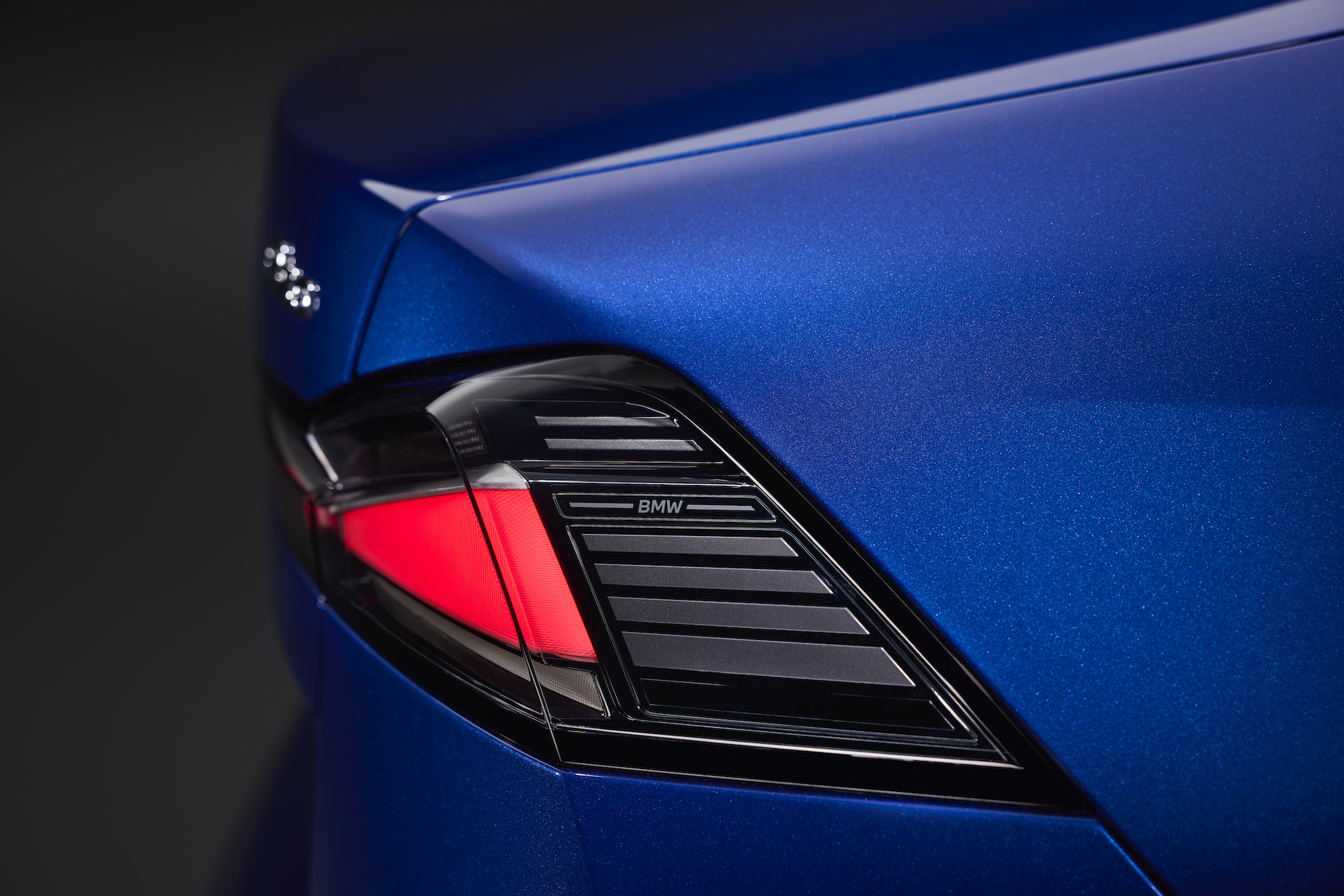
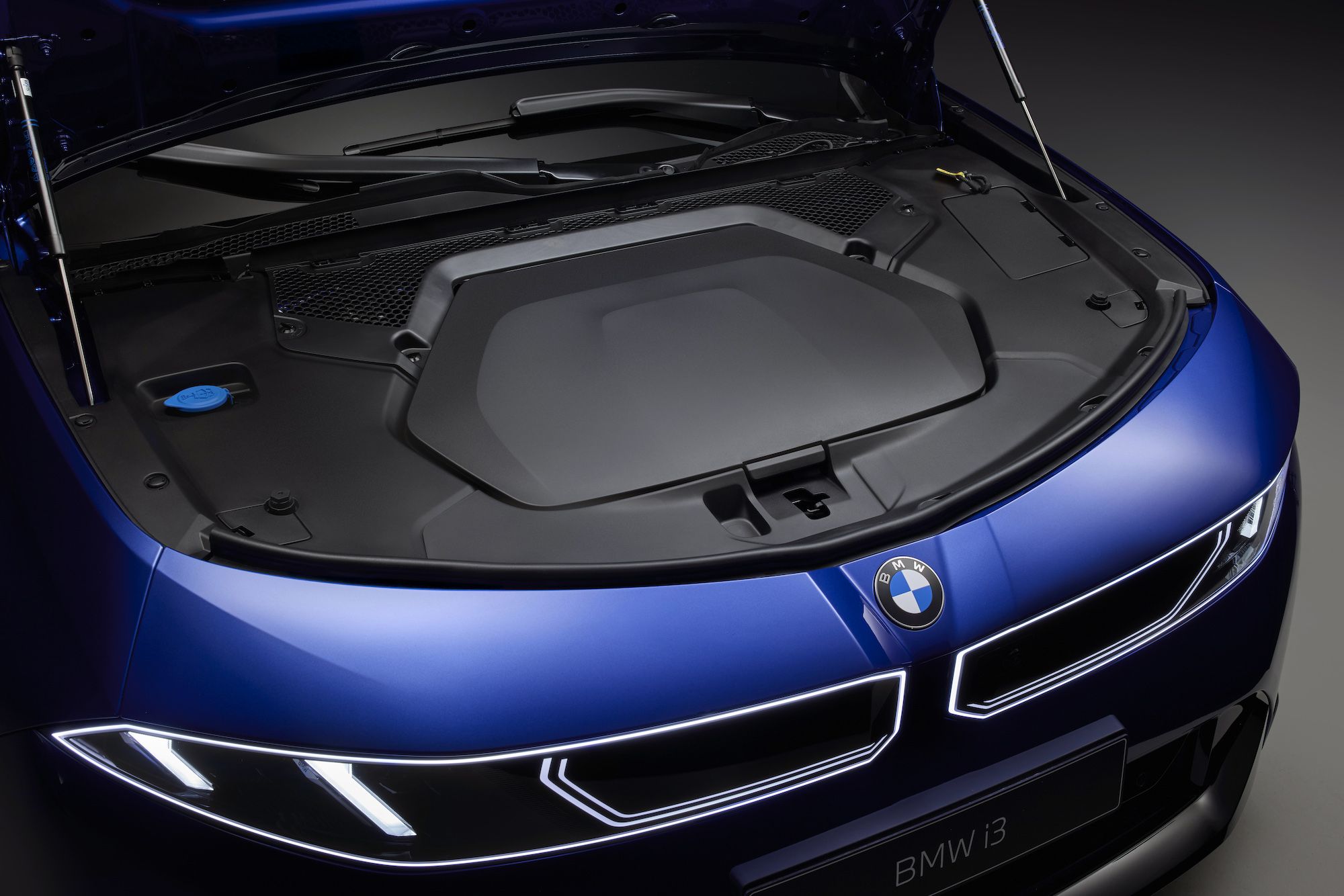
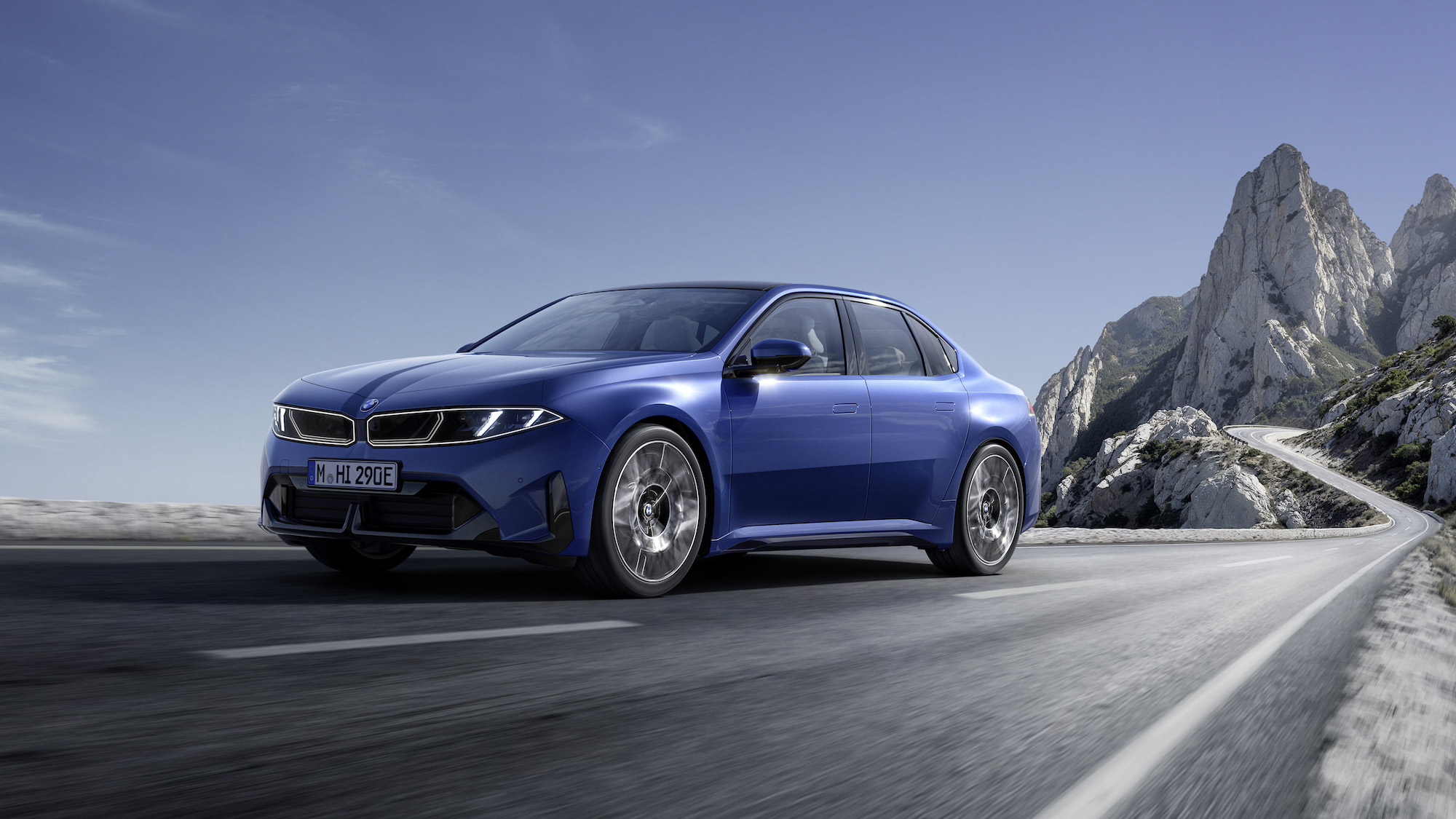
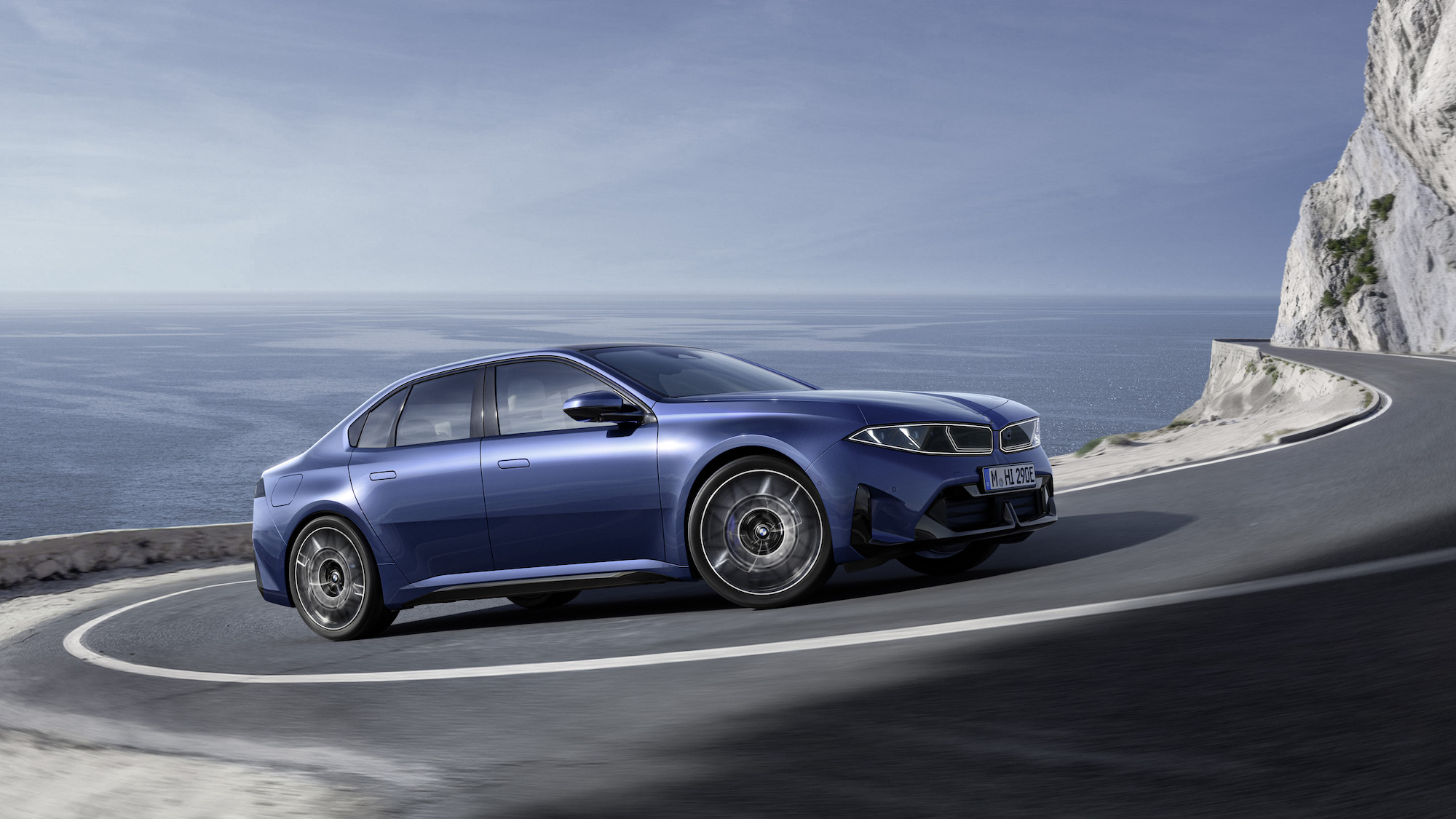
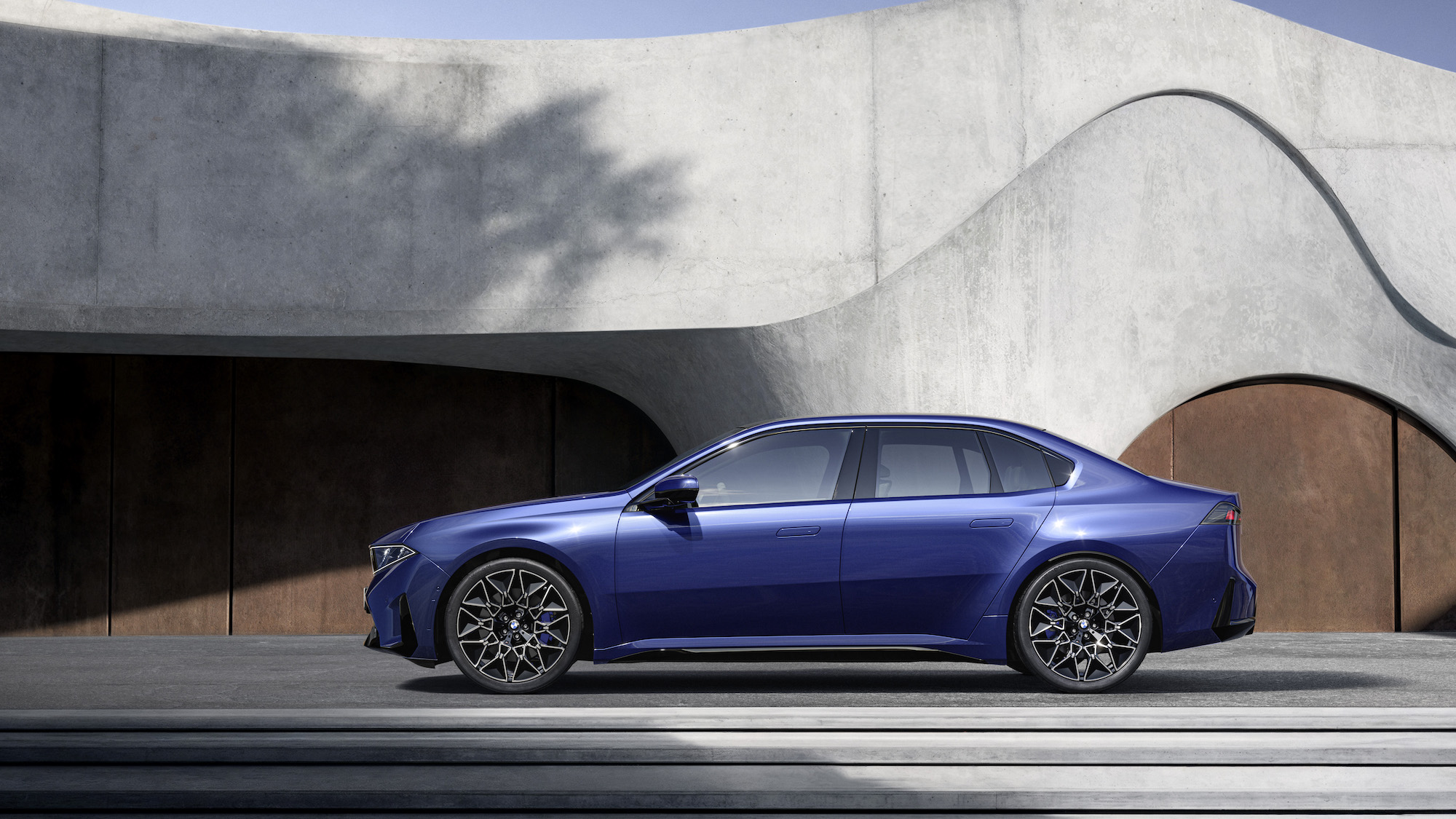
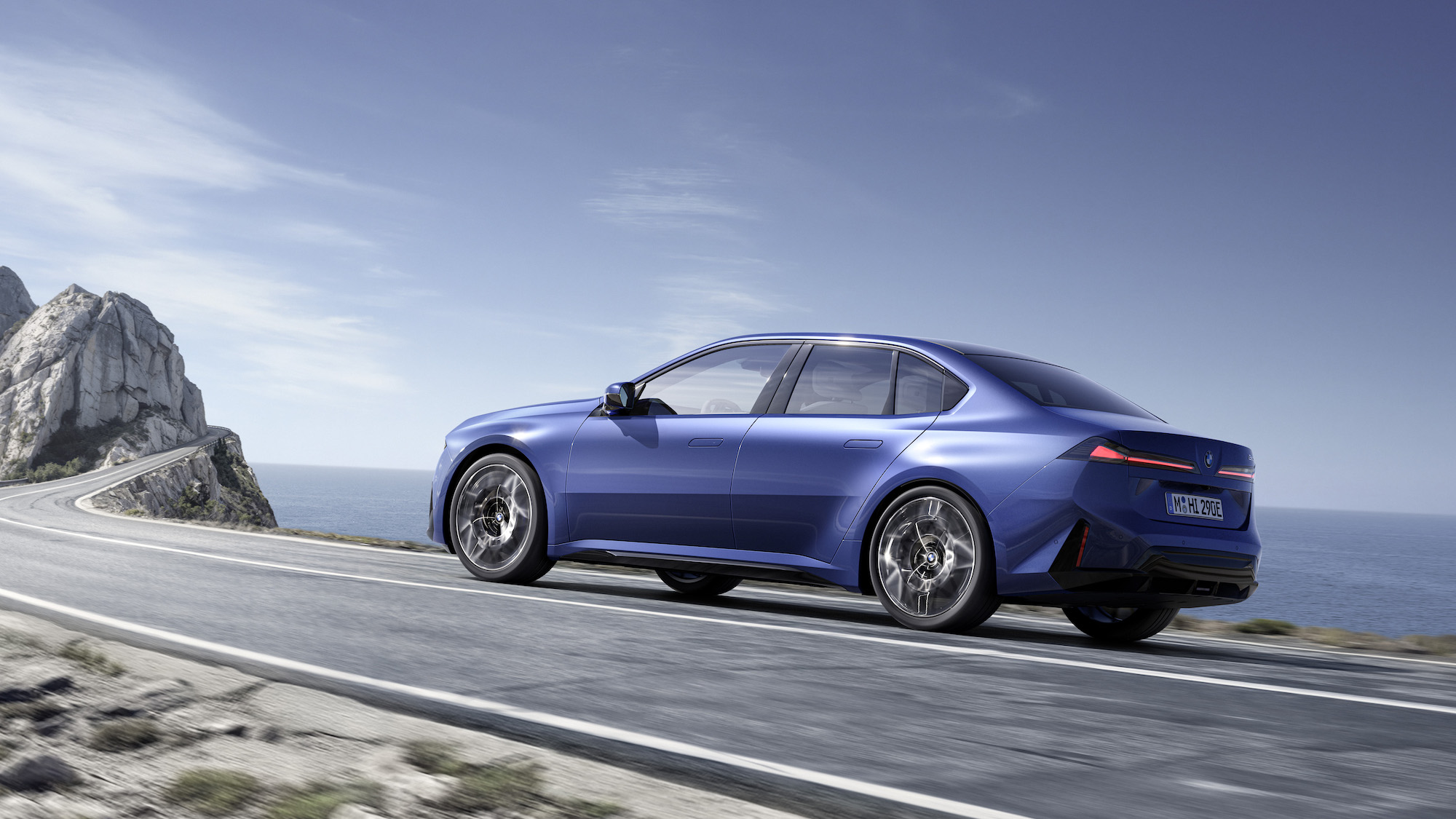
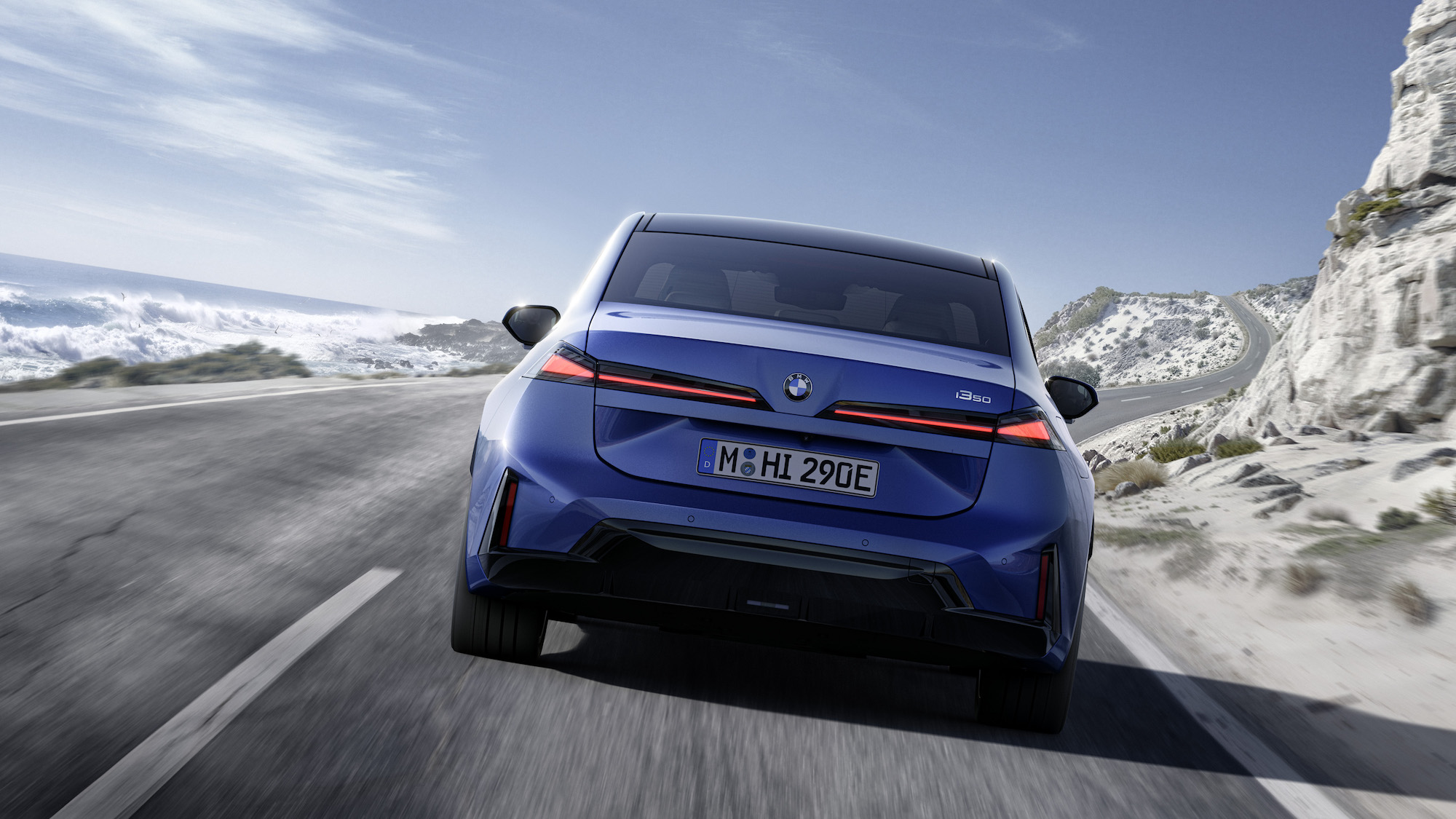
Beaver teeth have been replaced with a shark nose, and the i3 adopts a handsome, illuminated, and integrated headlight-and-grill design. The silhouette adopts retro styling cues, with short overhangs and a vertical rear end, which remind us a lot of the Alfa Romeo 156. In photos, the i3 looks small and compact, and it’s about the same length as the current 3 Series, even though BMW considers it mid-size. We’re not convinced by the new badging on the trunk lid, though, with the i350 badging looking more like alphabet soup than a badge to be proud of.
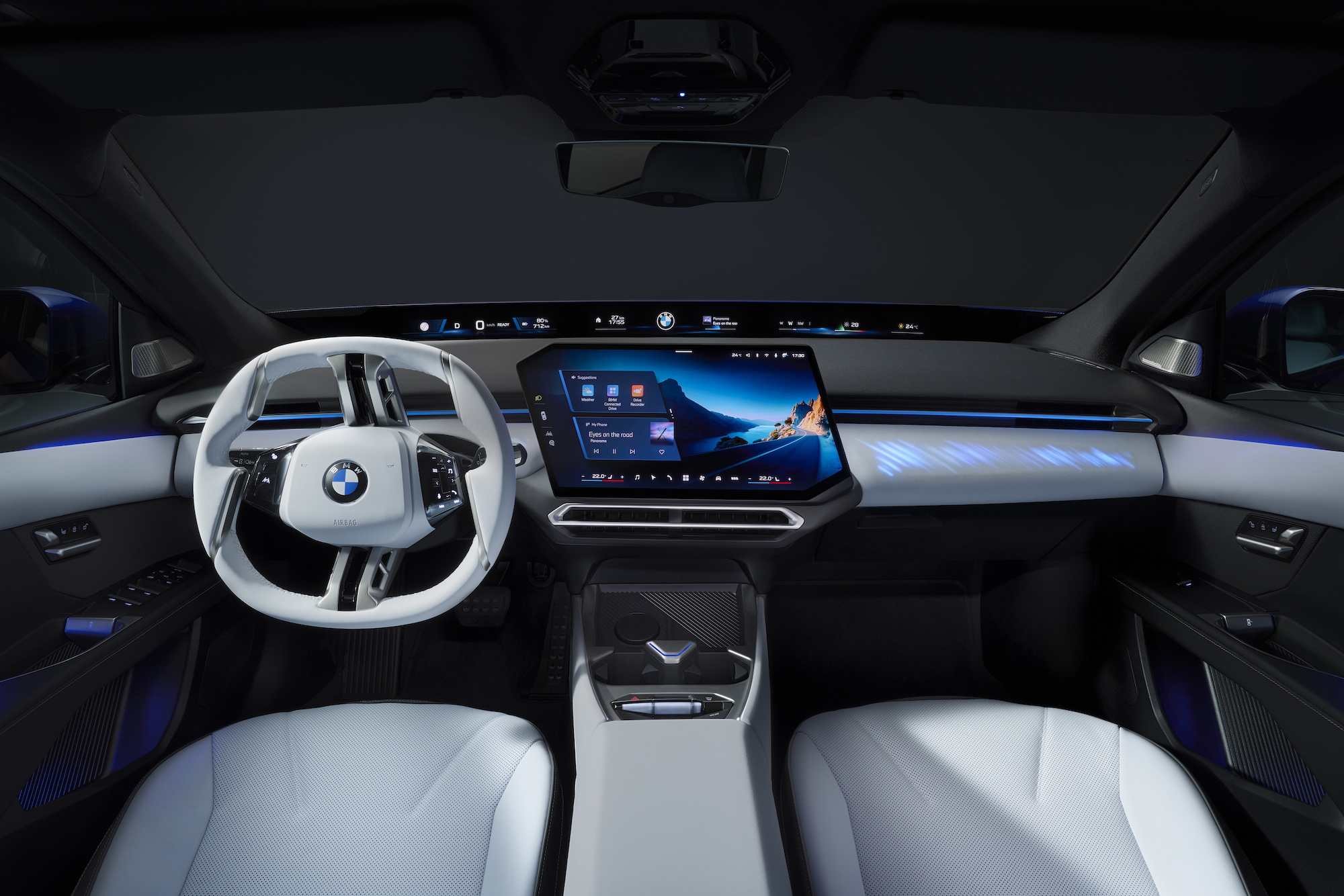
Inside is a major departure from the current crop of BMWs, including the iX. The new two-spoke steering wheel is a novel design, but we’re not sure why they’re trying to reinvent the wheel. As you can see in the photos, the spokes are located at the 12- and 6- o’clock positions, not at the traditional 3- and 9. We’re worried that the top spoke will hinder the view of the wide dashboard displays, but we’ll have to check out the i3 in person to find out.
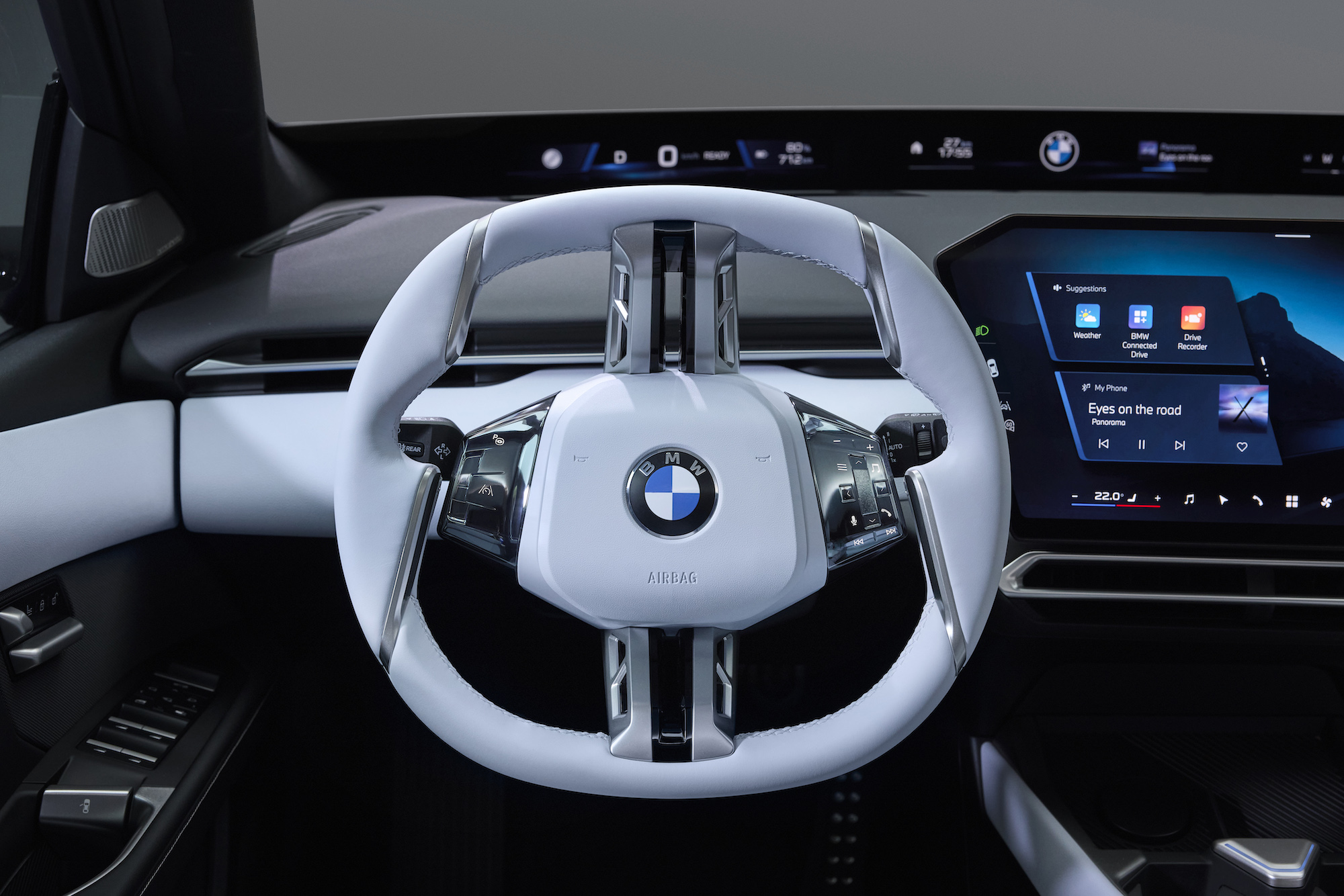
The wheel grips look bulkier than ever, but we’re more worried about the illuminated haptic touch sensors on each side, as these have never fared well in real-world usage. Even Ferrari has backtracked and resorted to its original hard buttons and dials. At least the BMW employs noticeable indents, so you have an idea of what button you’re pressing.
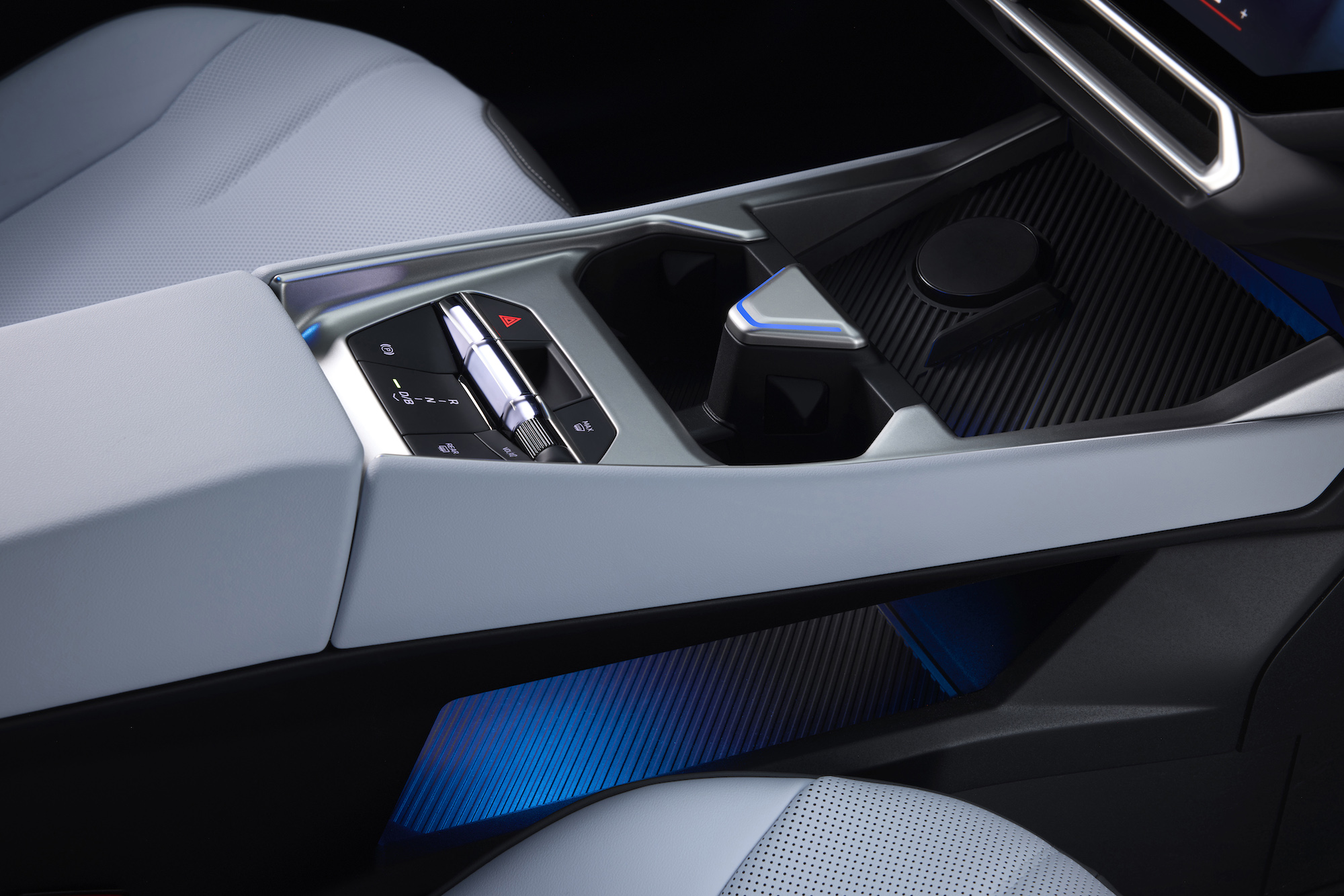
The rest of the cabin appears like a clash between the charm of a MINI Countryman and the futuristic vibes of the current iX. We think it’s pulled off relatively well and is certainly distinctive, without an overreliance on digital real estate, as we can still spot a proper gear selector and physical buttons around it.
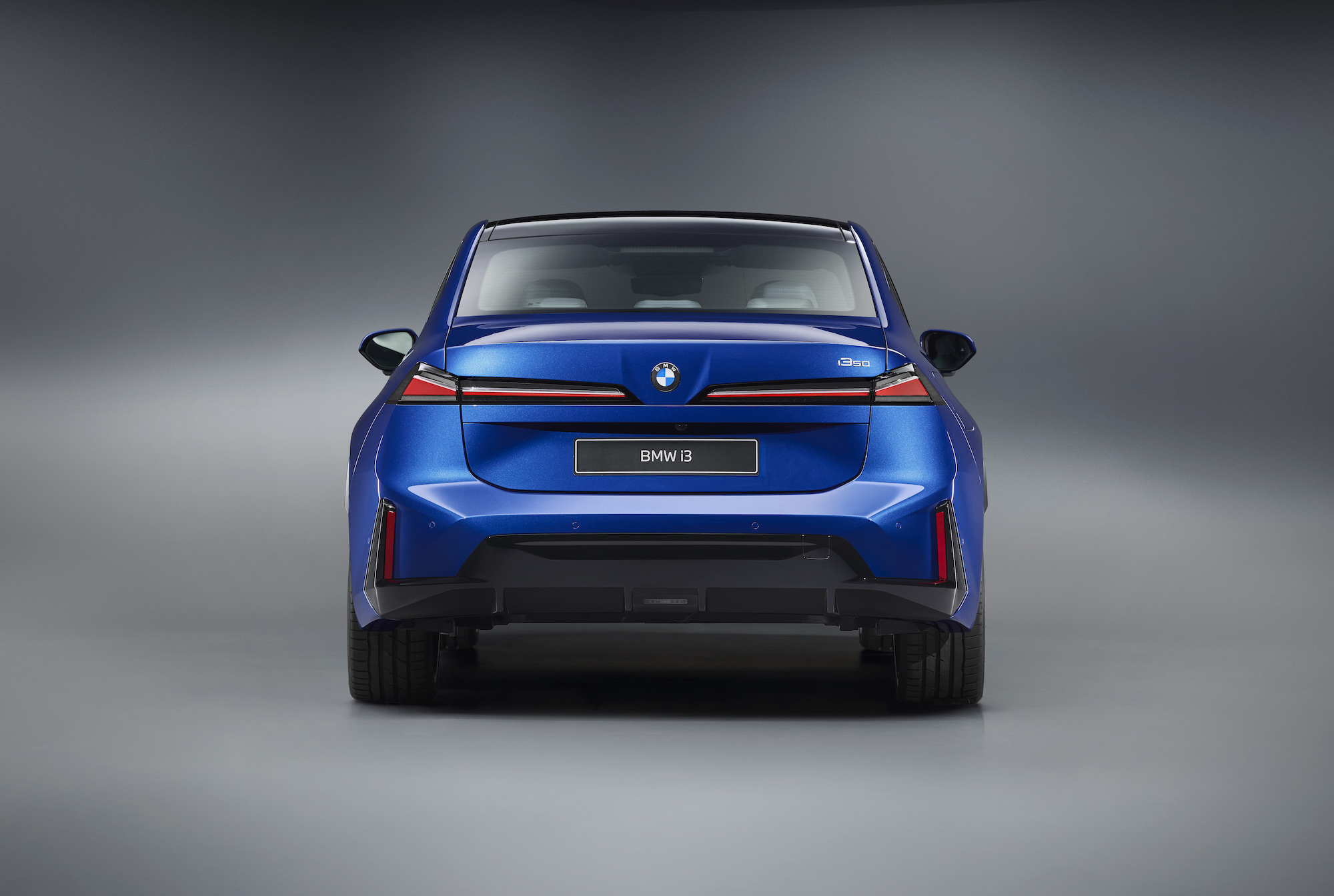
The 2027 BMW i3 50 xDrive will launch in Canada later this year. Pricing has yet to be released, but we’d expect it to start in the high $70,000s, with cheaper single motor models to debut quickly after. Now our biggest question is, will Audi and Mercedes respond with their own compact electric sedans?






Leave a Reply