
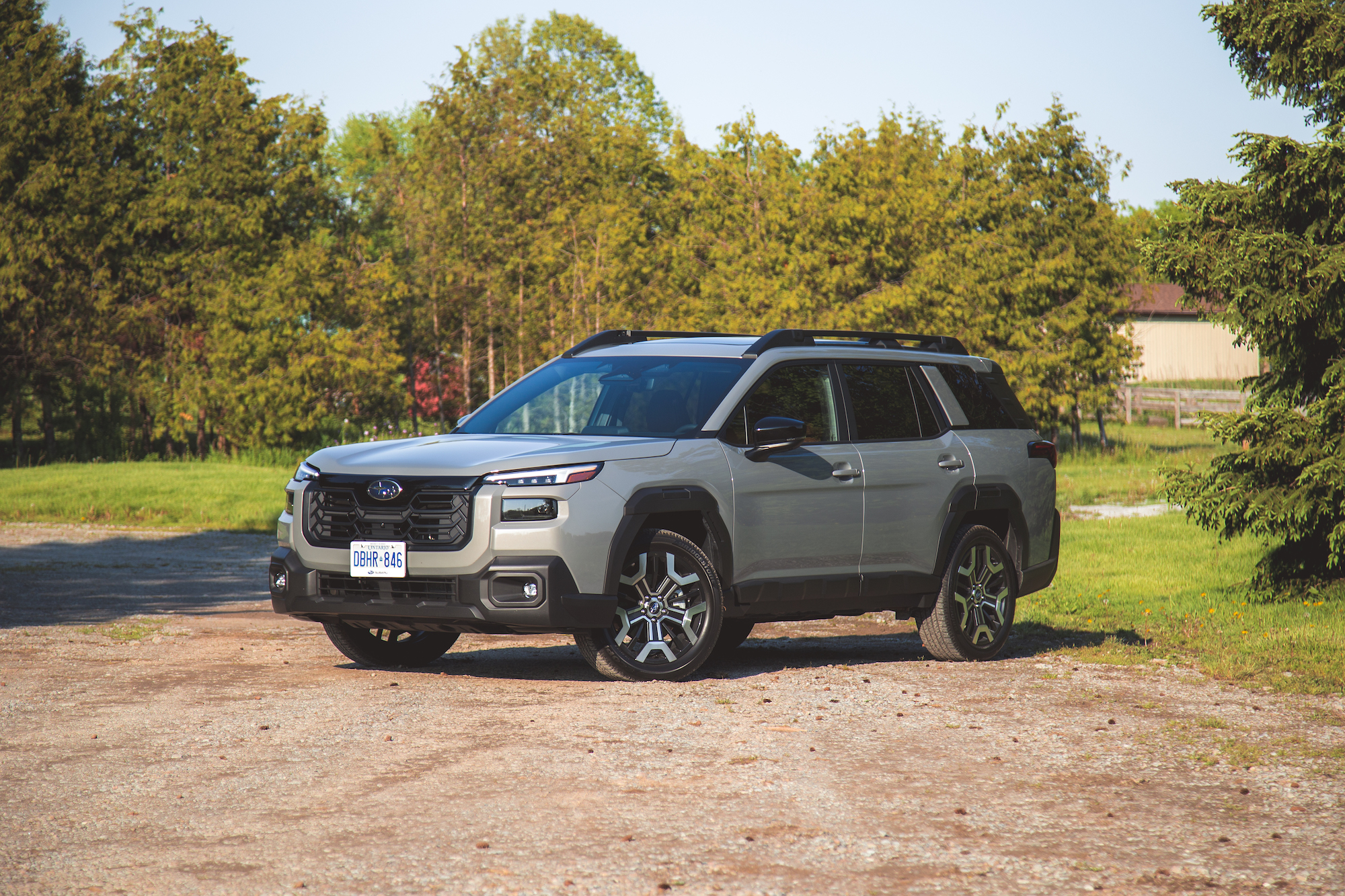
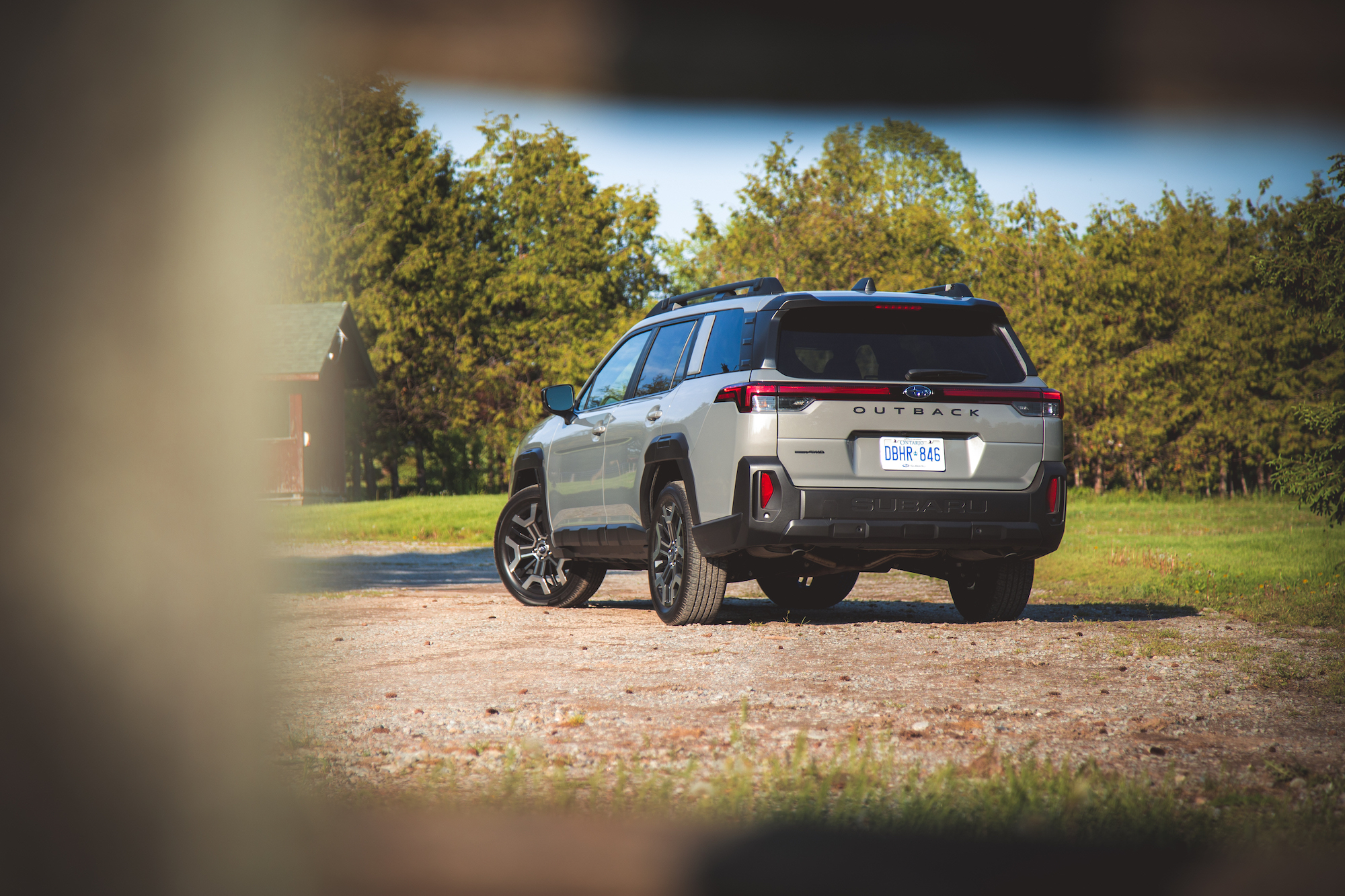
Over the past few years, a midlife crisis has seen the Subaru Outback gradually transition from a wagon into an SUV, but now the changeover is complete. Gone is the sloping longroof silhouette, and in its place is a boxy structure that pays dividends in cargo space, but it no longer looks like a wagon or an Outback, for that matter. We’d even call it unrecognizable.

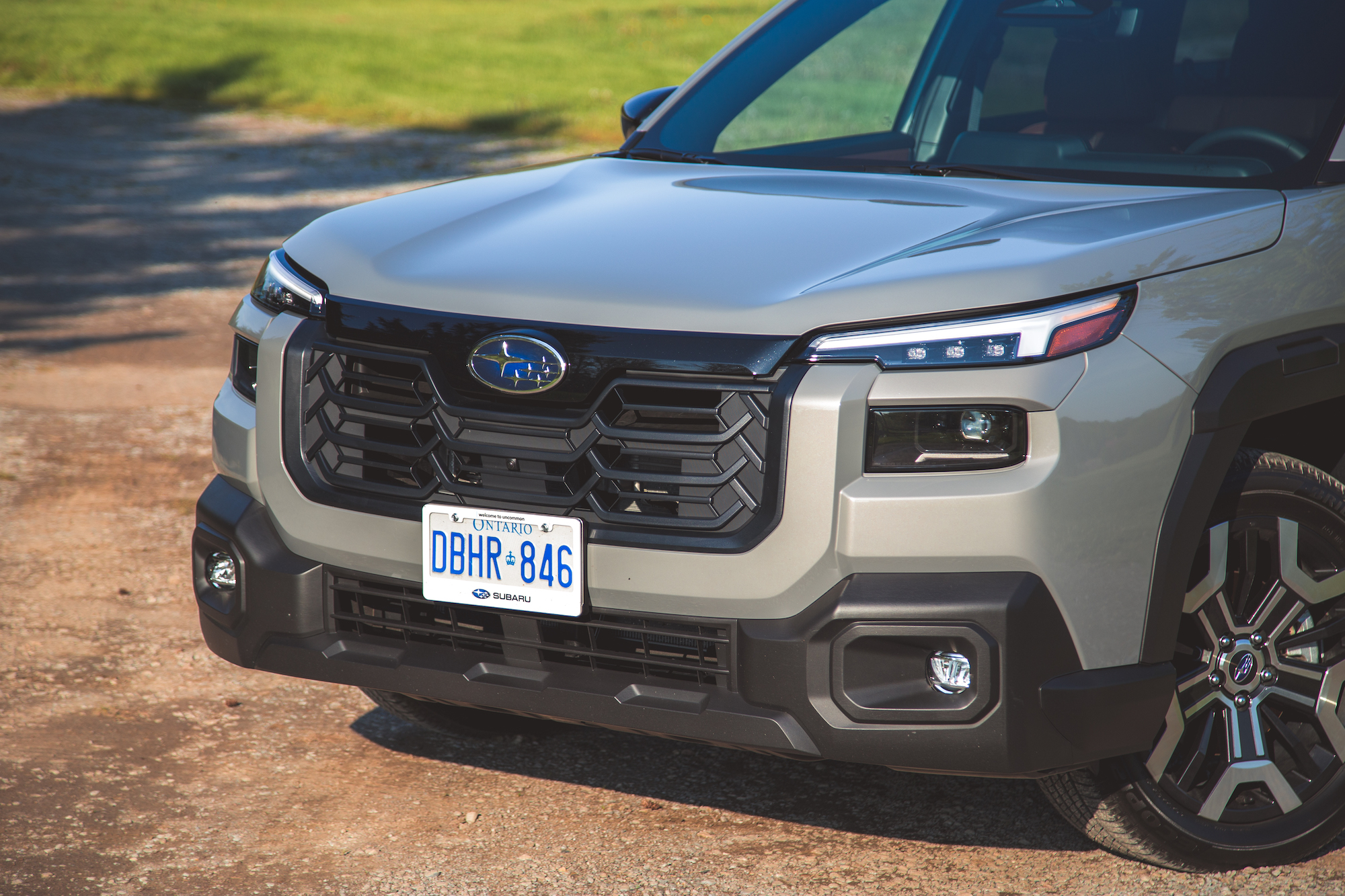
Cubic, blocky shapes are in vogue, and it’s clear that Subaru designers were hopping on the bandwagon set forth by the like-minded Ford Bronco, Land Rover Defender, and Toyota Land Cruiser. We wouldn’t call this macho-ed up Outback handsome by any means, but it undoubtedly appears rough and tough, as a utility vehicle should be, and would stand its own parked next to the aforementioned off-roaders. Perhaps this is what its core audience desired, but to us, it only muddies the waters and the key differentiators with Subaru’s even more popular offering, the Forester.

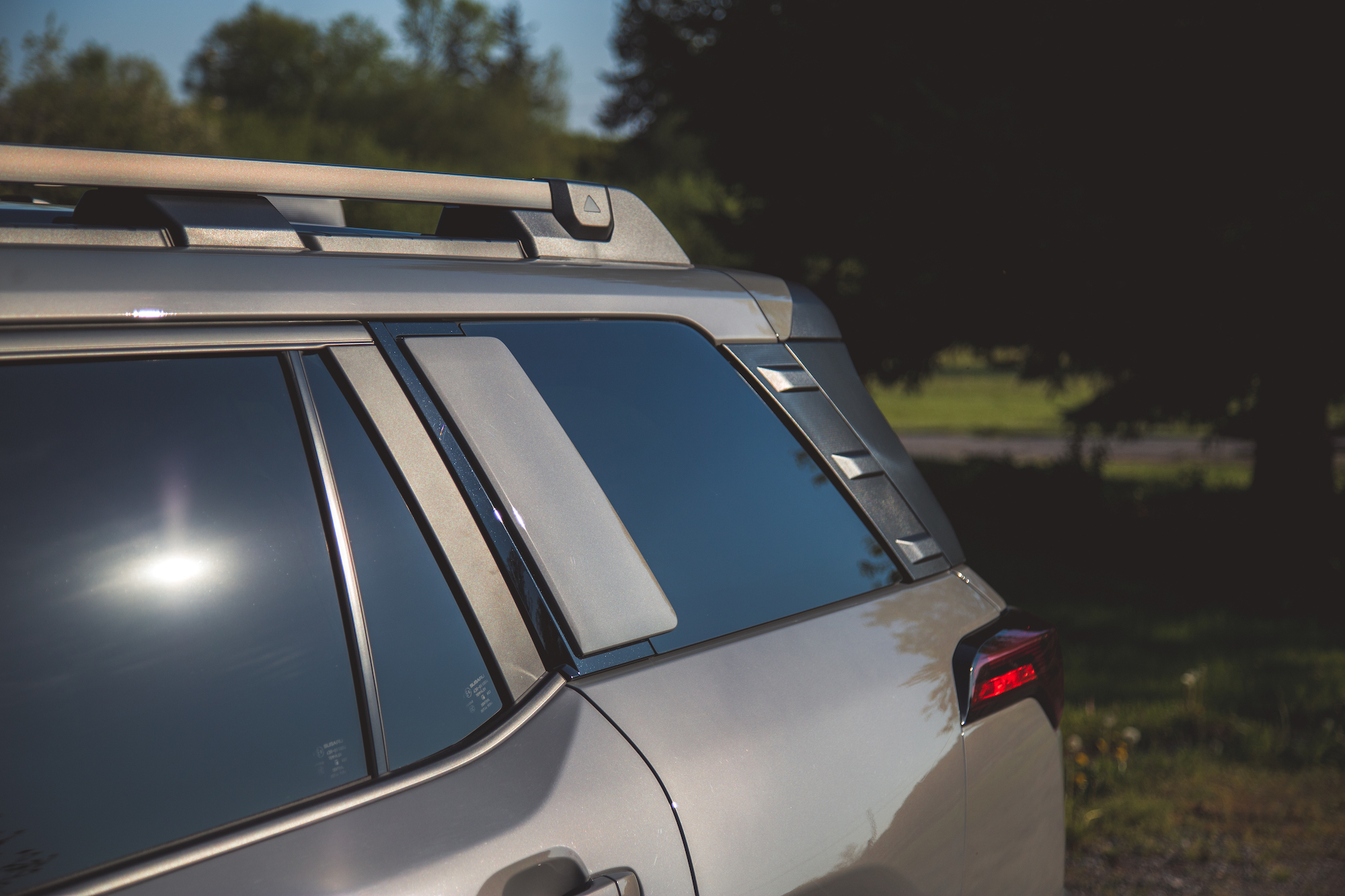
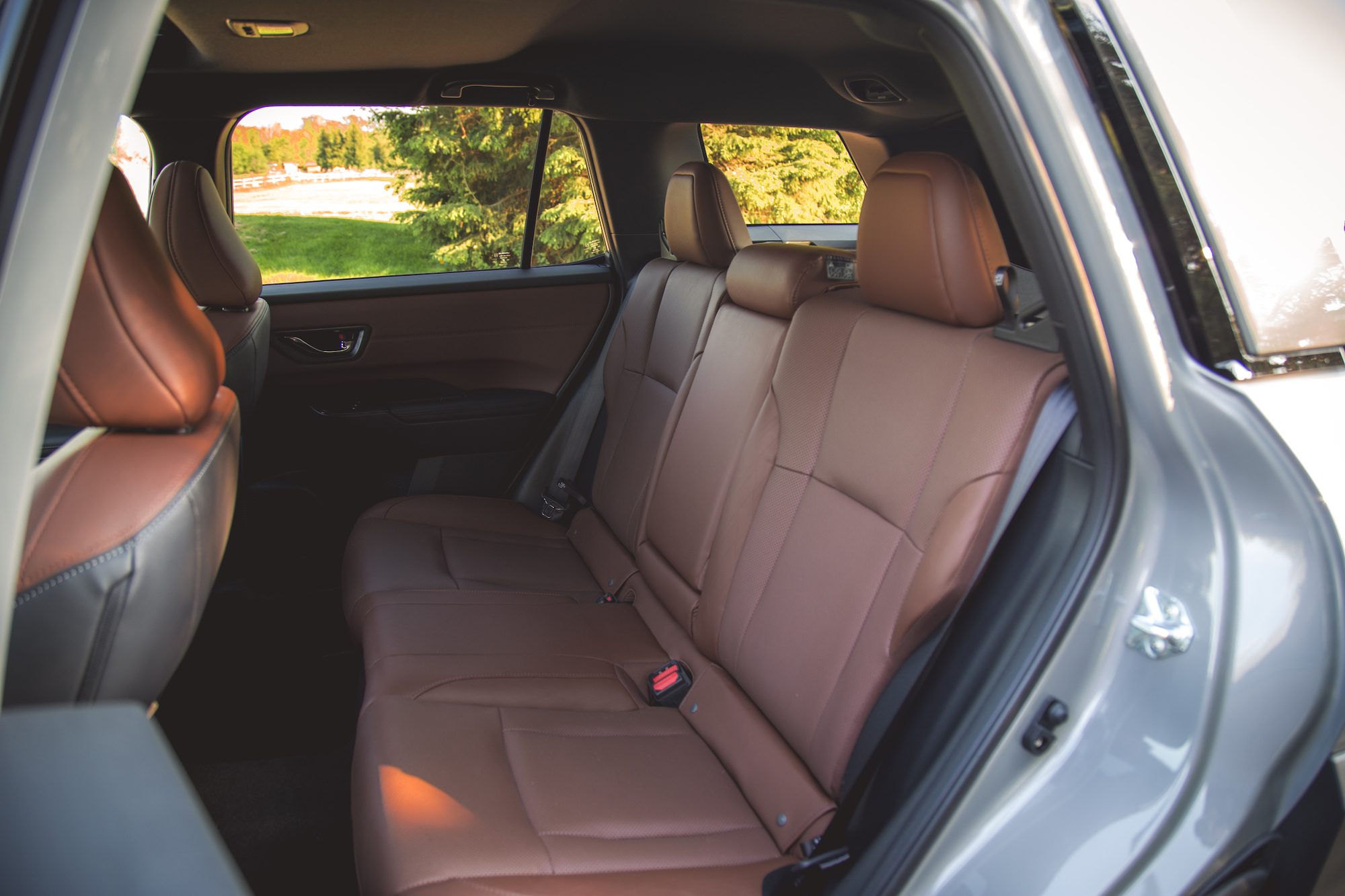
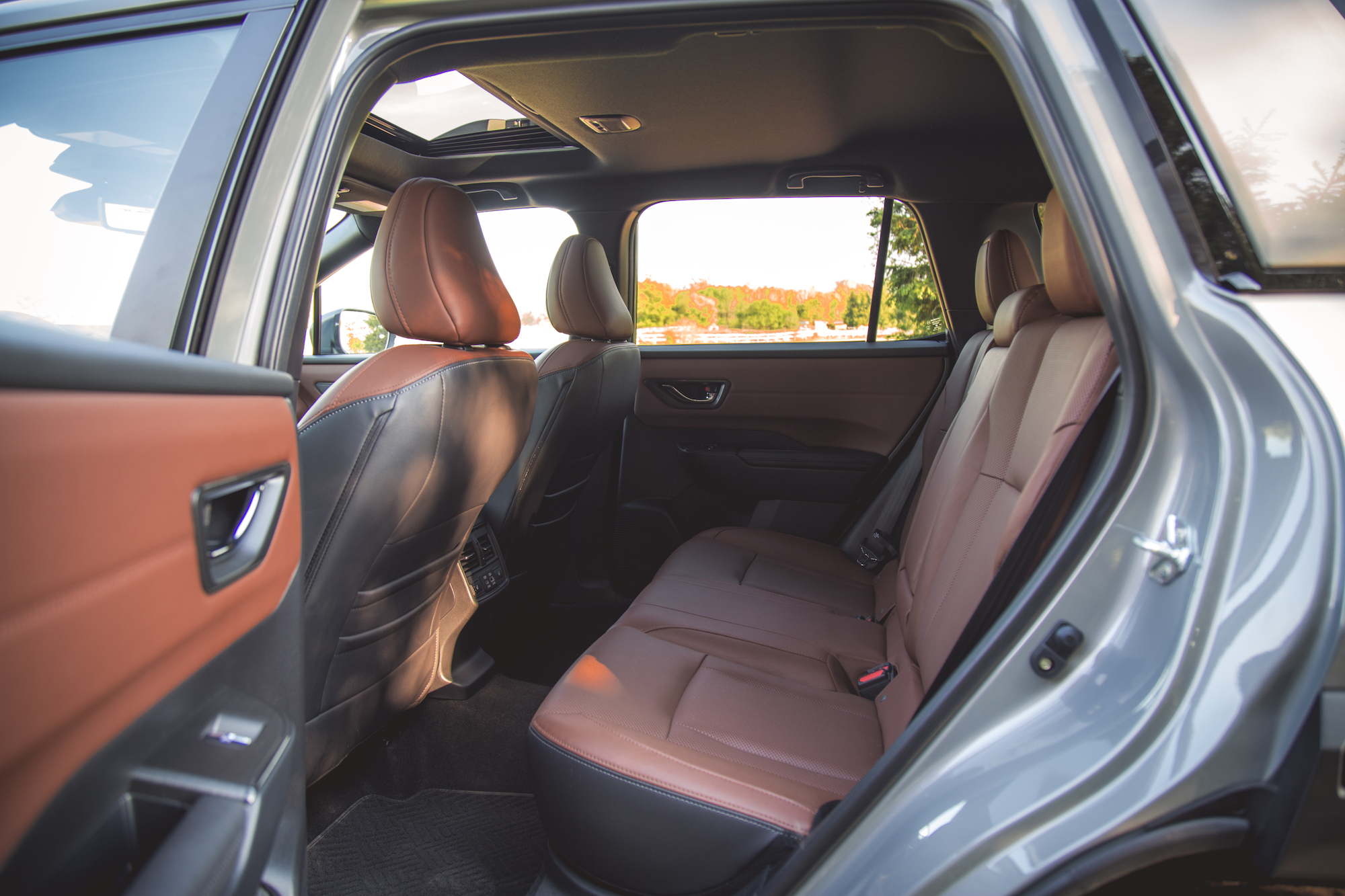
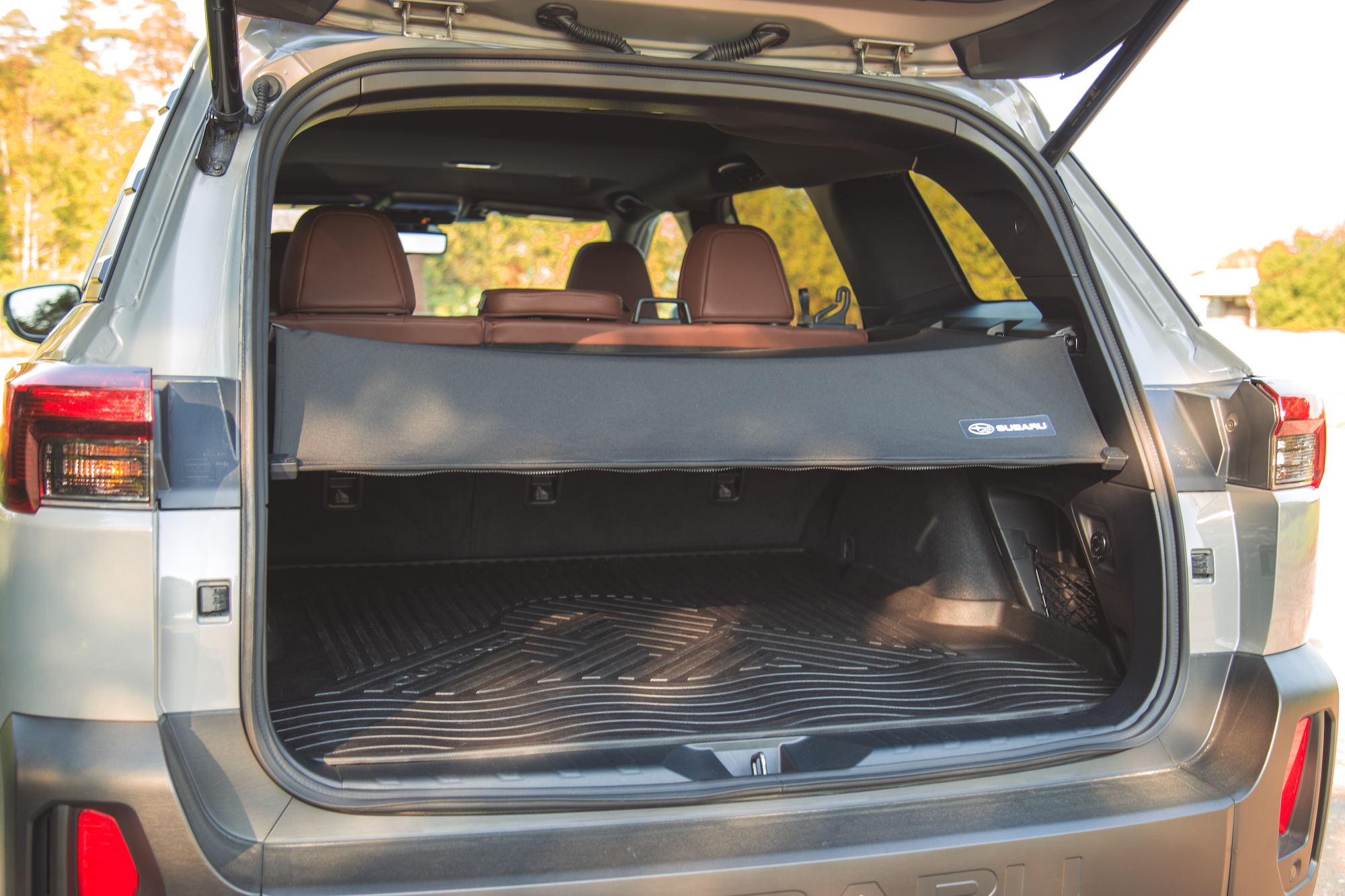
The Outback is taller than before, but more significantly, longer. The driver still sits lower than in a Lexus NX or Toyota RAV4, but the towering roofline makes it appear loftier. Call it what you will, but there’s no denying that its swollen proportions have made way for stupendous interior space. The Outback is better packaged and more spacious than many mid-size SUVs, including the Toyota Crown Signia, which we would argue is a finer example of a conventional wagon. Headroom is generous no matter which of the five seats you choose, and so is legroom. Cleverly, a rear sunroof has been omitted to carve out more headroom for rear passengers, and behind them lies a sizable cargo trunk that would easily embarrass a BMW X6 or Audi Q8.
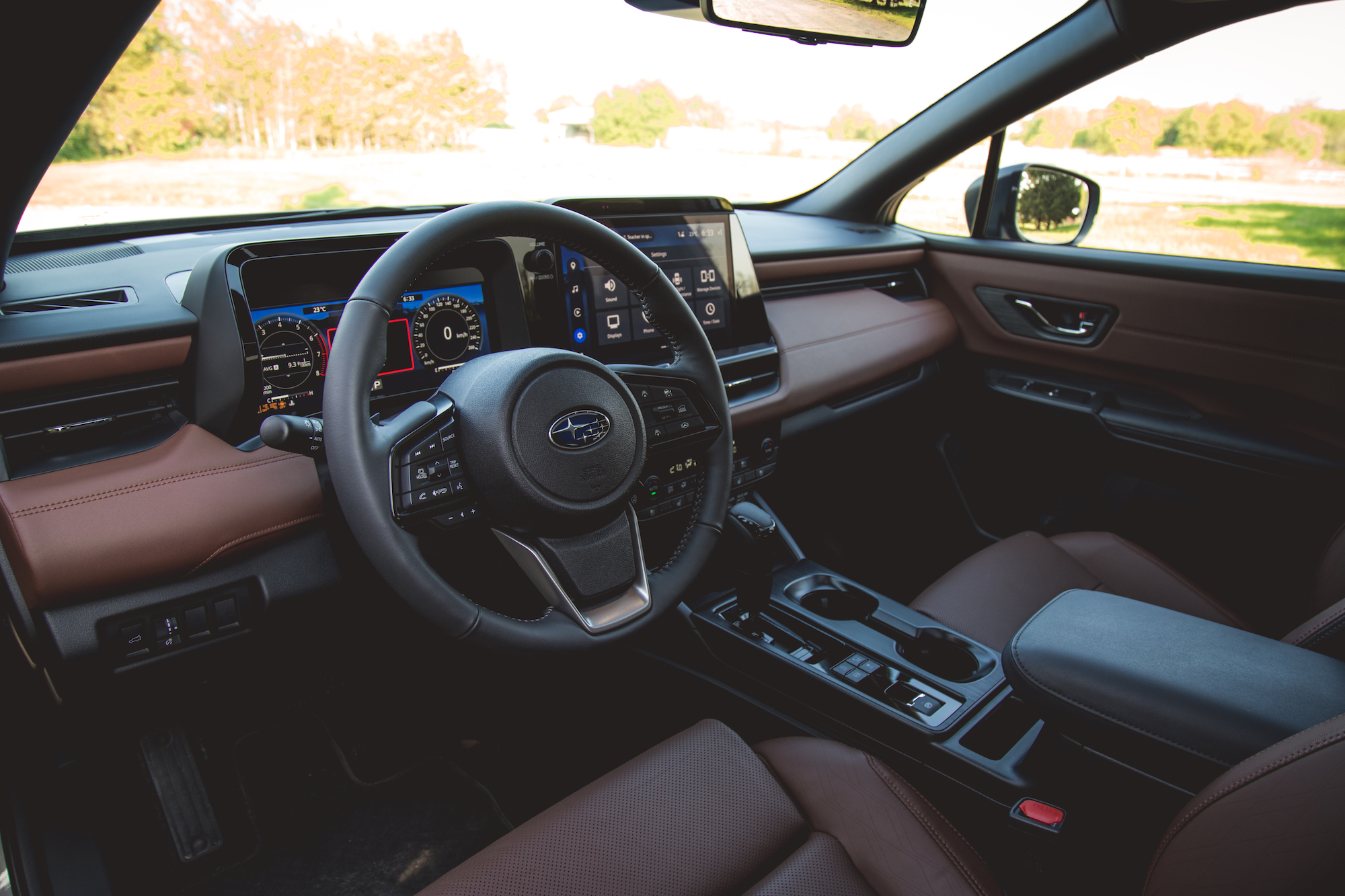
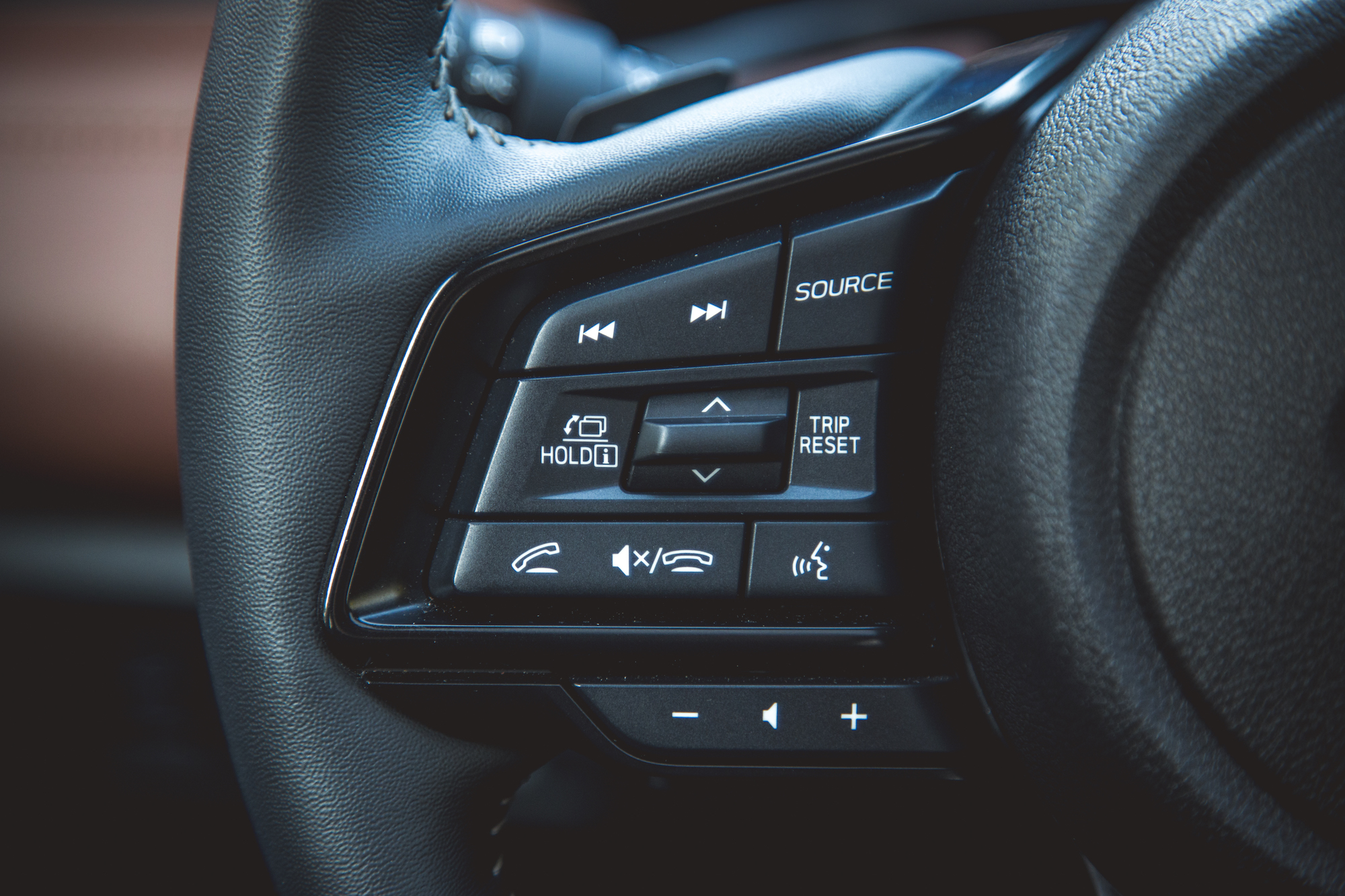
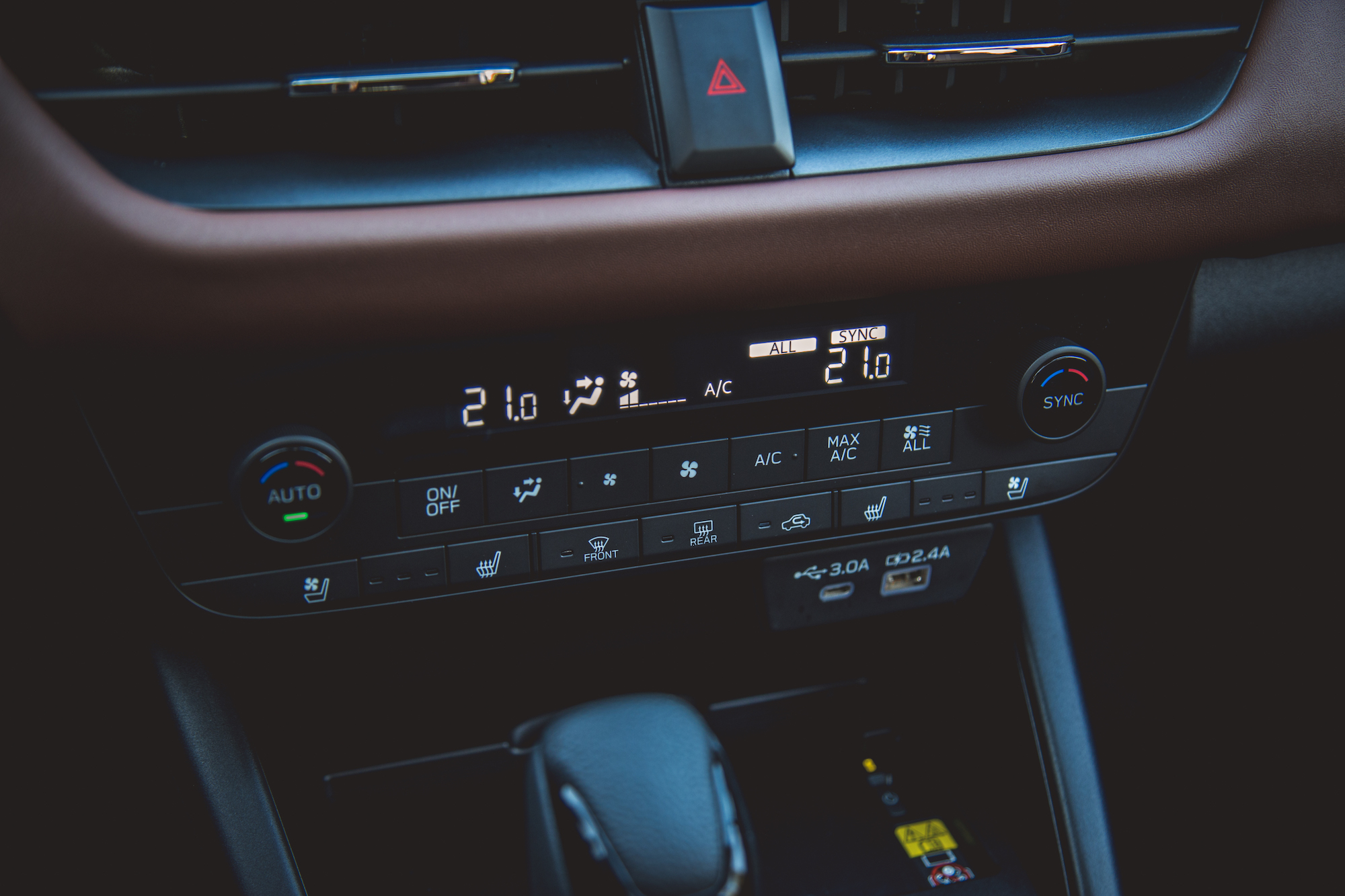
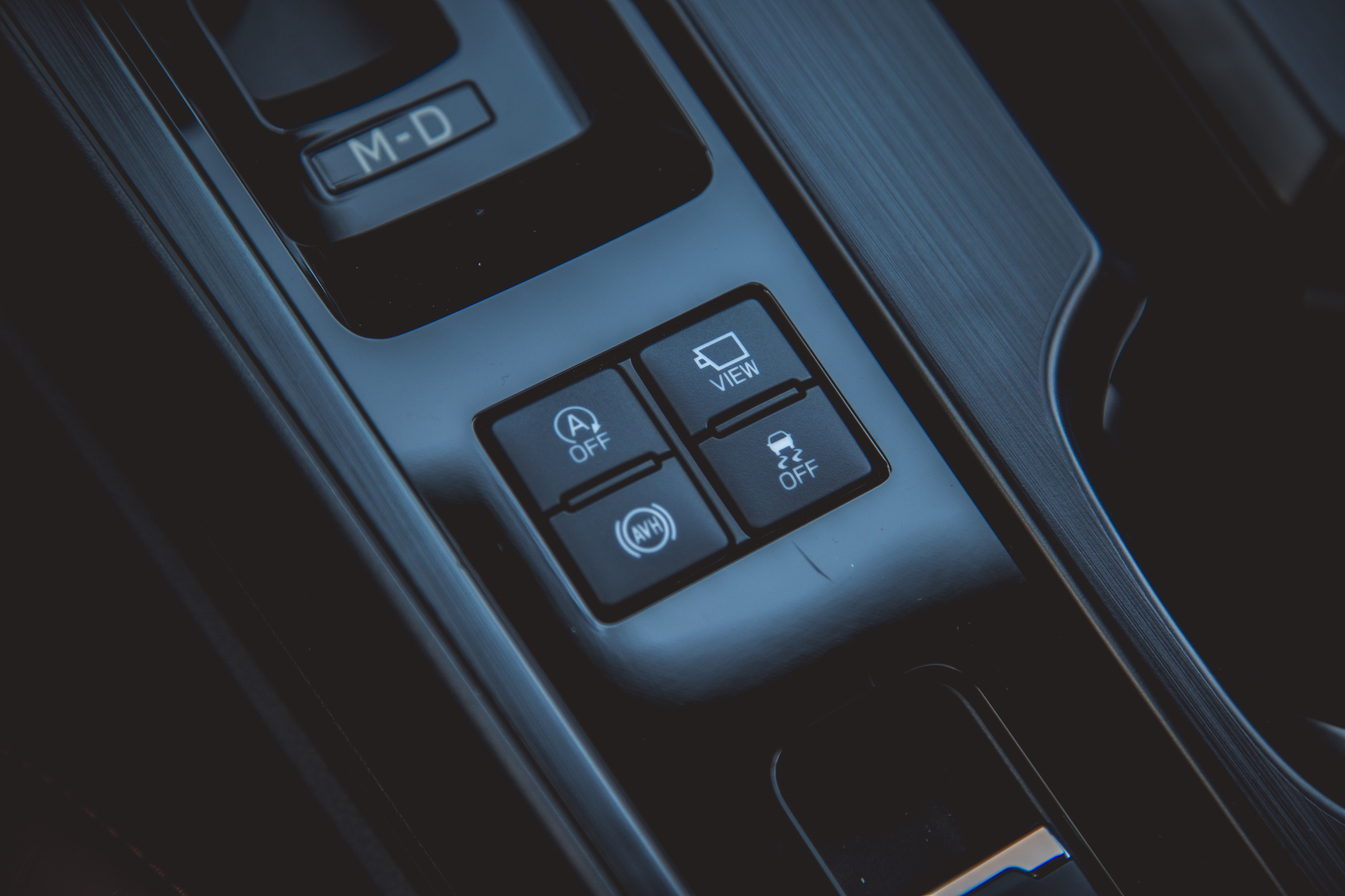
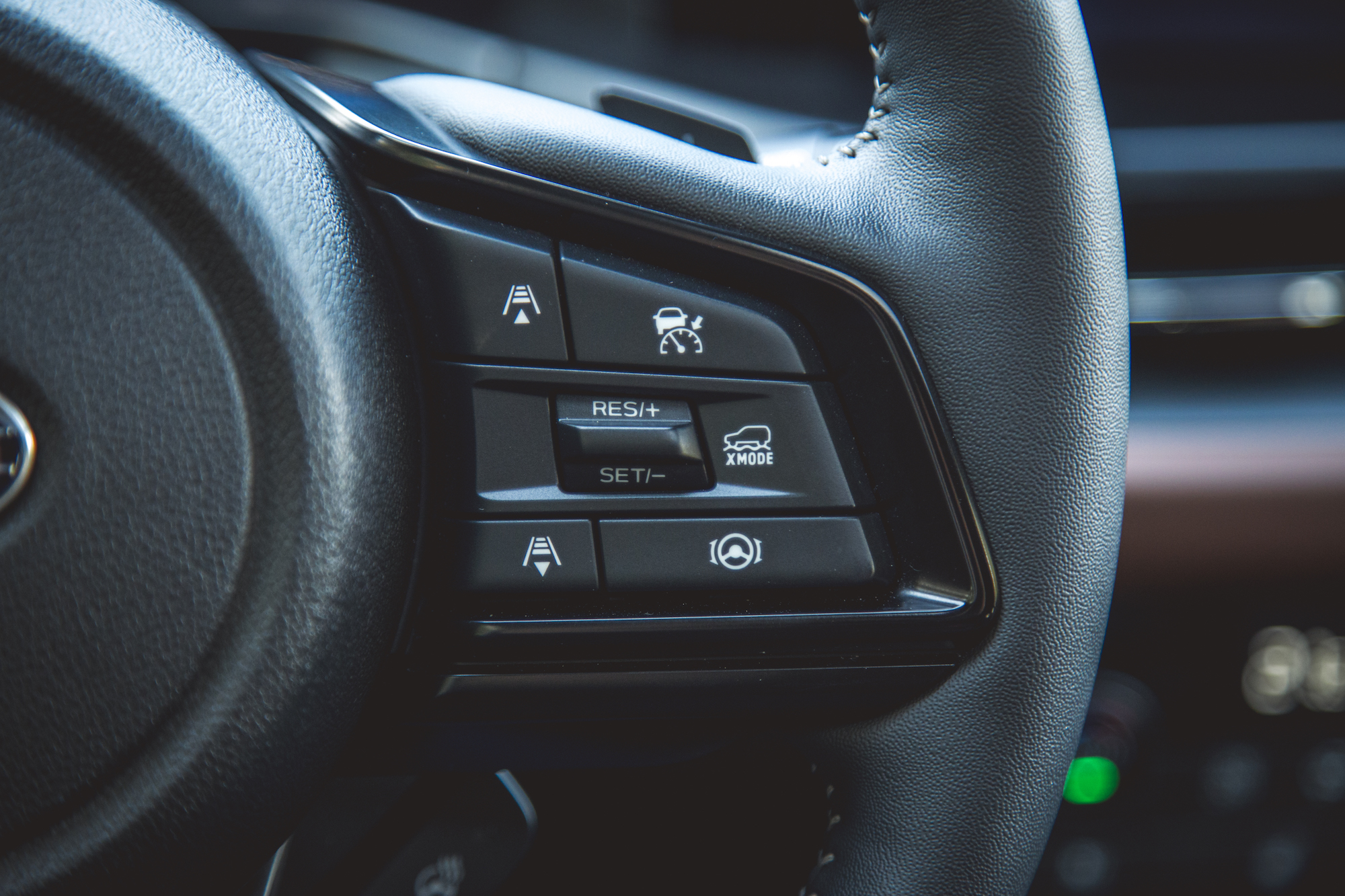
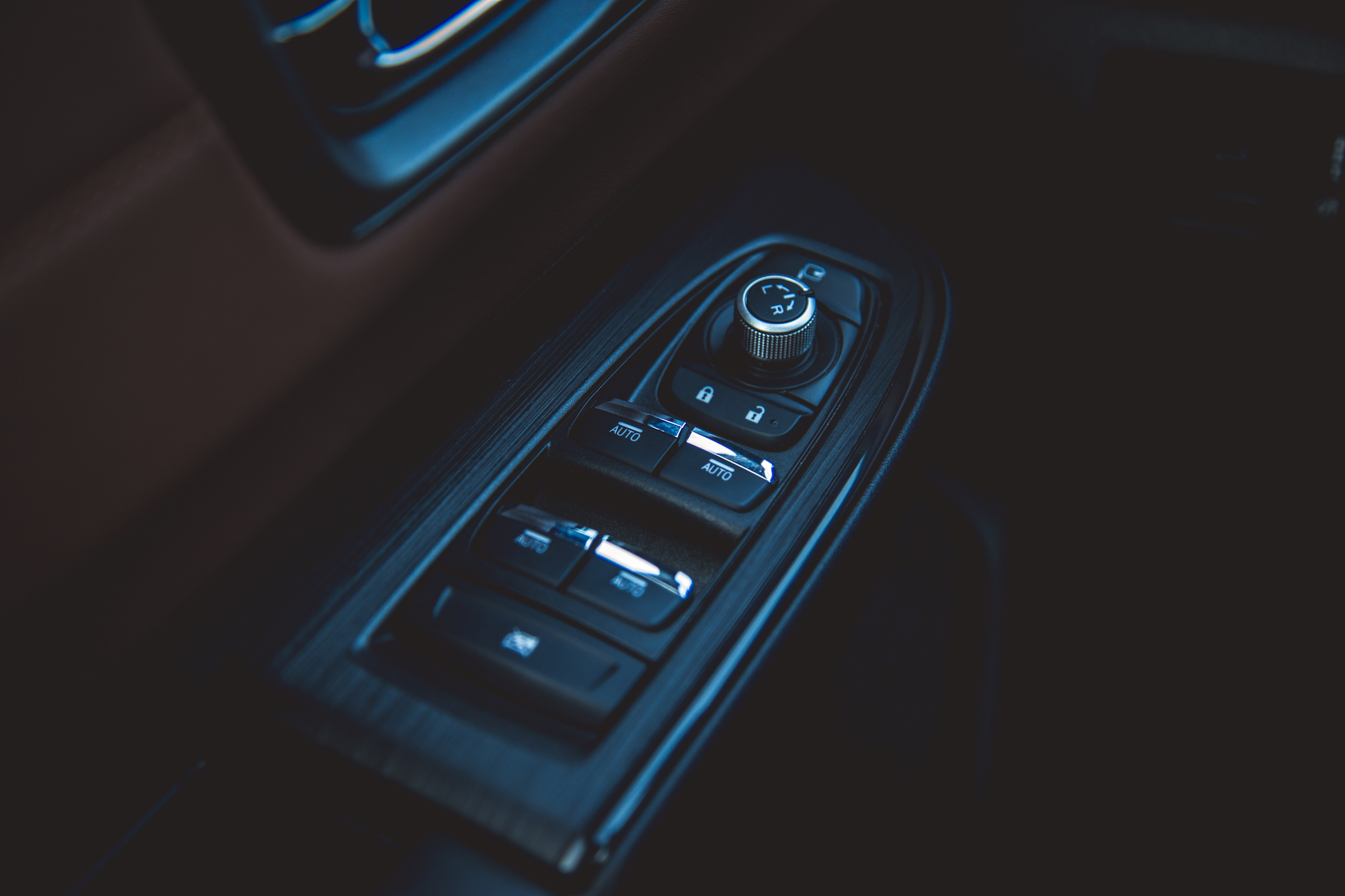
What impressed us more was the Outback’s immaculate blend of digital real estate and physical switchgear. While other automakers were focused on installing ambient lighting and the largest screens, Subaru prioritized functionality and ergonomics over visual appeal. One look at the interior tells you all you need to know – count how many physical buttons and switches there are, from the army on the steering wheel to the entire HVAC panel. The window switches are all toggles and automatic, and the manual steering column adjustment gives us a sigh of relief after spending a week with the Volvo EX30.
The 12.1-inch center touchscreen, now square rather than portrait-oriented, and the driver’s digital display are valuable, but they handle lesser-used functions that don’t require quick driver access. This is how you properly blend the convenience of technology with the accessibility of the driver. And as if to nod to its wide-spanning audience, there are both USB-A and USB-C outlets above the wireless charging pad, to accommodate those still using older devices or cables.

The praise continues with its excellent outward visibility thanks to thin A-pillars and a tall, canopy-like front windscreen that not only imparts a sense of airiness, but also ensures you can always spot pedestrians crossing a sidewalk or bikers streaming past your blind spot without warning. The flat window sills allow you to comfortably rest your arms, and the Nappa leather appointments on our Premier XT model are well-tailored and feel durable enough to withstand dirt, dust, and the occasional splash of mud.
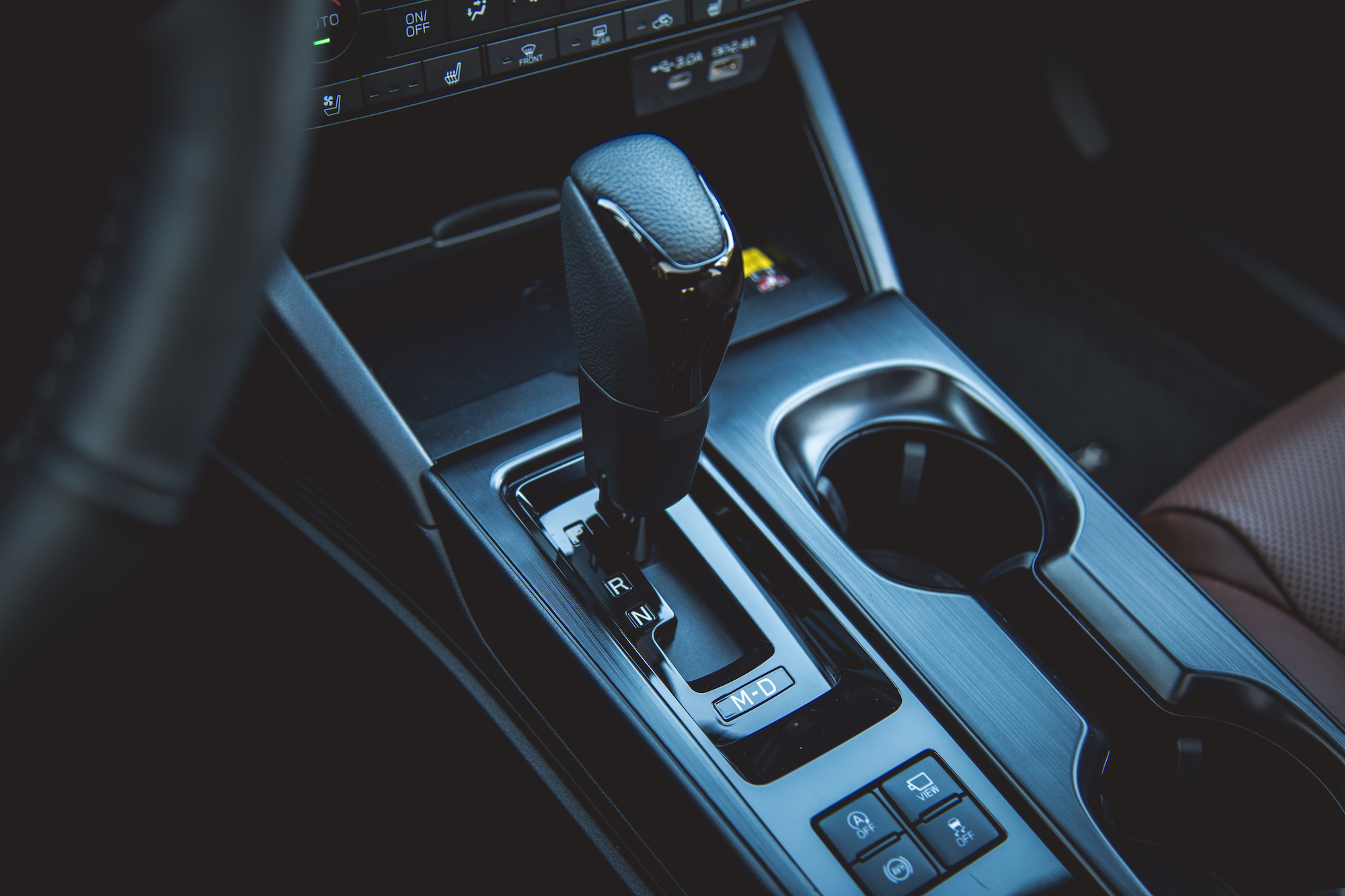
Still, the egregiously cheap cardboard-like headliner doesn’t feel very ‘Premier’, and the two blank buttons on the left of the steering column raised our eyebrows, considering this is the top Outback trim. We also haven’t seen this old-school PRND gear shifter since the 2010s, a nostalgic throwback, but it does age the vehicle considerably. The steering wheel is also the same basic design as the last generation of Outbacks, but its chunky airbag cover and durable, chunky buttons work well even with gloves on.

Swollen dimensions tend to diminish a vehicle’s road handling, and we did notice the Outback feeling less rigid than before. It rides well and is adept at absorbing bumps and potholes, but the entire vehicle sways considerably in strong winds, and even when cars pass by at high speed. The whole vehicle leans heavily whenever you carry speed into a corner, flinging you into your seat bolsters as if the Outback is simply reminding you to take it easy. It’s more relaxed and in its element when being patient with the throttle and letting the full-time AWD system sort out the rest.

The 2.4-litre turbocharged flat-four engine generates a healthy 260 horsepower and 277 lb-ft of torque, and it’s surprisingly quiet throughout its rev range. The CVT (continuously variable transmission) isn’t our favoured form of gearbox, but it’s relatively refined, subdued, and works well in the name of efficiency – we averaged a respectable yield of 10.2 L/100km over mixed driving. Notably, the start-stop system is jerky and unpolished, so we kept it off for most of our driving. There’s also an irksome bit of throttle overhang, whereby letting off the gas pedal does not immediately decelerate the car with engine braking. It keeps accelerating for a split second at the same speed you lifted off from.

While the Outback has grown in size and space, it’s lost its wagon identity in the process, making it less distinctive than the Forester and more difficult to recommend. It’s a wonderfully functional and ergonomically designed road-trip warrior and people hauler, and Subaru is proof in the pudding that you don’t need fancy touchscreens and the latest gadgets to impress the everyday driver, just a handful of knobs and buttons instead. Be that as it may, it’s not an Outback in our eyes or hearts anymore, and meandering past a third-generation BP Outback only reminded us of what its badge used to stand for. But with cars getting larger and more expensive every year, perhaps that’s just what their buyers want and need.
Specifications:
Model: 2026 Subaru Outback Premier XT
Paint Type: River Rock Pearl
Base Price: $51,195
Price as Tested: $51,195
Wheelbase(mm): 2,745
Length/Width/Height (mm): 4,870 / 1,880 / 1,715
Engine: 2.4-litre flat four-cylinder
Horsepower: 260 hp @ 5,600 rpm
Torque: 277 lb-ft @ 2,000 – 4,800 rpm
Transmission: CVT
Engine & Drive Configuration: Front engine, AWD
Observed Fuel Consumption (L/100km): 10.1
Tires: Bridgestone Ecopia; 225/55R19








Leave a Reply