
Range Rover takes pride in providing countless options to customize their vehicles, but the attainability of these sky’s-the-limit specs isn’t feasible for most car buyers. Most seek value in their automobile purchases, with a splash of luxury and performance for good measure. What then does the base Range Rover Sport S ($94,950) offer? Firstly, calling it the base model does it a great disservice, and we’d argue that the Sport platform is so fundamentally impressive that the cheapest trim is also the one that offers the most value for the cost-conscious.

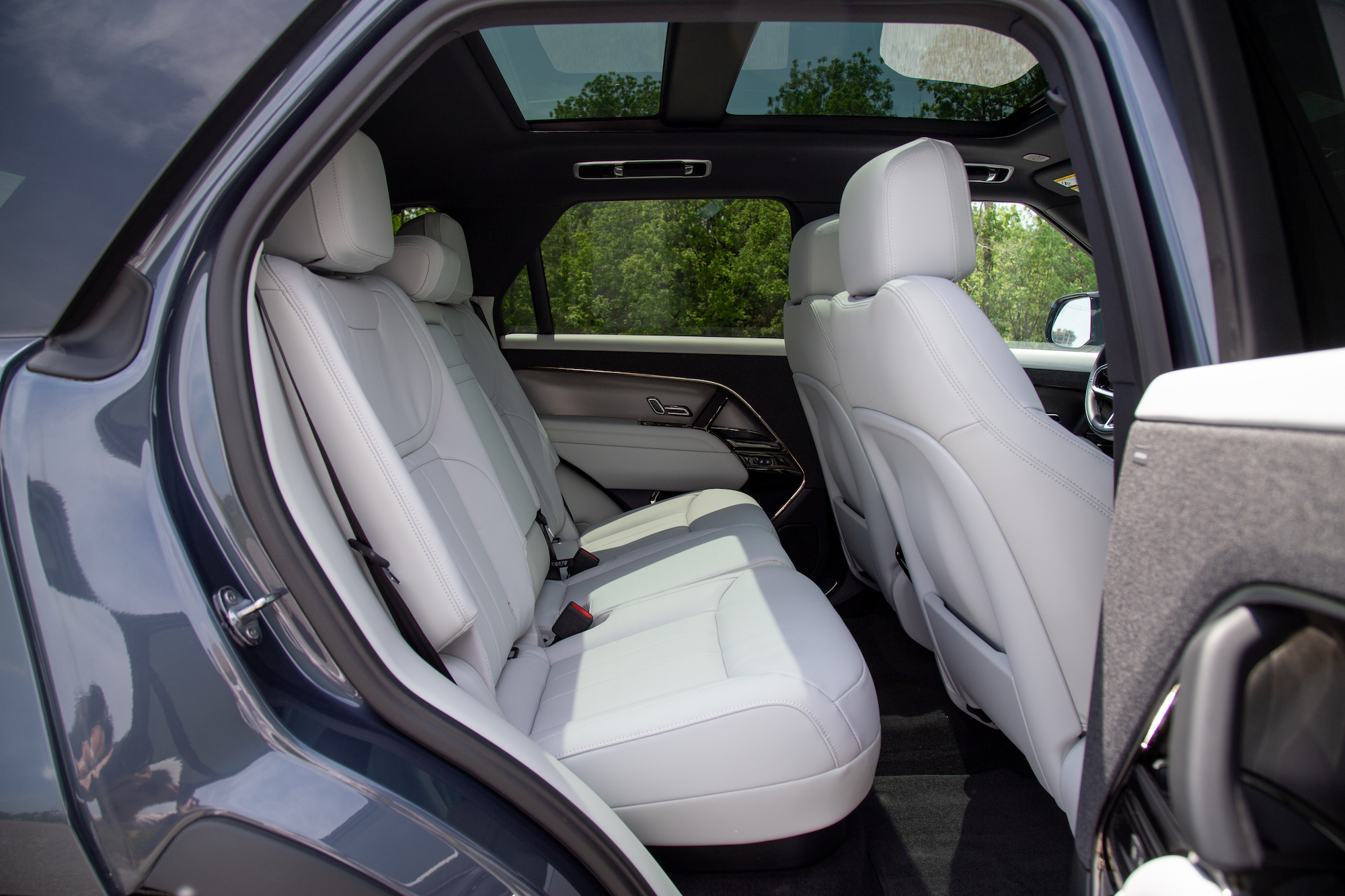
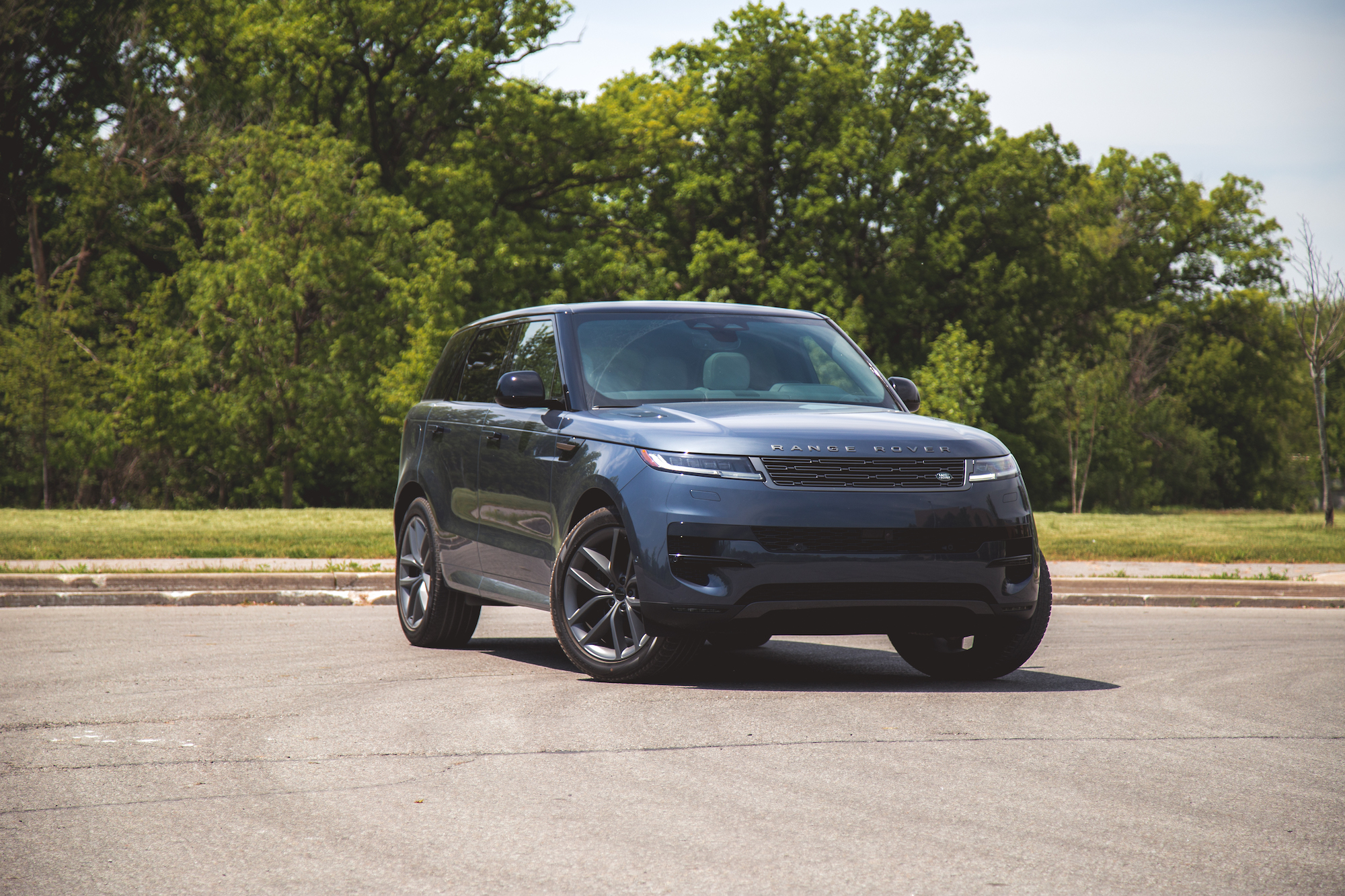
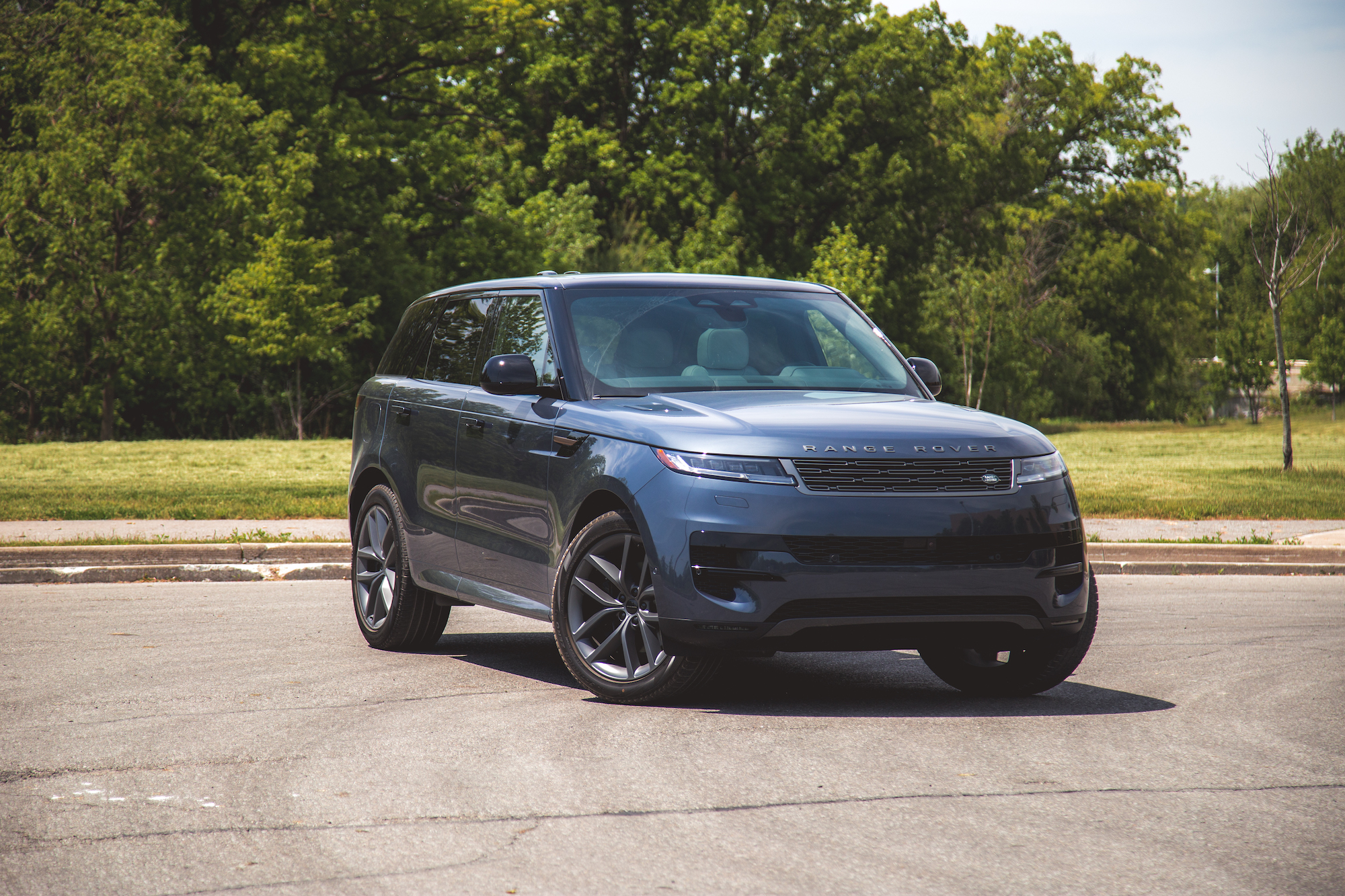
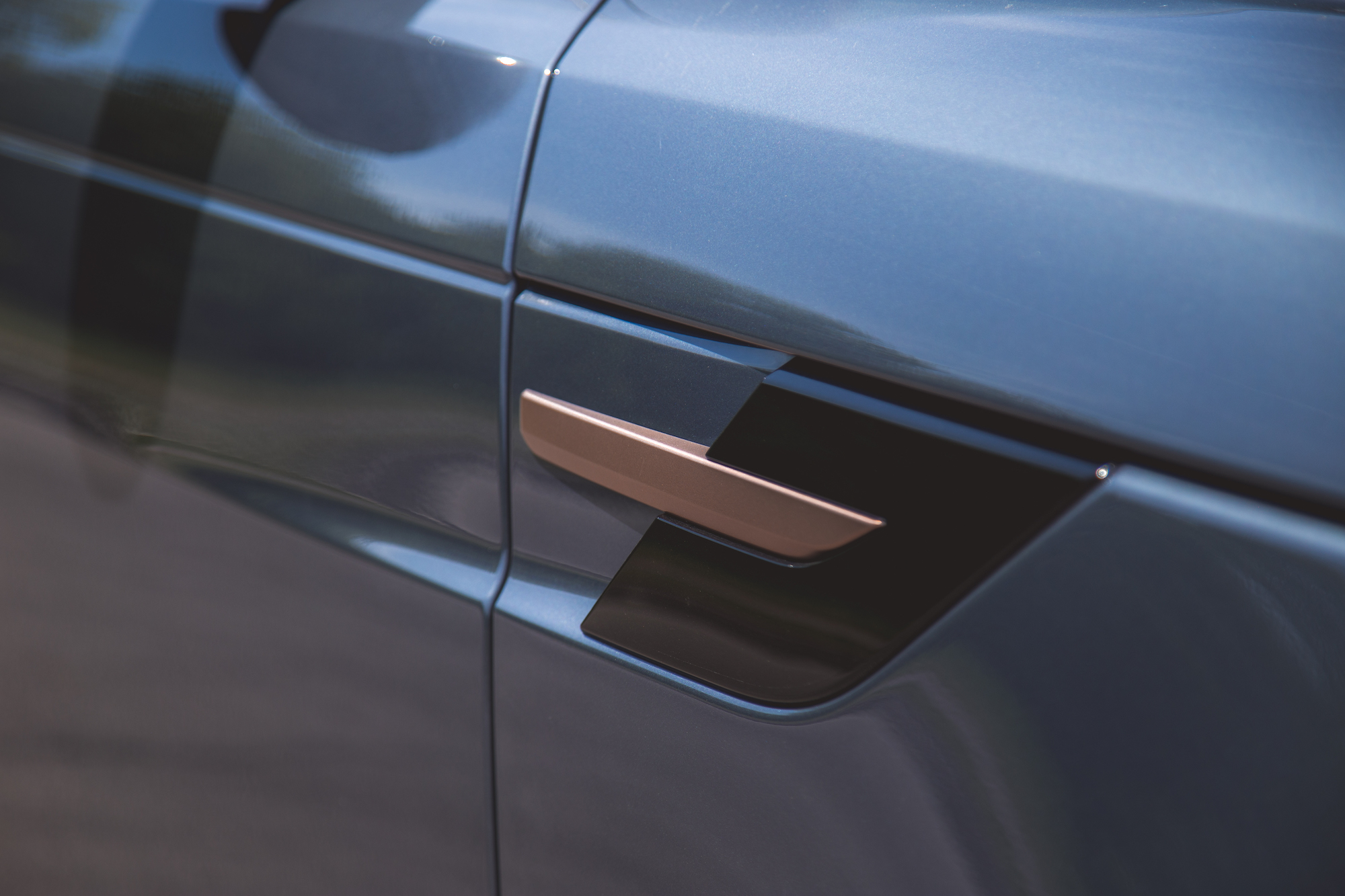
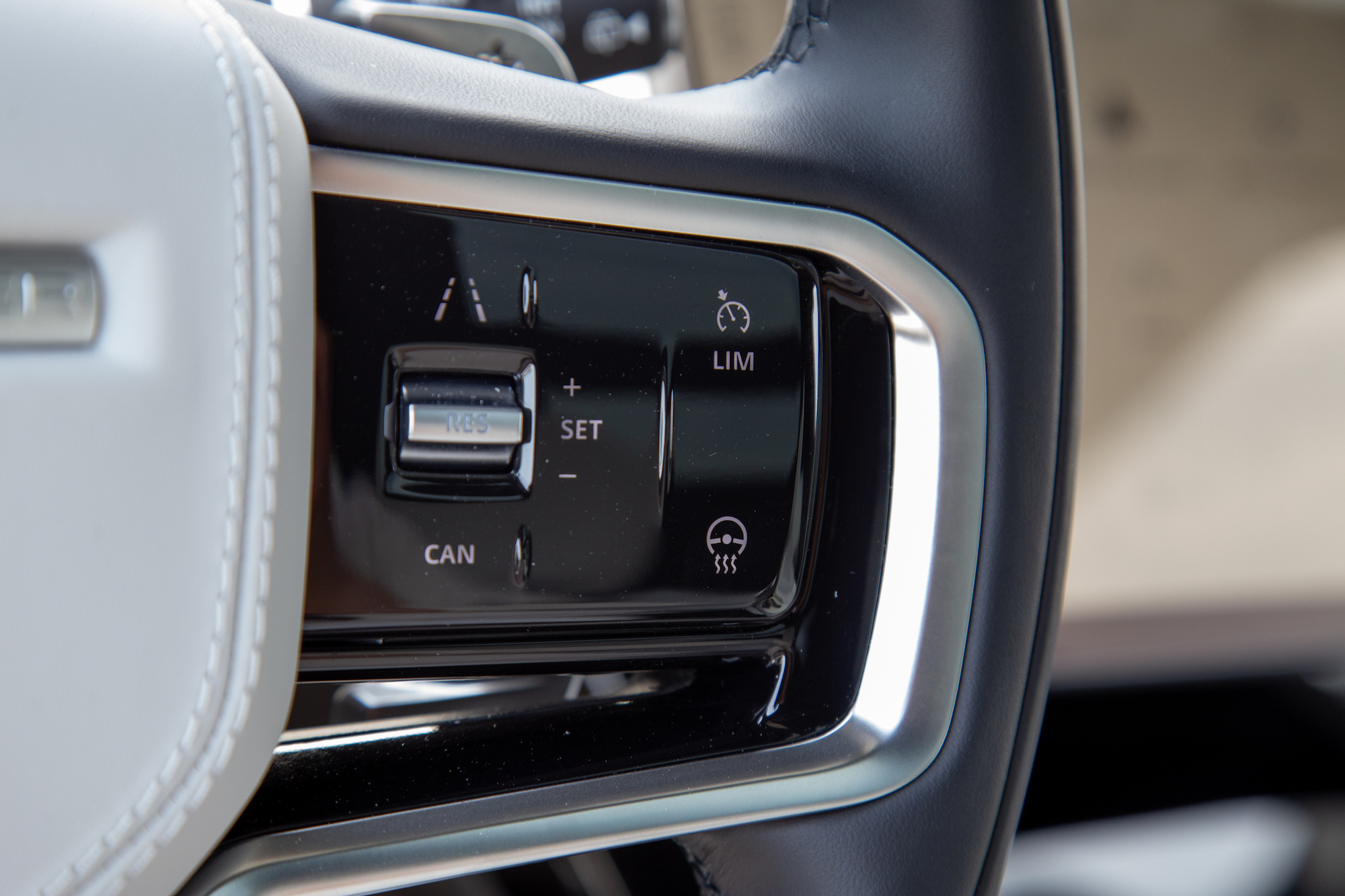
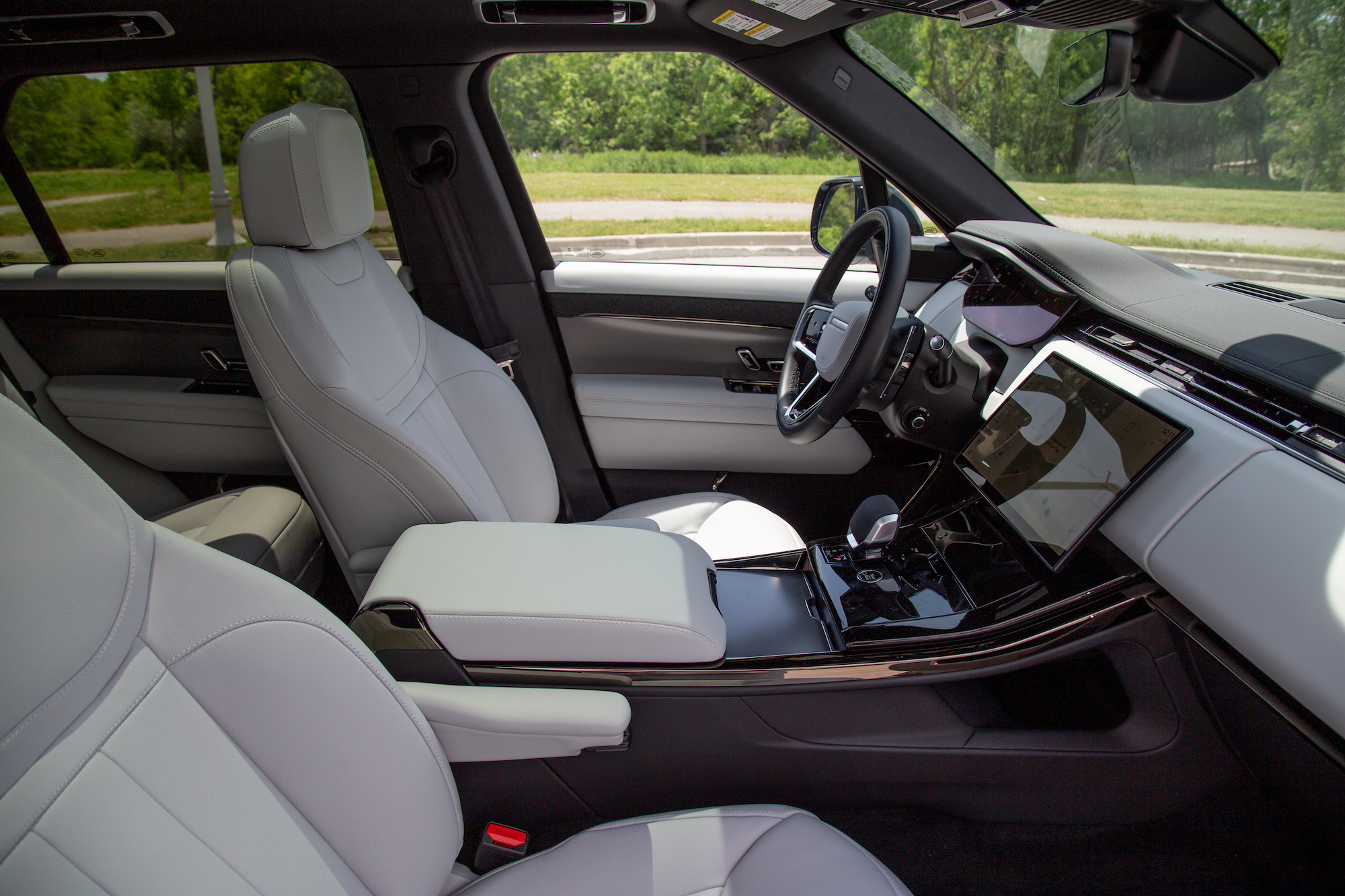
What are you getting for an entrance fee of just under $100k? We’re not talking about scratchy fabric seats like those in a base Toyota 4Runner here, nor is the S devoid of modern creature comforts such as an air suspension and a heated steering wheel. Leather seats are included, and while they’re not the buttery-soft semi-aniline type, they’re grainy and feel more durable. The seatbacks are lined with PVC, so dirty boots and footprints can be easily wiped away. 20-inch wheels are standard fare, and while they do make its stance appear diminutive, 21-inch wheels are only $1,350 away. The best part? No one can tell it’s a base model, as its shape is virtually identical to that of the one-step-up Dynamic SE trim, including the bumpers, side skirts, and exhaust tips. The only differentiator from the outside is the 20-inch wheels, which no other model shares.
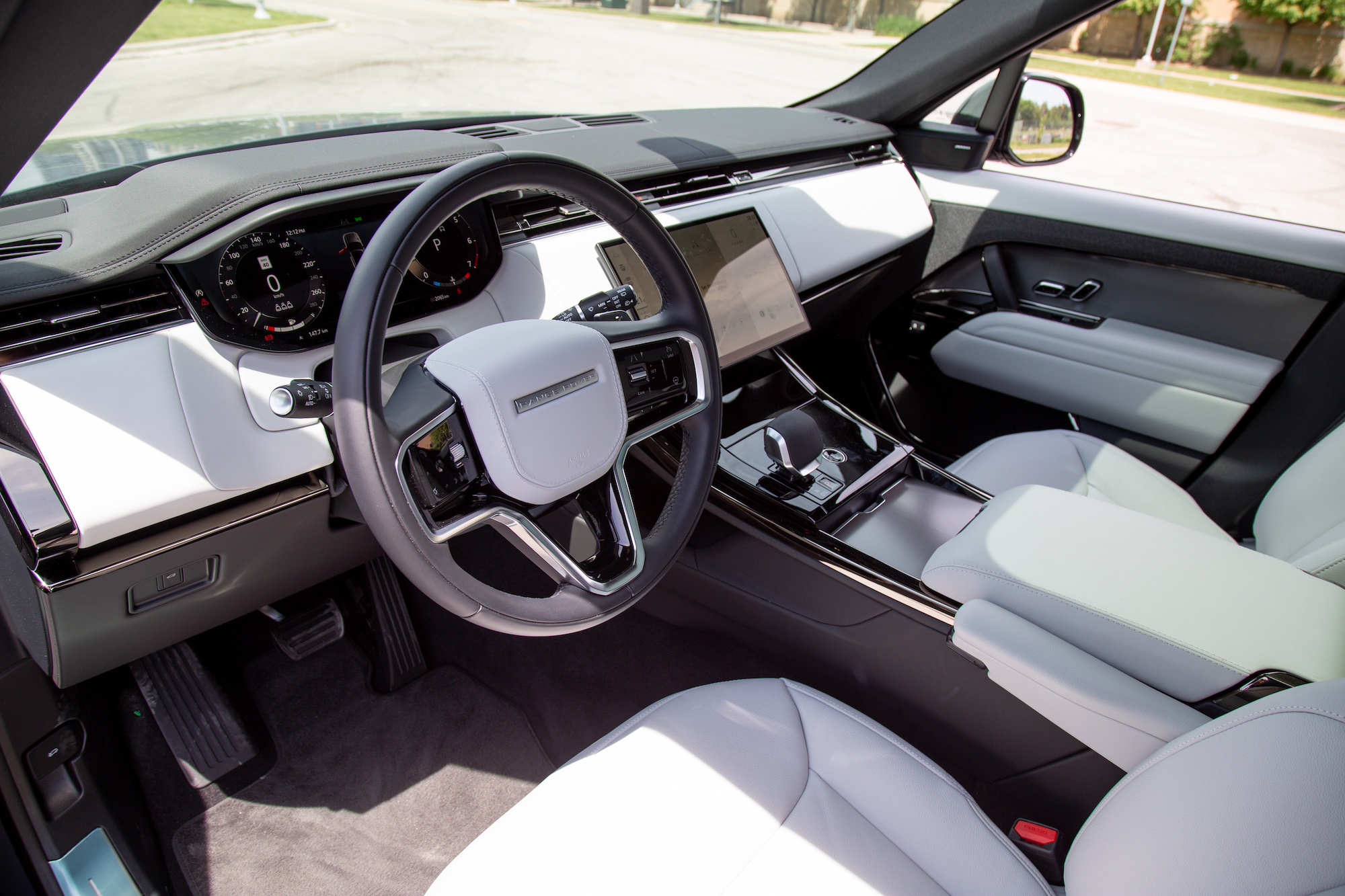
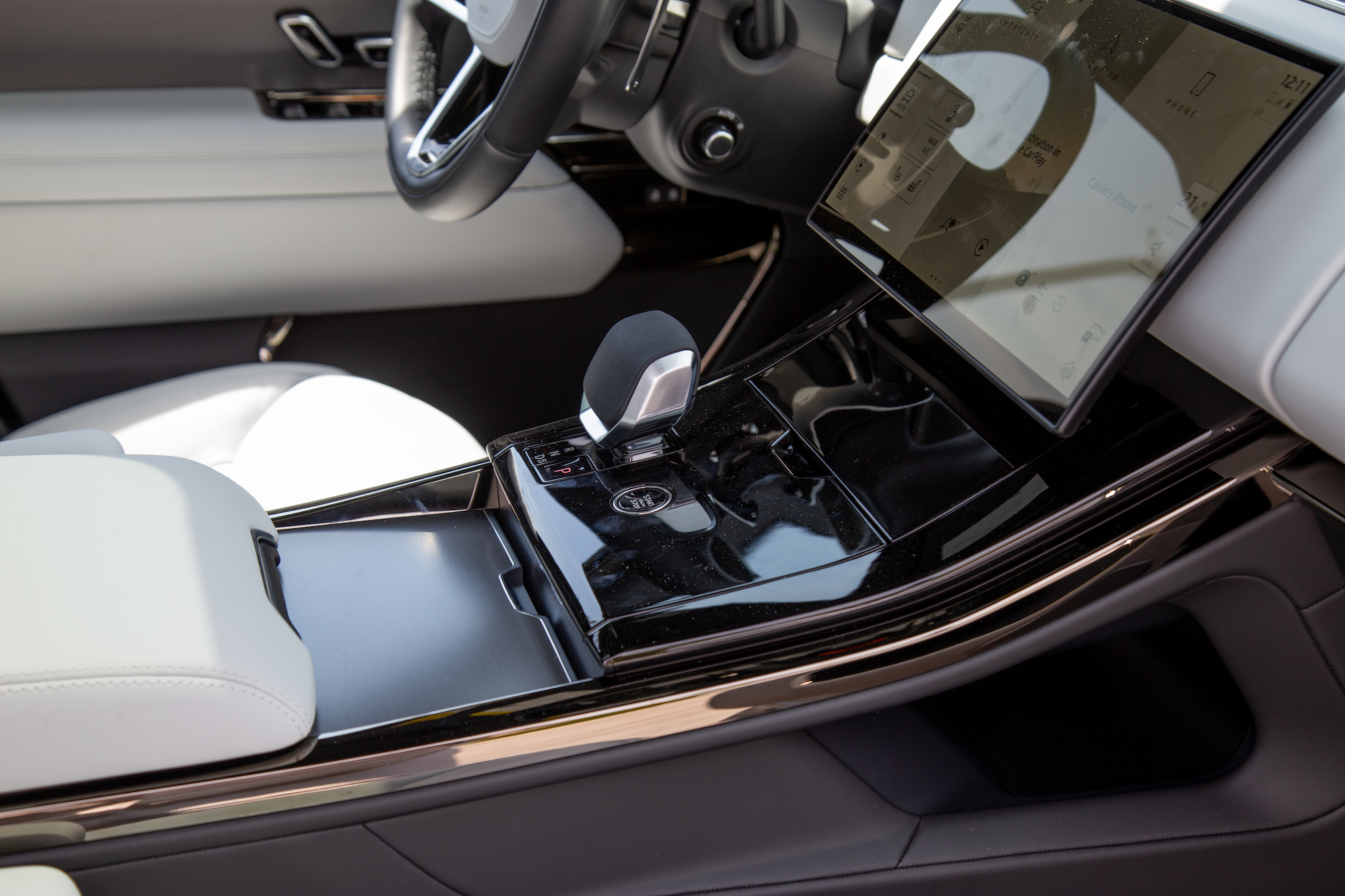
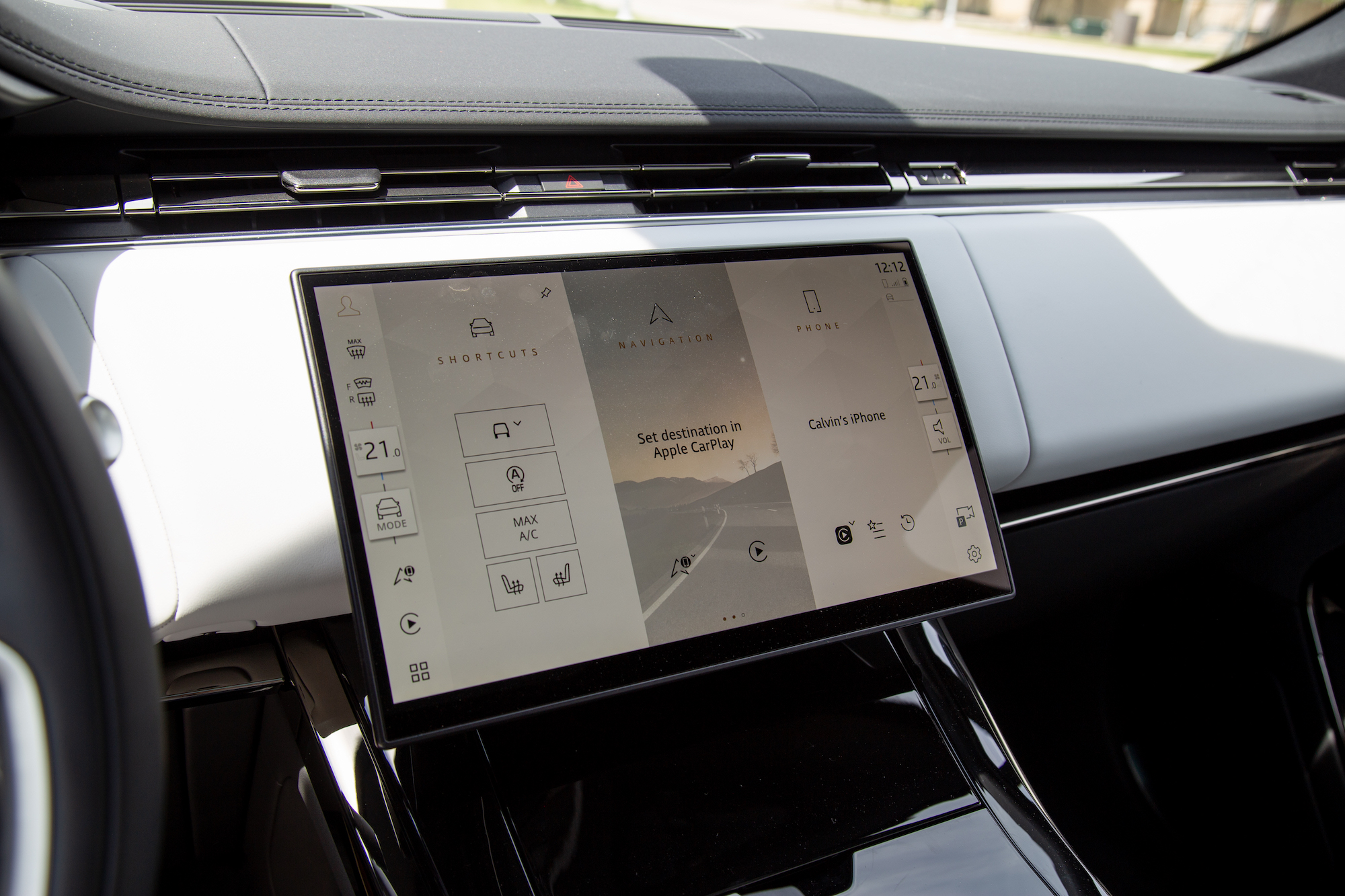
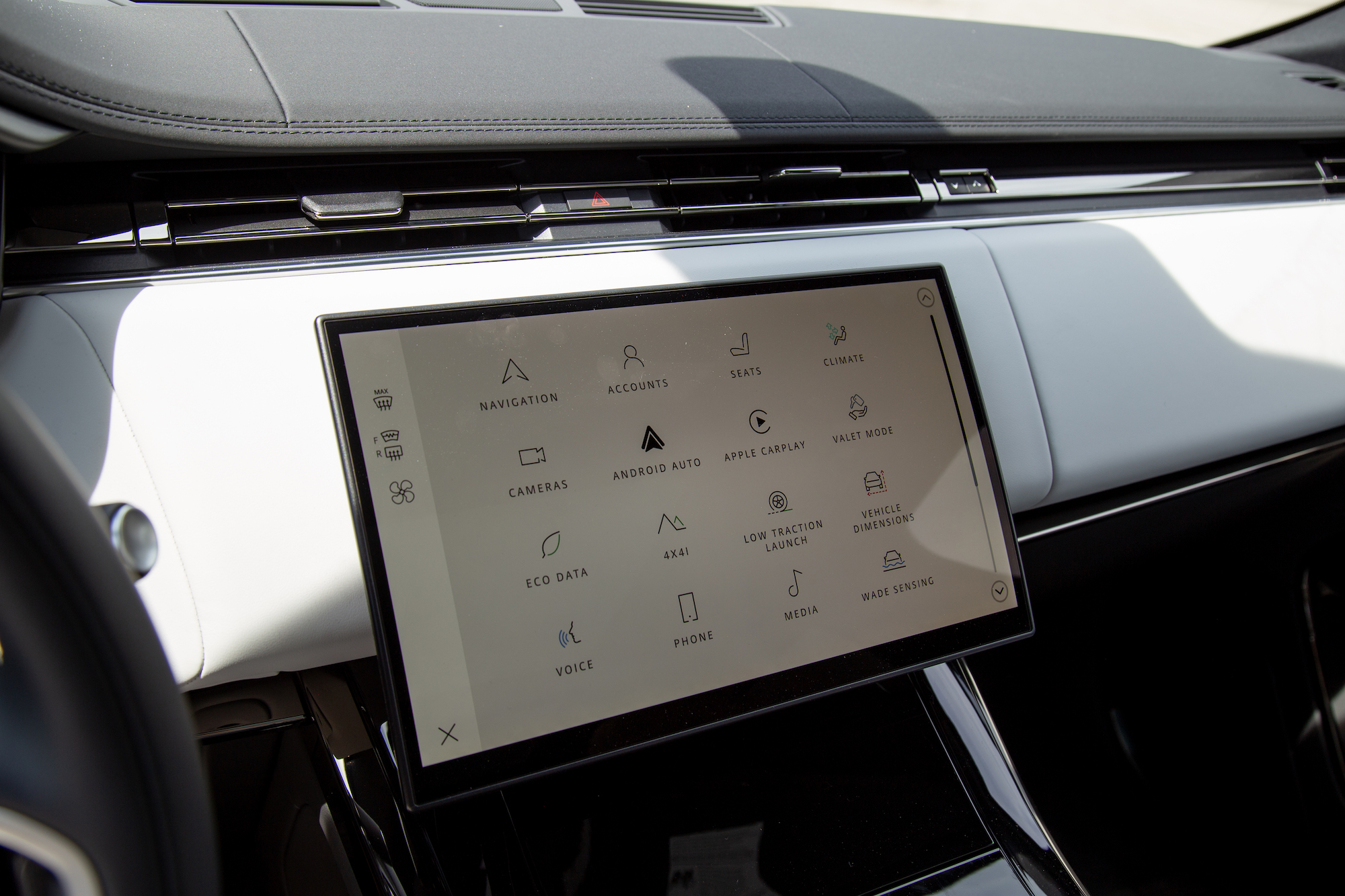
The entry ticket includes a 3D surround camera displayed on the same 13.1-inch touchscreen as the top-tier models, ambient cabin lighting, a heated windshield and rear window, and Range Rover’s suite of off-roading software and equipment to ensure no road is unconquerable. The cabin is neatly arranged, rear seat space is generous, and the touchscreen is easy to use, though we still lament the lack of dedicated buttons and dials – our recent drive with the button-laden Subaru Outback reminded us of that. Of course, you will have to pony up for other options like a sunroof that actually opens ($200) and wireless device charging ($200), but it’s nice to know that you could save money if you could go without.
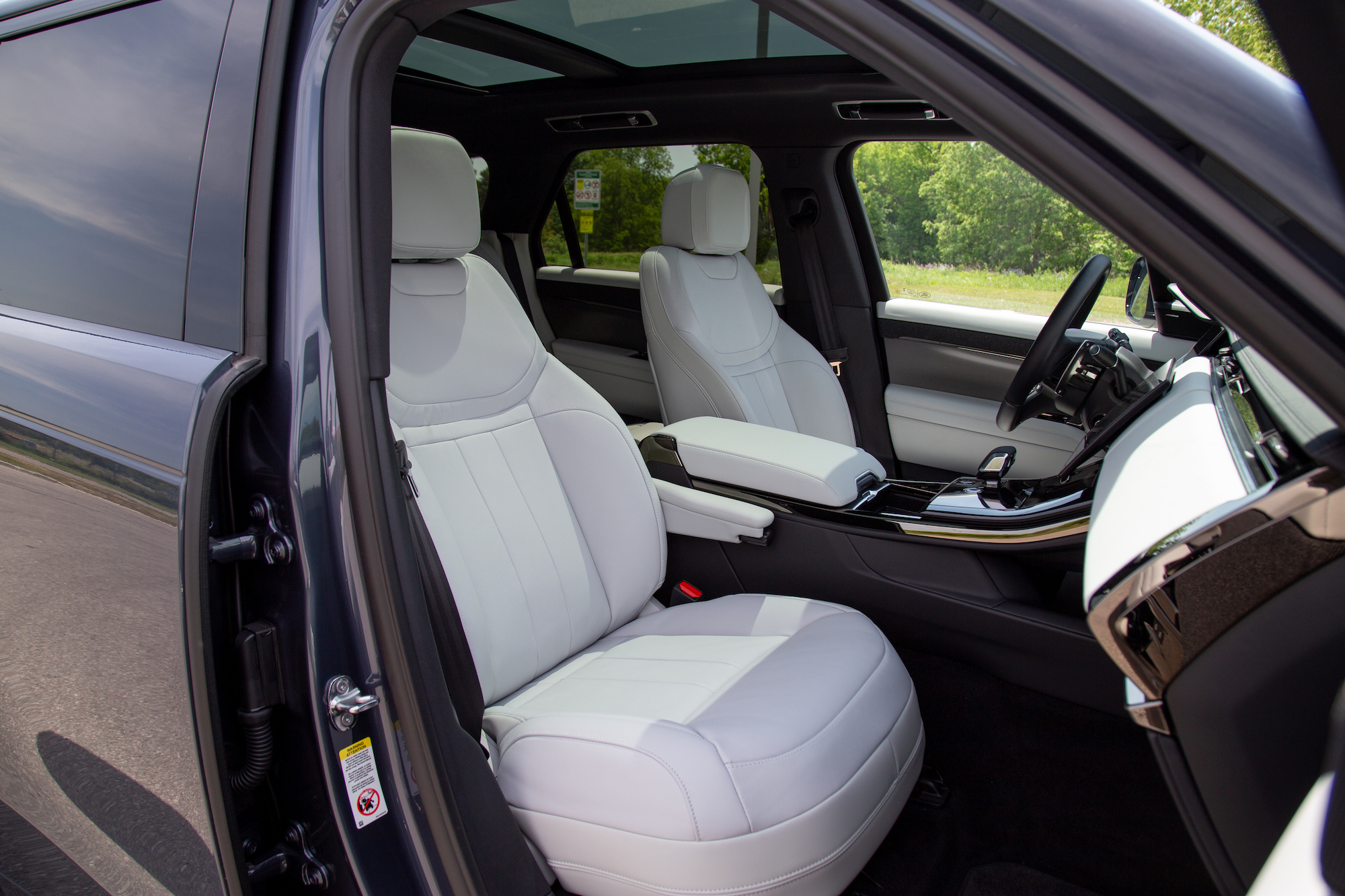
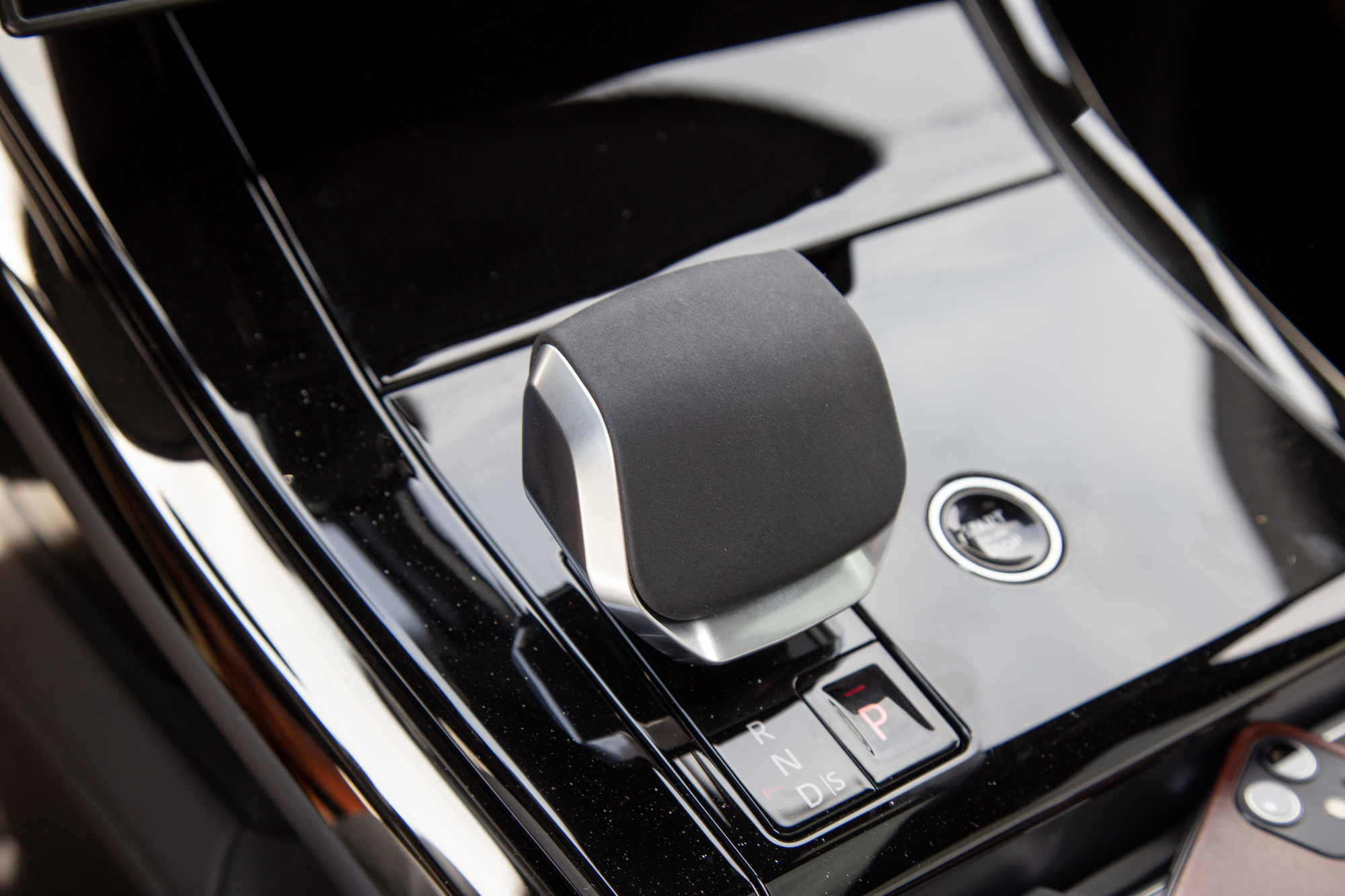
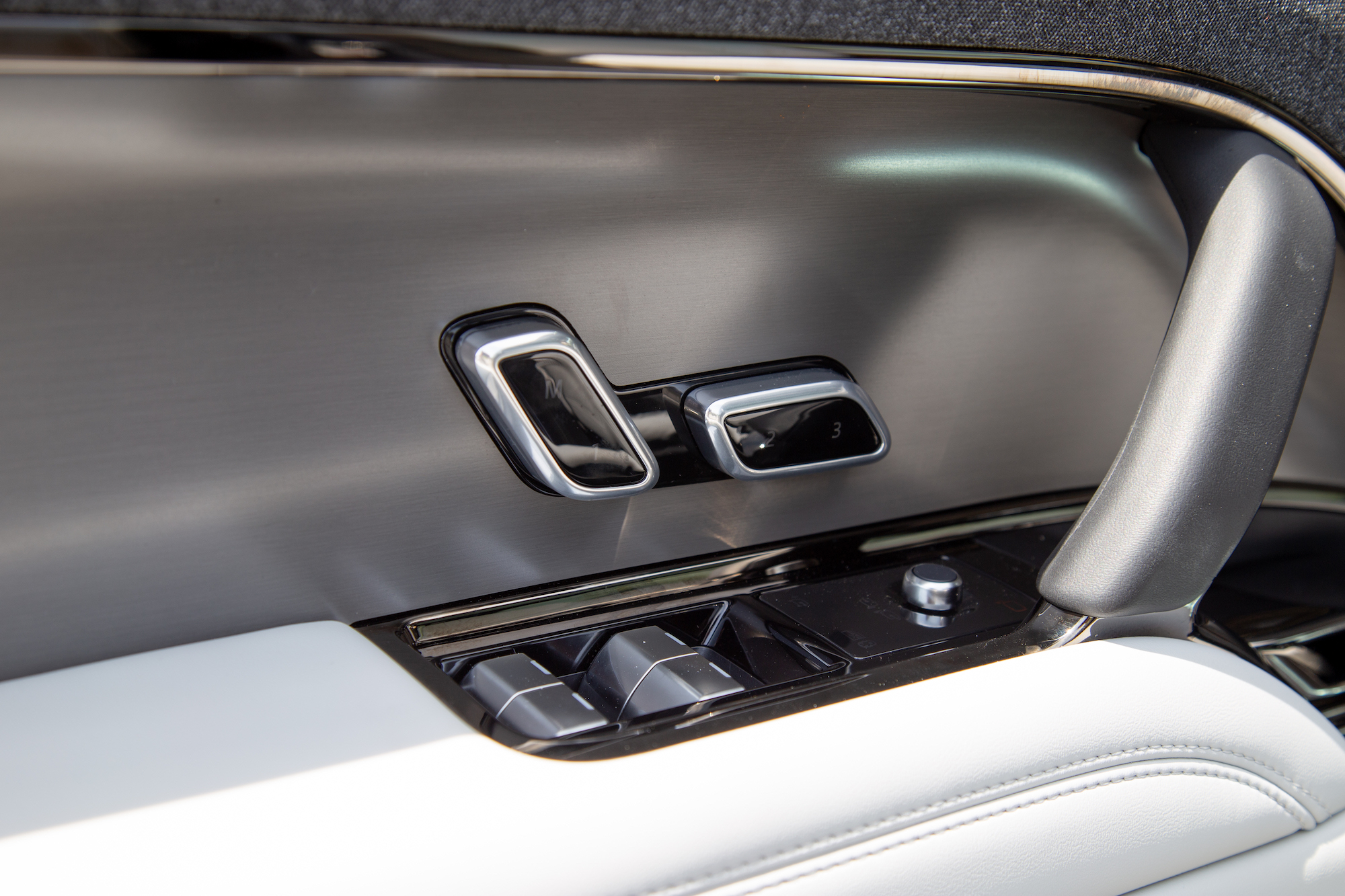
There are memory seats for both front seats, but no winged headrests, massage, or ventilation. Weirdly enough, the center console and airbag cover are lined with a softer material than the grainy seats. The only option we would strongly recommend is Cabin Air Purification Pro, which is part of the Comfort Package ($4,290). If you live in a polluted city, are constantly in the thick of traffic, or suffer from seasonal allergies as we do, these filters block out odours, bacteria, allergens, and display the live air quality on the touchscreen. It’s one of our favourite features on Land Rovers (and Volvos), and we would skip larger wheels and optional paints for that function alone.
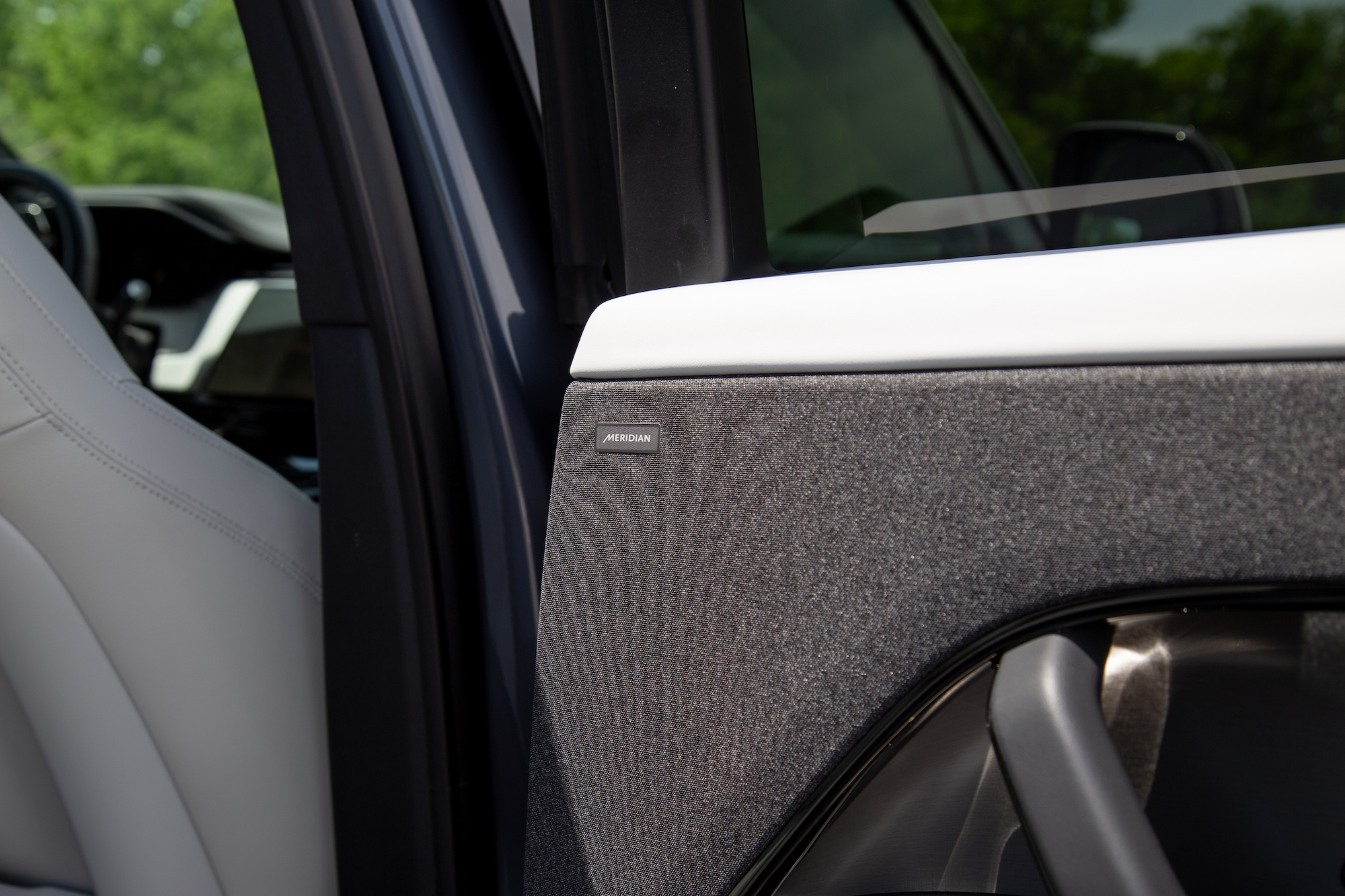
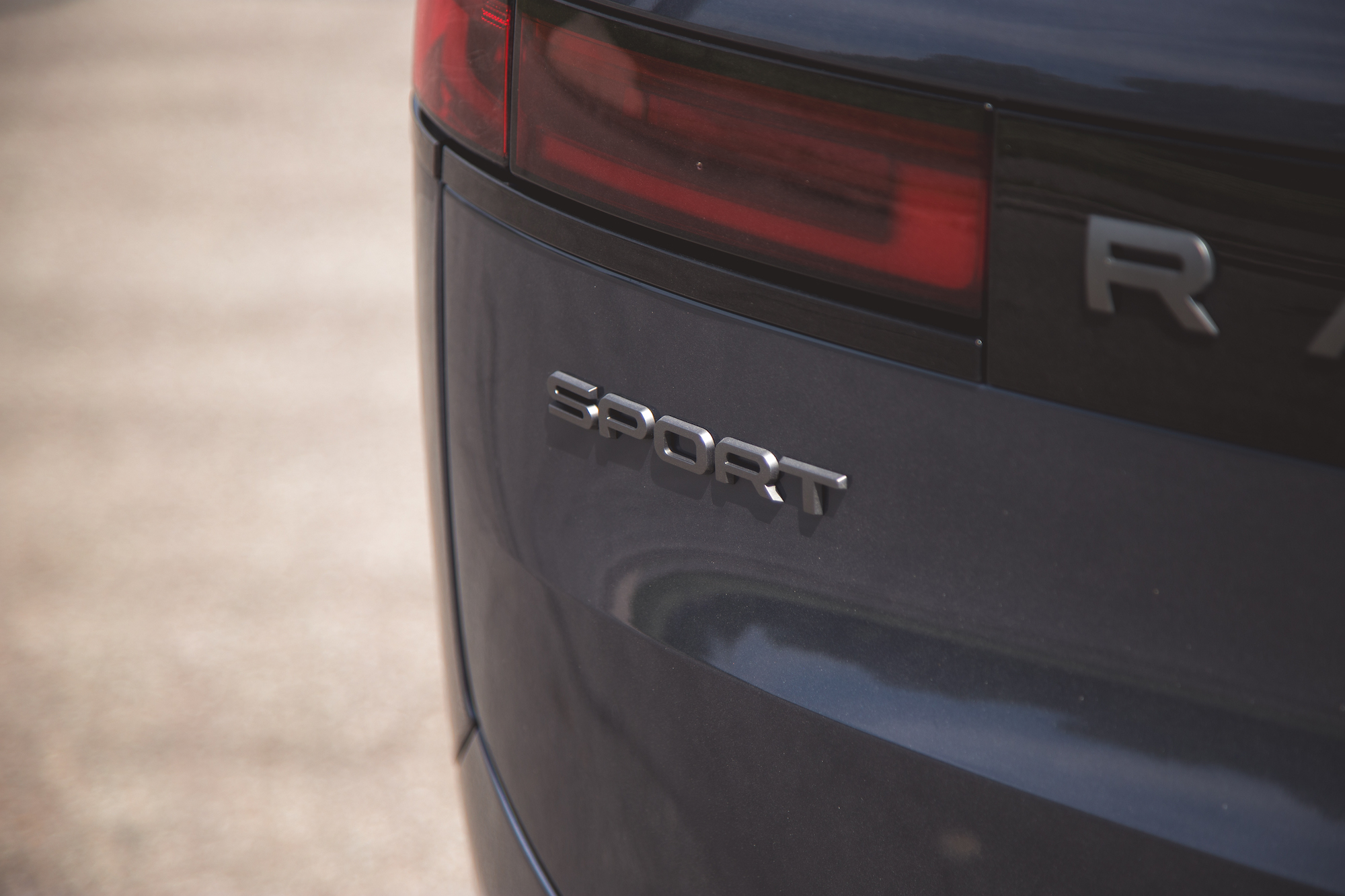
The standard Meridian sound system with 14 speakers and a subwoofer is surprisingly good – we actually haven’t used this iteration before, as all our vehicles were loaded with the more expensive systems. We think it would take a serious audiophile or tracks that require heavy bass at high volumes to truly appreciate the $760 Meridian 3D upgrade. But with such a robust foundation of amenities, the Range Rover Sport tree quickly reaches a point of diminishing returns, and that’s right before you get to the $154,152 Autobiography. The S offers just the right amount of Sport for those who need a casual family hauler but would rather isolate at home than be seen driving a RAV4.

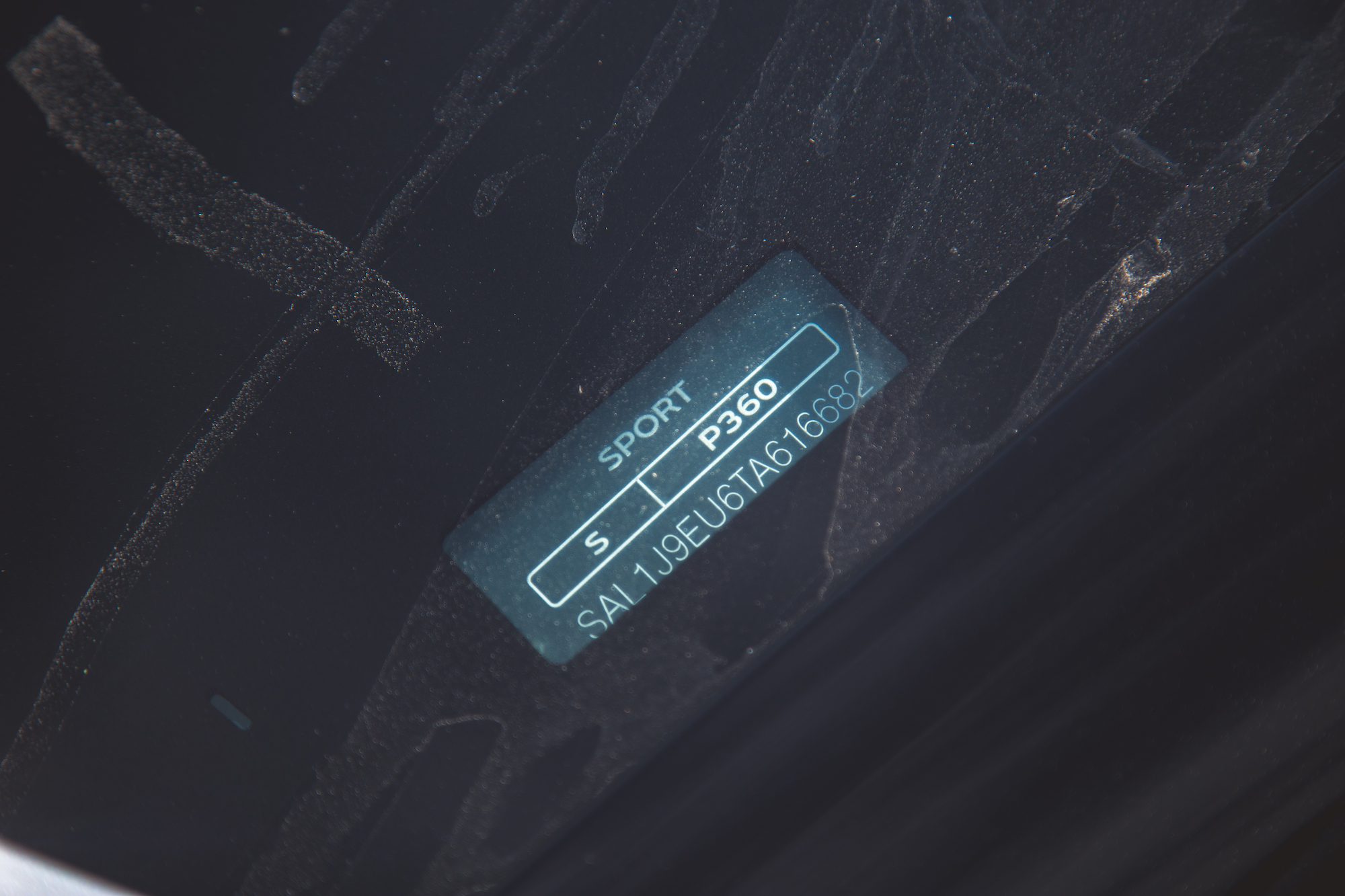
What are you missing out on then? Softer leathers, soft-close doors, a broader spectrum of paint colours, and more importantly, engine choices. The Range Rover Sport S is the only one available with the P360 engine, a 3.0-litre twin-turbocharged inline-six paired with a mild hybrid system. It generates a respectable 355 horsepower and 369 lb-ft of torque through an 8-speed automatic, and it’s only half a second slower from 0-100 km/h (6.0 s) than the P400 spec of the same engine in the Dynamic SE model.

We have to admit that the P360 doesn’t feel any slower or less athletic than the P400. It’s certainly got all the engine power and acceleration you would ever need. In fact, it’s one of the smoothest six-cylinders around thanks to its inherent inline arrangement. With the addition of a polished 8-speed automatic, the overall power delivery and acoustics are more refined than the Porsche and Mercedes V6s. Transitions between on- and off-throttle are gradual and well managed without any throttle overhang, and there’s decent mid-range grunt to get this heavy SUV accelerating without the need to pre-plan overtaking maneuvers.
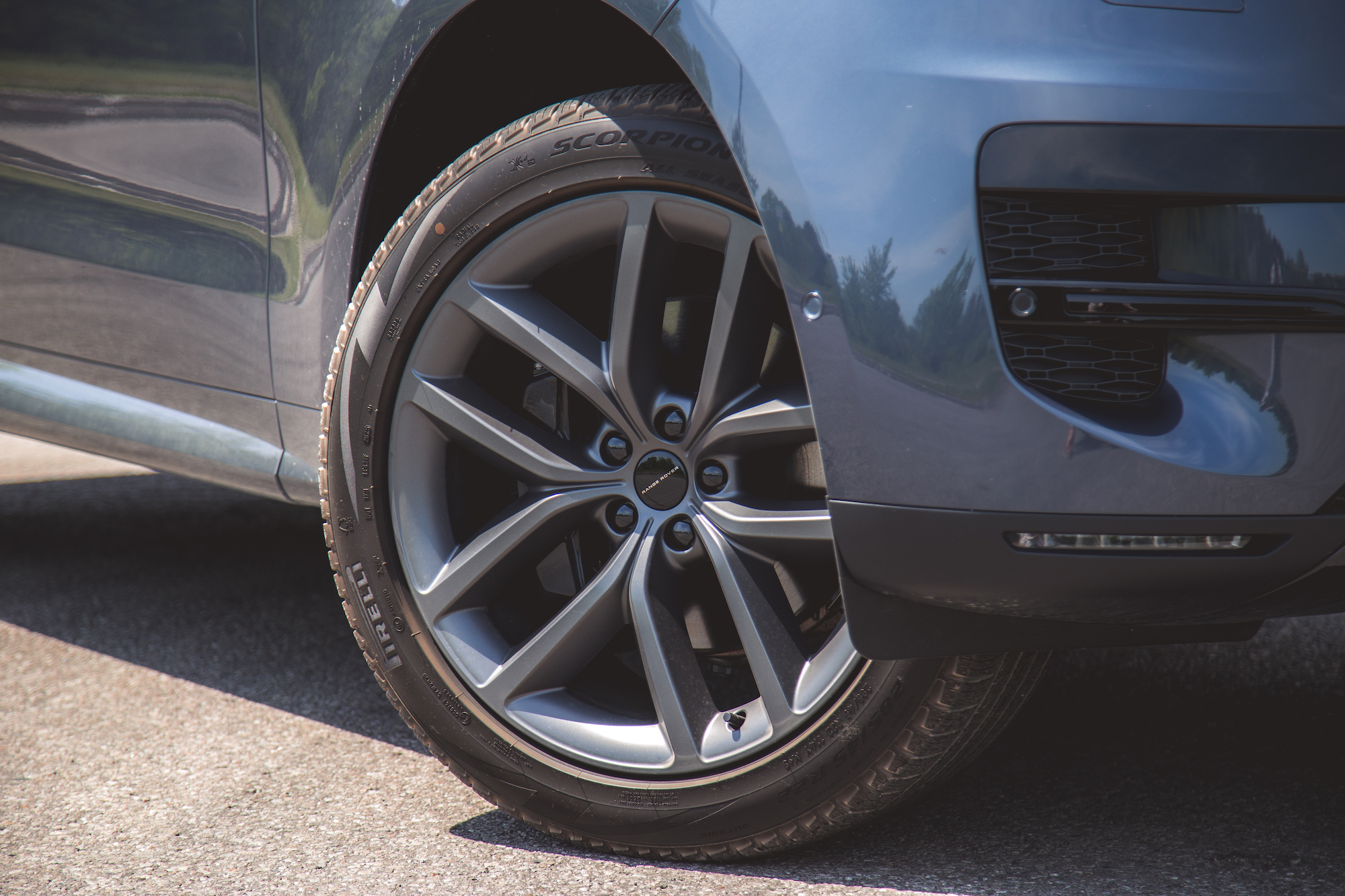
The exhaust emits a decisive roar when you wring it out at wide-open throttle too, and we were equally surprised by its 11.0 L/100km combined fuel consumption. Yet no matter the trim, our biggest criticism of the Range Rover Sport is the ride quality. Even with an air suspension adept at generating a cloud-like feel over glassy surfaces, the 22-inch wheels skip and crash over bumps and potholes and never seem to collect themselves with the grace of a BMW X5 or Mercedes GLE.
As it turns out, the cheapest model of the Range Rover Sport family tree is also one of the most impressive, and that ultimately comes down to its sub-six-figure starting price. The S offers all you realistically want and need from a luxury SUV, with all the garnish and trimmings able to be pieced in with some extra coin. It’s not the flashiest spec, nor is it the most grand, but its more durable leather seats, understated appearance, and more-than-adequate engine ensure it’s still one of the most capable.
Specifications:
Model: 2026 Range Rover Sport P360 S
Paint Type: Varesine Blue
Base Price: $94,950
Price as Tested: $102,460
Wheelbase(mm): 2,997
Length/Width/Height (mm): 4,946 / 2,047 / 1,822
Curb weight (kg): 2,263
Engine: 3.0-litre turbocharged inline-six engine, mild hybrid system
Horsepower: 355 hp @ 5,500 – 6,500 rpm
Torque: 369 lb-ft @ 1,570 – 5,000 rpm
Transmission: 8-speed automatic
Engine & Drive Configuration: Front engine, AWD
Observed Fuel Consumption (L/100km): 11.0
Wheels: Pirelli Scorpion Zero All-Seasons; 285/45R22




Leave a Reply