

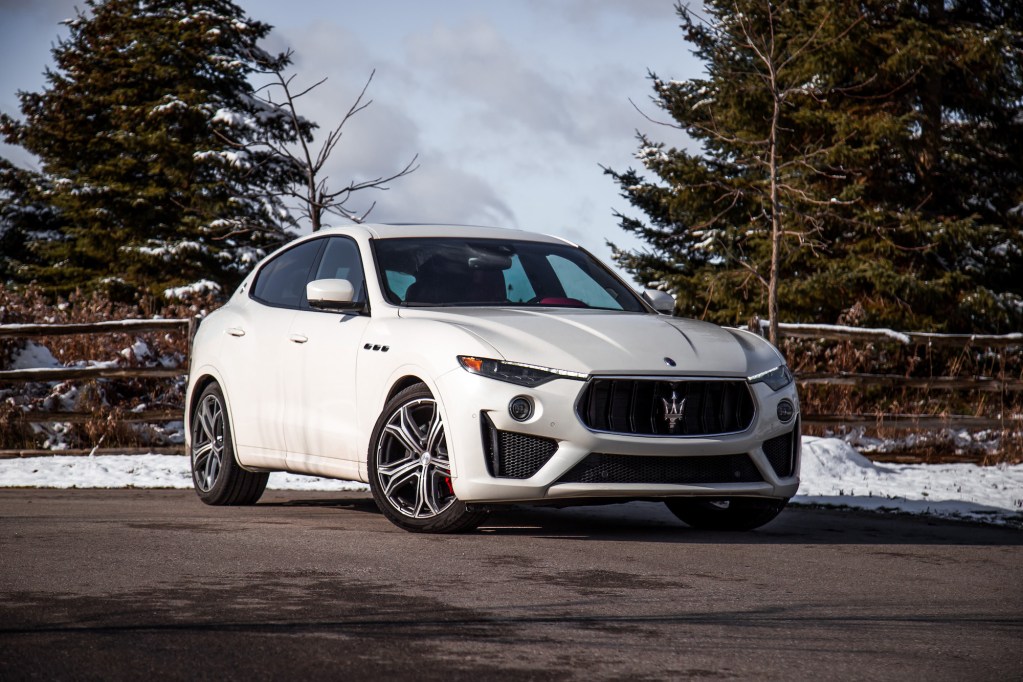
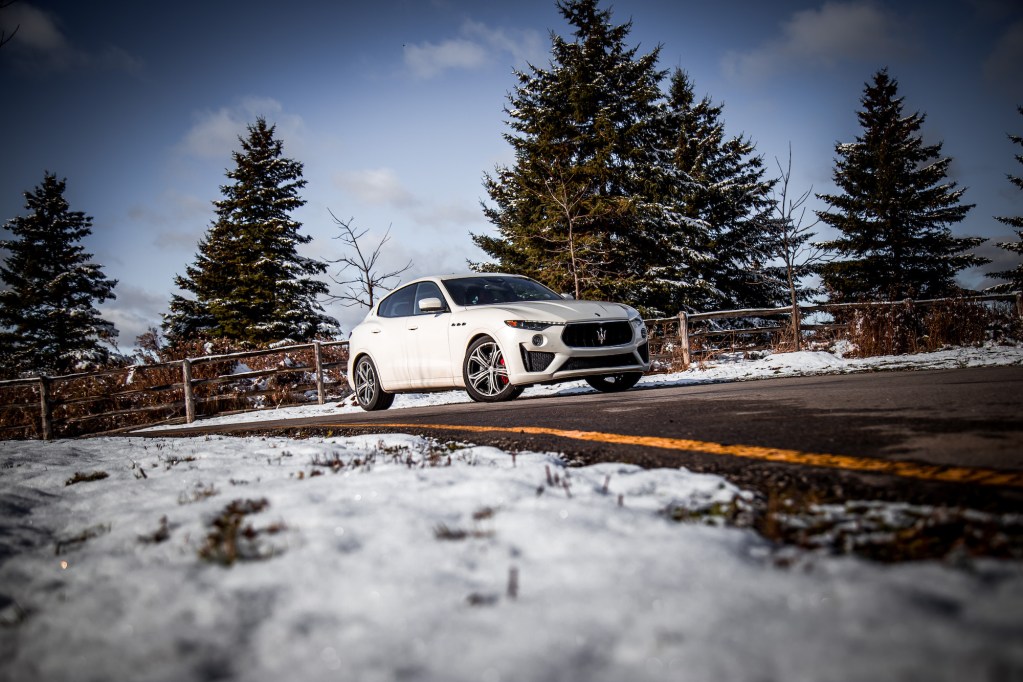
Named after the warm Mediterranean winds that can change from a mild gust to a terrifying whirlwind in the blink of an eye, the Levante is Maserati’s first stab at the SUV market, offering Italian flair, athletic performance, and sexy styling to bring the fight directly to the Porsche Cayenne, Range Rover Sport, and BMW X5 M. And in order to compete in this heated and lucrative segment, Maserati have offered a wide palette of trims and engines to satisfy any type of buyer. There are four choices on deck: Base, S, GTS, and Trofeo.
The Levante ($93,000) and Levante S ($103,500) both use a 3.0-litre twin-turbocharged V6 producing 345 hp and 424 hp, respectively, while sprinting from 0-100 km/h in 6.0 s and 5.2 s. The GTS ($138,500) and Trofeo ($187,500) on the other hand utilize a 3.8-litre twin-turbo V8 and deliver 550 hp and 590 lb-ft, respectively, and hit 0-100 km/h in a swift 4.2 s and 3.9 s. Every Levante is equipped with all-wheel drive, an air suspension, adaptive dampers, and a ZF 8-speed automatic transmission.
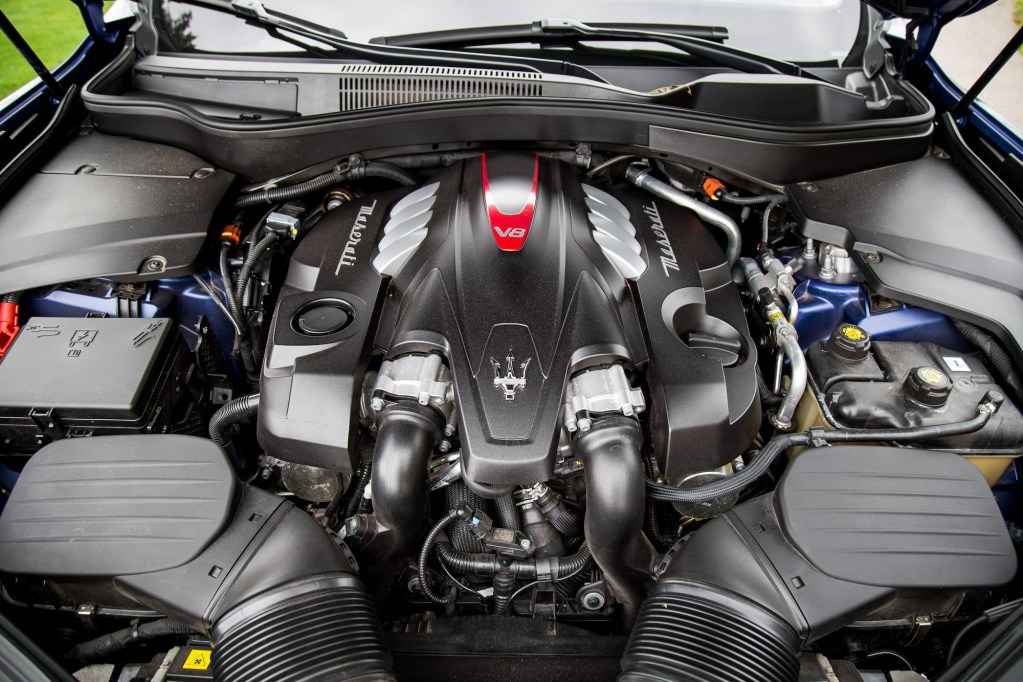
Now that introductions are out of the way, we can dig a little deeper into the heart of soul behind the trident: the engine. You will find no shortage of claims that Maserati uses hand-built Ferrari engines, and that’s especially true with their V8. They start their life with Ferrari architecture and are finished off and assembled by Ferrari themselves in Maranello. The V8 even shares the same internal code name, F154, but that’s just about where the similarities end. Maserati’s V8 uses a crossplane crankshaft with wet sump lubrication, while Ferraris use a flat-plane crank with dry sump lubrication, hence the difference in RPM limits and the stallion’s more exotic exhaust note.
The 3.8-litre V8 which underpins the Levante GTS is shared with the rear-wheel drive Quattroporte GTS, so it had to be revised to make room for the all-wheel drive system and new driveshaft. That meant a new crankcase, oil pump, auxiliary belt, and revised electrical wiring. New twin-scroll turbochargers had to be fitted – one for each cylinder bank – and revised internals like cylinder heads, camshafts, pistons, and connecting rods all contribute to the slight increase in power versus the flagship Quattroporte. With the two output levels, the Levante GTS produces a staggering 550 hp and 538 lb-ft, while the top-end Trofeo dishes out 40 more horsepower, the latter delta due to more boost programmed higher in the rev range.
TL;DR, Maserati’s V8 is hand-built by Ferrari but is fundamentally different than anything you would find in the California T or 488 GTB. The same goes for the 3.0-litre V6 stuffed inside the Levante and Levante S models, which is assembled by Ferrari but actually starts its life as a Chrysler engine block. We’ve tested that engine before in the Ghibli and Quattroporte, and it was a riot, delivering meaty mid-range torque and a supercar soundtrack at the high RPMs. But the V8 is another animal. When the road is clear, floor the throttle and that swift 8-speed kicks down instantaneously, propelling you forward with stupid speed like it’s got two rockets strapped onto the trunk lid. With nary a hint of turbo lag, you get that same kick back sensation as you do in the supercharged Range Rover Sport SVR. I’d say the Maserati has the more polished transmission too. The brakes are exceptional smooth and when coming to a full halt, the brakes seem to ease the transition and minimize that millisecond of inertial lunge. It’s a small, almost unnoticeable characteristic but should not go unpraised. When comparing apples and oranges in this rarified air, purchasing decisions can sometimes come down to hair splitting differences.
The Levante shares a platform with the familial Ghibli and Quattroporte but the chassis has been stiffened for the GTS. As such, on-road handling, and body control is impressive for such a heavy SUV, mostly due in part to the rear-biased AWD system that sends 100% of torque to the rear under normal grip conditions, and the electric-powered steering that remains faithful to the road. The textural feedback from the front tires is lacking, especially when compared to the scalpel sharp Porsche Cayenne, and even the outgoing hydraulic rack in the Ghibli, but it has allowed Maserati to install active steering and driver assistance features that buyers have come to expect from their luxury SUV. Other nifty aids include a mechanical limited-slip differential on the rear-axle, brake-based torque vectoring, and a standard air suspension that does a decent job absorbing low-speed bumps and keeping occupants as isolated as possible from unwanted tire chatter.
That said, the Levante GTS is not nearly as athletic or as well-tempered around corners as the Cayenne Turbo or BMW X5 M despite its litter of tech and dynamic tweaks, but it tries to make up for that with bewildering straight line acceleration that belies its true size. The ride quality is firm but deliberate, and is comfortable enough to take on long journeys. Still, the Levante can become jarring on rough surfaces, with a chattery rear end that does not feel as planted when approaching its limits. It is clear that Maserati has attempted to inject as much GranTurismo DNA into the Levante GTS as possible and while it doesn’t exactly drive like a low-slung sports car, it sure sounds like one.
Maserati soundtracks have always separated and distinguished their vehicles from the rest of the pack. This scintillating V8 from the GTS sounds ridiculously special, emitting a distinct and rich audio signature that gives it a soul. While AMG, M, and Porsche, are all preoccupied with hitting the low octaves with excessive pops and bangs, the Maserati reaches the higher notes, purposefully wailing up to the limiter in an Italian ballad. That said, it’s no Ferrari despite sharing a place of birth, and you might be disappointed when comparing to Maserati’s own naturally aspirated 4.7-litre GranTurismo V8, or even the Levante S with the V6. The Levante GTS lacks operatic resonance but is still sonorous enough for us to consider it one of the most thrilling and emotional twin-turbo V8 soundtracks in the business. Have a listen to our Exhaust Notes video below to hear it for yourself.
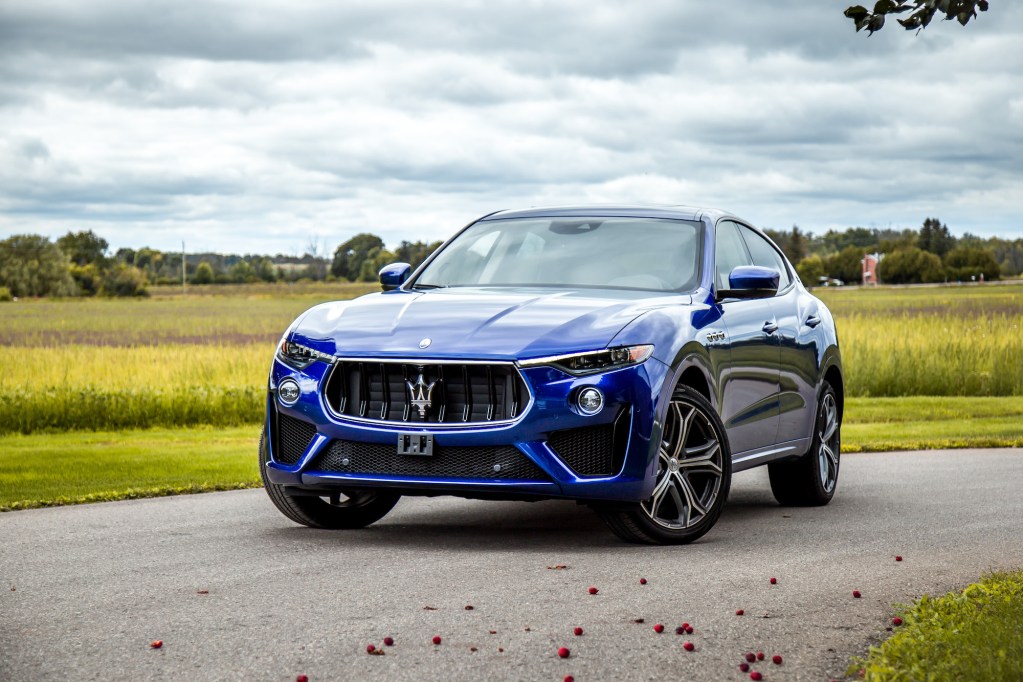
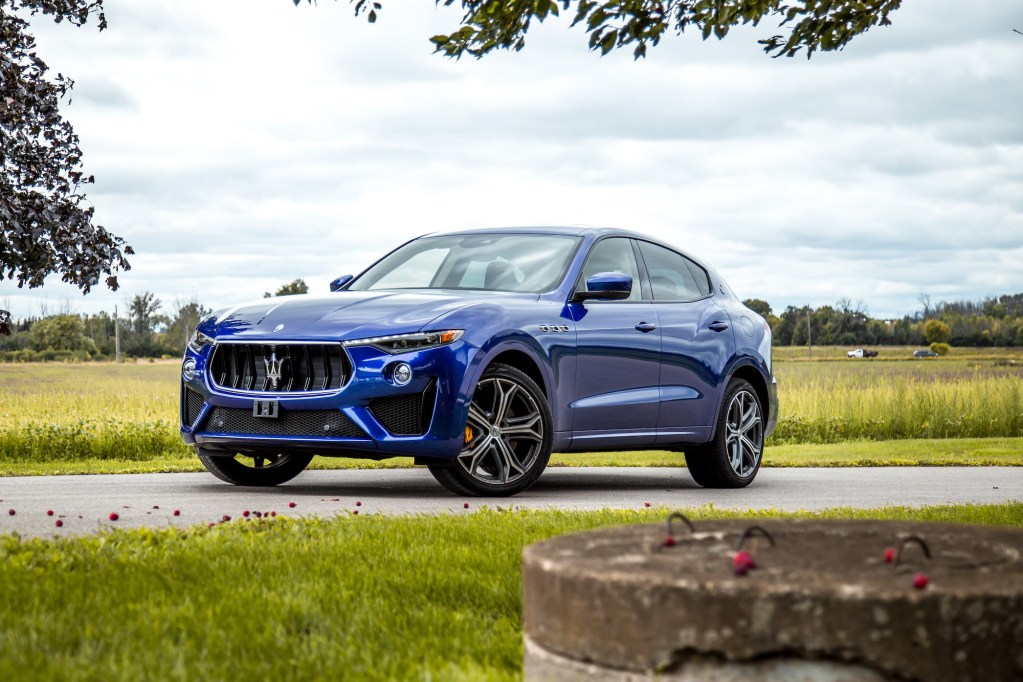
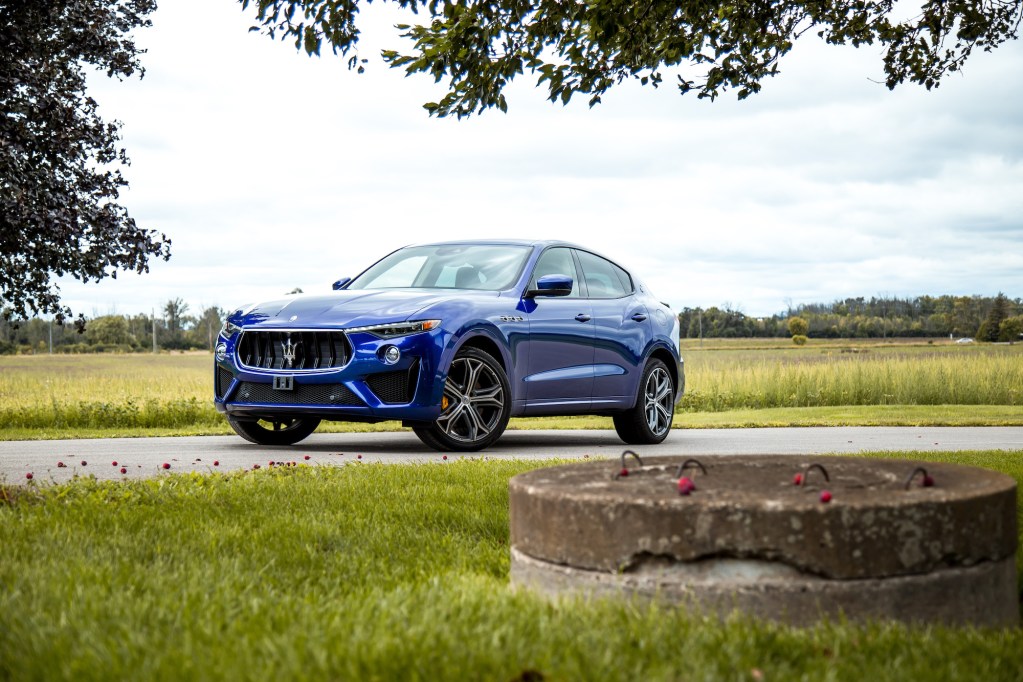
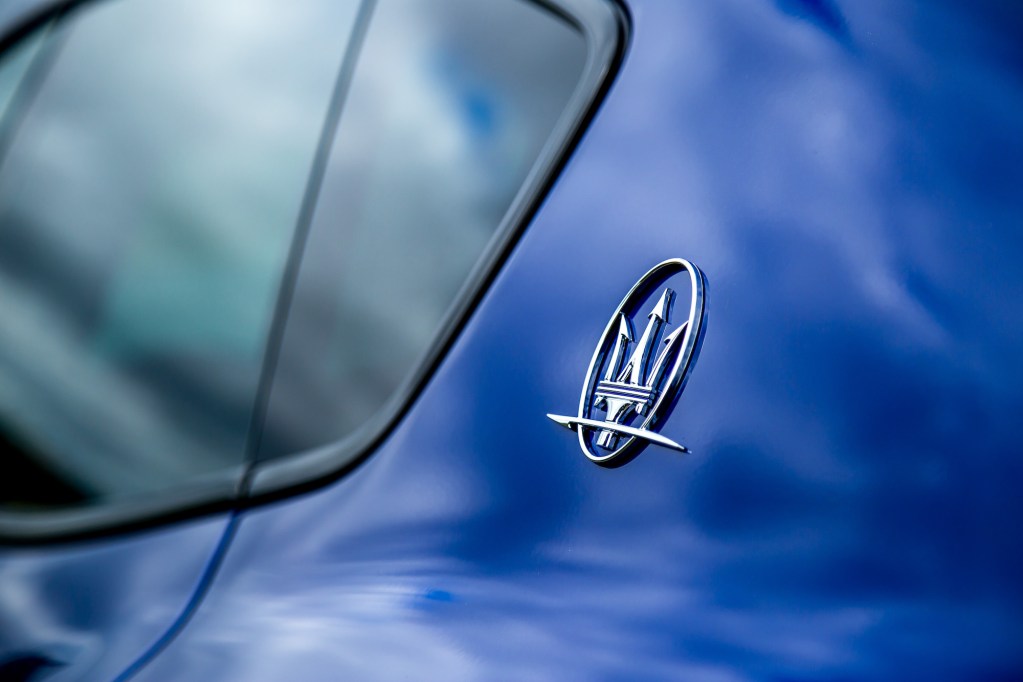
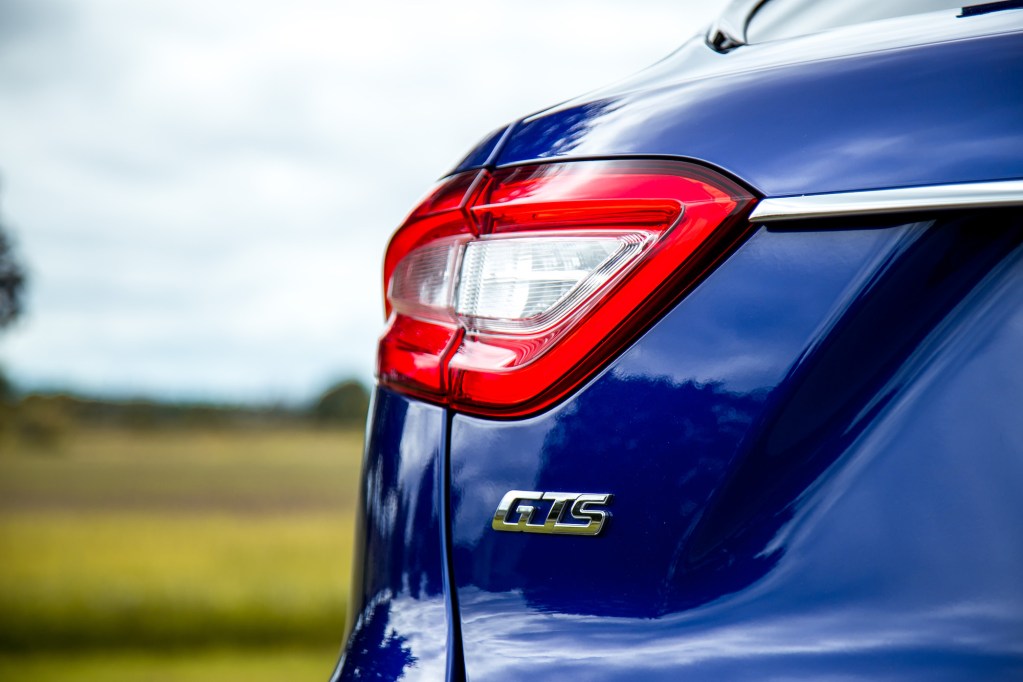
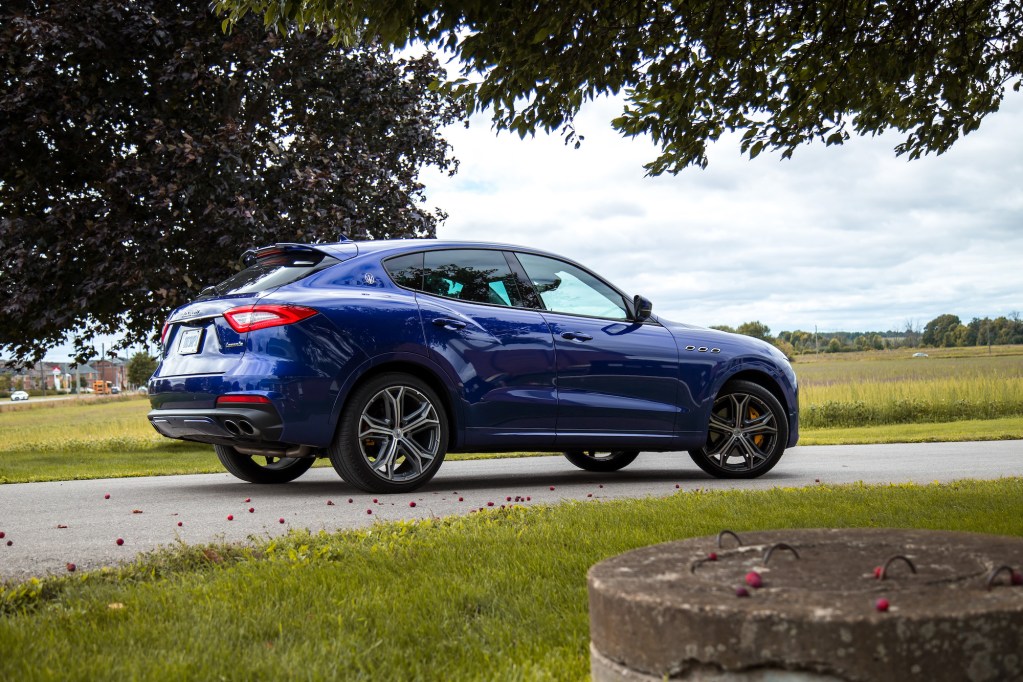
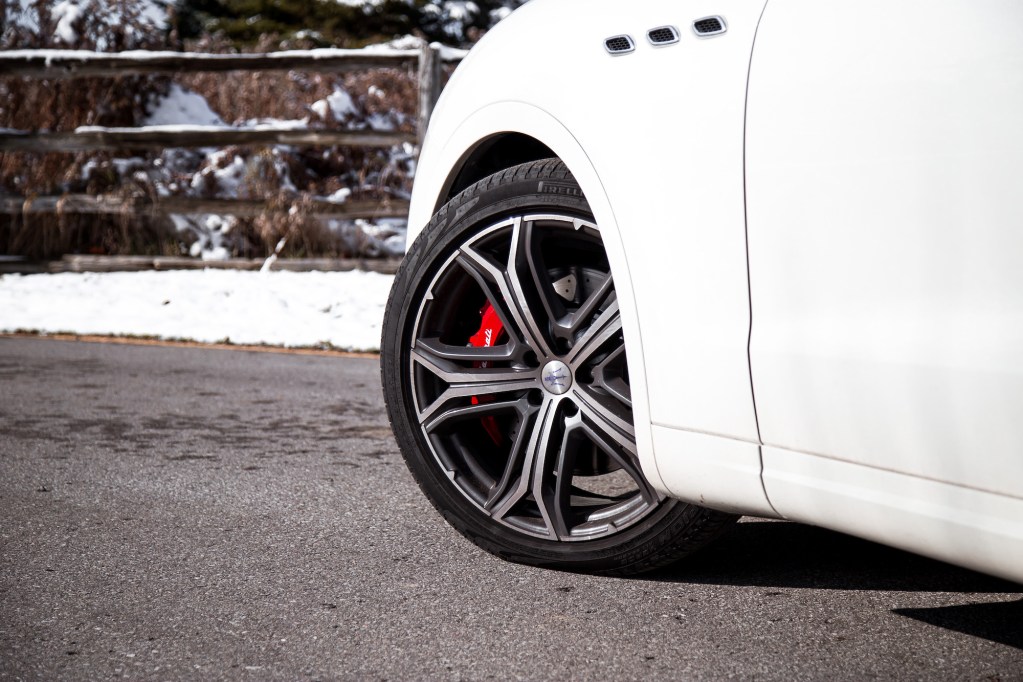
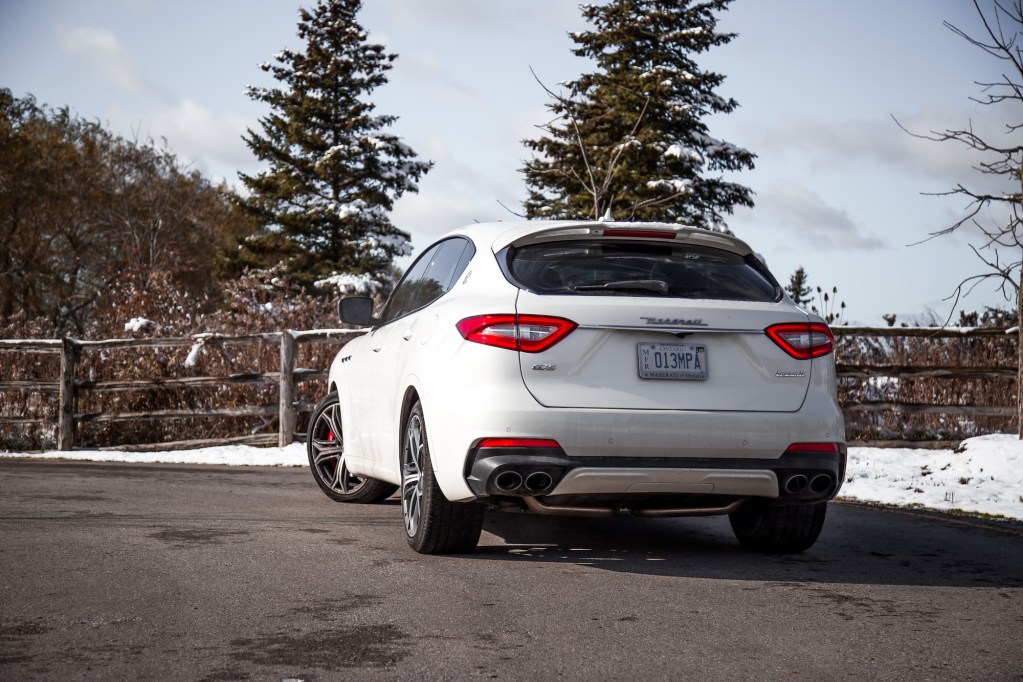
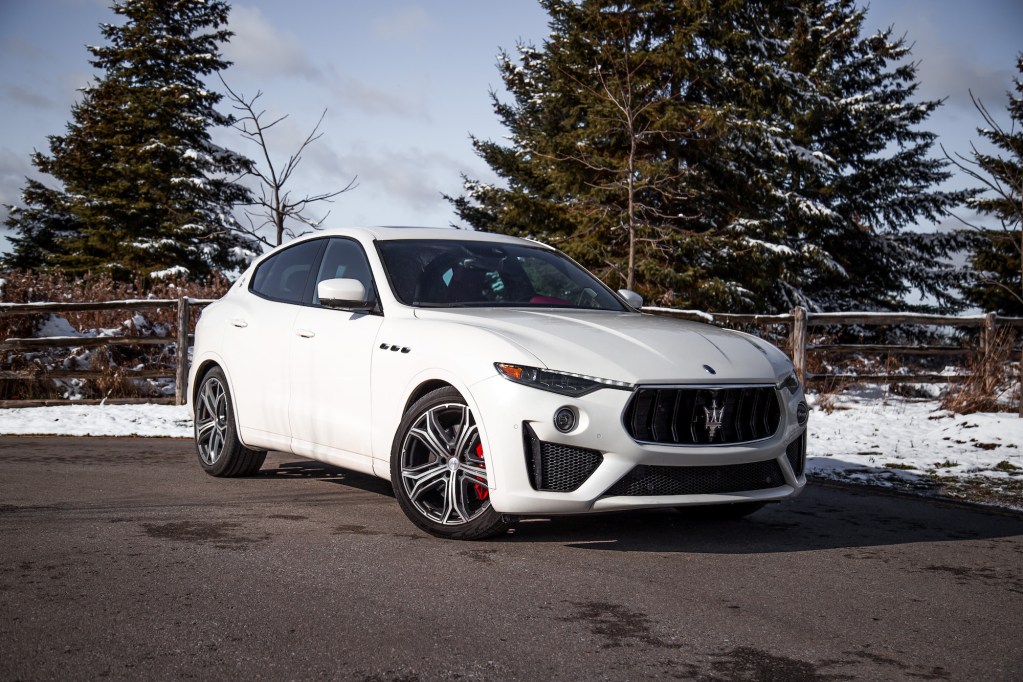
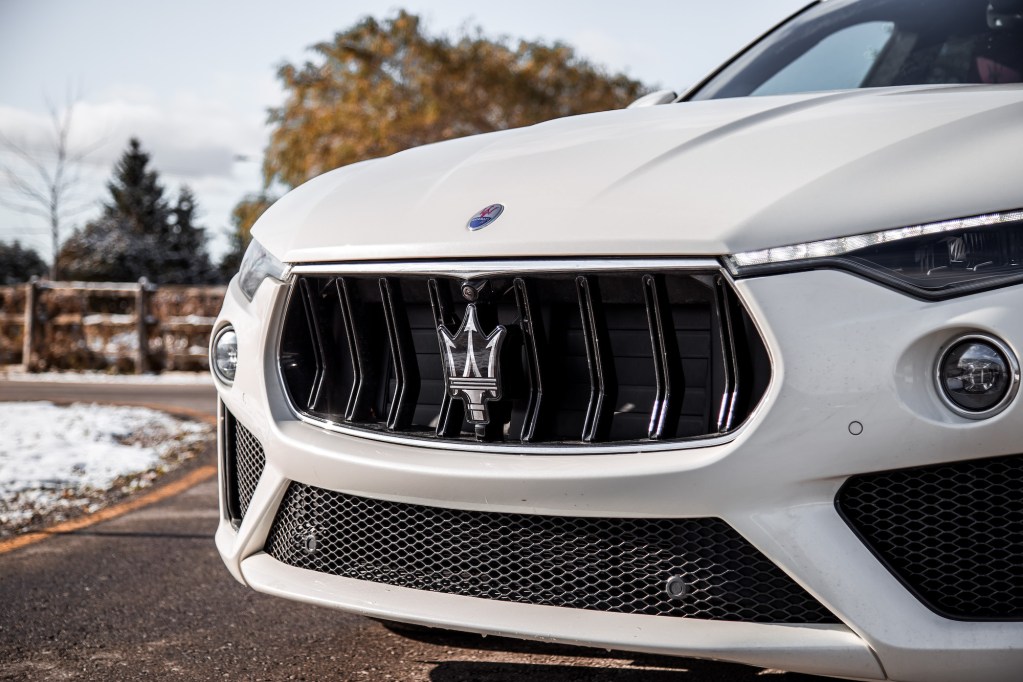
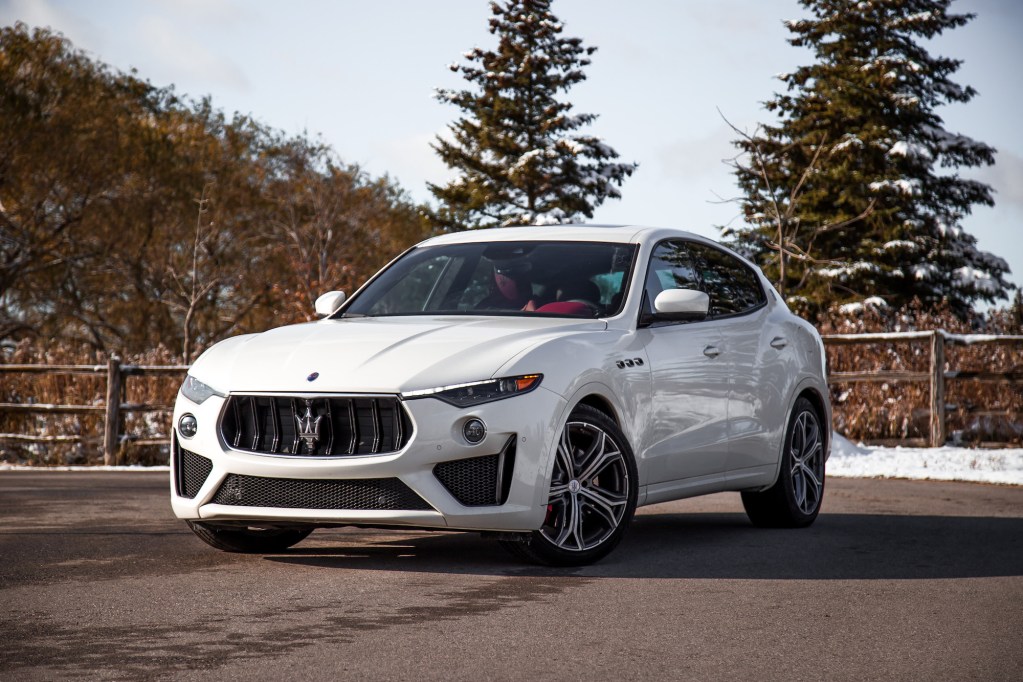
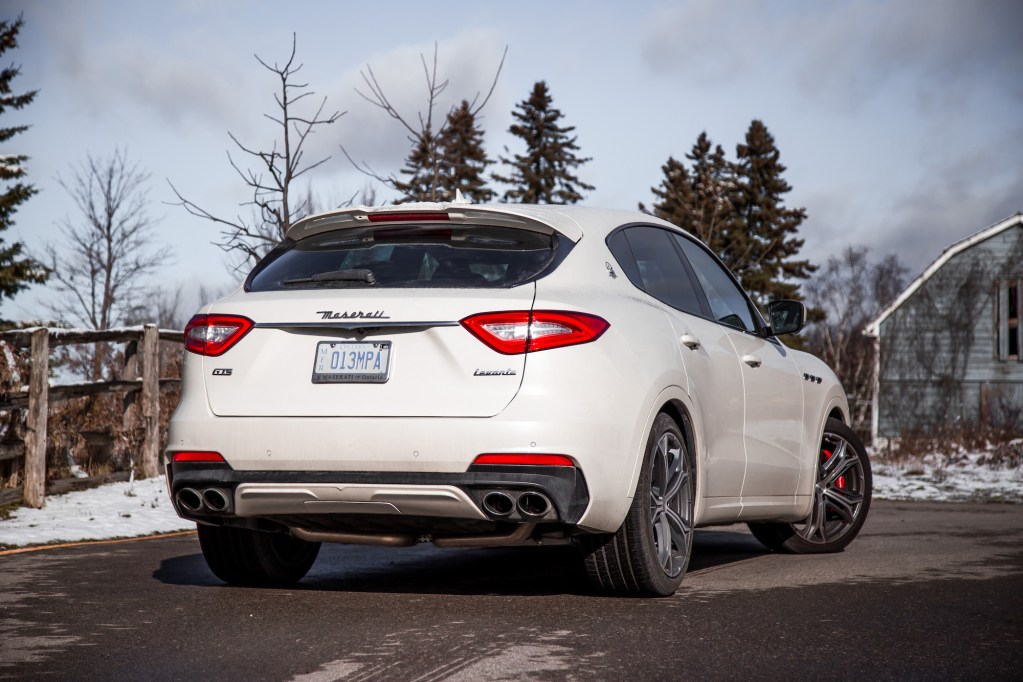
Be that as it may, the Levante GTS brings more than acoustics to the table. In fact, we think it’s one of the most visually arresting modern Maseratis to date, with a chrome-framed front grill and a trident badge nestled within it. On the flip side, the rear end design falls under the generic compass – it just doesn’t stand out despite the quad exhaust tips, rounded tail lights, frameless door windows, and chunky C-pillars, following the same dimensional constraints of an SUV as the Alfa Romeo Stelvio. Still, you won’t see as many of these Levantes as you would see Cayennes and Range Rovers at your local Whole Foods, making it all the more special to spot one in the wild.
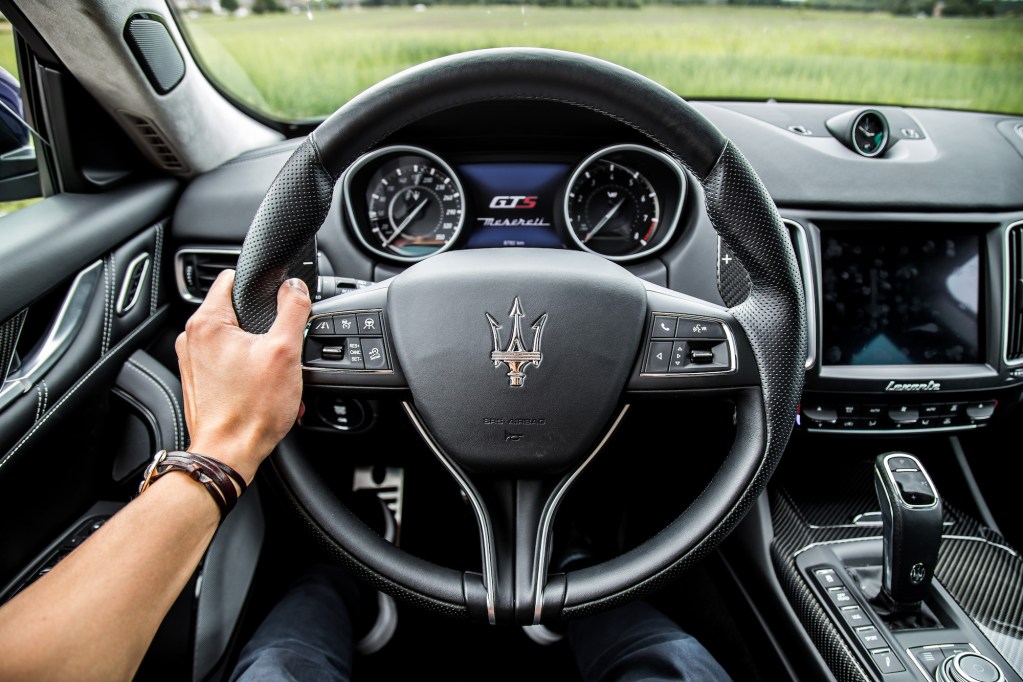
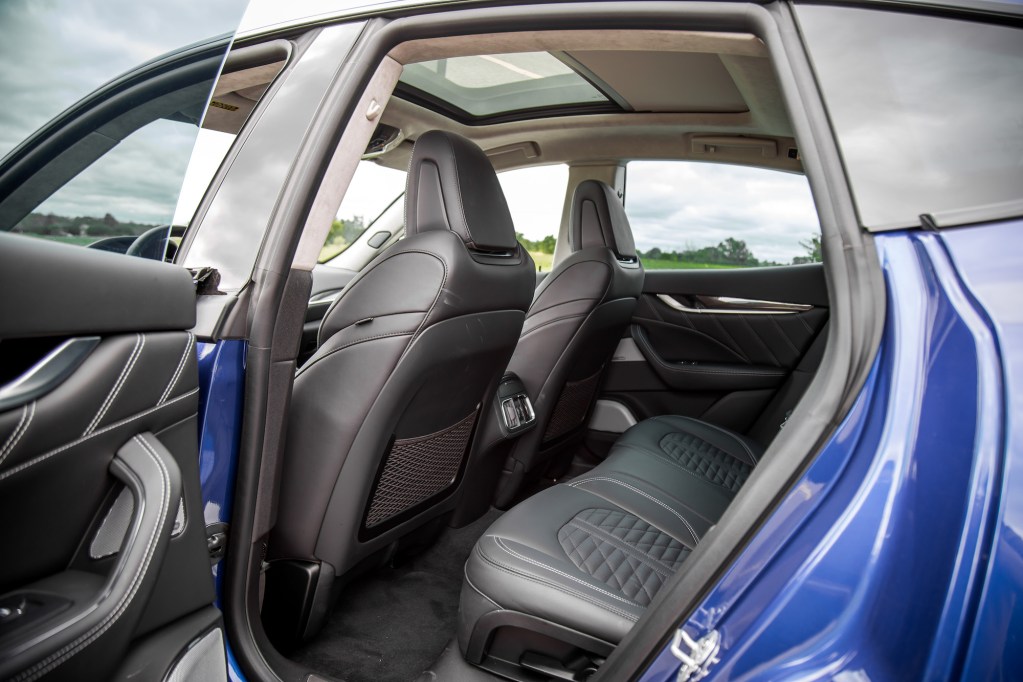
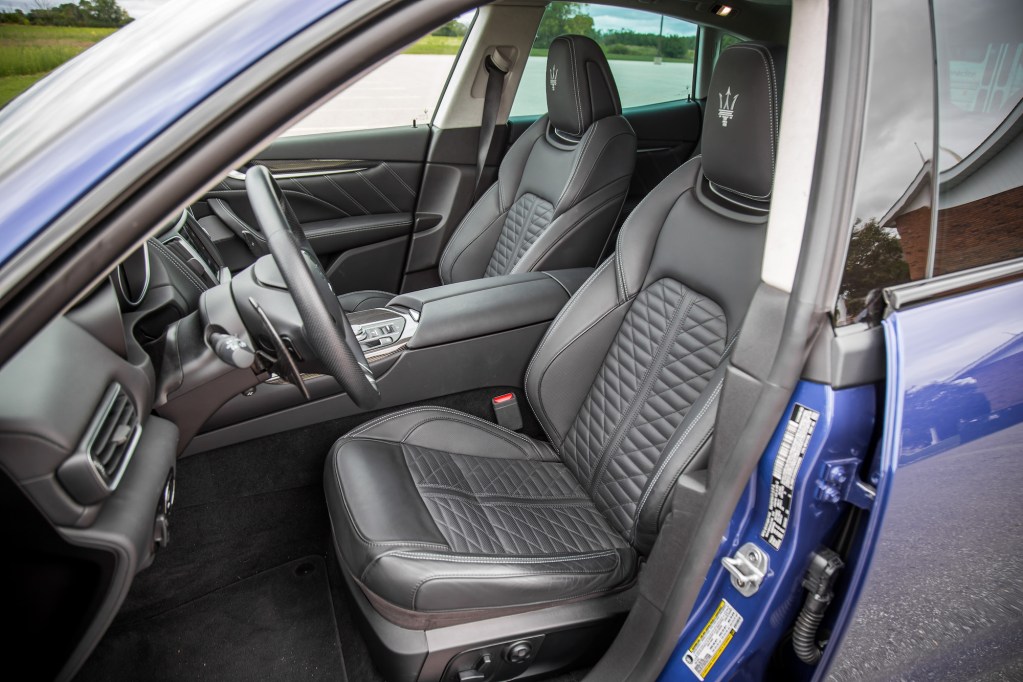
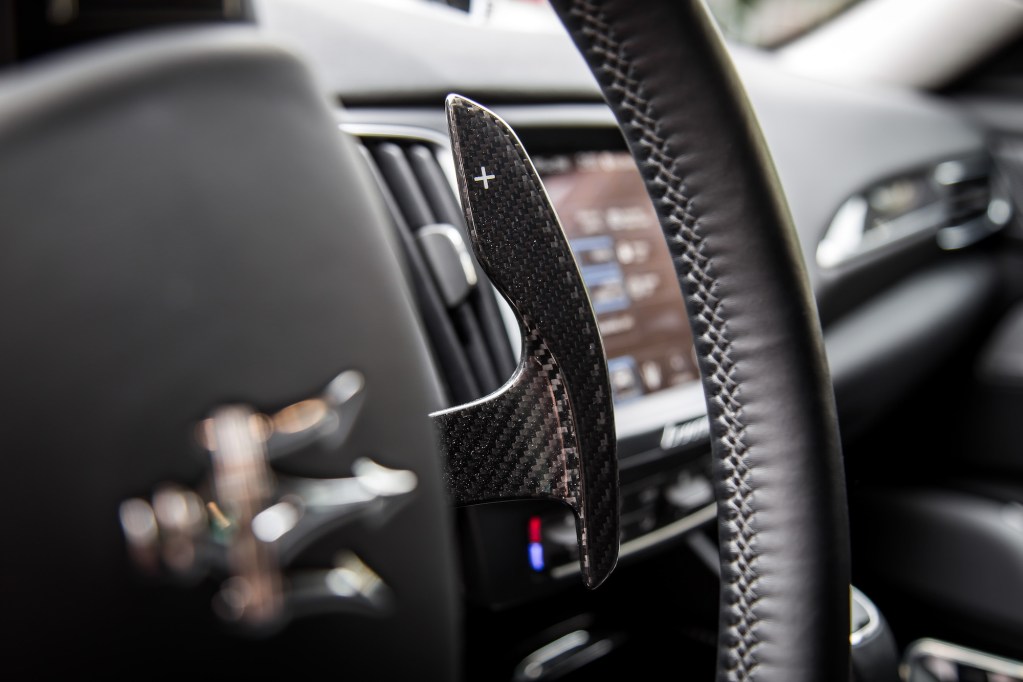
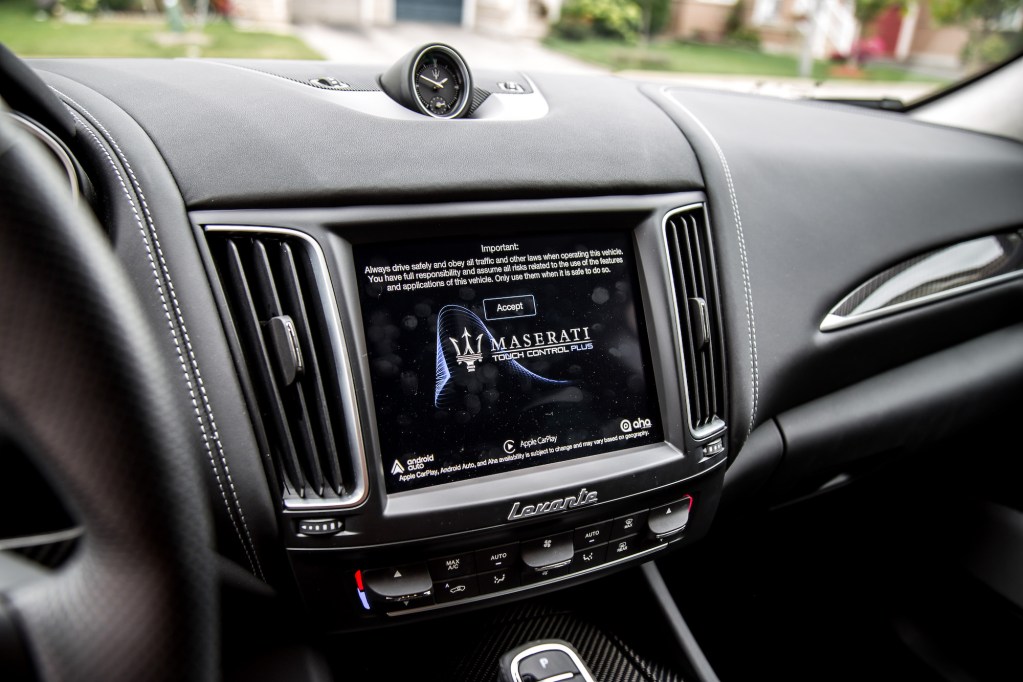
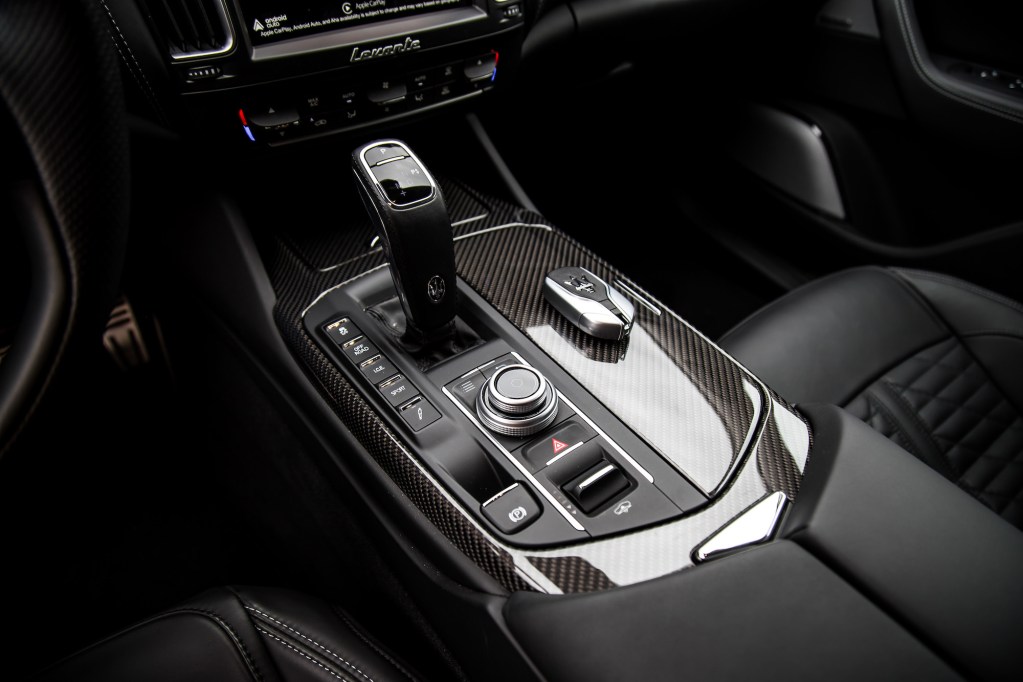
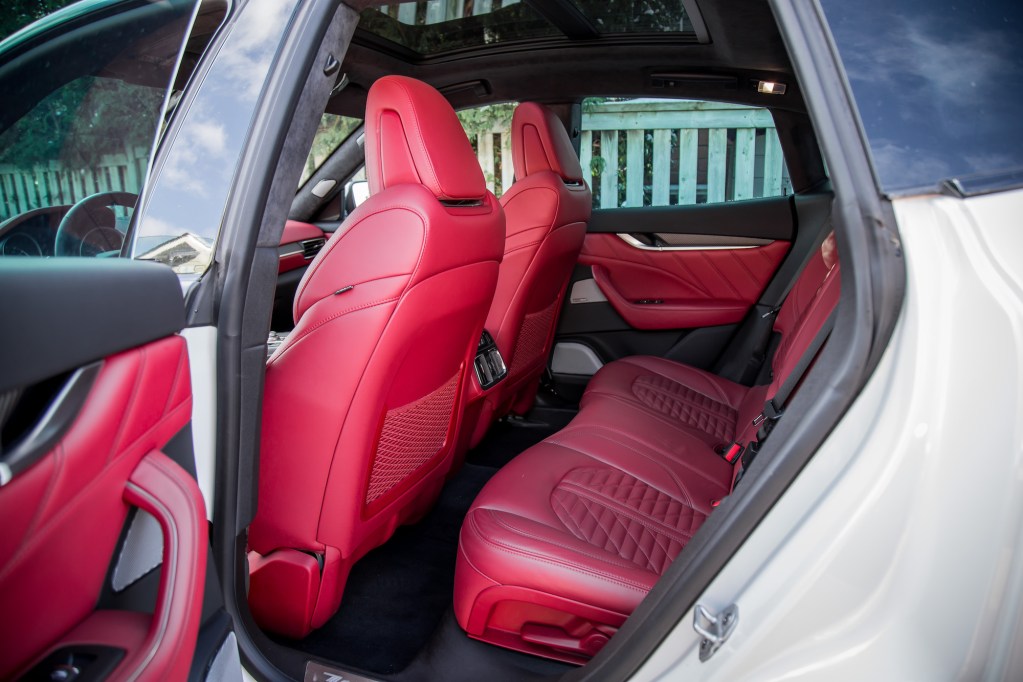
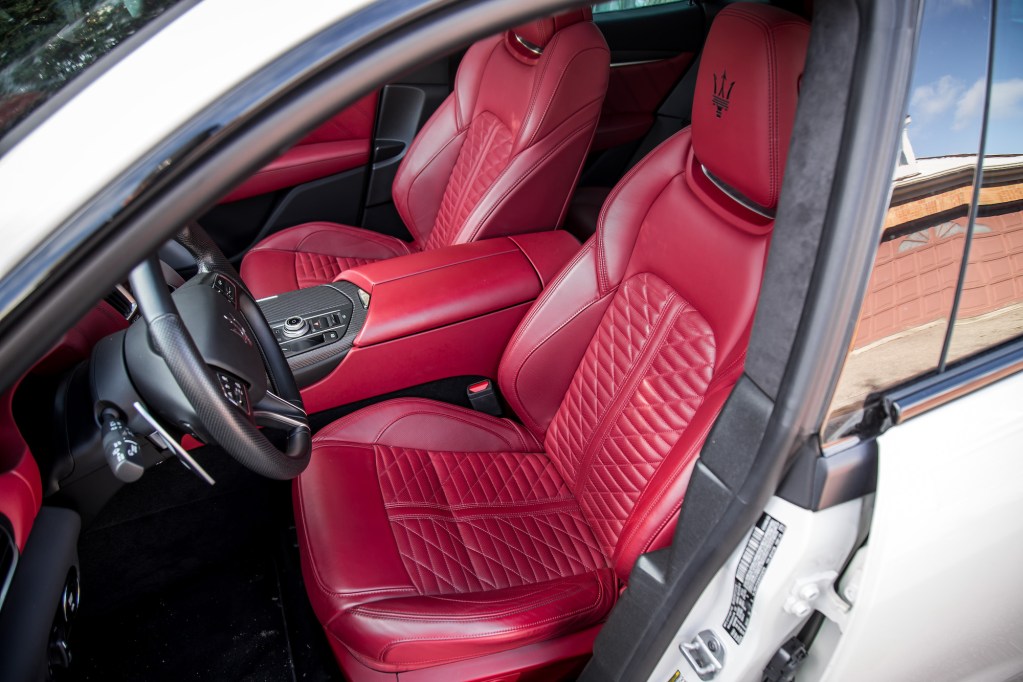
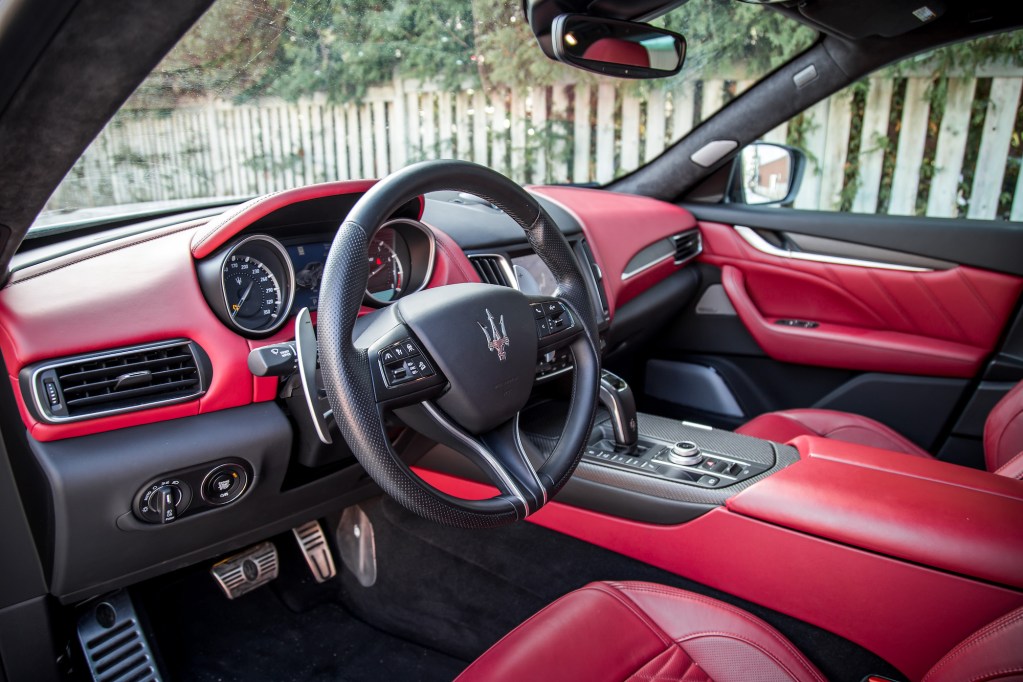
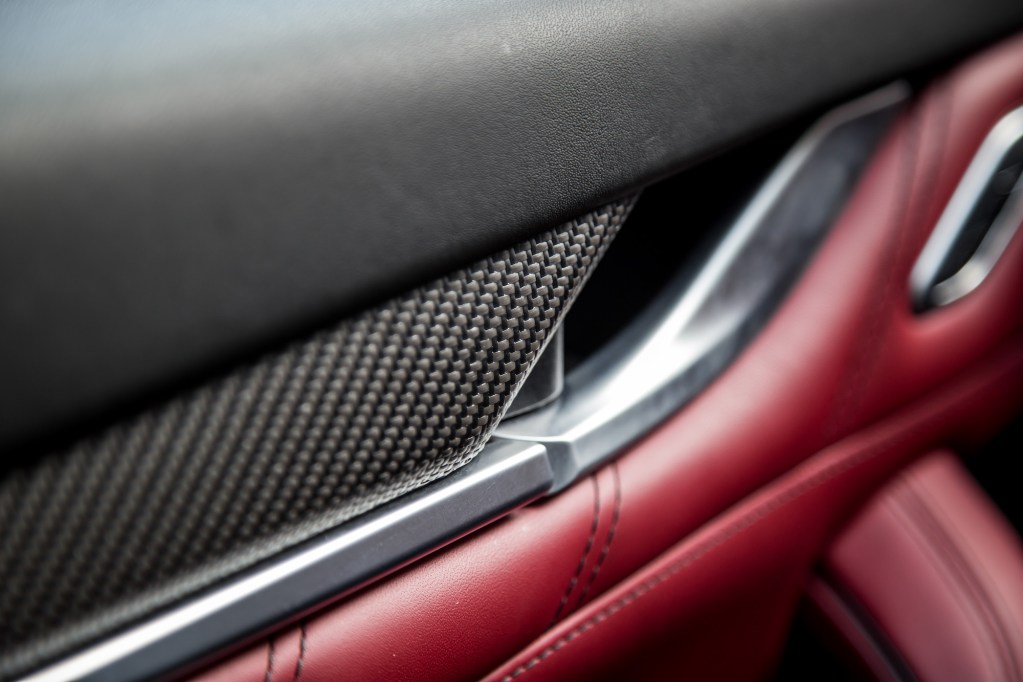
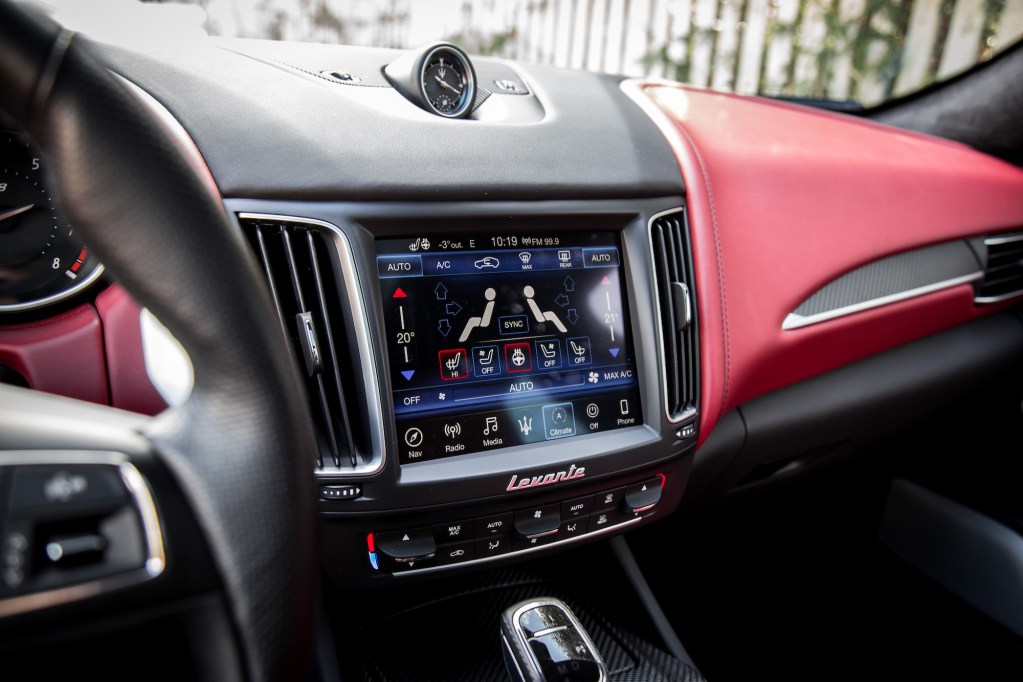
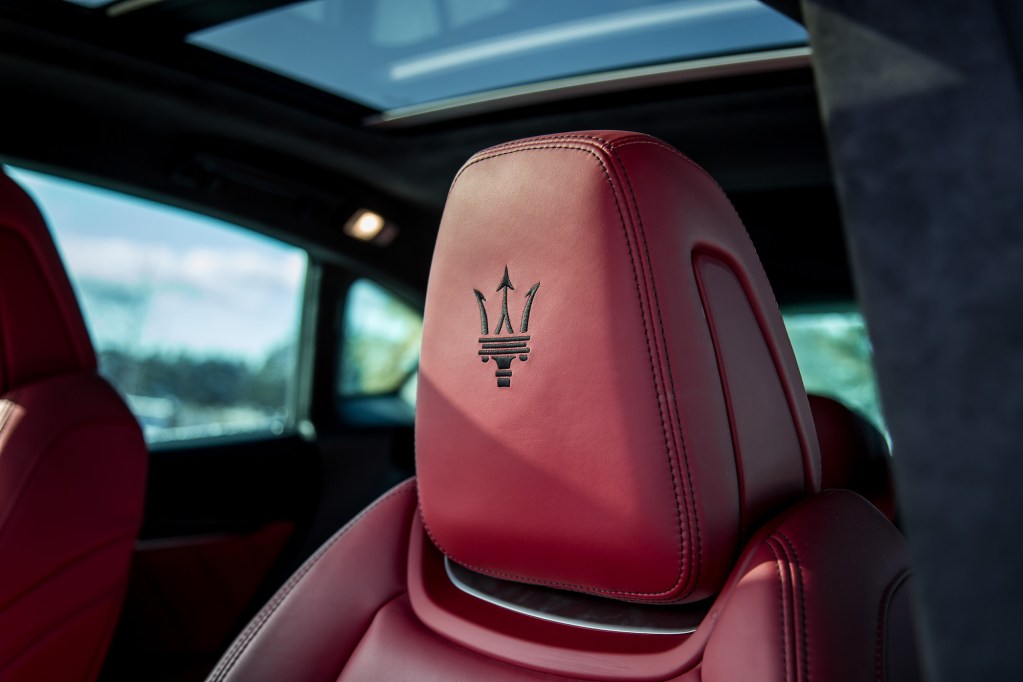
The interior takes a refreshing departure from what we’re used to as well. The atmosphere is rich and well-appointed with a liberal use of leather, carbon fibre, and wood veneers. The new boomerang-shaped gear shifter is ergonomically sound, and the massive steering wheel takes center spotlight with substantially sized column-mounted paddle shifters flanking it from behind. And every time you flip the paddle, the clink noiseand operative feedback makes you feel like you are in a Ferrari race car. While you can opt for a carbon fibre and leather steering wheel in the GTS, it’s a shame that you do not have the option for a wood and leather one like in the Levante GranLusso trims. Having an analog clock perched on the dashboard is always a classy touch, though it has seemingly shrunk from the clock sizes they use on the Ghibli and Quattroporte. You will have to squint to read the time here.
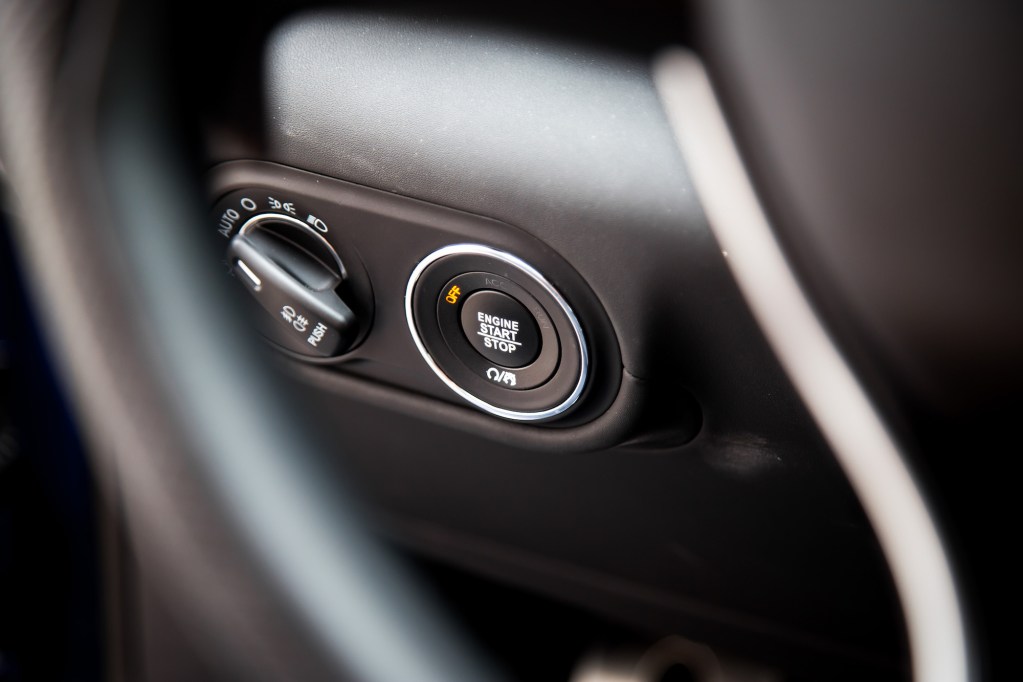
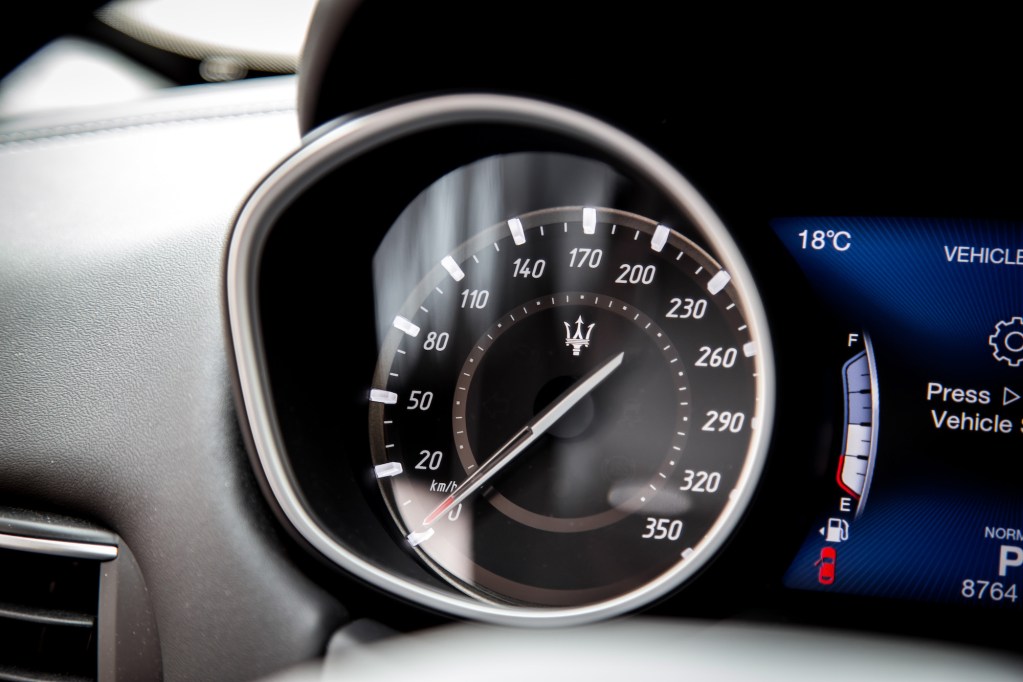
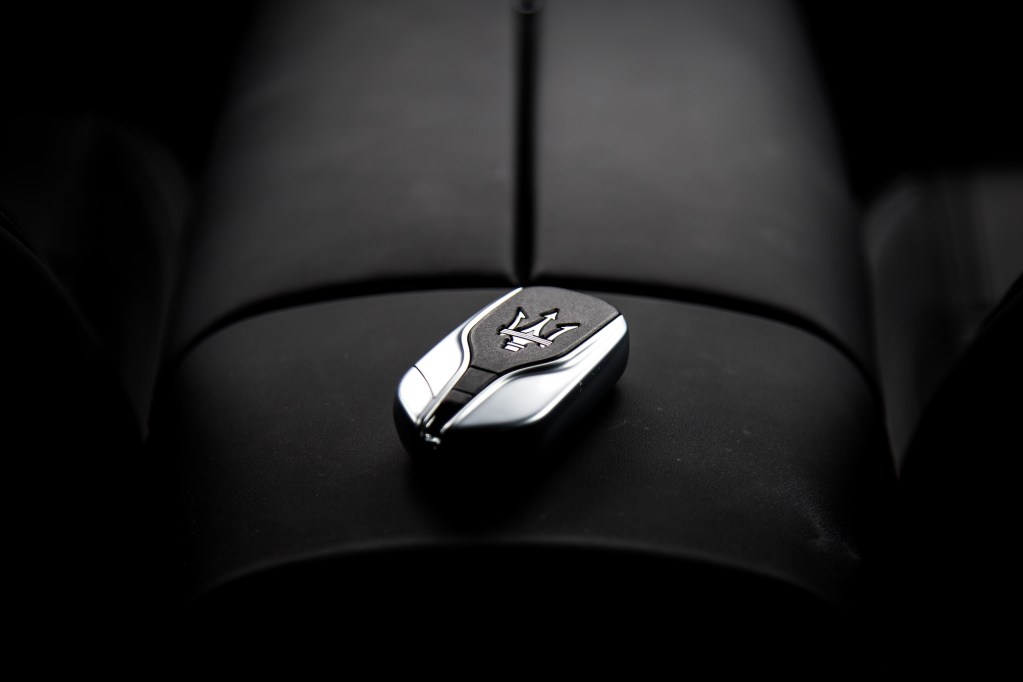
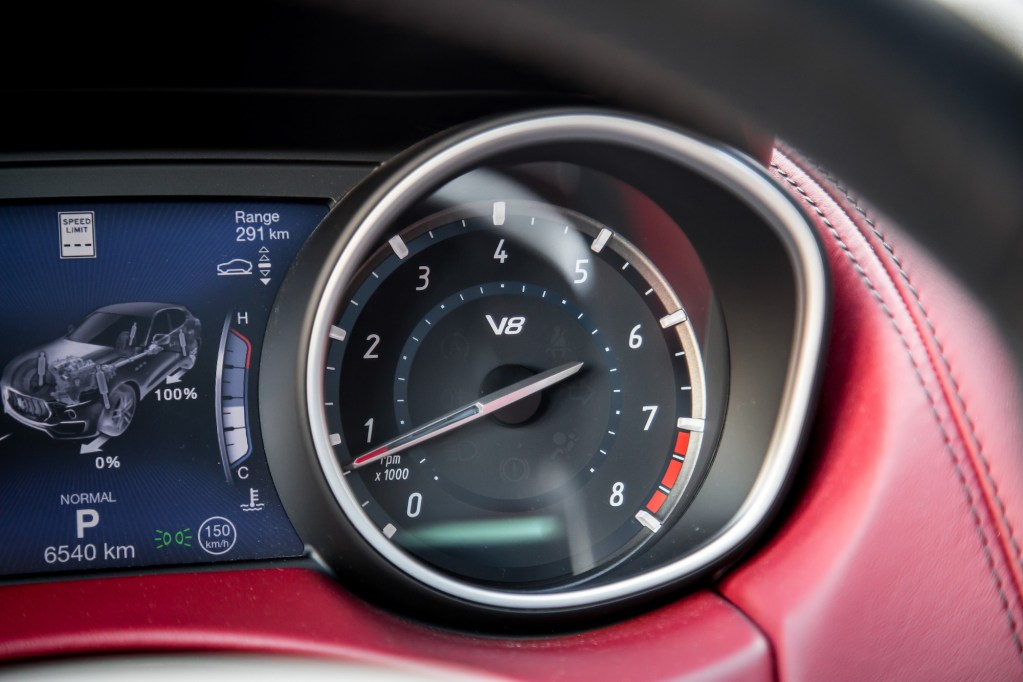
While Maserati has received some negative flak regarding Fiat Chrysler part sourcing, they have still managed to pull off an ambient first-class lounge worthy of its premium badge. Yes, the window switches, signal stalk, infotainment unit, and even the start button (now located to the left of the steering wheel) will be familiar to anyone who has rented from Hertz, but this pessimistic view is largely overshadowed by how functional and well built the parts actually are. For example, the 8.4-inch FCA-sourced infotainment unit is borrowed from Jeeps and Dodges but is all the better for it, being one of the smoothest, most customizable, and friendly units on the market. It comes with a rotary dial too should you not want to dirty the screen with fingerprints. The display also utilizes a convenient shortcut bar running along the bottom, which you can program to display only your most frequented commands, and is garnished with blue colours and graphics that spice it up to Maserati levels of flair. It’s also nice to have a remote engine start button integrated directly into the keyfob. And whereas every other manufacturer seems to be leaning towards a fully digital cockpit, Maserati retains its beautiful, sharp, and crisp analog gauges with white illumination.
Maserati has priced their Levante GTS right in line with the Porsche Cayenne Turbo, and while some may prefer the latter’s proven refinement, reliability, and sedated styling, Maserati is gambling on attracting the outlier, the offbeat bohemian, and the one who does not want to blend in. The Levante’s emphasis here is on emotion, favouring dramatic vocals, ample V8 power, and styling befitting of Neptune’s chariot. Whether or not it’s enough to persuade loyal Range Rover and Porsche loyalists to jump ship is another story but when they do, they will find a capable Italian sled with all the bells and whistles to get the blood flowing to all the right areas.





















Leave a Reply